
The opening of a new stadium always brings with it a curious mix of excitement and loss. Hope of what the future holds, tainted by the unescapable fact that the familiar fabric of the old ground is about to be consigned to history. Back in May 2011, I naturally heralded the opening of a new stadium in Andalucia, but at the same time felt a sense of loss for it inevitably meant the end of one of my favourite stands. The old ground in question, the Campo Municipal Francisco Bono, had served as the principal football ground in Alcalá de Guadaíra for just over 45 years. Alcalá is now effectively a suburb on the edge of Sevilla, but for many years it stood detached, some 17 kilometres southeast of the capital of Andalucía. Time was called on the Francisco Bono in 2010, and little under a year later, the Nuevo Estadio Ciudad de Alcalá opened on the very soil where the old ground had stood.
Despite its proximity to Sevilla, it was not until the mid-1930s that a senior team emerged from Alcalá. Several clubs joined the Federación Sur after the Civil War, but failed to make an impact, so in 1945, a proposal was made in the local press to form a select team. Founded on 13 October 1945, Club Deportivo Alcalá set up home at the Campo de Santa Lucia and within a couple of years, had progressed to the Primera Regional. Over the next 15 seasons, CD Alcalá became something of a stalwart of the Regional Andaluza, but failed on several occasions to make the step up to the Tercera. Perhaps buoyed by the prospect of a new stadium, the club finally earned promotion to the Tercera in June 1965. CD Alcalá debuted in the Tercera and at their new Estadio de La Victoria on 12 September 1965, earning a 1-1 draw with CD San Fernando. The stay in the Tercera lasted 5 seasons, with a high finish of sixth in 1967-68. However, the restructuring of leagues in 1970 saw CD Alcalá demoted to the Regional Preferente, despite finishing eleventh out of 20.
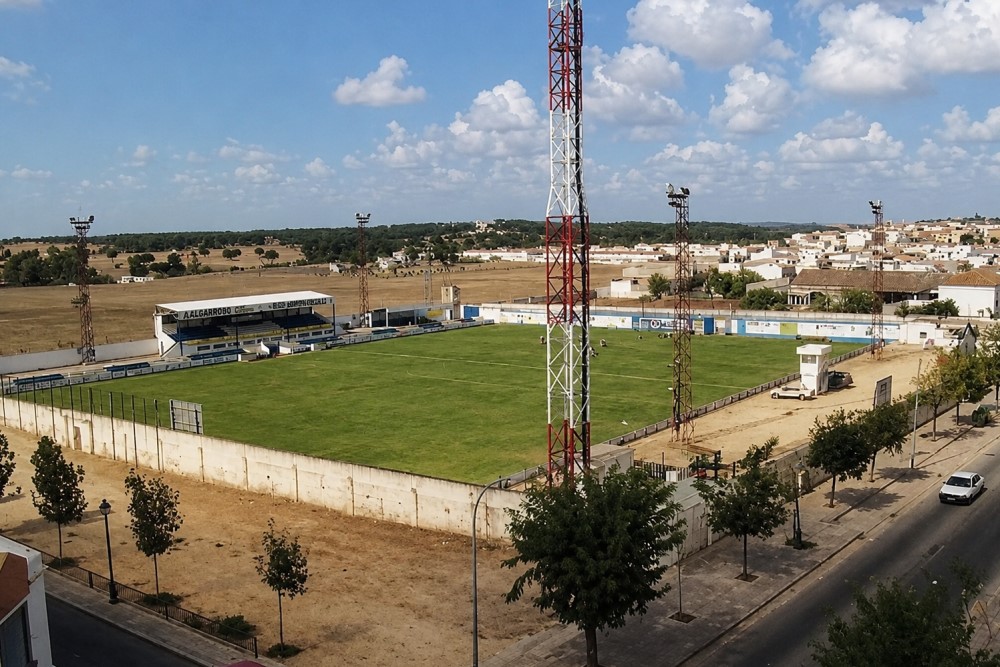
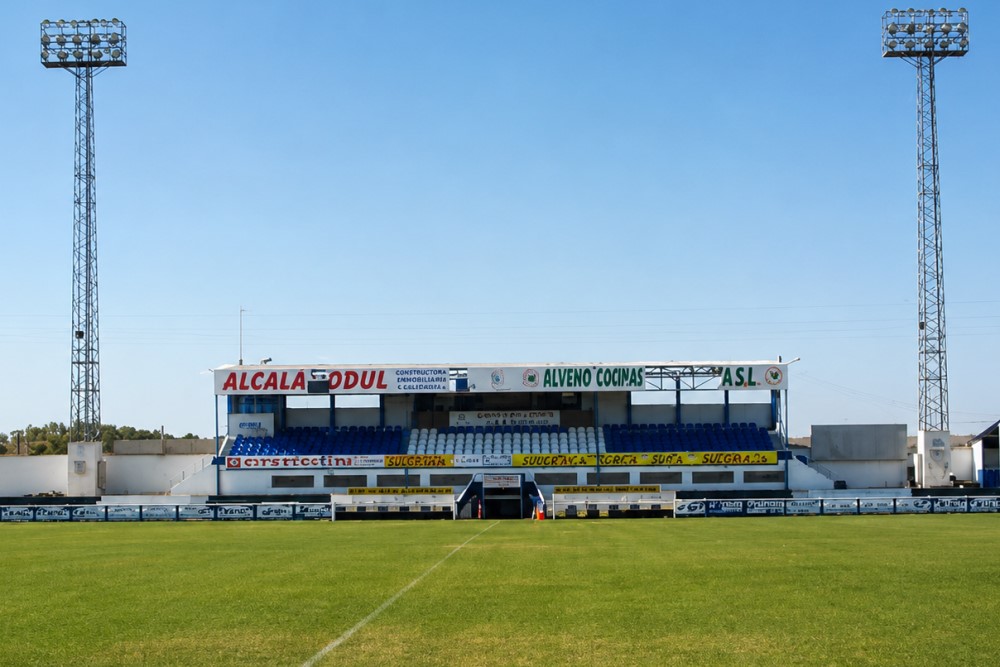
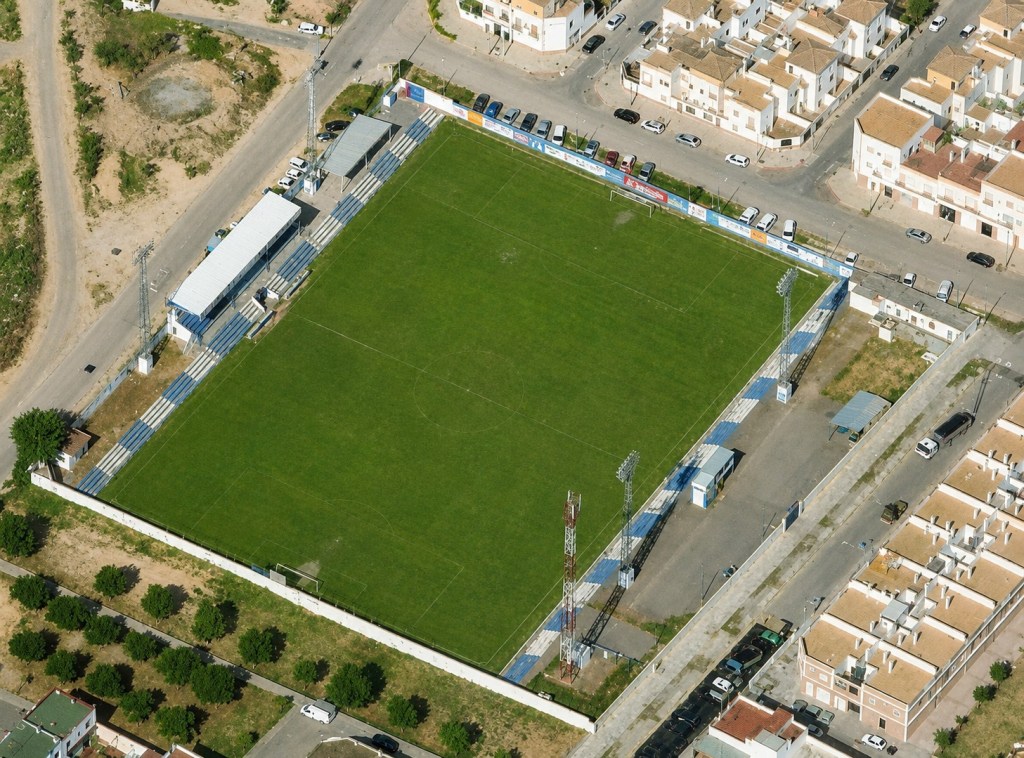
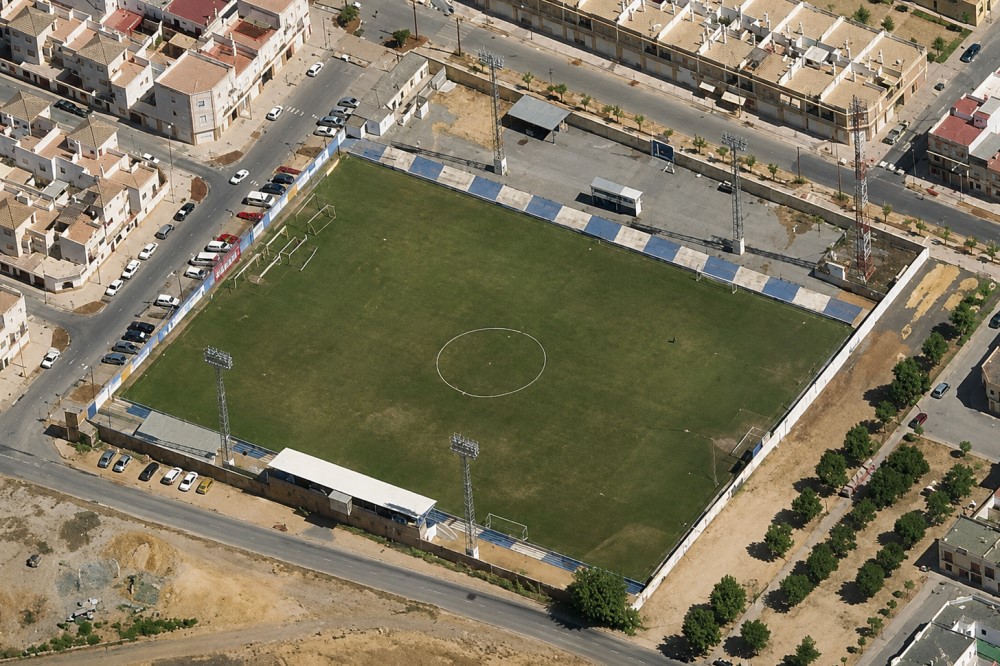
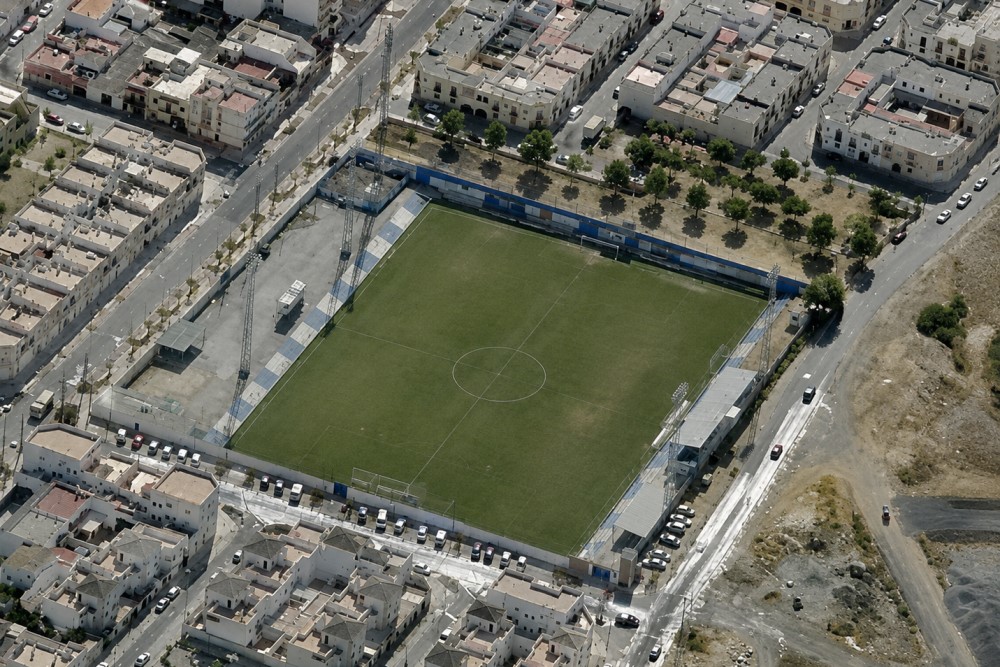
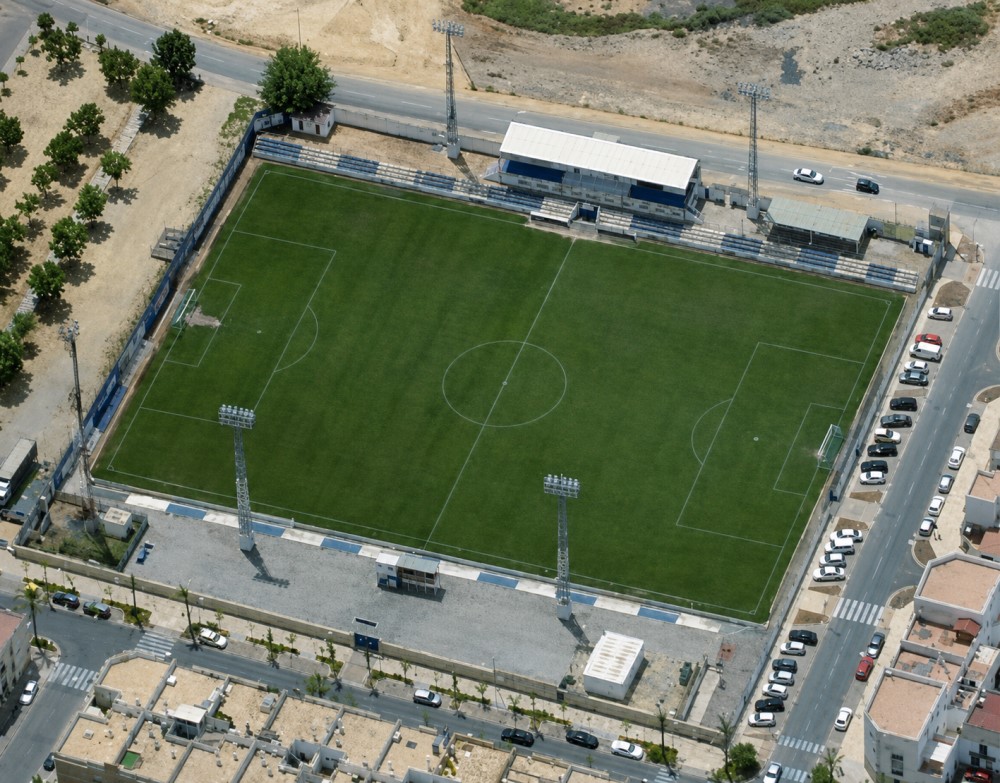
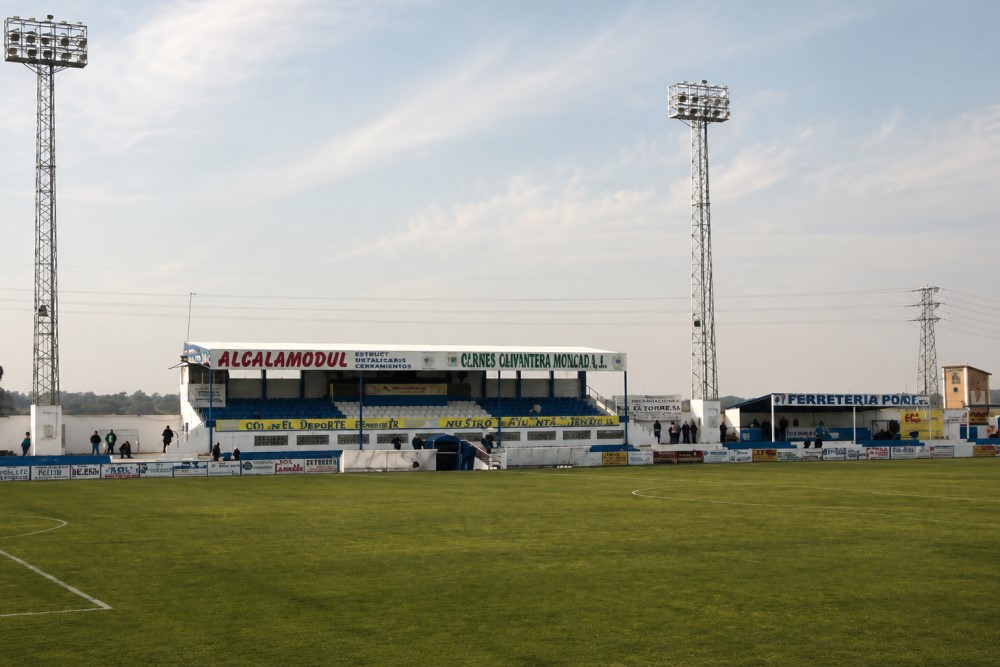
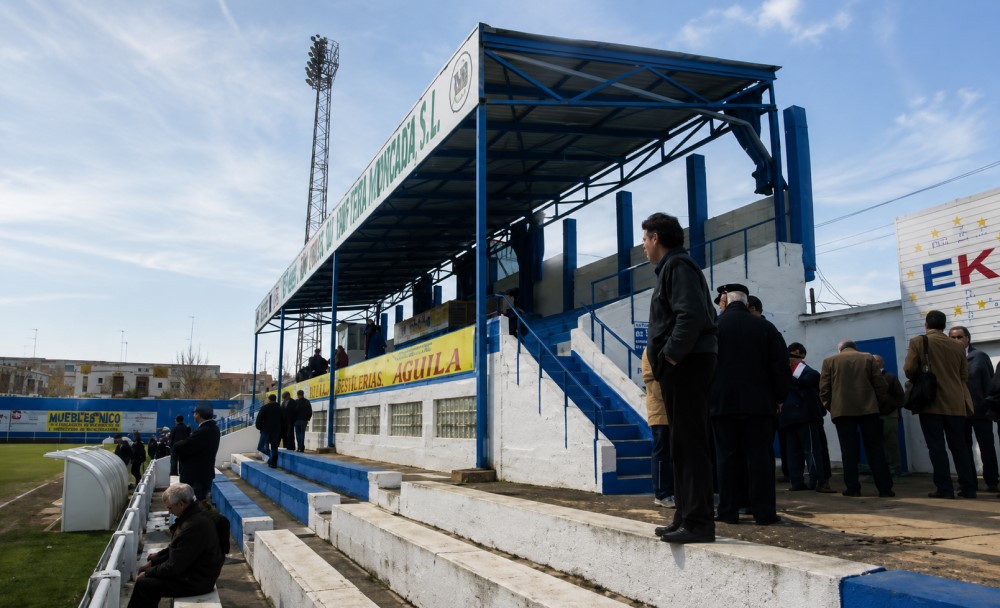
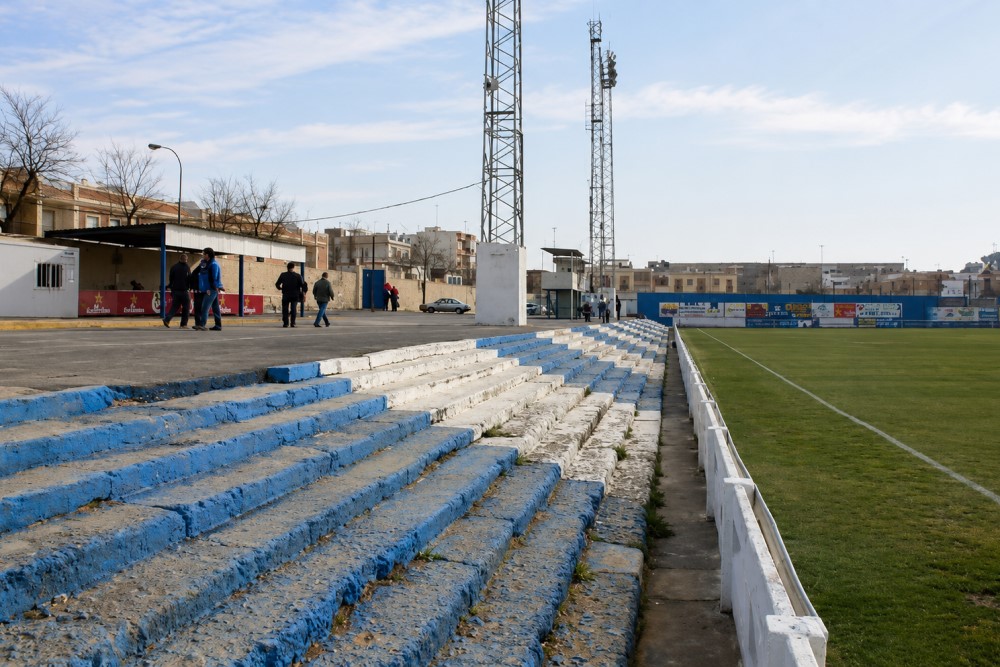
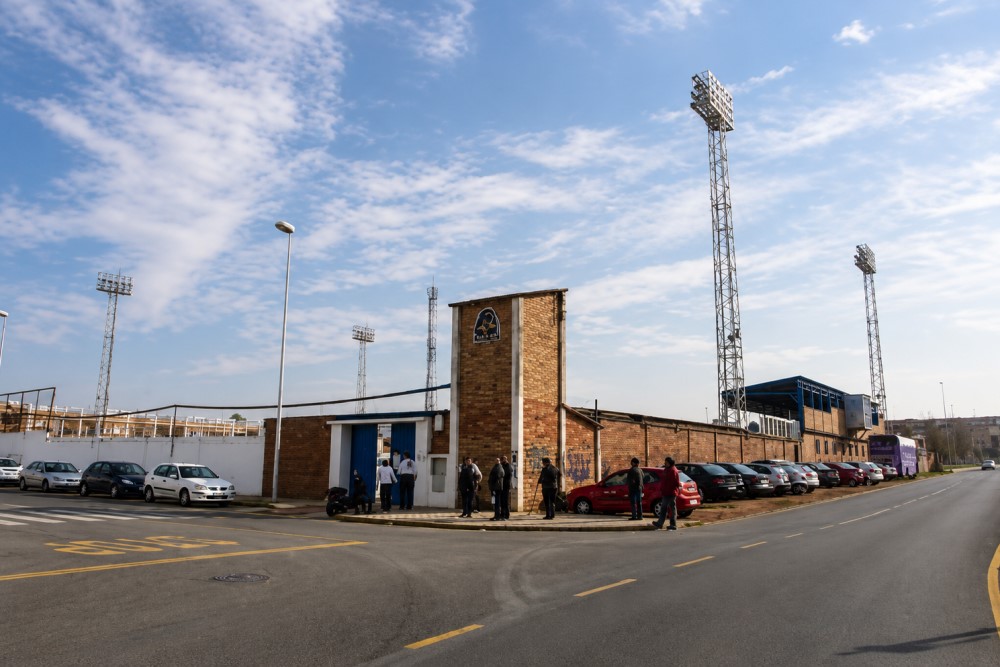
It would take a further 12 seasons for CD Alcalá to return to the Tercera; however, in 1974, the Estadio de La Victoria was renamed the Estadio Municipal Francisco Bono, in honour of the club president. CD Alcalá returned to the Tercera in 1981 for three years, but following a disastrous 1983-84 campaign, they dropped back to the Regional Preferente, where they would remain for the next 17 seasons. Their return to the Tercera in 2001 was followed two seasons later by their first Tercera title. CD Alcalá successfully clocked up playoff victories over UP Plasencia & Club Hellin Deportivo to secure a place in Segunda B. For its debut in the third tier, the club’s Francisco Bono home was given a makeover, which was more nip & tuck than reconstructive surgery. The raised main terrace, which stood on the south side of the ground since opening in 1965, was given a new roof, a liberal coat of white paint and 150 bucket seats, which were installed in front of the directors’ box. The changing facilities that sat beneath the terrace were also renovated. The result was a delightful throwback to another era. At the eastern end of the enclosure, a narrow terrace was built, whilst the wide steps of the northern terrace were painted in the club’s blue & white colours. A short cover was erected in the southwest corner, close to a squat tower that stood close to the main entrance. Nothing dramatic, but perfectly respectable, as was CD Alcalá’s form in that first season, which saw them record a 15th-place finish. The club played Real Betis in the Copa del Rey, drawing 0-0 before eventually losing on penalties. That home tie with Betis drew a crowd of 6,000 to the Francisco Bono.
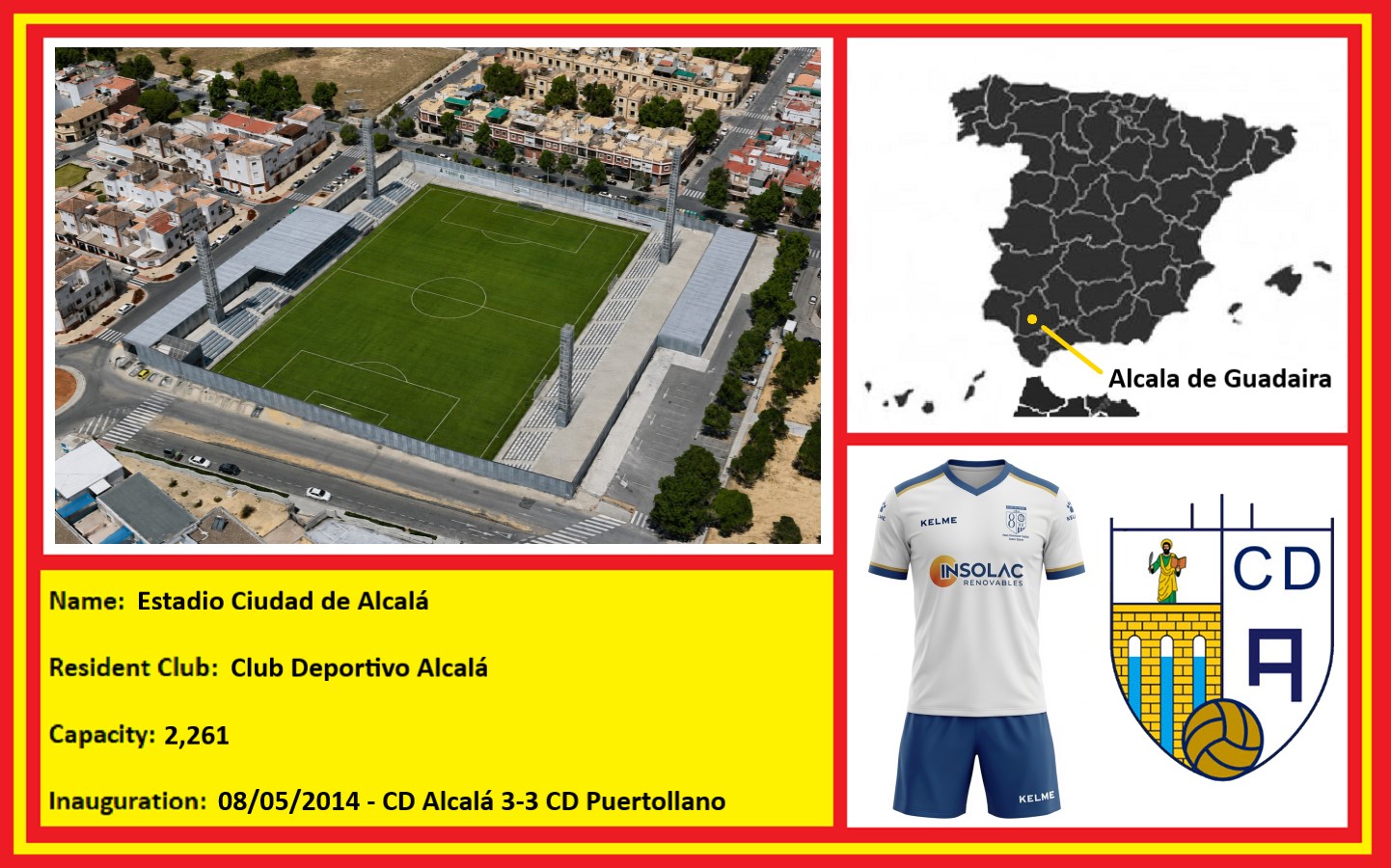
Three further seasons in Segunda B saw CD Alcalá record a high finish of eighth in 2005-06, before dropping back to the Tercera in June 2008. A second Tercera title followed in 2010, with promotion gained following a 3-2 victory over CD Corralejo in the playoffs. However, whilst the club returned to the third tier, the Estadio Francisco Bono did not, with the 3-0 victory over CD Corralejo on 23 May 2010 giving their old home a wonderful send off. The local municipality was already committed to redeveloping the site, so for the majority of the 2010-11 season, CD Alcalá upped sticks and played their home games at El Viso del Alcor, some 10 miles to the northeast. Finally, on 8 May 2011, CD Alcalá returned home and played CD Puertollano in the first game at the new Estadio Ciudad de Alcalá. It was the penultimate game of what had been an unsuccessful season, but here was a chance to go out on a high. CD Alcalá’s defender Nani had the distinction of scoring the first official goal at the new stadium, but unfortunately for him, it was in his own net. CD Alcalá trailed 0-3 at half-time, but rallied in the second half to earn a 3-3 draw. A week later, a 3-1 defeat away at promotion-chasing Sevilla Atletico consigned CD Alcalá and their new stadium to the Tercera.
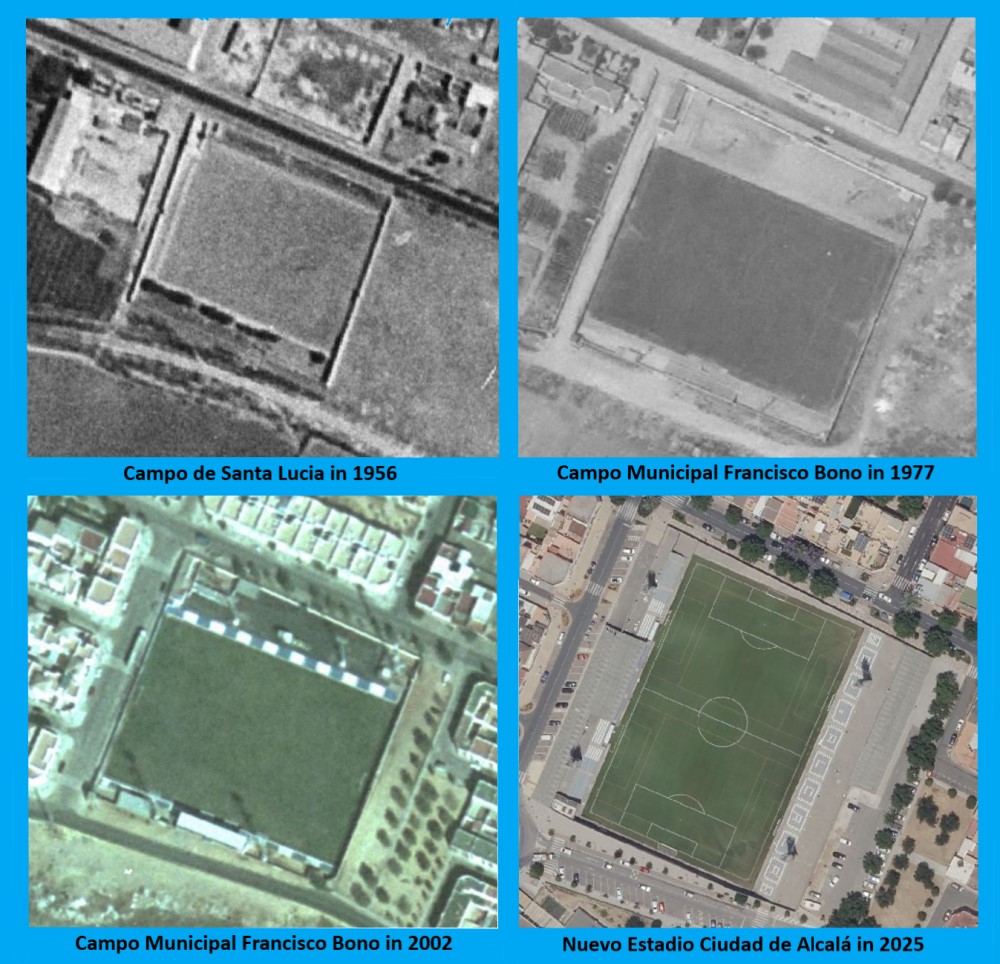
Before we look at the new stadium, I feel we should address a bit of a conundrum. The grounds used by CD Alcalá up to this point have all stood on the same patch of land on the Avenida de Santa Lucia. The very same land that the new stadium would occupy. History, and for that matter, the club, have been quite happy to present them as separate entities, and left time to fill in the gaps. Of course, here lies a paradox: Can something which has had all of its parts replaced over the course of time remain fundamentally the same? Sporting Gijón say that their El Molinón home was opened in 1908. This is despite having only played in the general area of the current ground, and occasionally on the same plot, until the pitch was enclosed in 1917. Others, like Athletic Club and, of course, CD Alcalá, are happy to refer to them separately, despite the structures overlapping. Well, it seems that it is up to the club to control the narrative, and football fans to argue the toss.
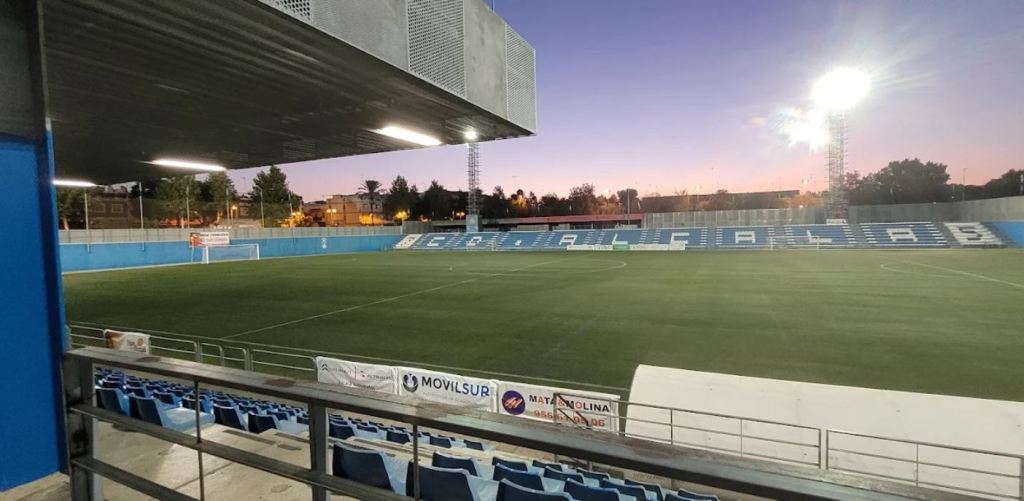
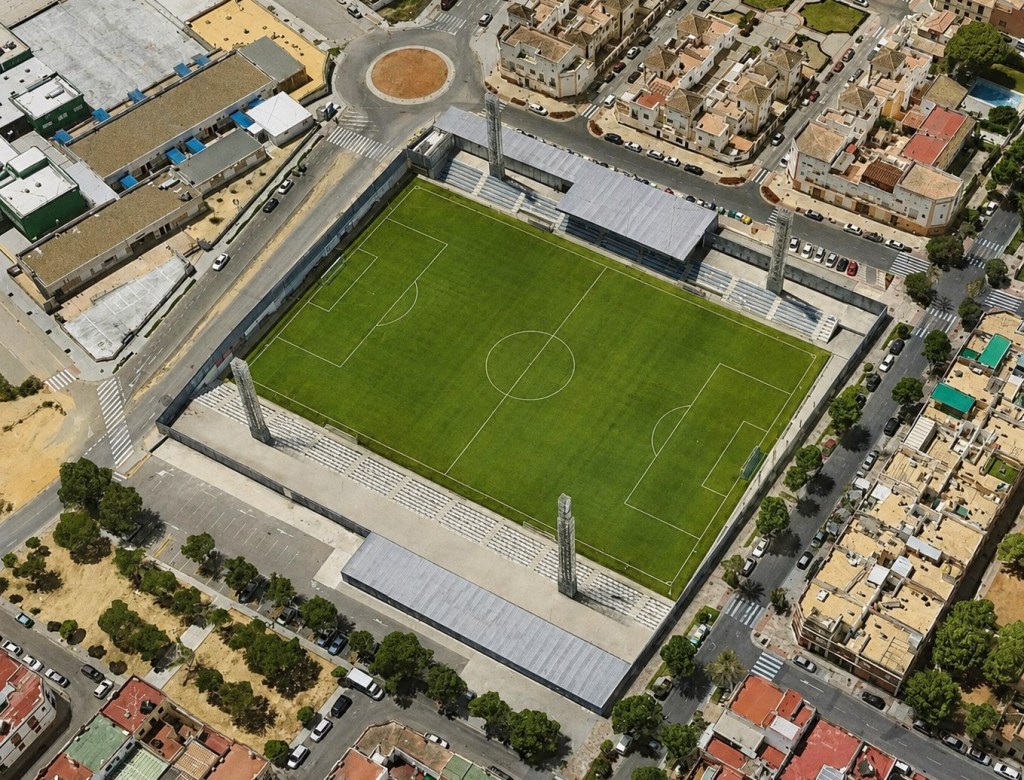
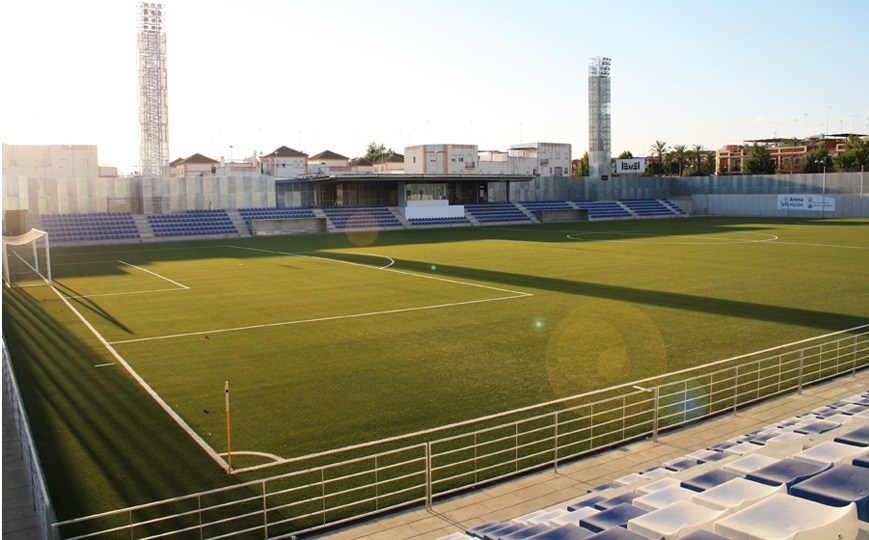
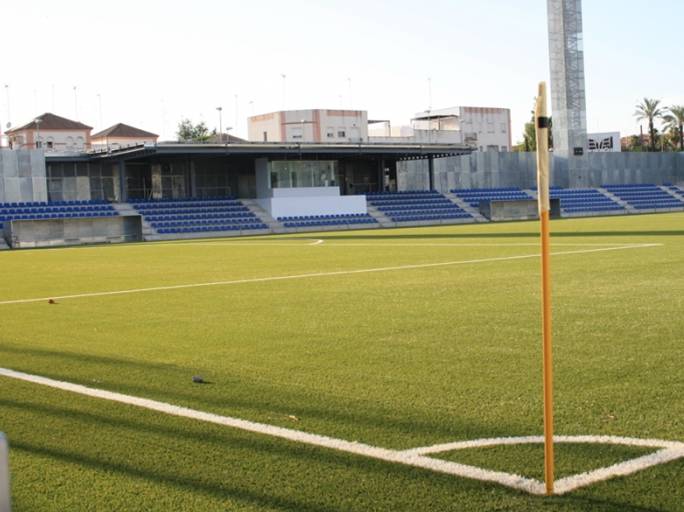
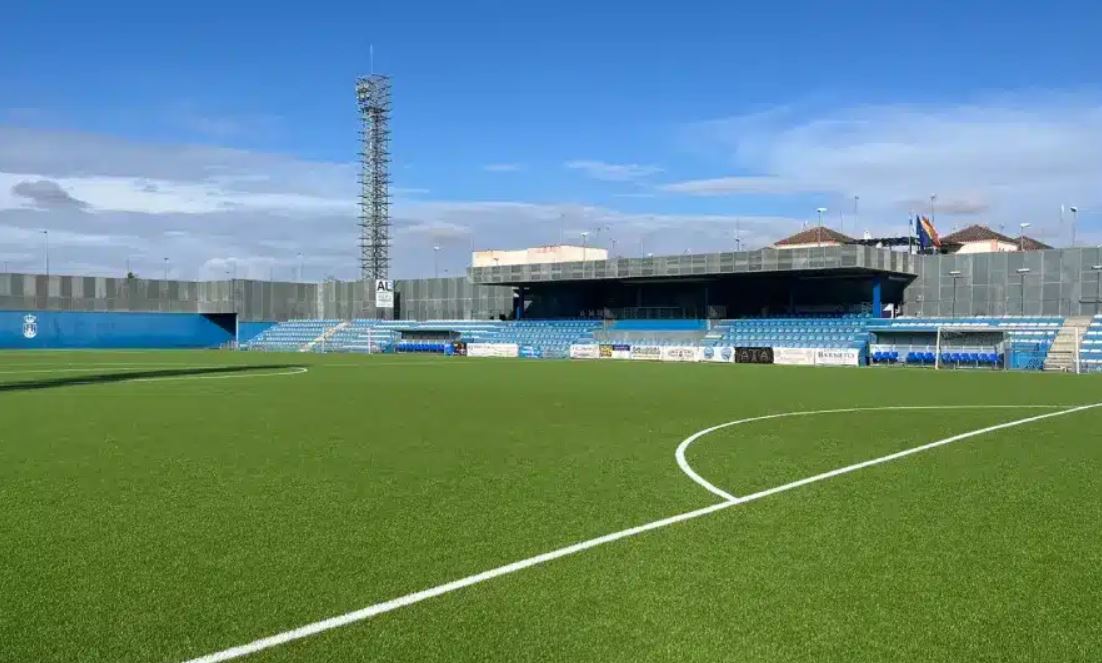
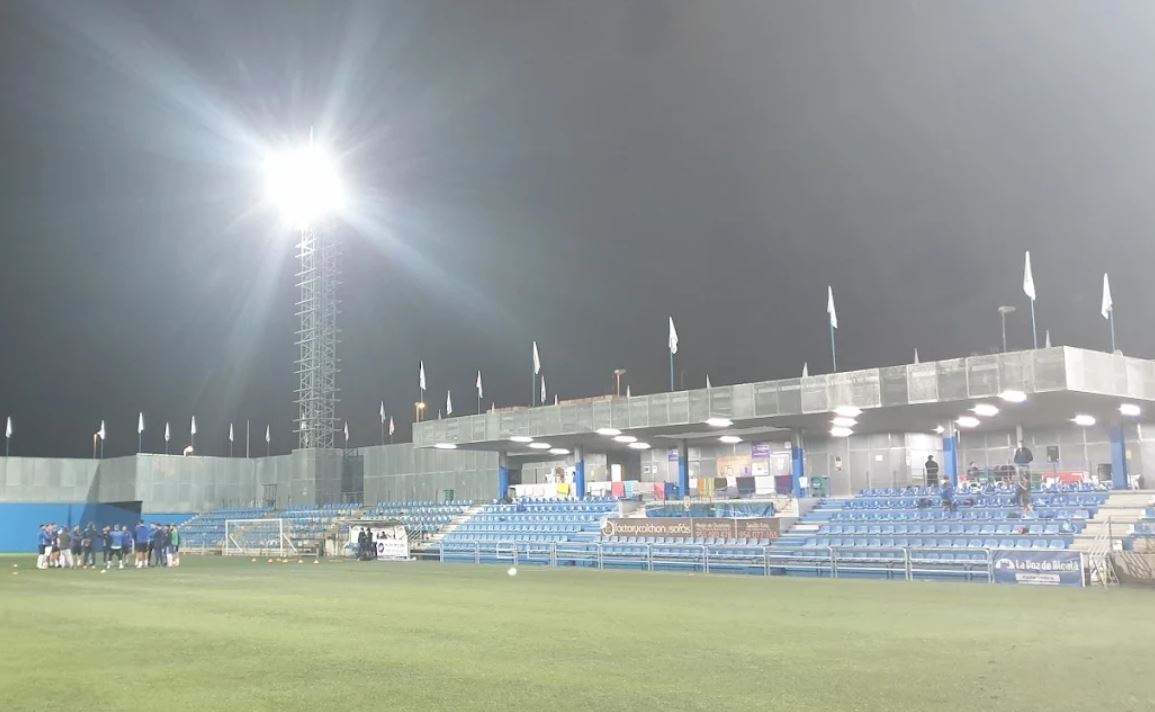
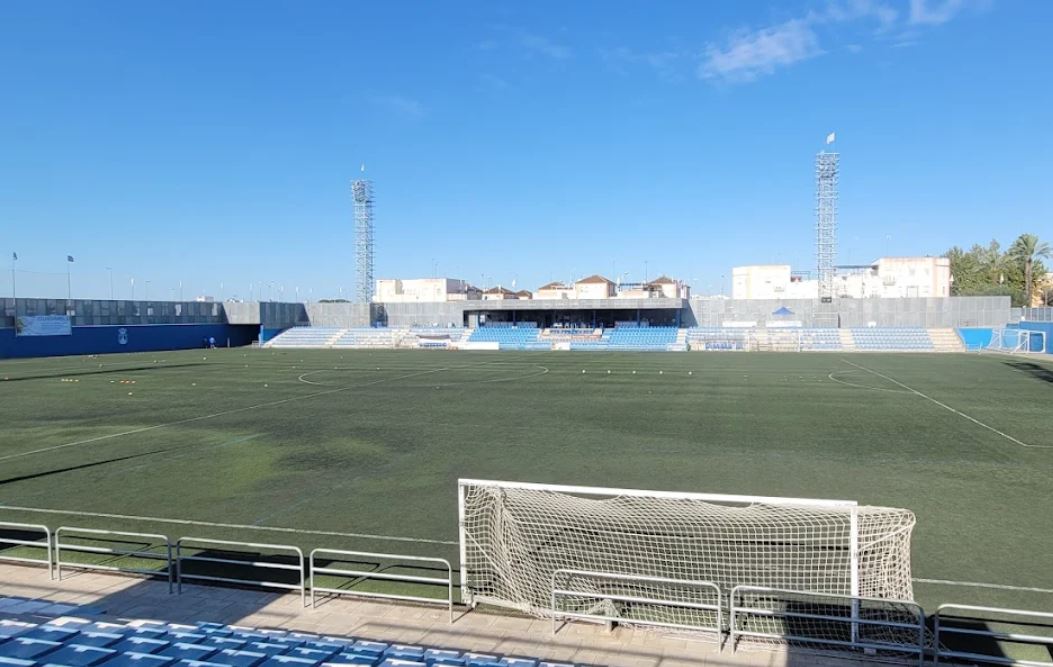
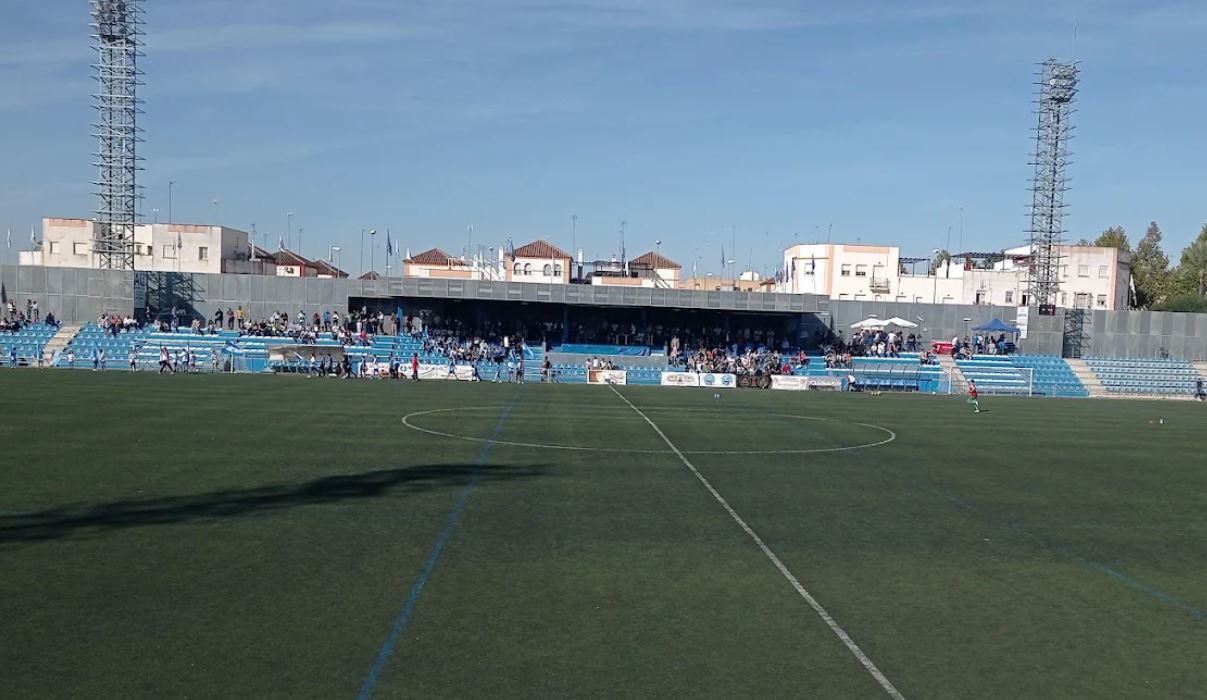
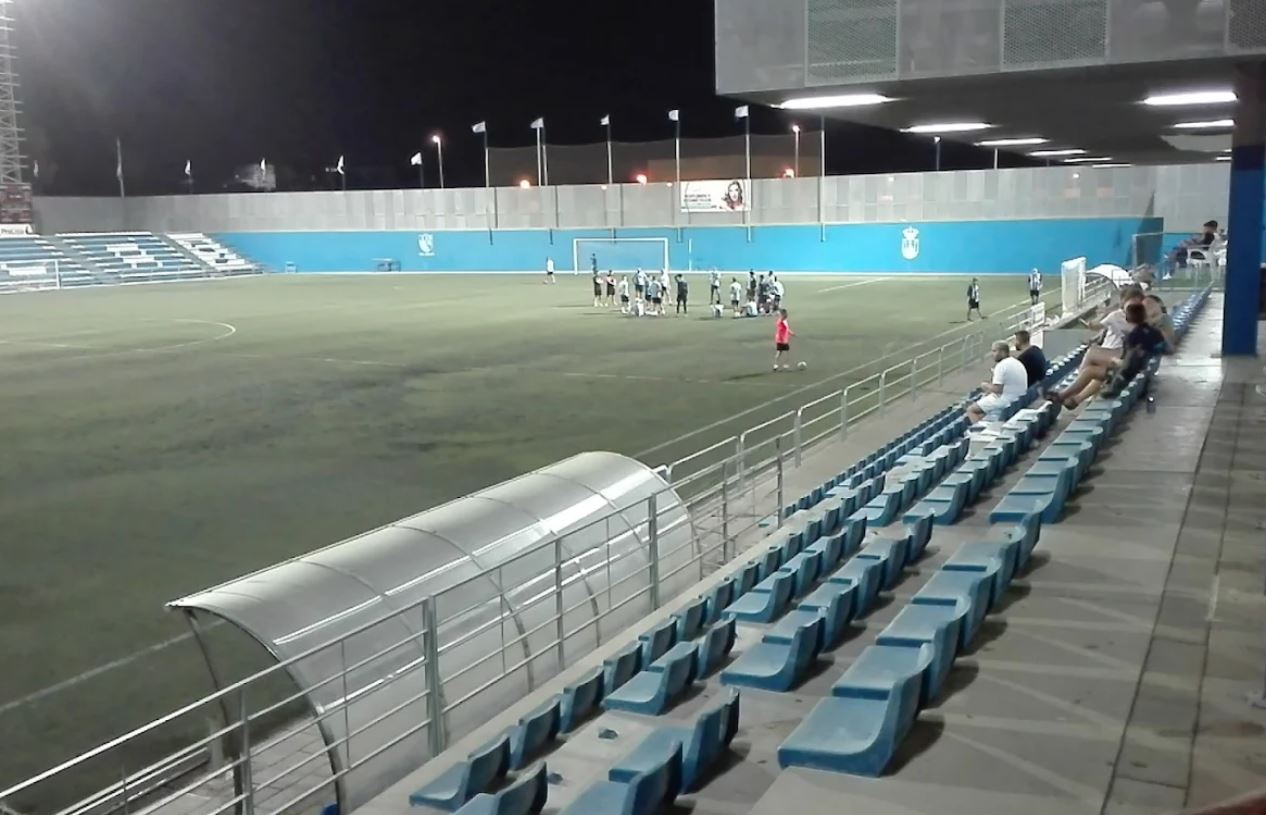
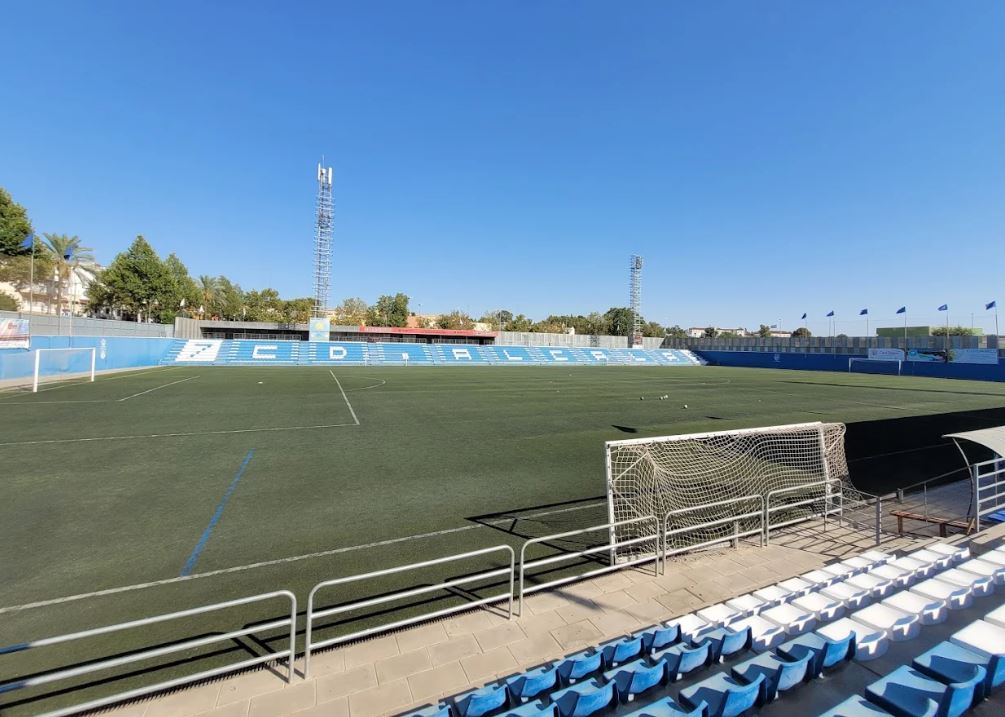
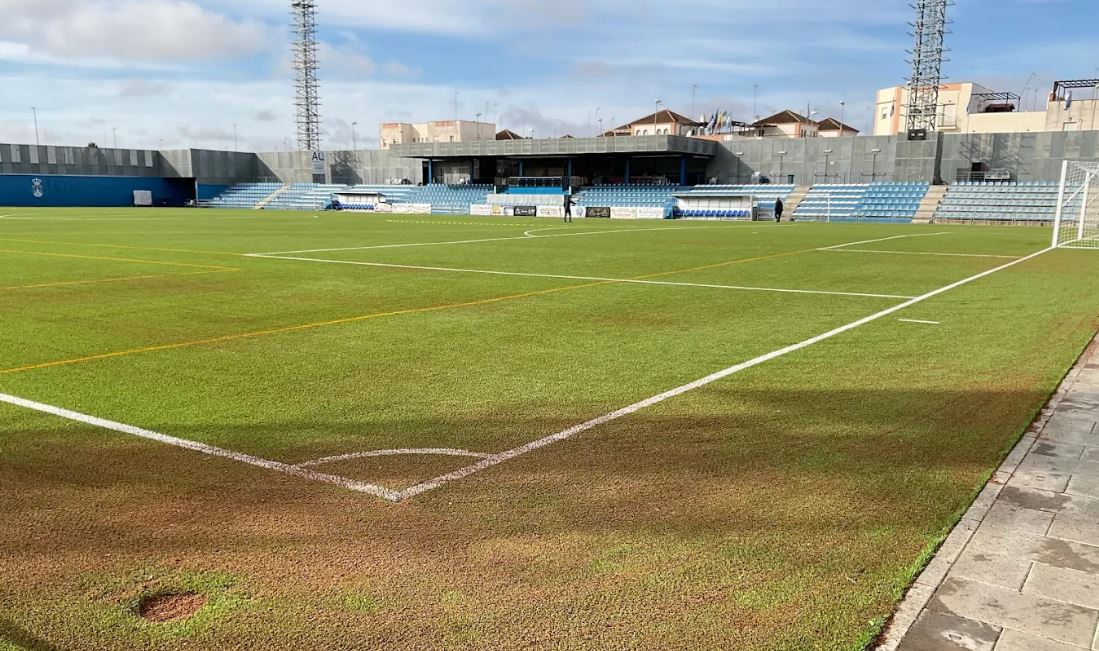
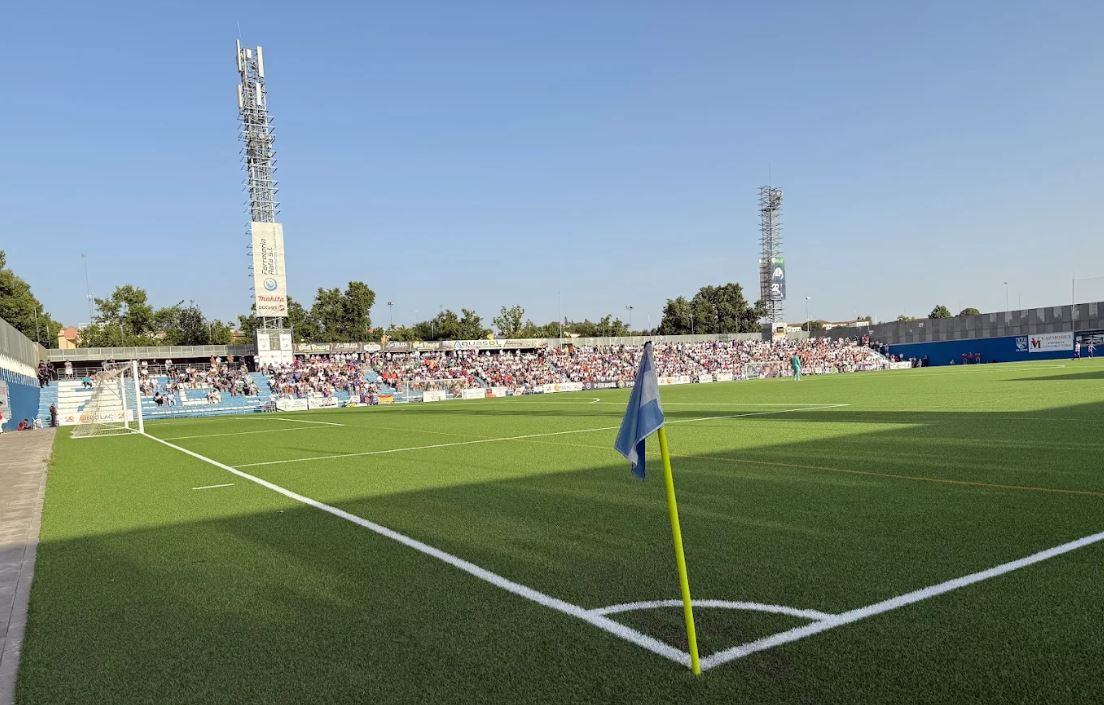
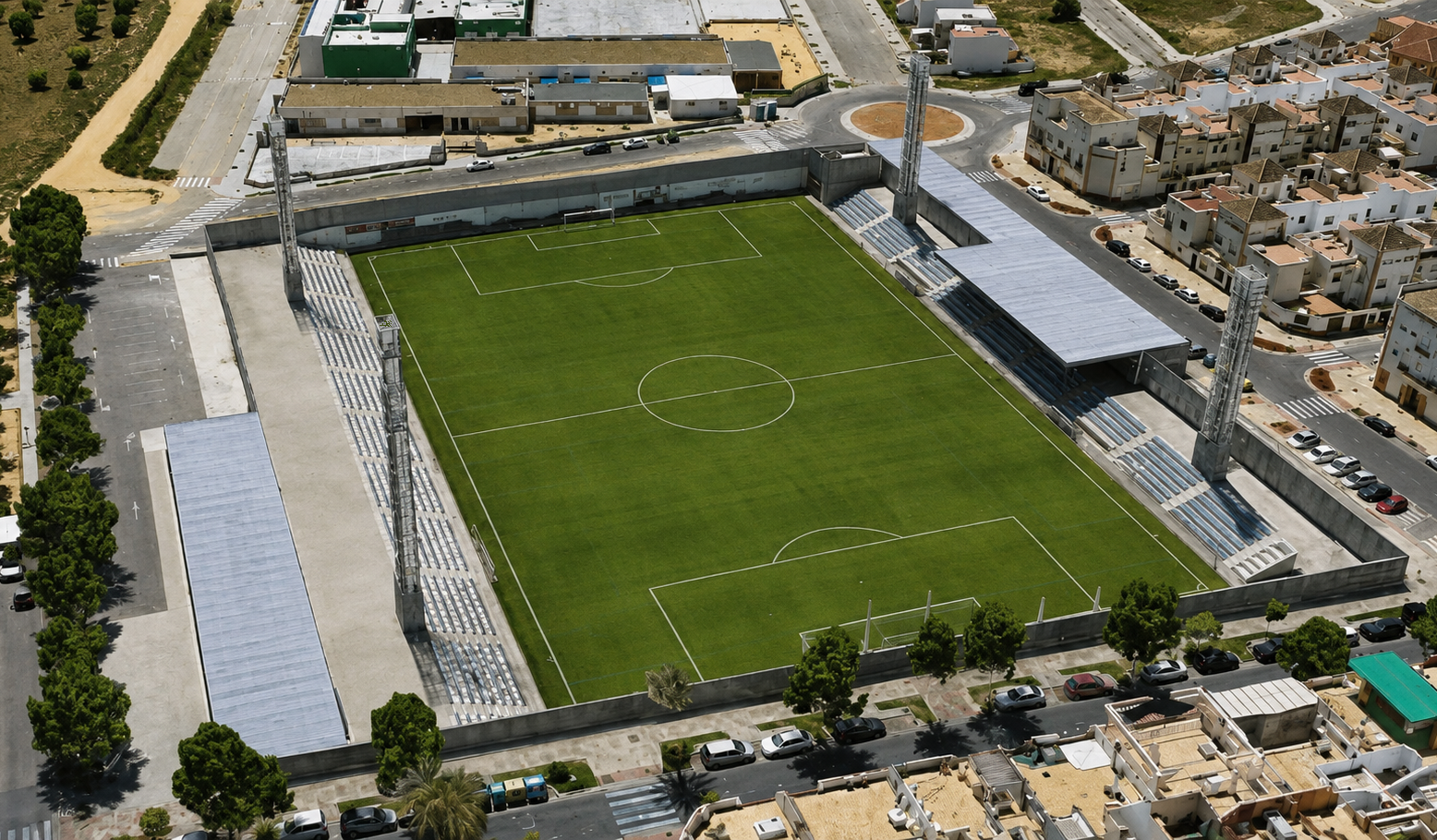
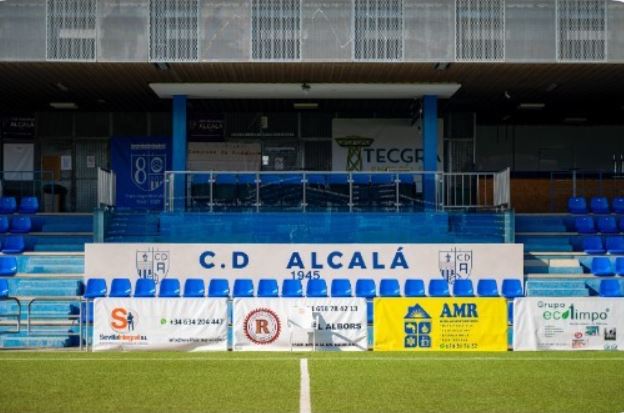
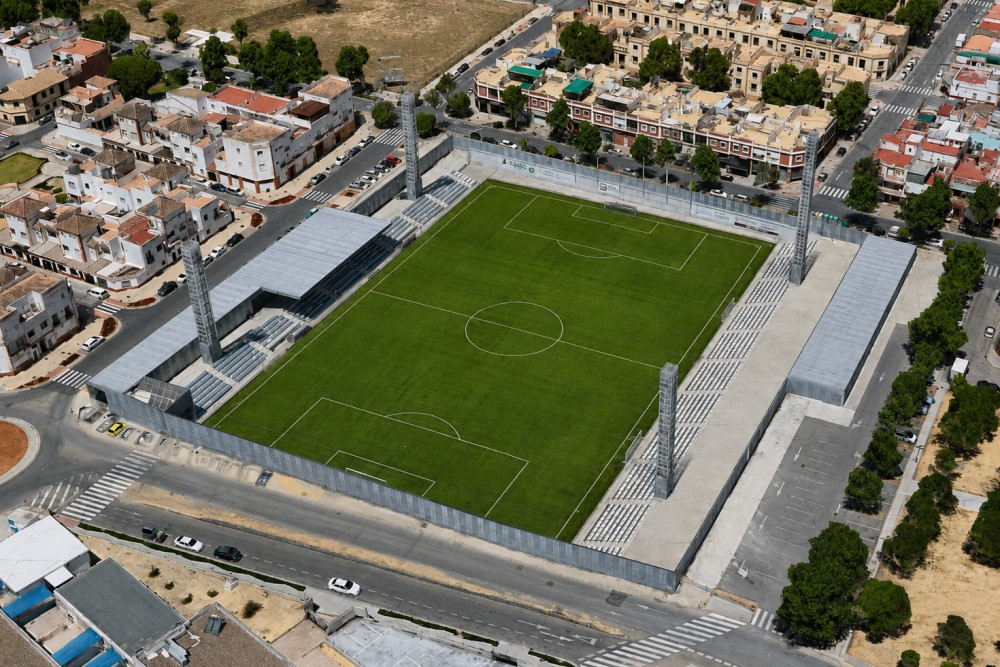
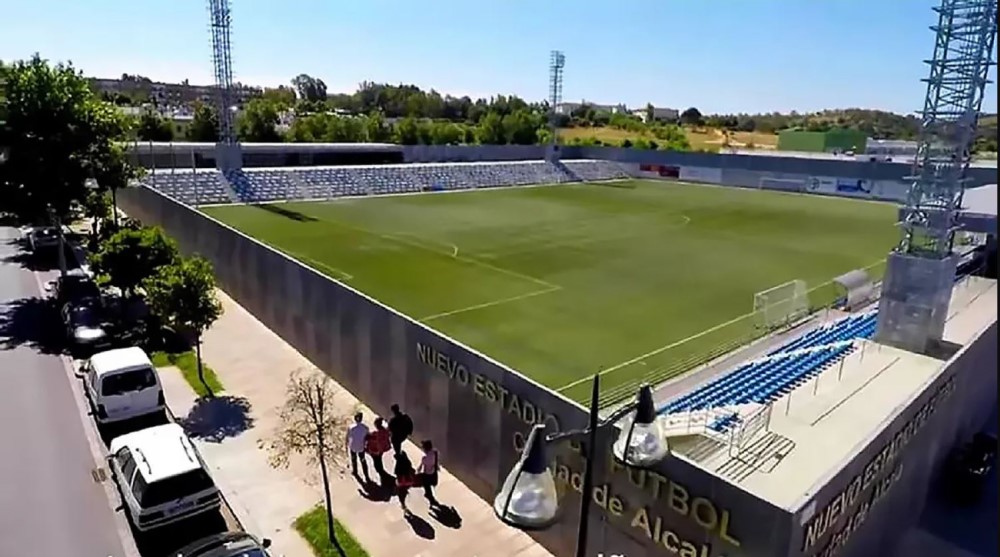
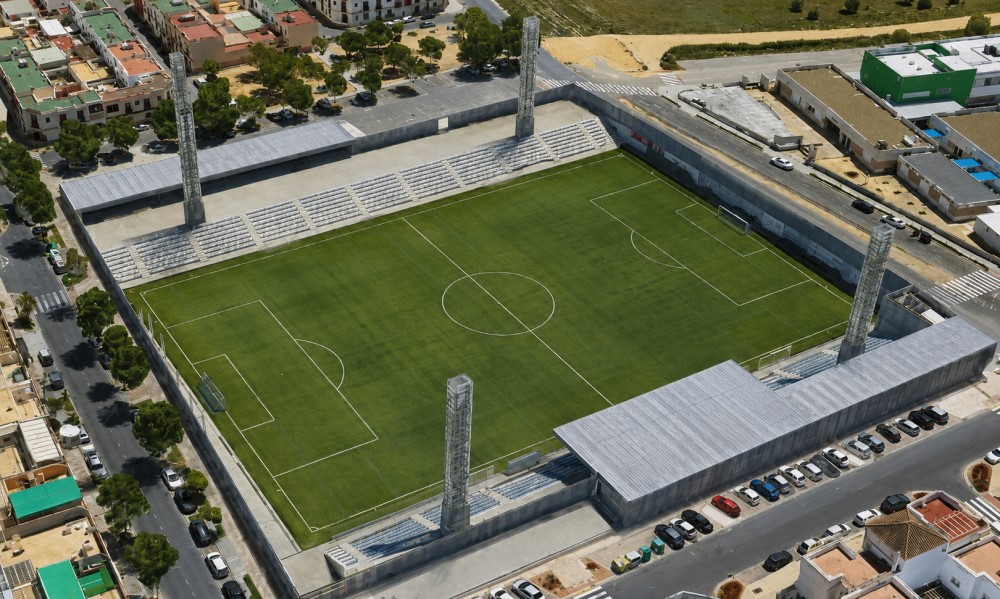
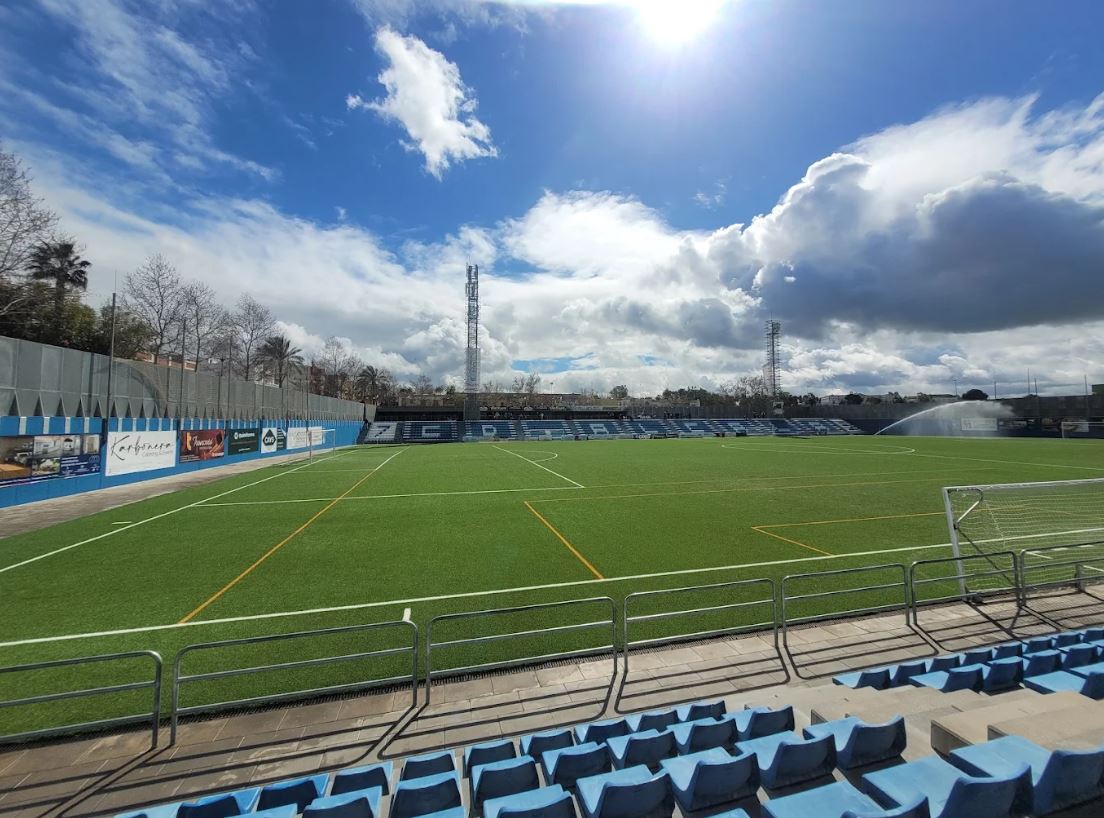
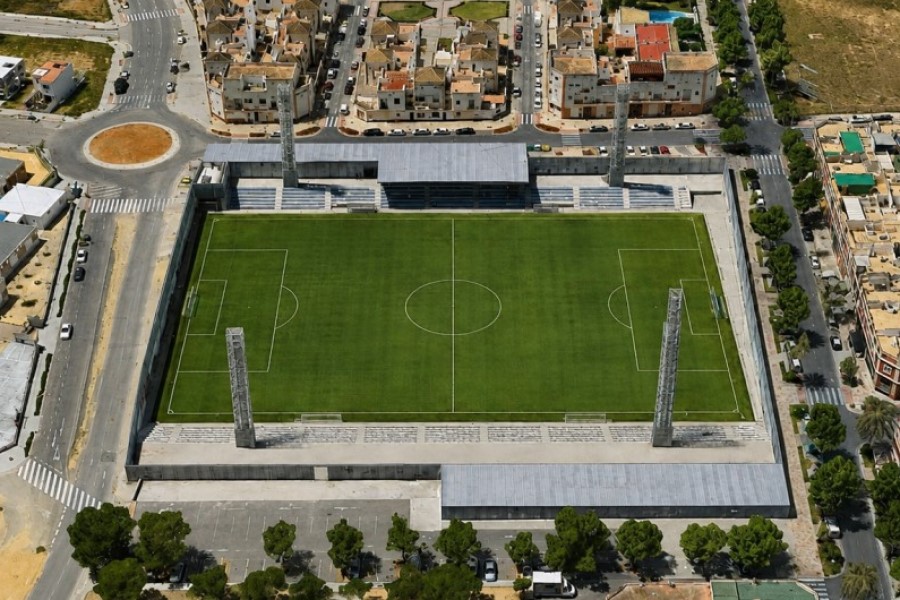
Funded to the tune of €2.4m by the local municipality and the Junta de Andalucía, the new Estadio Ciudad de Alcalá may occupy the same site as the Francisco Bono, but is unrecognisable from the old stadium. Designed by architect José Luis Daroca Bruño, work commenced in May 2010, and after the old structures were demolished and the site levelled, the orientation of the new stadium was rotated by 90 degrees. The artificial surface runs from north to south, with the main stand now situated on the west side. This west side features a low, propped cantilevered cover that hangs over the central section of a bank of 845 seats. The west side also houses media booths, club offices, bars and a gymnasium. The east side of the stadium has 1416 seats arranged on an open bank, with a wide concourse at the rear. This area has been designed to allow an additional 600 seats, should the need arise. Clever use of semi-opaque sheets allows light to flood in at either end of the stadium, whilst blocking any chance of a free view. It had been planned to clad the four floodlight towers with the same material, but instead, these square pylons remain unadorned, save for the occasional advertisement. Due to the lack of space behind either goal line, the floodlights are positioned on the eighteen-yard line, rather than the corners of the site. The original artificial surface was replaced in 2023 for €271,000. Functional and pleasing on the eye, the Estadio Ciudad de Alcalá has drawn attention and admirers from across town. In February 2014, Real Betis trained on the pitch ahead of their Europa League tie on the artificial turf of Rubin Kazan’s stadium.
Sadly, CD Alcalá’s form has been on a downward curve since the stadium opened. Their first full season at their new home was played in the Tercera, and although they reached the promotion playoffs on two occasions, two dreadful seasons culminated in relegation to the División de Honor (fifth tier) in 2017. Worse was to follow in 2022, when they suffered a further relegation to the Primera Andaluza, which is now the seventh tier following the restructuring of the Spanish leagues at the beginning of the decade. No new stadium bounce effect in this corner of Andalucia.
 Estadios de España