
Article updated: 24/07/2026
I don’t know about you, but I can’t help choosing a favourite when a city has two prominent clubs. More often than not, I will plump for the lowest-ranked as I feel that it is in my footballing DNA to support the underdog. I don’t think too many Real Betis fans would dispute their position as the underdog. Yet that outsider status is precisely what makes Betis so compelling. They possess the richer tapestry of stories, their stadium has a fascinating past all of its own, and, true to the finest footballing underdogs, they are never afraid to bloody the noses of more illustrious opponents.

Real Betis was founded by students from the local Polytechnic Academy on 12 September 1907. They were originally called España Balompié (Balompié being derived from the Spanish translation of ball & foot – balón & pie) and set up home at the Campo del Huerto de Mariana. In 1909, they moved to the Campo del Prado de Santa Justa, changing their name to Sevilla Balompié. They were on the move again in 1911, switching to the Campo del Prado de San Sebastián, which was an area of open parkland also used by Sevilla FC. In 1914, the club absorbed several smaller teams, including Betis Foot-Ball Club, which had been formed by disgruntled members of their eternal rivals, Sevilla FC. The merger led to the club changing its name to Real Betis Balompié after receiving royal patronage on 17 August 1914. The club continued to use the Campo del Prado de San Sebastián, but in 1918 moved to Campo del Patronato Obrero. You can read a more detailed account of Betis’ former homes here.
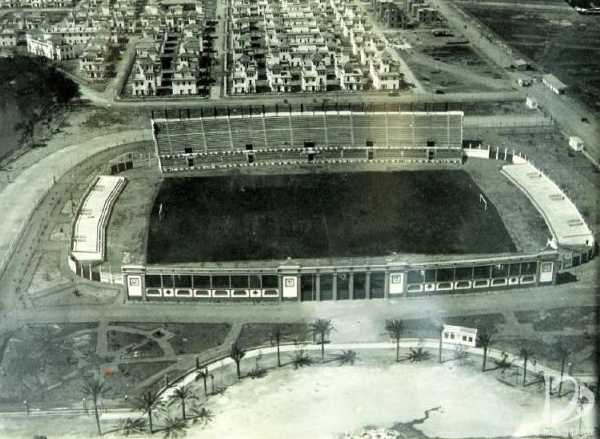
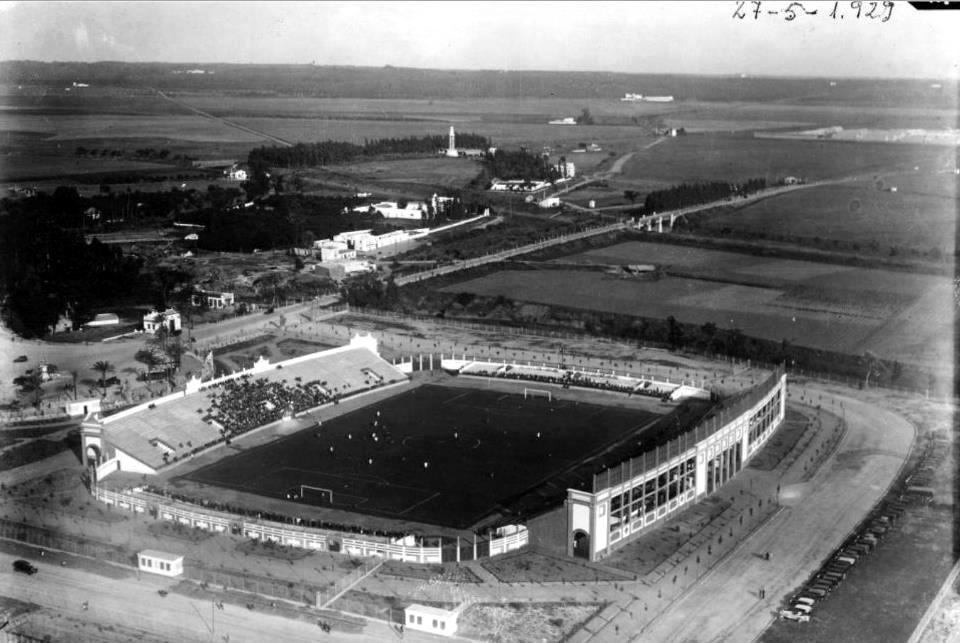
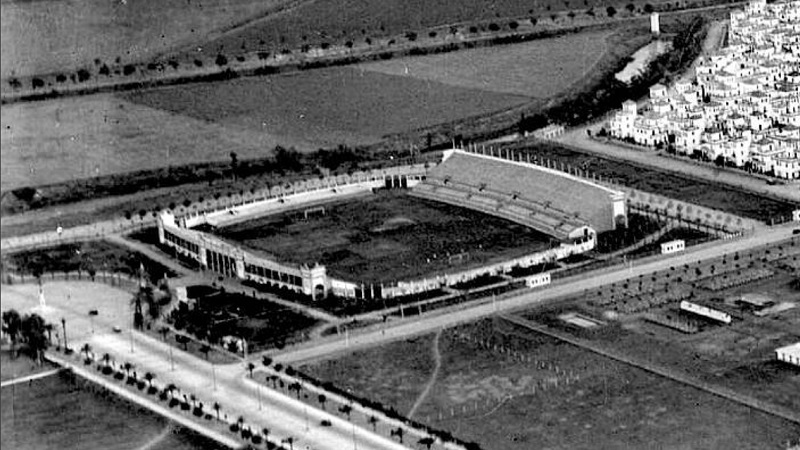
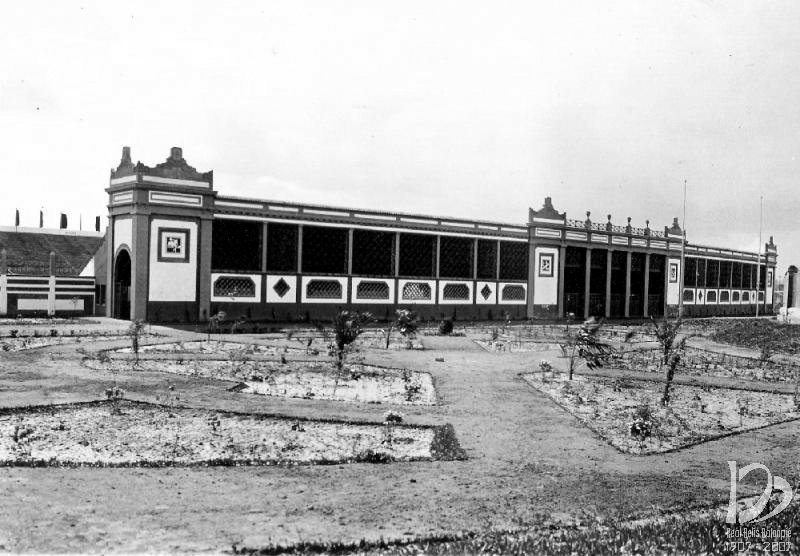
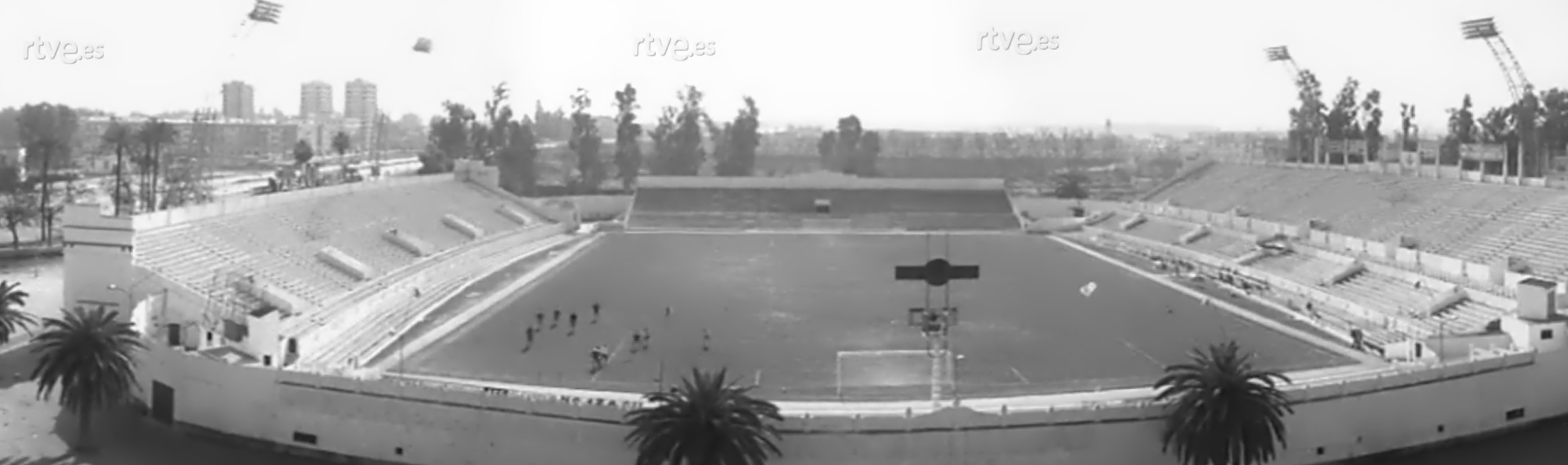
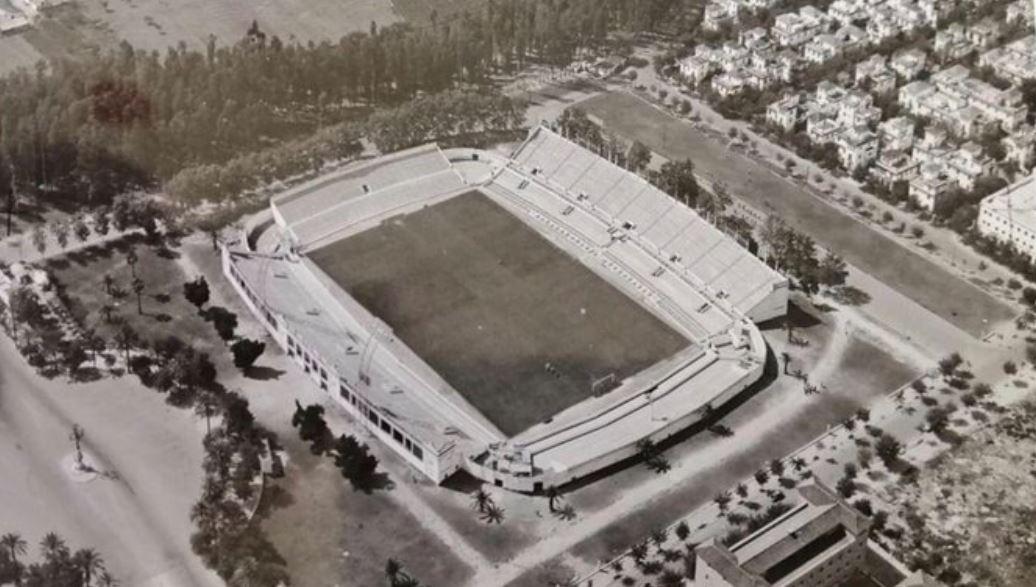
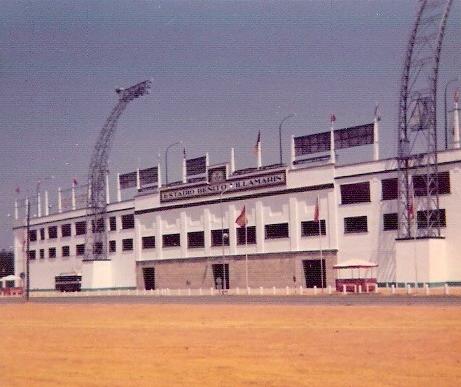
We move on a decade and the staging of the Ibero-American trade fair in Sevilla. Among the many attractions was a new stadium in the city’s Heliopolis district, which was given the unimaginative title of the Estadio de la Exposición. With an 18,000 capacity, this open, square-sided arena was ideally suited to the up-and-coming Betis, but it saw its first action on 17 March 1929 with an international between Spain and Portugal. Whilst Betis played a few games at Heliopolis, and some accounts have them in situ from 1929, the club continued to play their home matches at the Campo del Patronato until the end of the 1935-36 season. This is significant as Betis reached the final of the Copa in 1931, won the La Segunda title in 1932 and won their first and only La Liga title in 1935, with the home form at Patronato key to success. Despite winning the league title, the club’s finances were in a dire state. In 1936, it reached an agreement with the Municipality to effectively exchange Heliopolis, with the municipality assuming control of Patronato in return. The timing could scarcely have been worse. The agreement was signed on 15 July 1936; just 48 hours later, the Spanish Civil War erupted, bringing fighting to the streets of Sevilla. The club’s offices were bombed, many of its staff fled abroad, and membership collapsed to fewer than a hundred.

Peace arrived in the spring of 1939, and Betis finally had a chance to use Heliopolis. In the months leading up to its reopening, the club played a few games at Sevilla’s Estadio Nervion. The impact of the war was particularly severe on Betis, who were effectively broke, had few members and no quality players remaining from the championship-winning side of four years earlier. It was certainly on a par with the plight of Barcelona and Real Oviedo, so it was a surprise that the club contested the 1939-40 season when it could have, like Real Oviedo, requested a moratorium. The decision to play backfired, and five years to the day that they won the league title, Betis was relegated. After a season consolidating in the second tier, the club won its second La Segunda title in 1941-42, but the return to the top was short-lived, and Betis finished the 1942-43 season bottom of La Primera with just 2 wins in 26 matches. Back in La Segunda, two moderate finishes occurred in 1943-44 and 1944-45, but it was really just papering over the cracks. Betis was a club in decline, and in 1946-47, just nine playing seasons after winning La Liga, the unthinkable happened, and Betis was relegated to the Tercera.
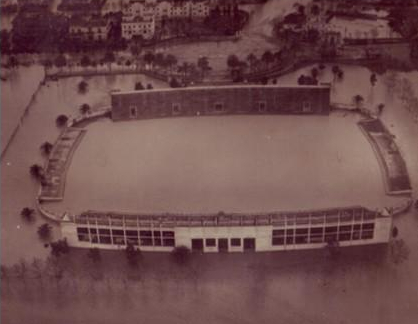
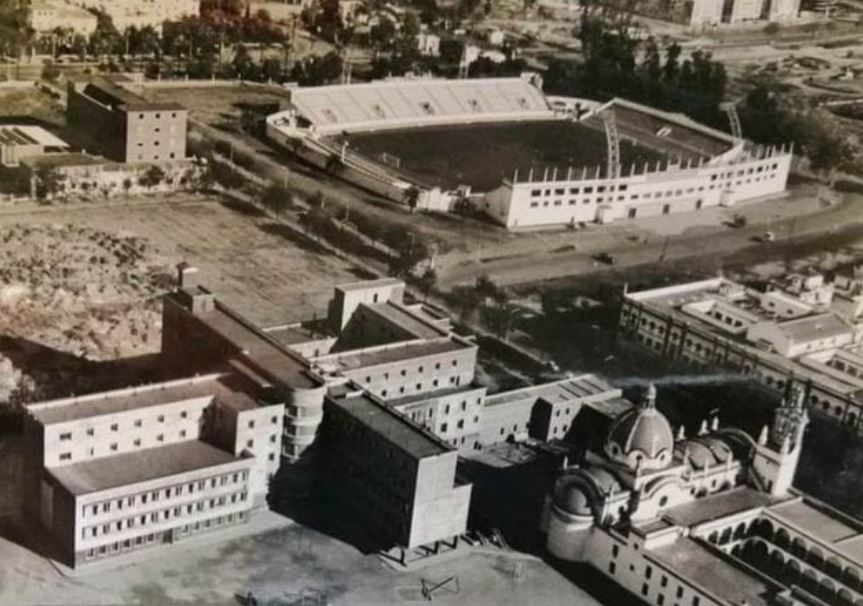
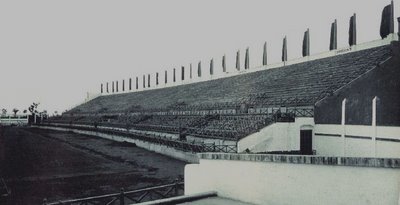
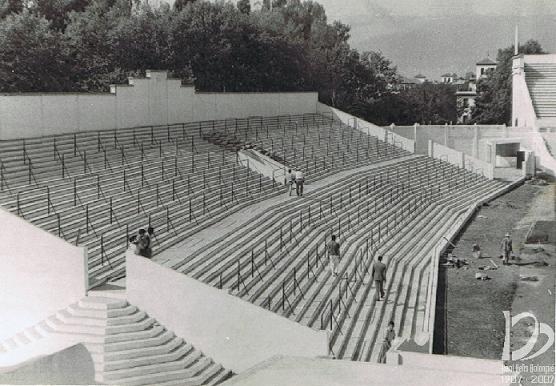
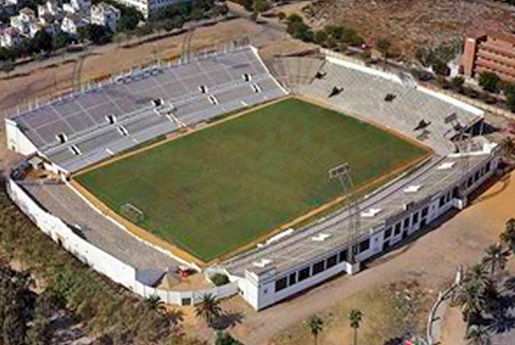
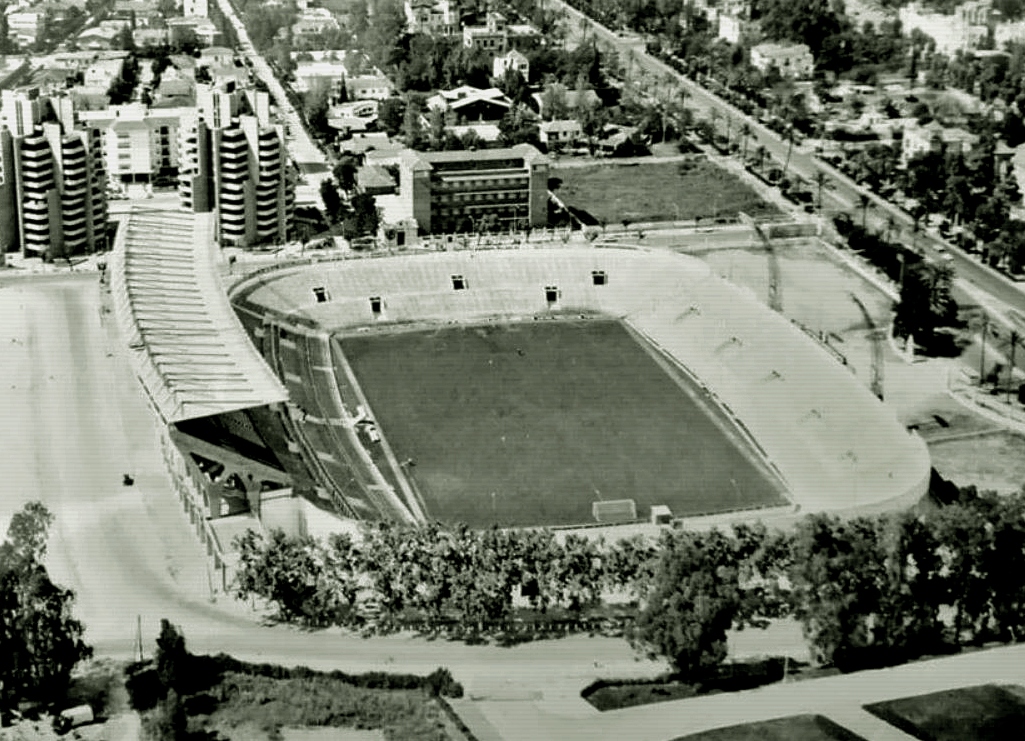
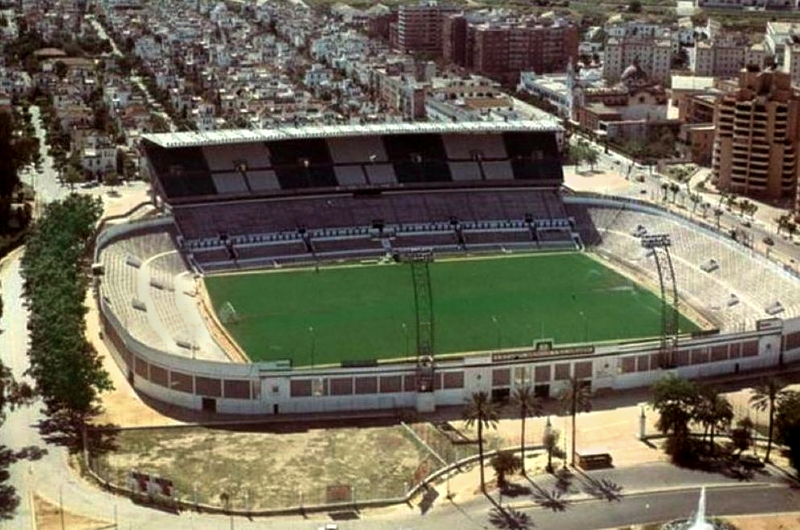
Many thought that the trip to the Tercera was the result of a bad season and the club would bounce straight back, but in reality, it was a sign of long-term decline, which turned into a seven-season slog to get back to La Segunda. There were some near misses, with losses in the playoffs, but in the end, it required a Tercera title to reclaim their spot in the second tier and with it, Betis became the first club to win the championship at three different levels. A great deal of credit must go to President Manuel Ruiz Rodríguez, who steered the club through the desperate seasons in the third tier and nurtured good relationships with bigger clubs that helped Betis in the transfer market. With the club back in the second division, Rodríguez handed over the reins to Benito Villamarín, and the next phase of the club’s rise up the league began. In 1955-56, Betis finished second in the Segunda, but missed out in the playoffs, underperforming and finishing fifth in a group of six teams. Two seasons later, however, a third Segunda title was won, and fifteen long years after last gracing La Primera, Betis was back. The stadium, now approaching 30 years of age, needed a refit. The shallow terraces and the north and south ends were replaced with more substantial structures in time for the 1958-59 season. Floodlights were installed at the end of the 1958-59 season and were inaugurated on 6 June 1959 with a friendly vs Sporting Lisbon.
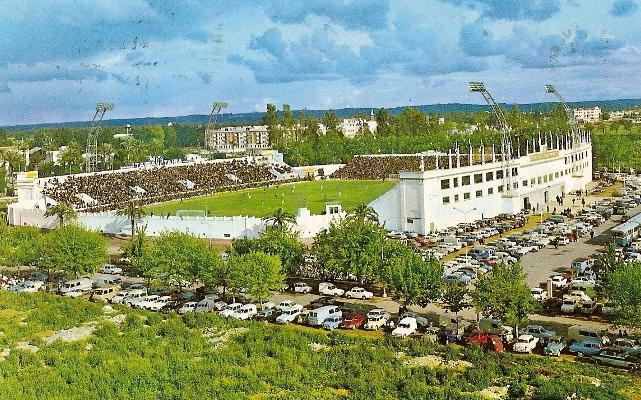
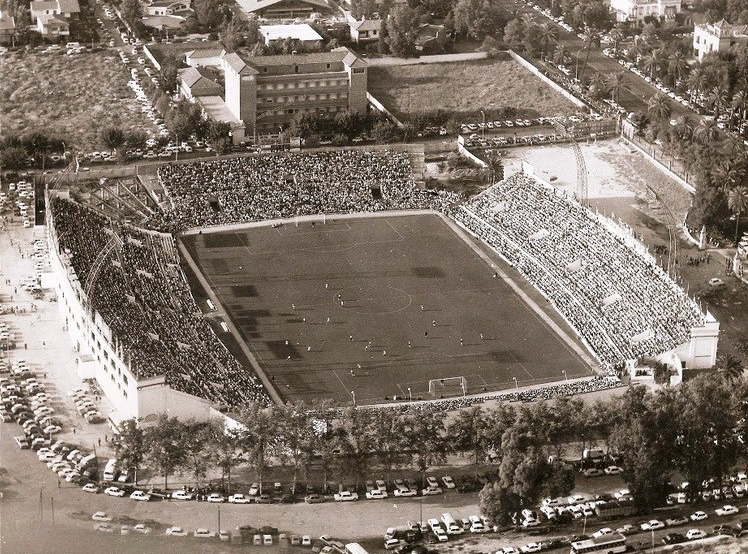
Betis looked reasonably comfortable on their return to La Primera, and a series of top-half finishes was capped in the 1963-64 season with a third-place finish. By then, Heliopolis had been purchased outright and renamed Estadio Benito Villamarín in honour of the chairman. Betis turned it into a fortress and during that successful 1963-64 campaign won 12 of their 15 home matches, with the only reverse coming in a 2-3 defeat to Barcelona. The following season saw Betis play in Europe for the first time, but it was a short-lived campaign with a first-round defeat to Stade Français 1-3 on aggregate. This Betis team was reaching the end of the road, and so had President Villamarín, who stood down at the end of 1965. The 1965-66 campaign was a tight affair, with only three points separating the bottom seven teams. Unfortunately for Betis, their home form deserted them, and a porous defence made them easy prey on the road. The summer of 1966 saw the twin blows of relegation and the death of Benito Villamarín, who succumbed to cancer at the age of 49.
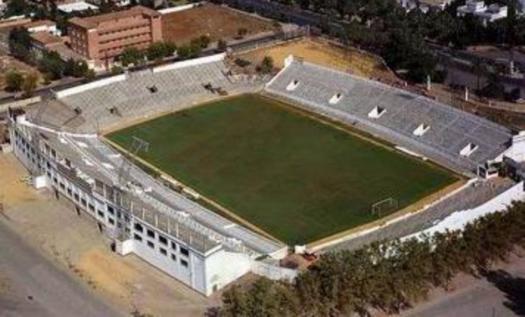
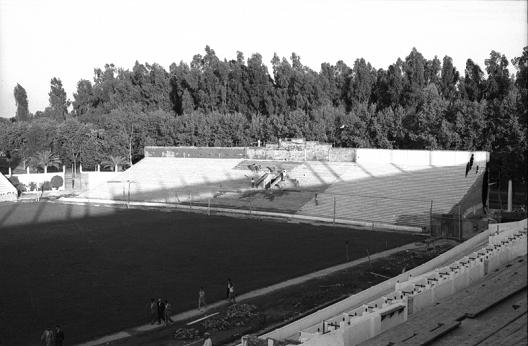
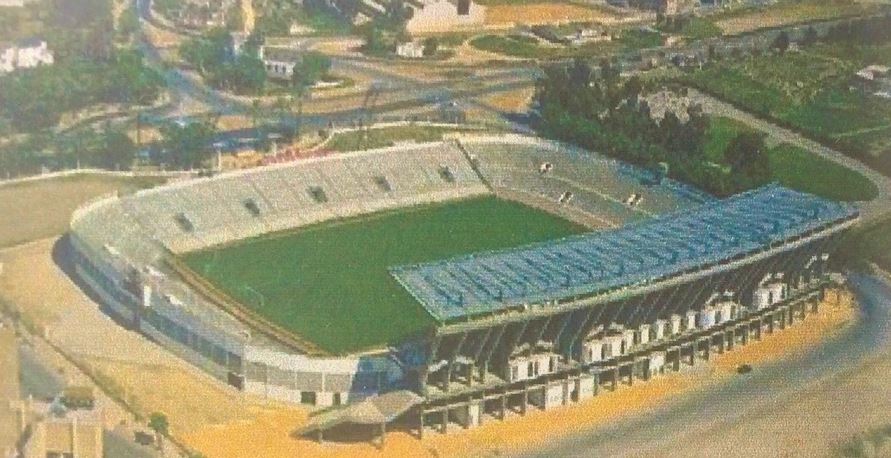
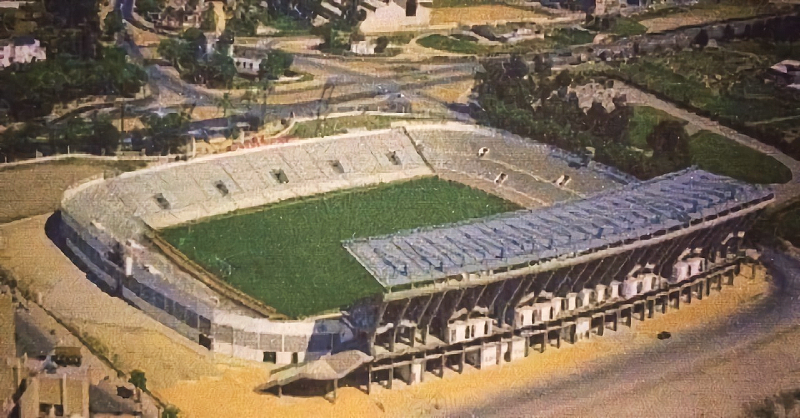
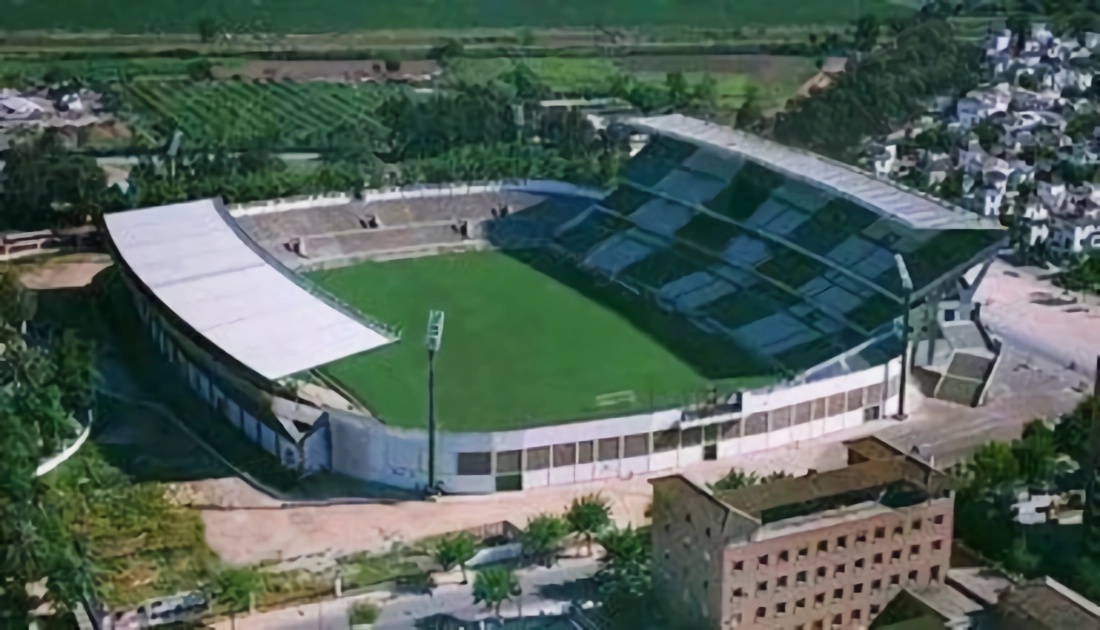
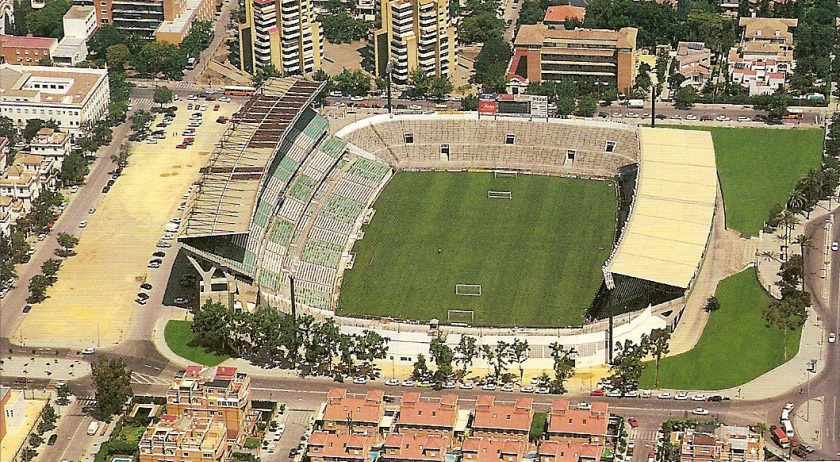
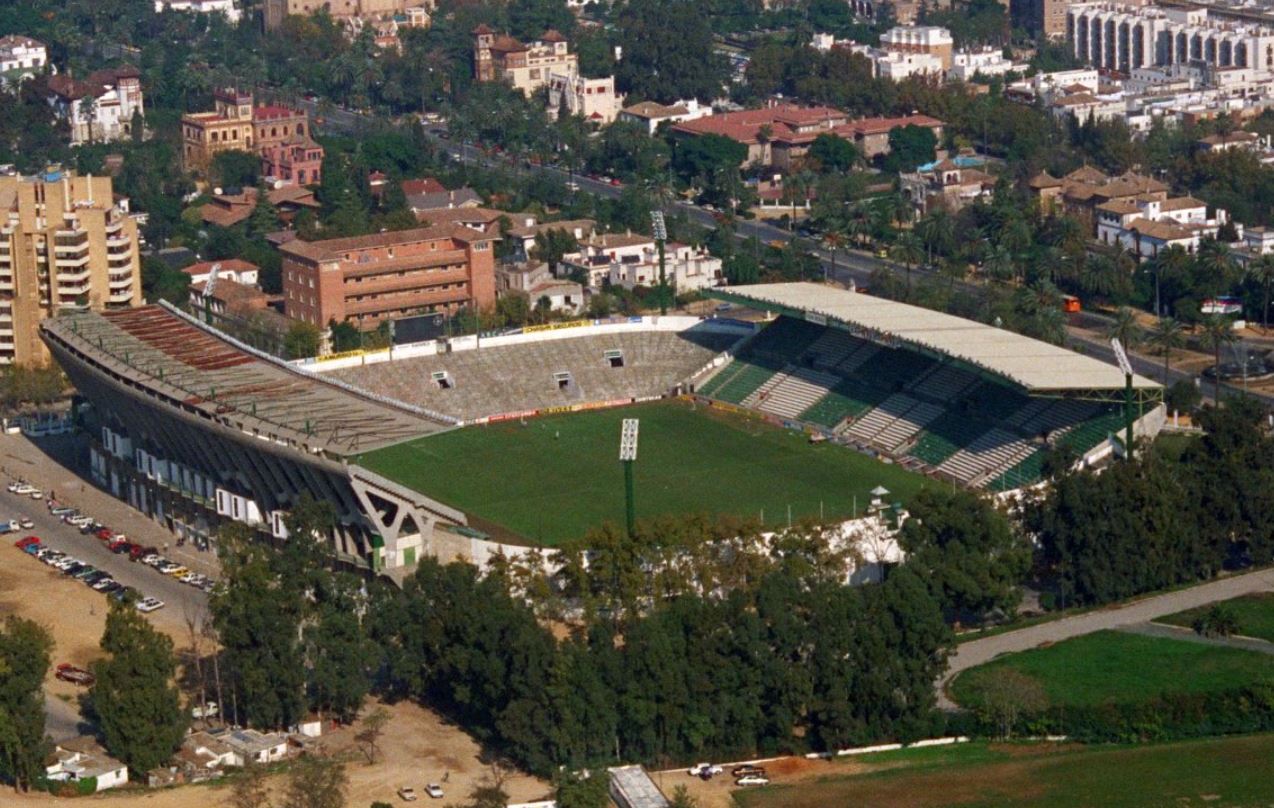
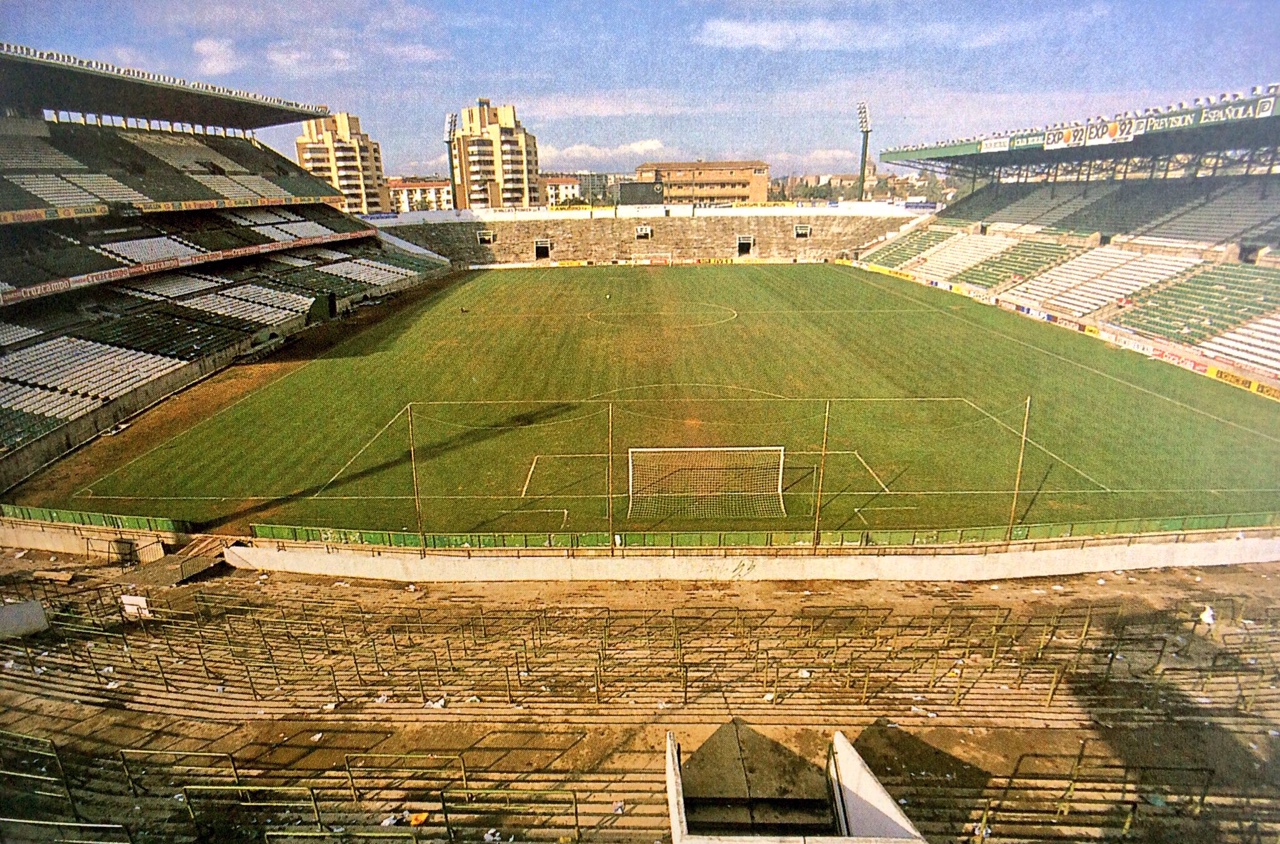
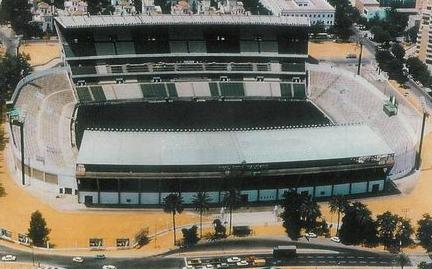
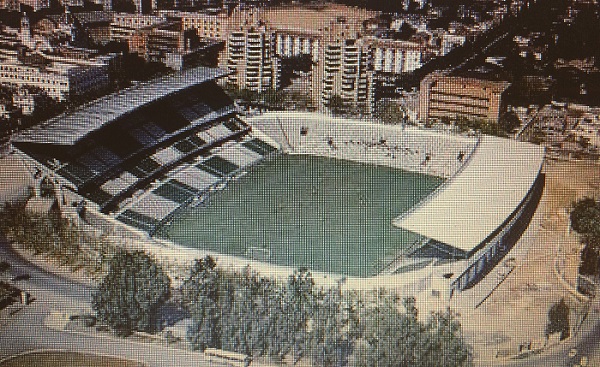
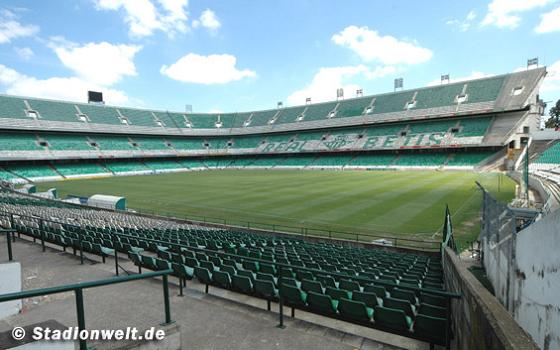
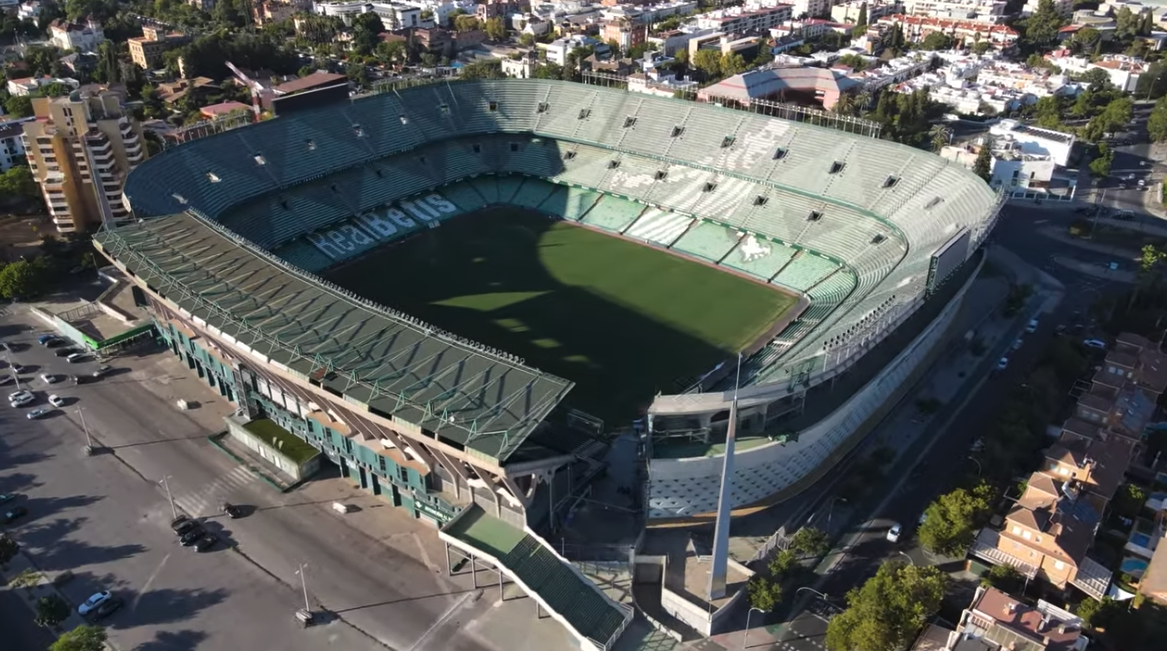
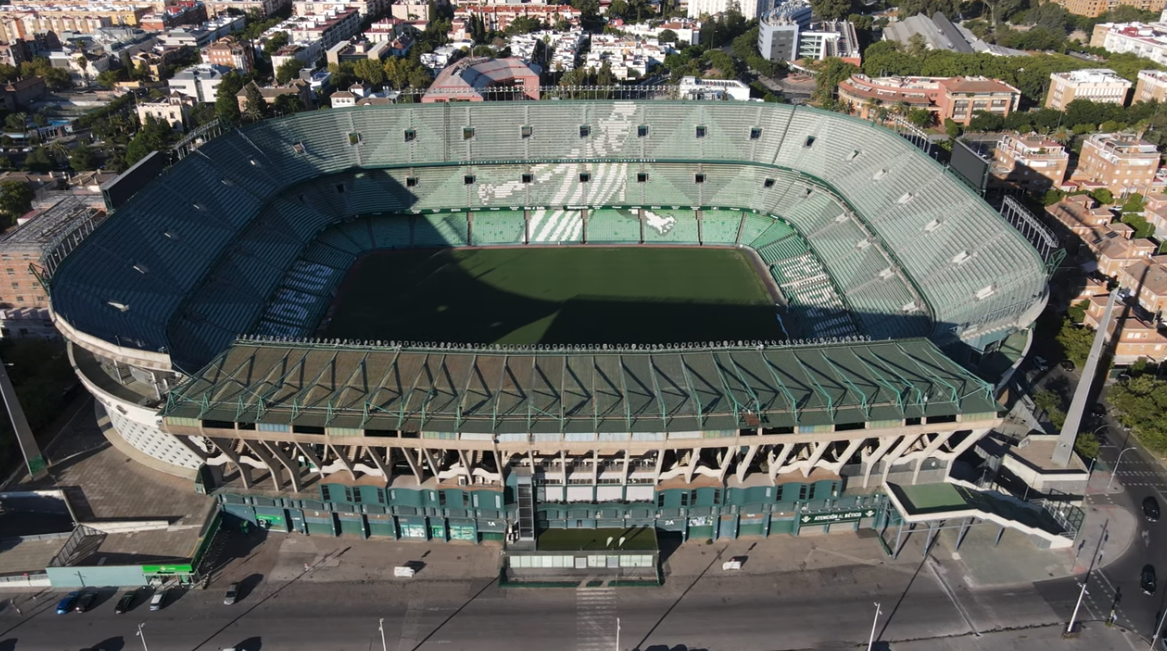
Over the next eight seasons, Betis switched between La Primera and La Segunda on five occasions and that air of change was matched off the pitch as well. Between 1971-73, the terraces at the north and south ends were rebuilt and the corners filled in. 1975 saw the addition of a daring upper tier on the west side, with banks of green and white seats and a slender green cantilevered roof. Up to that point, everything in the stadium had been white. Betis won their first Copa del Rey in 1977, beating Athletic Club on penalties, but a year later the club was back in La Segunda. However, building continued, and in 1979 the east side was demolished, and a new Tribuna was constructed. A second tier and propped roof were added to the East Tribuna in 1981 before an amphitheatre was built between the upper and lower tiers of the west stand in 1982. As well as additional seating, this housed new media facilities, which were used when the stadium hosted two World Cup matches in 1982. By now, Betis was back in La Primera and three seasons into their longest run to date in the top flight. Fifth place was achieved in 1983-84, before a slow decline began, and after ten seasons in the top flight, the inevitable relegation came at the end of the 1988-89 season.
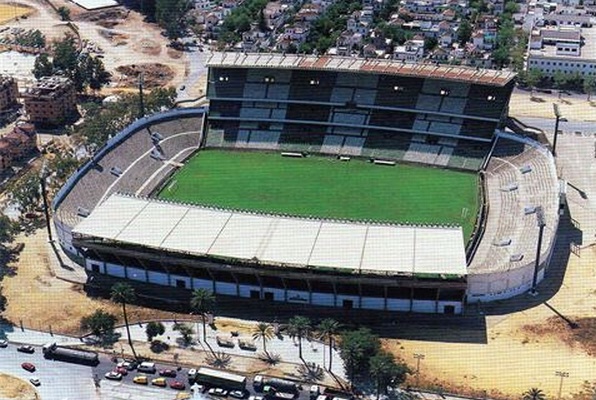
During the 1990s, things quietened down on the building front, but things were anything but quiet elsewhere in the club. After a season-long visit to La Primera in 1991-92, Betis was back in La Segunda and, to make matters worse, had to convert to a SAD, or Sports Limited Company, by the end of the season. With finances tight and the threat of relegation to Segunda B a very real possibility, enter stage right Manuel Ruiz de Lopera. Lopera guaranteed the funds and took over ownership of the club, but in time, this proved to be a Faustian pact. Promotion back to La Primera was won at the end of the 1993-94 season, and a year later, Betis finished third in La Primera and qualified for the UEFA Cup. A relatively stable few seasons followed with an appearance in the 1997 Copa del Rey and regular football in Europe, before things began to unravel.
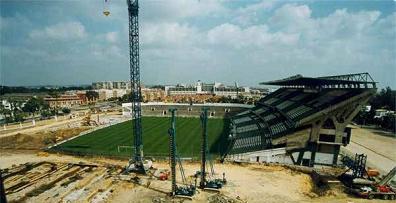
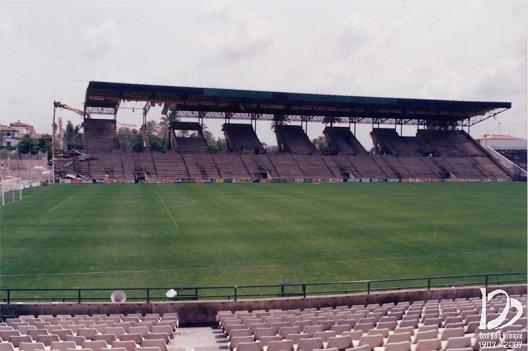
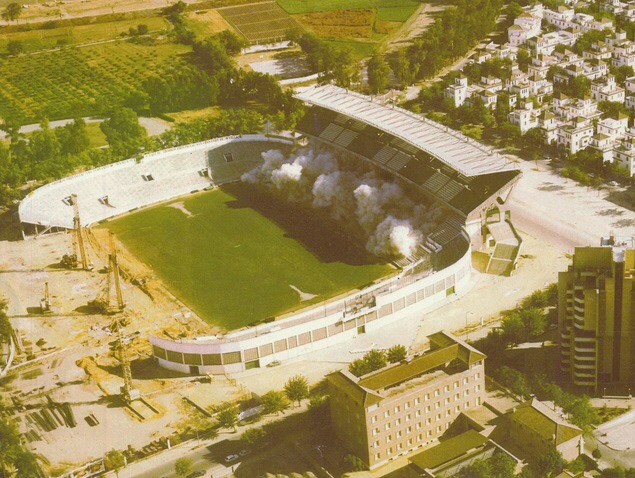
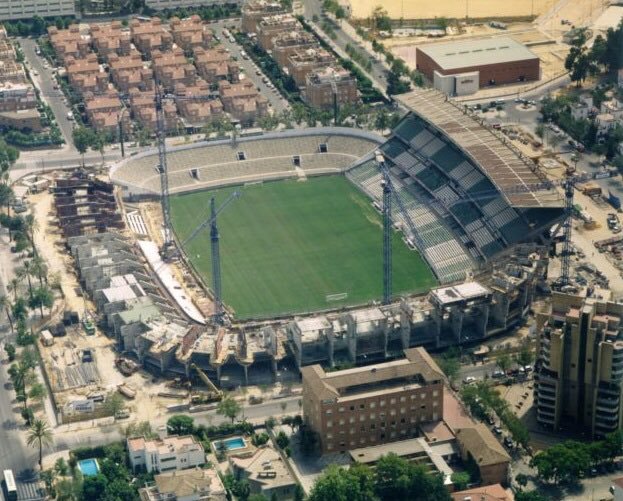
Lopera had convinced the board that the stadium should be rebuilt and bear his name. Work started in April 1998 with the demolition of the north and east sides of the ground. The stadium would consist of three tiers on all four sides of the ground, and topped off with a roof, but to start with, the north and east sides would be built. The first tier was completed in September, but there followed disputes with the construction company over payments, which meant the work dragged on until the two new sides were completed in late 1999. Whilst all this was going on off the pitch, Betis’ fortunes on it were plummeting, and at the end of the 1999-00 season, Betis took their 52,000-capacity stadium back to La Segunda. One silver lining was that city rivals Sevilla FC also dropped into the second division.
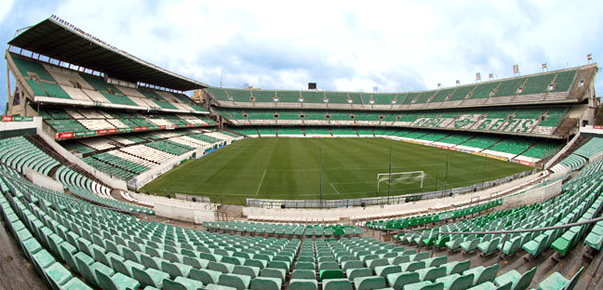
Both Betis and Sevilla FC made quick returns to La Primera, and in Betis’ case, a period of relative stability ensued. Steady league placings culminated in a fourth-place finish and a second success in the Copa del Rey against CA Osasuna in 2005. In truth, however, Betis had borrowed heavily to achieve this success, while work on the stadium had ground to a halt. The club celebrated its centenary in 2007, but with more departures than arrivals, the writing was on the wall. Relegation arrived on the final day of the 2008-09 season, and with no money to invest, there would be no immediate return to the top. Manuel Ruiz de Lopera decided to sell up in July 2010, but any relief experienced by Betis fans at his departure was short-lived, for the man who stepped into his shoes was Luis Oliver. Oliver is a man with a proven track record… of taking clubs to the brink of bankruptcy, as the fans of Cartagena FC and Xerez CD will testify. At this point, the courts became involved and blocked Oliver’s purchase of Lopera’s shares and appointed former player Rafael Gordillo as an administrator. With all this turmoil going on at the club, Betis won promotion to La Primera for the eleventh time.
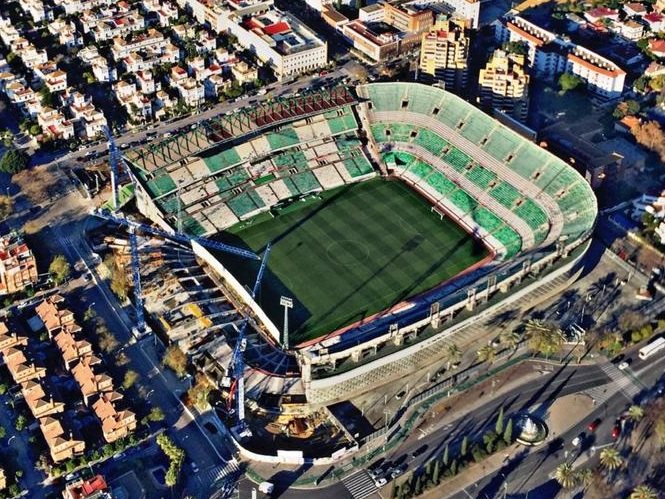
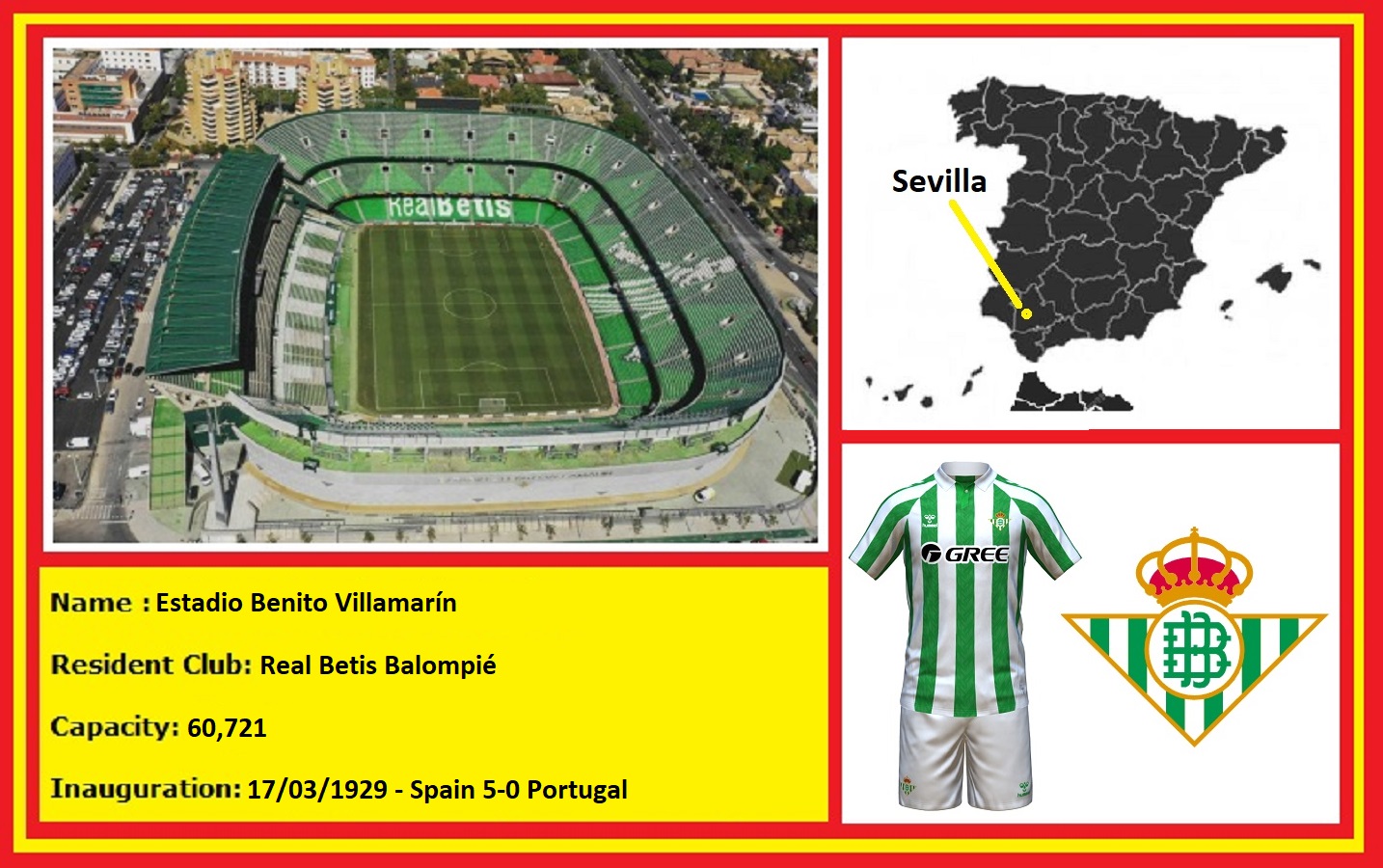
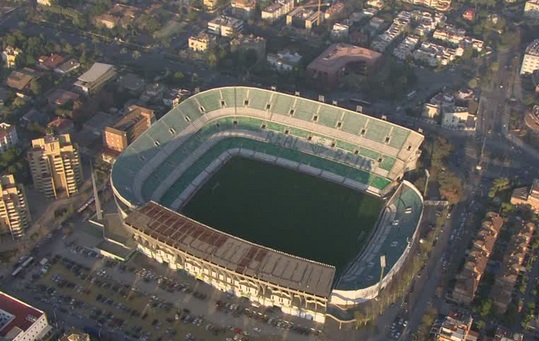
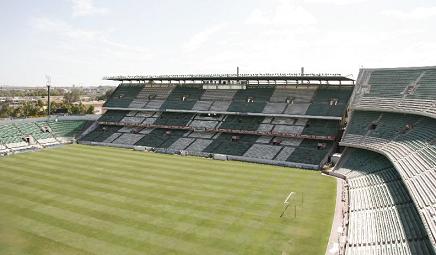
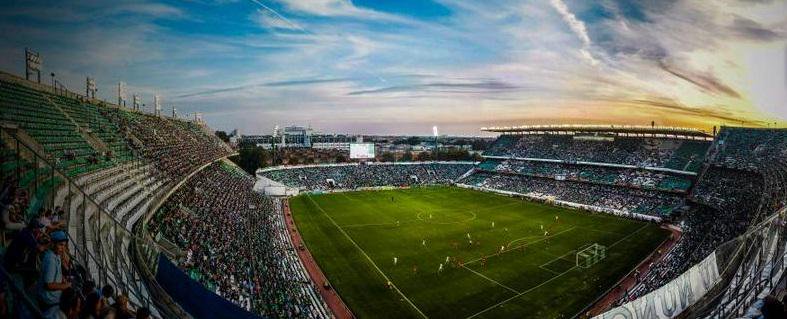
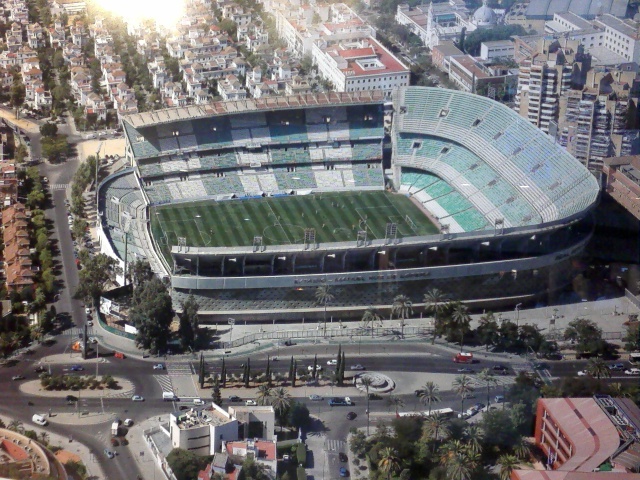
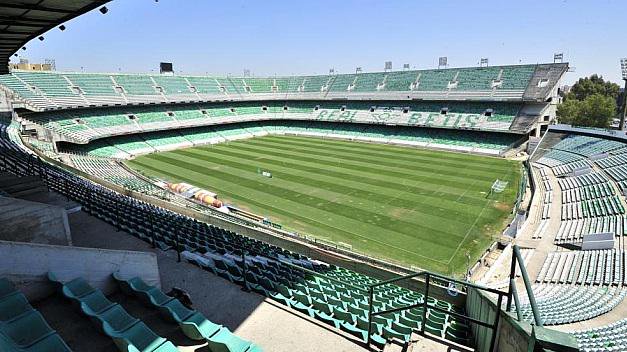
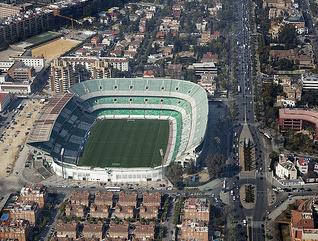
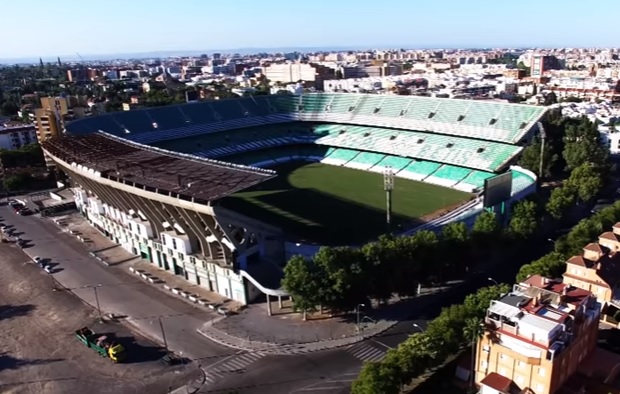
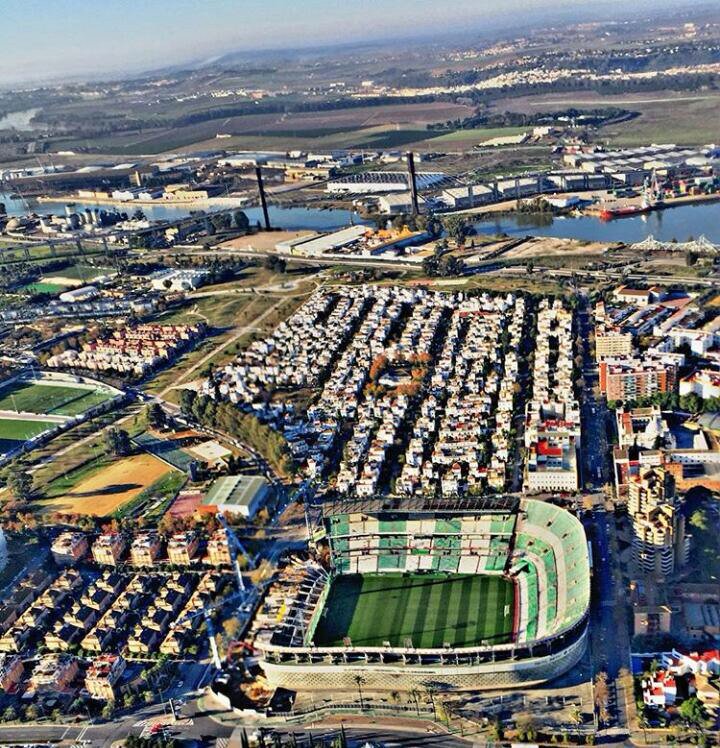
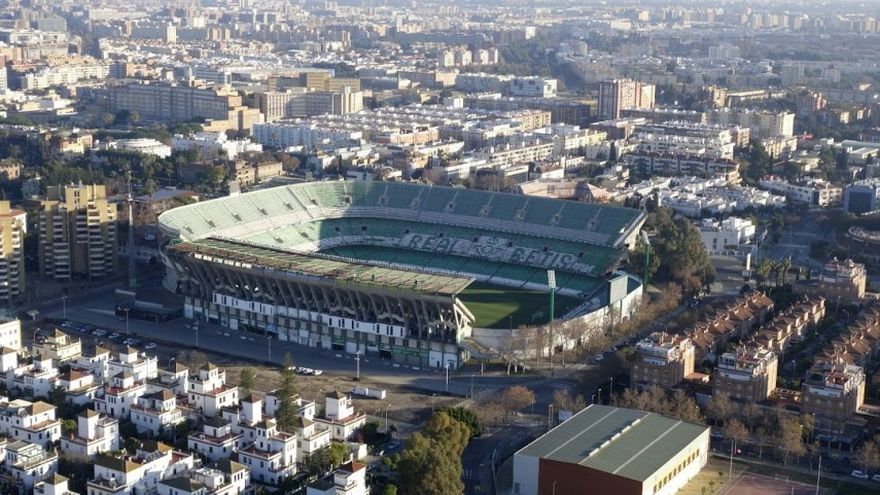
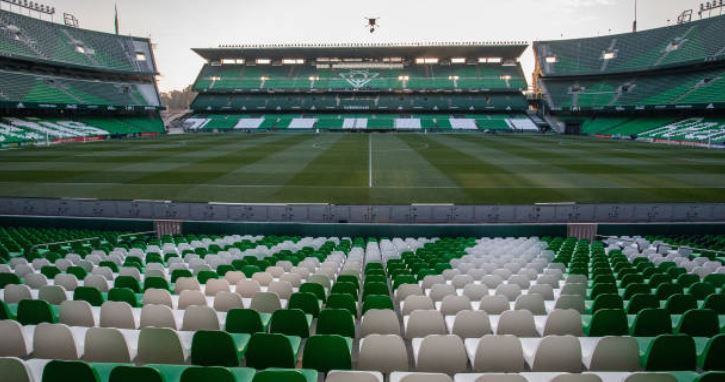
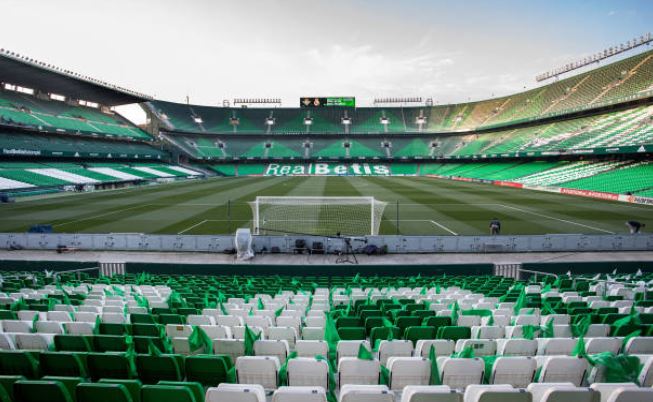
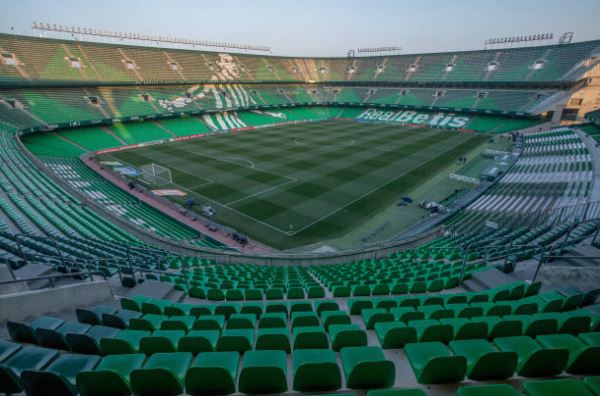
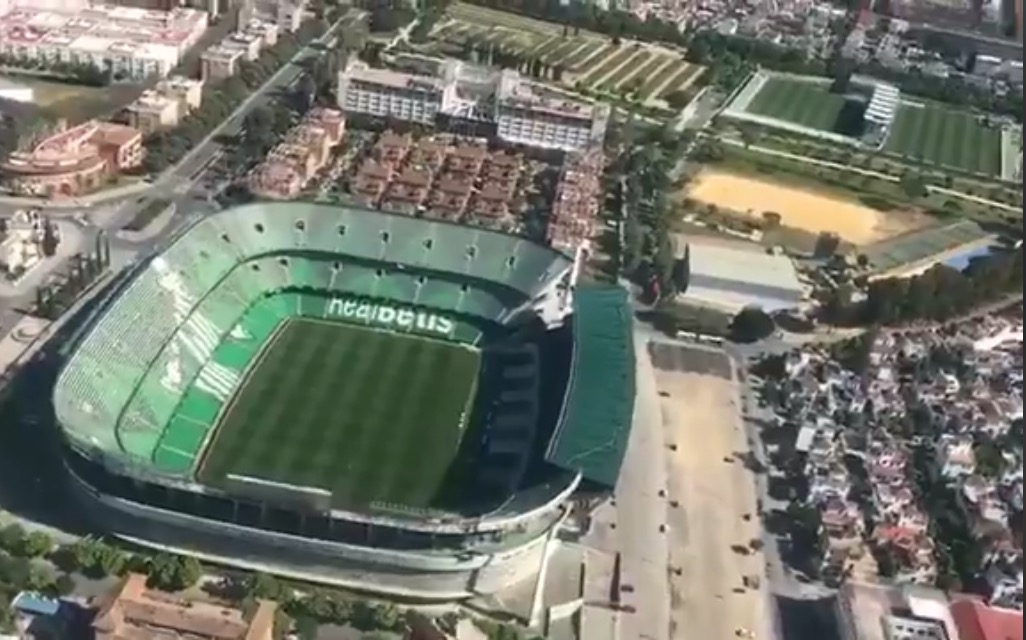
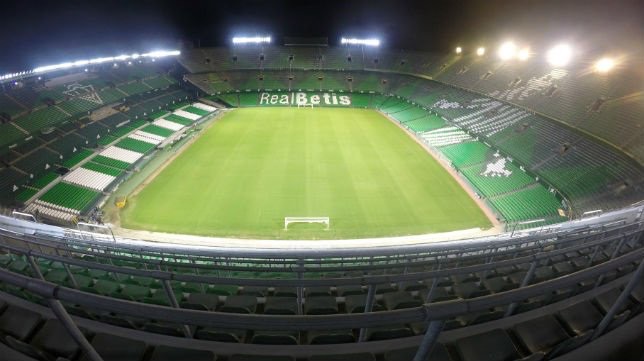
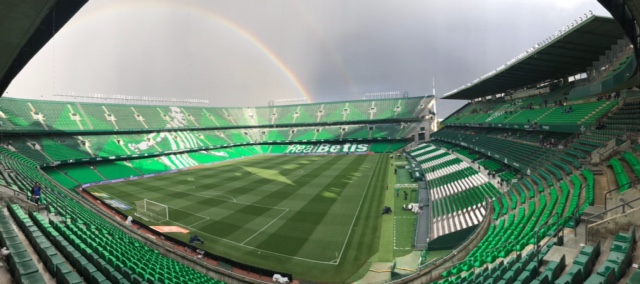
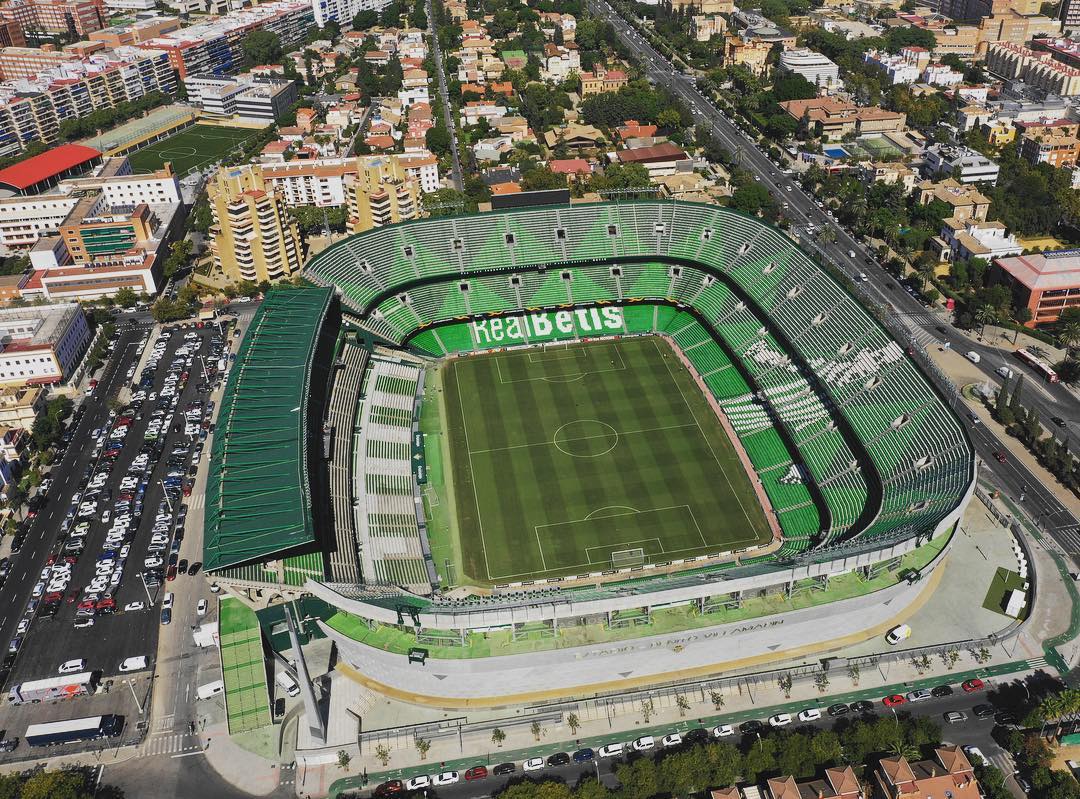
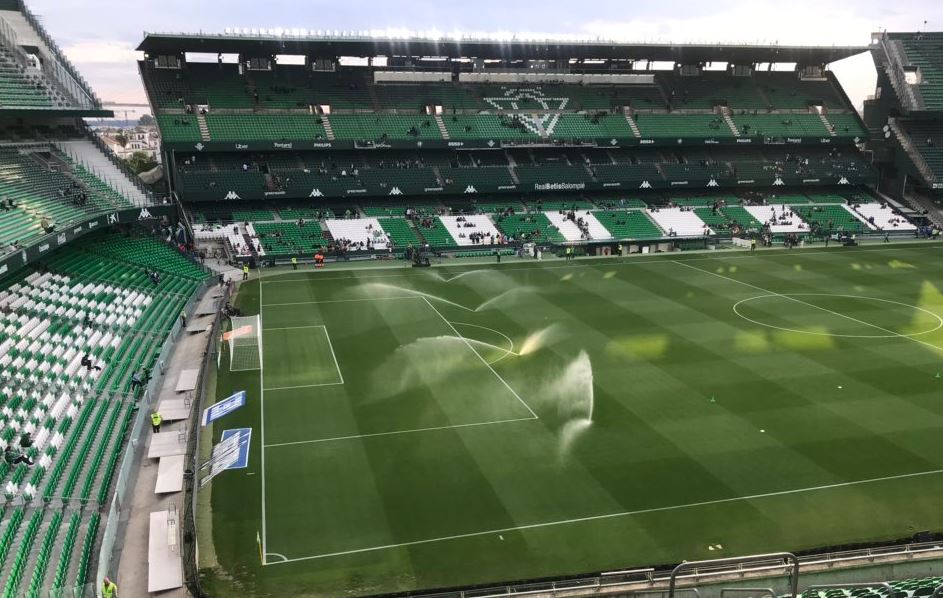
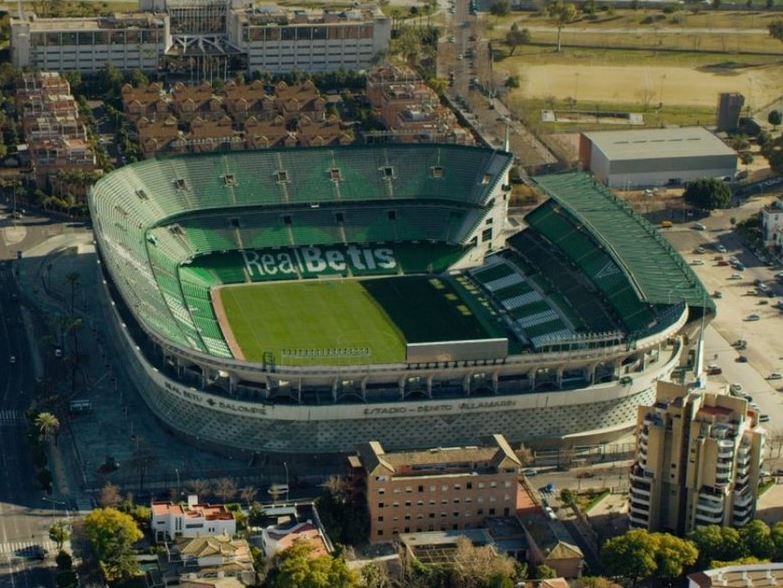
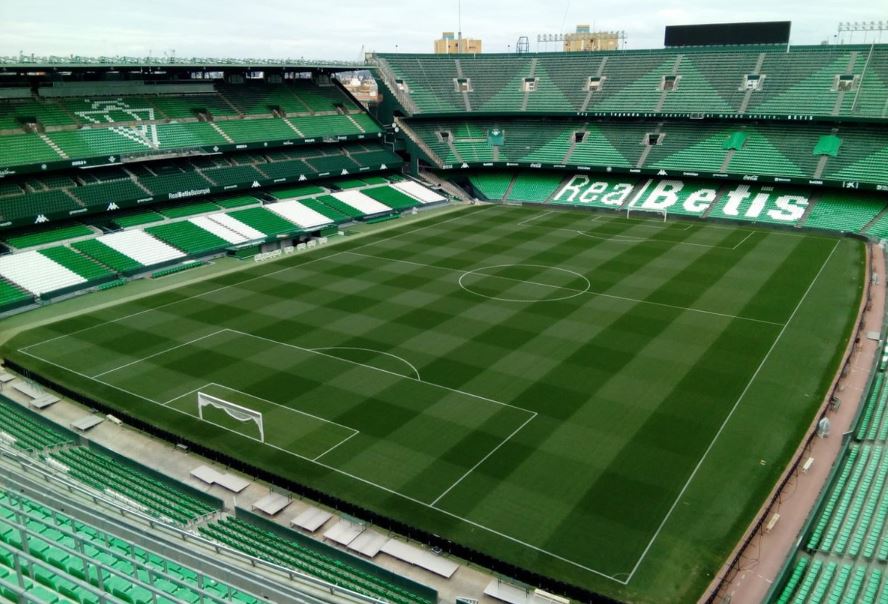
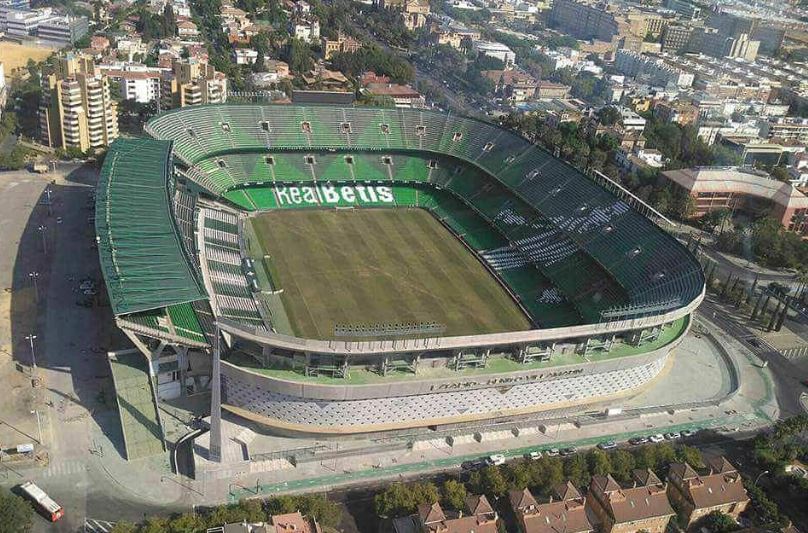
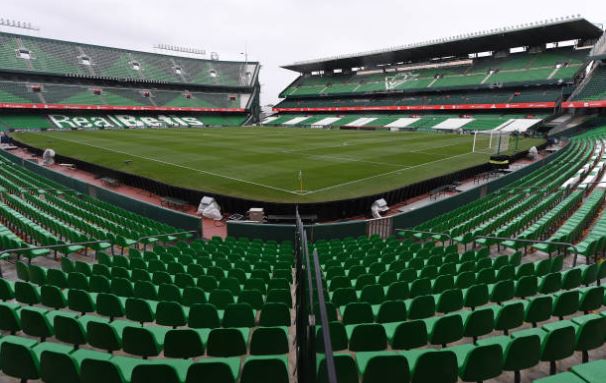
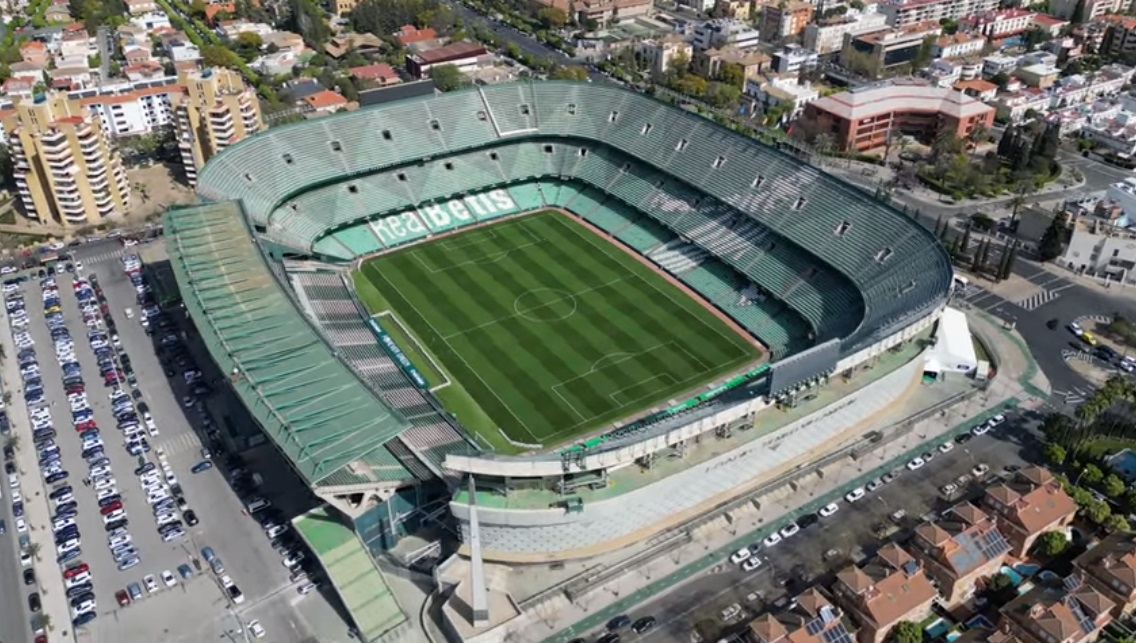
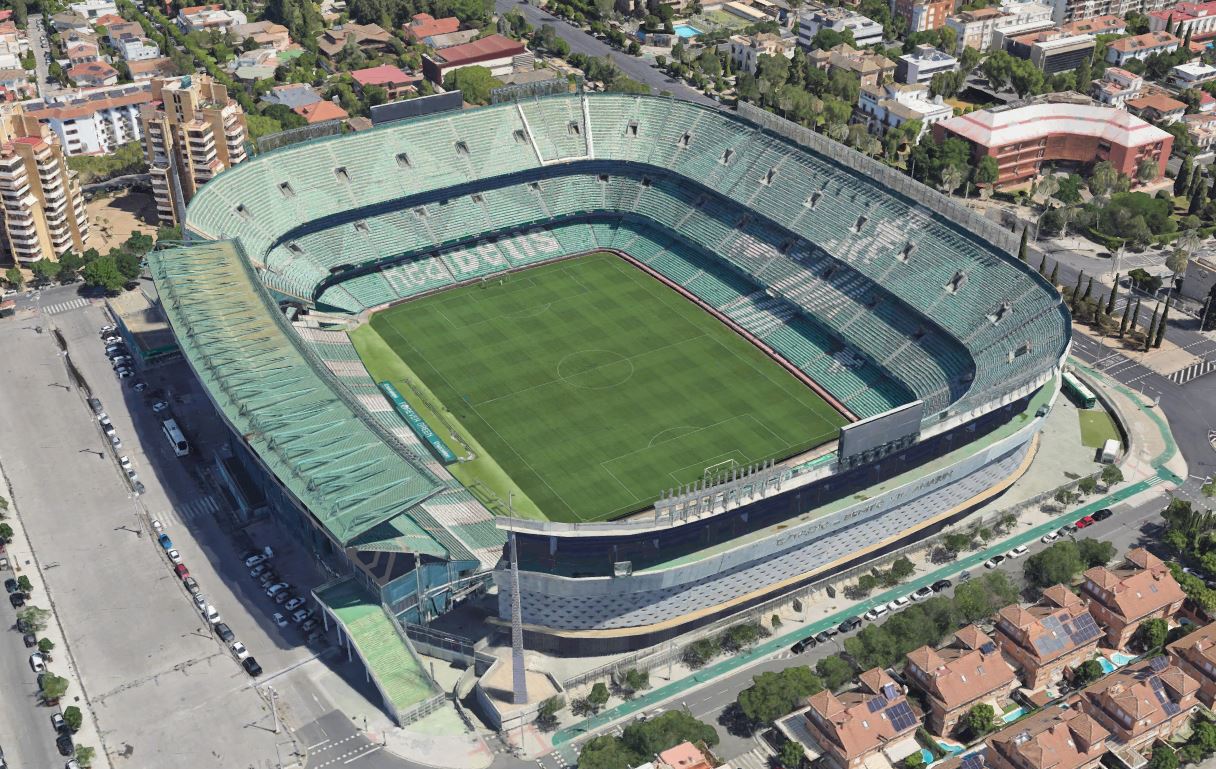
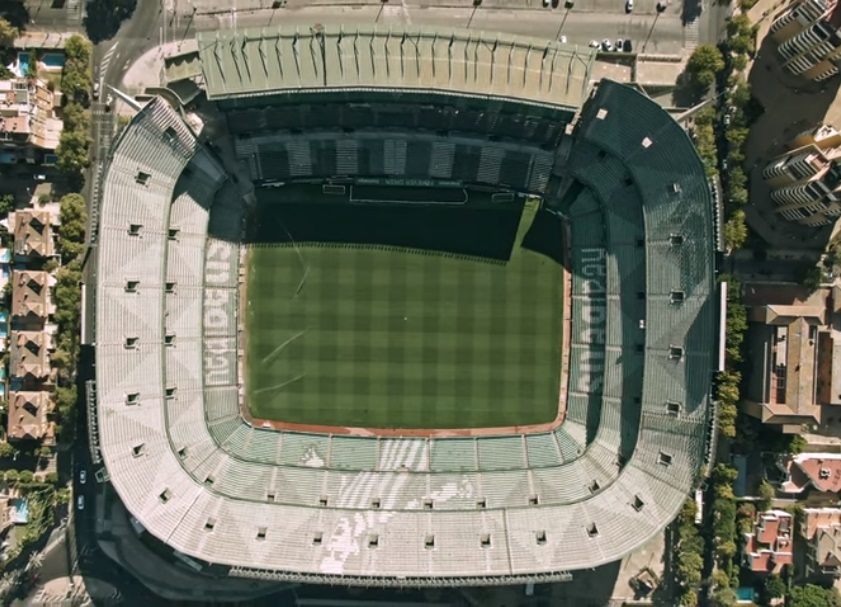
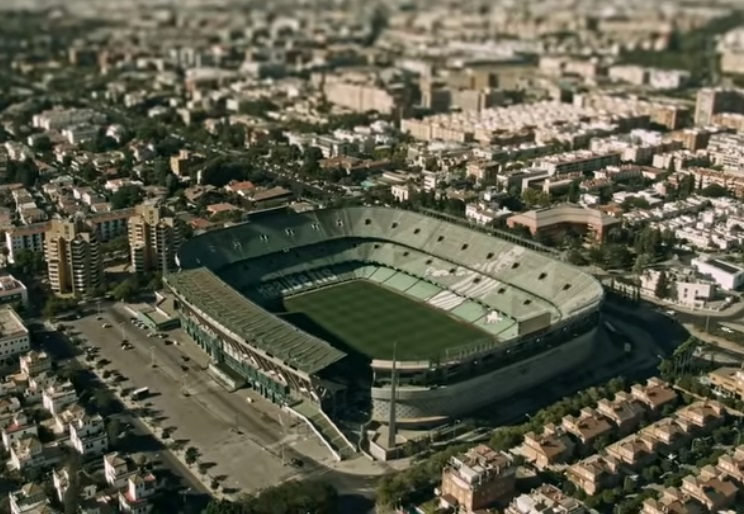
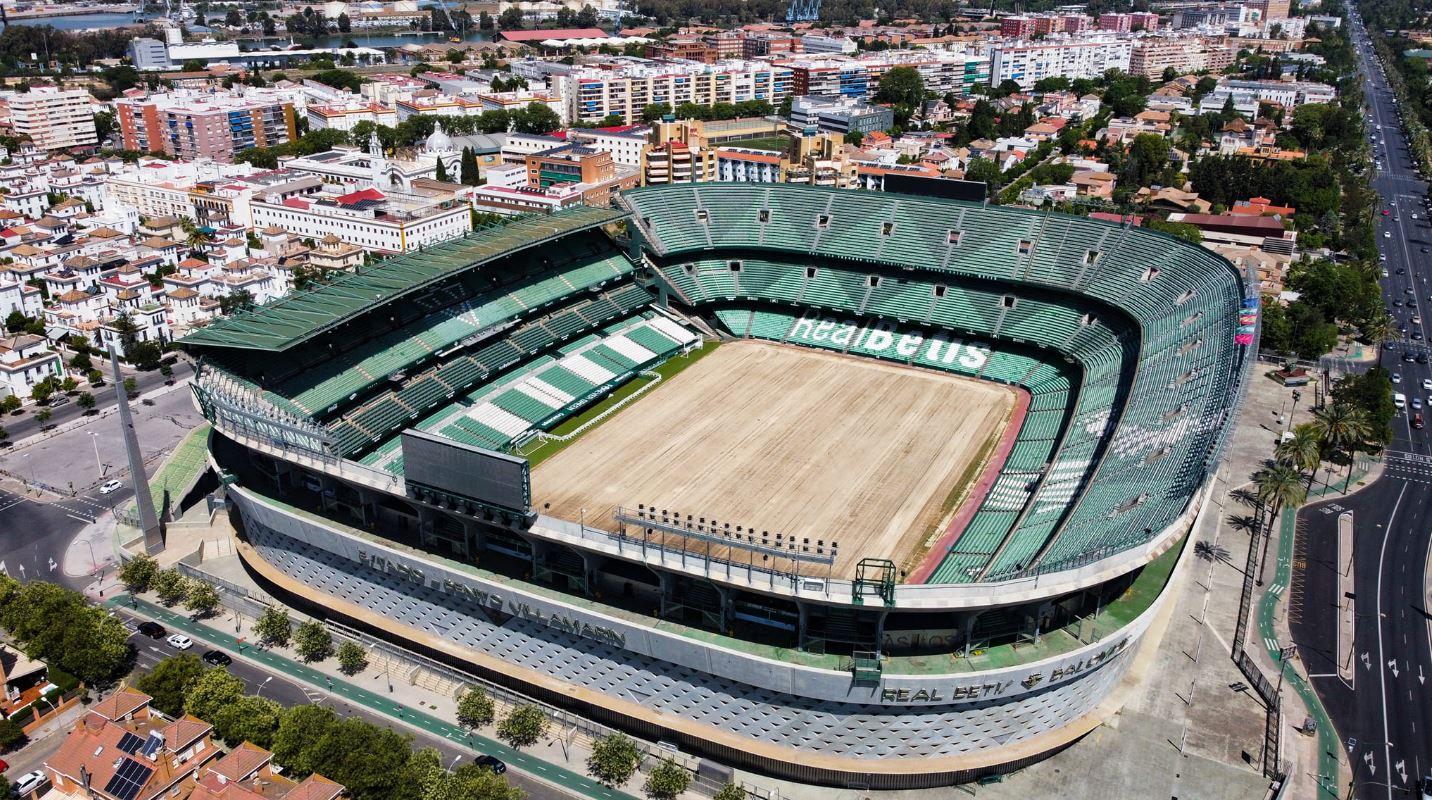
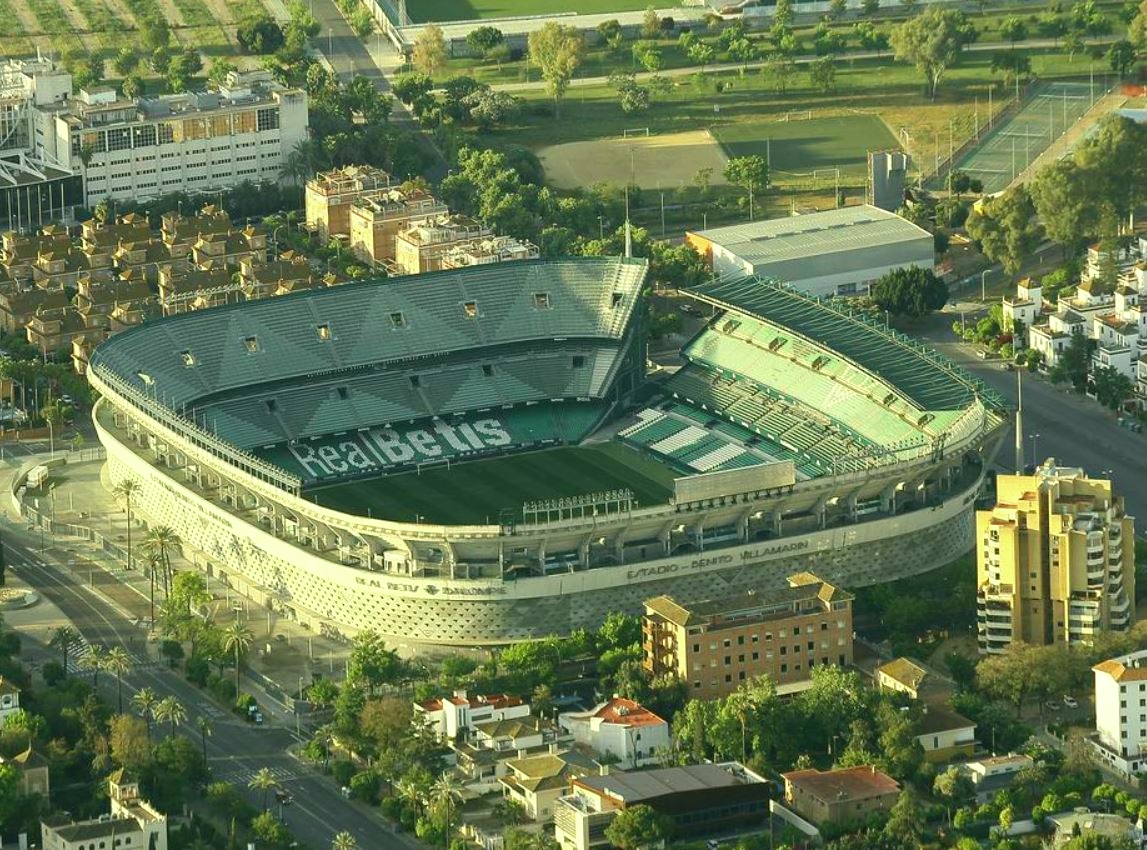
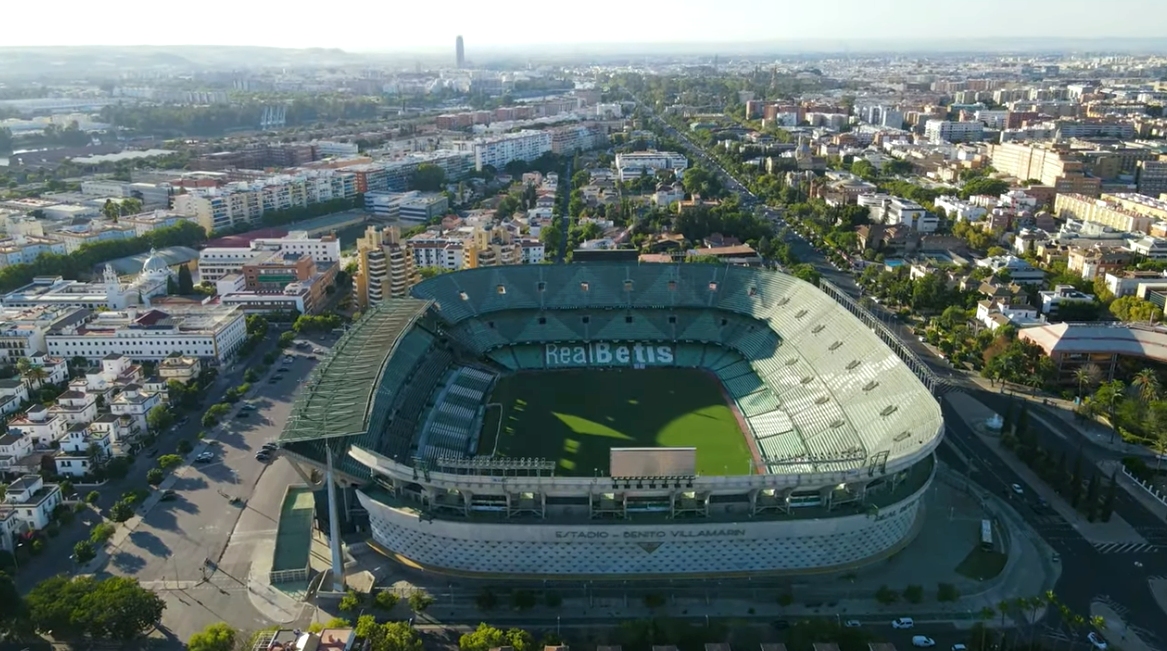
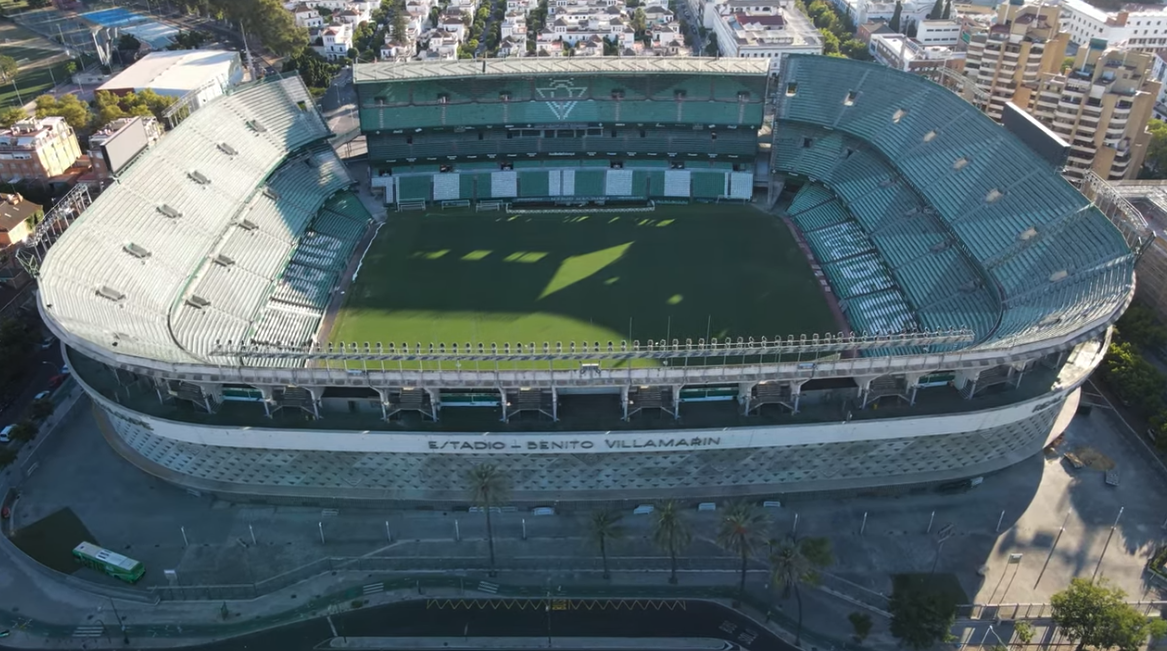
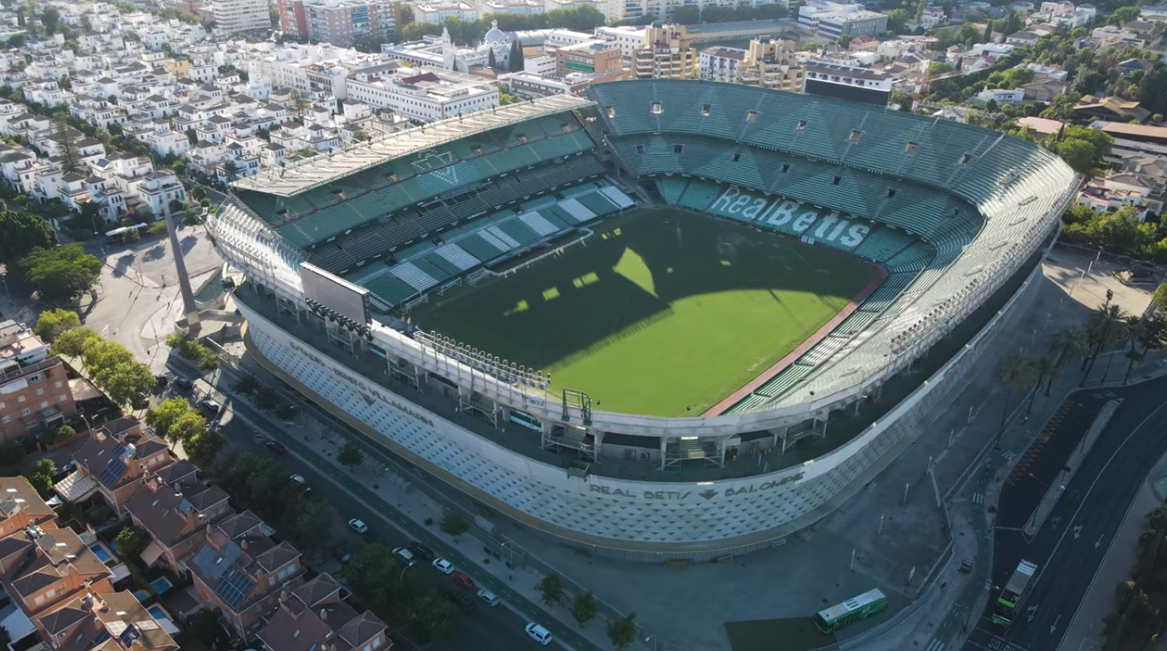
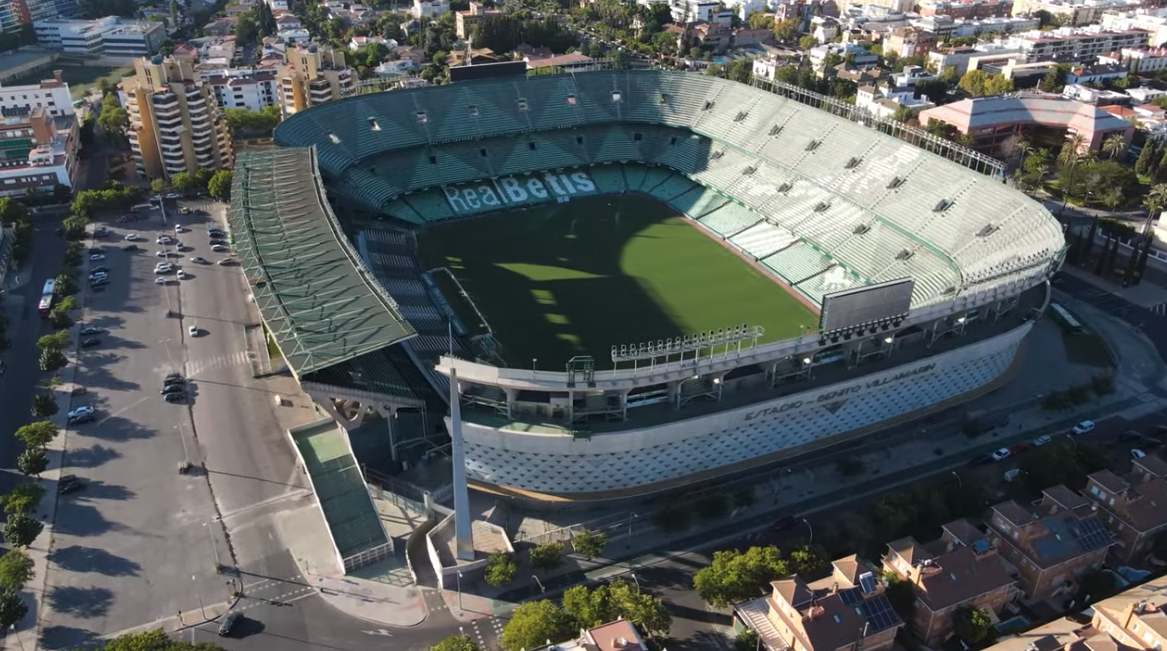
After spending a decade as an unfinished monument to the ego of Manuel Ruiz de Lopera, the stadium reclaimed its former identity when Real Betis supporters voted in October 2010 to restore the name Estadio Benito Villamarín. Even then, the ground remained an awkward patchwork—essentially three separate stadiums stitched together with little architectural harmony. That finally began to change in June 2016, when the old Gol Sur stand was demolished. In its place rose a striking three-tiered stand that completed the continuous sweep of seating from the north to the south end of the stadium. The €17 million redevelopment increased the Benito Villamarín’s capacity to 60,721, making it the fourth-largest club stadium in Spain, after Barcelona, Real Madrid and Atlético Madrid. The completion of the southern end of the stadium brought a degree of uniformity to the Estadio Benito Villamarín, although not necessarily symmetry. The southern end of the stadium does not quite join the West Tribuna in the same manner as the northern end.
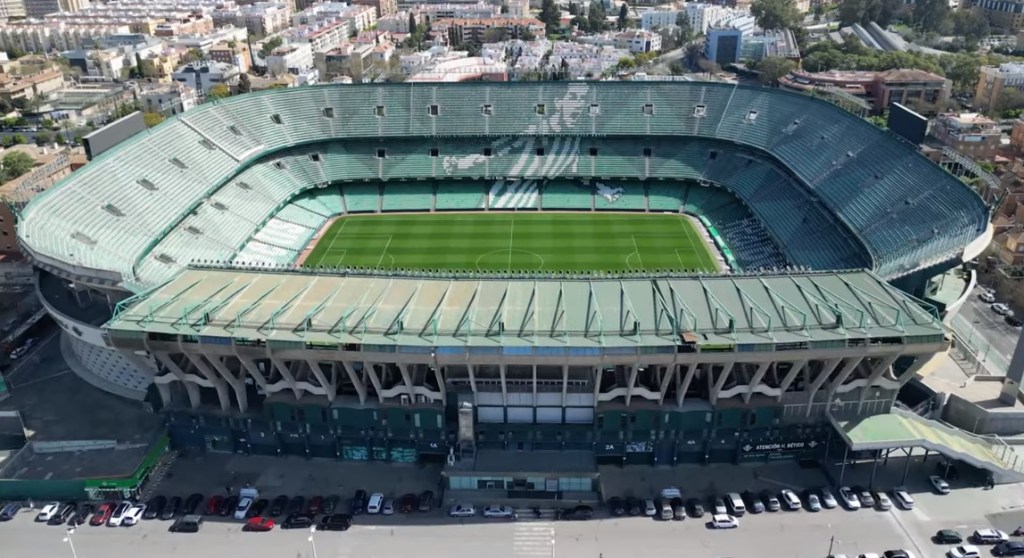
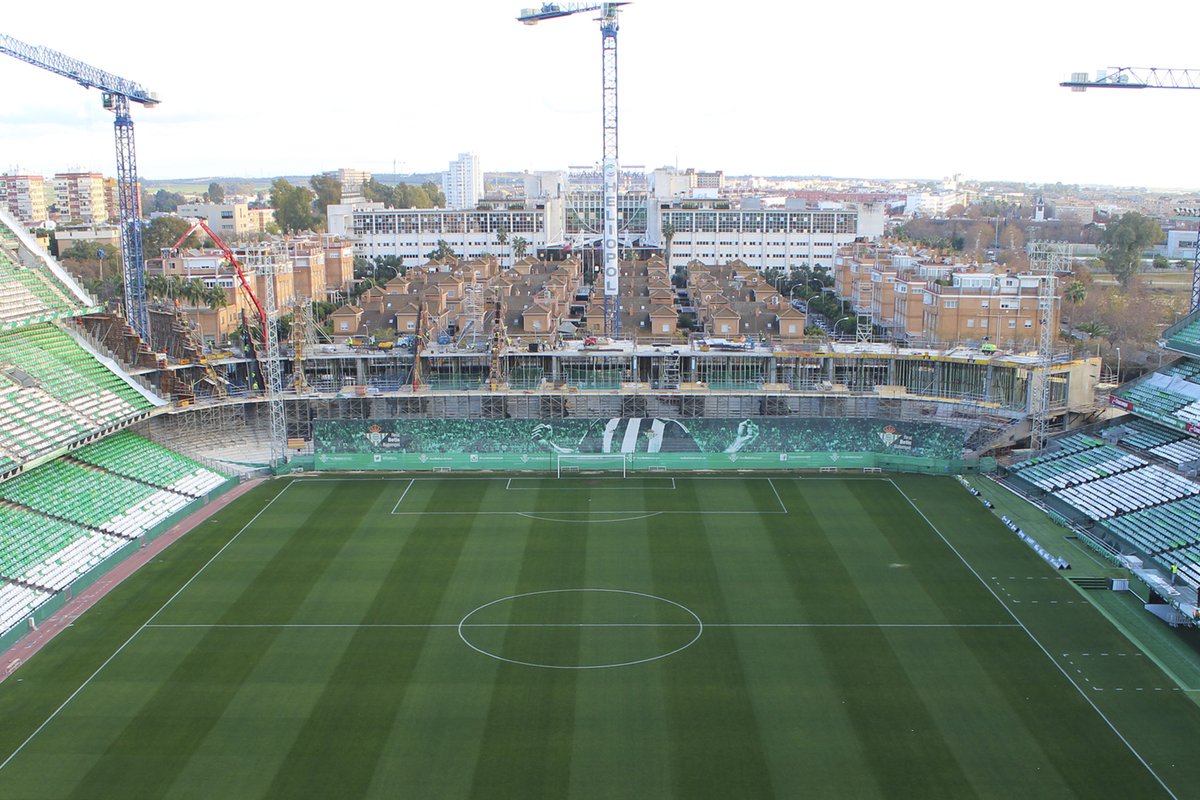
The configuration of the stadium was a vast improvement over the patchwork, mix-and-match approach of the Lopera era. Individually, the stands are fine, especially the exterior detail, which reflects Sevilla’s Moorish past. The addition of the new Gol Sur adds to the incredibly intense atmosphere that Betis fans generate. Plans were approved in 2024 to replace the ageing main stand with a new multi-tiered 12,000-seat structure that will seamlessly complete the seating bowl. The new stand will include improved changing rooms, a gym, media facilities, hospitality suites and 4,000 VIP seats. Externally, the creation of a striking new façade will increase the club’s commercial activity. All four sides will be under cover, with the addition of a ring-compressed polycarbonate roof. Floodlighting and video screens will be incorporated at the front edge of the roof. At a projected cost of €260m, construction work commenced in the Summer of 2025, and as a result, Betis headed across the Rio Guadalquivir to the renovated (and track-less!) Estadio La Cartuja.


1 thought on “Sevilla – Estadio Benito Villamarín”
Comments are closed.