This article updated: 04/06/2026
It does seem to the casual observer that when a lower league club in Spain hits the financial rocks, its days are numbered. There are few stays of execution and none of the prevarication that seems to accompany clubs that befall a similar fate in the UK. No, in Spain it’s pay your players, or you are tostado. This was the fate of Club Deportivo San Fernando, which was formed in 1943 and for a period in the 1950s & 1960s, it was relatively successful. However, attempts to regain those halcyon days left the club with a debt of €2m and in June 2009, the death knell rang.
Football had been played in San Fernando since the turn of the 20th century, but little impact was made by any of the town’s senior clubs in those early years. In 1941, the town’s three senior clubs, San Fernando FC, Atlético San Fernando and CD Arsenal were persuaded to merge by a Cantabrian emigrant, Serafín Gómez Solares. The fledgling club played under the fantastic name CD Once Diablos, or “first devils”, but they saw the light in 1943 and registered with the Federación Andaluza as Club Deportivo San Fernando. The club reached the Tercera in 1946 and in June 1954 beat Real Murcia in a playoff to earn promotion to La Segunda. CD San Fernando remained in the second tier for ten seasons, reaching its peak at the end of the 1957-58 season with a sixth-place finish. The stay came to an end in 1964, and the club returned to the Tercera, where it stayed until 1978-79, when it won promotion, but this time to Segunda B. The club made little impact and after four seasons dropped back into the Tercera.

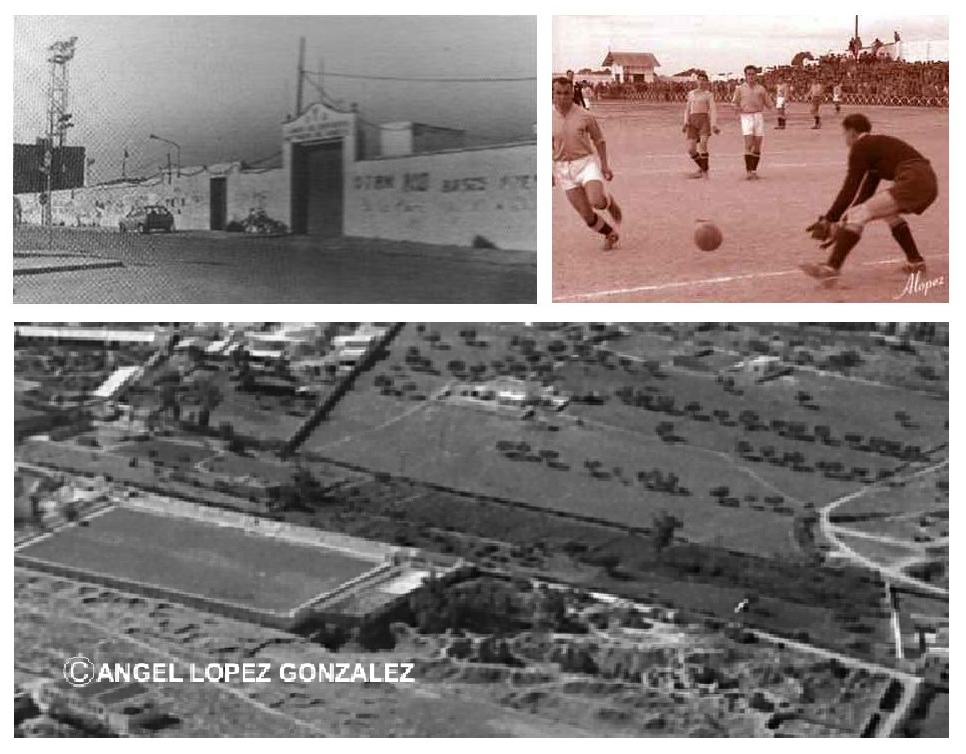
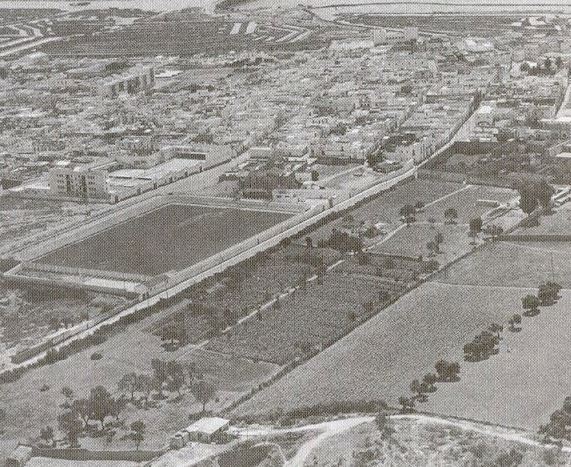
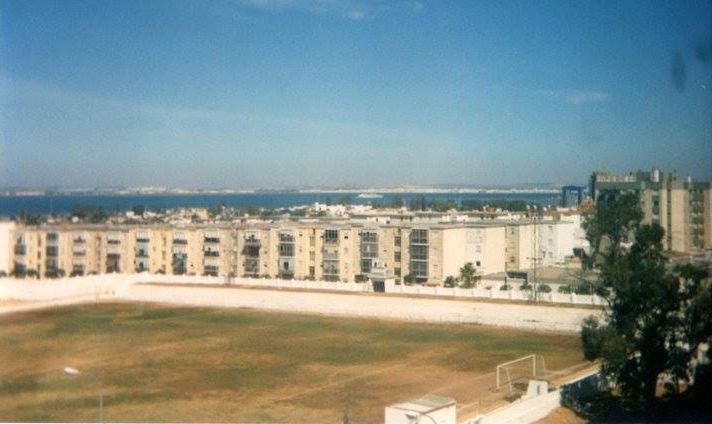
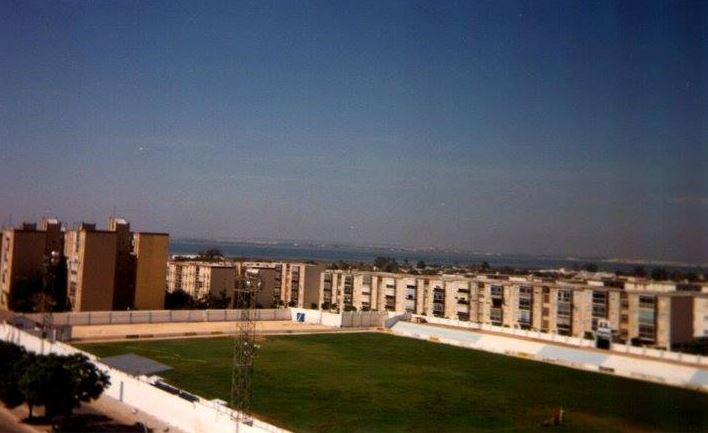
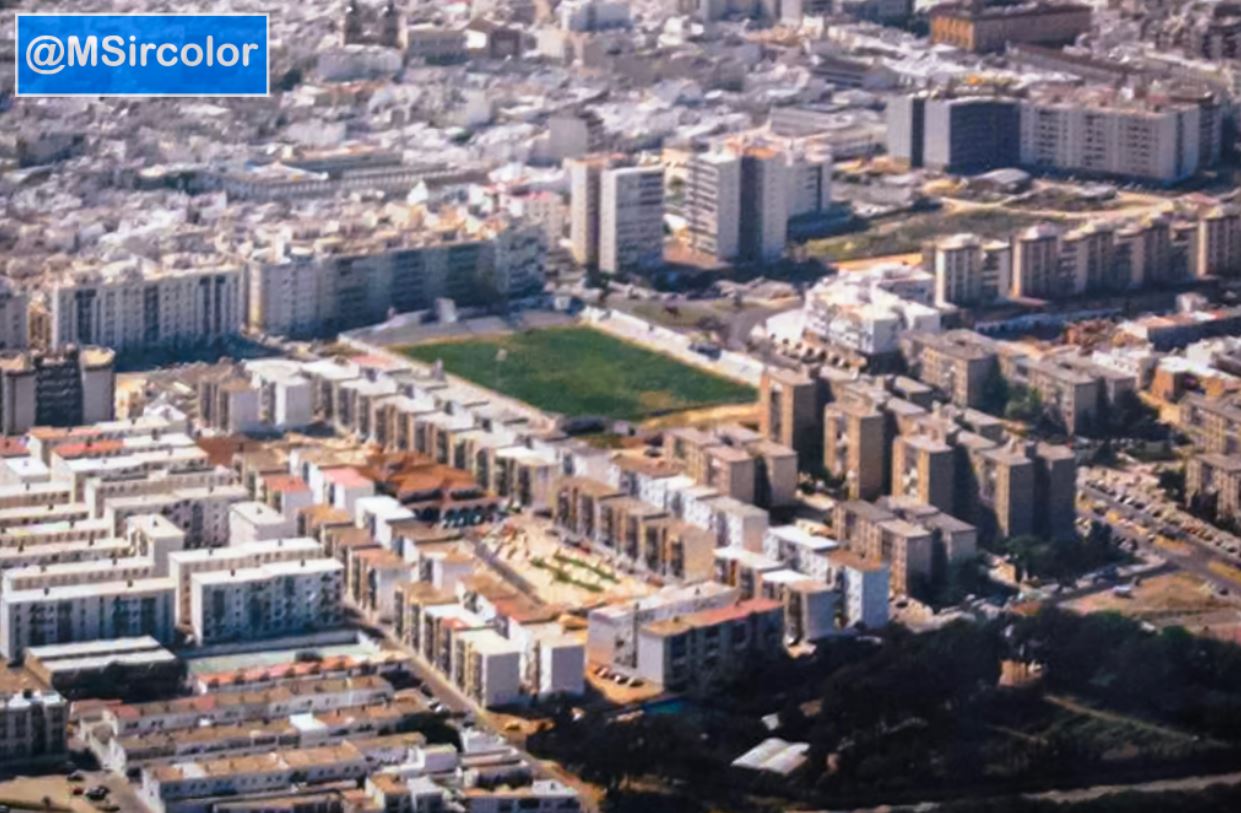
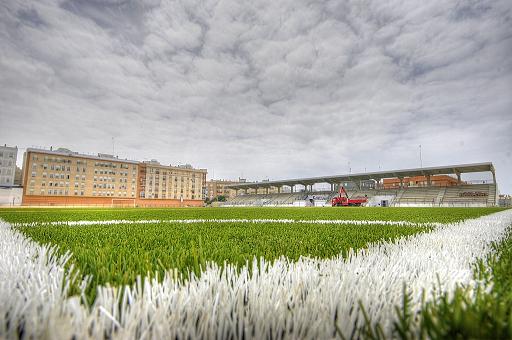
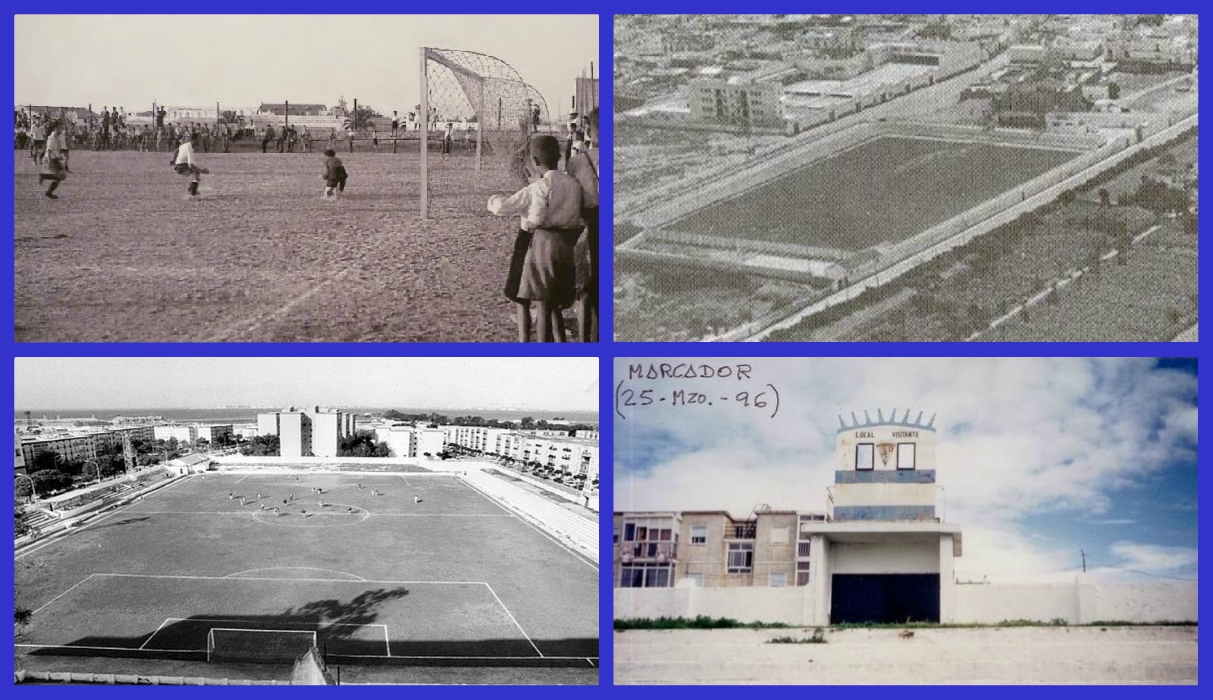
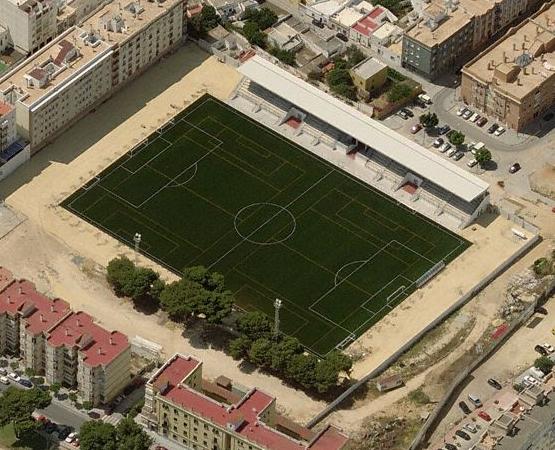
During this period, the club played its matches at the Campo de Marqués de Valera, or Campo Madariaga, as it was known colloquially. It was a simple ground, located just to the northwest of the centre of town. At its peak, during the club’s stay in La Segunda, the ground featured open terraces on all sides of the enclosure. There was a small covered stand on the west side, changing rooms and club offices in the northwestern corner, and one of the nation’s smaller Torre de Maracdor’s on the east side. The peak capacity in the 1960s was 10,000, but this was reduced to 4,500 during its final decade. CD San Fernando left for the Estadio Bahia Sur in November 1992, playing its last competitive game at Madariaga on 8 November 1992, and signed off with a 2-0 victory over Club Atlético Cortegana. The site of the old stadium, at the western end of the Avenida Cayetano Roldán, is now occupied by high-rise housing and an urban park.
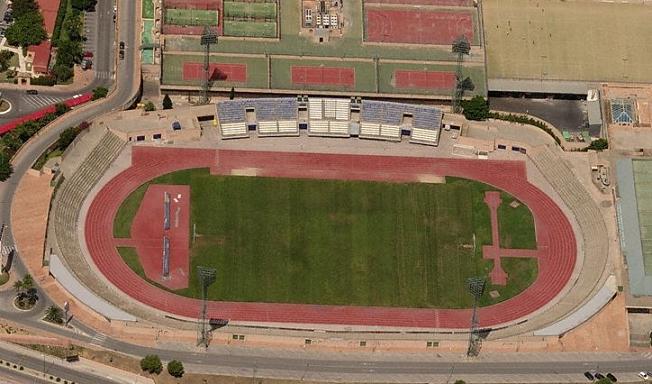
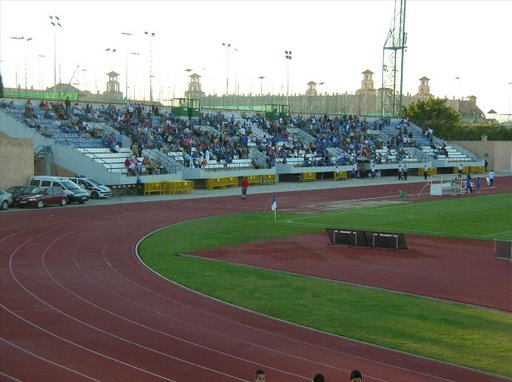
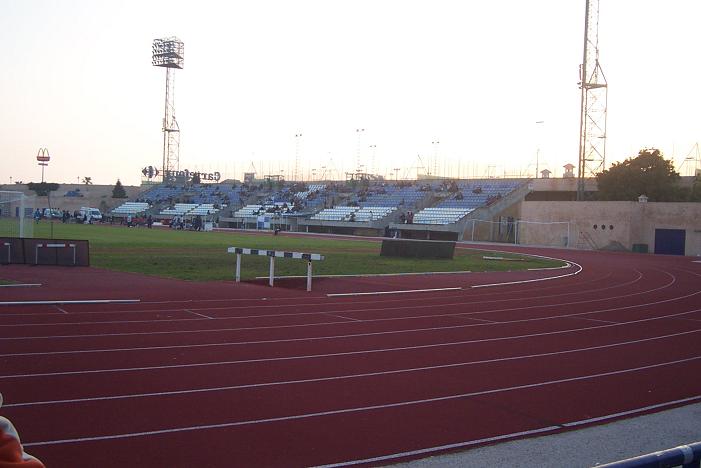
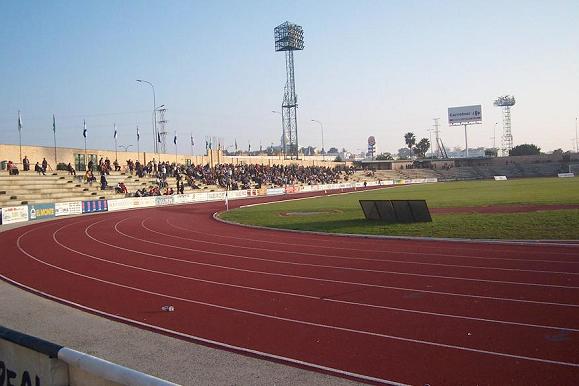
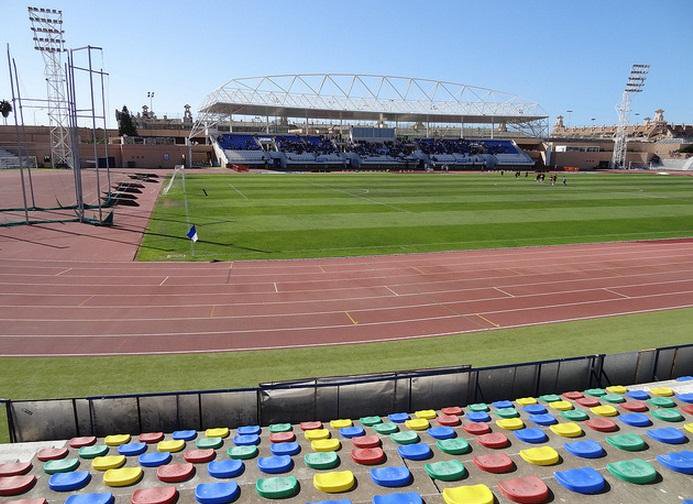
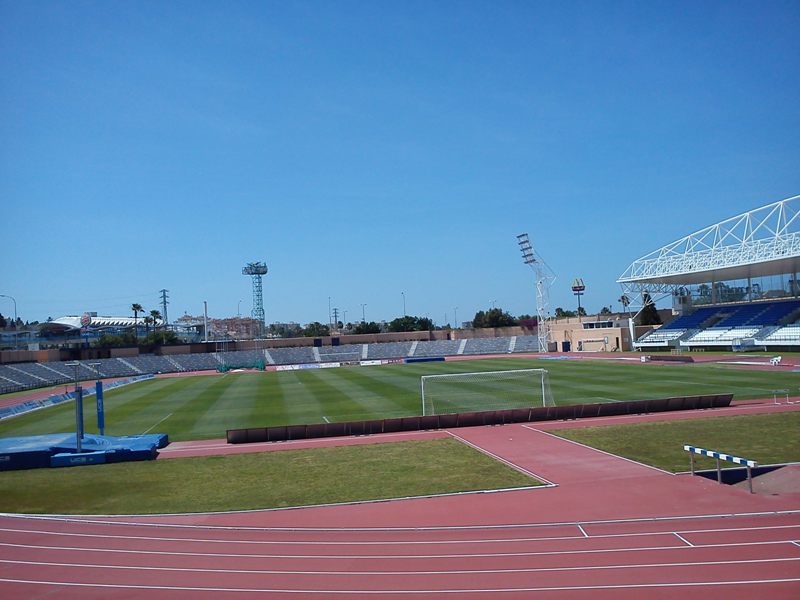
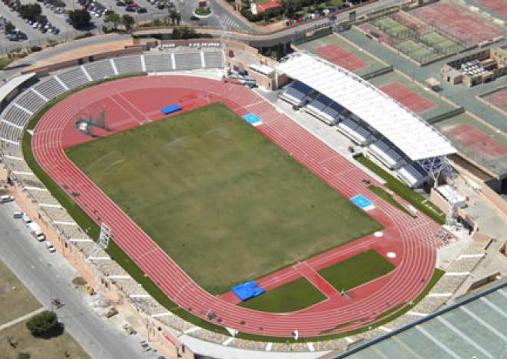
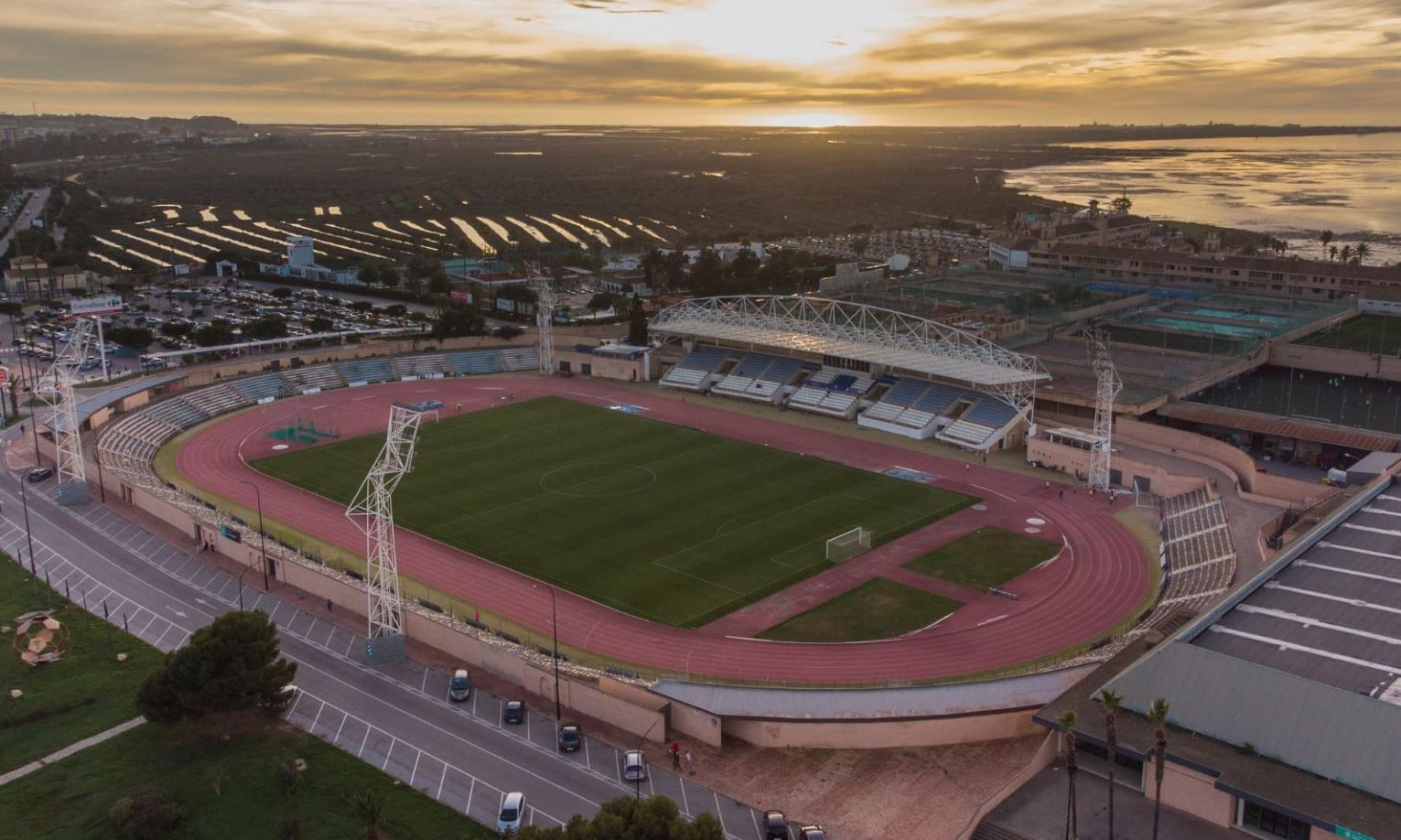
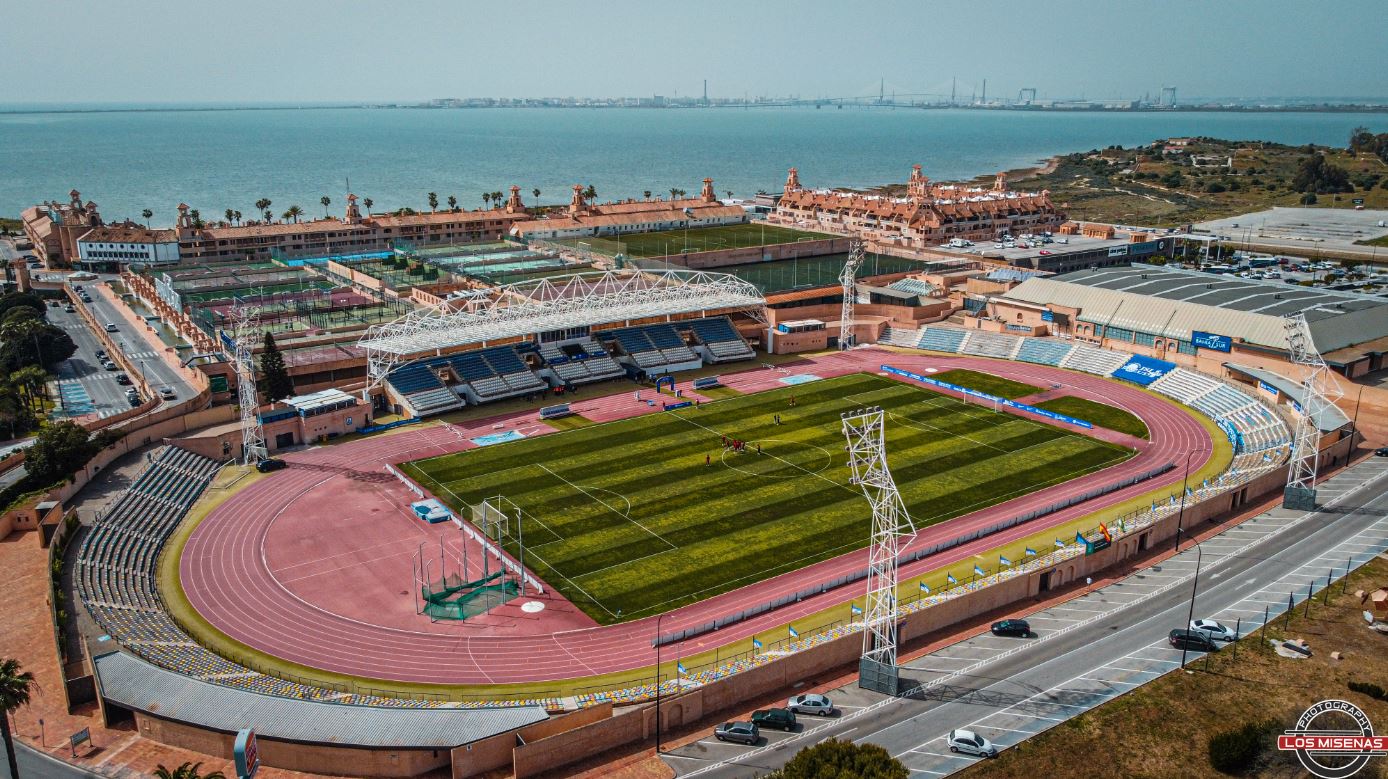
CD San Fernando played its first game at the Estadio Bahia Sur on 22 November 1992, beating Montilla CF by 4 goals to one. Whilst the stadium was an improvement on Campo Marques de Valera in terms of comfort, it was a rather soulless municipal ground with no cover and an athletics track around the pitch. On the plus side, and I’m scratching around a bit here, the floodlights were great! The towers leaned towards the pitch and had triangular gantries that supported the lights. In addition, and to the town’s credit, it was supported by one of the best multi-sports facilities in southern Spain. CD San Fernando did manage to break out of the Tercera on three further occasions, once in the mid-1990s, again for a two-season spell in 2000, and finally in 2008, when play-off victories over CD Calahorra and Amurrio Club earned them promotion to Segunda B. 2008-09 was to prove to be the club’s last, with economic problems affecting morale and performance on the pitch. The club played its last match at Bahia Sur on 10 May 2009, losing 3-5 to UD Puertollano. They finished seventeenth and were relegated. In the close season, the magnitude of the club’s debts became apparent, and the club was dissolved at the end of June with debts of €2m.
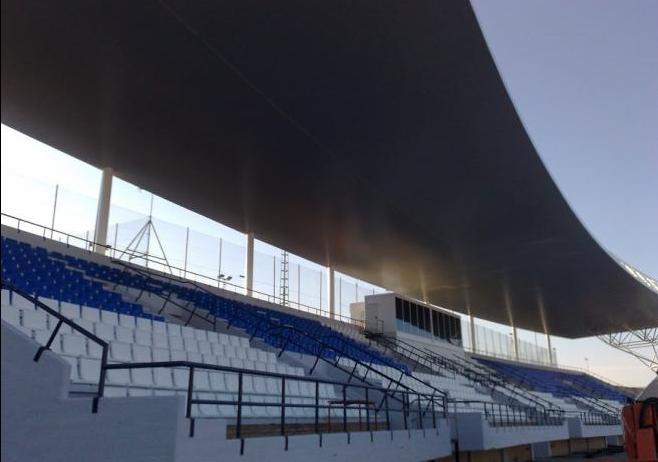
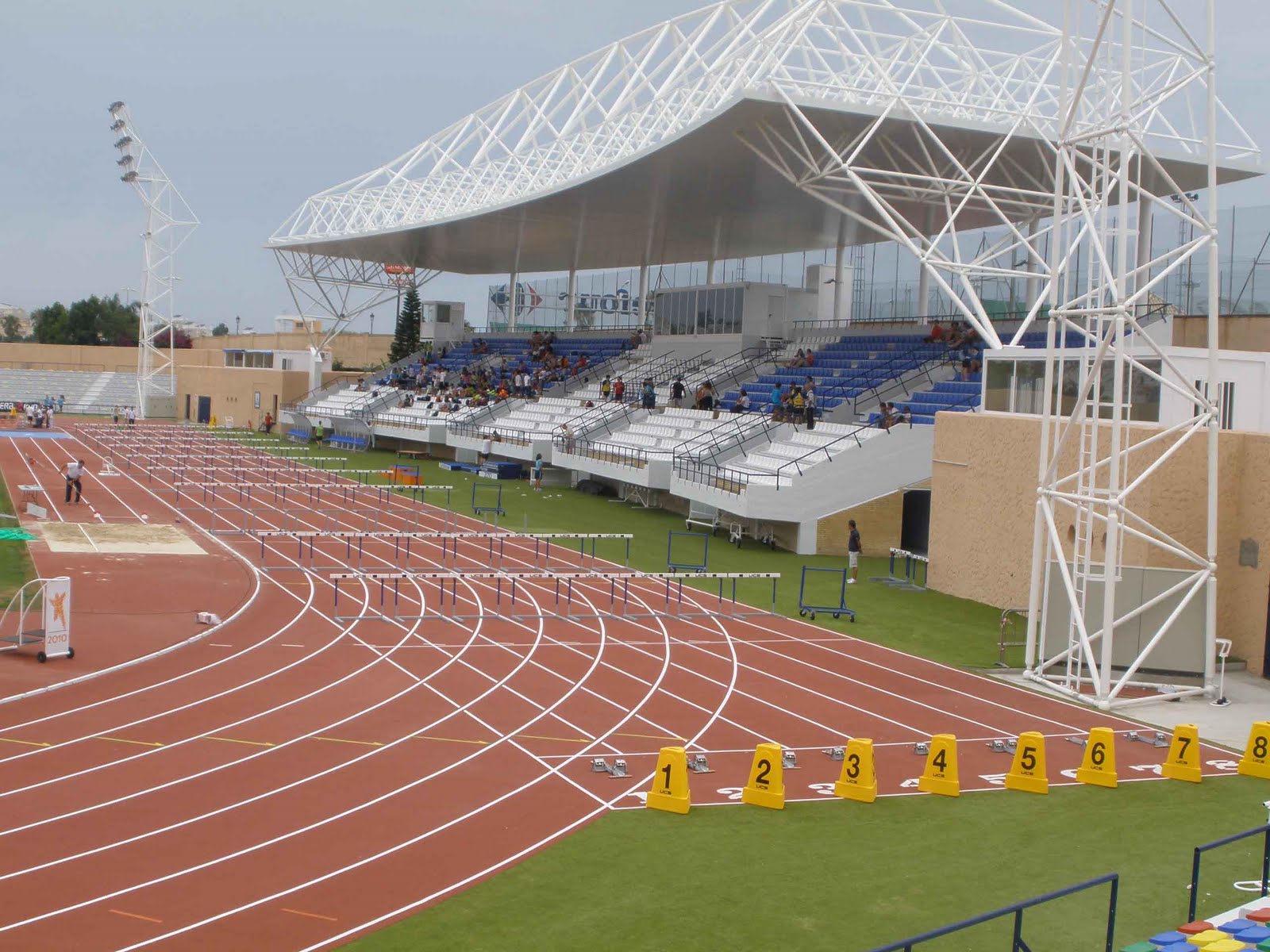
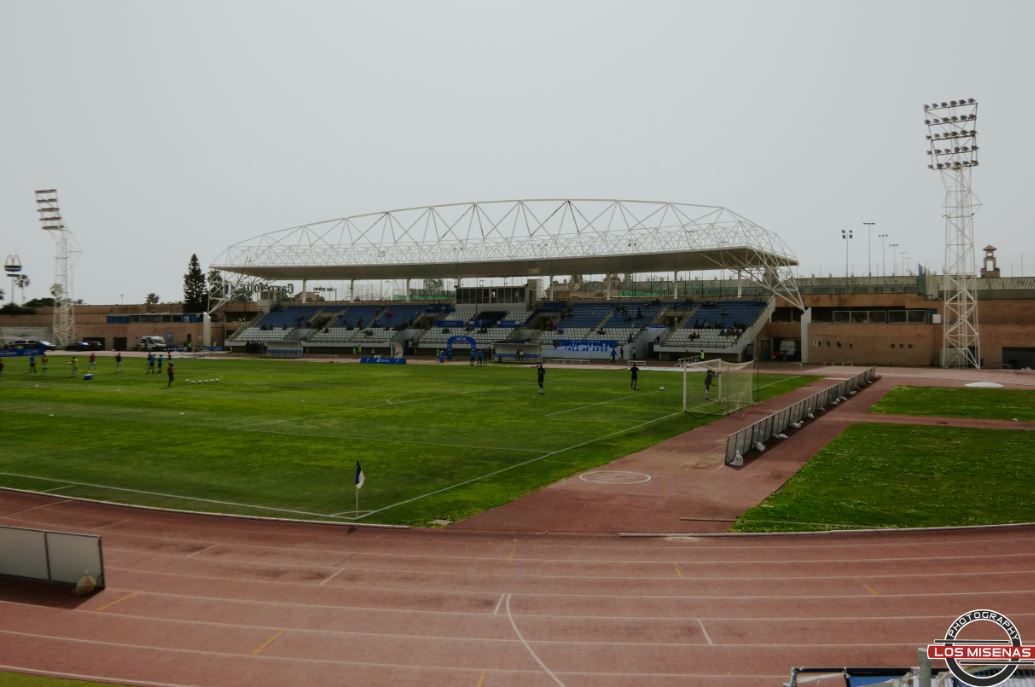
The ashes of the old club were still warm when San Fernando Club Deportivo Isleño was formed on 8 July 2009. Technically, the club was a rebranding of Unión Deportiva San Fernando that had been formed in 2000 and had reached the Primera División Andaluza. The new club played its first match on 2 August, a friendly fixture against Sevilla Atletico, winning 2-0 at Bahia Sur. The club replaced UD San Fernando in the Primera División Andalucía and won promotion on its first attempt. Home matches were soon switched to the Campo La Bazan, as the Estadio Bahia Sur was undergoing substantial remodelling ahead of the 2010 Ibero-American Athletic Championships. The refurbishment included a new athletics track, the replacement of all 6,400 seats, and most impressively, the addition of a roof over the main tribuna. The roof was suspended from a cradle that was anchored at either end of the rows of blue & white seats. The cover hung over the seating deck like a giant bird’s nest.
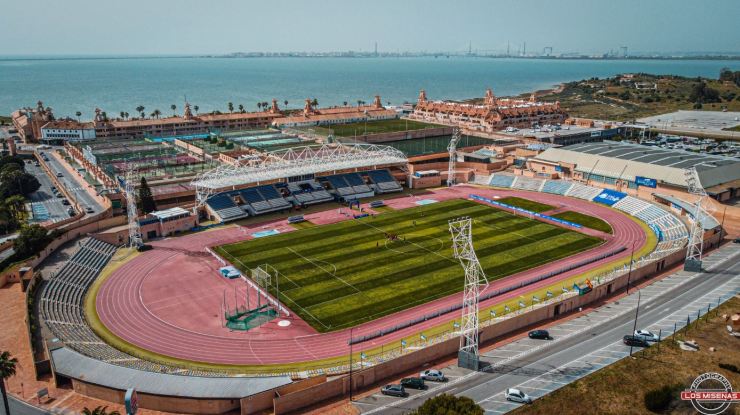
The club started the 2010-11 season at the now renamed Estadio Iberoamericano, and success continued with a second-place finish in Tercera Group 10. Convincing performances in the playoffs saw the club reach the final phase, but lose to La Roda CF. A year on, and that was all forgotten as San Fernando CD won through three rounds of the end-of-season playoffs, beating UD Mutilvera, Levante B & CD Laudio to earn a place in Segunda B. The first season in the third tier saw the club achieve a comfortable seventh-place finish. By May 2014, however, boom had turned to gloom, as San Fernando CD was relegated back to the Tercera. The club returned to Segunda B at the end of the 2015-16, seeing off the challenges of CE Europa, CD Calahorra & CF Aguilas. Following the curtailed COVID season of 2020-21, San Fernando CD won a place in the Primera Federación, but after a three-season stay, dropped to the Segunda Federación in 2024.

Plans were drawn up in 2024 to convert the Estadio Iberoamericano to a football-specific arena. Whilst the main stand would remain, the athletics track and the ring of open seating would be removed. In its place would rise a twin-decked horseshoe-shaped stand, which will bring the spectators closer to the realigned pitch. At a projected cost of €11m, the redeveloped stadium will have a capacity of 6,000 and meet the minimum standards to compete in La Segunda. It will also attain a higher status in terms of accessibility and sustainability. Work was due to commence on the project in the first quarter of 2025, but was delayed when the original contractor withdrew. The Municipality was forced to launch a second and third bidding process, and the budget was increased to over €14m to account for soaring costs. The revised timeline should see the rebuild completed by the end of 2027.


Not that San Fernando Club Deportivo Isleño will witness the redevelopment. Following a dismal 2024-25 season, which saw the club relegated from the Segunda Federación, the majority shareholder, the MTM group, decided to withdraw the club from the league. Despite opposition from minority shareholders, the club was dissolved on 7 August 2025. In its place rose Club Deportivo San Fernando 1940, an initiative driven by former goalkeeper and Sevilla Sporting Director, Ramón Rodríguez ‘Monchi’. The club began in the Tercera Andaluza Senior, or the ninth tier of Spanish Football, and continues to play at the Estadio Iberoamericano.