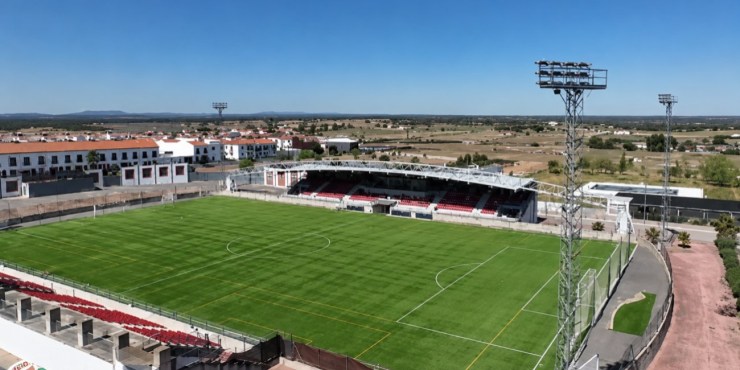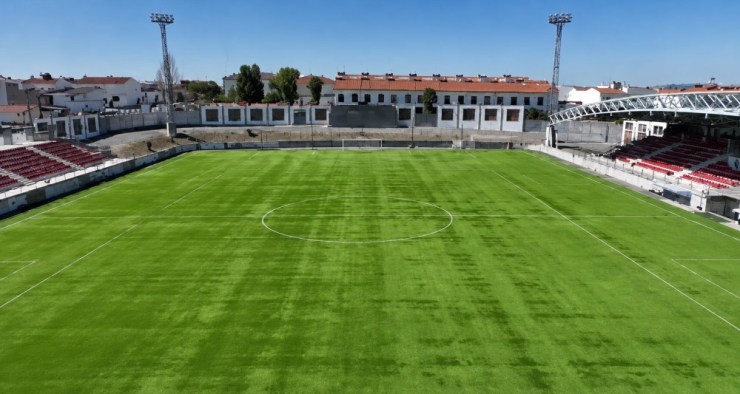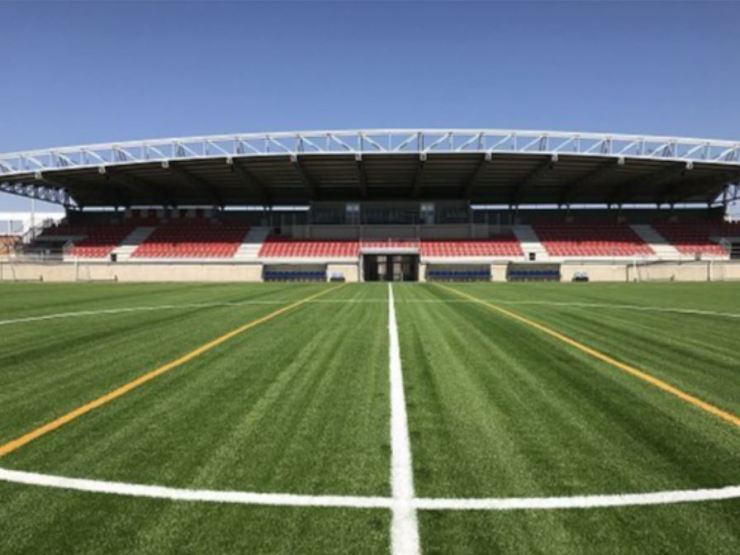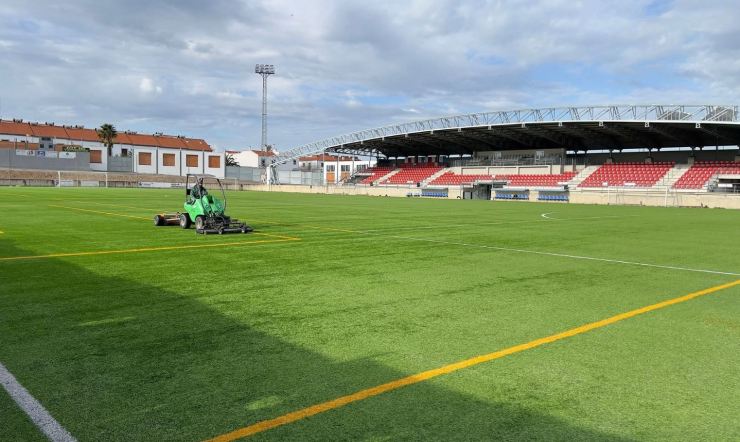
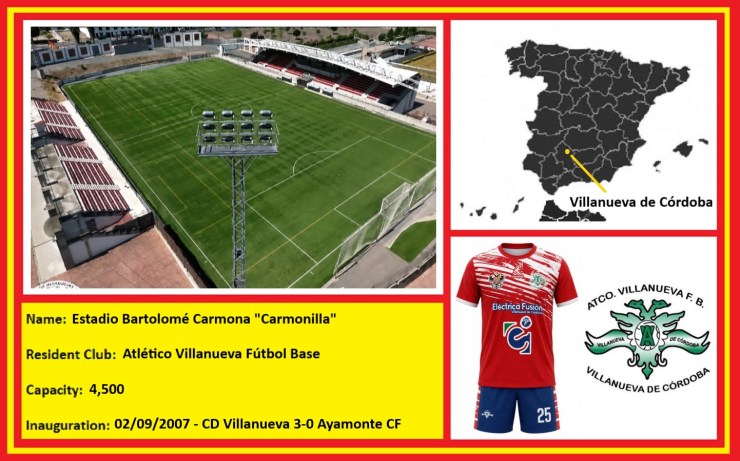
The Estadio Bartolomé Carmona “Carmonilla” is a perfect example of how the rapidly changing fortunes of the club it was built to serve can leave a community with a football ground that looks totally out of place. Originally called the Estadio Nuevo San Miguel, it sits on the northern edge of Villanueva de Córdoba, right where the town meets the pastures of Los Pedroches. Today, this modern municipal stadium is home to Atlético Villanueva and the town’s football school, but it was actually built for neither. It was meant to be the permanent home of Club Deportivo Villanueva, a very small-town club that made a surprising leap from the Andalusian regional leagues to the national third tier, only to have its journey cut short by financial troubles.
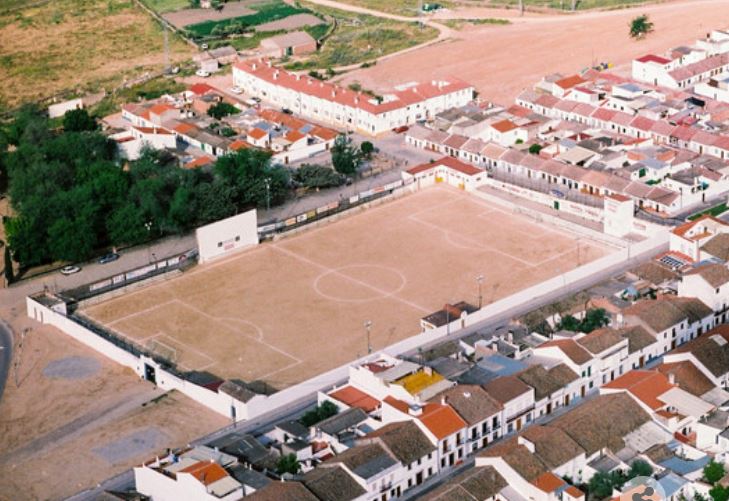
Villanueva de Córdoba is one of the principal communities of Los Pedroches, the vast pastoral area that occupies the northern reaches of Córdoba province. Traditionally a centre for livestock farming and the production of Iberian ham, the town’s population peaked in the 1940s, before mass migration led to a steady decline, halving to today’s figure of just under 9,000. Despite football’s popularity across Andalusia, organised competition arrived relatively late. While informal kickabouts had taken place for many years on fields to the south of the town, it lacked a permanent representative club until the formation of Club Deportivo Villanueva in 1951. For almost half a century, the club lived a modest existence in the lower reaches of the provincial divisions. Home matches were played at the Campo de San Miguel, a simple municipal ground on the southern edge of the town. Although extremely basic, San Miguel possessed considerable character. Its playing surface, a mixture of sand and lime, was unusually narrow, measuring just 58 metres in width. This, along with its claustrophobic terracing, gave the ground a distinctive reputation, often frustrating visiting teams more accustomed to more congenial surroundings.
Except for a season-long visit to the Primera Regional Andaluza in 1960-61, the first two decades of CD Villanueva’s footballing adventure passed without incident. The reorganisation of the leagues in 1971 placed the club in the Segunda Regional Cordobesa, where they remained until 1980, when another rejig elevated them to the Primera Regional Cordobesa. A first league title of any description was won in 1986, and with it came promotion to the Regional Preferente. The first signs of an upturn in the club’s status occurred with their first Regional Preferente title in 1994. It was the first of six successive top-three finishes, but poor performances in the playoffs halted any progress. A third Regional Preferente title was won in 1999, and this time CD Villanueva flew through the playoffs and earned a place in Group X of the Tercera. The club recorded two mid-table finishes before winning the Tercera title in 2002. Although they performed admirably in the playoff group, they lost out to Torredojimeno in the final match. The title earned CD Villanueva a place in the following season’s Copa del Rey, and following a fortuitous bye against CF Ciudad de Murcia, they hosted that season’s eventual finalists, Recreativo Huelva, losing 1-2 at the Campo de San Miguel. A further Tercera title was won in 2003, but once again the playoffs proved their undoing. Before the start of the 2004-05 season, the club appointed Rafael José Carrillo López (“Falete”) as coach and a third Tercera title was won in 2005. There would be no playoff slip-up this time, with victories over Racing Portuense and Torredonjimeno earning promotion to Segunda B.
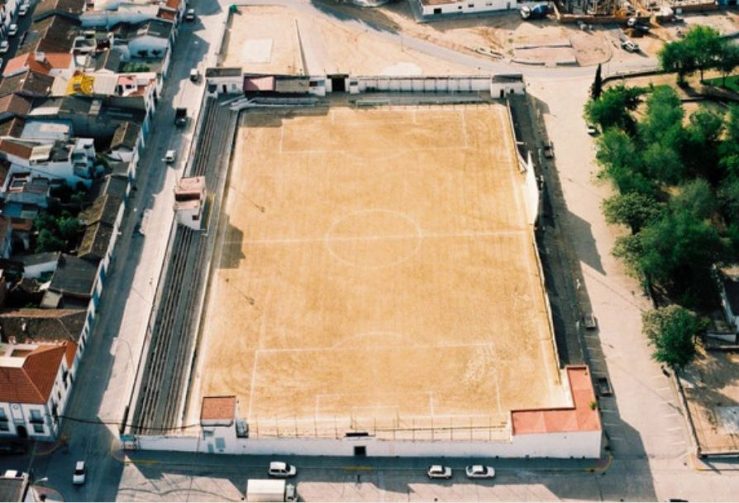
Promotion to the third tier necessitated changes at the Campo de San Miguel. Upgrades to the floodlights, changing facilities and perimeter fencing were made during the summer of 2005, and whilst the narrow playing area could not be widened, the ground’s first natural surface was installed. However, the municipality and the club were merely biding their time. The Campo de San Miguel would suffice for the next couple of seasons, but plans were afoot for a new stadium on the northern edge of town. CD Villanueva made a slow start to the 2005-06 campaign, with just one win in their first nine fixtures. Form then dramatically improved, so much so that the club stood seventh at the midway point of the season. The positive results fell away, and with them, CD Villanueva fell into the relegation zone. Thankfully, 12 points from their final six fixtures proved to be just enough to remain in Segunda B for another year. Coach Falete left for CD Guadalajara in the summer of 2006, maybe aware that the club’s dream was about to unravel. Antonio Gutiérrez was appointed as coach but left after two wins in 12 matches. Rafael Carrasco took up the coaching reins, but the rot had set in, and despite an improved second half of the season, CD Villanueva finished in 18th position, some 13 points from safety. The last match of the 2006-07 season was also the last at the Campo de San Miguel, but at least it was given an appropriate send-off, with a 2-0 victory over Granada CF.
On 2 September 2007, a much-changed CD Villanueva beat Ayamonte CF 3-0 in the first match at the new Estadio Nuevo San Miguel. The new-look team proved to be competitive, finishing fourth in the regular season, but after seeing off the challenge of Club Portugalete, lost in the final round of the playoffs to Racing Santander B. The start of the 2008-09 season was steady rather than spectacular, with the club remaining competitive up to the winter break. However, as the season progressed, reports emerged of staff & players going unpaid. This came to a head on 5 April 2009, when the squad, who had not been paid for five months, failed to appear for the away game against Jerez Industrial. A further no-show a week later for the home fixture with Los Palacios led to a suspension from the league on 22 April 2009, effectively ending the club’s competitive existence. Club Deportivo Villanueva was wound up in July 2009. As is usually the case, the death of one club immediately leads to the formation of a successor, in this case, Atlético Villanueva Fútbol Base. Using the existing youth team as the core of the new squad, it started out in Group II of the Primera Provincial de Córdoba, earning promotion in its first season. Since 2017, it has played in the Primera Andaluza de Córdoba (Tier 7).
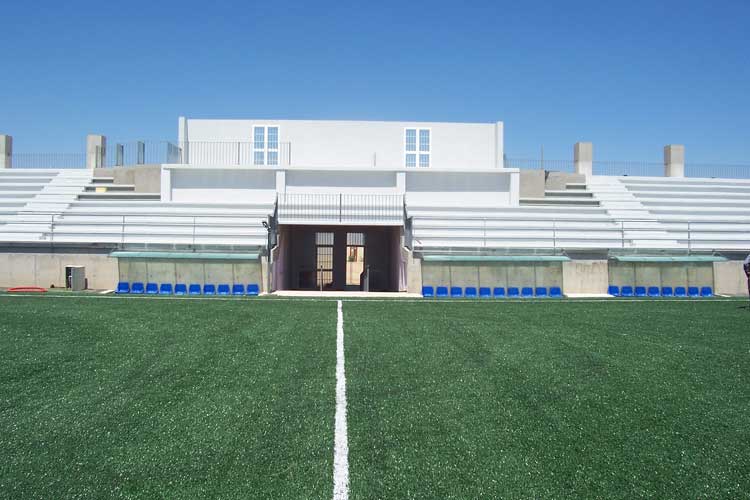
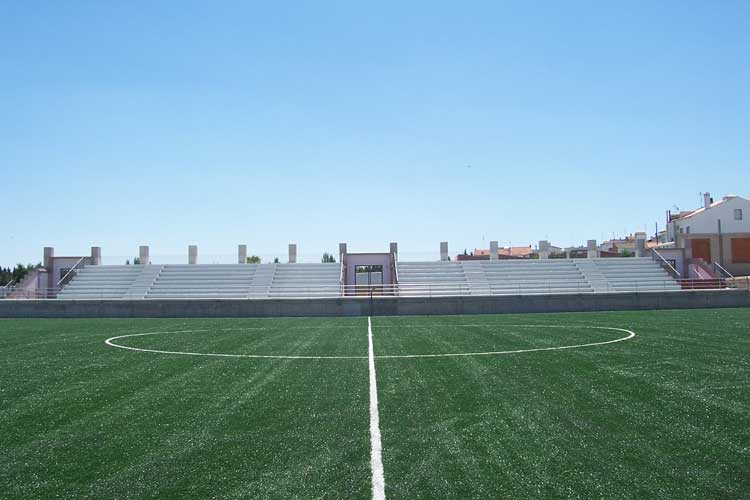
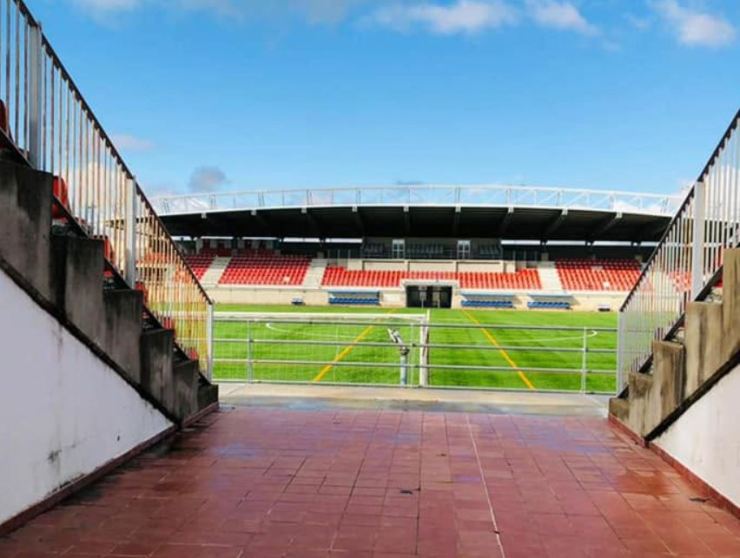
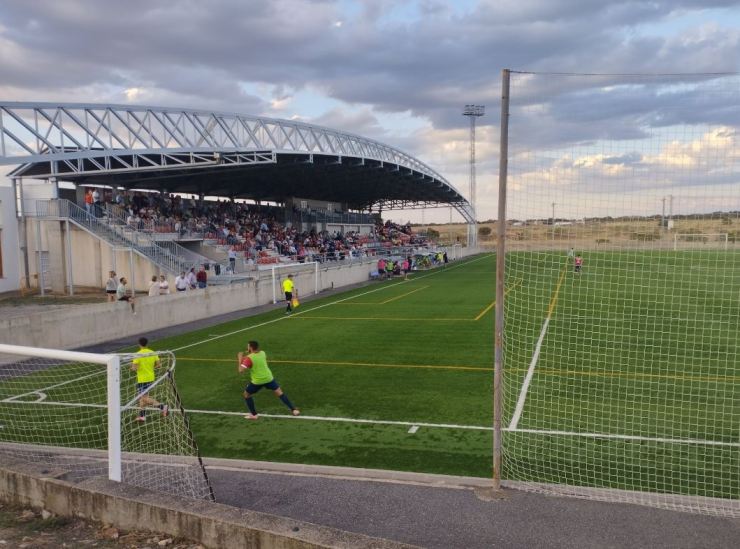
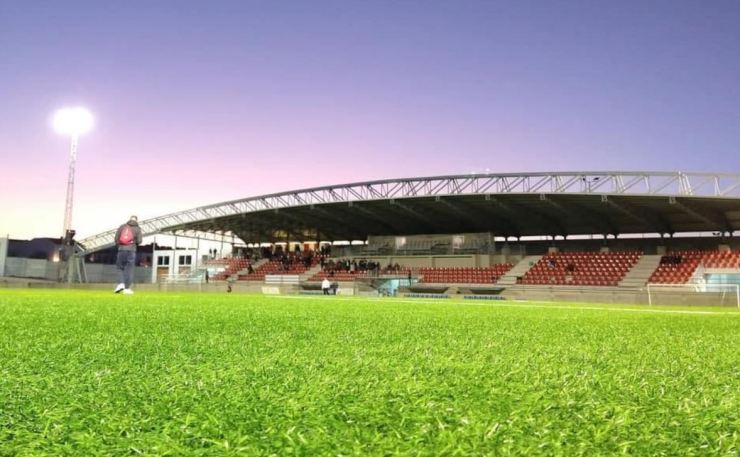
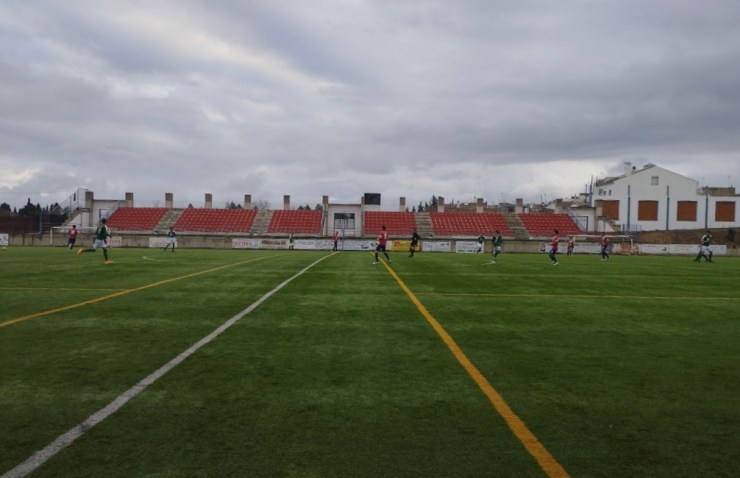
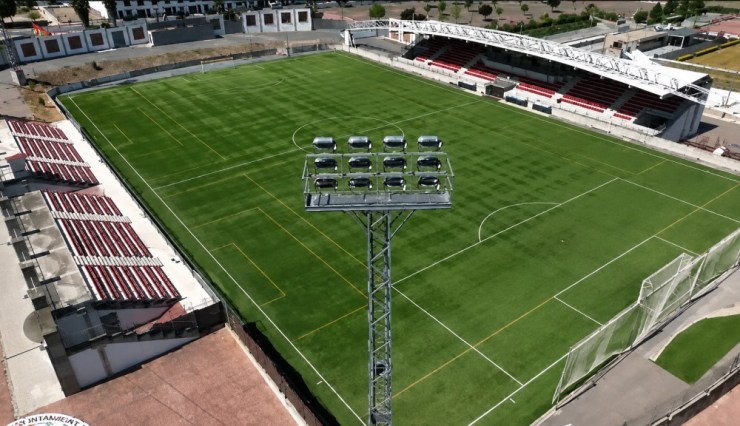
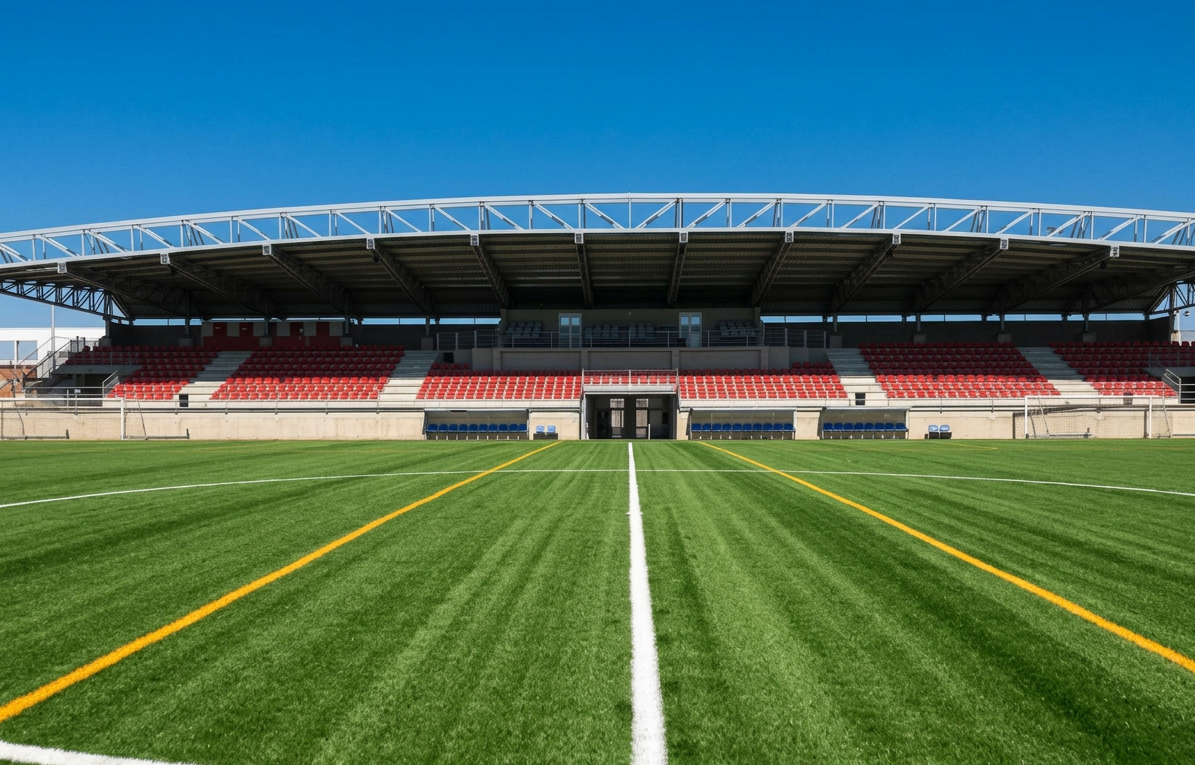
Upon opening in September 2007, the Nuevo San Miguel Stadium had an unfinished air about it. Yes, there was a new artificial surface (65 metres-wide!) and excellent floodlights, but the two main structures, the western tribuna and the preferente stand opposite, consisted of the bare essentials. The roof over the tribuna was finally added in 2011, and what an impressive cover it is. Whilst the roof is anchored to posts in the traditional manner at the rear, it is also supported at the front by an arch that runs the full length of the pitch. This allows the roof to extend beyond the eight rows of red seats. The preferente stand was eventually seated in 2021, and although it features anchor points for a cantilevered roof, it remains uncovered. This excellent facility has a capacity of 4,500 and is comfortably the most advanced stadium in the north of the Province of Córdoba. The stadium and adjoining sports complex are a bold statement from the local council, and would be fitting for a town twice the size of Villanueva de Córdoba.
In September 2016, the city council unanimously agreed to rename the stadium after Bartolomé Carmona Díaz, affectionately known as “Carmonilla,” in recognition of his lifelong dedication to local football. As a player, coach, kit man, club president, commentator and tireless supporter of the town’s clubs, Carmonilla devoted his life, his money and his energy. His colourful personality, humour and endless passion made him a true local hero. His lively match commentaries, either from atop a roof at the old San Miguel or from a personally commissioned booth at the new stadium, were legendary. So was his unwavering commitment to helping others, including his charitable work and generosity in his grocery store. Carmonilla passed away in 2021, but his love for the club and football never faded. The renaming of the stadium was a fitting tribute to the man whose extraordinary commitment made him an enduring symbol of regional football in the town and beyond.
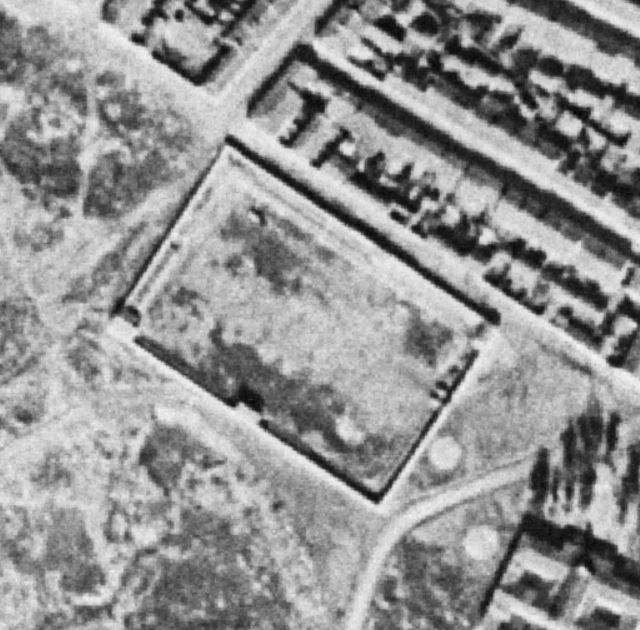
Campo de San Miguel in 1957 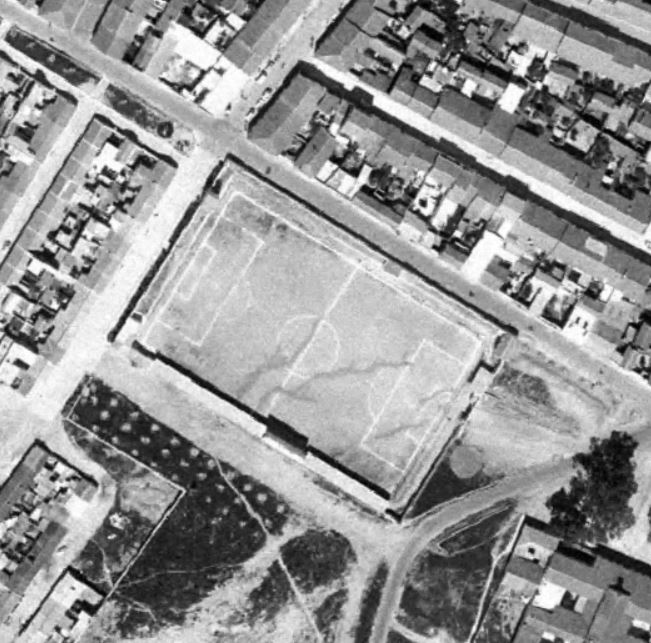
Campo de San Miguel in 1980 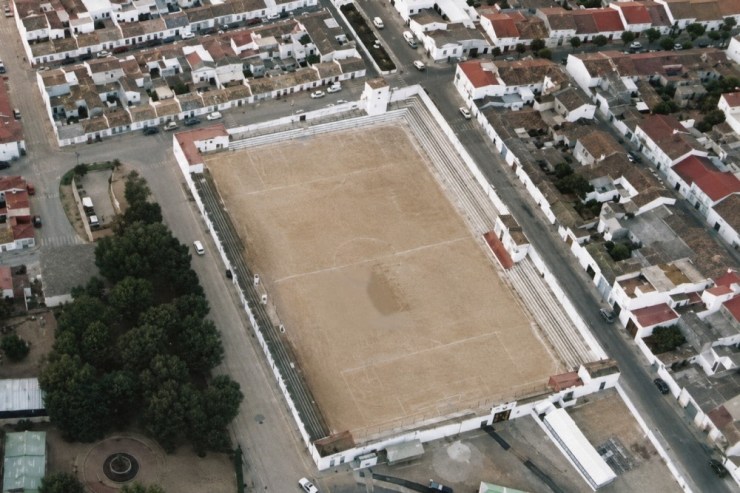
Campo de San Miguel 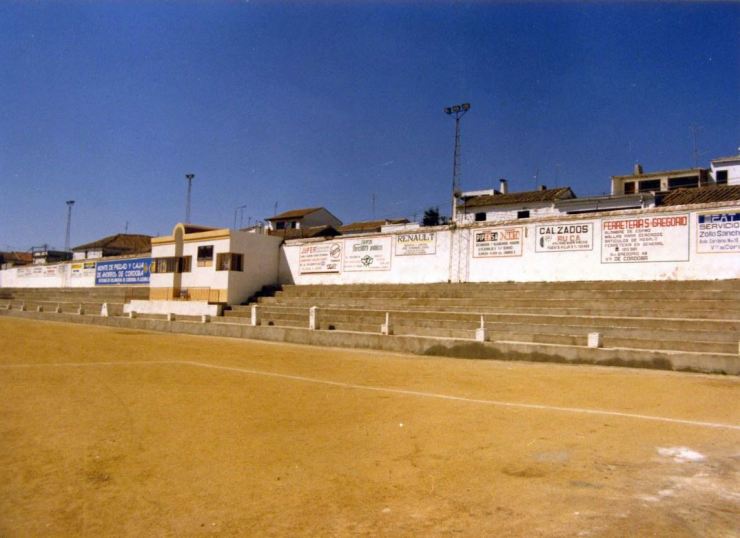
Campo de San Miguel 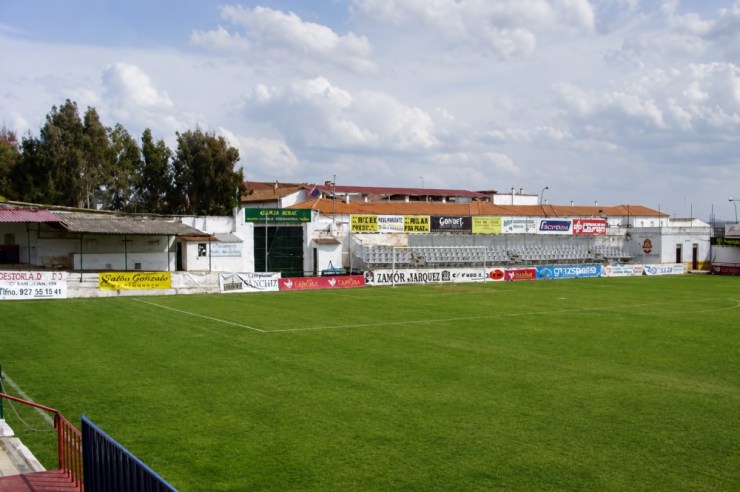
Campo de San Miguel 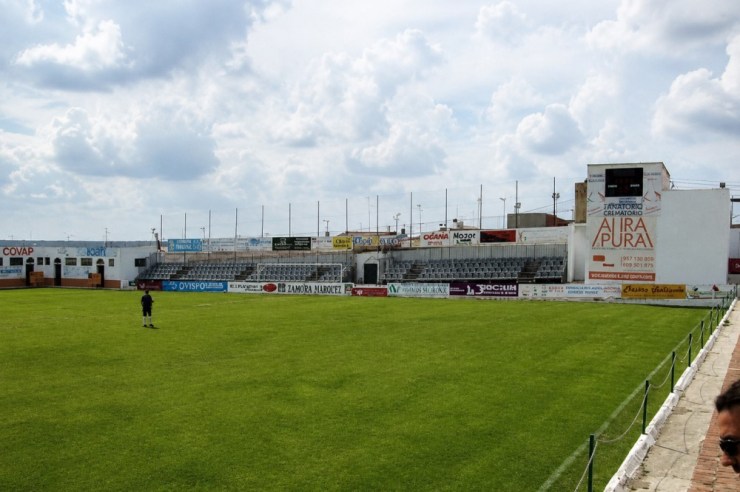
Campo de San Miguel 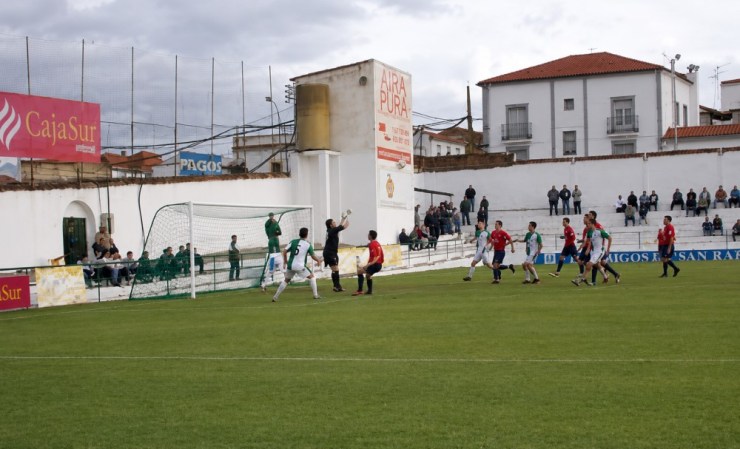
Campo de San Miguel 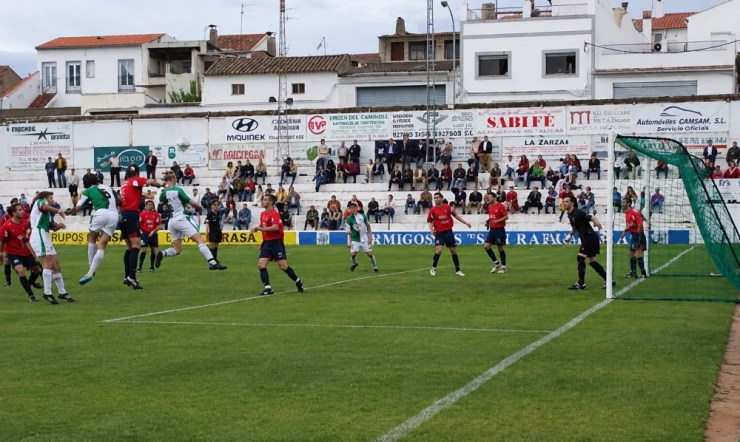
Campo de San Miguel 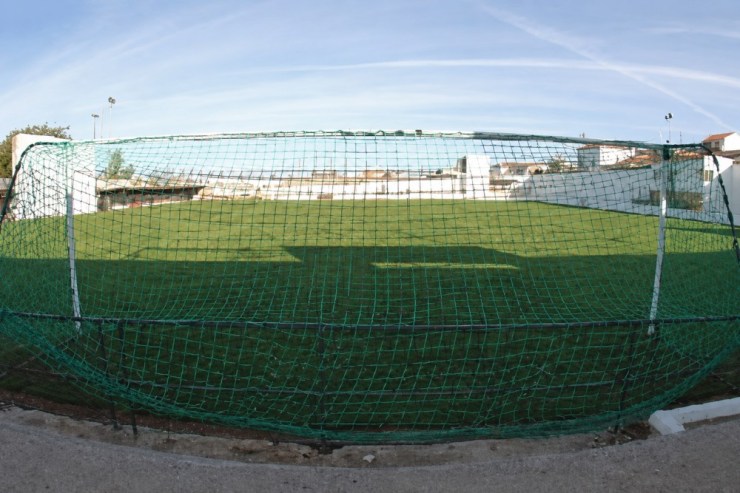
Campo de San Miguel 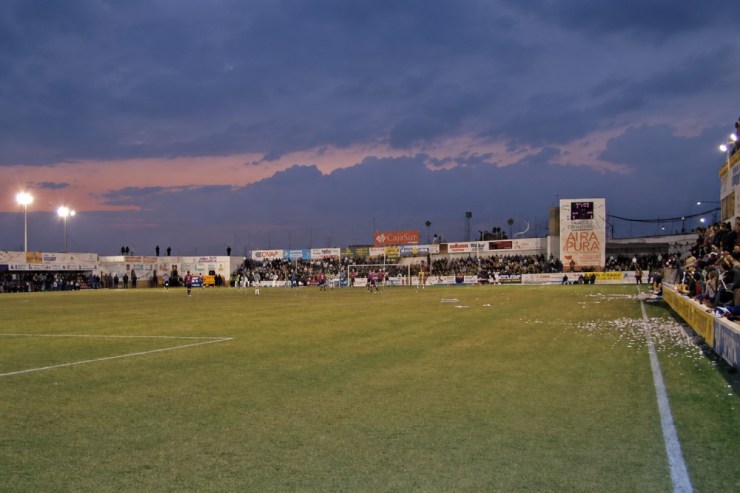
Campo de San Miguel 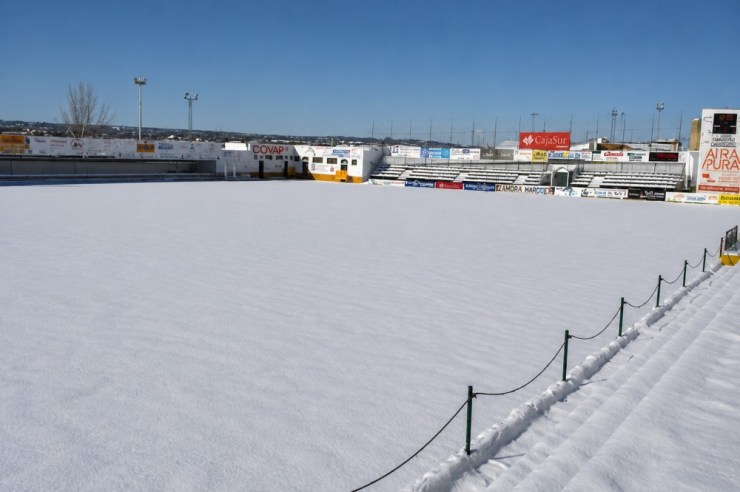
Campo de San Miguel 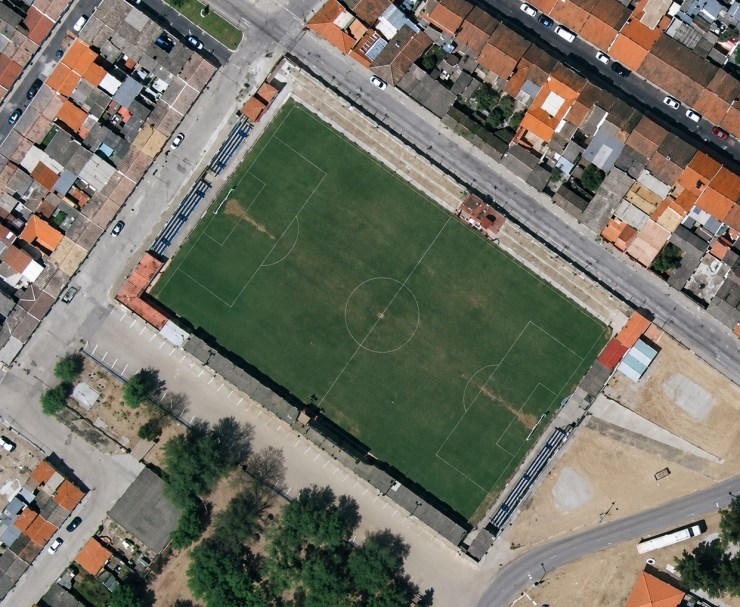
Campo de San Miguel after its final season in 2007 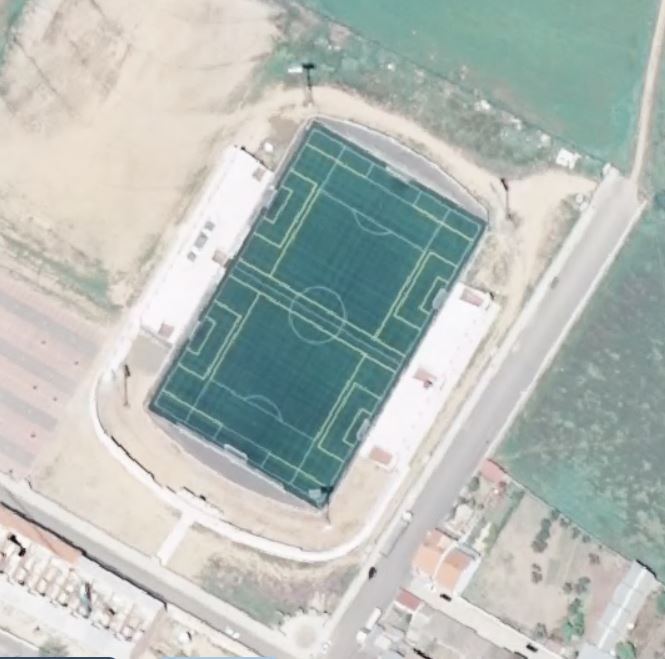
Nuevo Estadio 2009 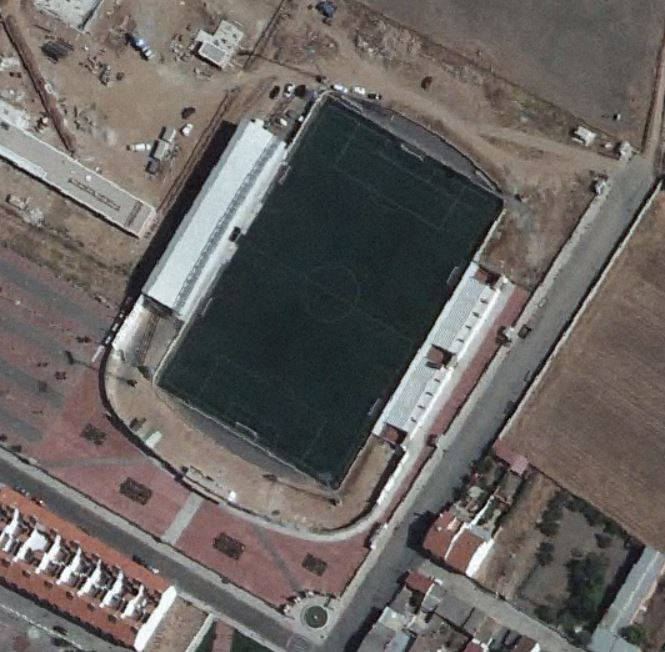
Nuevo Estadio 2011 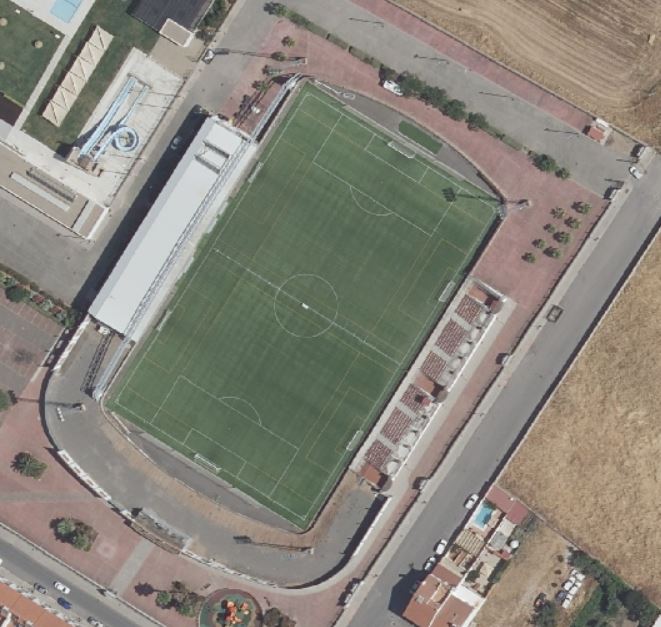
Nuevo Estadio 2025