
Article updated: 18/01/2026
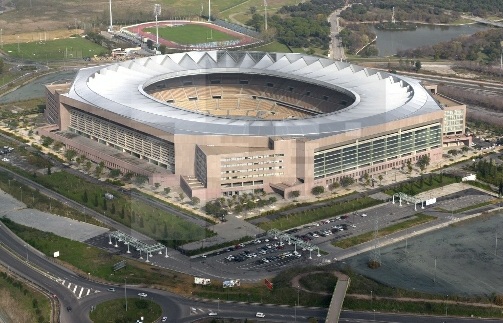
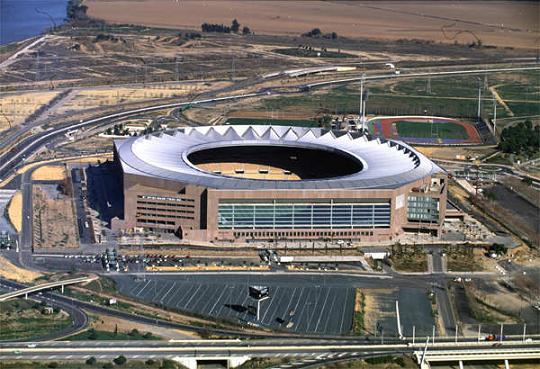
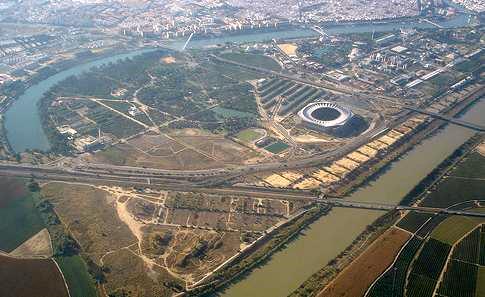
This is the tale of a stadium built for an Olympic bid that never found a resident club and, for a quarter of a century, lay dormant for 50 weeks of the year. However, this white elephant, on an island in the middle of the Rio Guadalquivir, may just have found a new lease of life.

Back in the mid-nineties, Sevilla fancied itself as an Olympic host city and set about building a stadium to the exacting standards laid down by the International Olympic Committee. Three years and 120 million euros later, the city had a 60,000-capacity stadium, but no Olympic Games, as Sevilla didn’t even make the ballot process for the 2004 or the 2008 games. Undeterred, the stadium was opened by the King of Spain on 5 May 1999 for an international between Spain and Croatia, and in August, the stadium hosted the seventh World Athletics Championships. Then… well, not a lot really. The idea was that after the athletics championships, the city’s two main clubs, Sevilla FC and Real Betis, would move in. The thought of playing in front of 15,000 empty seats and an athletics track did not appeal to either, as did the loss of autonomy that comes with being a tenant. So the stadium had to scramble around for events. Having hosted the final of the Copa del Rey in May 1999, when Valencia CF beat Atlético Madrid, the stadium hosted its third major match of the year when La Selección returned in November to play Argentina in a friendly.
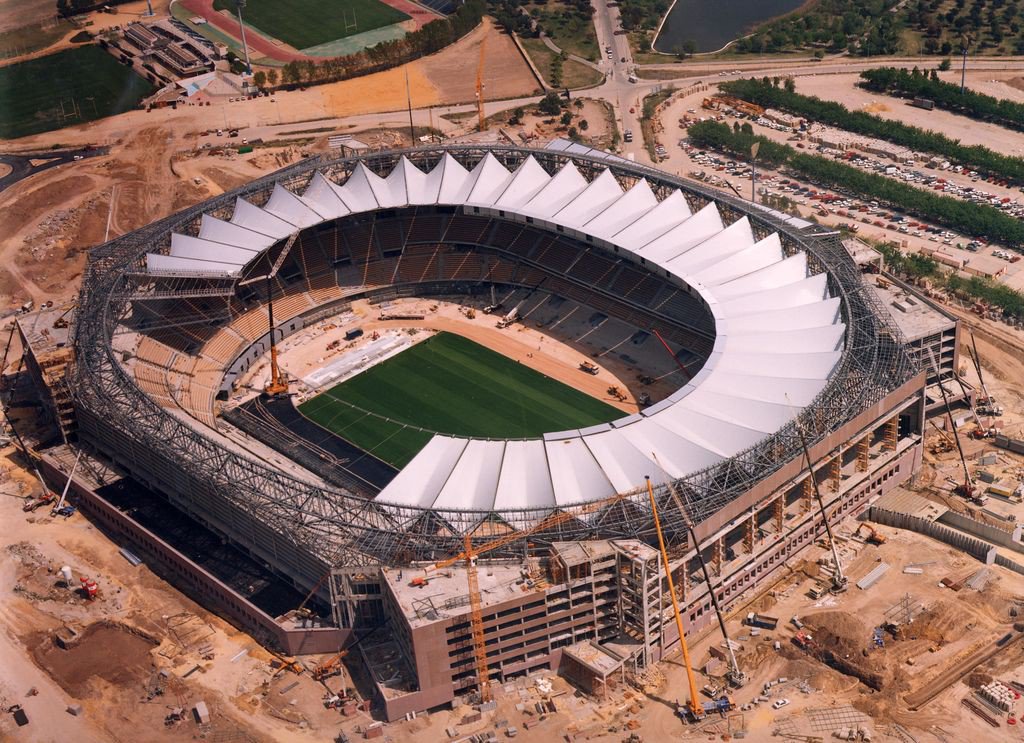
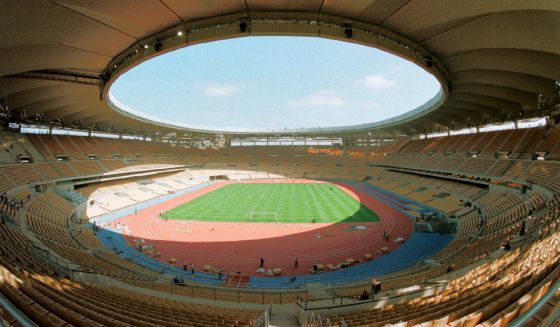
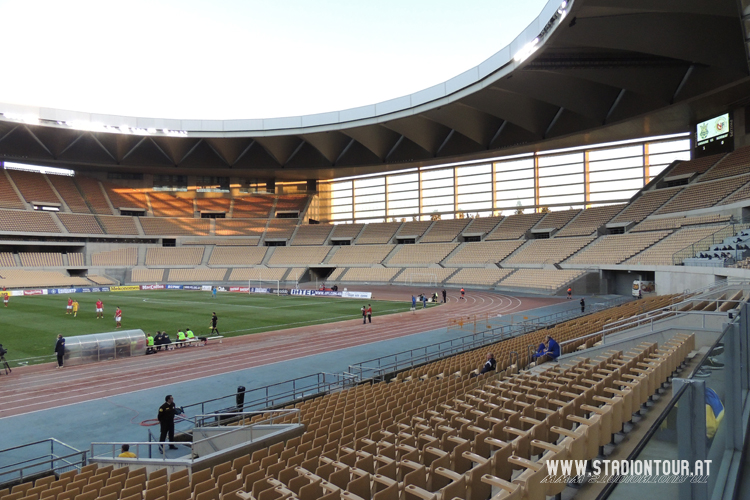
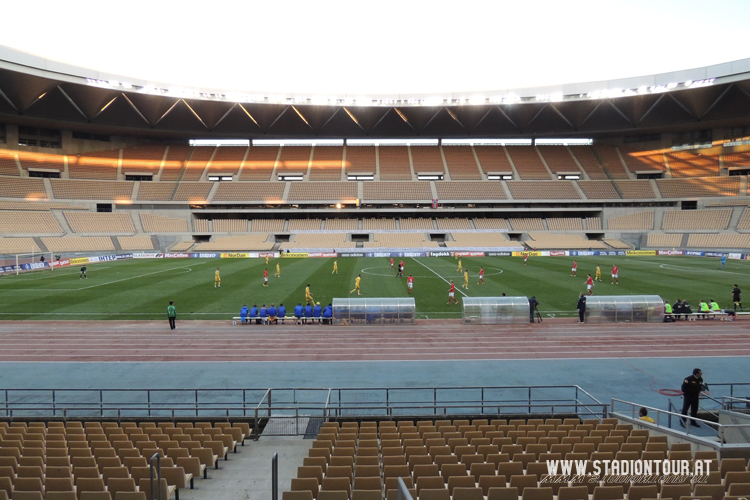
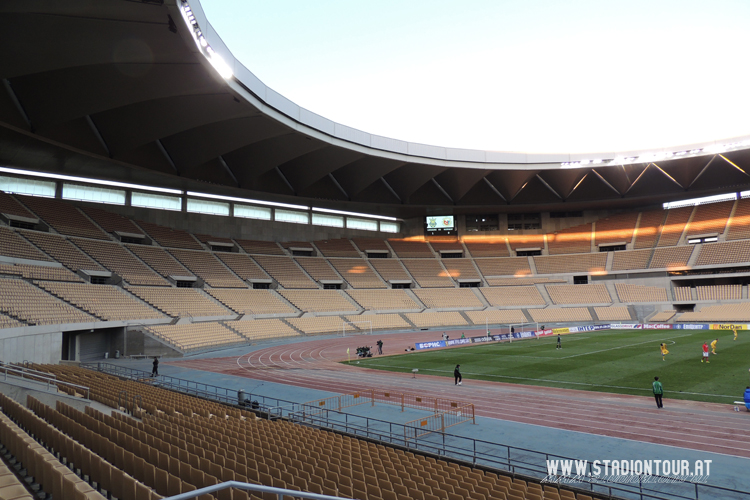
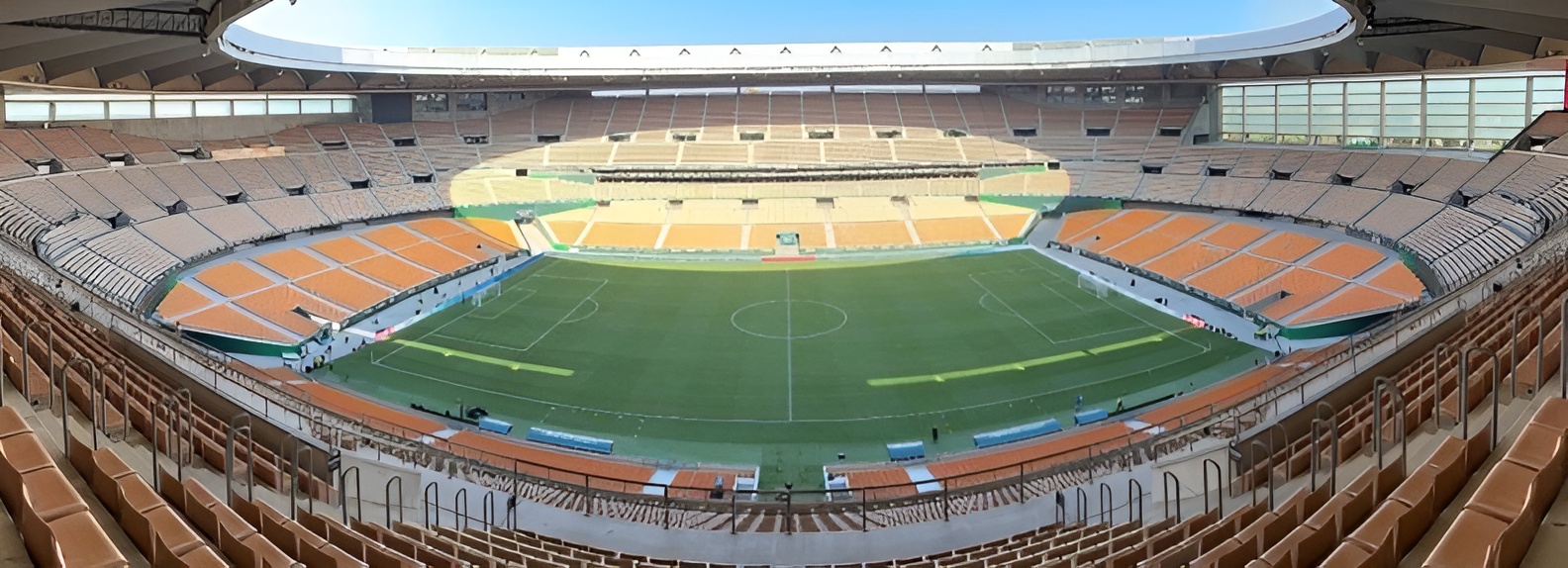
The stadium is managed by Sociedad Estadio Olimpico de Sevilla, a committee that shares ownership. The principal stakeholder with a 40% share is the Andalucian Regional Government, but shares are also held by the Spanish National Government, the City of Sevilla, and, with an equal 1.5% share, Sevilla FC and Real Betis. You would be pushed to find a better athletics stadium in Europe, and the facilities are exceptional. In following the guidelines of the IOC, the stadium offers every amenity that an athlete, television company, journalist, and spectator could require… to watch athletics. From a footballing perspective, there was, well, too much perspective! The old problems of sight lines encountered in countless other stadiums were found here in abundance, and when you play your club football in hugely atmospheric cauldrons, you can easily understand Sevilla’s & Betis’ reluctance to move. So, La Cartuja remained mothballed for the vast majority of the year, occasionally given an airing before returning to storage.
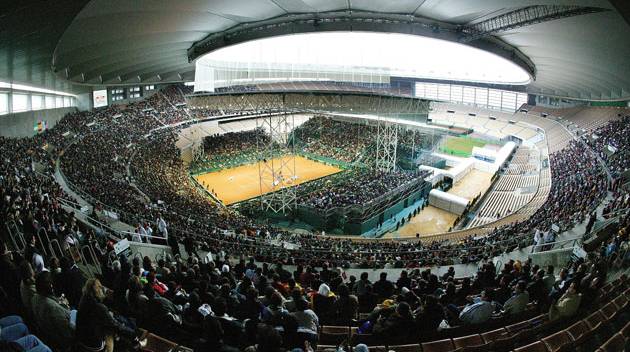
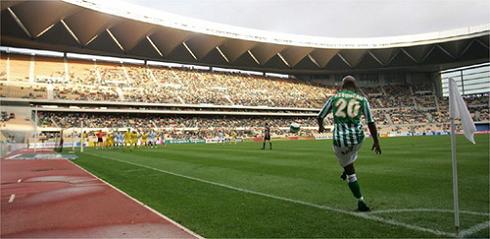
To be fair, La Cartuja has hosted some impressive events in the 25 years since opening. The final of the Copa del Rey returned in 2001, and in May 2003, 70,000 Celtic supporters descended on Sevilla to watch their side lose in the final of the UEFA Cup to FC Porto. In December 2004, tennis was played at the stadium, with the hosting of the Davis Cup Final, which returned in December 2011. In between, both Sevilla CF & Real Betis played matches at the Estadio La Cartuja, when their own stadiums were closed. The Andalucian Select XI has also used the ground on a few occasions for its traditional Christmas fixture, but let’s be honest, it’s hardly been a flurry of activity. There was always the hope that when either of the city’s major football stadiums required redevelopment, La Cartuja would offer a logical short-term alternative, but that seemed to be the best that the stadium’s owners could hope for.
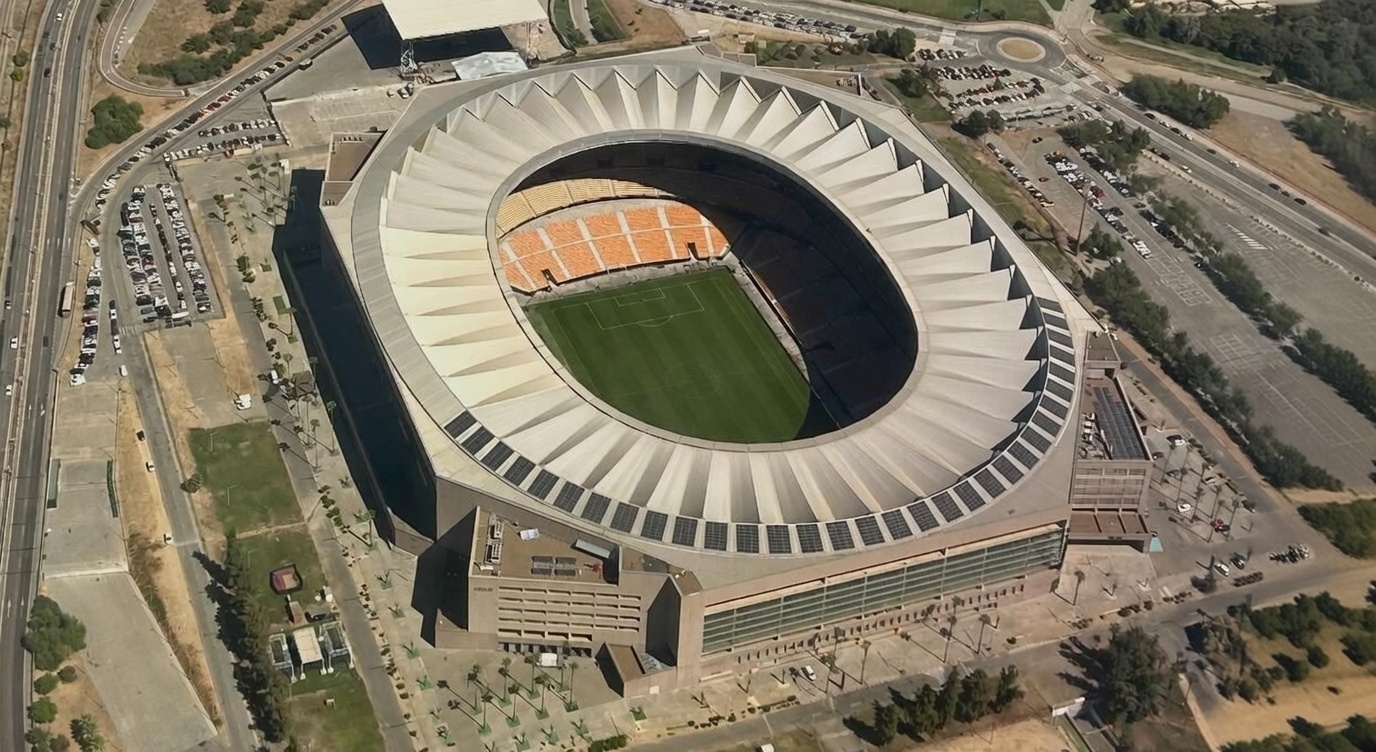
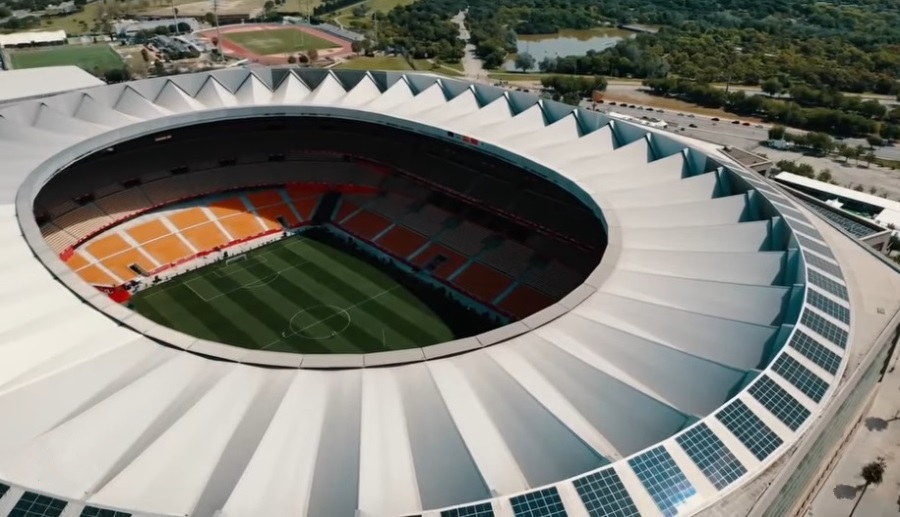
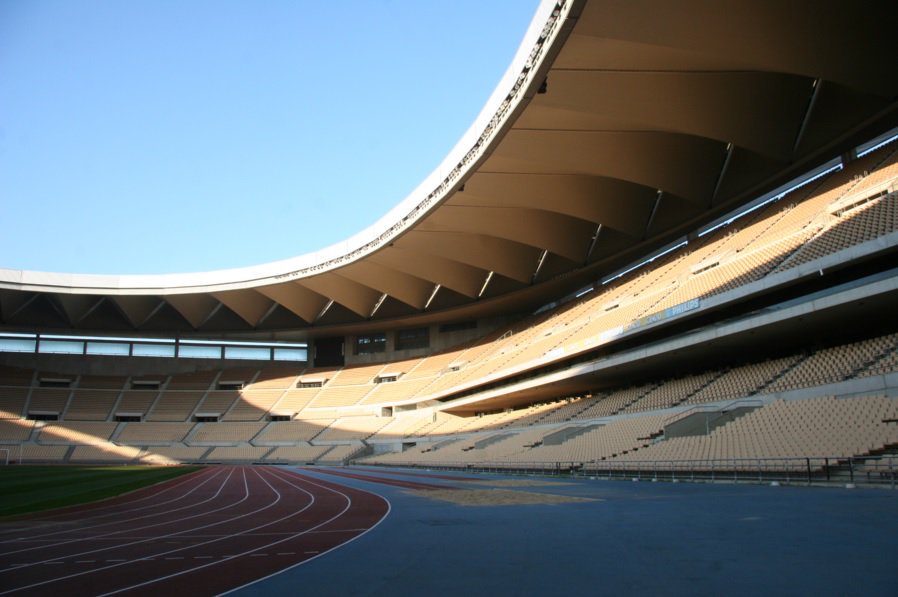
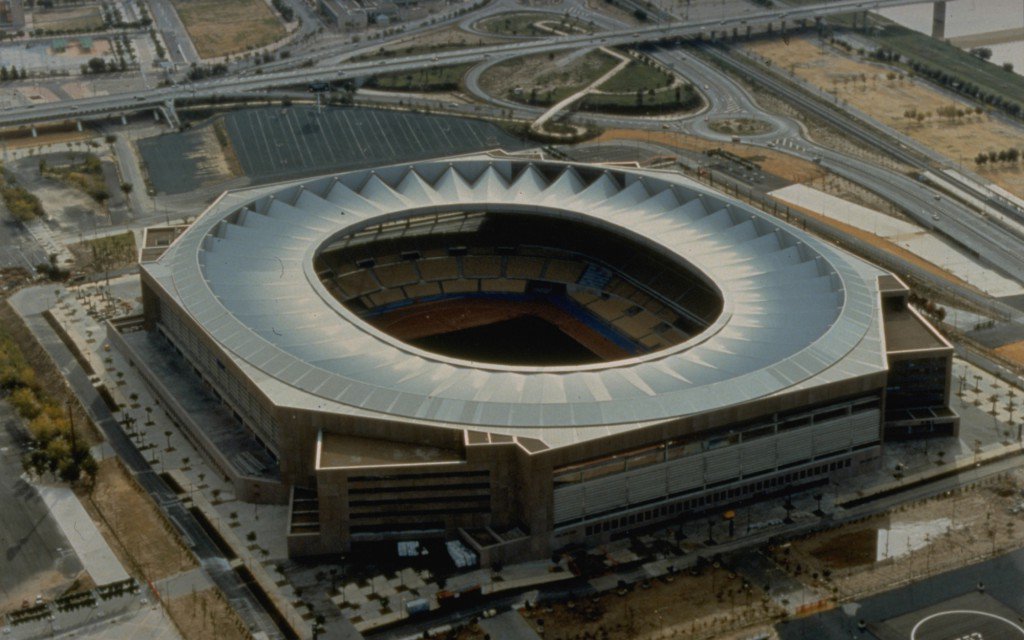
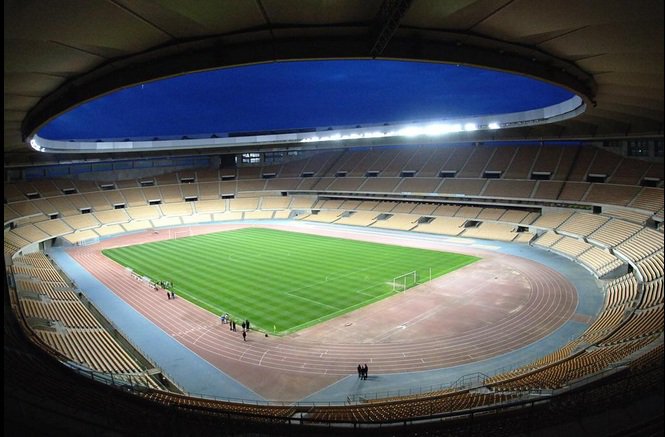
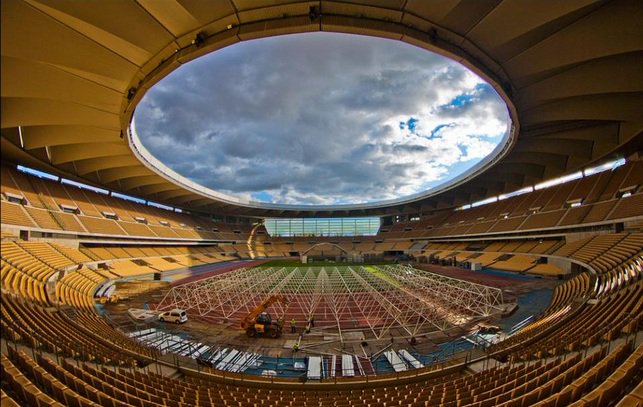
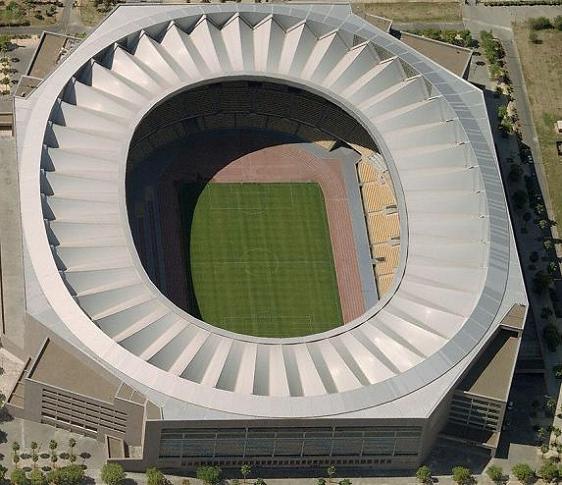
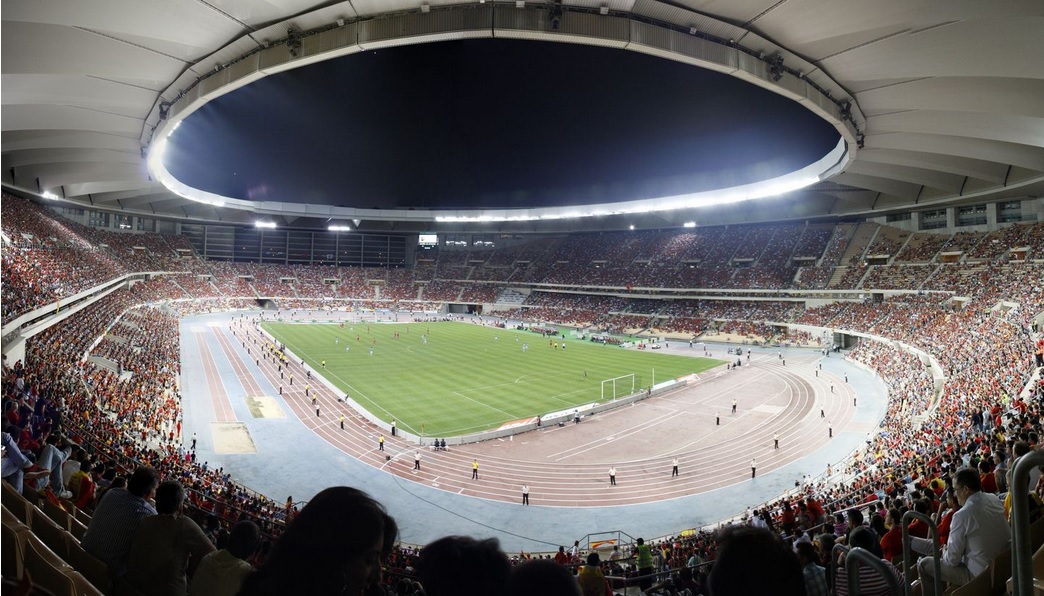
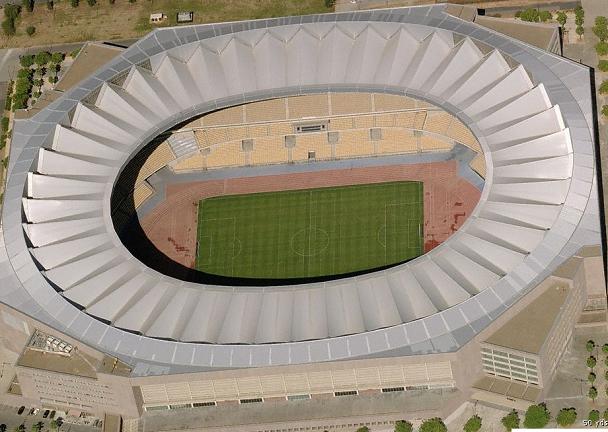
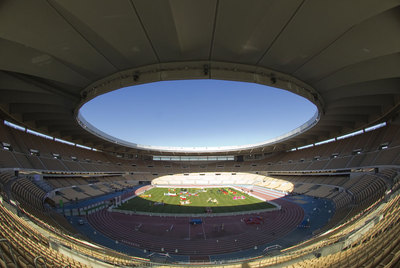
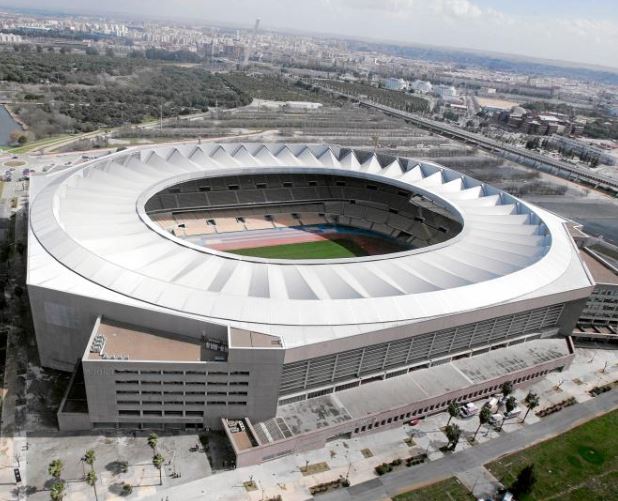
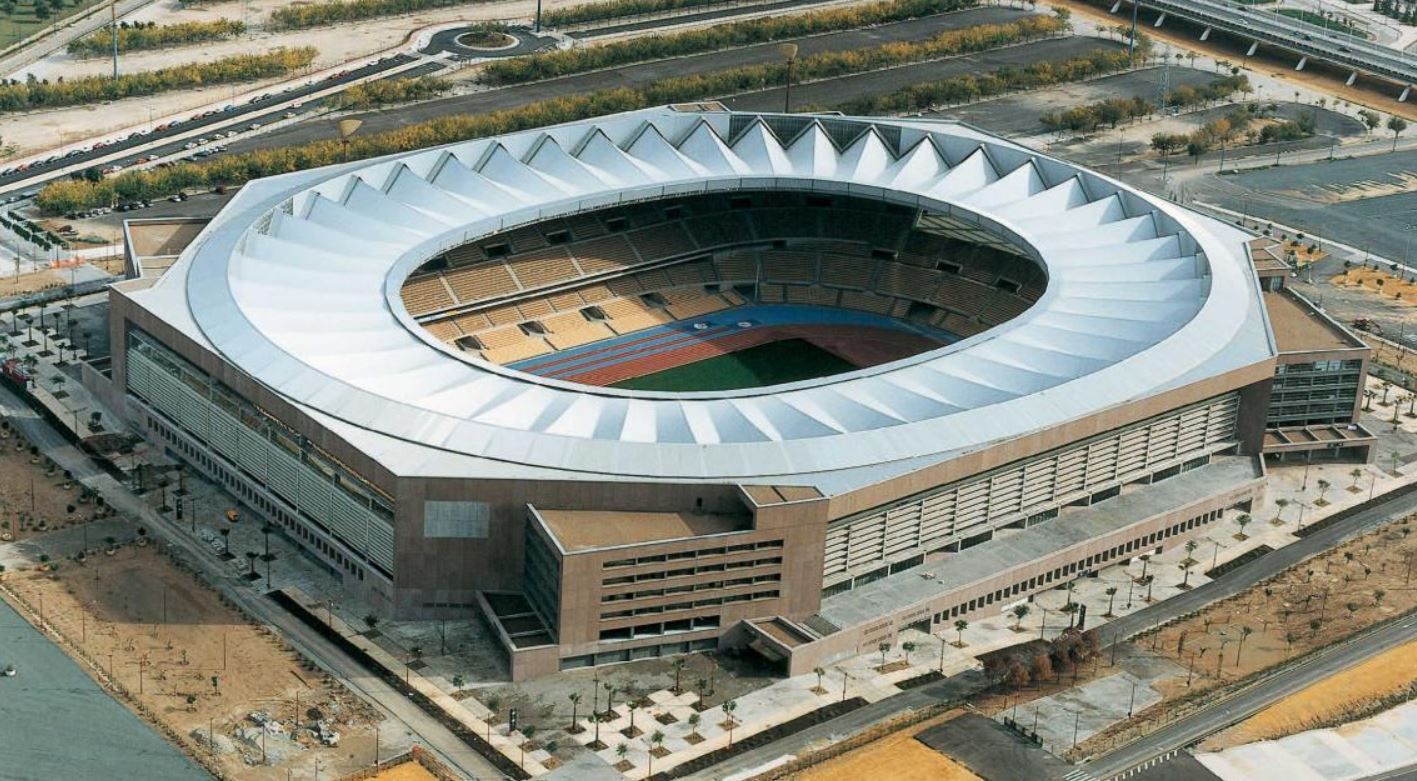
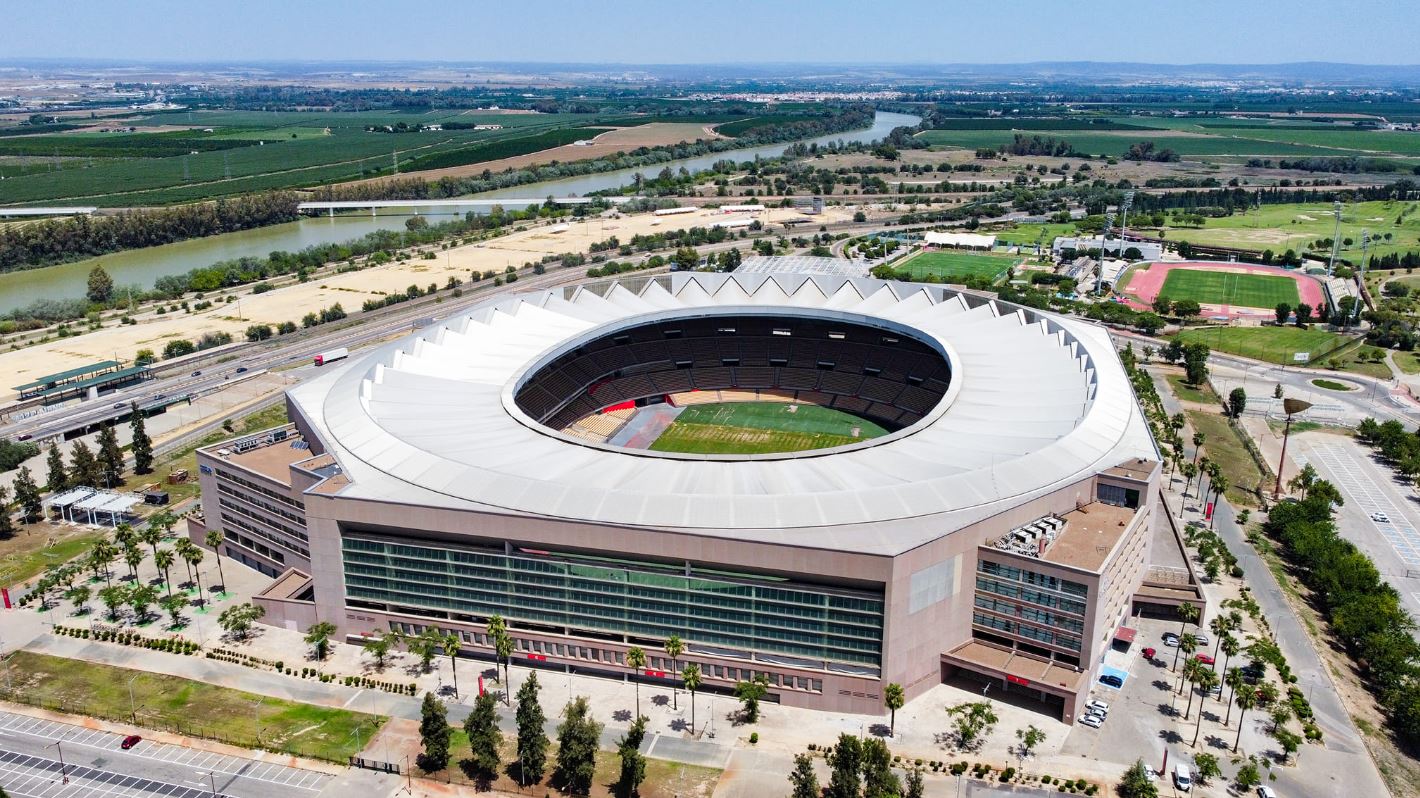
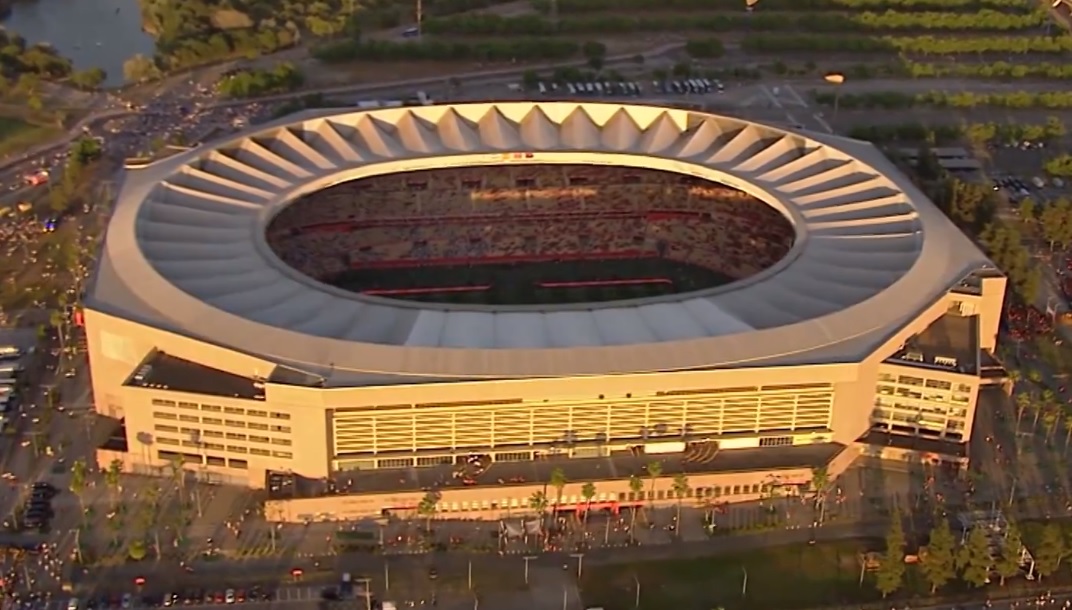
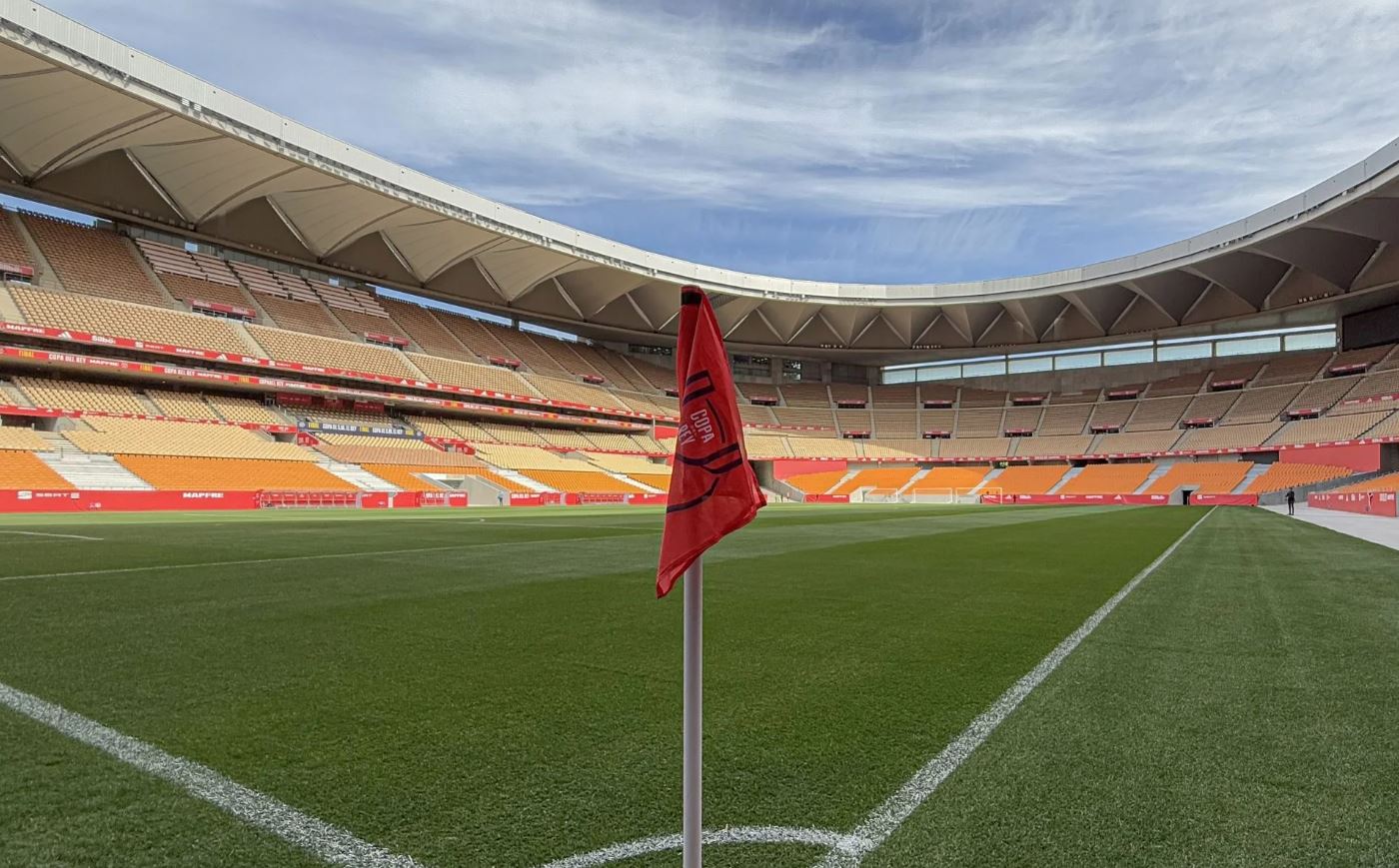
There is no denying the fact that the Estadio Olimpico is an impressive structure. Designed by the Cruz y Ortiz architects’ studio, it is modern and airy, and upon opening, its 60,000 seats made it the third-largest stadium in Spain. The seating decks were all sheltered from the heat of the Andalucian sun by a steel and polycarbonate roof that hangs over them like the open fan of a flamenco dancer. The configuration for football was slightly altered, reducing the capacity to 57,619, but it could increase to 72,000 when the stadium hosted concerts. The presence of an athletics track made it a no-no for the permanent hosting of football, and with little else on its calendar, it was destined to follow in the footsteps of so many other large stadiums that have been built for the Olympics and the World Cup, that never see regular top-level sport once the party is over, or in this case, when the invite didn’t arrive.
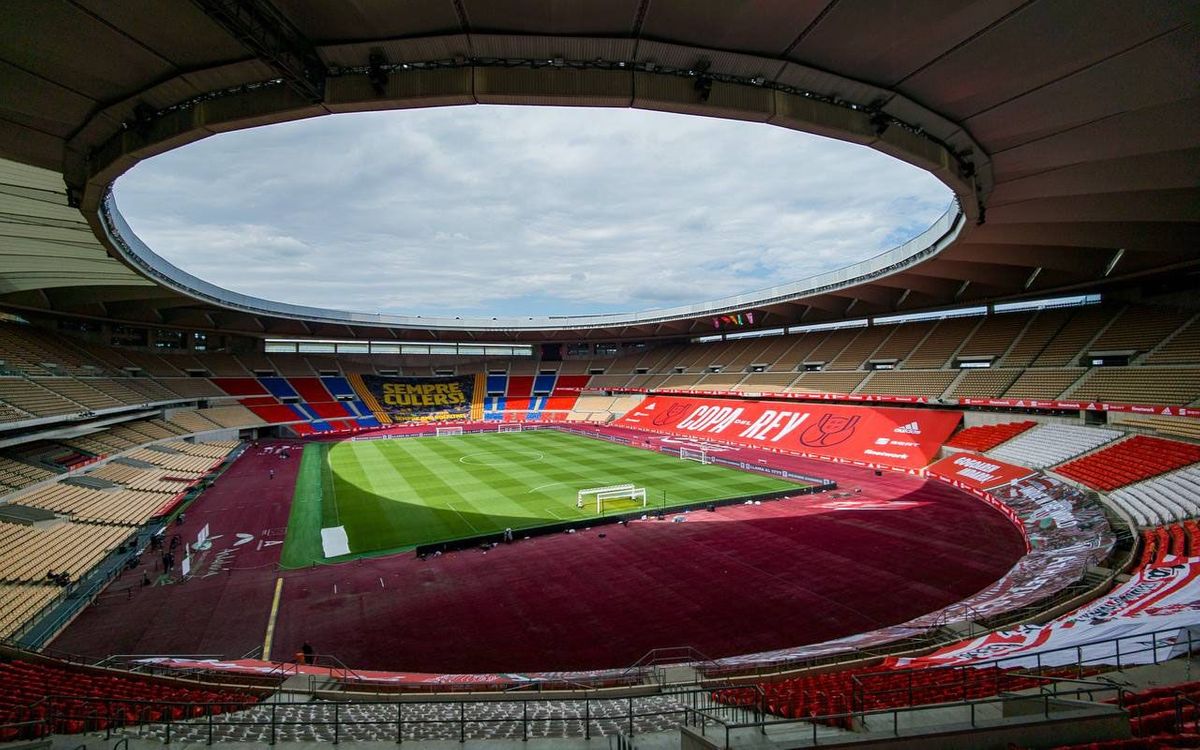
Then, in 2020, La Cartuja was thrust back into the public eye. The global COVID-19 pandemic hit Spain particularly badly. As football continued behind closed doors, the Spanish Federation turned to the stadium as its host for its showpiece matches. Ironically, one of the key factors that led to its selection was its design. In particular, the facilities provided for media operations allowed social distancing with an ease that no other Spanish stadium could offer. First of all, after an 8-year absence, the National Team returned to the stadium in December 2020 and trounced Germany 6-0. The stadium hosted the delayed 2020-21 edition of the Supercopa de España in January 2021. Then, in April 2021, over a period of 14 days, the stadium hosted the delayed 2020 & 2021 finals of the Copa del Rey. Finally, two Euro 2020 games that had been scheduled for Athletic Club’s San Mamés were moved to La Cartuja.
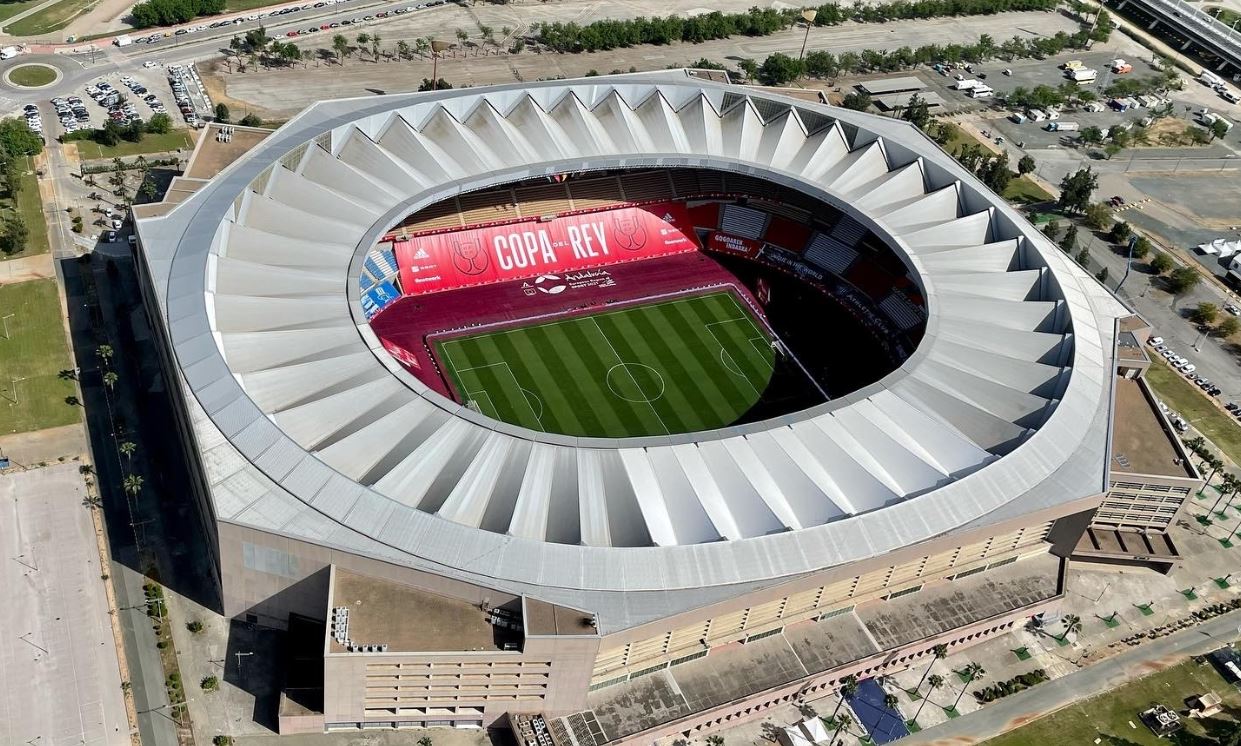
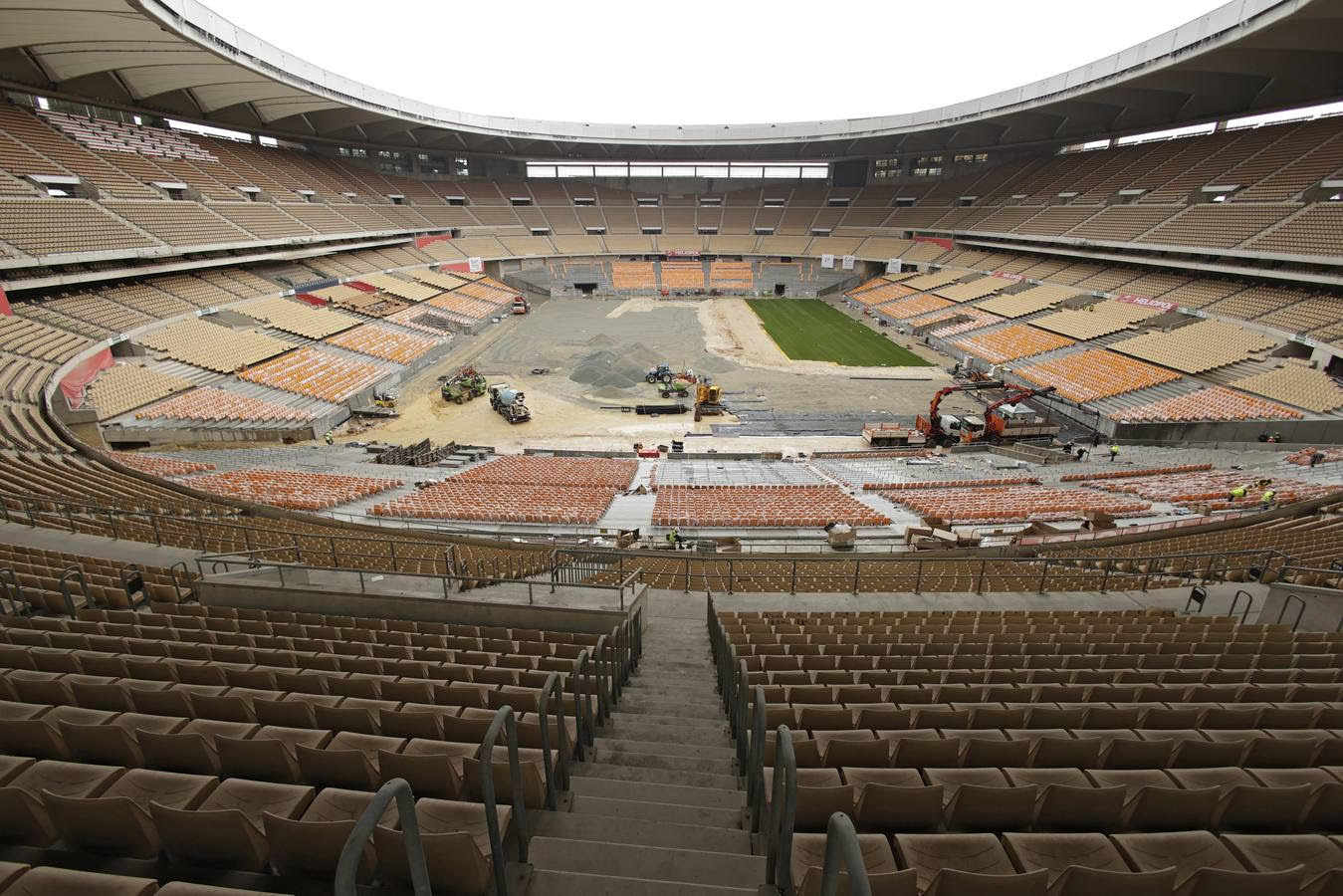
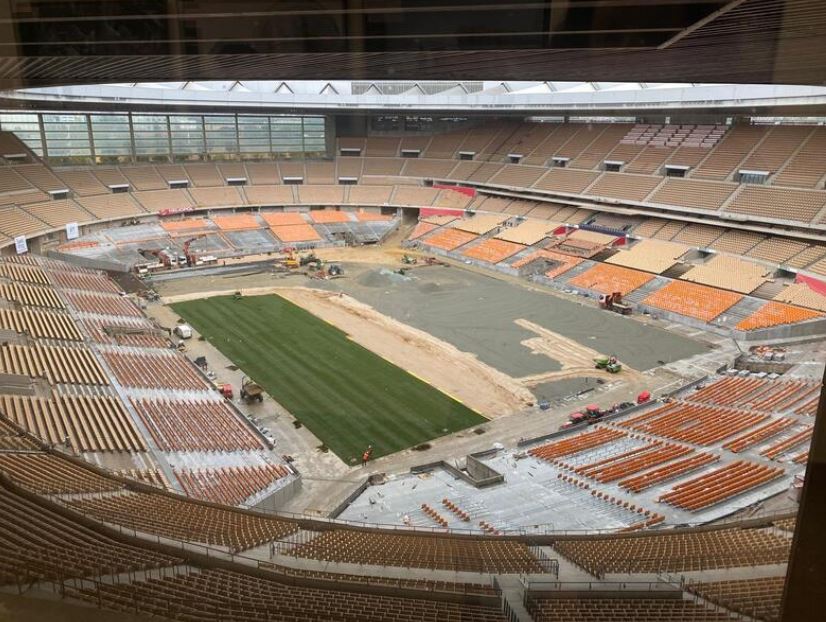
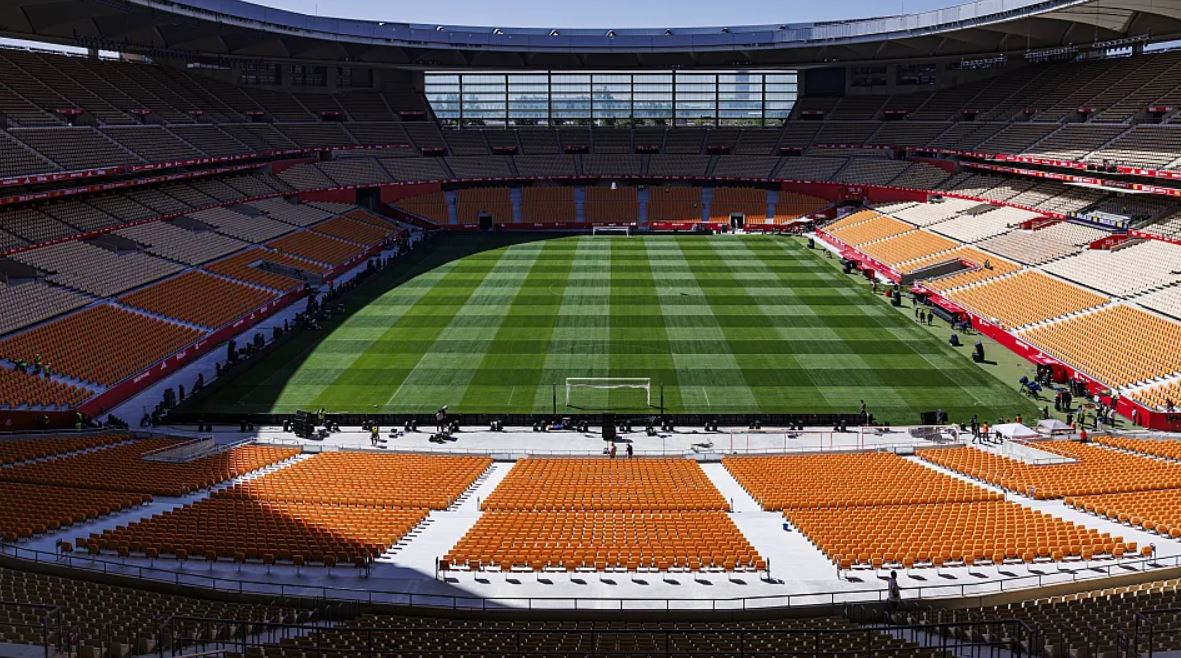
Whilst the deal with the RFEF could hardly be seen as redemption for a stadium that has lain idle for the majority of the past 2 decades, it was certainly a case of an opportunity arising from the adversity football faced during the pandemic. La Cartuja continued to host the Copa del Rey final, and whilst the two finals of April 2021 were played behind closed doors, spectators did return, all with respectable attendances in excess of 55,000. Maybe based on the almost flawless hosting of these events (the playing surface in 2021 was dreadful) and its capacity, La Cartuja was included in Spain’s list of stadiums for its joint hosting of the 2030 World Cup. In March 2024, the President of Andalucia announced plans to redevelop La Cartuja into a football-specific stadium. This would require the lowering of the pitch to create space for another ring of seating, similar to the concepts adopted at Son Moix, Anoeta & the Estadio Gran Canaria. This increased the stadium’s capacity to 70,000, at an estimated cost of €15m.
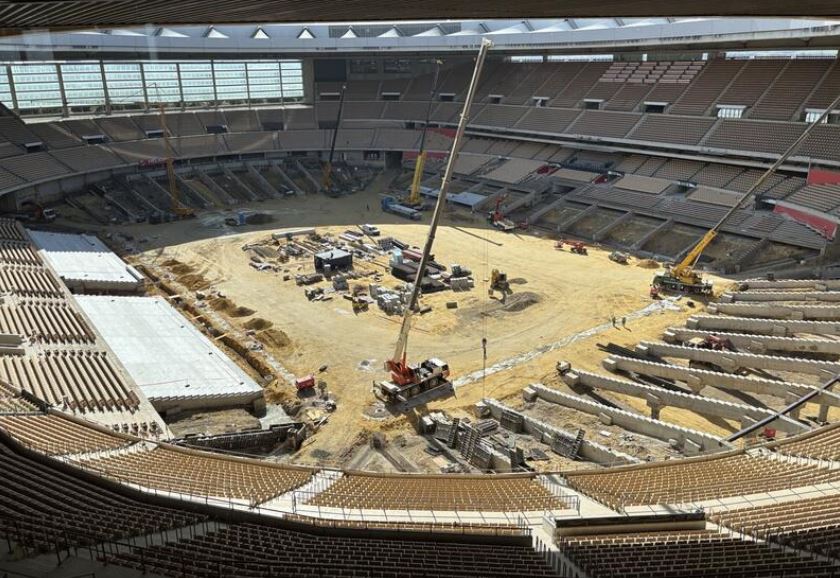
Whilst the decision to remove the athletics track has brought spectators in the new ring of seating closer to the pitch, it did not resolve some fundamental flaws. With the interior essentially oval, the seats at the rear of each end of the stadium still have poor sight lines. In addition, the majority of the seats in the new lower tier will have no shelter from the elements, as plans did not include extending the roof. Work commenced at the end of July 2024 and was completed just in time to host the 2025 Copa del Rey Final between Barcelona and Real Madrid. In August 2025, Real Betis returned for a temporary residency of two seasons, so that the Estadio Benito Villamarín can be redeveloped.




 Estadios de España