Article updated: 23/10/2025
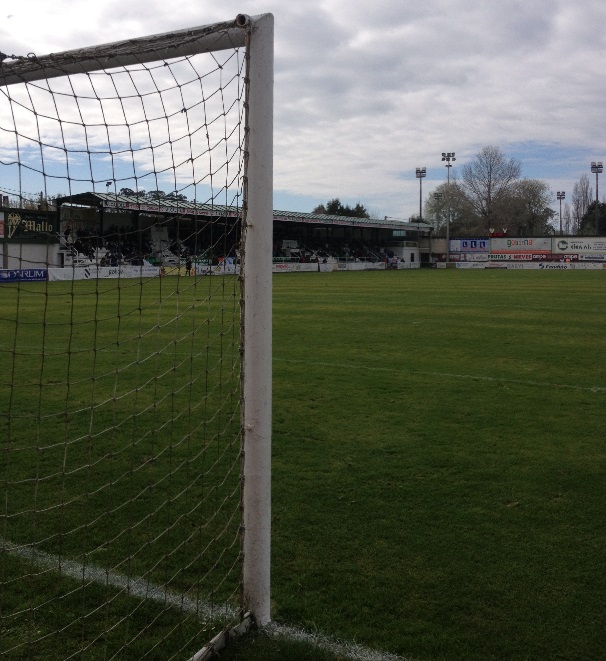
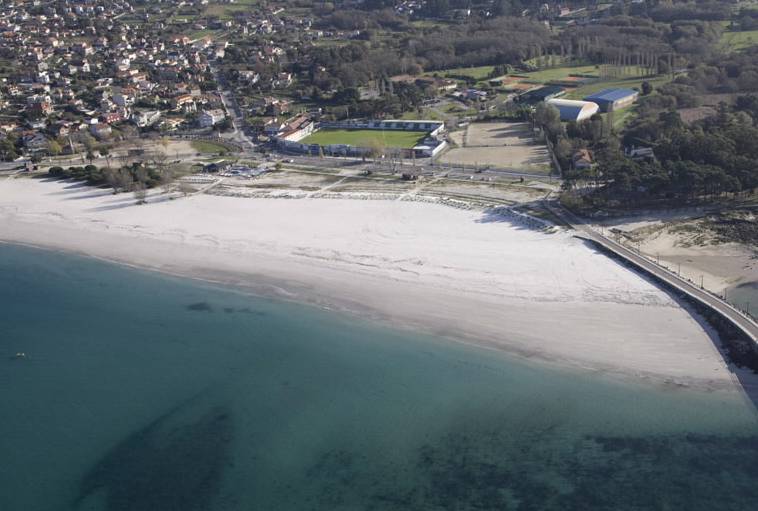
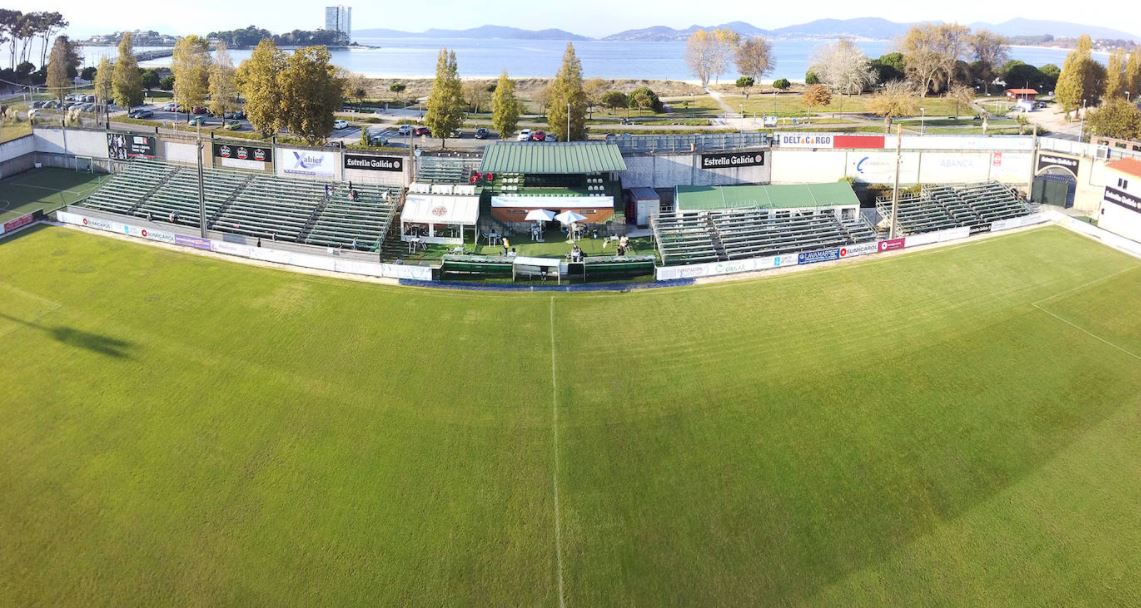
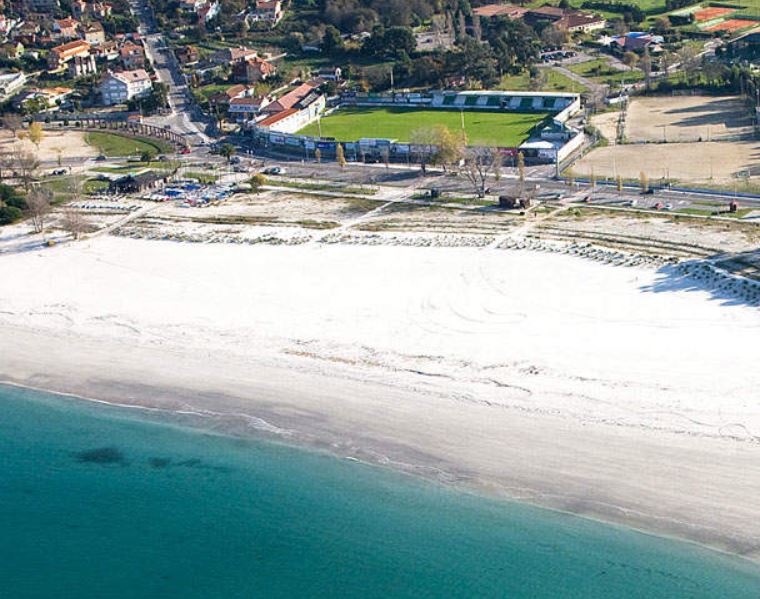
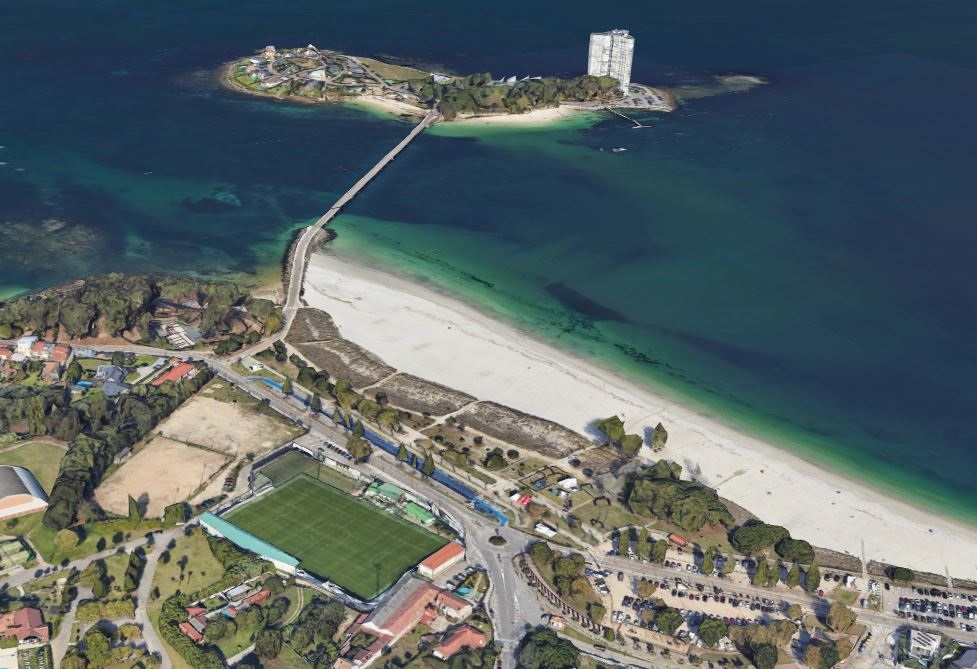
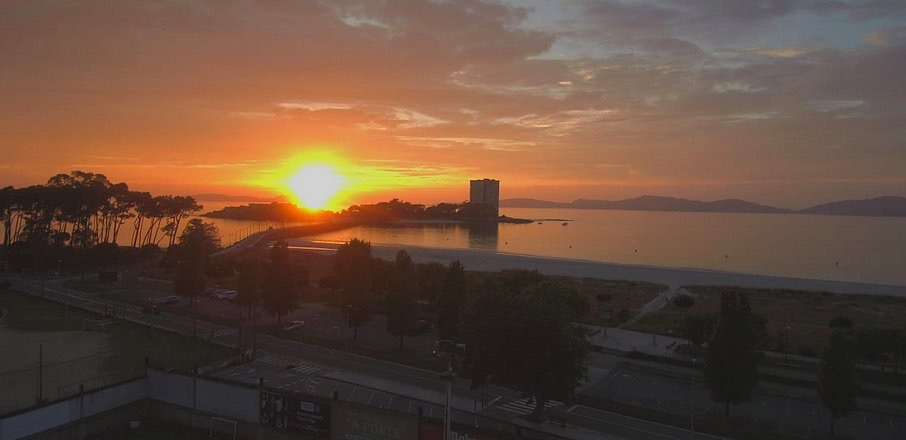
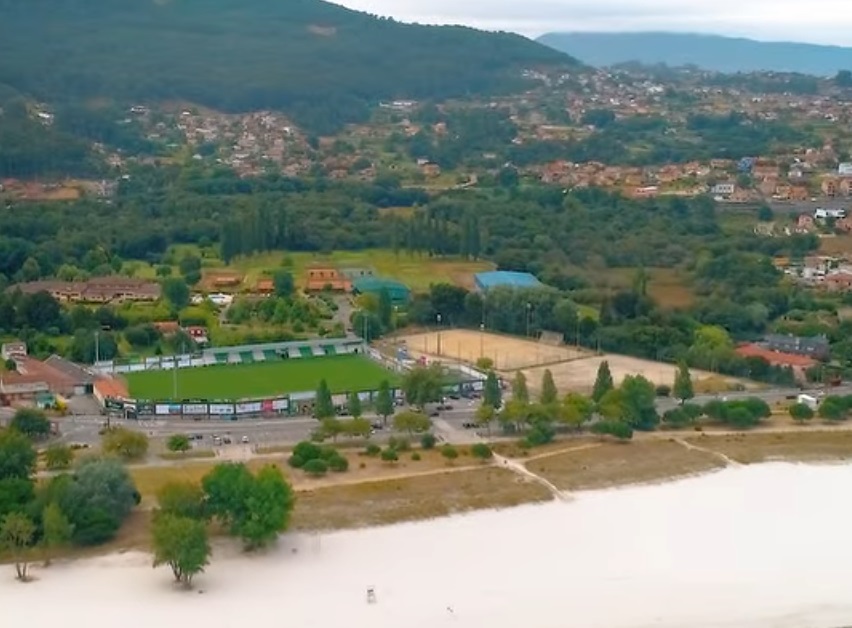
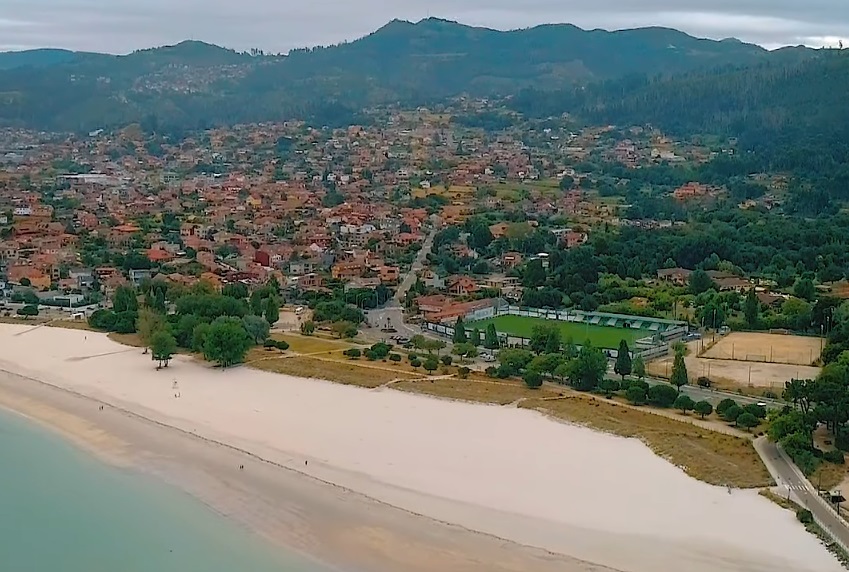
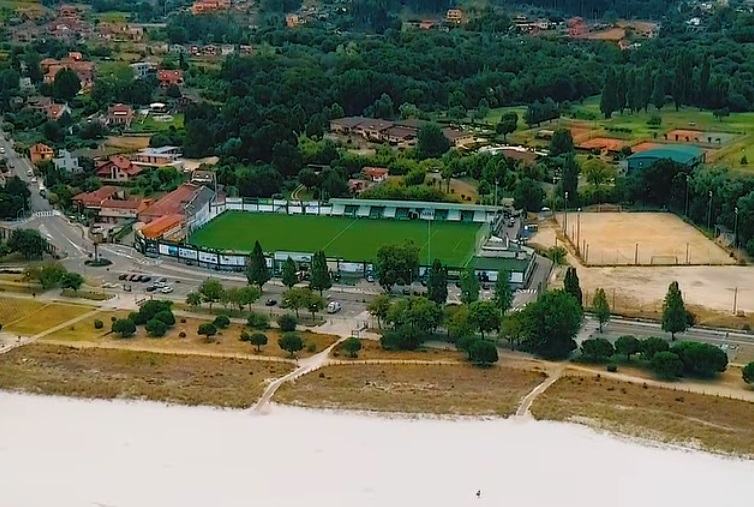
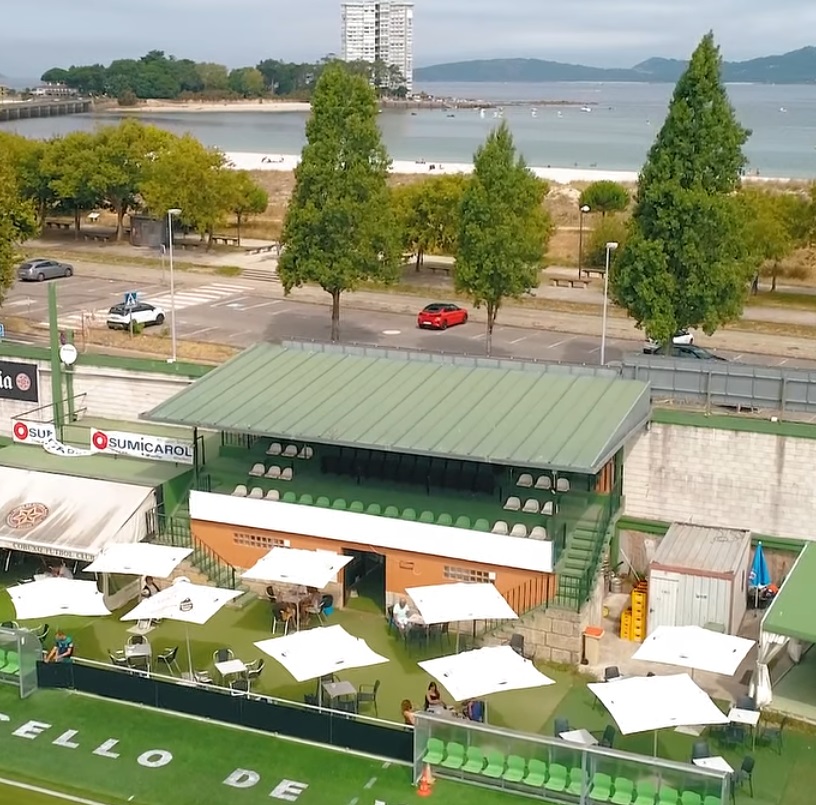
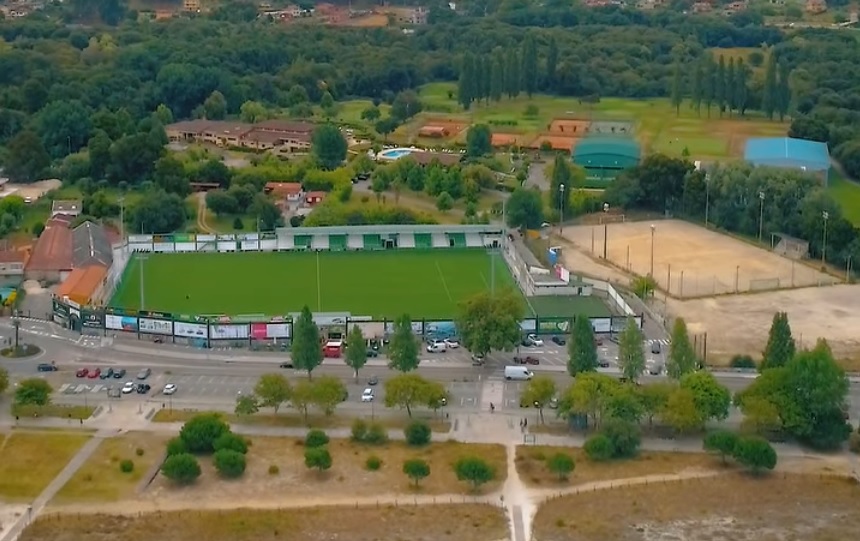
If there is a more idyllic location to watch football in Spain than Coruxo Fútbol Club’s Campo do Vao, then I’ve yet to encounter it. Admittedly, it can be a bit bracing when a Force 9 gale blows in off the Atlantic in November, but when the sun is shining during the later months of the season, it looks a picture.
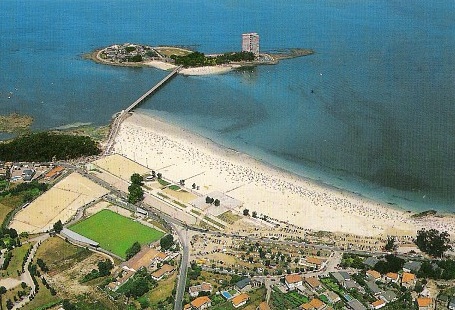
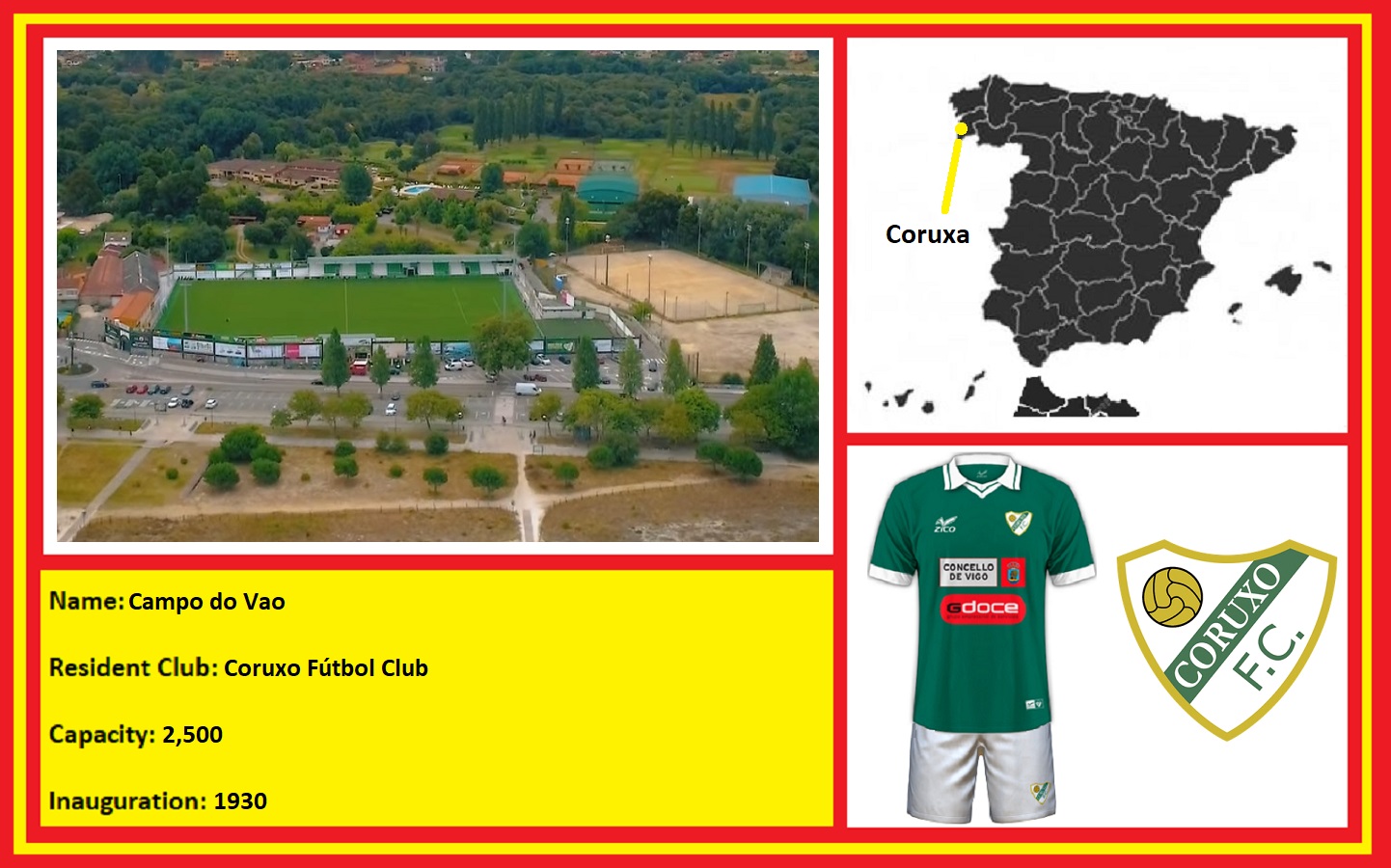
Corujo, or Coruxo in Gallego, is an outer suburb of Vigo, and is famed for its beach and, in recent years, its beachside football club. Founded in 1930, following the merger of Corujo Sociedad Deportiva and Mirambell Fútbol Club, Coruxo Fútbol Club spent the majority of its first 70 years in the regional leagues of Galicia. However, the club did reach the Tercera, clocking up a total of 16 seasons between 1959 and 1996. Promoted back into the Tercera in 2002, the club made decent progress, reaching the playoffs on three occasions between 2004 & 2008, but defeats to Real Oviedo, CD Toledo & UD Alzira halted their progress to Segunda B. Then, in 2009-10, Coruxo finished fourth in the league and disposed of Parla, Oyonesa, and La Roda to earn a place in the third tier. Their first season in Segunda B was successfully navigated thanks to excellent form up to the new year. However, just four victories in the second half of the season saw the club finish in fourteenth place, and only a point clear of the relegation playoffs.
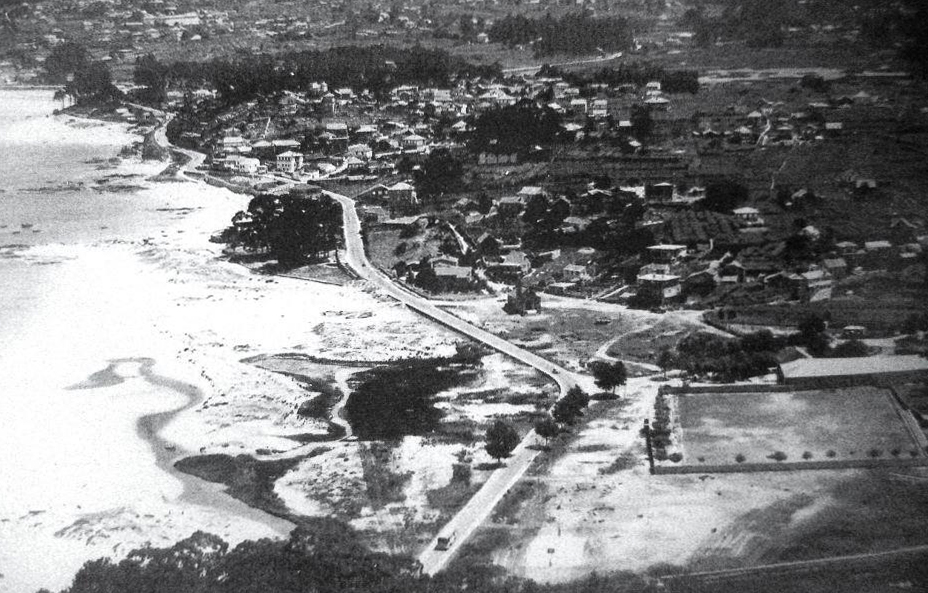
Coruxo managed a total of 11 consecutive seasons in Segunda B, most of which ended in a mid-table finish. There were two notable exceptions: the 2017-18 and the 2019-20 seasons. Performances in the second half of the 2017-18 campaign dropped off alarmingly, and Coruxo entered the final match day in the automatic relegation places, level on points with CD Toledo, who occupied the relegation playoff position. Coruxo’s 2-4 win at San Sebastián de los Reyes and CD Toledo’s failure to beat Deportivo Fabril saw the Galician outfit switch places with CD Toledo, and claim a playoff chance at survival. Coruxo faced Mérida UD, and a 2-2 aggregate result secured their place in the third tier for another season. The 2019-20 campaign was played against the backdrop of the COVID-19 pandemic. When the season was suspended on 7 March 2020, Coruxo occupied fifth place in the league, just 4 points off a playoff position. After the reorganisation of the Spanish football pyramid in 2021, Coruxo was placed in the Segunda Federación, but almost made an immediate return to the third tier, finishing fourth in the league, before a defeat in extra-time to Pena Deportiva ended their promotion hopes. Since then, gritty displays have earned mid-table finishes in the fourth tier.
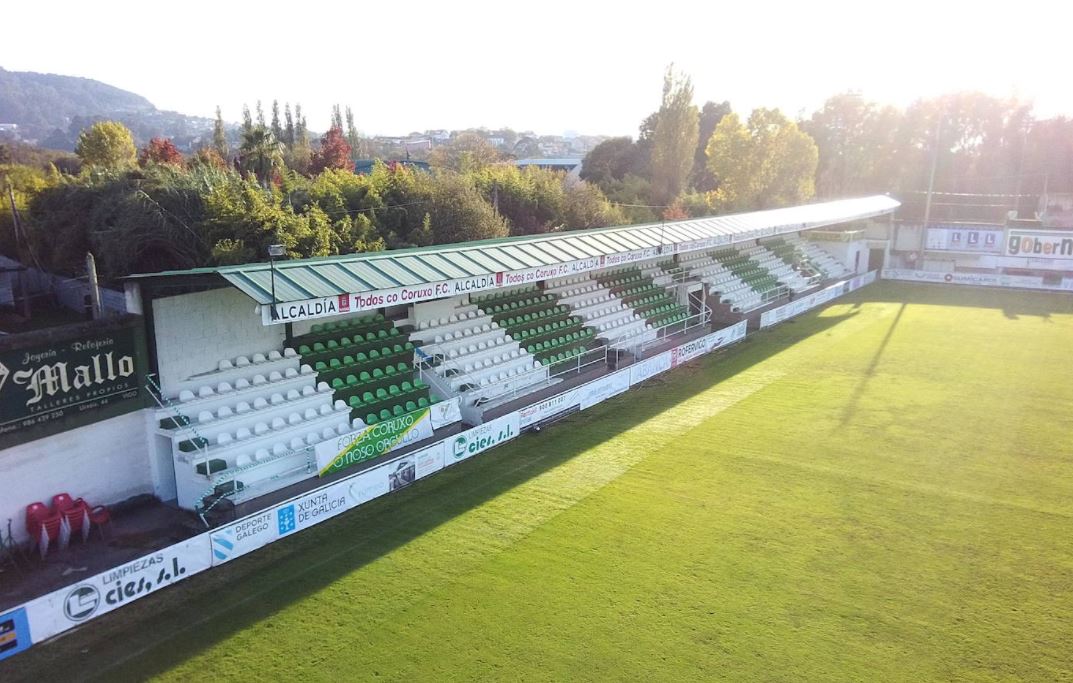
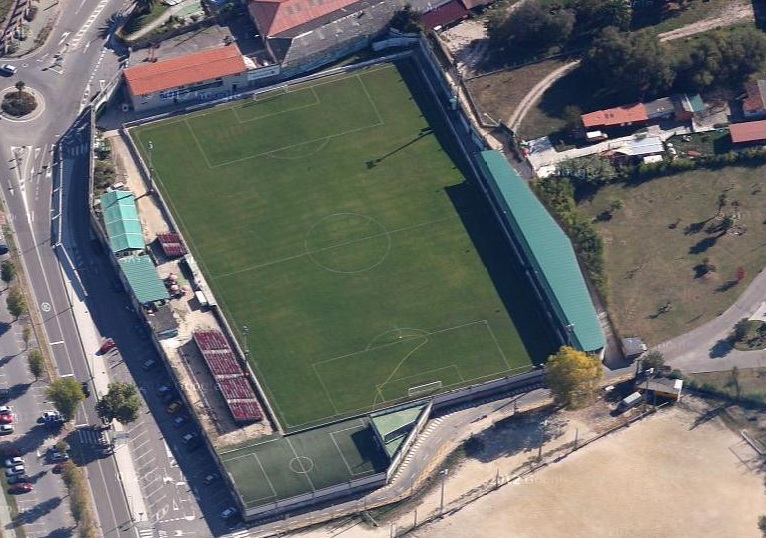
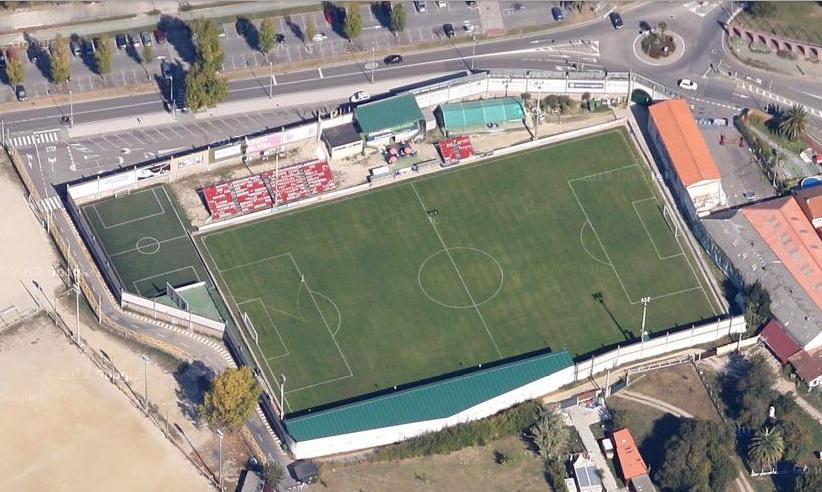
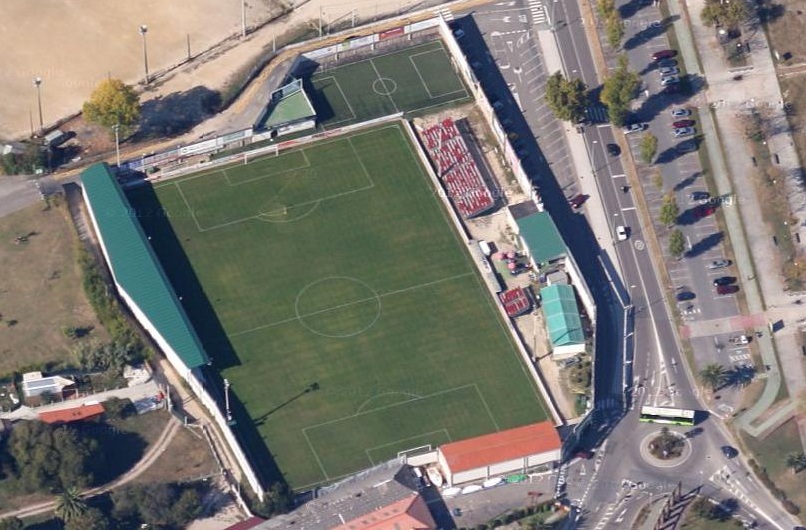
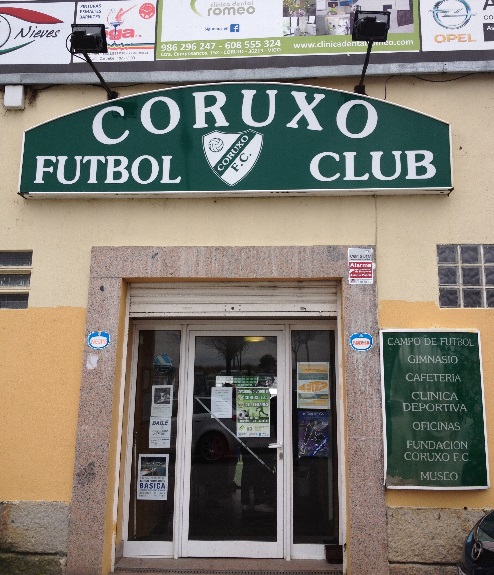
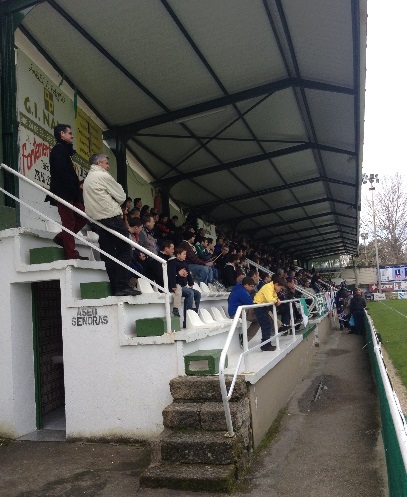
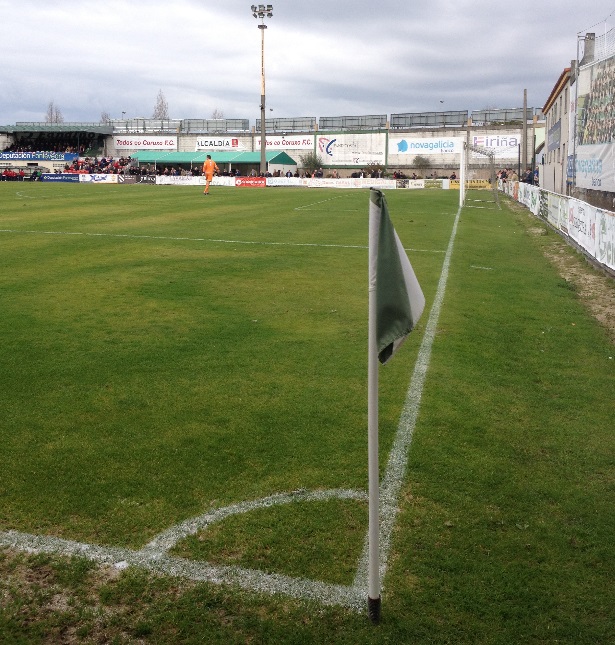
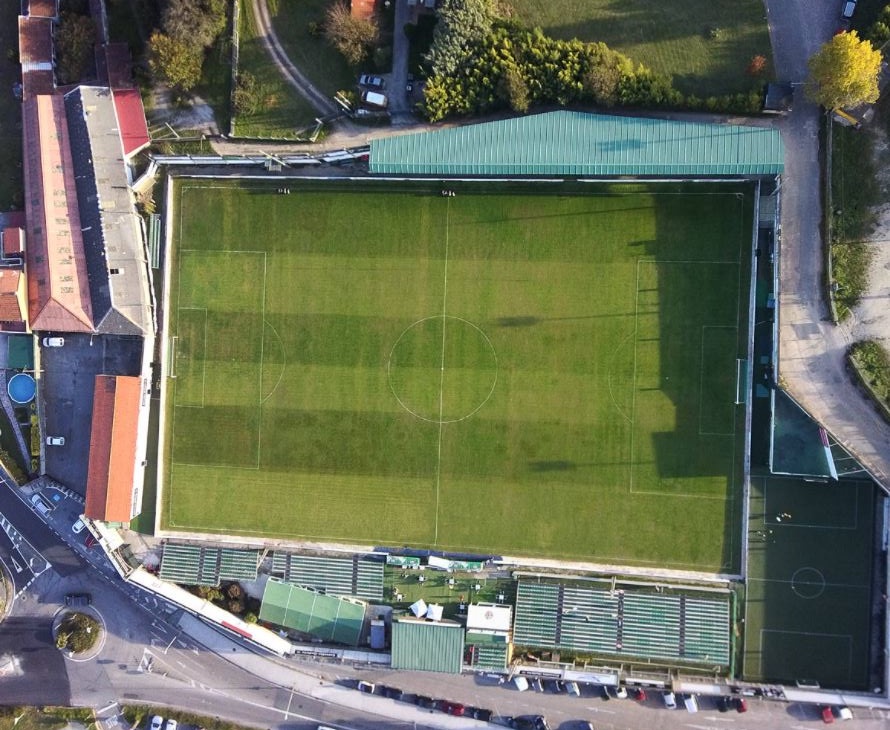
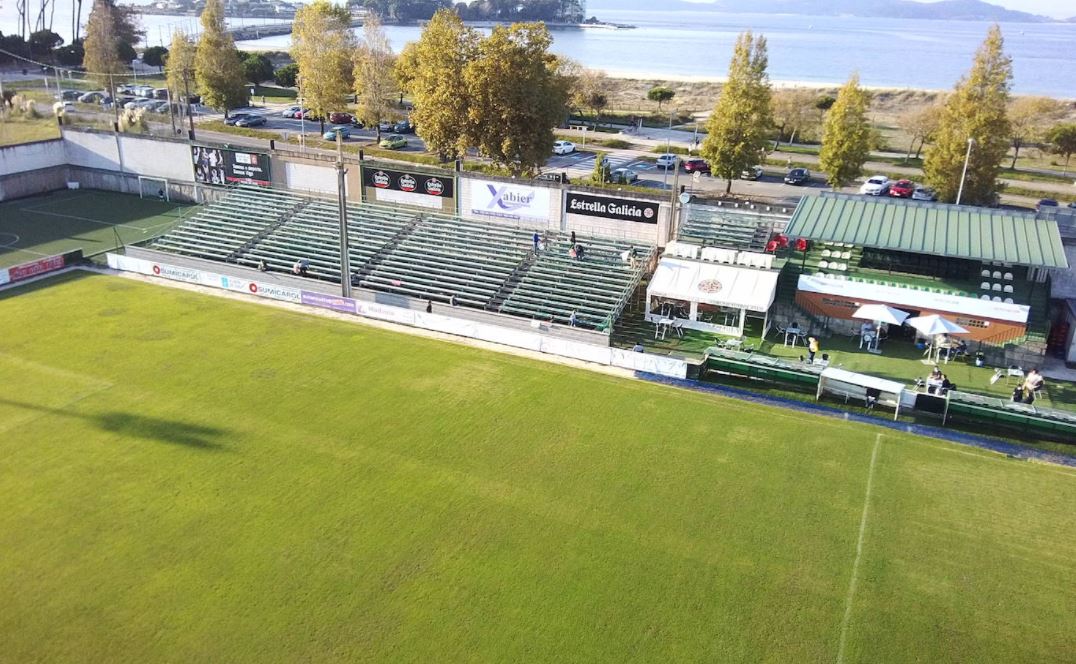
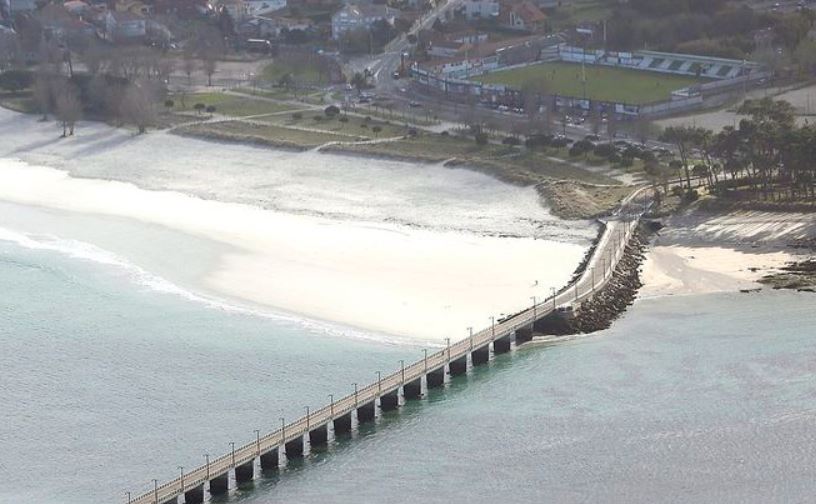
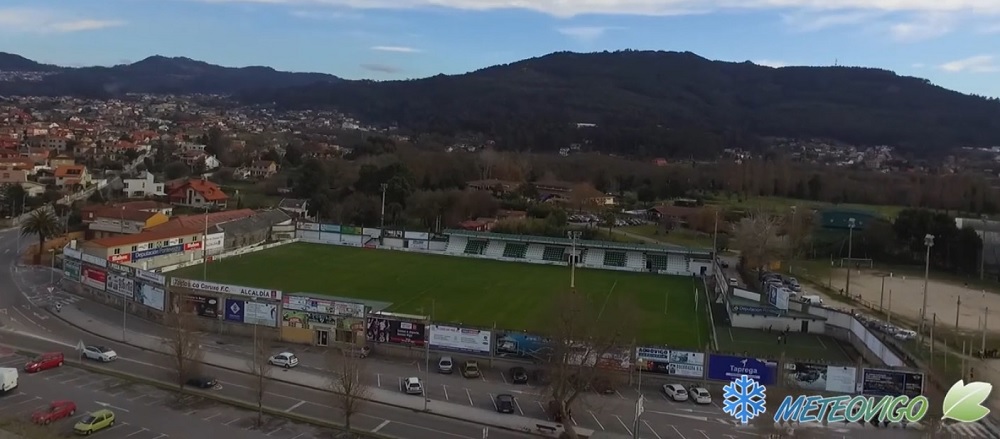
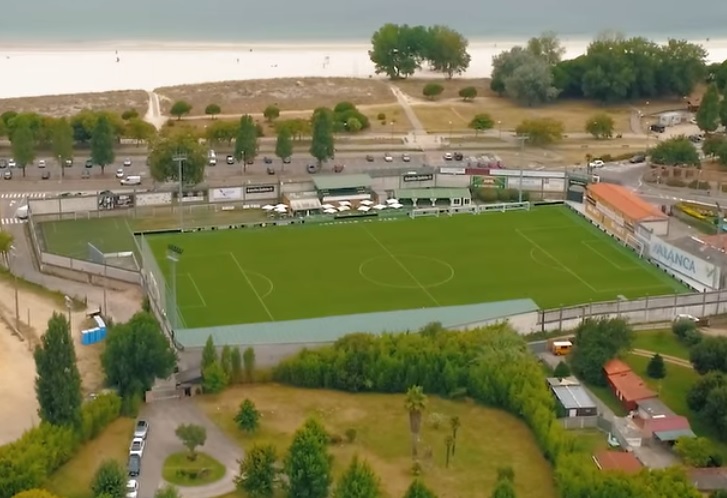
The Campo do Vao is around 60 metres south of Corujo’s main beach and has been the club’s home since its foundation. The ground was enclosed in the early 1950s, and changing rooms with a seating deck on top were erected on the northern side of the ground in 1958. The first natural turf pitch was also laid in the late 1950s.. The current stand was constructed in 1984 ahead of the club’s return to the Tercera. The ground was originally called the Campo del Bao, but changed to the Galician version in 1991. Campo do Vao’s main feature is a covered seated stand that runs from the southwest corner of the enclosure, along the southern perimeter to just past the halfway line. During Coruxo’s tenure in Segunda B, two banks of temporary stands stood on either side of the raised “postage-box” stand, under which are the changing facilities. Both ends of O Vao feature narrow strips of terracing, with the eastern end also featuring the club’s offices & shop at the rear. The ground has a capacity of 2,000, but with the addition of temporary seating, that figure can reach 3,200.
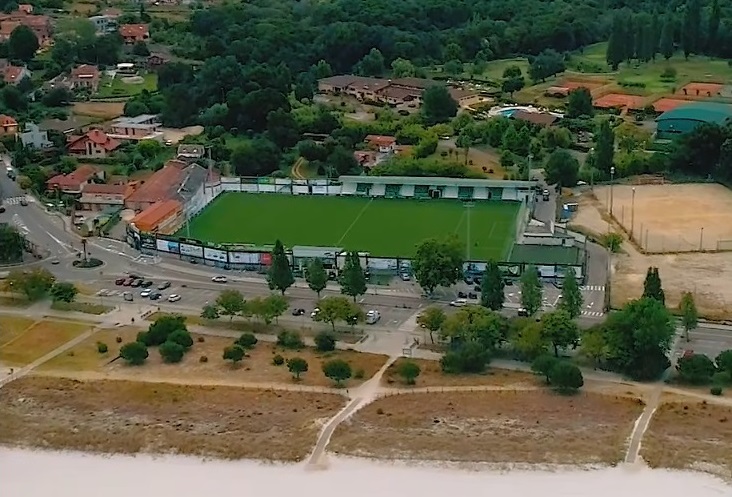
This corner of northern Spain has managed to avoid the type of mass tourism that can suffocate many other coastal regions on the Iberian Peninsula. However, in recent years, the Campo do Vao has managed to attract a certain type of tourist. As social media has become increasingly aware of the delights of this little stadium and its fantastic setting, the number of football tourists and groundhoppers has increased. Wowed by the vista and charmed by this wonderful football club, in the unlikely event that things are not to their liking on the pitch, they just know that the Campo do Vao and its stunning surroundings will raise their spirits.
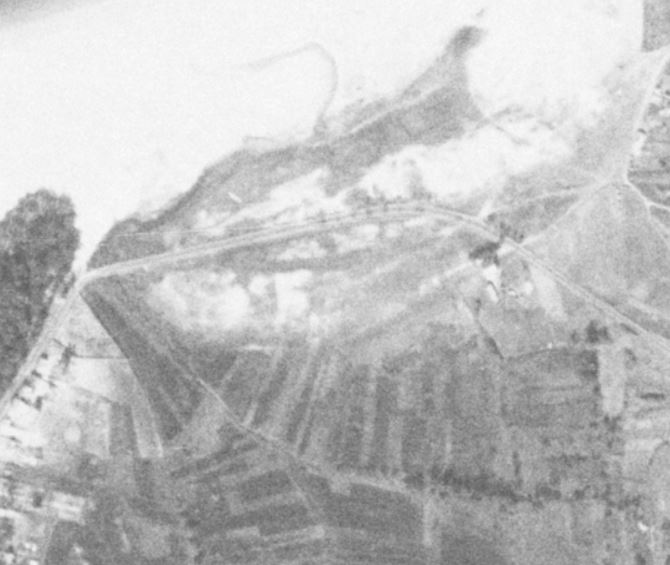
Campo do Vao (1945) 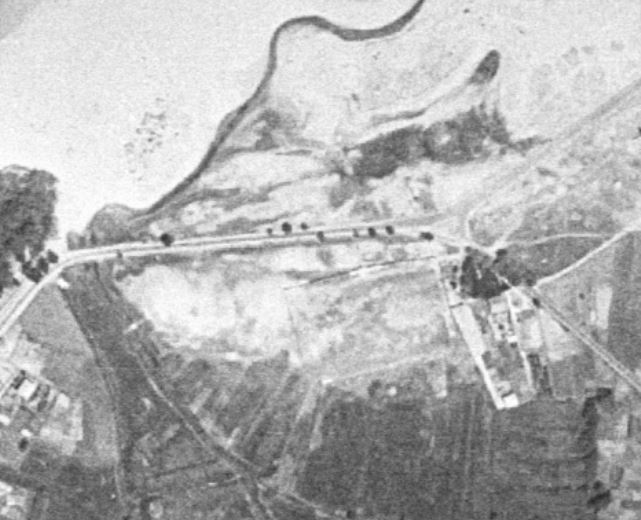
Campo do Vao (1957) 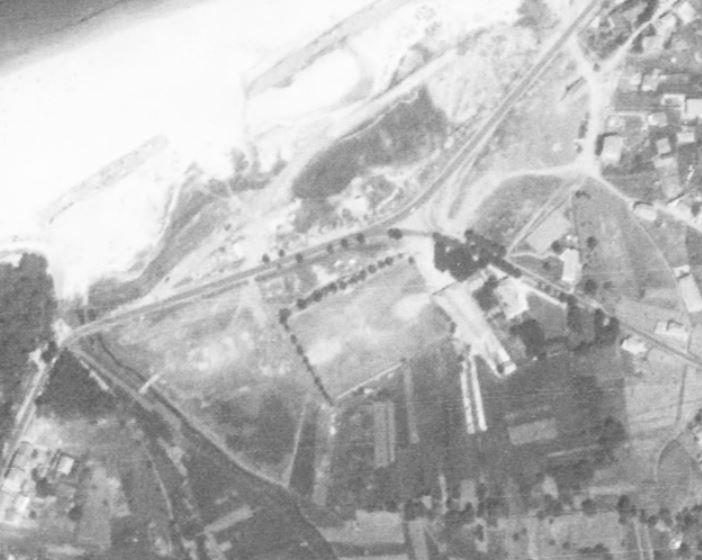
Campo do Vao (1967) 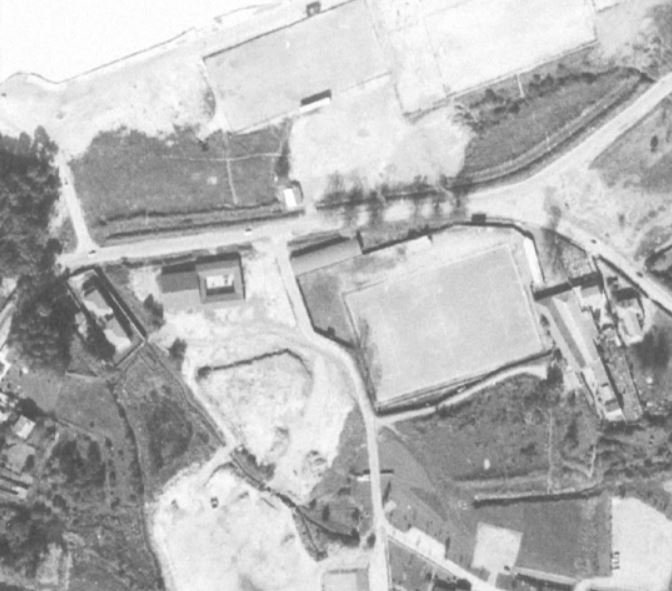
Campo do Vao (1981) 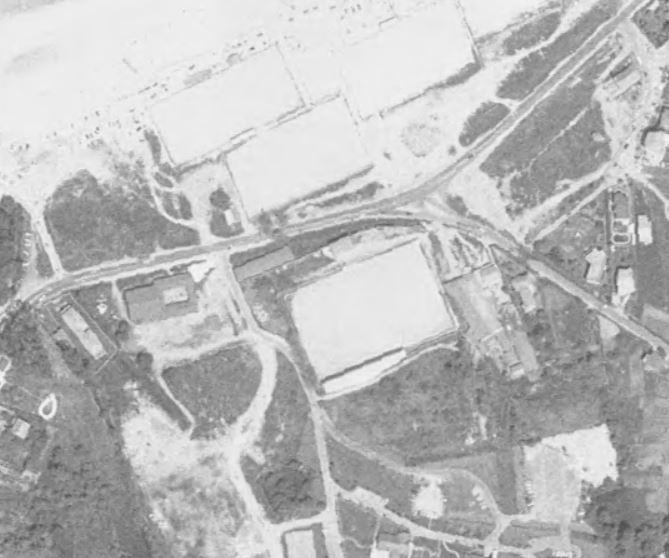
Campo do Vao (1985) 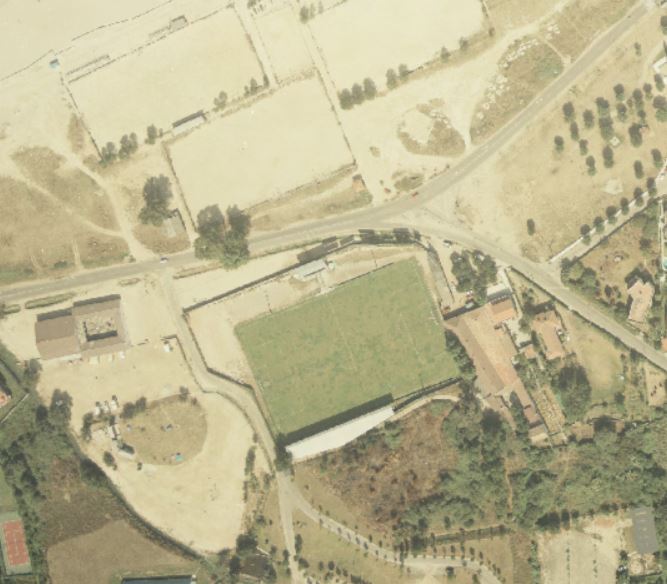
Campo do Vao (1989) 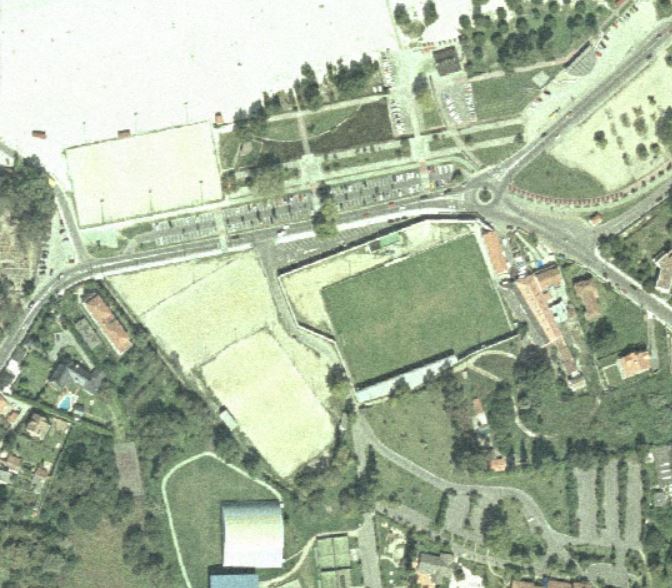
Campo do Vao (2004) 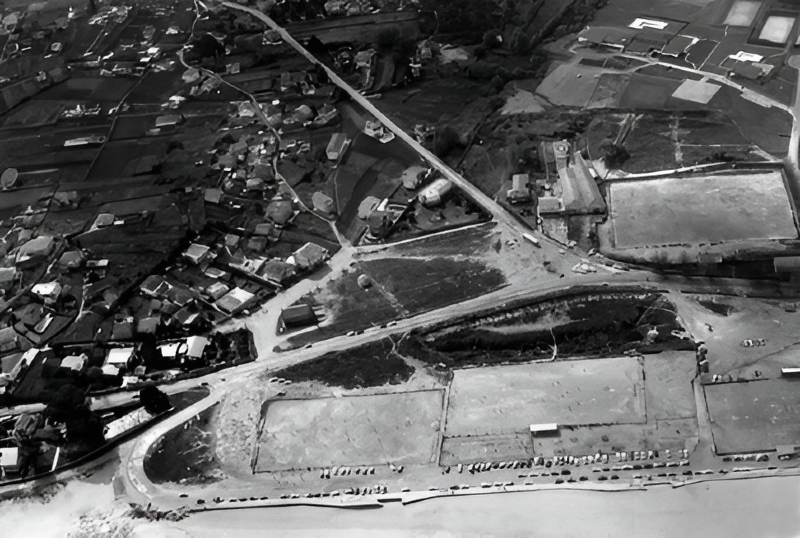
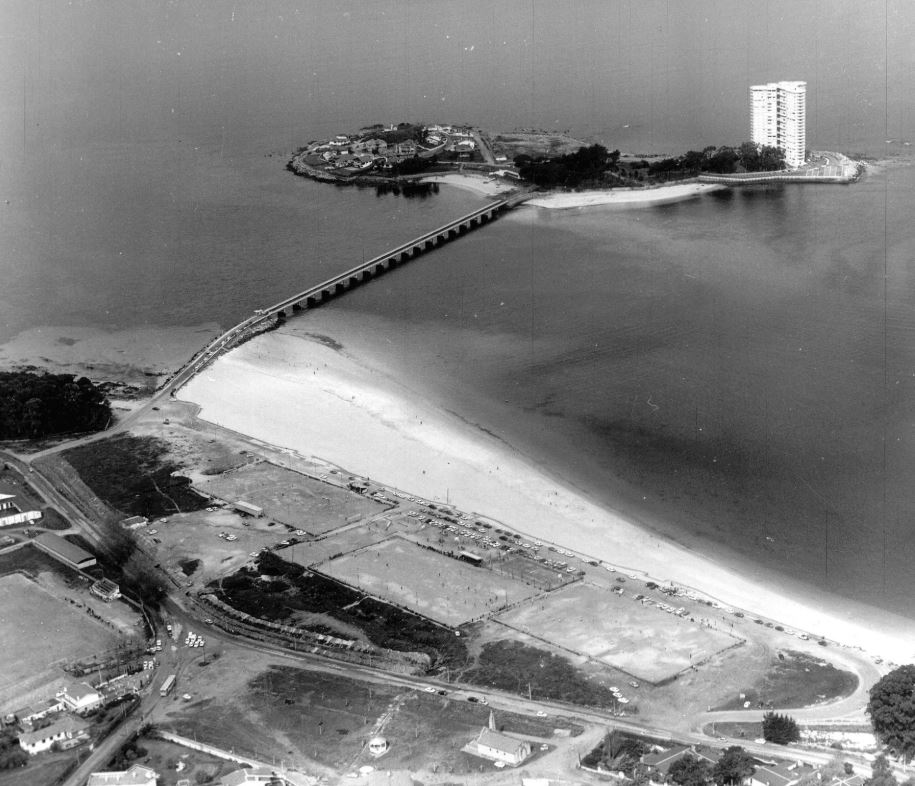
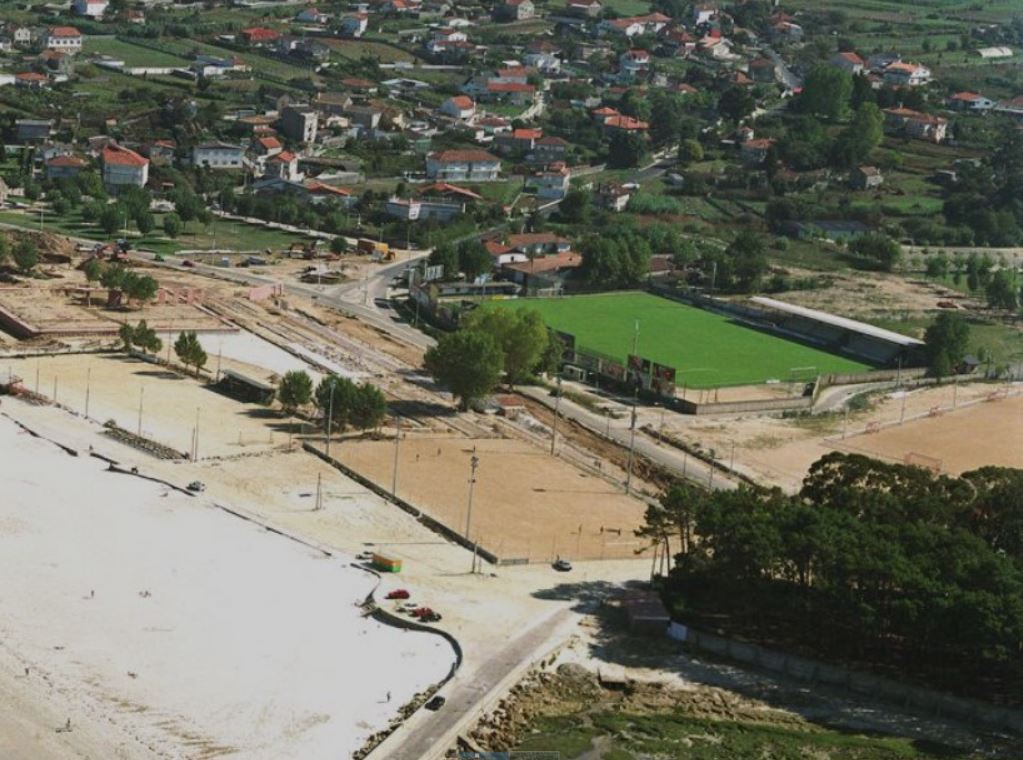
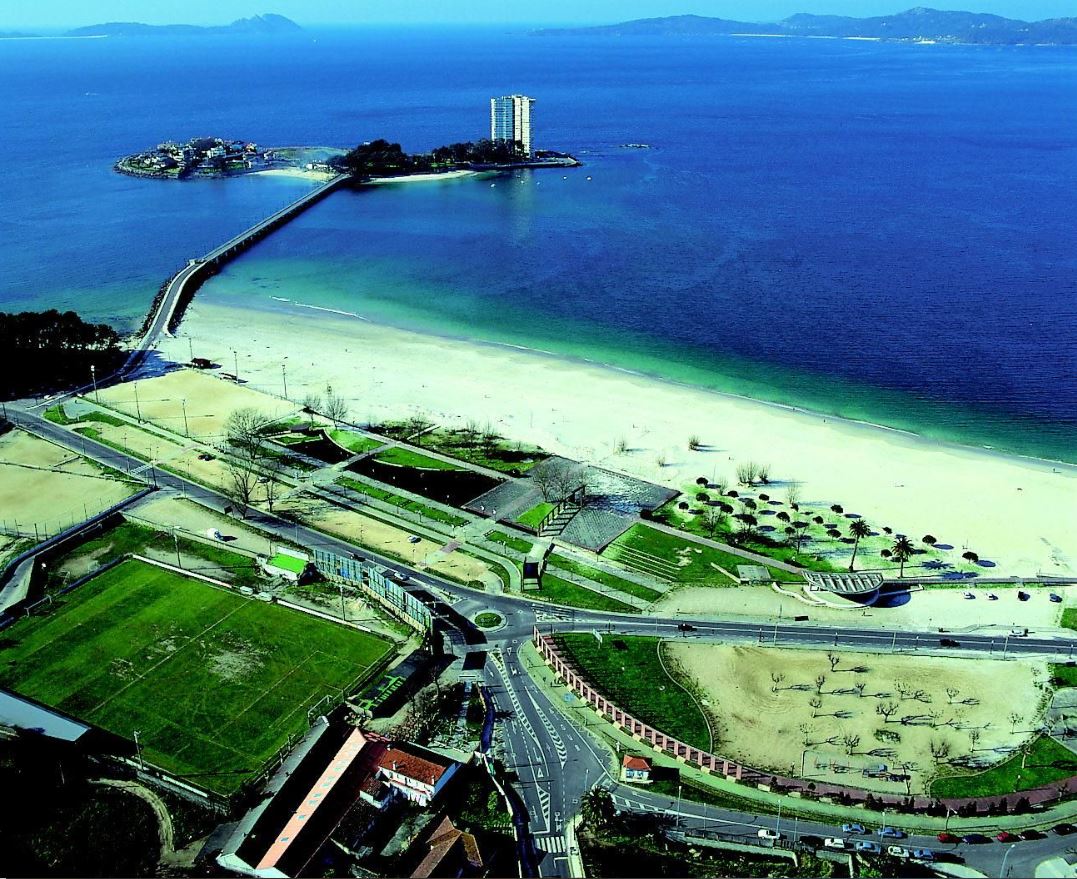
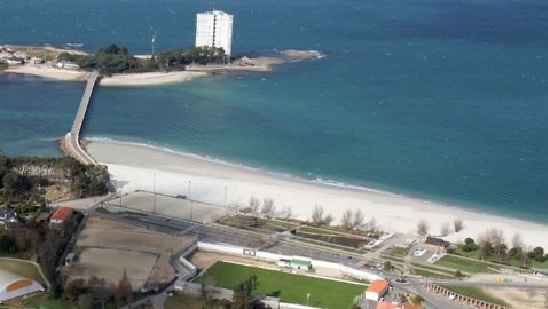
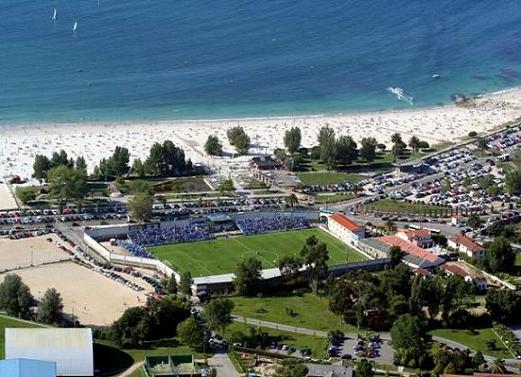
Campo do Vao ( June 2005) 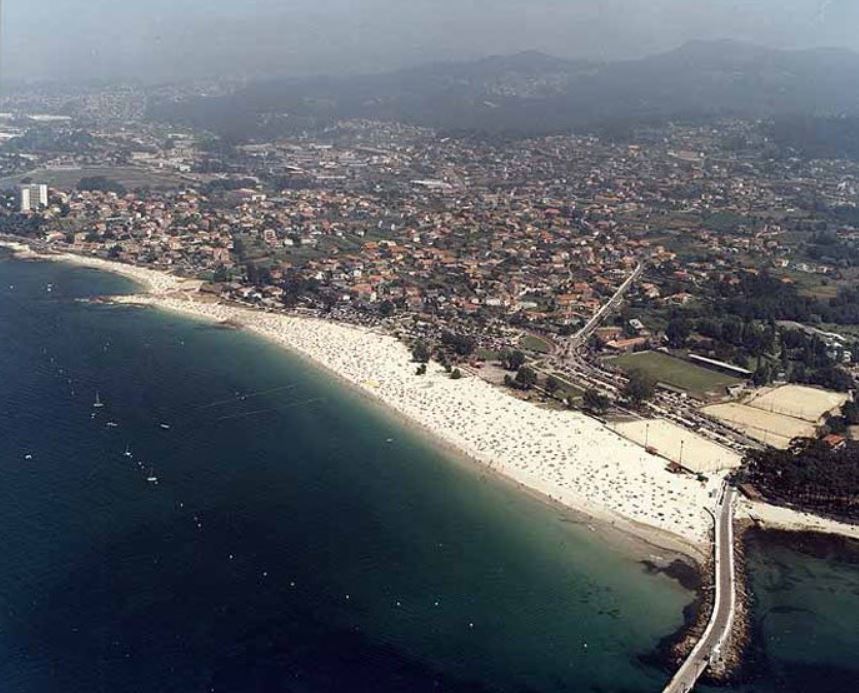
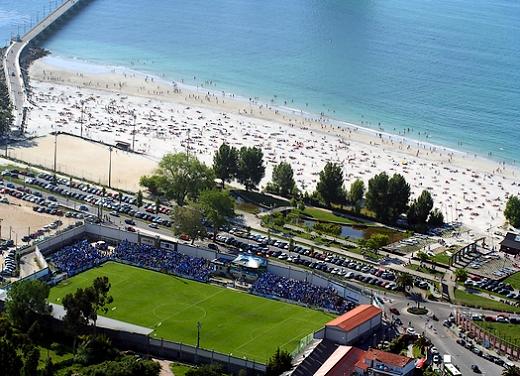
Campo do Vao (2006) 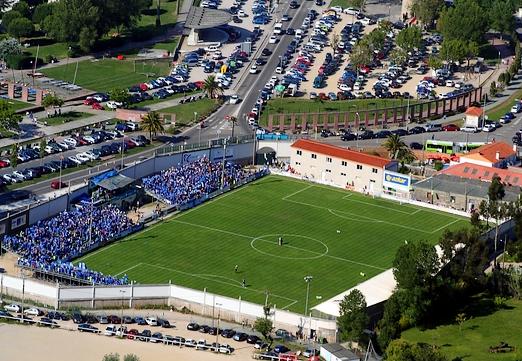
Campo do Vao (June 2005) 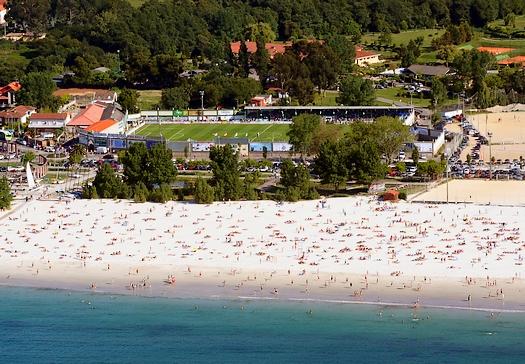
Campo do Vao (June 2005) 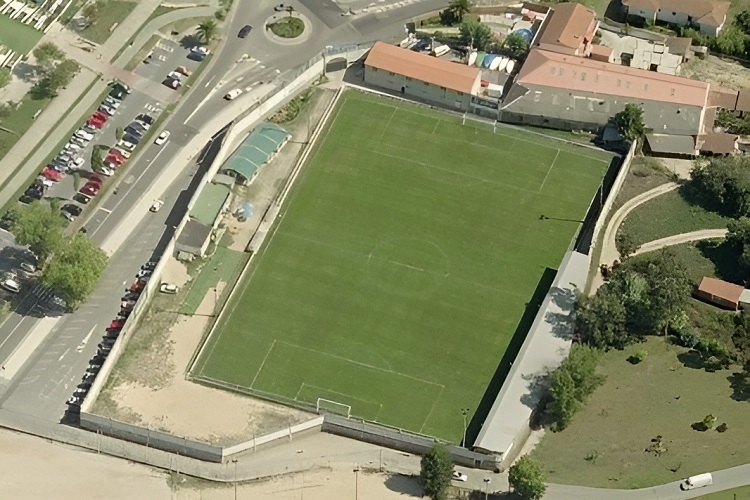
Campo do Vao (2006) 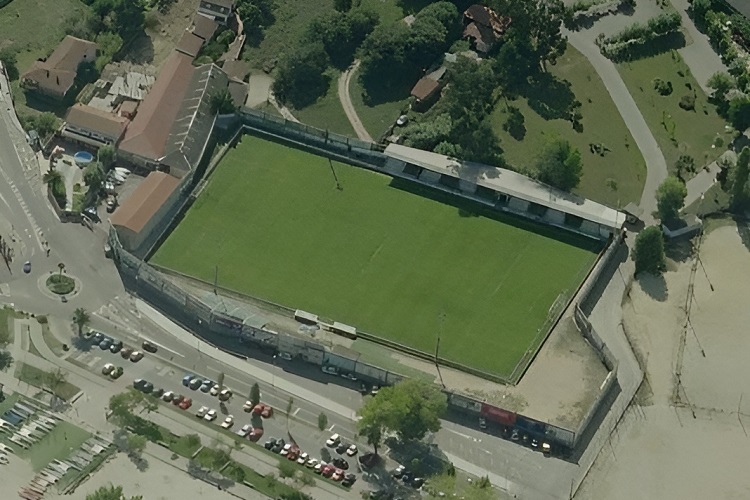
Campo do Vao (2006) 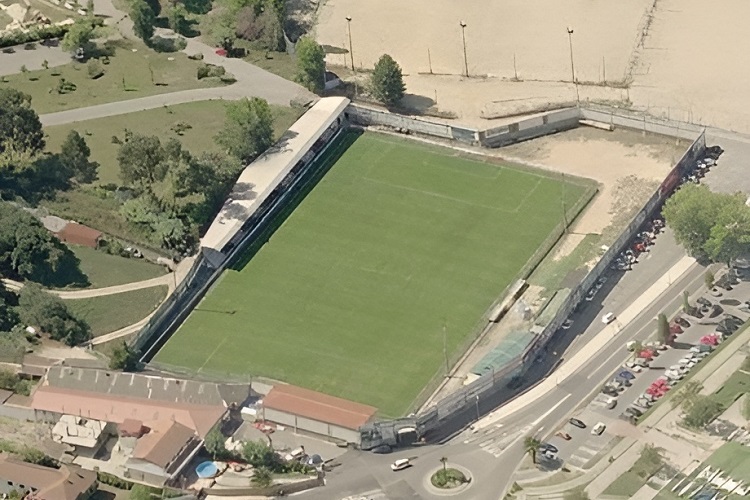
Campo do Vao (2006) 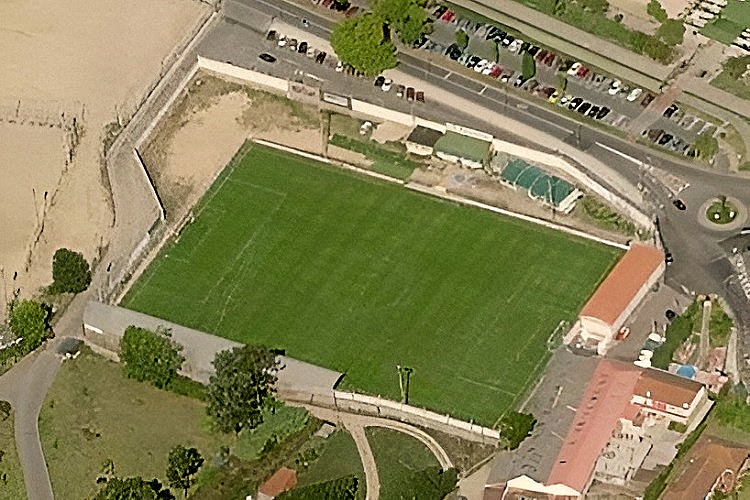
Campo do Vao (2006)