
Linares is an old mining town in the far northeast of Andalucia, in the province of Jaén. It struggled in the 1980s and 1990s after the closure of the last of the mines. 1990 also saw the end of its most successful senior club, Linares Club de Fútbol. At the last count, four senior clubs from Linares have folded in the past 80 years, the latest being Club Deportivo Linares in the summer of 2009.


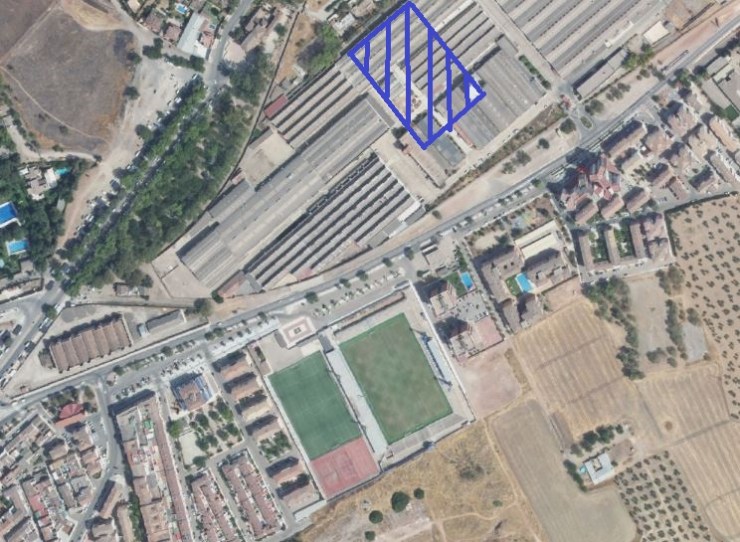
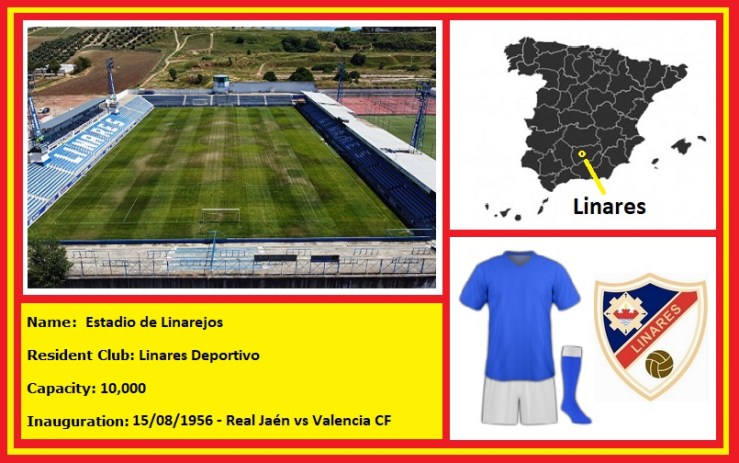
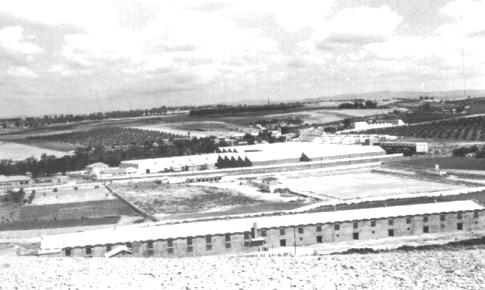
To start with, we have to go back to 1909 when Sociedad Gimnastica Linares was formed, a couple of name changes later, Gimnastica Linares finally bit the dust in 1931. For a while after the Civil War, Linares Deportivo strutted their stuff, only to fold in 1948, as Atletico Deportivo Linares. Then in 1954 Linares Club de Fútbol was formed and became the first club from the town to seriously challenge on the national stage. Linares CF played their first matches at the Campo Municipal, on a site just north of the current stadium. The municipality started work on the Estadio Linarejos in 1955 and it hosted its first match on 15 August 1956 when Real Jaén played Valencia in a friendly. Both teams were in La Primera at the time and this would have been a prestigious friendly, despite the local rivalry with Jaén. Linares CF played their last match at the Campo Municipal on 25 October 1956, a 3-1 victory over Almeria.
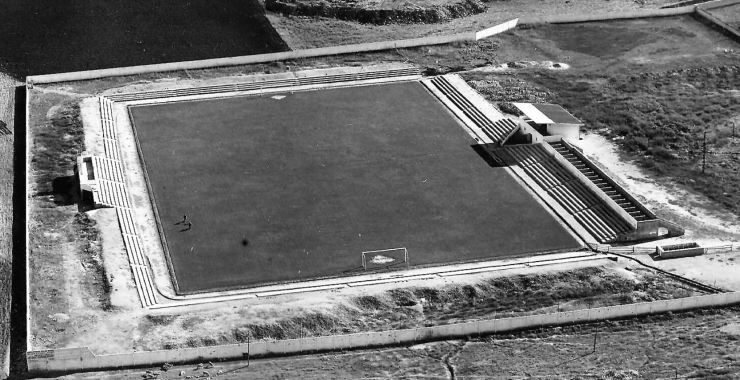
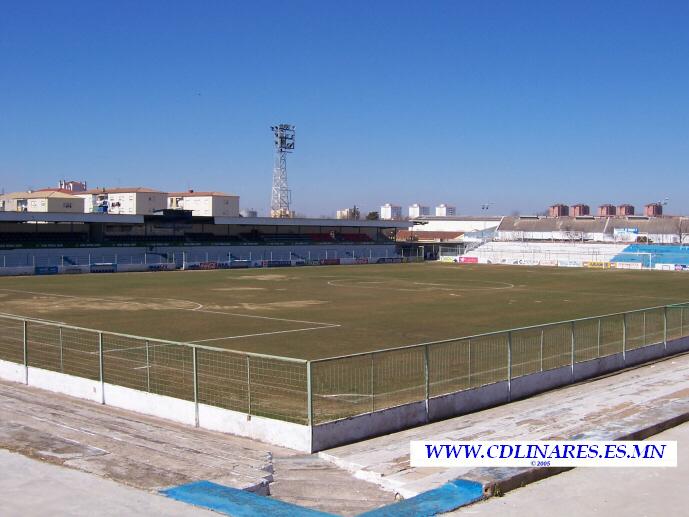
If the new ground was an improvement, it was a close-run thing because Linarejos was extremely basic. The dirt pitch was flanked on both sides by just six steps of terracing, with three rows at either end. The cover was limited to two box-like stands on either side of the halfway line. A grass pitch was installed in 1958 and the current full-length stand was added to the west side in 1973. Terracing at either end of the ground was extended, as was the stand at the rear of the East Terrace. Around this time Linares CF started to make its mark, winning the regional league in 1971 and the Tercera championship in 1972-73. Promotion to La Segunda was the club’s reward and although the stay lasted just one season and finished bottom, they were not disgraced with 8 wins and 9 draws in 38 matches. Back in the Tercera, a series of high finishes saw Linares CF earn a place in the newly formed Segunda B for the 1977-78 season. Promotion to La Segunda arrived at the end of a successful 1979-80 season when the club won the Segunda B title. Life back in La Segunda was relatively comfortable for the next three seasons with mid-table finishes, helped by solid home form. Goal scoring was a problem at this level, only 28 were scored in the 1982-83 season, but a stoic defence ensured survival. That is until the 1983-84 season when, in a very tight division, Linares CF finished seventeenth and a point from survival.

Back in Segunda B and Linares CF found it a more difficult division than when they left it four years earlier. They were relegated to the Tercera in 1986 when the division was reorganised but immediately bounced back with a second Tercera title. The club threw everything at promotion, coming close with a third place in 1988-89. This double-or-bust approach had consequences and the players and staff went unpaid during most of the 1989-90 season. Unable to meet its debts, Linares CF disappeared in July 1990, but as always, another club sprung up from the rubble.
Club Deportivo Linares started in the lowest reaches of the regional leagues and by 1994 they had reached the Tercera. Over the next five seasons, CD Linares knocked hard at the door of Segunda B but failed to win promotion. In 1999-00, a second-place finish in the Tercera and a storming performance in the playoffs, where they outperformed Villarrobledo, Mérida & Racing Portuense, saw the club finally reach Segunda B. Although their initial stay lasted just one season, CD Linares were back in the third tier for the 2002-03 season. It took a few years of mid-table finishes, but 2005-06 saw the club make a push for La Segunda. Finishing in fourth place in the league, CD Linares beat CD Badalona, but lost 2-3 on aggregate to UD Las Palmas in the playoffs. A year later, second place in the league saw the club paired with Racing Ferrol in the playoffs but came up short 3-4 on penalties. CD Linares also finished second in season 2007-08, but Zamora CF accounted for them in the playoffs. All these attempts to reach La Segunda had come at a cost and with the playing staff dramatically reduced for the 2008-09 season, CD Linares struggled to a fourteenth-place finish. With accumulated debts of €4.7ms, the club was wound up at the end of July 2009.
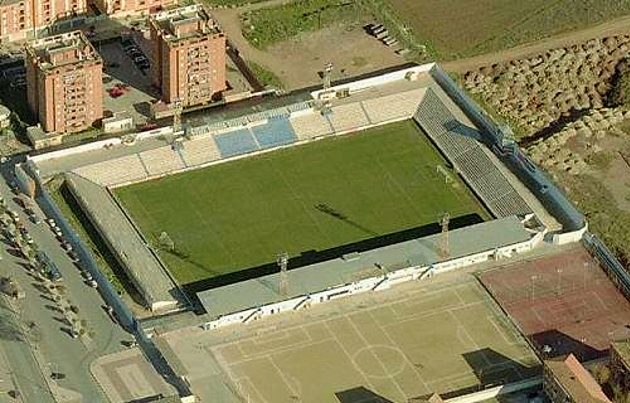
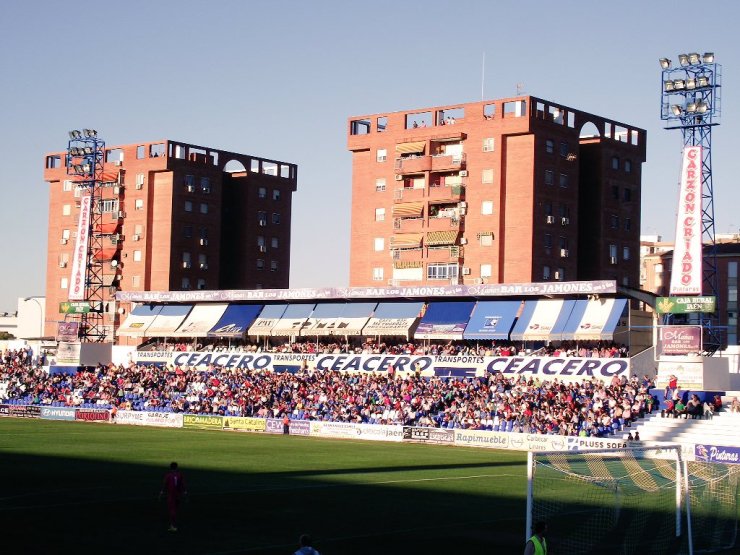
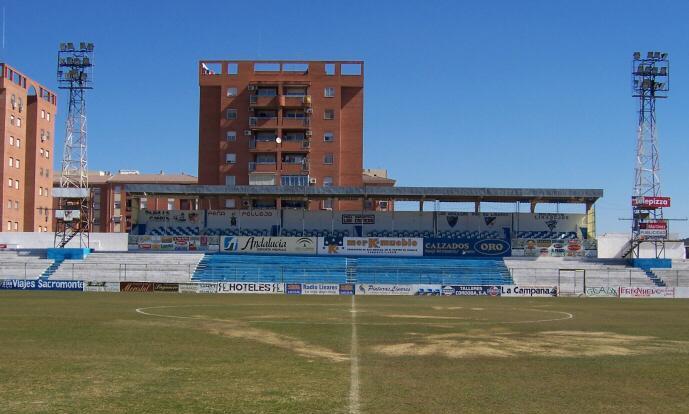
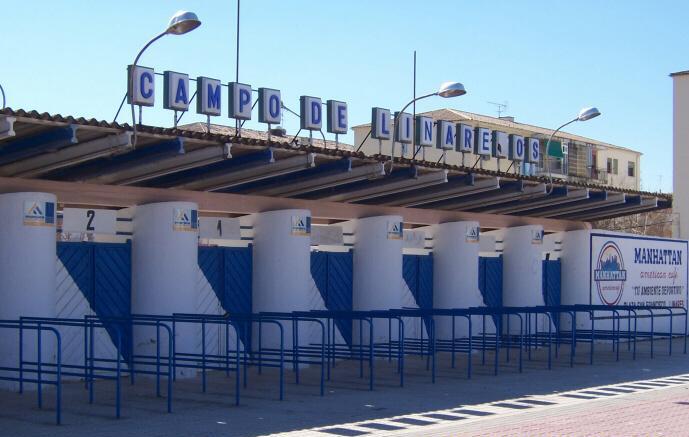
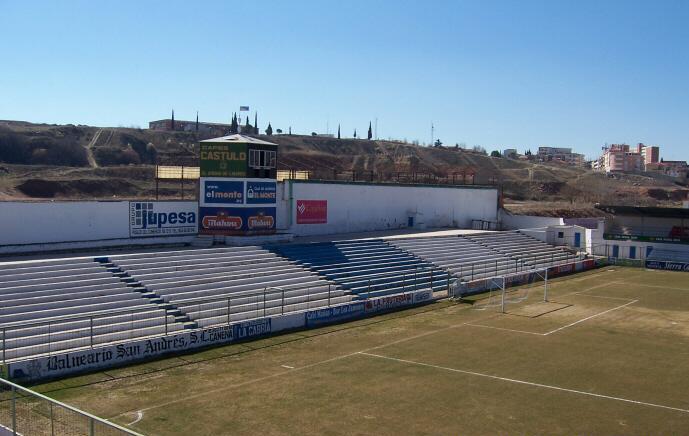
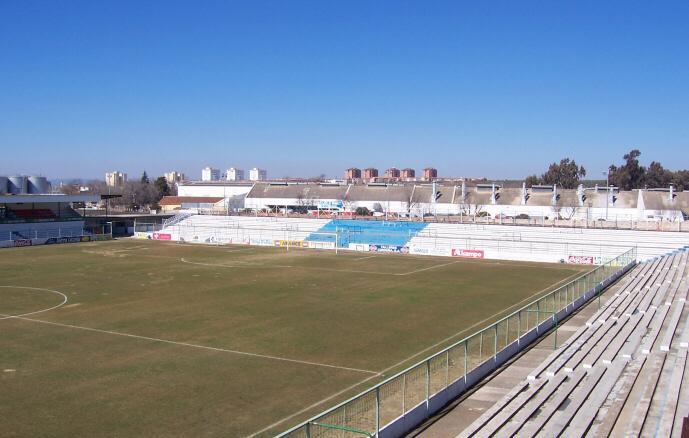
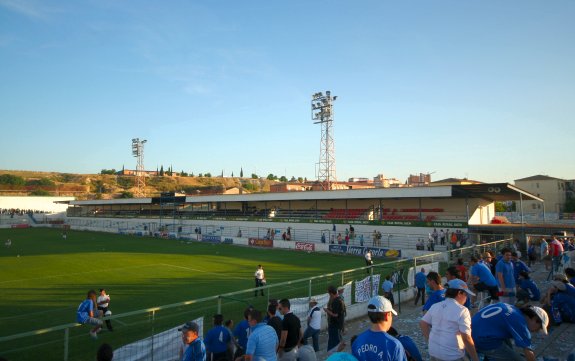
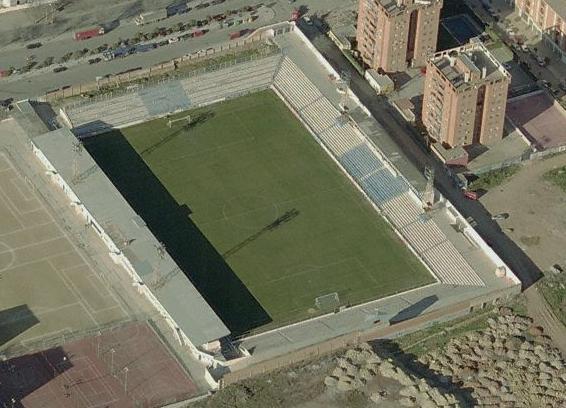
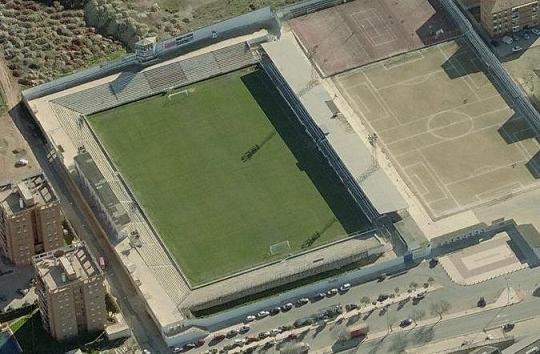
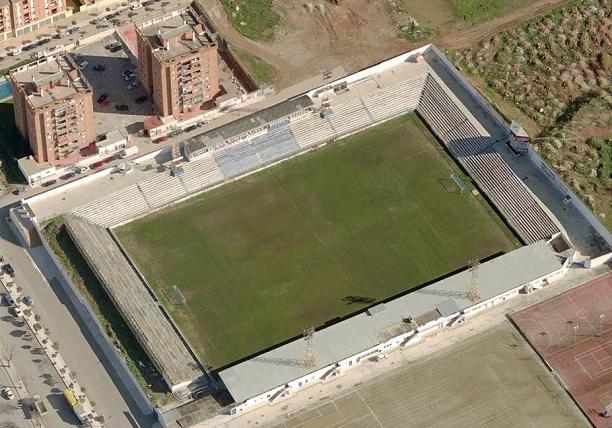
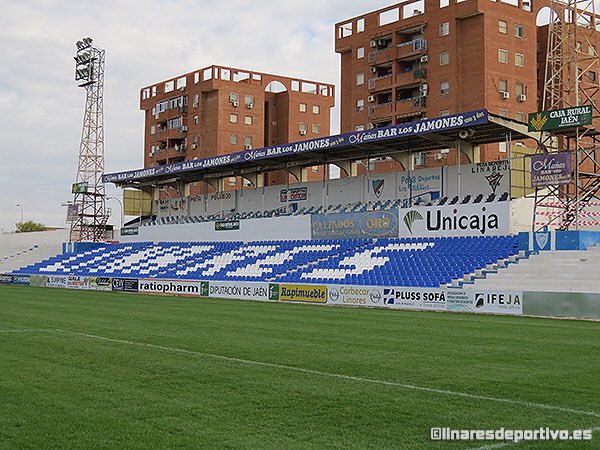
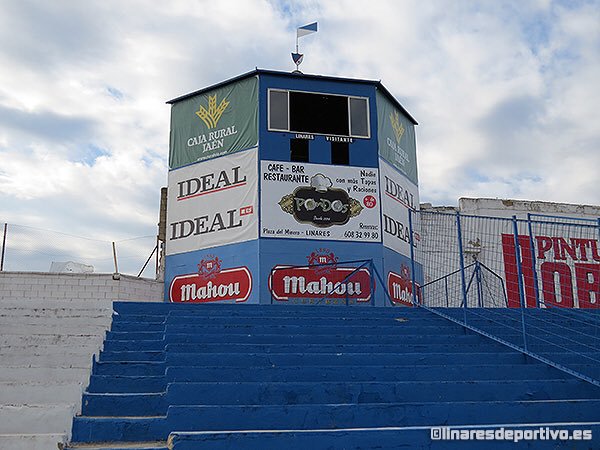
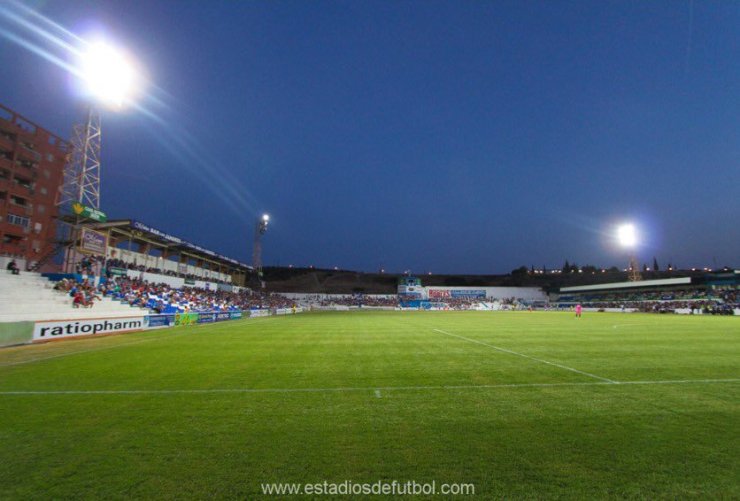
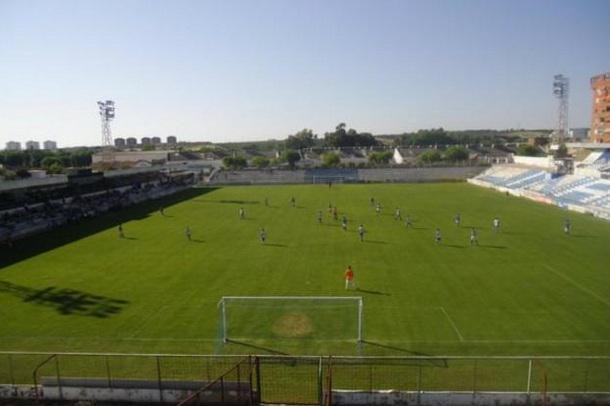
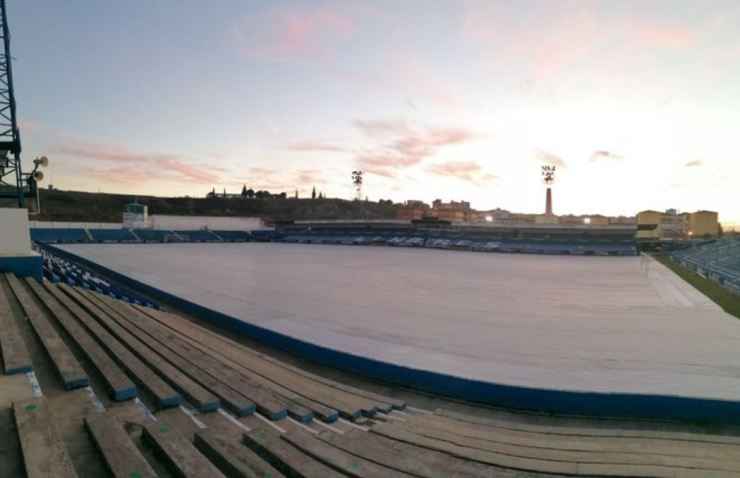
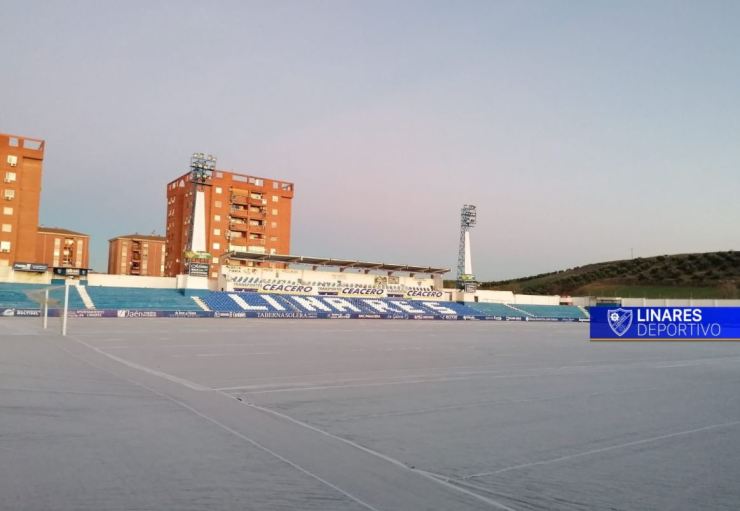
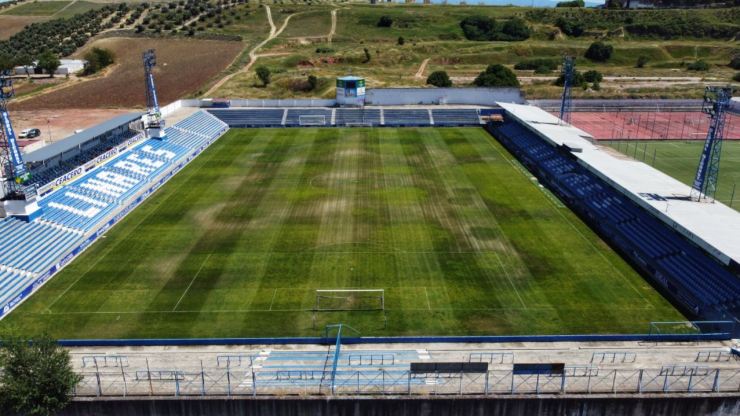
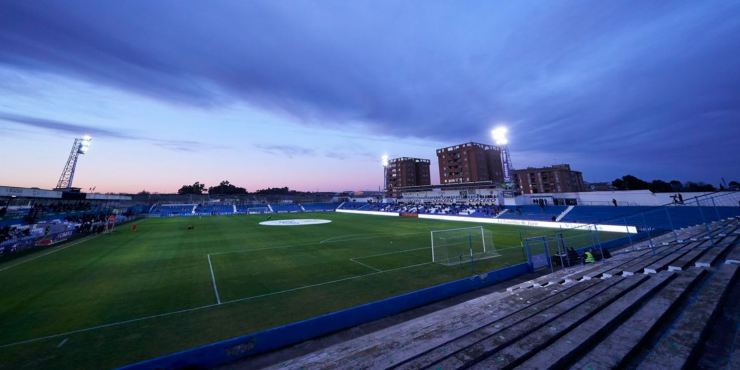
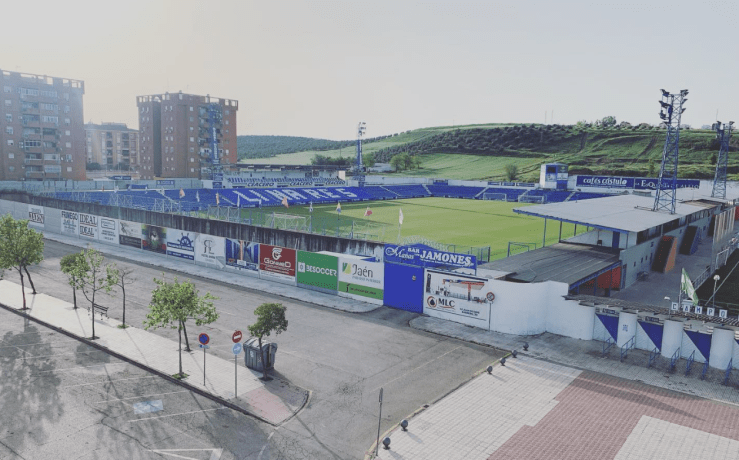
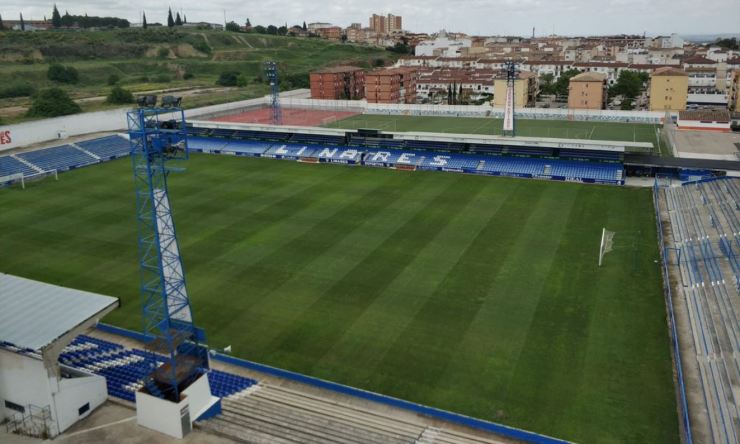
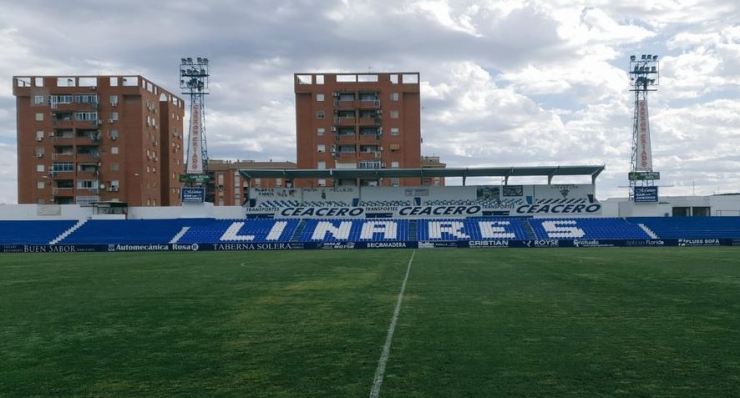
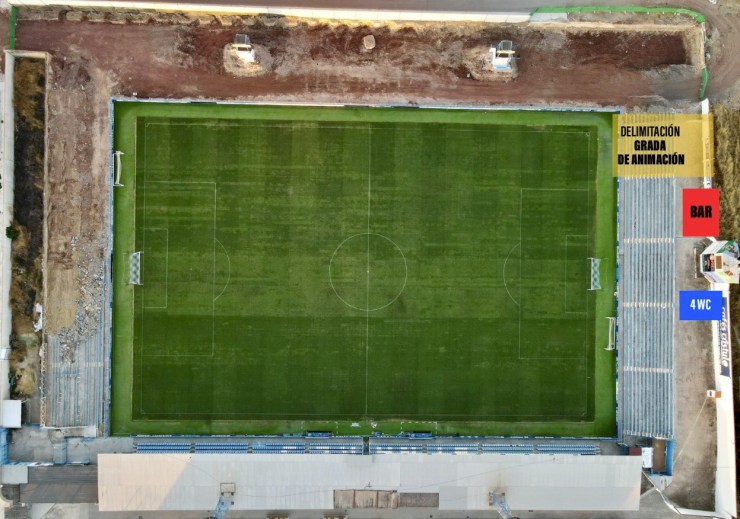
The Estadio de Linarejos hasn’t changed much in the last 50 years. The main tribuna is a narrow strip of steps that stand in front of four rows of covered seats. Opposite, on the east side and at the back of the terrace, is a delightful raised stand. About forty metres in length it seats around 300 in six blocks of seats. To protect against the sun, each block of seats is shielded by a retractable awning. The north and south terraces are fairly substantial taking the overall capacity to 10,000. Finally, at the back of the south terrace is a raised scoreboard. No state of the art video screen in this neck of the woods and all the better for it. The Estadio de Linarejos now hosts the city’s latest footballing incarnation, Linares Deportivo. They made stellar progress from the Jaén Regional Preferente (Tier 7) to the Segunda B (Tier 3) in 5 years. Following the reorganisation of the Spanish League systems, the club earned a place in Group II of the Primera División RFEF, the new third tier of Spanish football. A fifth-place finish saw the club enter the playoffs, but a 4-0 defeat to Deportivo La Coruña ended hope of a place in La Segunda.
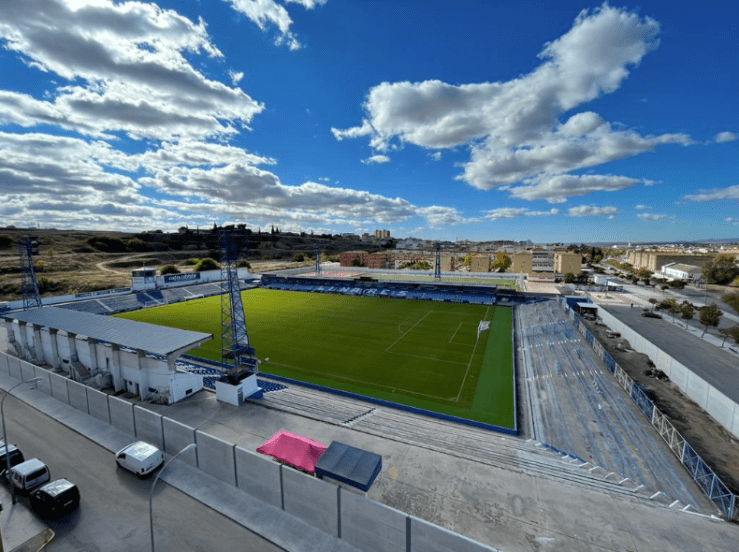
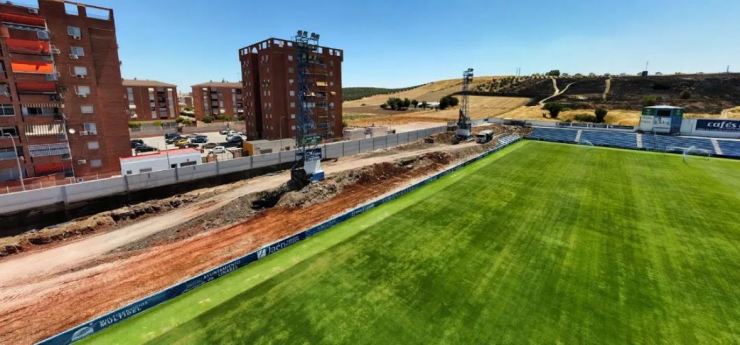
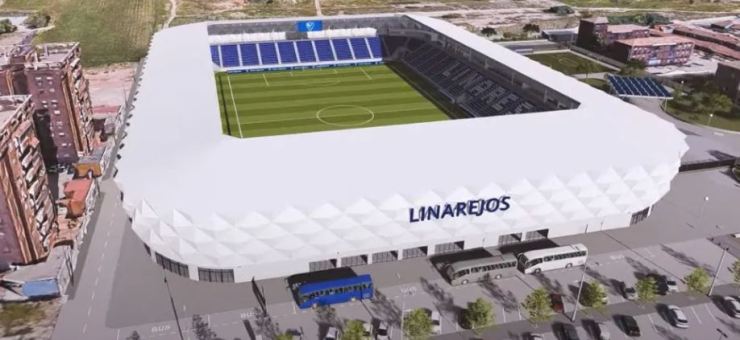
In July 2024, work commenced on the redevelopment of the Estadio de Linarejos, starting with the northern end and eastern side of the stadium. Over the course of 26 months, the stadium will be transformed into a 9,000 all-seated stadium, with cover on all sides. The cost of the project is €11.2m, with €9.1m contributed by the Junta de Andalucía and €2m coming from the local council. If the redevelopment goes to plan, the rebuild will be completed in time for the start of the 2026-27 season.





 Estadios de España