
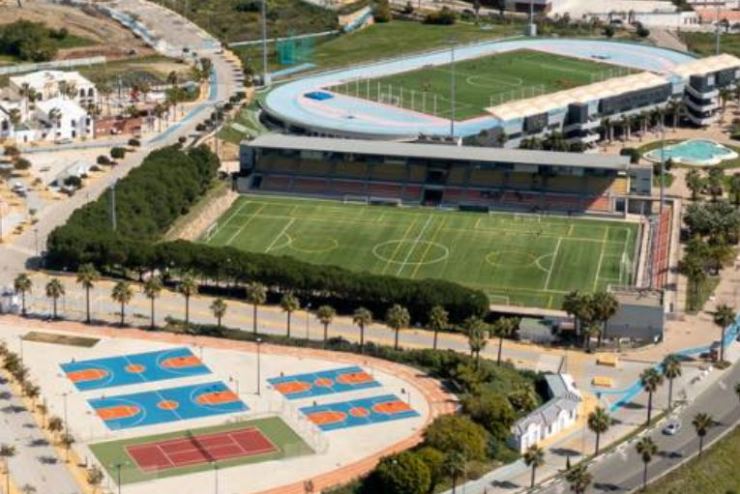
Located in the far west of the Province of Málaga, the coastal city of Estepona has transformed over the past century from a small fishing village of 8,000 residents to a vibrant and welcoming holiday resort with a population of 70,000. With the wealth generated by tourism and property development, the local council has invested in its infrastructure, with a prime example being the sporting quarter on the northwestern edge of the city. At the centre of the complex is the Estadio Francisco Muñoz Pérez, a stadium that has somewhat slipped under the radar since it opened in 2007. Maybe the stadium’s relative anonymity could lie in the fact that the senior clubs representing Estepona have achieved very little at a regional level, and even less nationally.

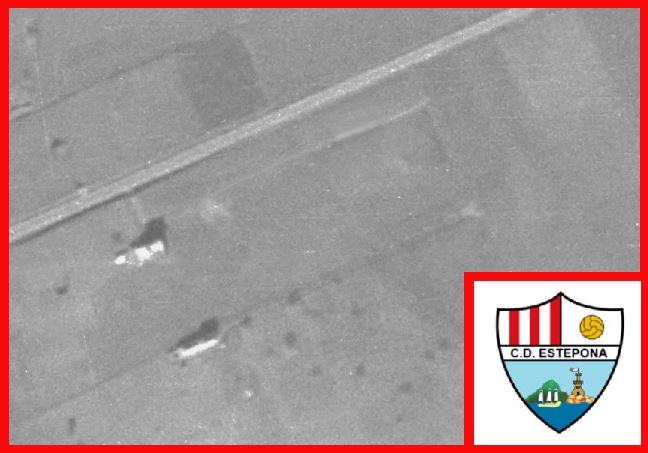
Whilst there is evidence of football being played locally in the 1930s, matches were informal, with no record of any federated club before the Civil War. Those matches were played at the Campo de Los Llanos, which was a basic, enclosed field on the coastal road, 1.5km to the east of Estepona. Despite being far from the front line, it would be three years after the end of the conflict before football returned to the city. In 1942, Club Deportivo Estepona was formed. Initially, it chose to remain outside the local federation, playing friendly matches against local clubs and teams from Gibraltar, but joined the regional federation in 1947 and started competing in the Tercera Regiónal. CD Estepona was crowned Campeón Provincial de Aficionados in 1950 and had reached the Primera Regiónal when in 1954, it left the Campo de Los Llanos and set up home at the new Campo de San Fernando. The new stadium was located on the northwestern edge of the city centre, offering greater comfort & convenience than Los Llanos.
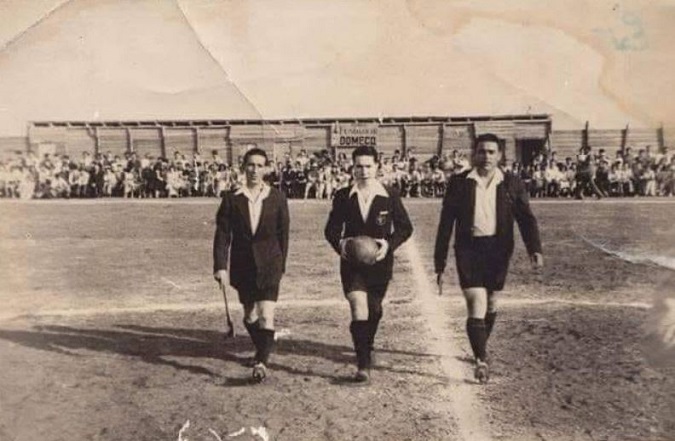
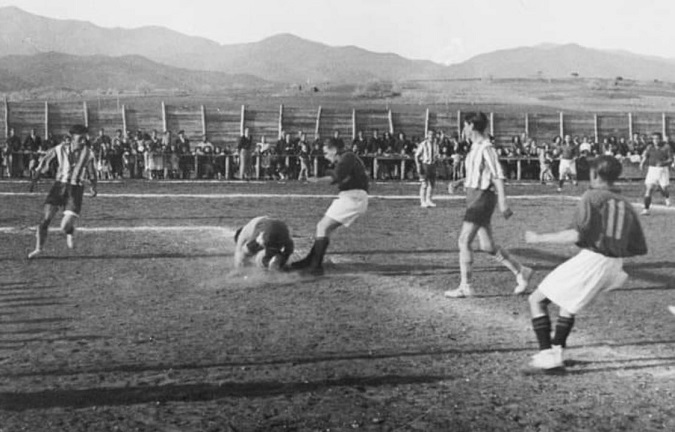
Life at the Campo de San Fernando continued much as before the move from Los Llanos, with CD Estepona switching between the Primera & Segunda Regiónal for the rest of the 1950s and much of the 1960s. Then in 1965-66, the club won the Primera Regional and with it promotion the the national Tercera. There followed four seasons of respectable mid-table finishes before the restructuring of the league saw CD Estepona demoted back to the Primera Regiónal, despite finishing ninth out of twenty teams. To say that promotion to the national Tercera in the 1970s was difficult, is quite an understatement. With only the champions advancing, CD Estepona’s series of top five finishes counted for nothing. Finally, in 1976-77, the club won the newly named Regional Preferente and progressed back to the Tercera. The Tercera was now serving as Spain’s fourth tier following the creation of Segunda B. After some last-day heroics helped the club escape relegation back to the regional leagues in 1977-78 & 78-79, CD Estepona settled into a series of routine mid-table finishes. The cycle ended when the club enjoyed a stellar 1988-89 season, winning the Tercera title by 9 points, scoring 84 goals, and losing on just three occasions.
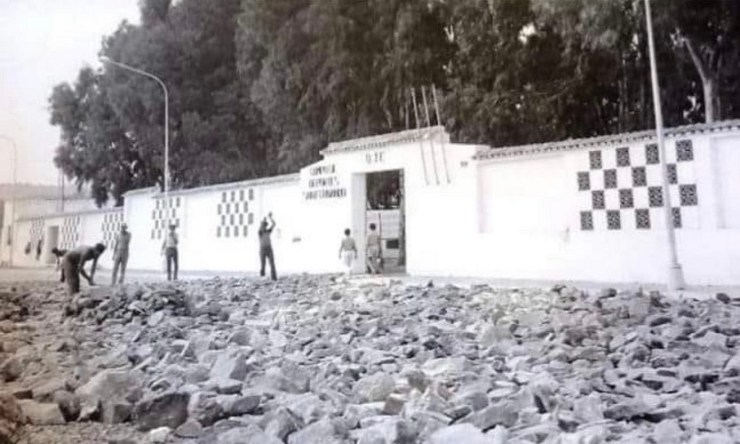
The step up to Segunda B proved difficult, with CD Estepona needing a final-day victory over Córdoba CF to retain its place in the third tier. The 1990-91 season saw improvement, with a hard-earned ninth-place finish that saw 17 drawn matches and only 24 goals scored. There followed two mid-table finishes before a miserable 1993-94 campaign saw the club win on just five occasions and finish 19th in the table. Worse was to follow, as debts incurred over the past five seasons, including unpaid wages, saw the local federation impose an administrative demotion, dropping CD Estepona to the Regional Preferente. The club was formally wound up in the summer of 1994. Following CD Estepona’s demise, a number of clubs from the city competed in the the Málaga regional leagues. In the summer of 1996, two such clubs, Estepona Club de Fútbol and Unión Deportiva Estepona, merged to form Unión Estepona Club de Fútbol. Home was the Campo de San Fernando and the club ran up a decade of top half finishes, but rarely challenged at the top end of the league. In fact it wasn’t until the club’s final season at the Campo de San Fernando, that the club came close to promotion.
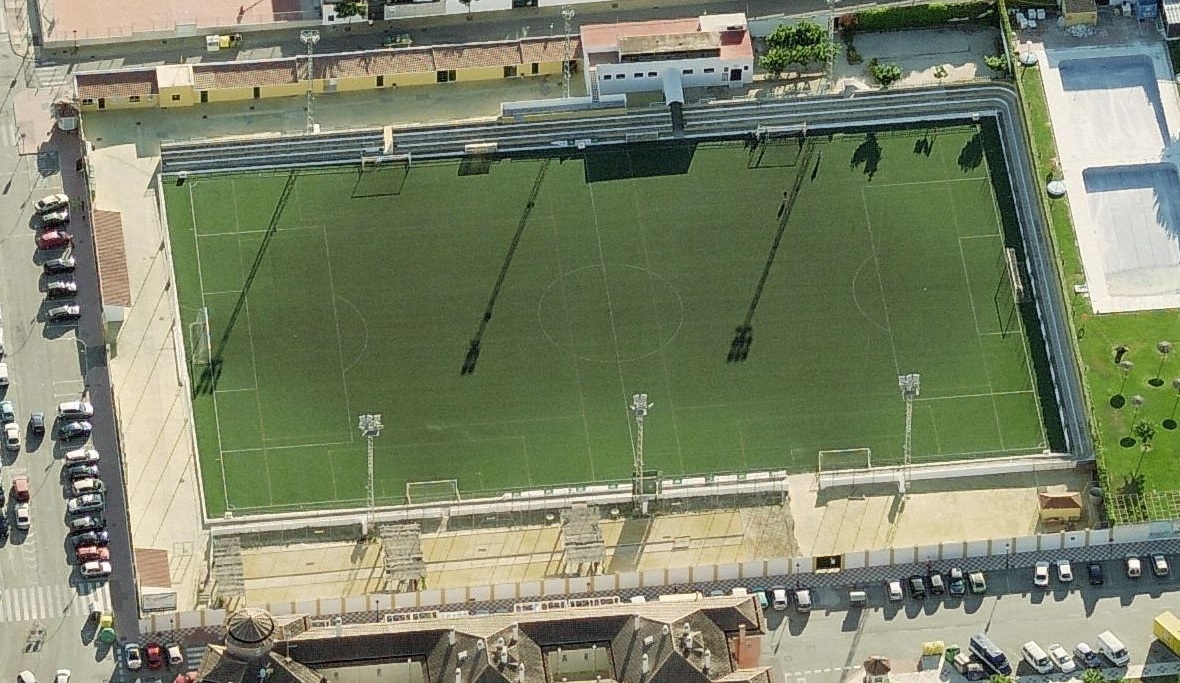
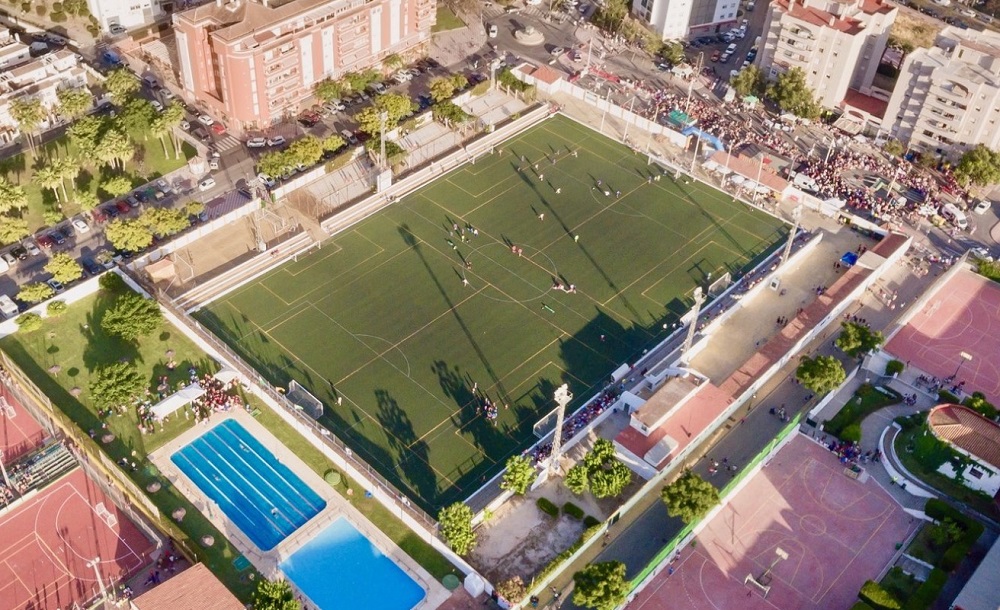
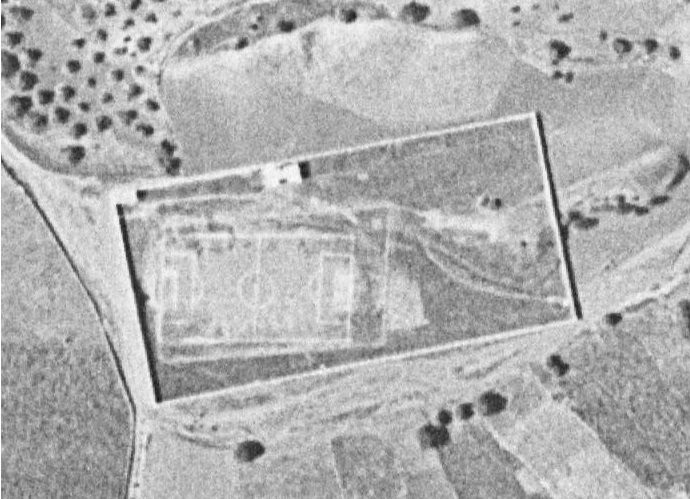
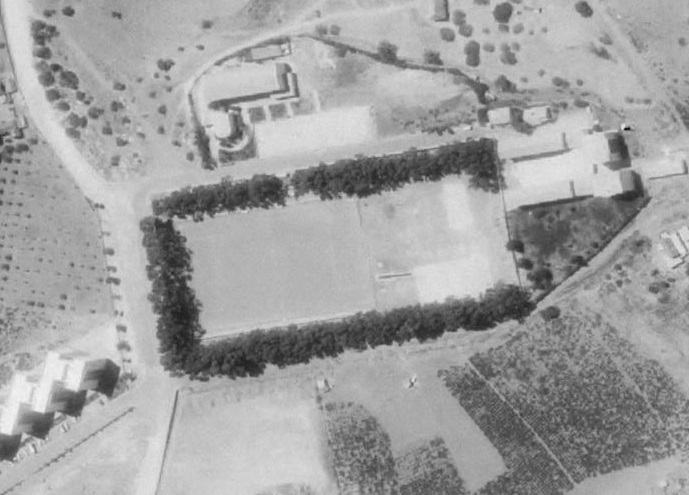
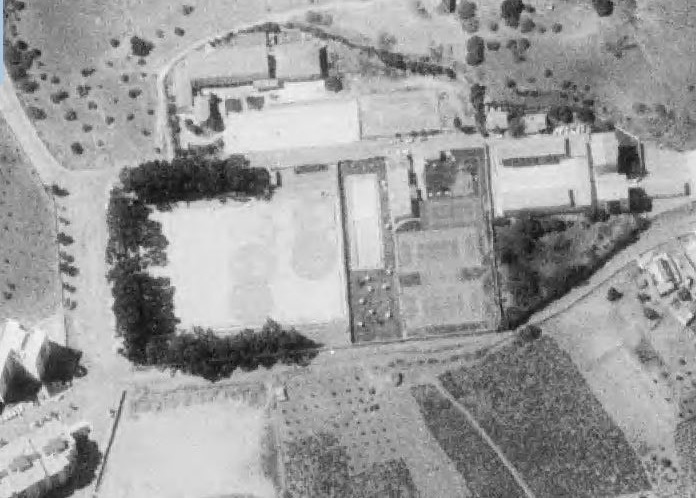
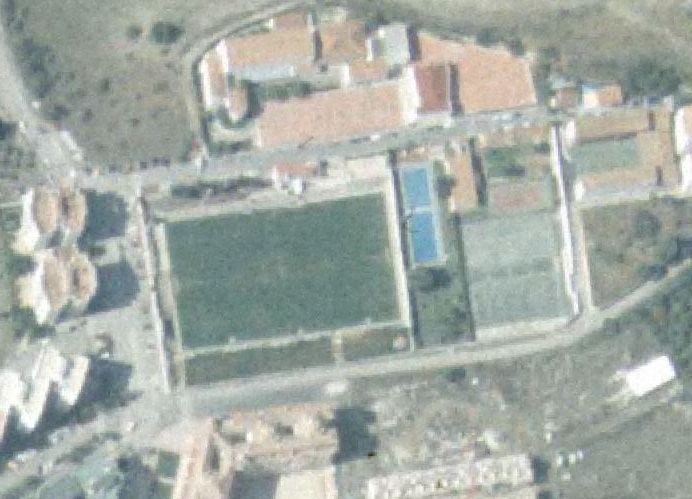
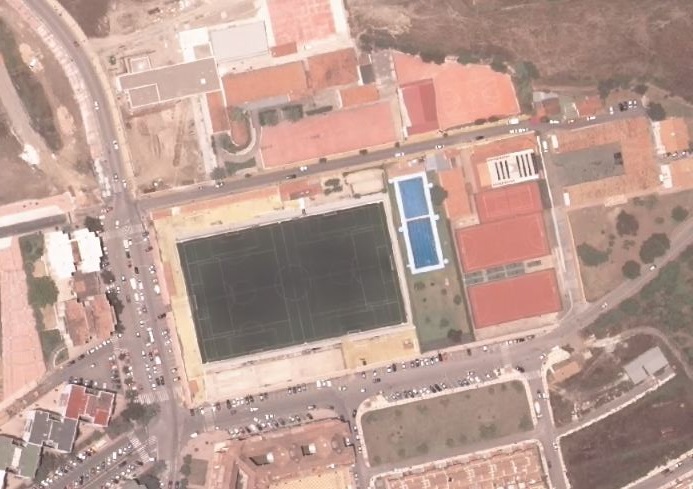
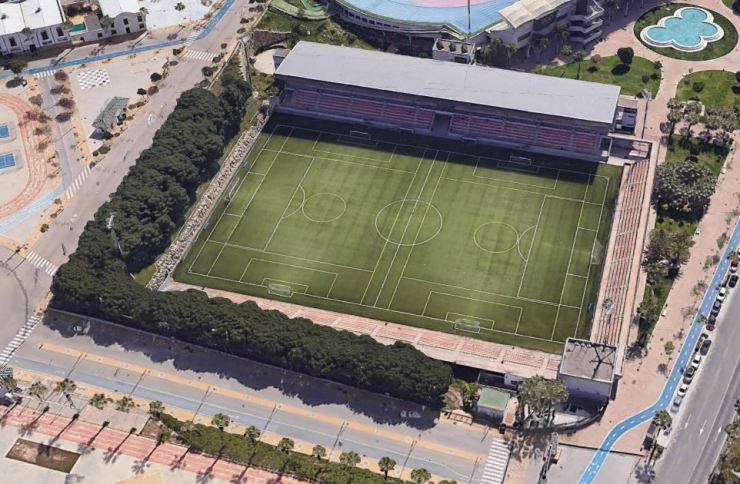
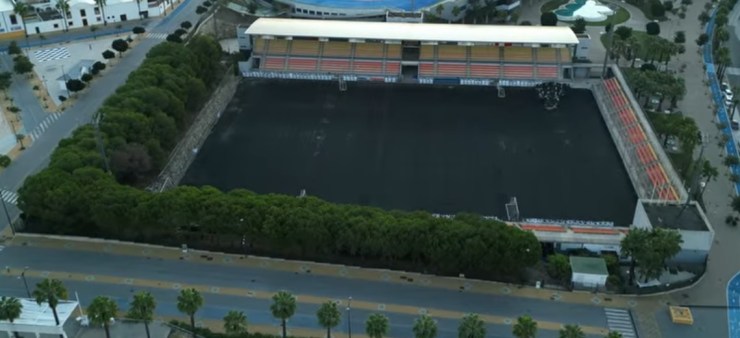
After opening in 1954, the Campo de San Fernando remained a very basic enclosure, although the area to the north of the pitch was developed in the 1970s to include two swimming pools and tennis courts. The football enclosure however, remained relatively unchanged, with a dirt pitch and a few steps of horseshoe-shaped terracing running from east to west. During CD Estepona’s stay in Segunda B, the trees surrounding the pitch were felled and the pitch extended a few metres westwards. A year later, a grass playing surface was installed and floodlight pylons added. An artificial surface was added at the start of the millennium, but with the development of a new stadium in the sporting quarter (just 300m to the west), the Campo de San Fernando’s days of hosting the city’s senior clubs would become numbered. It continues to host lower league regional and youth football, as well as Estepona’s bigger club when the Estadio Francisco Muñoz Pérez is unavailable.
After missing out in the playoffs in 2006-07, Unión Estepona Club de Fútbol continued their good form at the new Estadio Francisco Muñoz Pérez, finishing runners-up in the Primera División Andaluza. In the playoffs, the club lost to CD Imperio de Albolote, but still ascended to the Tercera after the late withdraw of Mengibar CF from the league. Bouyed by their good fortune, Unión Estspona stormed the league, losing just once in their final 26 fixtures and winning the title by five points. Promotion to Segunda B was earned after a hard fought tie with Caravaca CF, which Unión Estepona won on away goals after a 4-4 tie. In their first season in the third tier, the club finished ninth in a very evenly fought division. Before the start of the 2010-11 season, Unión Estepona was already showing signs of financial pressures, with a pared-back squad. The club struggled throughout the campaign and were eventually relegated in 18th place. On 29 June, the club filed for bankruptcy due to outstanding debts, which included €300k of wages owed to players. The 2011-12 season was played against a backdrop of financial problems, but undeterred, the club finished second in the league. In the play-offs, they beat CD Don Benito 2-1 over two legs, but fell to SD Tenisca 4-3 on aggregate. A further reduction in budget for the 2012-13 season saw the club finish 15th, but the end came midway through the following season, when Unión Estepona withdrew from the Tercera after 17 matches.
Following the demise of Unión Estepona, a new club, Club Deportivo Estepona Fútbol Senior was formed. After working its way steadily through the lower reaches of the Andalucian regional leagues, it reached the Tercera for the 2020-21 campaign. COVID saw the fixture list curtailed and after finishing in the relegation playoffs places, CD Estepona FS finished bottom of the playoff group and dropped back to the Grupo 2 of the División de Honor. The bounce-back was immediate, with the club claiming the title and with it, direct promotion to the Segunda Federación. In its first two seasons in the fourth tier, CD Estepona FS recorded two top half finishes.
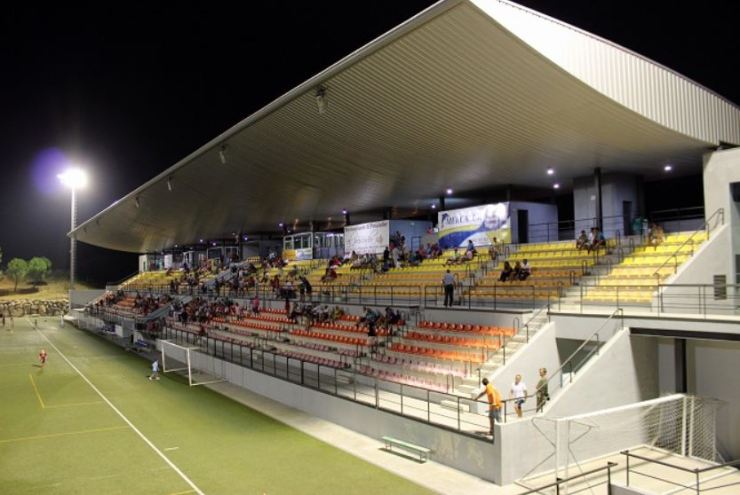
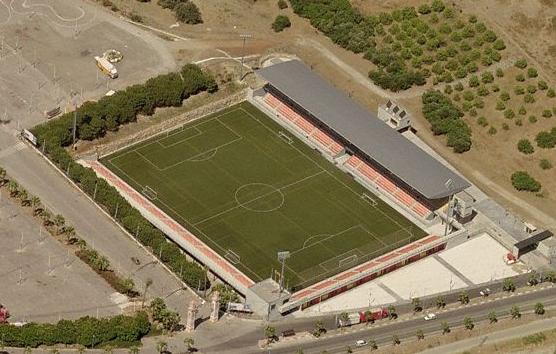
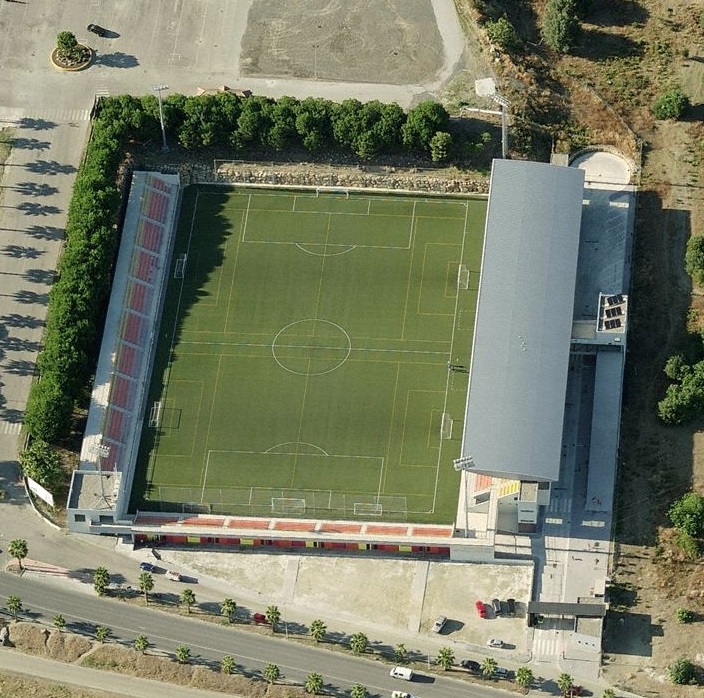
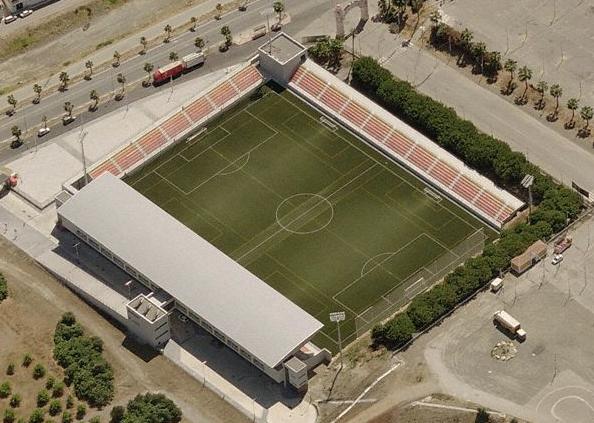
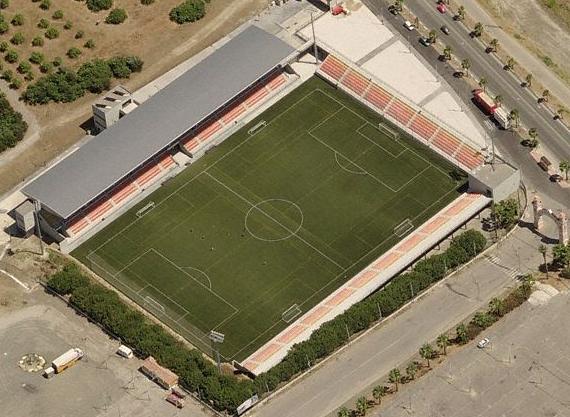
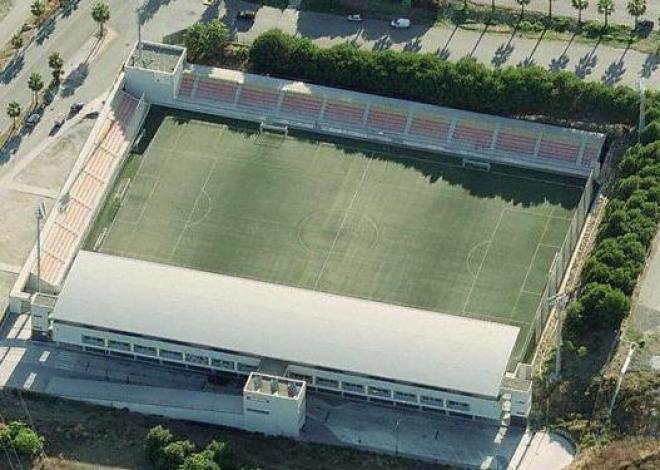
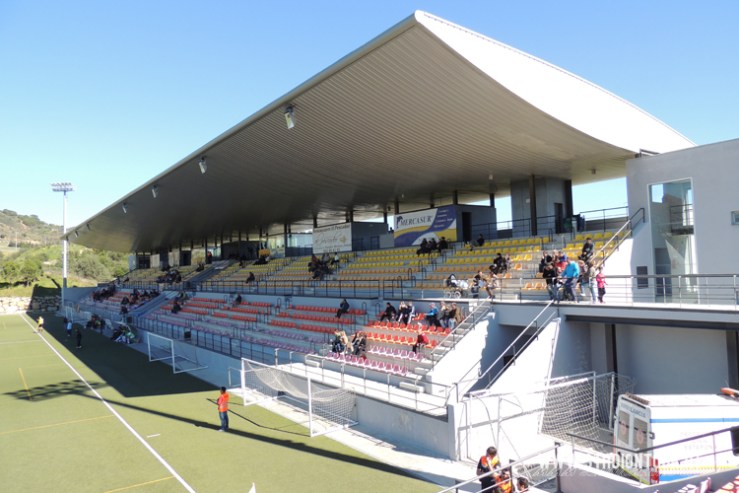
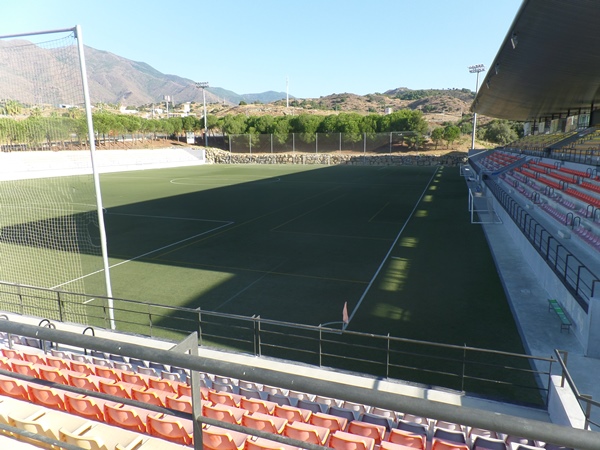
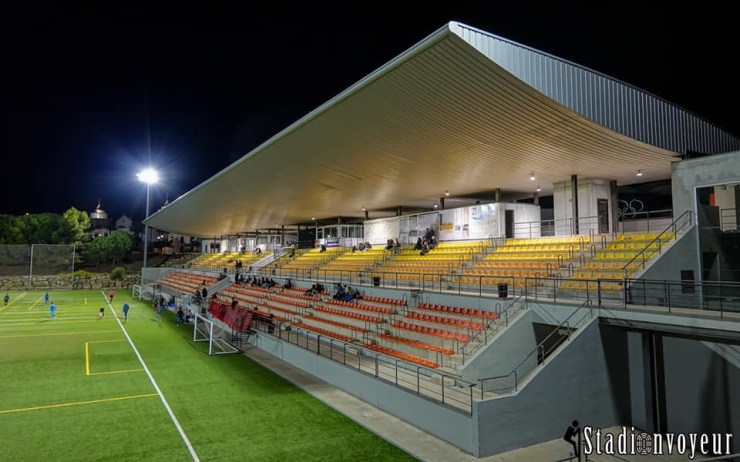
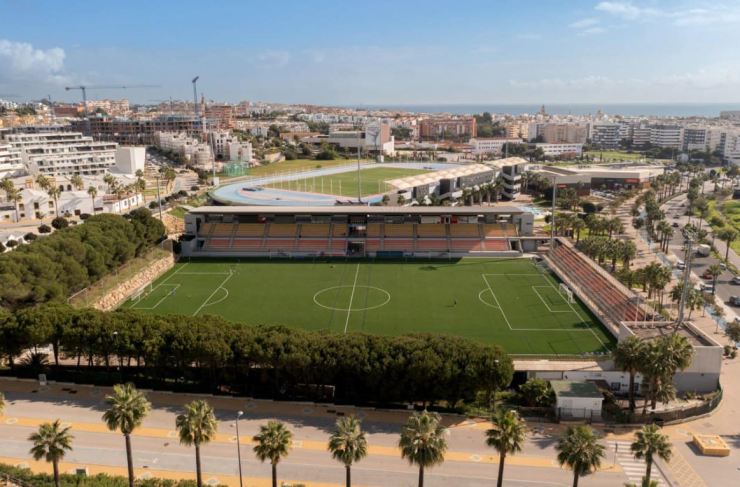
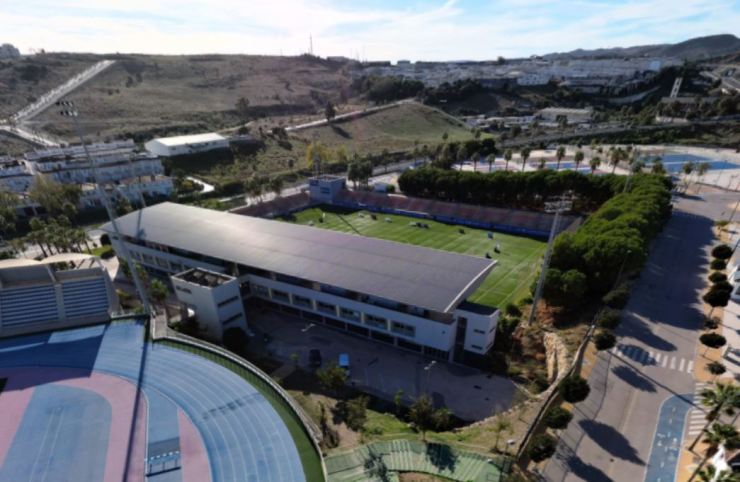
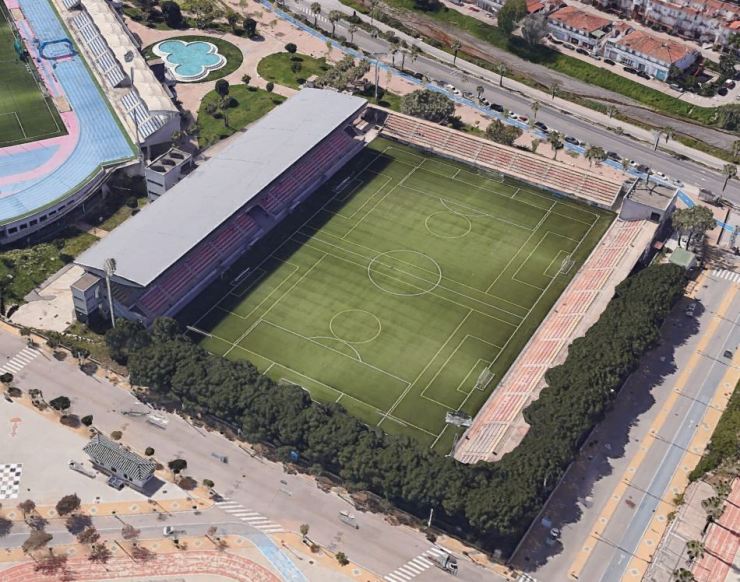
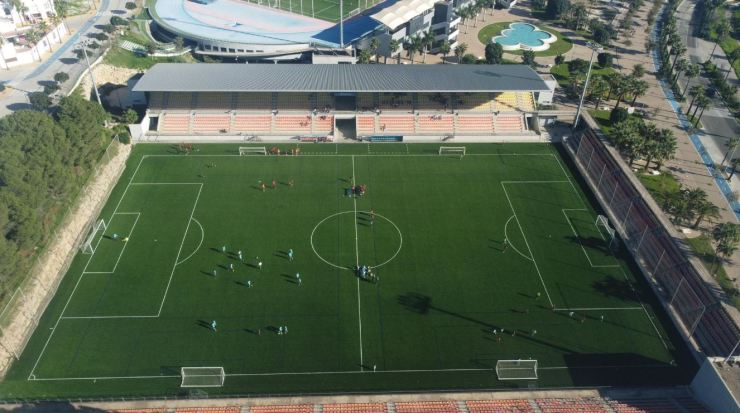
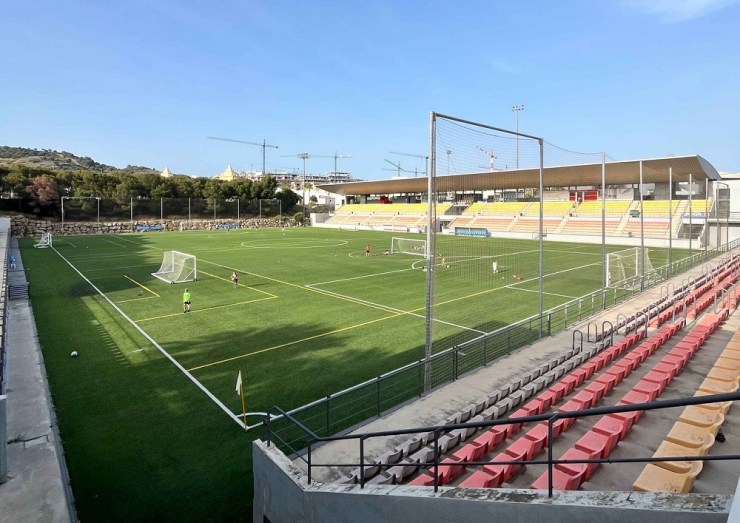
The Estadio Francisco Muñoz Pérez is named after the former CD Málaga, Valencia CF, Real Madrid & AD Ceuta player, who returned to play for his hometown club between 1989 & 1994. The stadium was the first major development in Estepona’s Ciudad Deportiva Internacional. Completed in the summer of 2007, it opened with a pre-season friendly between Málaga CF and Atlético Madrid. It features a twin-decked covered Tribuna that has a capacity of 2580, and runs the full length of the eastern side of the enclosure. To the south is the open Gol Sud deck, which has 756 seats, whilst the open Preferencia on the west side has a capacity of 1220. Strangely, despite having 4,550 seats, the stadium’s official capacity stands at just 3,800. The stadium is extremely well-equipped with 4 large changing rooms, excellent press facilities, bars, offices, warehouse storage and a club shop. However, at a cost of €28m, you would expect something more. Maybe a cover over the west side? Certainly some seating at the northern end, rather than some very large, ornamental rocks. There is no denying that the stadium looks very attractive. From the bands of red, orange & yellow seats and the smooth contours of the roof over the Tribuna, to the neat and orderly exterior, the Estadio Francisco Muñoz Pérez looks a million dollars. It just doesn’t look like it cost €28m. When you consider there were stadiums that opened around this time in Palencia & Ayamonte that are bigger and built at a fraction of the cost, you are left scratching your head.






 Estadios de España