
Article updated: 06/05/2026
Charting the history of some Spanish clubs can be more complicated than following the most convoluted private affairs of a Hollywood star. Step forward the city of Málaga, which over the past century has seen its clubs experience mergers, takeovers, economic ruin, and, in recent years, apparent financial salvation, only to face potential ruin again.
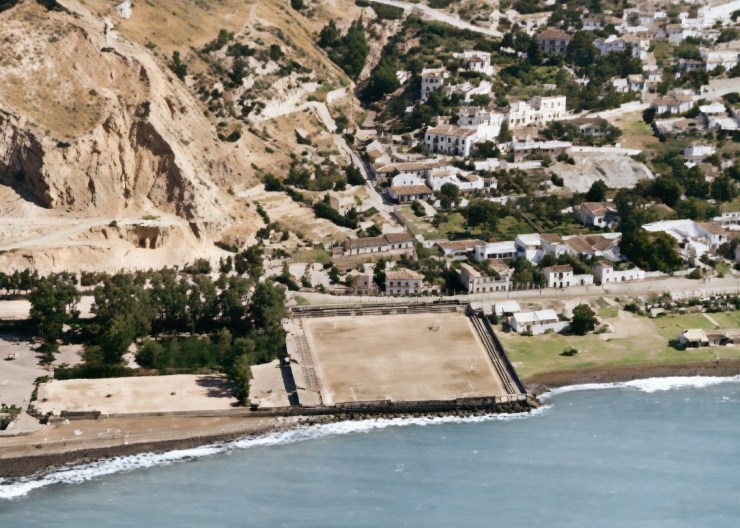
To start with, we have to go back to 1904, when the Málaga Foot-Ball Club was formed. This was a fairly low-key arrangement of inter-club matches interspersed with periods of inactivity. In 1912, Football Club Malagueno was formed by students of the Colegio de El Palo, and three years later, some disgruntled members left to re-energise the ailing Málaga Foot-Ball Club. In August 1922, Málaga’s first purpose-built stadium, the Campo de los Baños del Carmen, was inaugurated, and numerous local clubs, including Málaga Foot-Ball Club, used its facilities. The Campo de los Baños was located to the east of the city’s port, and its southern boundary backed onto the sea. FC Malagueno, however, opened its own enclosure, the Campo del Palo, in November 1923. In 1927, Málaga FC sought and received royal patronage and was renamed Real Málaga Fútbol Club. Both FC Malagueno & Real Málaga became members of the newly formed Tercera division for the 1929-30 season. However, due to increasing debts, Real Málaga FC merged with another local club, Sporting Club FC, to form Málaga Sport Club.

Málaga SC set up home at the Campo de Segalerva, just across the Rio Guadalmedina from a field of roses, but more of that later. FC Malagueno & Málaga SC performed well in the early years of the Tercera, with Malagueno winning the title in 1932-33. However, at the end of that season, it became apparent to both clubs that the interests of football in Málaga would be better served by merging the two strongest teams. On 12 April 1933, Club Deportivo Malacitano was formed, and once its place in the following seasons in the Tercera had been confirmed, it took up residency at the Campo de los Baños del Carmen. Despite finishing third in its first full season, the club was invited to compete in an expanded and regionalised second division. Over the next four seasons, CD Malacitano finished in fifth place on three occasions and third once, before the Civil War brought a halt to the fun. They earned another third place when football resumed for the 1939-40 season and played its final season at the Campo de los Baños del Carmen in 1940-41, finishing fifth. The final match was on 30 March 1941, when Xerez Club was beaten 3-1 in the Copa.
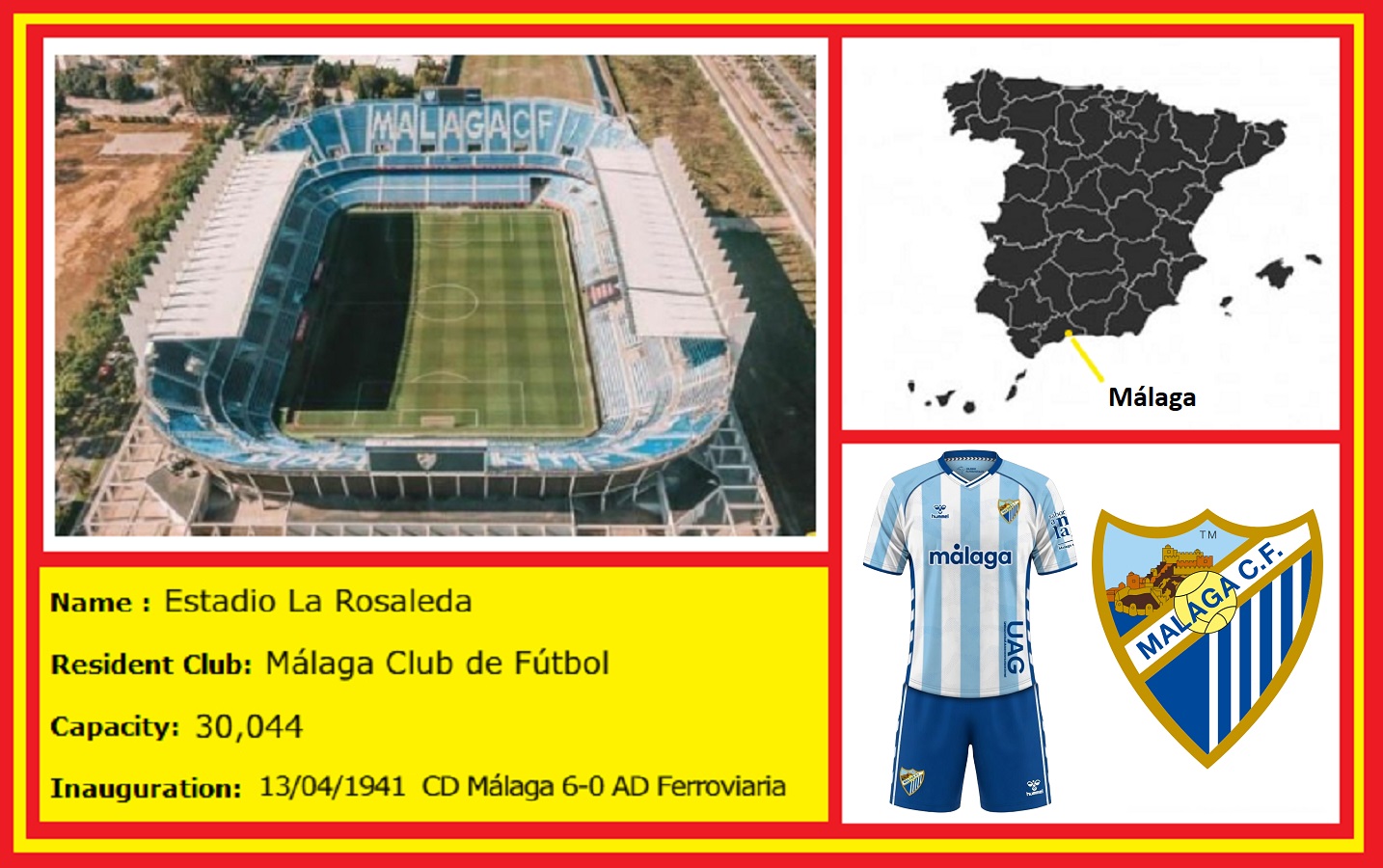
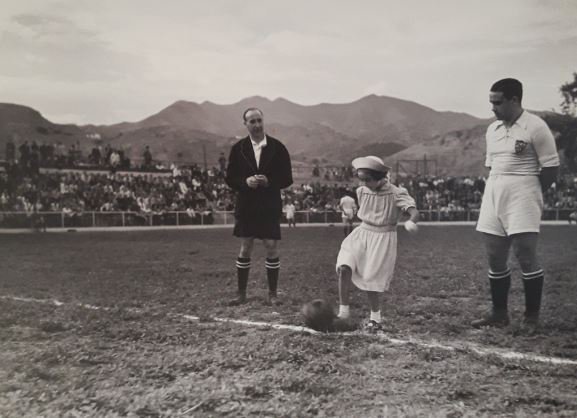
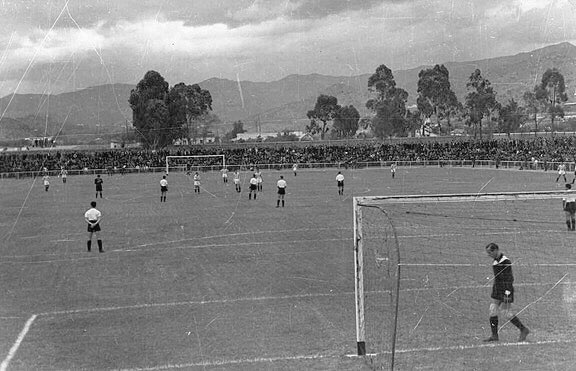
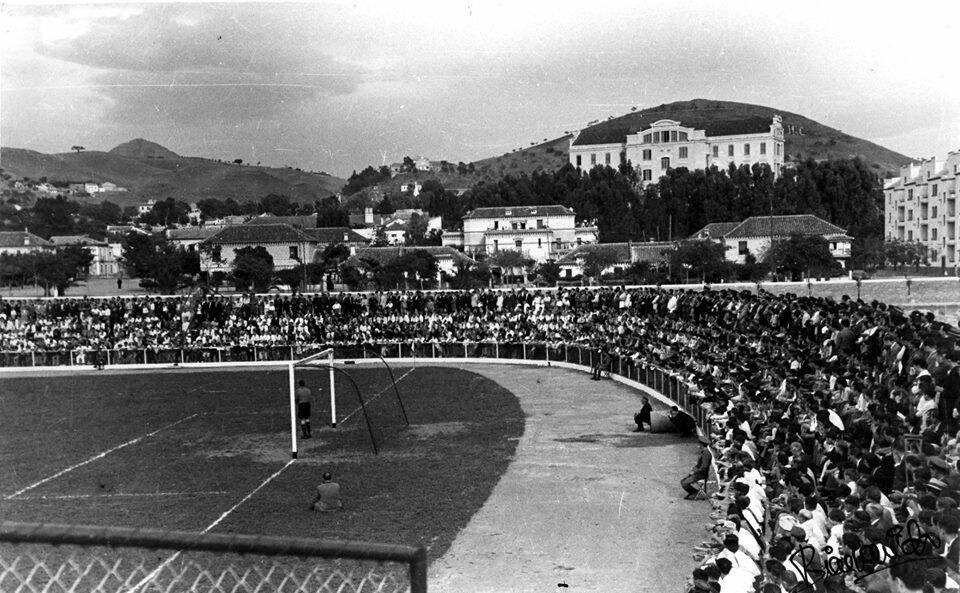
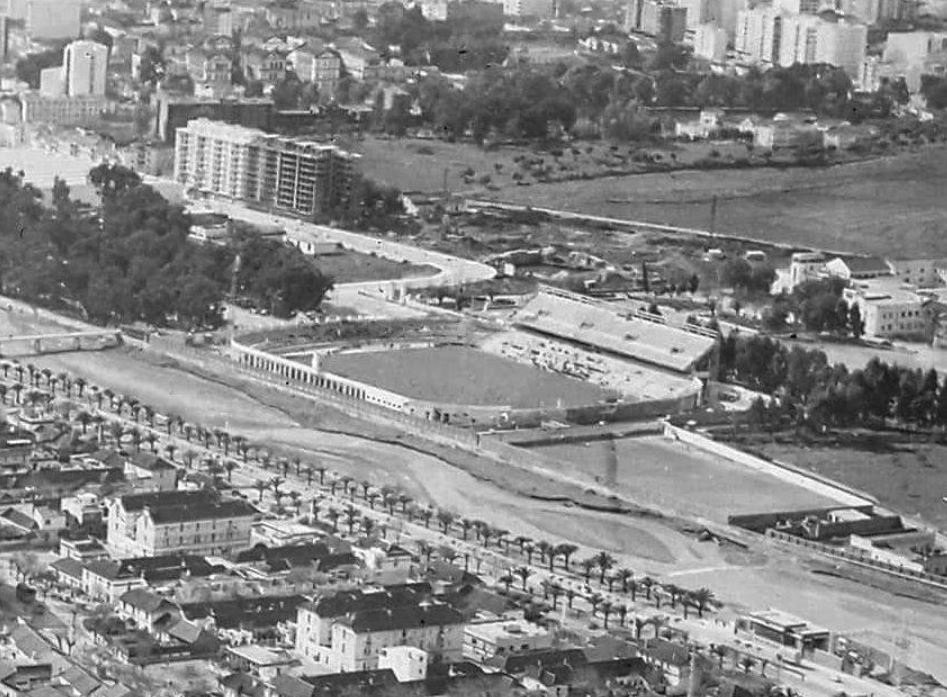
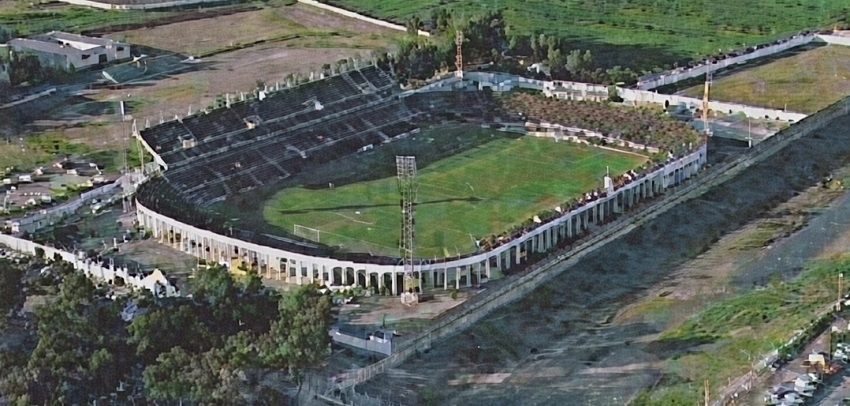
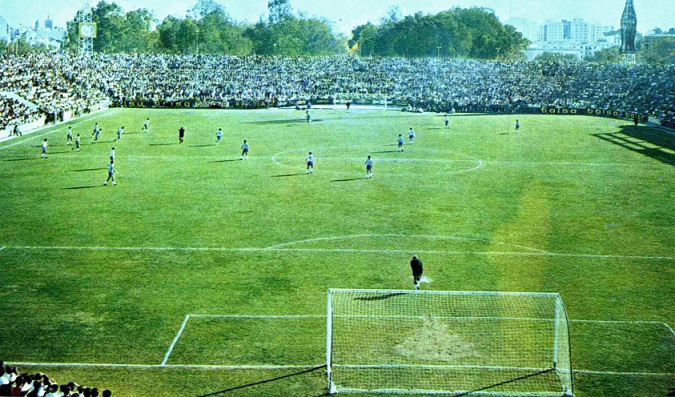
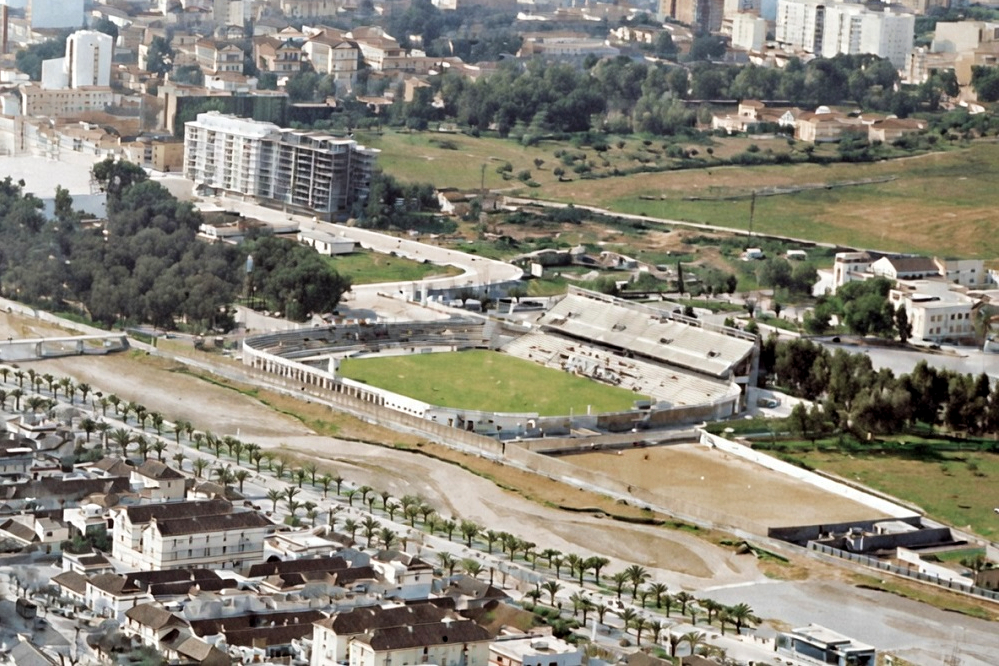
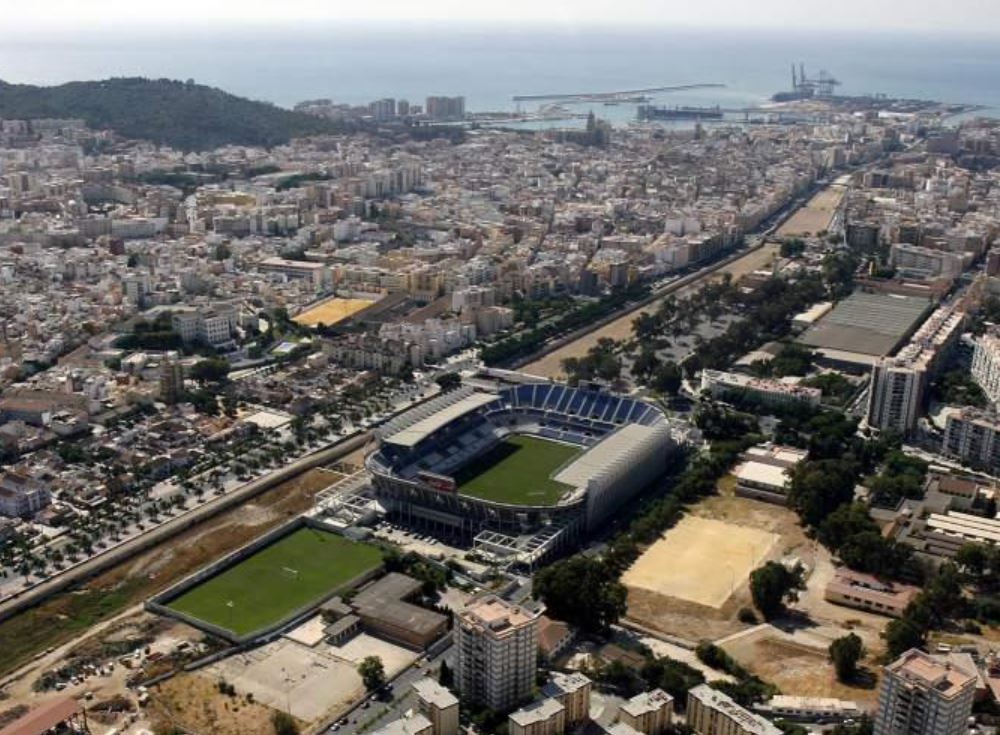
Back in 1935, the club had purchased the aforementioned field of roses on the banks of the Rio Guadalmedina and set about building a larger stadium. Architects Enrique Molina and Fernando Guerrero Atencia Strachan had a budget of 500,000 pesetas and planned a 16,000 capacity stadium, but work was suspended when war broke out. Work commenced after the war, but costs had escalated, and the project was scaled back. La Rosaleda staged its first match on 13 April 1941 when A.D. Ferroviaria de Madrid was defeated 6-0. This was earlier than planned as the Campo de los Baños del Carmen suffered flood damage following a tidal surge. Its official inauguration took place on 14 September 1941 when Sevilla FC was beaten 3-2. It was also the first match that the club played under the name of Club Deportivo Málaga, and their now familiar blue and white striped shirts. On opening, La Rosaleda was a basic square ground with four open terraces holding 8,000.
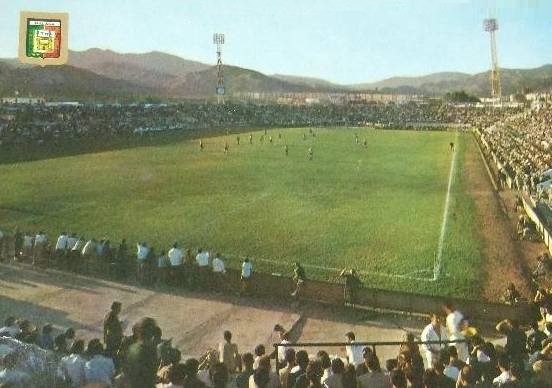
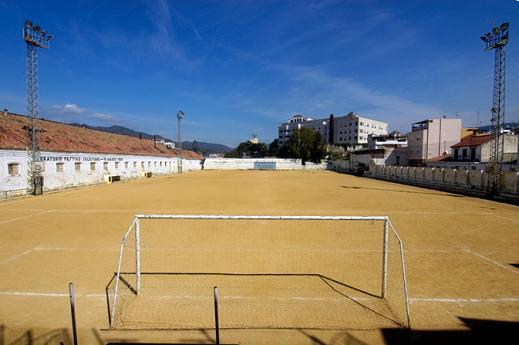
Despite a fifth-place finish in 1942-43, CD Málaga found themselves heading towards the Tercera when La Segunda was restructured. It took three years before they returned to the second tier, but the club marked their return with an extension to the stadium. An anfiteatro or upper tier holding 4,000 spectators was added to the west side and was opened in August 1947. A year later, on 25 May 1948 to be precise, CD Málaga acquired the place in the Tercera of local side CD San Tomás and set up a reserve team, Club Atlético Malagueño. For the first few seasons, this second stream team played at the Campo de Segalerva, the former home of Málaga SC. The Campo de Segalerva was a fantastic little inner-city stadium, tightly packed between houses and shops with just enough space for small end terraces. The dirt pitch ran right up to the walls of the neighbouring businesses, and whilst Club Atlético Malagueño moved to La Rosaleda in 1950, it continued to be used by junior teams until May 2010.
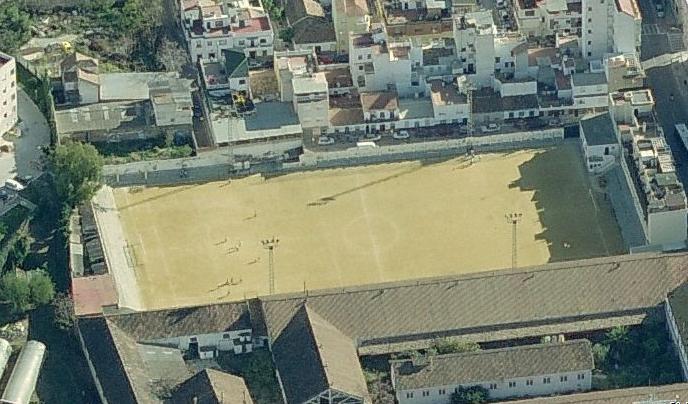
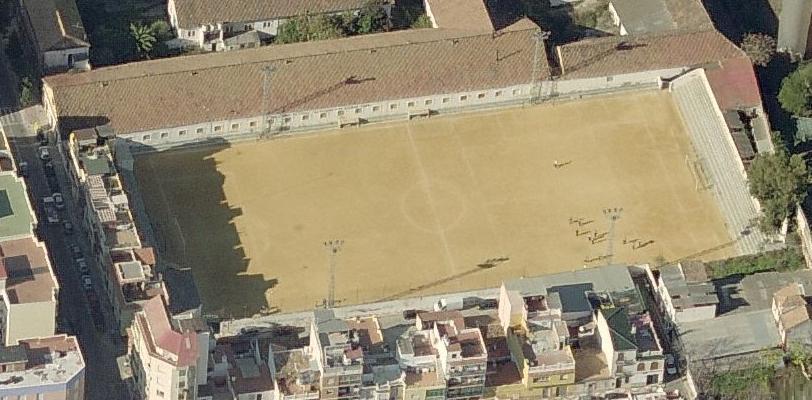
On their return to La Segunda, CD Málaga grew in stature and in 1948-49 secured second place and promotion to La Primera. La Rosaleda proved a difficult ground for opposition teams, and CD Málaga gained all but three of their points total at home, finishing in twelfth position. The following season was a tale of bad luck. CD Málaga could feel a little aggrieved in finishing thirteenth with a decent total of 29 points from 30 games. They entered the relegation/promotion playoffs but finished third in the mini-league and fell to the second division. The club spent the next four seasons flitting between the top two divisions, but with money tight, they agreed a deal to sell La Rosaleda to the municipality in 1954, but remained tenants for a peppercorn rent. This didn’t resolve issues on the field, and in May 1959, CD Málaga was back in the Tercera. Fortunately, it was only a season-long stay, and the club entered the sixties with renewed hope.
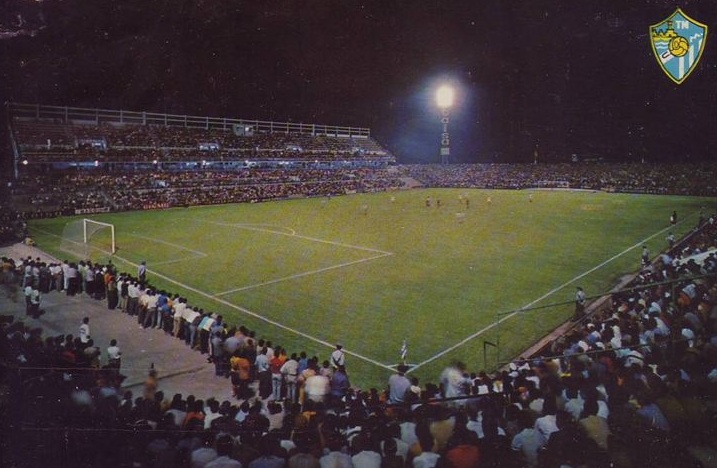
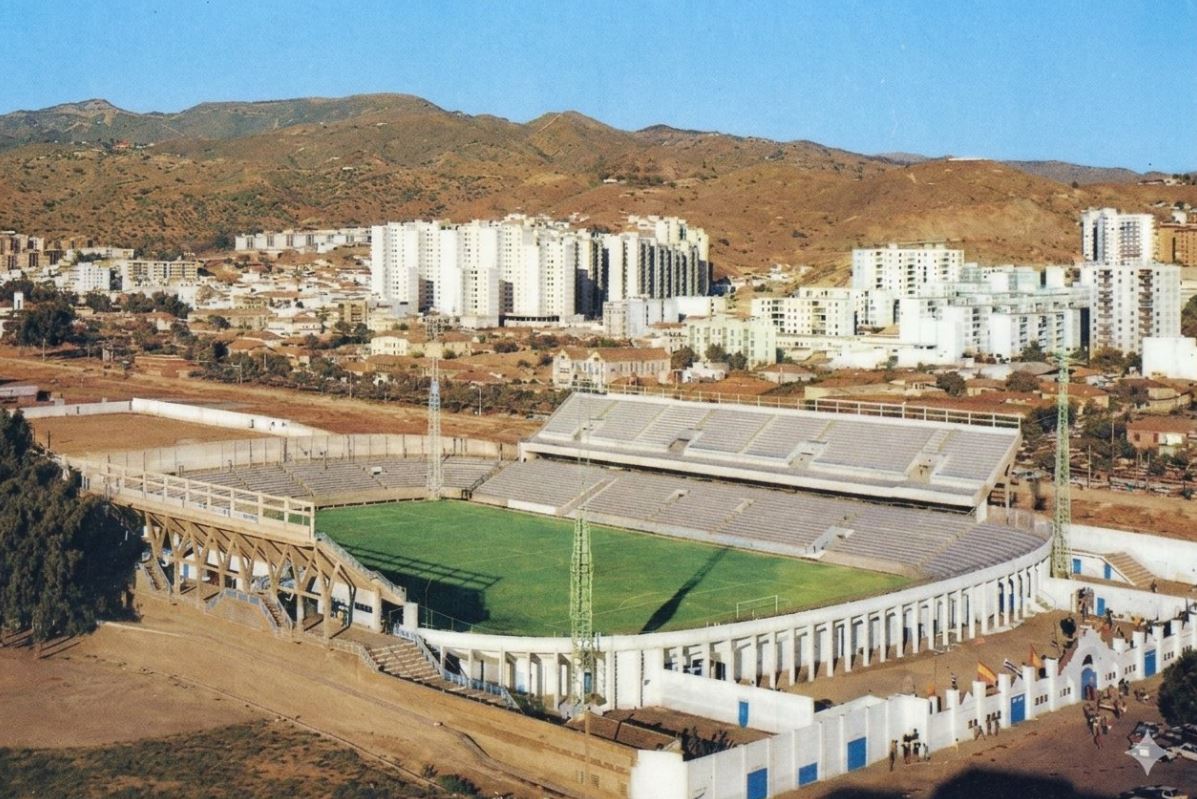
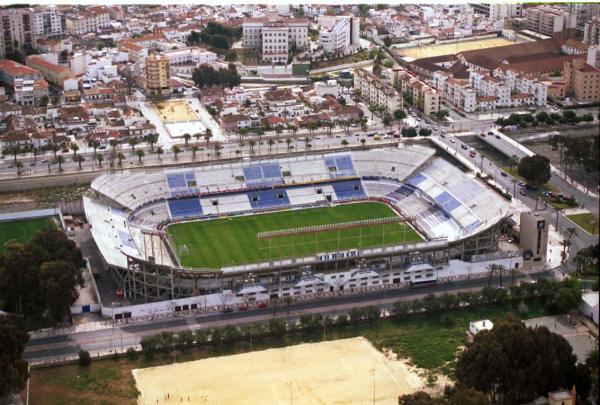
The first floodlights at La Rosaleda were switched on in April 1961 for a match against Real Betis, and in 1962, CD Málaga finished second in the southern section of La Segunda, before beating Racing Santander 3-1 on aggregate in the playoffs to win a place back in the top flight. The remainder of the decade saw CD Málaga reinforce their reputation as an elevator side, too good for La Segunda, but not good enough for La Primera. Despite this uncertainty, the crowds still flocked to La Rosaleda and in 1965, the municipality funded the addition of an anfiteatro to the east side. This, along with other improvements to either end of the ground, raised the capacity to 22,000. CD Málaga saw the decade out with another impressive season in the second division, finishing second to Sporting Gijón and winning automatic promotion. This was to be the start of the club’s most successful period to date, with five successive seasons in La Primera. It saw two seventh-place finishes and a run to the semi-finals of the Copa del Rey. But, just as quickly as the success arrived, it was gone again, and CD Málaga returned to their role of elevator team. The Spanish National side paid a visit to La Rosaleda in February 1973 and beat Greece 1-0. Their nine subsequent visits to Málaga have brought a mixed bag of results, with 6 wins and 3 defeats.

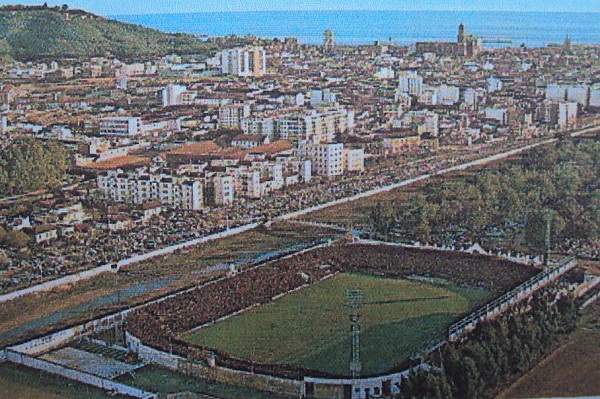
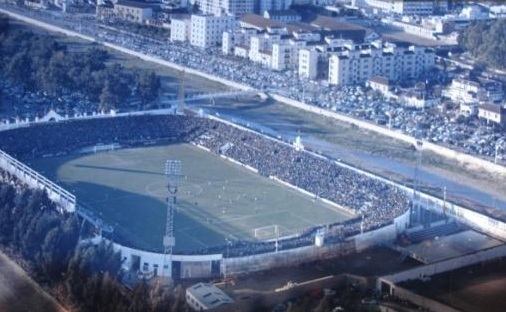
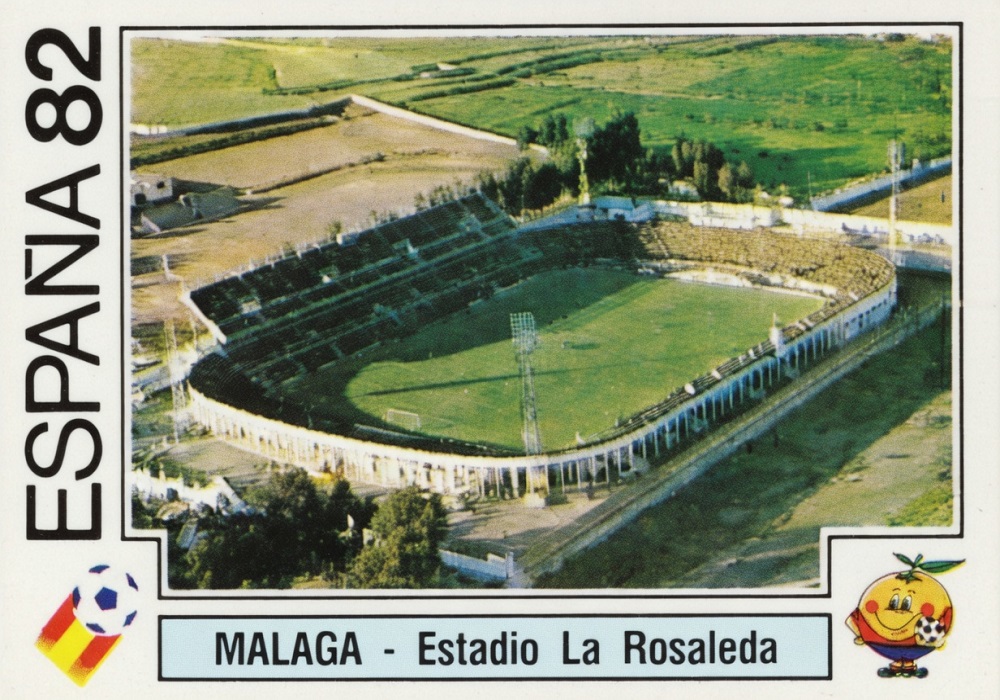
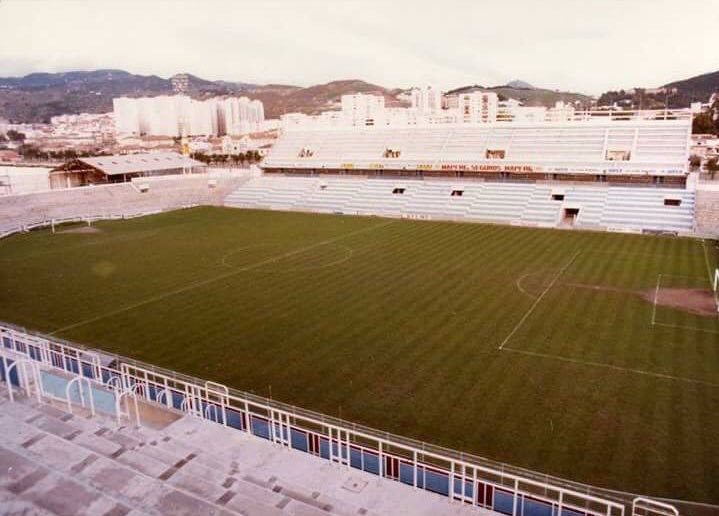
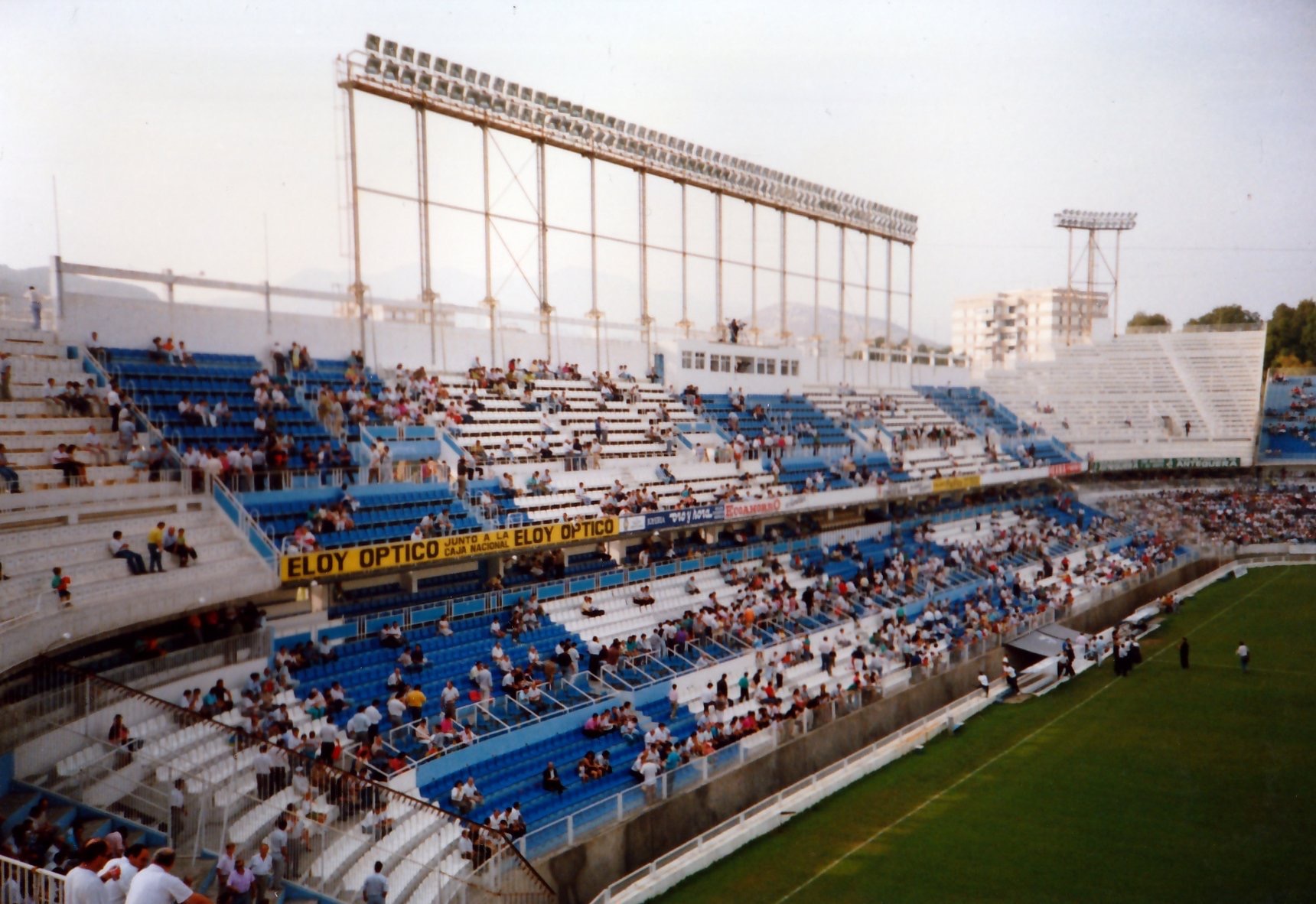
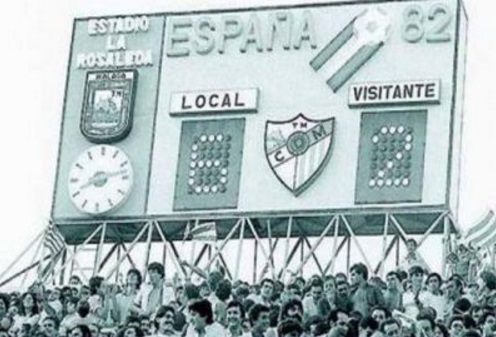
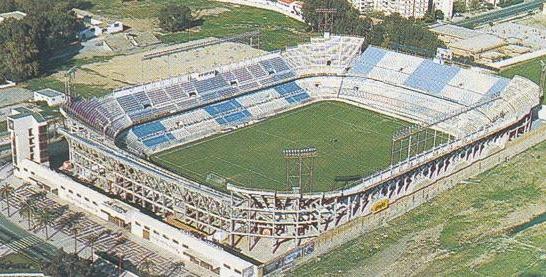
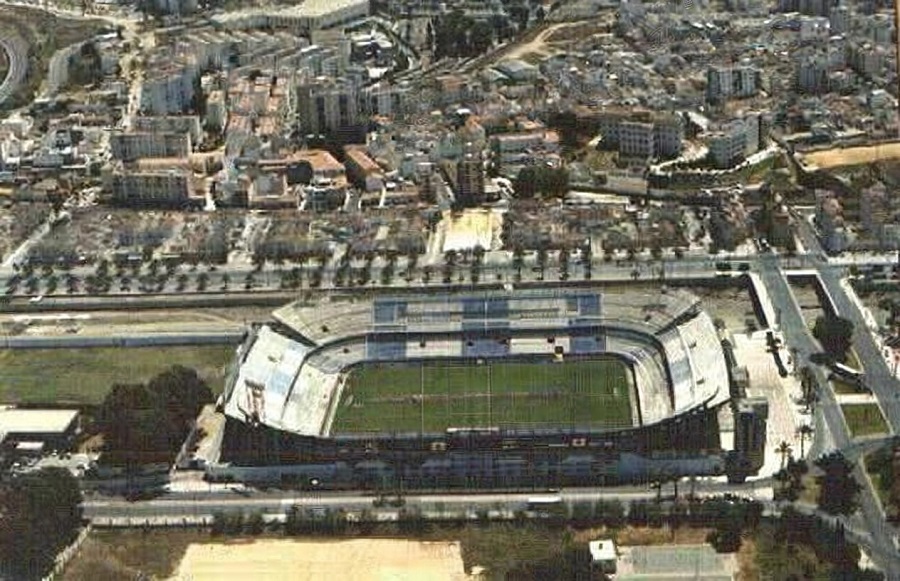
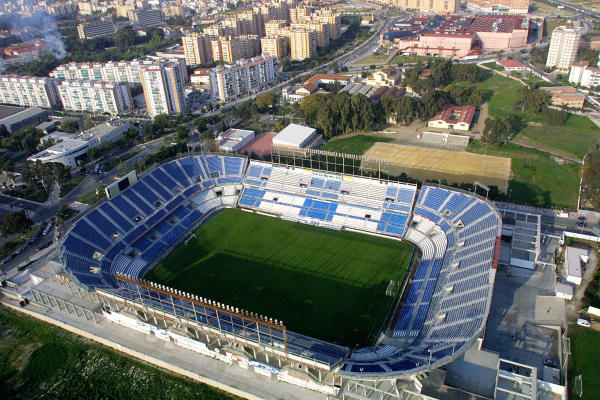
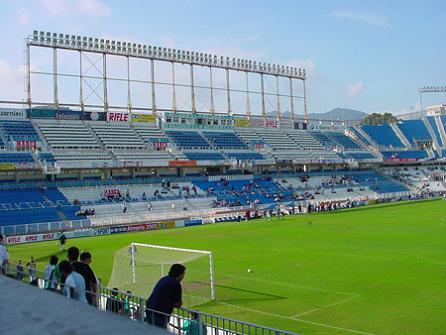
The next major development at La Rosaleda was in preparation for the 1982 World Cup. From a purely footballing angle, Málaga was not an obvious choice as a host city at España 82, but when has that ever deterred FIFA? CD Málaga had never come close to winning a national title, and the capacity of their Estadio La Rosaleda was clearly too small. Málaga, however, was at the heart of the Costa del Sol and the stadium aside, it had all the necessary infrastructure, such as hotels and a huge airport. In February 1980, the municipality agreed on the budget for the expansion of the stadium. The first phase began in the summer of 1980 and focused on extending and upgrading the east and west sides of the stadium. Next up were two new double-decked fondos, which were built at the northern and southern ends of the stadium. The two side stands also had bench seats added to both upper tiers. During the summer of 1981, the pitch was lowered, and work started on adding a moat around the pitch. By December of 1981, La Rosaleda had four double-deck stands, new floodlights, a new pitch, a moat, but also four gaping holes in each corner of the stadium. The work to “link” the stands was completed a mere five weeks before Scotland, USSR & New Zealand began their World Cup campaigns. I’ve used the word link with caution because, except for the work at El Molinon in Gijon, these four corner-stands were quite the worst attempt at connecting stands that I’ve seen in Spain. It’s as if each anfiteatro had been given a set of shoulder pads. Not that CD Málaga was bothered. It now played in a stadium that had a 42,000 capacity and did not have to fork out a single céntimo, which was just as well, as the club was up to its neck in debt.
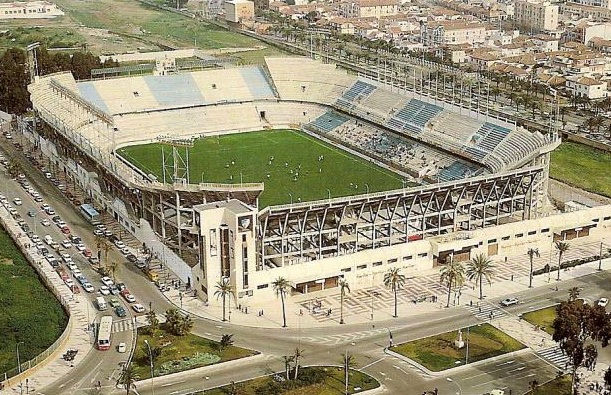
Just before the start of the World Cup, CD Málaga won promotion to La Primera, and their three-year stay saw a ninth-place finish in 1983-84. Relegation followed a year later, but the club had its last foray in the top division in the two seasons from 1988-90. The following season saw the club miss out on an immediate return when it lost on penalties to Cádiz CF in the promotion playoffs. By now, the club’s creditors were getting impatient and with a drastically scaled-back operation, CD Málaga struggled throughout the 1991-92 season. The players went unpaid for long periods, and eventually, the club finished eighteenth. With debts of over 200 million pesetas, the club’s directors registered the reserve team, Club Atlético Malagueño, as a separate entity, thus ensuring that football could continue in Málaga should the first team fold. The inevitable end came on 1 July 1992, when the club was declared bankrupt and ceased operations. The reserve team took on the mantle of the city’s senior team and did a decent job winning the Tercera and promotion in its first full season as an independent club. It was a step too soon, however, as the club dropped out of Segunda B the following season. The summer of 1994 saw new owners and a new name, as on 30 June, Club Atlético Malagueño became Málaga Club de Fútbol.
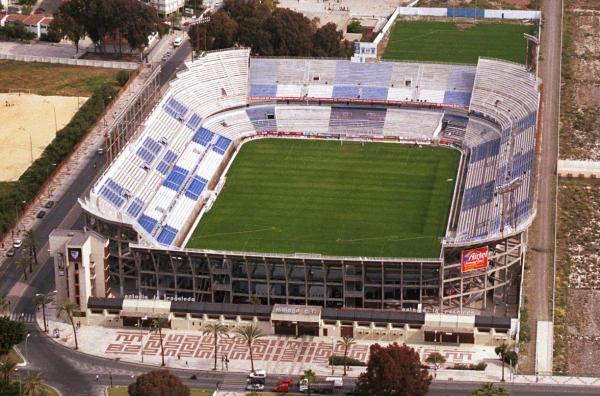
Gradually, Málaga CF improved, winning promotion back to Segunda B thanks to an unbeaten season in 1994-95. Two successive promotions at the end of the nineties saw the club reach La Primera just seven short years after their own formation. Except for a two-season blip in the middle of the decade, Málaga CF would go on to spend 17 of the next 19 seasons in the top division. An eighth-place finish in 2002 saw the club enter and win the Intertoto Cup and qualify for the 2002-03 UEFA Cup. A run to the quarterfinals saw Málaga CF gain impressive victories over Leeds United and AEK Athens. The turn of the century saw the local municipality start a programme of redevelopment of La Rosaleda that would take six years to complete.
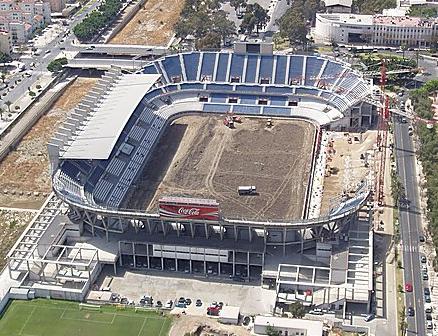
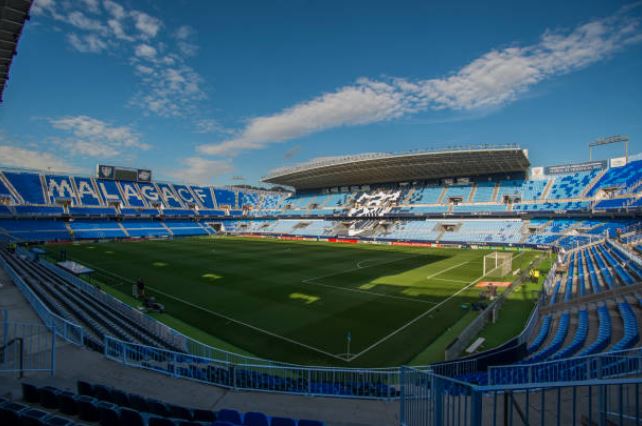
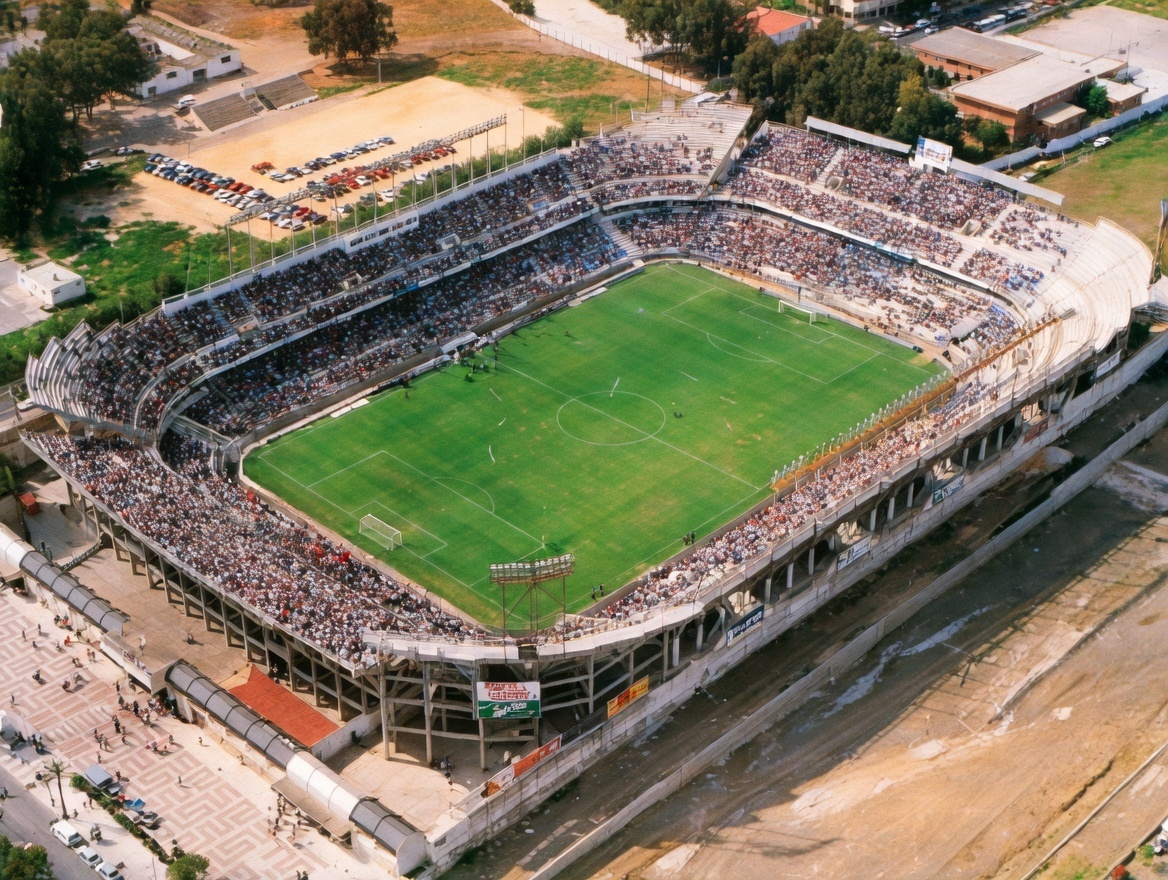
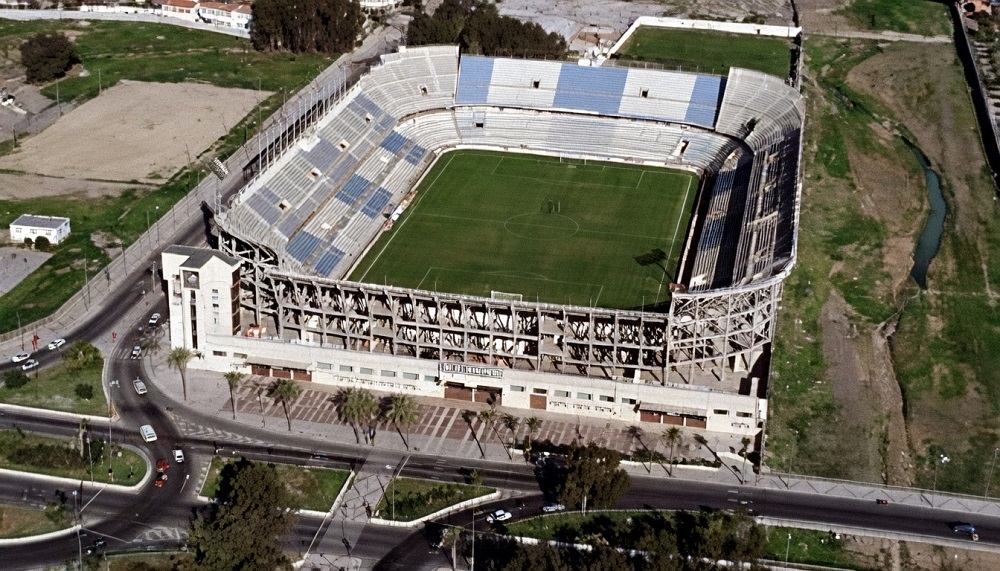
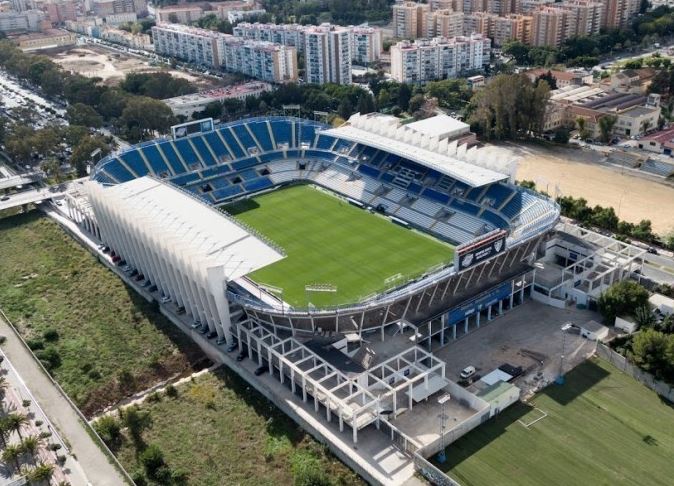
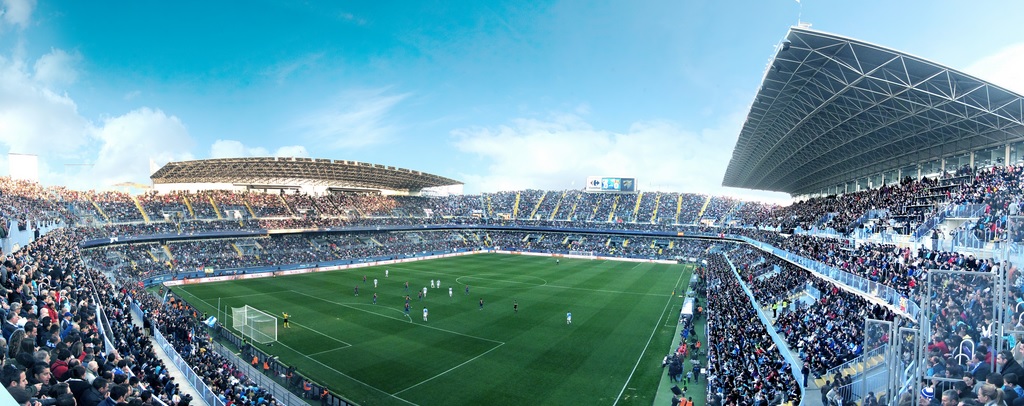
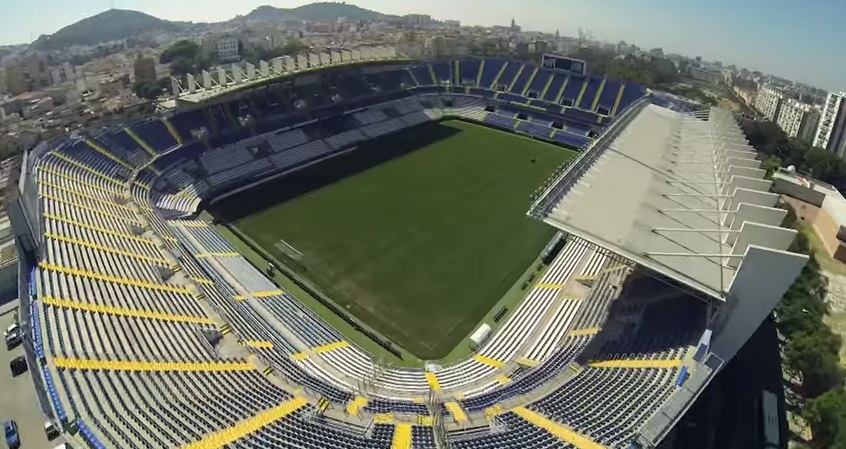
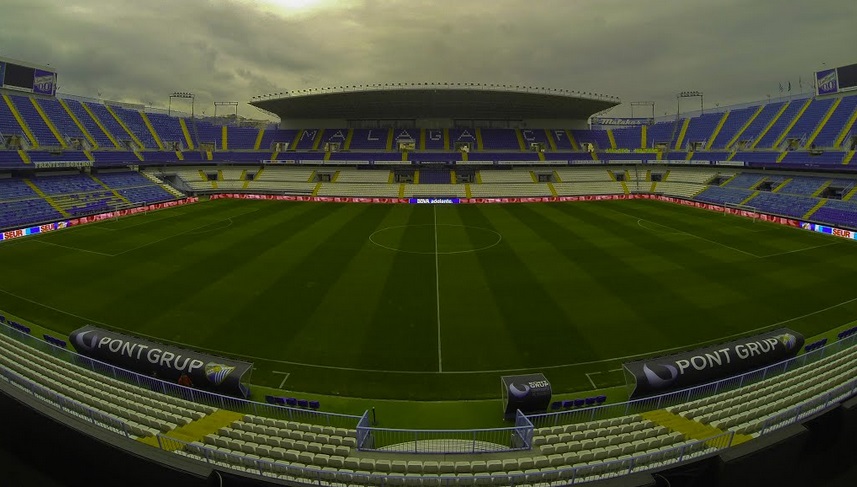
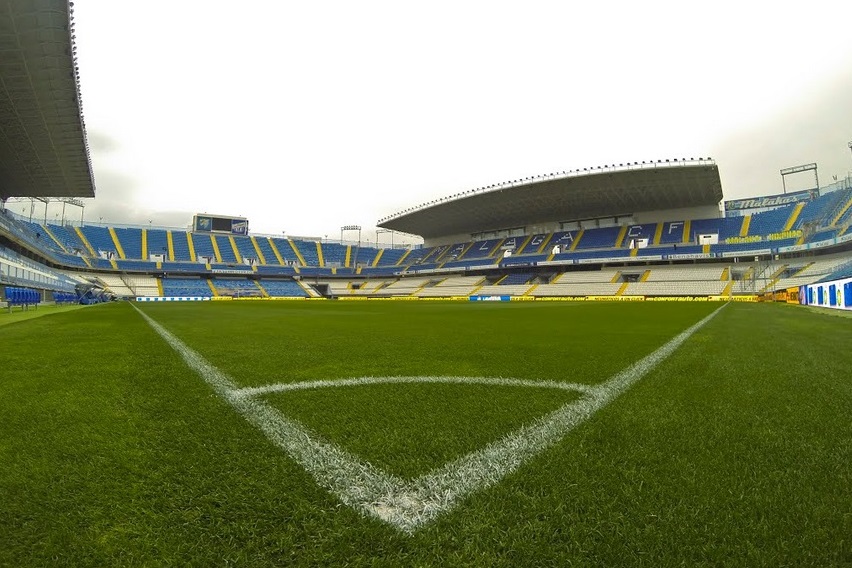
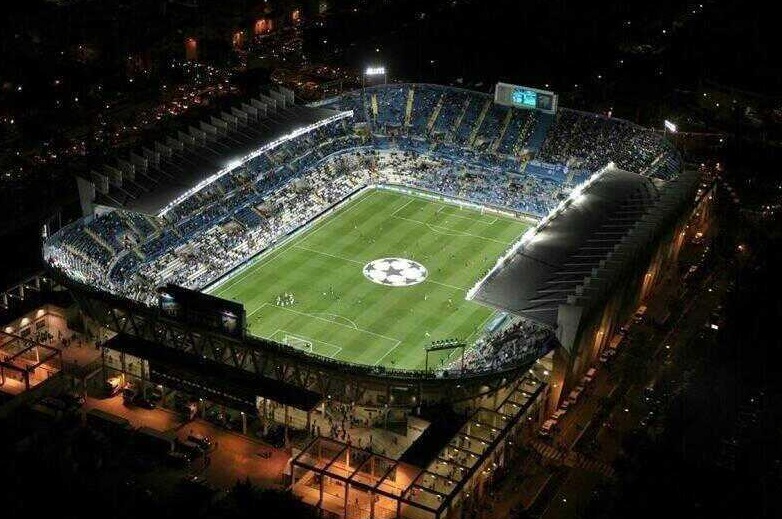
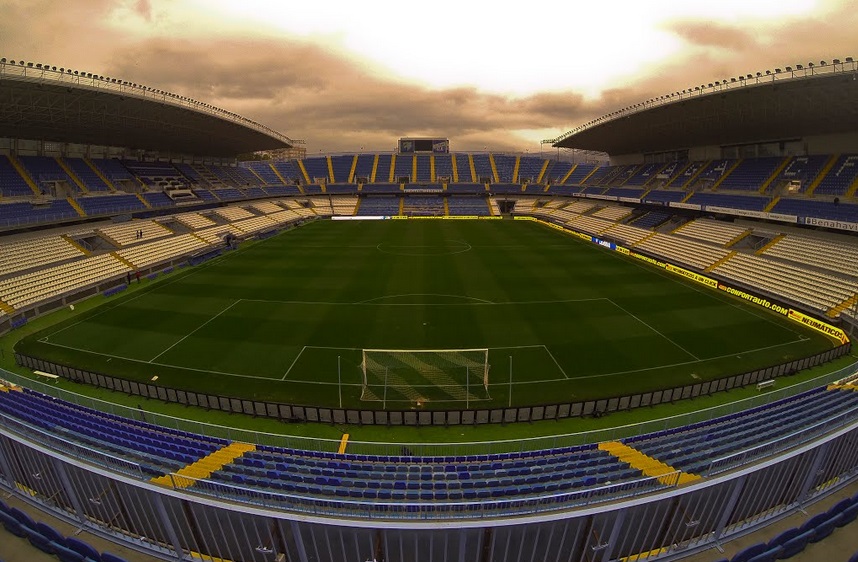
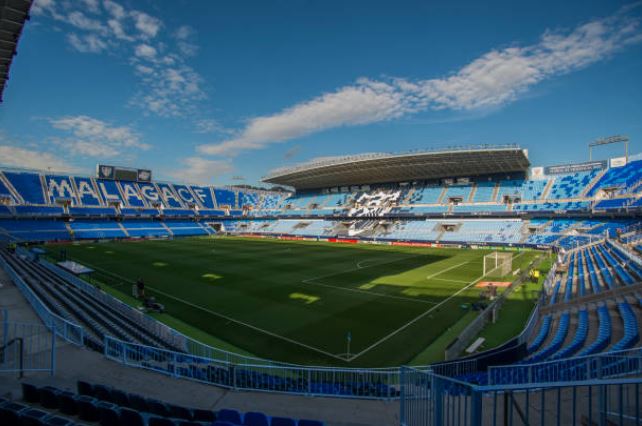
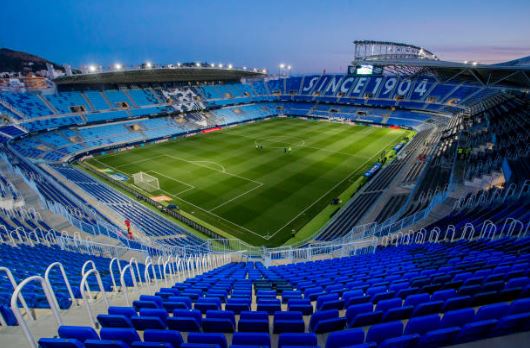
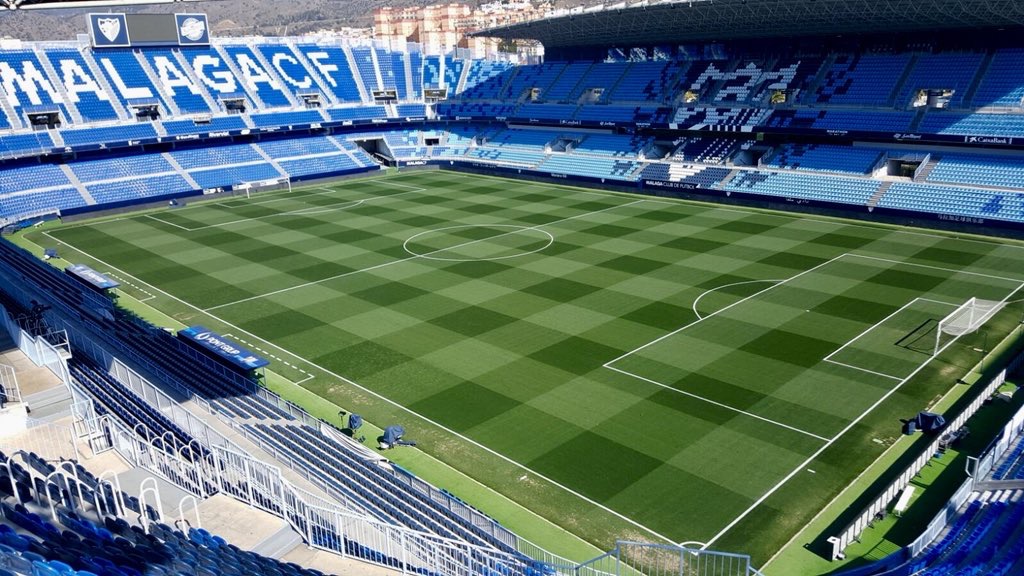
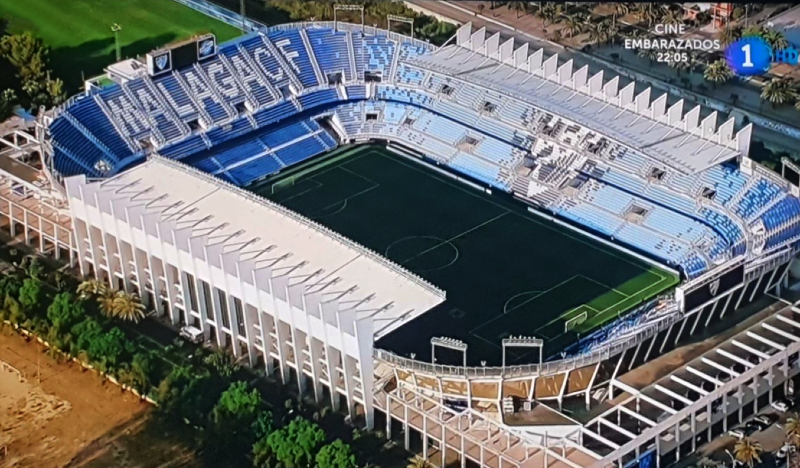
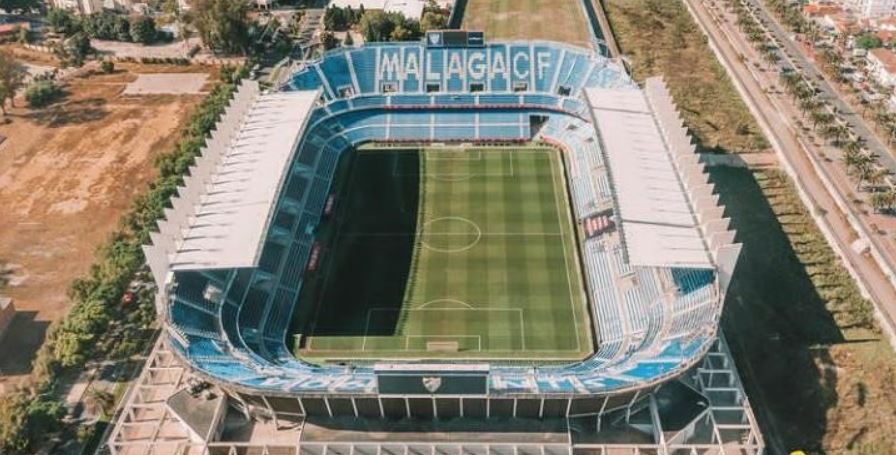
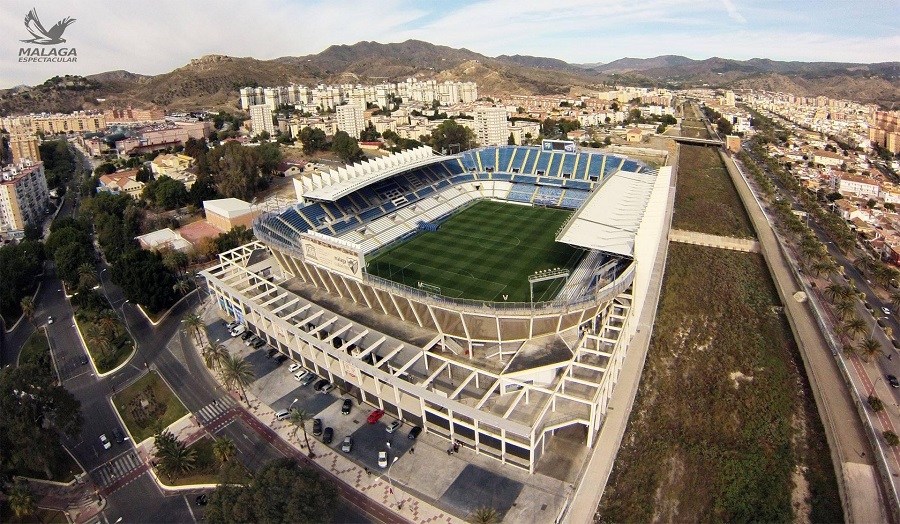
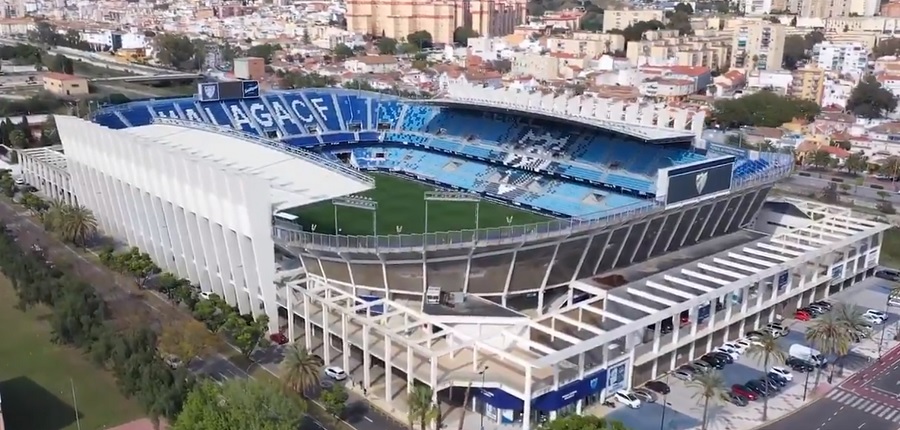
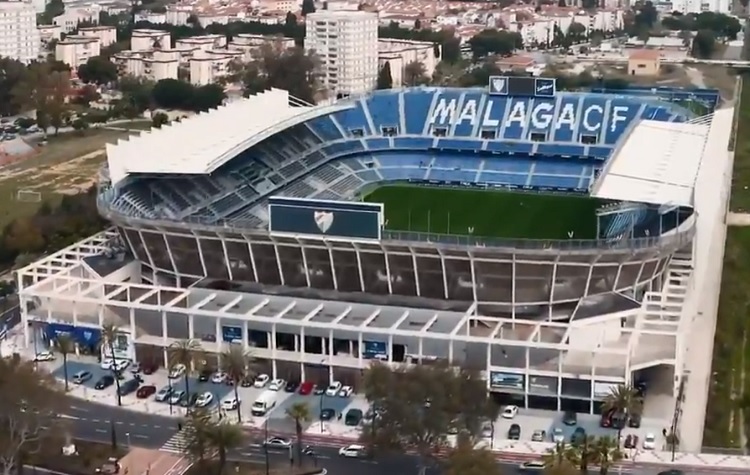
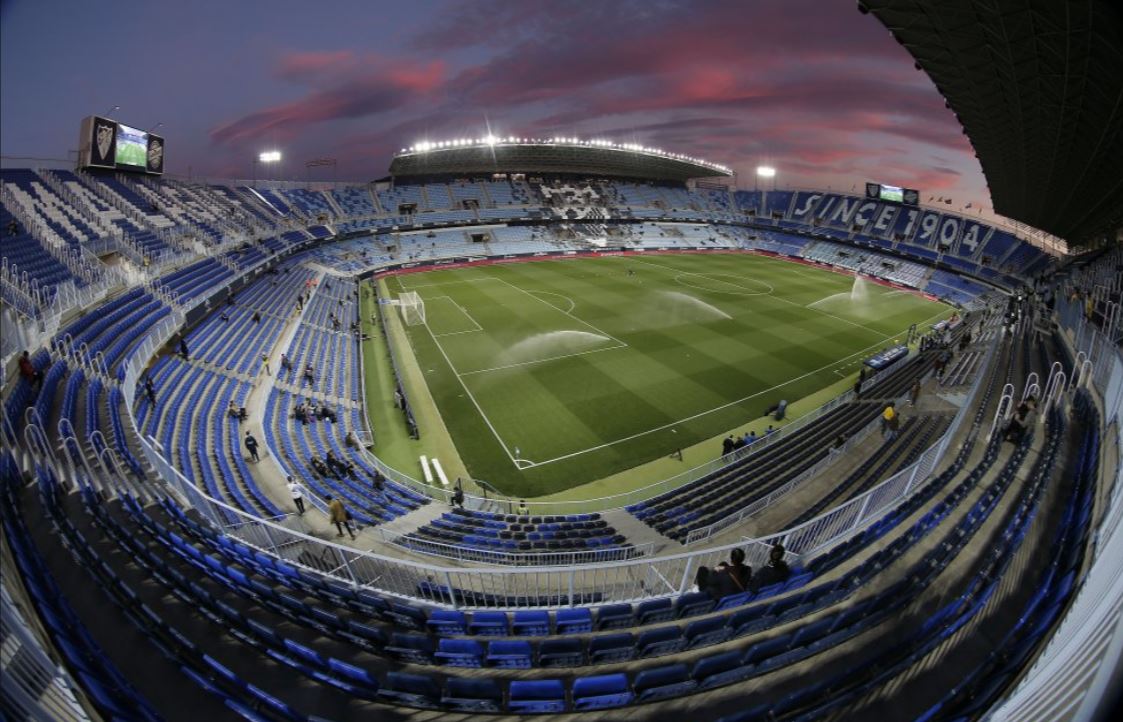
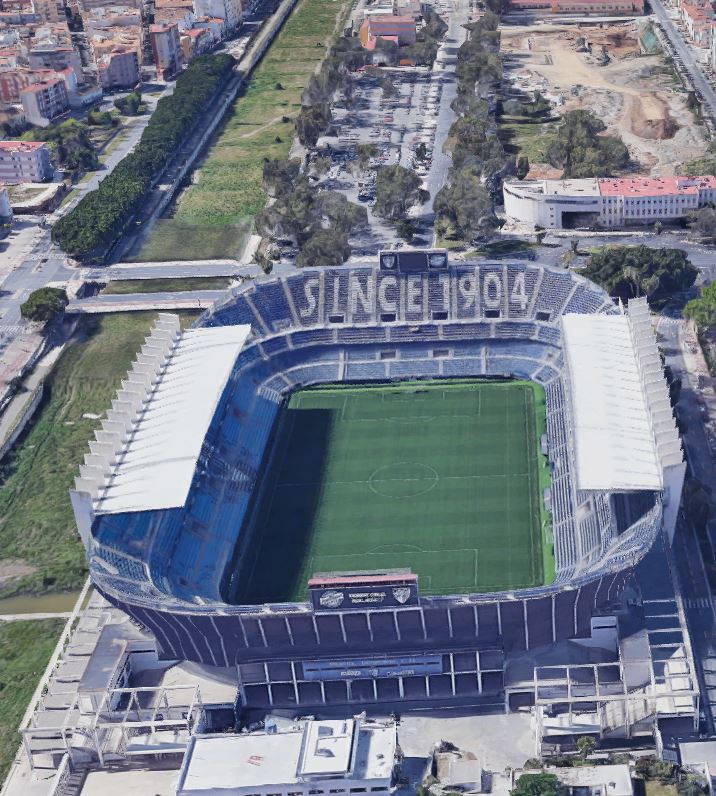
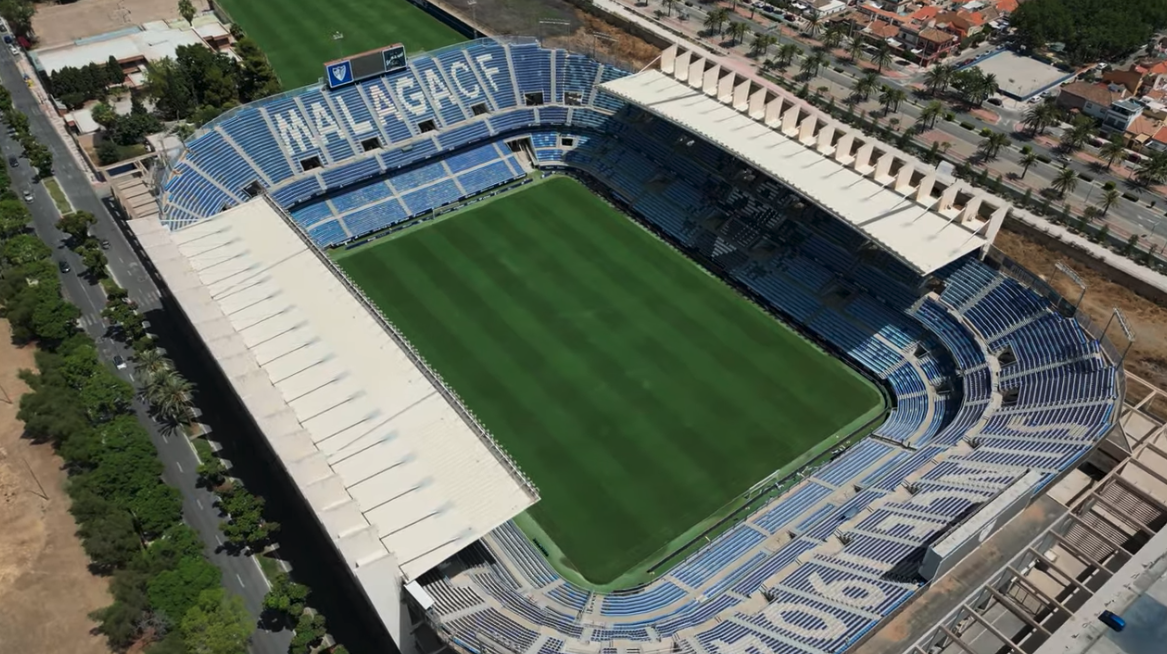
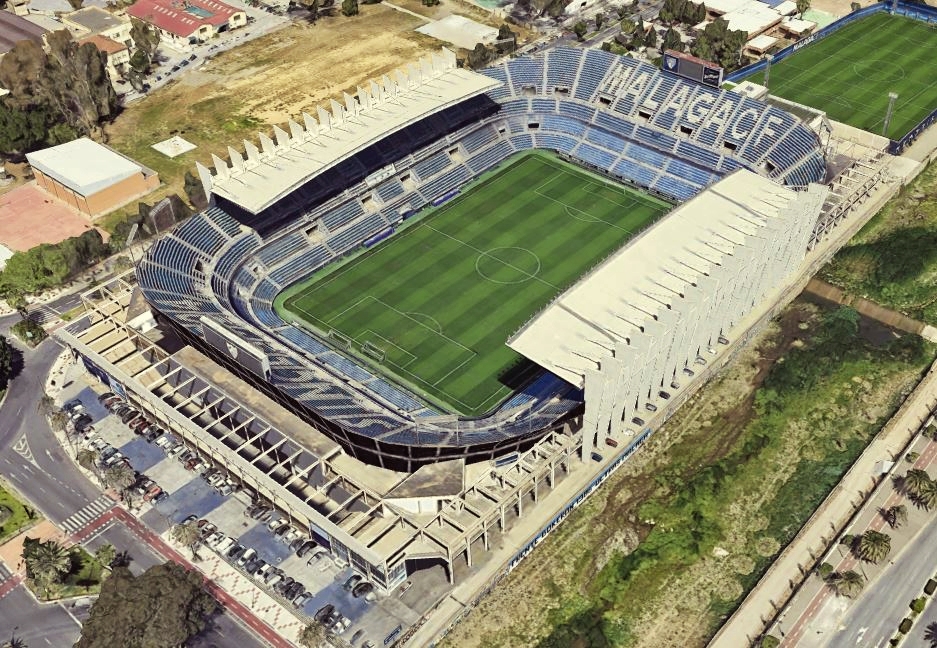
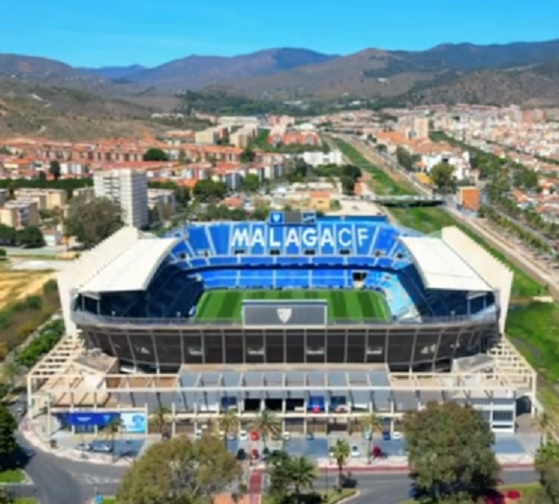
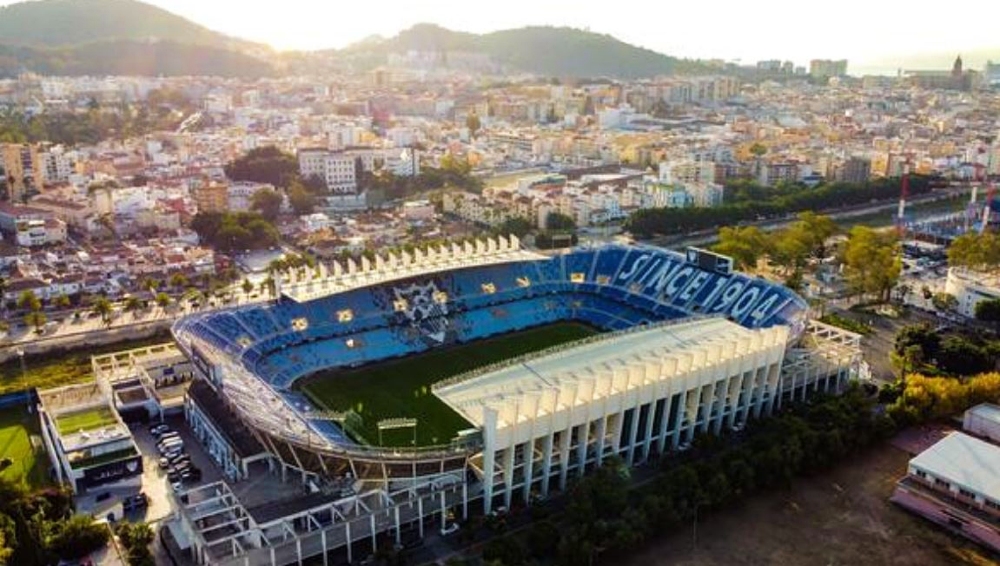
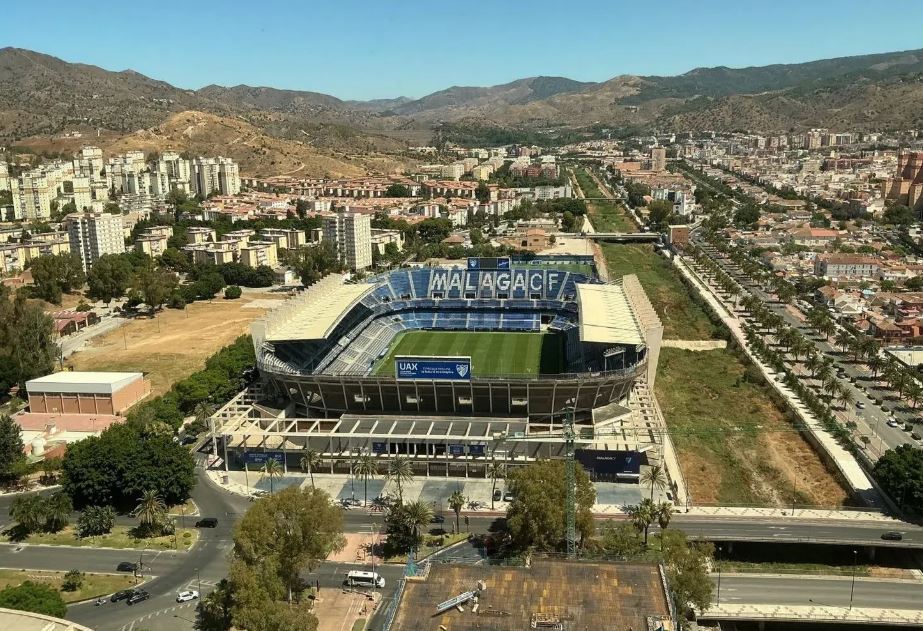
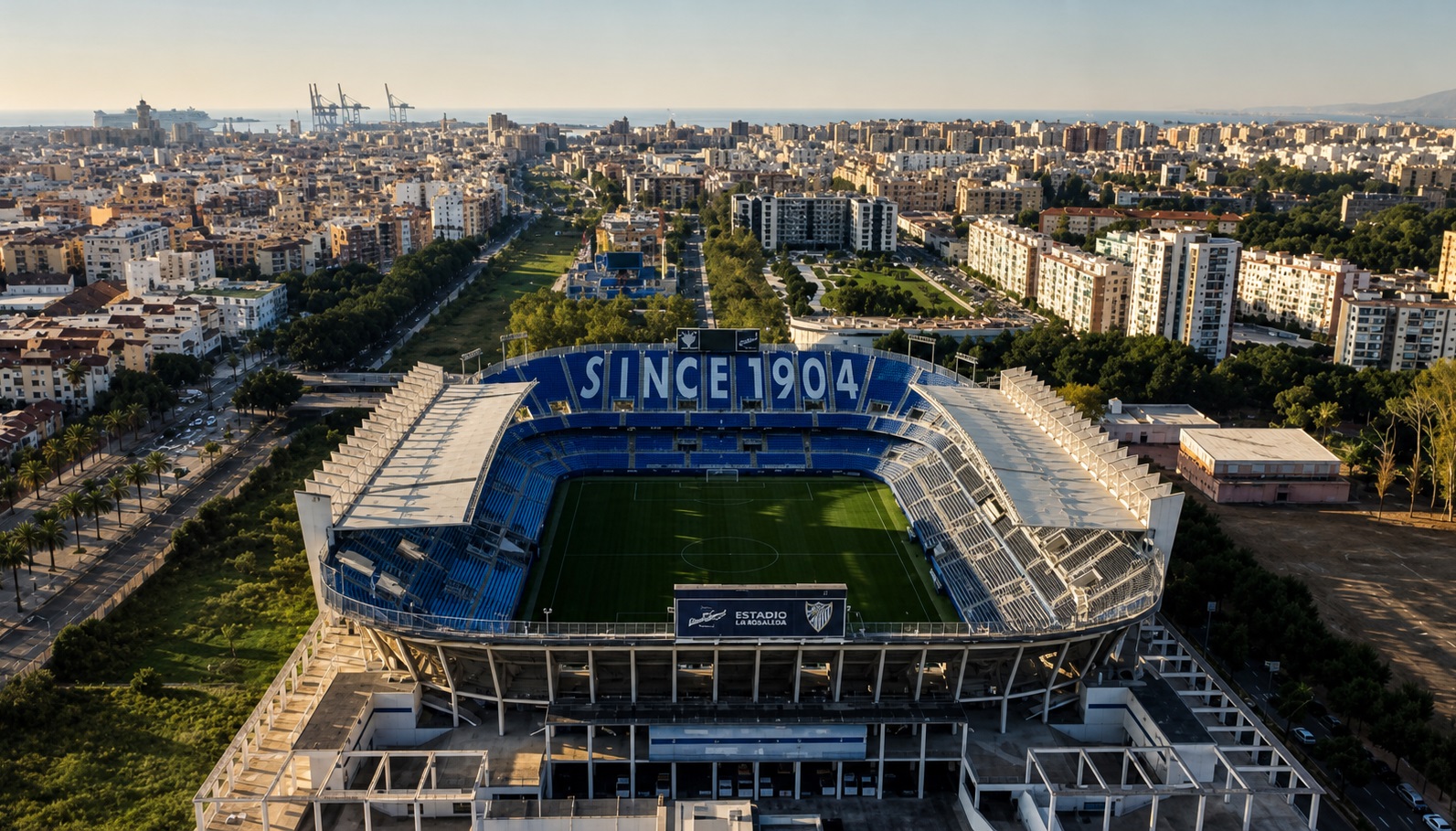
The project was designed in a joint venture by architects José Seguí and the U.T.E. Sando-Vera company and saw the complete rebuilding of the stadium, on a stand-by-stand basis. First to go was the old north end, which was replaced with an open two-tiered all-seated stand which peaked in height at the centre before sweeping down and around to new corner stands. In 2002, an identical stand was erected at the southern end of the ground. The first of the covered stands was built in 2004 on the east side that backs onto the Rio Guadalmedina. This is slightly lower than the end stands, but unlike its predecessor, it joins up seamlessly. The double-deck stand features a steel roof suspended by cables that are tethered to a series of concrete piles driven into the ground behind the stand. Finally, in 2006, the west side was replaced with a stand that matched the east side. The result was a beautifully simple and bright stadium that gently undulates at its uppermost points, offering spectators a fantastic view from all of the 28,963 seats. A club museum opened at La Rosaleda in 2009, and a new pitch was laid a year later, along with general improvements being made to the stadium’s access points and sound system.
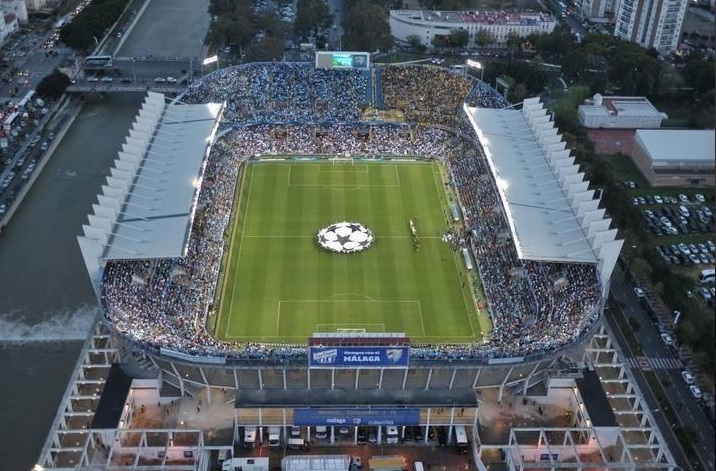
2010 also saw the arrival of Sheikh Abdullah Al Thani, who purchased the club for a reported sum of 36 million euros. After a poor start to the season, Sheikh Al Thani brought in the experienced coach Manuel Pellegrini and thanks to some big spending in the January transfer window and a run of five consecutive wins, a record for the club in the top flight, Málaga CF earned an eleventh-place finish. The 2011-12 season saw Málaga gain their best-ever finish of fourth and qualify for the Champions League. Everything seemed to be in place for the club to challenge Valencia and Atlético Madrid as the third power in Spain, but then Sheikh Al Thani’s money disappeared as quickly as it had arrived. In what amounted to a fire sale, the club’s best players were sold off, and Málaga entered the 2012-13 campaign with a team of make-weights and cast-offs. Remarkably, Pellegrini and his trimmed-down squad worked miracles, coming within a matter of seconds of a place in the Champions League semi-finals. Despite qualifying for the Europa League, the club was banned by UEFA from competing due to financial irregularities.
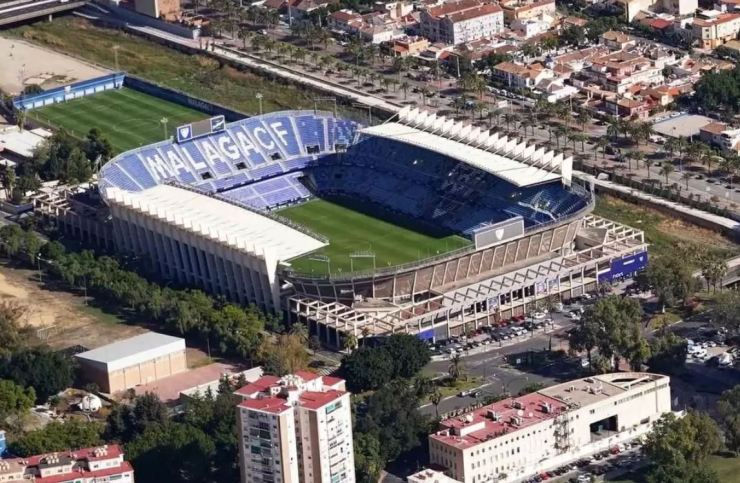
Following the highs of the Champions League, there followed five seasons of mid-table finishes, before a disastrous 2017-18 campaign saw Málaga CF relegated to La Segunda with five matches still to play, finally finishing 23 points from safety. Despite a valiant attempt at an immediate return to the top flight (finishing third and losing in the play-offs), there followed four seasons of diminishing returns. The club dropped to the third tier for the first time since 1995 in May 2023. A third-place finish in the Primera Federación in 2023-24 earned a spot in the playoffs, where Celta Fortuna was dispatched in the semi-finals. The final saw Málaga CF paired with Gimnástic Tarragona, where a dramatic injury-time equaliser earned the club promotion back to La Segunda.
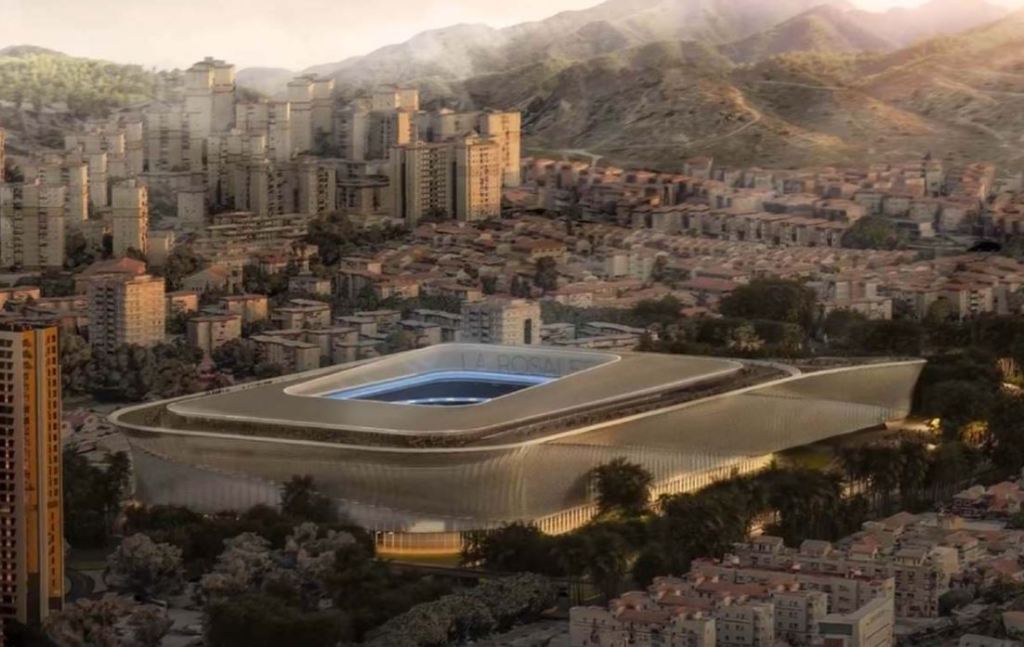
La Rosaleda was included as a venue in Spain’s joint bid to host the 2030 World Cup back in July 2022. The proposed renovation of the stadium would see the capacity increase to 45,000, and for the first time, La Rosaleda would have cover on all sides of the ground. The project encountered problems from the start, with the new stadium being considerably larger than the existing footprint. There was also a problem with finding a suitably sized stadium where Málaga CF and its 25,000 season ticket holders could relocate for the duration of the build. Throw in the small matter of its €270m price tag, and the La Rosaleda seemed to have too many thorny issues to get off the drawing board. And so it proved to be. In July 2025, Málaga officially withdrew from hosting the event, citing costs to the local council and club as the deciding factor. There remains a commitment by the club and the council to improve the stadium, but with Sheikh Al Thani still owning Málaga CF, the outcome is far from being a bed of roses.

 Estadios de España