
Article updated: 02/12/2025
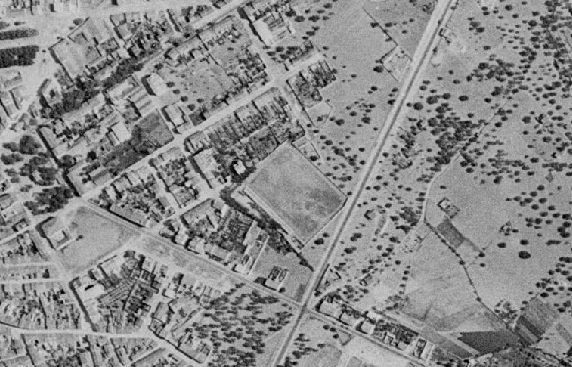
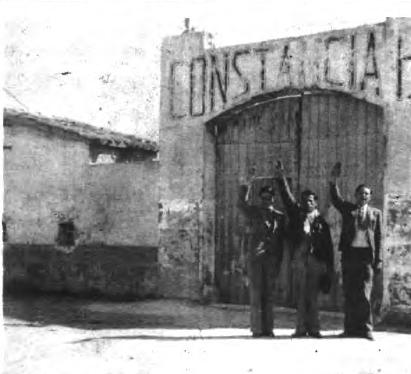
The town of Inca can trace its origins to pre-Roman settlements, and later became an important Roman outpost. During the Islamic period, it flourished as a farming community known as “Inkan.” Following the reconquest of 1229, Inca grew into a market town and developed a reputation for the quality of its leather goods and shoemaking, a status that persists to this day. The trade in football boots, however, would have been a slow burner, with the town taking its time to establish a representative to challenge the clubs that were already flourishing some 30km away in Palma. The first club from the town to truly establish itself was Foot-ball Club Inquense, which was formed in 1920. It was FC Inquense who provided the first opposition for a new club formed by the town’s mutual aid society on 2 December 1922, namely Constáncia Foot-ball Club. On 26 December 1922, Constáncia won 2-0 at Iquense. On 18 February 1923, the club played its first match at a field in the El Cos area of the town, which was located on the current-day Avinguda de Rei Jaume I. In 1928, the club took out a loan to enclose the ground and add terracing.
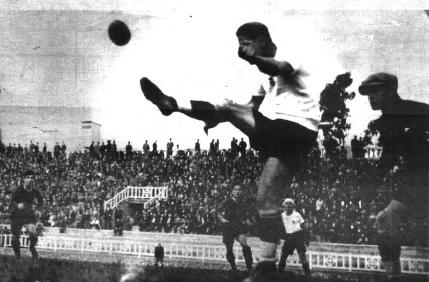
Constància soon established itself in the Balearic regional league and won the title in three consecutive seasons from 1932 to 1935. After the Civil War, the club benefited when the Spanish Leagues were reorganised, as they and CD Mallorca were invited to compete in a regionalised second division. Constància finished fifth, losing out on fourth place and safety to Castellón on head-to-head record. The 1940-41 season saw Constància win its first Tercera title, heading a group that featured Sant Andreu, Granollers and Vic. In the playoffs, Constancia overcame challenges from Ceuta and Elche to return to the second tier. The club also achieved its record victory when, on 4 April 1941, it beat Soledad 30-0 at Camp d’Es Cos in the regional cup competition. Over the next three seasons in La Segunda, Constància forged a formidable record at the Camp d’Es Cos. It finished fourth in the 1941-42 season, losing just the one home match, 1-2 to eventual champions CE Sabadell. In 1942-43, the club went one better, finishing in third place. Once again, their home form was impressive, losing just once, a costly 0-1 defeat against CE Sabadell, who, courtesy of that victory, won a place in the promotion playoffs. La Segunda was reduced to a single national league for the 1943-44 season, and Constància’s good form brought it within 90 minutes of La Primera.
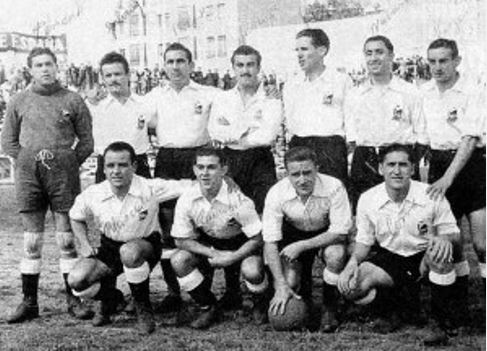
Once again, their home form was impressive, losing just once to Ceuta, a defeat that cost them second place and automatic promotion. They did, however, qualify for the promotion playoff match against Deportivo La Coruña, who had finished twelfth in La Primera. Regrettably, Depor won the one-off match at Real Madrid’s Campo de Chamartín by four goals to nil. Constància had peaked. The 1944-45 season was played at the wrong end of the table, and although their home form remained good with only two defeats, one win and a draw on the road saw them enter the final match two points ahead of island rivals CD Mallorca. The game on 20 May 1945 was played in Palma and was the last game staged at Mallorca’s Campo de Bon Aires. With passions high, Constància came off second best, losing 0-2 and had to face Real CD Córdoba in a relegation/promotion playoff. Once again, the match was played in Madrid at Chamartín, and once again Constància came off second best, losing 2-3.
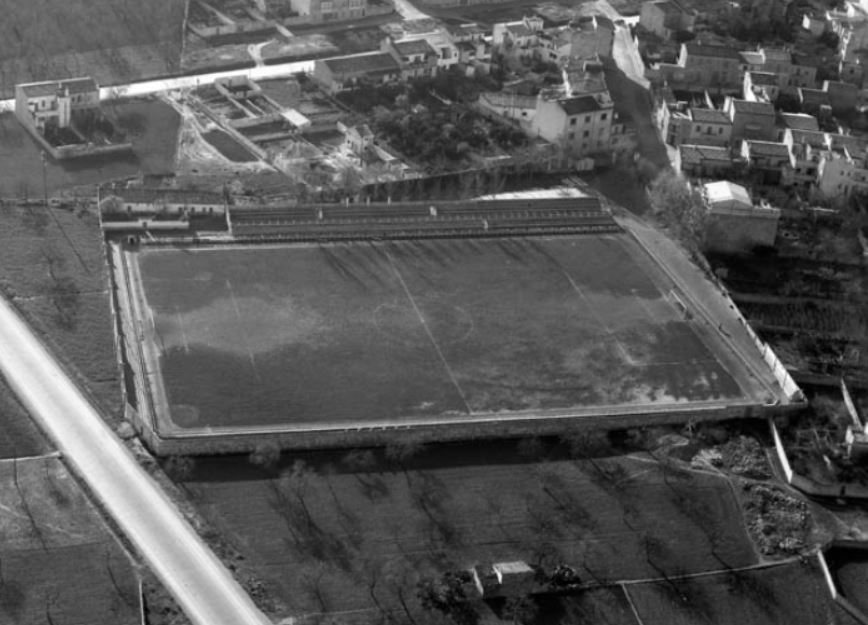
Back in the Tercera, Constància started to falter and in 1951 dropped to the Mallorcan regional league. Two seasons later, the club was back in the Tercera and began the long haul back to La Segunda, securing runners-up position on three occasions between 1955 and 1961. Finally, in the 1961-62 season, Constància won the Tercera and promotion to La Segunda. The Camp d’Es Cos now featured a raised tribuna on the western side of the ground that ran from north to south and finished level with the penalty area. The club’s changing facilities and offices were in the southwest corner, whilst narrow terracing made up the remaining three sides of the enclosure. Time had moved on, and the second tier now consisted of two regional leagues with 16 teams in each division. Once again, Camp d’Es Cos proved to be a fortress with just two defeats coming at home. It was the away form that was the problem, with just one victory, albeit against eventual champions Pontevedra, and in the end, a twelfth-place finish was achieved. The next season, 1963-64, was to be the last at Camp d’Es Cos, and the relatively comfortable tenth place was achieved due to an unbeaten home record.
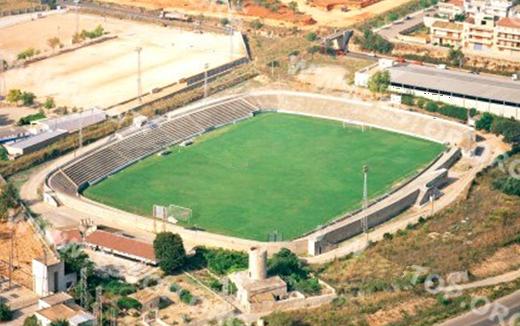
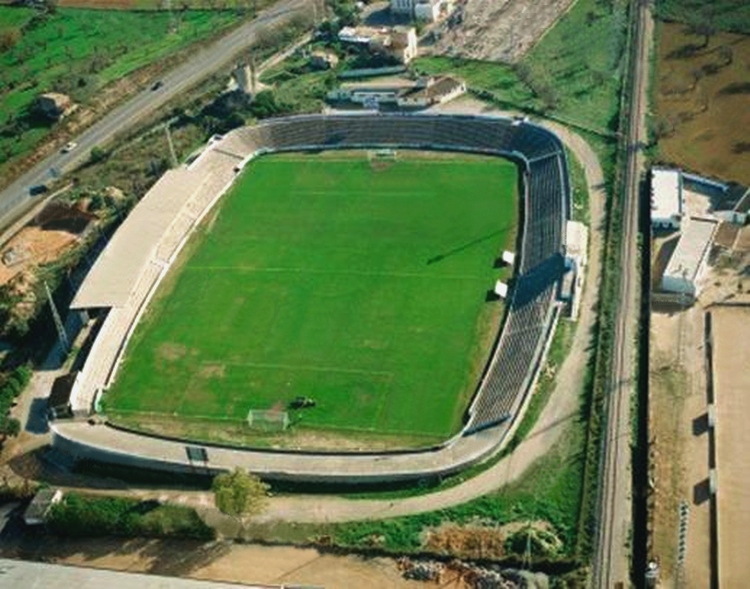
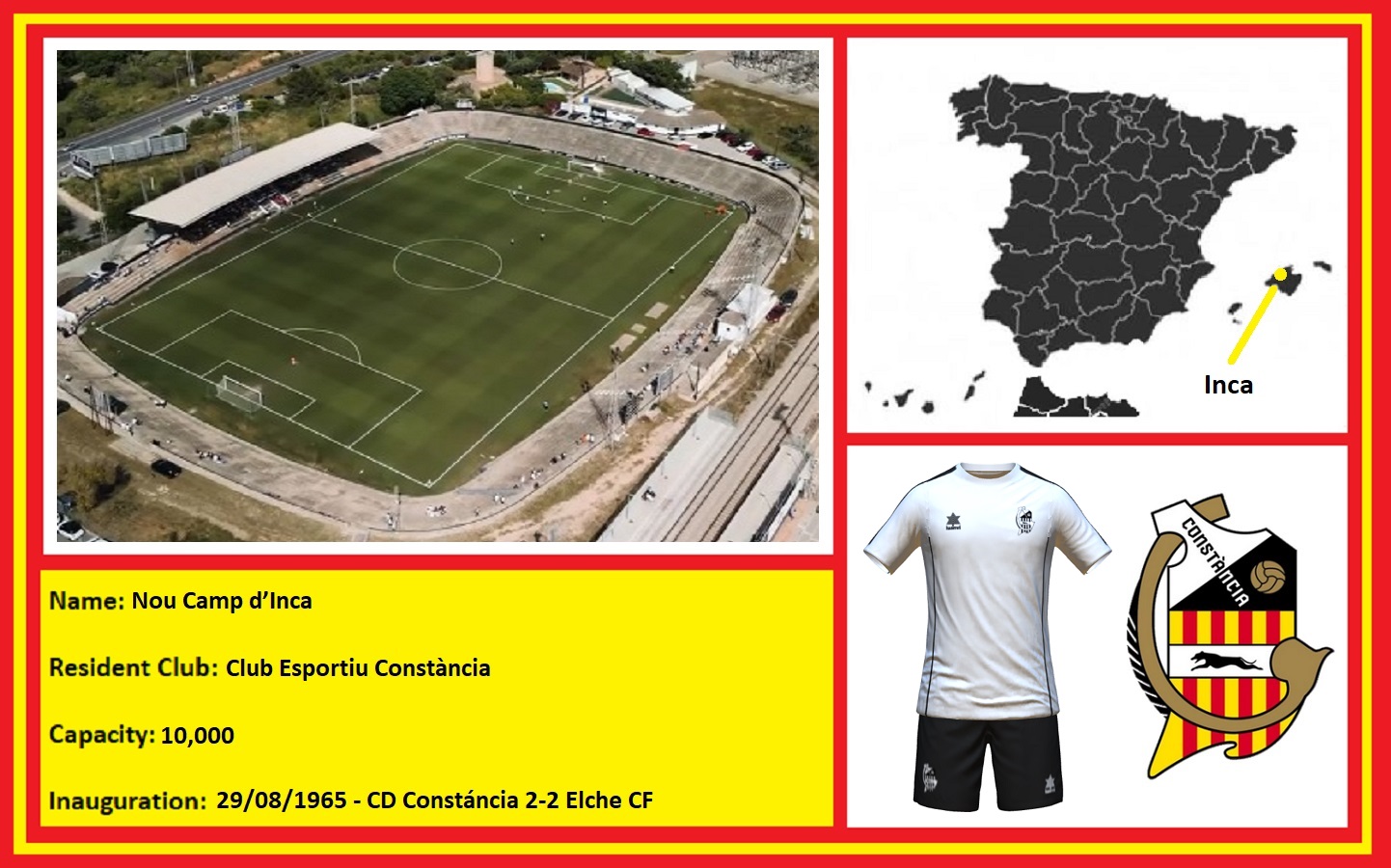
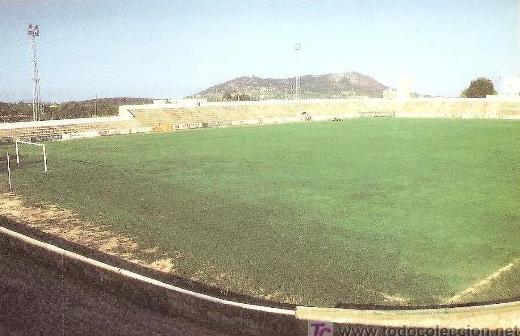
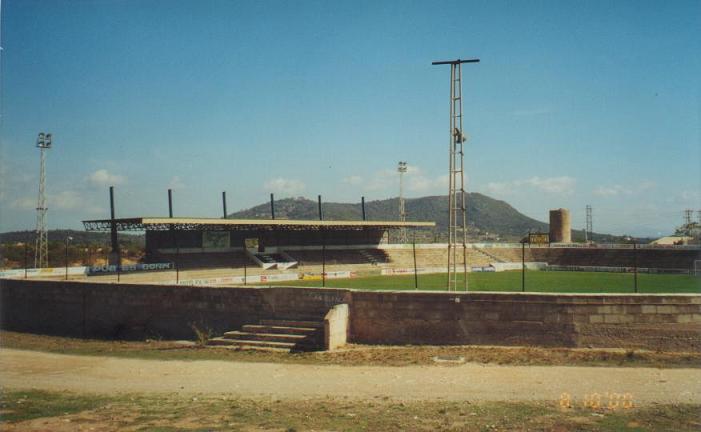
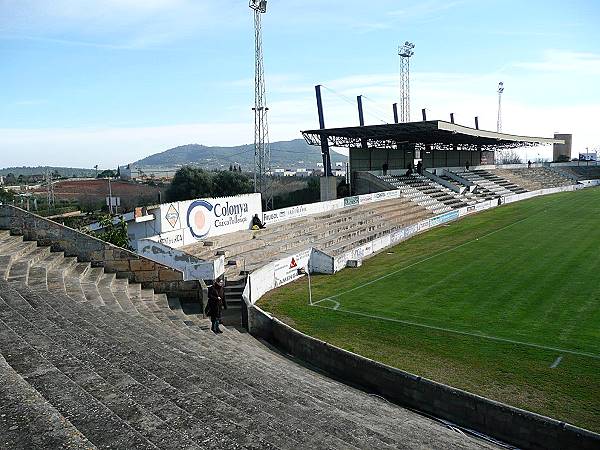
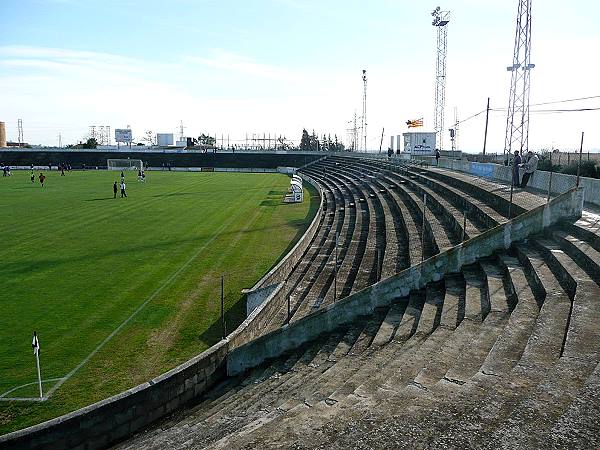
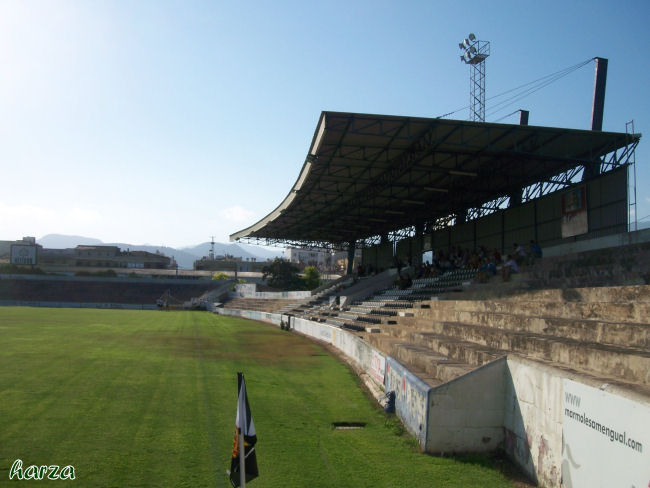
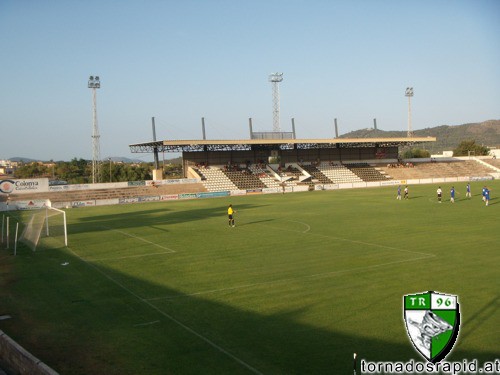
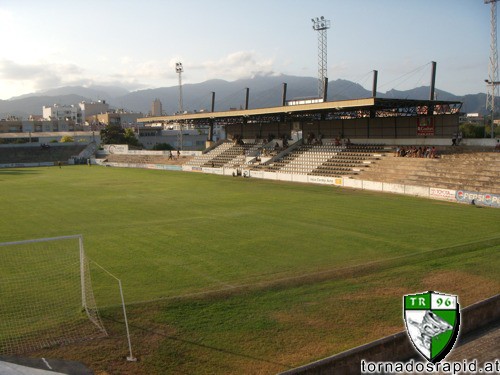
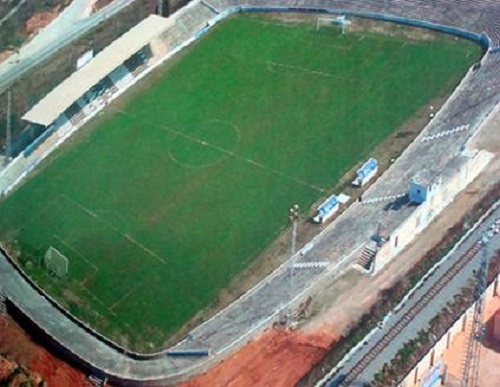
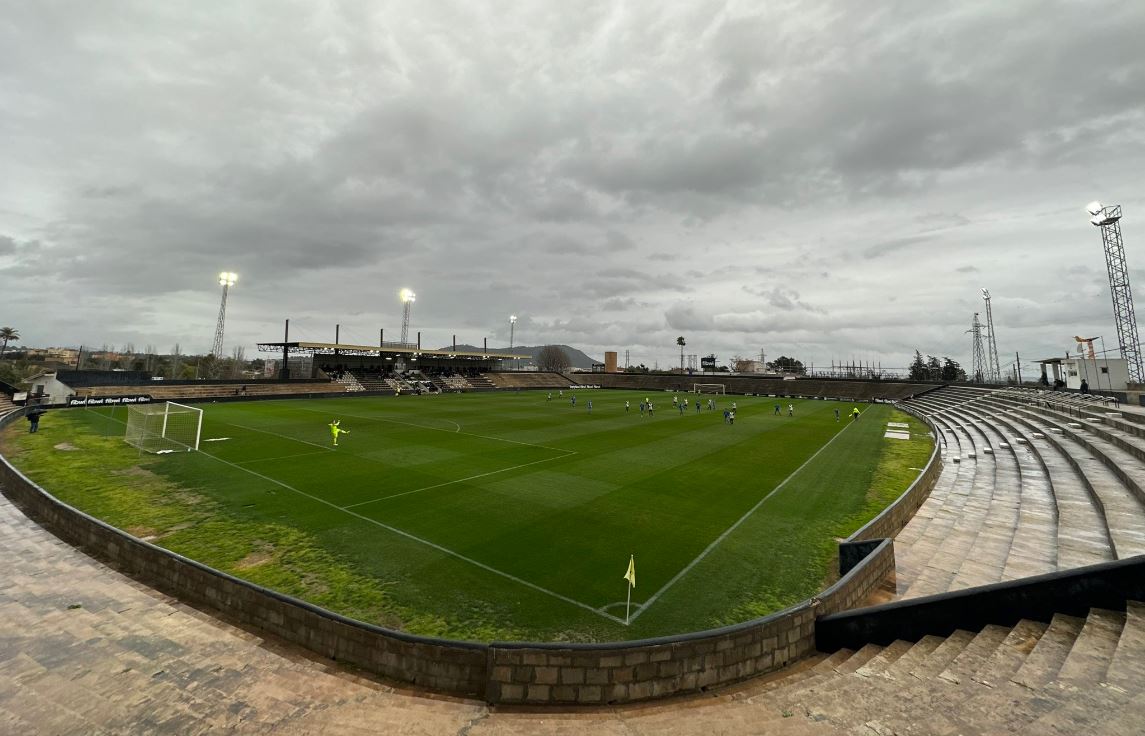
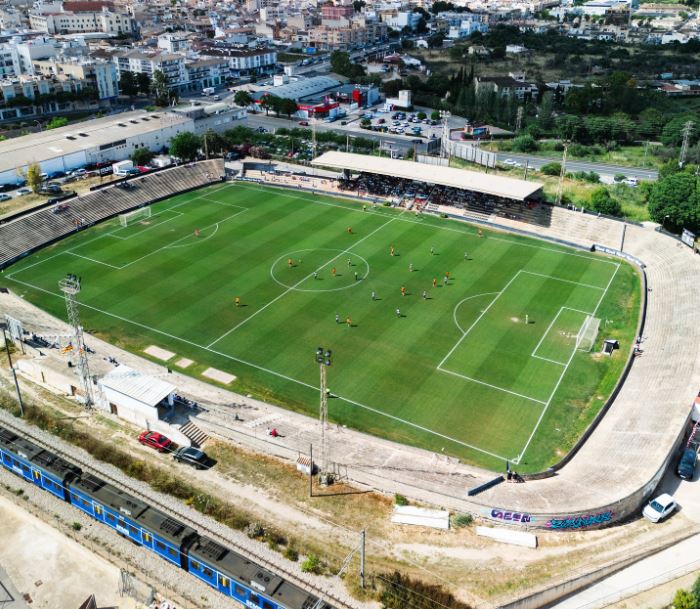
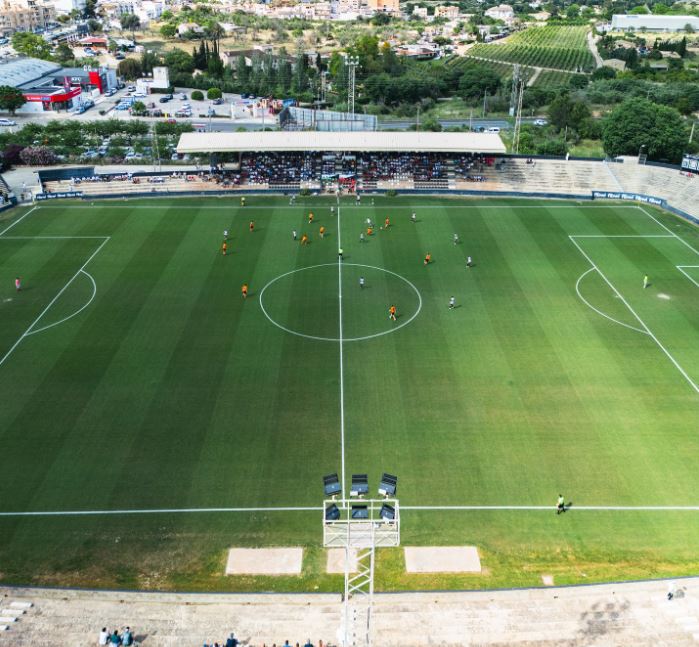
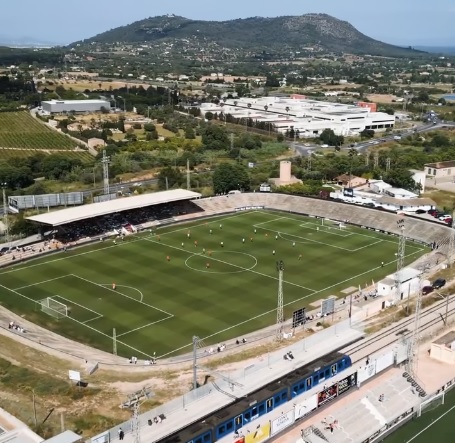
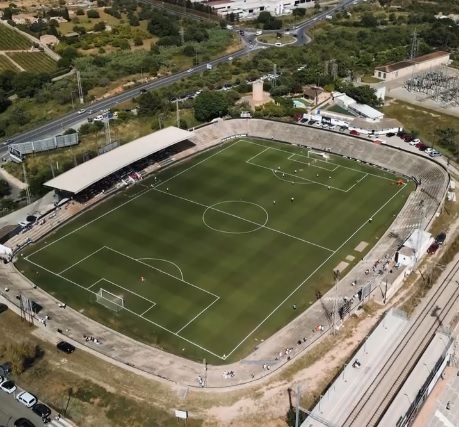
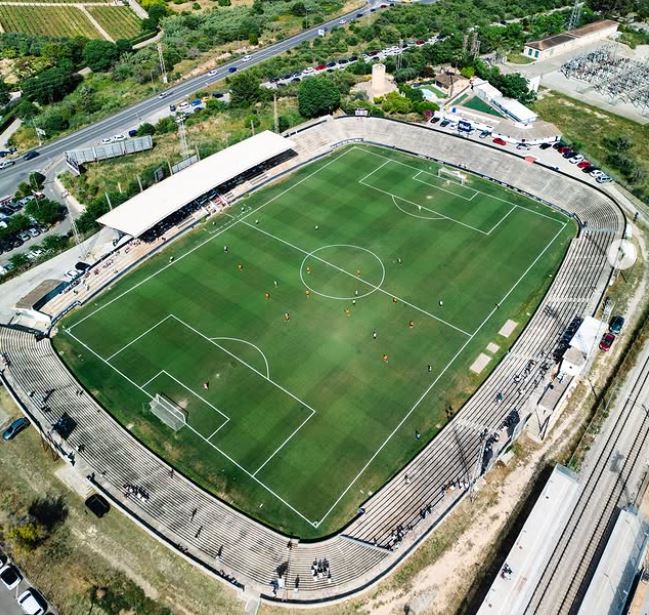
The 1964-65 season saw the club finish thirteenth and as a result enter a playoff against Bejar Industrial to remain in La Segunda. A 0-1 loss in the Salamancan town was rectified with a 1-0 victory at Camp d’Es Cos. The tie went to a third match, conveniently played in Palma de Mallorca, and this time Constància prevailed by a margin of two goals to one. The start of the 1965-66 season saw Constància move to a new ground when the Nou Camp d’Inca was officially opened on 29 August with a friendly against Elche. Their new home was situated around 750 metres to the south of Camp d’Es Cos and bordered the Palma to Sa Pobla railway line. The Nou Camp was an open bowl consisting of a dozen steps, apart from a section in the northwest corner, next to the main tribuna, where it stopped abruptly and diminished to a mere six steps. With a capacity of 10,000, it was a more substantial enclosure, designed to herald a new future for the club.
Constància would have hoped to have moved on, but at the end of the 1965-66 season, they found themselves in exactly the same position, thirteenth place and facing another playoff for survival. This time, the club was paired with SD Eibar, and things appeared bleak when they returned from the Basque Country with a 0-2 deficit. Incredibly, Constància turned the tie around, winning 3-0 to retain their place in the second tier. Unfortunately, the immediate future was to be spent fighting relegation from La Segunda. It was more of the same in the 1966-67 season when a fourteenth-place finish saw them overcome CD Lugo 3-1 on aggregate in the playoffs. How long could these escapes continue? Well, not long at all is the answer. La Segunda was to be restructured into one division at the end of the 1967-68 season, and only sixth place or above guaranteed survival. With the writing on the wall, Constància rolled over, and the home form that was paramount to their survival deserted them. In the end, the club finished bottom of the table with just fifteen points.
The trap door was well and truly open as Constància fell another level to the Balearic Regional league in 1969, and it took a further five seasons to return to the Tercera. The rebuilding took time, and it wasn’t until the early 1980s that the club was challenging at the top of the Tercera. The title was won in consecutive seasons from 1982 to 1984, but promotion, now to Segunda B, eluded them. The step up was finally achieved at the end of the 1986-87 season when the third tier was expanded. Group II of Segunda B in the 1987-88 season also featured three other clubs from the Balearics, namely Atlético Baleares, UD Poblense and Sporting Mahones. Constància put up a decent fight, but only taking three points from the six matches against their fellow islanders cost them dear, and they ultimately fell short, just one point shy of safety. Constància dropped to the Regional Preferente in the early 1990s, but returning in 1992, they were almost a permanent presence at the top five of the Tercera. Four further league titles followed, but dismal form in the end-of-season playoffs saw the club fall short on nine occasions.
In 2010, the club changed to the Catalan version of their name, Club Esportiu Constància. The 2011-12 season was remarkable for Constància on a number of fronts. On the pitch, the team proved incredibly resilient, remaining unbeaten in its first 29 fixtures. Their eighth Tercera title was sewn up with two games still to play, all the more remarkable given that the players had gone without pay for the final couple of months of the season. Drawn against CP Villarobledo in the Campeones group of the playoffs, hopes were high that the hoodoo could be ended when Constància returned from La Mancha with a 0-0 draw. In the return tie, Bernat Alomar gave the islanders the lead on 10 minutes, but it all seemed to be heading for an all too familiar finish, when Villarrobledo equalised with 11 minutes to go, thus leading on away goals. Then, in the 5th minute of injury time, Mateo Ferrer’s looping header sent the crowd of 3,500 wild and Constància up to Segunda B for the first time in 24 years. Despite finishing the 2012-13 season with a defeat to Zamora in the Segunda B Relegation Playoff, Constància’s position in the third tier was secured by UD Salamanca’s liquidation. Alas, there would be no reprieve a year later, as the club finished one off the bottom and dropped back to the Tercera in May 2014. Following the restructuring of the Spanish football pyramid in 2021, Constáncia played in the Tercera Federación.
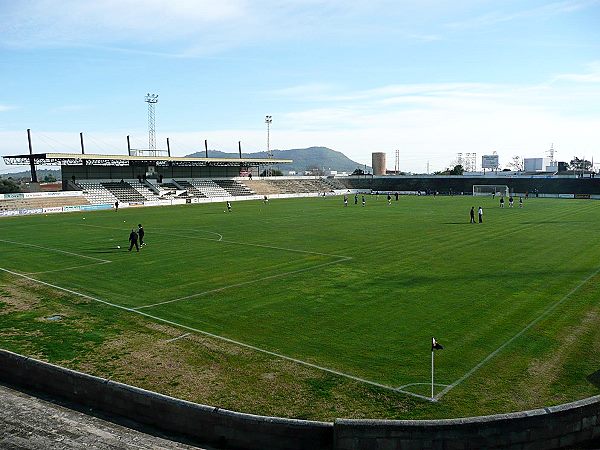
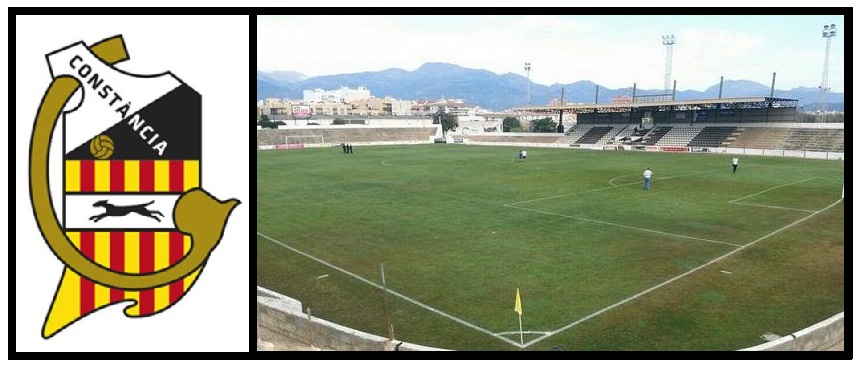
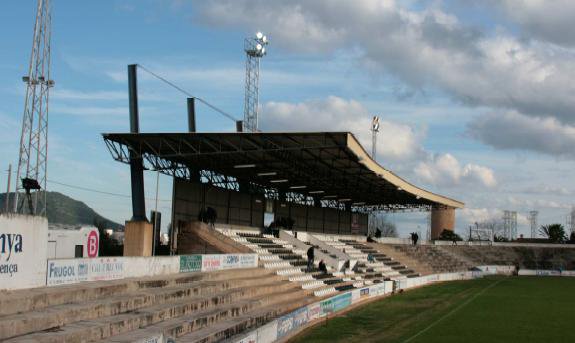
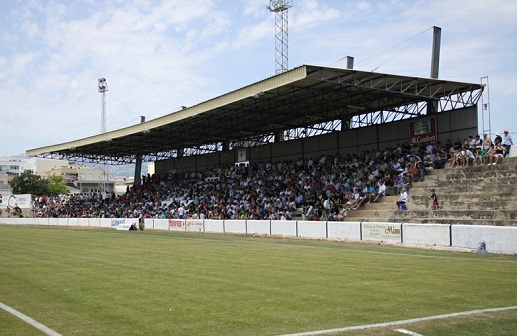
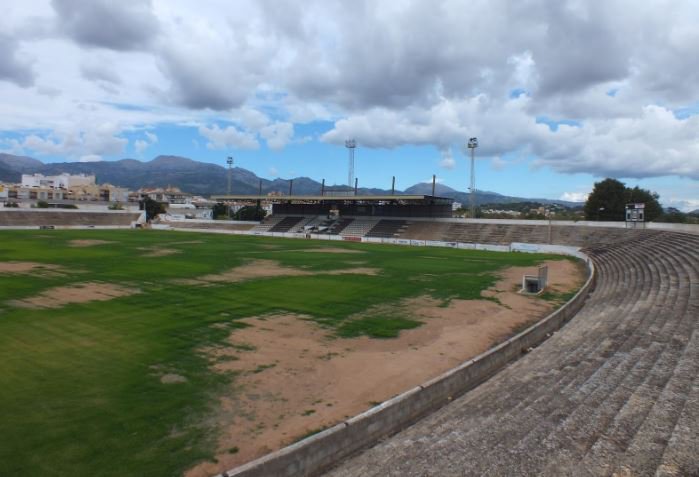
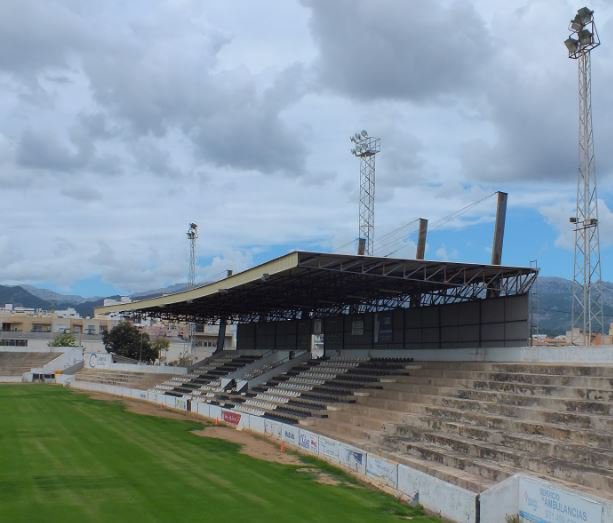
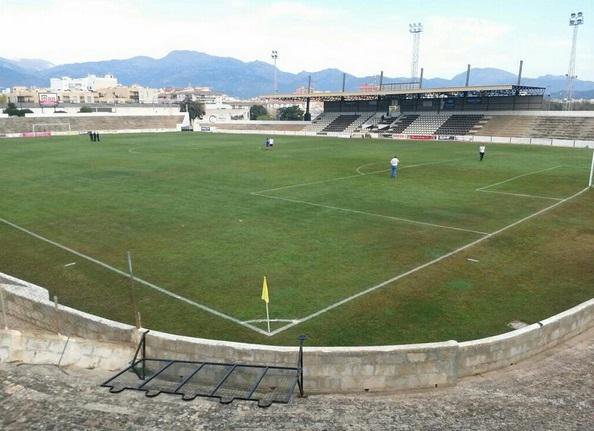
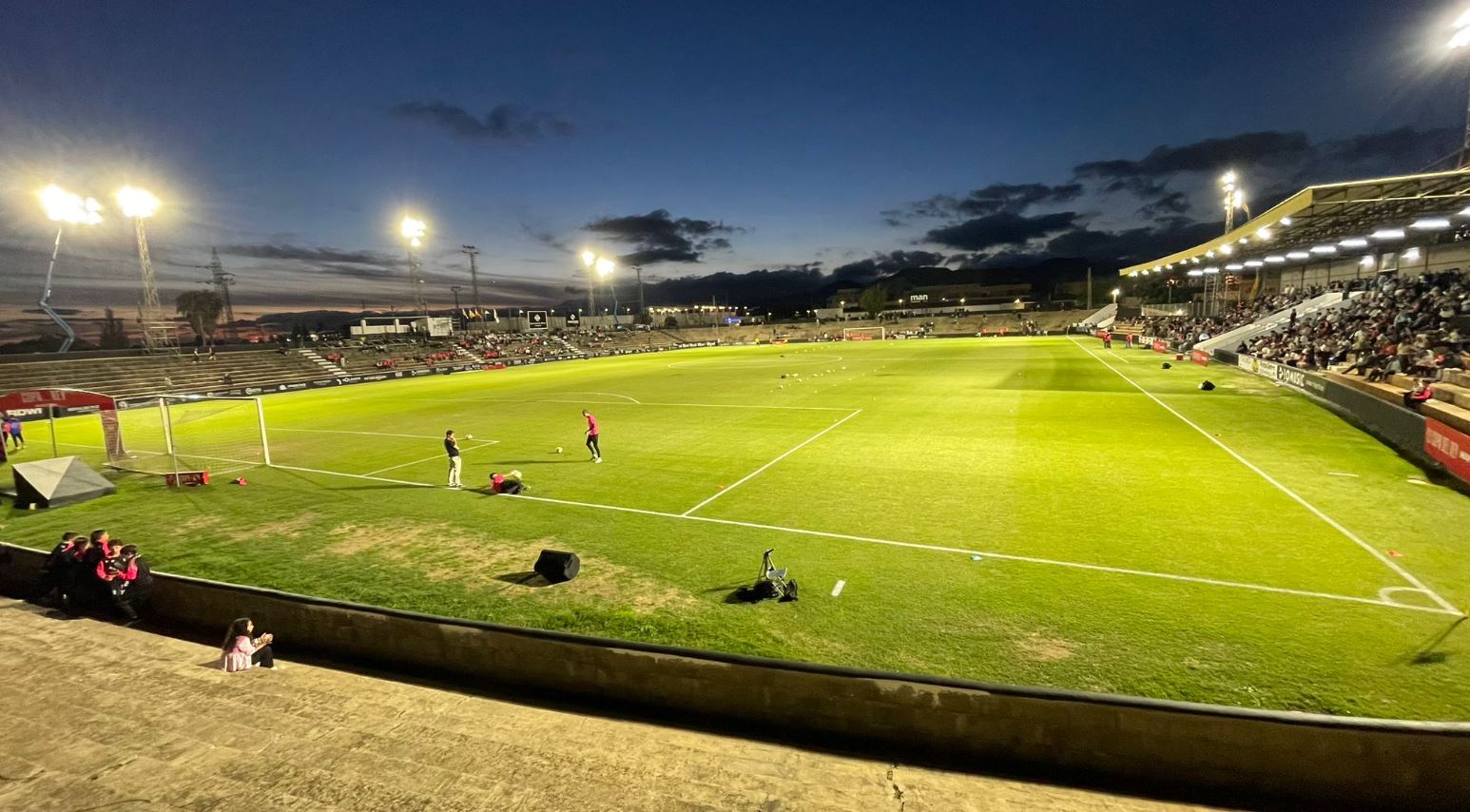
With the Nou Camp d’Inca now over 60 years old, it has to be said that it has aged remarkably well, and still has a presence about it. The terracing is in good condition, and Constància can still pull in a crowd of 3-4,000 when they reach the playoffs. A cantilevered roof was added to the tribuna in 1998, and black and white seats were added to the central section a few years later. During the summer of 2016, €60,000 was provided by the local council to re-lay the pitch, which meant that Constància de-camped to the other side of the railway track and the Campo de Salista for the first months of the 2016-17 season. Thankfully, the commitment of the local council & Constància’s legion of committed followers has prevented this grand old stadium from suffering the same fate as the Estadi Lluis Sitjar, or the significant reduction in capacity seen at the Estadio Balear and the Nou Camp de Sa Pobla.
CE Constància Official Website: http://www.ceconstancia.com/
La Futbolteca club history: http://lafutbolteca.com/club-esportiu-constancia/
 Estadios de España