This article updated: 19/05/2026
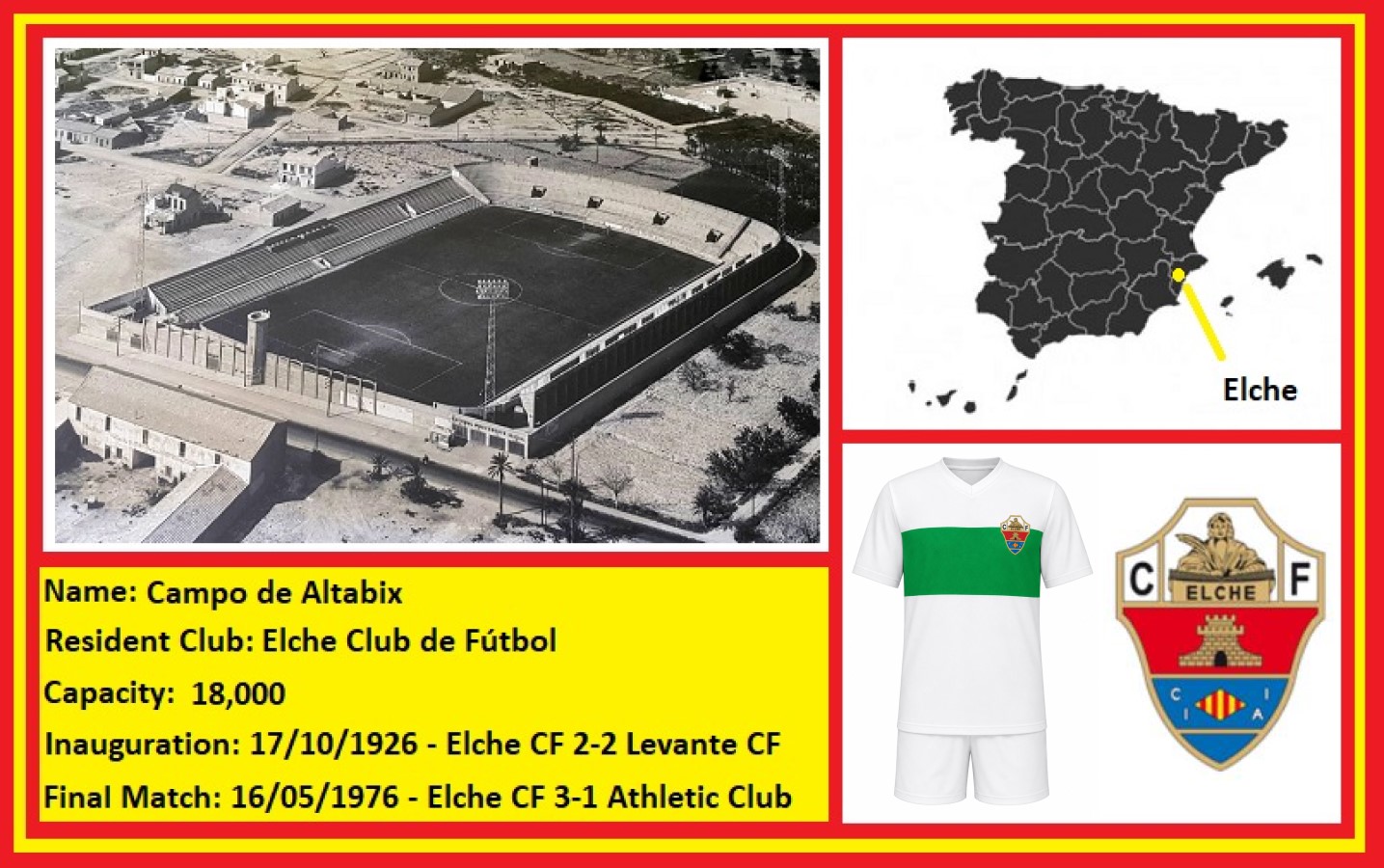
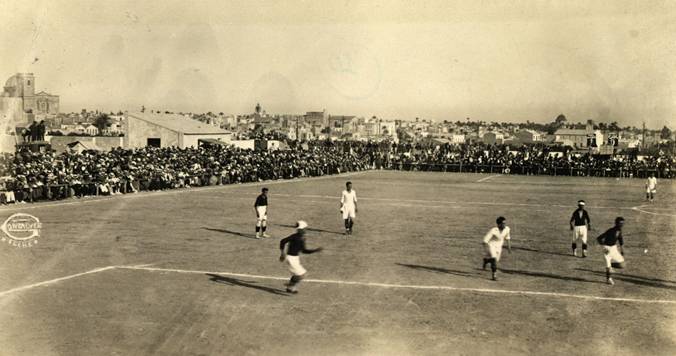
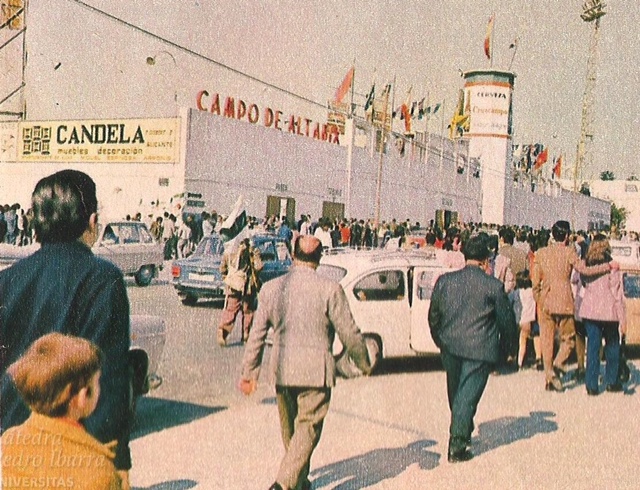
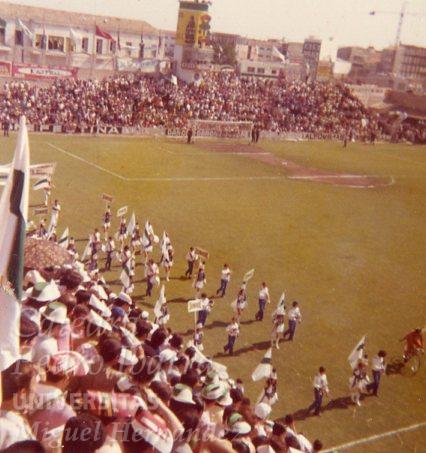
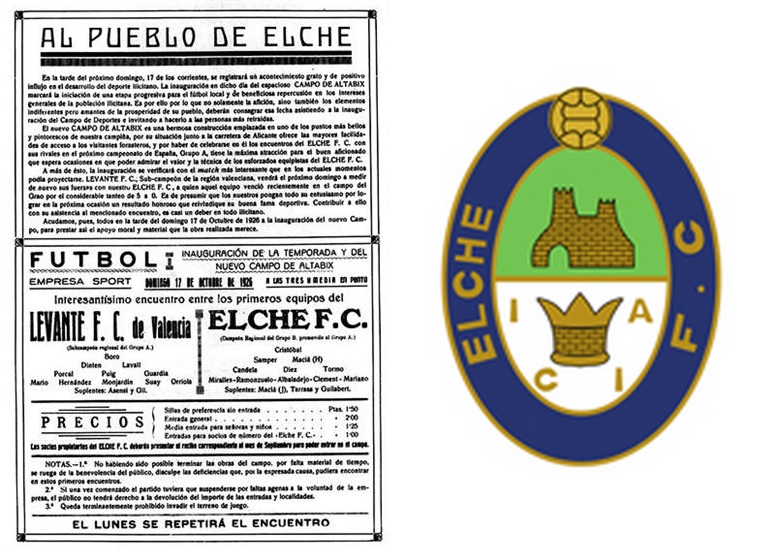
Twelve miles southwest of Alicante is Elche, the shoemaking capital of Spain. Over the years, the city’s senior team, Elche Club de Fútbol, has regularly stepped out onto the national stage. The club was founded on 10 January 1923 following the merger of three teams: La Sportiva, Gimnástica FC and Illice FC. They spent the first three years using a variety of local grounds, beginning with the self-explanatory Campo del Cementerio, before moving to Illice FC’s Campo El Clot and then the Campo de Don Jeremías. On 17 October 1926, Elche CF hosted Levante FC in the first match at a purpose-built stadium in the northern suburb of Altabix, which would remain their home for the next 50 years.
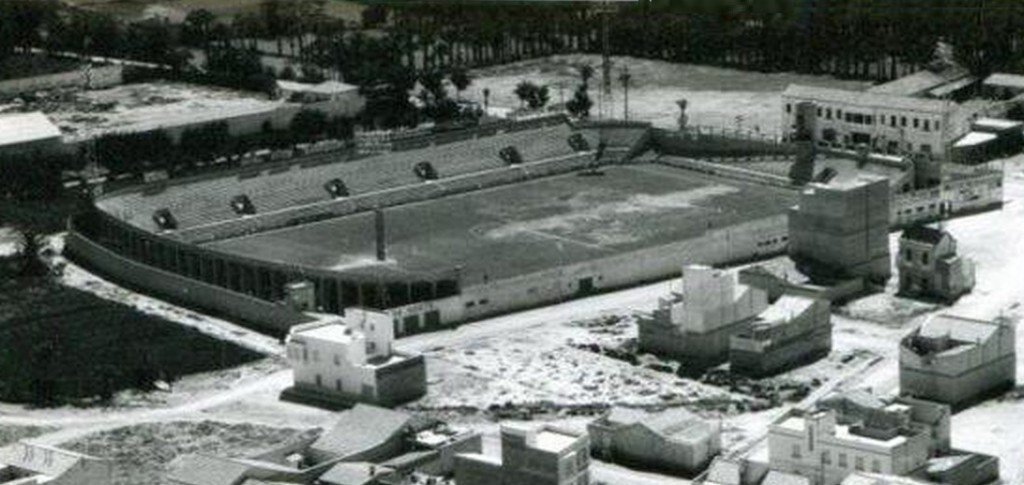
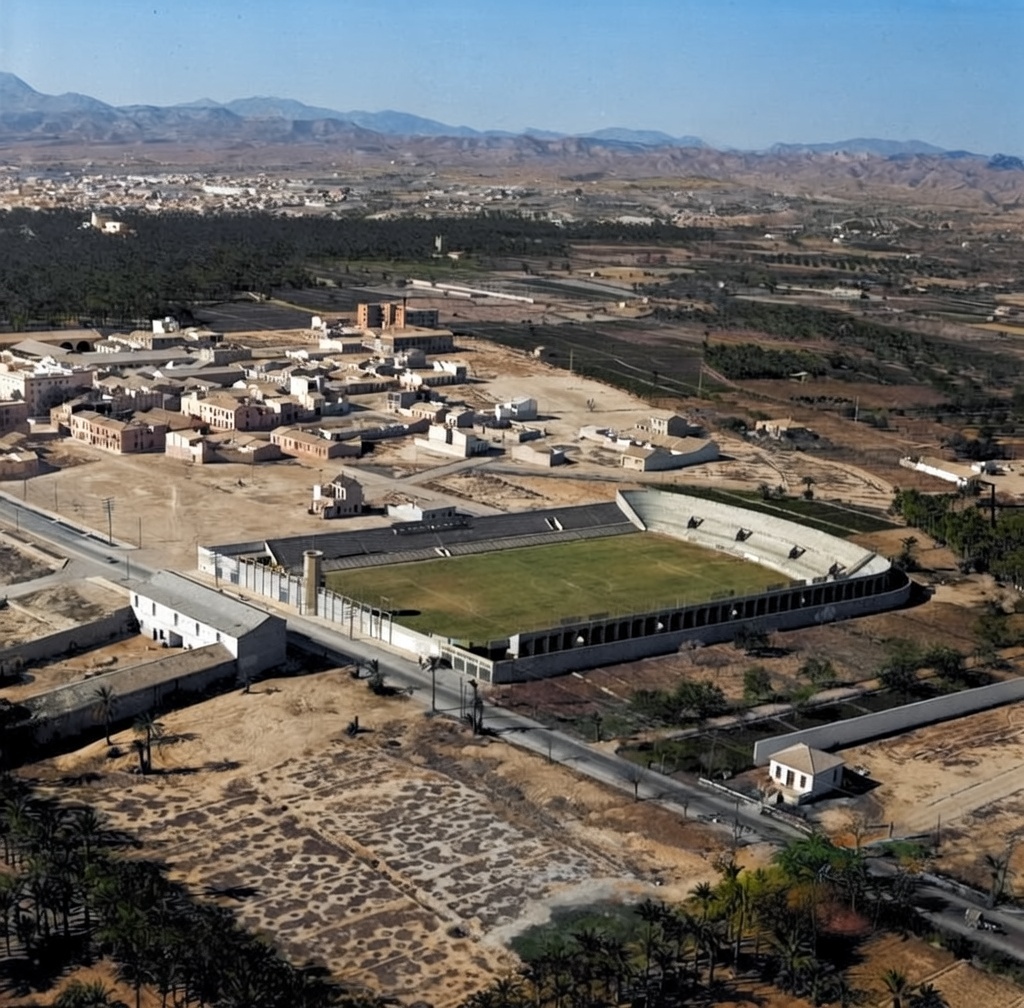
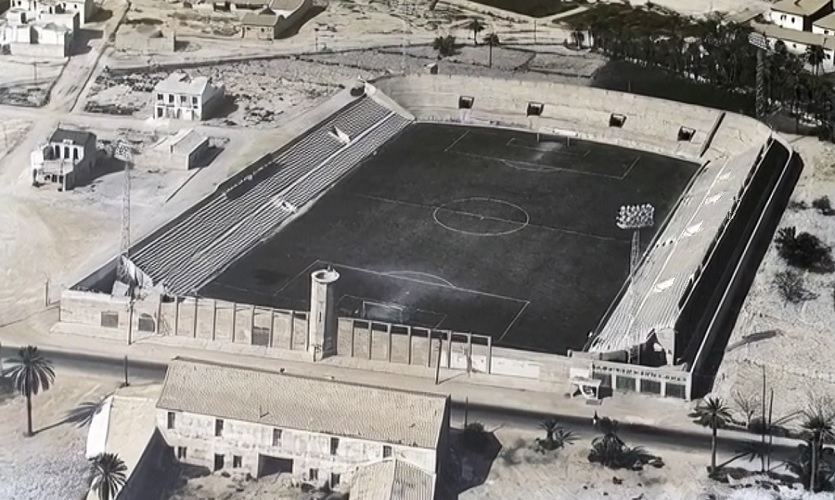
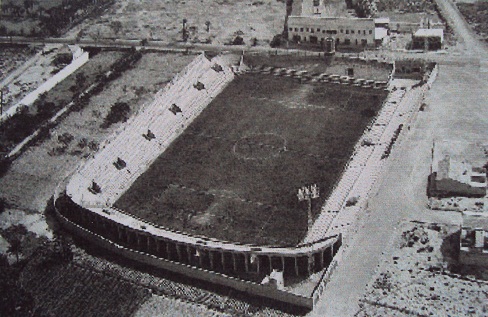
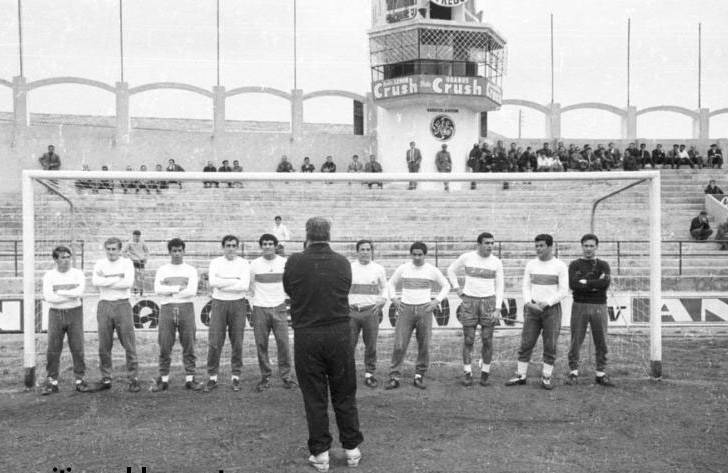
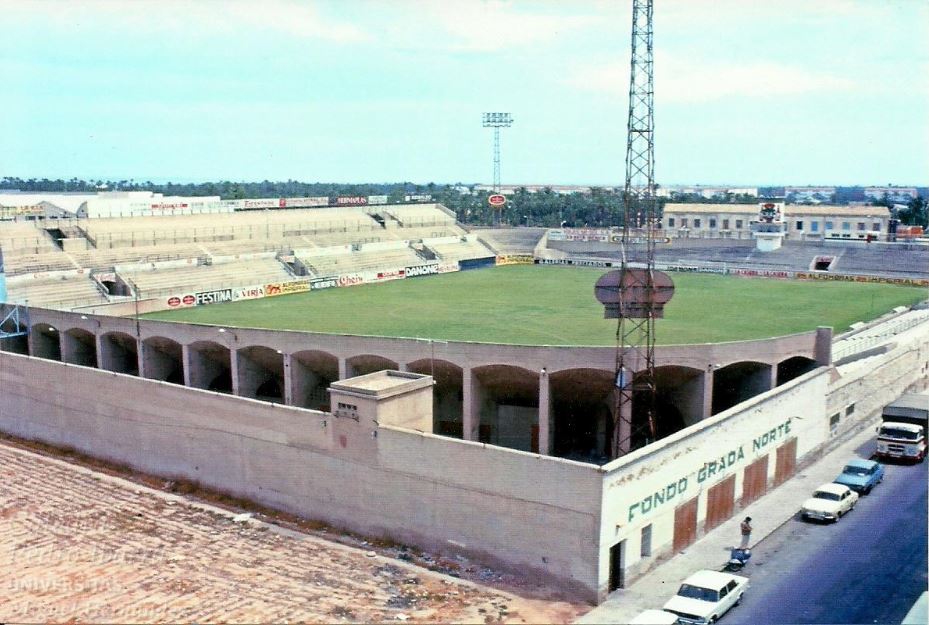
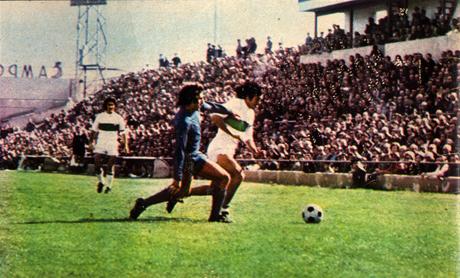
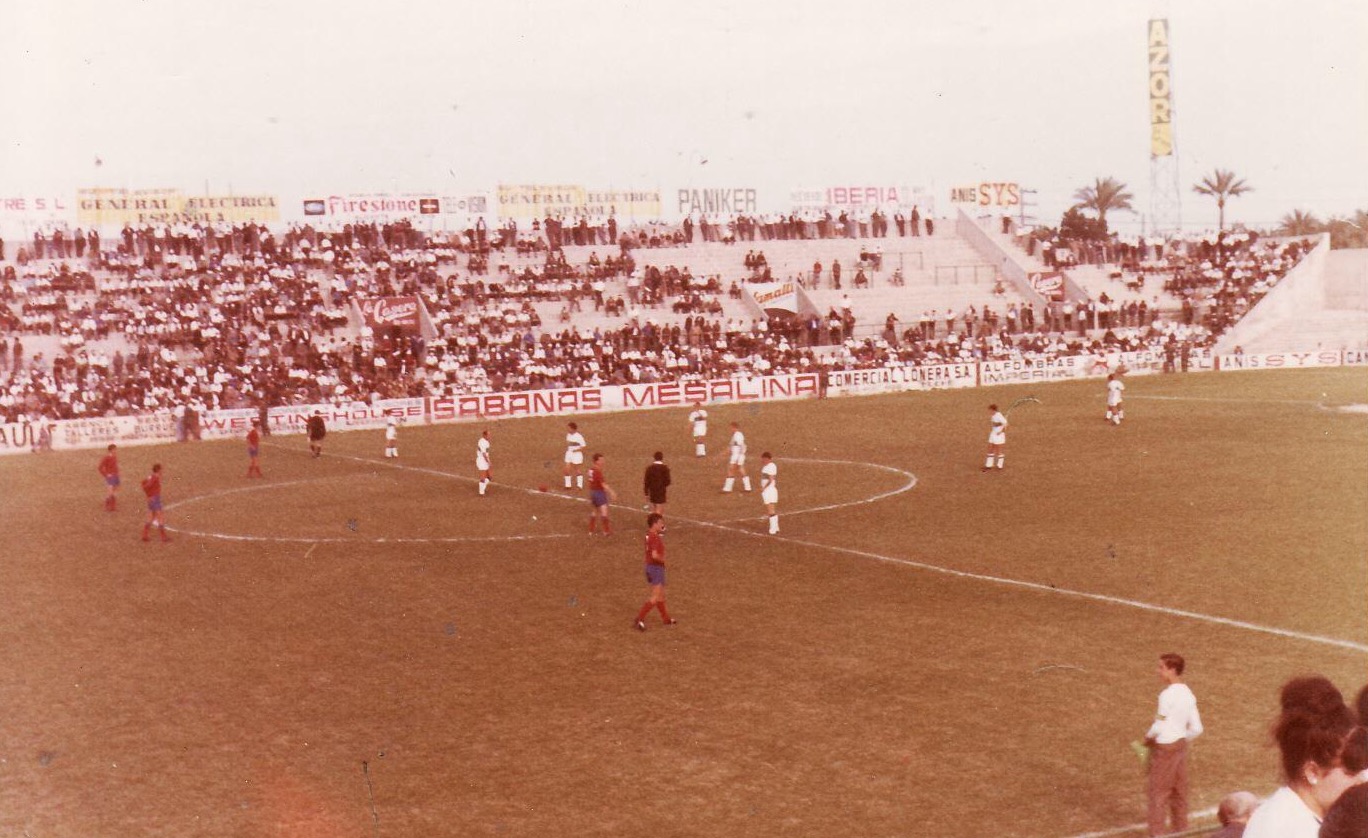
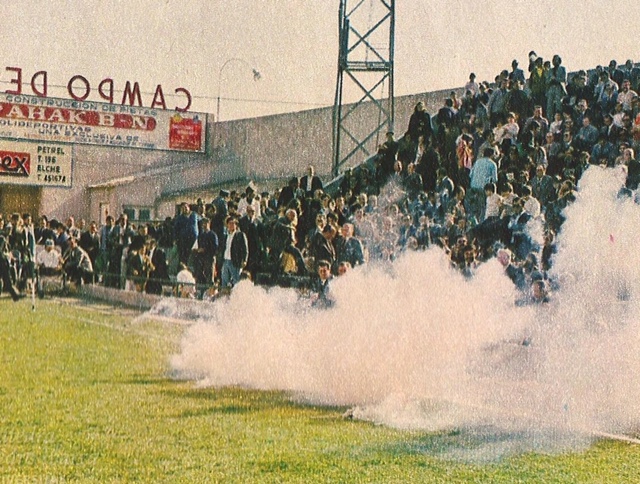
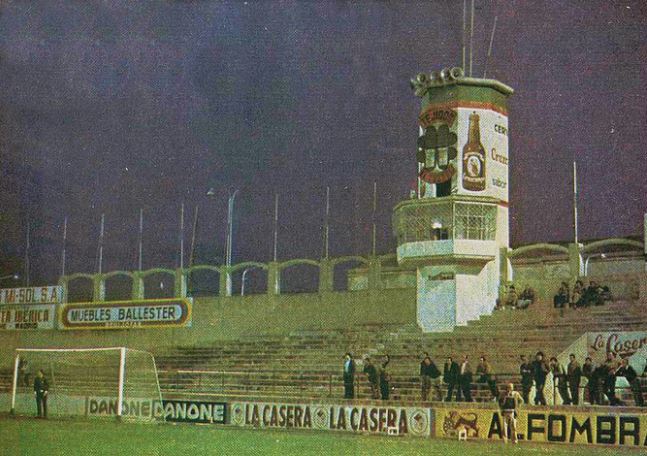
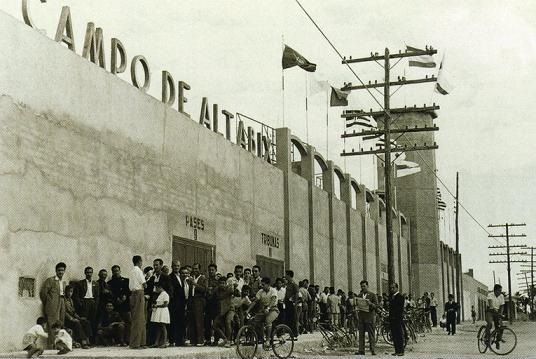
For the first 30 years of its existence, the Campo de Futbol Altabix suited Elche CF perfectly. It had three sides of pitch-hugging terraces, whilst the fourth southern end tapered off as it headed east and was home to a small tower behind the goal, which housed basic facilities for the press. There was no cover, not even for the directors, but as the club spent much of its formative years in the Tercera, size and comfort were not a problem. Elche CF enjoyed early success when it spent 5 seasons either side of the Civil War in La Segunda, but by 1943, it dropped back to the Tercera. Although Elche CF won or finished runners-up in the Valencian section of the Tercera on no less than 9 of the next 15 seasons, they only managed to earn promotion once, in 1948-49 when La Segunda was expanded, but returned to the Tercera a season later. However, things were starting to stir in Elche as the town and the club were about to get bigger.
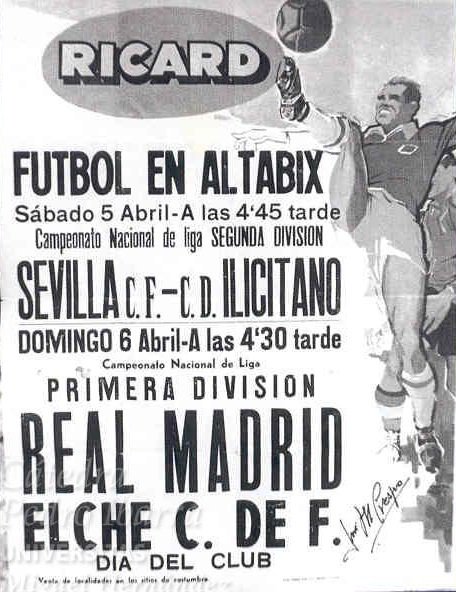
At the start of the 1950s, Elche had a population of just over 50,000, but by 1970, the town had more than doubled in size to 125,000. This was due to migration from the provinces, brought about by the rapid industrialisation and, in the case of Elche, the expansion of the shoe industry. A big c(l)og in the shoe industry was Manuel Martinez Valero, who joined the club as a director in the late 1950s. The decade had begun badly, with the club only just avoiding relegation to the Regional Preferente. Gradually, results improved, and with the help of Martinez Valero’s money, the club jumped from the Tercera to La Primera in two seasons, debuting in the top flight in 1959. There followed a decade of top-flight football, a golden period for the club that saw alterations to the ramshackle Altabix.
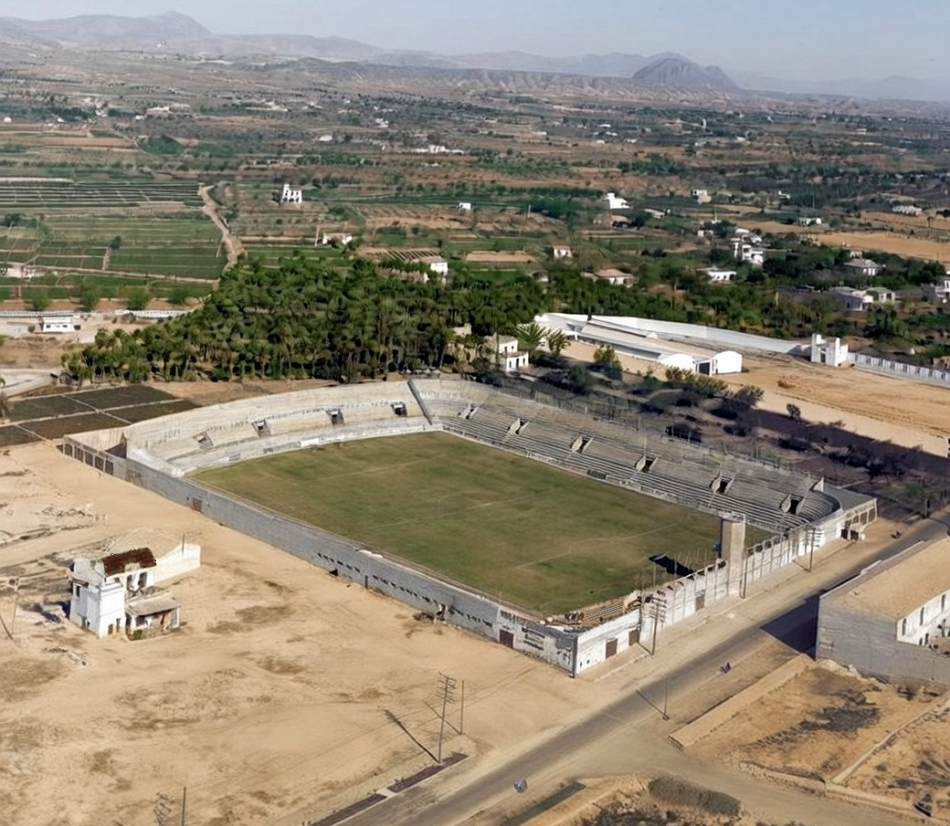
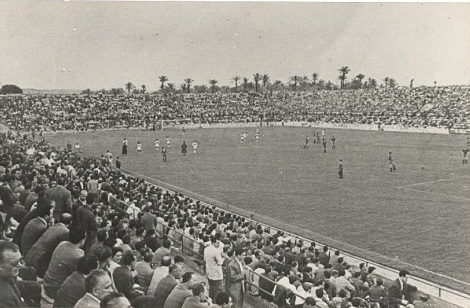
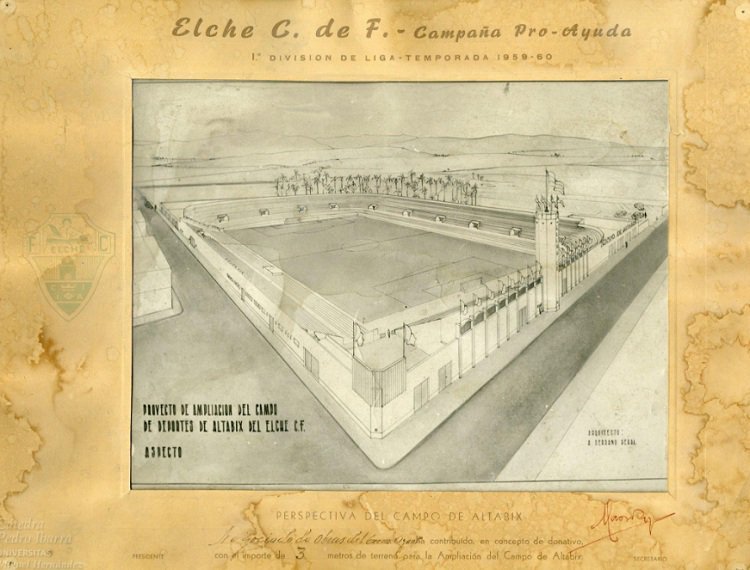
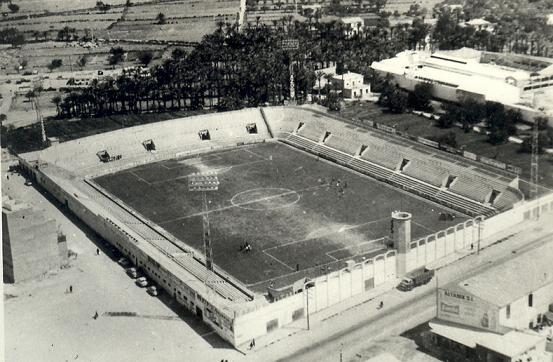
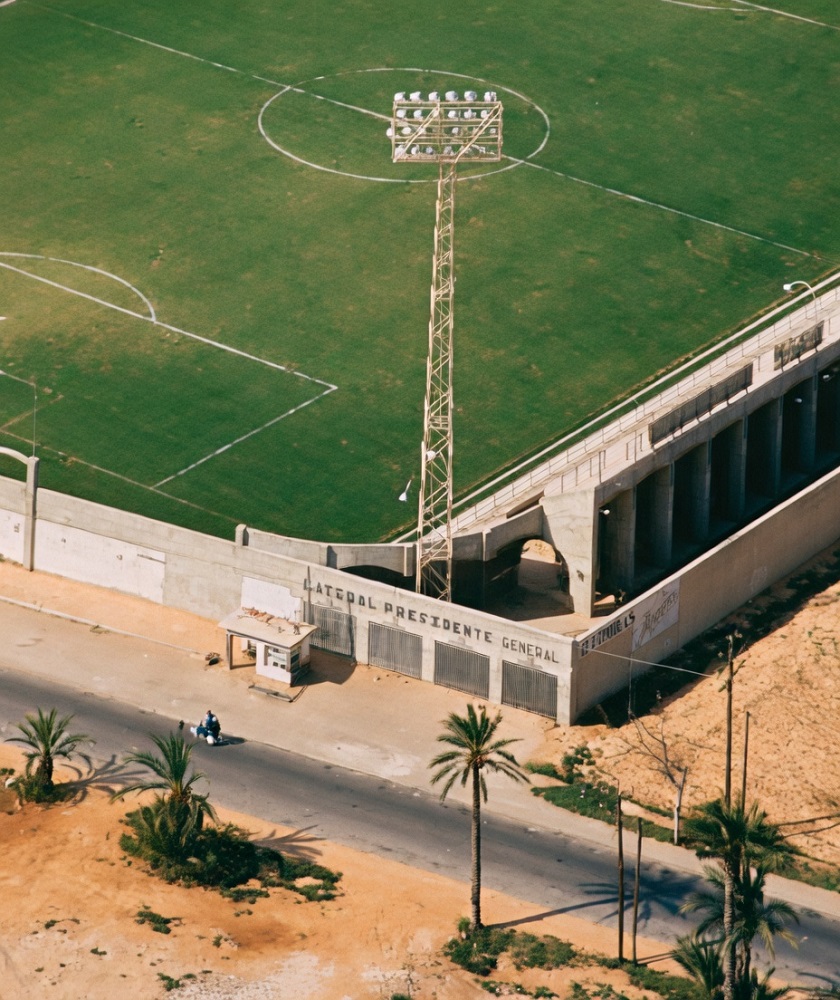
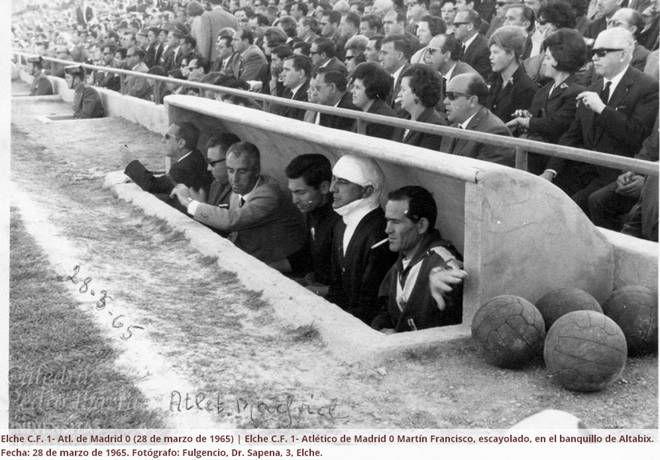
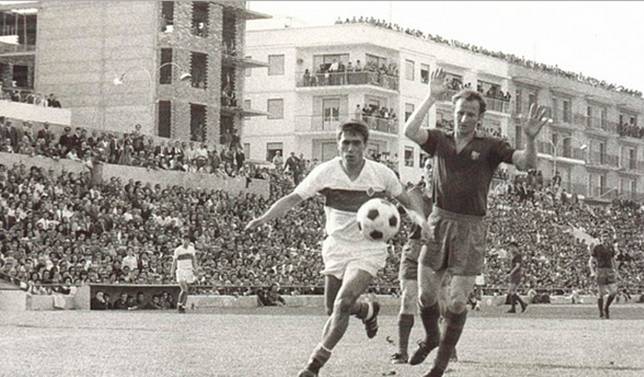
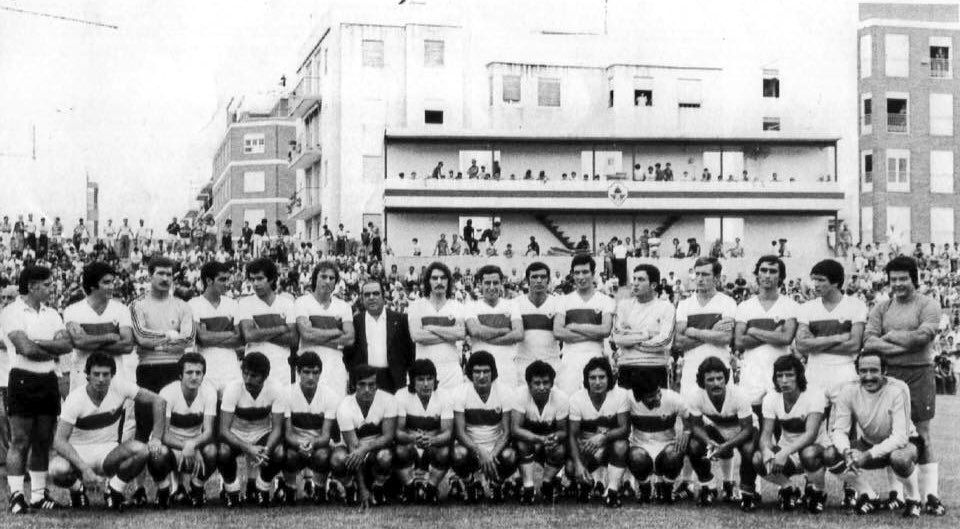
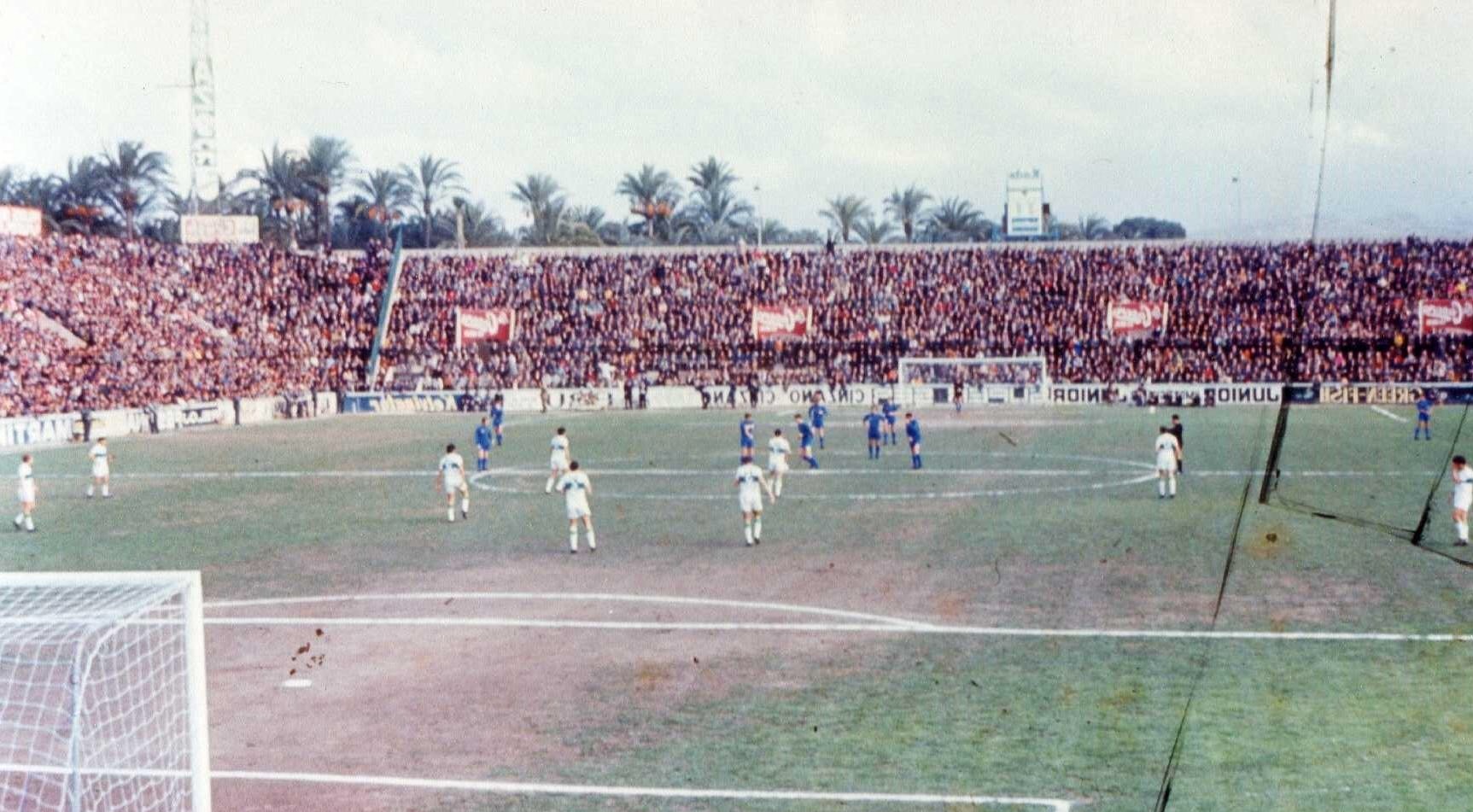
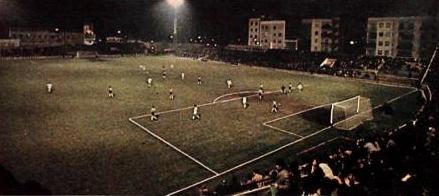
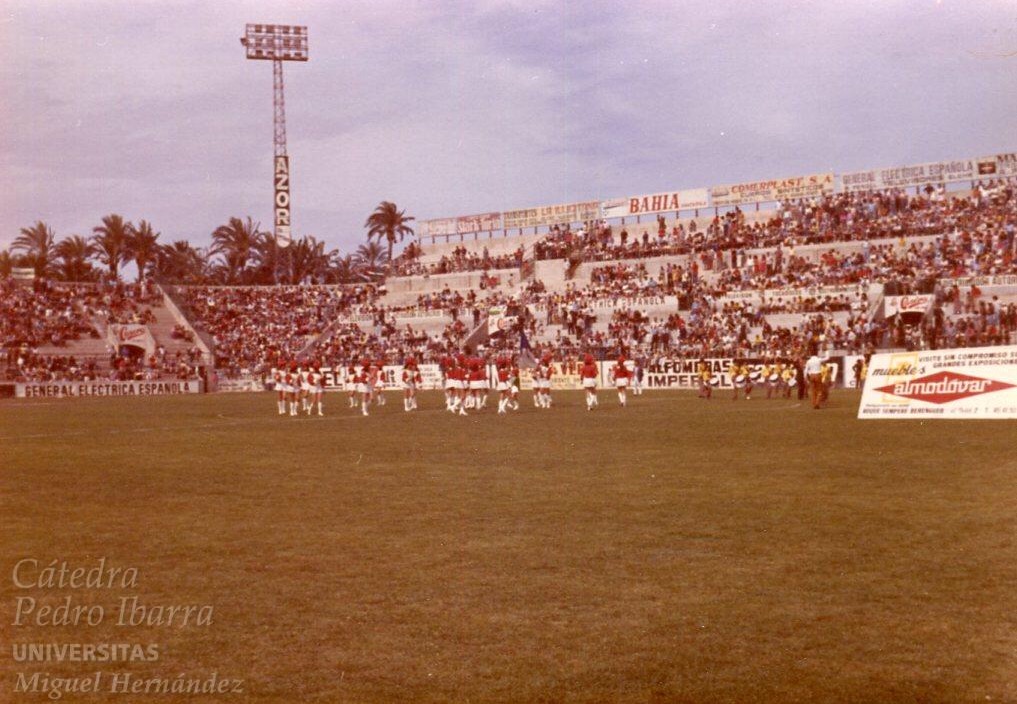
The club purchased 49% of the shares of the privately owned stadium and set about improving the ground. Terracing on the north and east sides was extended in 1960, and a year later, floodlights were added. Even then, it was the smallest and probably the most uncomfortable ground in the top division. It was also the most expensive. The shares and the renovations came at a price, so spectators had to pay their way, but Altabix was full to its 18,000 capacity for most of its matches over the next decade. Throughout the 1960s, Elche CF achieved mid-table finishes, finishing as high as fifth in the 1963-64 season. The highlight, however, came in June 1969, when they reached the final of the Copa del Rey (Copa del Generalísimo), losing 0-1 to Athletic Club at the Estadio Santiago Bernabéu.
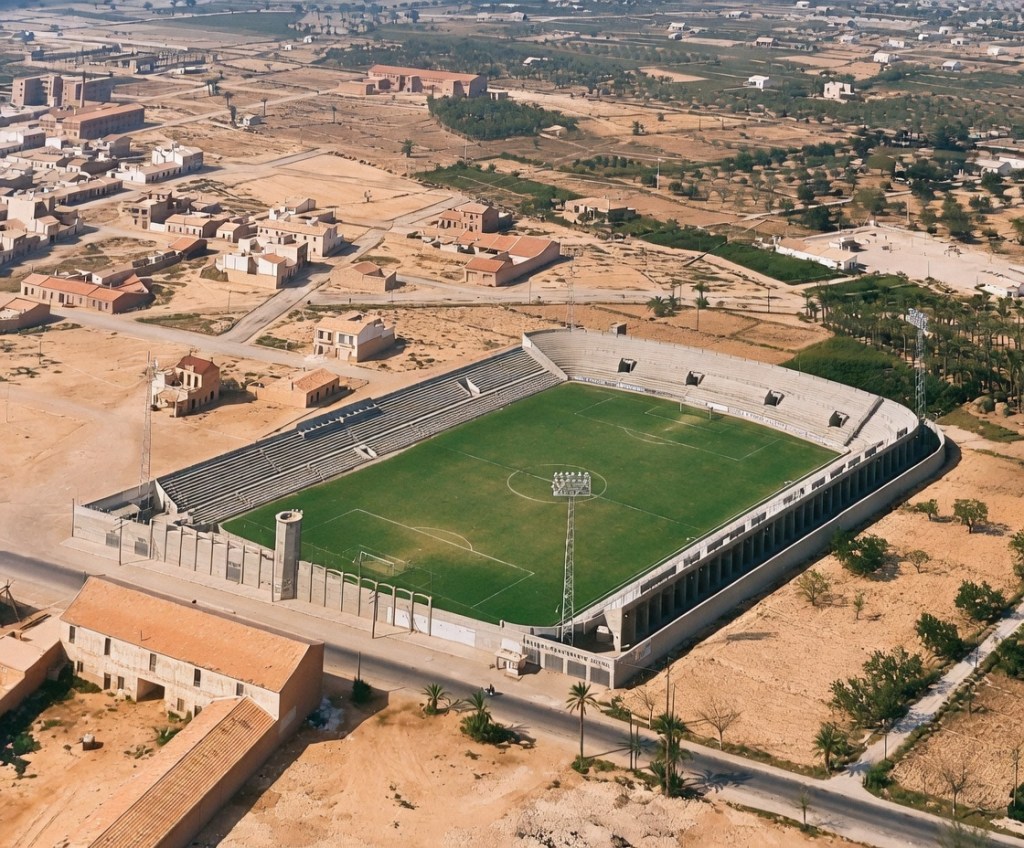
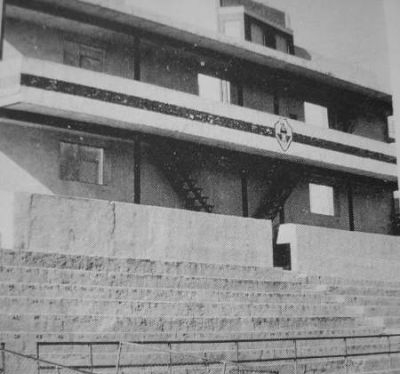
Ever the wily businessman, Manuel Martinez Valero set about purchasing the remaining 51% of Altabix’s shares. Since becoming President in 1962, Martínez Valero realised that the club could not grow any bigger whilst playing at Altabix and had grand designs on building a Ciudad Deportiva or Sports City. His plan would see the sale of the land on which Altabix stood, which would finance the building of the new stadium. First of all, Elche CF needed to buy a plot of land, settling on a patch to the east of the city. However, their problems were only just beginning. Meanwhile, there was one final addition at Altabix, when a two-tiered cover for the club’s directors and dignitaries was erected on the west side of the ground.
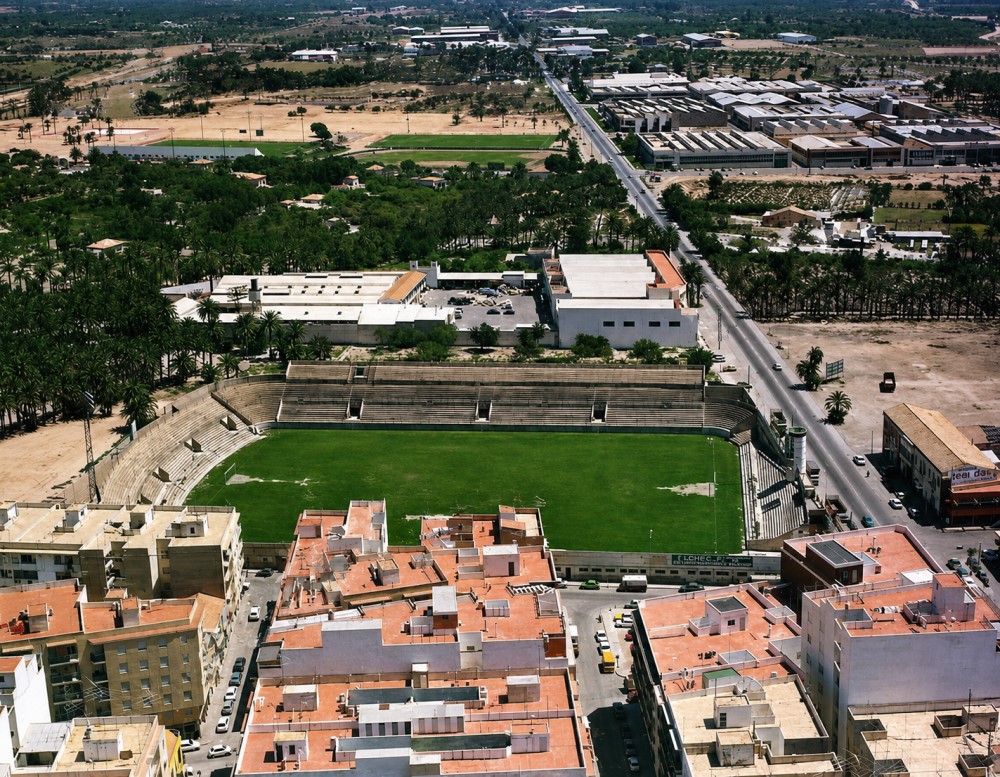
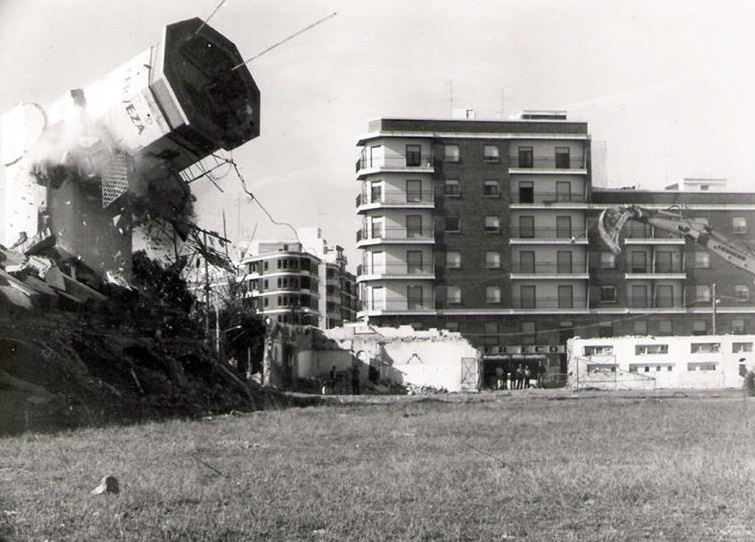
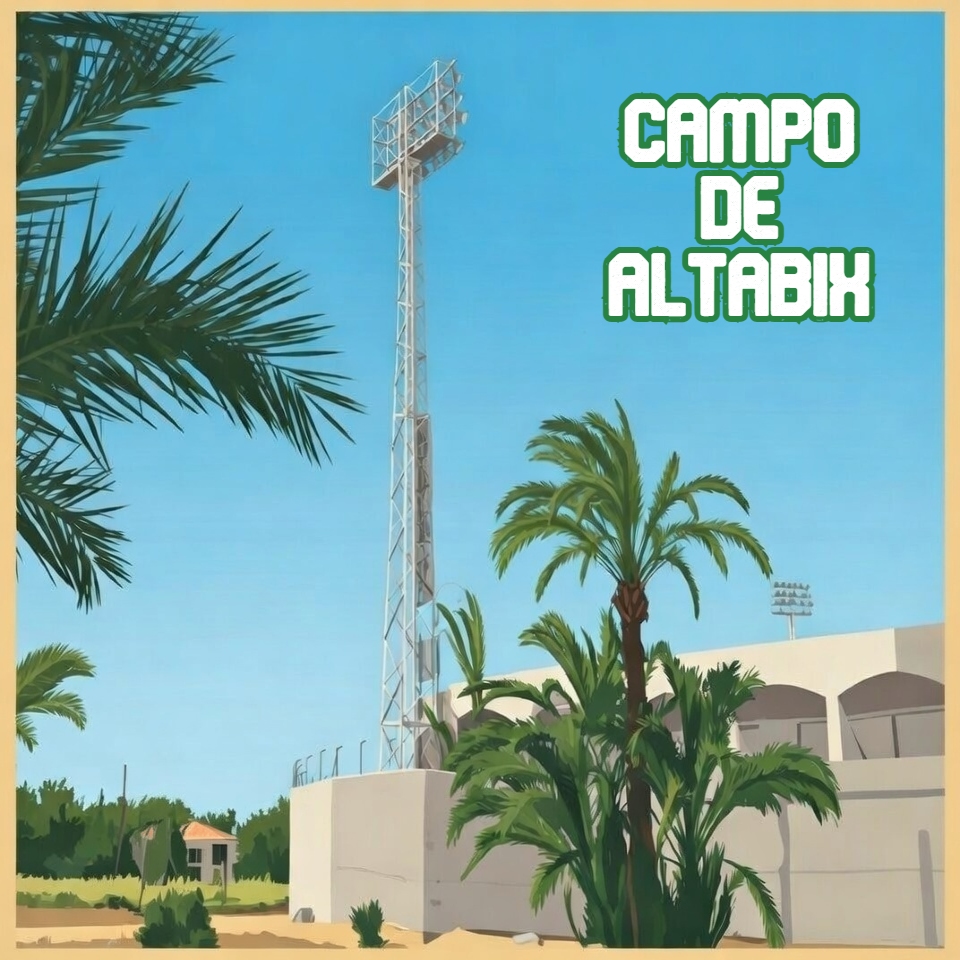
You can read about the trials and tribulations of the new stadium build here, but needless to say, time was up at Altabix, and Elche CF played their last league match at the stadium on 16 May 1976, when Athletic Club was defeated 3-1. The win secured the club’s top-flight status, and midfielder Felix had the honour of scoring the last competitive goal at the old stadium. Altabix staged its last game on 18 August 1978, when Portuguese club Os Belenenses were the visitors in a pre-season friendly. Altabix hung around for a few more years before demolition work finally started on 14 September 1981. The municipality was not particularly helpful with the club’s plans to finance the building of the new stadium, as they only allowed half of the Altabix site to be developed. Even today, the remaining half of the site remains undeveloped parkland, but it does, however, bear the name of the old stadium.