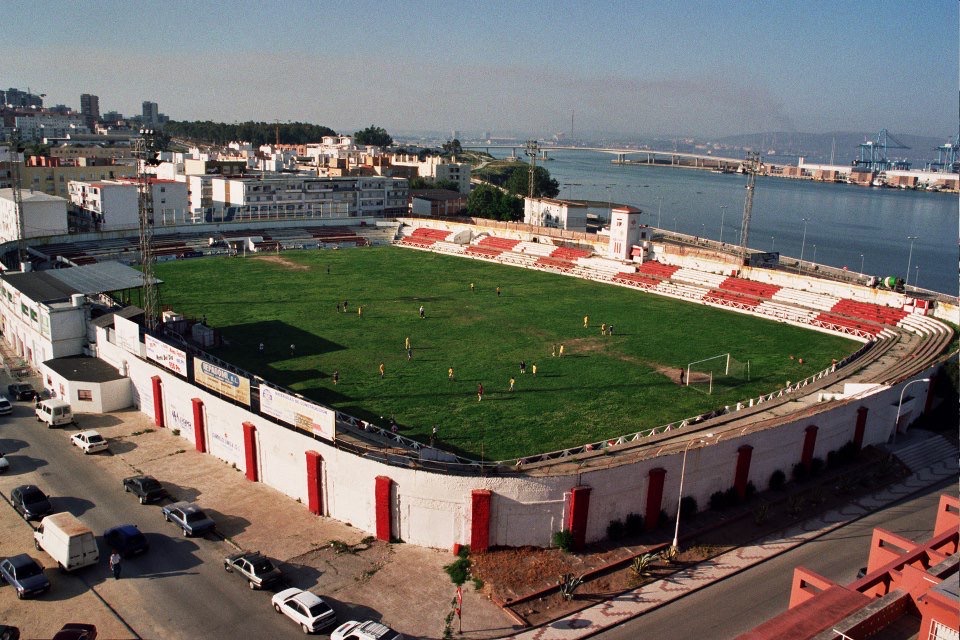
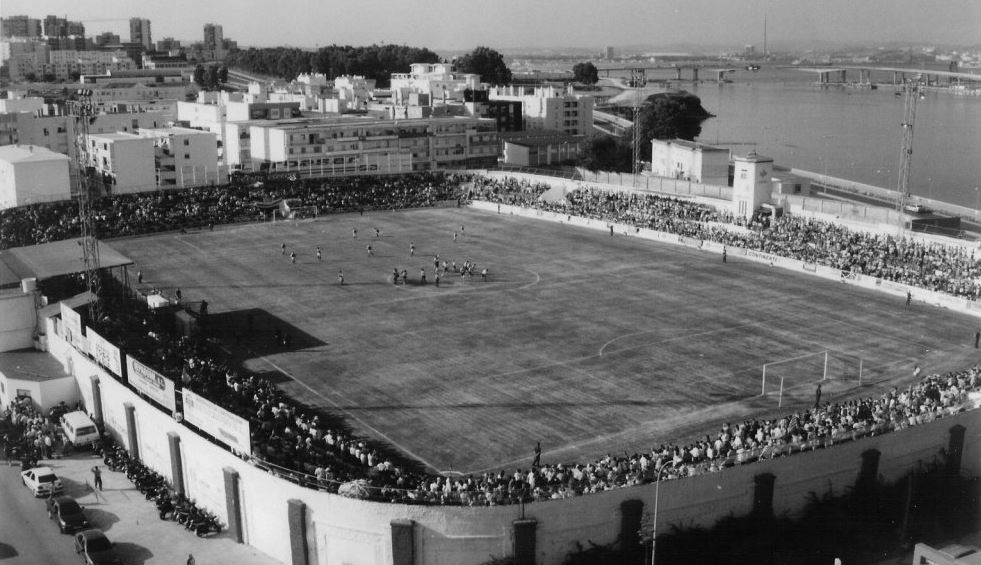
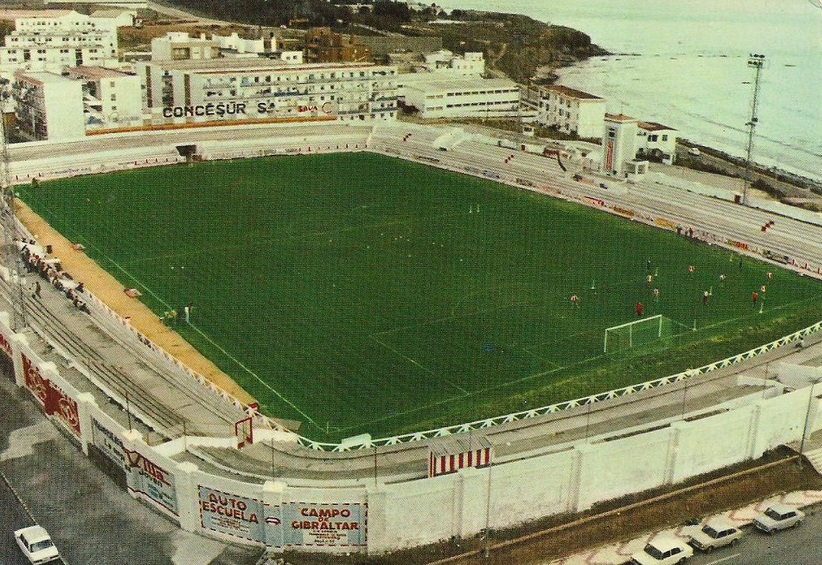
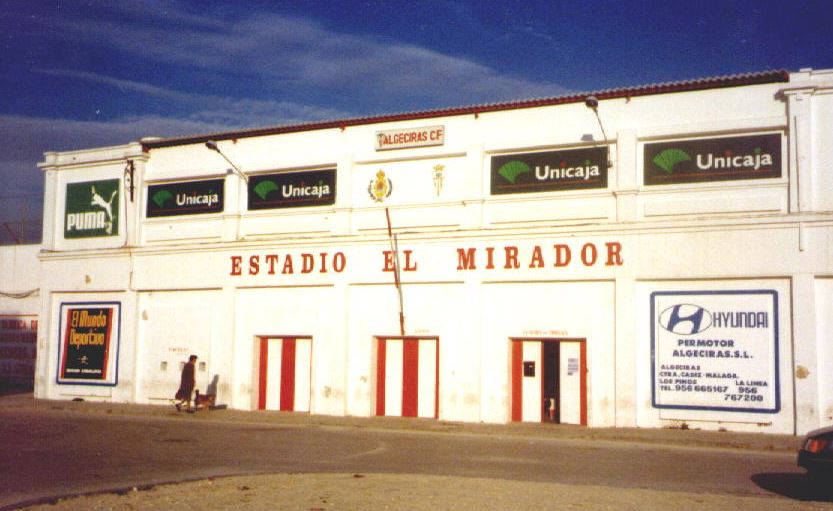
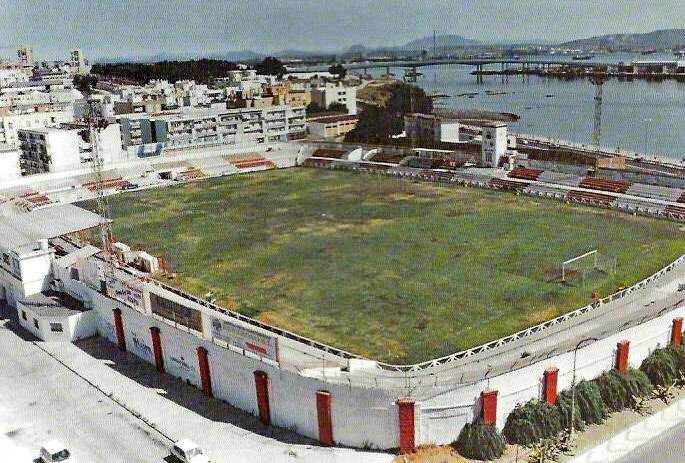
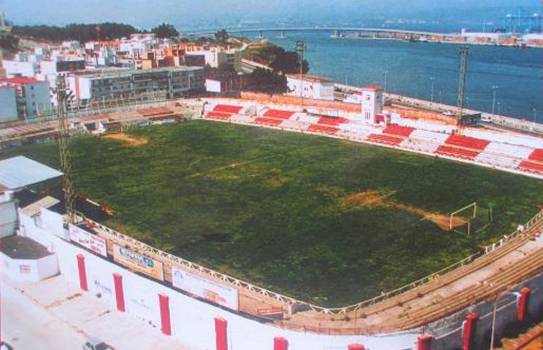
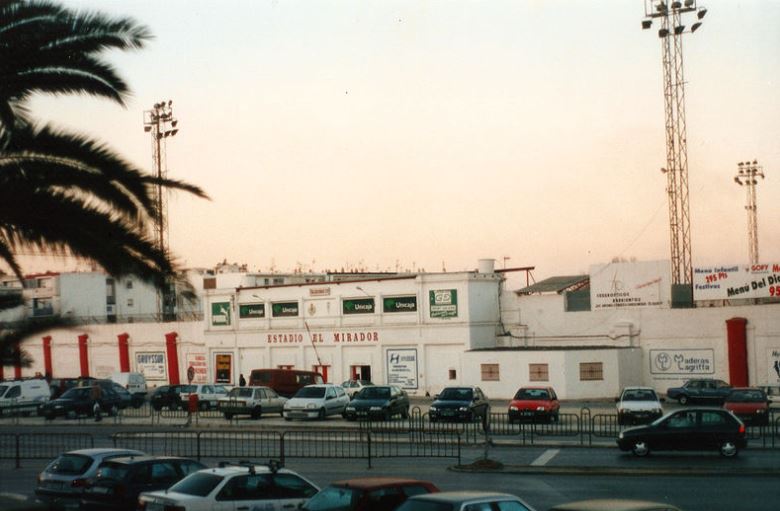
One of my favourite authors is Laurie Lee, and his memoir As I Walked Out One Midsummer Morning is an absolute joy. It details his travels in pre-Civil War Spain, and when Lee visited Algeciras in 1935, he immediately fell in love with the town. Not because of its beauty, he described it as “a scruffy little town built around an open drain and smelling of fruit skins and rotten fish”. No, Lee loved its character, with all its bars, brothels and its chief activity of smuggling. Yet, despite its less salubrious attractions, he found it a friendly place with a complete absence of malice, something not usually associated with a port. Algeciras is a still a busy port, but whether Lee would recognise this modern, sanitised version is debatable. However, I’m sure he would have approved of the old Estadio El Mirador and its dockside location.
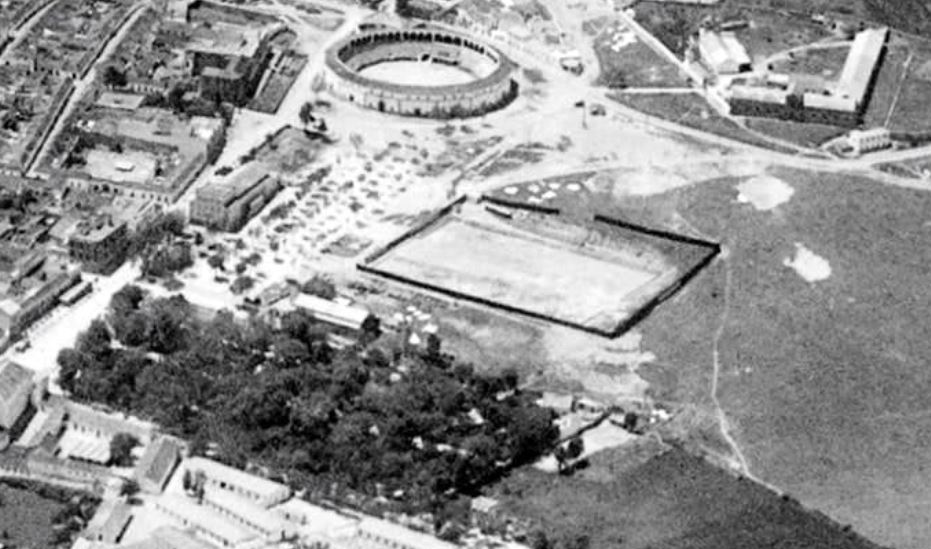
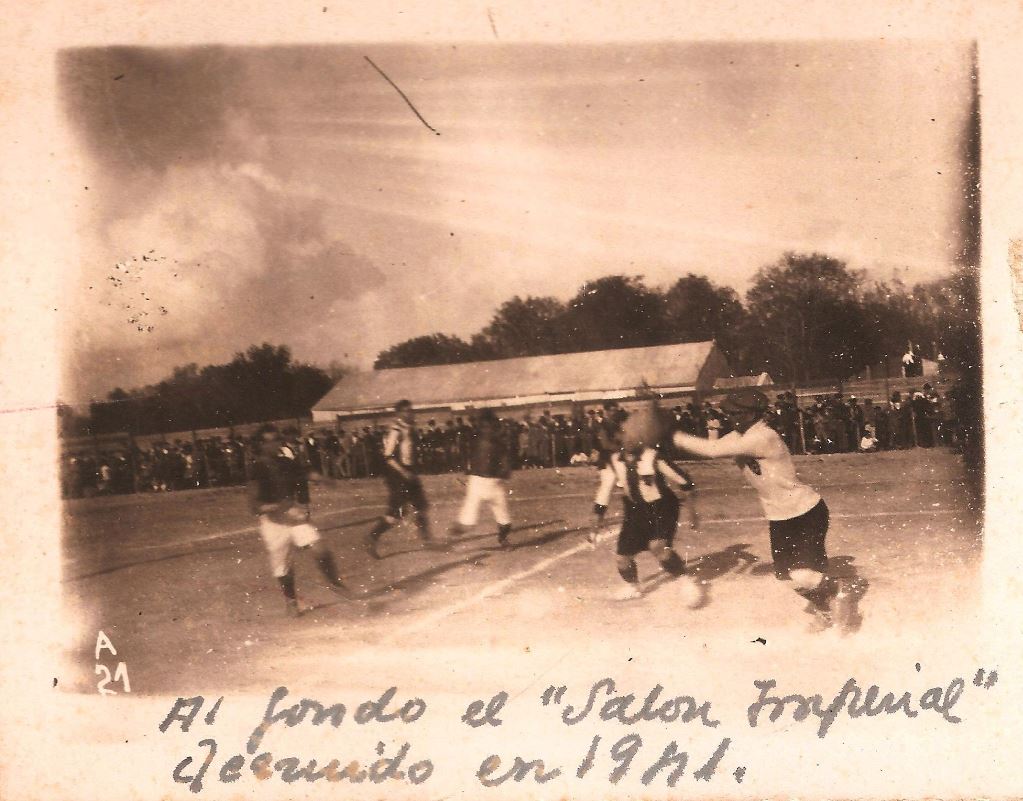
Like many southern ports, Algeciras saw an outbreak of football-mania at the turn of the twentieth century. However, unlike others, the city had the added influence of the British territory of Gibraltar and regular matches were held with teams from the rock in those early years. Algeciras Club de Fútbol first saw the light of day in 1912 and settled in at their first permanent ground, El Polviron, in January 1916. With many of the town’s menfolk engaged in the Second Spanish-Moroccan war, the club struggled to find players and almost folded in the early 1920s. The club was restructured and moved to a new enclosed arena, El Calvario, in 1923. This was situated to the north of the city, close to the Plaza de Toros. The move promoted improved form, and in 1925, it first competed in the Andalucian Regional Championship. Algeciras was invited to compete in the regionalised Tercera 1929, but after a promising start, was forced to withdraw in 1931 after El Calvario was burned to the ground following the Republican uprising. The club returned to action at El Calvario a few months later and played in the regional leagues until the outbreak of the Civil War.
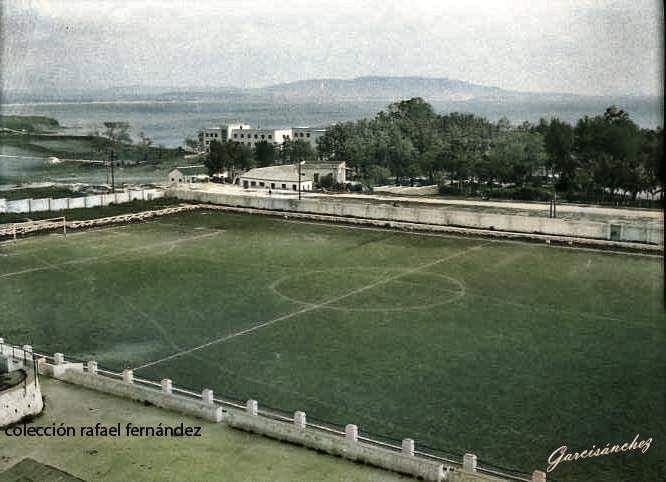
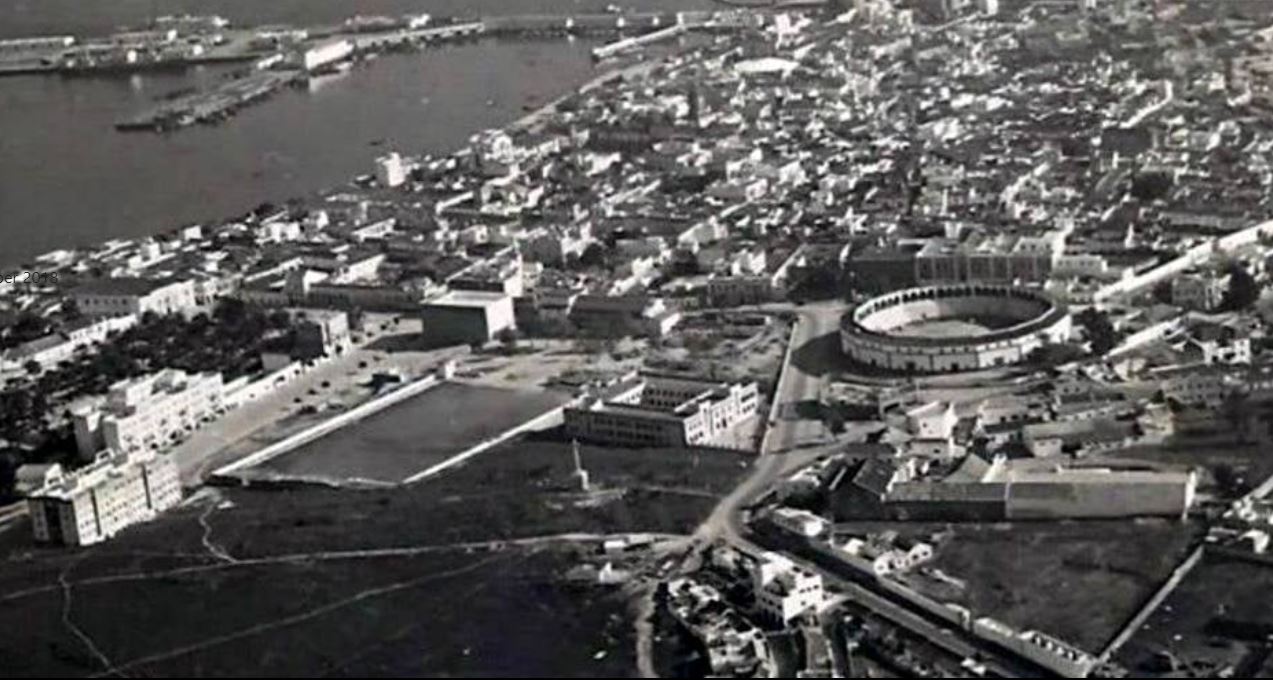
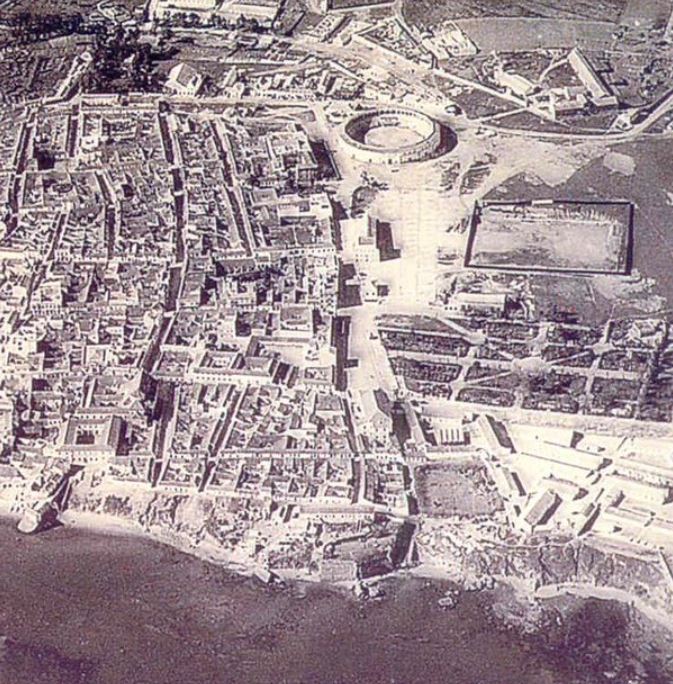
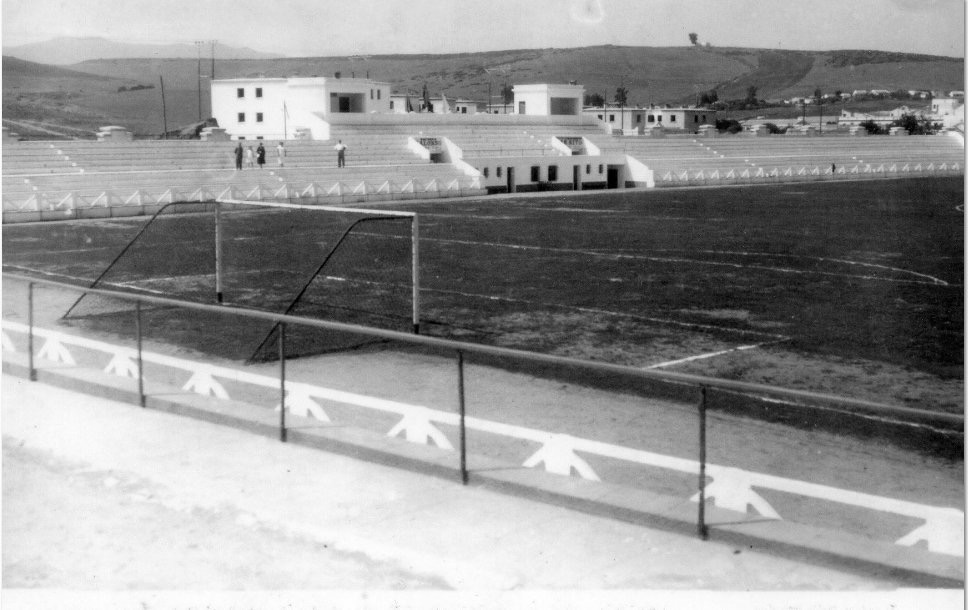
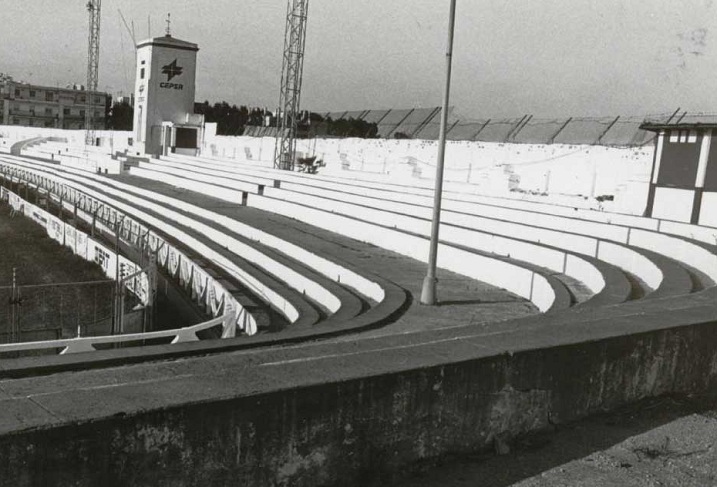
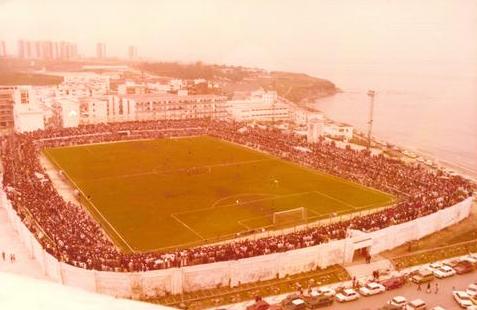
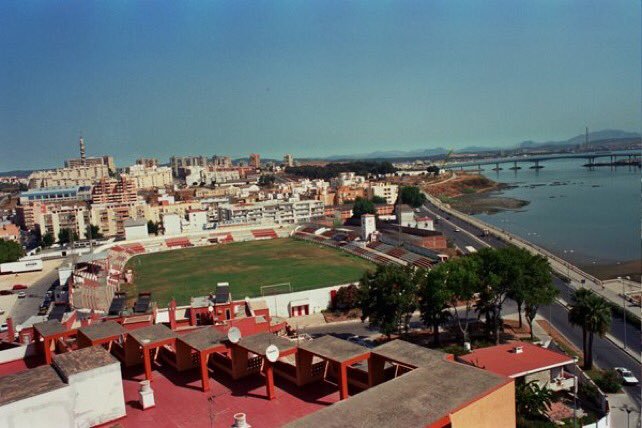
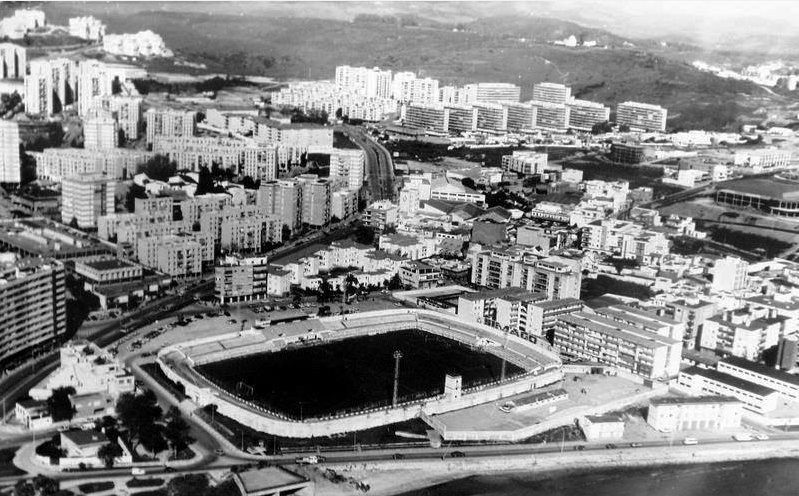
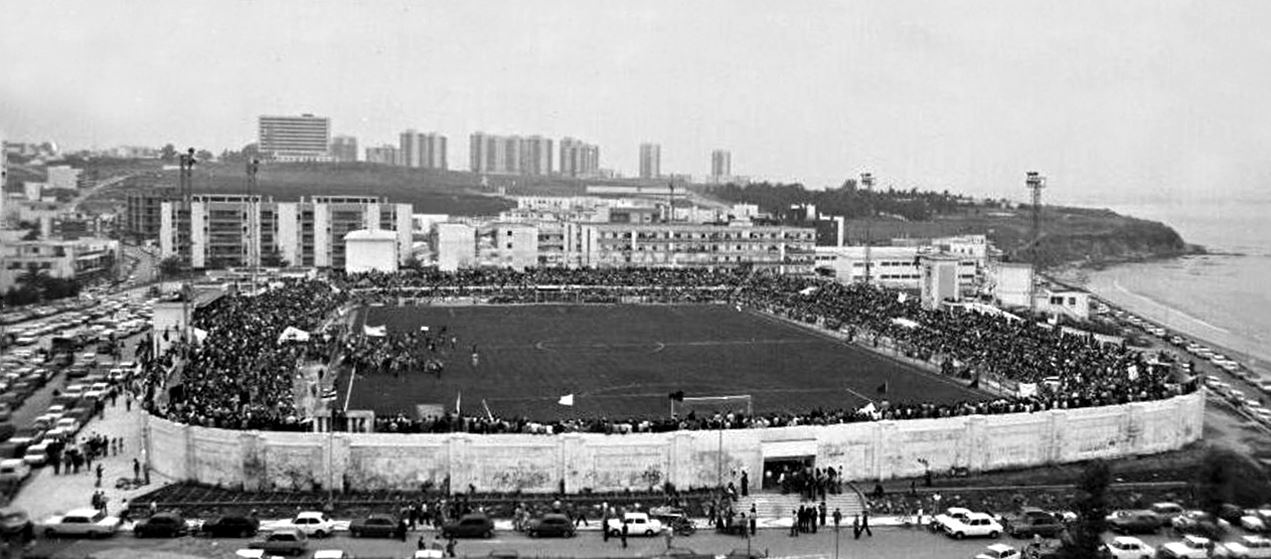
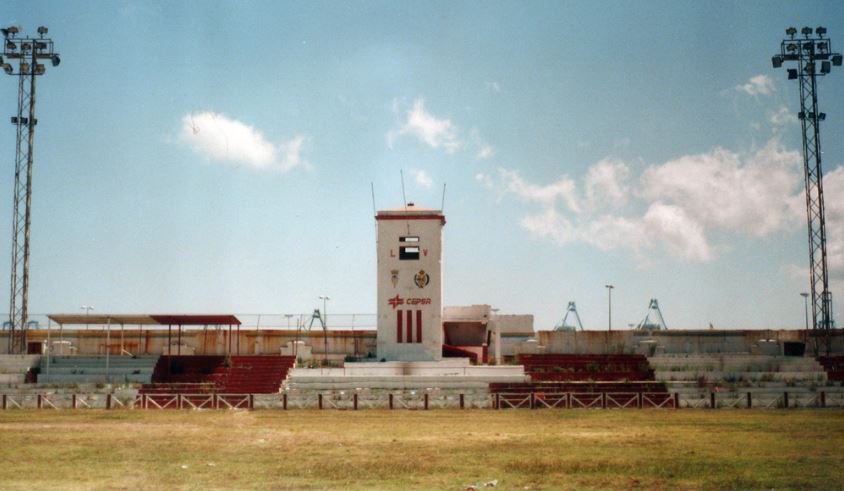
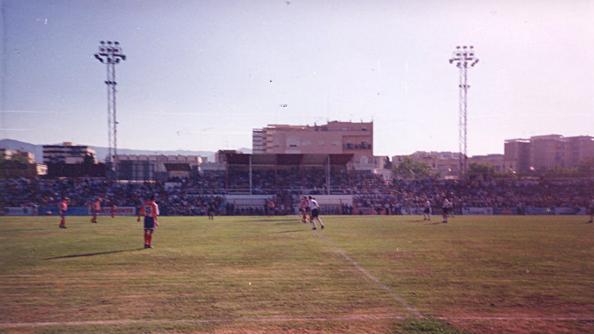
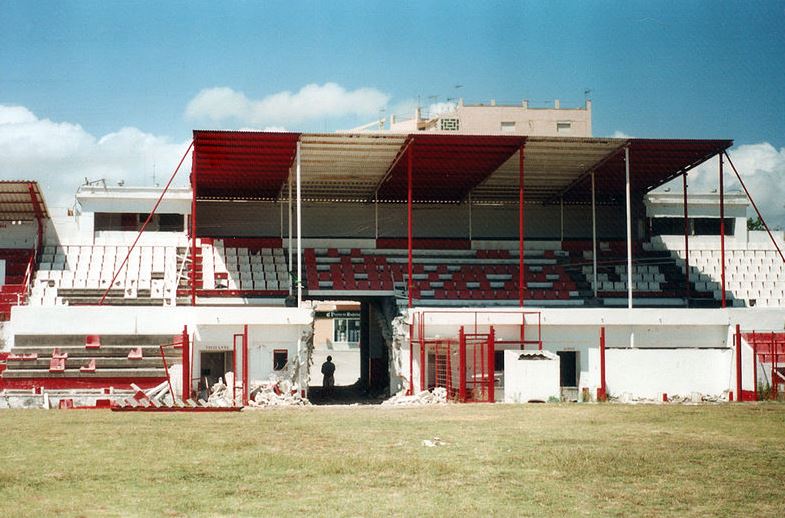
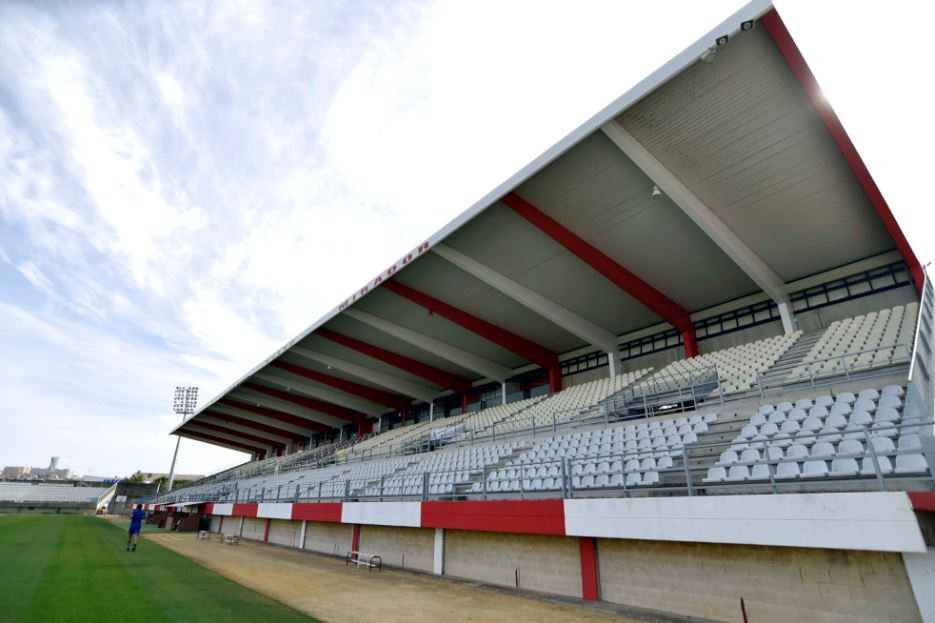
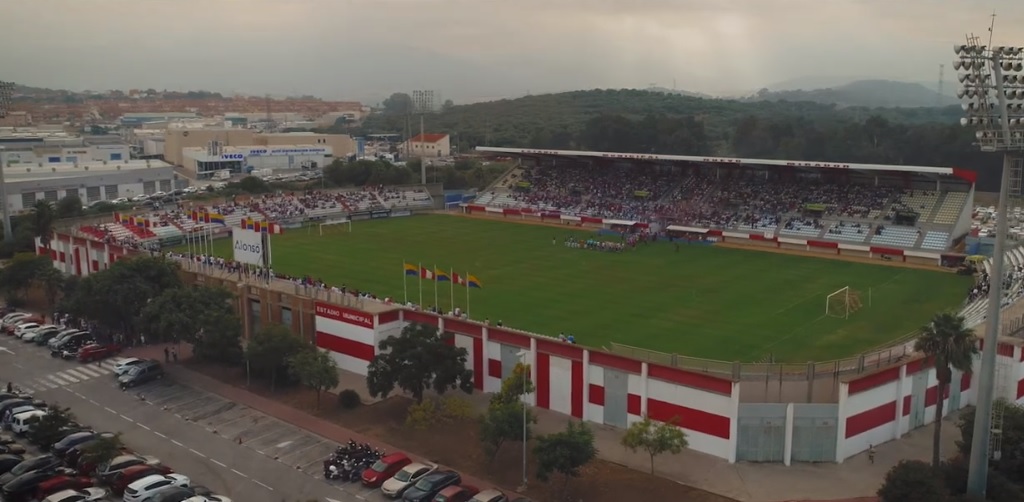
The club remained active during the conflict until 1938, often playing friendly matches against teams from Gibraltar, but eventually went into hibernation, emerging again in 1940. Promotion to the Tercera was achieved in 1943 and here it remained until 1956. Two years earlier, the club moved to a new stadium, the aforementioned Estadio El Mirador. This cramped, open arena had a capacity of 11,000 and was full for its inauguration when an Andalucian Select XI played Athletic Club on 16 July 1954. The club used its new surroundings as a springboard and won its regional Tercera league in 1956. Facing CD Castellón in the playoffs, Algeciras took the Valencians to a third match before succumbing 1-2. However, this was not the end of their promotion dream as politics would once again intervene in the story of Algeciras CF. Morocco had just gained independence from Spain, which, among other things, had implications for Unión Deportiva España de Tanger, a team based in the Spanish Protectorate of Northern Morocco that had played in La Segunda since 1953. After independence, UD España was expected to merge with UD Melilla, but negotiations broke down and plans turned to the team across the straits of Gibraltar. The majority of UD España’s Spanish-born players joined Algeciras, and the club was renamed UD España de Algeciras, taking its place in La Segunda. It was not a marriage made in heaven, and after a season-long struggle, the club was relegated to the Tercera and returned to playing as Algeciras Club de Fútbol.
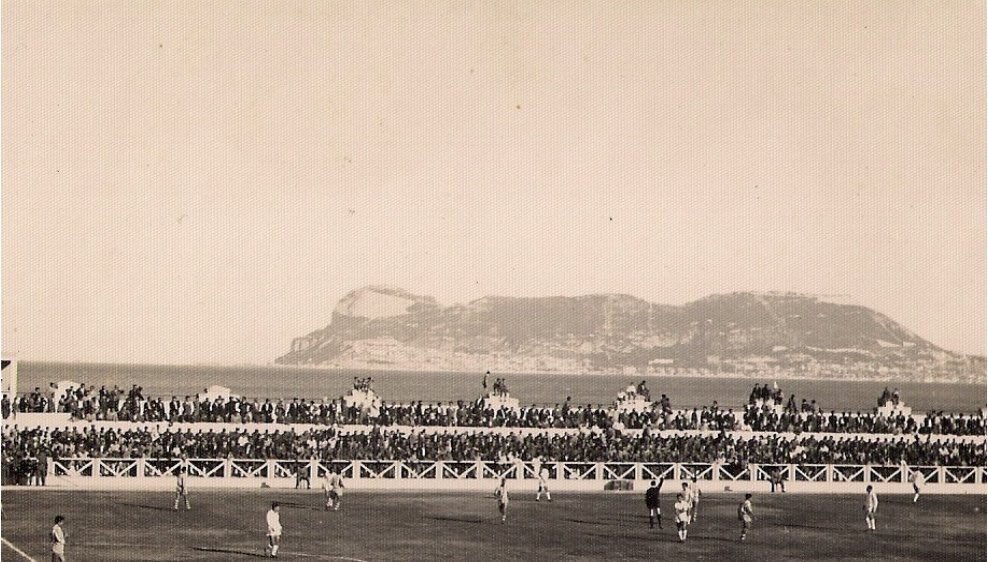
Six seasons in the Tercera followed before Algeciras won promotion back to La Segunda in 1963. Once again, the play-off final went to a third match before they beat Atlético Baleares by two goals to one at Levante’s Campo de Vallejo. With the majority of the team made up of homegrown players, Algeciras held its own for a few seasons, even finishing third in the 1965-66 season. A year later, however, the club was relegated to the Tercera, and worse was to follow when it dropped to the Regional Preferente in 1970. Promotion to the Tercera was won in 1974, and it stayed there until the introduction of Segunda B in 1977. Algeciras took advantage of the new set-up and won promotion to La Segunda with a 2-0 victory over Girona in the final match of the season. This time around, the second tier was to prove much more difficult and after escaping relegation by the skin of their teeth in 78-79, the inevitable followed a year later when the club finished bottom of the league, 10 points from safety. Algeciras made a brief return to the second level for the 1983-84 season, but relegation and economic woe followed and after finishing in penultimate position in Segunda B in 1985-86, the federation demoted the club to the regional leagues for failing to pay its staff.
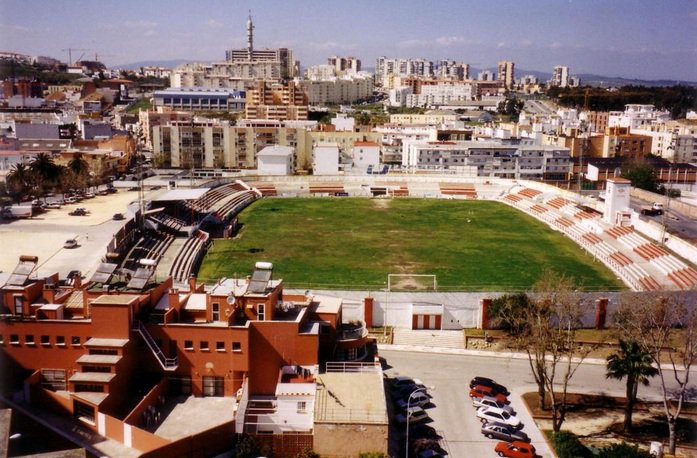
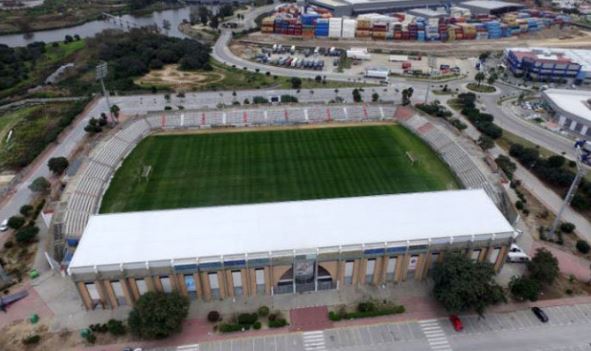
The 1990s were not particularly kind to Algeciras, with the club becalmed in the Tercera for the majority of the decade. Whilst things may have stagnated on the pitch, moves were afoot off it. The club sold its prime waterfront location to the local municipality, who in return built a new stadium on an industrial estate to the northwest of the town. The old Estadio El Mirador did get one last season in the spotlight after Algeciras won promotion to Segunda B in 1998. Unfortunately, 1998-99 was a season of struggle, and a sixteenth-place finish saw the club enter the relegation playoffs. There was to be no fairy tale finish for the old stadium, however, as on 20 June 1999, Algeciras beat Caudal Deportivo 1-0, but lost 2-1 on aggregate and was relegated to the Tercera. The Estadio Nuevo Mirador was actually inaugurated 11 days before the old stadium’s last match with a friendly against Real Betis. Pre-season training was conducted at the old stadium before it was demolished and replaced with a Corte Inglés department store and shopping mall.
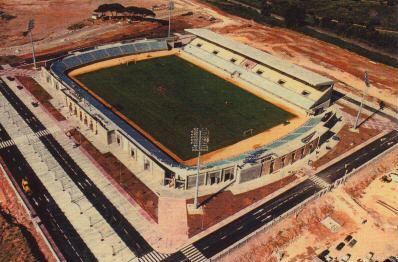
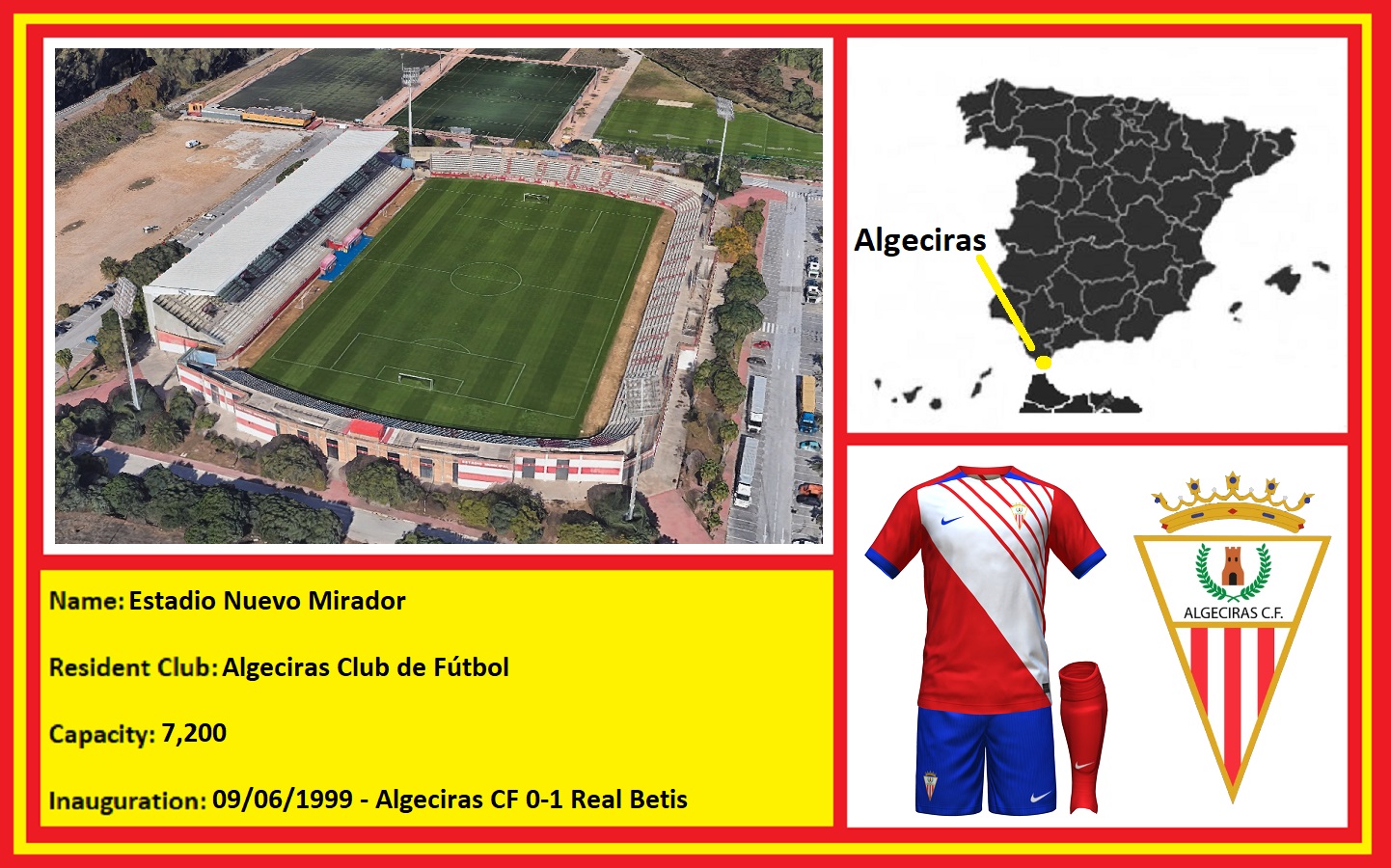
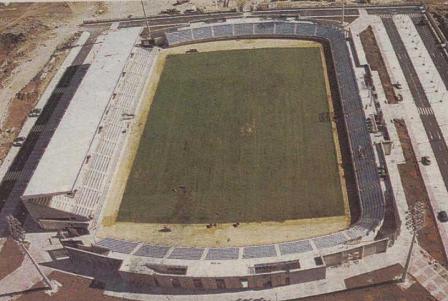
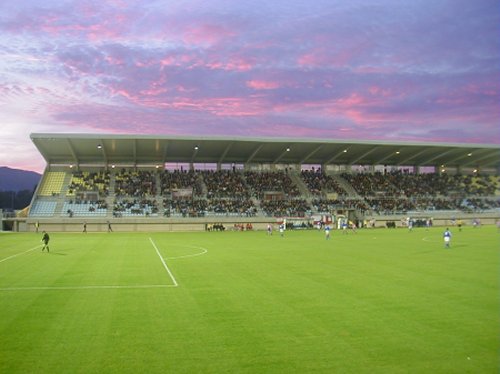
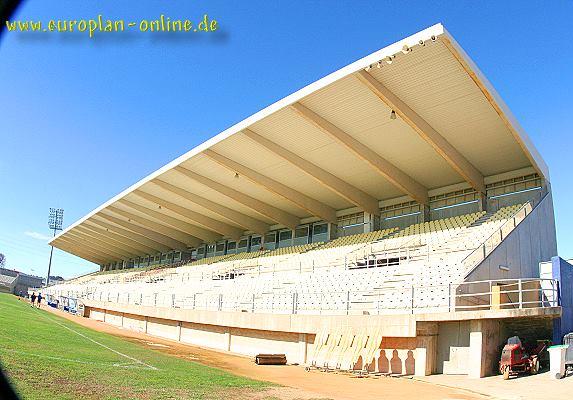
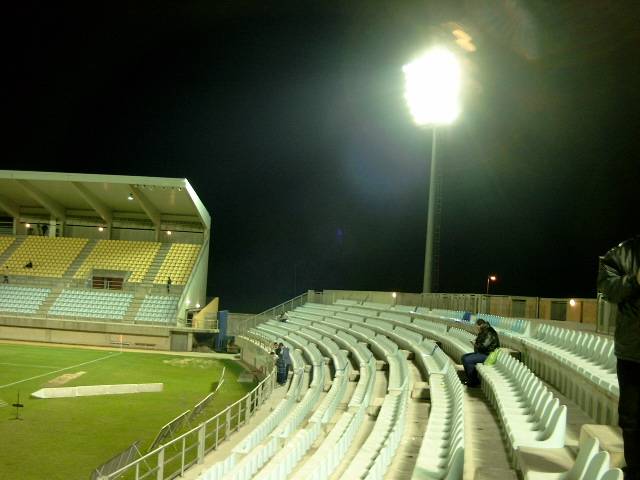
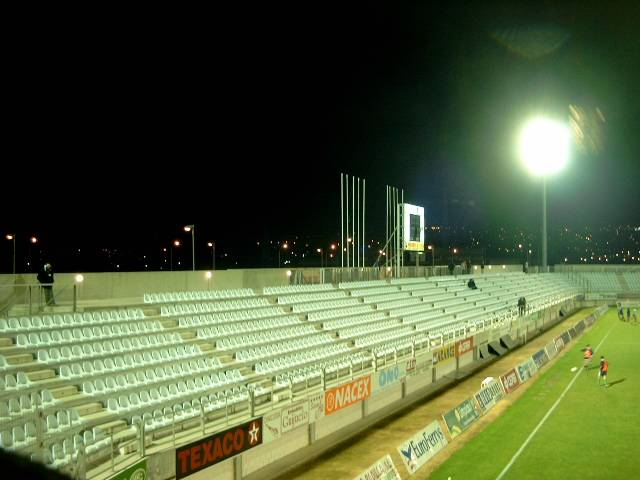
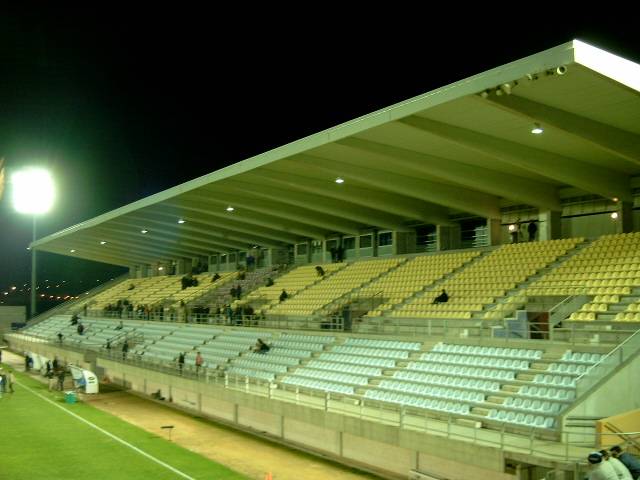
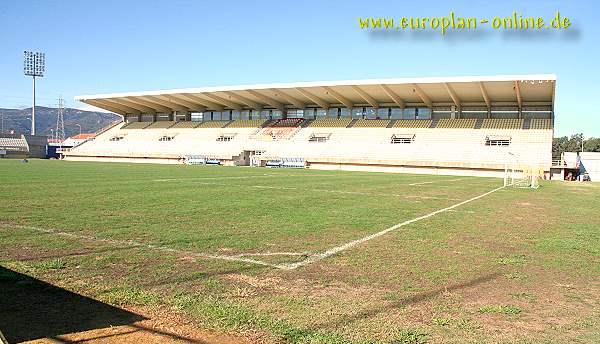
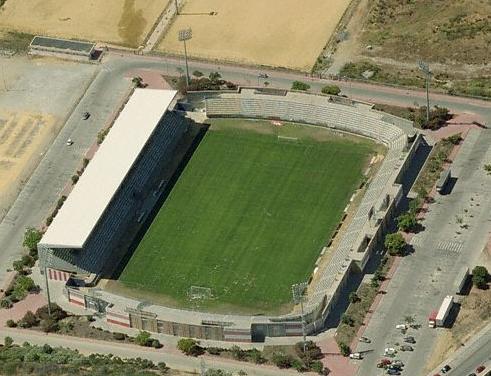
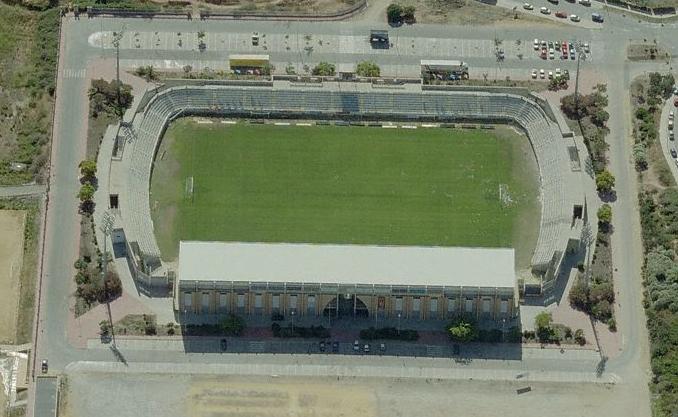
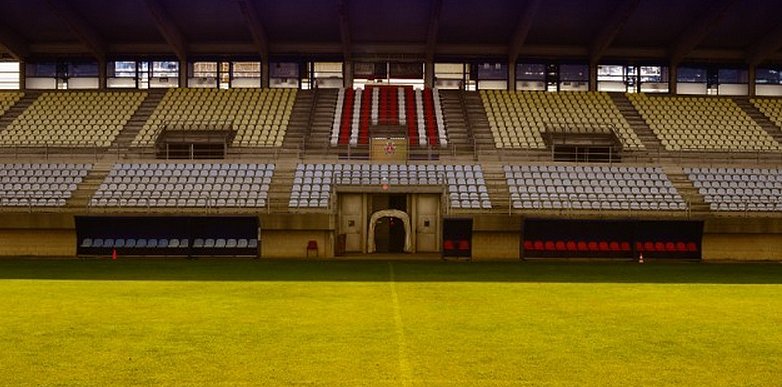
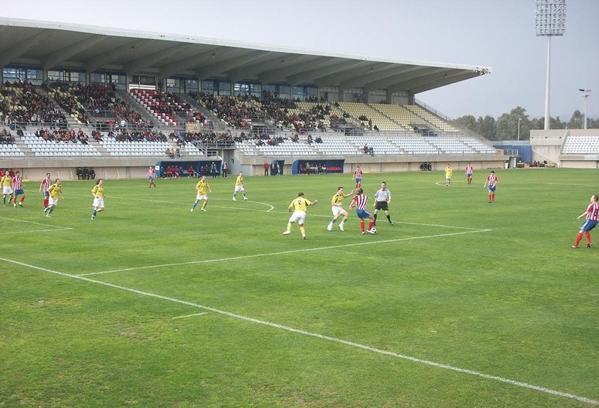
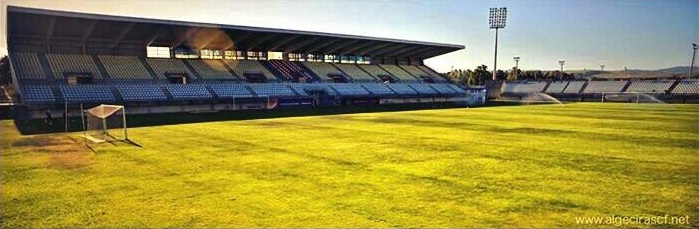
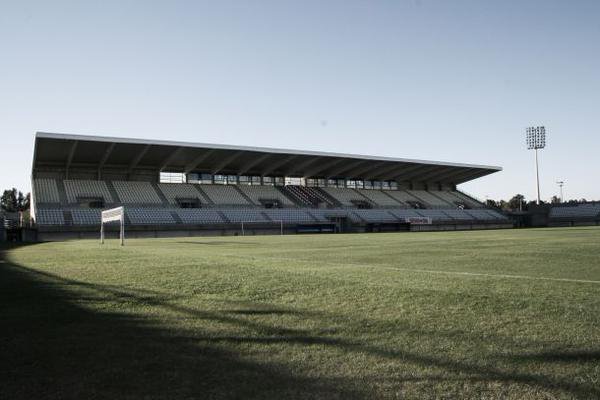
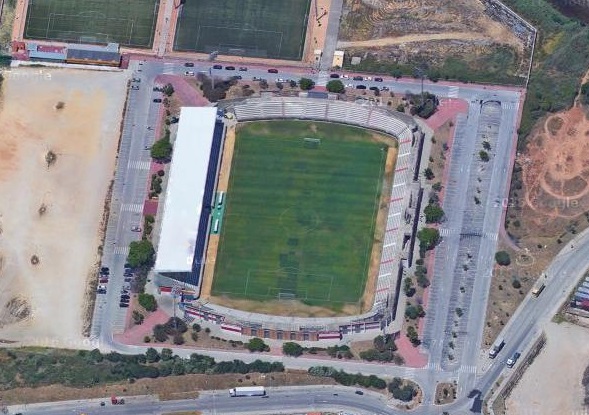
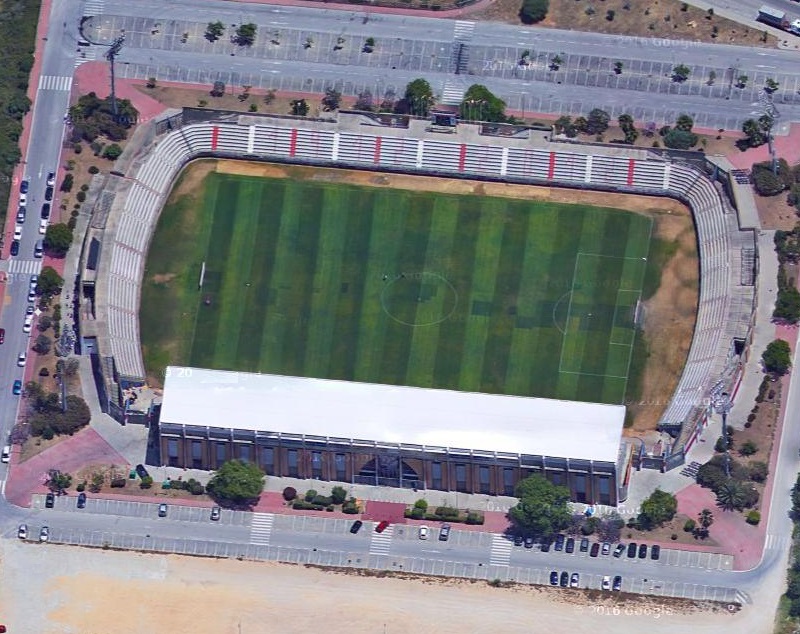
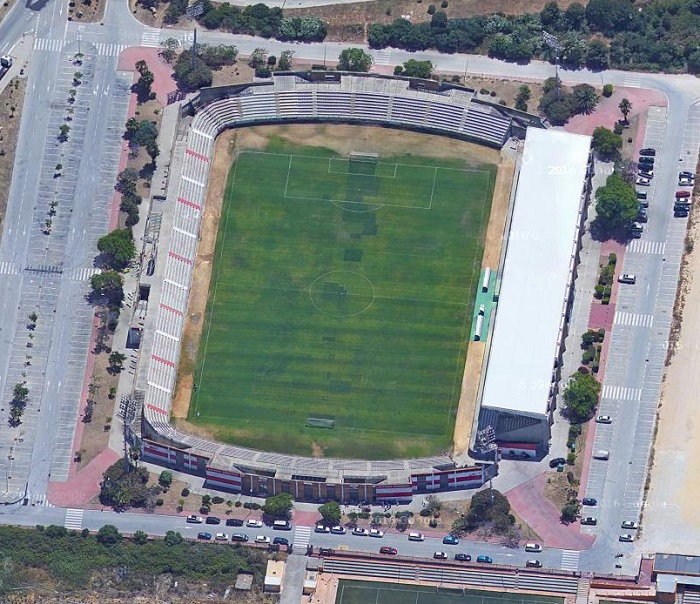
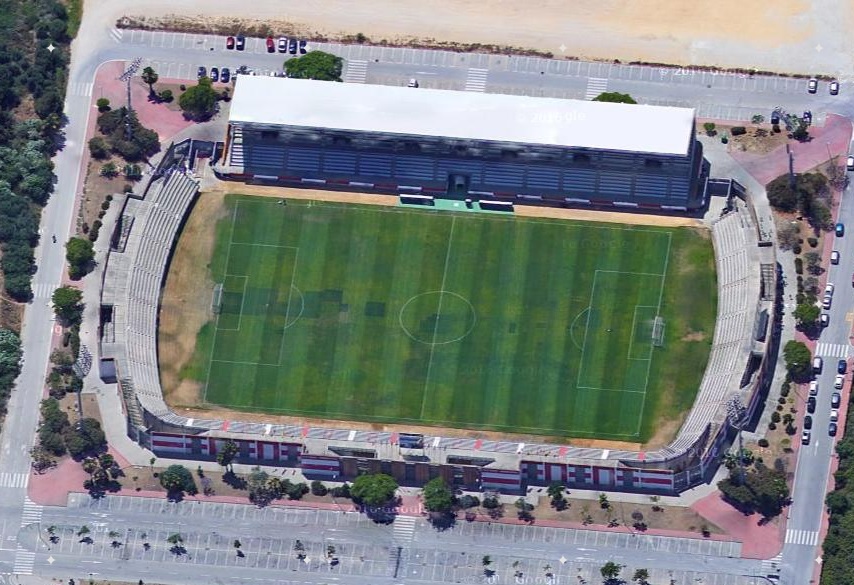
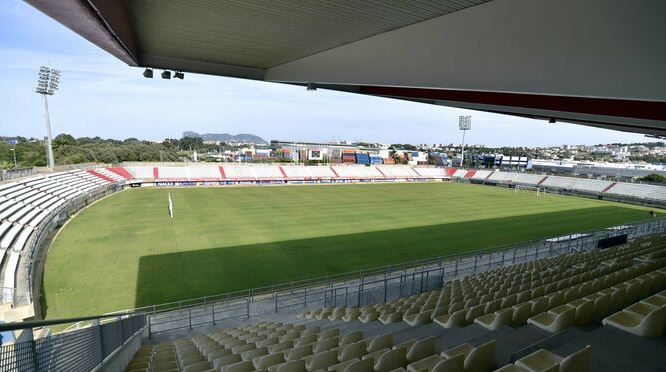
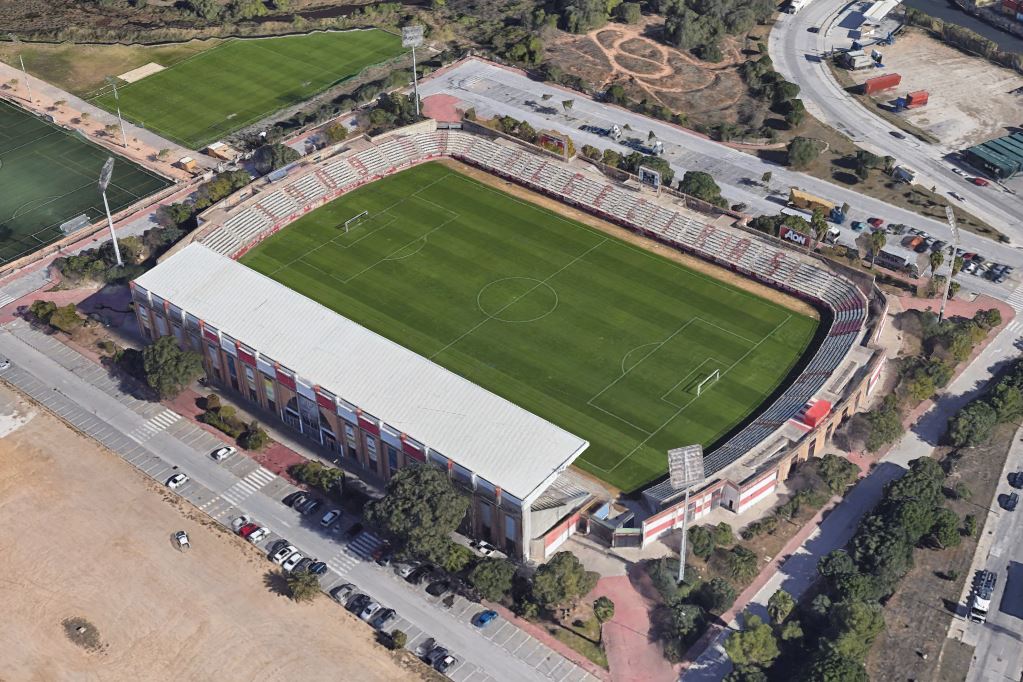
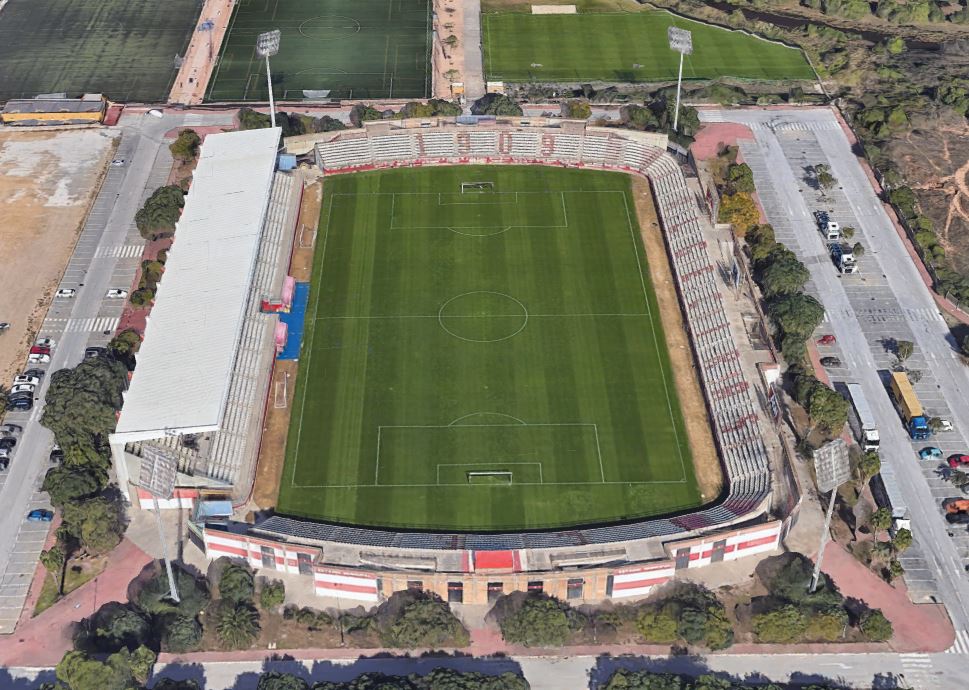
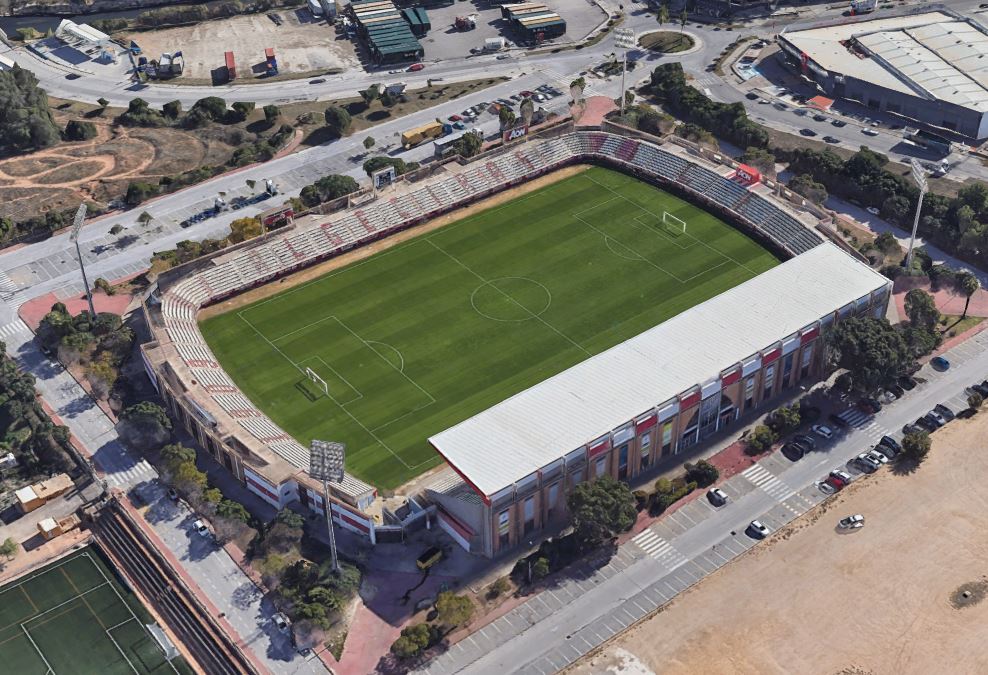
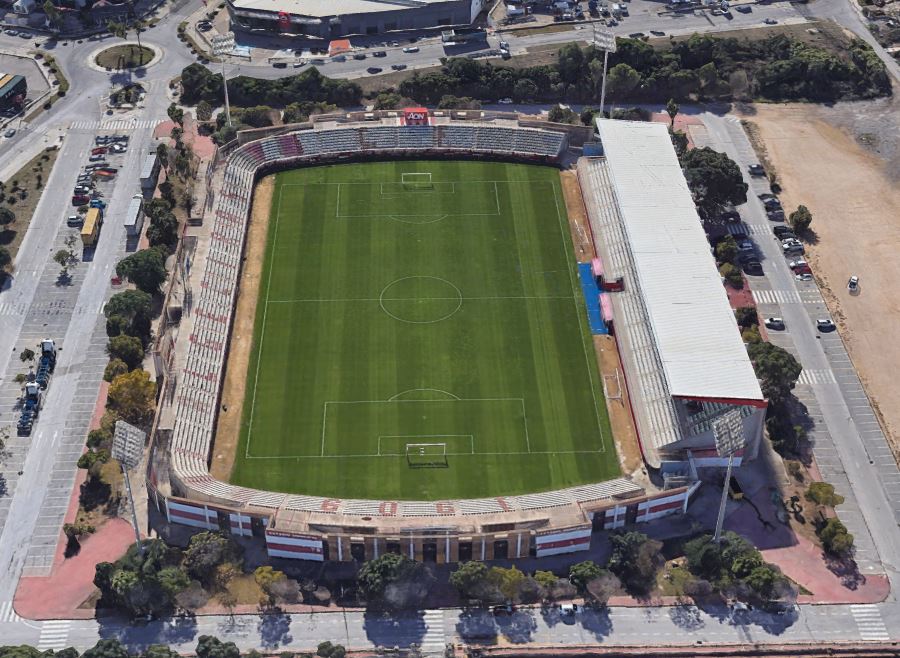
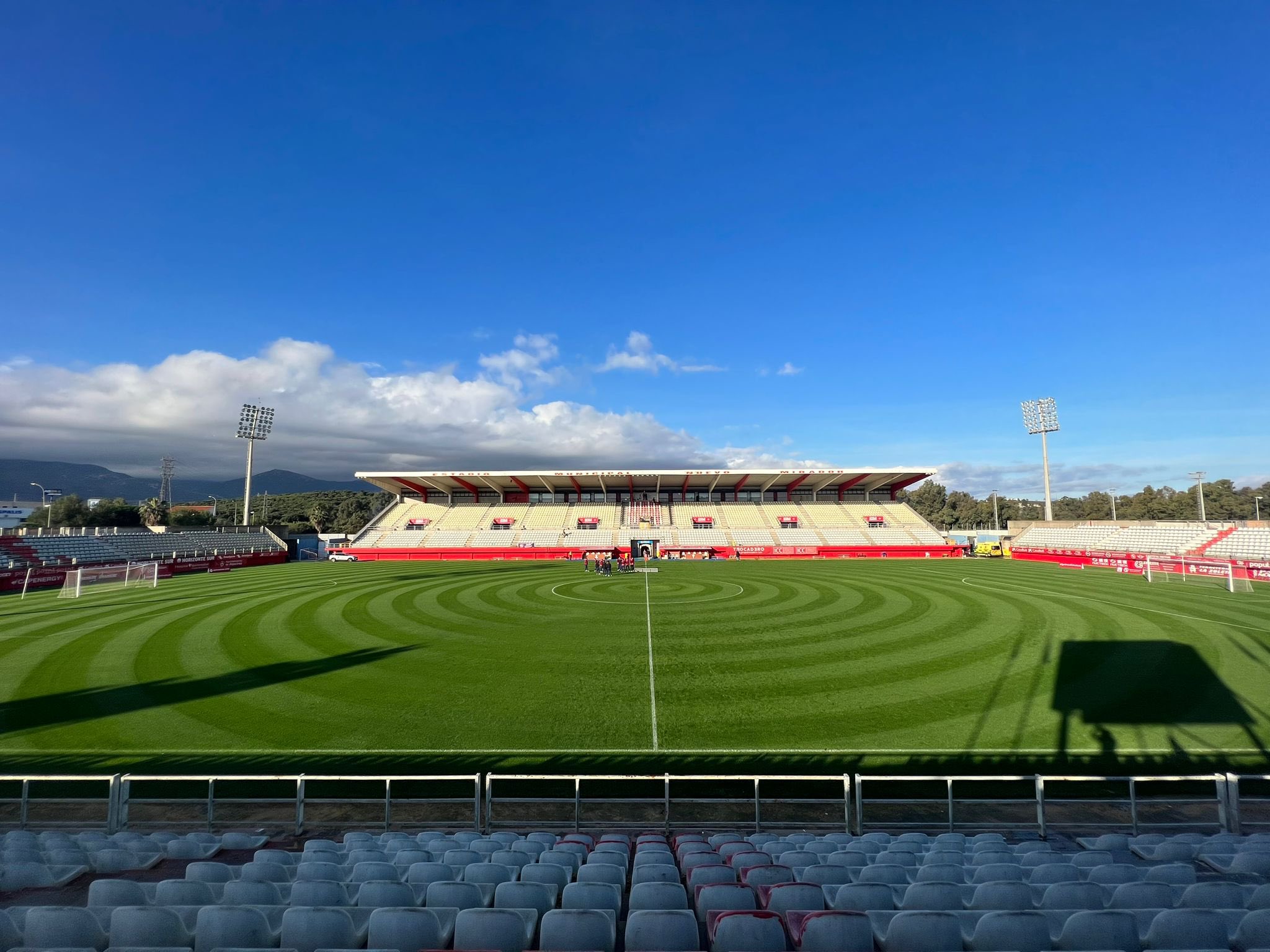
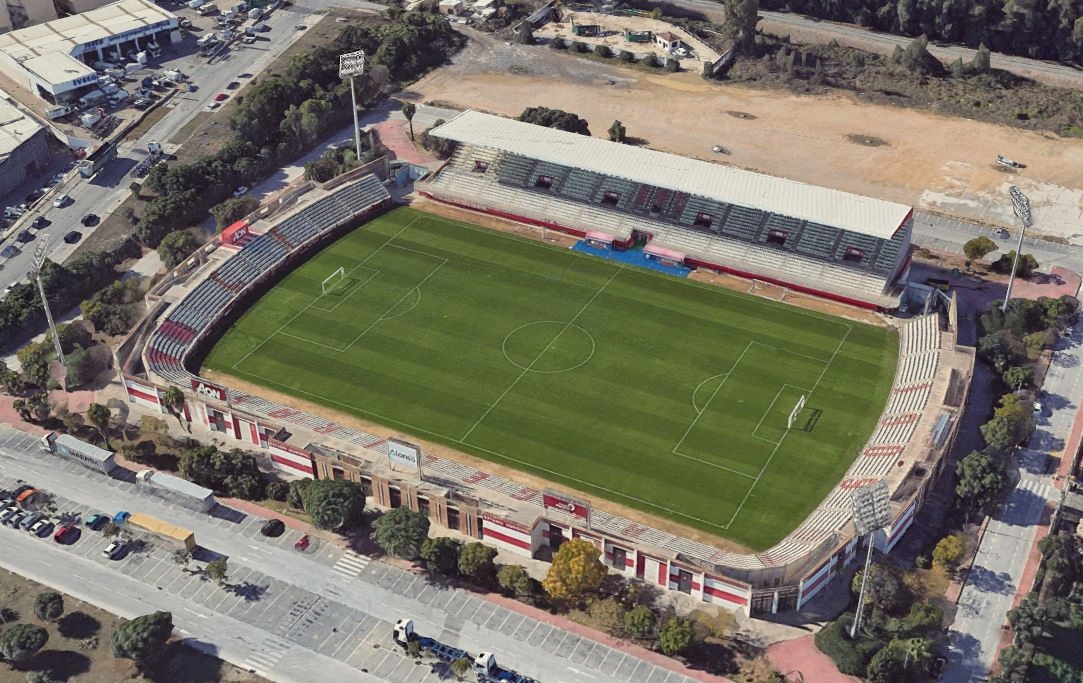
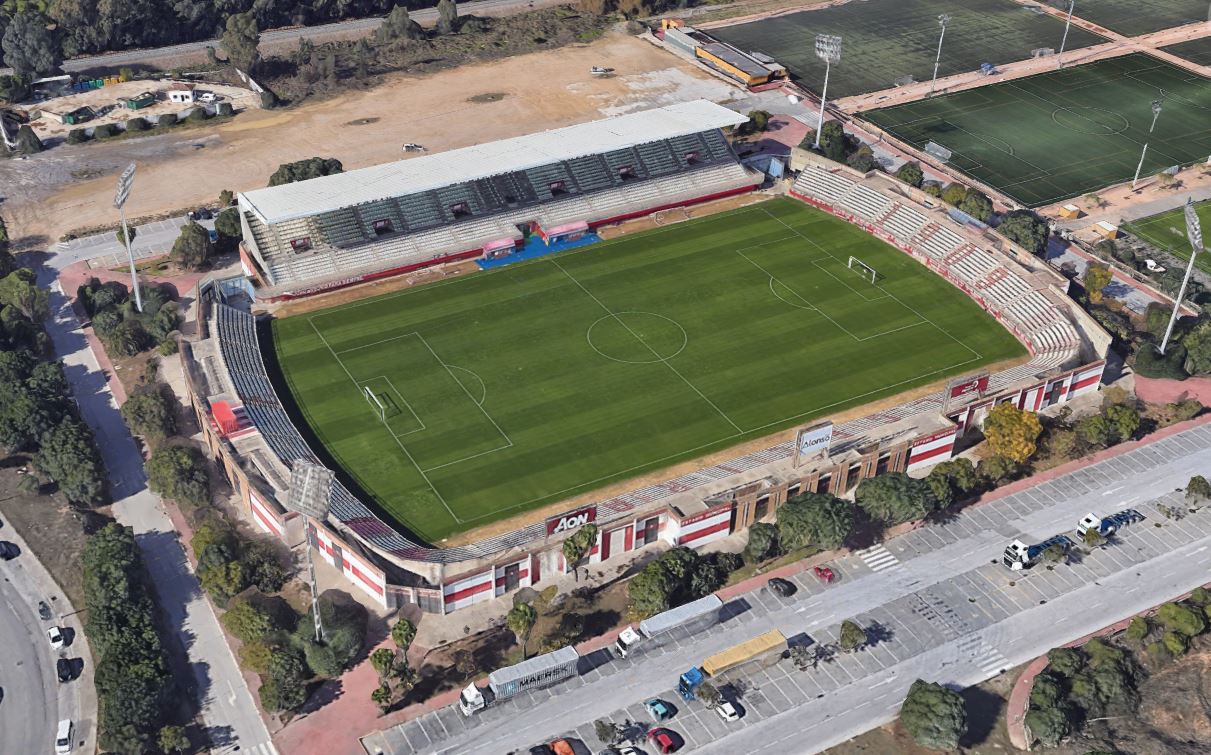
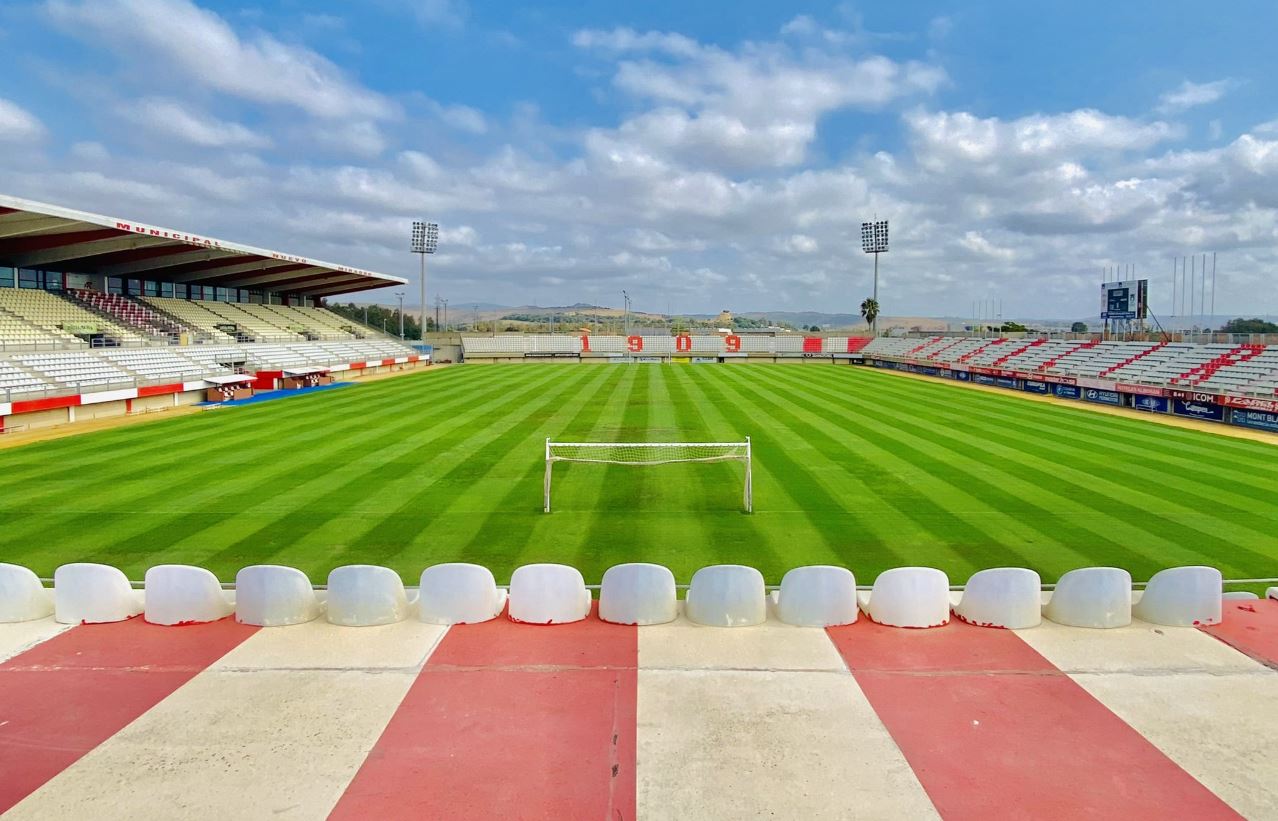
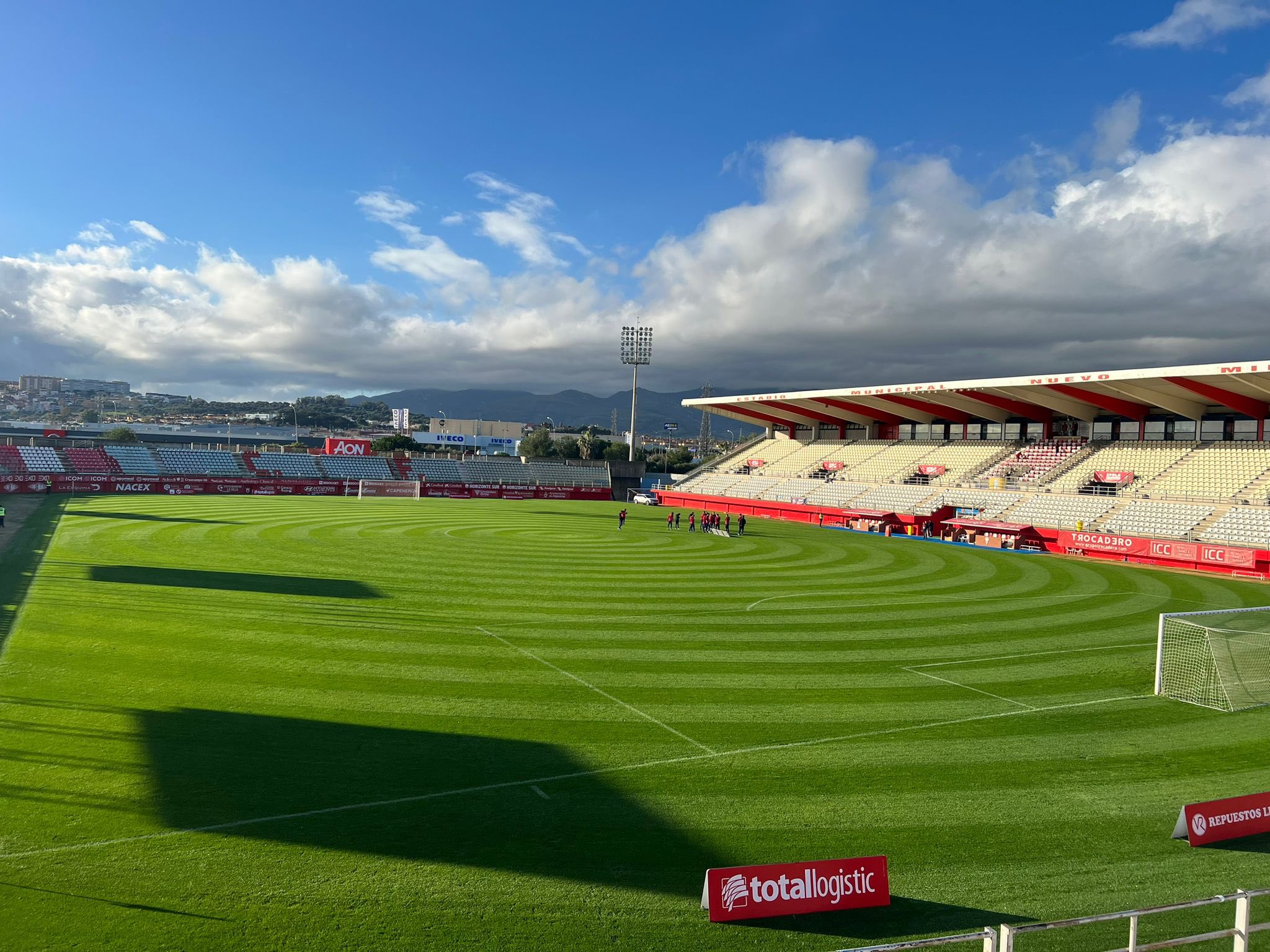
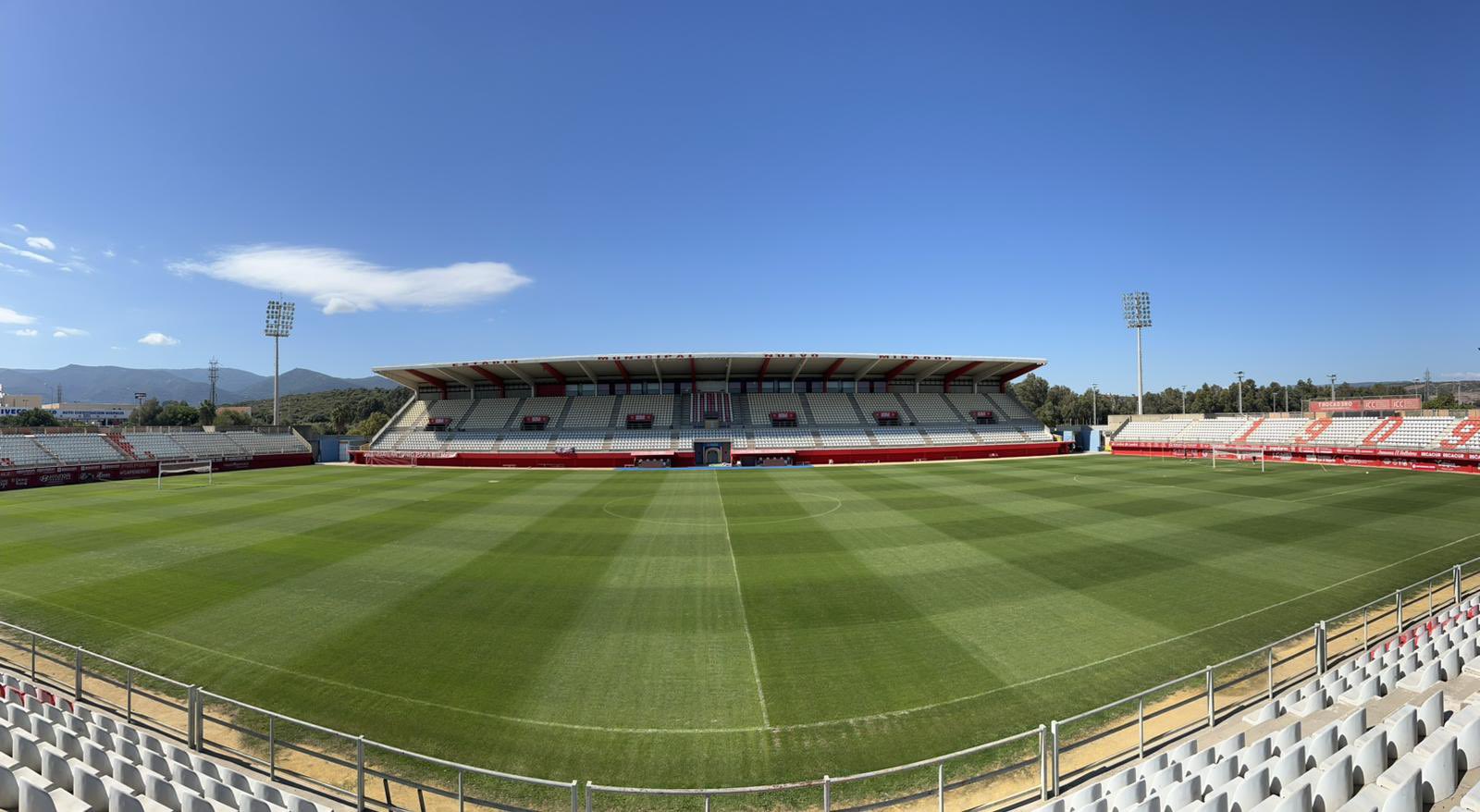
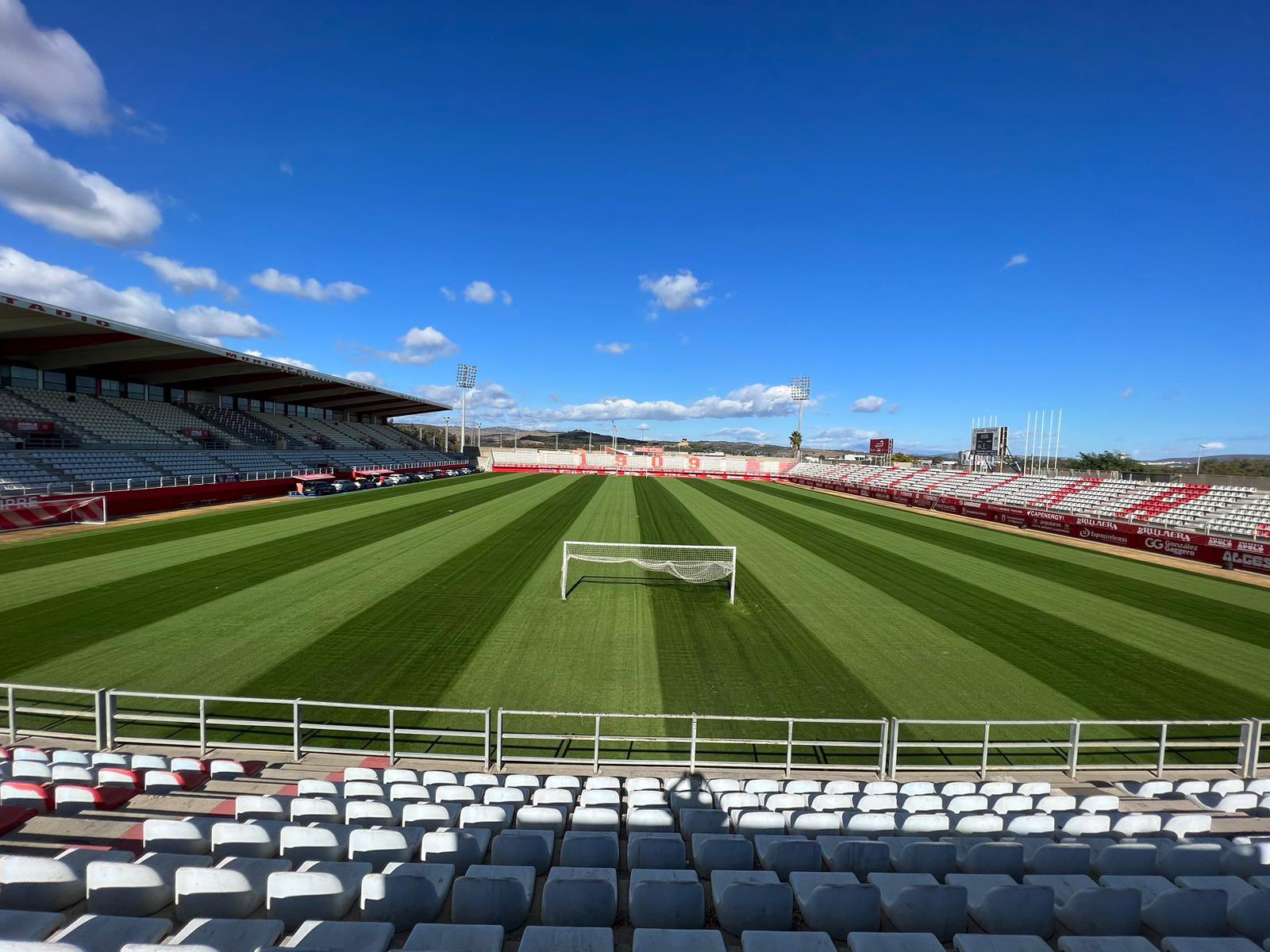
So Algeciras swapped the old and ramshackle El Mirador for the new and pristine Nuevo Mirador. They also swapped the convenient and intimate for the distant and functional. The new stadium is a carbon copy of the Estadio Municipal Butarque that opened a year earlier in the Madrid suburb of Leganés and offers 7,200 seats on a single, raised tier. A sleek cantilevered roof hangs over the west side seating deck, with ten media booths at the rear. Changing rooms, a press room, a gynasium and offices are housed under the structure. The stadium witnessed early success as Algeciras won the Tercera title and promotion in their first full season at the stadium. Further success followed when promotion to La Segunda was achieved following a second-place finish and victory over Athletic B, Burgos CF & Zamora in the playoffs. However, history repeated itself in 2003-04 when Algeciras finished bottom of La Segunda, 16 points from safety.
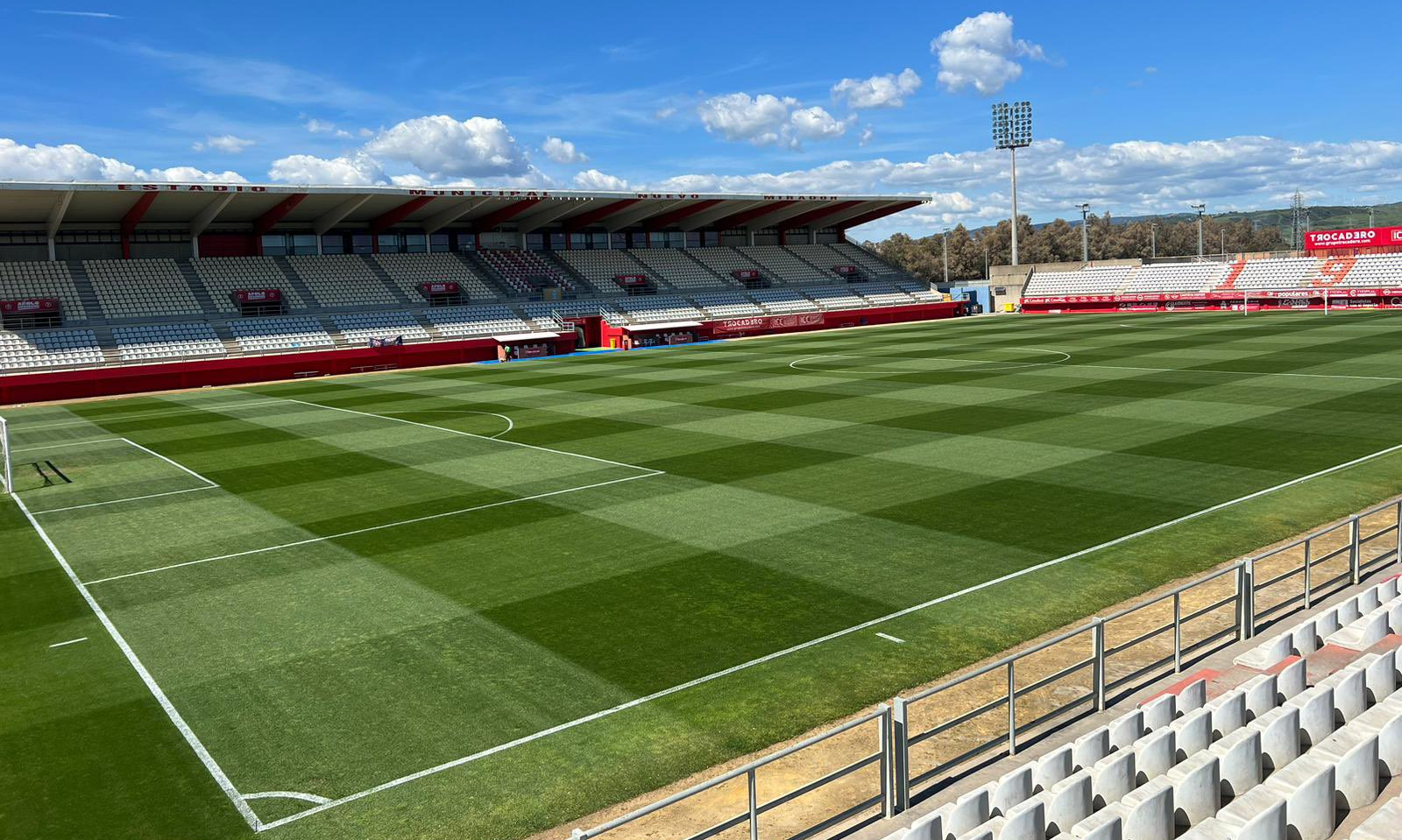
The mayhem has continued over the past 20 years or so. Algeciras has been relegated on four occasions, demoted for the non-payment of debts and won promotion on five occasions. They now play in the Primera Federación, or third tier. The loyal fans of Algeciras await the next twist and turn with trepidation.
 Estadios de España