Article updated: 10/04/2026
Think of Catalunya, and too many people just think of Barcelona. However, around an hour’s drive northeast of the regional capital is the wonderful ancient city of Girona. Standing high on a fortified hill above the Rio Onyar, it is said that the city has witnessed a battle in every century since the Romans first built the fortress of Gerunda two millennia ago. Nowadays, the nearest the locals get to a field of conflict is a trip to the Estadi de Montilivi, home of Girona Fútbol Club.
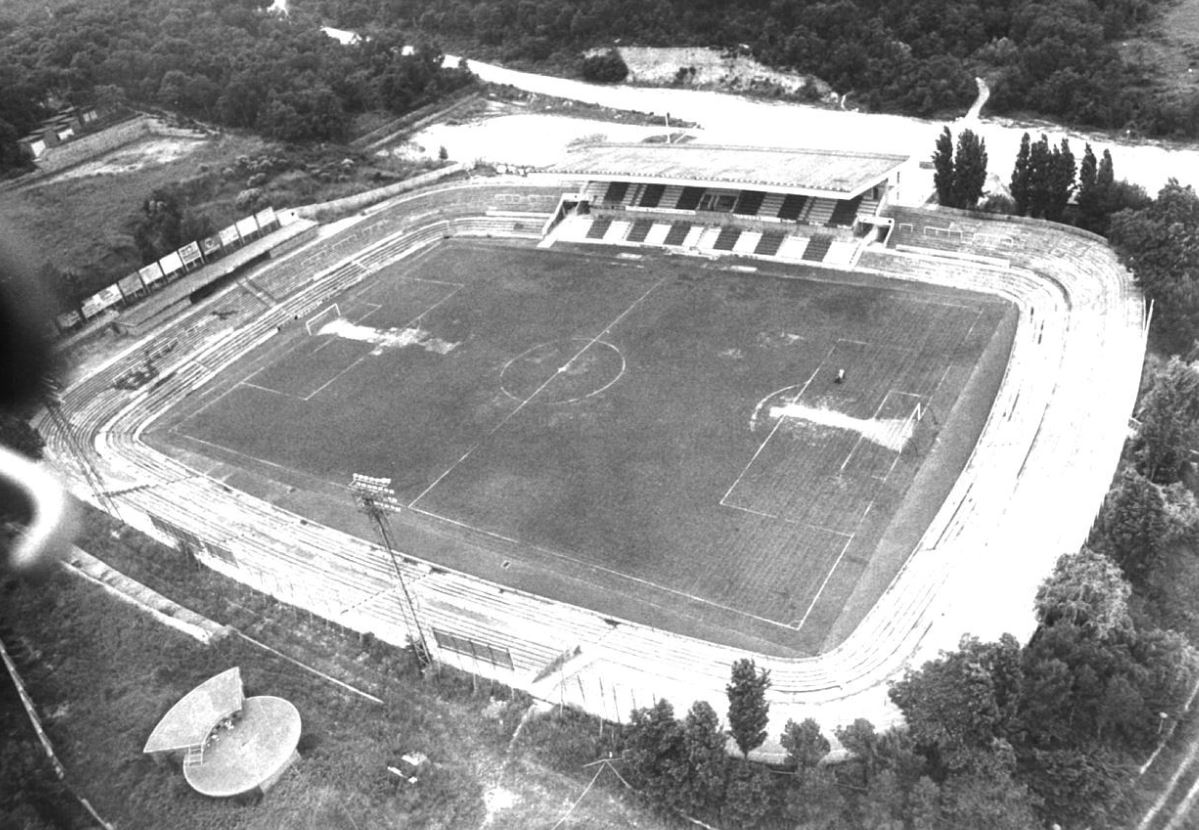
As with the rest of the region, football became popular in Girona at the turn of the century, but the city did not have a representative in the Catalan Regional League until 1920, when Union Deportiva Gerona was formed. The fledgling club played its home games at the basic Campo de Marte, but ambition was high, and money was spent on acquiring a squad, including overseas players, and building a ground. The new enclosure was named the Campo de Vista Alegre and opened on 29 July 1922, with Girona losing 2-5 to Barcelona in a friendly. Trying to compete with the likes of Barcelona and Espanyol soon proved to be a folly, and the club was wound up with debts of 200,000 pesetas on 22 July 1930. The next day, Gerona Foot-ball Club was formed and took up residence at Campo de Vista Alegre. Over the next four seasons, the club worked its way through the regional leagues and the Tercera before debuting in La Segunda in the 1934-35 season, where Gerona FC achieved a creditable fourth place. Building on this promising start in the second tier, 1935-36 saw the club claim the title in their regional section of La Segunda and enter the playoffs. They were, however, outgunned by Celta Vigo and Zaragoza.
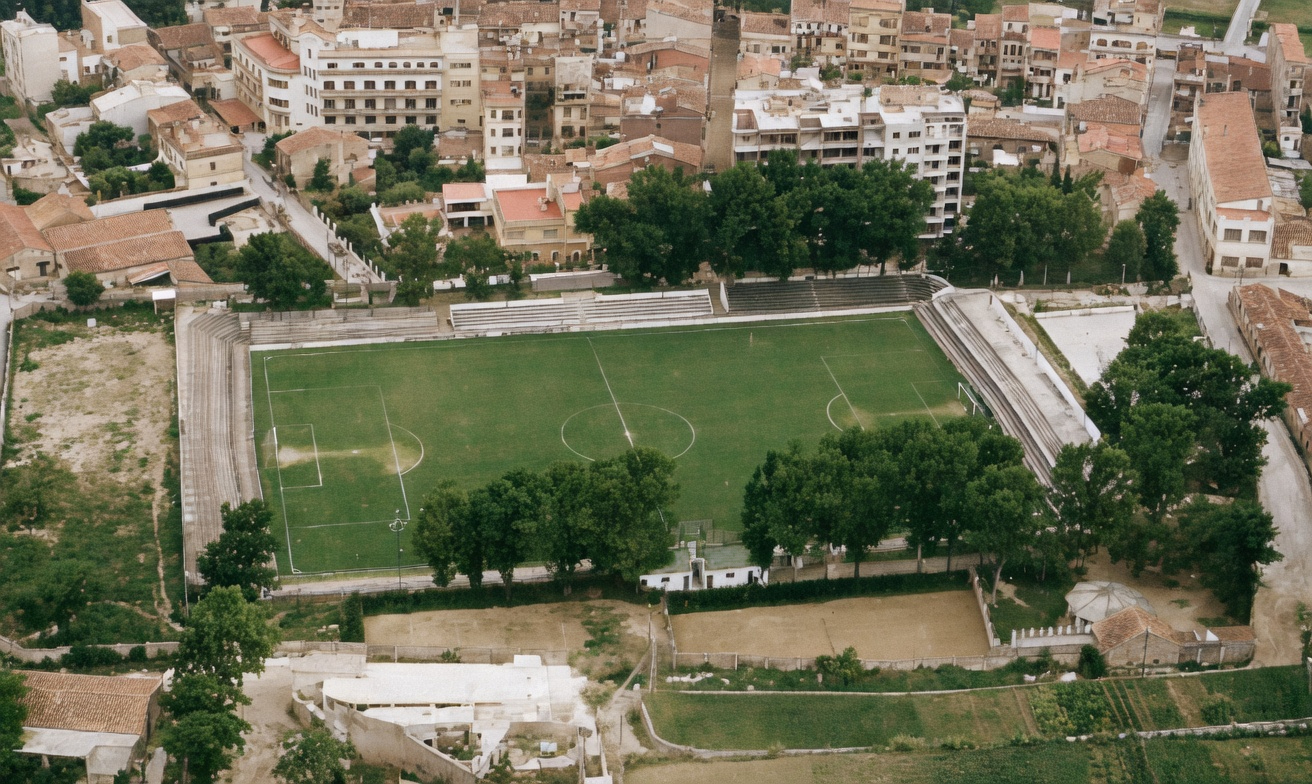
Campo de Vista Alegre 
Campo de Vista Alegre 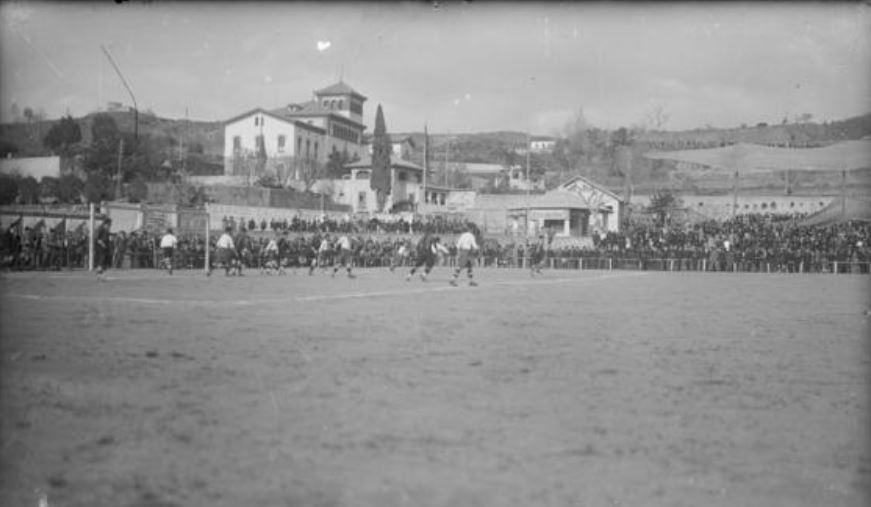
Campo de Vista Alegre 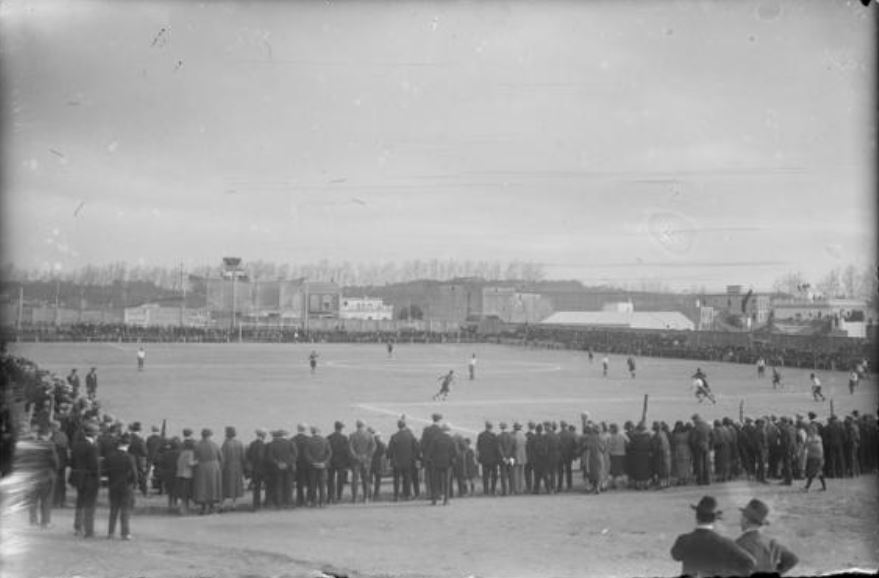
Campo de Vista Alegre 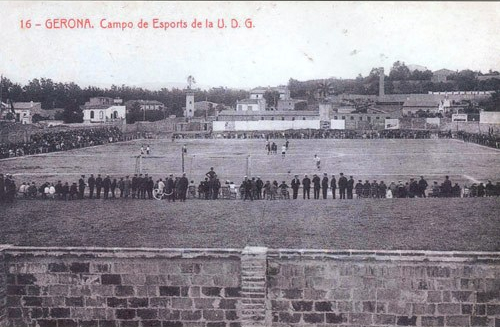
Campo de Vista Alegre 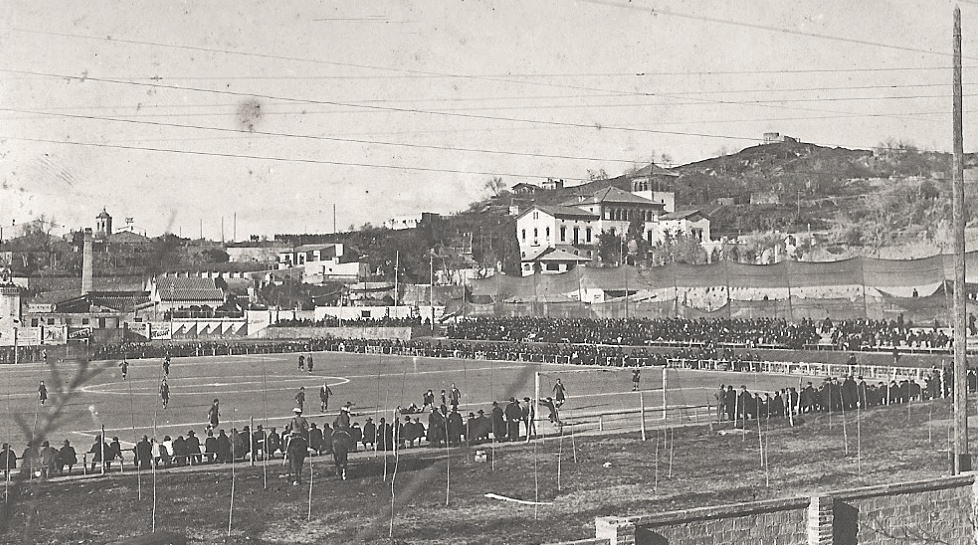
Campo de Vista Alegre 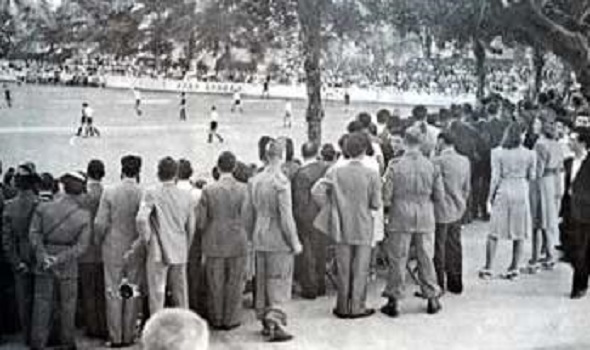
Campo de Vista Alegre 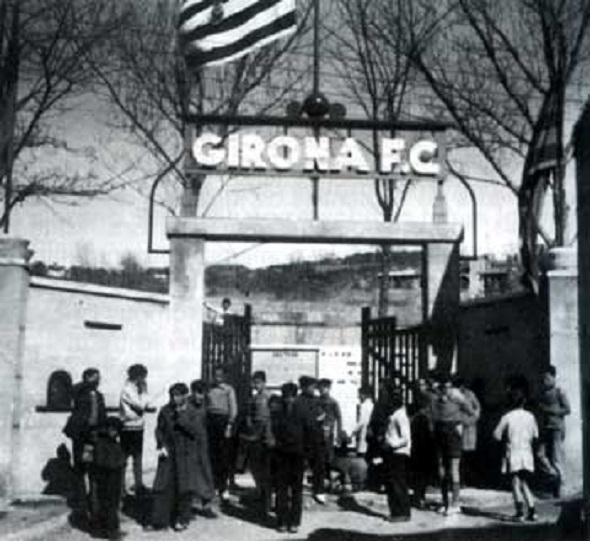
Campo de Vista Alegre 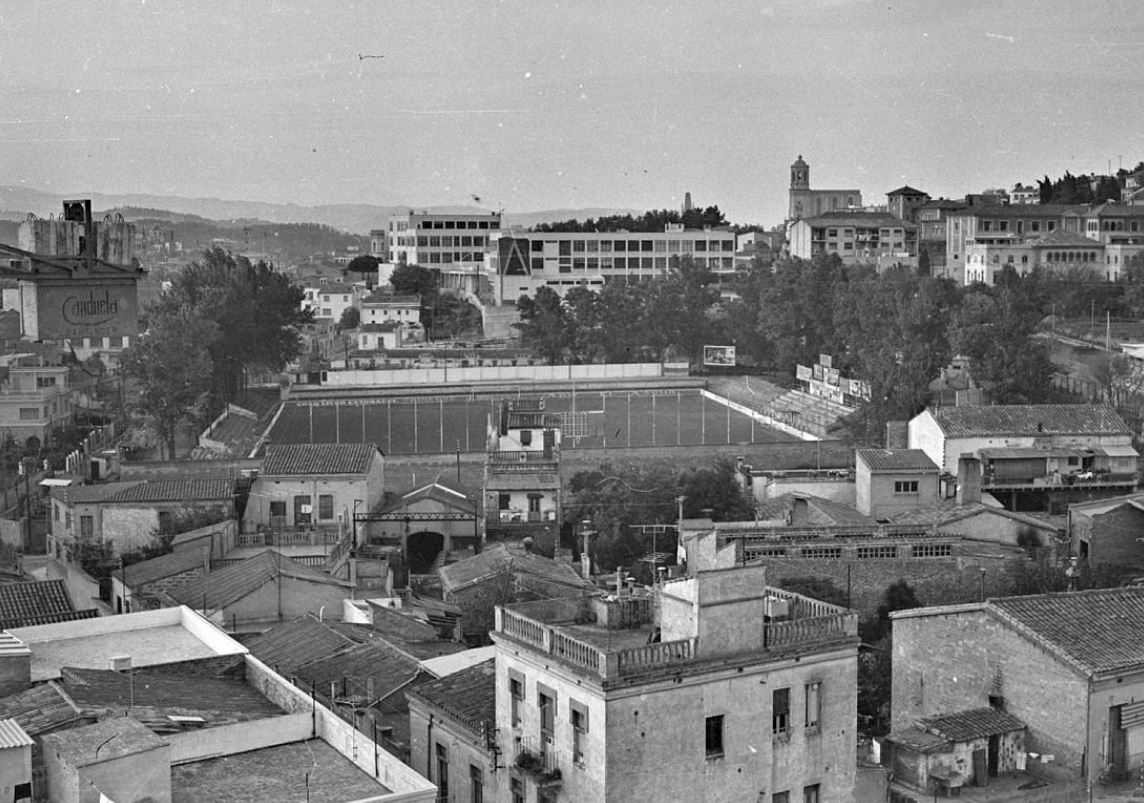
Campo de Vista Alegre 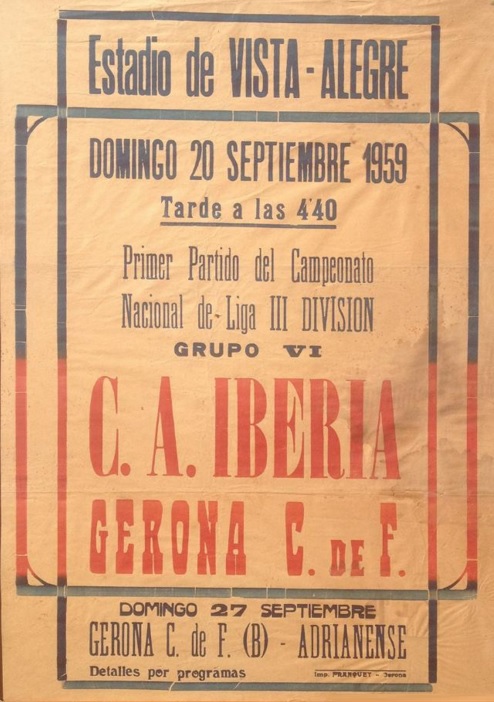
Campo de Vista Alegre 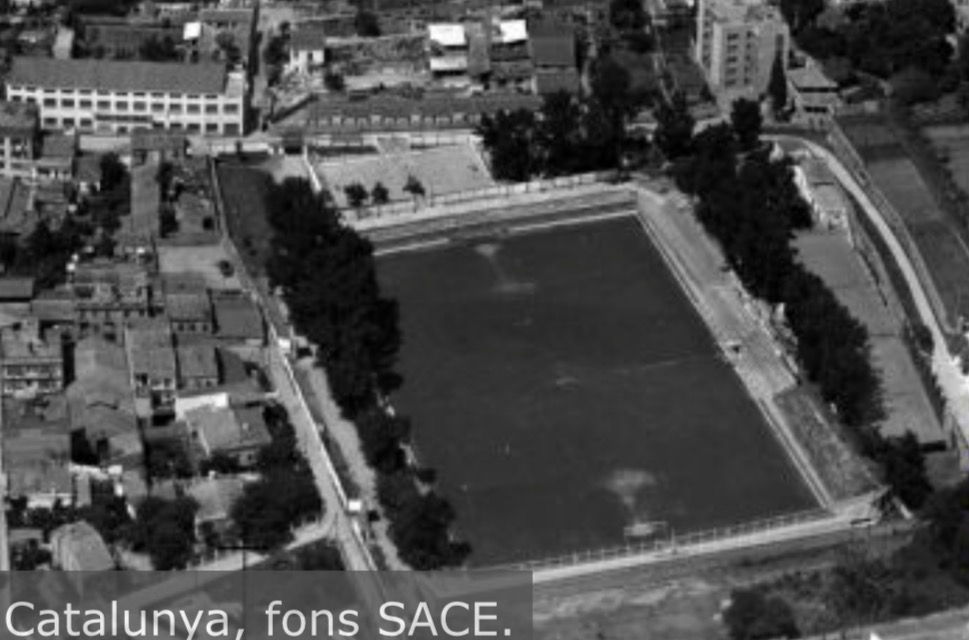
Campo de Vista Alegre 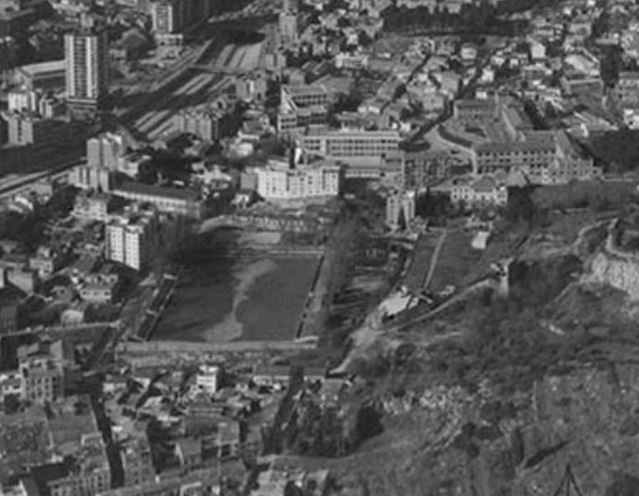
Campo de Vista Alegre 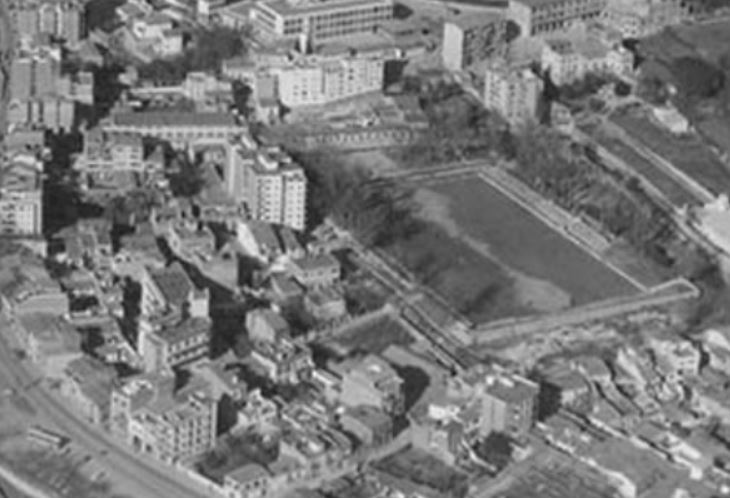
Campo de Vista Alegre 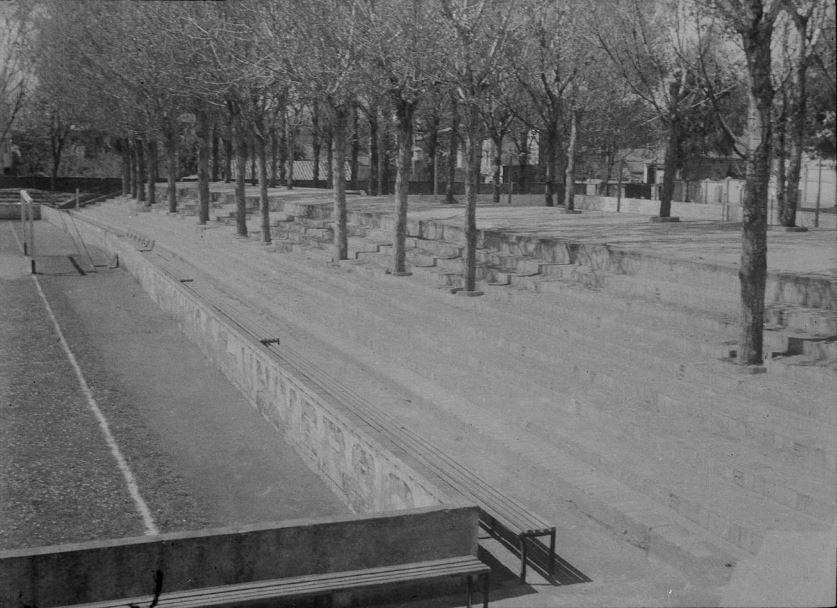
Campo de Vista Alegre 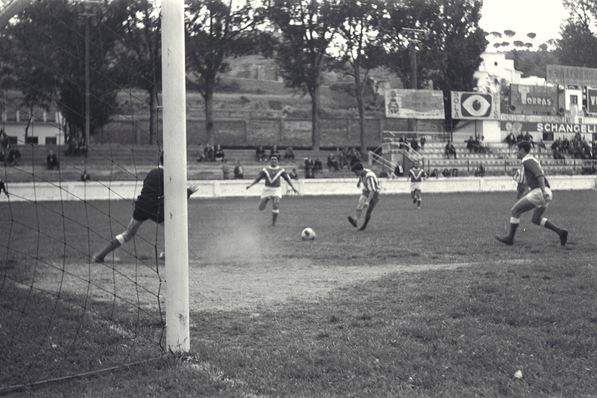
Campo de Vista Alegre
Now, I appreciate that there is never a good time to have a Civil War, but with Gerona on the cusp of potentially something big, the commencement of hostilities cut the club off in its prime. Gerona competed in the wartime Mediterranean League, finishing third, but when the war intensified, and the Campo de Vista Alegre was damaged in an air raid, football in Girona stopped. When fighting ceased and the league resumed, Gerona, shorn of its best players, put in some creditable performances but never came close to promotion. They dropped back into the Tercera in 1943, and whilst they returned to La Segunda at the end of the decade, they struggled and were relegated again in 1951. There was a brief respite between 1956-59 when second-flight football returned to the Campo de Vista Alegre, but the Tercera seemed to be the club’s natural level, and here it stayed until the mid-seventies. Whilst the club’s league position remained static, Gerona did leave Campo de Vista Alegre in 1970 for a new stadium in the south of the city, close to the city’s University at Montilivi.
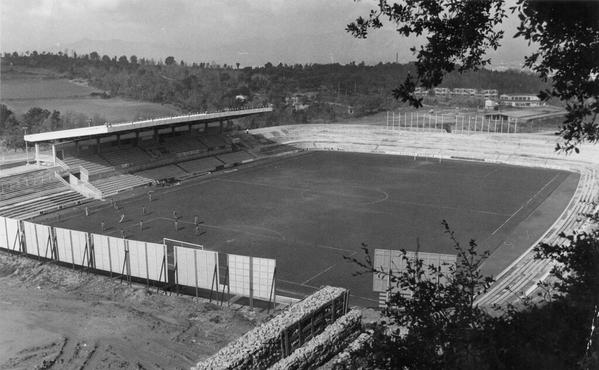
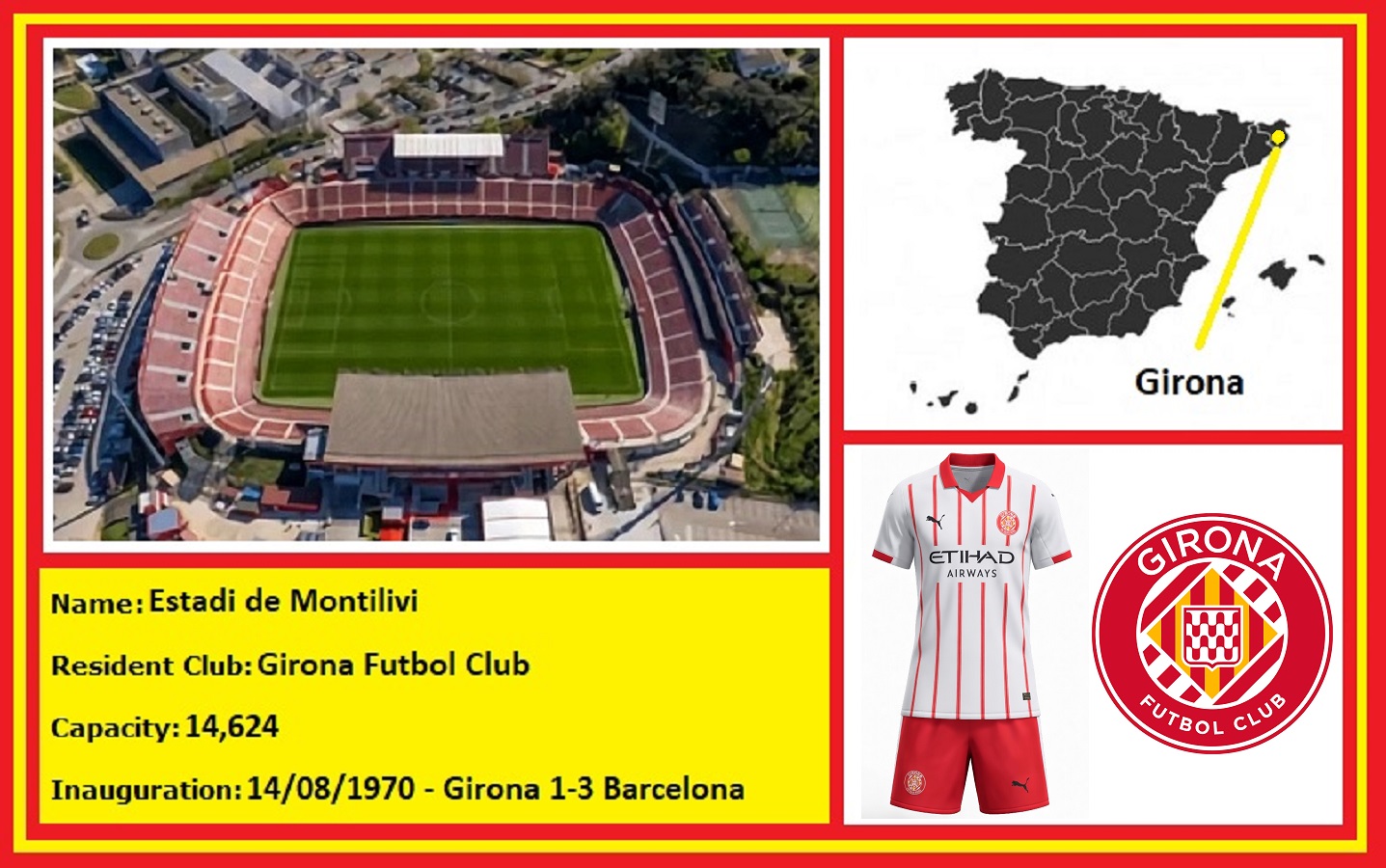
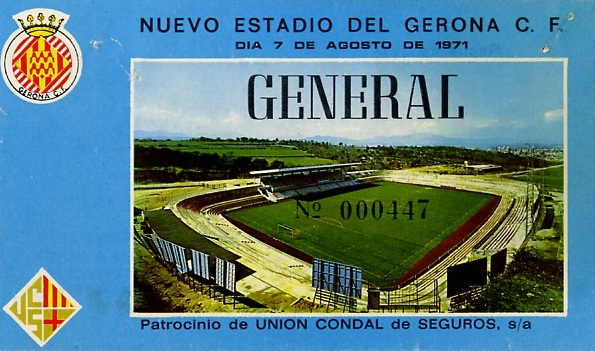
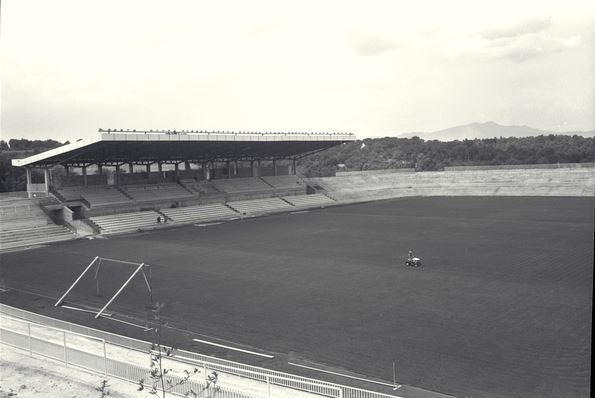
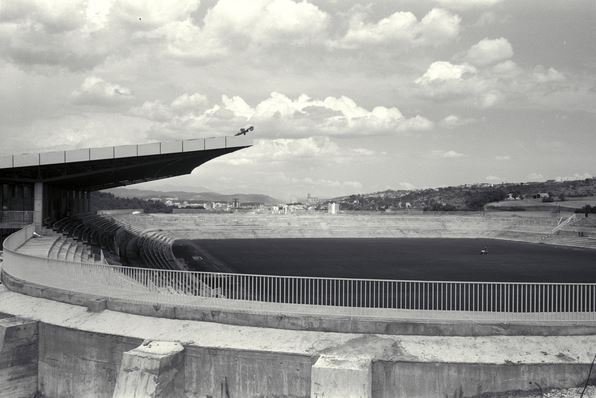
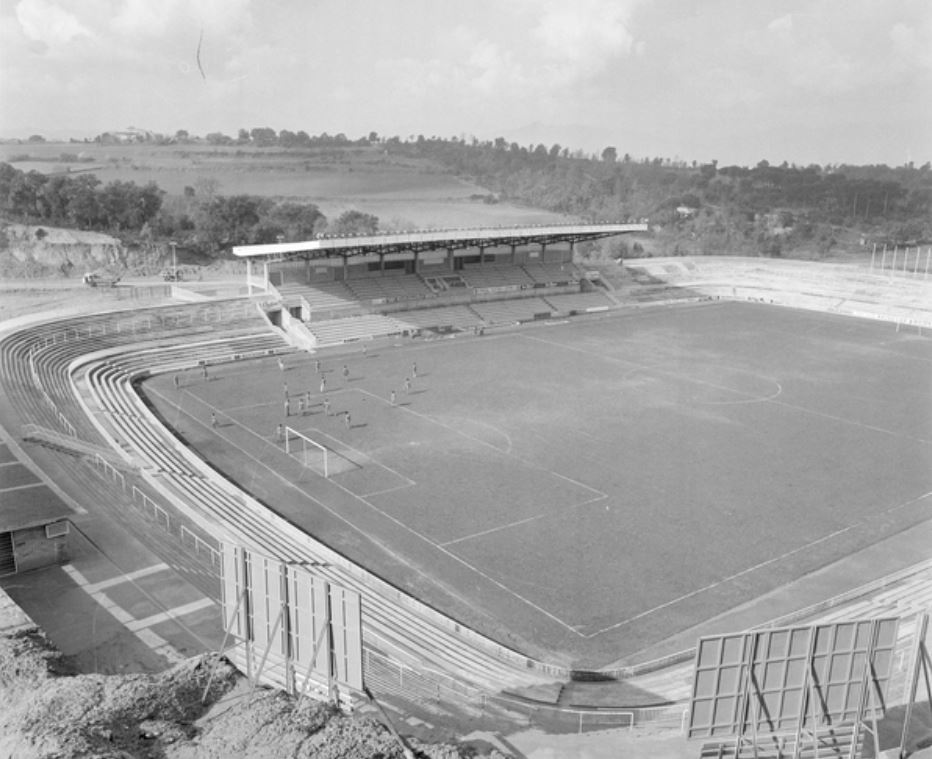
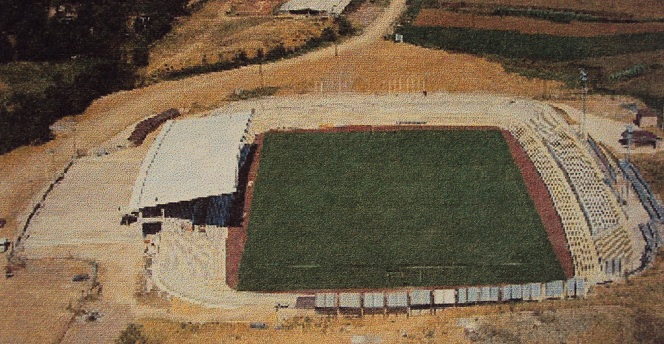
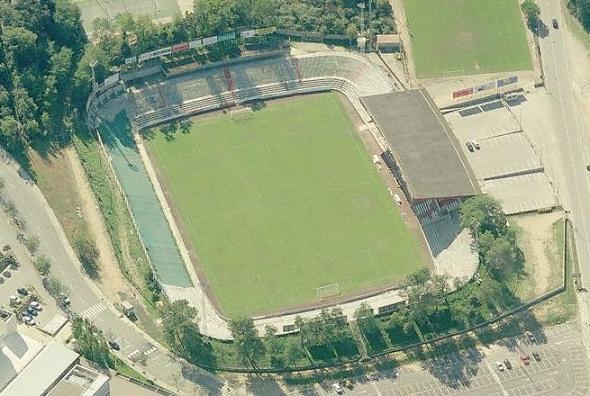
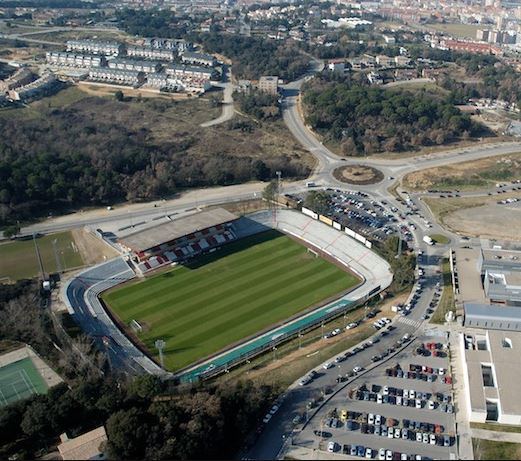
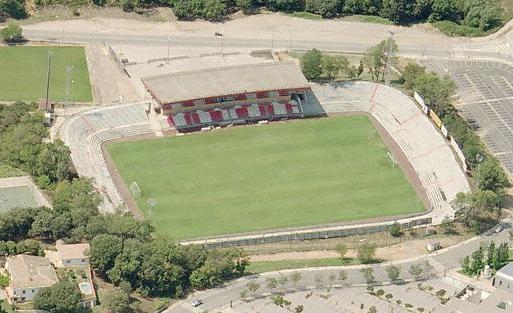
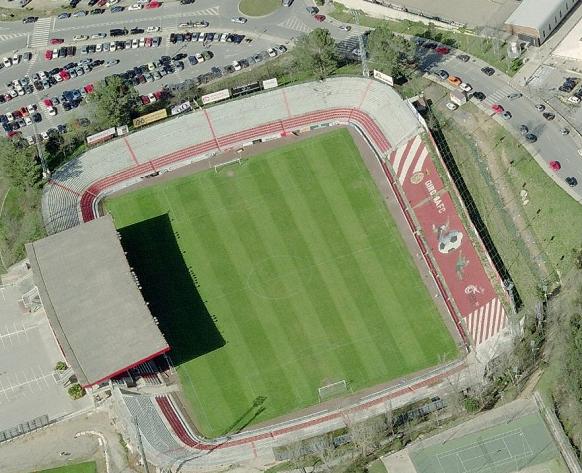
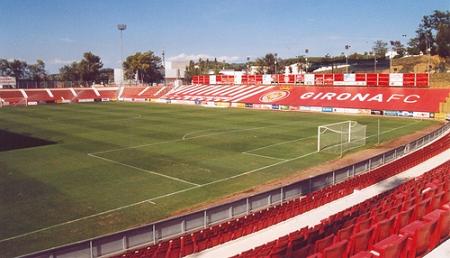
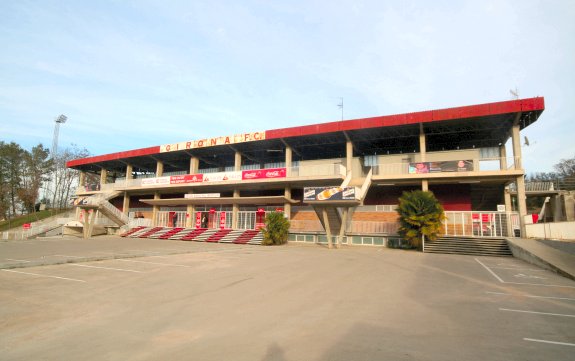
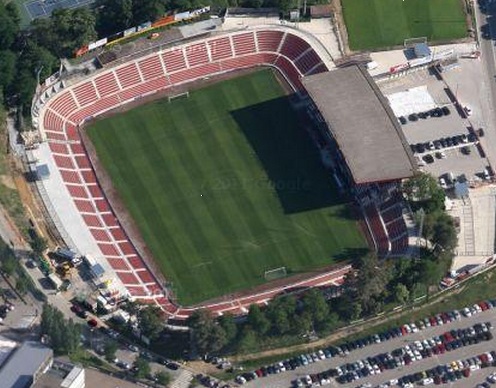
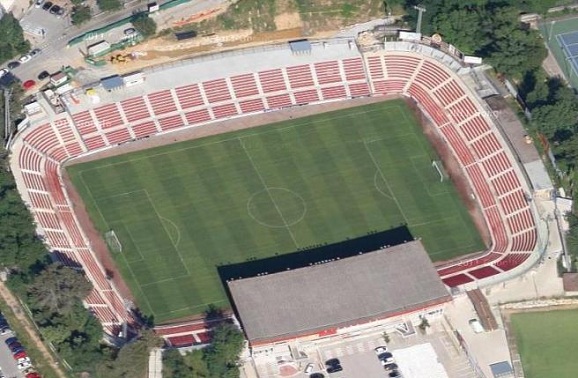
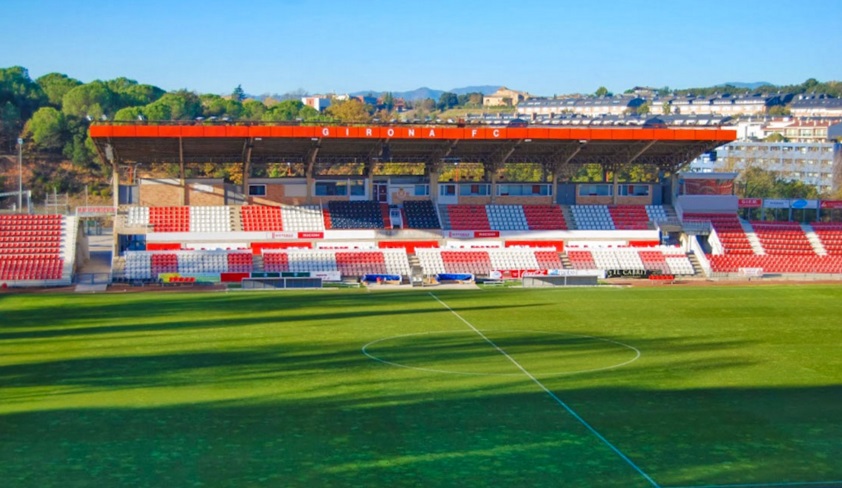
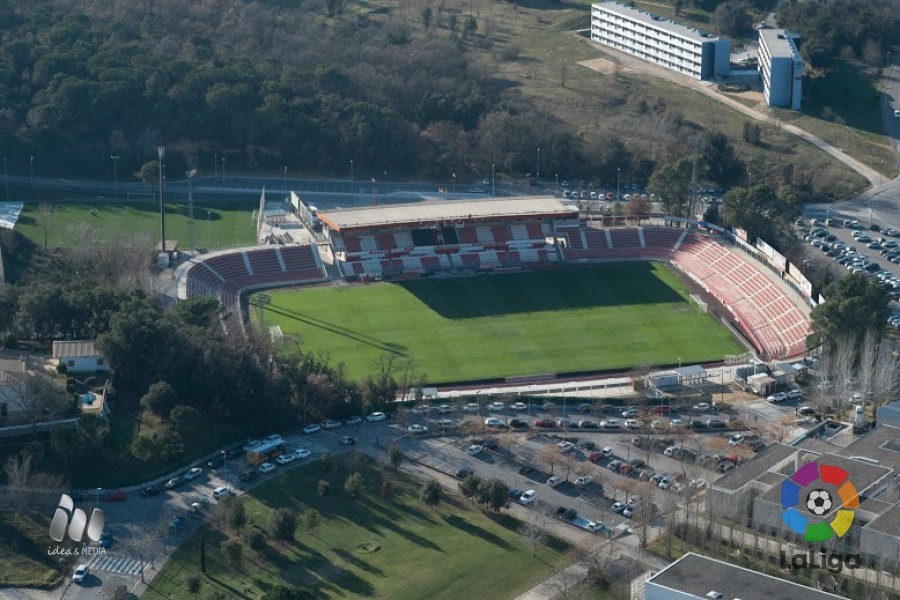
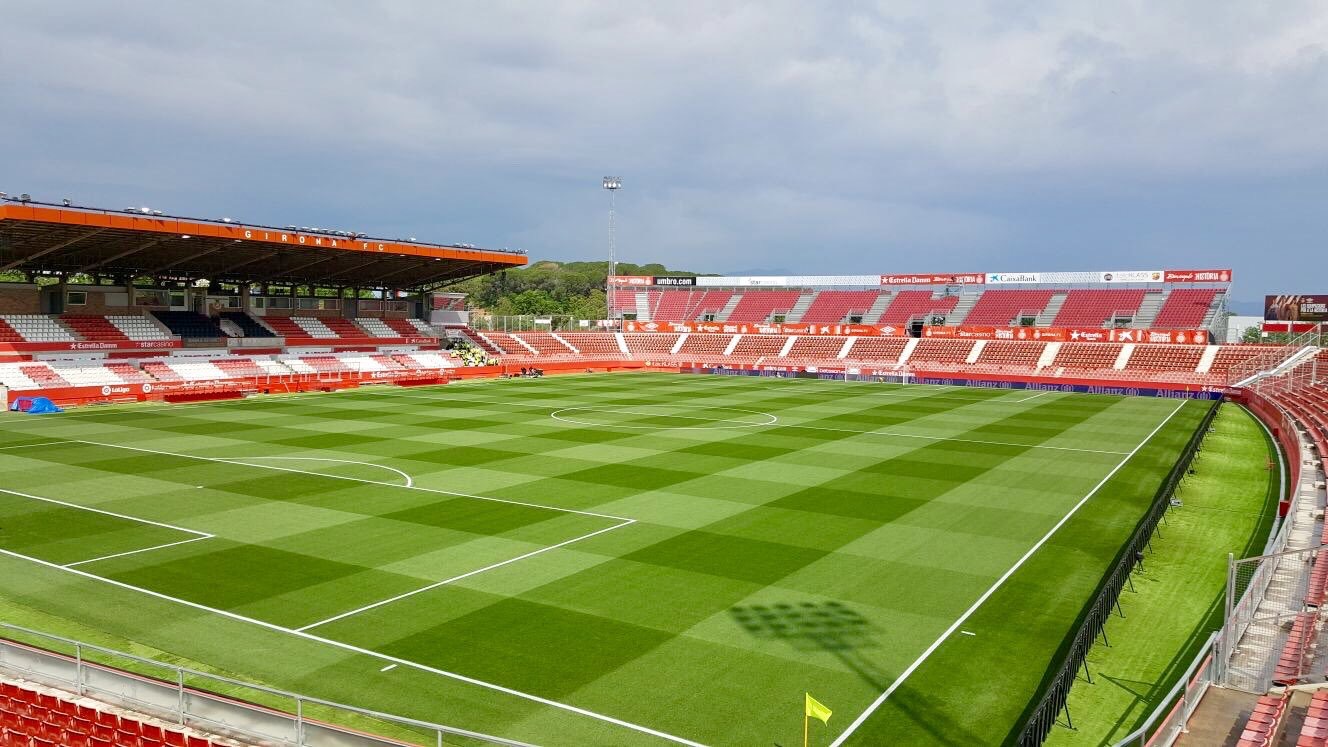
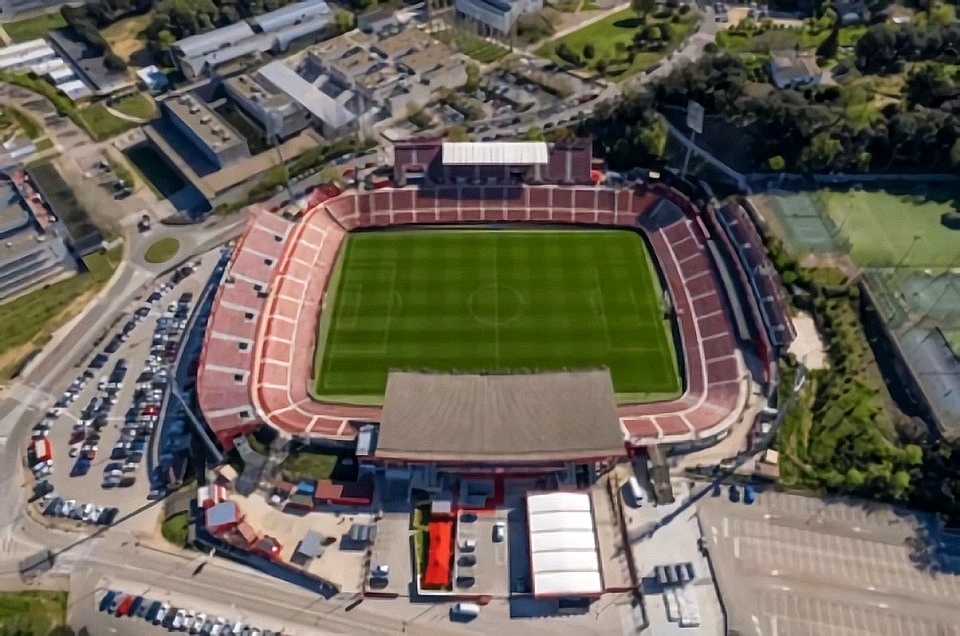
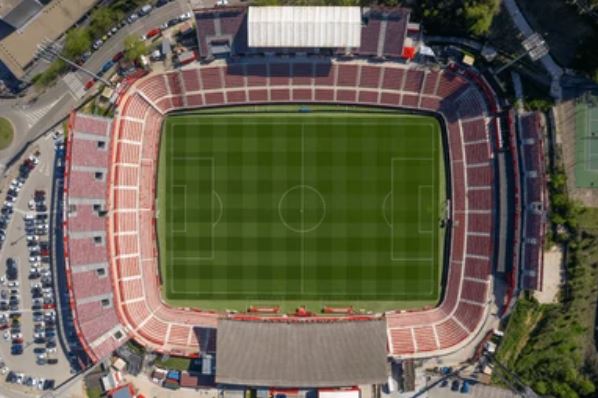
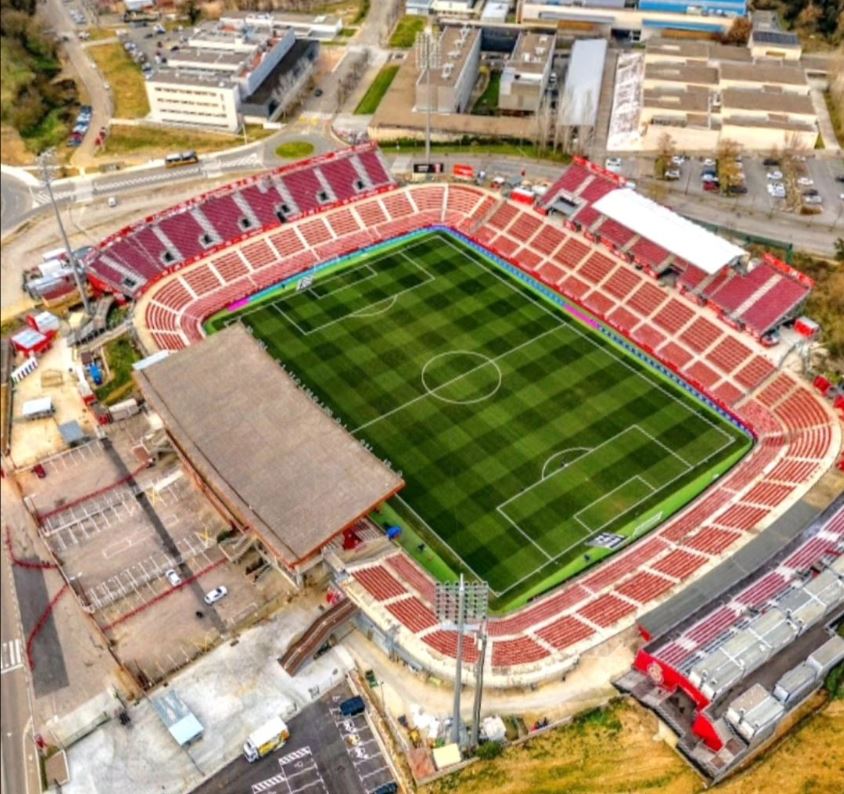
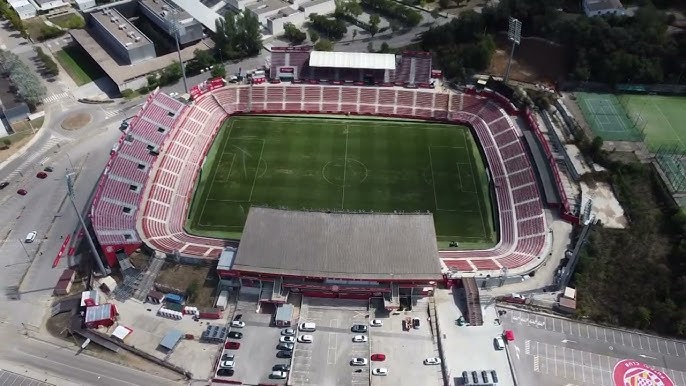
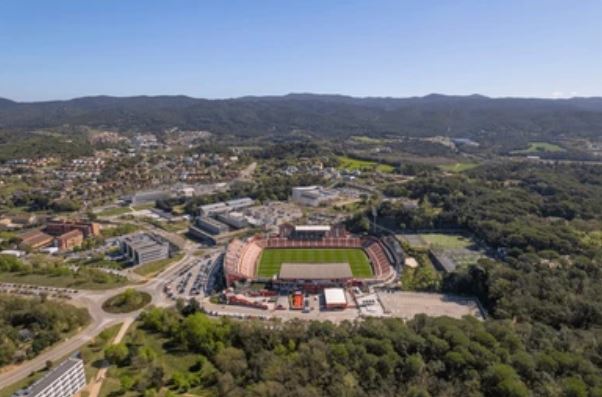
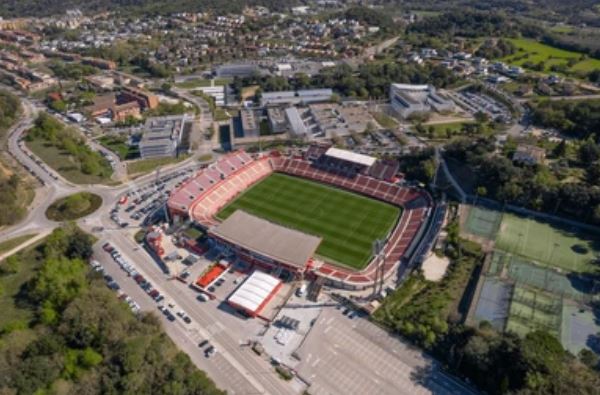
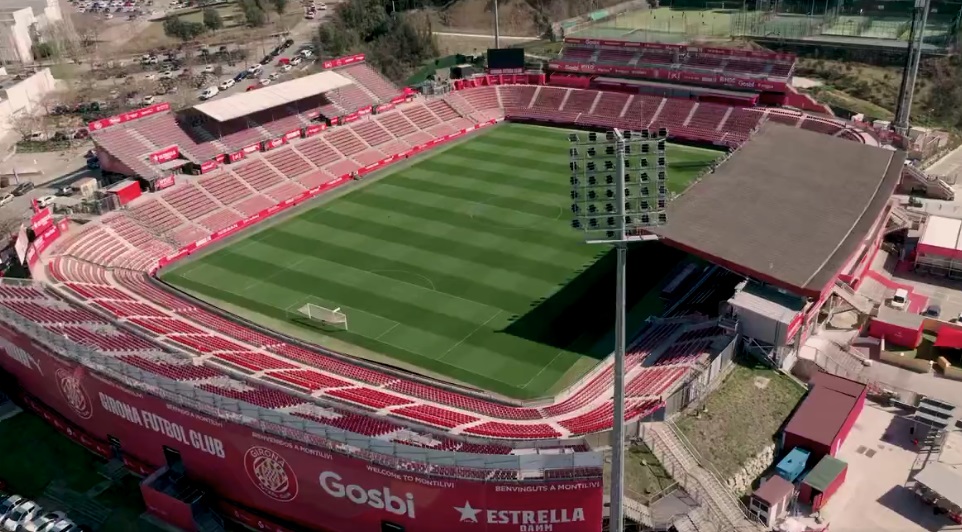
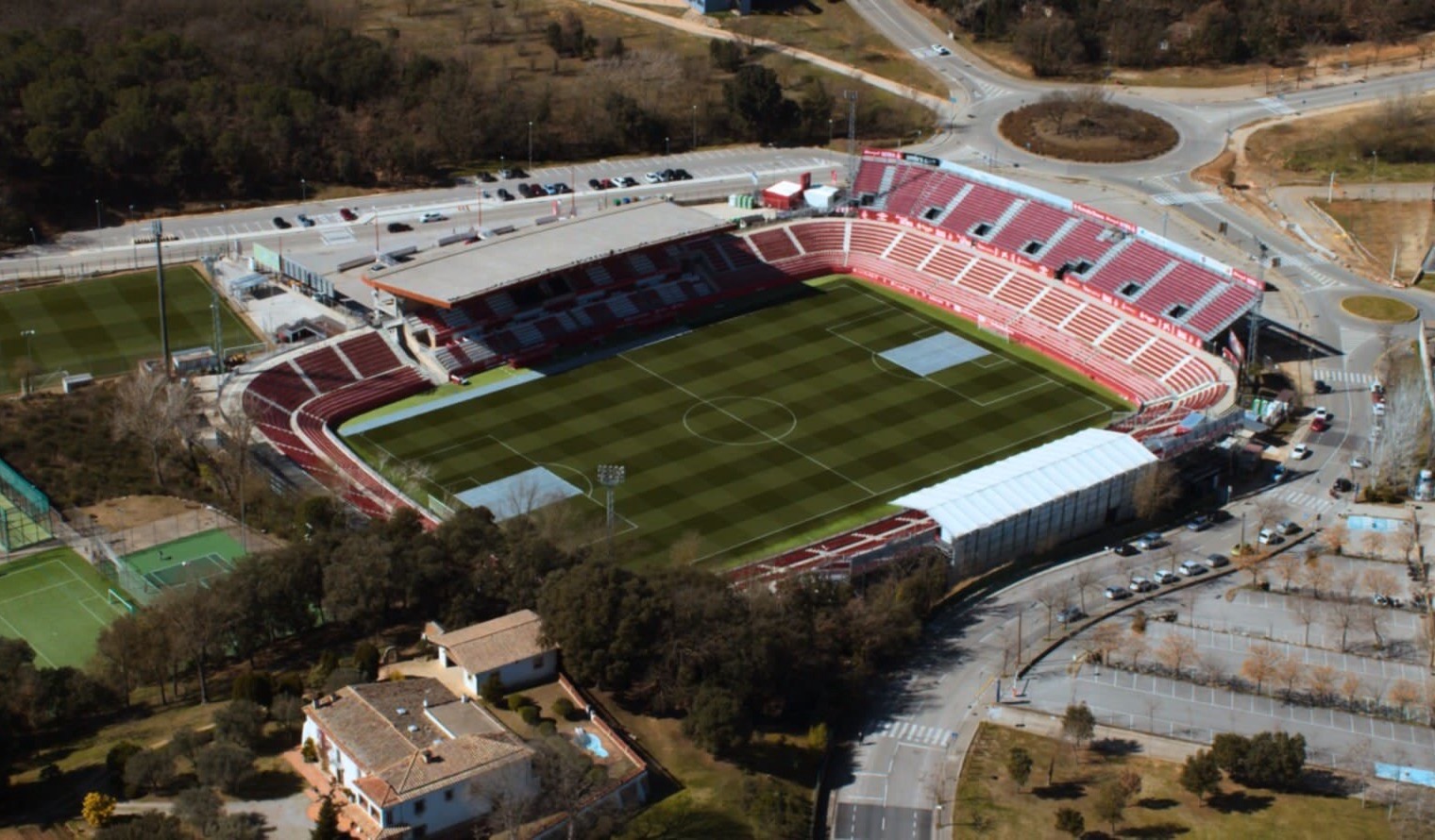
The Nuevo Estadio del Gerona Club de Fútbol, as it was originally known, was typical of many Spanish stadiums of this era, featuring a two-tiered concrete/steel stand, with a 60-metre-long cantilevered roof. A single tier of terracing continued around the rest of the pitch. It is almost identical in style, if not size, to the Nova Creu Alta, which was built in Sabadell three years earlier. The stadium was officially opened on 14 August 1970 when nearly 25,000 attended a friendly against Barcelona. The change of stadium brought no immediate upturn in form, and Gerona played on in the Tercera until they became a founder member of Segunda B at the start of the 1977-78 season. There followed a couple of decent seasons before the club dropped back to the Tercera. Worse was to follow when the club, now named Girona Fútbol Club, dropped to the Catalan Regional Preferente at the end of the 1981-82 season. Whilst the stay at this level lasted just the one season, the club was crippled financially and had little option but to sell the stadium to the municipality at the beginning of 1984.

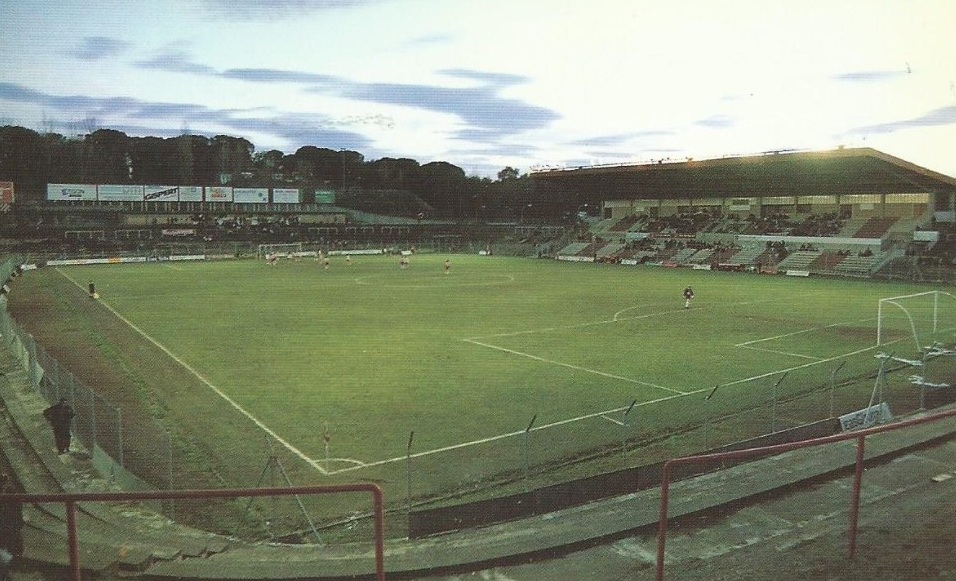
Over the next twenty years, Girona FC won promotion to Segunda B on three occasions, but also dropped back into the regional league for two seasons from 1997. As you would expect, attendances dropped, and some areas of the ground fell into disrepair, most noticeably the east terrace, which was effectively abandoned from the mid-1990s. Whilst the stadium looked a mess, Girona FC was turning in some tidy performances on the pitch, returning to Segunda B for the 2003-04 season, and after a brief spell back in the Tercera, the club won the Segunda B title in 2007-08. In the playoffs, Girona FC first disposed of Barakaldo CF and then AD Ceuta in the final and after a 49-year absence, returned to the second division.
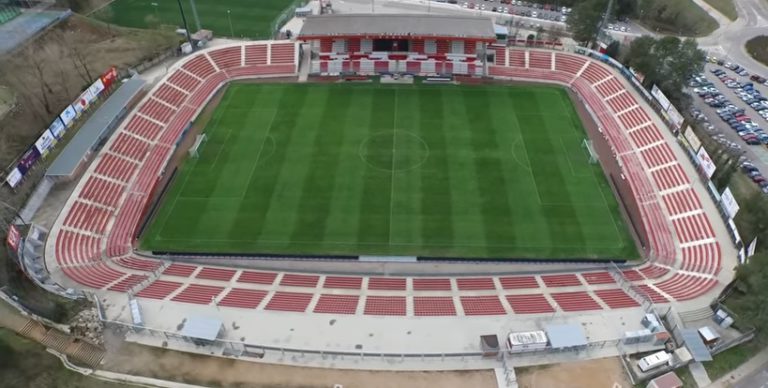
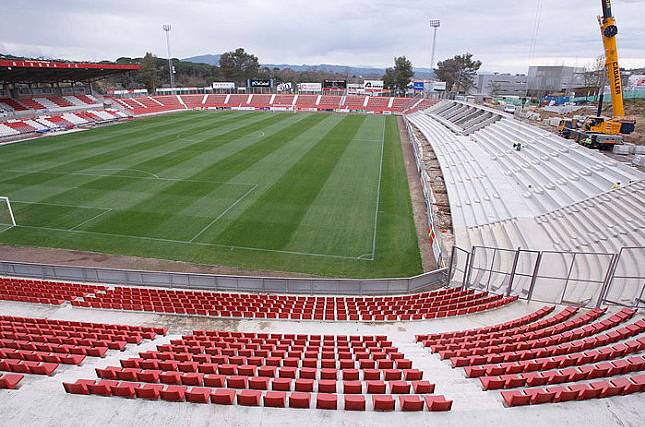
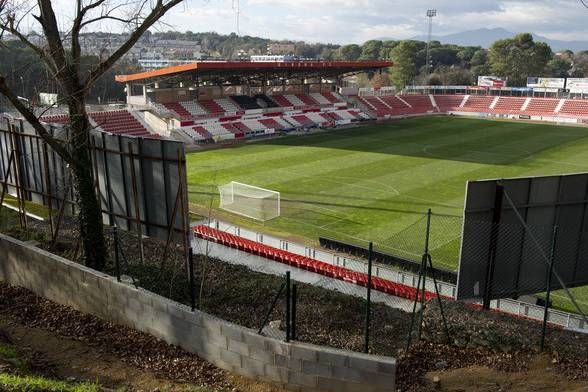
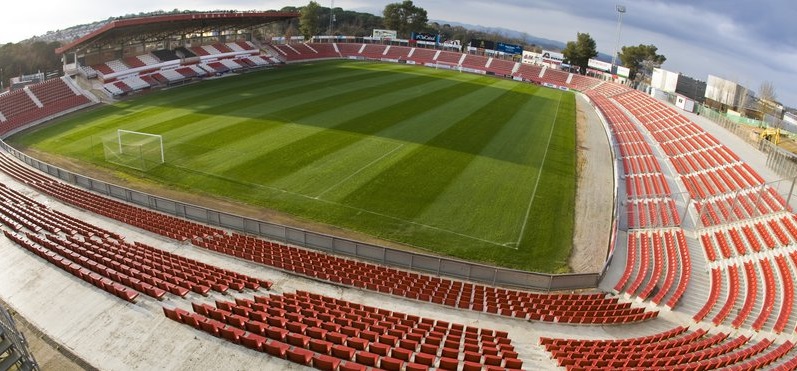
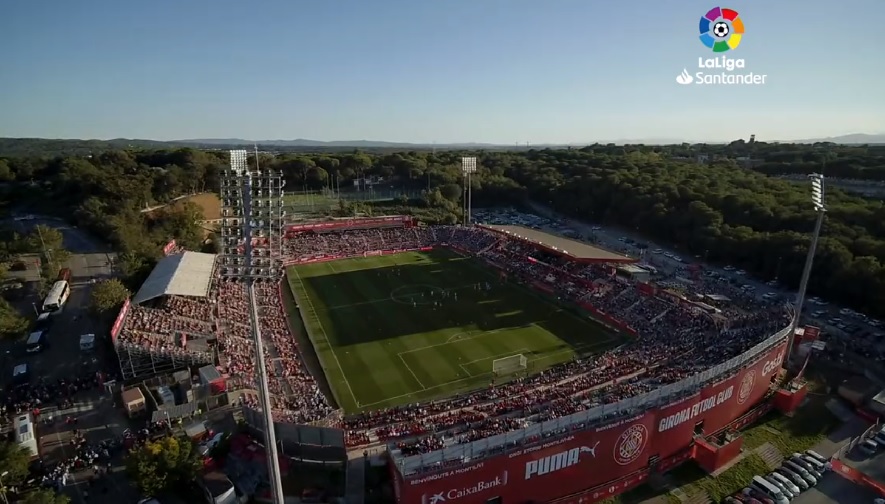
Whilst the team appeared to be ready for life in La Segunda, the stadium required a major refit. Seats were installed on the north and south terraces, and the main stand was also refurbished with new seats, changing rooms and media facilities. The east terrace, however, was beyond saving, so the club began the new season playing in a three-sided stadium. In fact, it took until June 2010 for the east terrace or the Grada Lateral to be completed, by which time the official capacity stood at 9,282. Montilivi hardly gets the pulse racing and is pretty standard 1970’s fare, but at least it has been saved from falling into further disorder.

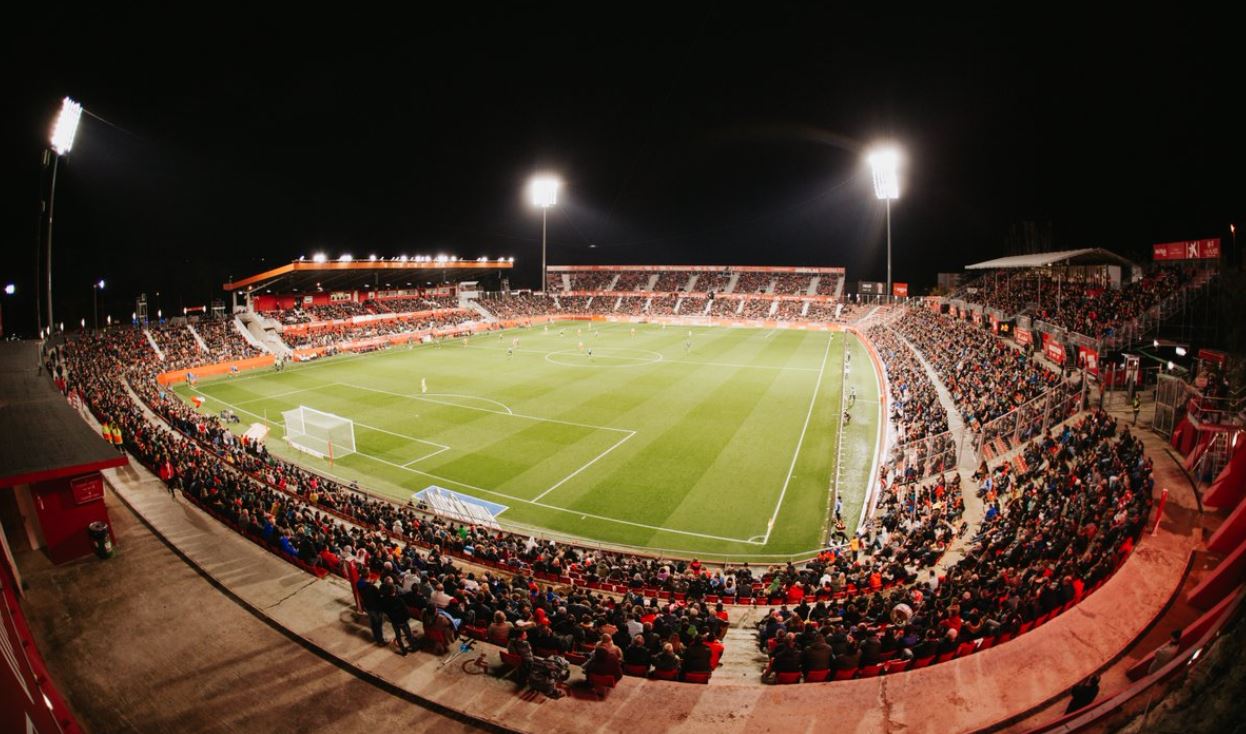
Girona’s time in La Segunda saw a period of steady development, before three seasons of near misses in the playoffs between 2013 & 2016. Their persistence was finally rewarded in June 2017, when a second-place finish earned promotion to the top flight of Spanish football for the first time. On 23 August 2017, the City Football Group purchased 44.3% ownership in Girona. Another 44.3% was held by Girona Football Group, led by Pere Guardiola, the brother of a certain Pep Guardiola. There were changes afoot for the Estadi Montilivi. Rather than go down the extensive rebuilding route that Eibar had chosen, Girona took a more pragmatic and cost-effective approach. During the summer of 2017, temporary stands were erected behind the Gol Norte & Grada Lateral, each holding 2,000 spectators (Taking the capacity to 13,500). Improvements were also made to the pitch, floodlights & press room. A further 1,100 temporary seats were added behind the Gol Sur in August 2018.
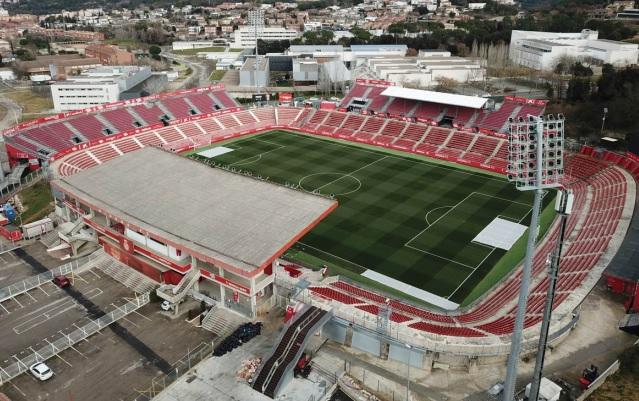
After two seasons in La Primera, Girona was relegated to the second tier. The club recorded two fifth-place finishes in 2019-20 & 20-21, but suffered the agony of playoff final defeats to Elche & Rayo Vallecano respectively. Thankfully, it was third time lucky for Girona, as in 2021-22 they defeated Tenerife in the playoff final and returned to the top flight. Upon its return, Girona equalled its best finish in La Primera of 10th, before a remarkable 2023-24 season saw the club finish third and qualify for the UEFA Champions League. Whilst the team’s incredible feat was met with unbridled joy, it also presented the club with a sizeable headache. Whilst they could get by with temporary stands in La Liga, not only had UEFA banned the use of such stands in UCL, but they would also not allow the use of the two rows of seating closest to the pitch. Faced with the choice of playing the most important matches in the club’s history in front of a reduced capacity, or switching matches to Barcelona and the Estadi Montjuic, the club stuck with Montilivi. Girona’s UCL matches at Montilivi were played in front of a maximum attendance of 9,282 rather than the stadium’s regular 14,624 capacity.