
Article Updated: 06/06/2026
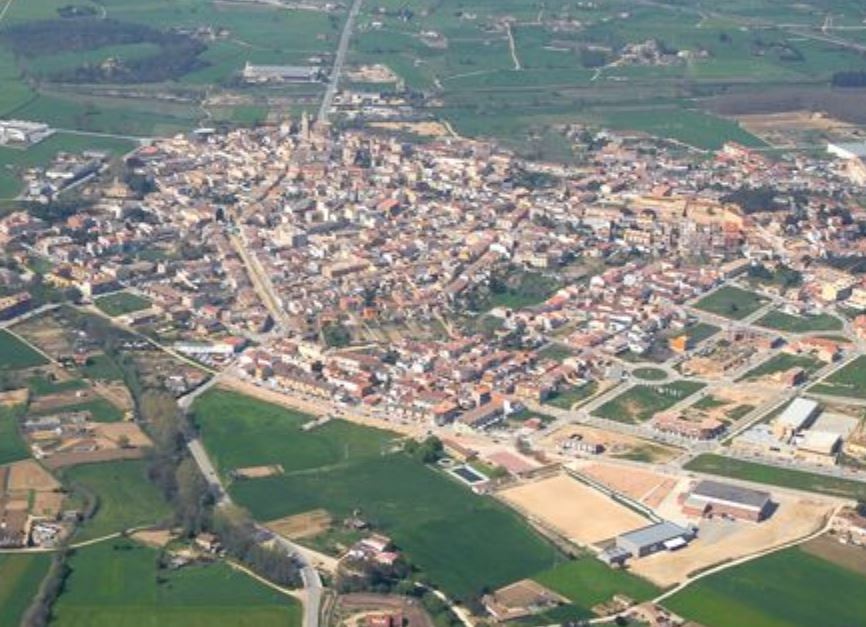
In July 2021, Unió Esportiva Llagostera moved from the small town in Northern Catalunya that had been their home for 74 years to the coastal town of Palamós, some 20 miles away. They also changed their name to Unió Esportiva Costa Brava. This article looks at the club’s stay at the Estadi Municipal de Llagostera, but also provides a link to the Estadi Palamós Costa Brava and a brief summary of the club’s travails since leaving Llagostera.
The rise of Unió Esportiva Llagostera under the guidance of coach Orio Alsina was nothing short of astonishing. After arriving in 2004, the club won promotion on six occasions, culminating in June 2014 with a 4-3 aggregate win in the playoffs over Gimnástic Tarragona. A victory which earned this club from a town in northern Catalunya (Pop. 9,500) a place in La Segunda.
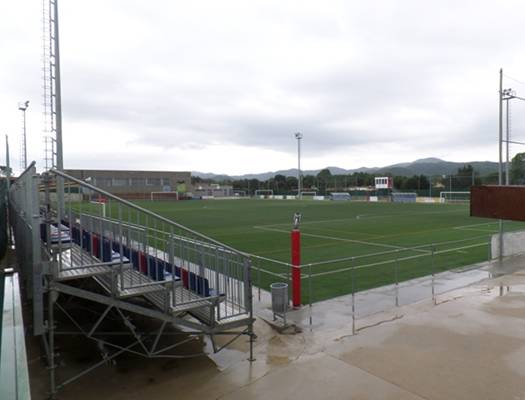
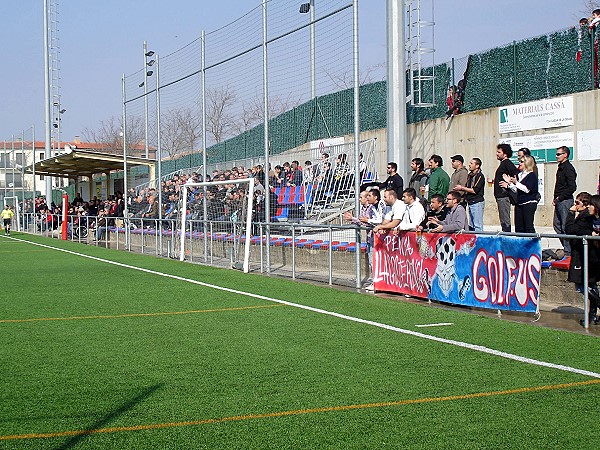
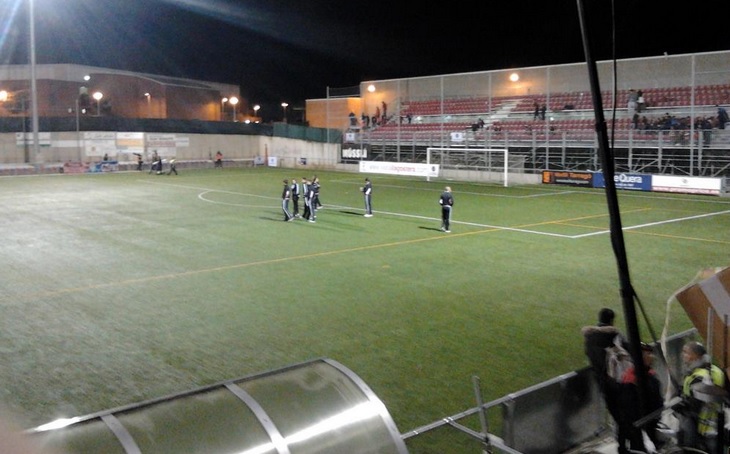
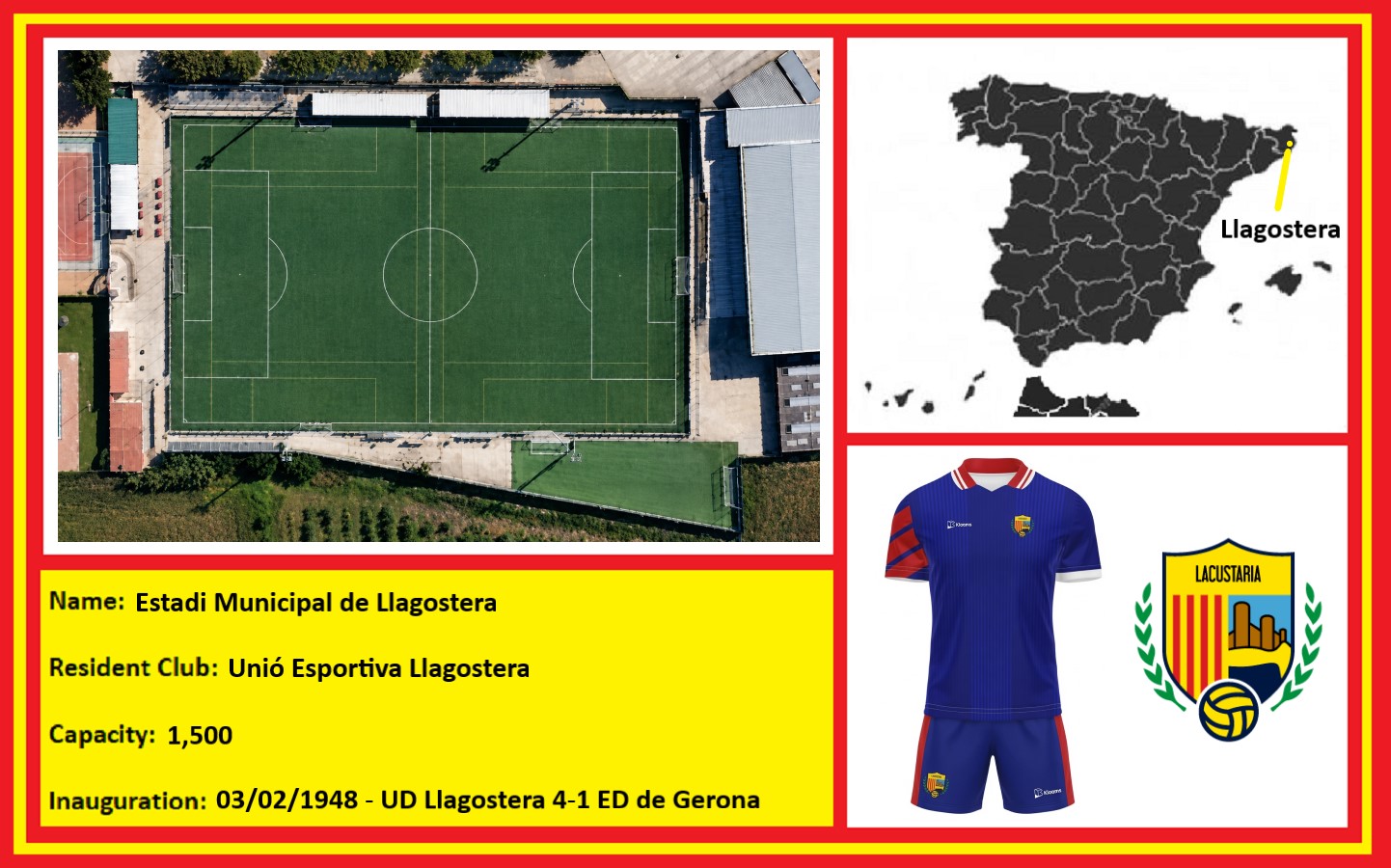
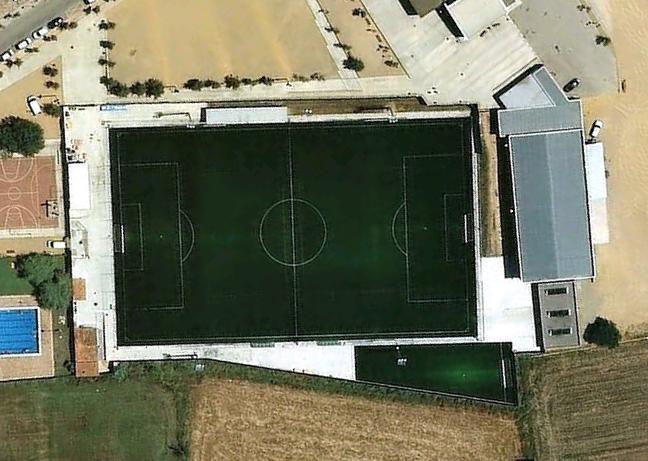
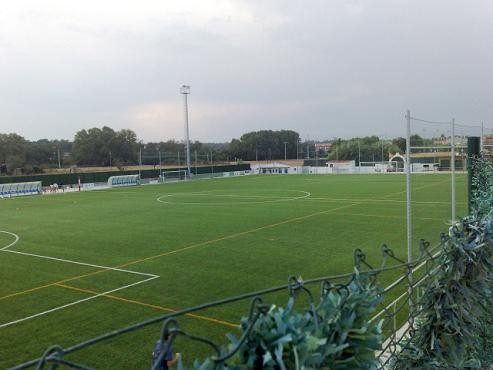
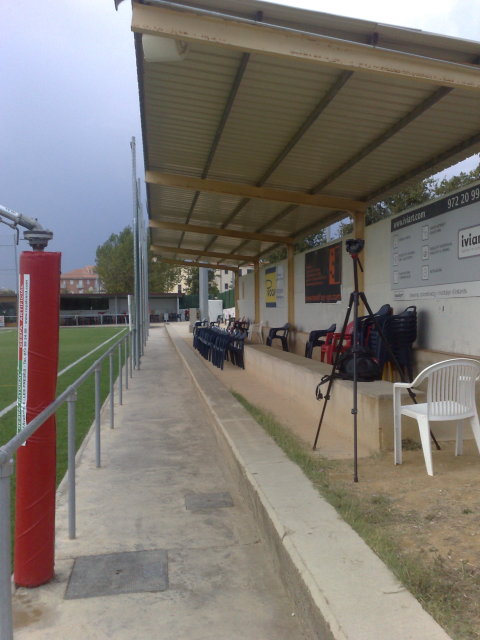
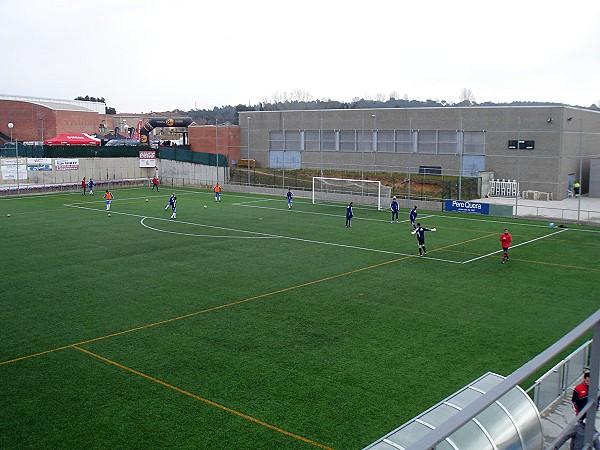
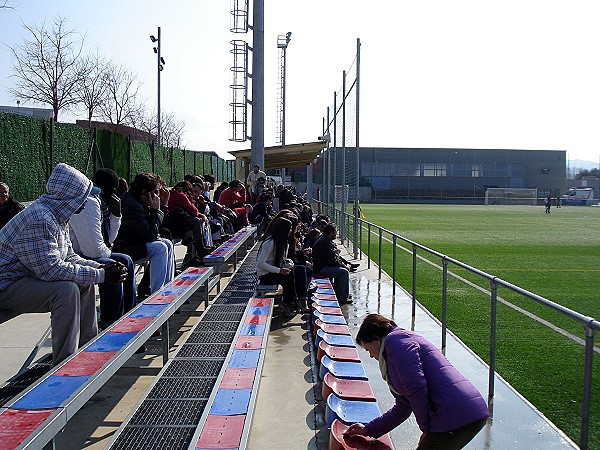
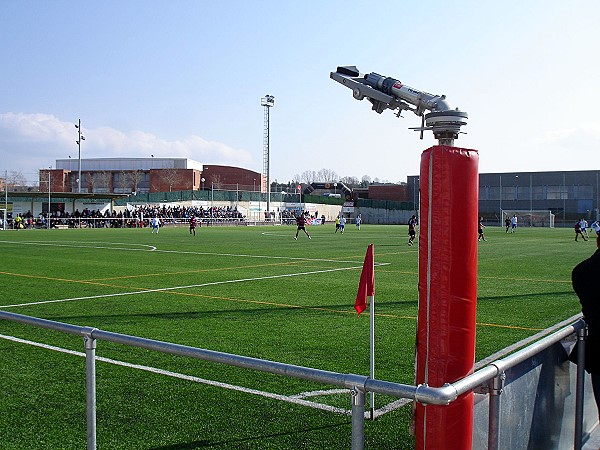
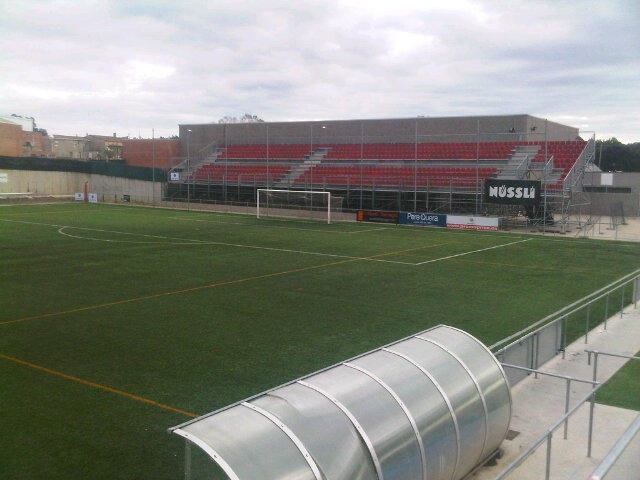
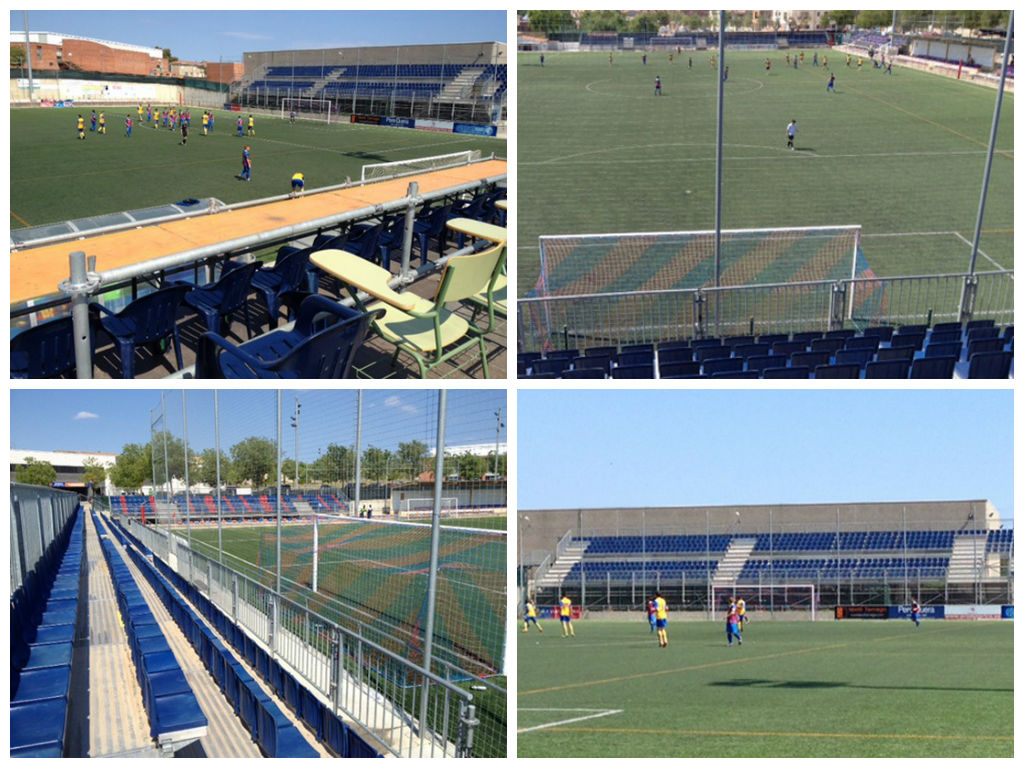
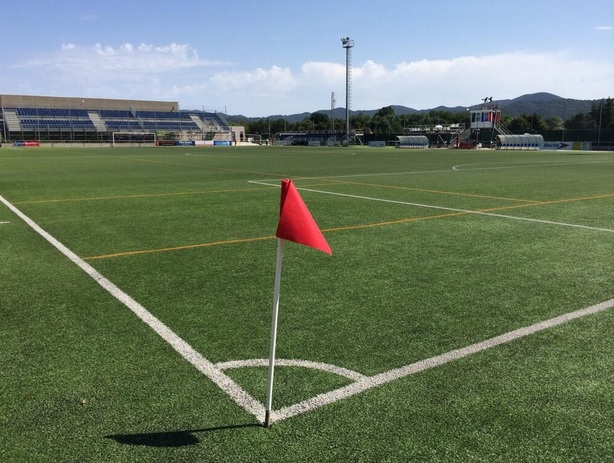
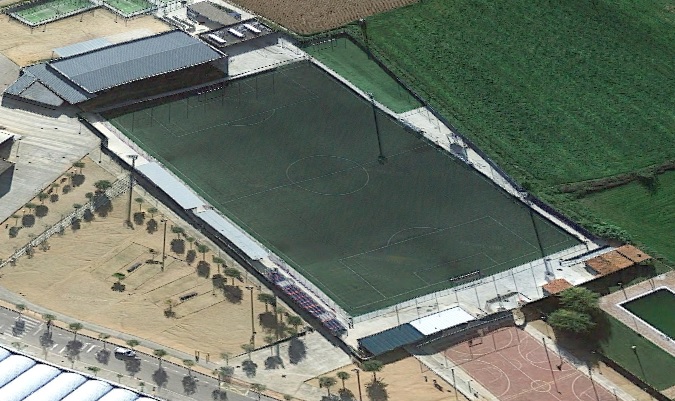
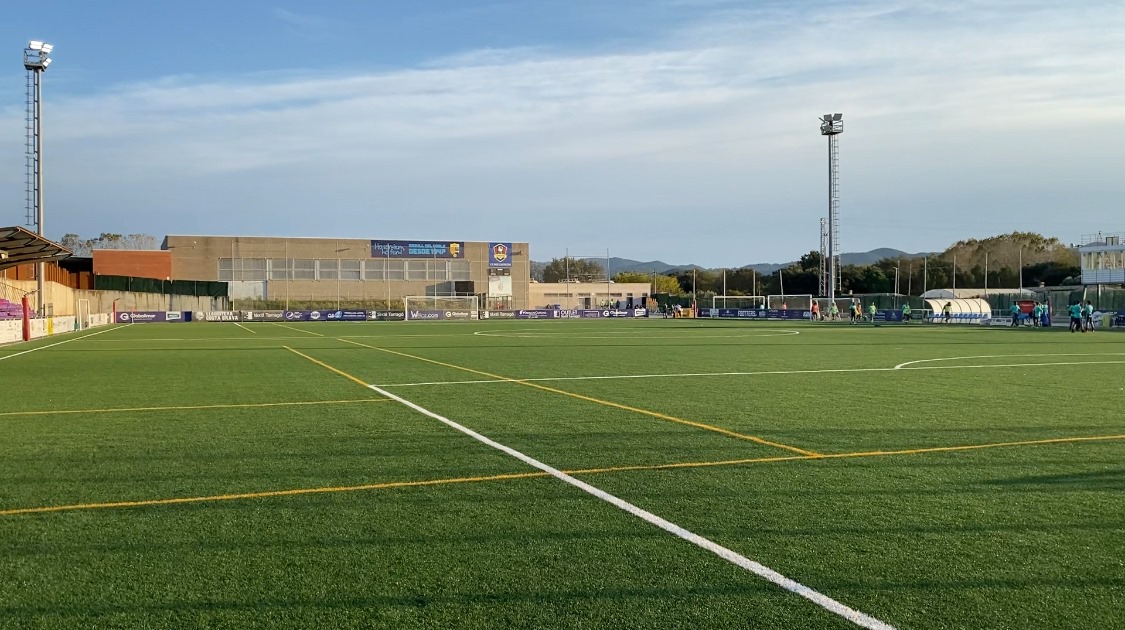
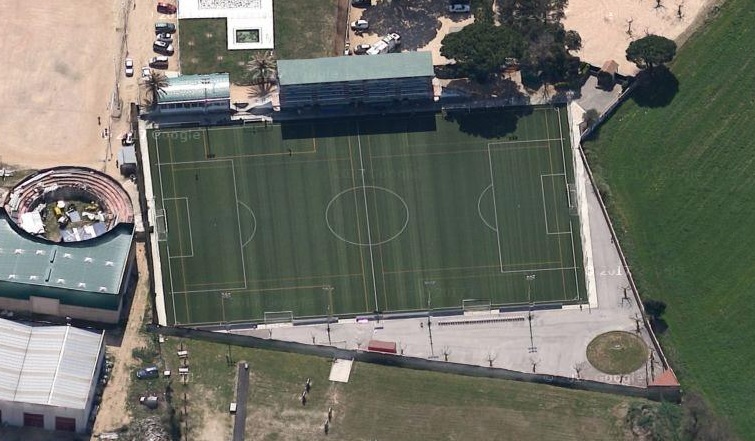
Unión Deportiva Llagostera was formed on 13 November 1947 and played its first match at the then-named Campo de Municipal on 3 February 1948, beating Educación y Descanso de Gerona by 4-1. Things remained relatively unchanged both on and off the pitch for the next 55 years or so, aside from a couple of name changes, before finally settling on Unió Esportiva Llagostera in 1988. With the club reaching the Tercera for the first time in 2008, the ground was remodelled with the playing surface being levelled and replaced with an artificial pitch. Hard standing was added around the pitch, but the only cover remained on the north side of the ground. During the renovation, Llagostera moved a few miles east to play their home matches in the town of Santa Cristina de Aro. Whilst the new layout was an improvement, it was still a very basic enclosure. So in January 2012, halfway through their first season in Segunda B, a new 30-metre open bank of seats was added to the left of the existing cover.
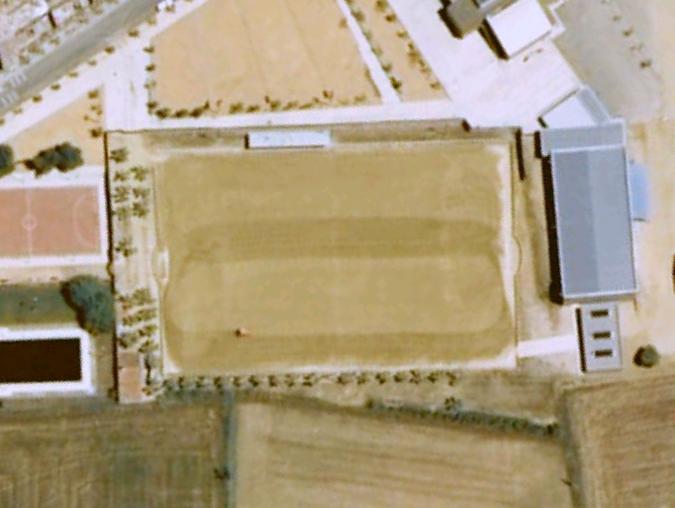
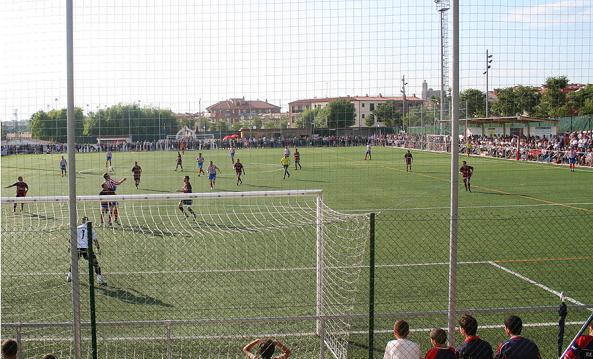
All the changes on the pitch led to some more basic improvements to the Estadi Municipal. In October 2012, temporary stands were erected at either end of the ground when the club hosted Valencia in the Copa del Rey. Their top-flight opponents won the match by two goals to nil, in front of a then-record crowd of 2,400. Whilst the temporary stand at the eastern end was removed, the open bank of seats at the western end remained for a further two seasons. The capacity during this period stood at 1,500, more than sufficient for the club’s average attendance of 900.
Llagostera acquitted themselves exceptionally well in Segunda B. In their first season, they pushed to the very last game for a place in the end-of-season play-offs, but lost out with a fifth-place finish. The club finished in tenth position in 2012-13, then won the league in the third season. Despite losing to Racing Santander in the Campeón playoffs, Llagostera saw off Real Avilés & Nástic to earn a place in Spain’s second tier. All done on a budget of €400,000, one of the smallest in Segunda B.
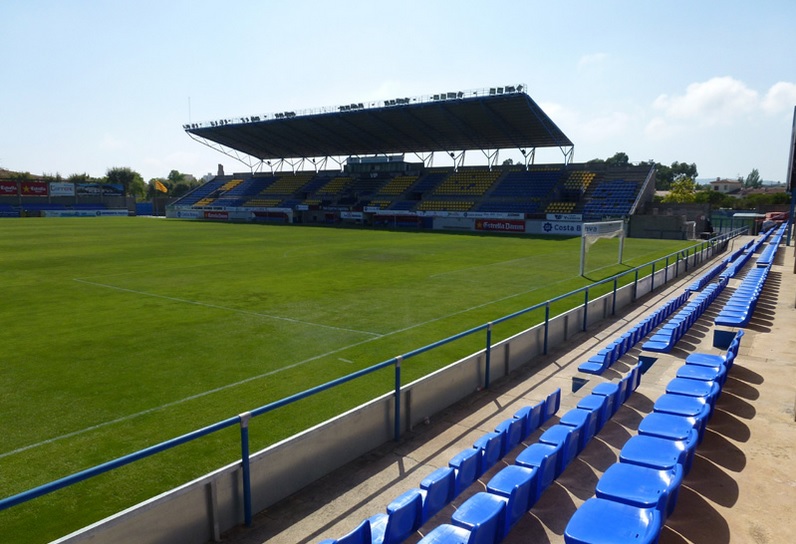
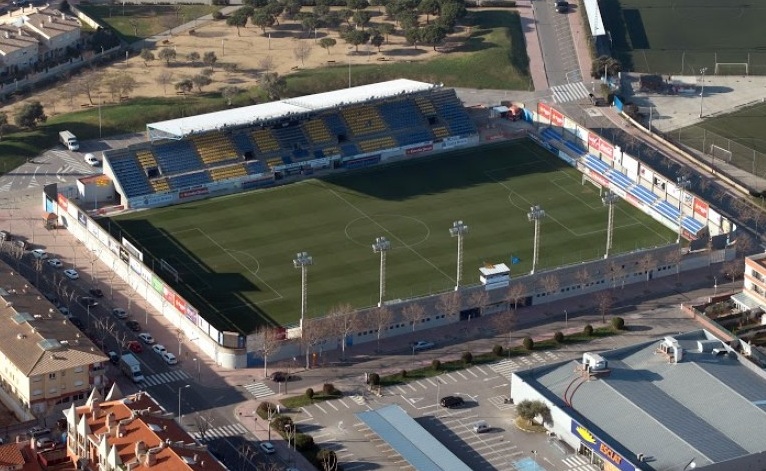
It was its artificial surface and the size of the Estadi Municipal that ruled out any chance of it hosting matches in La Segunda. So Llagostera headed 20 miles east to the coastal town of Palamós. The Estadi Palamós Costa Brava had hosted second-tier matches in the past when Palamós CF played in La Segunda between 1989 and 1995. Llagostera rarely tested the capacity of 3,725, though, averaging crowds of around 1,800 when in La Segunda. After a two-season stay in Spain’s second tier, Llagostera suffered its first relegation since 1998 and returned to Segunda B in May 2016. Worst was to follow in 2018, when the club lost a relegation play-off to Izarra and dropped to the Tercera. Back in the Tercera, Llagostera upped sticks and left Palamós for the home comforts of their village. It worked a treat, with Llagostera winning the Catalan Tercera title and promotion to Segunda B, after disposing of Club Portugalete in the play-offs. Further silverware followed on 4 December 2020, when the club beat Las Rozas in the final of the Copa de Federación.
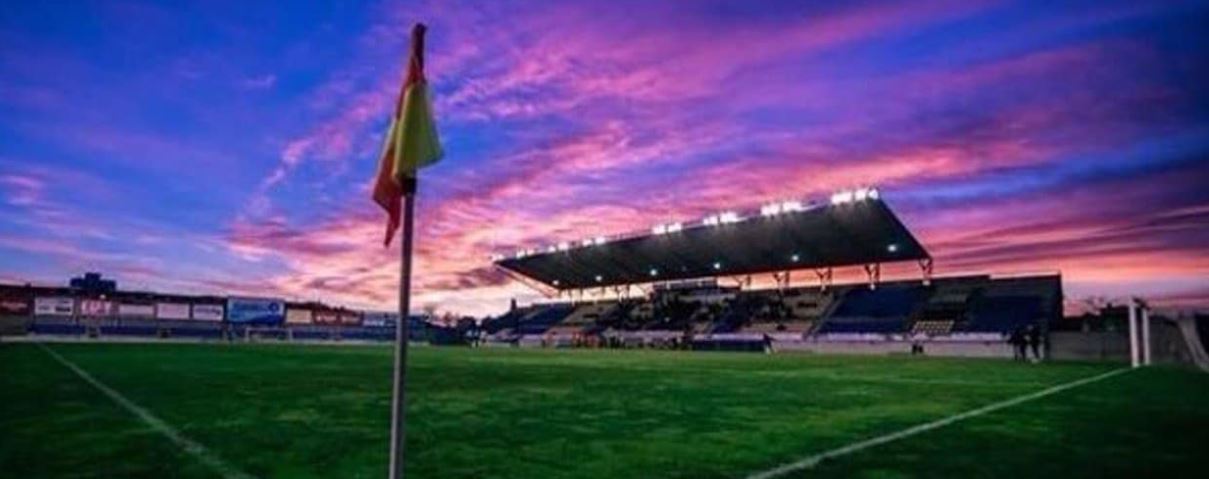
The reorganisation of the Spanish league system in 2021 saw Llagostera earn a place in the Primera Division RFEF, or third tier. On 31 July 2021, the club announced that it would move back to the Estadi Palamós Costa Brava. In addition, they were now to be known as Unió Esportiva Costa Brava. A year later, the club was on the move again. An agreement with CF Badalona would see UE Costa Brava renamed Club de Futbol Badalona Futur and play their home matches in the Segunda Federación at the Estadi Municipal de Badalona. The agreement broke down in the summer of 2023, and the nomadic club was evicted from Badalona. The club was put up for sale for €1 (but with debts of €600,000, there was no buyer) and headed off to play their football in Vic. In June 2025, the club rebranded as Som Maresme FC and moved to Premià de Dalt, but the RFEF blocked its registration in the Tercera División. The club subsequently entered a hiatus in September 2025 after losing its appeal.
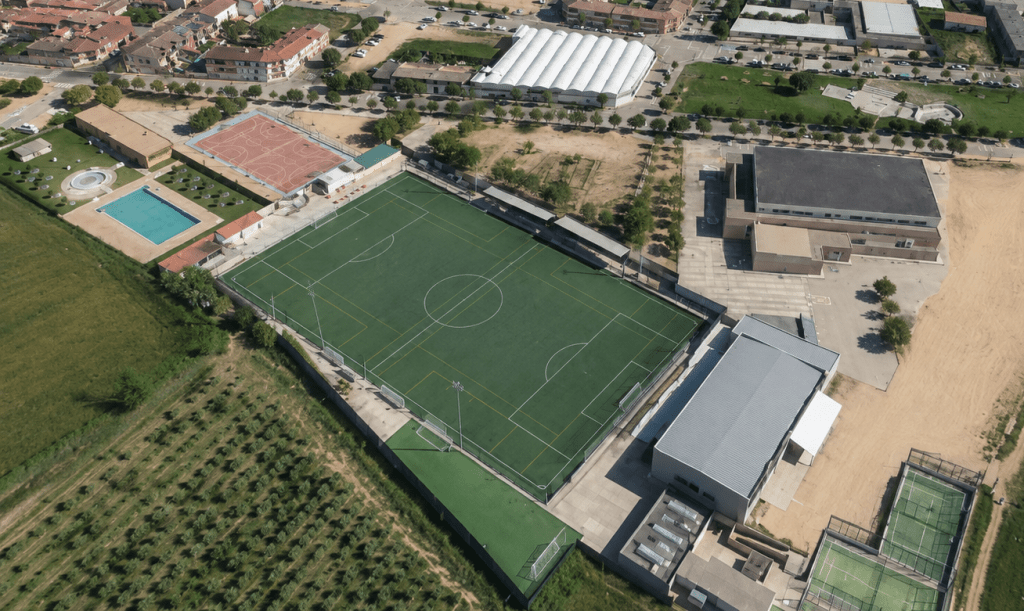
Club de Futbol Base Llagostera was founded in 2021 and began to play at the Estadi Municipal de Llagostera. On 16 May 2025, the club gained the right to rename itself Unió Esportiva Llagostera and claim the original history dating back to 1947. It seemed to work wonders, as UE Llagostera won Group 5 of the Cuarta Catalunya in May 2026, losing just once and scoring 104 goals in the process.
La Futbolteca’s club history: http://lafutbolteca.com/unio-esportiva-costa-brava-s-a-d/

