Article updated: 22/05/2026
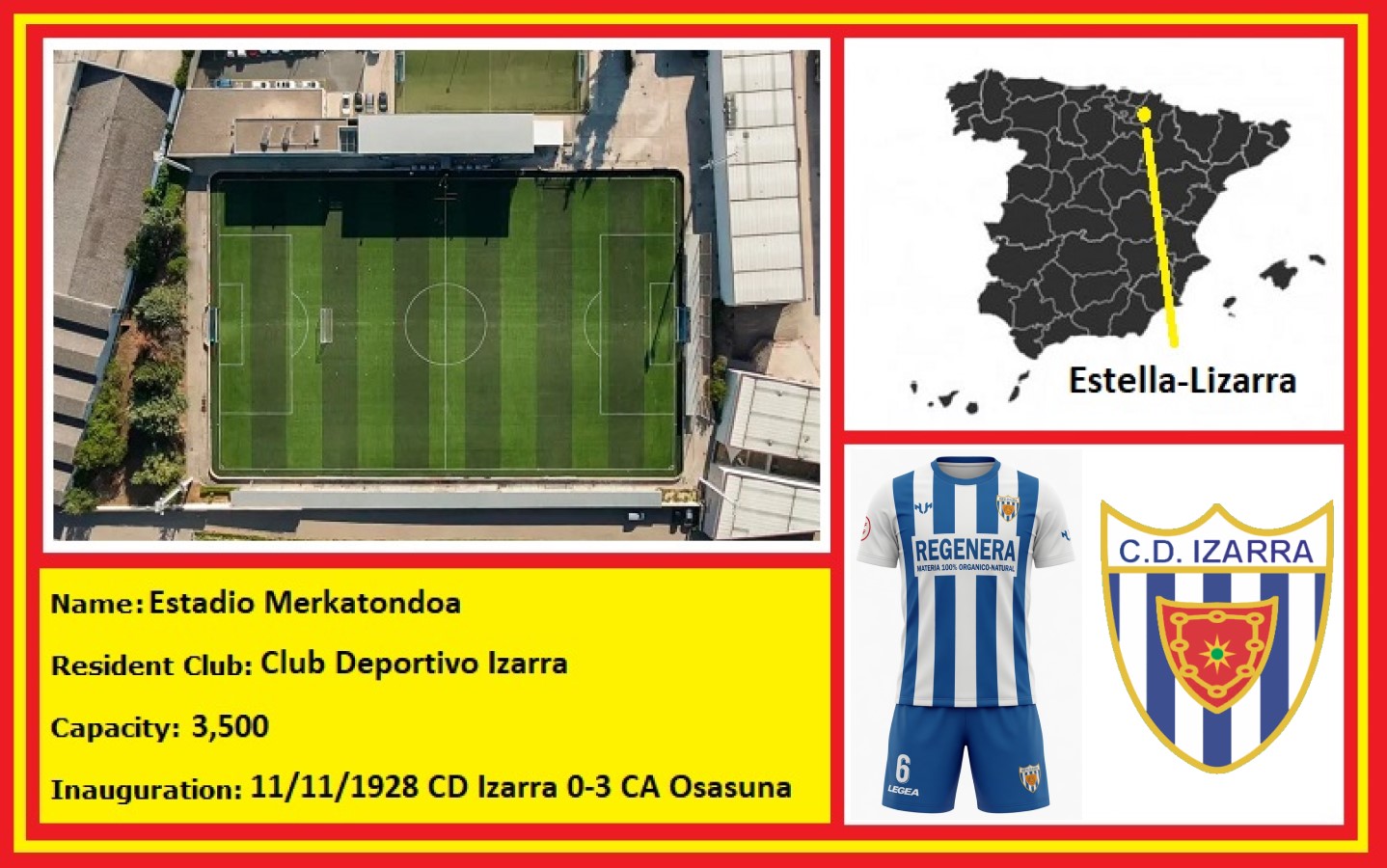
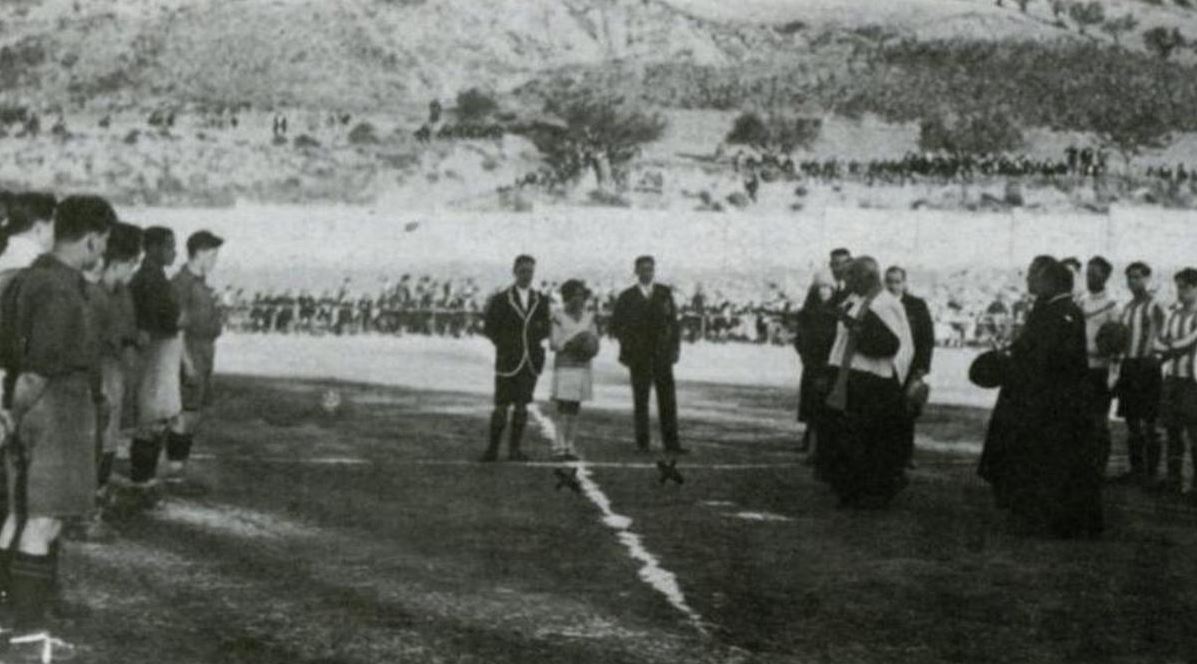
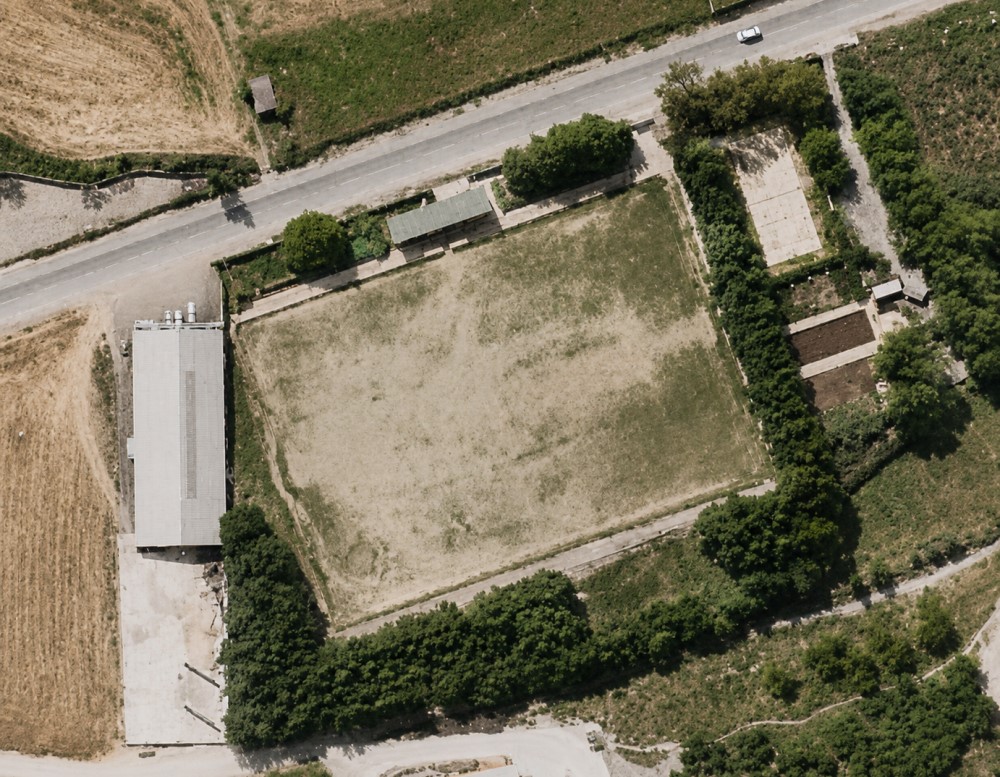
Club Deportivo Izarra hail from the western region of Navarra and the small town of Estella-Lizarra. Founded in 1924 as Izarra Beti Aurrera, it was Franco’s insistence that clubs have names of Spanish origin that led to the club adopting its present title in 1941. Izarra’s first home was the Campo de la Pieza del Conde, but in 1928, it moved out of town and south of the Rio Ega to their present home. Merkatondoa opened on 11 November 1928 with a match against CA Osasuna.

For such an established club, Izarra has had a remarkably uneventful history on the pitch. That may sound harsh, because there have been highs and lows, but also very long periods of staying put in the same division, thanks to a steady mid-table finish. After first reaching the Tercera in 1943, Izarra spent 12 of the next 13 seasons at the level, recording a highest finish of 7th in the 1950-51 season and again four seasons later. Following relegation to the regional league in 1956, Izarra recorded only three single-season visits to the Tercera in the next 27 years. There finally followed a period of consolidation in the Tercera, culminating in the club’s first title at the end of the 1990-91 campaign.
Before 1990, Izarra had played no higher than the Tercera. Then, it clocked up 16 seasons in Segunda B, spread over six separate visits. The highest position of sixth was achieved in the 1992-93 season. Following the reorganisation of the Spanish football pyramid in 2021, Izarra earned a place in the Segunda Federación. Five seasons of lower-half finishes ended in 2025 with relegation to the Tercera Federación. Unsurprisingly, Izarra has only made sporadic appearances in the Copa del Rey, reaching the Third Round on three occasions, the most recently in 2014-15, when they lost 3-2 to L’Hospitalet.
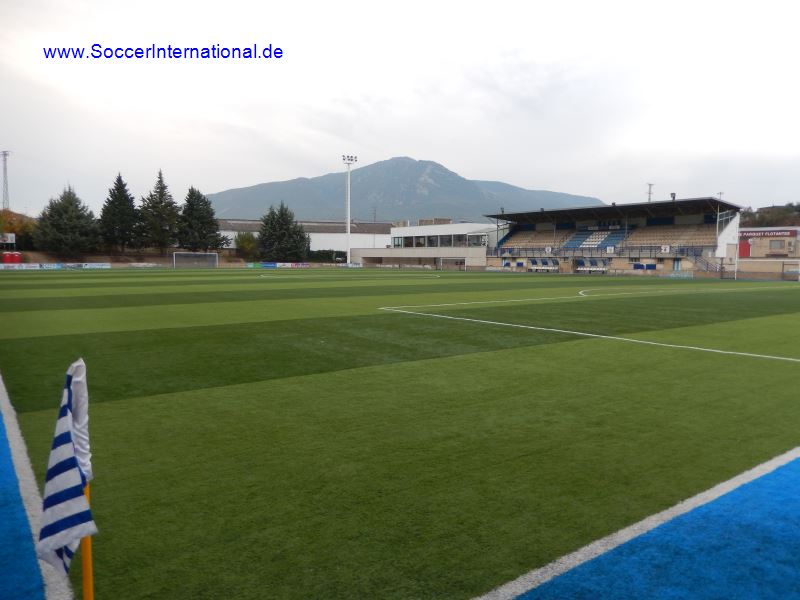
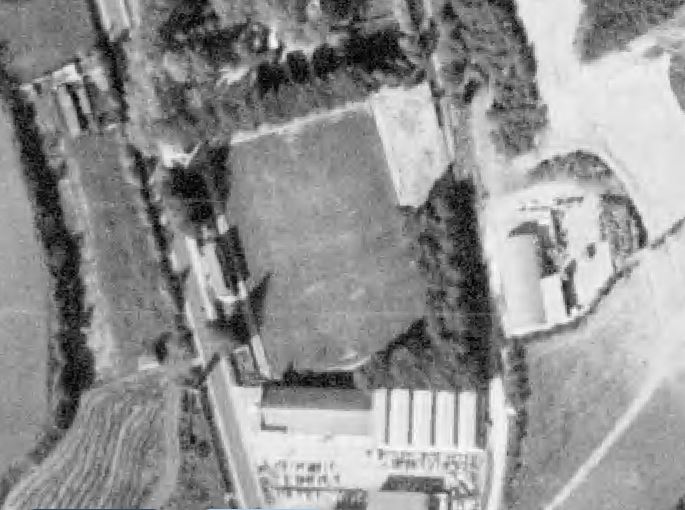
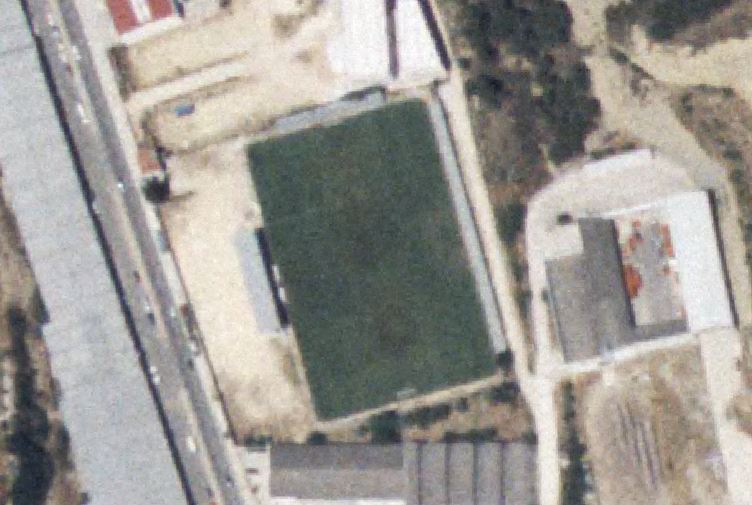
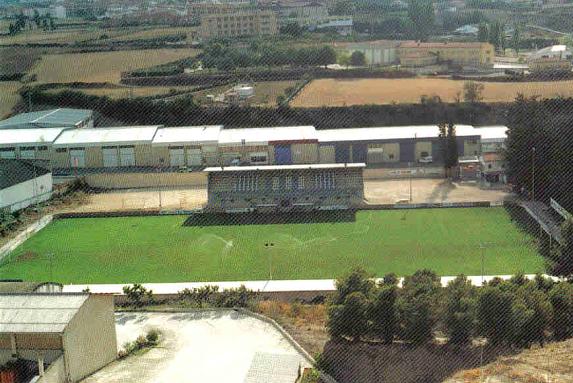
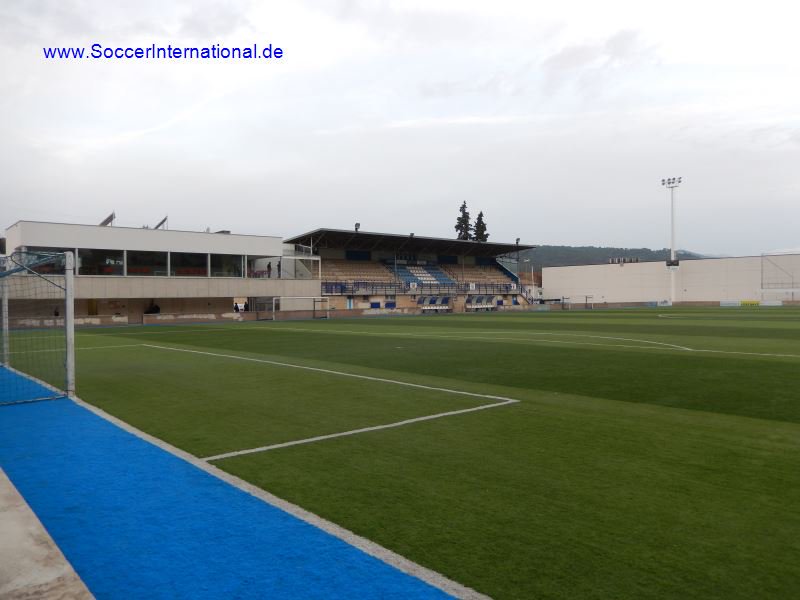
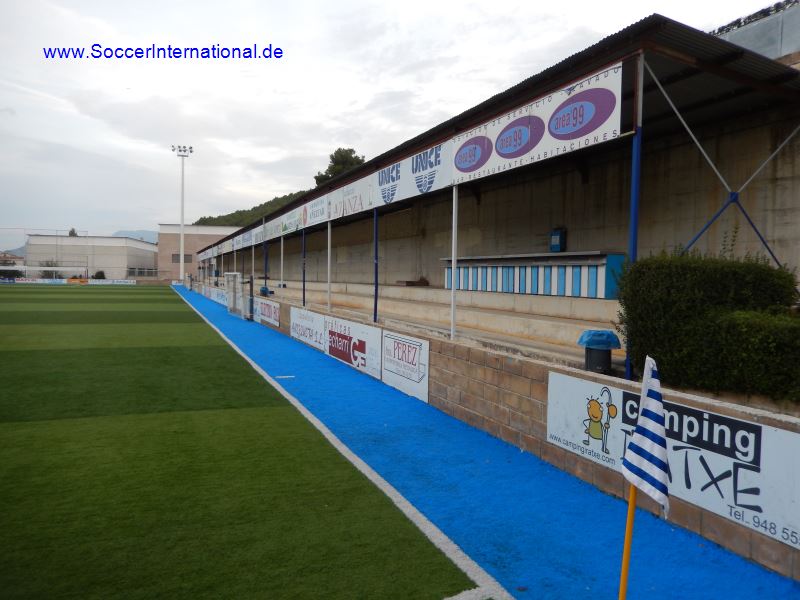
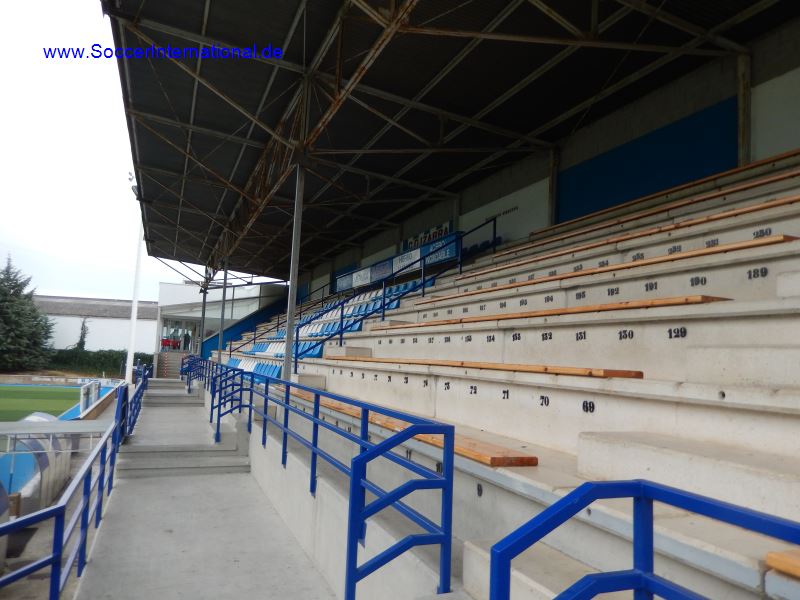
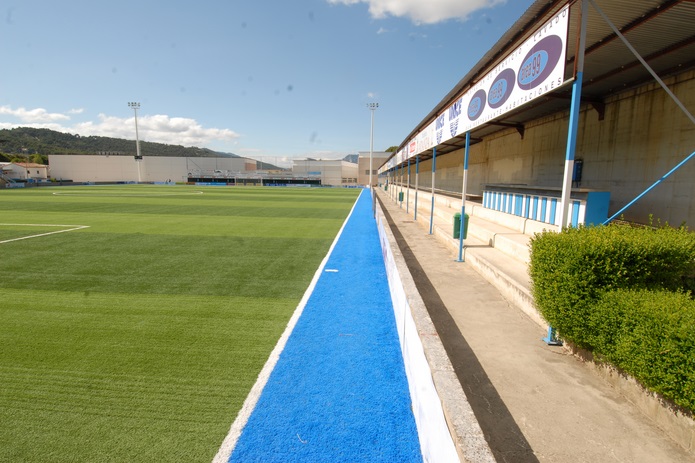
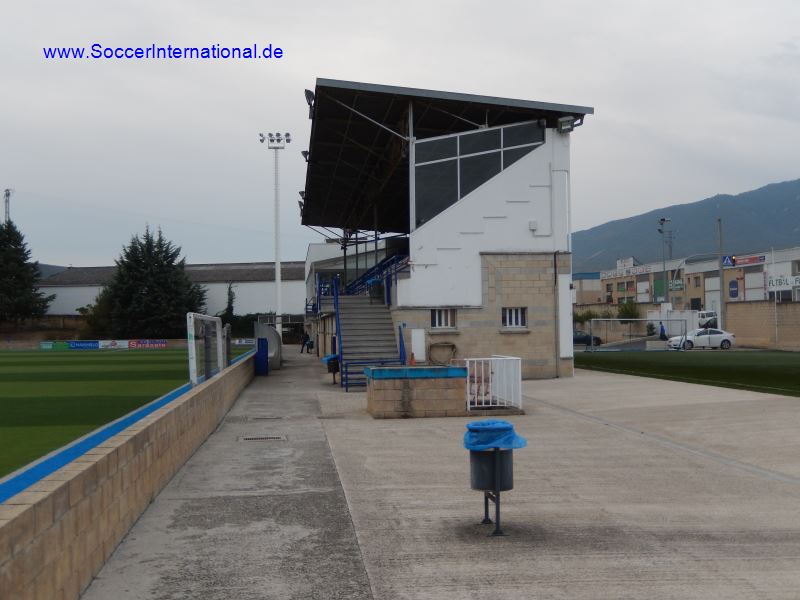
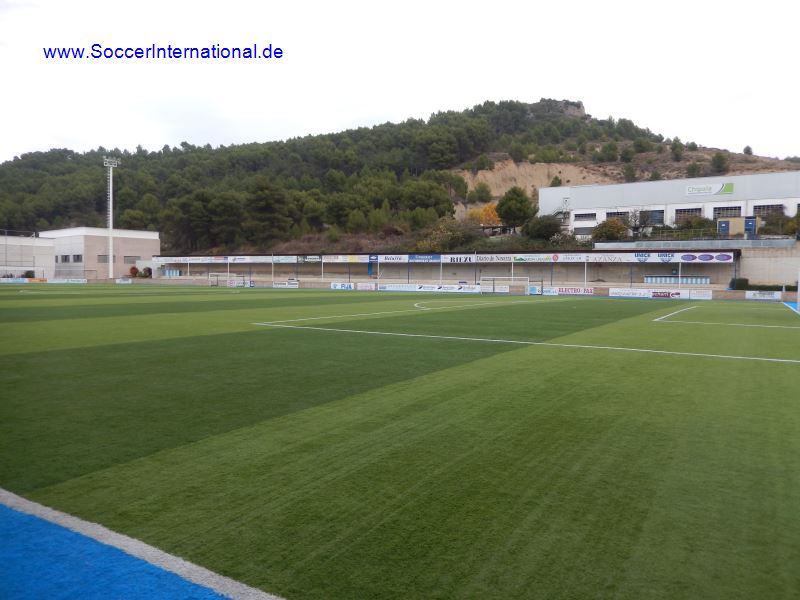
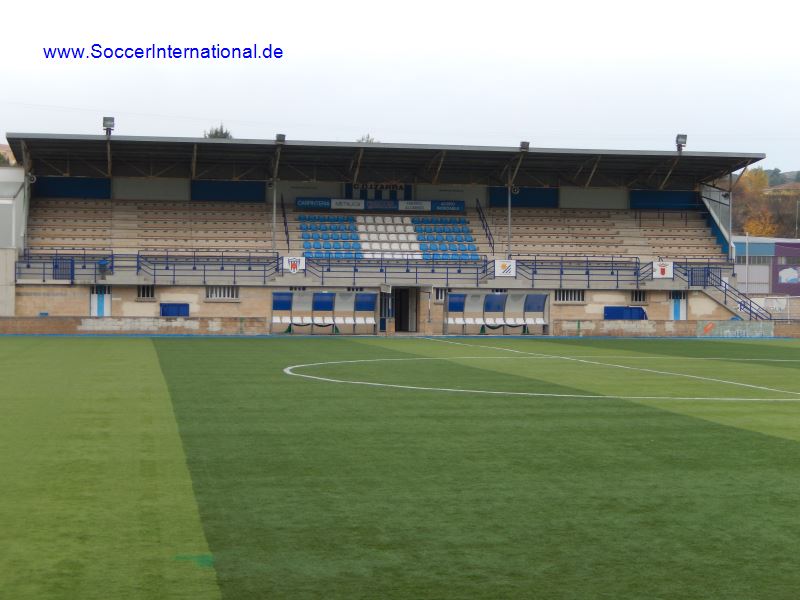
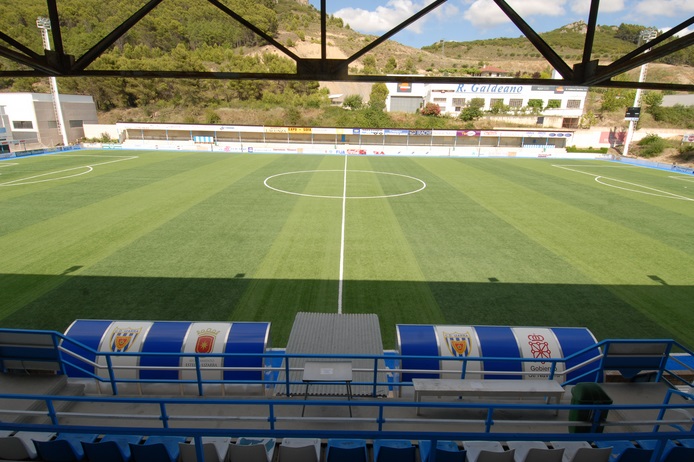
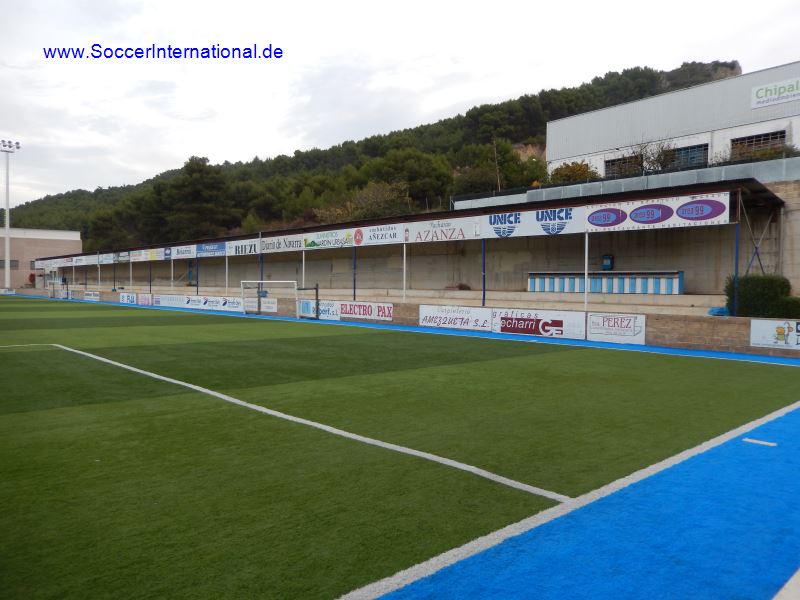
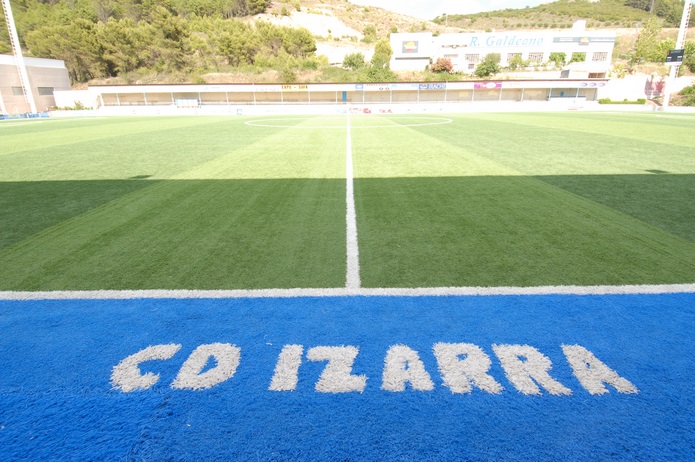
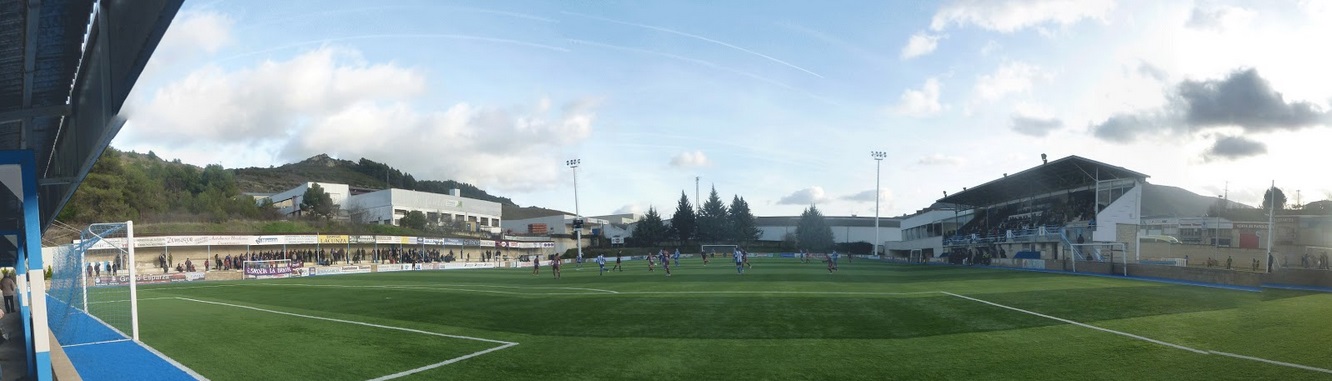
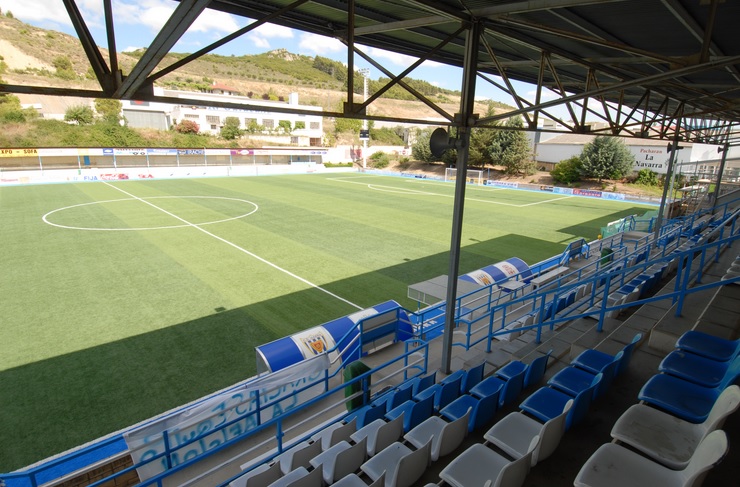
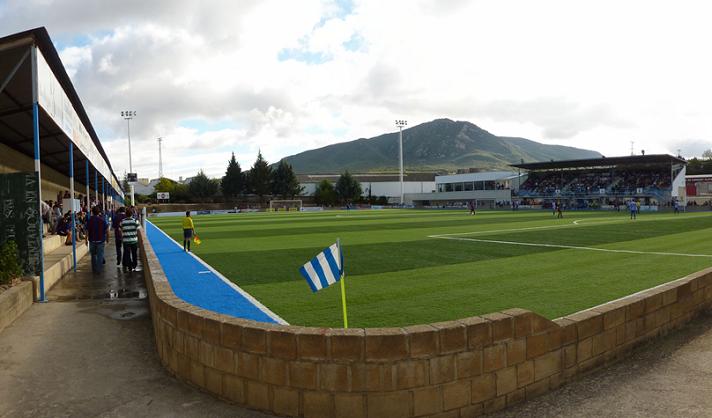
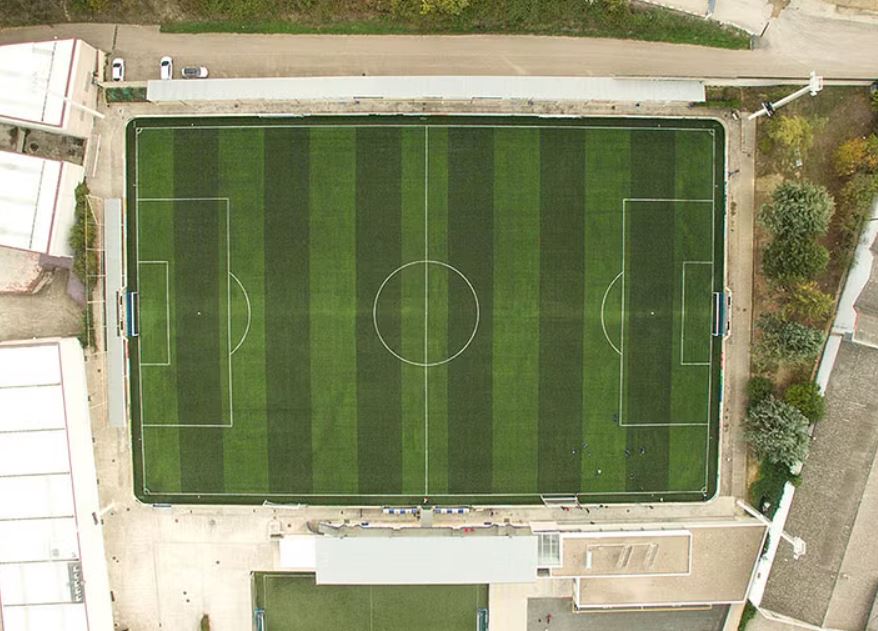
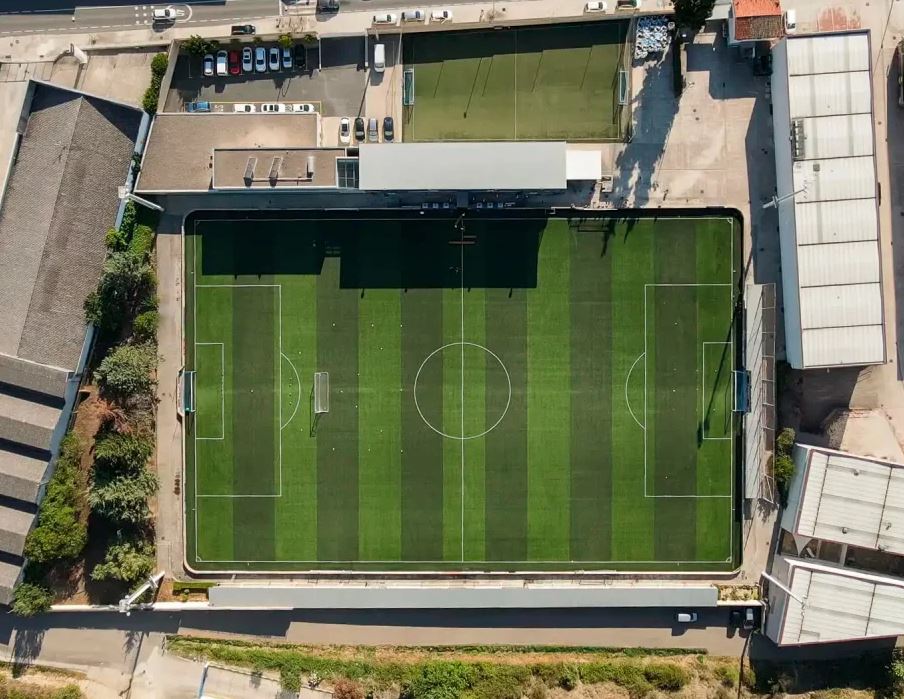
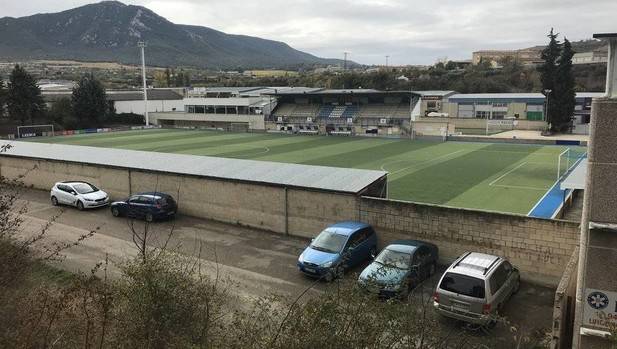
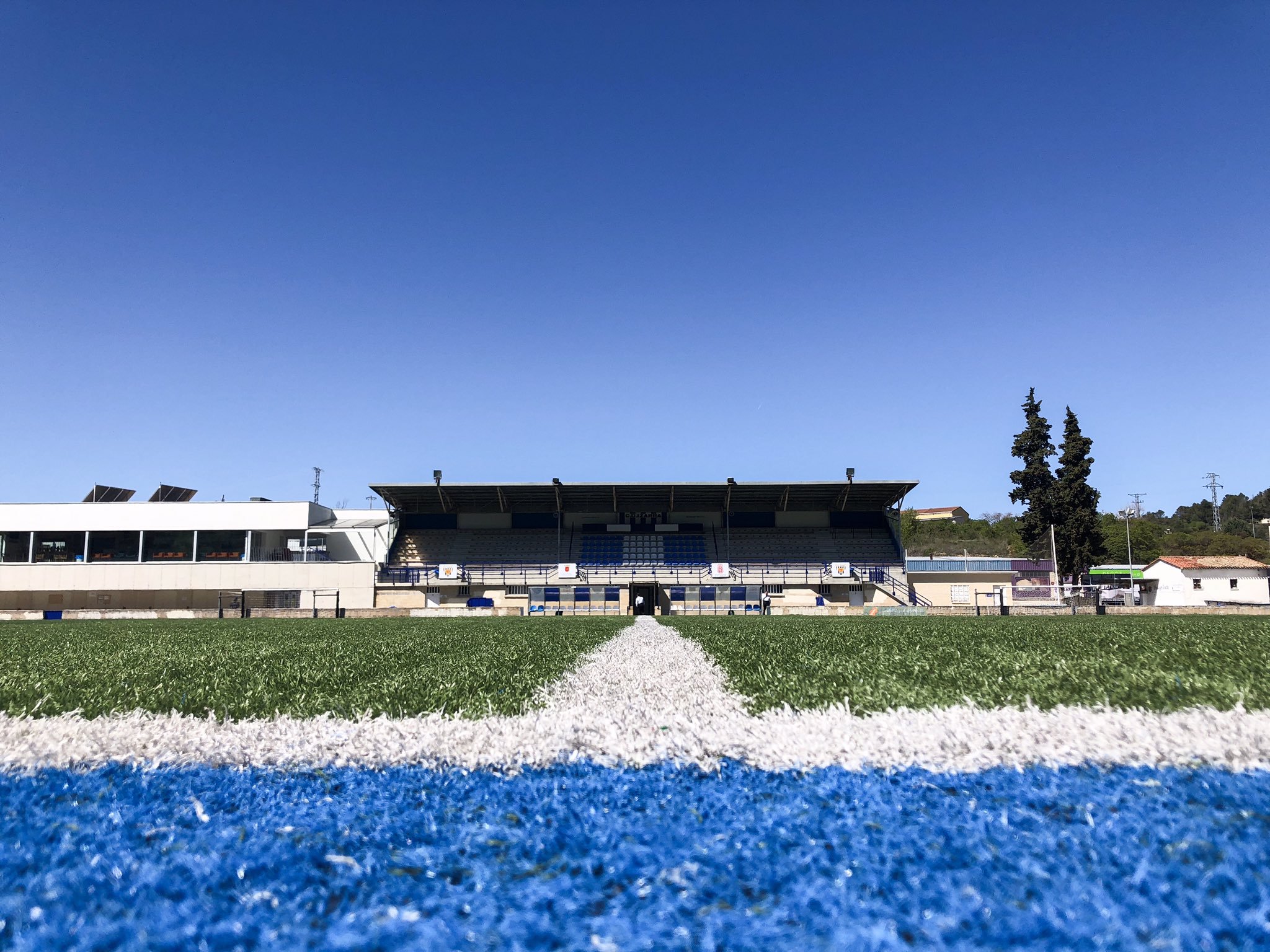
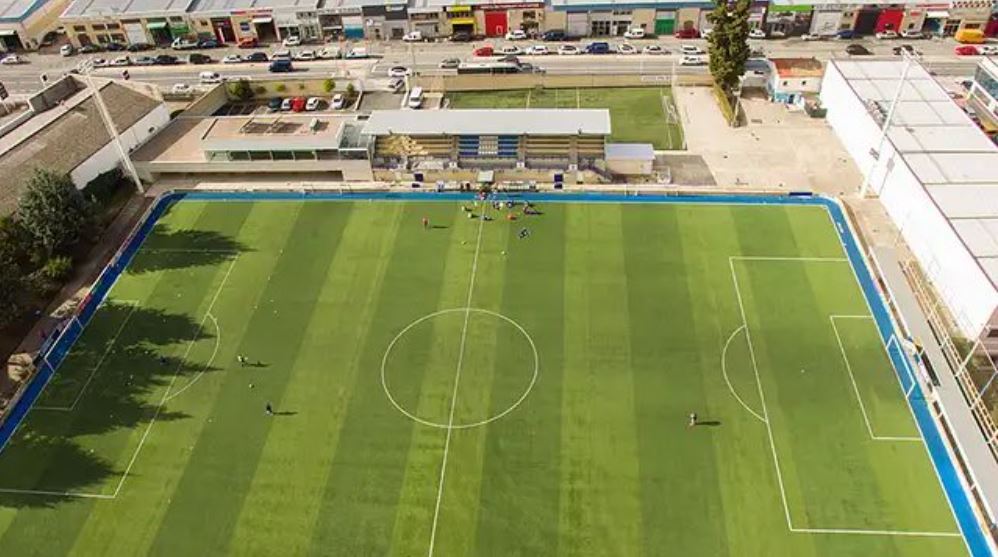
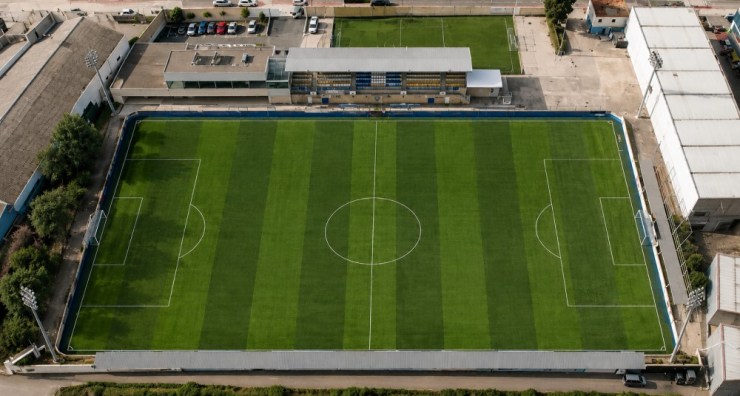
Between 1941 and 1978, Merkatondoa was known as the Estadio de San Andrés, due to the aforementioned Nationalist decree on outlawing non-Spanish names. Much of what you see at Merkatondoa is a result of the building that took place between 1986 and 1987. It was smartened up at the start of the 2009-10 season, and an artificial surface was installed, which, given the harsh winters you see in this part of Spain, was a wise move. The stadium’s stand-out feature, apart from a natty blue surround to the pitch, is the main stand, which has a raised seated tier with a propped cover. Just under 40 metres long, it has a seated capacity of 600 and a prominent blue-and-white central section. On the opposite east side is a narrow covered terrace that runs the full length of the pitch, whilst the stadium’s only other terrace is found under a short cover on the northern side.
Prudent management of the club’s finances and an excellent youth academy have kept Izarra competitive & solvent, with Javi Martínez & Carlos Gurpegui both products of the youth set-up. Unlike so many other small provincial clubs promoted to the higher divisions in recent years, CD Izarra knows its limits and cuts its cloth accordingly.