
Article updated: 29/11/2025
When you research the history of Club Deportivo Atlético Baleares, you can’t help but feel that something, somewhere, isn’t quite right. How has a club that had shown great promise and played in a great stadium underachieved so spectacularly? Four seasons in La Segunda, only two since the stadium was opened in 1960, is a poor return. Perhaps the answer lies in the fact that Atlético Baleares is an amalgam, created out of financial necessity, with little support from the local press or council?
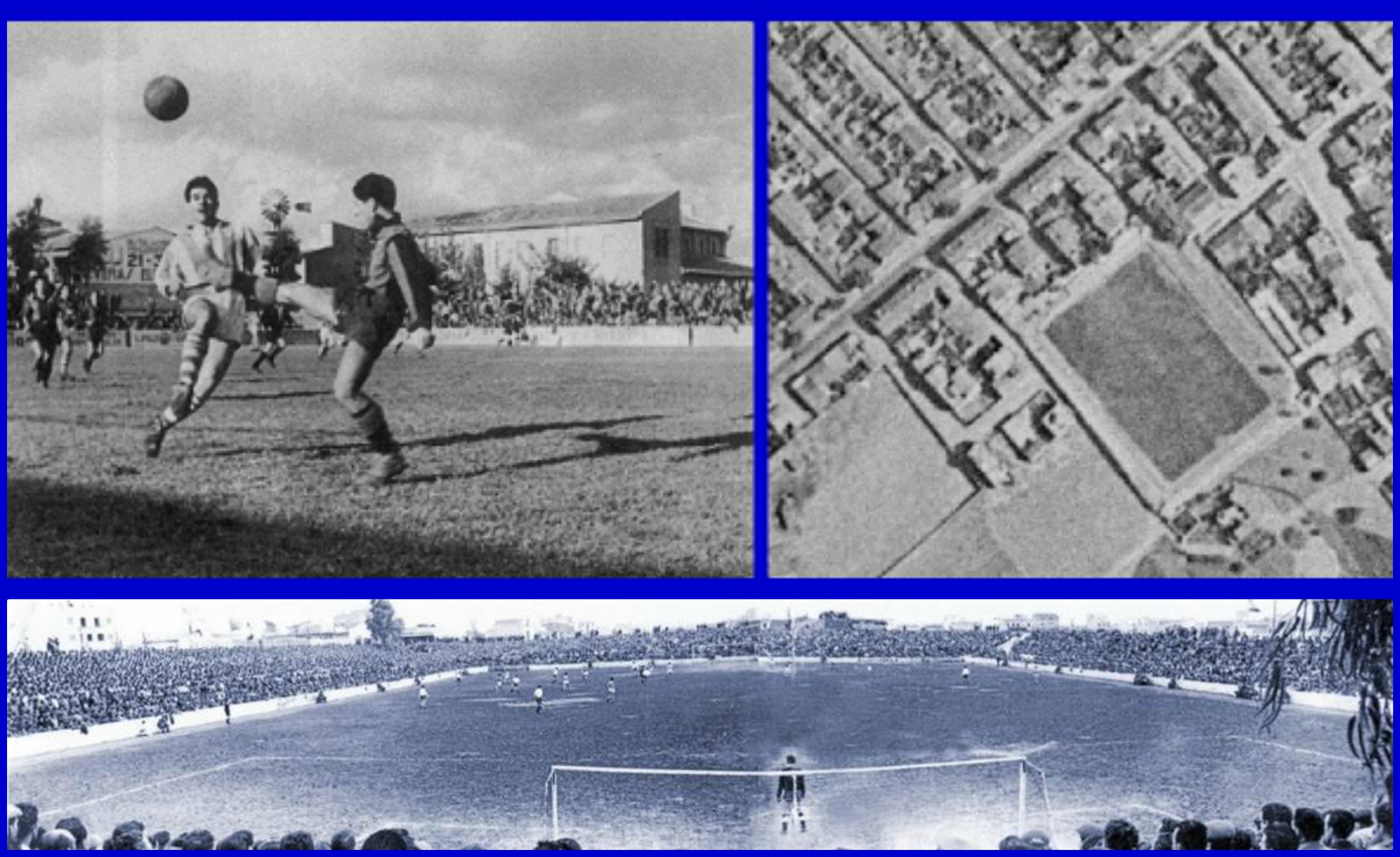
The history of Atlético can be traced back to November 1920, when two relatively new clubs, Mecánico Futbol Club & Mallorca Futbol Club, merged to form Futbol Club Baleares. To complicate matters, the similarly named FC Balear (Founded in 1916) was having some internal strife, and as a result, Athletic Futbol Club de Palma was formed in 1922. So Athletic FC & Futbol Club Baleares competed, Civil War permitting, over the next twenty years at the regional level. In 1942, the local municipality served notice to Athletic FC, informing them that their home ground, Campo de Sa Punta, was to be demolished for housing. Unable to afford a ground of their own, Athletic FC initially entered into merger negotiations with CD Mallorca (they did not take up the prefix Real until 1949). CD Mallorca would not budge on a name change, so Athletic FC began negotiations with Futbol Club Baleares. On 27 May 1942, Club Deportivo Atlético Baleares was born. Home matches were played at Campo de Son Canals, the home stadium of Futbol Club Baleares. The present-day site of the ground is between Carrer del Safareig, Carrer de Martinez de Eslava, and Carrer Isidoro Antillón, approximately one kilometre northwest of the Estadio Balear.
After a season in the regional league, Atlético entered the newly formed Tercera, featuring clubs from Catalunya, Valencia and Aragon. The club performed reasonably well for the remainder of the decade, reaching the playoffs in 1945-46, but losing out on promotion to Levante. Form improved at the start of the 1950s, and the Tercera title was secured in May 1951. And after winning their playoff group, promotion to La Segunda was secured. Atlético’s debut season was a mixed bag, with impressive home form earning a tenth-place finish. However, due to the convoluted format of La Segunda, they entered into a relegation playoff against clubs from the other regional division. After finishing fourth in this mini-league and seemingly relegation-bound, the Spanish Federation changed the format and reprieved the club. There was to be no reprieve at the end of the 1952-53 season, as Atlético finished in fourteenth position and was relegated. Back in the Tercera, Atlético produced some impressive returns, winning the title in 1955-56 and finishing runners-up in three of the next four seasons.
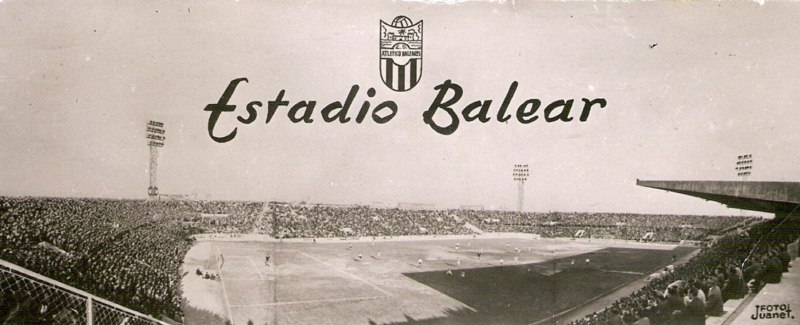
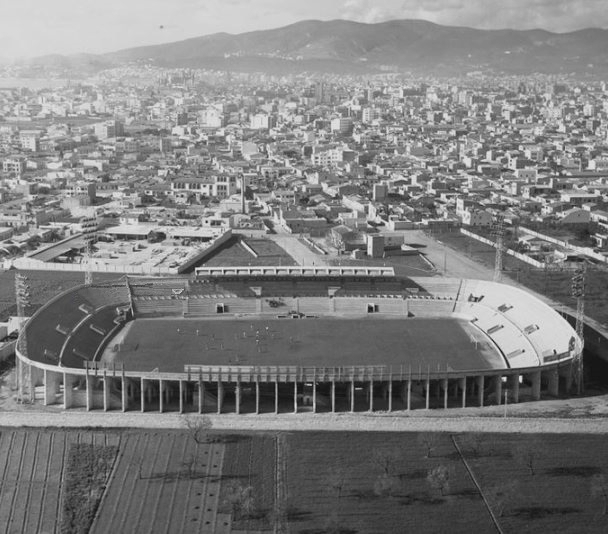
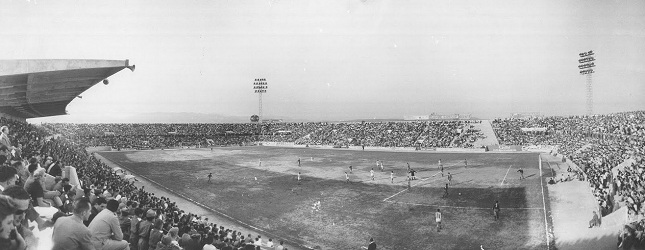
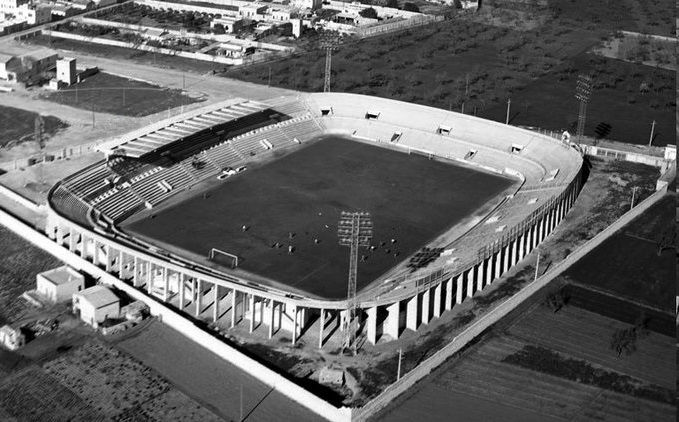
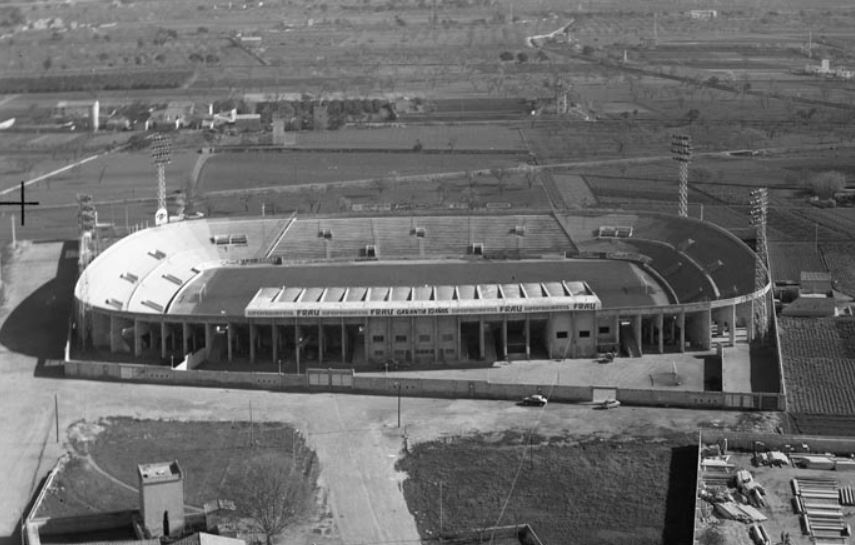
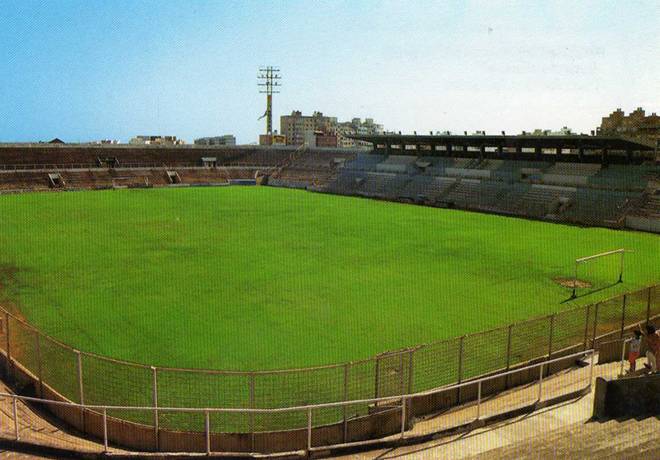
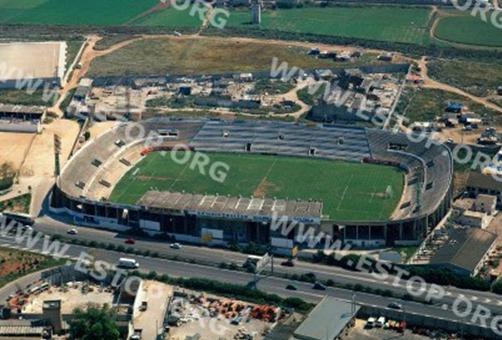
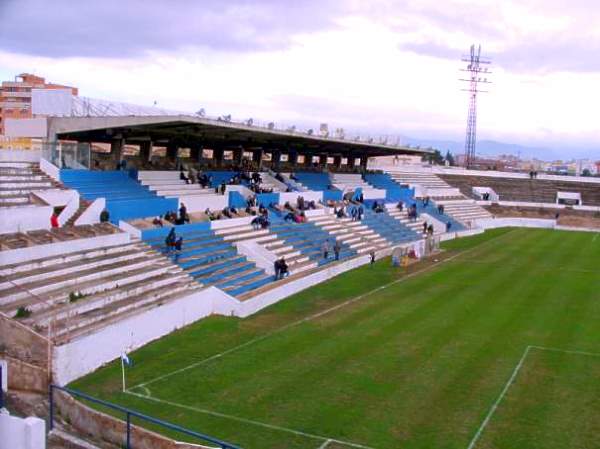
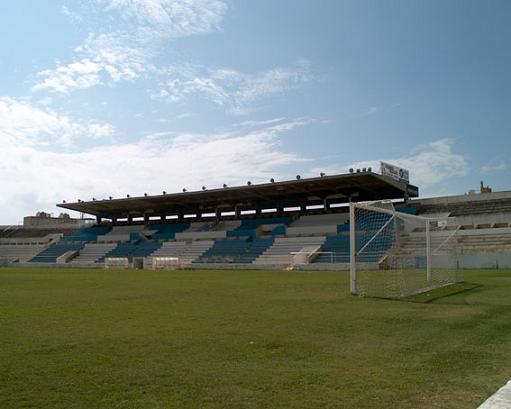
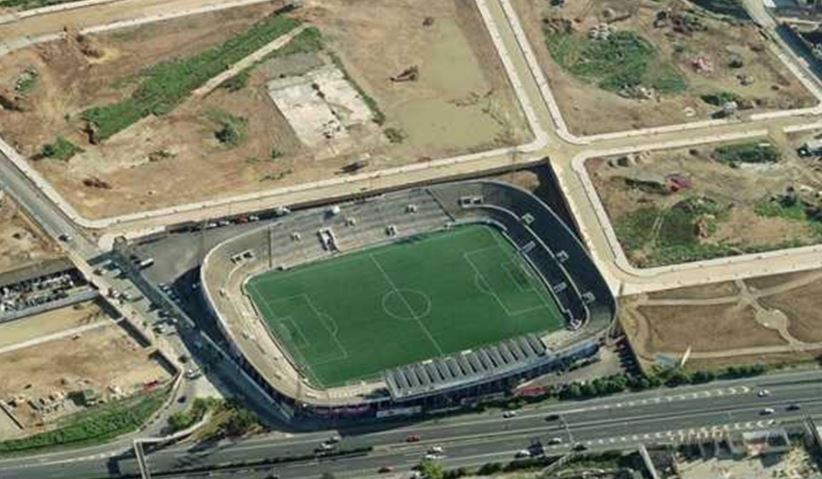
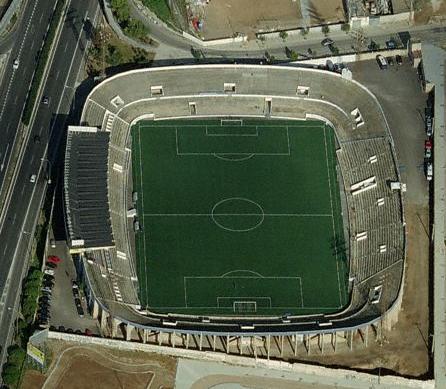
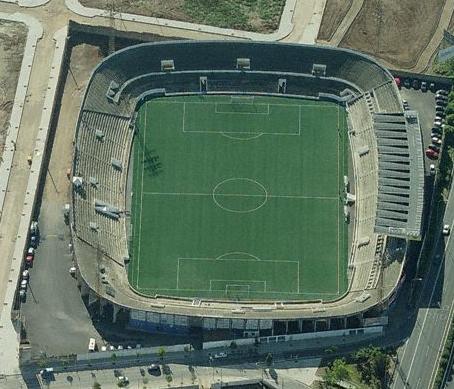
A third Tercera title was won in 1960-61, by which time, the club had moved from the old Campo de Son Canals. The move to the new stadium was partly driven by the success in the Tercera and partly due to a dispute with the owner of the land on which the Campo de Son Canals stood. The new stadium began to take shape on the eastern edge of the city in the summer of 1959 and was inaugurated on 8 May 1960 with a match against Fairs Cup finalists Birmingham City. At this stage, the ground was an open bowl of terracing, but a roof was added to the west side in time for the start of the 1960-61 season, and floodlights were installed in April 1961. With a capacity of 23,000, the stadium was one of the best in Spain, and Atlético were about to use it in La Segunda, thanks to a victory over CD Olimpic Xativa and SD Amistad in the playoffs.
Their first season back in La Segunda was a tense affair, with the threat of relegation a constant presence throughout the campaign. Decent form at Estadio Balear accounted for 20 of the 27 points won, and in the end, five points from their final three games were enough to pull Atlético clear of the relegation zone. Local rivals Constancia joined Atlético in La Segunda for the 62-63 season, and the team from Inca came out on top in the two fixtures between the clubs. Constancia won their home fixture by 2-0, whilst the match at Estadio Balear ended one goal apiece. Further points were dropped at home, and in the end, a total of 23 points was not enough, and Atlético’s stay in La Segunda was over.
The succeeding years were not particularly kind to Atlético. Relegation from La Segunda saw the club return to the Tercera. While they performed well in the regular season, winning two more Tercera titles and two second-place finishes, promotion back to the second tier proved elusive. Form and money dried up in the 1970s, and the club was relegated to the regional league in 1973. They returned to the Tercera two seasons later, and in 1977, Atlético was promoted to the newly formed Segunda B. The visit lasted just the one season, and over the next thirty years, Atlético remained in the Tercera, aside from three seasons in Segunda B in the late 1980s and two visits back down to the regional league. The last visit to the regional league in 2006 almost resulted in Atlético’s demise, but the appointment of a new President and funding saw the club bounce back to the Tercera after just one season. Promotion to Segunda B followed in 2008, and whilst they were relegated a year later, Atlético returned to the third tier in 2009-10.
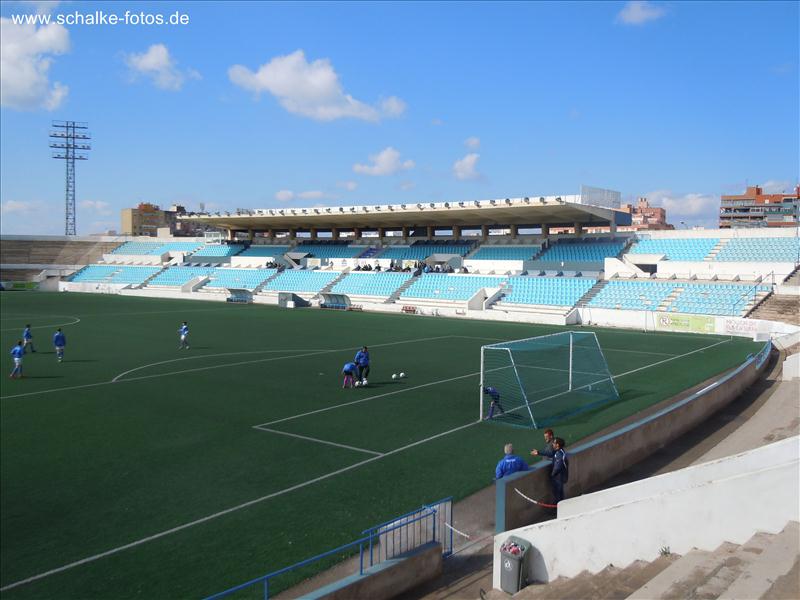
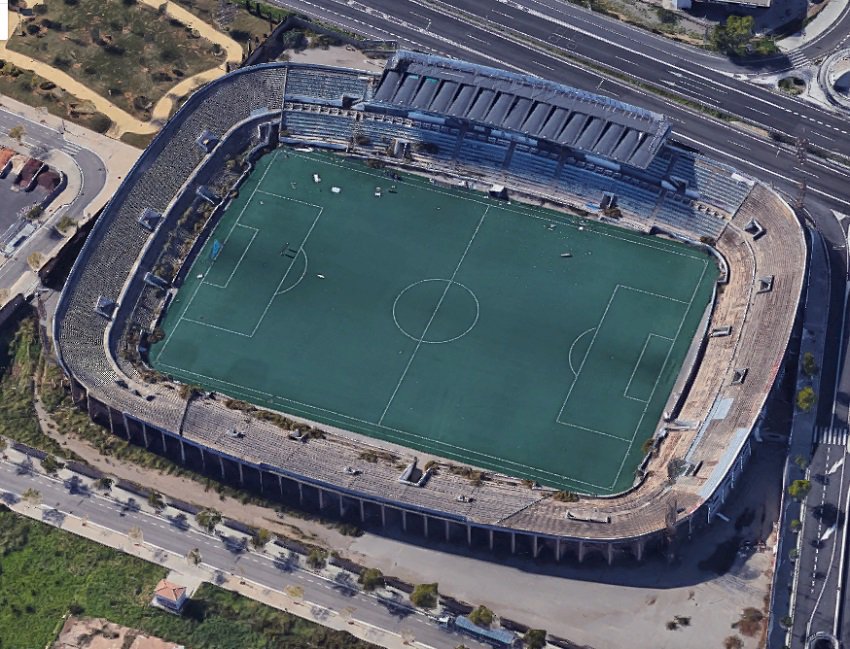
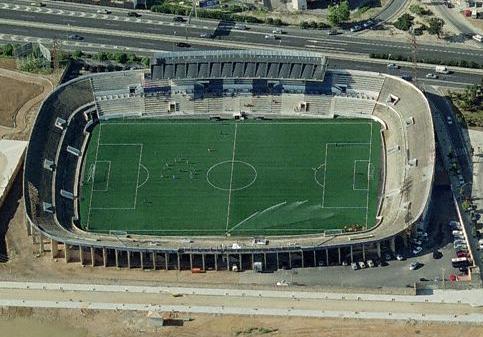
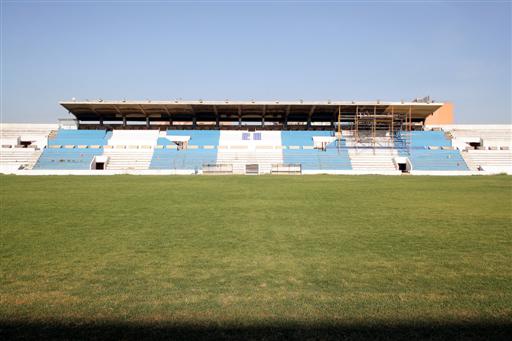
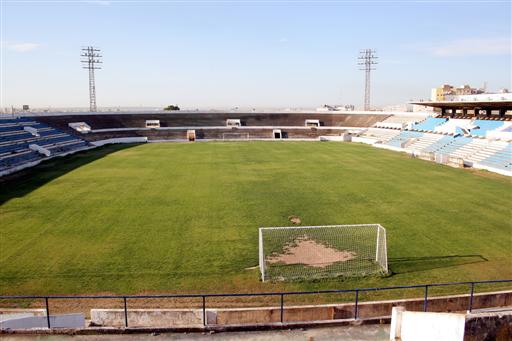
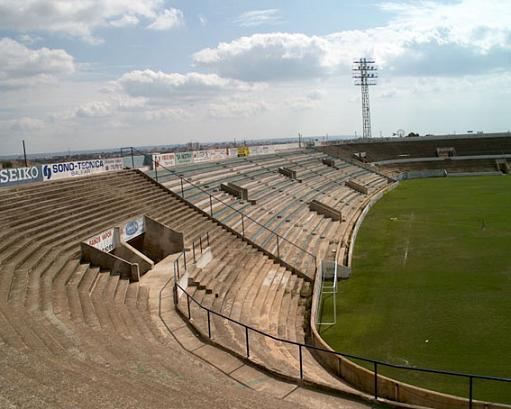
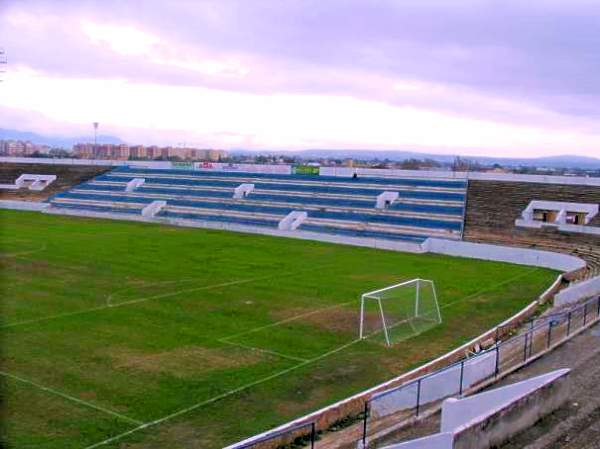
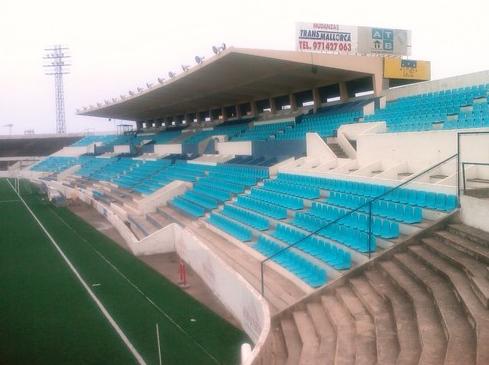
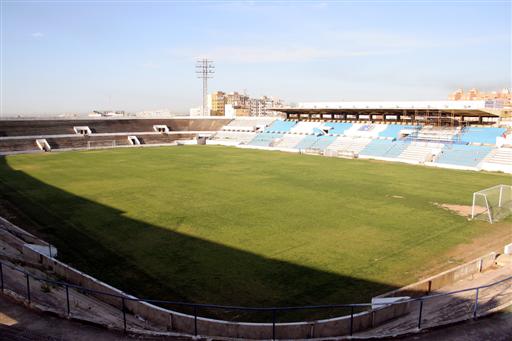
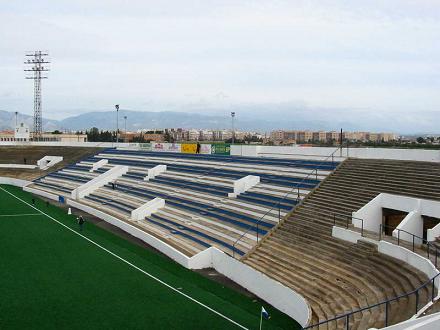
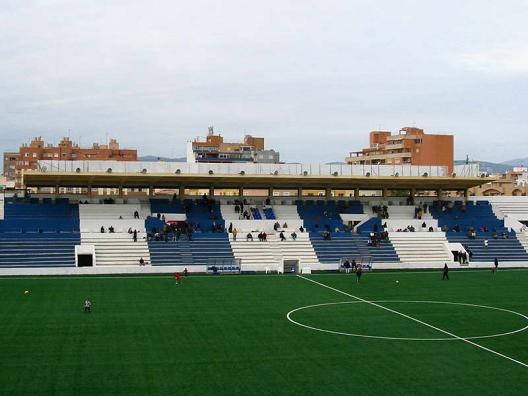
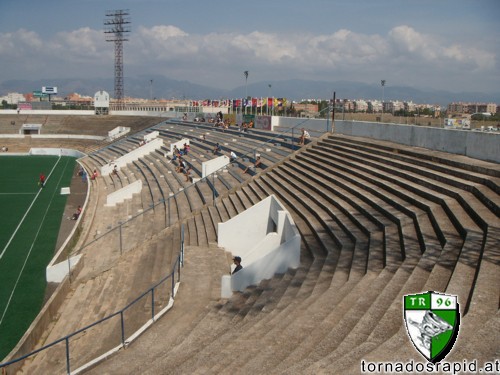
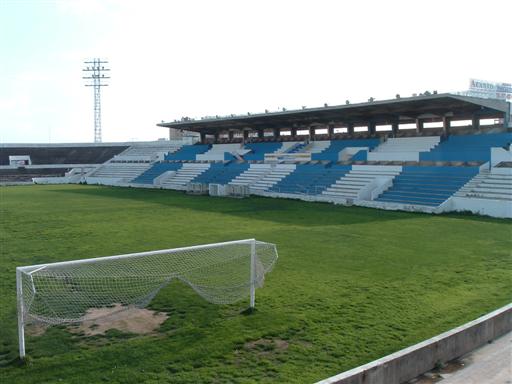
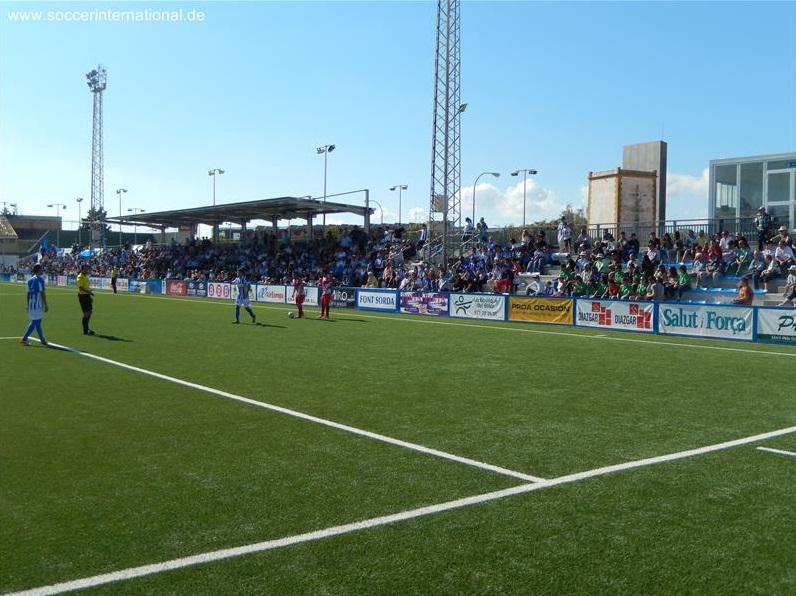
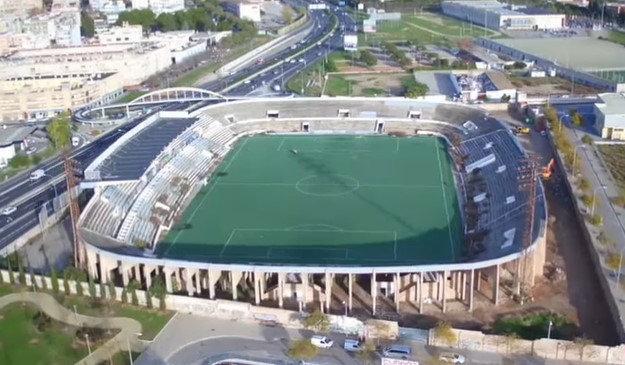
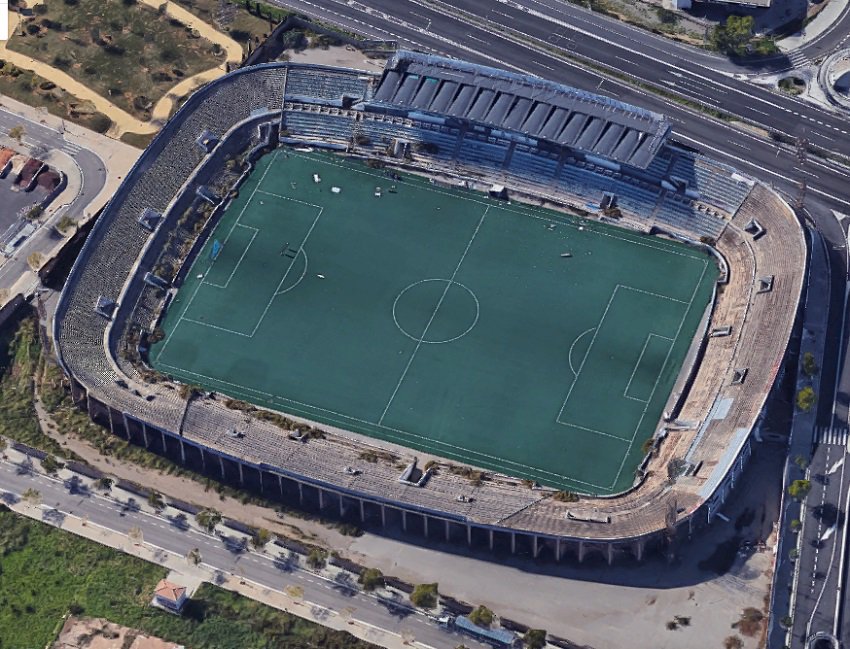
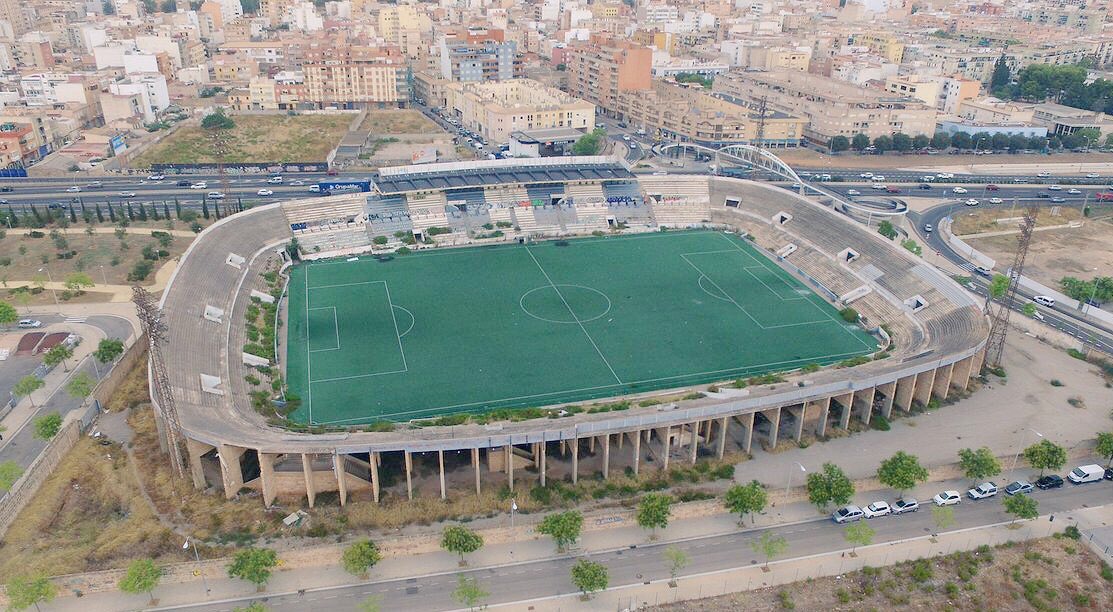
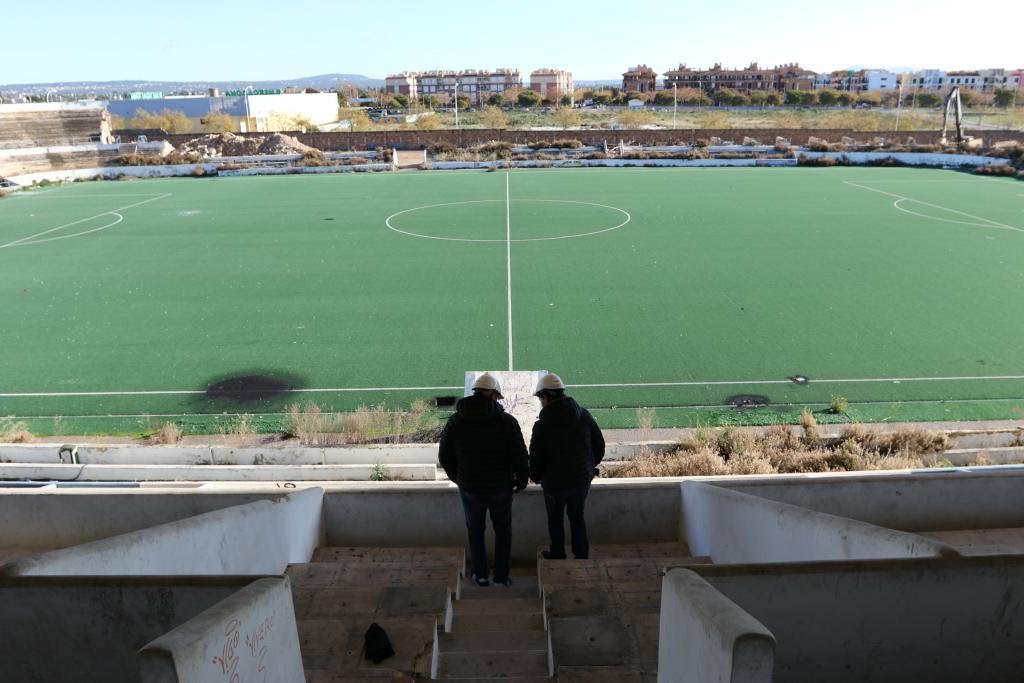
At first glance, the Estadio Balear appeared perfectly respectable, but on closer inspection, time had taken its toll. In 2007, the local municipality paid for the renovation of the main West Tribuna. The roof was in particular need of attention, and the ageing seats were also replaced. They also installed an artificial playing surface, and with a lick of paint here and there, the stadium looked presentable. However, at the start of the 2011-12 season, a safety concern over the stability of the south terrace led to its closure for part of the season. Not that this affected Atlético, who confounded the experts and won the league. The club was handed a tough draw in the playoffs, losing to Copa del Rey semi-finalists CD Mirandés and CD Lugo, but the old stadium hosted five-figure attendances for the first time in years.
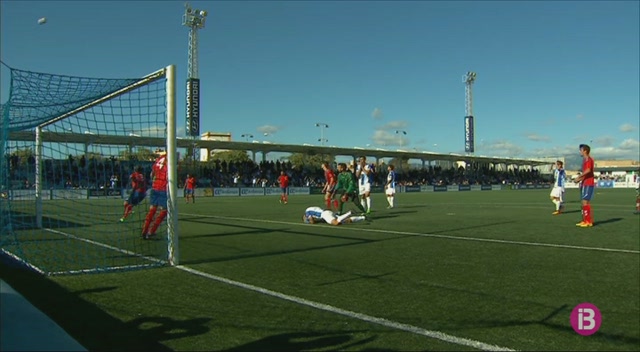
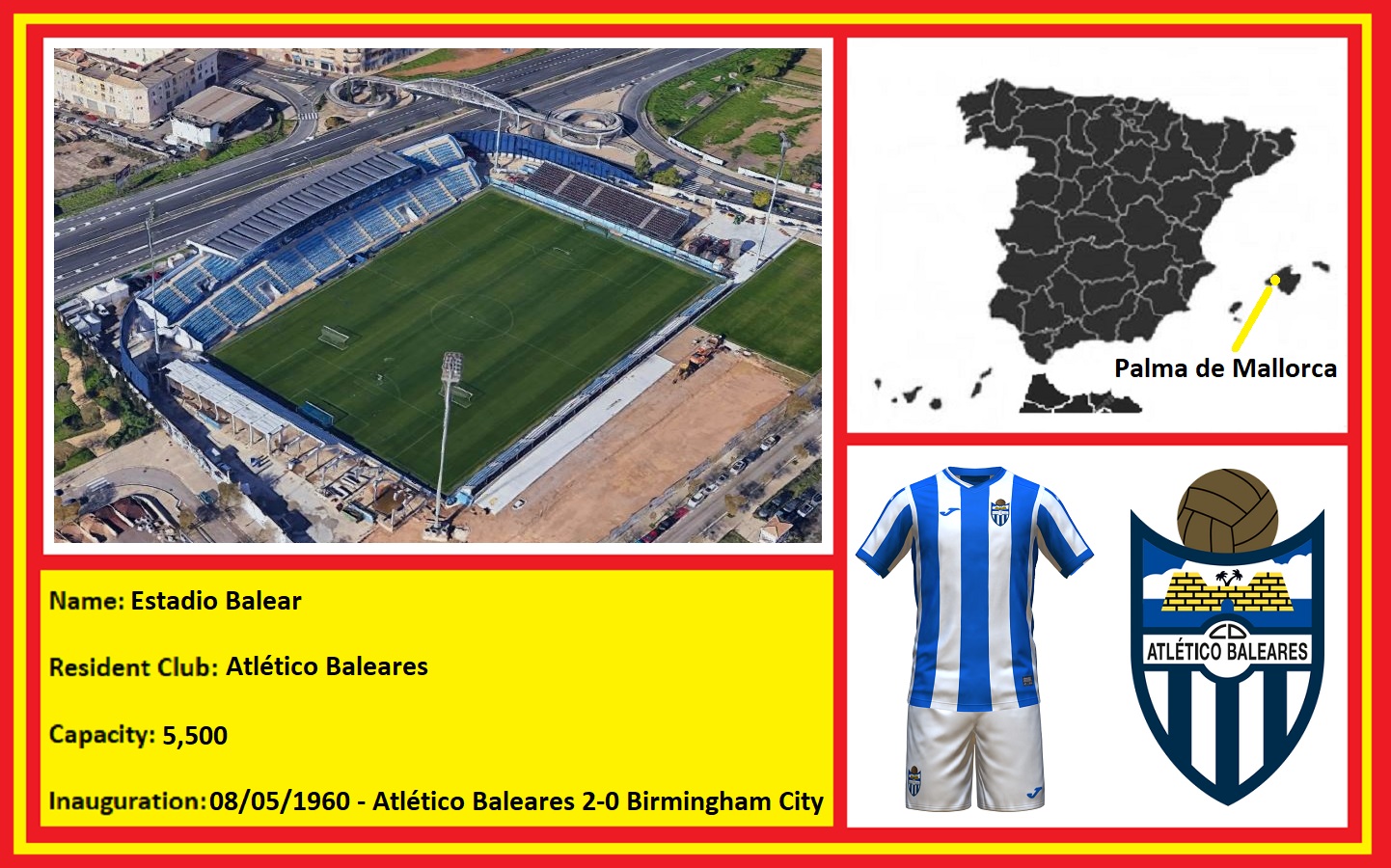
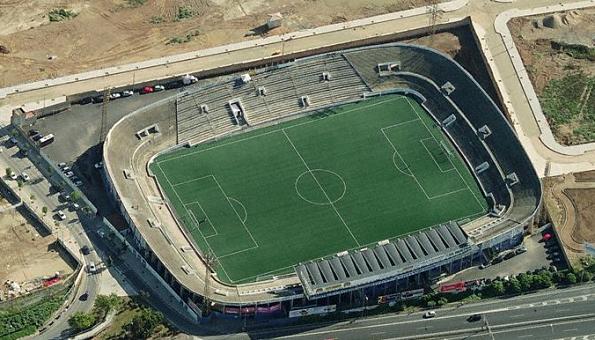
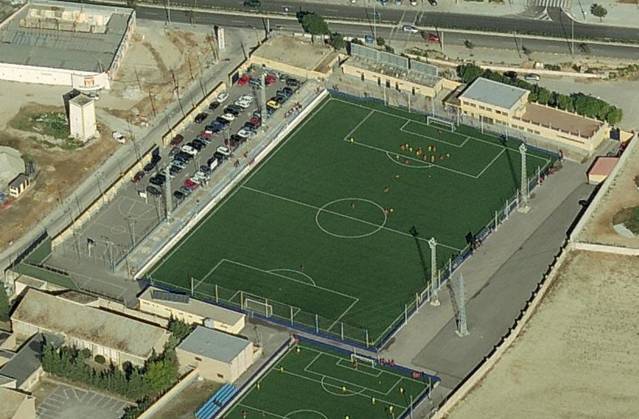
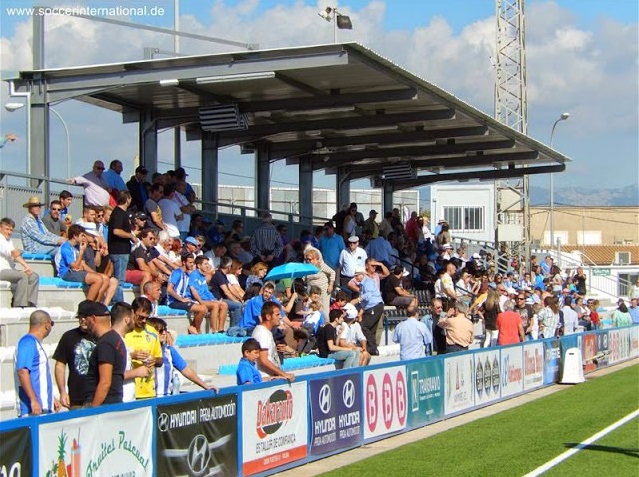
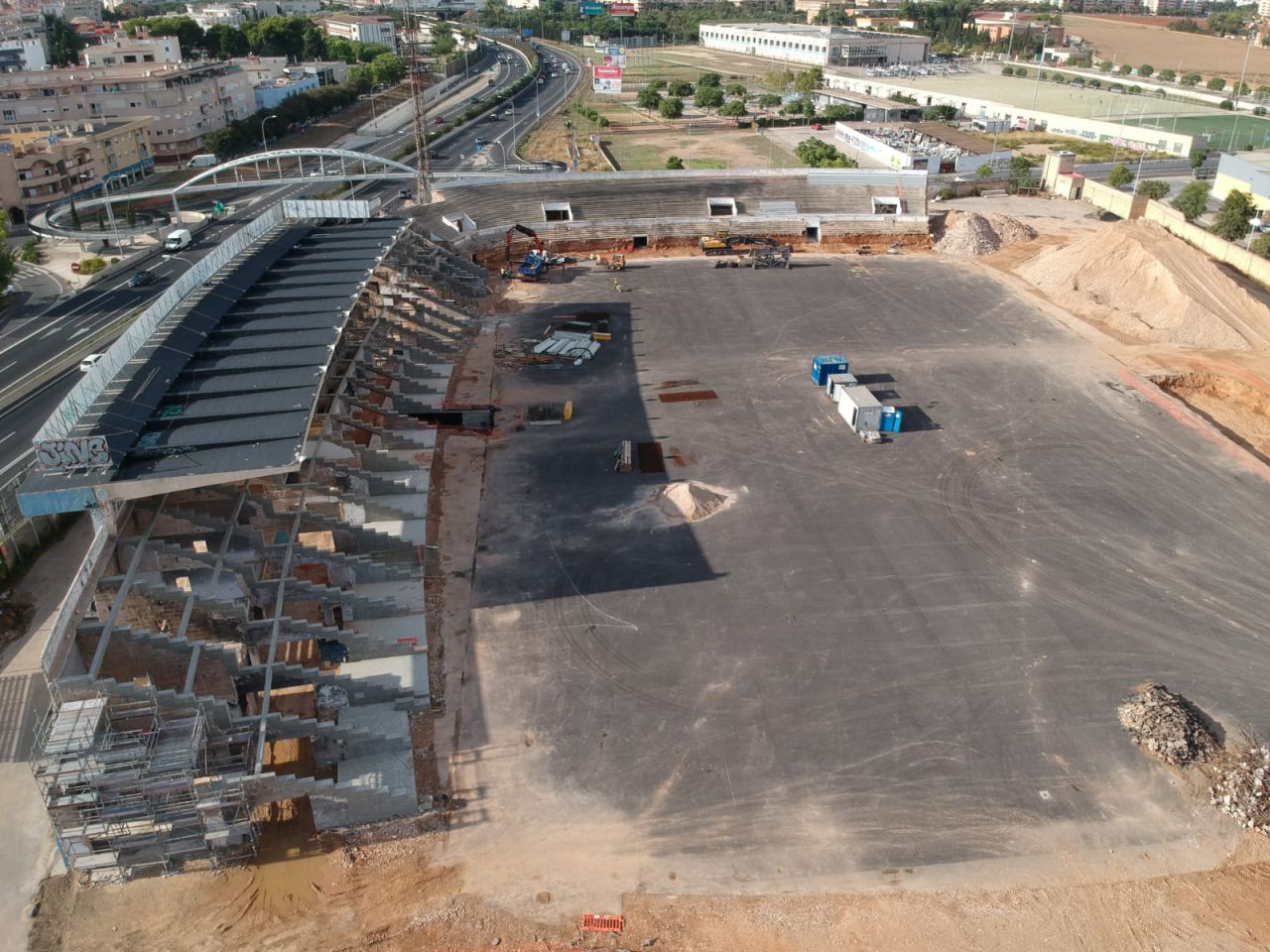
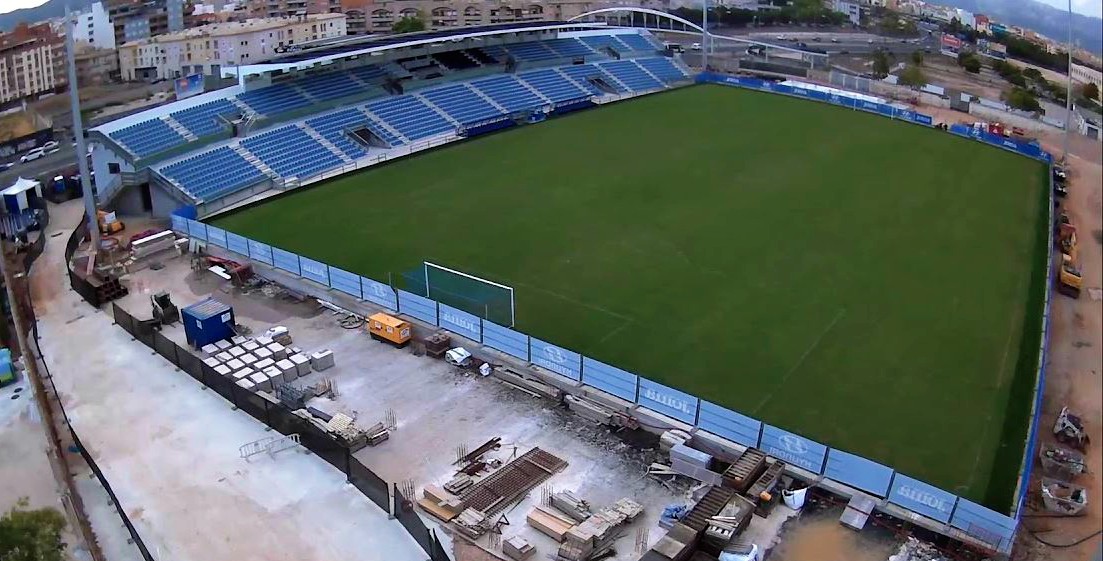
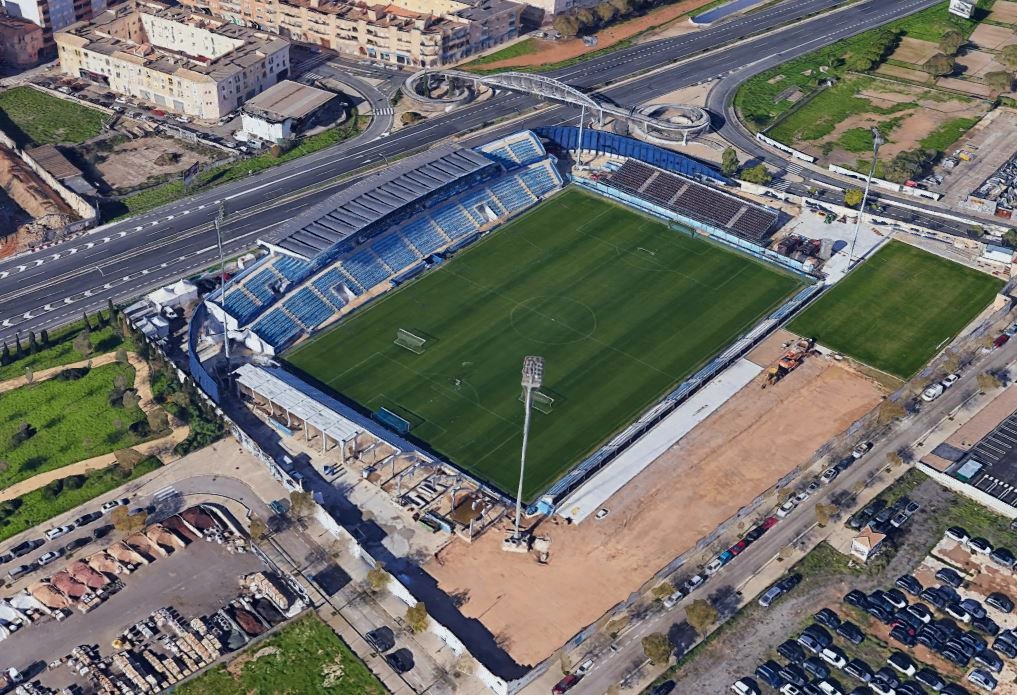
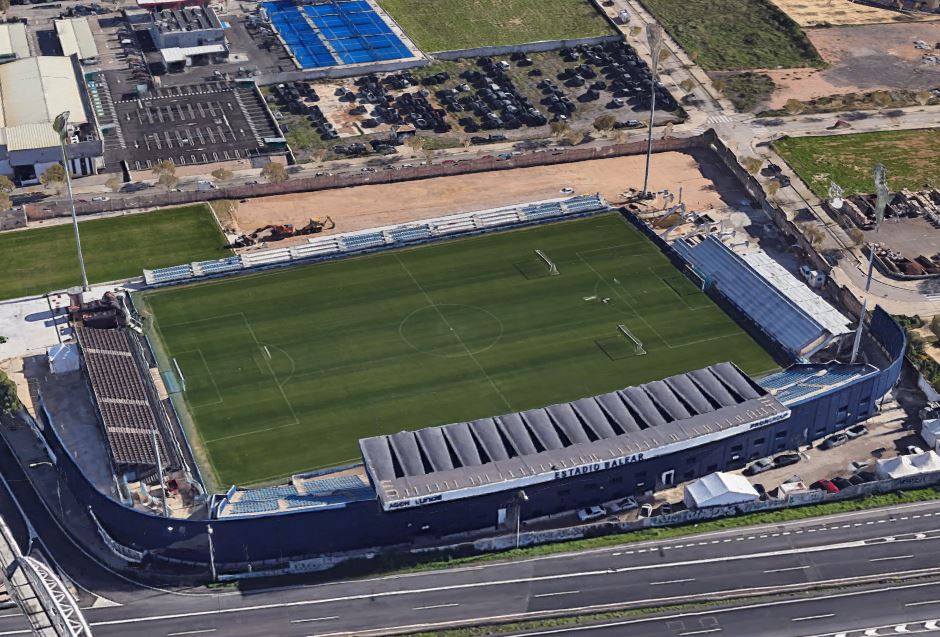
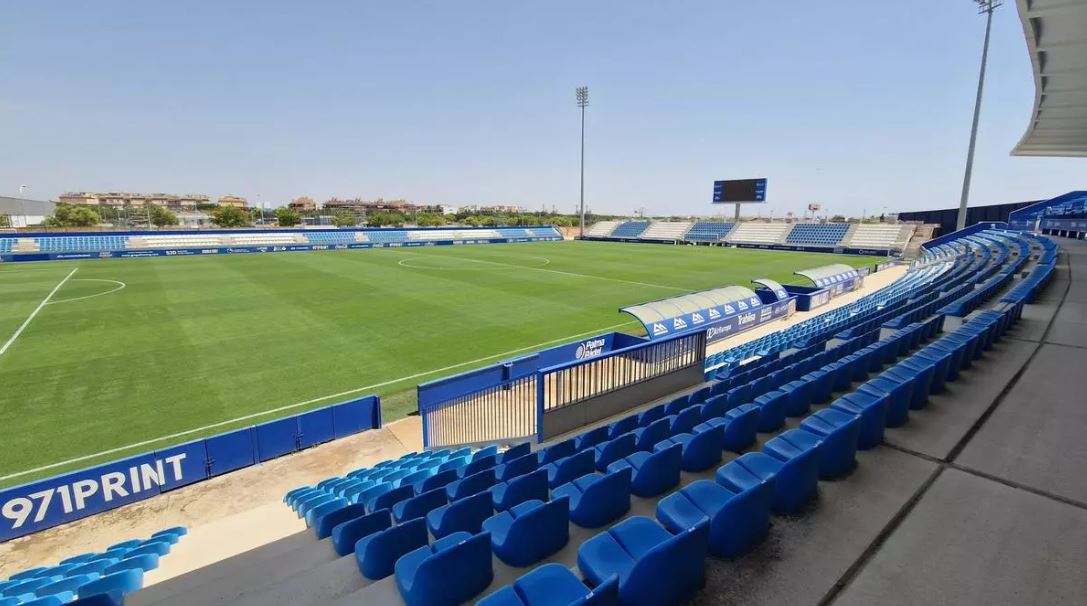
Safety concerns over the stadium came to a head in June 2013, when the local council closed it to all spectators. In June 2014, the local council agreed to a €650,000 refurbishment of the old Estadio Balear, which would see the demolition of the large, open, horseshoe-shaped terrace. It was planned to be replaced with three much smaller, free-standing terraces, whilst the main covered tribuna would remain, albeit detached from the rest of the ground. The new capacity was set at 5,500, and Atlético, for their part, agreed to use the revamped stadium for a minimum of 10 years. However, delays in starting the rebuild saw Atlético spend the 2013-14 season at the Estadio Magaluf, and then decamp to the Campo de Son Malferit de Palma in August 2014, which is around 500m south of the Estadio Balear. Son Malferit had a capacity of 1250, most of which is found under a cover that runs the full length of the west side of the enclosure.
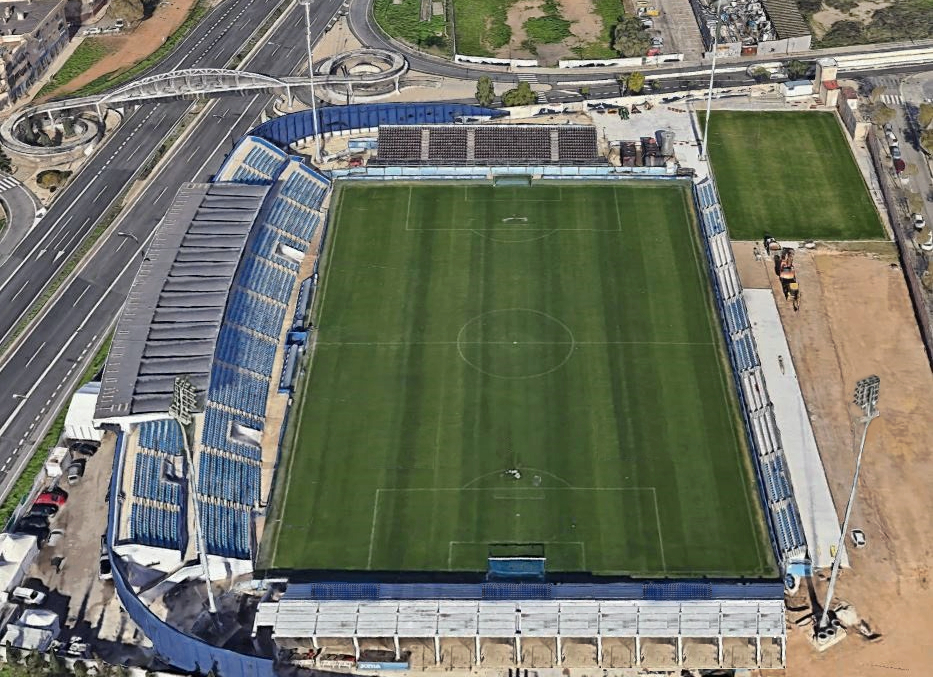
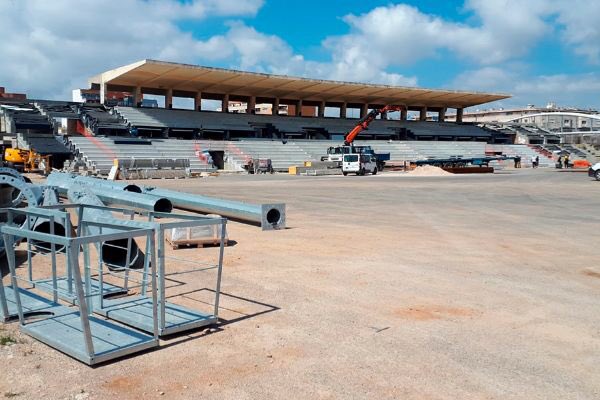
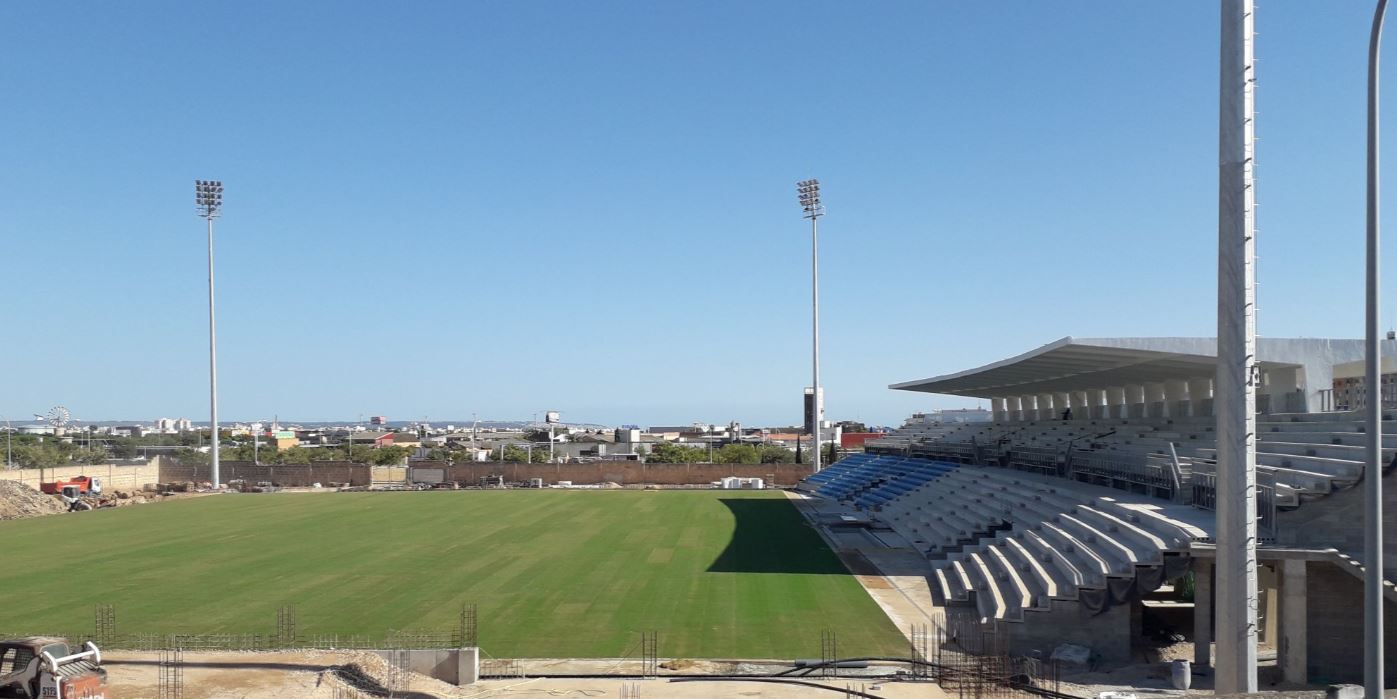
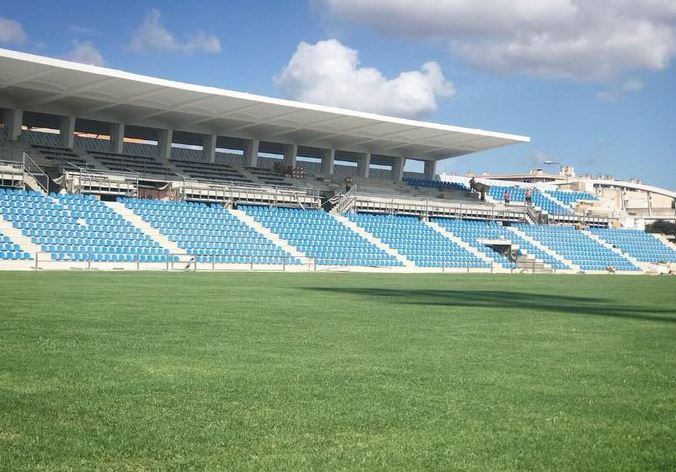
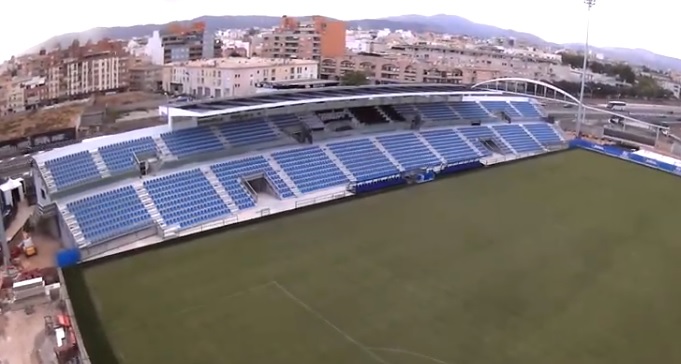
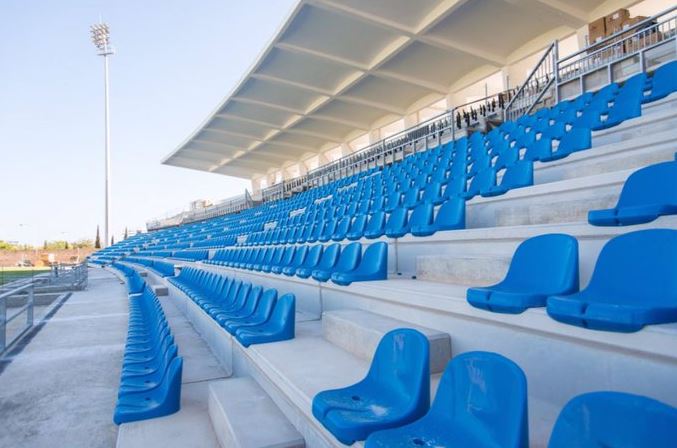
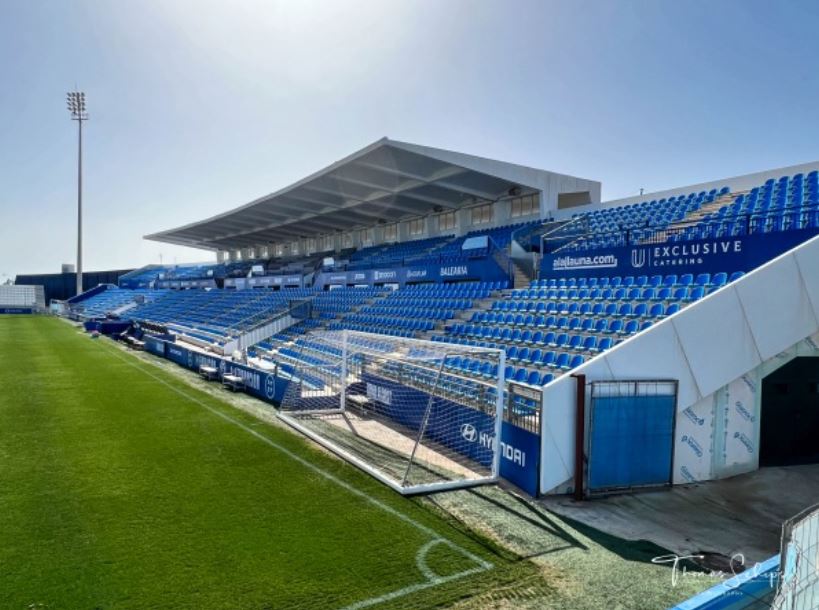
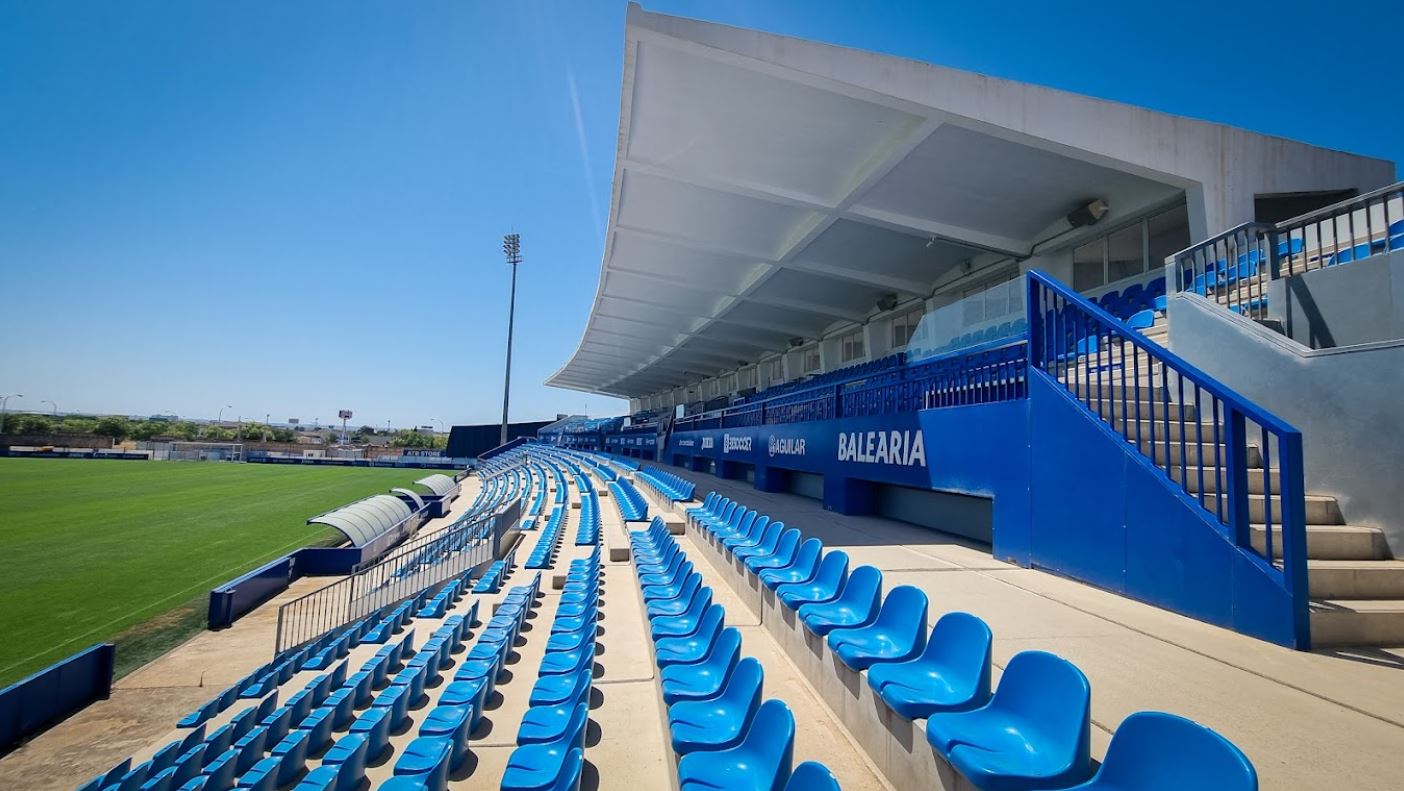
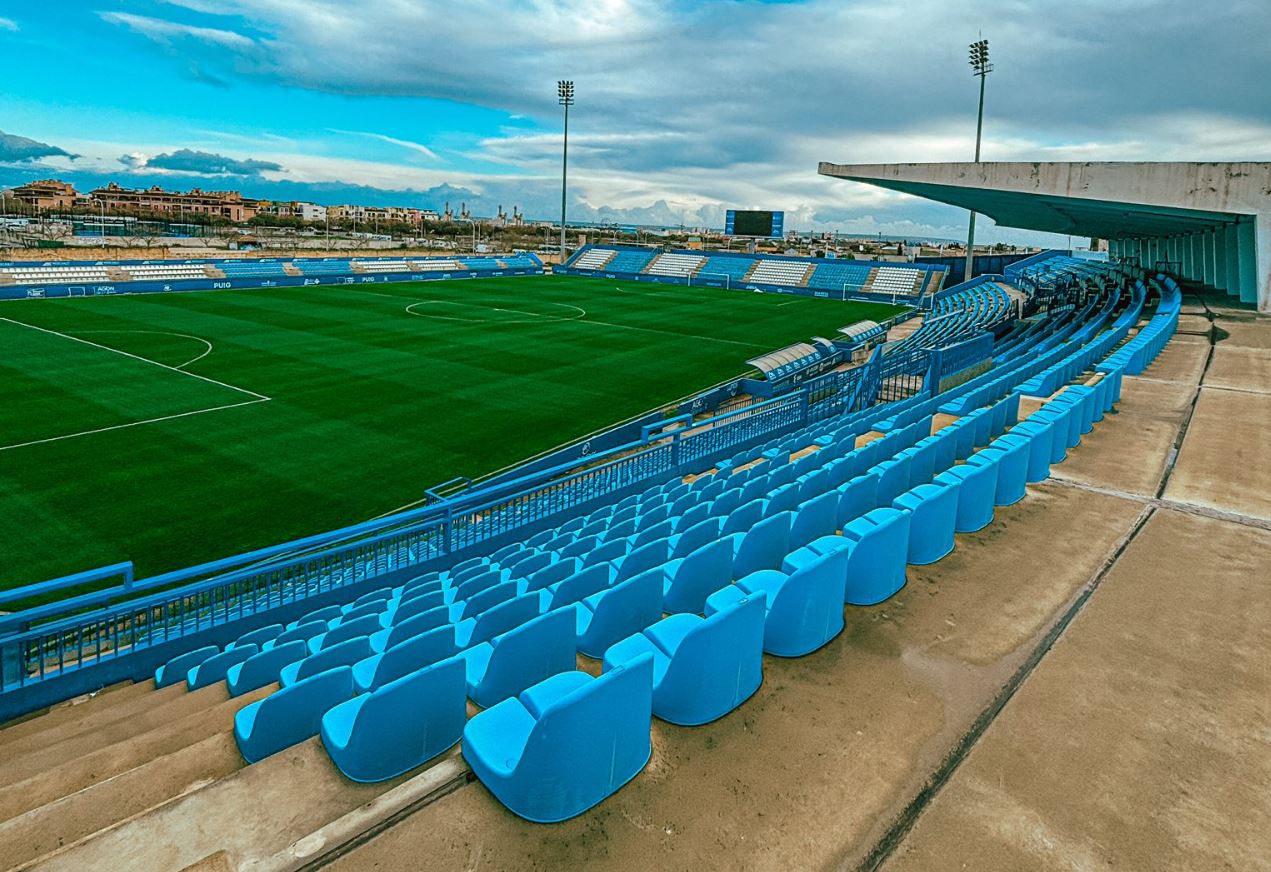
Work finally began in December 2017, by which time the project’s cost had practically doubled, with Atlético having to make up the shortfall. Finally, on 1 September 2019, Atlético returned to the Estadio Balear, albeit in a radically re-shaped form. After a decade of neglect, the stadium now consists of the main stand, and whilst the vast terraces have been demolished, open seating has replaced them. The return brought new hope to Atlético, and after following the RFEF’s restructuring of the Spanish League system in 2021, they played for three seasons on the Primera Federación.





 Estadios de España