
I have, or should say had a soft spot for Club de Fútbol Extremadura. They hailed from Almendralejo, a small town of 33,500 inhabitants around 25 miles south-east of the regional capital Badajoz. Although it was not the first team from Extremadura to reach the Primera, they did so in the mid-1990s, just when I started to show an unhealthy interest in Spanish stadiums. CF Extremadura was from the back of beyond, had never previously got close to the top division and was now living the dream. It didn’t last long, and despite a quick return to La Primera for one season under the guidance of Rafa Benitez, there followed a slow and financially crippling death. They finally succumbed in the summer of 2010.
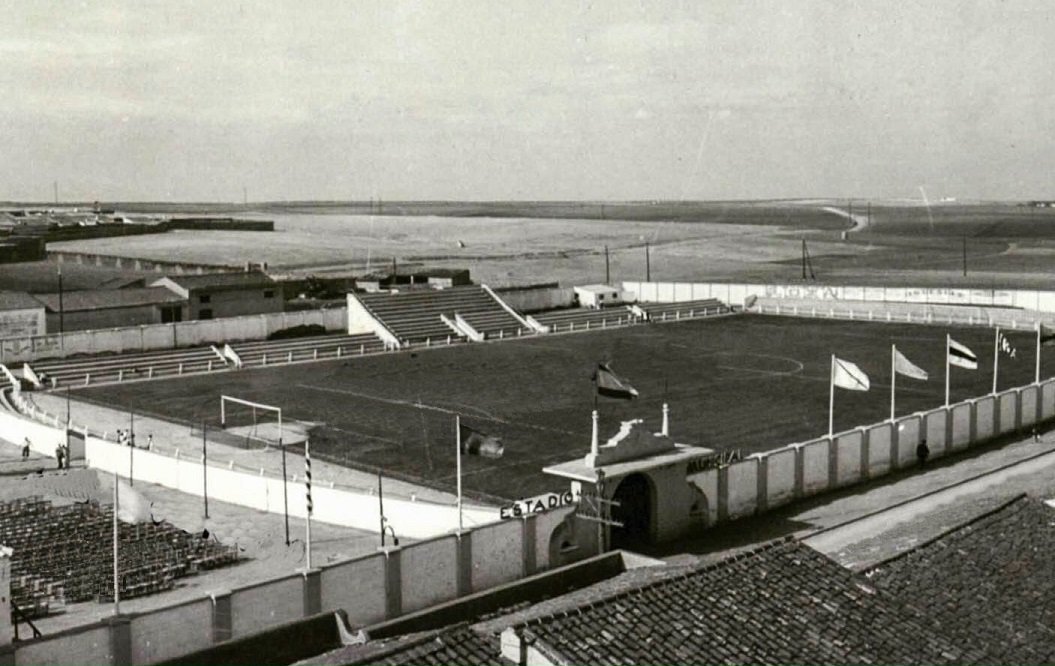
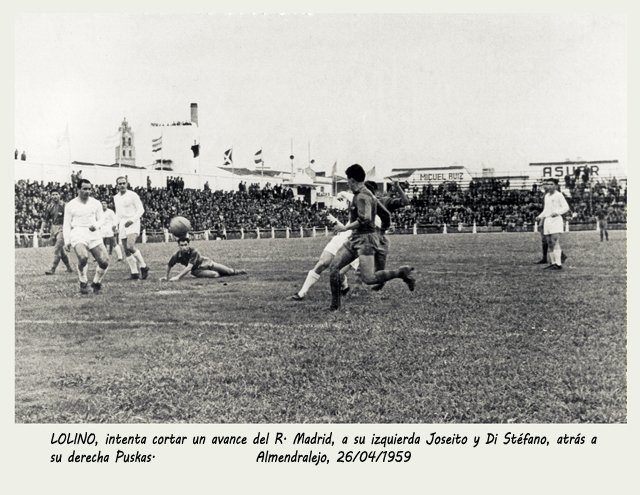
CF Extremadura was originally founded in 1924, but reformed in 1950. The move to a new ground in 1951 paid immediate dividends as the club won promotion to the Tercera in 1952. Two seasons later, they were promoted to La Segunda, scoring 110 goals in the process. There followed a seven-year stay in La Segunda with the highest finish of fifth in 1958-59. They returned to the Tercera in 1961, but by the start of the 1970s, the pride of Almendralejo was kicking a ball around in the Regional Preferente. The 1980s saw a gradual improvement and in 1989-90, the Tercera title was won and with it, promotion to Segunda B. Four years in the third tier culminated with the league title in 1993-94, and then victory in the playoffs in a group that featured AEC Manlleu, CD Numancia & UP Langreo. 33 years after their last appearance, CF Extremadura had returned to La Segunda, and after a steady first season, set about an assault on promotion. Early to mid-season form in the 1995-96 season had been impressive, but a run of poor results in February, March & April saw CF Extremadura drop out of the automatic promotion places. Three wins in the final four fixtures of the regular season saw the club secure fifth spot and qualify for the promotion/relegation playoffs. Here they met Albacete Balompié and two 1-0 victories in the tie earned CF Extremadura promotion to the top flight.
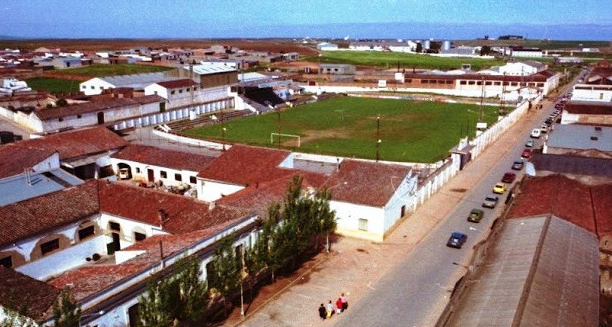
CF Extremadura endured a dreadful start to life in La Primera, winning just one of their first 19 fixtures. The second half of the season saw a remarkable turnaround, but with salvation within their grasp, the club lost the final fixture of the season away at Deportivo La Coruña and fell back to La Segunda. Back in the second division, CF Extremadura appointed Rafa Benitez, who had endured a chequered start to his managerial career at Real Valladolid & Osasuna. It proved to be an inspired choice, as, under Benitez, CF Extremadura easily won promotion back to La Primera, finishing runners-up to Deportivo Alavés in June 1998. Back in the big time, CF Extremadura got off to another horrid start, but as the season progressed, Benitez’s team proved very difficult to beat. Unfortunately, despite playing some decent football, the club could not break away from the relegation zone, and ultimately finished 17th and entered the relegation/promotion playoffs. What had been their route into the first division three years earlier, proved to be their route out, as they lost 4-0 on aggregate to Rayo Vallecano. Benitez left in the summer and CF Extremadura started the slow and painful descent into bankruptcy and extinction.
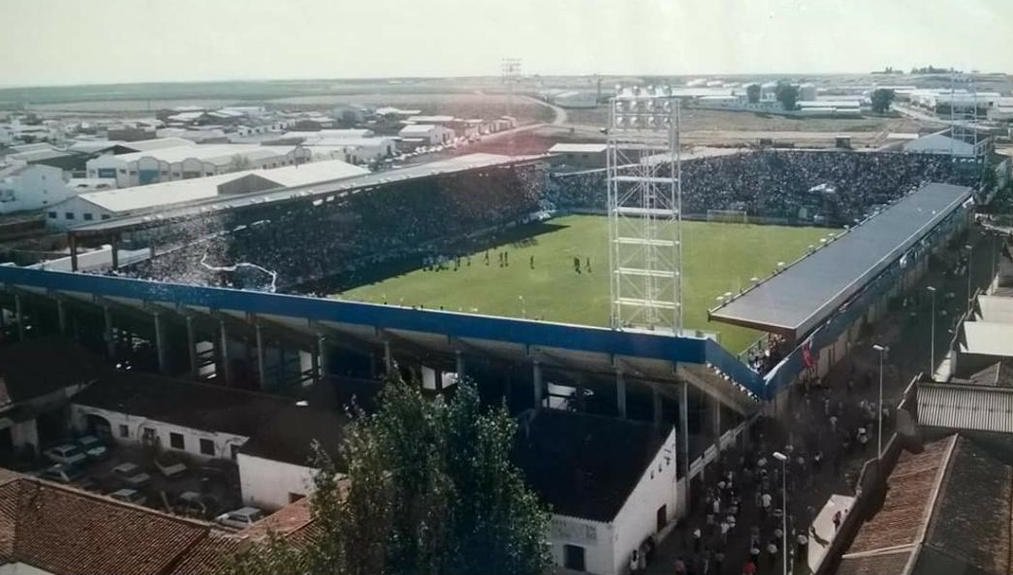
After eight particularly unconvincing seasons in the second and third tiers, CF Extremadura was demoted to the Regional Preferente in 2007. It limped on for another painful three seasons, but in July 2010 following relegation to effectively the sixth tier of Spanish football, the club’s main shareholder, the Ayuntamiento de Almendralejo wound the club up. Step forward Extremadura Unión Deportiva, a team that formed back in 2007, when the debts of the CF Extremadura became too grave and the thought of playing at a low regional level became unpalatable. The new club acquitted itself very well, winning three successive promotions to rise from the Primera Regiónal 2 to Segunda B by 2010. A year later, the club dropped back to the Tercera and it would take five seasons and four visit to the playoffs before they regained a place in the third tier. Thanks to a second Tercera title and a playoff victory over UB Conquense, Extremadura UD were back in Segunda B. A steady mid-table finish in 2016-17 was followed by a fourth placed finish a year later. In the playoffs, Extremadura UD beat to R.C. Deportivo Fabril, CD Mirandés & FC Cartagena, to emulate their predecessors feat and reach La Segunda. The club’s start to life in the second tier was tough and with 15 games to go, the club was in the relegation zone and looking for their third coach of the season. The arrival of Manuel Mosquera and an influx of new players reaped its reward, with Extremadura UD winning nine of the remaining fixtures to finish 13th.
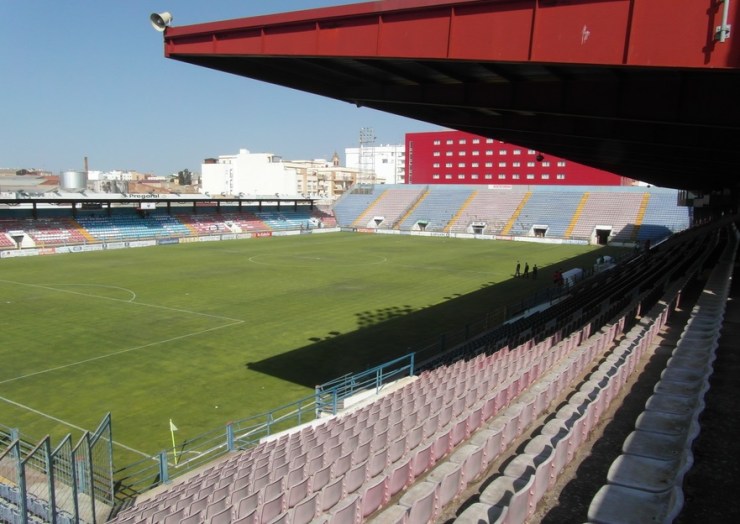
Fans of Extremadura UD must have entered the 2019-20 season with high hopes, given the finish to the previous season. The reality was quite the opposite. With a bloated squad of over 40 players and the club hemorrhaging money, the season was spent almost exclusively in the relegation zone, with the inevitable drop to Segunda B arriving with two matches still to play. The COVID-curtailed season of 20-21 saw the club finish second in its mini-league and earn a place in the newly formed Primera Federación. Extremadura UD played the 2021-22 season against a backdrop of financial crisis. With wages unpaid, the players went on strike and the club failed to attend away match at Deportivo La Coruña. A further no show in February for the game at Racing Ferrol, led to the club’s expulsion from the league. On 28 February 2022, Extremadura UD was formally wound up with debts of €3.5 million. On 9 June 2022 Club Deportivo Extremadura 1924 was founded and immediately sought to take the place vacated by their immediate predecessor in Segunda Federación, the RFEF ignored any temptation to go with another club from Almendralejo and opted for CD Estapona, meaning that CD Extremadura would start life in Segunda División Extremeña. As of 2024-25, CD Extremadura play in Grupo 14 of the Tercera Federación.
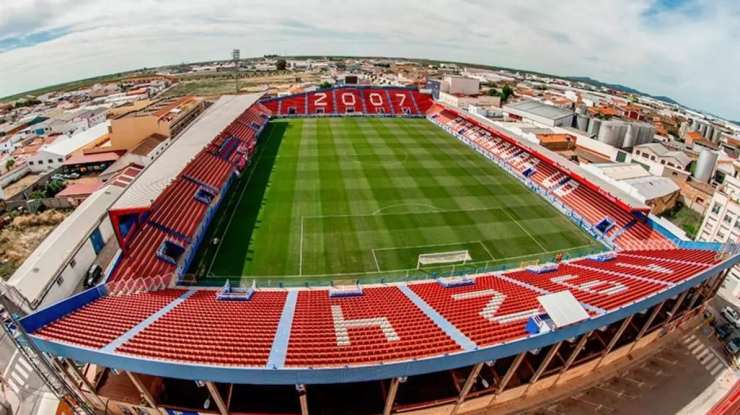
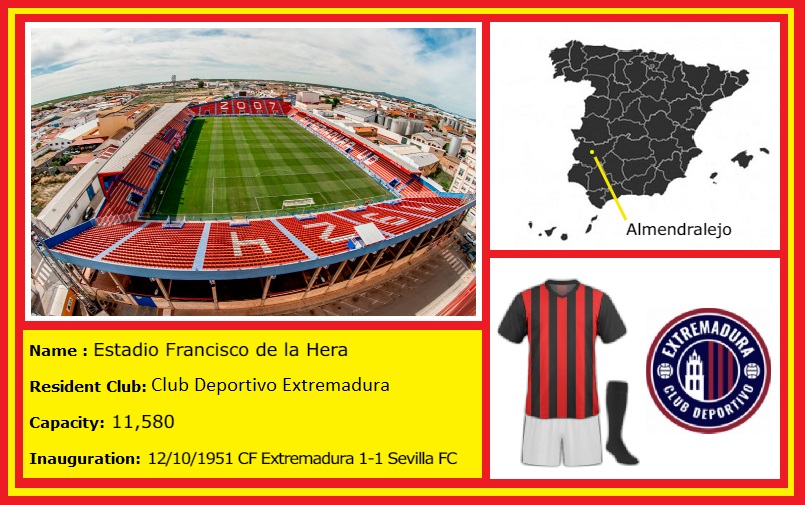
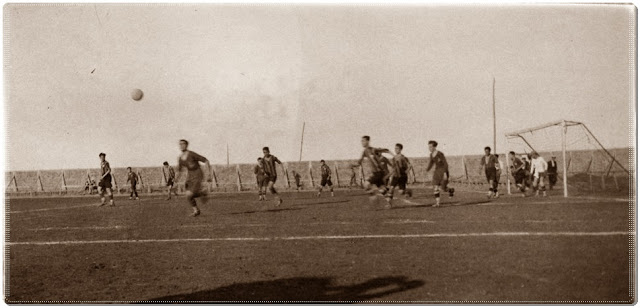
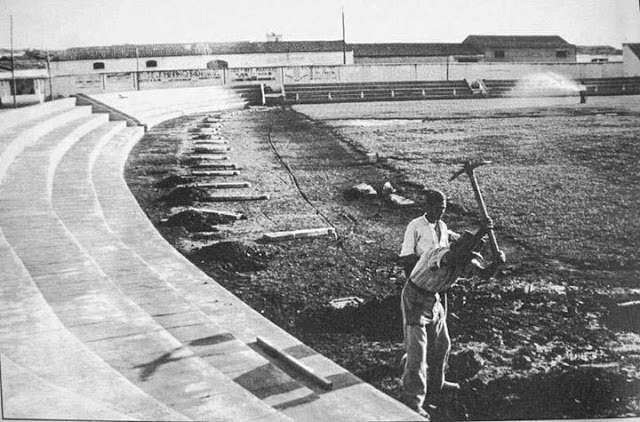
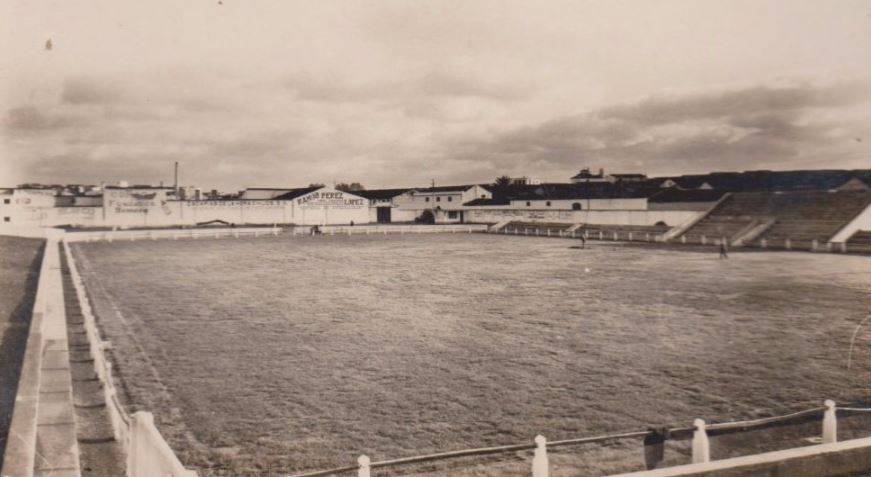
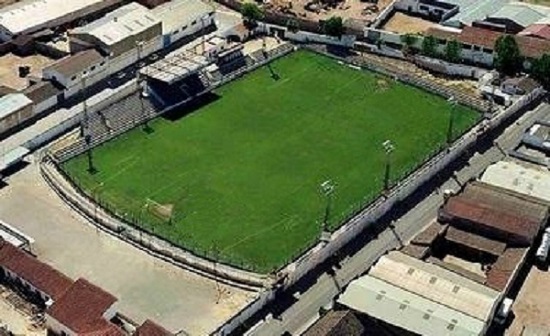
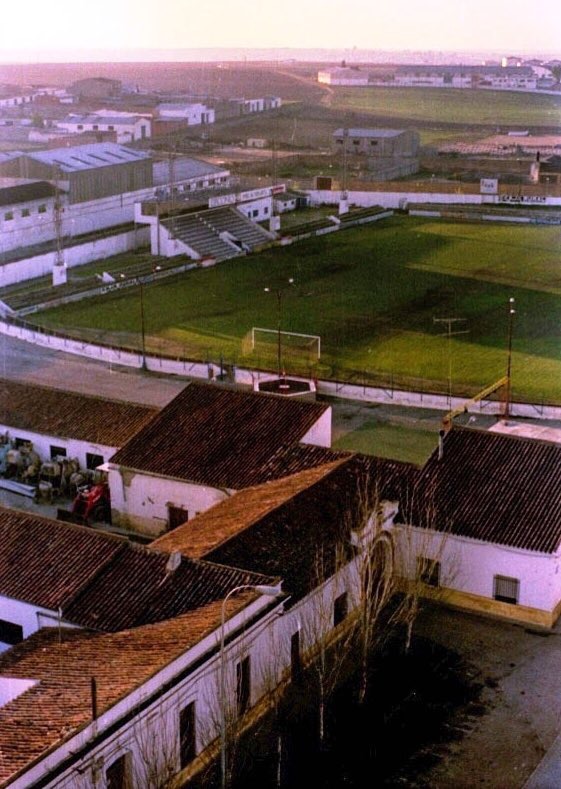
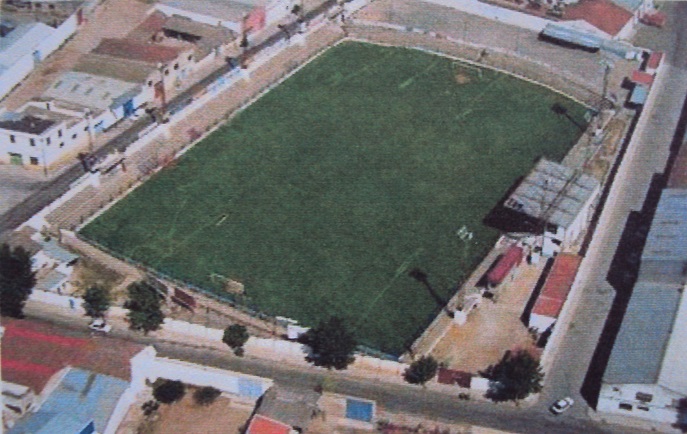
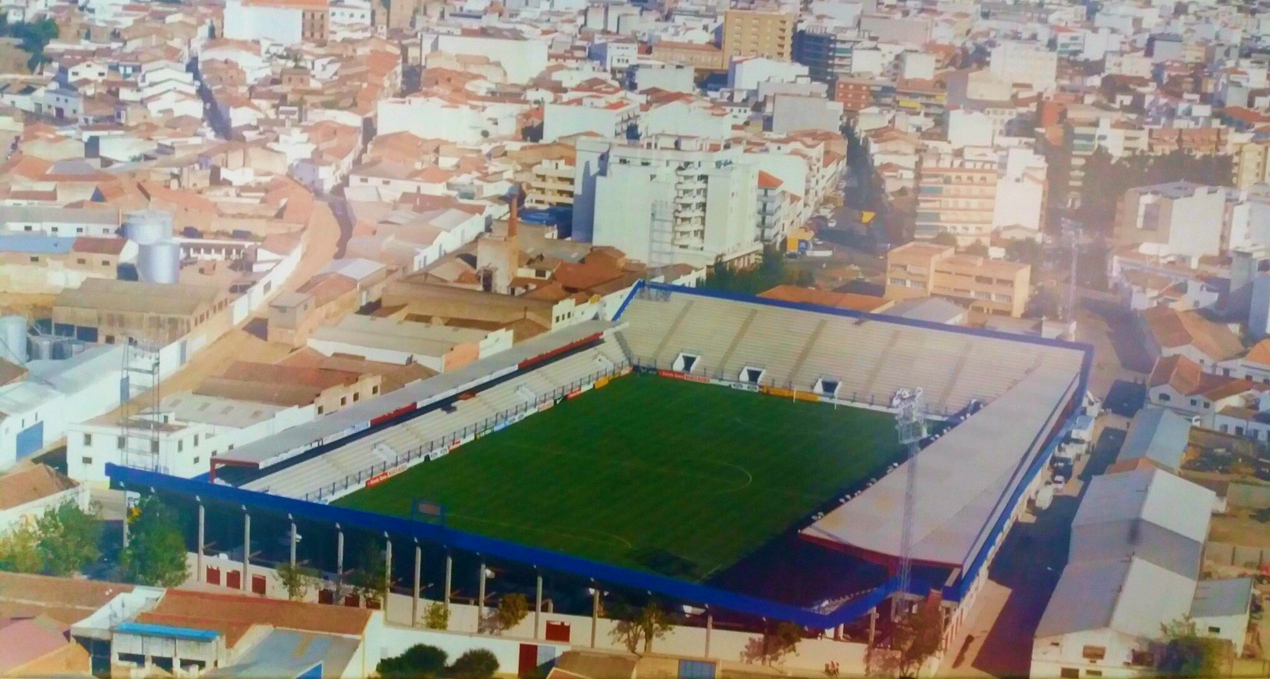
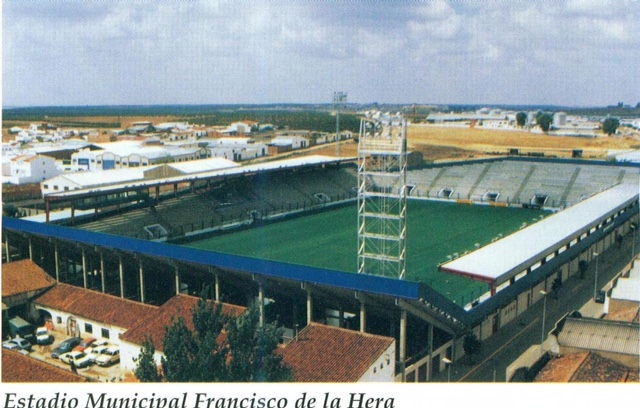
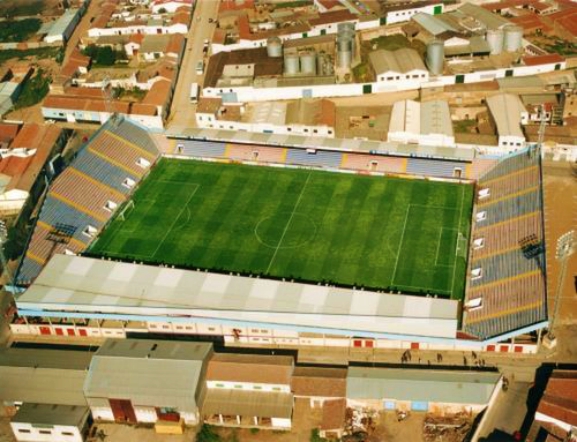
The Estadio Francisco de la Hera is not the first football ground in the town, that was the Campo de Santa Aurora which was on Camino Alange. This was used from 1928 to 1935 when they moved the short distance to Campo Santa Elvira. In 1950, the idea of building a municipal stadium was formed. They moved to a plot of land adjacent to the proposed stadium and for just over one season played at the site called Los Cañizos. On 12 October 1951, CF Extremadura played Sevilla FC in the inaugural match at the new Estadio Francisco de la Hera. The stadium remained relatively unchanged until 1996 when following promotion to La Primera, it was rebuilt over the course of 8 weeks. Such was the speed of the project, that when the stadium was re-opened on 9 September 1996 for its first top flight match against Real Betis, the club had yet to install seats.
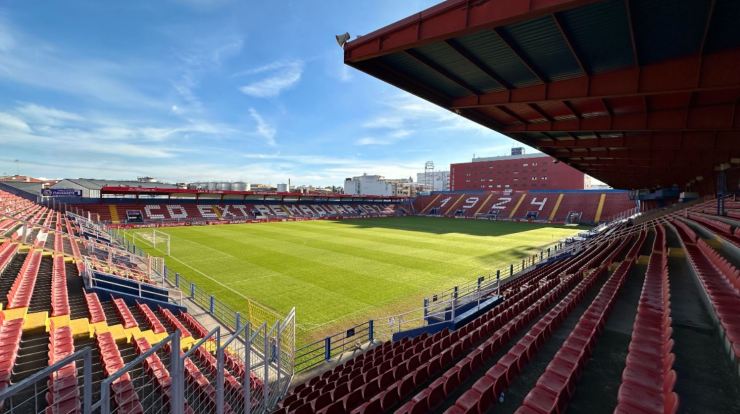
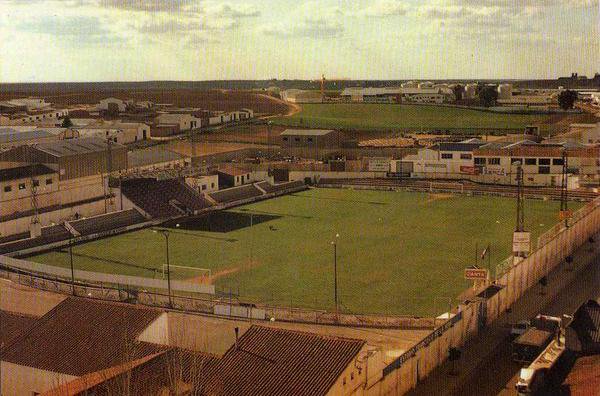
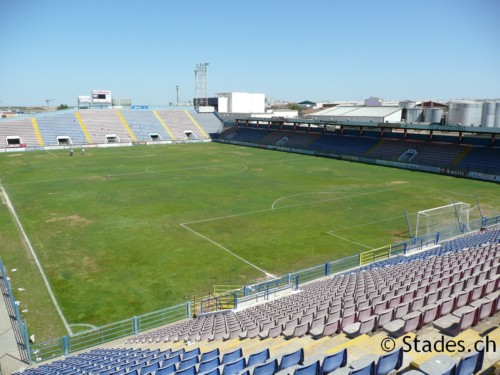
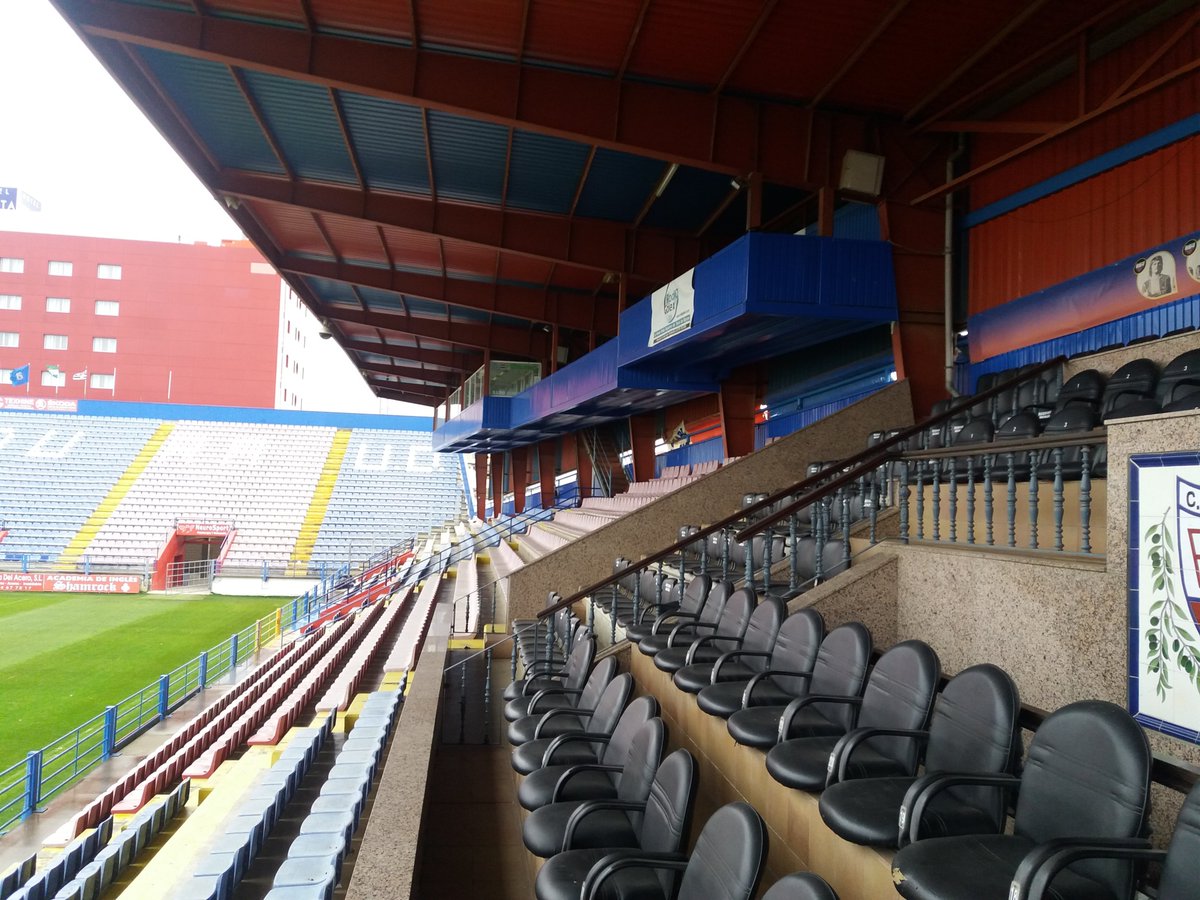
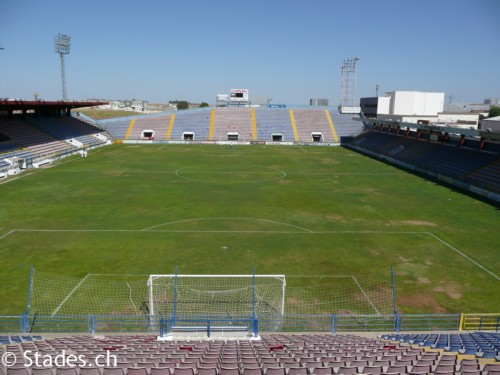
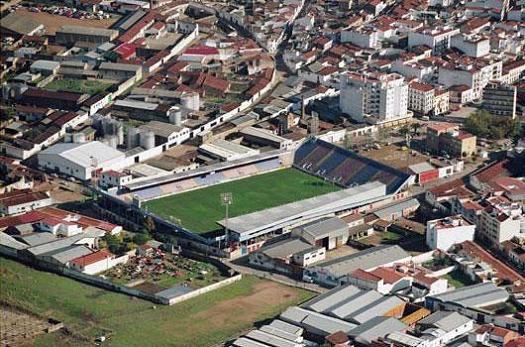
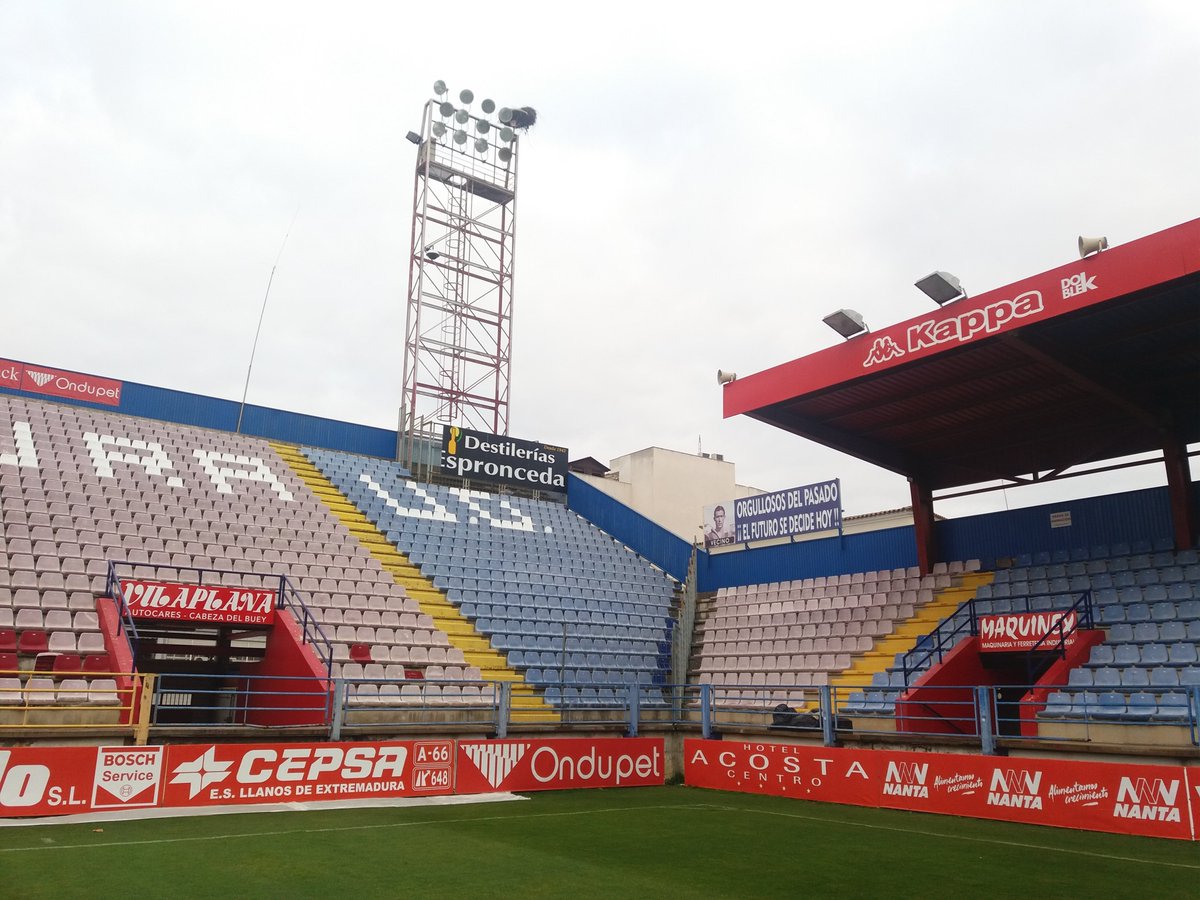
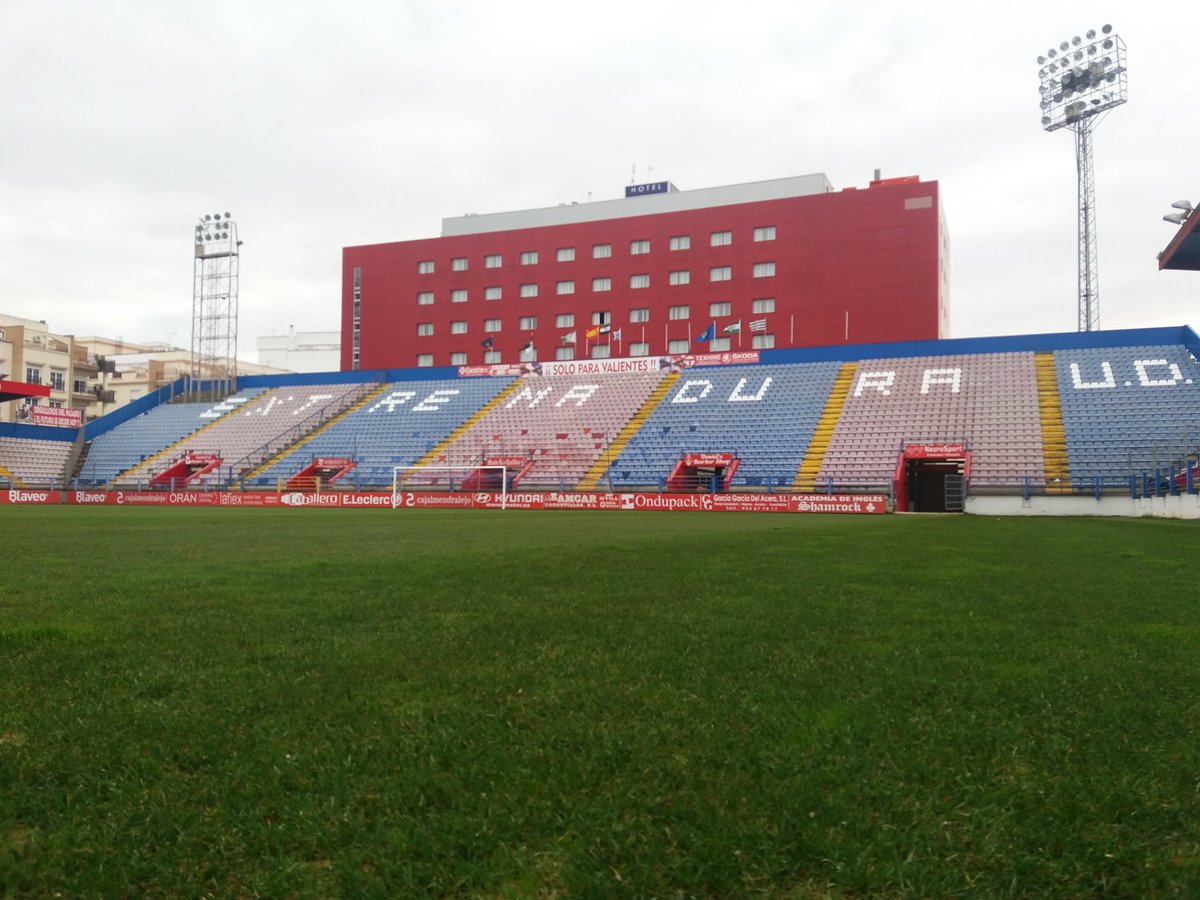
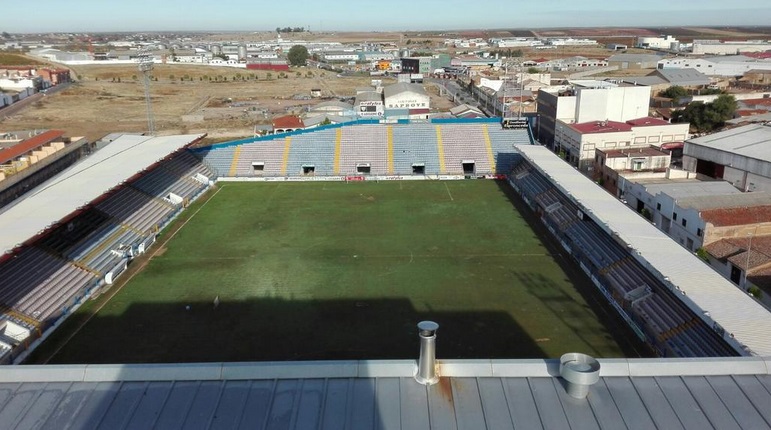
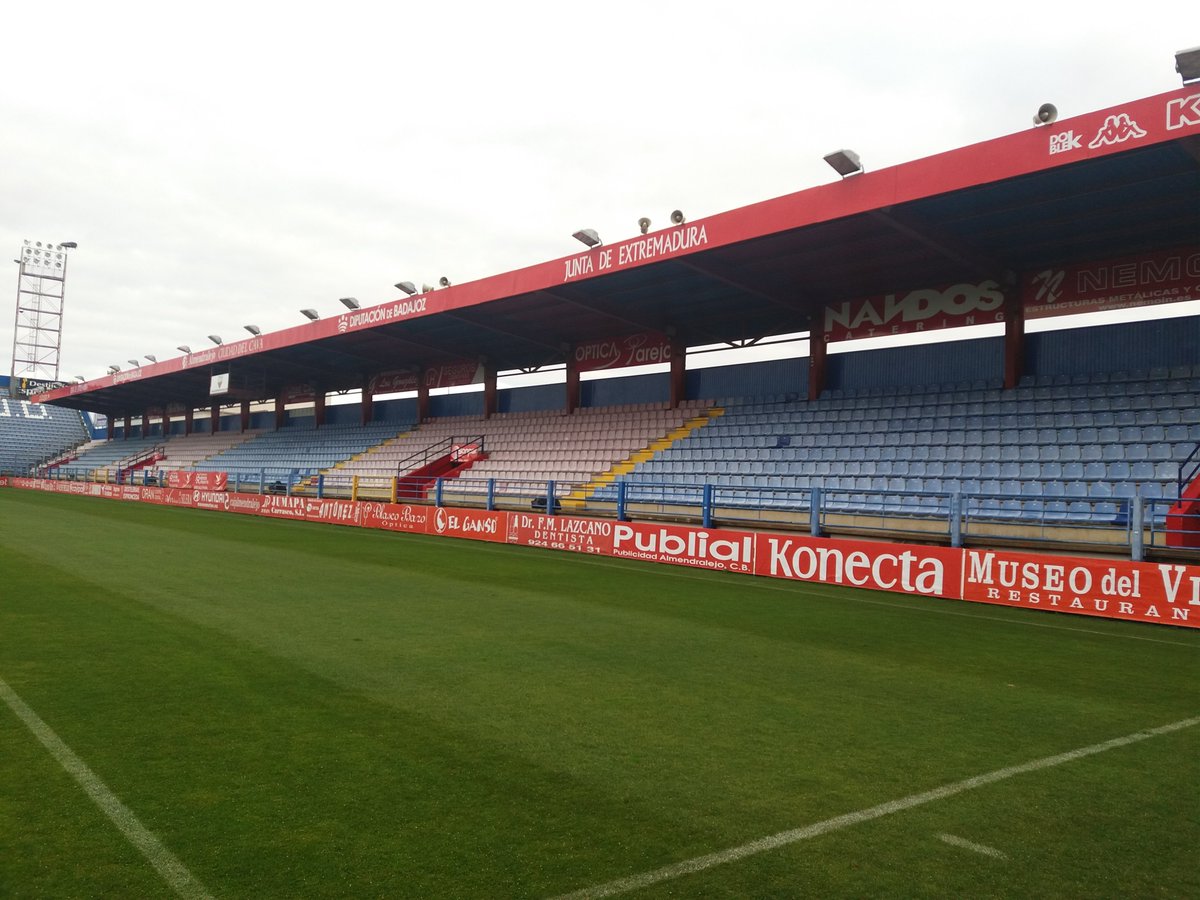
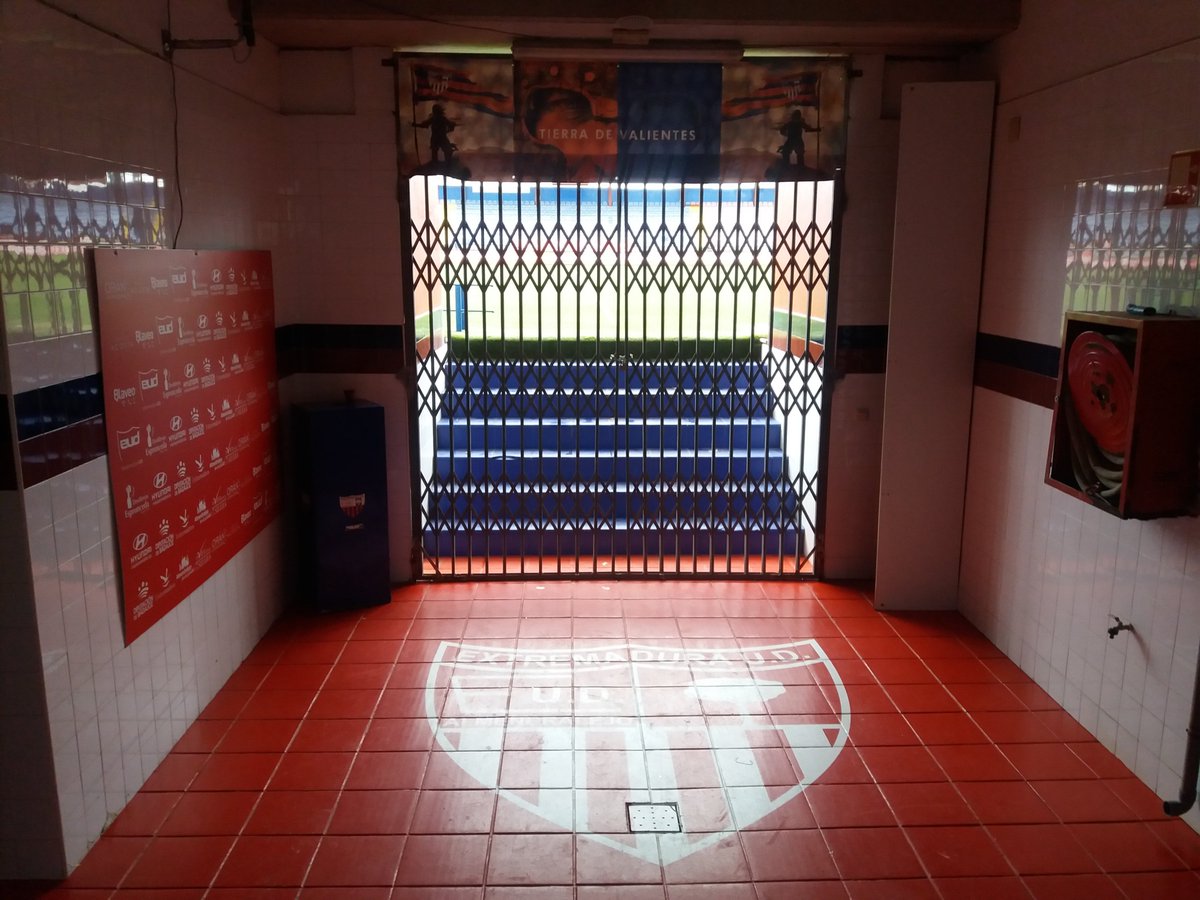
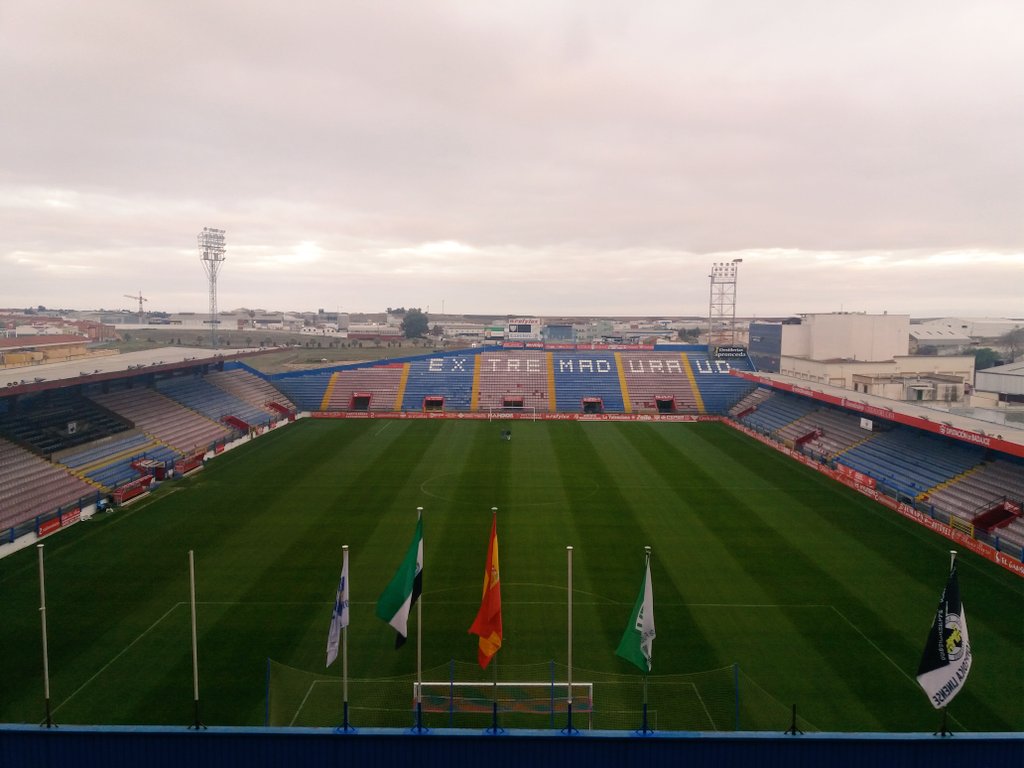
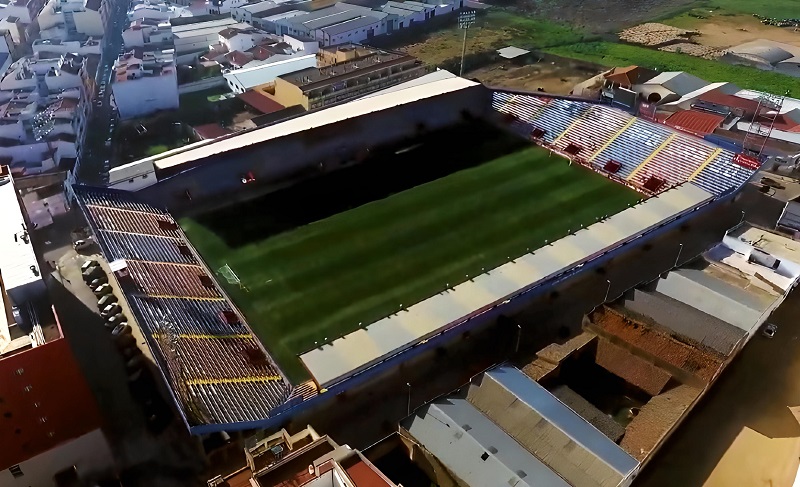
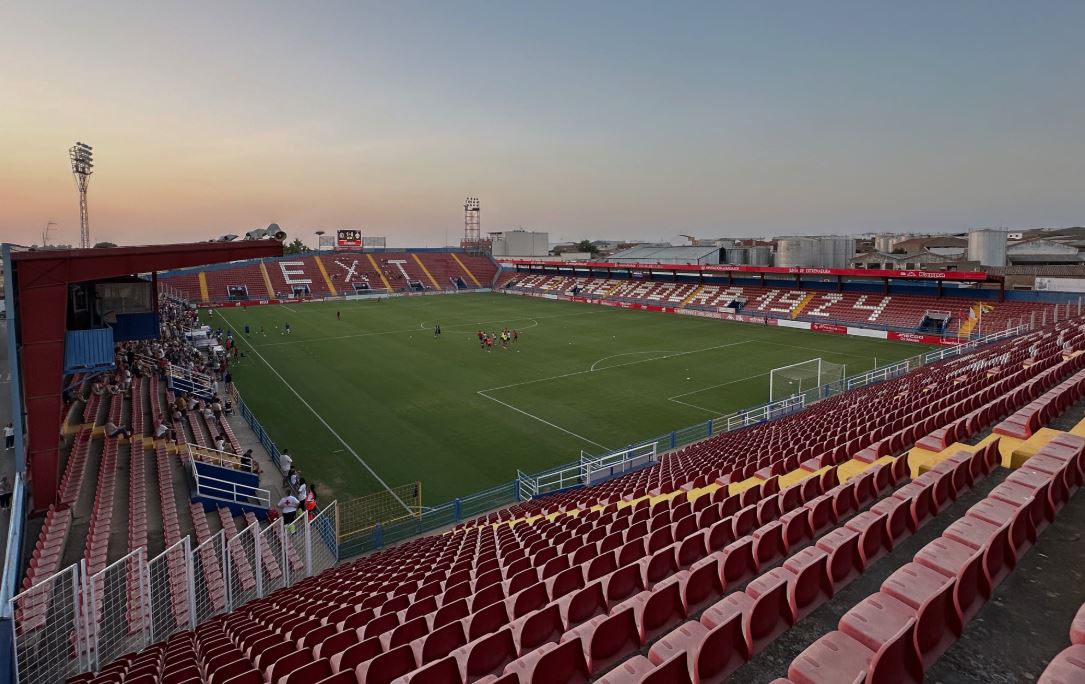
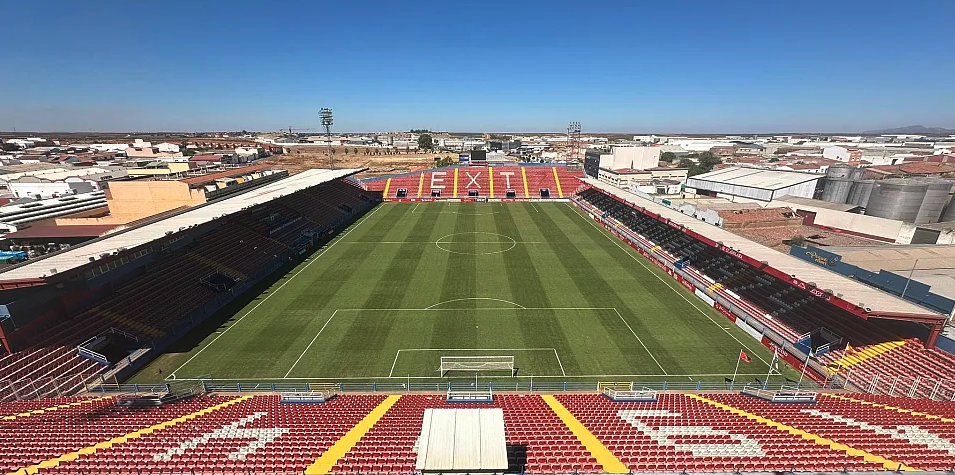
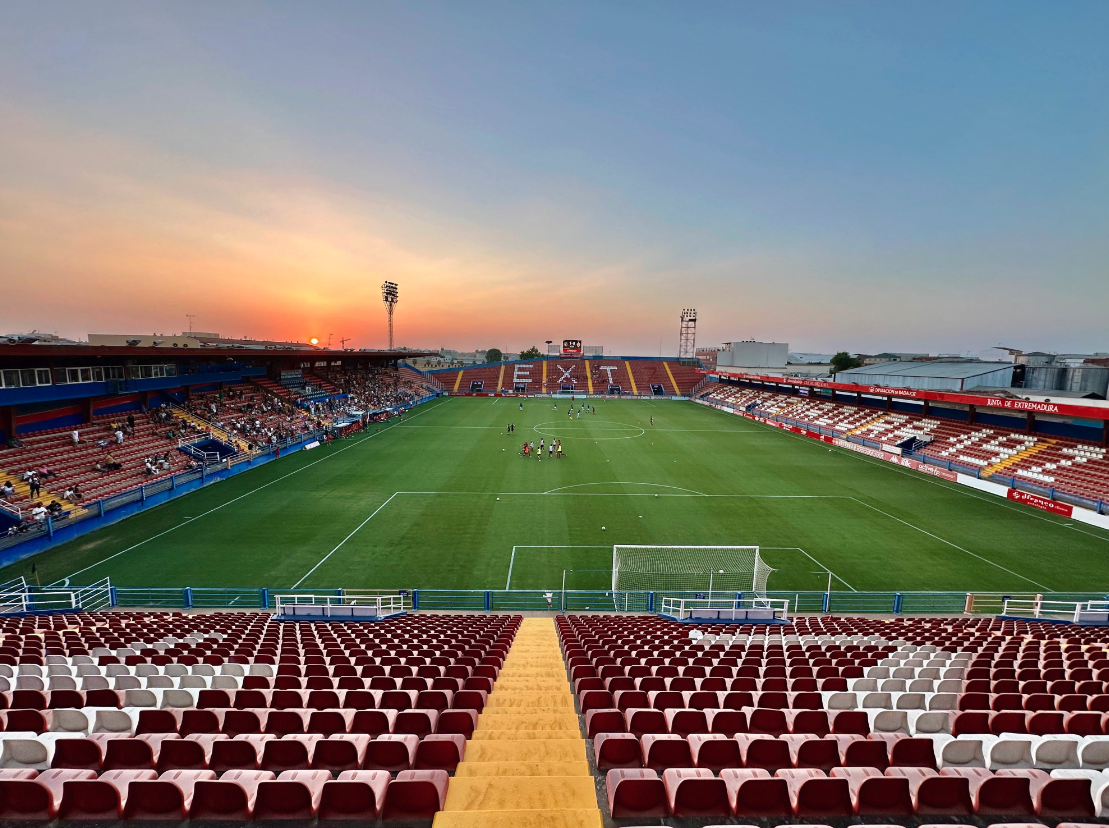
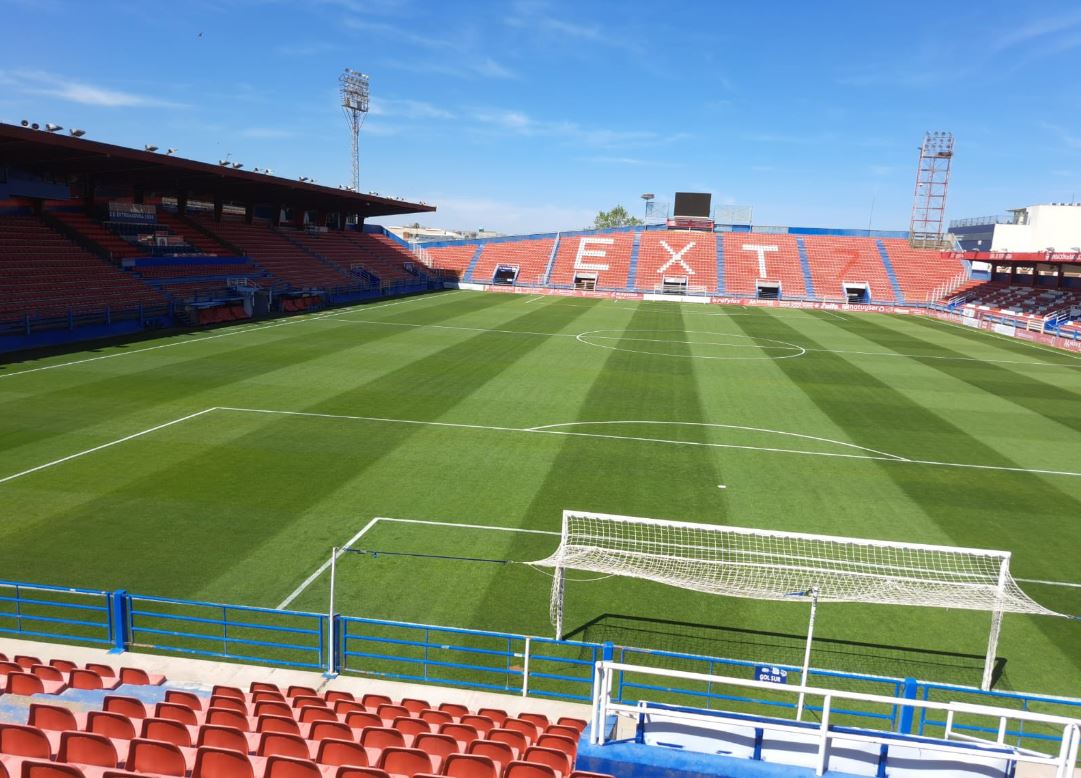
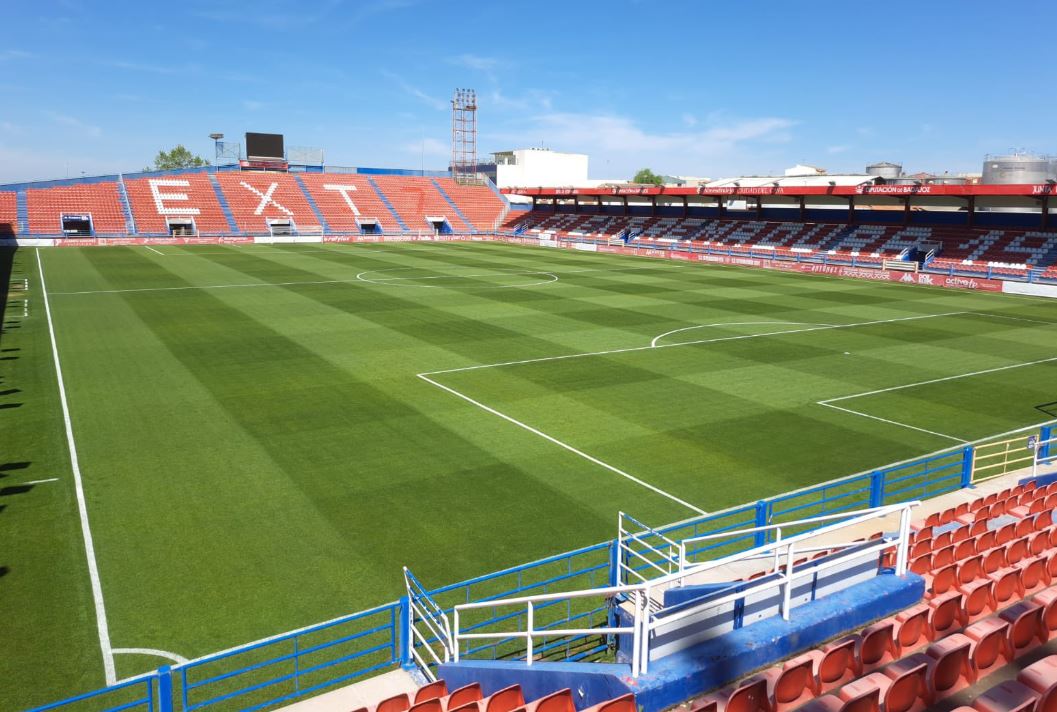
The Estadio Francisco de la Hera is essentially a small town stadium that got itself a rapid makeover. Tucked away to the west of the town, the streets around the stadium hug the stands, particularly the two covered sides. The main stand tapers away towards the east end, so much so that the back of the upper rows and press box overhangs the street below. As with the Estadio Romano José Fouto in Mérida, 20 miles to the north, the majority of the seating is behind both goals. The stadium has a seated capacity of 11,580, which was filled during the late 1990s, and again more recently when Extremadura UD won promotion to the second tier.
 Estadios de España