Article updated: 24/05/2026
In the far east of the Region of Castile-León lies Soria, one of Spain’s smallest and, it has to be said, sleepiest provincial capitals. By the 1920s, the rest of Spain had embraced the footballing phenomenon, but the fair folk of Soria were content with a few amateur clubs and no formal, enclosed football ground. Following the Civil War, the RFEF, with heavy influence from the Nationalist Government, changed the Tercera division. They wanted a competition with participants from every provincial capital, and by the mid-1940s, that was pretty much the case, with one exception, Soria. On 9 April 1945, Soria joined the footballing furore with the founding of the city’s first senior team, Club Deportivo Numancia de Soria. The club took its name from the ancient Celtiberian town of Numantia, whose remains are a few miles north of Soria.
Numancia made a stellar start to their senior career, earning promotion from the Primera Regional in their first season, then holding their own in the Tercera section that featured clubs from the northeast of the country. The 1948-49 season saw their Tercera division stretch across Spain, from Badajoz in the west to Ciudad Real in the south. Numancia was the most easterly located team and would have to travel the furthest over the course of the campaign. Undeterred, the club finished third in the league, then topped a playoff group that featured Club Ferrol, SC Lucense & SD Erandio, to reach La Segunda four years after forming. The stay lasted just 2 seasons before they did their very best to convey Soria’s sleepy image, spending the better part of 40 years in the Tercera or regional leagues.
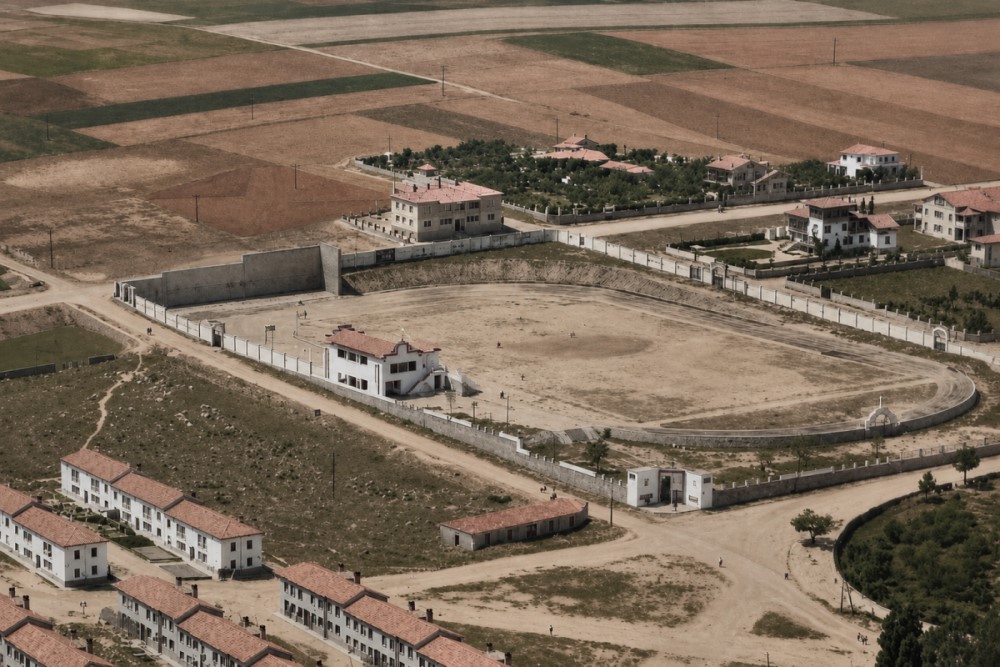
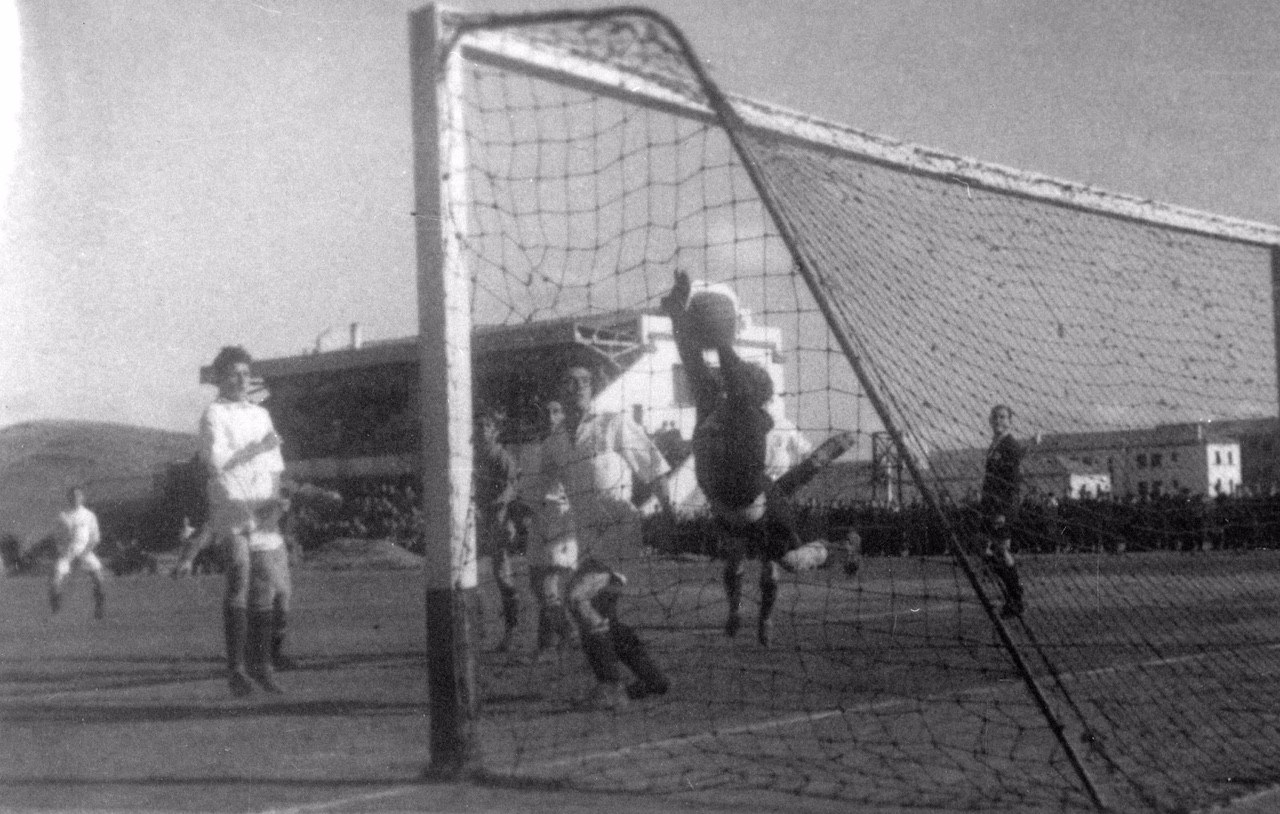
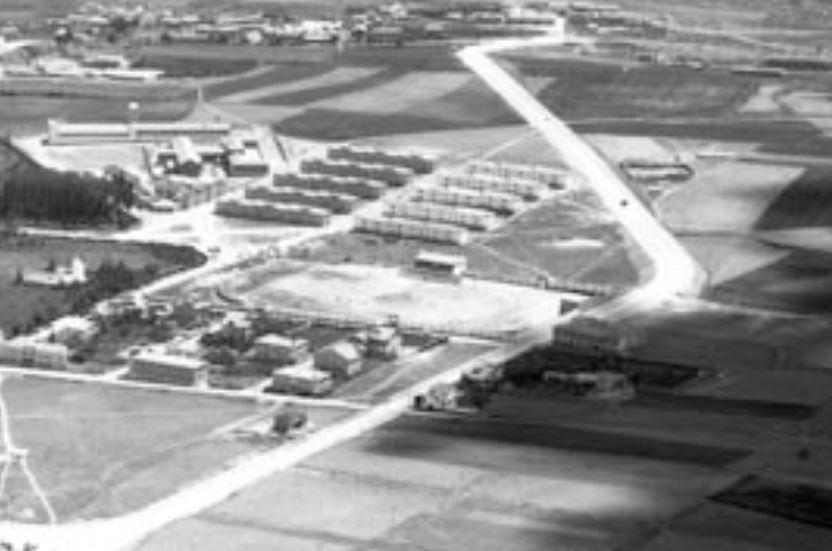
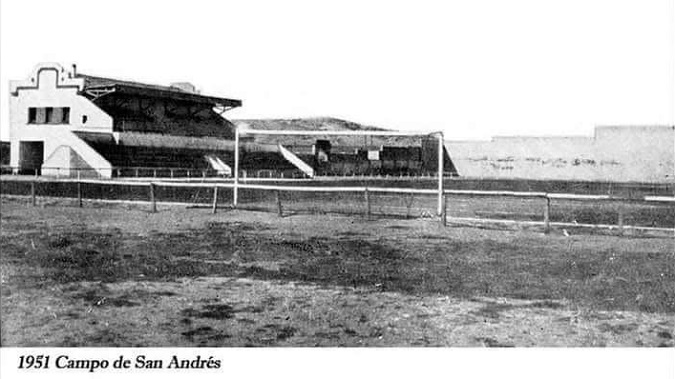
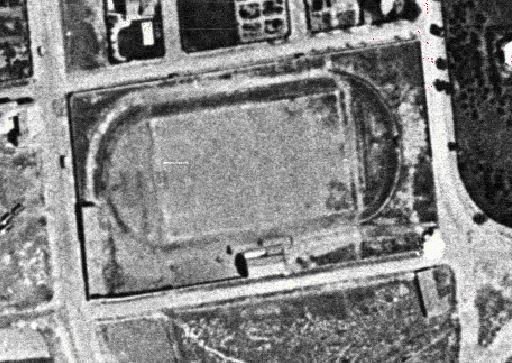
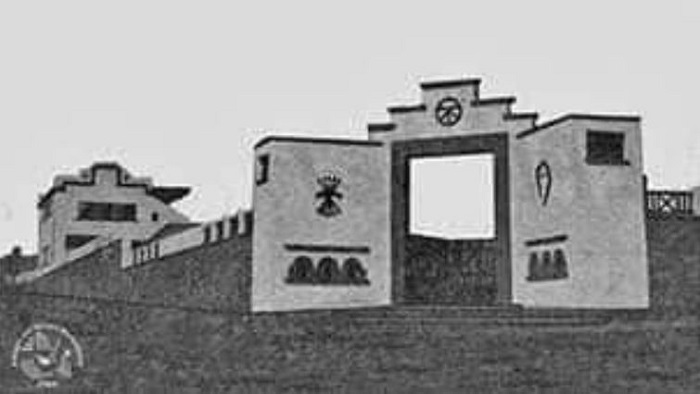
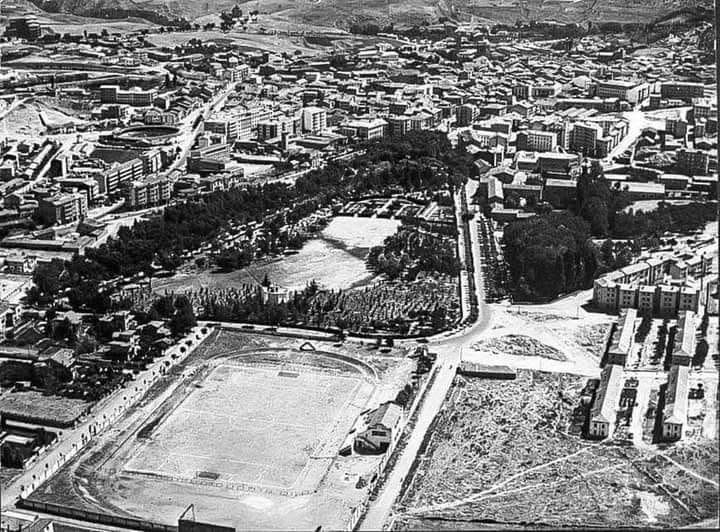
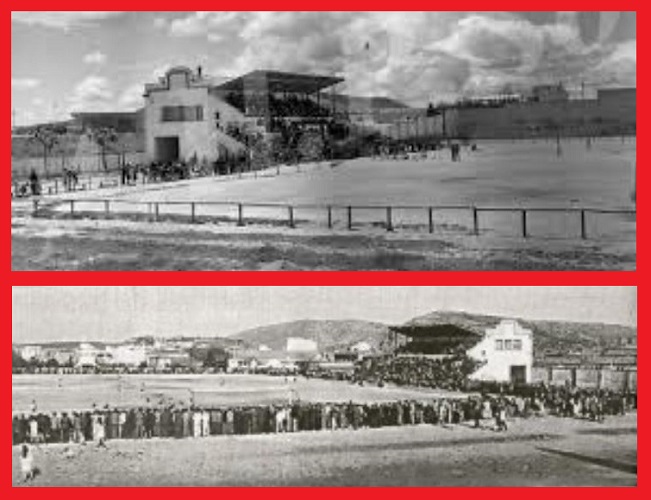
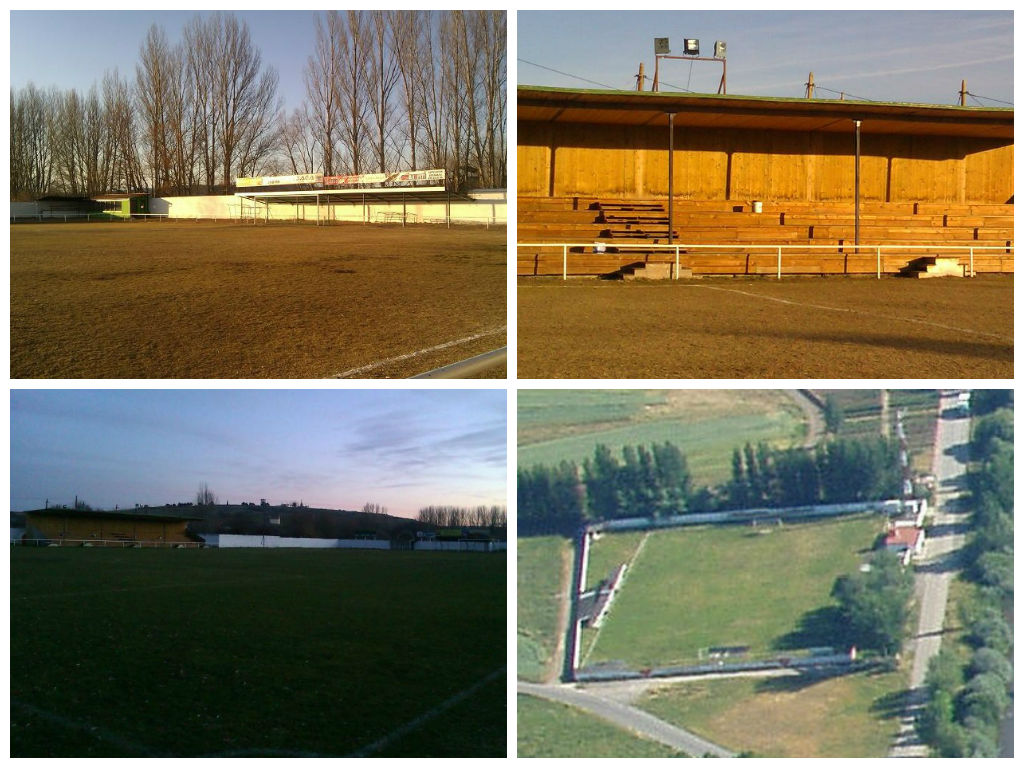
These early years saw home matches played at Campo de San Andrés, a simple ground on the west side of the city. Work on the stadium began in 1931, but a lack of funds and the Civil War delayed its formal inauguration until April 1945. Matches continued to be played at the venue during this time, despite its unfinished state. It featured a short pavilion with a seated upper deck, whilst an unfinished cycle track served as an open terrace that curved around three sides of a cinder athletics track. It was located next to the Alameda de Cervantes and stood on the current site of the Polideportivo San Andrés. Numancia left the Campo de San Andrés in 1973 and played the following 73/74 season at the Campo La Arboleda Field in Almazán and the Campo Municipal in El Burgo de Osma. They settled a year later at the Campo de San Juan, which was situated in the village of Garray, around 5km north of Soria, and it remained home for 15 years. Numancia’s final match at San Juan was in June 1989 and saw them clinch promotion to Segunda B in style, thrashing Endesa Ponferrada 8-0. The ground is now home to CD San José and has changed little in the past few decades.
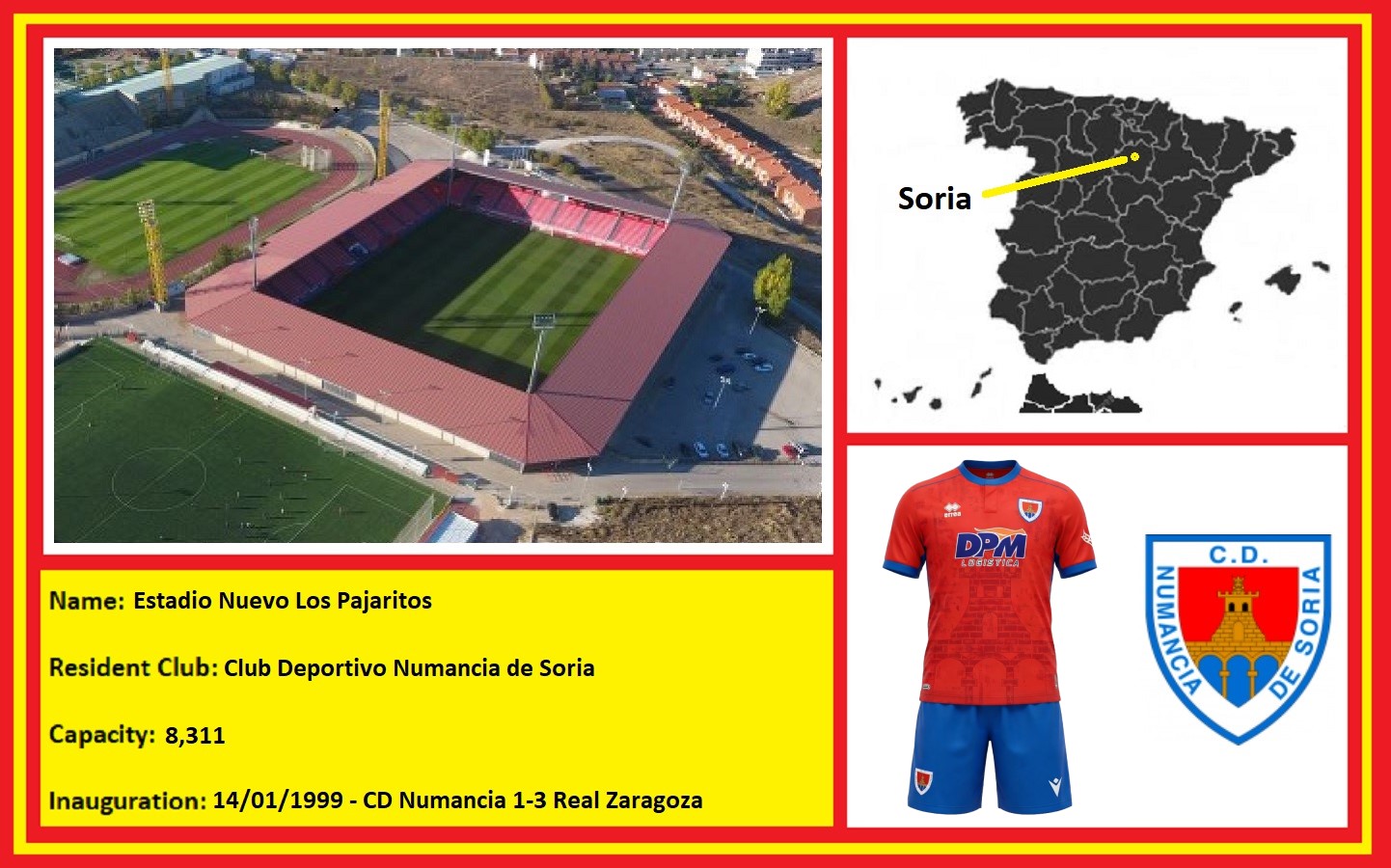
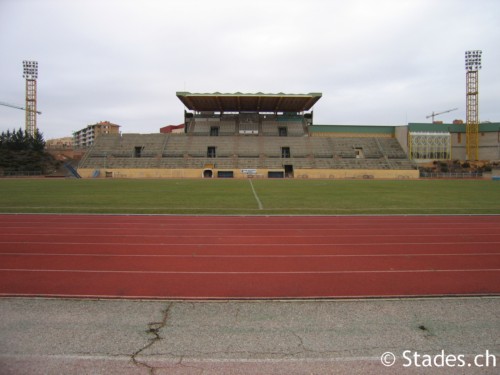
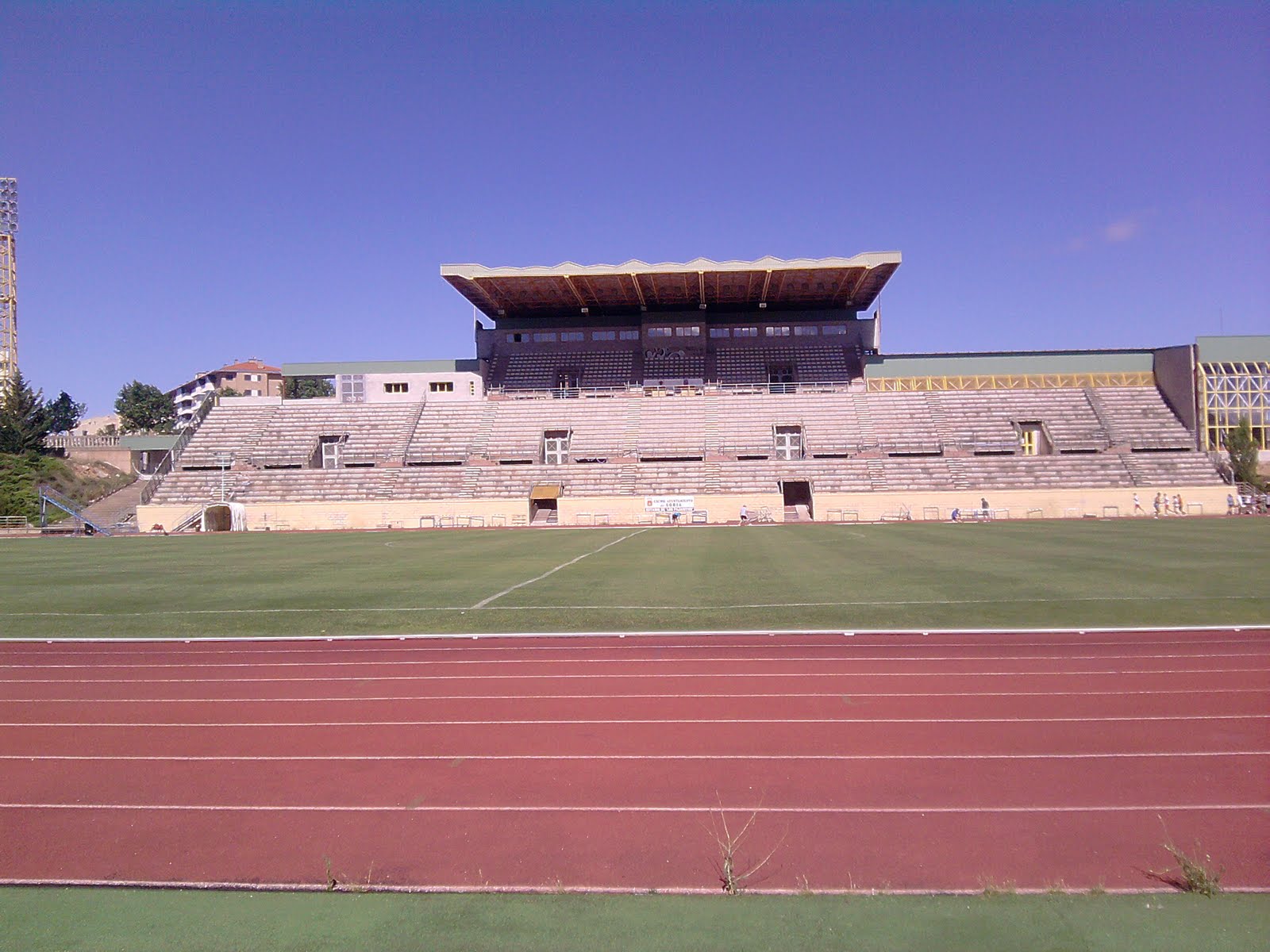
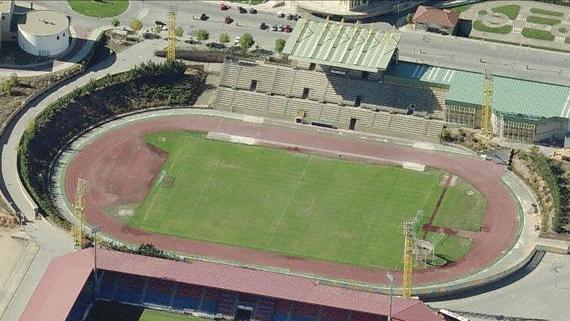
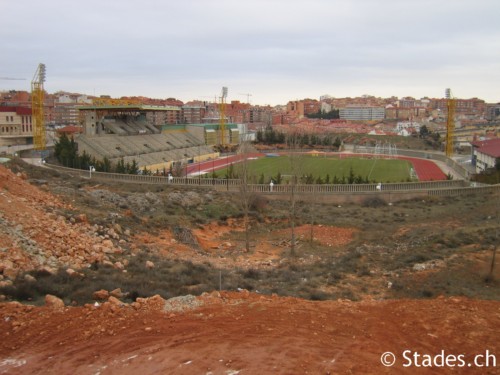
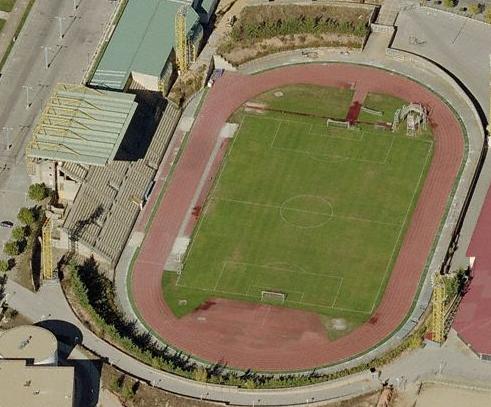
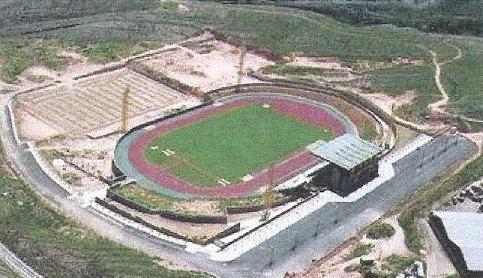
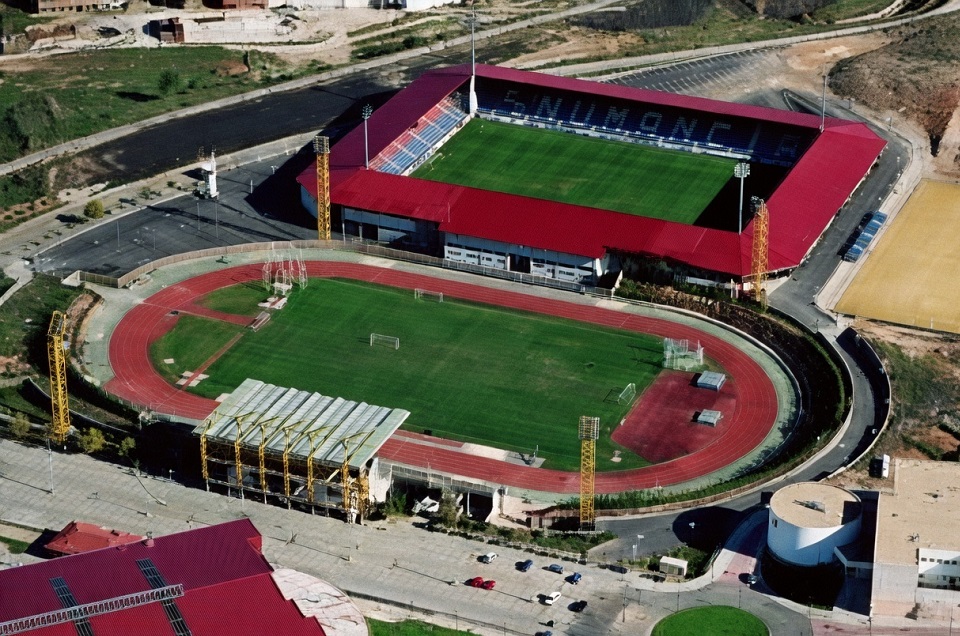
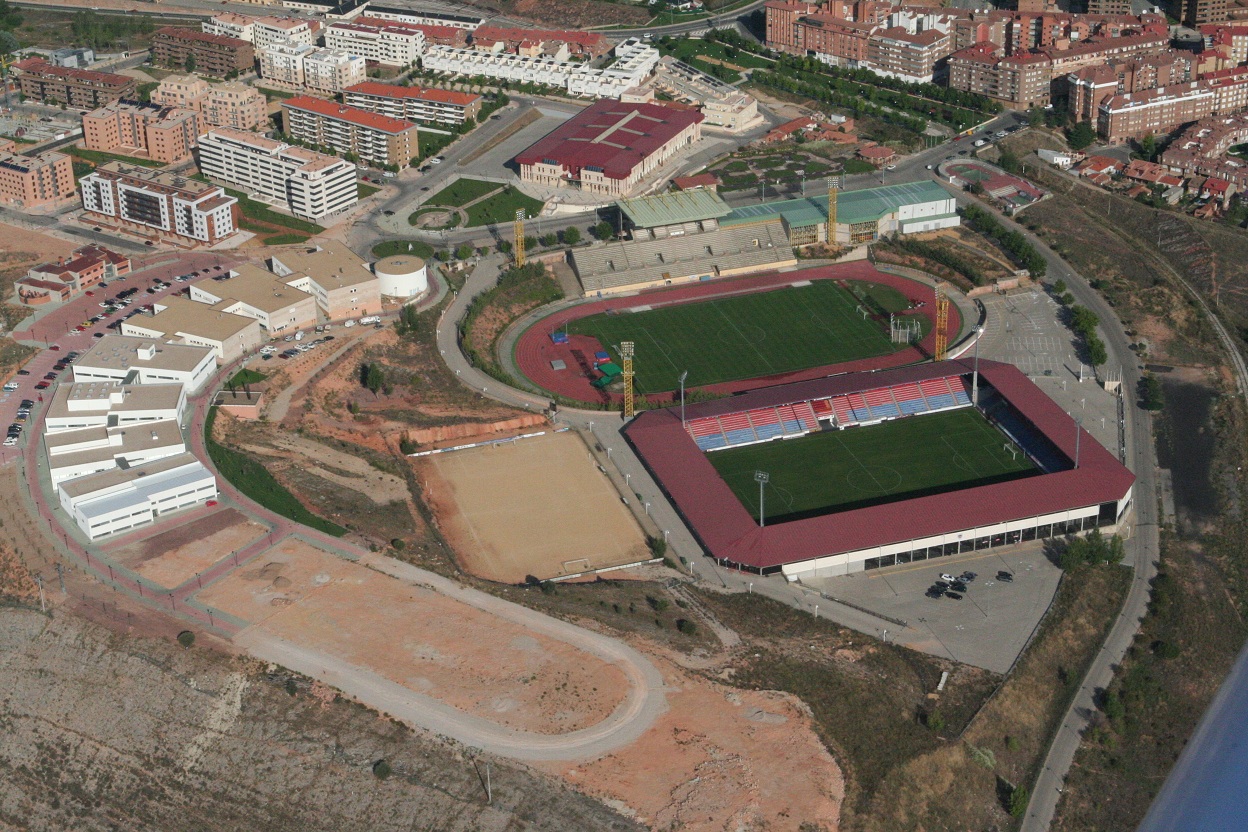
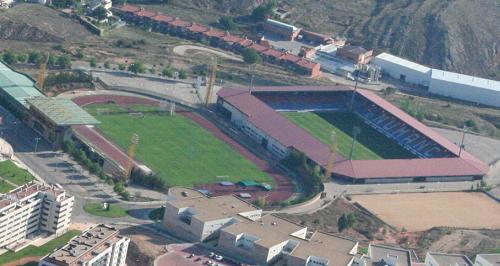
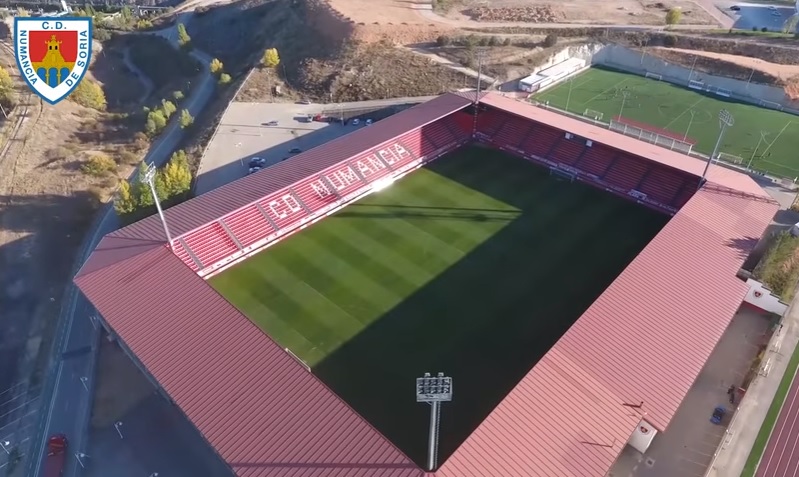
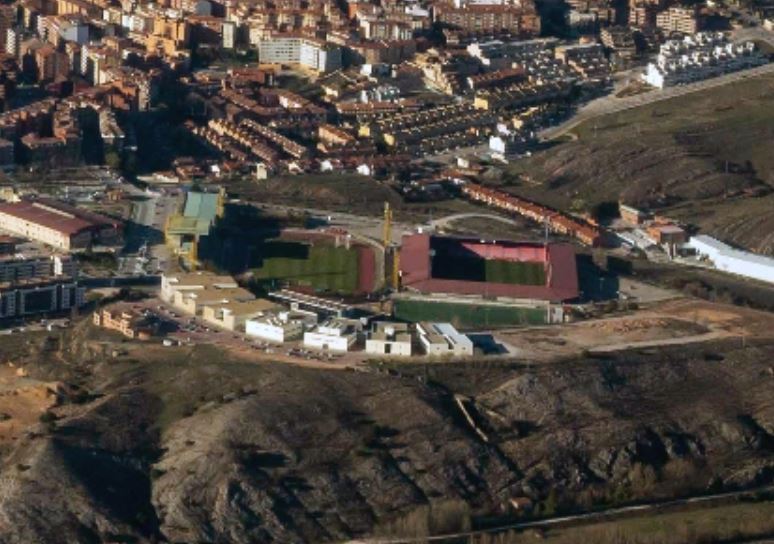
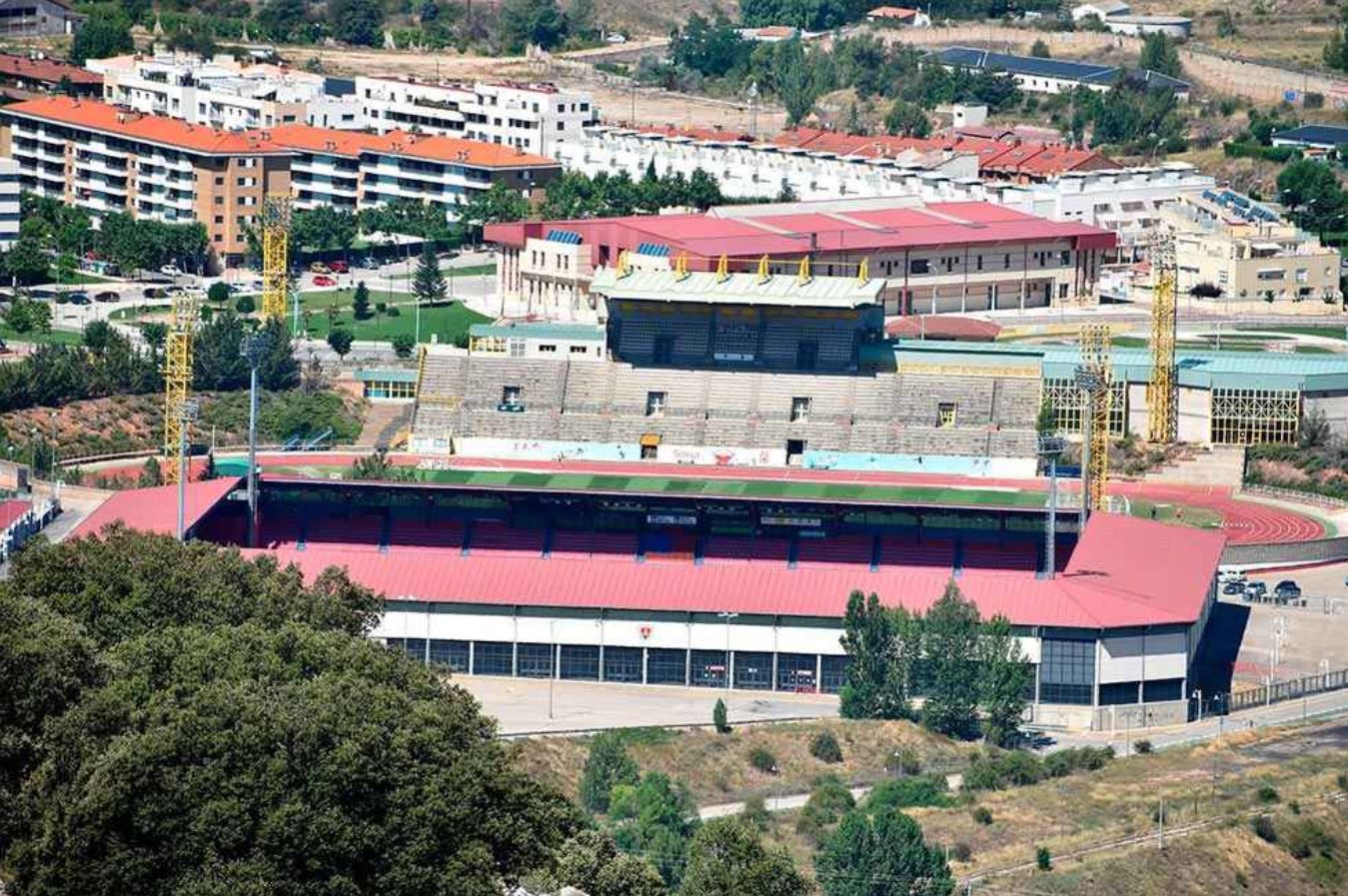
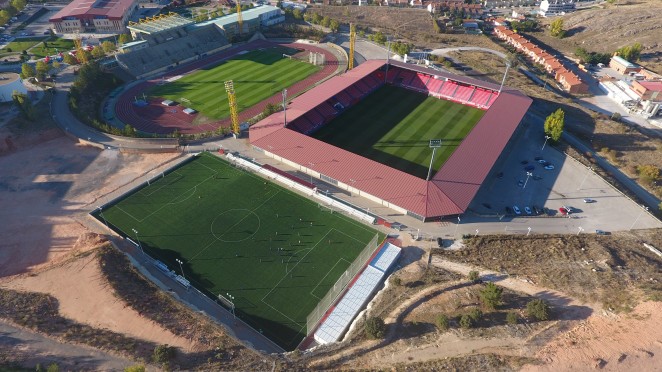
On 5 August 1989, Numancia moved to a new municipal sports complex in the south of Soria, called Estadio Municipal Los Pajaritos, or little birds. This was essentially an athletics stadium, with its 4,000-capacity confined to the main covered stand and terrace in front. The first match at the stadium took place on 5 August 1989, when Numancia hosted Real Valladolid in a pre-season friendly. Over the next decade, Numancia made steady progress, eventually winning promotion to La Segunda in 1997. That first season proved difficult, with the club retaining its status with just two points to spare. The following 1998-99 season saw Numancia confound the experts and finish third in La Segunda. Thanks to Atlético Madrid B finishing second but being unable to gain promotion, Numancia found itself in La Primera. A few months before the promotion, in January 1999, the club had moved to a new stadium. The capacity upon opening was 9,052 and was situated directly next to the Estadio Municipal Los Pajaritos, but was entirely covered, offering fans much-needed shelter from the notoriously cold Castile-León winters. In advance of its first season in the top-flight, a further 1,148 seats were shoehorned into the stadium, raising its capacity to 10,200.
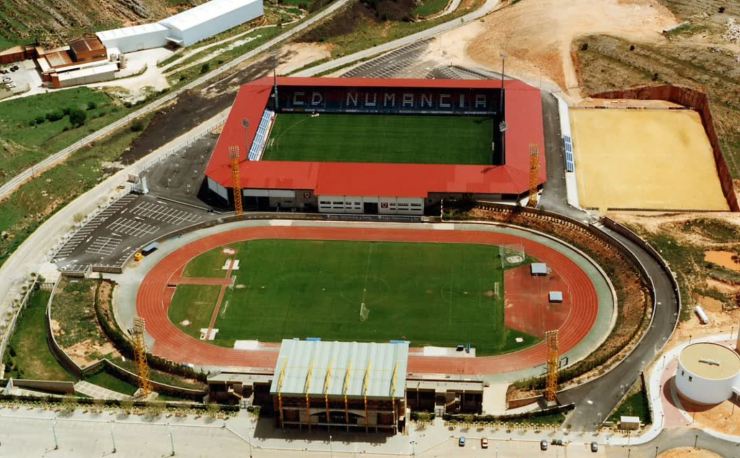
The club confounded the sceptics in its first season in La Primera, clinging to safety in 17th place as Real Betis, Atlético Madrid & Sevilla all dropped to La Segunda. They could not repeat the feat in 2000-01 and finished bottom of the table, but only three points from safety. On returning to the second, Numancia was expected to challenge for promotion, but only just avoided a disastrous second descent when finishing 17th. The team delivered a slightly improved performance in 2002-03 when finishing fourteenth. Then, in 2003-04, Numancia rediscovered the form that had seen the club promoted four years previously. Home form was a crucial factor, with 14 wins and just two defeats in their 21 matches. Third place saw the club take up its place in La Primera, but the capacity of the Estadio Nuevo Los Pajaritos was reduced to 8,727 to comply with La Liga’s regulations on the proximity of the crowd to the pitch. In effect, the front two rows were left empty for home matches. There was to be no repeat of their earlier heroics as the club finished 19th, seven points from safety.

A further three seasons passed before Numancia claimed their first Segunda title in season 2007-08, and so the club was promoted to La Primera for the third time in 10 seasons. Once again, the stay at the top lasted just one season, but what the club achieved on a fraction of the budget of even a small top-flight club was astonishing. Numancia’s next drop to La Segunda never saw them mount a serious challenge to return to the top flight, and after 11 seasons of slowly diminishing returns, the inevitable drop to the third tier happened in 2020. Worse was to follow in 2022, when the club fell a further step to Segunda Federación. Despite a decade and a half of gradual decline, CD Numancia can look back fondly on its remarkable record of three promotions to Spain’s top tier and the fact that, in terms of seasons spent in the top division, it is the second most successful club from the Region of Castile y León.
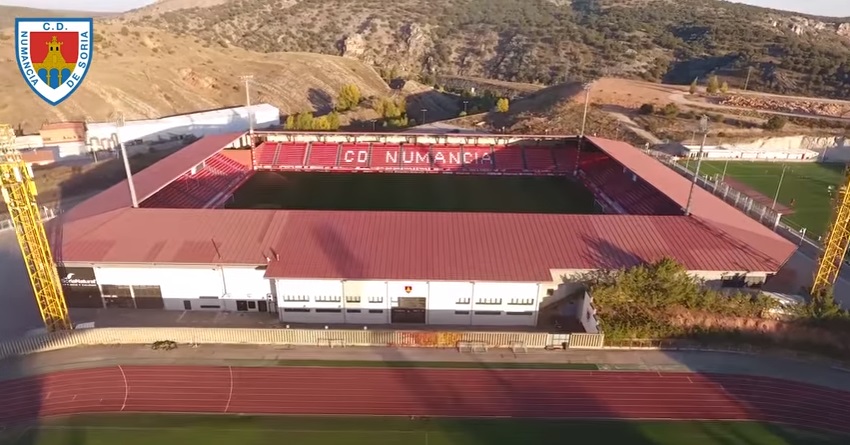
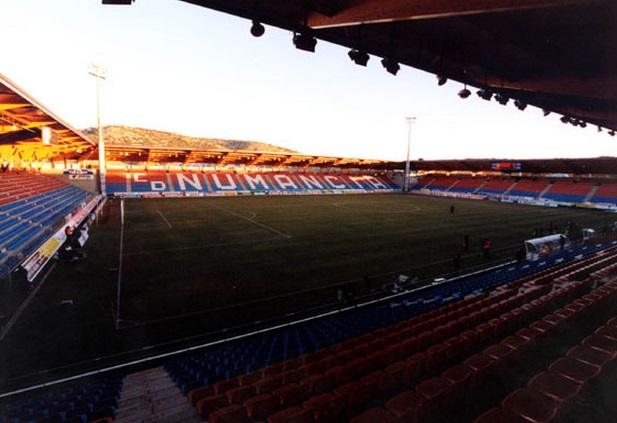
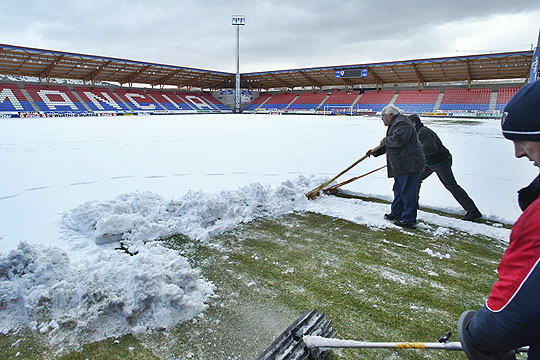
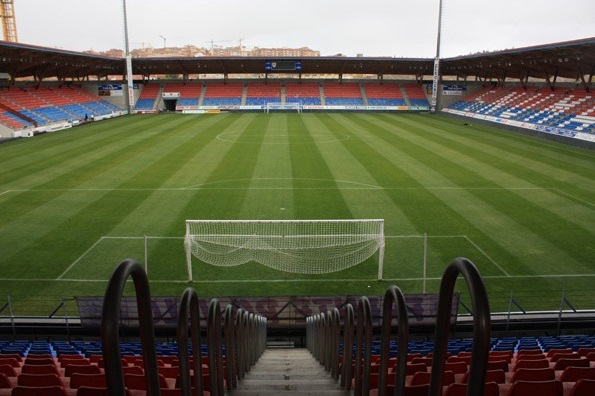
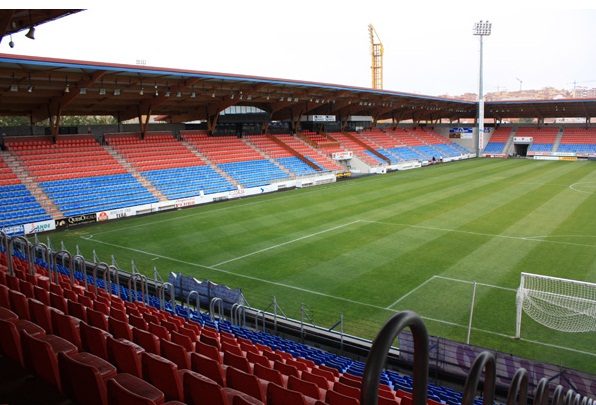
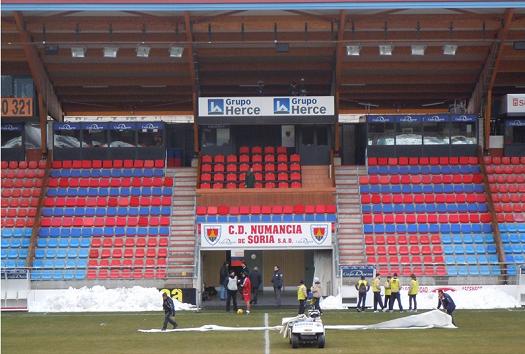
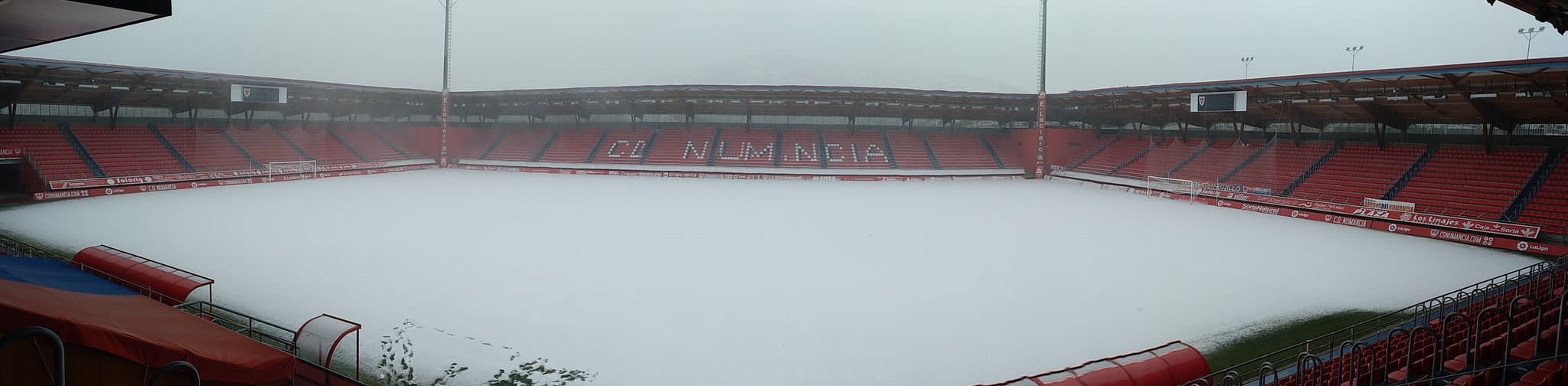
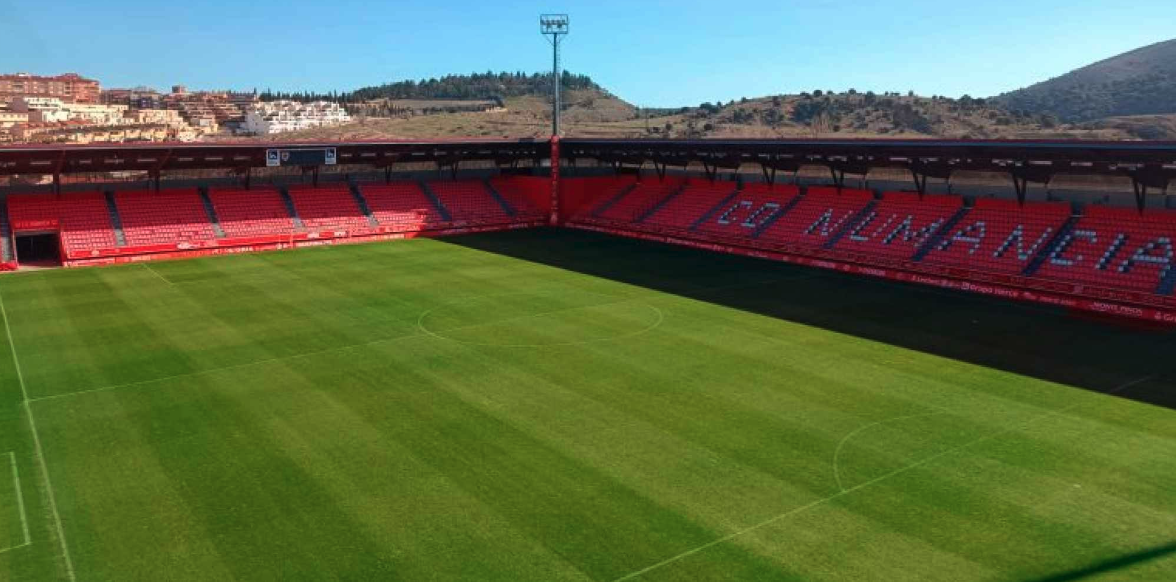
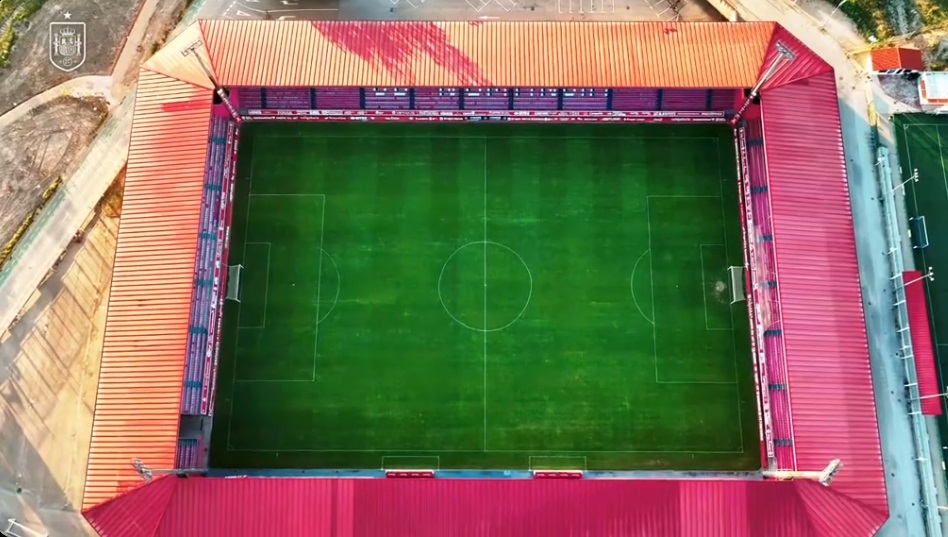
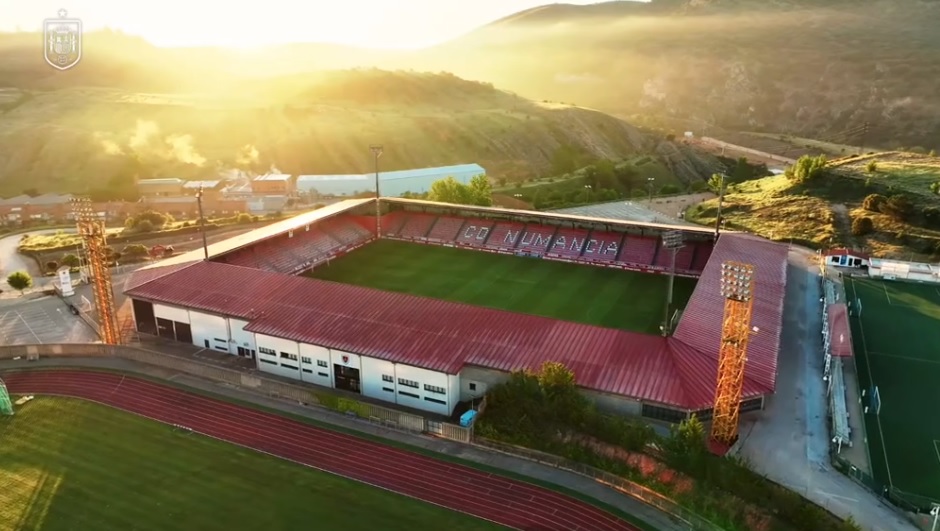
The Estadio Nuevo Pajaritos is an ideal arena for a small regional club like Numancia. Built in double-quick time between September 1998 and January 1999, it cost €14m, 12 million of which was funded by the municipality. In some ways, the stadium is a bit of a throwback, given that much of the structure is wooden, a material that architects José Soriano and Enrique Jiménez correctly identified as being better suited to the temperature extremes that Soria experiences. In addition, the exposed pine roof beams add a fantastic contrast to the red and blue seats, as well as adding a touch of quality that the corrugated cladding sadly lacks. The stands are square and close to the pitch, offering excellent views, whilst any inclement temperatures are tamed by the addition of 102 overhead gas-fired heaters. The main stand, on the west side, has a small directors’ box above the players’ entrance and tucked up in the eaves of the roof are the TV and media gantries. The cost and speed of the build attracted a lot of attention, and a couple of years later, the design was practically copied when Zamora CF opened the Estadio Ruta de la Plata. As they say, imitation is the sincerest form of flattery.