Article updated: 20/07/2026
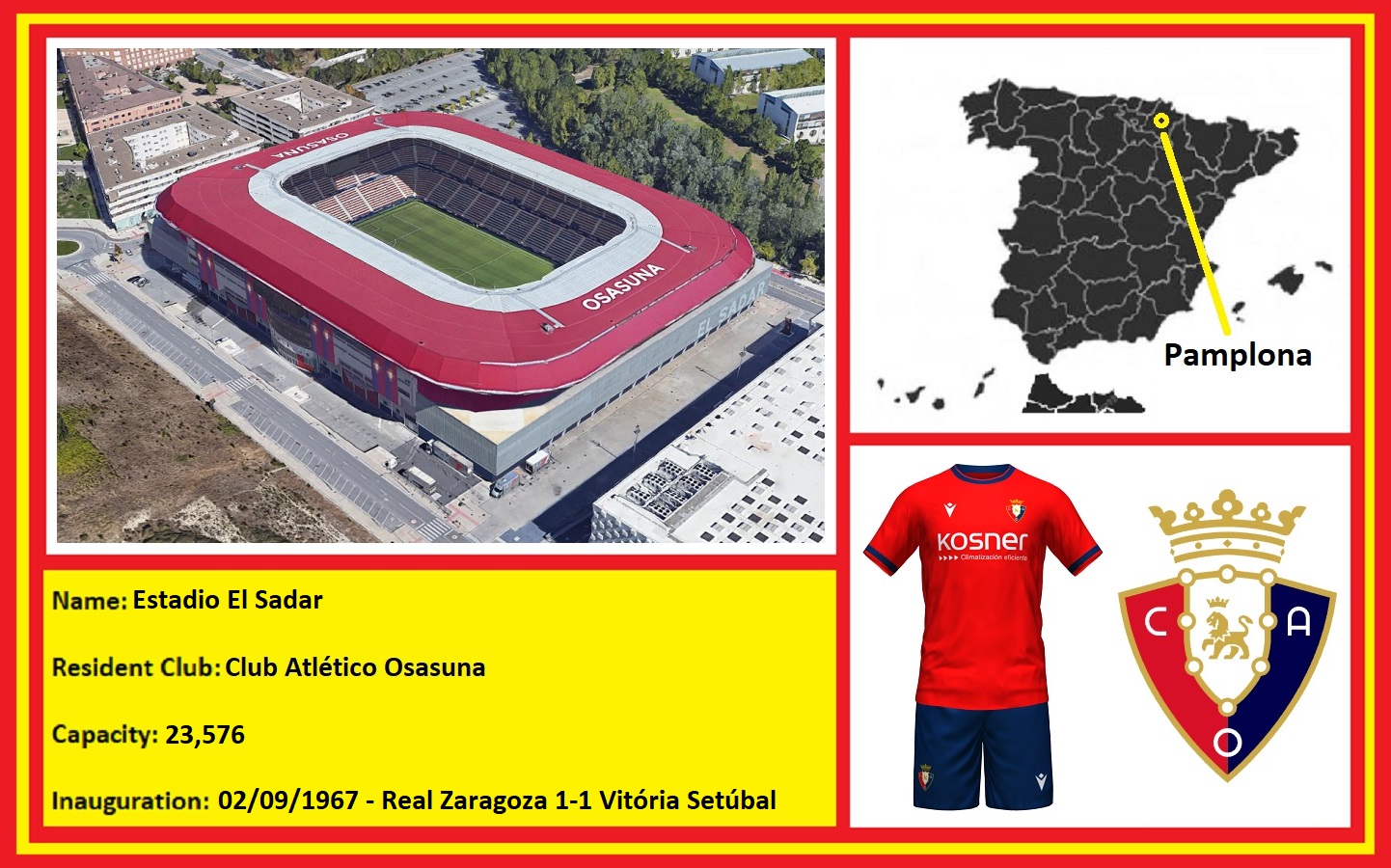
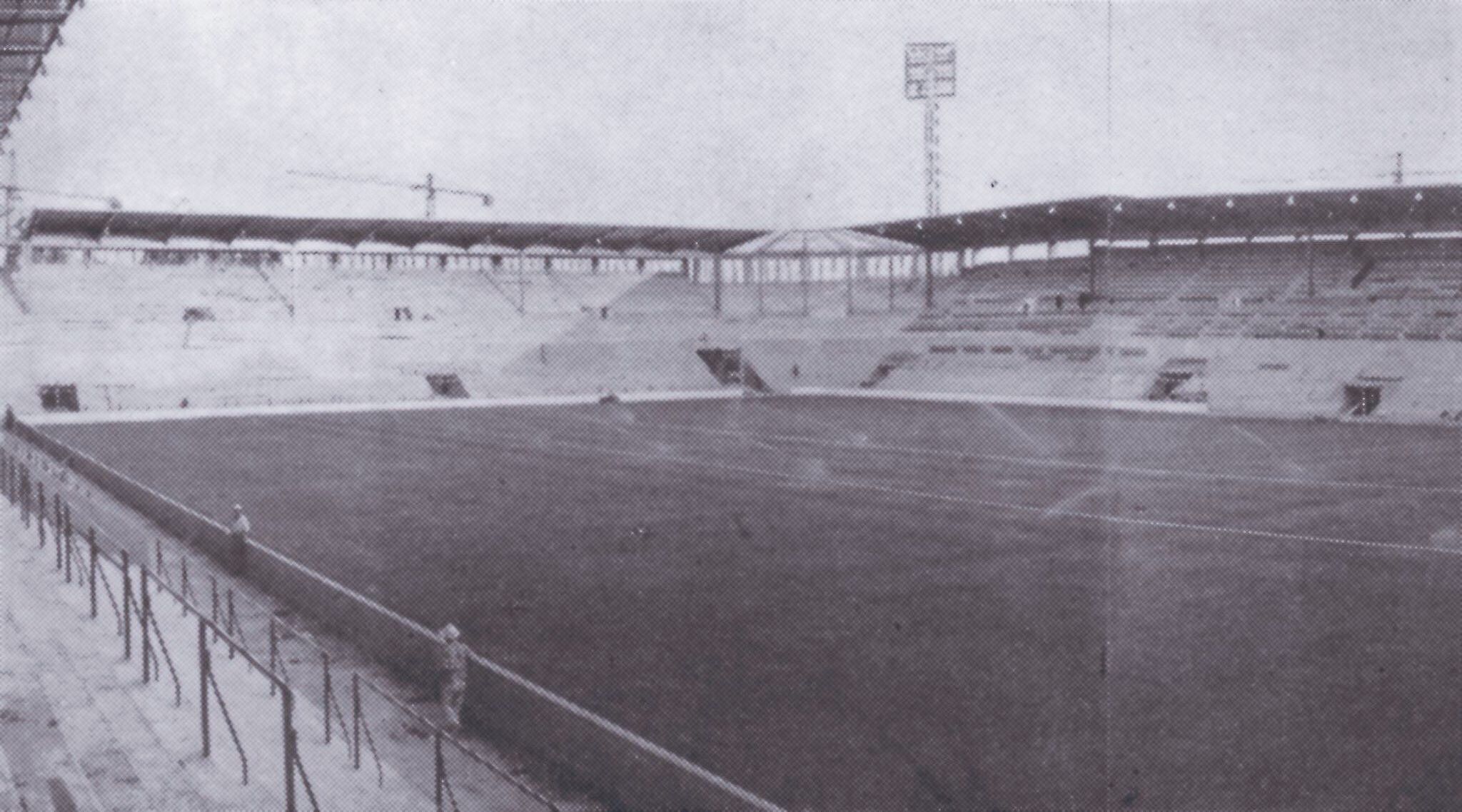
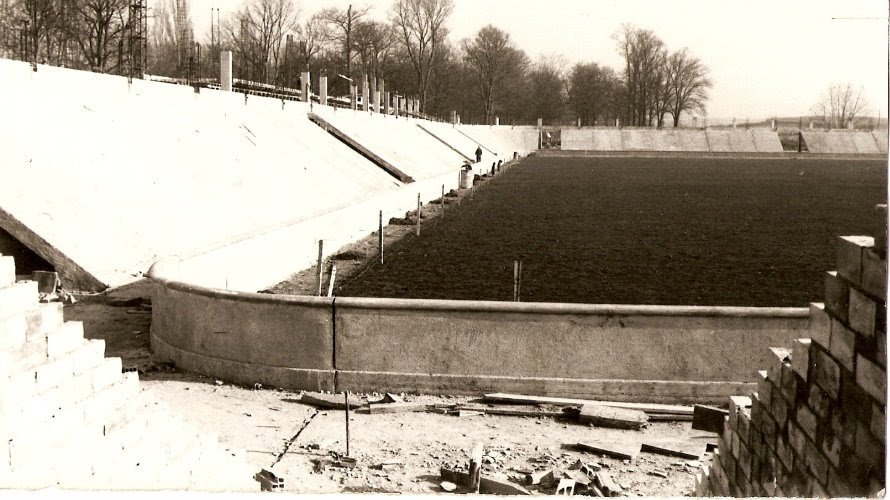
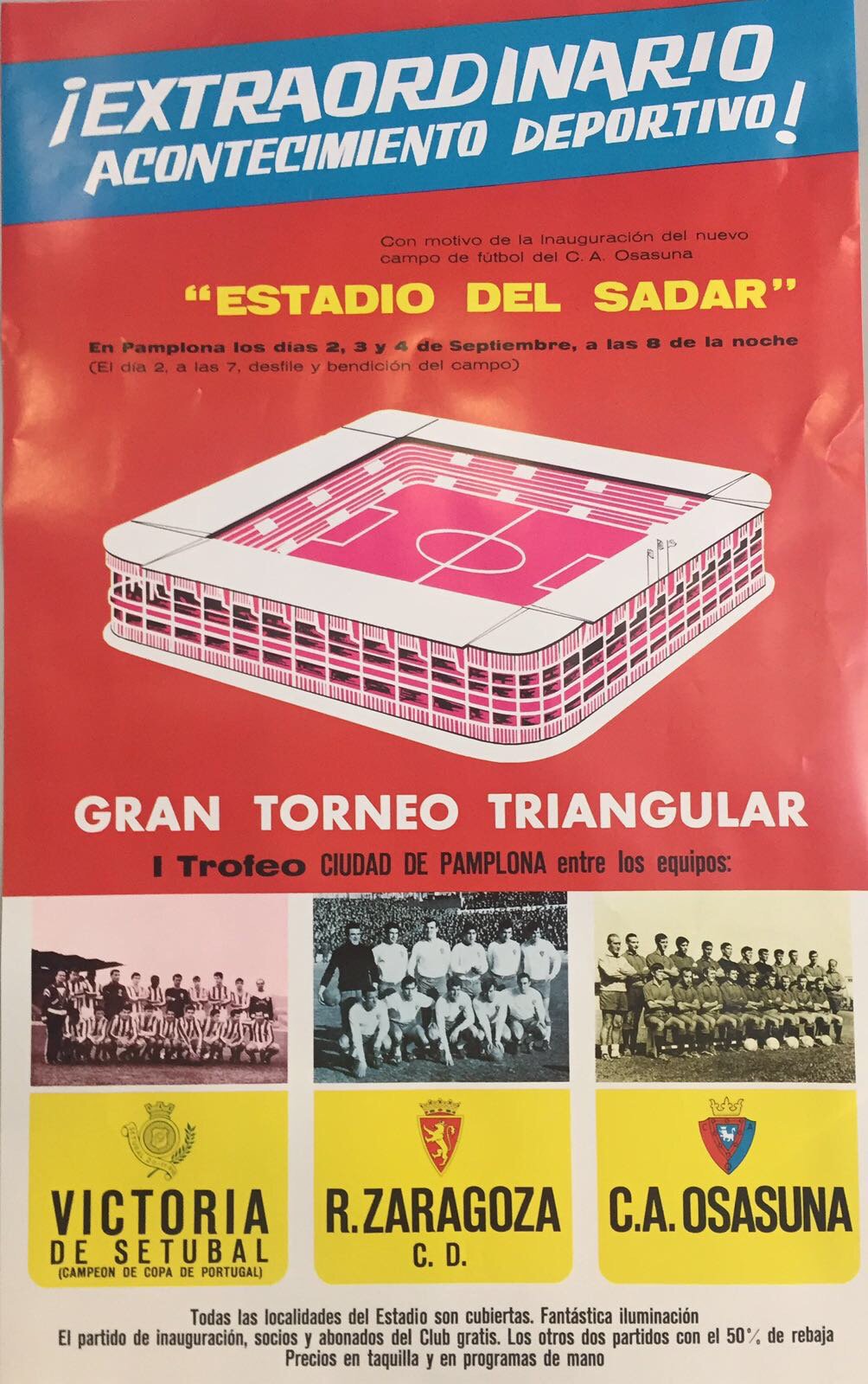
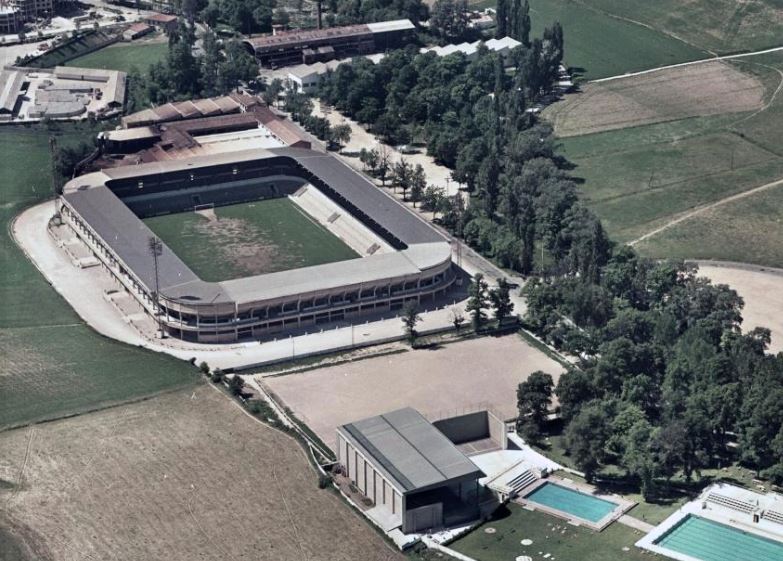
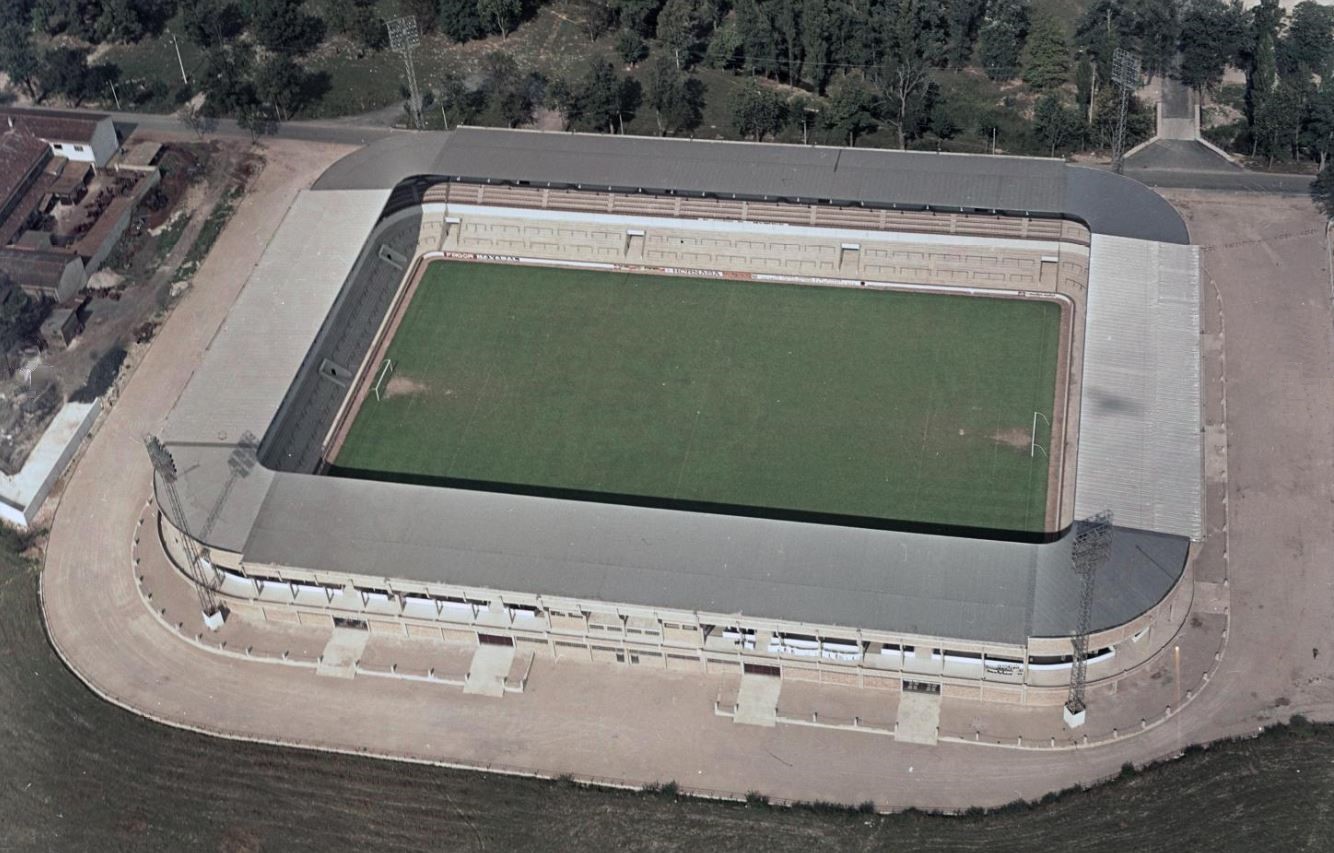
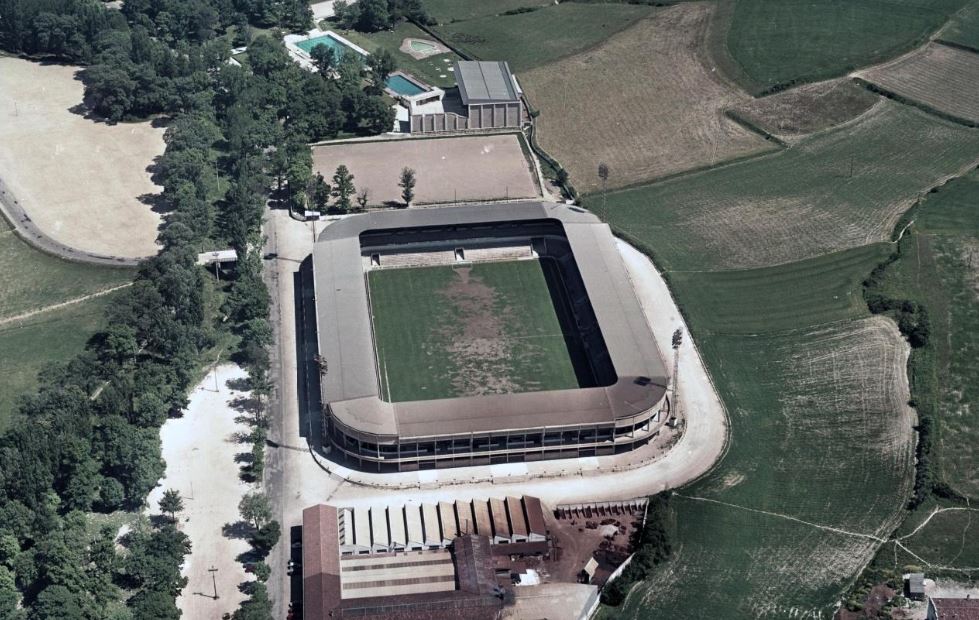
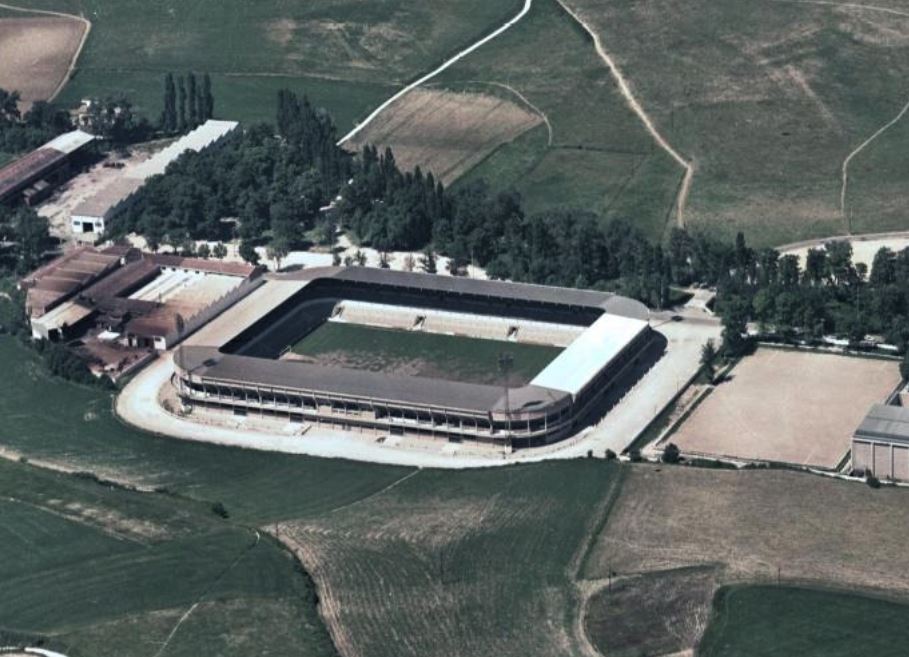
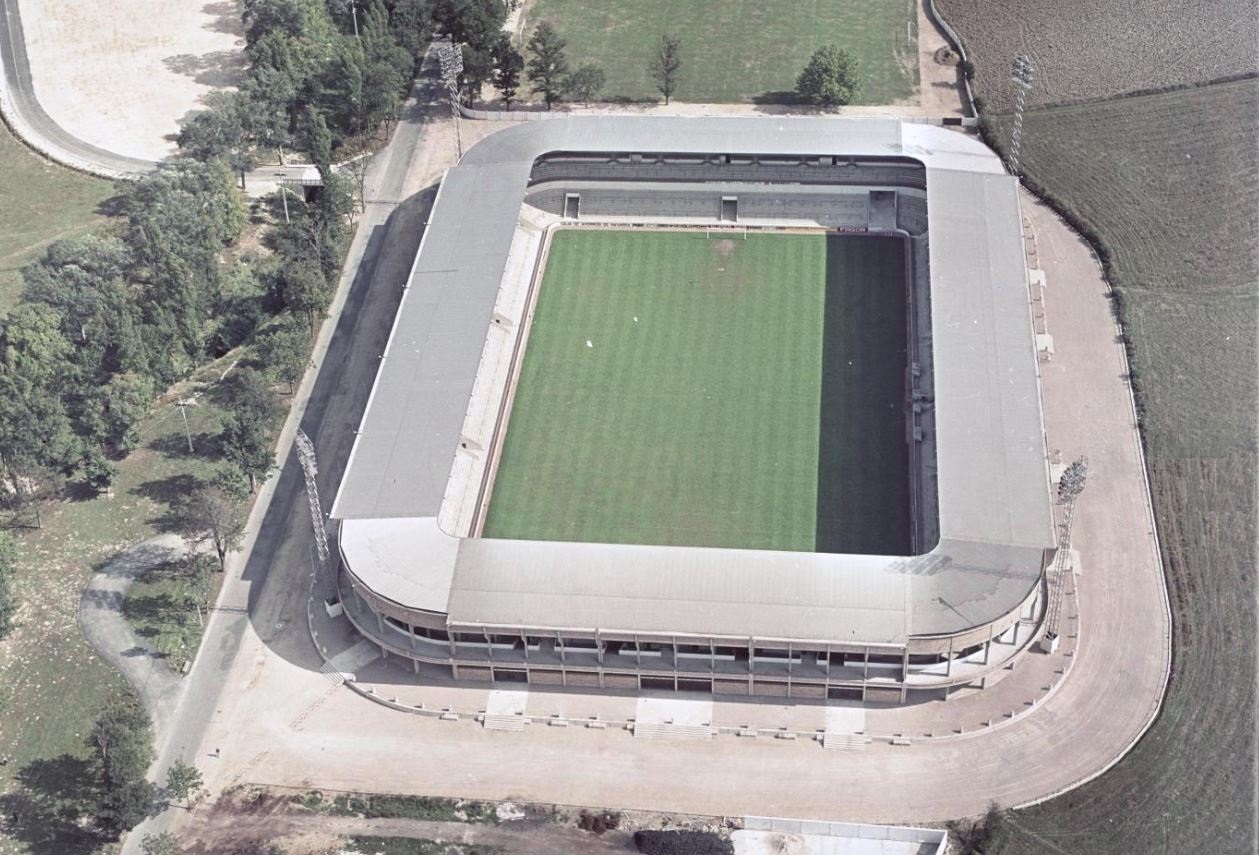
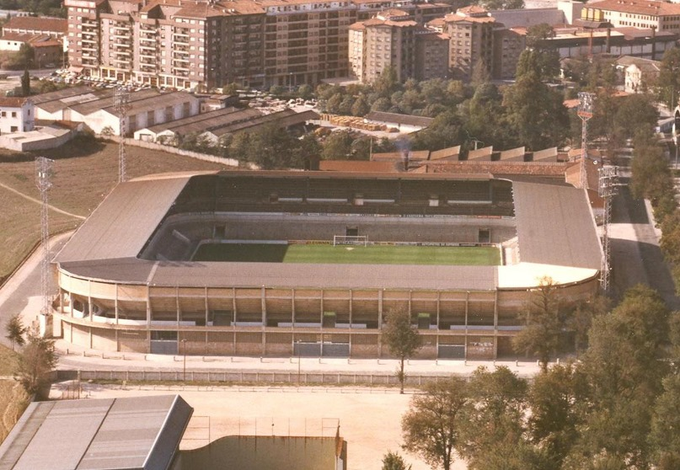
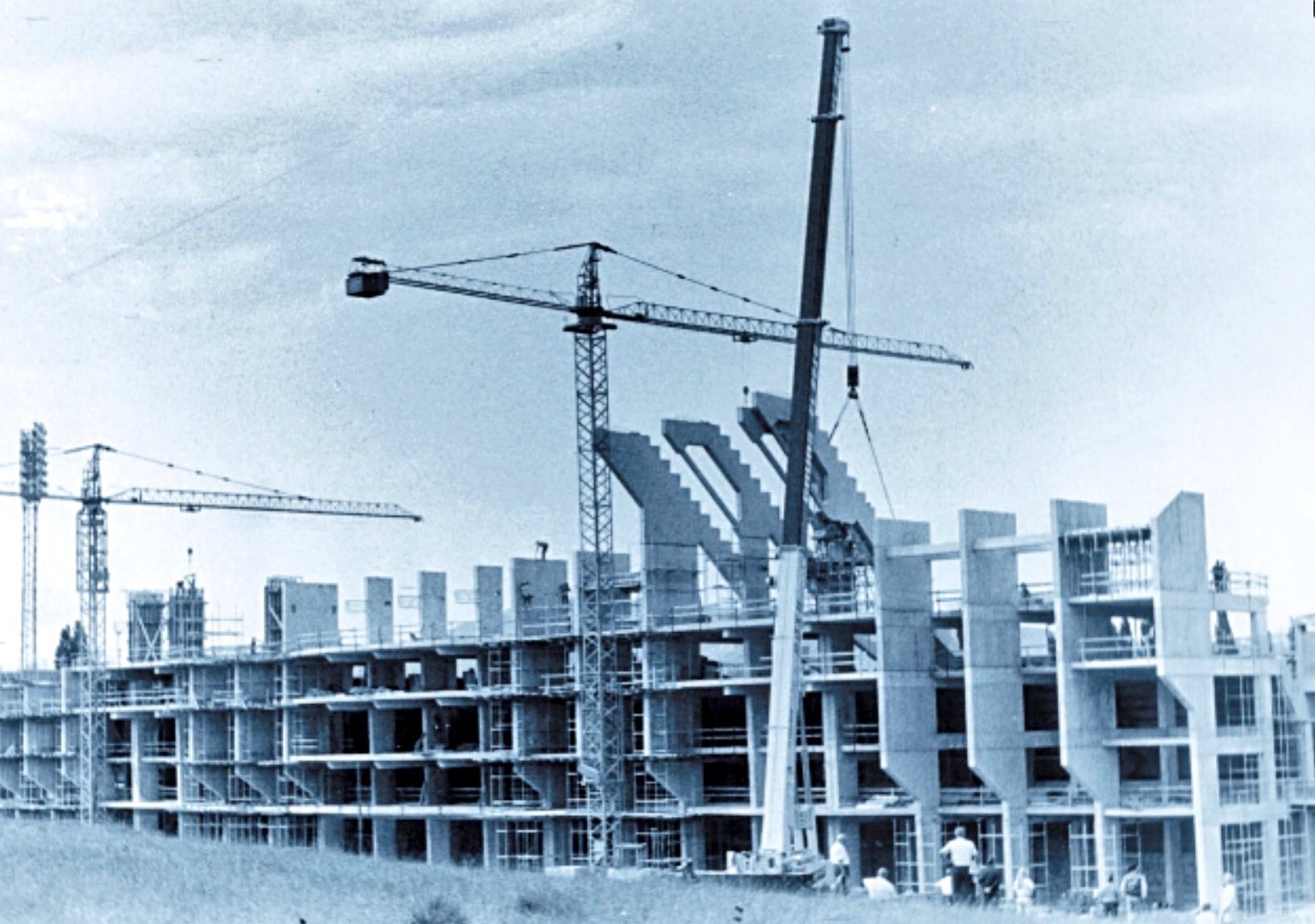
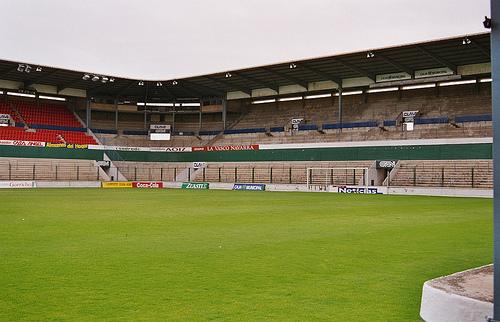
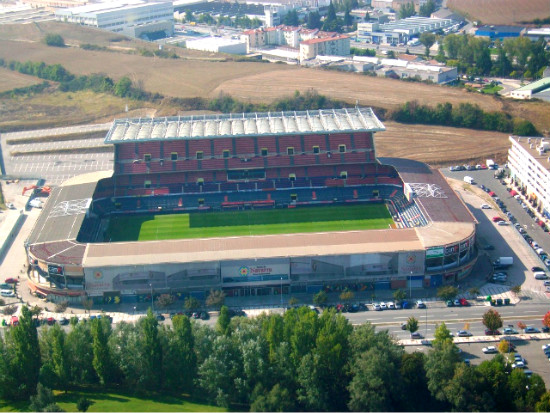
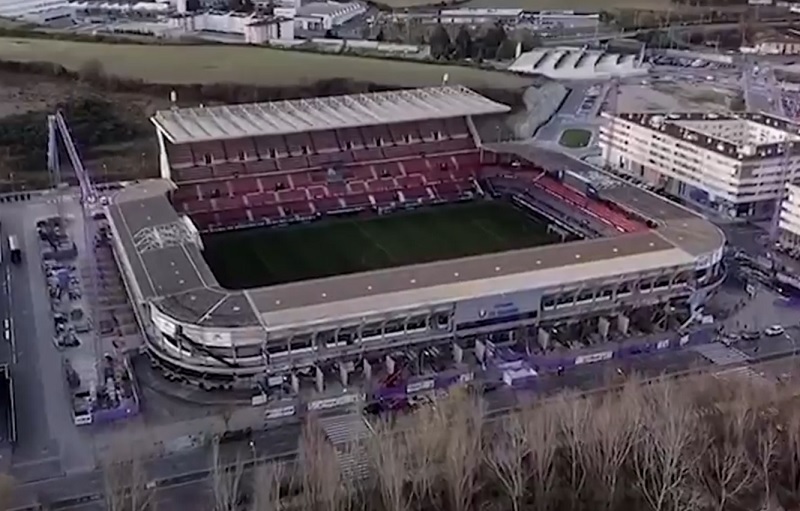
In May 1965, the directors at CA Osasuna decided that the old Campo de San Juan had more potential as real estate than a redeveloped, modern stadium. So the site was sold for 40 million pesetas, and a new plot of land was purchased for 10 million pesetas a couple of kilometres south of the centre of Pamplona. Tomás Arrarás was charged with designing the two-tiered, fully enclosed stadium, and work commenced in October 1966 on the 51-million-peseta project. The new stadium was named El Sadar, taking its name from the Rio Sadar, which runs close to the site. It had an initial capacity of 25,000, of which 7,000 were seated. The stadium opened on 2 September 1967, but unusually, Osasuna did not take part in the first match. That honour fell to Real Zaragoza and Vitória Setúbal, who were invited to compete in a triangular tournament with the hosts.
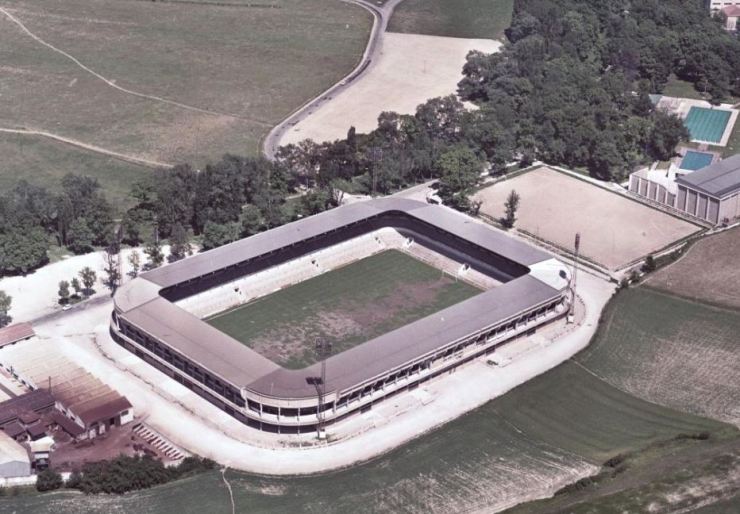
Whilst the move was considered necessary for the long-term future of the club, the construction had left Osasuna with little, if anything to spend elsewhere, and this was reflected in the team’s performance. At the end of the 1967-68 season, Osasuna finished a lowly fifteenth in La Segunda and dropped to the Tercera for the first time in twenty years. The following decade saw a continuous journey, back and forth between the second and third divisions, before Osasuna left the Tercera behind in 1977. After two seasons of mid-table finishes, the club put together an impressive run of form, as El Sadar became a fortress. Osasuna won 17 of their 19 home fixtures and eventually secured third place and a return to La Primera. Incredibly, despite one of the smallest budgets in La Primera, Osasuna defied the odds throughout the 1980s, and whilst there were a few close run-ins with relegation, more often than not, the club achieved a mid-table finish. This stability in the top division prompted the next phase of the stadium’s development.
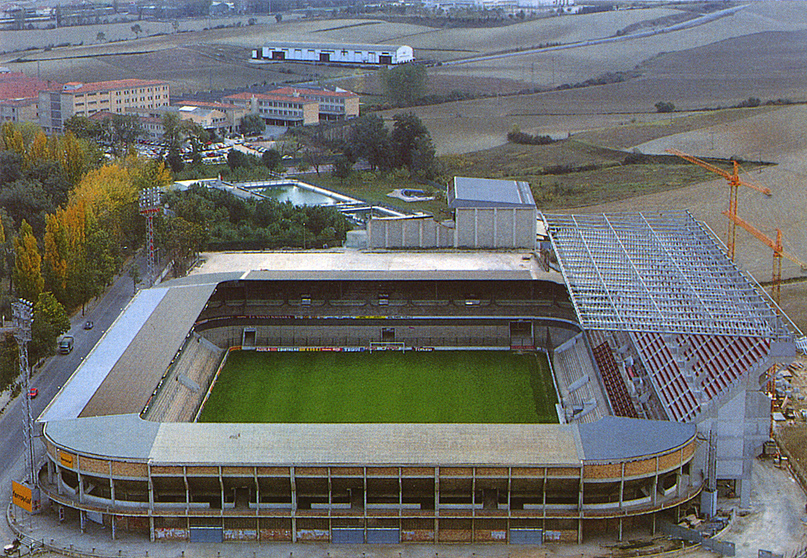
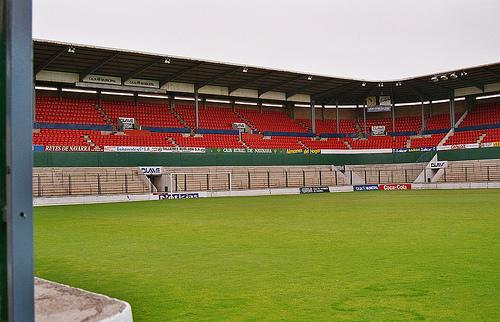
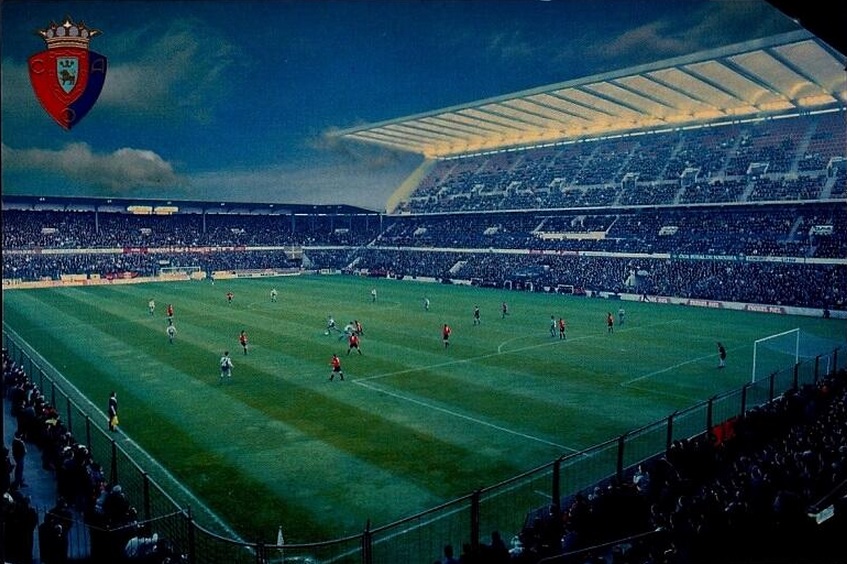
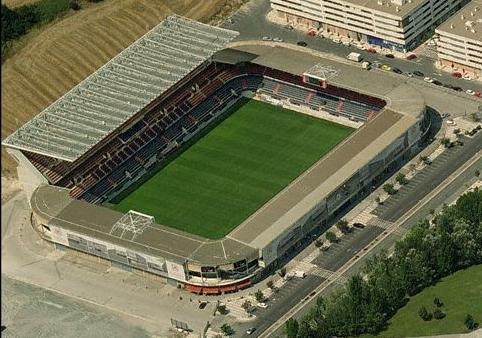
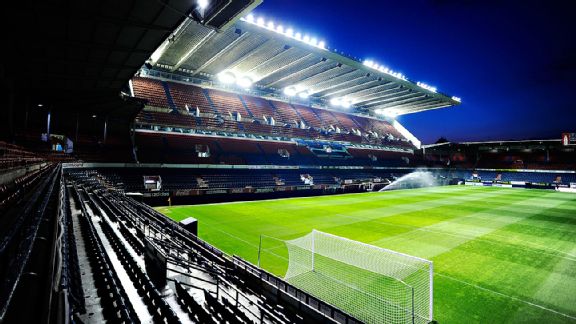
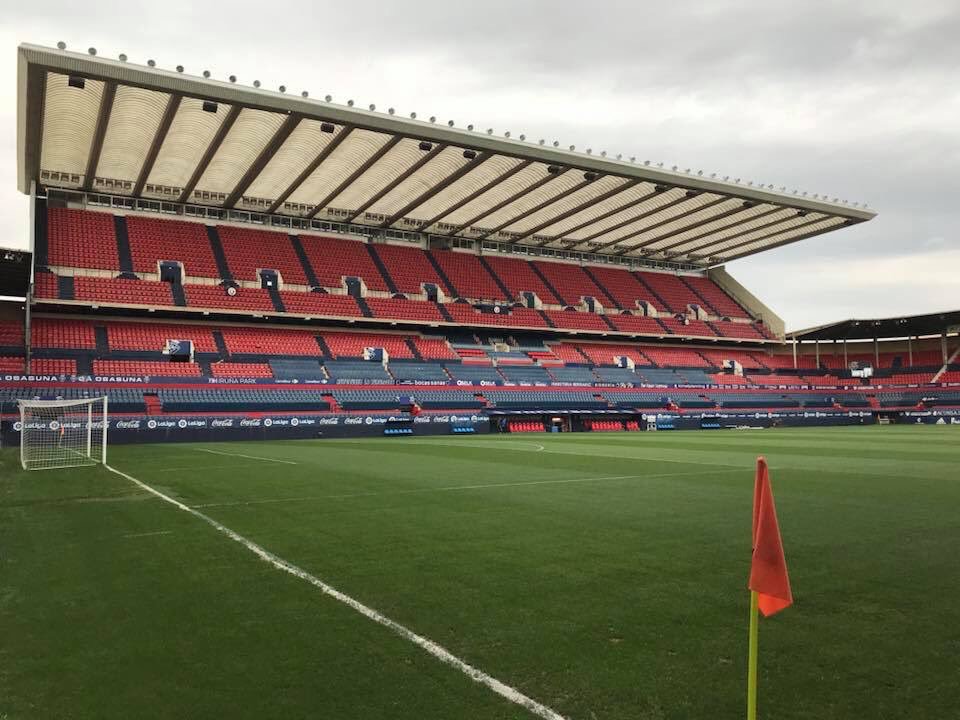
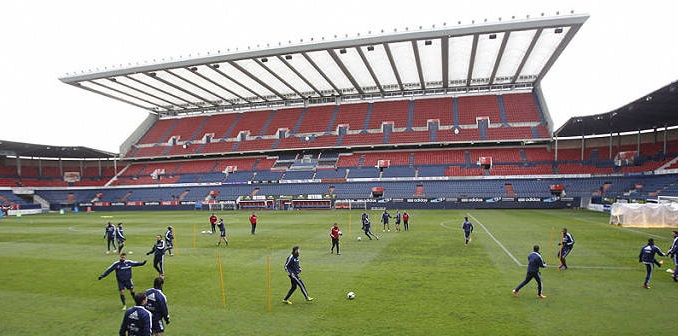
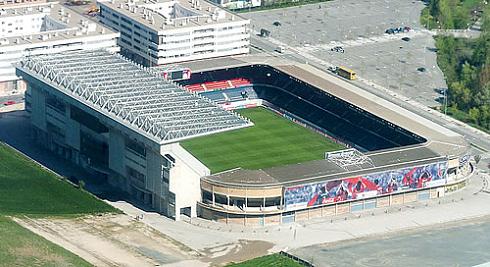
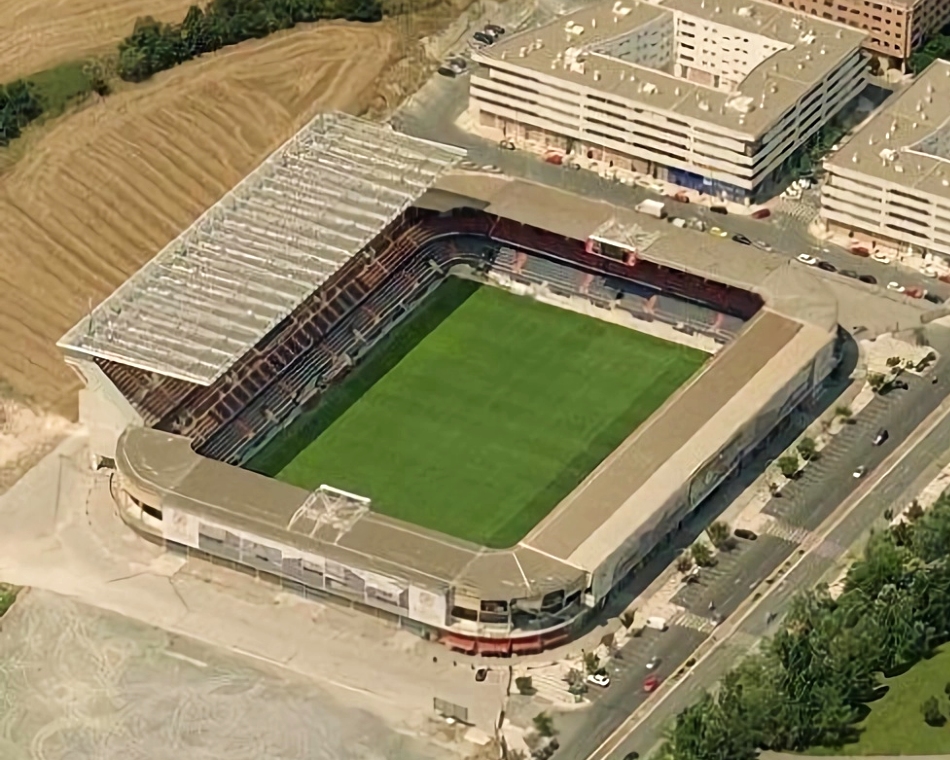
In 1989, a new Tribuna was added to the west side of the ground at a cost of 561 million pesetas. This was, however, privately funded, and Osasuna, having cleared its liabilities, remained debt-free. The new stand was an impressive addition, with a deep cantilevered roof that hovered over the lower tier and a sweep of red seats that raked at an alarming angle. As a result, the capacity of the stadium increased to 30,000, with 12,000 seats. This time, Osasuna thrived in the improved surroundings and finished fourth in the league, earning a place in the UEFA Cup. In the early 1990s, new legislation by the Spanish Federation required all clubs in the top two divisions to become a public limited company, unless they were a fan cooperative. Real Madrid, Barcelona, Athletic Club & Osasuna were and still are owned by their fans, and therefore escaped the change. Whilst their status off the field remained unaffected, Osasuna saw the break-up of their best-ever team and dropped to La Segunda in 1994. The club did not challenge for the promotion spots as expected and very nearly dropped into Segunda B at the end of the 1996-97 season. Two seasons of mediocrity followed before promotion back to the top tier was sealed with the runners-up berth in 1999-00.
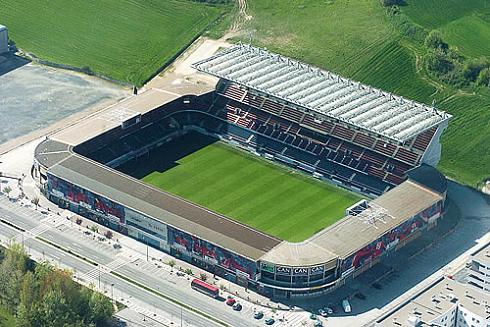
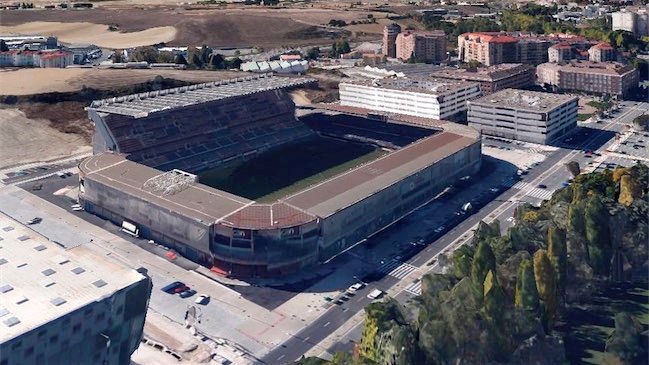
Osasuna remained in La Liga until 2014, usually surviving by the narrowest of margins. Still, they also came close to recapturing the heights of the celebrated 1990–91 side with a fourth-place finish in 2005–06. The previous season had already marked a memorable campaign, as Osasuna reached the Copa del Rey final, only to lose 2–1 after extra time to Real Betis at the Vicente Calderón. Meanwhile, El Sadar underwent significant changes. Converted into an all-seater stadium in the late 1990s, its capacity fell to around 20,000. In 2003, the pitch was lowered by two metres, creating space for additional seating while also improving sightlines throughout the ground. In December 2005, the Parliament of Navarre approved a €4.2 million payment to the club. In return, the stadium was renamed Estadio Reyno de Navarra (Kingdom of Navarra Stadium), aligning it with the region’s tourism branding.

Security-related renovation work, prompted by the collapse of a perimeter fence in May 2014, saw capacity drop to 18,761. Osasuna’s relegation from La Primera in 2014 and the club’s impending financial meltdown led to the sale of the stadium to the regional government in November 2014. Osasuna returned to La Primera in 2016 but dropped back again a year later. Promotion back to the top flight in 2019 saw renewed hope on and off the pitch. Given the club’s top-flight status and modern stadium, it may surprise some that Spain’s senior national team has never played at El Sadar. One possible factor is Navarra’s complex political and cultural identity. While many people regard Navarra as part of the wider Basque community, others strongly reject that view, and matches involving Spain have occasionally been politically sensitive. El Sadar has nevertheless staged international football, hosting three matches involving the Navarre representative side between 2003 and 2005. In 2022, it hosted the Spanish Women’s Senior team and the Argentina/Estonia fixture.
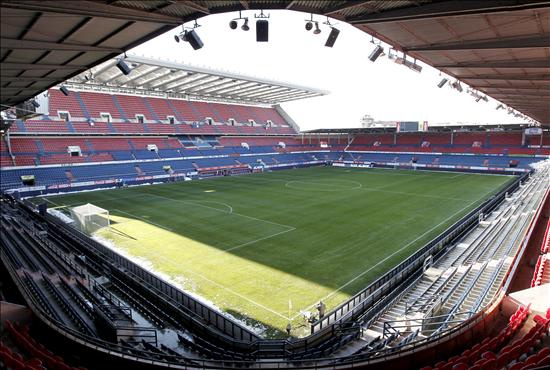
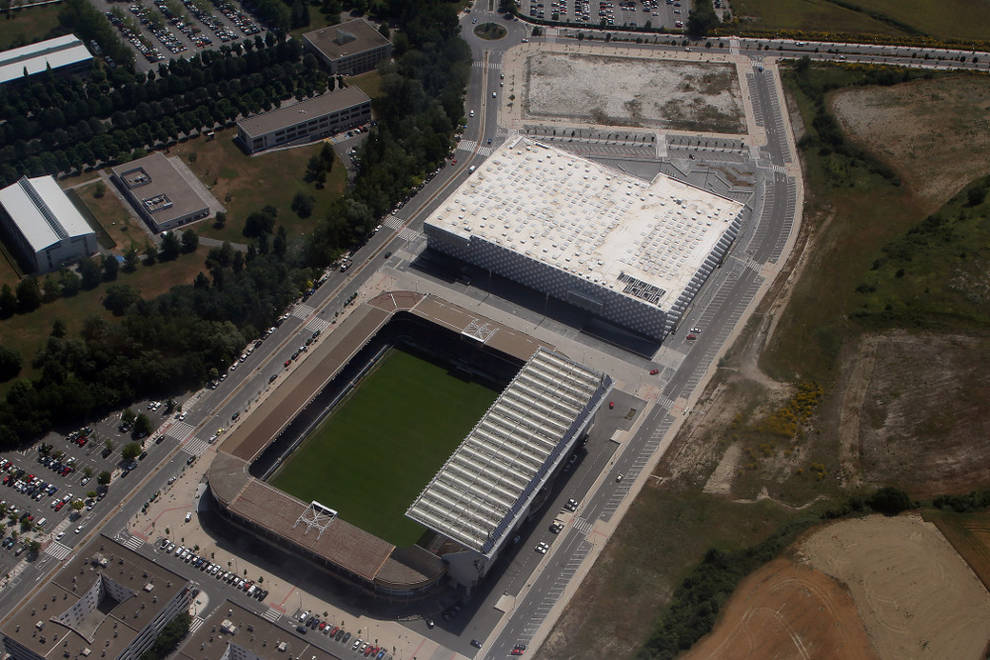
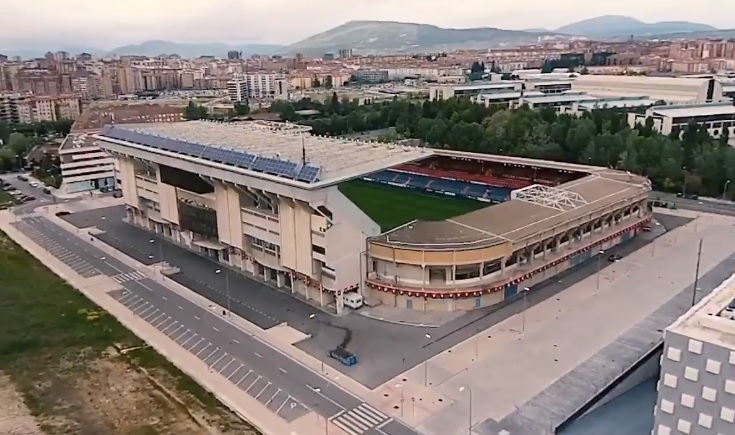
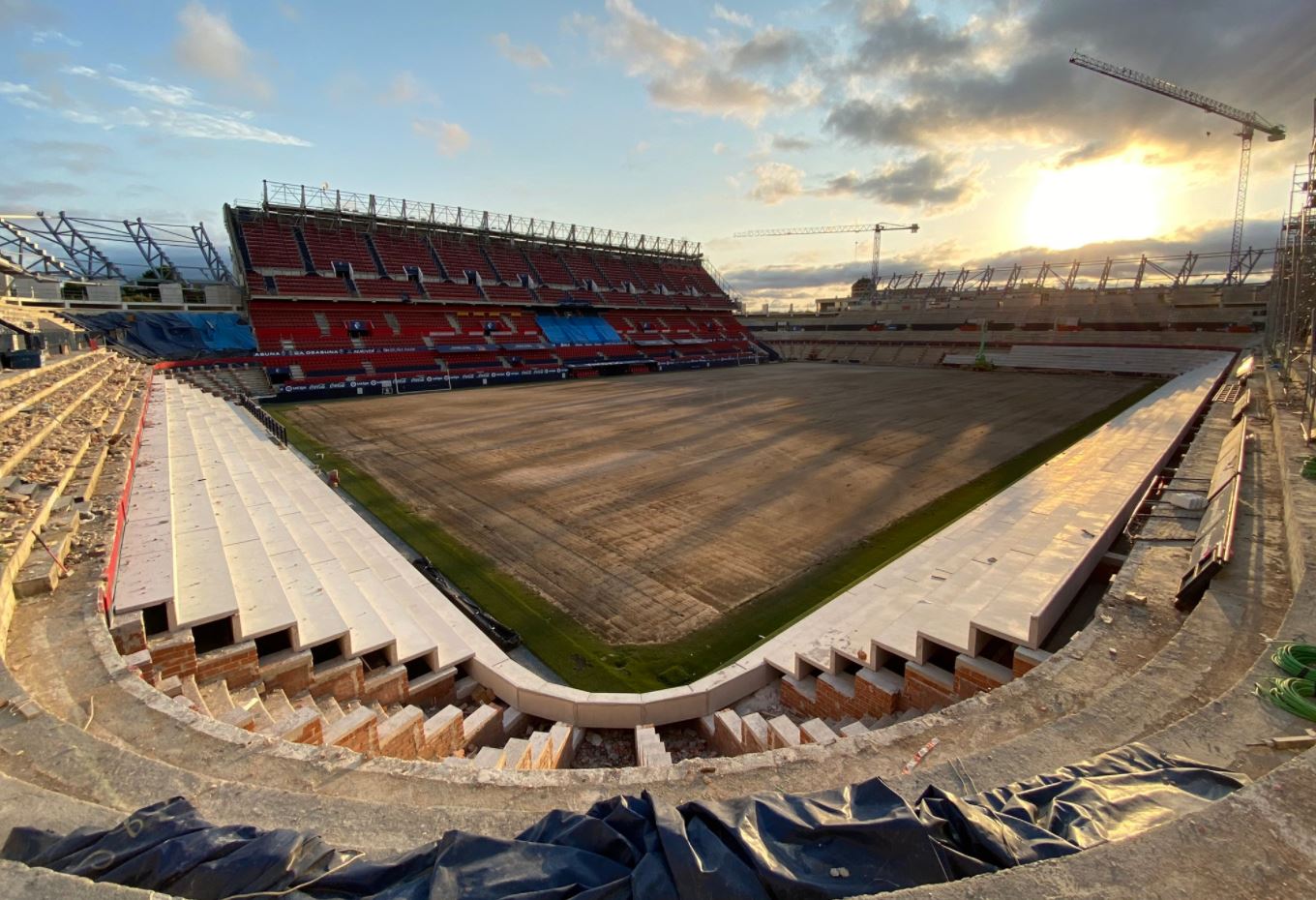
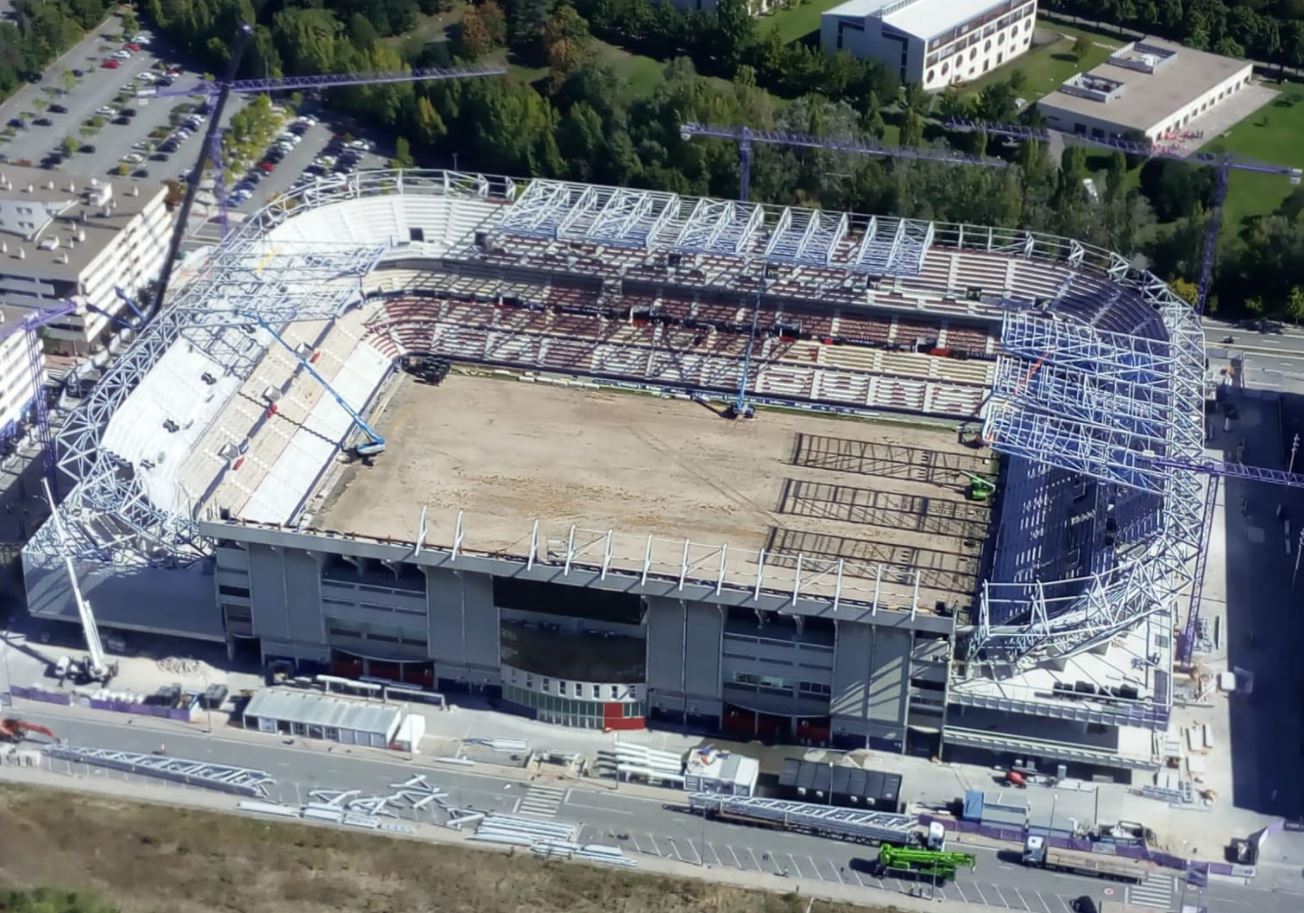
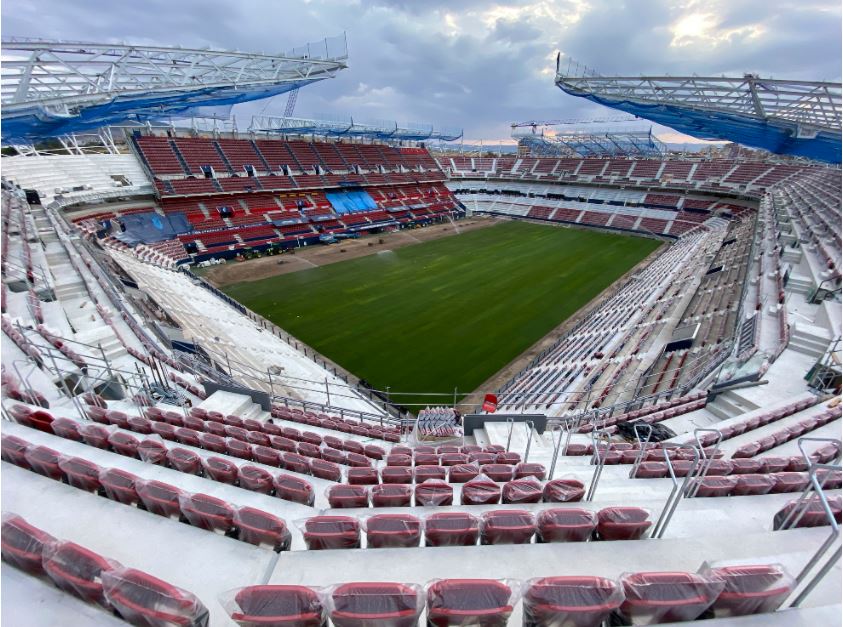
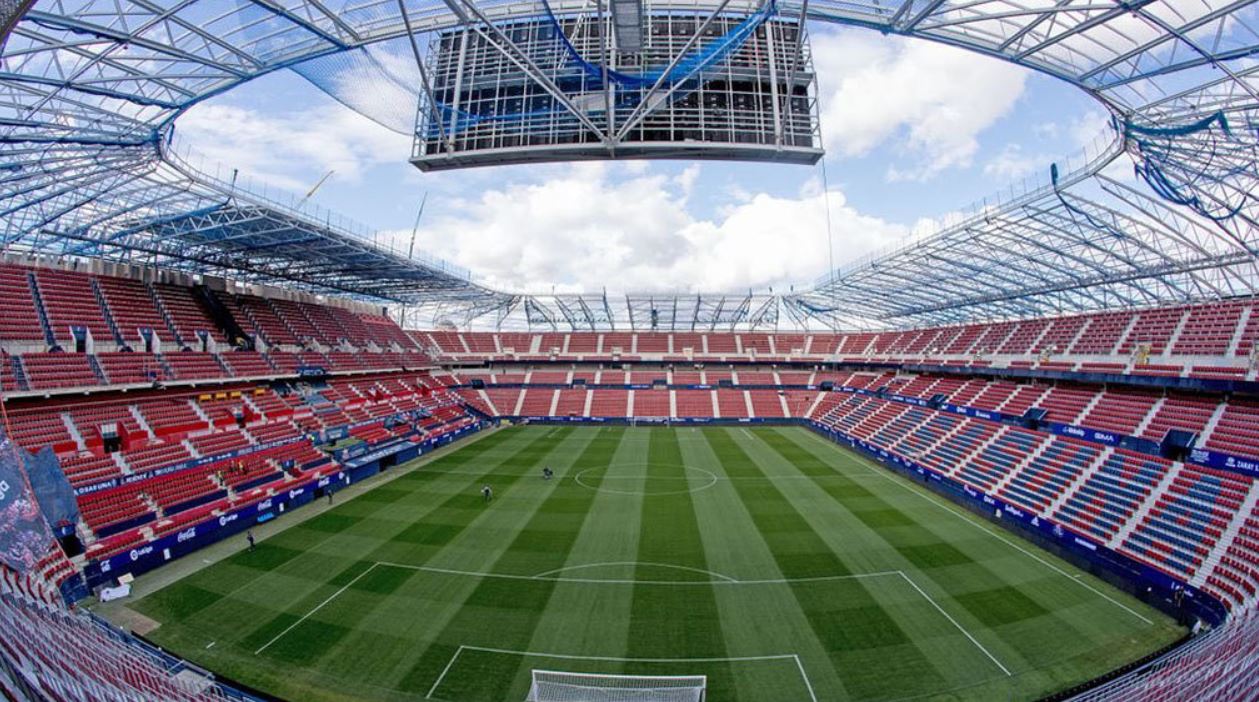
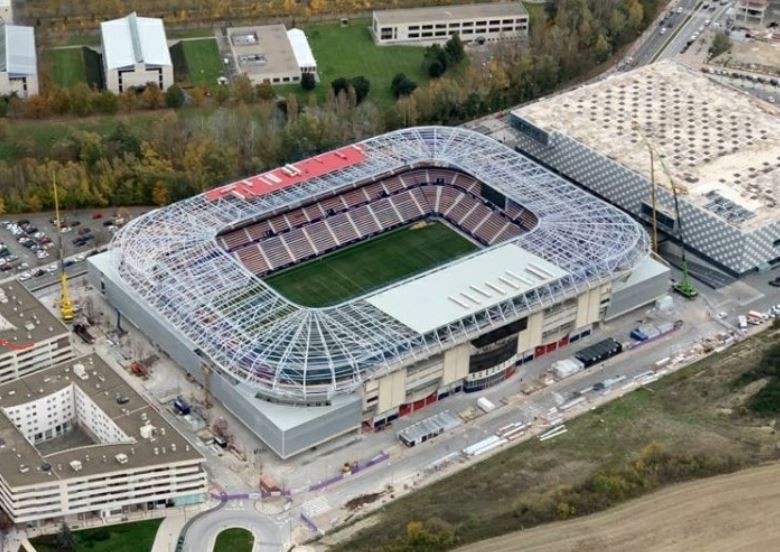
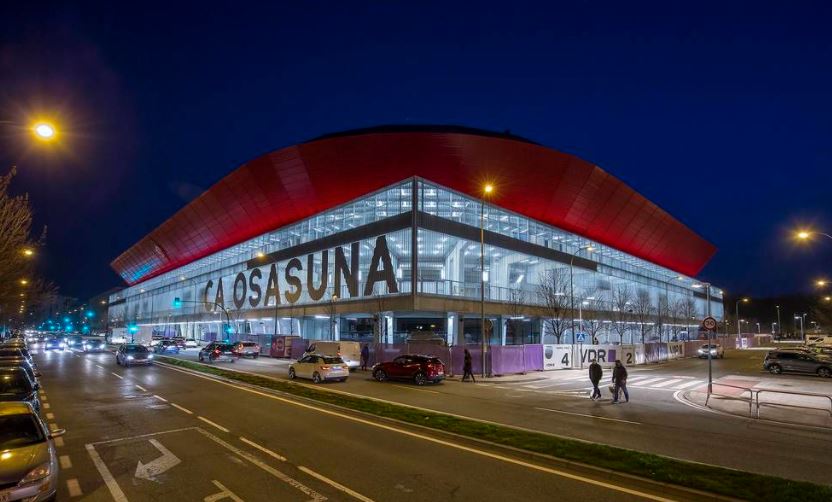
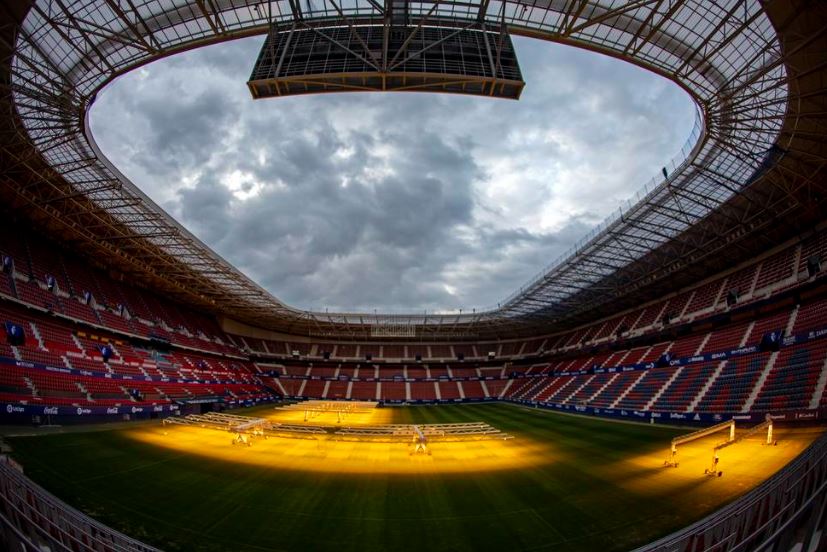
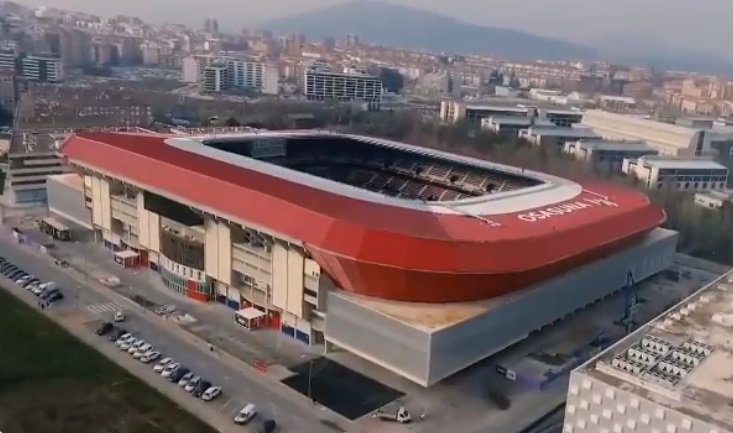
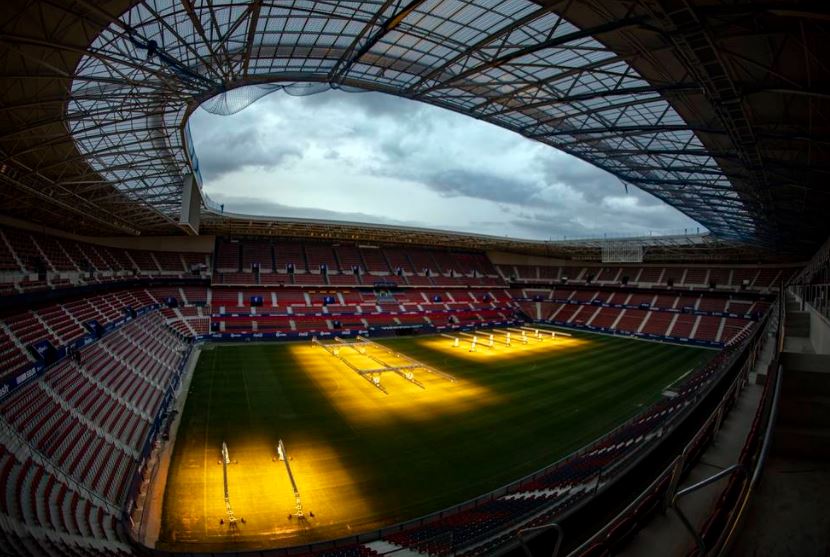
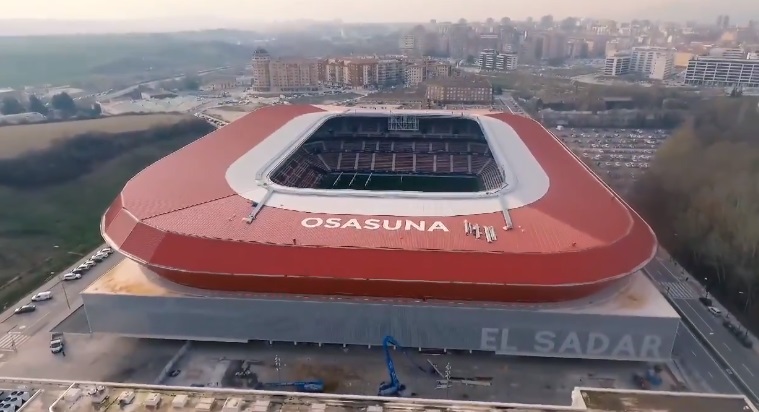
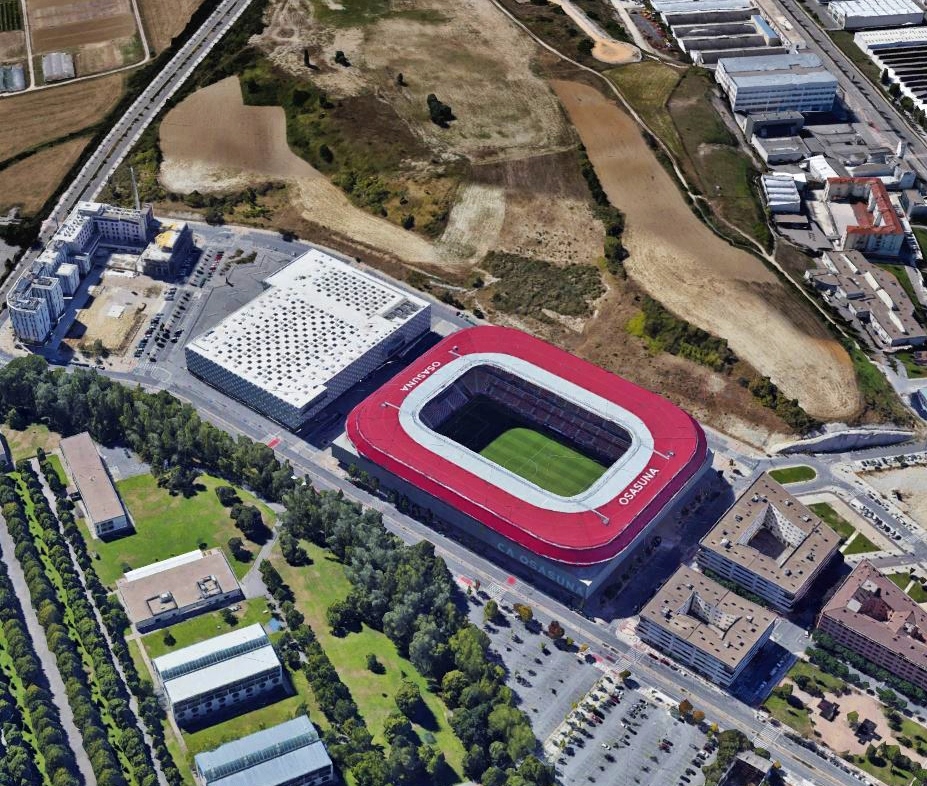
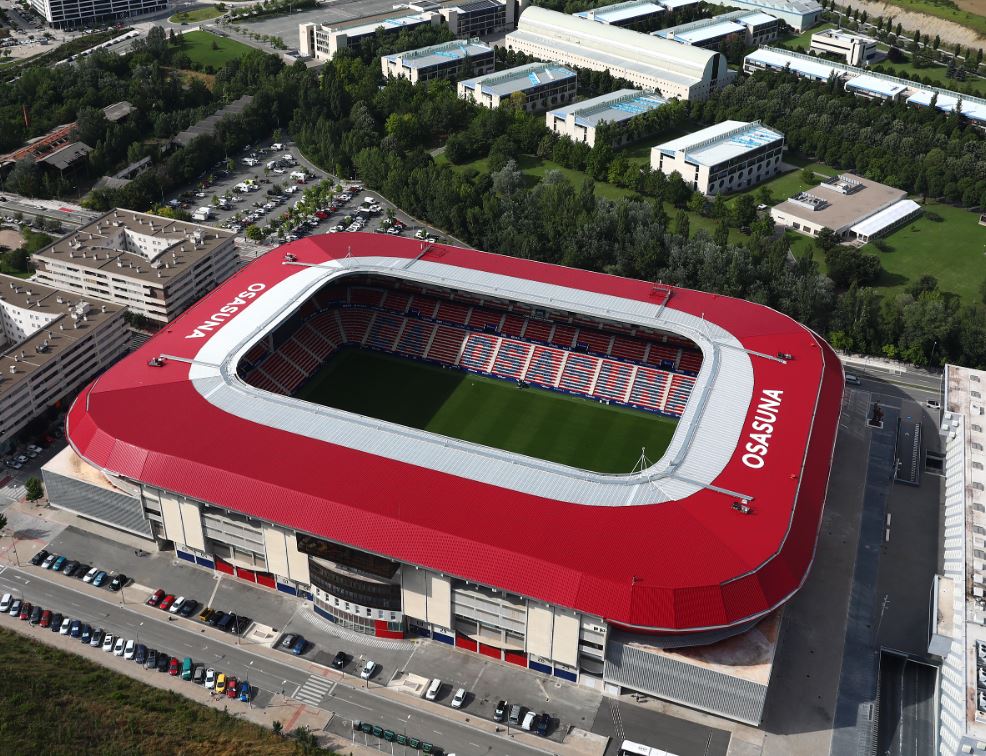
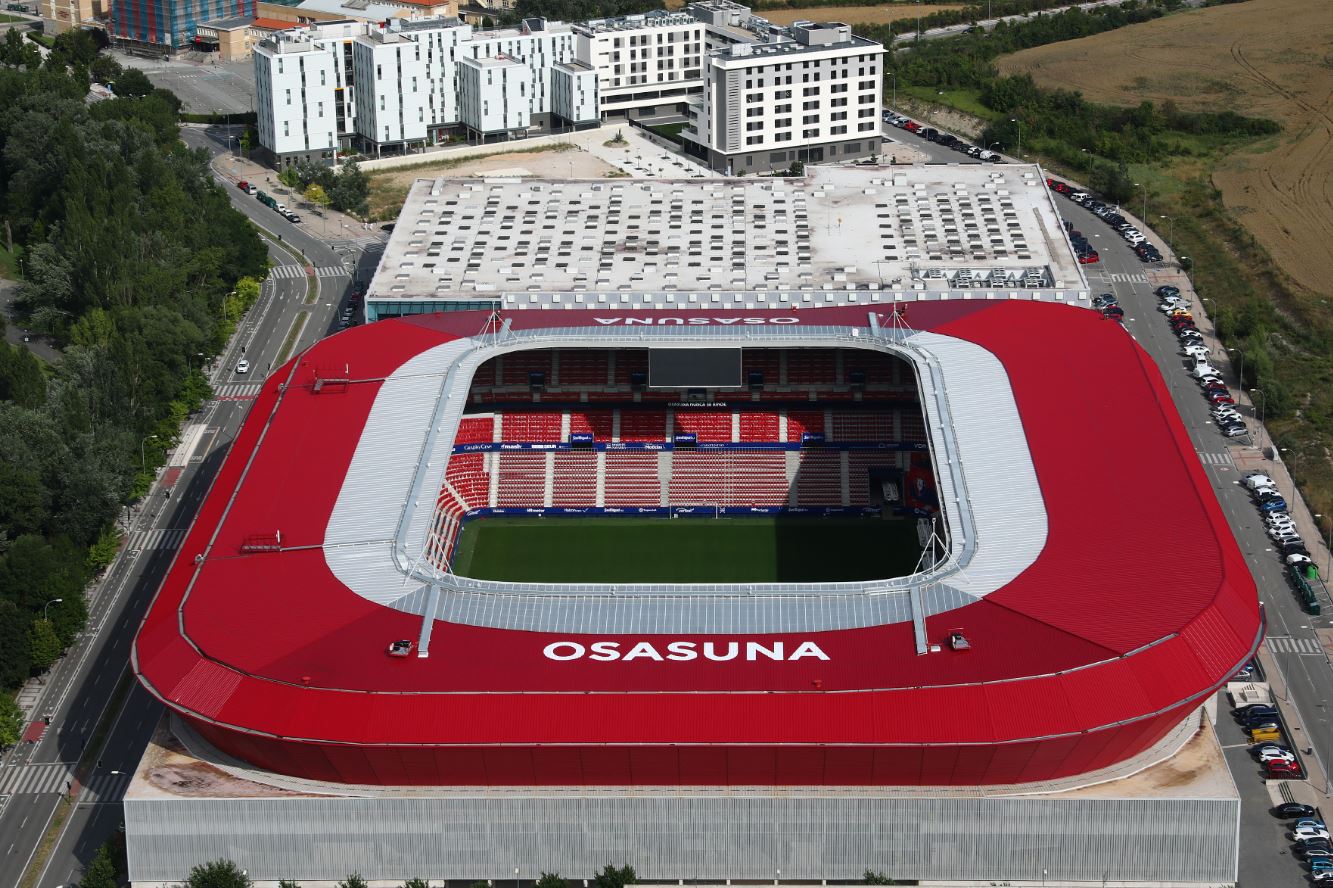
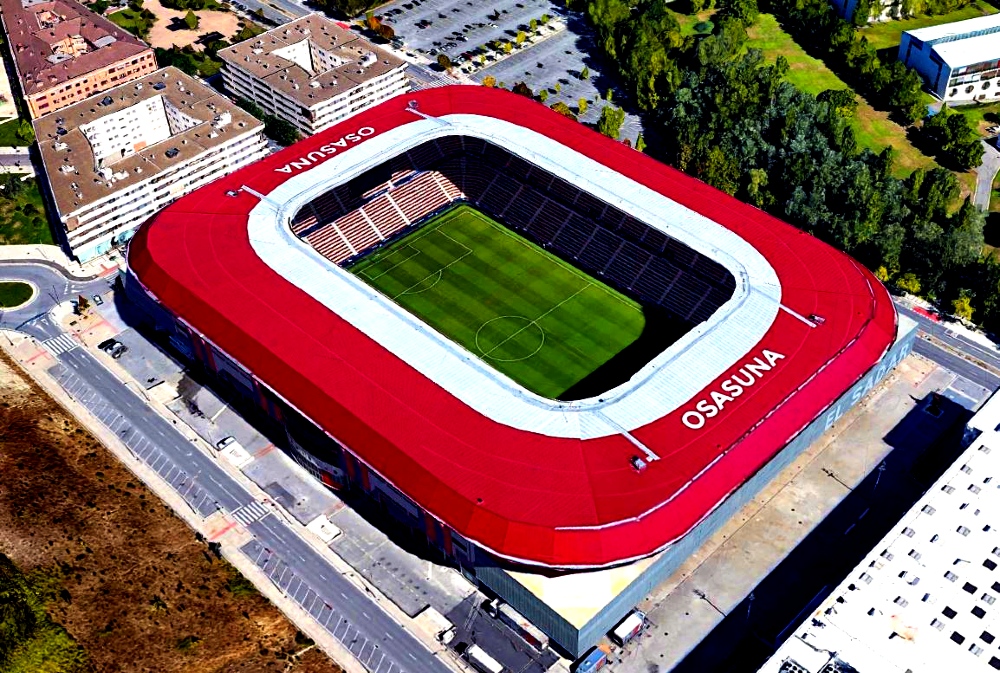
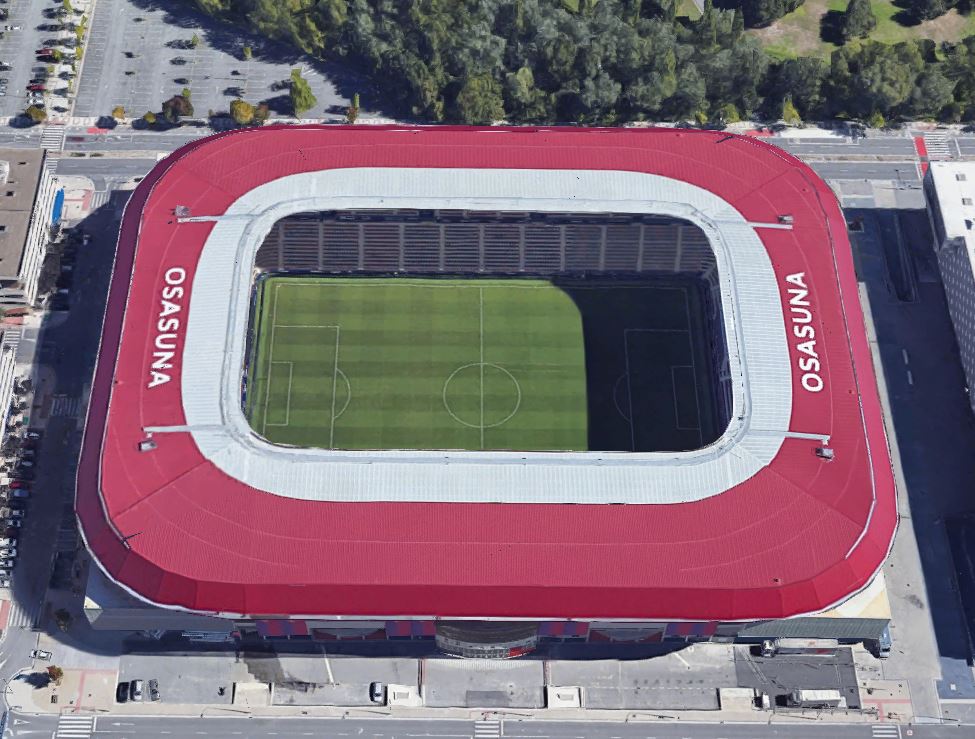
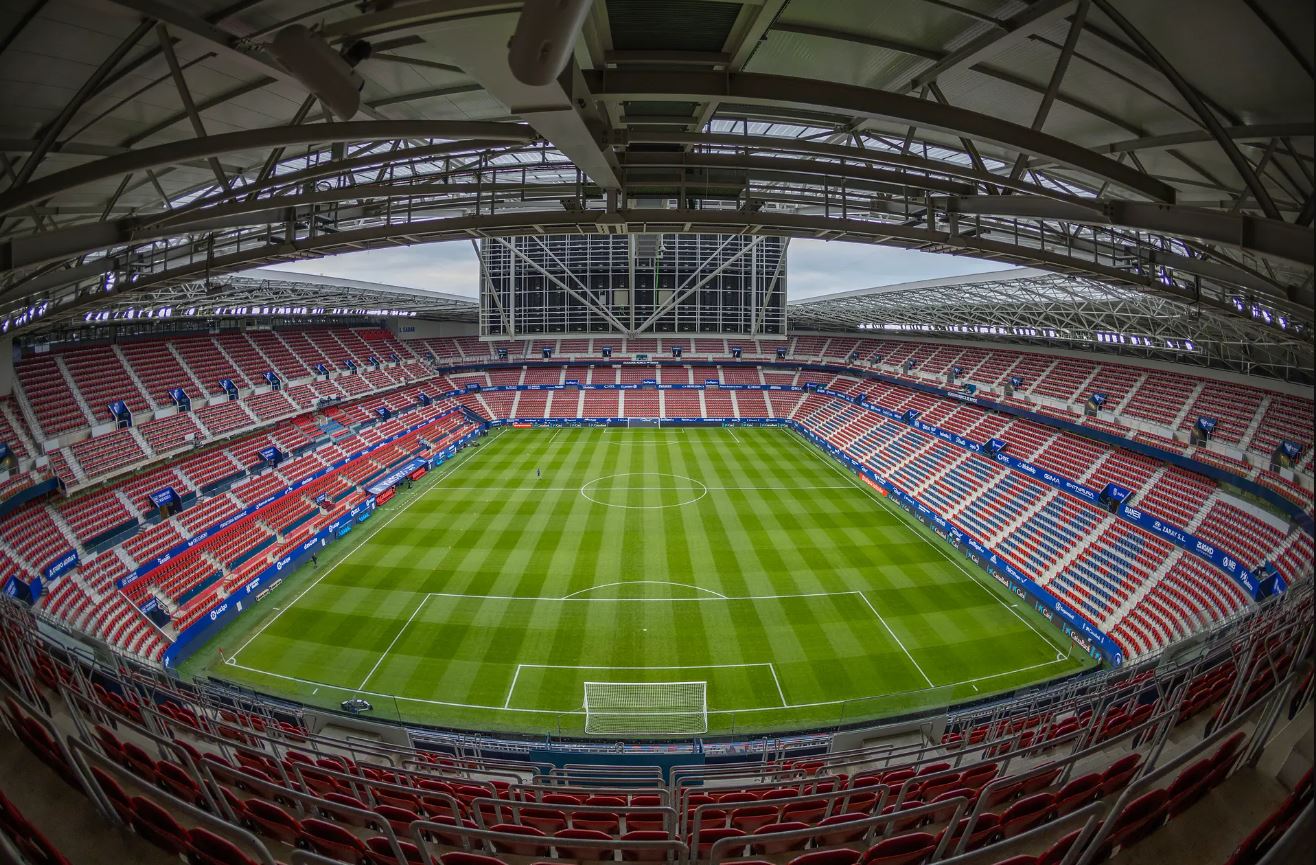
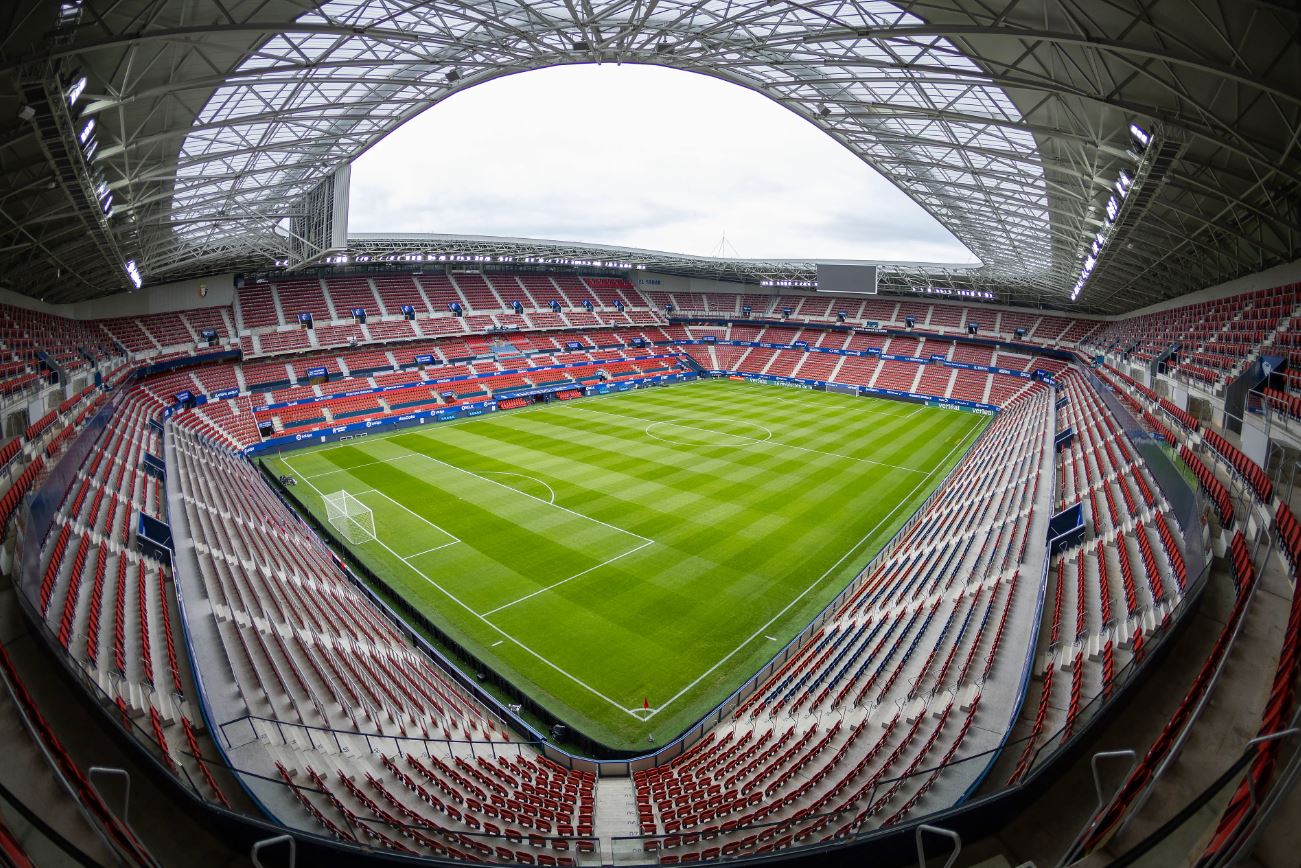
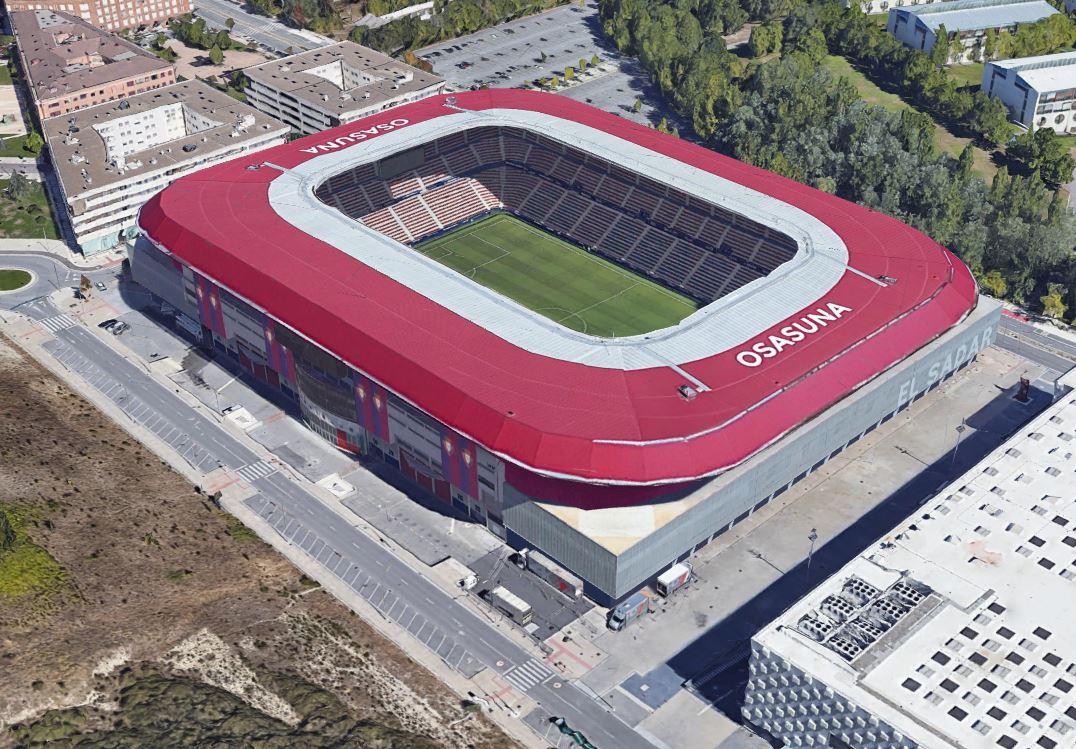
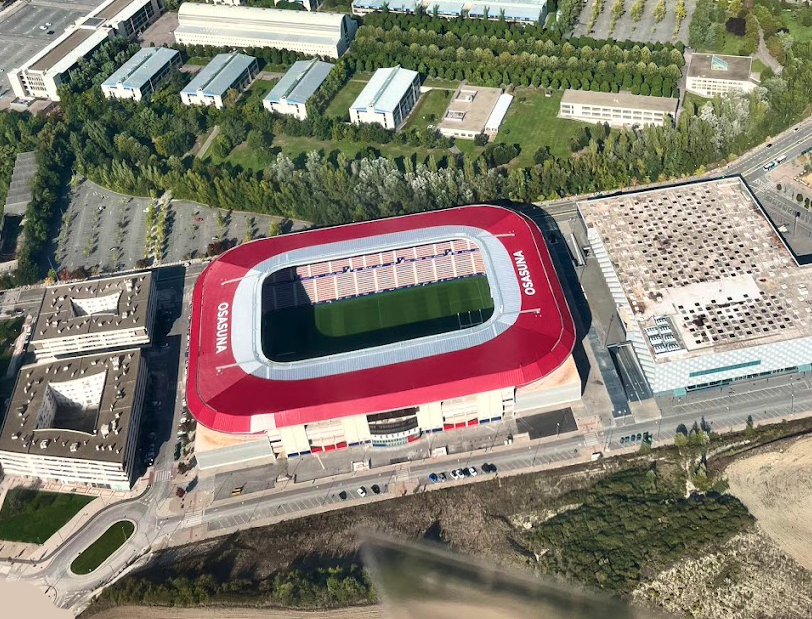
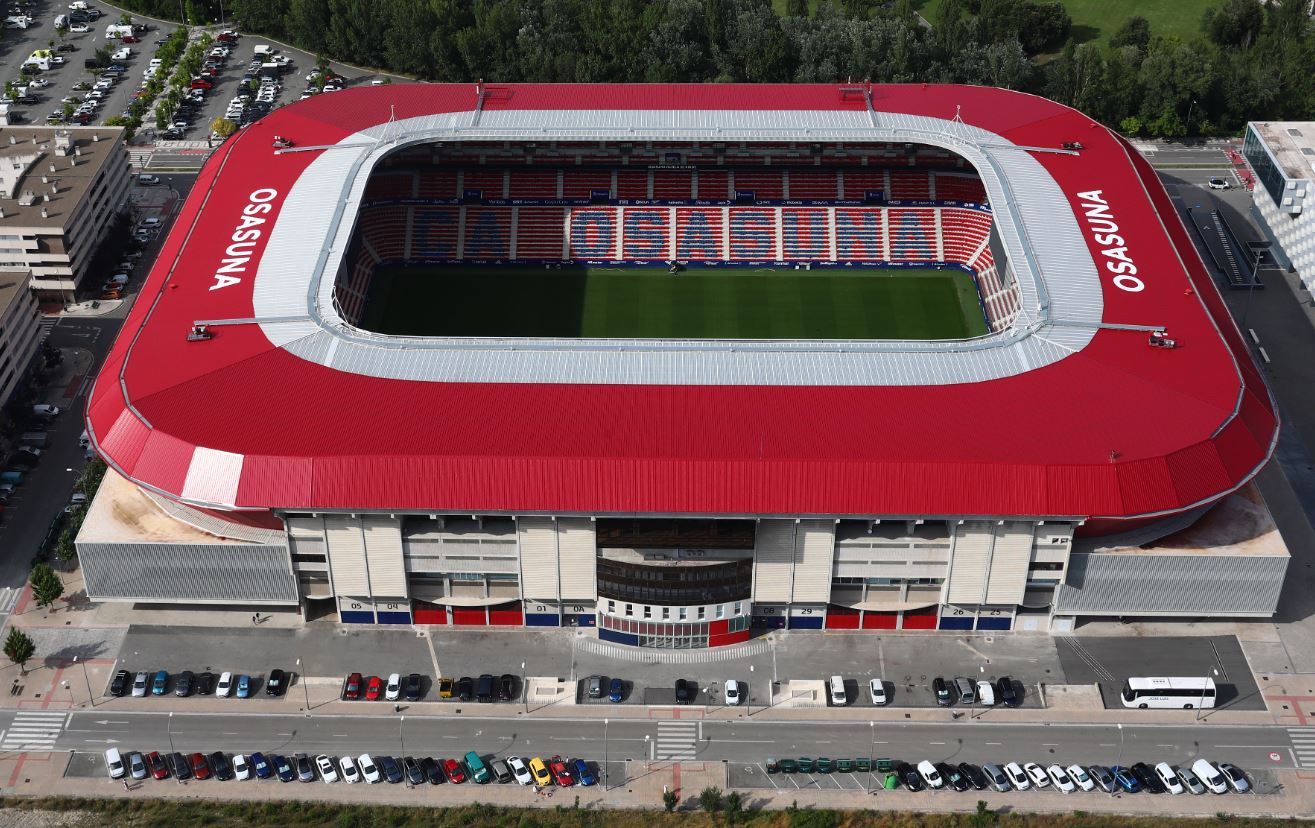
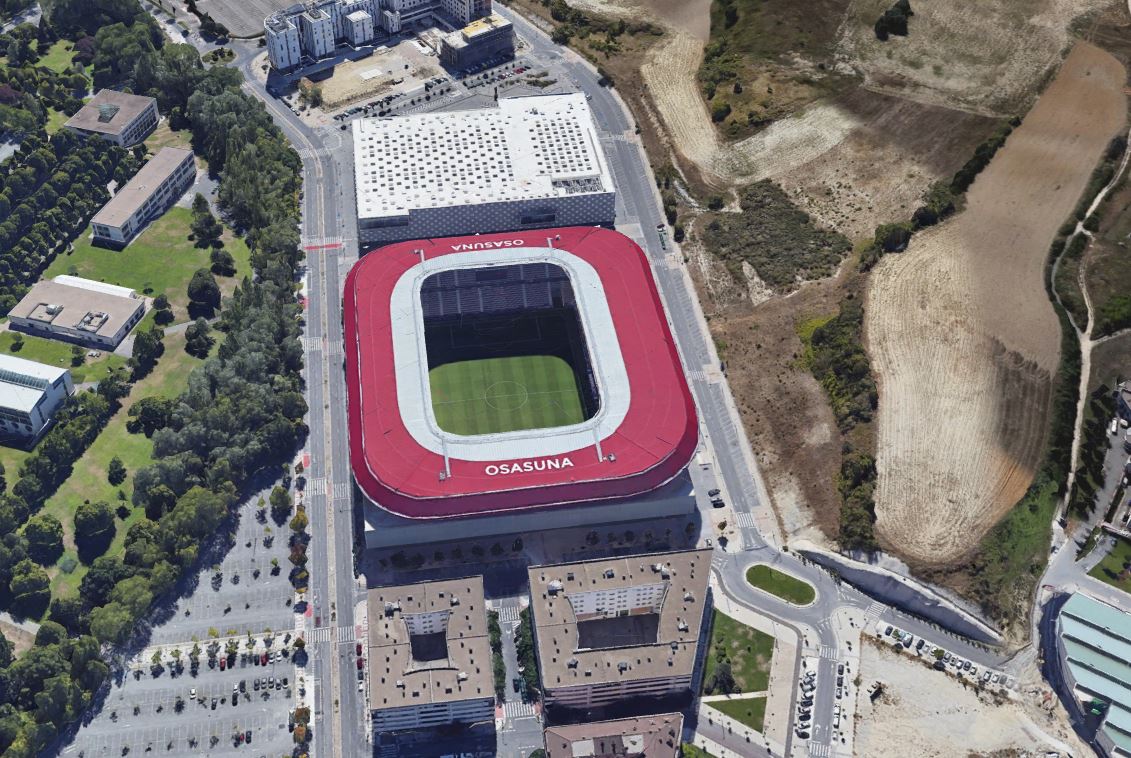
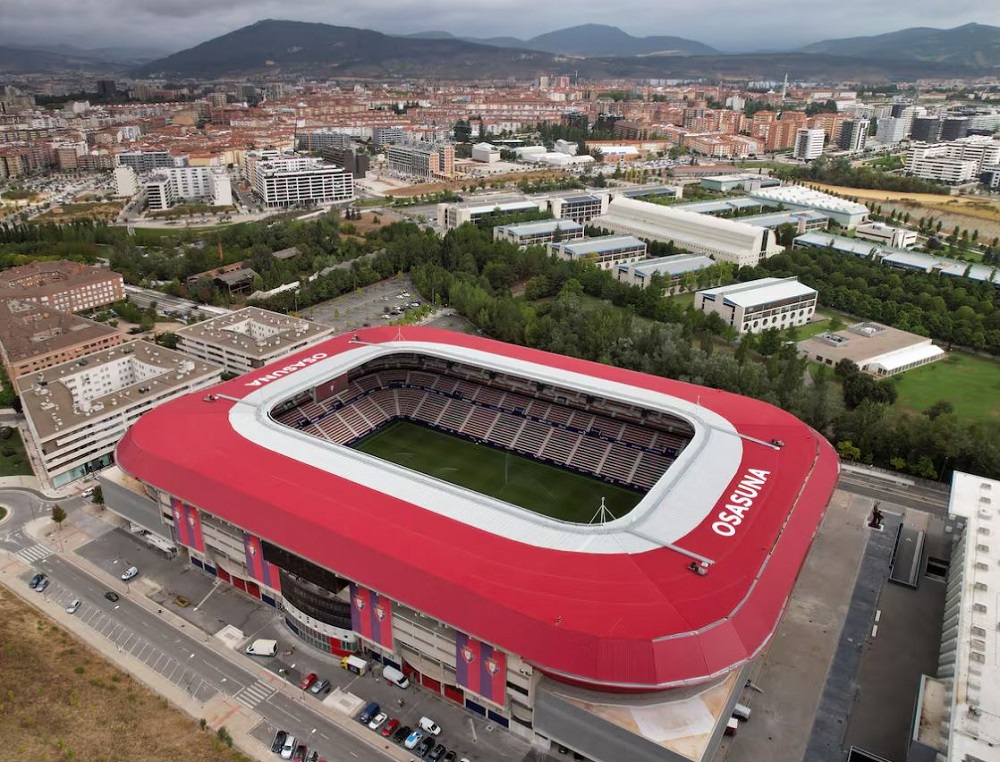
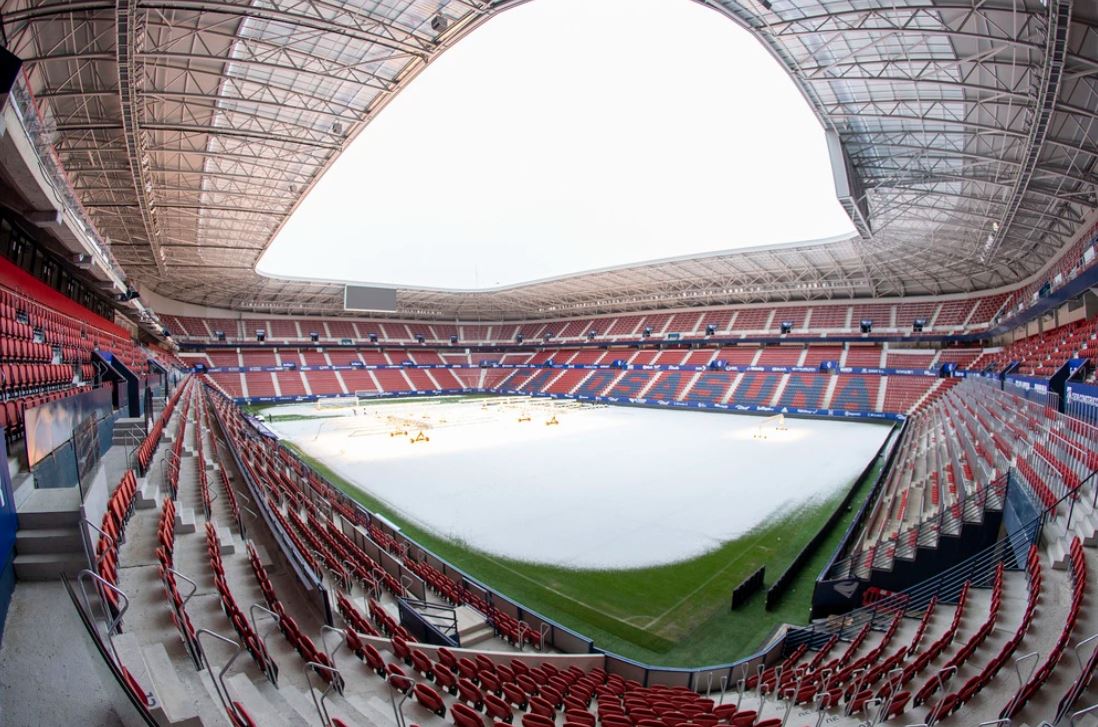
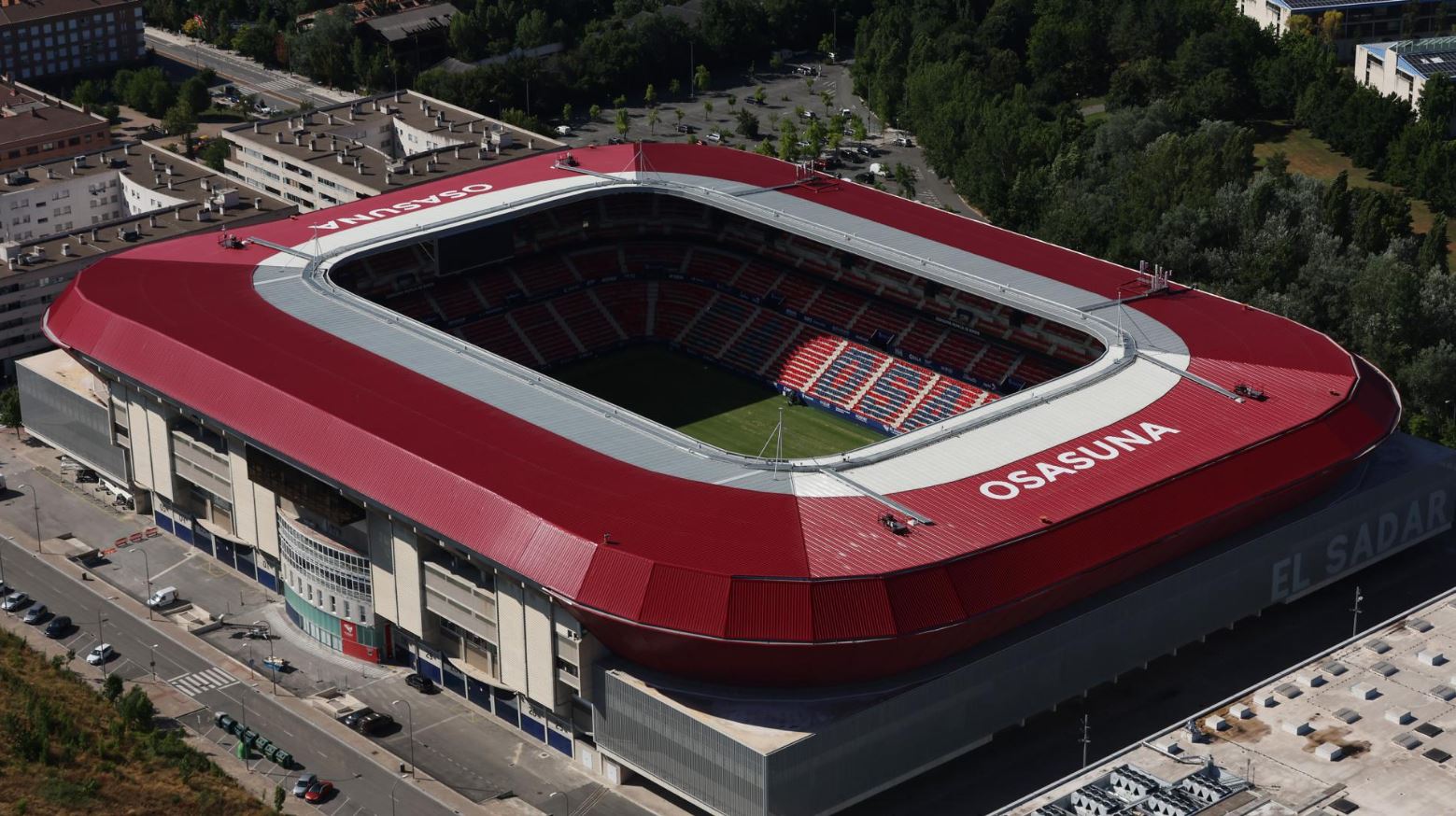
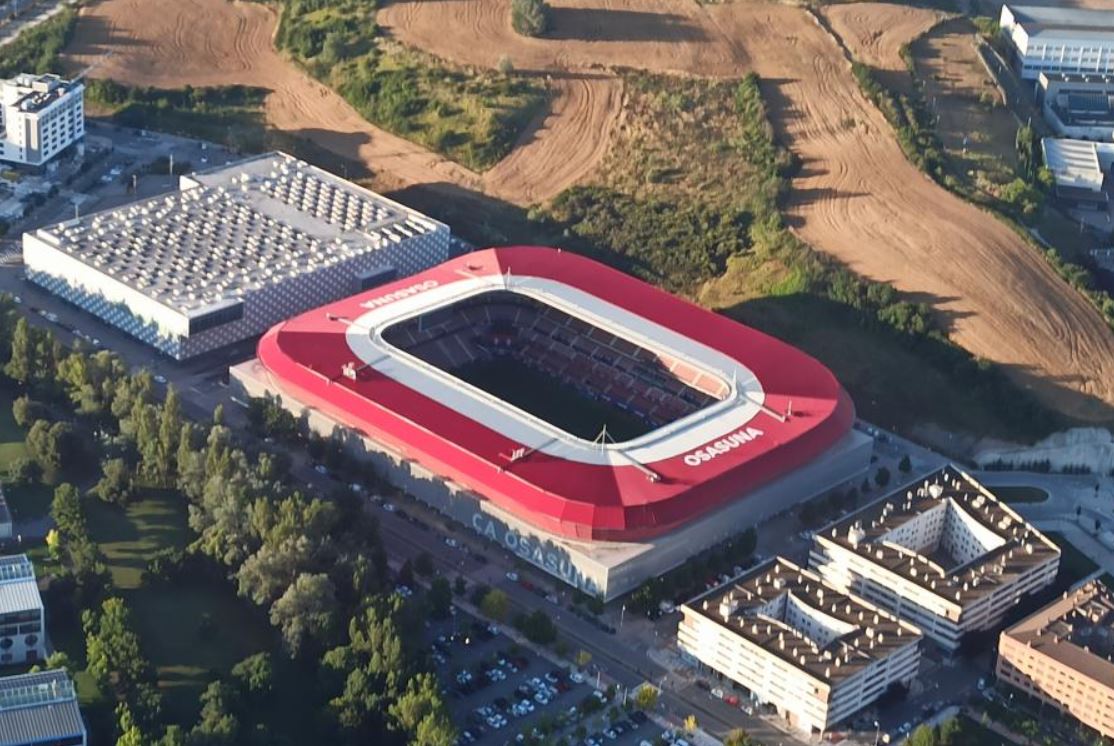
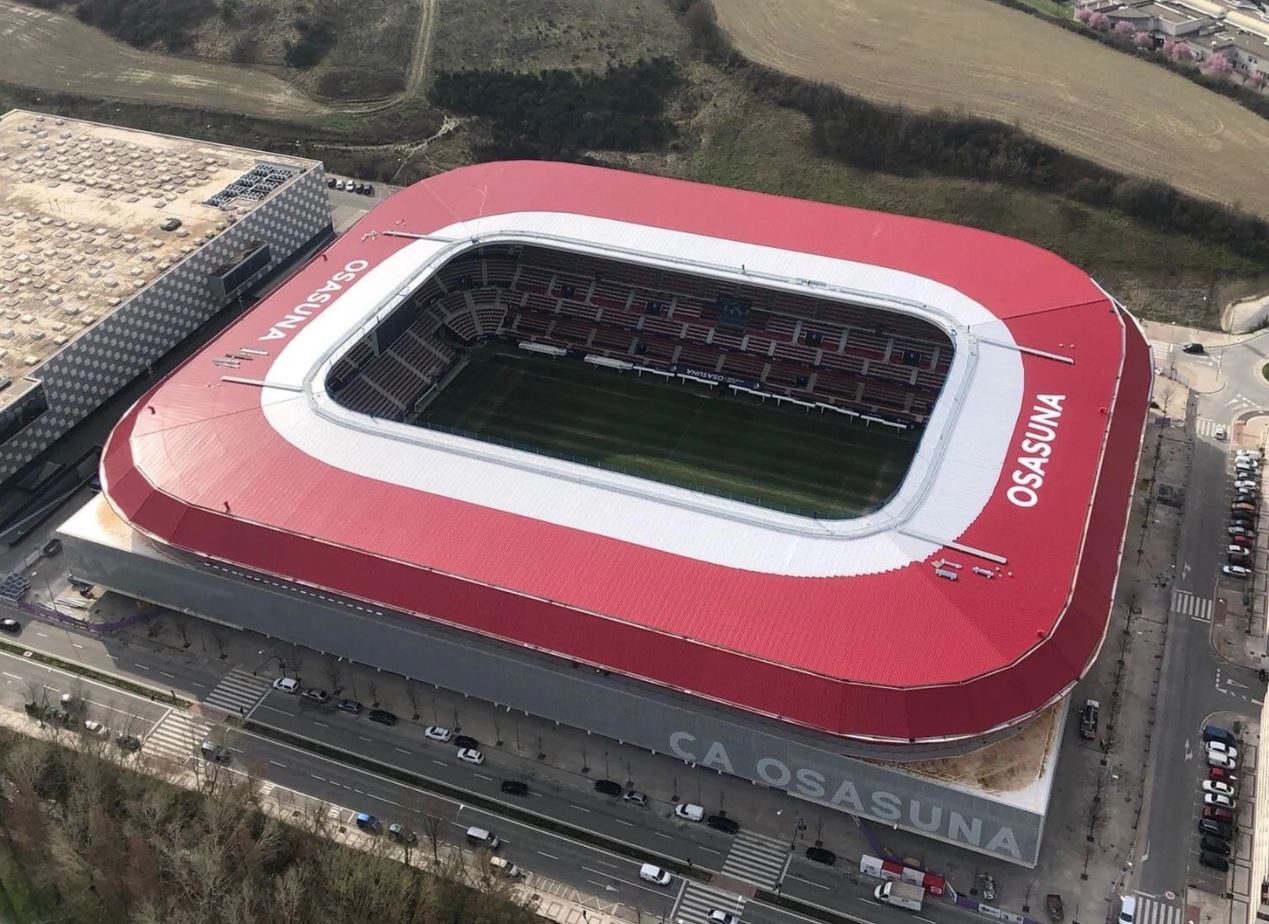
As the stadium reached its 50th anniversary, the club looked to redevelop many of its ageing elements. With it being a fan-owned club, the socios were engaged and presented with 5 designs that would bring El Sadar into the 21st Century. The winning design was called “Muro Rojo”, or Red Wall, and was the work of OFC Architects. The most significant development was the addition of a C-shaped upper tier to the three lowest sides of the stadium. This would bring the height of the new tier almost up to the level of the existing Tribuna, and allow for the addition of a single roof of uniform height. Rail seating with a standing option for 1,300 was added for home supporters, an addition that will only crank up the volume at one of Spain’s most atmospheric stadia. New commercial outlets and offices were added at ground level, whilst an outer skin of perforated steel, similar to that at Gimnástica de Torrelavega’s El Malecón, completed this very impressive design. Work began on the €17.8m project in October 2019, and although slowed by the COVID-19 pandemic, it was completed 17 months later, when Osasuna hosted Sevilla FC on 22 February 2021, albeit with no supporters to fill the 23,576 seats.
For much of Osasuna’s tenure in La Primera, El Sadar has been a fortress. On many occasions, it has proved to be the club’s most potent weapon, and many top teams have found points hard to come by. The redevelopment of El Sadar seems to have met with universal praise, and I am sure many clubs will look at the project’s cost and the stadium’s transformation and rethink their own plans. However, it was only when the fans returned to El Sadar that you realised what an amazing feat Osasuna has achieved.