Over the years, the historic region of La Mancha has been portrayed as a barren wilderness, somewhere you pass through on the way to the south of Spain. “Not fair” I cry, for in this region and possibly Extremadura, you get a feel for how Spain used to be. However, with one exception, it would be fair to describe the region’s football as a barren wilderness. That exception can be found in Albacete, the principal city in the southeast of La Mancha, which in Albacete Balompié, has by far and away, the region’s most successful team.
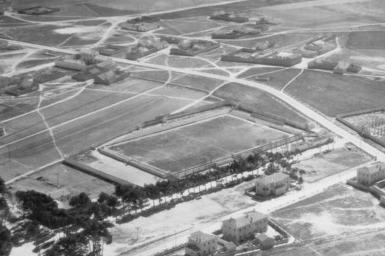
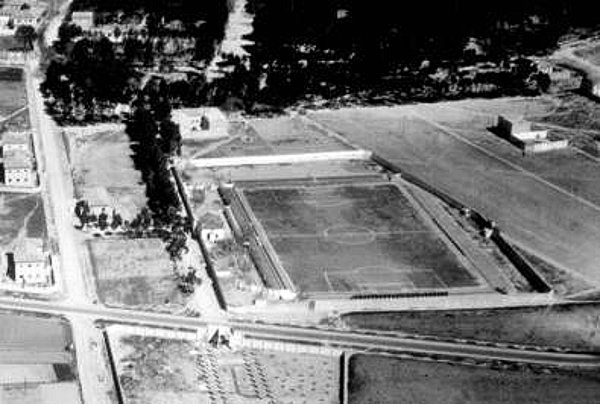
Formed in 1940, following the merger of Albacete F.C. and C.D. Albacetense, Sociedad Deportiva Albacete Football Association as they were originally called, used to play Campo del Parque de Los Mártires. This was a very basic enclosure just to the south of the city centre and featured wooden bleachers on three sides of the pitch and not a lot else. Following the ban on using non-Spanish titles in club names, Albacete adopted the title of Balompié in 1941 and started to make progress in the regional leagues. The club reached the Tercera in 1943 and won the title on three occasions before finally gaining promotion to La Segunda for the start of the 1949-50 season. Albacete achieved a respectable seventh-place finish in that first season, losing just once at the Campo del Parque and scoring a hat-full of goals, including a 10-0 victory over Salamanca. The cost of competing in La Segunda proved too great however and with a weaker squad, Albacete finished the 1950/51 season in fifteenth position and was relegated.
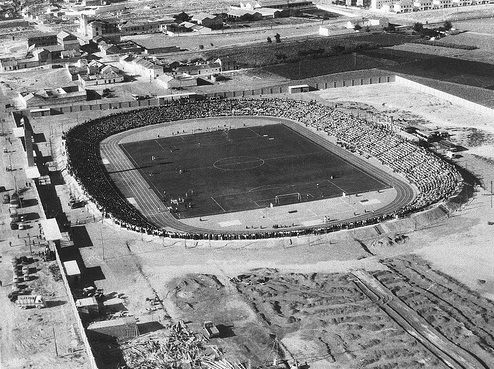
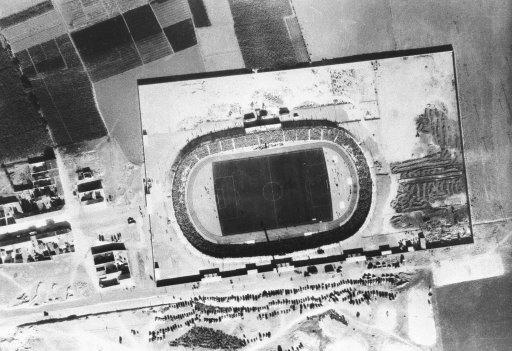
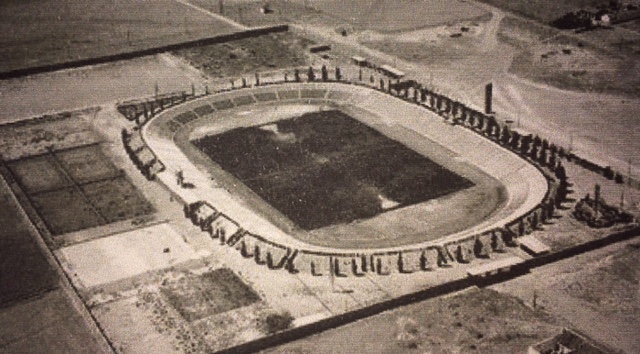
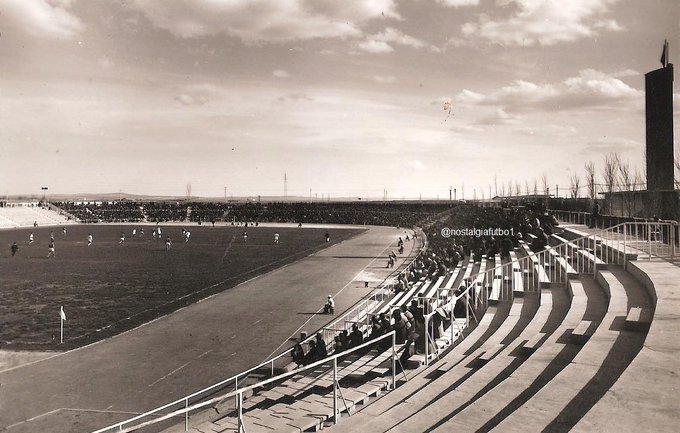
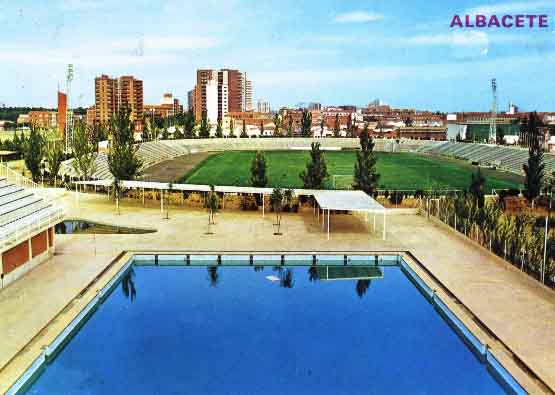
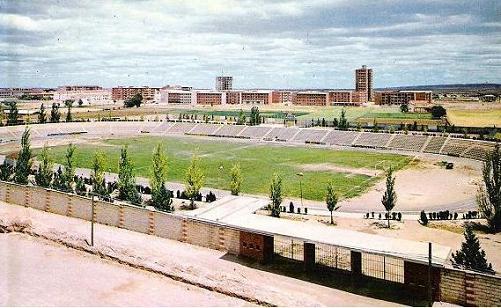
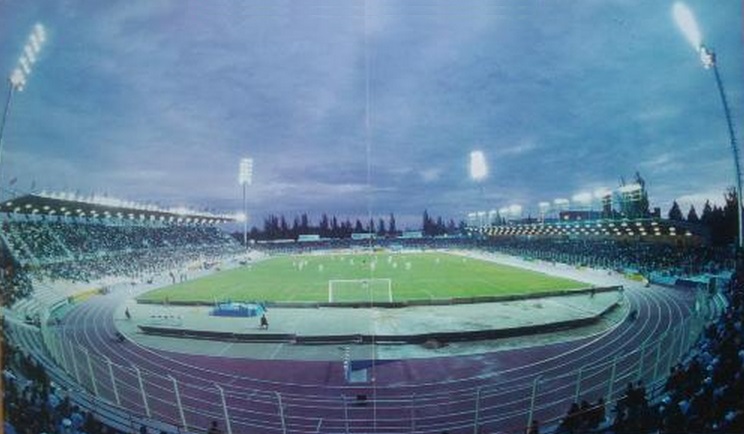
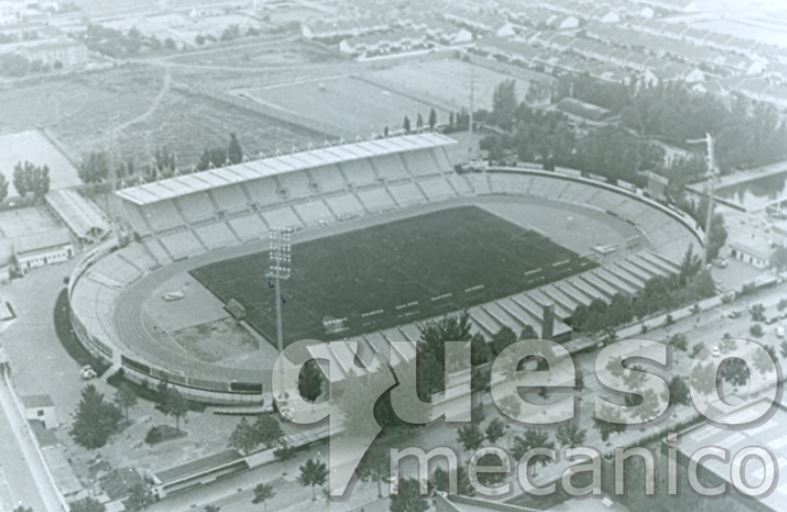
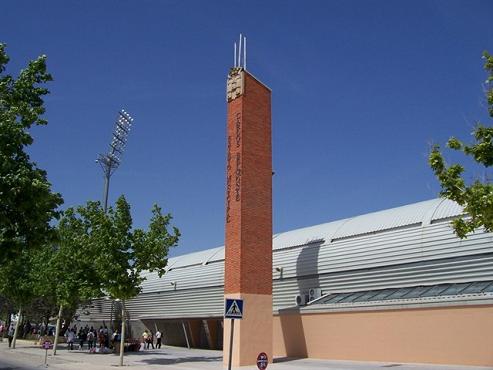
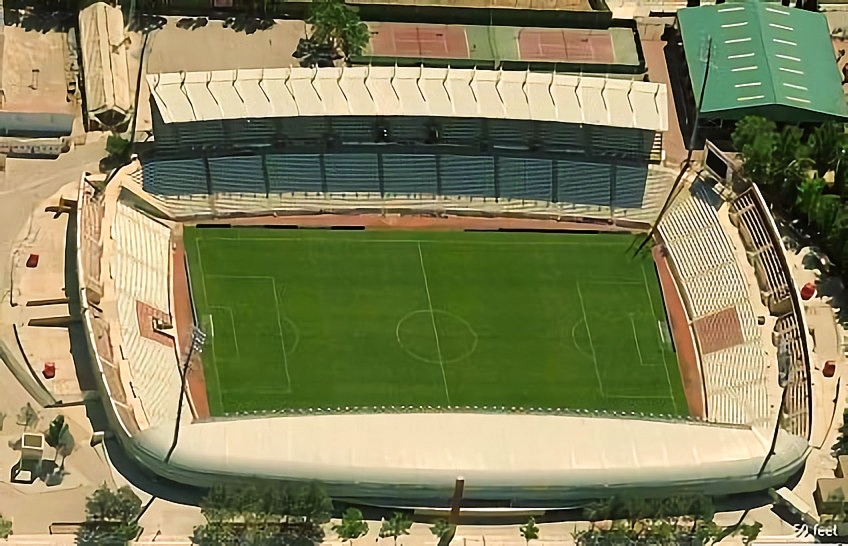
The financial crisis was so great in the summer of 1951, that the club failed to raise a team and remained inactive throughout the 1951-52 season. Albacete sought new investment and stability, which was achieved with a series of mid-table finishes in the Tercera in the fifties before the league title and promotion was won in the 1960-61 season. This triumph was achieved at a new stadium that mayor and club supporter Carlos Belmonte was instrumental in developing. The new stadium was built a mere 400 metres southeast of the Campo del Parque de Los Mártires and opened on 9 September 1960 with a friendly against Sevilla. Carlos Belmonte, who was also an architect, designed the original layout. It consisted of an oval tier of terracing around an athletics track. A marathon tower was built on the west side of the stadium, a feature that seems to have been de rigueur for stadium builds of this era. With a capacity of 10,000, the new Campo Municipal Carlos Belmonte saw one season in La Segunda, the 1961-62 campaign which saw Albacete relegated after losing a play-off match to UD Melilla. Following relegation, Albacete was confined to the Tercera and regional leagues for the next twenty years.
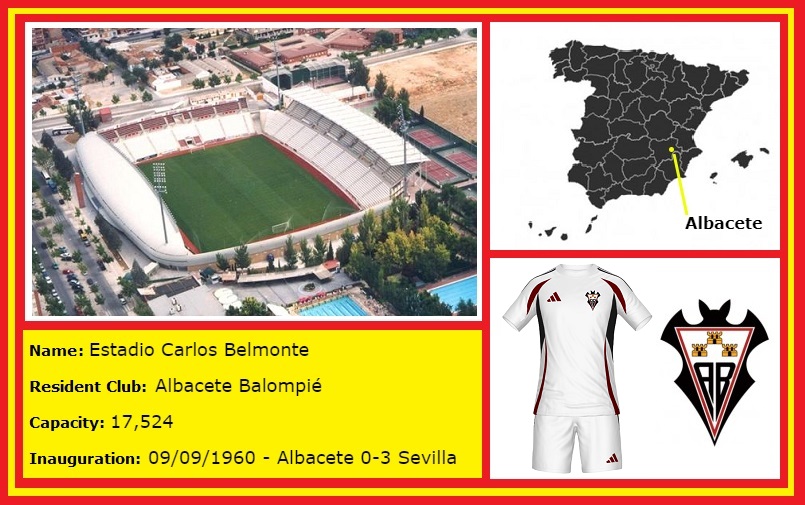
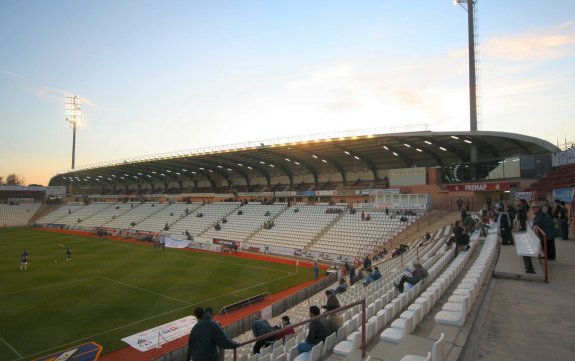
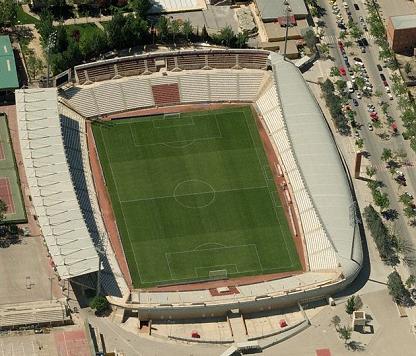
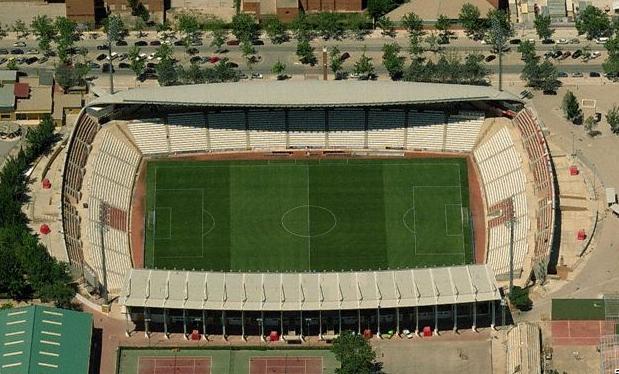
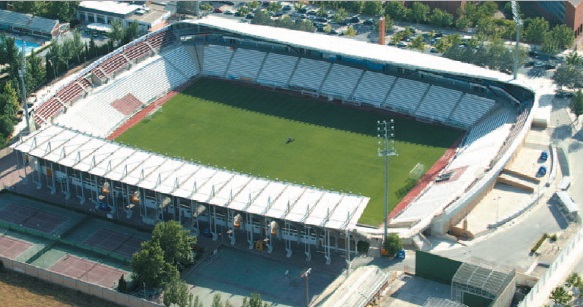
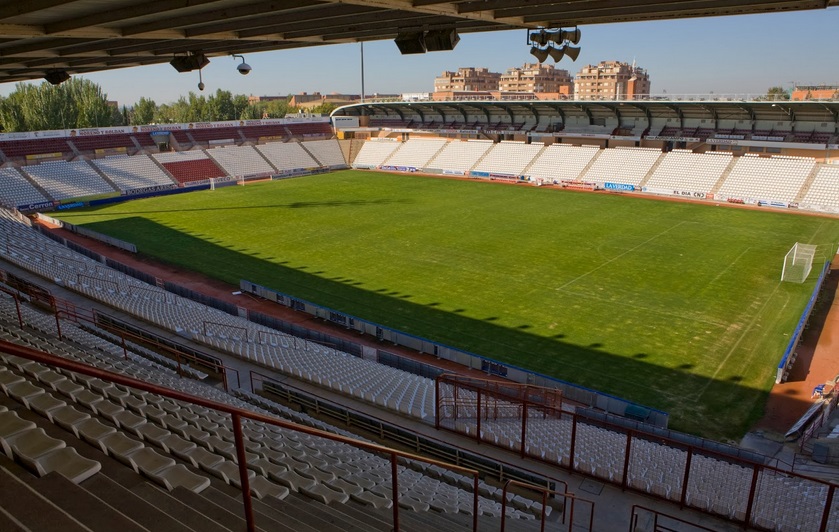
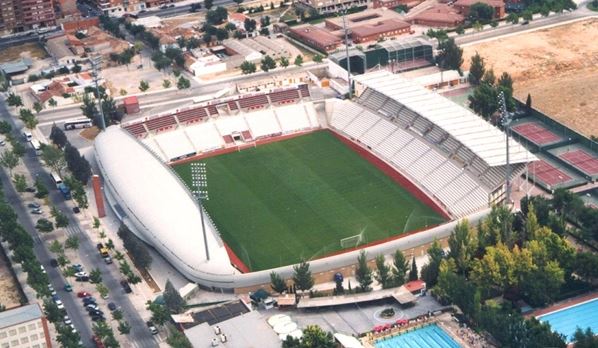
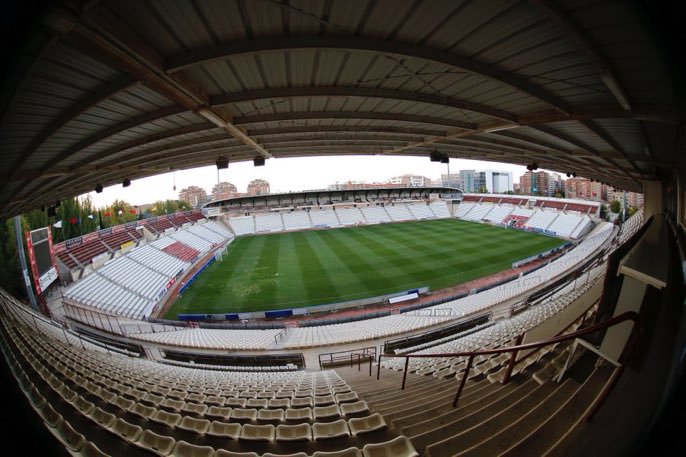
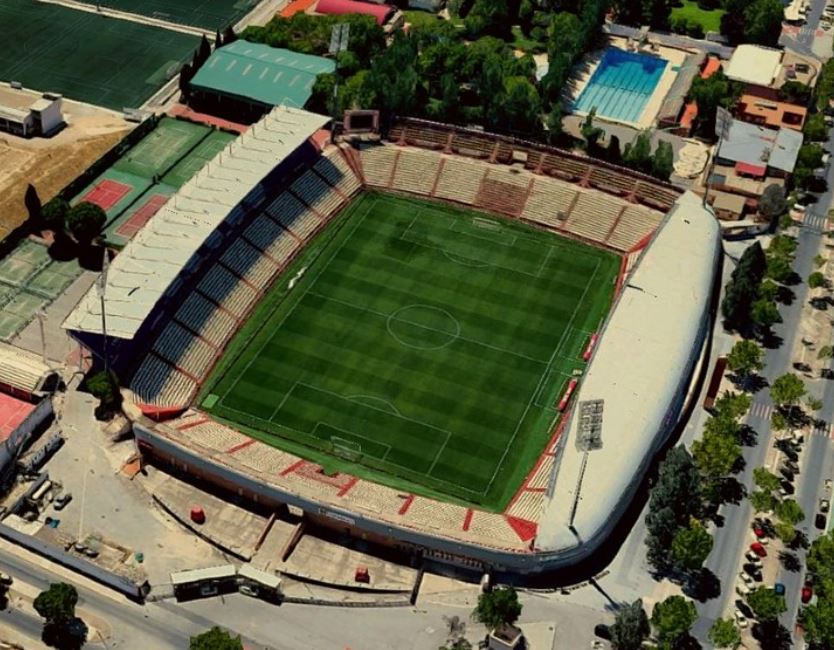
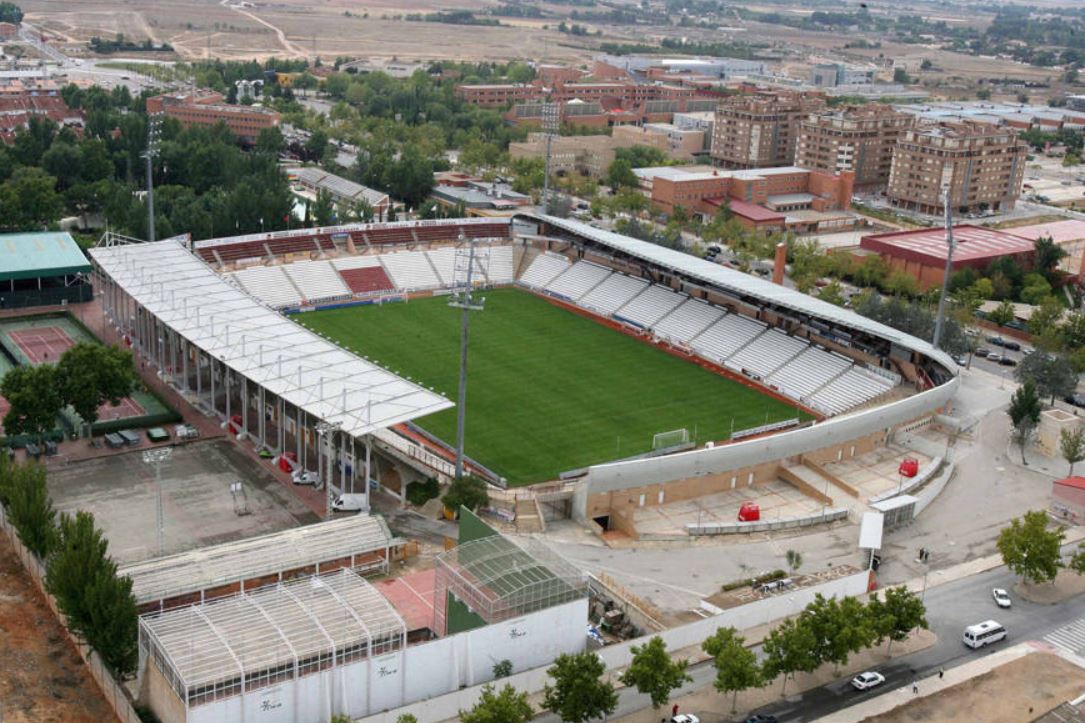
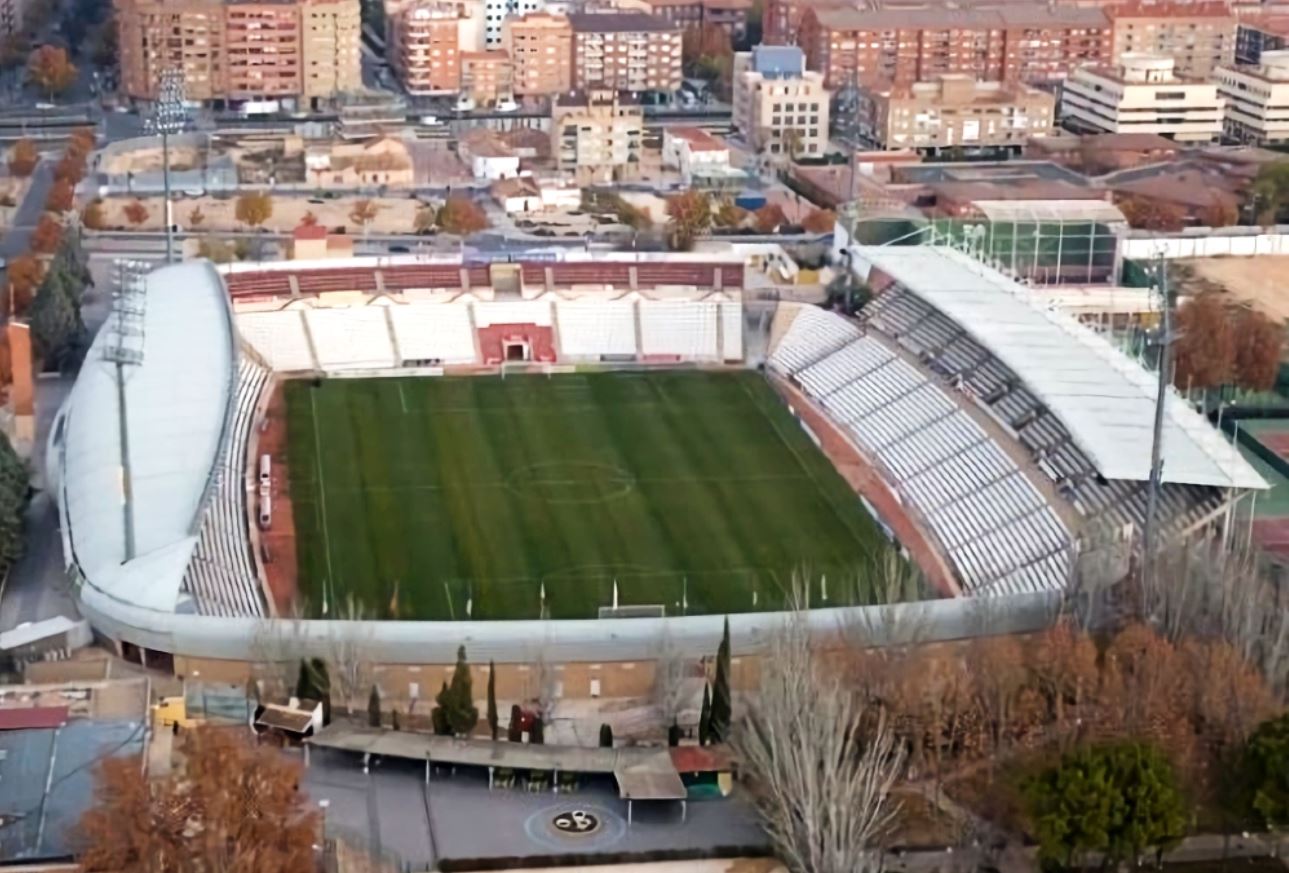
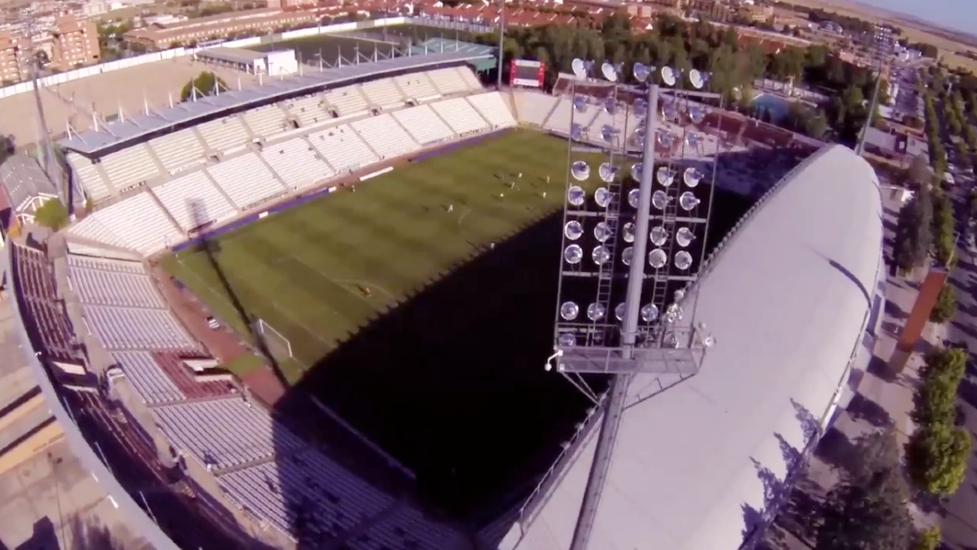
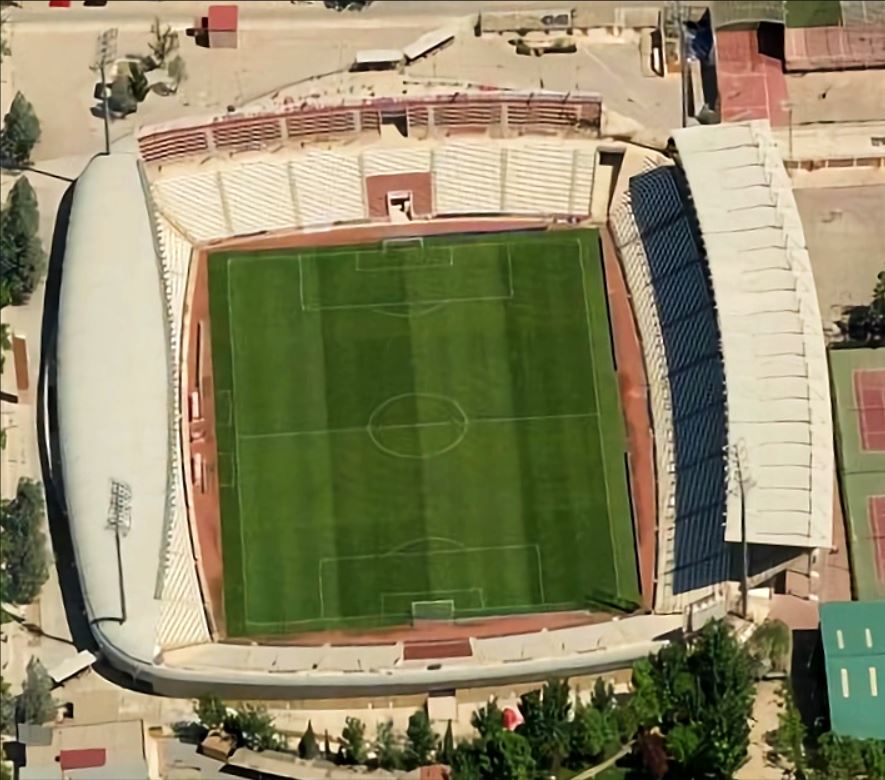
Despite the club’s lowly position, money was invested by the municipality in the stadium, with floodlights being added in 1970 and a low cantilevered roof erected over the west side in 1979. After two decades in the doldrums, Albacete finally won promotion to Segunda B in 1981-82 with a victory over Talavera CF in the playoffs. Three solid seasons culminated in promotion back to La Segunda at the end of the 1984-85 season. The stay was brief, however, as a small budget ensured the club struggled, eventually finishing 17th, two points from safety. 1986-87 saw another poor year, but was spared any further demotion by the reorganisation of the league. Albacete was also set to reorganise under the presidency of Rafael Candel Jiménez. With Benito Floro as the coach, Albacete won Group III of Segunda B in 1989-90 and promotion to the second division. The following season also saw a season-long stay in La Segunda, but on this occasion, Albacete won promotion to La Primera. The second division title was secured by a one-point margin from Real Betis, thanks in part, to an unbeaten home record. During the summer of 1991, a new stand was erected on the east side of the stadium. This two-tiered structure featured a sleek cantilevered roof, which was anchored by a series of cables at the rear of the stand. The two tiers of white seats took the stadium’s capacity to 14,000.
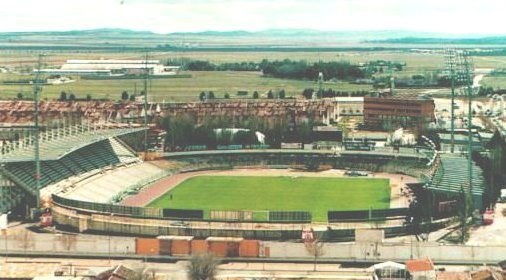
As the first representatives from the region of Castile-La Mancha to reach the top division, it would have been easy for Albacete to be happy with their lot and meekly surrender their top-flight status. However, these men from La Mancha were made of sterner stuff and there would be no tilting at windmills. Instead, Albacete stood toe-to-toe with the giants of Spanish football and surprised everybody with their resilience and doggedness during the 91-92 season. They finally finished in 7th position, a point away from qualifying for Europe, and earned the bizarre nickname of Queso Mecánico or Clockwork Cheese. Regrettably, Albacete never came close to repeating the achievements that season. Benito Floro left for Real Madrid and the club became embroiled in a series of relegation battles. The first in 92/93 saw Albacete beat Real Mallorca in a relegation/promotion playoff. Two years later, Albacete’s chances appeared to be toast after losing to Salamanca in another relegation/promotion play-off. They received a reprieve however when the Spanish federation extended the first division to 22 clubs following the Sevilla & Celta Vigo tax fiasco. There would be no escape from relegation a year later when Albacete finished 20th, ending their five-year stay in La Primera.
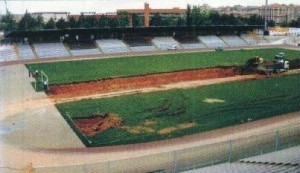
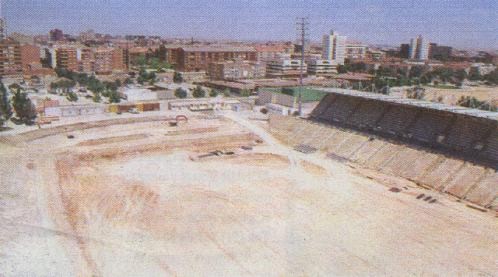
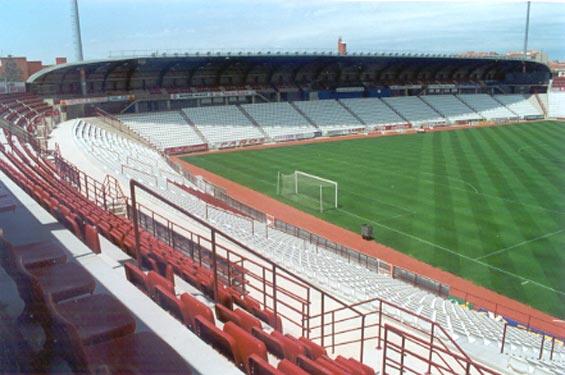
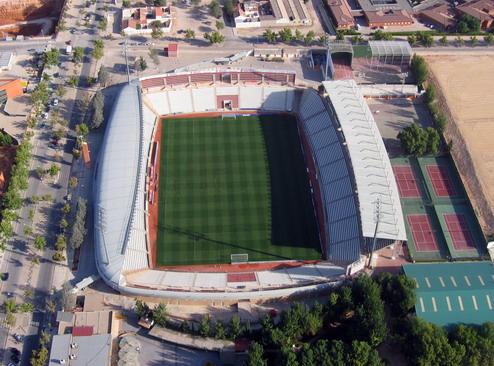
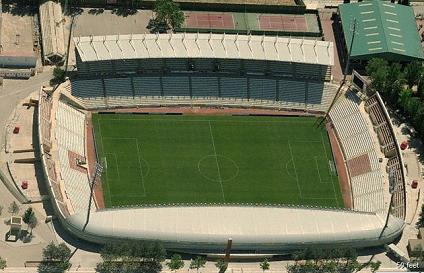
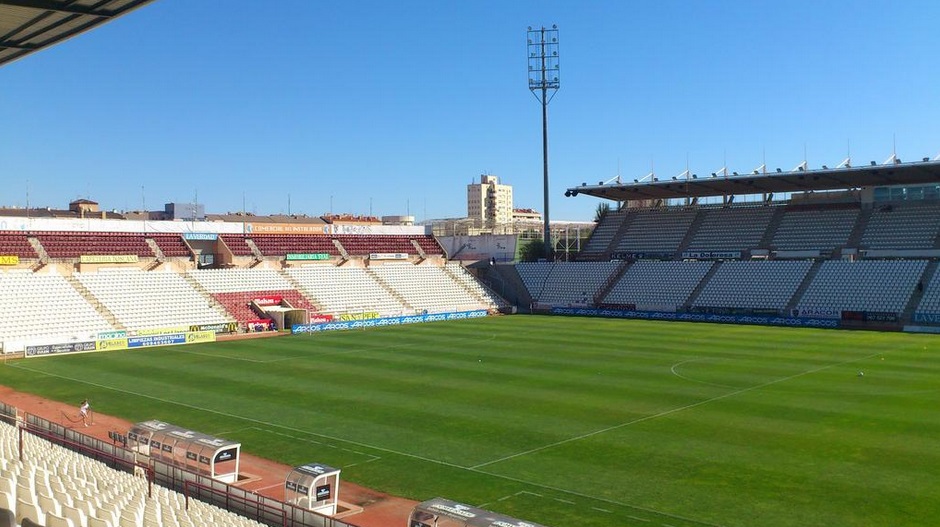
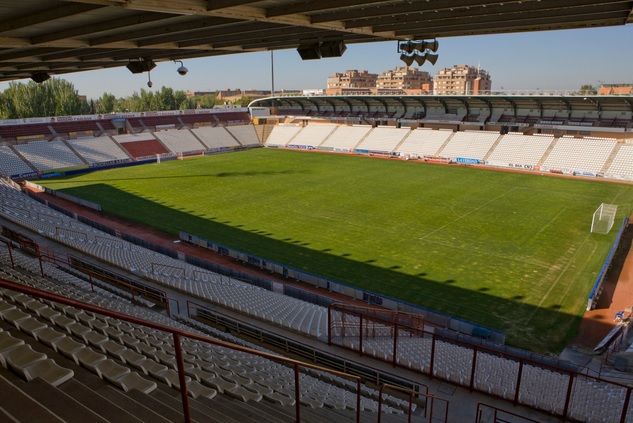
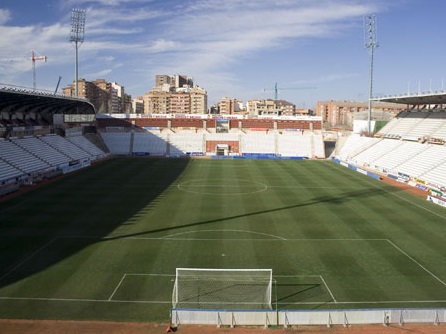
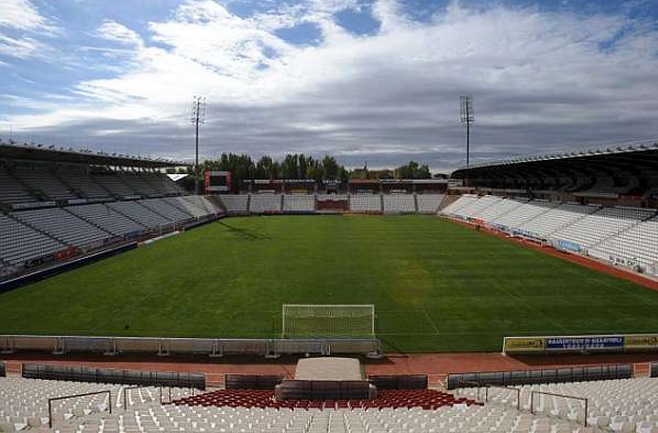
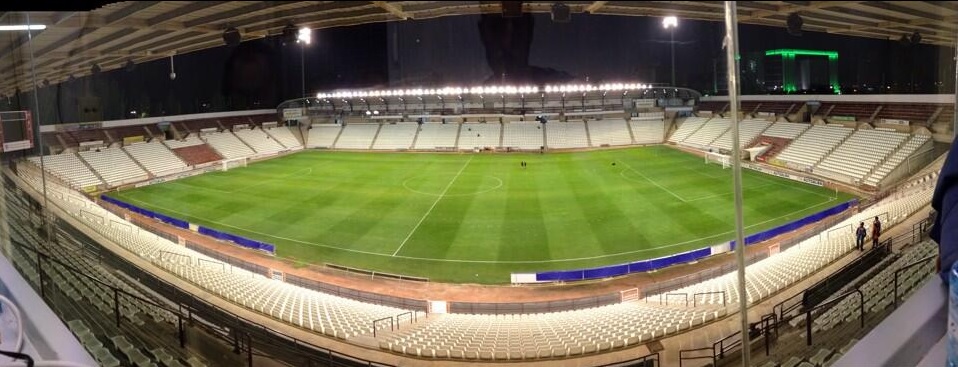
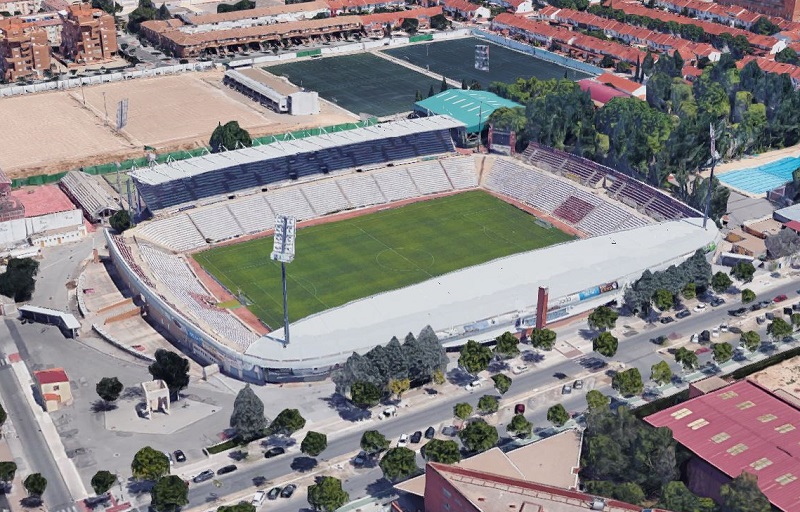
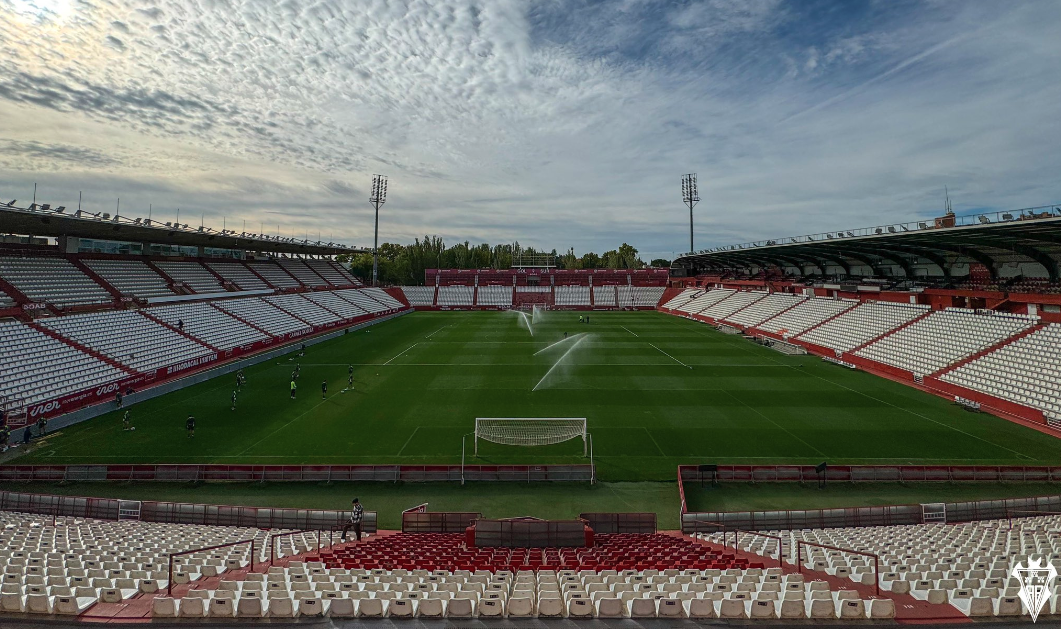
Relegation to the second division in 1996 delayed the next phase of the stadium’s refurbishment. Finally, in the summer of 1998, the club & the municipality bit the bullet and started work to change the stadium’s layout. The first phase saw the pitch lower and repositioned closer to the east stand. The athletics track was removed and two banks of open seats were added at either end of the stadium. The northern end also included new changing facilities. Finally, a new stand was erected on the west side. This stand completed the lower tier of seating and featured a narrow tier of seats at the rear, beneath a gently curved roof. This resulted in an increased capacity of 17,102. The Spanish national side played their first game in the region of Castile-La Mancha on 10 October 1999 when they beat Israel 3-0 at the refurbished Estadio Carlos Belmonte. La Selección has played at the stadium on five occasions and has yet to concede a goal.
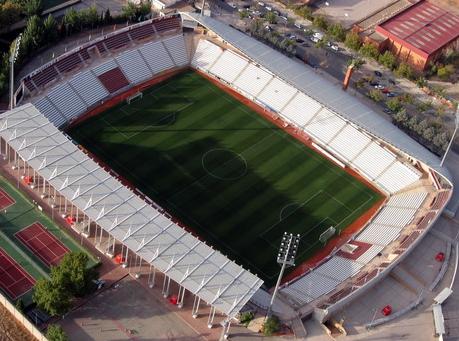
Albacete finally got to show off their sleek new stadium in the top flight when promotion to La Primera was won thanks to a third-place finish in 2002-03. A reasonable 14th-place finish was achieved in that first season back with the highlight being a 0-1 victory at eventual champions Valencia. Albacete’s top-flight adventure ended a year later when the club finished bottom and recorded just six wins. Six seasons of gradually diminishing returns eventually saw Albacete finish bottom of La Segunda in 2010-11 with a measly total of 32 points, 17 points from safety. Their financial worries were eased in November 2011 when former youth team player and World Cup winner Andres Iniesta took a 21% share in the club for €420,000. The Iniesta family also came to the club’s help in the summer of 2013, paying the league bond to the RFEF to avoid demotion to the Tercera. Since 2014, the club has spent most of their time in La Segunda, reaching the promotion playoffs in 2019 & 2023, but losing respectively to Real Mallorca and Levante UD.
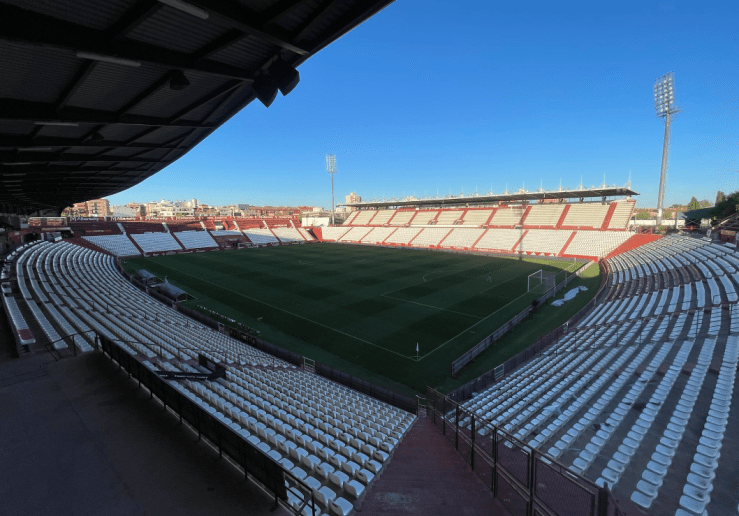
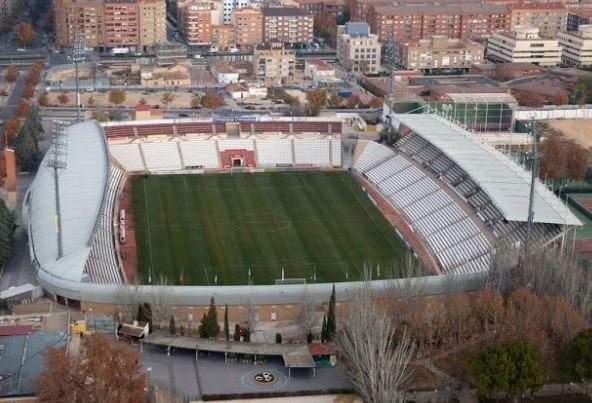
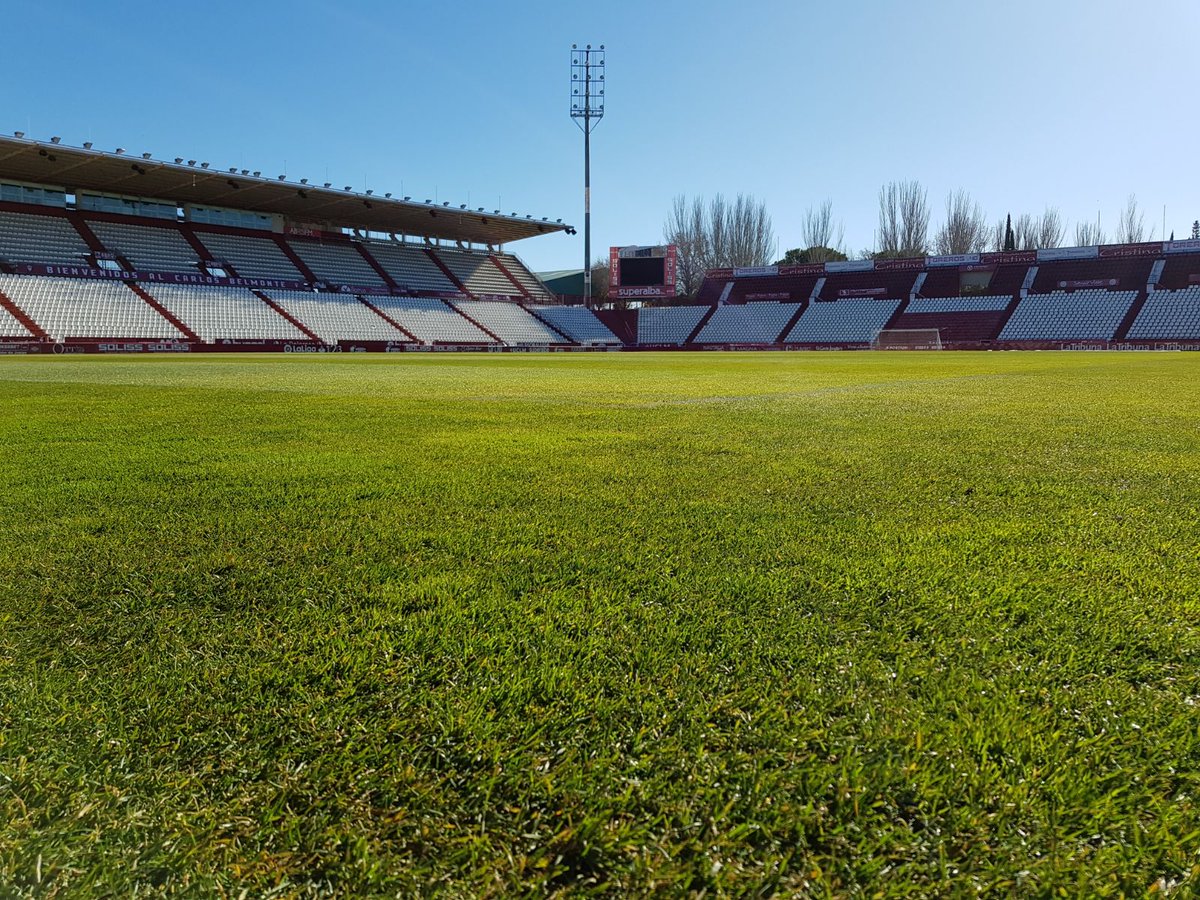
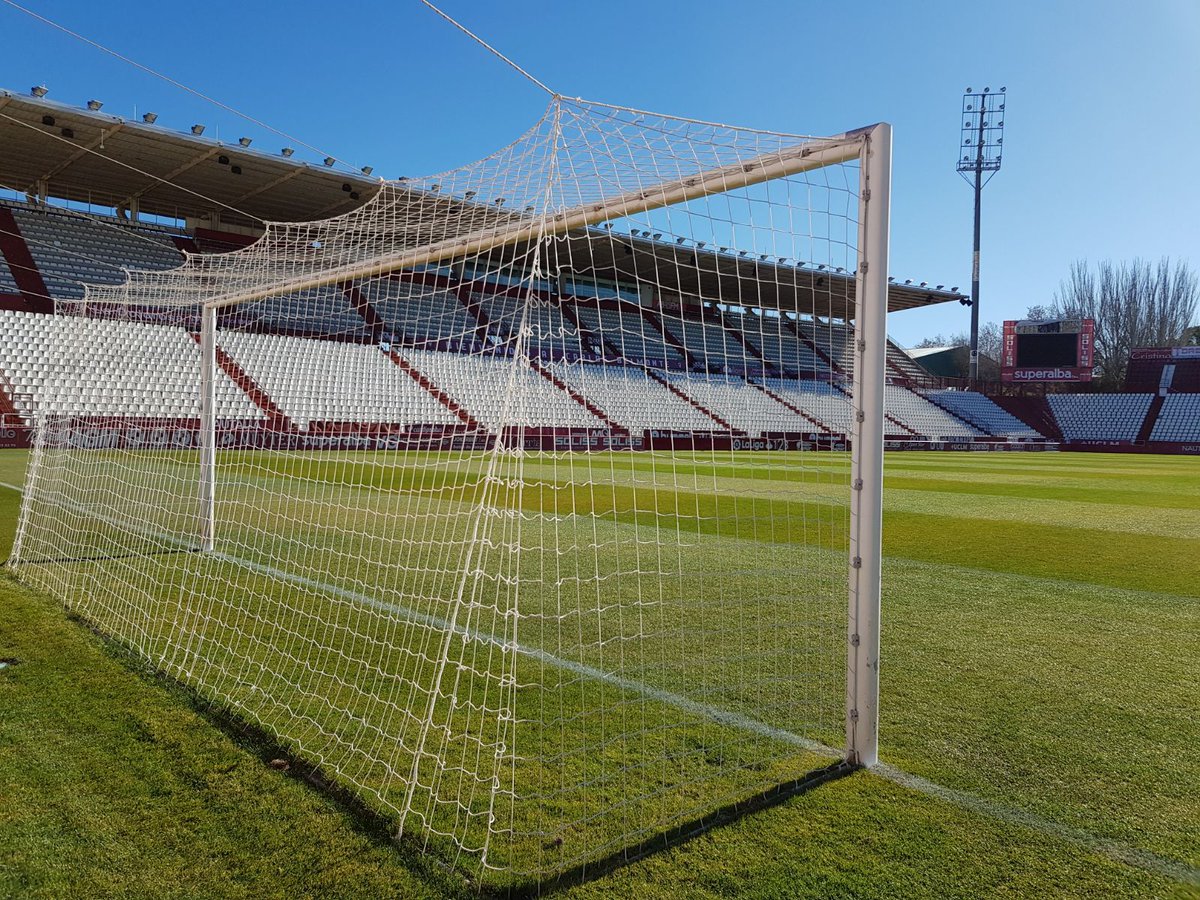
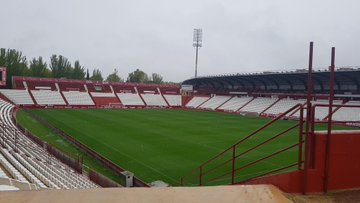
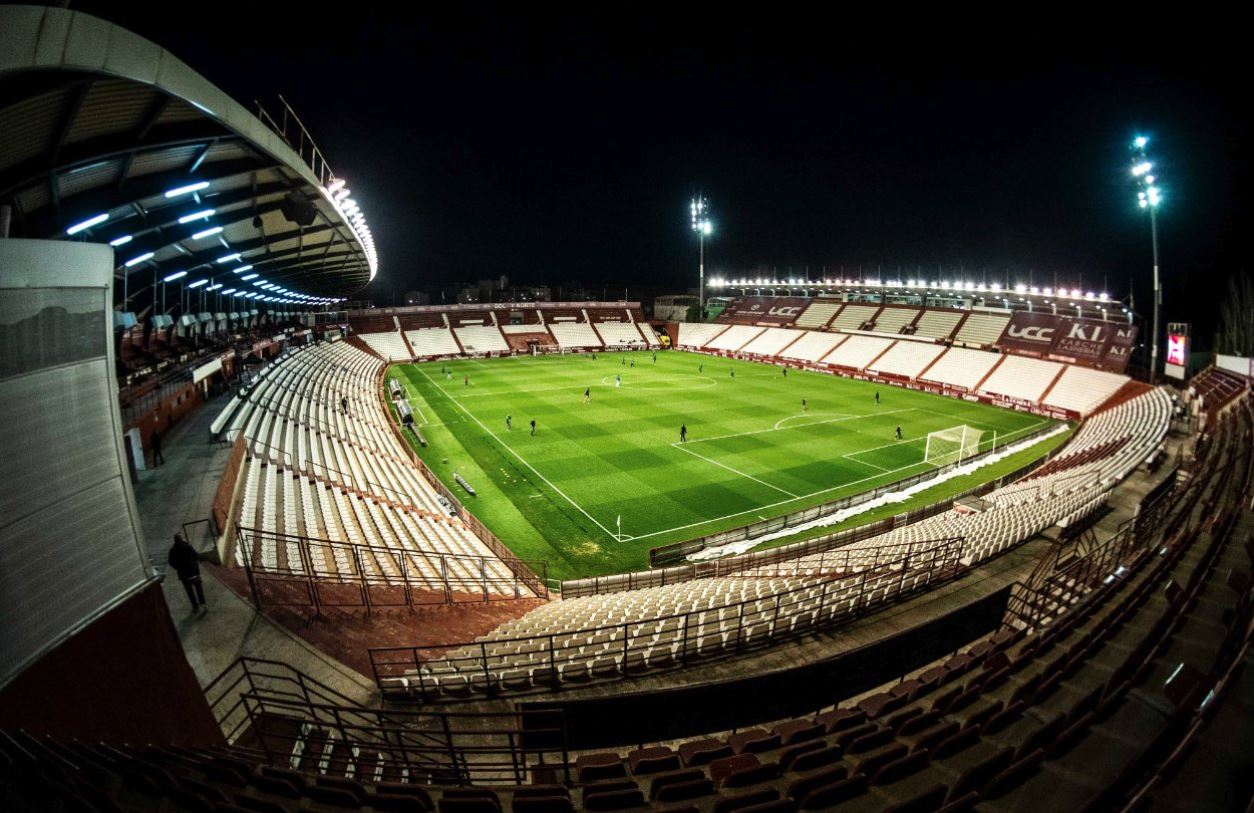
The municipality of Albacete deserves some credit. They have transformed the Estadio Carlos Belmonte from a featureless bowl into a smart modern stadium. The stadium is nicely proportioned although unusually, it is the older east stand that has the larger capacity. The smaller west stand makes do with a slender second tier, under a stylish, but ineffective roof. Like the Estadio Ramón Sánchez Pizjuán, it makes great use of red and white seats, which contrast brilliantly with the rich green turf. This surface is widely considered to be the best in Spain, which is no mean feat, given the extremes of weather that this part of Spain experiences.
 Estadios de España