
Cádiz is widely considered to be one of the oldest continuously inhabited cities in Western Europe, founded by the Phoenicians around 1100 BC. With a population of 110,000, it is also home to the Spanish navy and one of southern Europe’s largest commercial ports. With all of this crammed onto a thin strip of land along Spain’s southern Atlantic coast, you could be forgiven for thinking this heady mix of ancient culture, commercial activity, and naval dockyards makes Cádiz a bit edgy. Well, nothing could be further from the truth, as the citizens of Cádiz and, in particular, the followers of Cádiz Club de Fútbol are among the most passionate and friendly in the land.
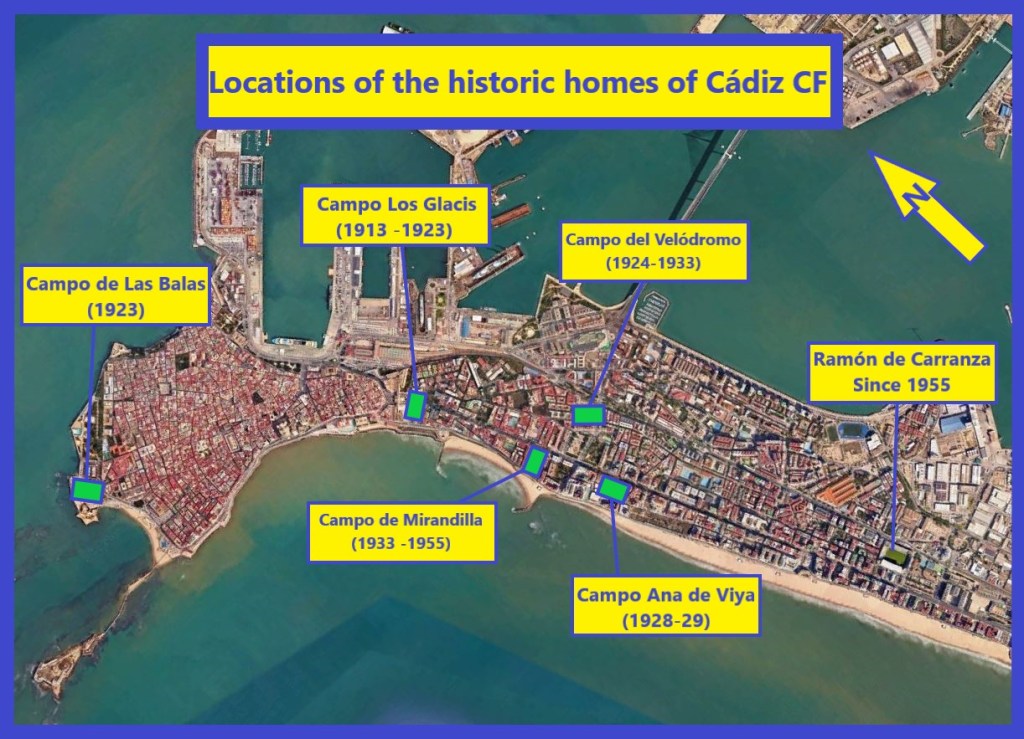
The expatriate British community played football in the city from the early 1890s, with the local press reporting matches against Huelva Recreation Club and Sevilla Foot-ball Club. Locals began to play the game at the start of the 20th Century. Debate surrounds the club’s exact founding date, with some tracing it to 1903, others to 1908, while Cádiz CF has opted for 10 September 1910, the date it was formally registered with the local federation. Regardless, Mirandilla Foot-ball Club, as they were originally known, was founded at the Colegio Arcángel San Miguel, known locally as Salle-La Miandilla, in 1908. The club was essentially an amateur youth side, using public open spaces around the city to play their matches. Local press reports record Mirandilla FC playing at Campo Los Glacis de Puerta Tierra from 1913, which continued until they moved to Campo de Las Balas in 1923. Las Balas was owned by the Real Club de Tiro Nacional, a rifle club, and hosted the City’s senior team, Español FC, from its opening on 12 March 1911 until their departure in 1923. The ground sat at the very western edge of town, in the area surrounded by the current-day Calle de Campo de las Balas. Mirandilla FC was now competing as a senior team, and as Español FC’s star began to fade, theirs began to shine.
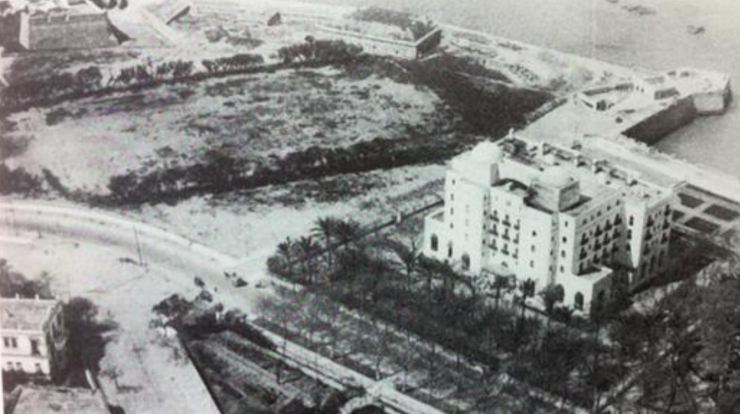
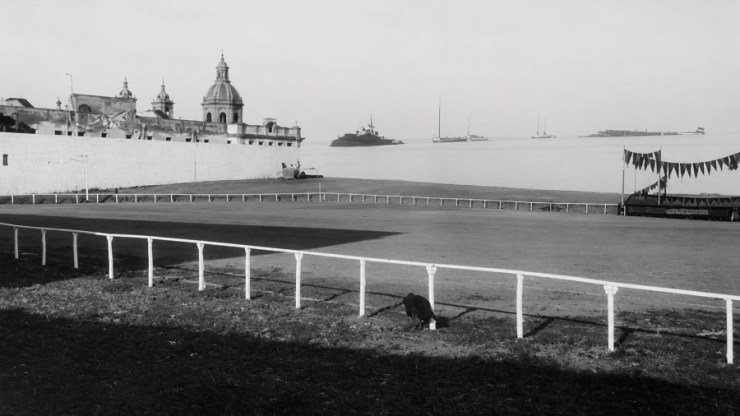
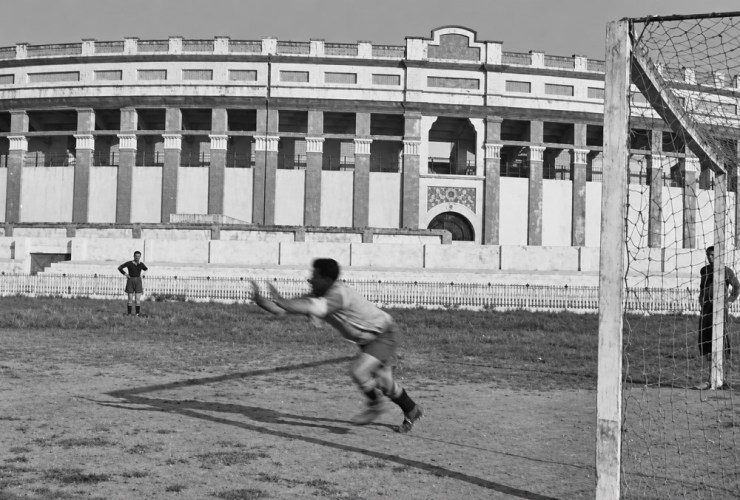
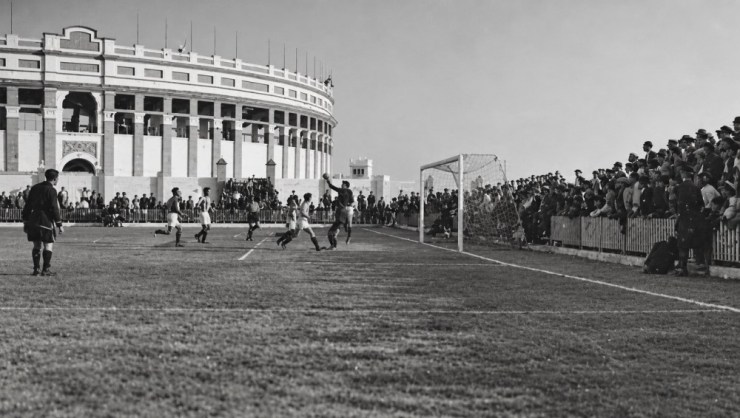
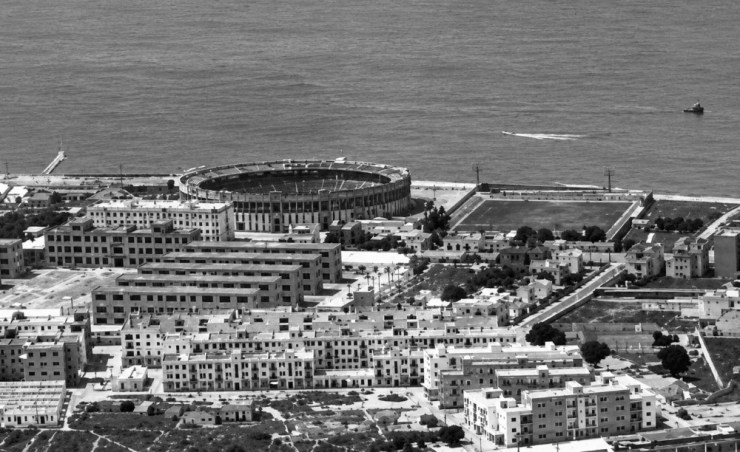
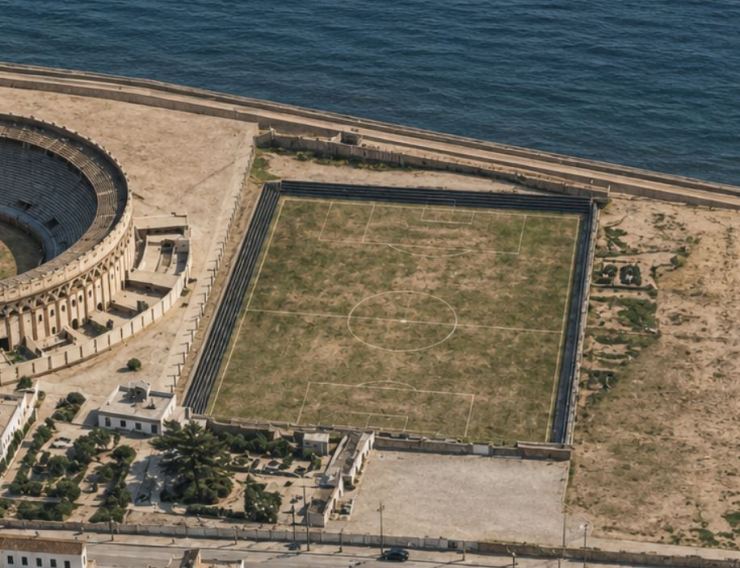
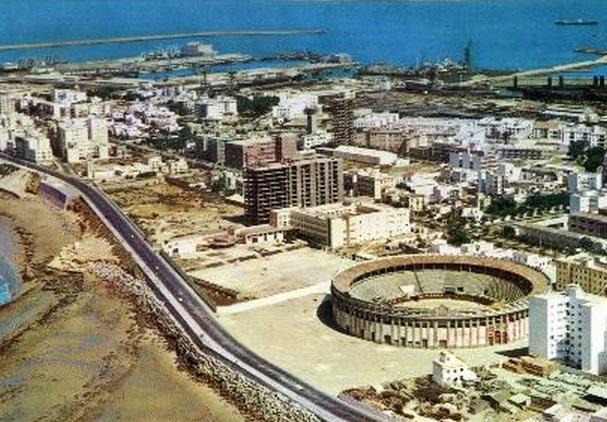
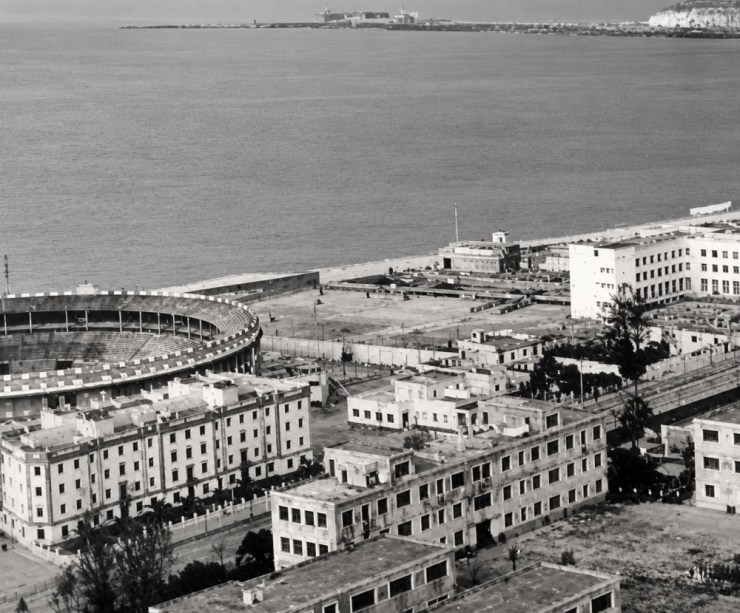
The Campo de Las Balas had seen better days, and within a year Mirandilla FC merged with Cádiz FC and continued its transient nature by moving to an open plot of land in the San Severiano district. The site was acquired by the Colegio Arcángel San Miguel and had previously been occupied by the city’s old velodrome, which had fallen into disrepair. The merger provided some stability, but the club continued to achieve only modest results in the second division of the regional championship. Some records indicate that Mirandilla FC also played at the Campo de Ana de Viya, Español FC’s home, during the late 1920s and again in 1935. In March 1929, however, a severe coastal storm destroyed the stadium, contributing to Español’s eventual demise. The storm also caused extensive damage to Mirandilla FC’s Campo del Velódrome. Amid this disruption and after a run of mediocre seasons, a group of former students took over the club and formally registered as a Sociedad Cultural y Deportiva in January 1931. In October 1932, Mirandilla FC rented a plot of land beside the city’s Plaza de Toros and adjacent to an area the municipality had earmarked for the construction of a new stadium. The resulting ground would become the club’s first substantial and permanent home, marking an important step in its development and providing a firmer foundation for its future.
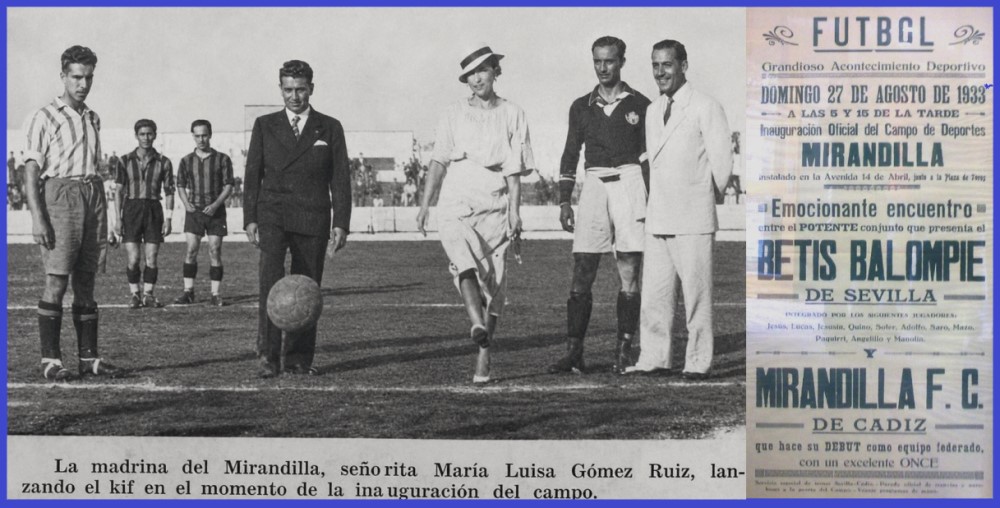
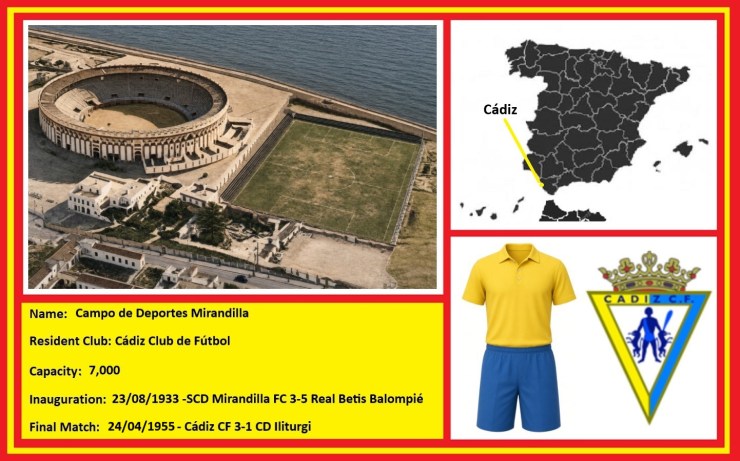
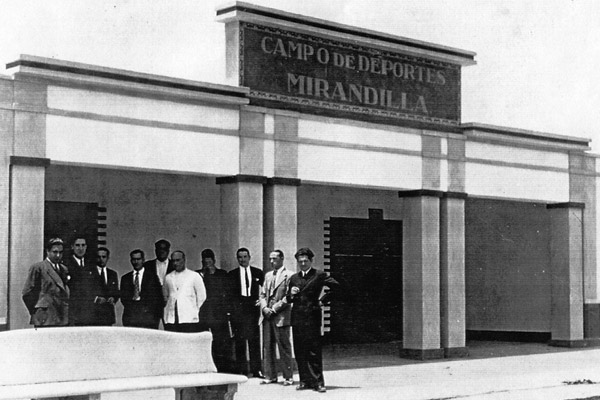
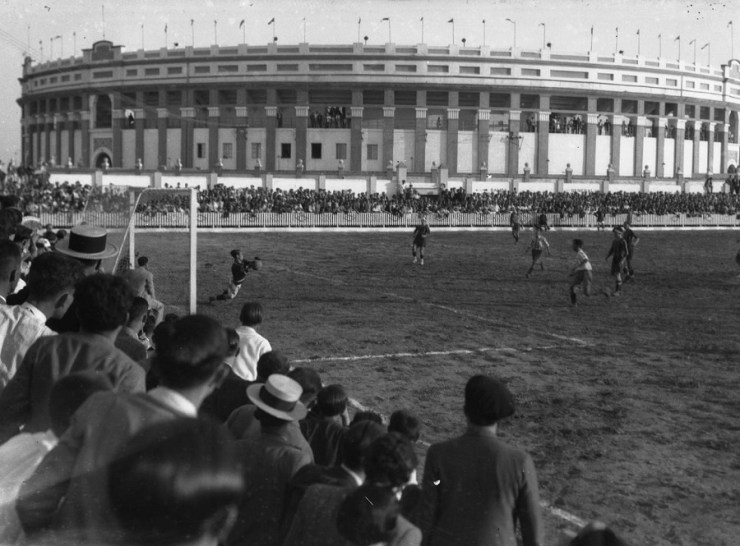
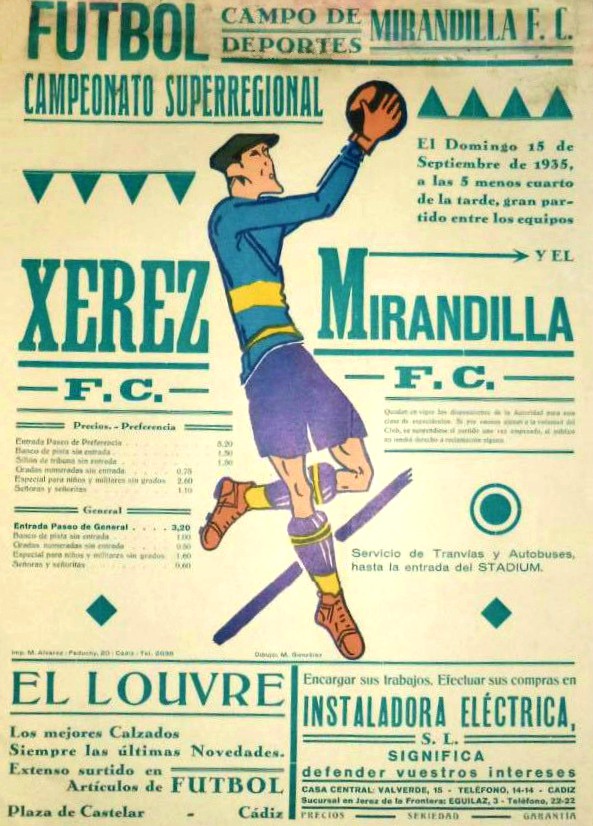
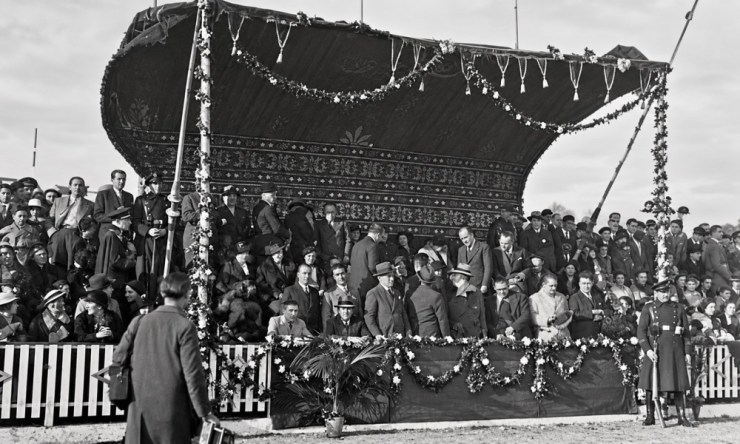
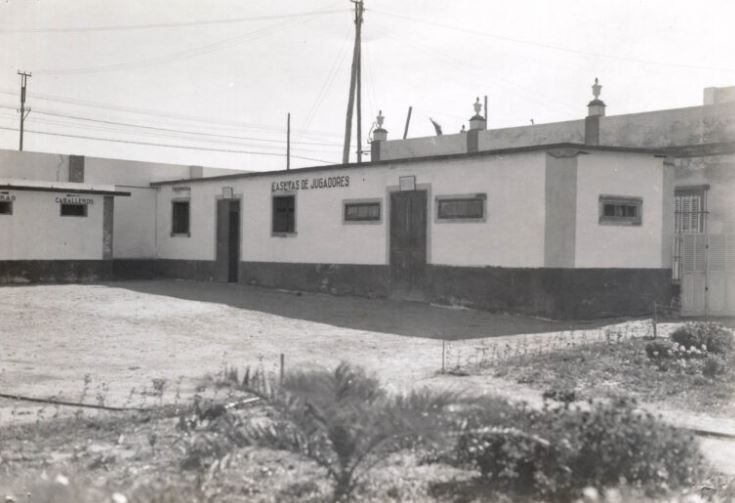
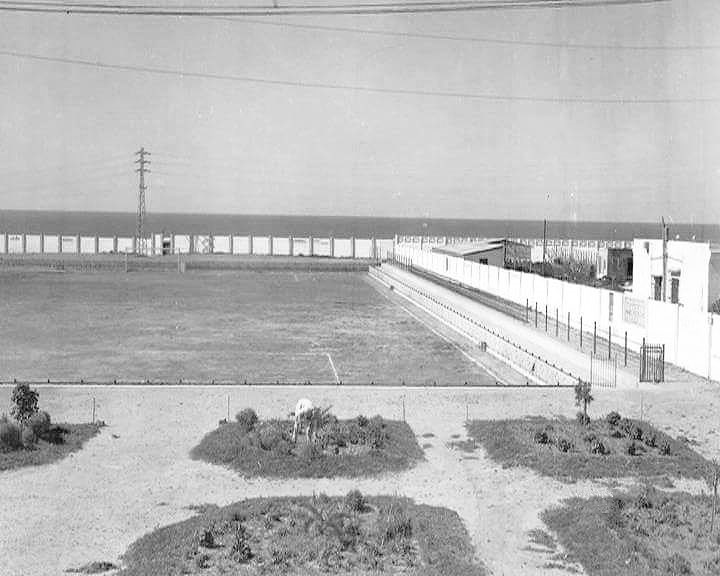
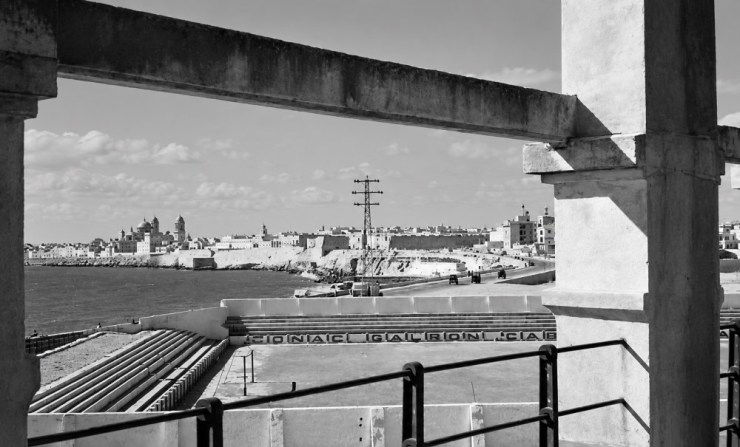
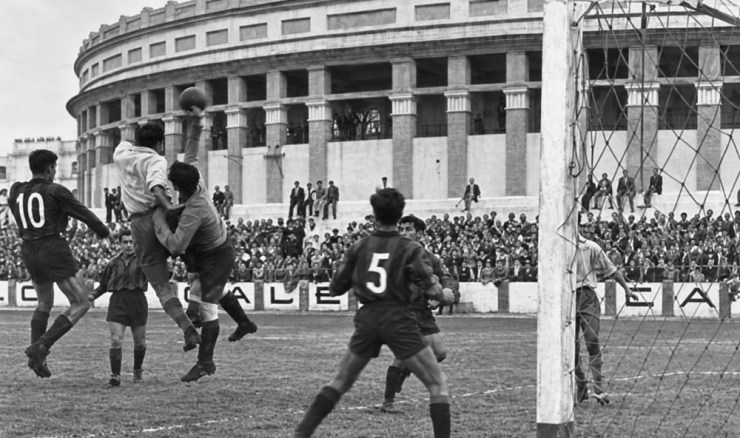
The construction of the new enclosure was funded initially through 18,477 pesetas in donations. The first phase involved preparing the site, constructing the external walls and developing the club’s facilities. However, the unexpectedly high cost of the initial work forced the club to turn to bank loans, which eventually reached 20,000 pesetas. These additional funds helped finance the construction of the open stands, the levelling of the pitch and the installation of the perimeter fencing. Once completed, the stadium was regarded as one of the finest sporting grounds in Andalusia. It was enclosed by a three-metre-high wall and featured a main entrance, Preferential and General stands, ornamental gardens, changing rooms, a medical room, offices, canteen and a caretaker’s house. The Preferential area also included a VIP section with a canvas cover, as well as dedicated space for the press. The stadium was officially inaugurated on 27 August 1933 with a full day of sporting and recreational activities, culminating in a match between Mirandilla FC and Betis Balompié, which Betis won 5–3. Later that year, the club rejoined the Federación Regional del Sur and, inspired by its new home, secured promotion from the Segunda Preferente. Strengthened by new investment, Mirandilla FC further improved its squad and finished runners-up to Xerez FC in the Primera Regional. During the summer of 1935, a vacancy opened up in the southern group of La Segunda, prompting the RFEF to organise a playoff between Mirandilla FC and FC Onuba (Recreativo Huelva). The decisive match was played on 25 August 1935 at the Campo del Patronato Obrero, where the Cádiz side prevailed 1–0 to secure promotion to the second tier.
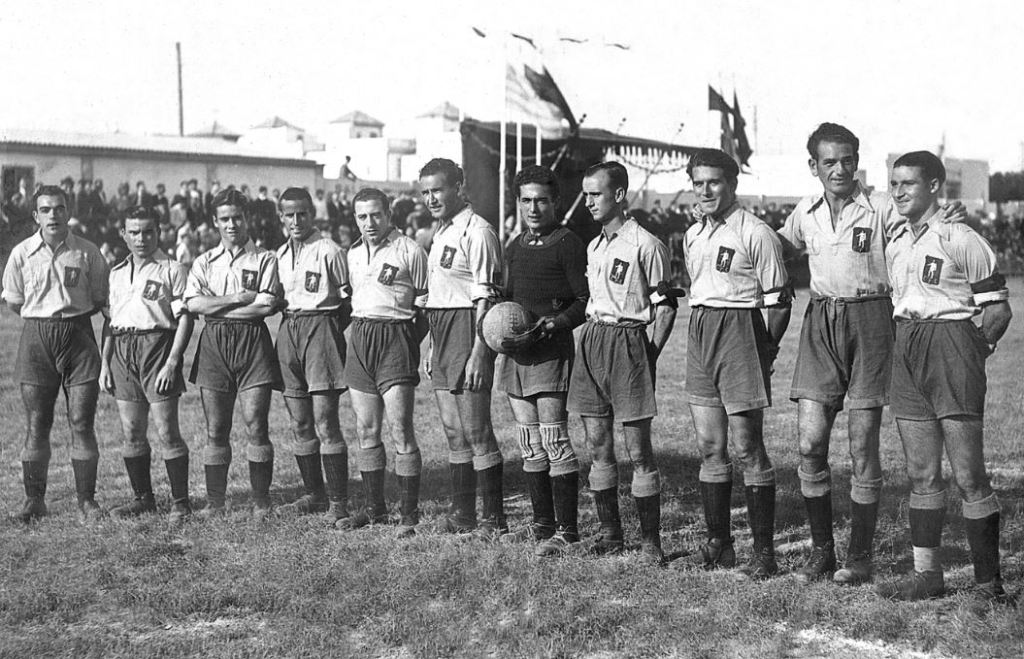
Life in La Segunda got off to a difficult start, with a 7–2 defeat away to Levante, followed by a narrow 0–1 home loss to eventual champions Murcia. Although the club’s home form was strong for the rest of the season, their away performances proved costly, as they lost every away fixture. They eventually finished seventh, a position that placed them in the relegation zone. On 31 March 1936, the club changed its name to Cádiz Foot-ball Club and prepared for their return to the Regional Championship. However, the outbreak of the Spanish Civil War soon ended organised sporting activities. When football resumed after the war, Cádiz Club de Fútbol, as it was now known, was invited to join an expanded second tier. They made the most of their reprieve, finishing top of the southern section before narrowly losing the final playoff against Murcia. The defeat cost the club a chance of a one-off match against Celta Vigo for promotion to La Primera. Their fortunes declined over the following seasons, however, and in 1943 the club was relegated to the Tercera. A year later, they suffered a further setback, dropping into the Regional Primera. With the club on the brink of financial ruin, its survival was secured by the arrival of a new board of directors. The change in leadership brought renewed stability, and promotion back to the Tercera was achieved in 1945.
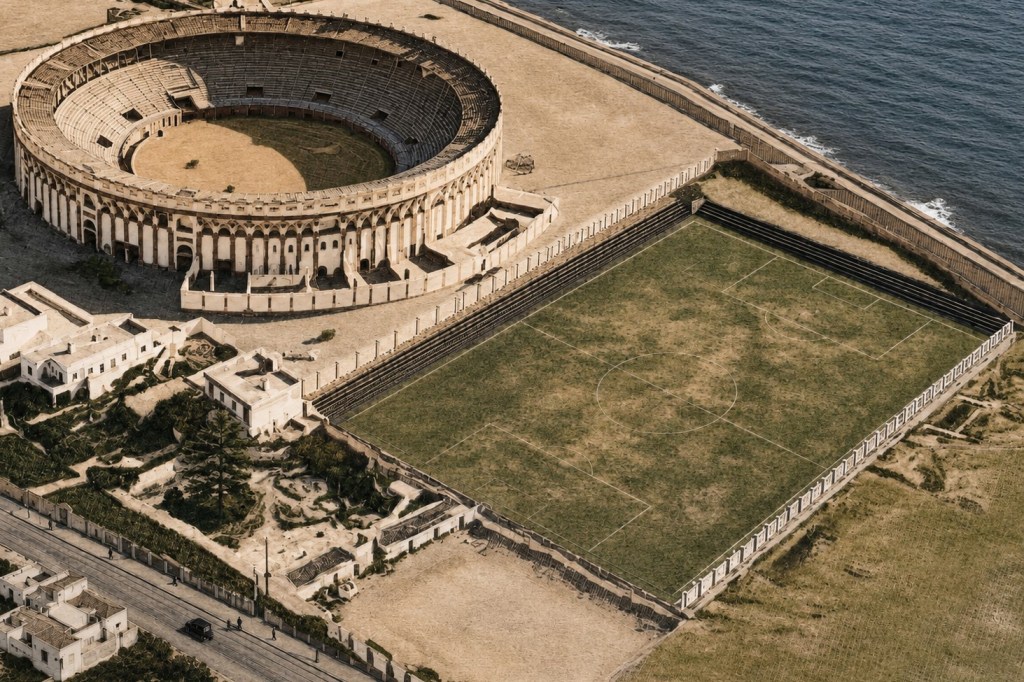
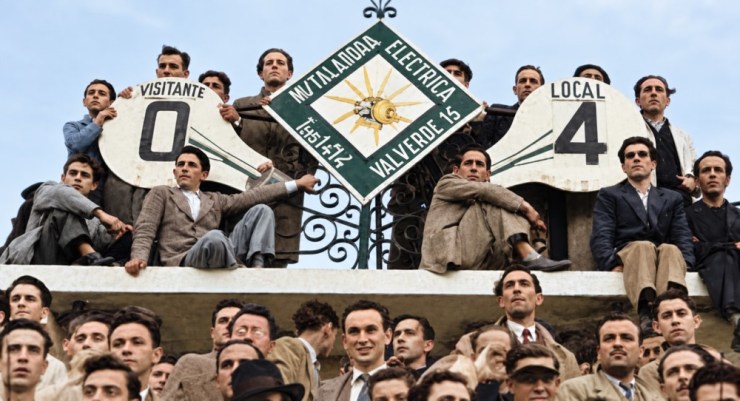
Despite the new investment, life back in the Tercera was not straightforward, and a series of moderate finishes saw the club marooned in the Tercera. In addition, Cádiz CF had to deal with a disaster that rocked the city. On the evening of 18 August 1947, around 200 tonnes of TNT exploded at the Spanish Navy submarine base a kilometre north of the Campo de Deportes Mirandilla. Nearby areas, including San Severiano, were obliterated, whilst the blast shattered windows up to 40 kilometres away. The stadium was hit by the sonic blast, with the exterior walls flattened and all wooden structures within the compound destroyed. The pitch was littered with debris thrown from the surrounding neighbourhood, whilst the entry gates and changing rooms were completely ruined. The club carried out urgent repairs to patch up the pitch and basic walls so they could keep playing, and just over a month later faced Larache CF at the Campo de Mirandilla. However, the stadium was, at best, makeshift and despite some minor structural and safety improvements in 1951, Mirandilla’s decline forced the club and the local authorities to push forward with constructing a new stadium. The stadium had one last glorious season, when Cádiz won promotion back to the second tier at the end of the 1954-55 season. The last official match at the Campo de Deportes Mirandilla took place on 24 April 1955, with Cádiz CF beating CD Iliturgi 3-1. The club then headed two kilometres down the peninsula to the new Estadio Ramón de Carranza.
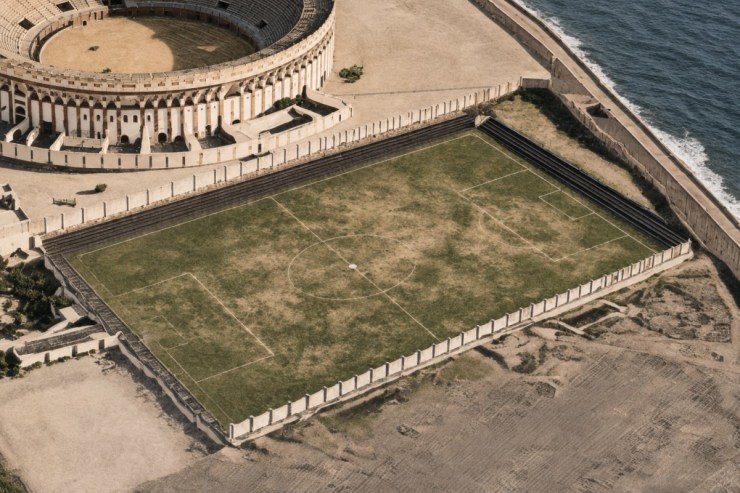
The site of the old stadium remained derelict until the early 1970s, when it and the neighbouring Plaza de Toros were redeveloped. The area is now public gardens, but the history of the Campo de Deportes Mirandilla lives on. It was more than the club’s first substantial home; It was the ground where it established its identity, achieved its first major sporting ambitions, and endured decline, disaster and finally delight, before handing the baton to the Ramón de Carranza to shape the modern history of Cádiz Club de Fútbol.
Further Reading:
La Futbolteca Club History: https://lafutbolteca.com/cadiz-club-de-futbol-s-a-d/
El Antiguo Campo del Mirandilla – Manuel Granado Palma: https://www.researchgate.net/publication/406701184_El_antiguo_campo_del_Mirandilla_1993
El Fútbol y Más Allá – https://elfutbolymasalla.com/estadio-mirandilla-de-cadiz-1933-1955/

