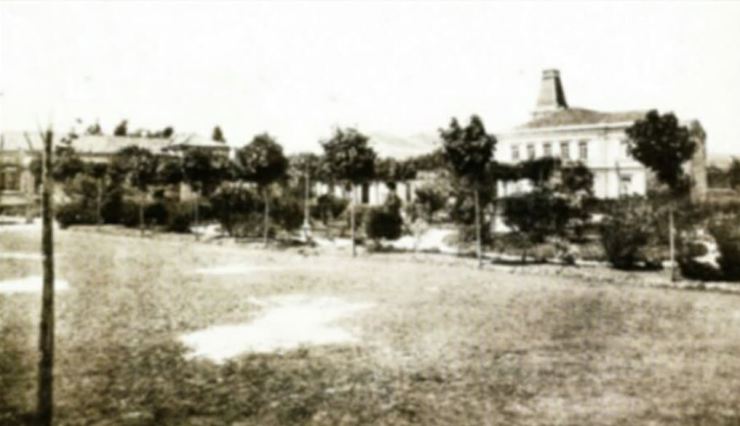
Carballo, the capital of the Bergantiños Comarca in A Coruña province, lies between the provincial capital and the Costa da Morte. Its history stretches back to prehistoric times, with evidence of Neolithic remains and Iron Age forts, followed by Roman settlement and a long history of mining. Carballo grew significantly from the 18th century, particularly after mineral springs opened in 1716. It became a centre of municipal government in 1836, while mining and commerce shaped the town. Football arrived in the early 1910s, encouraged by the town’s proximity to A Coruña, where the sport was already well established. By the end of the decade, the Campo del Agra de Caldas, an open area opposite the town hall, had become a focal point for local football. By the start of the 1920s, Racing Club Carballés was firmly established as the town’s leading club.
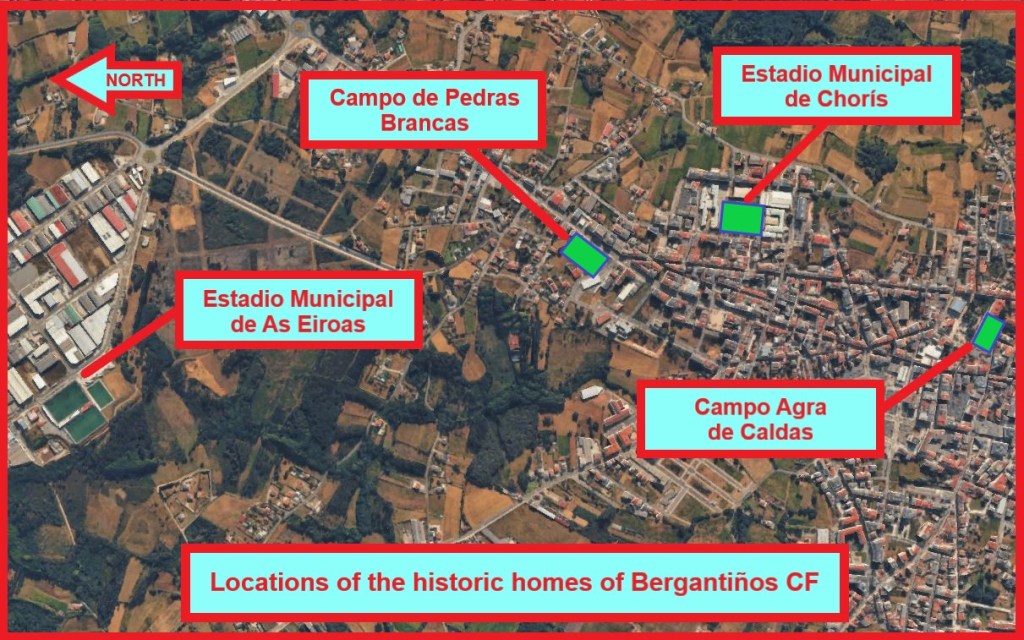
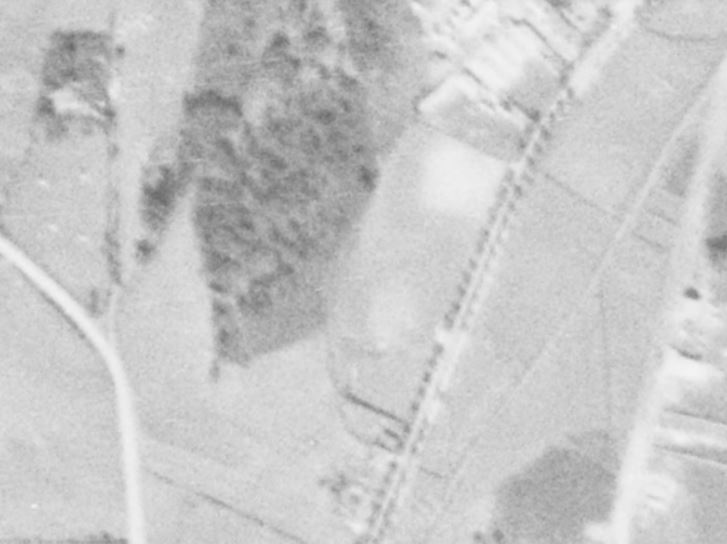
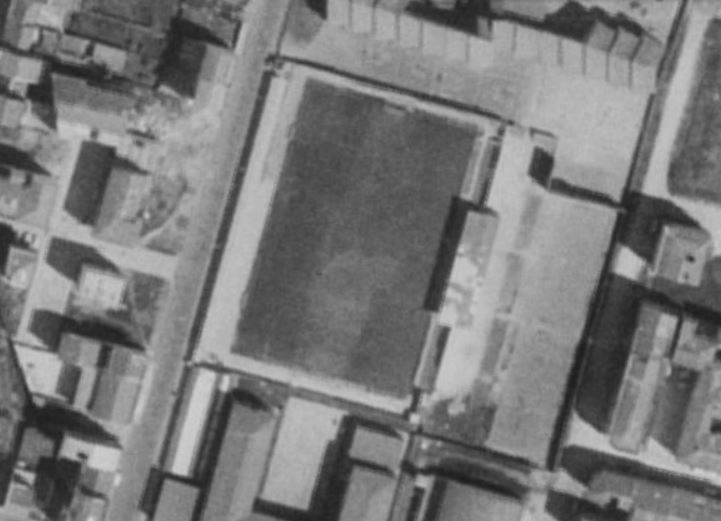
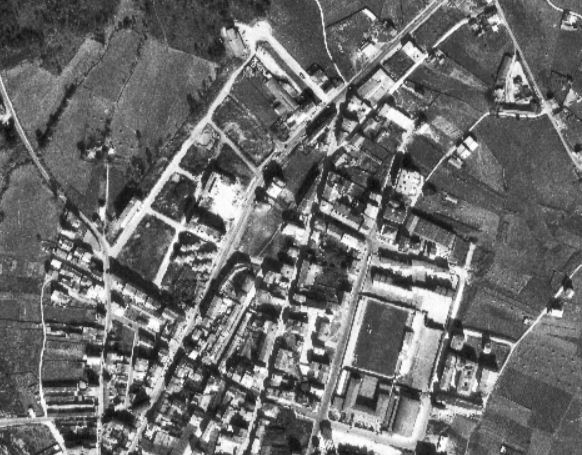
On 15 June 1923, local clubs Hércules and Fortuna merged to form Bergantiños Foot-ball Club, with the principal aim of challenging Racing Club Carballés’ status as the county’s leading team. Wearing blue-and-red striped shirts, Bergantiños played its first match immediately, losing 4–2 to Racing Carballés at the Campo del Agra, but soon built local support through numerous friendly matches, particularly against teams from A Coruña. In January 1925, the club acquired land north of the town to build a new, permanent home. The club began construction of Campo de Pedras Brancas later that month, and the venue finally opened on June 24 with a 6–0 victory over Athletic Club de Corcubión. (Some later accounts place the Bergantiños–Corcubión match at Pedras Brancas on the same date in 1923). Their new home reinforced Bergantiños’ role as the town’s leading club. Despite this, they remained outside the Federación Gallega, focusing instead on playing friendlies that attracted large crowds. This arrangement continued into the 1930s, but the outbreak of the Civil War brought it to an abrupt end. Galicia was far from the front lines, and the Federación Gallega’s competitions continued throughout the conflict. However, with the fixture calendar already crowded and travel costs hard to cover, there was little room for friendly matches. As a result, Bergantiños went into hibernation and remained dormant until 1945, when the club finally awoke.
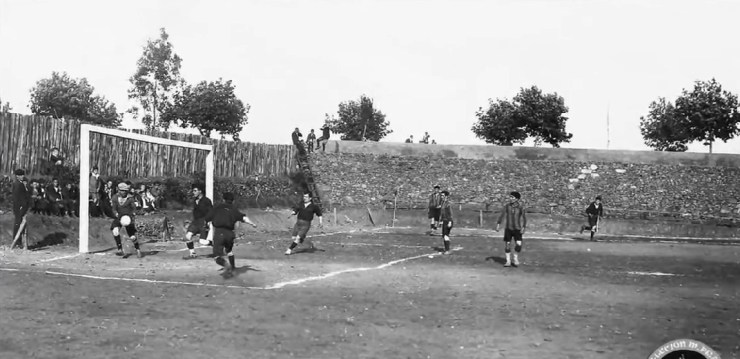
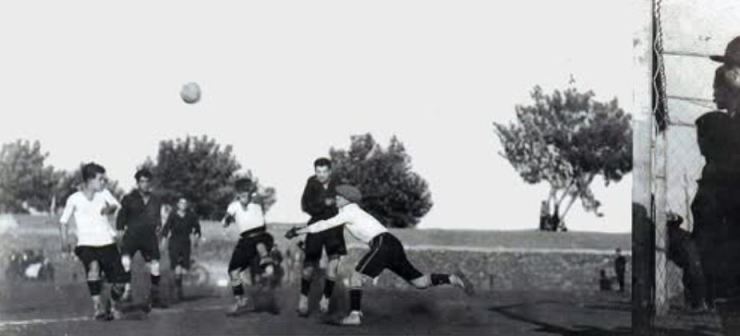
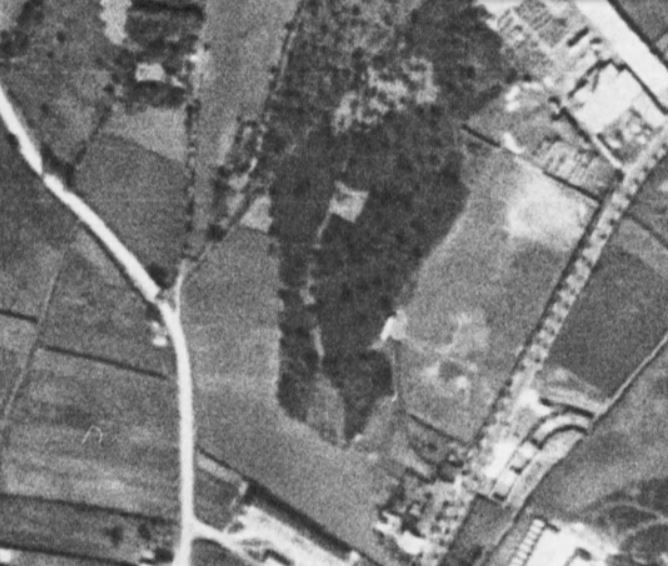
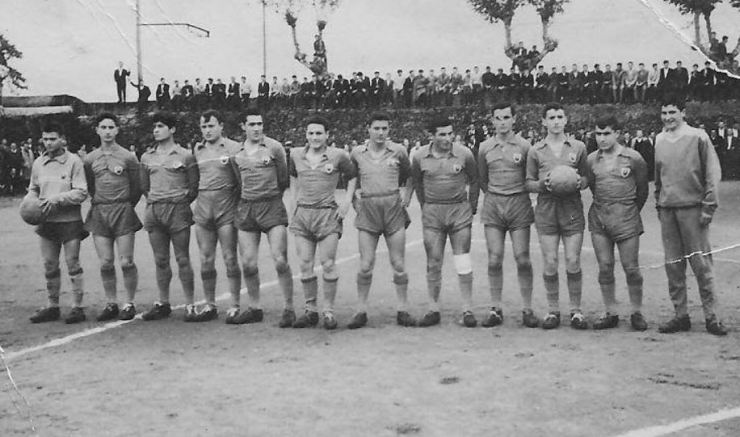
Under the presidency of Constantino Velo García, the club underwent a major reorganisation, returned to the Campo de Pedras Brancas and officially adopted the name Bergantiños Club de Fútbol. They joined the Federación Gallega in 1947, entering the Primera Regional courtesy of the club’s stature and enclosed ground. After finishing as league runners-up, Bergantiños CF advanced to the end-of-season promotion playoffs for the Tercera División. Heading into the final match of the playoff group, the team needed only to avoid a heavy defeat, but they suffered a crushing 7-0 away loss to Sport Club Turista of Vigo. Financial hardships resurfaced in 1952, forcing the club to withdraw from senior competitions. After establishing a youth section in 1954, the club revived its senior team in 1957. Starting in the fifth-tier Primera Regional Coruñesa, it took five years to climb back to the regional top flight, where the team spent the next decade consolidated in mid-table. Bergantiños CF played their final competitive match at the Campo de Pedras Brancas on 16 May 1971, signing off with a 3–1 victory over Arenteiro before relocating a few hundred yards to a new municipal stadium in the suburb of Choris. On 24 June 1971, the club officially inaugurated their new home by hosting Deportivo La Coruña.
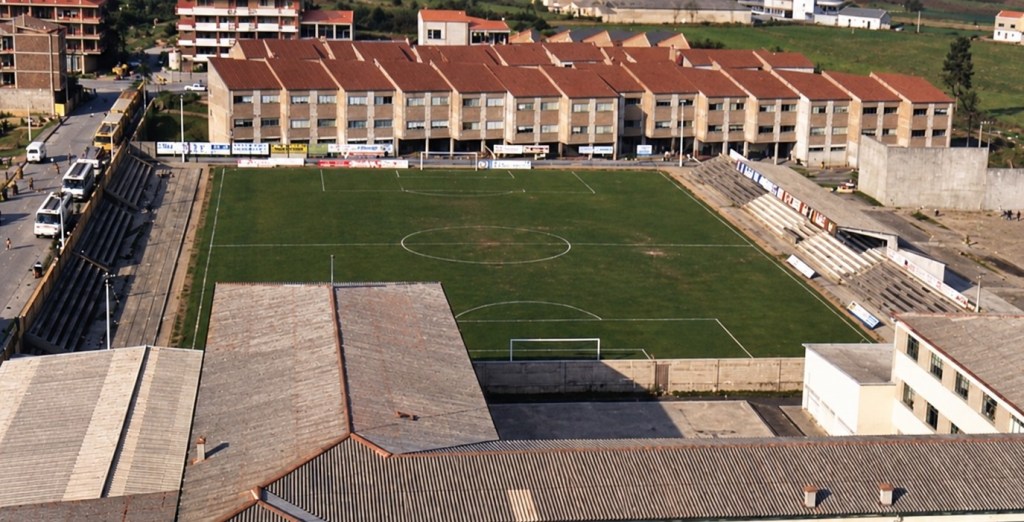
The Estadio Municipal de Chorís was a distinct improvement on the Campo de Pedres Brancas. Its centrepiece was a 40-metre seated cantilevered stand with seven rows of seats on the eastern side, flanked by open terraces, while the western side featured a five-step terrace running the full length of the pitch, with hard standing in front of and behind both goals. The stadium’s capacity was around 3,500. If the club expected a ‘new stadium bounce’, they were sorely mistaken. Just five seasons after moving into their new ground, Bergantiños CF fell to the Regional Preferente. Their decline continued in 1979 with a second relegation, landing them in the seventh-tier Regional Segunda. The club’s fortunes only improved after the reorganisation of the regional leagues and the arrival of local businessman José Luís Calvo Pumpido as president in 1984. The club missed promotion after finishing third in the Regional Preferente in 1984-85, but the squad was strengthened significantly ahead of the new season. After a slow start, Bergantiños CF hit their stride, scoring 112 goals, including a 14-0 victory over Noia, and finished four points ahead to claim the league title. Their good form continued in the 1986-87 season, their first in the Tercera, helped by the fact that the top five would win promotion to an expanded Segunda B. Finishing third, the club secured a second successive promotion – a remarkable rise from the depths of the seventh tier in just five years.
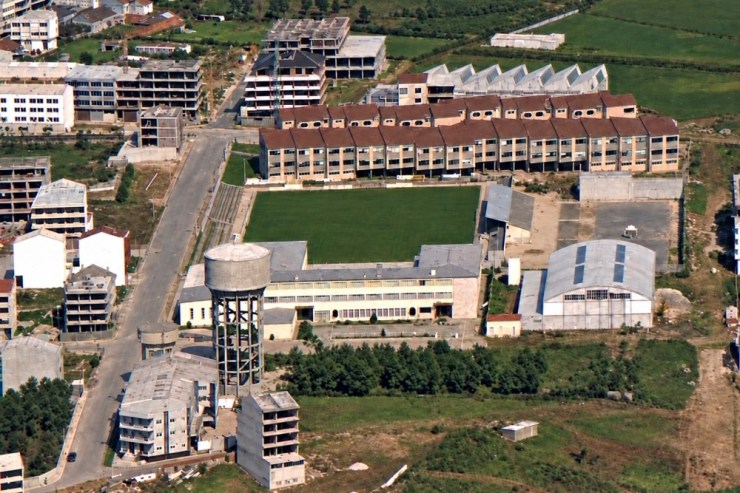
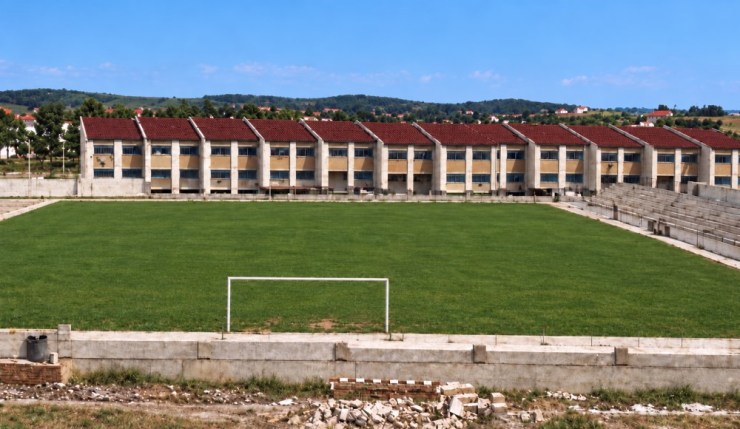
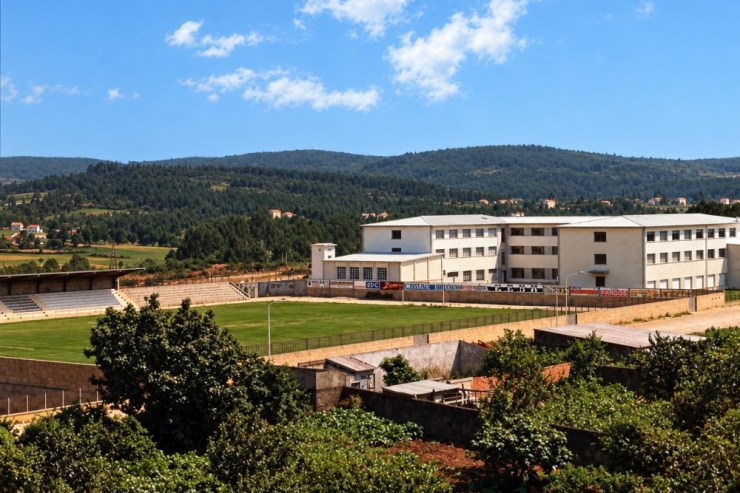
Before its third-tier debut, the club renamed itself Bergantiños Fútbol Club and joined Segunda B Group I, competing against teams across northern Spain. A respectable 11th-place finish included standout wins over Pontevedra CF and eventual champions SD Eibar. The 1987–88 campaign also marked the club’s finest Copa del Rey performance, culminating in a fourth-round tie against Rayo Vallecano. After a narrow 2-3 defeat at Vallecas, Bergantiños FC entertained Rayo in the return leg before a record crowd of 5,000 at the Estadio de Choris. The Galicians turned the tie around and led 5-4 on aggregate, before Rayo squared it up in the 89th minute. Two further goals in extra time saw Rayo prevail 7-5 on aggregate. Regrettably, the rising costs prompted José Luís Calvo Pumpido to resign as president, with Xusto Pose Blanco taking over ahead of the 1988–89 season. With a smaller squad, the team endured a difficult campaign that ended in relegation to the Tercera after finishing bottom of the table. If the 1980s saw Bergantiños FC reach their potential, the 1990s served as a harsh reminder of the realities of regional football. Back in the Tercera, a succession of top-four finishes, including their first league championship, ended in playoff disappointment. Worse was to follow with relegation to the Regional Preferente in 1995, followed two seasons later by a drop to the Primera Regional. The decade ended with a return to the Regional Preferente, but Bergantiños FC required a reset. Off the pitch, the equally tired Estadio de Choris hosted its final match on 14 May 2000, a 0-3 defeat to Ribadeo FC. Could a move to a new ground provide the spark for a revival?
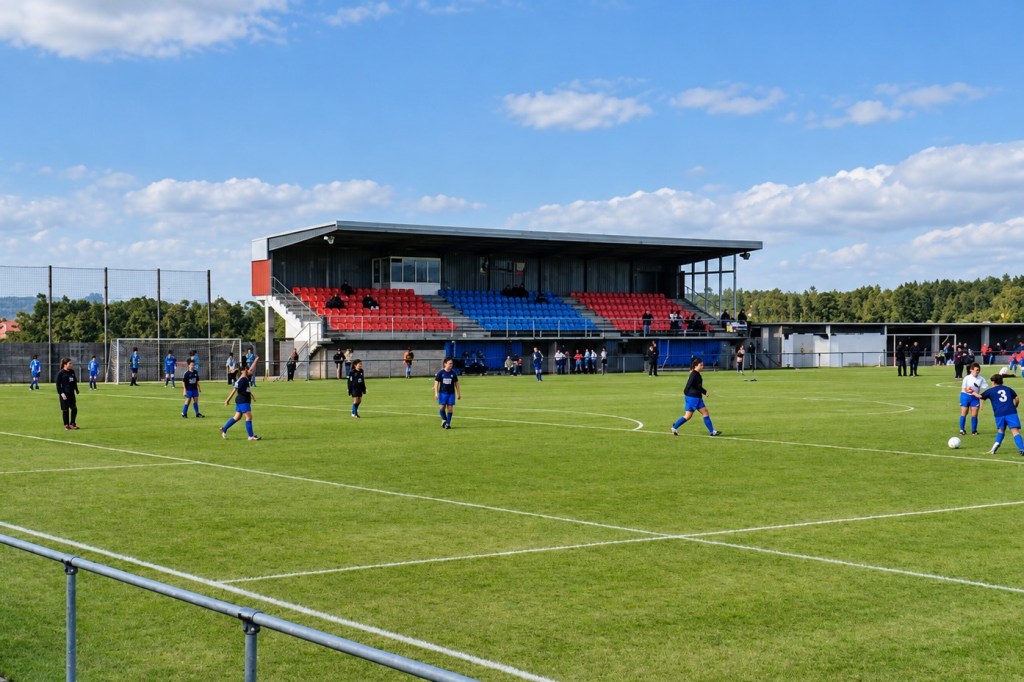
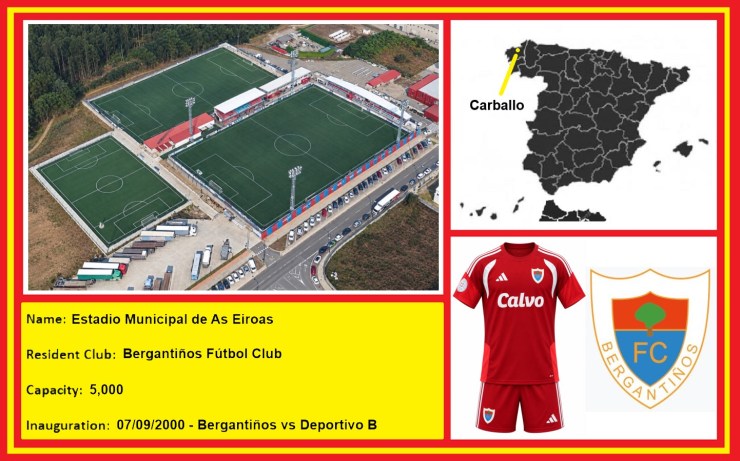
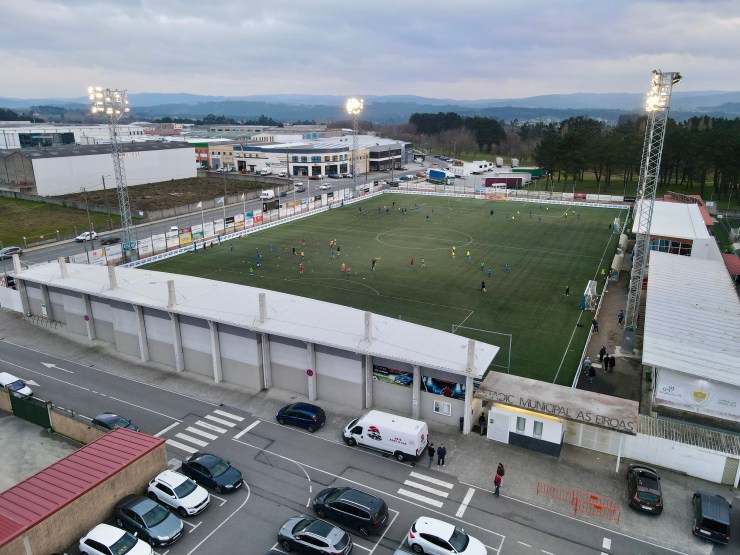
Ahead of the 2000-01 season, Bergantiños FC moved to the Estadio As Eiroas, which opened on 7 September 2000 with a friendly against Deportivo B. The club earned promotion to the Tercera at the end of its second season at their new home, but progress was far from straightforward. A series of mid-table finishes was punctuated by relegation to the Regional Preferente in 2007 and again in 2013. The return to the Tercera brought with it more consistent performances. Investment in youth development and improved facilities paid off with consecutive top-five Tercera finishes, establishing Bergantiños FC as one of Galicia’s strongest semi-professional sides. Their persistence finally paid off in the COVID-affected 2020–21 campaign, when they earned promotion to the newly formed Segunda Federación. Under Sporting Director Dario Cotelo, the club overcame the disappointment of relegation in 2022–23 and bounced back emphatically, winning their Tercera Federación group in 2023–24, returning immediately to the fourth tier and recording two top-10 finishes. The strong performances also brought a return to the Copa del Rey, with memorable fixtures against Sevilla (albeit staged at the Estadio Riazor) and Rayo Vallecano, which was played at the Estadio de Eiroas, 34 years after their memorable tie at the Estadio de Choris.
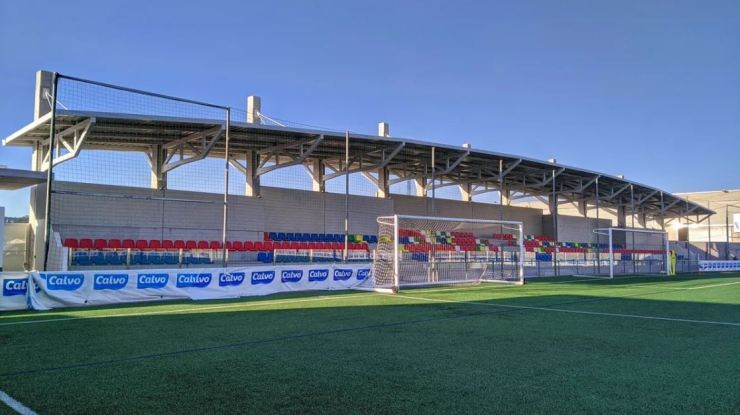
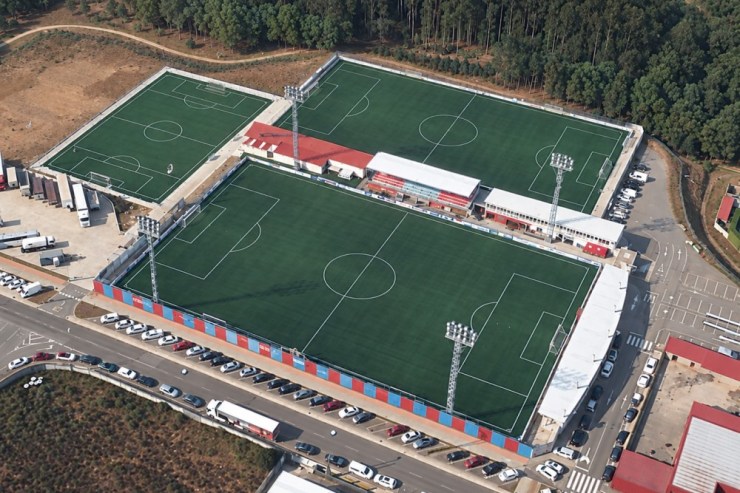
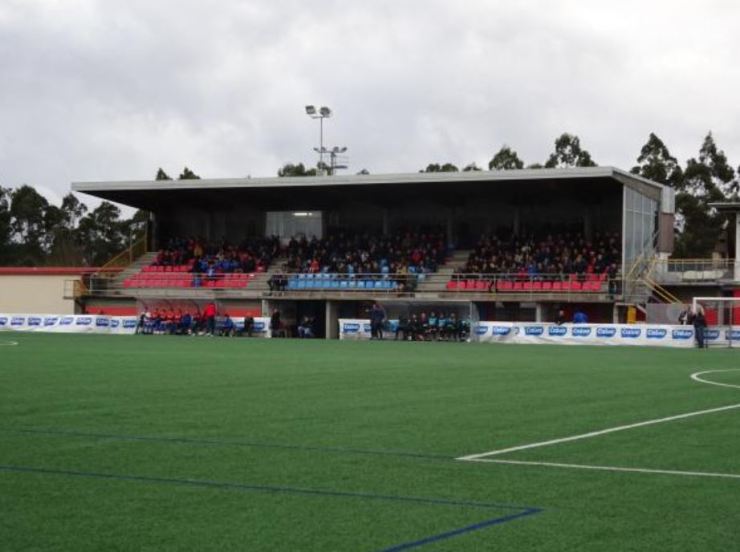
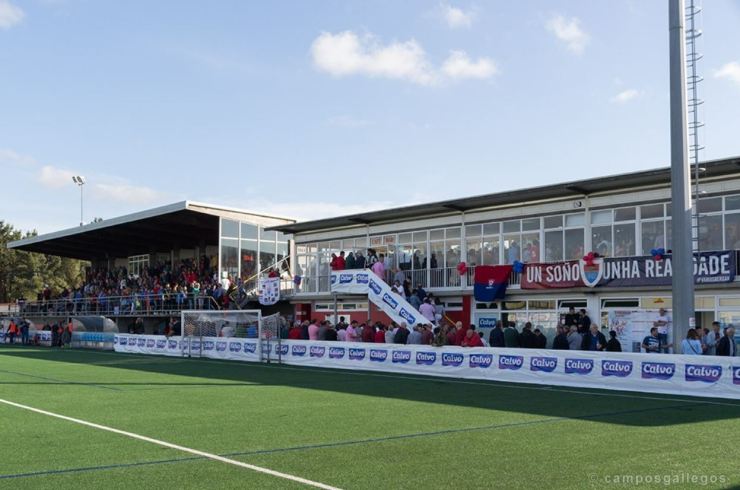
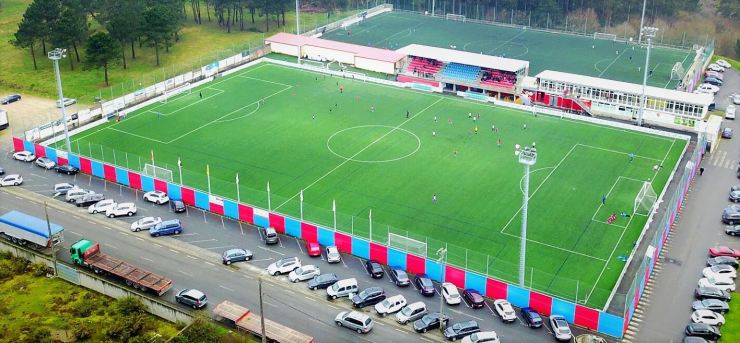
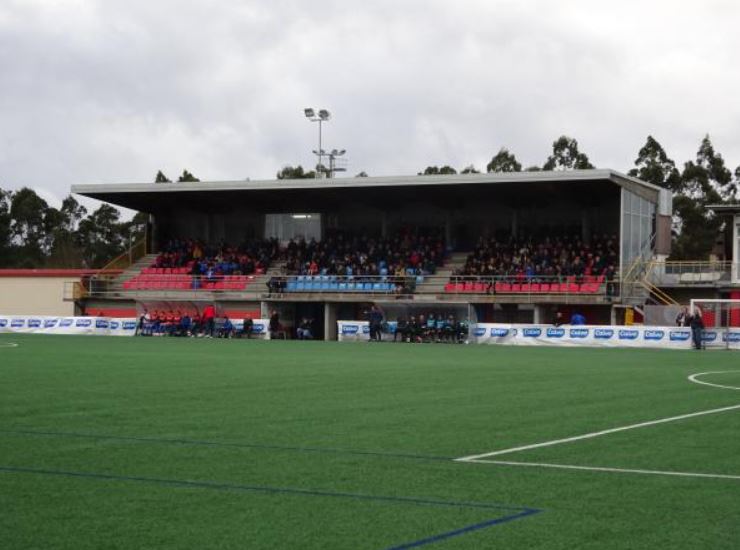
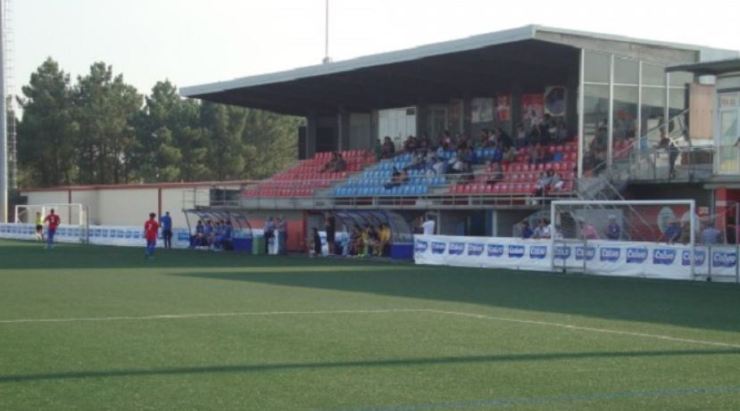
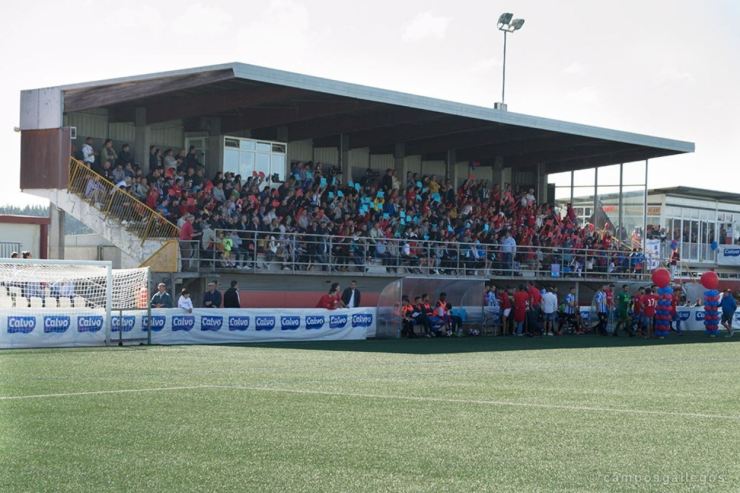
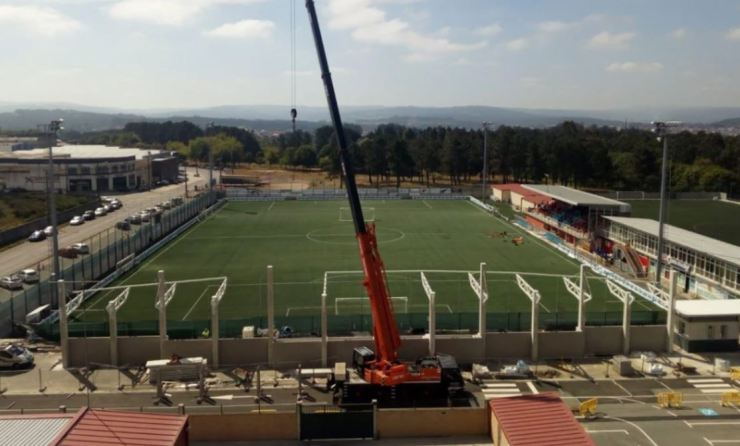
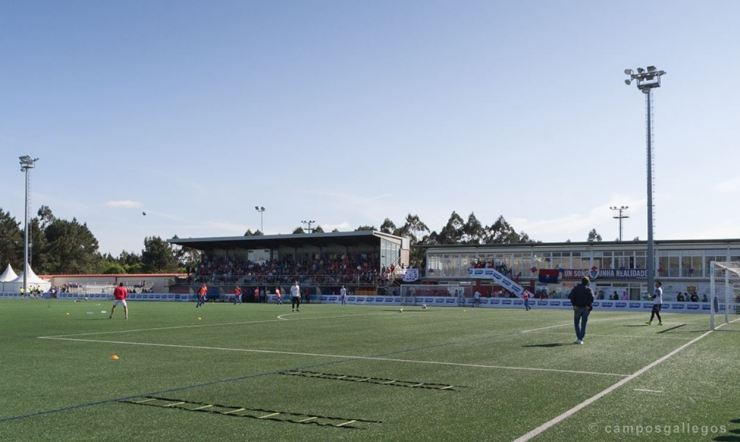
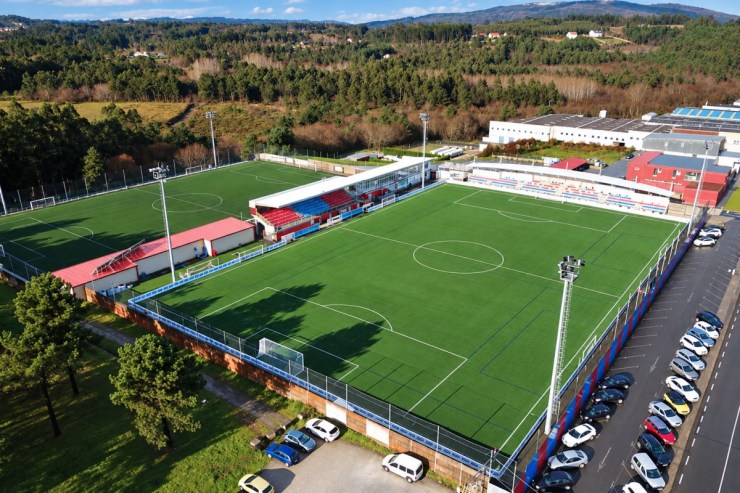
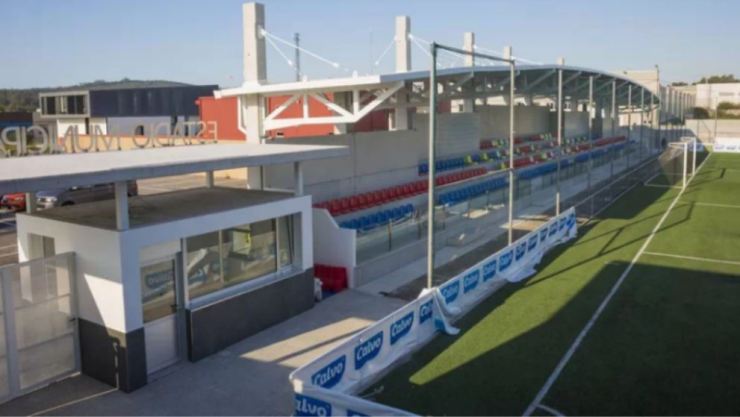
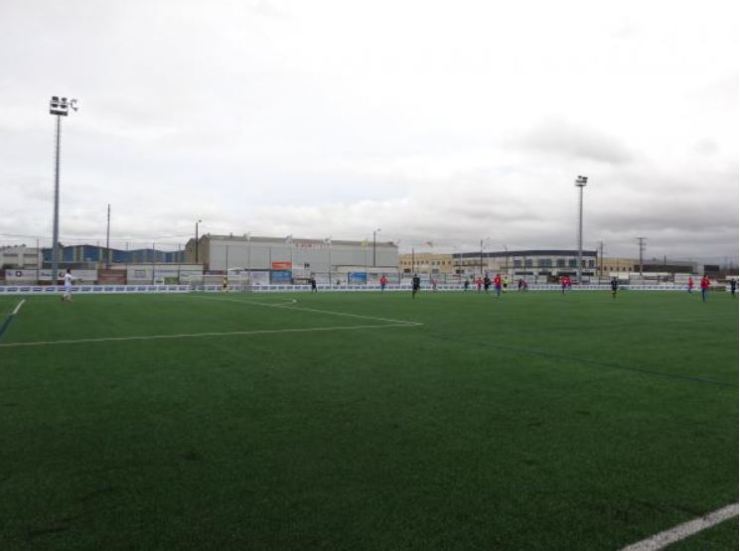
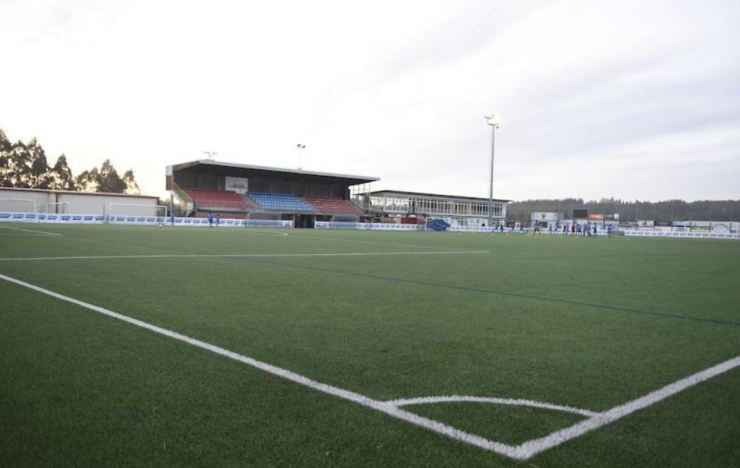
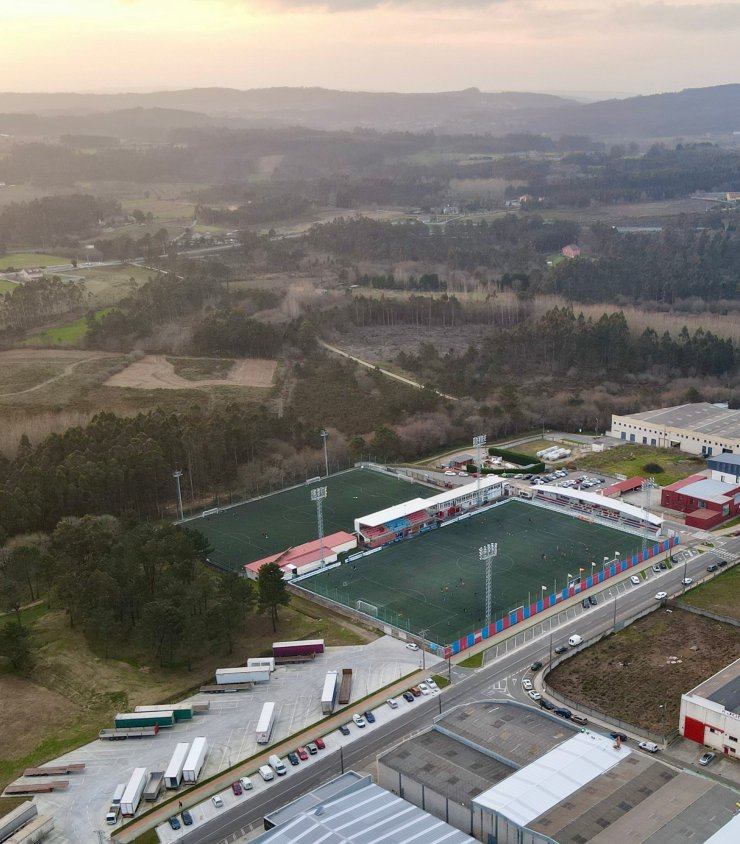
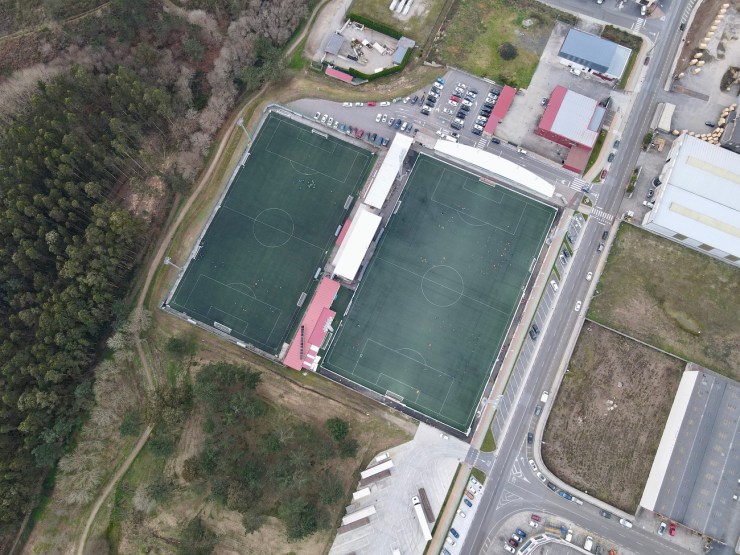
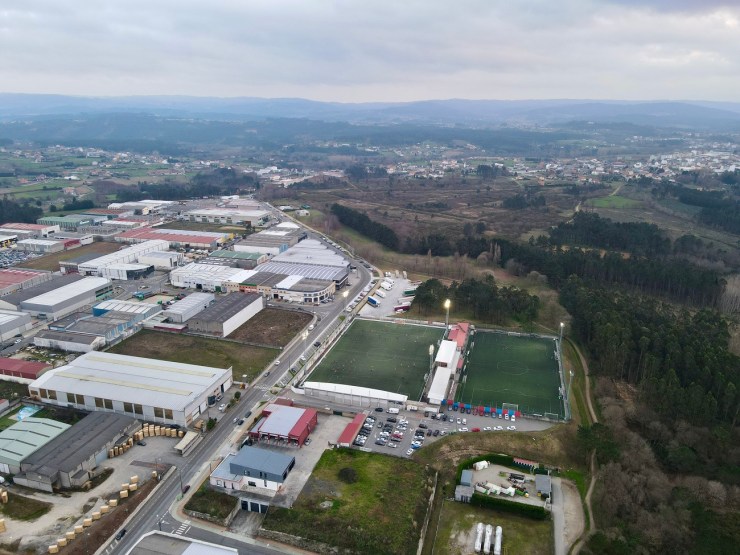
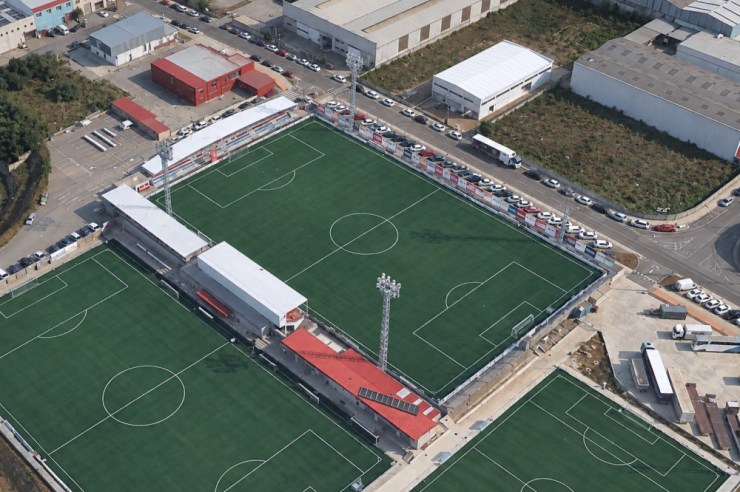
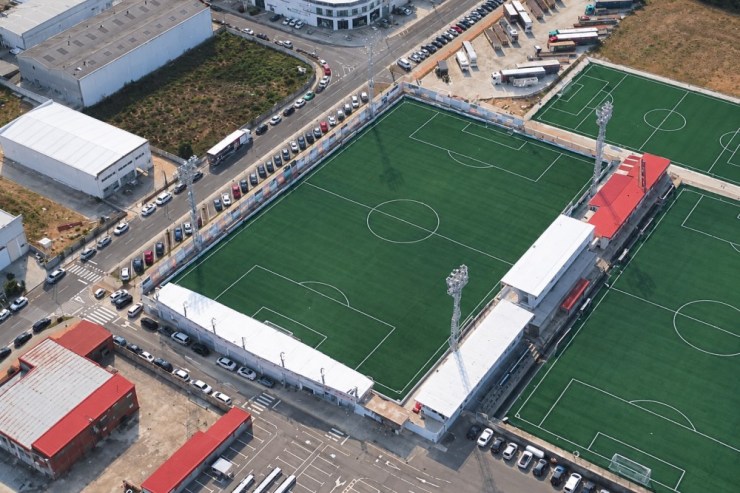
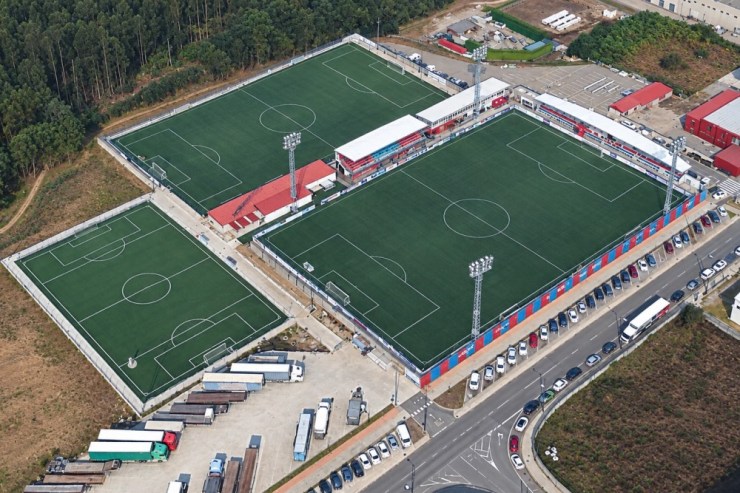
Located northwest of the town in the Bértoa Industrial Park, the Estadio Municipal de As Eiroas was built to meet the town’s growing football needs and funded by a €735,000 investment from the Diputación Provincial de A Coruña. The local council chose the site to secure cheap municipal land and allow space for future expansion. On opening, the enclosure featured a raised covered stand, with 350 seats on its western side. Changing facilities and matchday offices are under the seating deck. The remainder of the capacity consisted of shallow covered terracing and hard standing. Over the last two decades, the venue and the surrounding area have significantly changed. To accommodate heavy local use and the Escuelas Luis Calvo Sanz youth academy, a second, full-sized training pitch was added behind the western stand in 2009. The facilities included a viewing deck at the rear which overlooks the main stadium. In 2020, a €453,725.80 Grada Fondo Norte opened, seating 300 under a curved cantilevered roof. In 2025, a major €800,000 project concluded, replacing both main pitches with latest-generation artificial turf to meet RFEF guidelines, alongside constructing a brand-new third pitch dedicated to Fútbol 8 on land behind the southern goal. The stadium’s official capacity stands at 5,000, including just over 650 seats.
Spanish football is littered with clubs that ascend rapidly through the regional leagues, only to collapse under the financial pressures of the professional game. Bergantiños FC, however, has successfully avoided this Icarus-like trajectory. By building a sustainable infrastructure, the club has instead secured a decade of steady, impressive growth.
Further Reading:
La Futbolteca Club History: http://lafutbolteca.com/bergantinos-futbol-club/
La Voz de Galicia – Inauguration of the Estadio de As Eiroas: https://www.lavozdegalicia.es/noticia/carballo/2000/09/07/gran-inauguracion-as-eiroas/0003_186079.htm?utm_source=chatgpt.com

