
Cieza lies in the fertile Segura River valley and has been inhabited since the Bronze Age. An important agricultural centre since Roman times, it became part of Al-Andalus in the 8th century. After the Christian reconquest in the 13th century, it joined the Crown of Castile, but a devastating Granadan raid in 1477 left the town largely deserted. Cieza recovered and flourished during the 18th and 19th centuries through agriculture, trade, and the arrival of the railroad. Despite its prosperity and good transport links, Cieza was something of a late bloomer when it came to organised football. While other Murcian towns embraced the game during the 1890s, it was not until the closing years of the 1910s that football finally took root in Cieza.

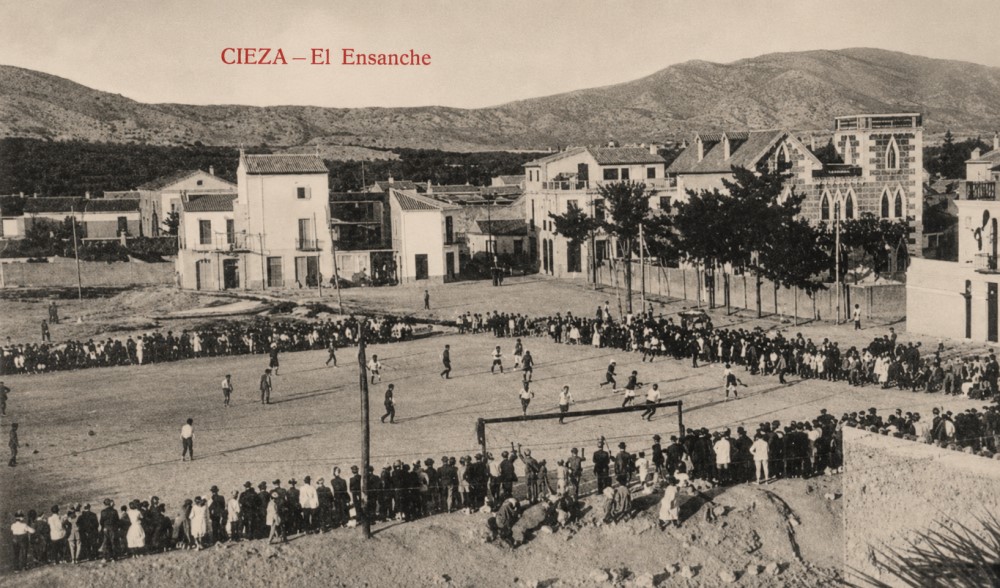
Local youths began to play matches on a makeshift pitch behind the Scouts’ Council in the Las Delicias area of the city in the late 1910s. Organised football did not truly develop until the early 1920s with the founding of Club Deportivo Cieza. The club was created by Bernard Haslip Brunton, an English engineer living in Cieza. CD Cieza’s first match took place in Las Delicias on 15 April 1923 against Caravaca, which Cieza won 2–1. Football rapidly gained a following in the city and on 25 August 1923, the Campo del Ensanche, located on the Calle de la Virgen del Buen Suceso, next to the Plaza de España, was inaugurated. The first match at the ground saw CD Cieza entertain Real Murcia, who won 3–0. Growing support soon prompted another move, this time around 700 metres to the eastern edge of the city. The new ground stood on Avenida de la Libertad, a road later renamed Avenida de los Mártires and, during the Franco era, Avenida del Caudillo. The stadium consequently became known as the Campo de los Mártires. It hosted its first match on 25 August 1924, with UD Albacete the opponents. In 1924, CD Cieza joined the Murcian Football Federation, and thanks to a strengthened squad, its first season proved highly successful, ending with the league title and promotion to the top division of Murcian football. CD Cieza finished an impressive third behind Real Murcia and Cartagena in the region’s top division. Ambition, however, came at a price. The costs of competing against the province’s strongest clubs ultimately became unsustainable, and after a failed attempt in the summer of 1926 to merge with Cartagena UD Carthago, CD Cieza withdrew from competition.
Economic difficulties led to a split in 1930, with the creation of Cieza FC, but the rivalry was short-lived. The clubs reunited the following year, beginning another period of success. League titles and promotions followed, although the club fell just short of reaching the national divisions before the outbreak of the Spanish Civil War brought football to a halt. In the first season following the end of hostilities, CD Cieza dramatically won the Murcian Amateur Championship, overturning a 4-0 first-leg defeat to beat Almansa 7-2 in the return leg in Cieza. By 1943 the club had reached Tercera, where it spent seven seasons, attracting large crowds to the Campo de los Mártires. The early 1950s brought another financial crisis. Long-distance travel in an expanded league proved unsustainable, and after its relegation in 1951, CD Cieza folded. A new club, Cieza Educación y Descanso, was formed in 1952 with council support, adopting the name Cieza Football Club two years later. Promoted to the Third Division in 1955, the club established itself as a solid mid-table side throughout the late 1950s and early 1960s. Heavy spending eventually caught up with it, and after relegation to the Primera Regional in 1968, the club was unable to settle its debts, leading the Murcian Federation to suspend the club, bringing another chapter in Cieza football history to an end.
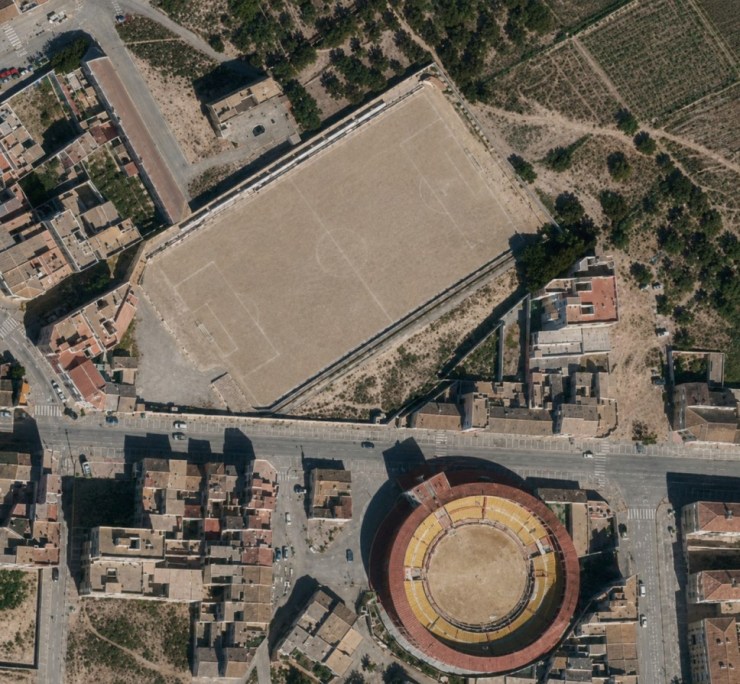
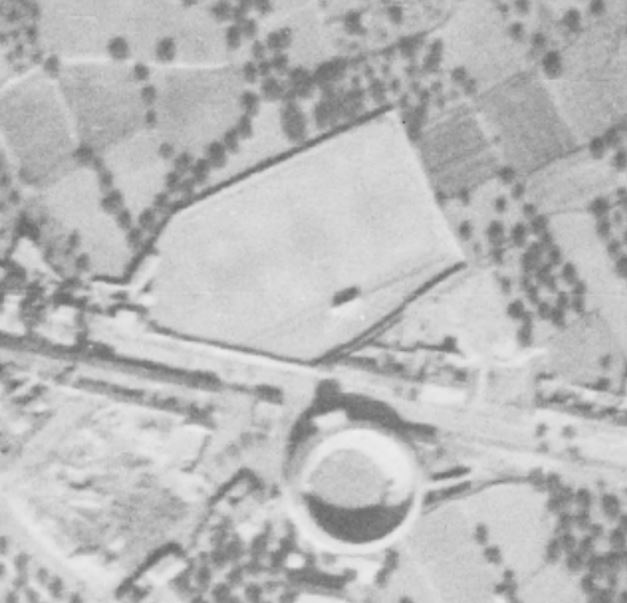
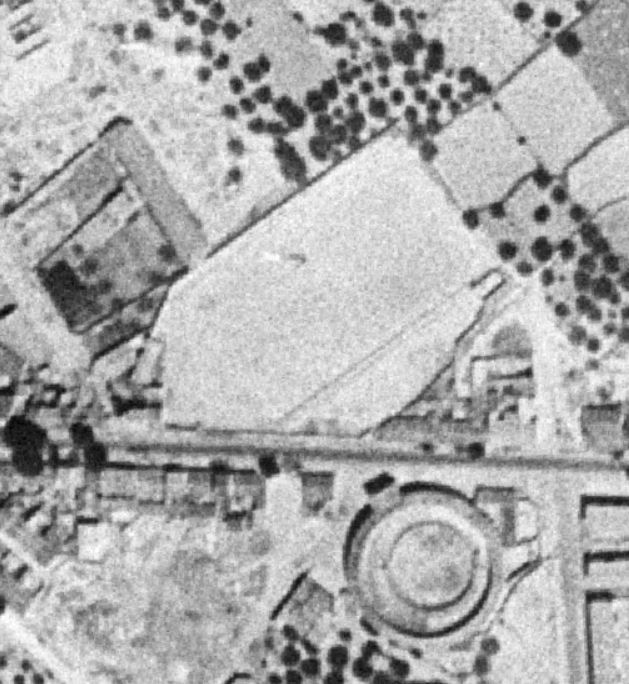
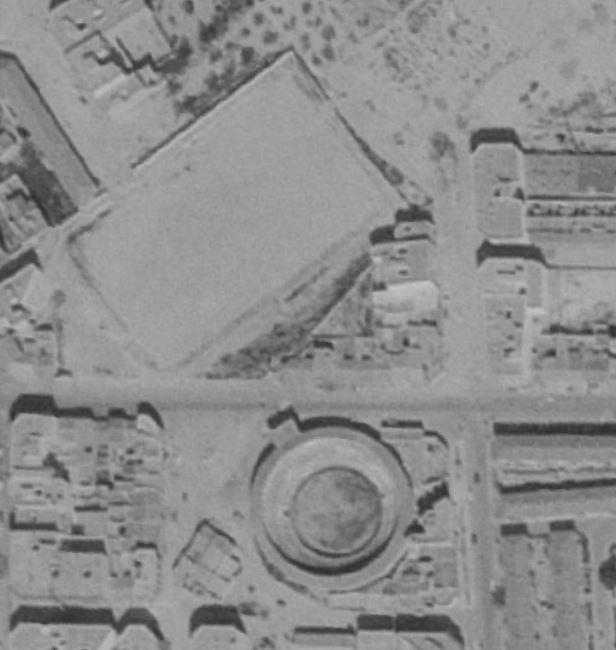
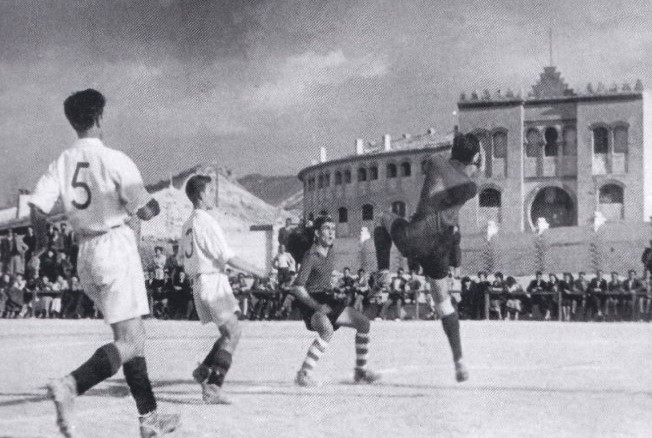
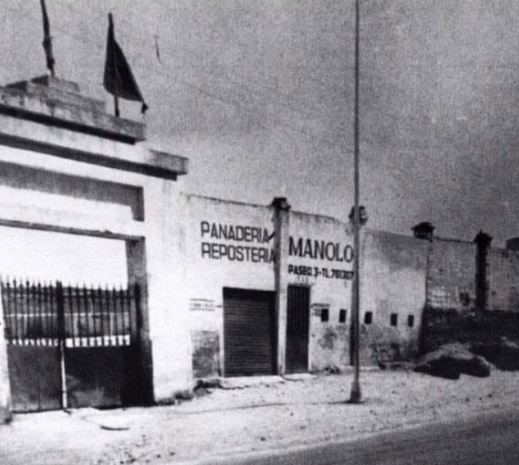
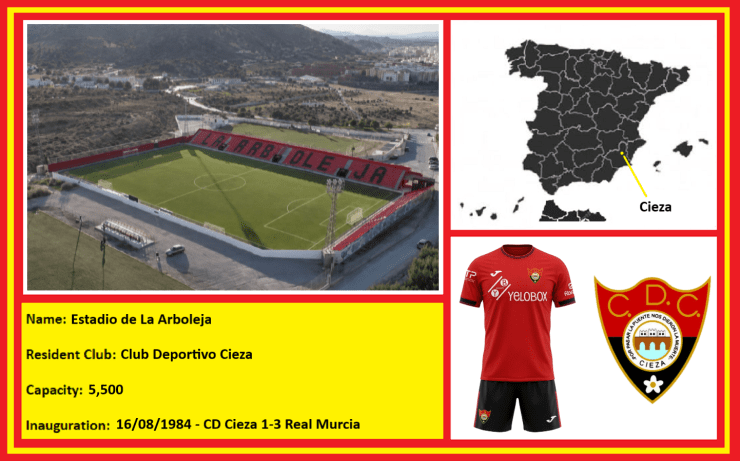
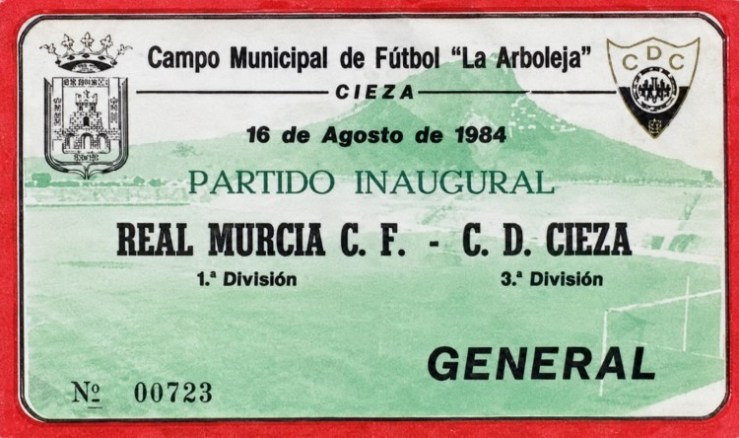
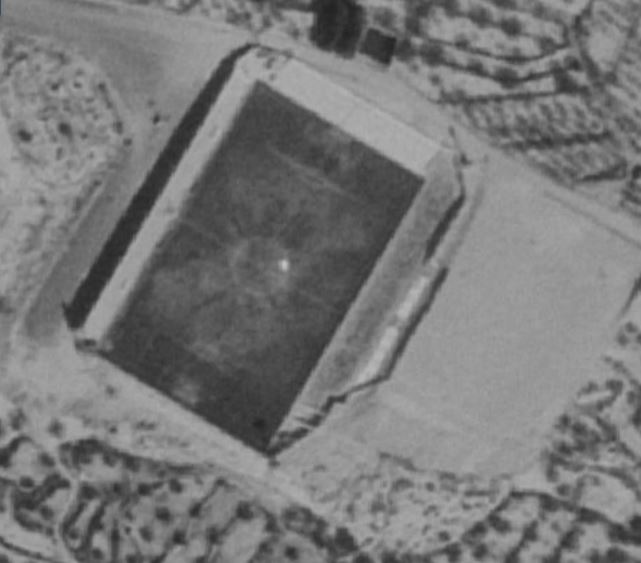
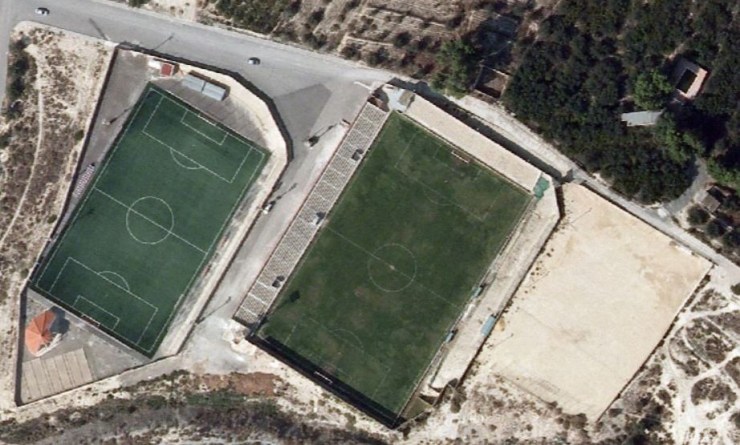
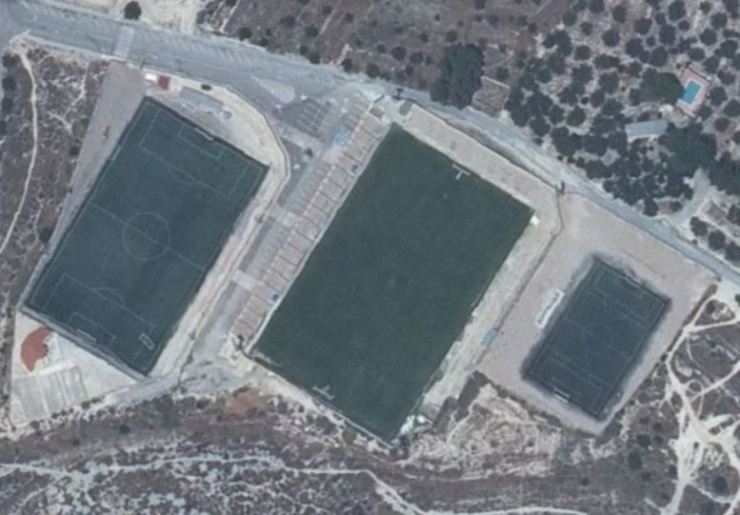
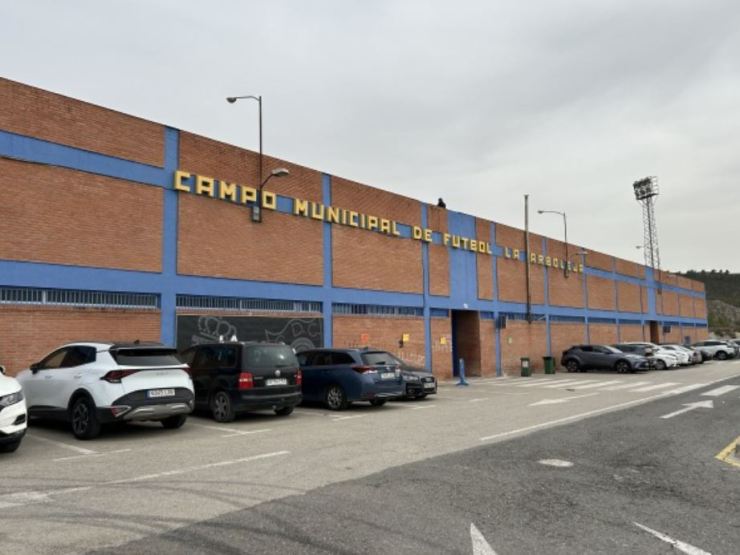
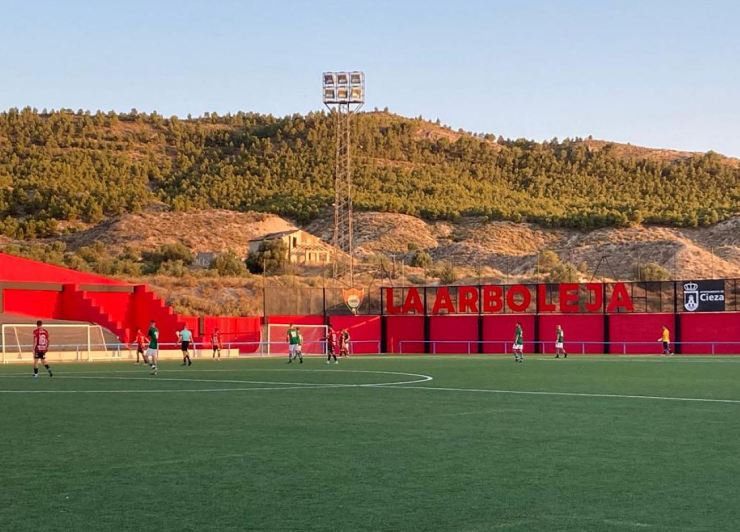
Local football fans quickly rallied, and during the summer of 1968, Club Betis Balompié was founded under the presidency of Roque Belda Miralles. Given their name, it was only natural for the club to adopt green-and-white striped shirts. After securing the use of the Campo de la Avenida de la Mártires, the team entered the Second Regional Division for the 1968/69 season and immediately chased promotion, only to be beaten by Hellín AD. A less successful campaign followed in 1969/70, ending in sixth place. During that season, the club adopted a new identity as Club Deportivo Cieza, choosing to play in the traditional dark red shirts and black shorts. Promotion finally arrived in 1971/72 after CD Cieza won the league and earned a place in the newly created Regional Preferente. The club spent the rest of the decade establishing itself at that level, with results fluctuating between respectable mid-table finishes and battles against relegation. In the 1978-79 season, they narrowly missed promotion after finishing behind Alicante CF and level with CF Lorca Deportiva. A year later, however, they topped the table and secured promotion to the Tercera. The 1980s began with CD Cieza generally holding their own in the Tercera, recording a series of solid mid-table finishes. On 20 May 1984, CD Cieza played their final league match at the Campo de la Avenida de la Mártires, losing 0-3 to AP Almansa. During the summer, the finishing touches were applied to a new sports complex around a kilometre to the southeast of the city. On 16 August 1984, the Estadio Municipal La Arboleja staged its first match, with CD Cieza losing 1-3 to Real Murcia.
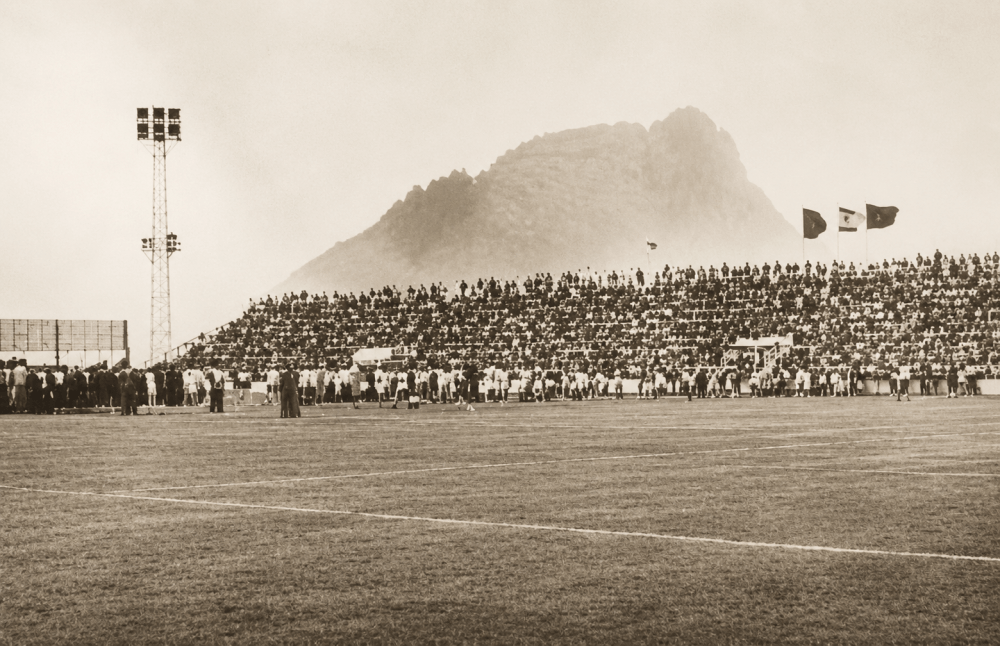
Over the next two decades, CD Cieza’s fortunes swung wildly, with moments of real promise followed by frustrating setbacks. In the 1984-85 season, they finished second in the league, albeit 11 points behind champions CD Eldense. Despite a strong campaign, the promotion was decided by the divisional champions. After a disappointing tenth-place finish the following season, the RFEF’s decision to expand Segunda B gave the club a fresh opportunity. Cieza built a strong squad, won the league title, and secured promotion to Spain’s third tier. Unfortunately, their stay was brief, finishing bottom with just six wins to their name. Back in the Tercera, the club struggled to regain momentum, producing a series of mid-table finishes and even flirting with relegation in 1990-91. Things finally turned around in 1992-93 under president Juan León Molina. Cieza won the Tercera title and then stormed through the promotion playoffs unbeaten, earning a return to Segunda División B. Once again, life at the higher level proved difficult. They were relegated after just one season, and the financial strain that followed hit the club hard. Poor league performances eventually led the club to drop into the Regional Preferente in 1996. The first quarter of the 21st Century has produced a mixed bag of fortunes for CD Cieza, with nine seasons in the Regional Preferente, spread over four visits, and 17 seasons in the Tercera. Visits to the Tercera playoffs have been limited. In 2012, they reached the final stage, only to lose 0-4 on aggregate to SD Compostela. They returned to the Tercera playoffs in 2024 and 2025, but lost out to local rivals Real Murcia Imperial and Atlético Pulpileño. There would be no need for the playoffs in 2026, when a dominant league campaign saw CD Cieza win the league title by 14 points and earn direct promotion to the Segunda Federación.
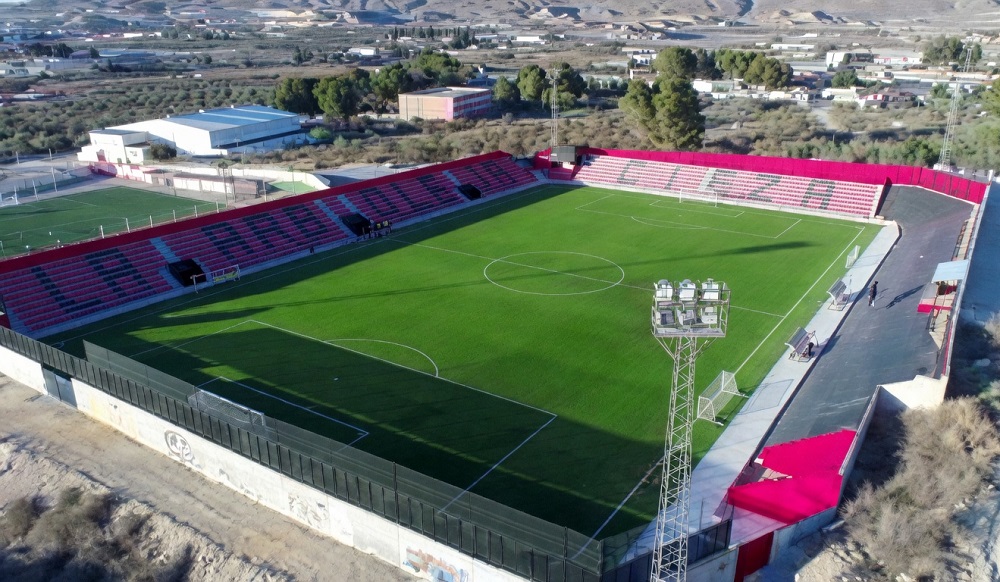
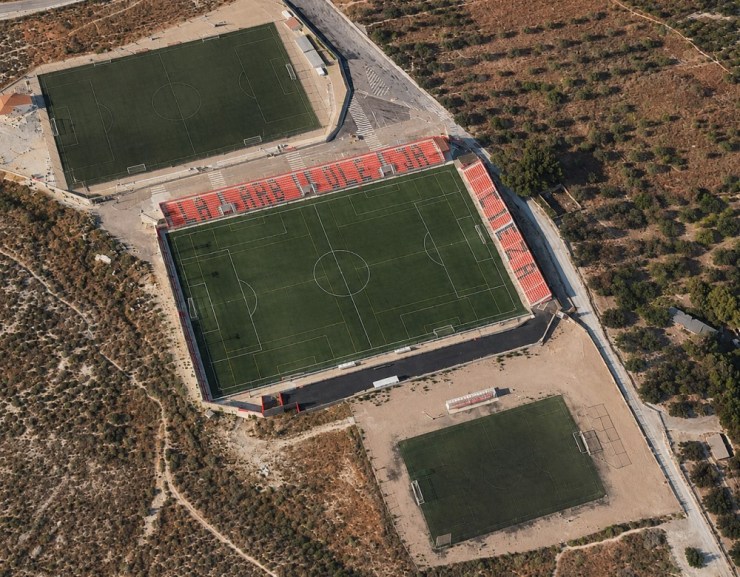
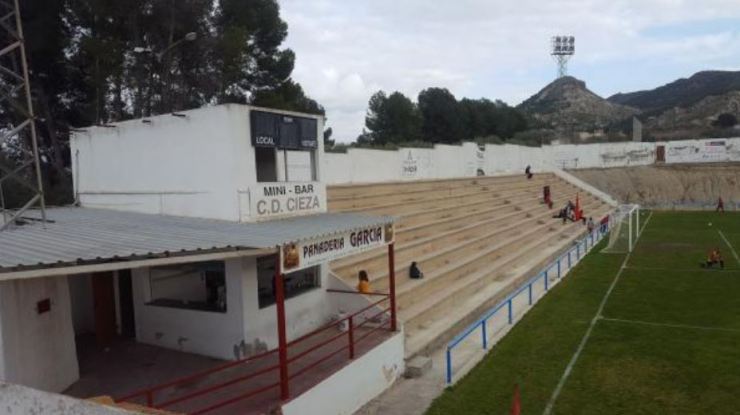
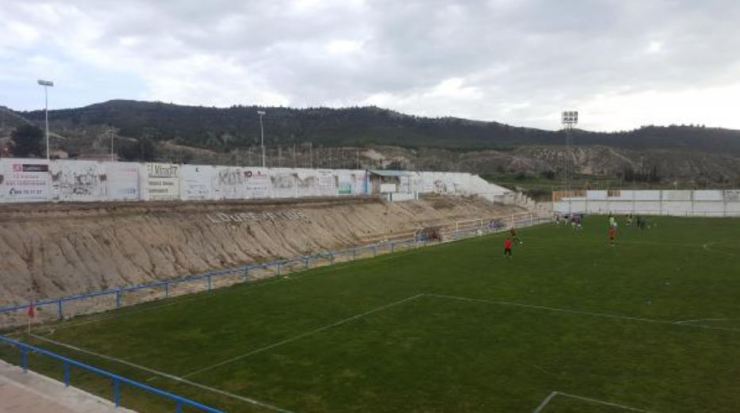
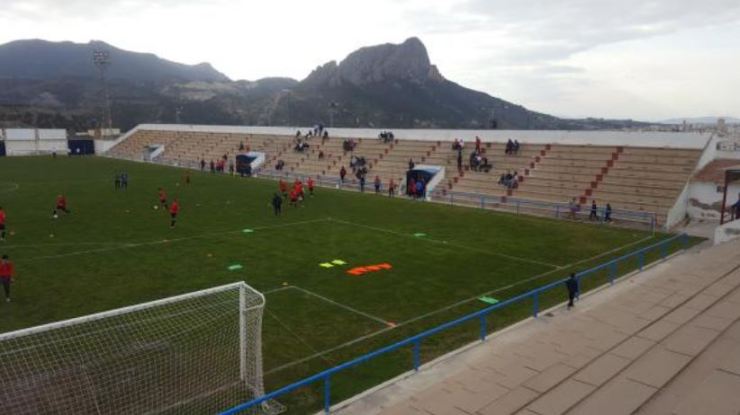
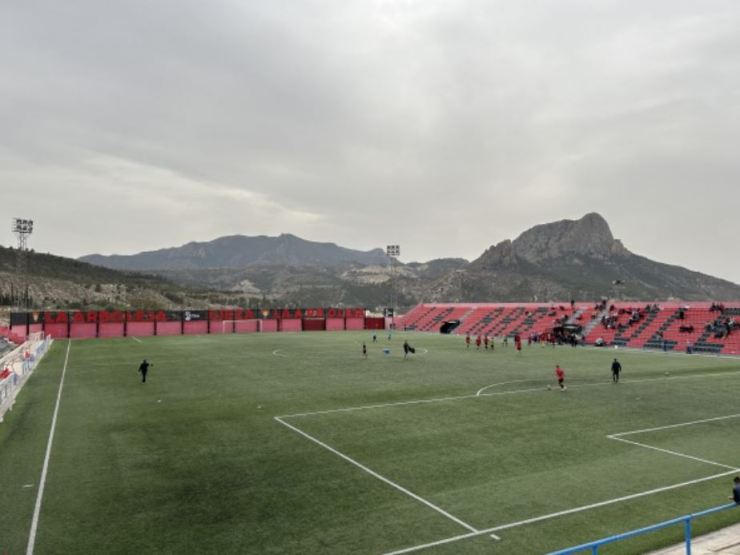
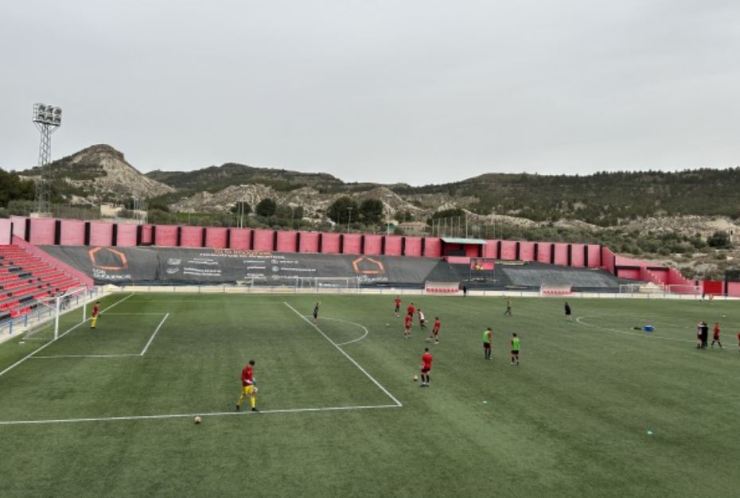
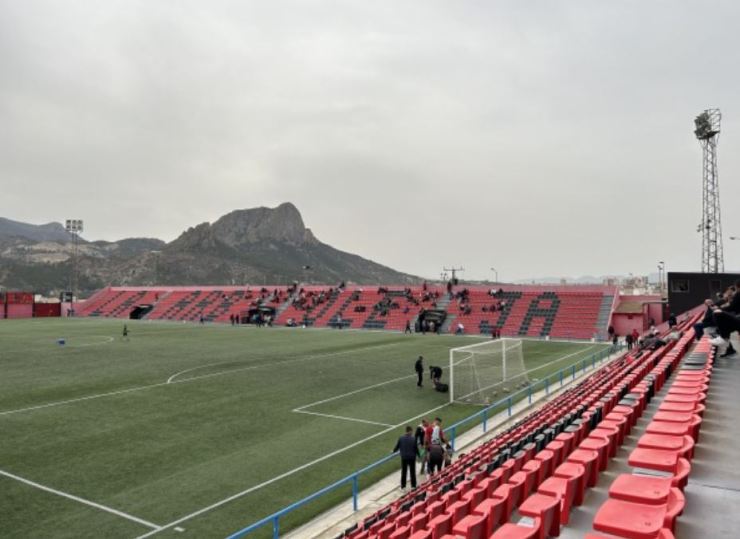
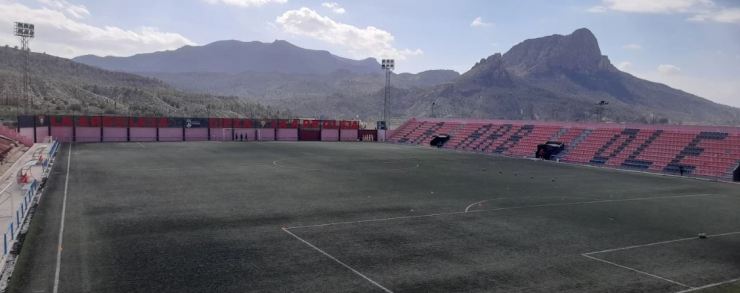
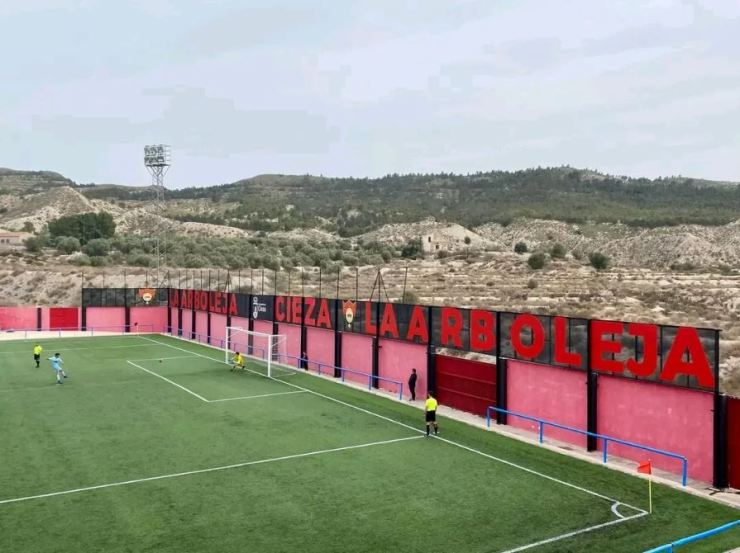
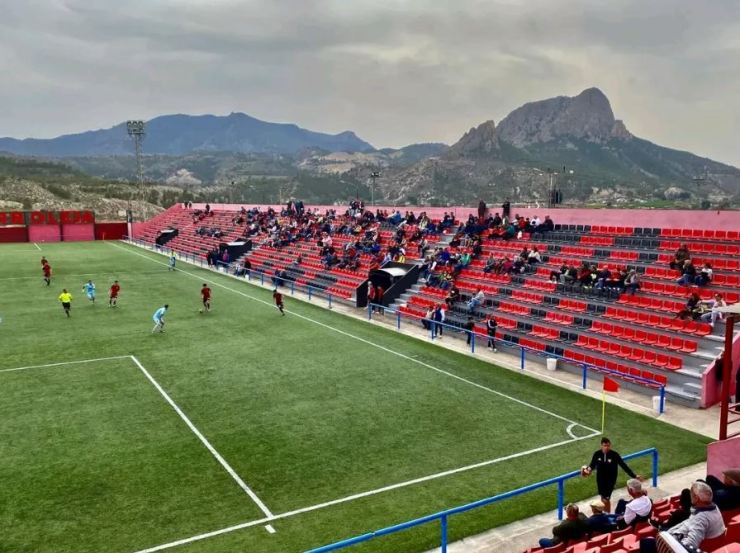
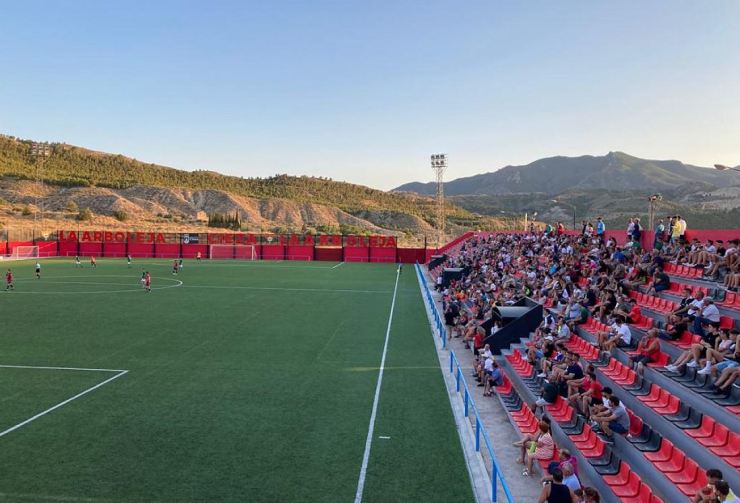
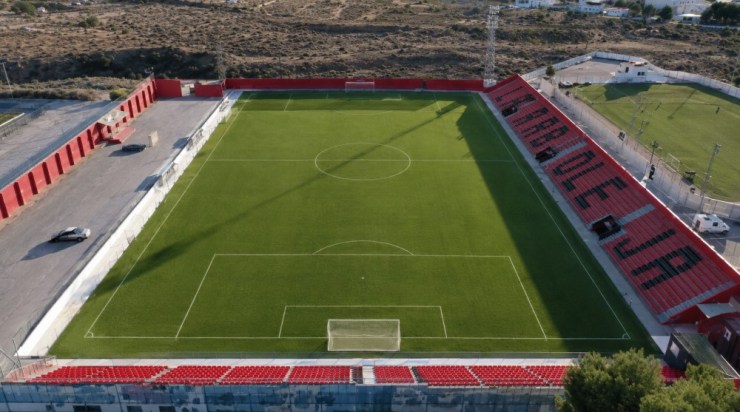
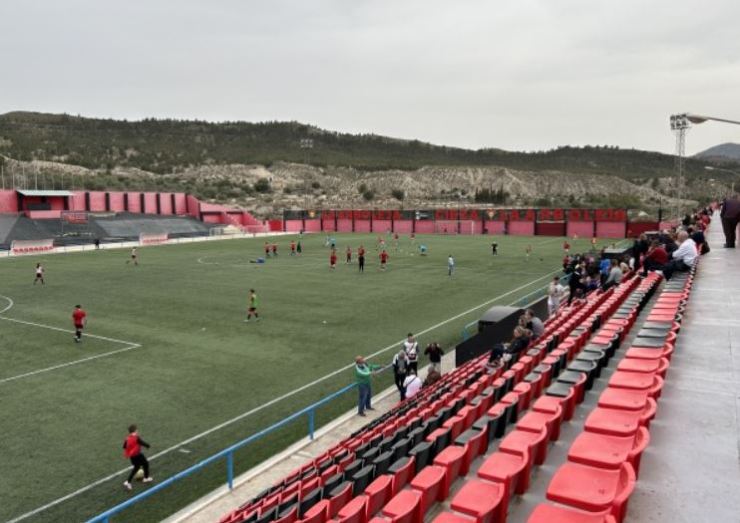
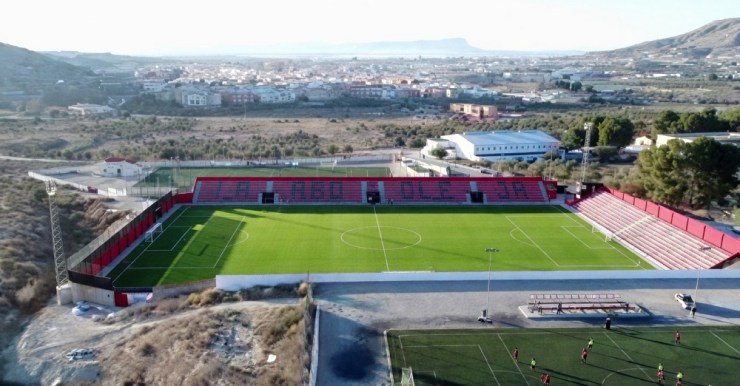
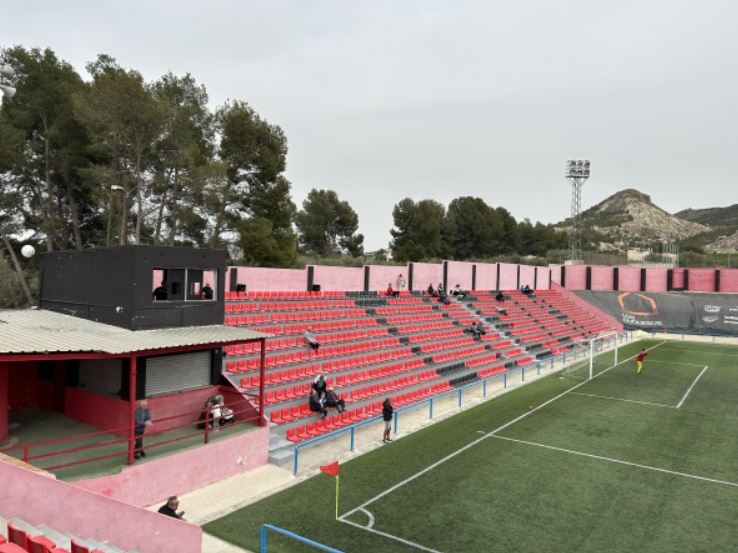
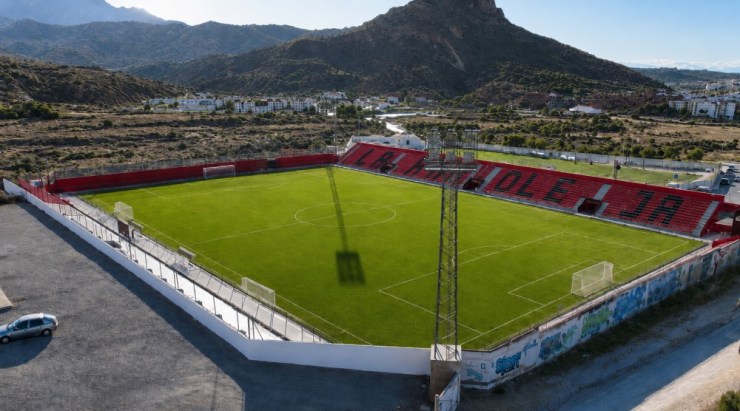
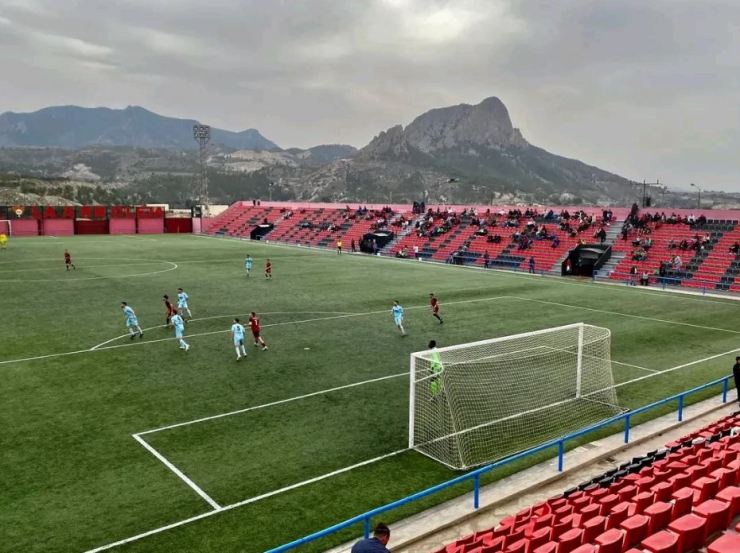
CD Cieza’s upturn in form can be traced to the arrival in May 2020 of businessman and illusionist Antonio Díaz Cascajosa, universally known as “El Mago Pop”. With family ties to the city, he appointed his cousin, Antonio Quevedo, as president. Under their guidance, the club has undergone financial and strategic restructuring, resulting in the development of youth teams, local government investment in the stadium and, tellingly, a highly competitive first-team squad. In early 2020, the Ayuntamiento de Cieza funded the €400,000 overhaul of El Arboleja’s facilities, resulting in the addition of 5,500 red-and-black seats spread across the western side and the northern end of the stadium. Every vertical surface was given a liberal coating of red paint and standing areas were added to the eastern side and southern end of the enclosure. The project was completed on 23 February 2002, when CD Cieza entertained Real Murcia in a friendly match on the new artificial surface. The club has drawn up initial plans to increase capacity to around 10,000 by adding stands to the eastern and southern sides of the stadium.
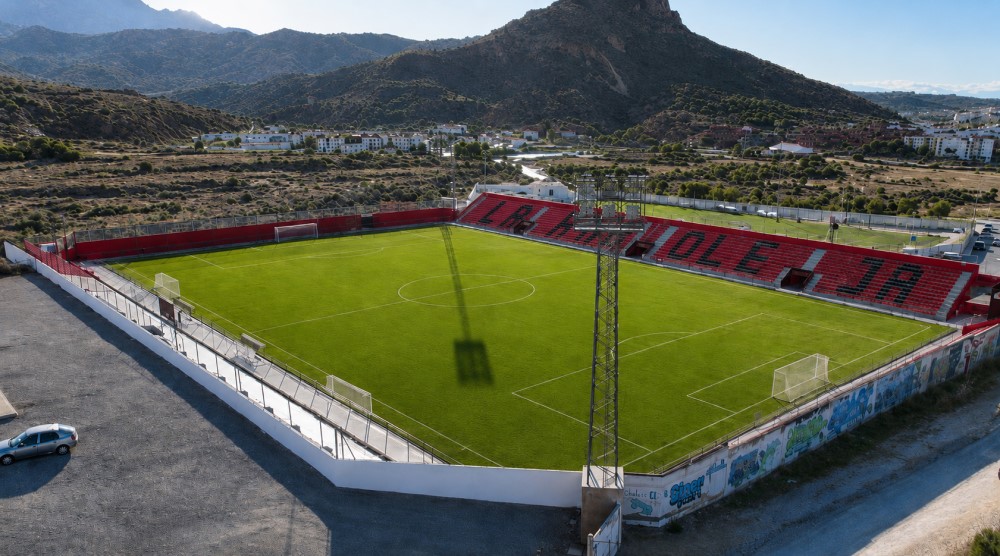
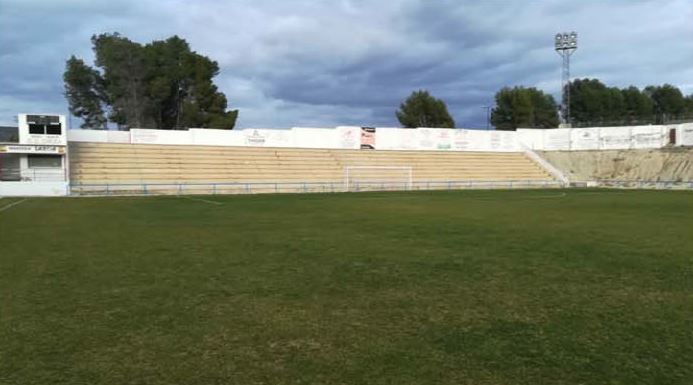
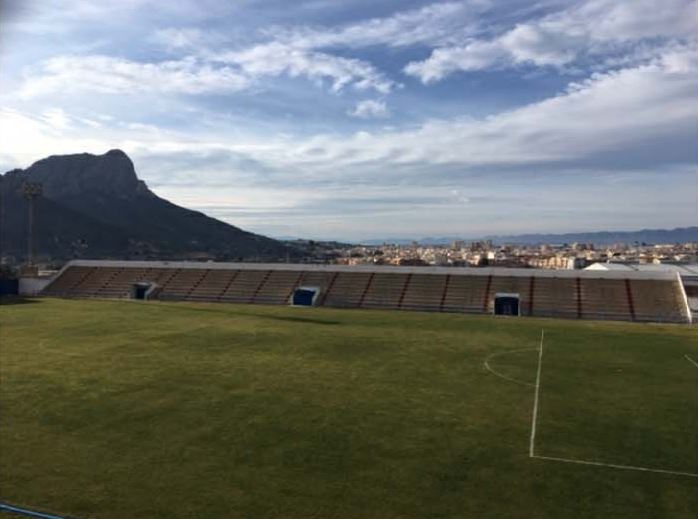
When I first started this Spanish Stadium odyssey at the end of the 1990s, Cieza was an intriguing blip on the radar. Here was a club that had only managed a couple of season-long appearances in Segunda B before dropping down the ladder to the Regional Preferente. Most years, I would look out for any signs of a resurrection, only to see the club as far from the third tier as they’d ever been. To be frank, my knowledge didn’t stretch much further than their home, which appeared almost entirely beige, consisting of two large terraces and an exposed rock face. I was intrigued, but not enough to visit or pen an article. I was clearly missing a trick, as the city, the club, and now its stadium are absolute gems.
La Futbolteca Club History: https://lafutbolteca.com/club-deportivo-cieza/
Club Deportivo Cieza Facebook: https://www.facebook.com/cdcieza/
 Estadios de España