Located a mere 35 km from Madrid, the city of Alcalá de Henares pre-dates the Spanish capital by over 1000 years. By the Middle Ages, when Madrid was little more than a small settlement, Alcalá had become a key religious and academic hub, culminating in the establishment of the University of Alcalá in 1499. It played a key role in the Spanish Renaissance, fostering intellectual and cultural growth. It was also the birthplace of Miguel de Cervantes and Catherine of Aragon. Today, the city is a UNESCO World Heritage Site, thanks to its well-preserved historical centre, as well as its contributions to education and culture. This might explain why the city has lagged behind others on the sporting front, pushing it, and particularly football, way down the curriculum.
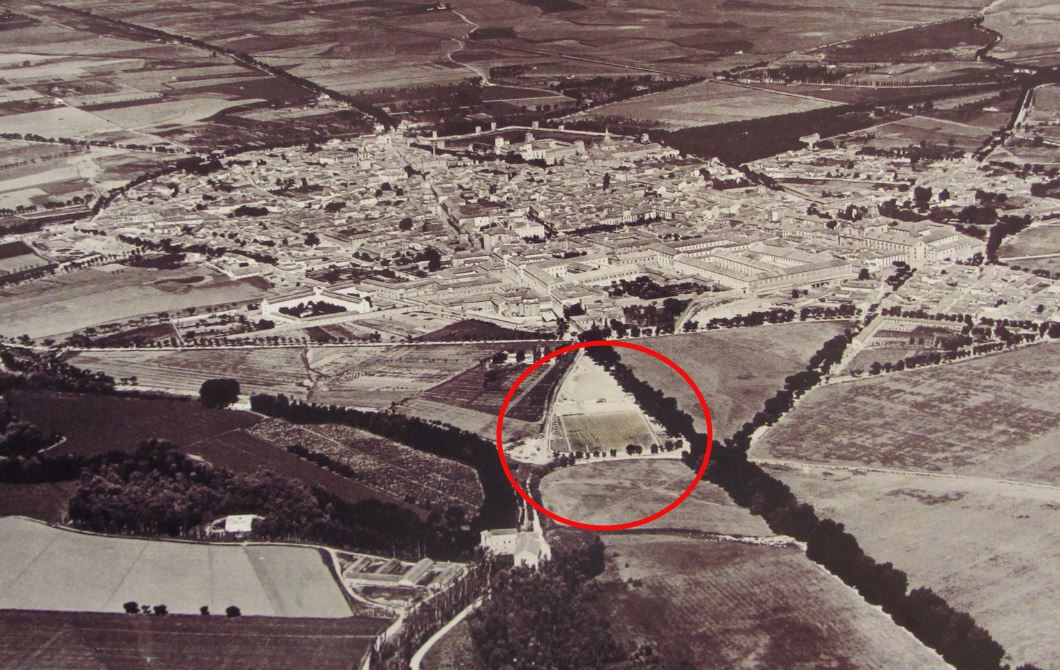
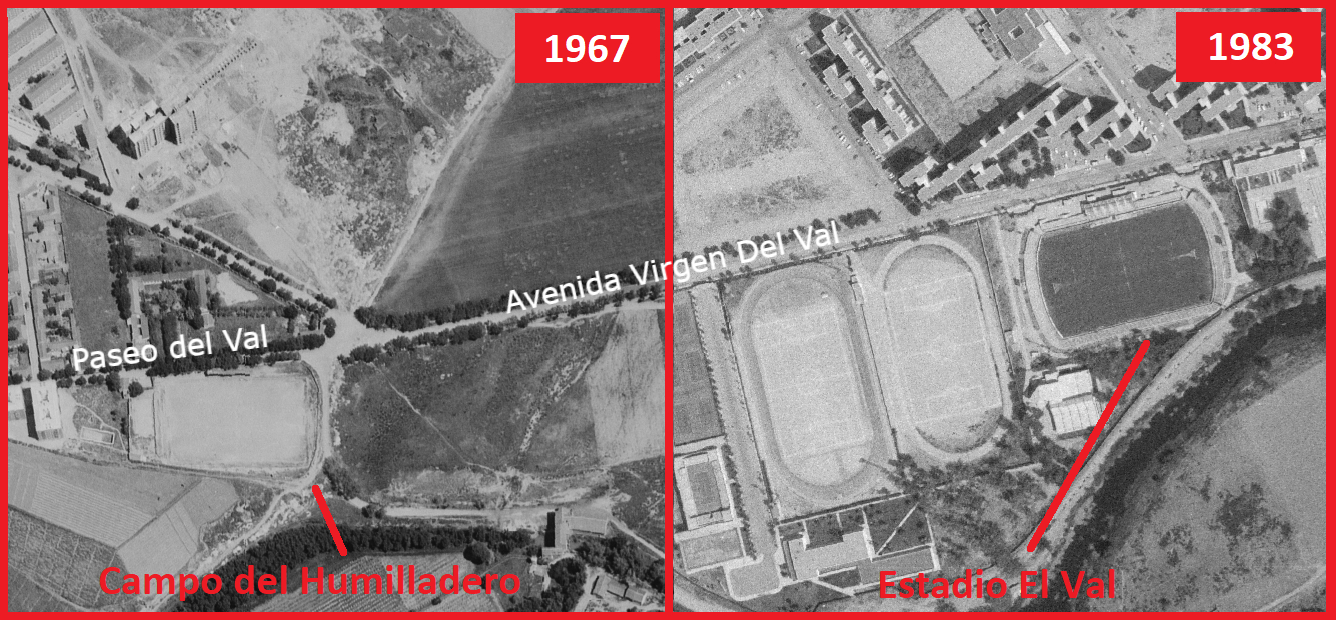
Given that a number of Spanish cities had been introduced to football by international students at their universities, it is a little surprising that it took until 1908 for the game to appear in Alcalá de Henares. News had spread from the capital, and for a very short time, Alcalá Foot-ball Club played in the city. During the First World War, the city hosted a large number of German migrants from the African colonies, and there are reports of matches played against the locals at the Eras de San Isidro, near the Plaza de Toros. By 1922, two amateur clubs had established themselves, namely Unión Deportiva Alcalaína & Sociedad Gimnástica Alcalaína. Father Eusebio Gómez de Miguel, a priest and mathematician at the university, was aware of the benefits that football could bring to his students, and set up a new Alcalá Foot-Ball Club on 1 October 1924. A year later, King Alfonso XIII was granted the honorary presidency and, in turn, bestowed the title “Real” upon the club. Matches had been played on an open field at Era del Pozo Artesiano, an area known now as Barrio de Antezana, but in 1926, the club acquired land on the eastern edge of the city, near the Paseo del Val. The area was enclosed and named the Campo del Humilladero and was ready to host matches when the club joined the Federación Regional del Centro for the 1926-27 season. That first season was not a success, with the club finishing bottom of the division. The following year saw no improvement, and with Real Alcalá FC struggling on the pitch, a new rival appeared off it.
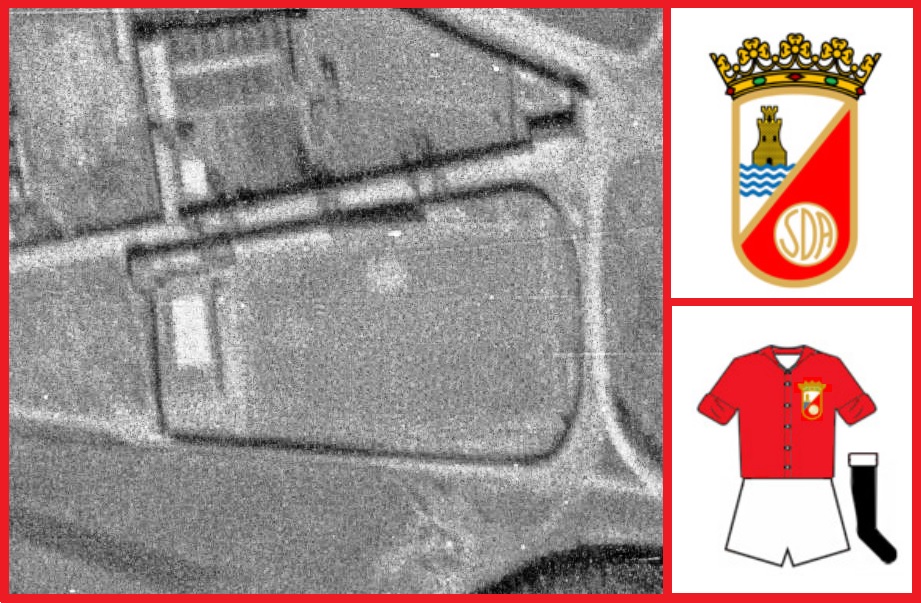
In June 1928, the Mutual Obrera Complutense set up a multi-sport association called Deportivo Obrera Alcalaína, where the main activities would be cycling, running, and football. The club set its sights on playing at the Campo del Humilladero, home of the floundering Real Alcalá FC, and within a matter of months became the principal team in the city. The idea of joining forces was formalised on 1 May 1929 when Sociedad Deportiva Alcalá was founded. The club’s colours of red shirts & white shorts were established, and by the end of the year, the club had been granted the royal prefix. RSD Alcalá joined the Federación Centro in August 1933 and competed in the Tercera category until the outbreak of the Civil War. When the club returned to action in the 1939-40 season, it finished runners-up in the Primera Regional Ordinaria, earning an invite to the national Tercera. The format for the Tercera was very much evolving, and the 1940-41 season was essentially a series of play-offs that saw RSD Acalá play matches in Madrid, Zaragoza and Navarra. They failed to make the next round and returned to the Primera Regional Ordinaria, which they would remain at for 16 of the next 19 seasons, spending just three seasons in the Tercera (1943-44 & 1949-51). RSD Alcala’s next promotion to the Tercera followed a successful 1959-60 season, where they won the Primera Regional Ordinaria and embarked on a decade-long stay in the national Tercera.
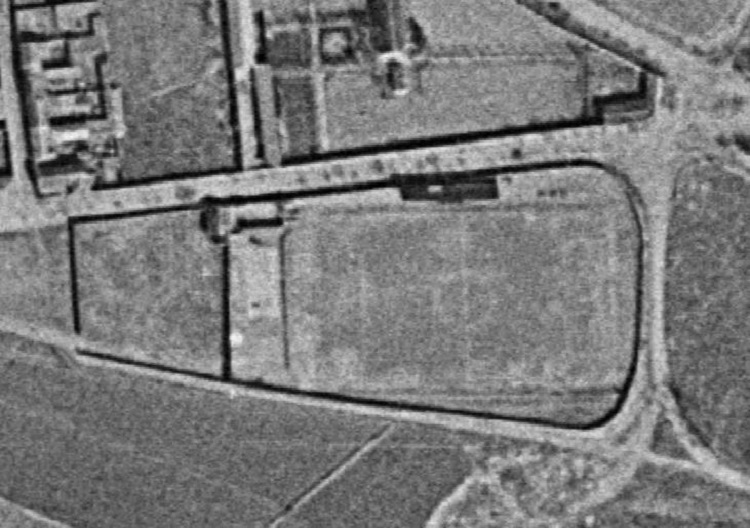

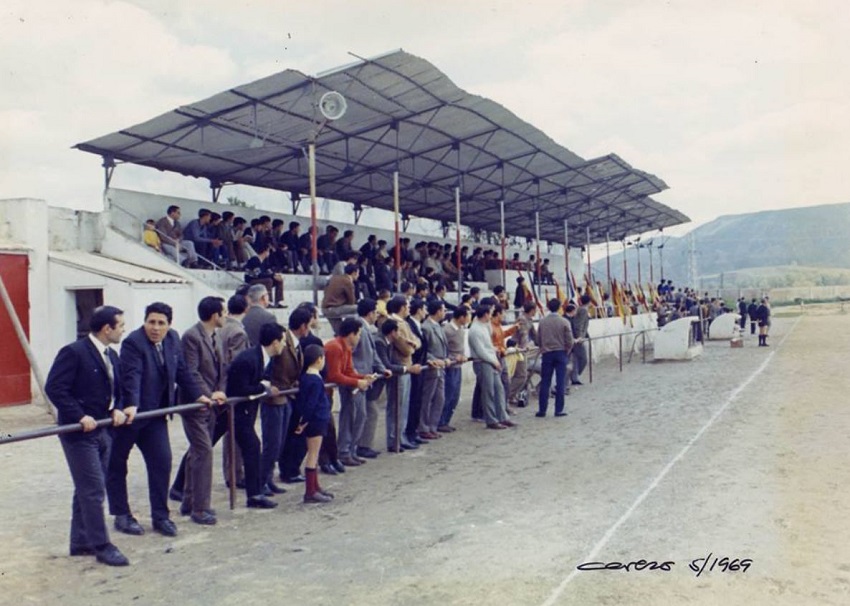

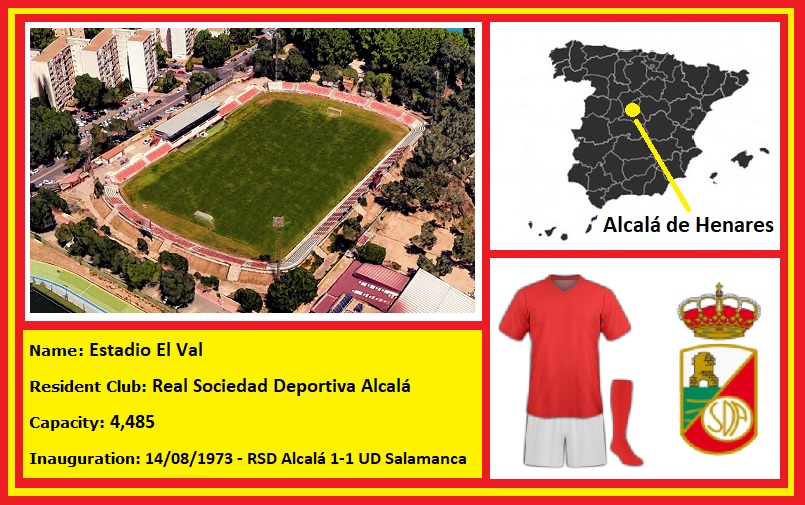
RSD Alcalá was ever-present in the Tercera throughout the 1960s, spending the first few years in the Castellana/Extremadura section, before switching to the Castellana section, which catered mostly for clubs in the general Madrid area. In June 1966, the board of the club decided to sell the land on which the Campo del Humilladero stood to the Municipality. They bought land at Pilar del Campo Clemente for 9,800 pesetas, but carried on using the old ground whilst the municipality developed a sports centre, some 750m to the east on the Avenida Virgen del Val. Quite what happened in the intervening six years to the land at Pilar Campo del Clemente is a mystery, but the club struck a deal with the municipality and the new Estadio Municipal El Val opened its doors for the first time on 14 August 1973. The first match saw RSD Alcalá play UD Salamanca in the pre-season Trofeo Cervantes. At the time of the opening of the new stadium, the club had been back in the Primera Regional Ordinaria for three seasons, with little indication of a return to a higher level. It would take the restructuring of the Spanish pyramid in 1977, which saw the introduction of a new third tier (Segunda B), for RSD Alcalá to climb upwards to the Tercera. The club’s first Tercera title was earned at the end of the 1979-80 season, which paved the way to the club’s most successful period to date.

Playing in Segunda B presented RSD Alcalá with a new set of logistical and financial challenges. Their first season saw the club placed in Group One, which, in addition to including teams from across the north of Spain (Galicia, Asturias, Euskadi & Aragon), also featured CD Tenerife & UD Las Palmas Atlético. Thankfully, a good start to the season, which saw the club placed third after 10 games, meant that there was never any danger of relegation when the results tailed off in the second half of the season. A final position of 14th was bettered with an eighth-place finish a year later and seventh place in 1983-84. The club’s initial stay in Segunda B ended at the end of the 1985-86 season, but an immediate return the following season, thanks in part to the expansion of Segunda B to four groups, saw RSD Alcalá back in the third tier. Five of the next 6 seasons were spent in Segunda B, punctuated by a single season back in the Tercera for the 1991-92 campaign. Relegation back to the Tercera in May 1993 led to eight seasons away from the national leagues, including a drop to the Regional Preferente in 1994-95. The club finished fifth in the Tercera in 2000-01, but qualified for the play-offs due to Real Madrid C’s ineligibility. There was nothing fortuitous about the post-season, as RSD Alcalá comfortably topped a group featuring UP Langreo, CD Endesa As Pontes & CF Palencia.
During their next spell in Segunda B, RSD Alcalá experienced vastly contrasting fortunes over their five-season stay. It started relatively quietly with a couple of mid-table finishes, before the 2003-04 season saw the club embroiled in a relegation battle. A promising start to the season soon fizzled out, and gradually, the club slipped down the league. The final quarter of the season was spent in or about the drop-zone, before seven points from their final four games earned them 16th place, and a relegation play-off against Real Betis B. The Alcalainos won the tie 4-1 on aggregate to secure another season in the third tier, one which would prove to be their most successful to date. Under the tutelage of Serbian coach Josip Višnjić, they finished in fourth place in a particularly hard section of Segunda B. After a slow start, RSD Alcalá found form in the final stretch, pushing Leganés into fifth to finish behind Rayo Vallecano, UD Las Palmas and champions, Real Madrid B. In the semi-finals of the Play-offs, they eliminated SD Ponferradina 2-1 on aggregate, but in the final lost out to Hércules CF by 4-1 over two legs. The 2005/06 season couldn’t have been starker in contrast. Following the departure of Višnjić and key players, the club finished 17th and dropped back to the Tercera.
Three seasons and two titles in the Tercera followed, before RSD Alcalá returned to Segunda B for the 2009-10 season. Over the course of a four-year stay, the club reached a highest position in the 2010-11 season, recovering from a slow start to finish 8th. A year later, RSD Alcalá narrowly avoided the relegation play-offs, thanks to a 1-2 win on the last day at CD Tenerife. There would be no last-day reprieve a year later, when, despite winning 2-1 versus Getafe CF B, other results saw RSD Alcalá relegated back to the Tercera. Here they have remained, always earning top ten finishes, even making the play-offs in 2017-18 (losing to SCD Durango) & 2019-20 (losing to CDA Navalcarnero), but not making the step up in category. The restructuring of the Spanish football pyramid in 2021 saw the club finish 8th in the Tercera, but effectively drop to tier 5. It was a long way away from June 2005, when RSD Alcalá was a two-legged tie away from La Segunda. However, an altogether more positive outcome saw the club rewarded for its dominant display throughout the 2024-25 season, with automatic promotion to the Segunda Federación.
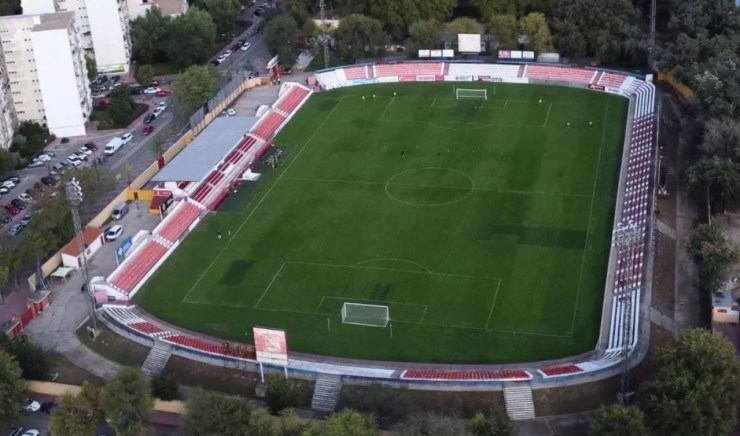
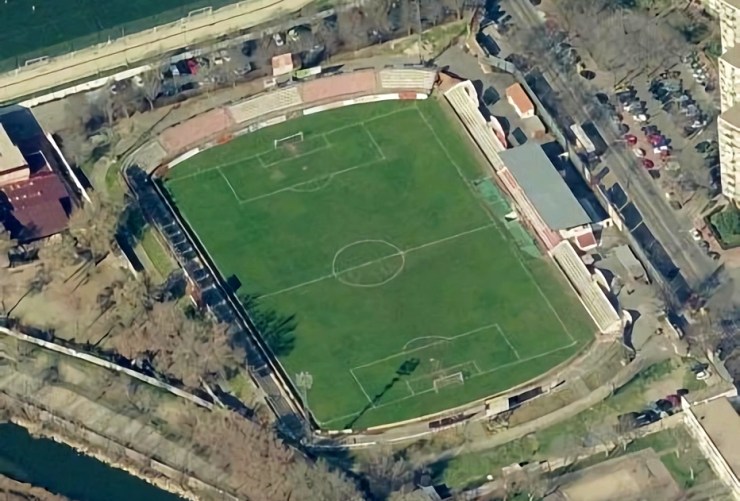
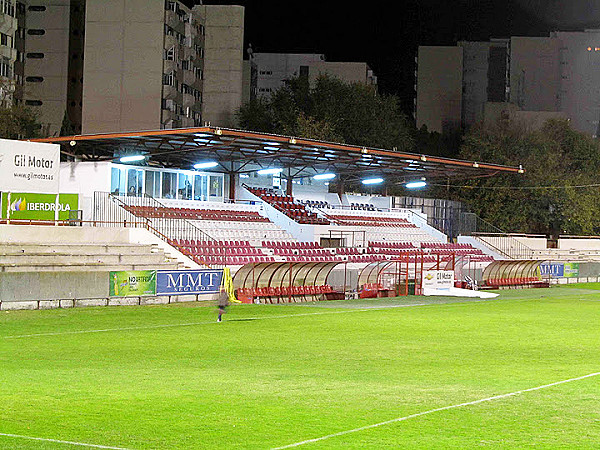
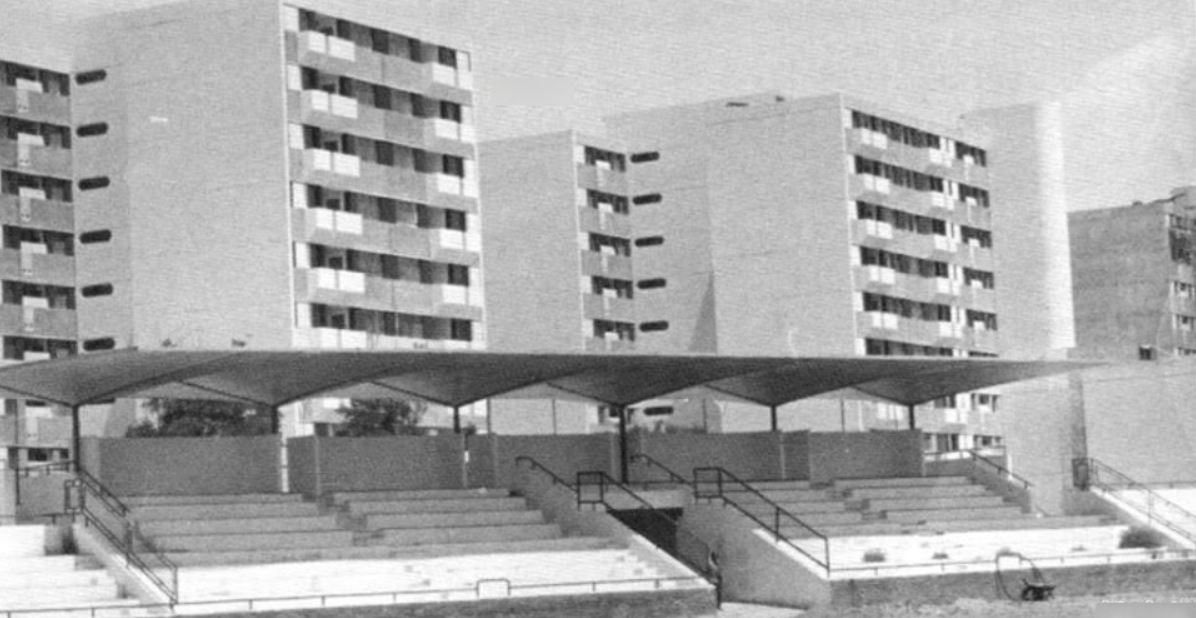
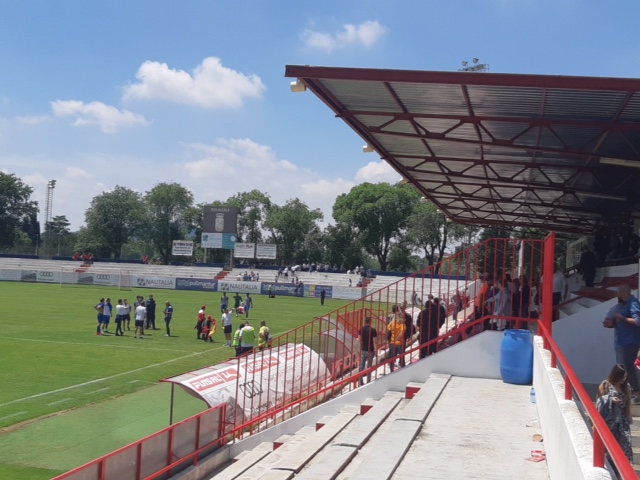
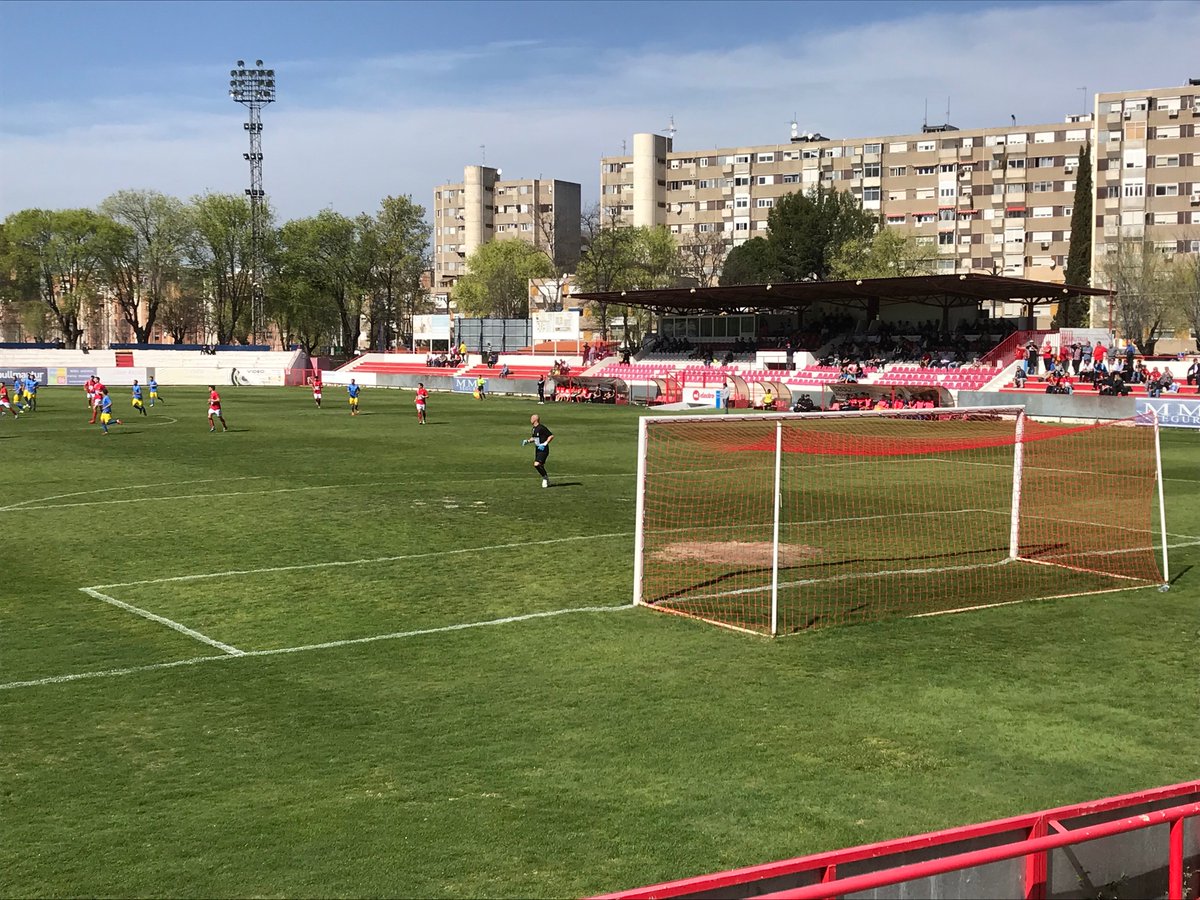
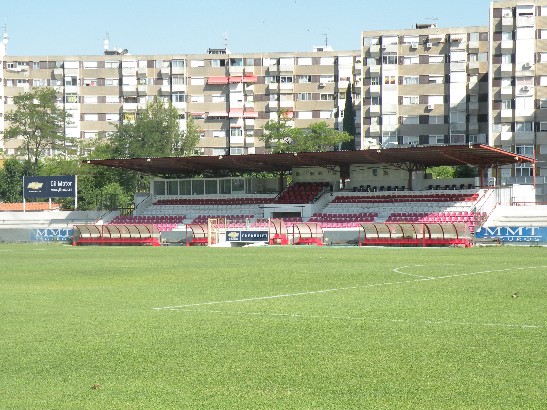
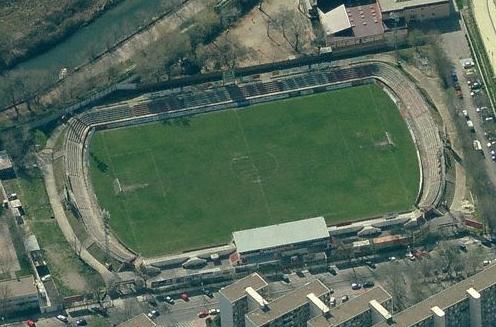
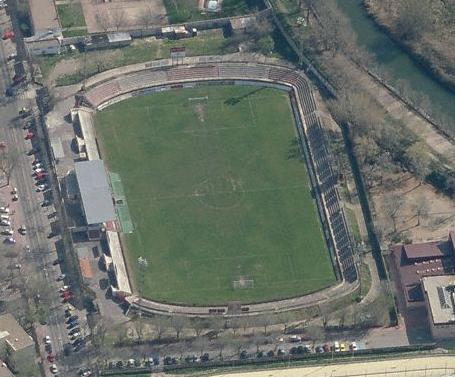
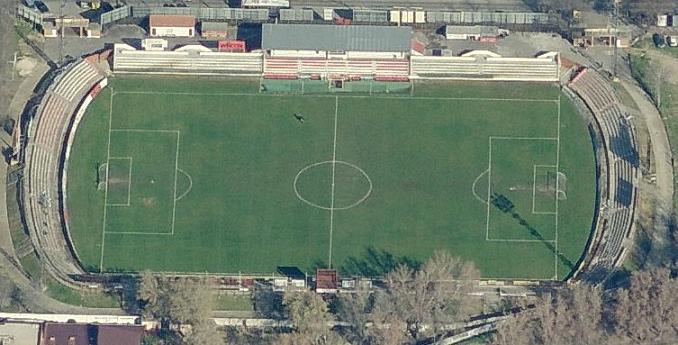
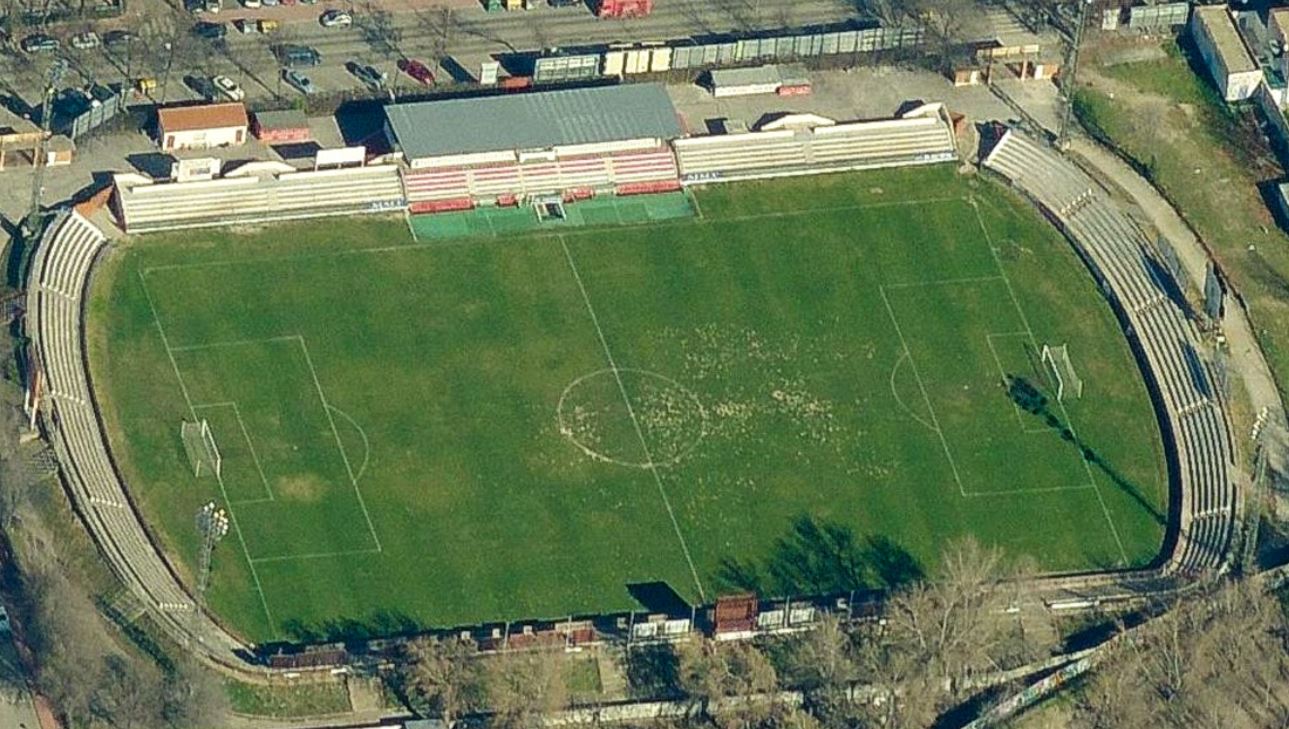
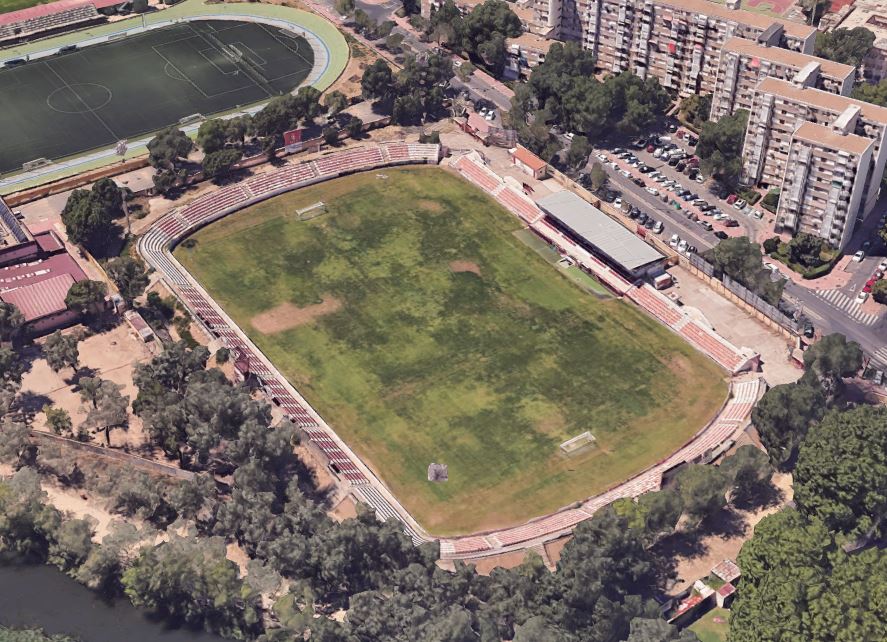
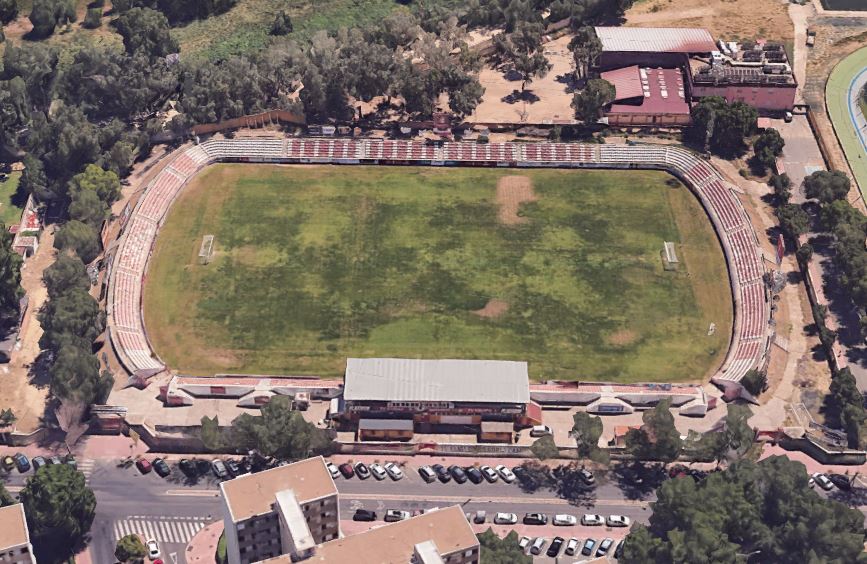
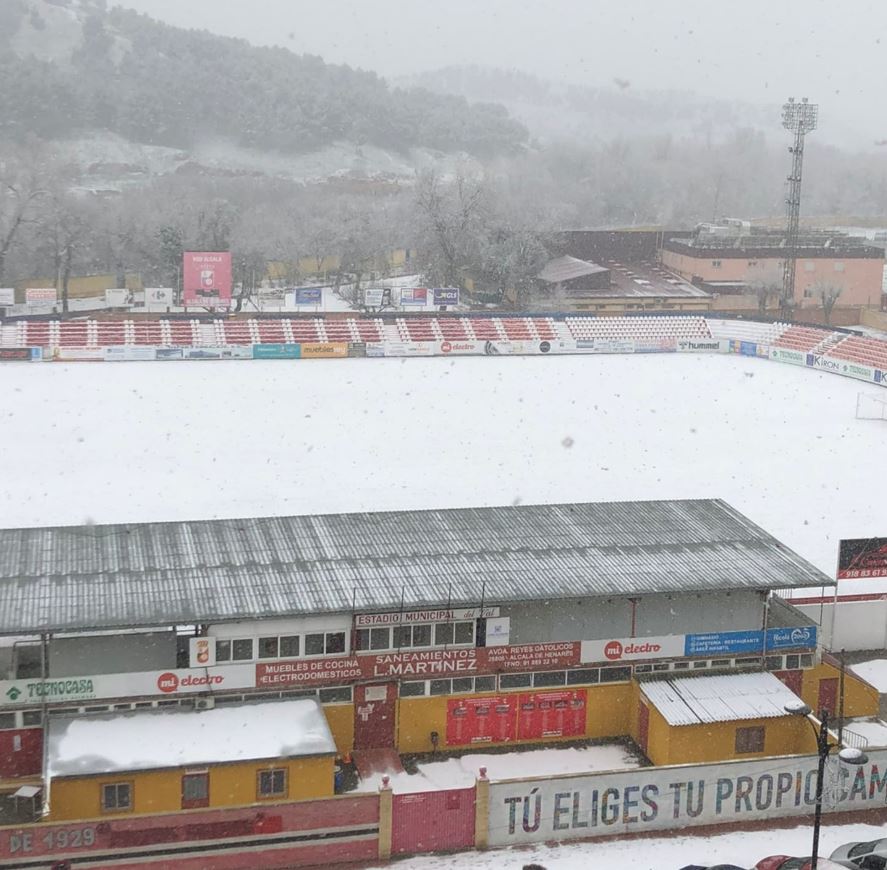
Anybody returning to Alcalá de Henares after a 50-year absence will not have seen a great deal of change to the Estadio El Val. Sure, the terraces have now been seated, most recently thanks to the donation of 4,000 seats from Atlético Madrid following the closure of the Estadio Vicente Calderón in 2017. A more eagle-eyed visitor may also notice that the roof that covers the main stand has also changed. The original cover was an elegant cantilevered structure whose supports fanned out to provide El Val with its only shelter. It was replaced with an altogether more robust and routine, propped cantilevered roof when the main stand underwent some restructuring in 1990. The rebuild saw new media booths, a VIP section and seats installed over the entrance to the changing rooms. This necessitated the lowering of the players’ tunnel, which now drops under the seating, before leading to steps that take you to pitch level. The original architect’s plans never stipulated a capacity for El Val, but at its peak, and before being fully seated, it would have been capable of holding around 8,000. Today’s capacity stands at a modest 4,485.







 Estadios de España