
Article updated: 29/10/2025
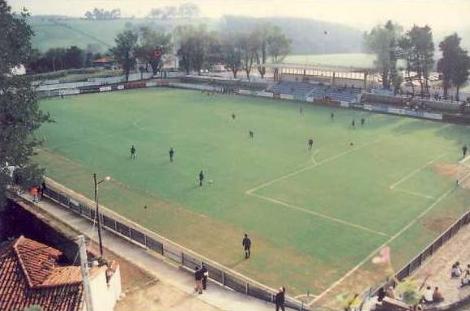
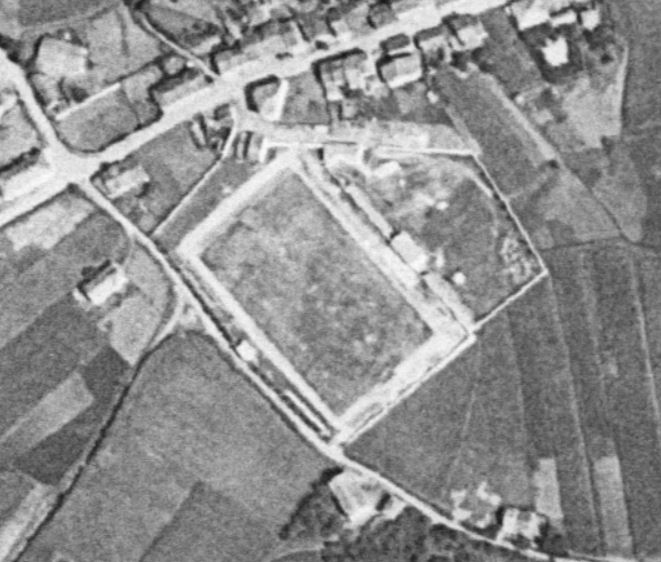
There can’t be many teams that started out playing on the local beach, but if any team was to start this way, then it seems fitting for a club named Club Marino de Luanco. Formed in 1931, Marino played on the Playa de La Ribera, tide permitting, until their first ground, the Campo de La Garcivil, opened on 20 March 1933 with a match against Victoria Los Telares from Avilés. The enclosure was hardly ideal, with the only changing facilities located 500 metres from the field. Just over 18 months later, Marino moved to the outskirts of Launco and the Campo Valdés, which was on the road to Avilés. This was inaugurated on 28 October 1934 with a match against Fortuna from Oviedo. The Campo Valdés would remain their home until moving to the Estadio Miramar in September 1953.

The lower reaches of the Asturian Regional Leagues were home to Marino until the early 1950s, but then things began to come together, culminating in a first regional championship in 1955-56, during which they remained unbeaten at home and won promotion to the Tercera. Here Marino stayed for the next five seasons with the best finish of seventh in 1956-57. The club returned to the Regional League in 1961 and remained there for much of the next 25 years, except for two season-long visits to the Tercera in the 1962-63 and 1967-68. Marino returned to the Tercera in 1985 thanks to a second-place finish in the Asturian Regional Preferente and a 2-0 aggregate victory over SD Atlético Albericia in the playoffs. Over the next decade, they gradually established themselves with a series of top-half finishes, eventually finishing third at the end of the 1995-96 season. This saw the club enter the playoffs for a place in Segunda B. Marino topped their group thanks mainly to a 7-1 home victory over second-placed CD Lalin.
That first-ever season in Segunda B was an eye-opener, as Marino struggled from day one. The first victory didn’t arrive until week 14, a 2-1 success against Deportivo B. With just two further victories and a total of only 19 goals, Marino was relegated with five games still to play and finished a total of 22 points from safety. Marino returned to the Tercera a little bruised, but much wiser, and spent the next four seasons building their reputation as one of the top teams in the Asturian section of the Tercera. Champions of the Tercera in 1998-99 and 2000-01, Marino returned to Segunda B in June 2001 after winning their playoff group ahead of CD Móstoles. More street-wise on their second visit, Marino very nearly made the playoffs for La Segunda, almost unthinkable for a team this small, and that fifth-place finish remains their highest final placing to date. The 2002-03 season proved much more difficult, and whilst home form held up, some heavy defeats on the road proved costly, and Marino finished the season in seventeenth place, two points from safety.
Back in the Tercera for the 2003-04 season, a fourth-place finish saw Marino return to the end-of-season playoffs, and a third promotion in six attempts was secured with victories over Gimnastica Segoviana and CD Pegaso. For the next five seasons, Marino played their football in Segunda B, but they never scaled the heights of the 2001-02 season. In fact, the best final placing of eleventh in 2005-06 was only 6 points clear of relegation. Final day salvation was achieved in 2004-05 and again in 2007-08 before the inevitable drop came at the end of the 2008-09 season. Undeterred, or maybe just emphasising the gap between the Asturian Tercera and Segunda B, Marino finished second in 09-10 before winning their third Tercera title in 2010-11. In the playoffs, Costa Calida provided some resistance, drawing 2-2 in Murcia, but they were soundly beaten 3-0 at Miramar, and after a two-season absence, Marino returned to Segunda B. There followed a four-season period in the third tier, before dropping back to the Tercera in 2015. Marino’s stay in the Tercera ended with promotion back to Segunda B in 2019, thanks to victories over San Ignacio, Mutilvera & Sestao River in the playoffs.

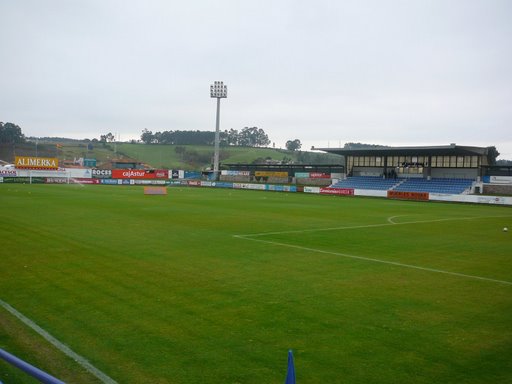
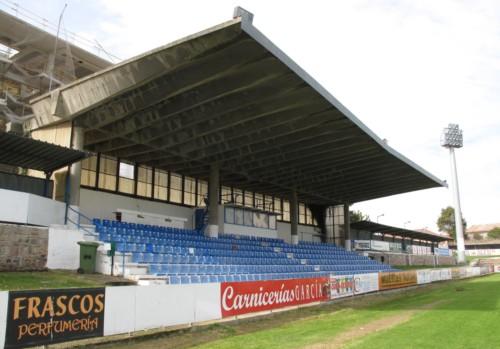
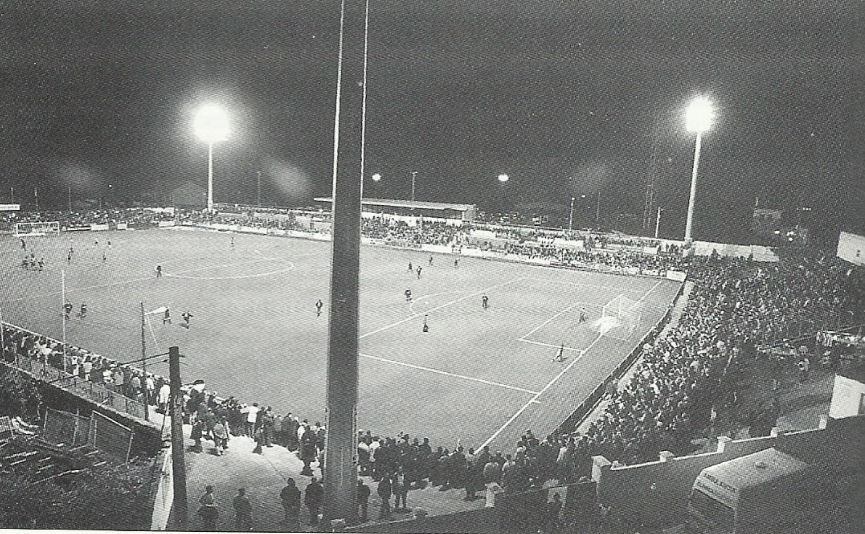
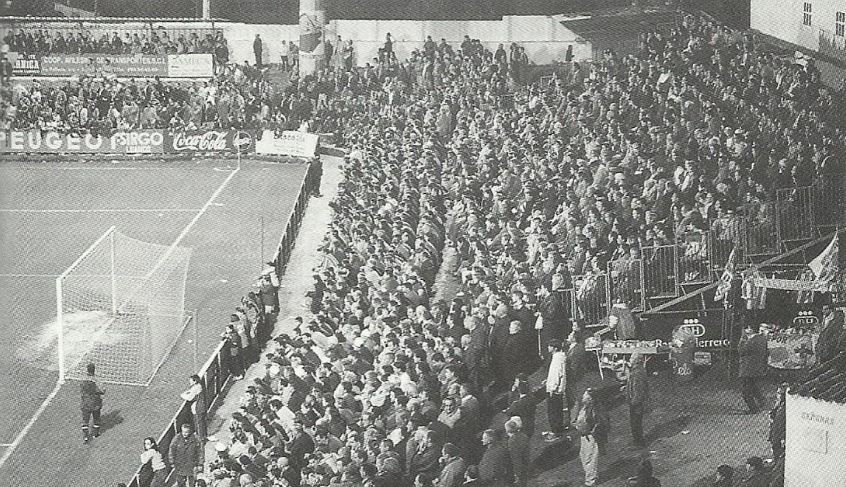
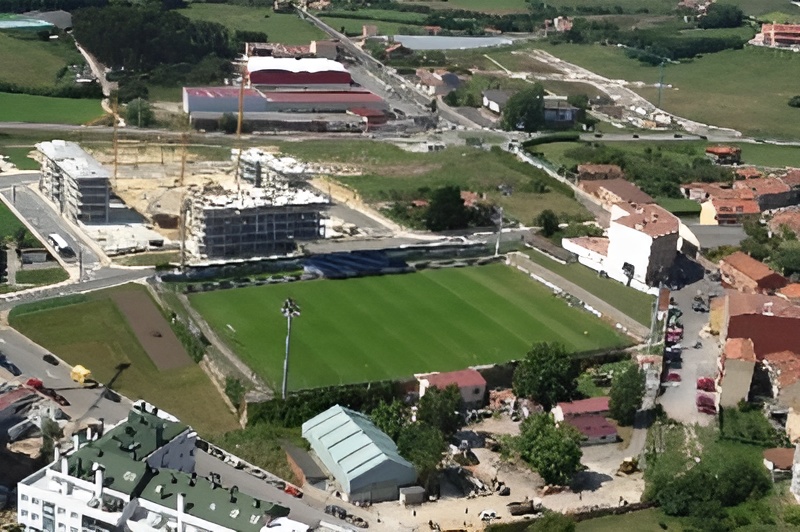
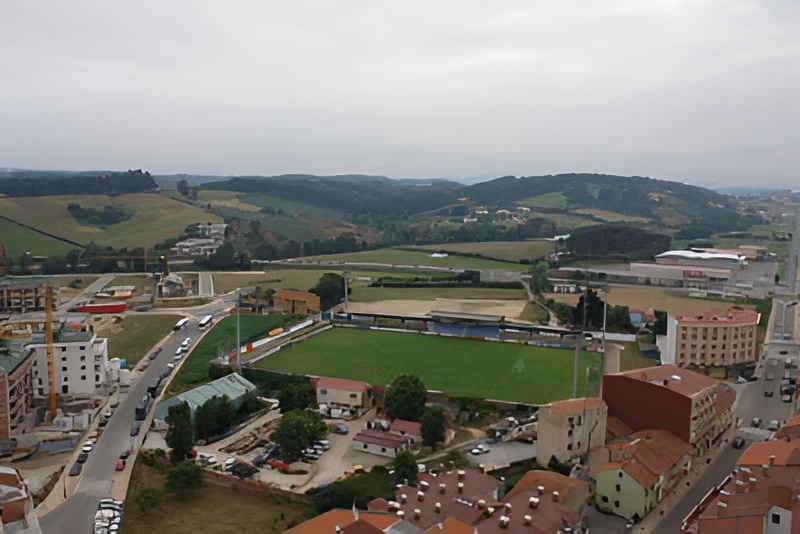
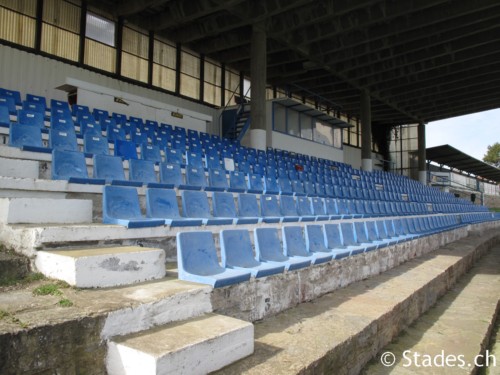
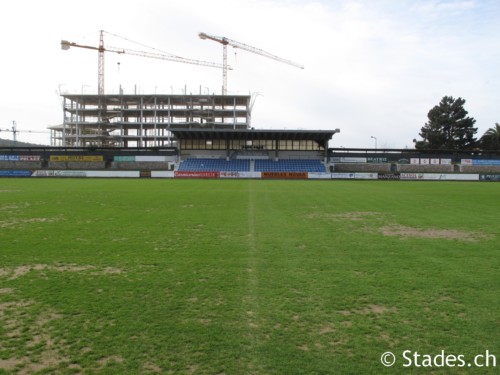
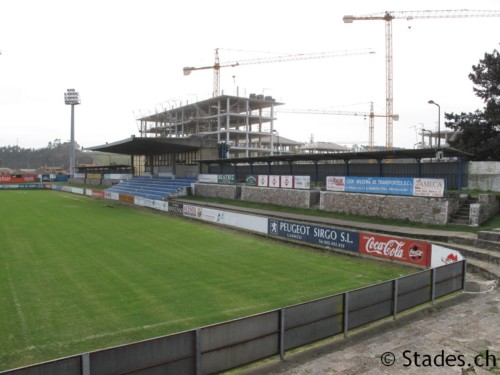
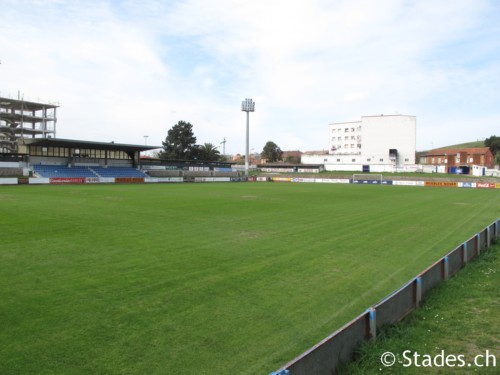
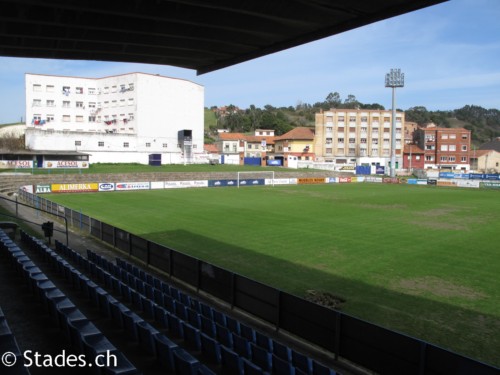
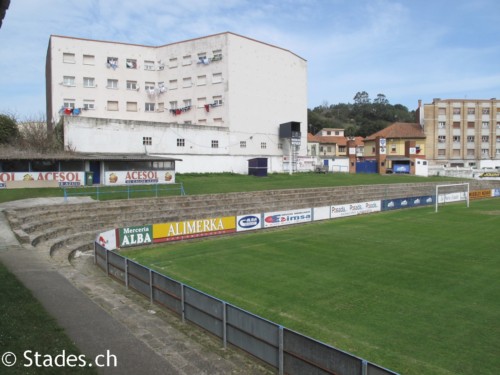
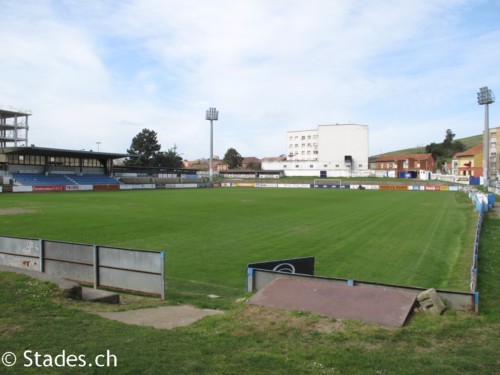
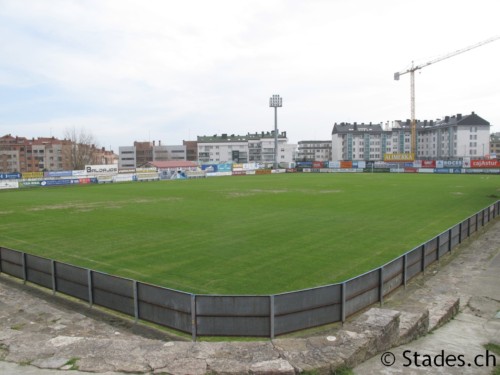
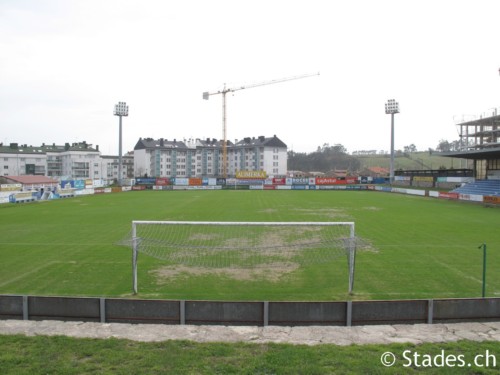
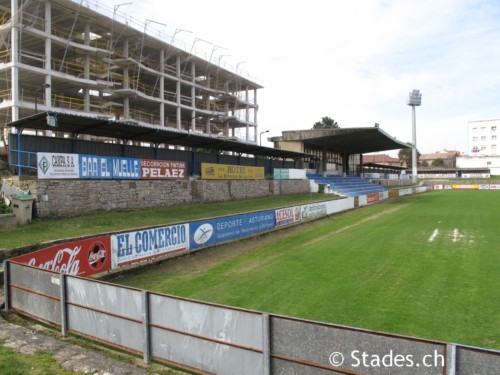
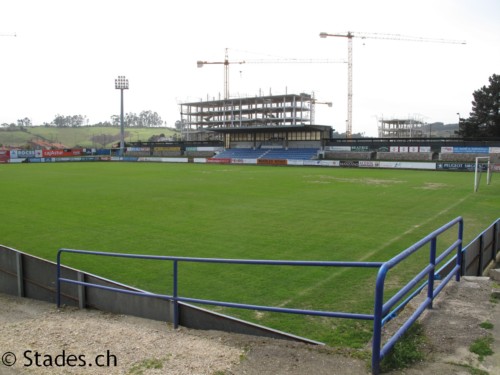
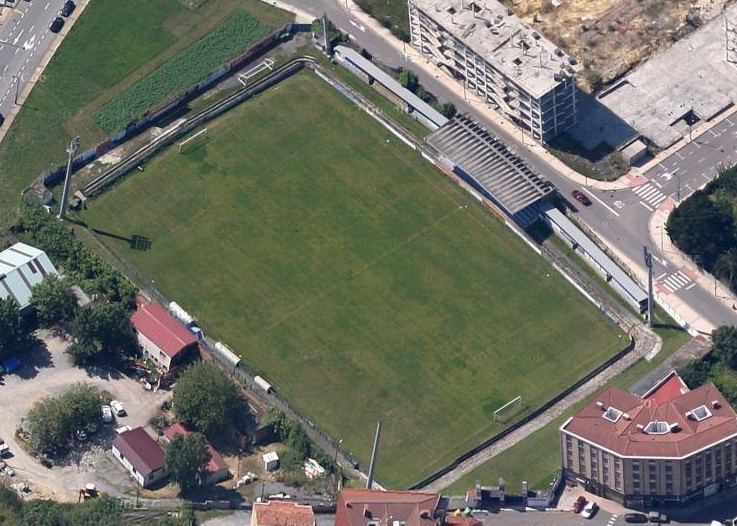
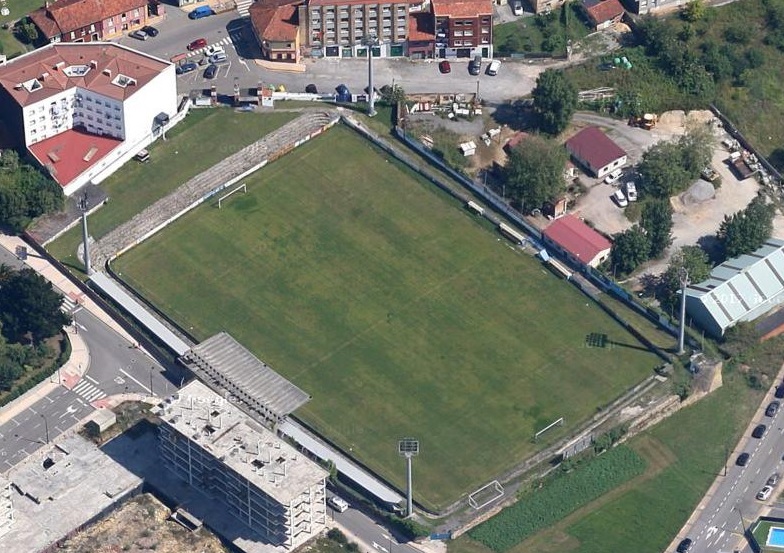
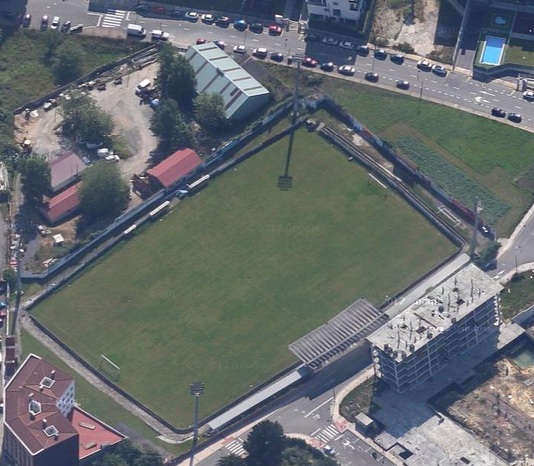
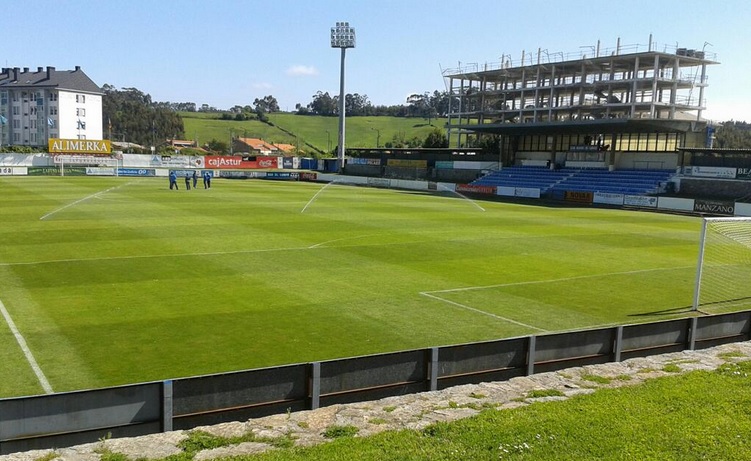
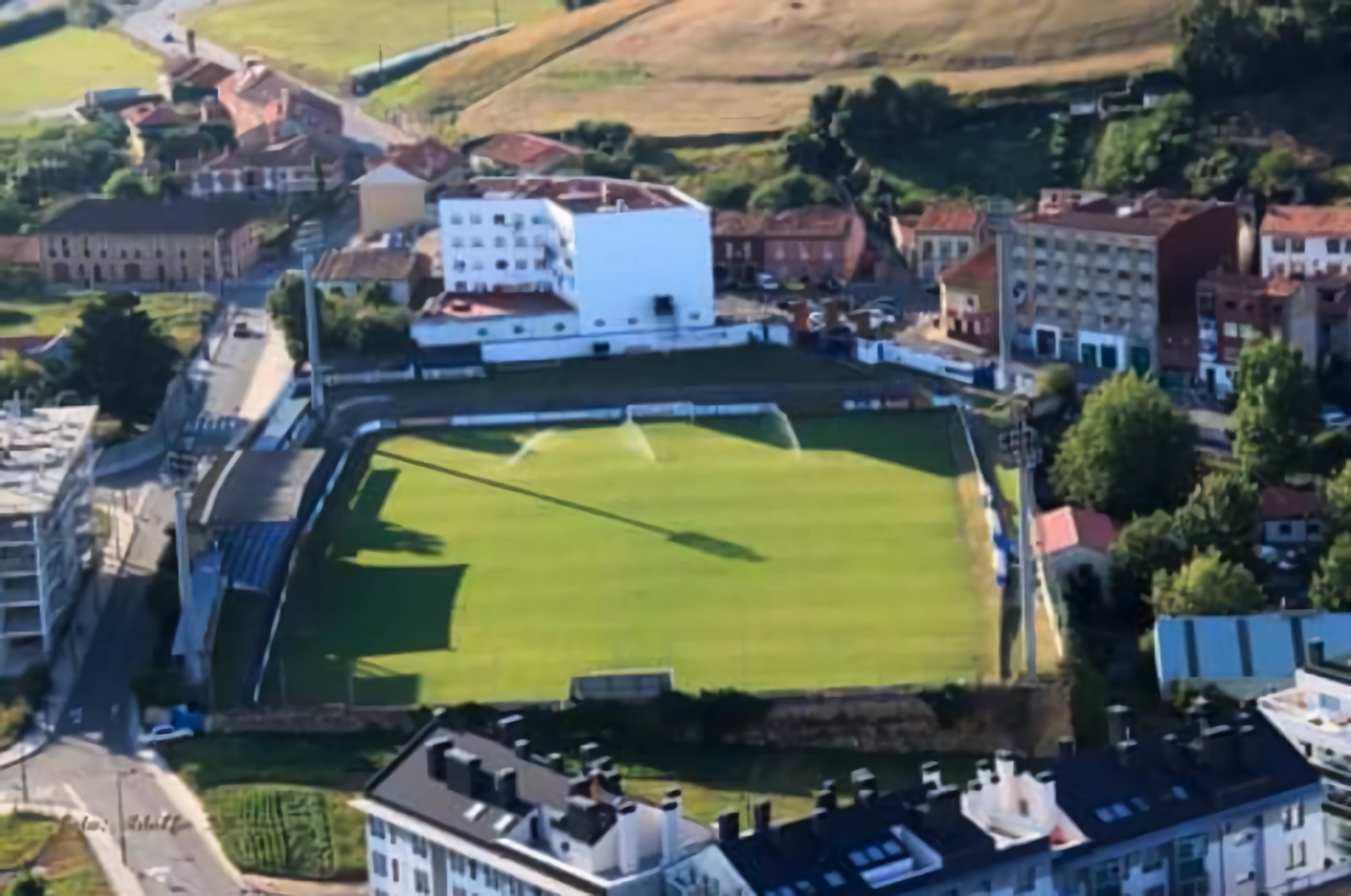
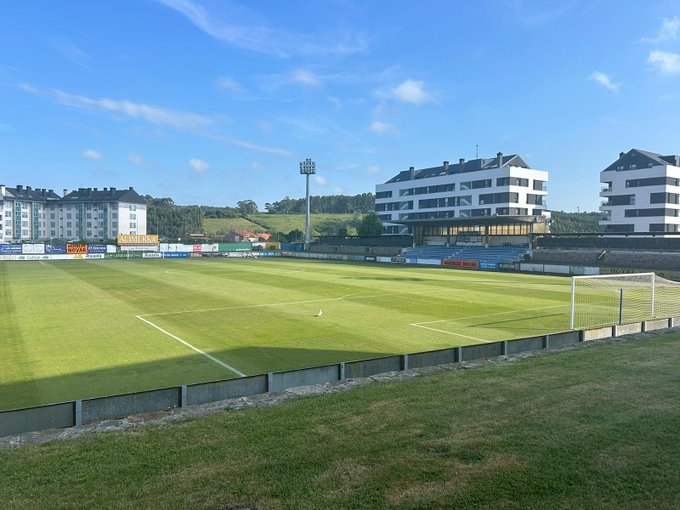
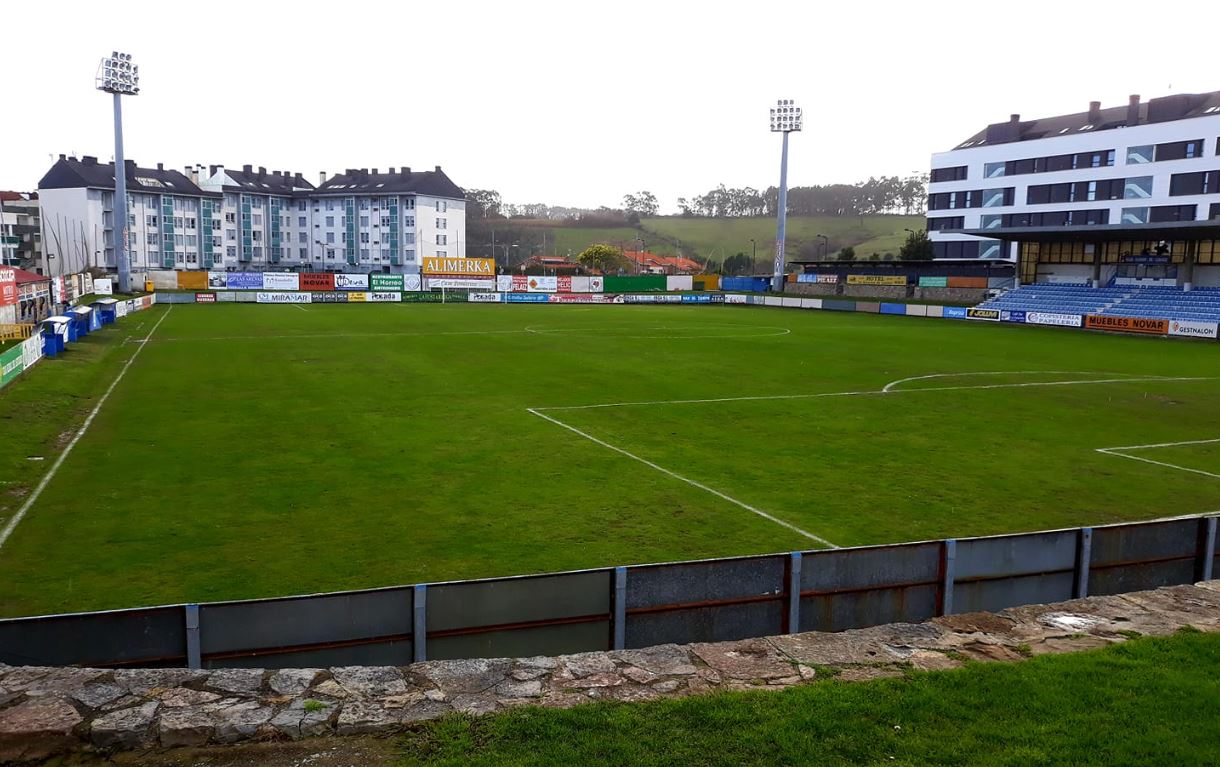
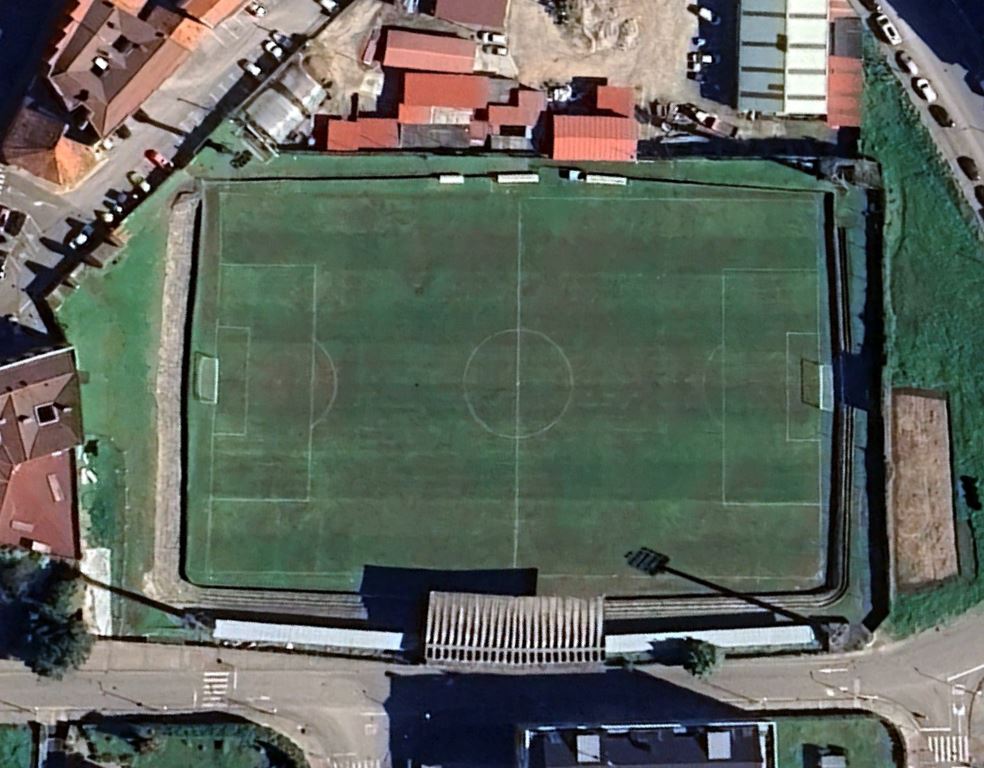
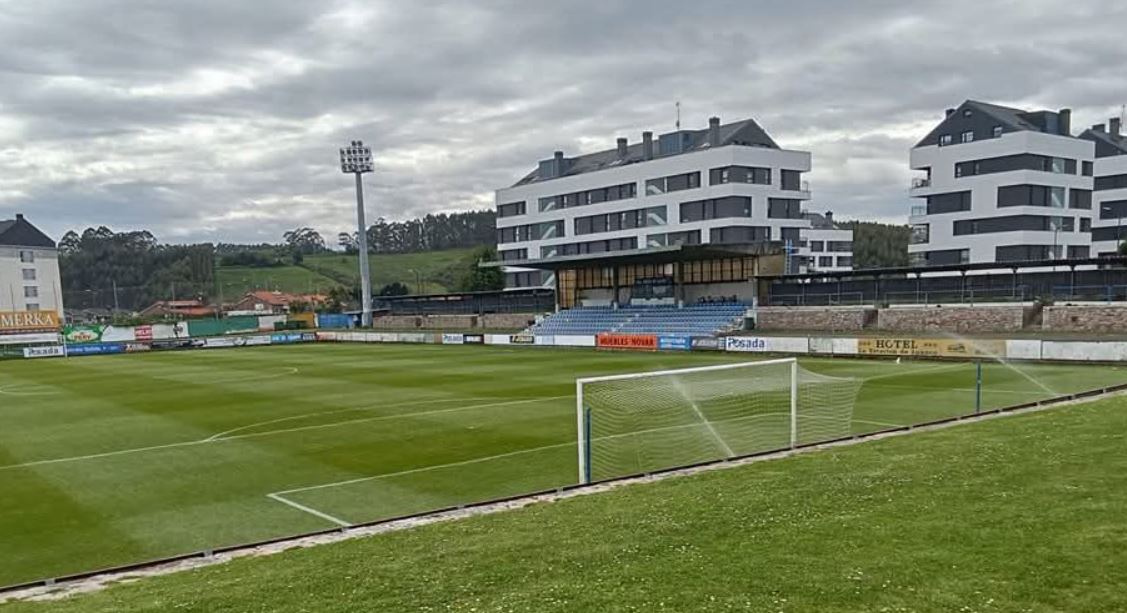
Marino played its first match at the Estadio Miramar on 6 September 1953, with Real Avilés CF providing the opposition. The location was originally a steeply sloping field and required a great deal of work to create a level playing surface. The playing surface did not get a great deal of help in the early years, as Miramar regularly hosted showjumping events in the close season. A short covered stand stood on the west side of the ground, whilst the players and officials changed in a clubhouse on the east side, which was built against the reinforced brick wall that was constructed when the pitch was levelled. It is one of the smaller grounds at this level, but it has some nice touches. The dominant feature is a cantilevered stand on the west side of the ground, which dates from the mid-1980s. Under its roof are housed a media booth, a small television gantry, and 360 seats. The cover is around 30 metres in length, and on either side of the seats is grass banking. Behind the grass banks and level with the back of the stand sit two narrow covers, atop a stone wall. They resemble rural bus shelters, but from their elevated position, they provide a great view of the pitch.
To the north of the ground is the only stretch of substantial terracing, 6 steps in total, that extends around to the north-east corner. A couple of steps of terracing can be found on the south and east side, which also houses the aforementioned clubhouse. From the pitch, only the upper floor and the roof are visible. The dressing rooms are below pitch level and are accessed via a set of covered steps that take you beneath the pitch, making it more akin to the Azteca than Asturias! New floodlights were added to the ground in 2001 and were switched on for the first time on 7 November for the televised Copa del Rey match against Deportivo La Coruna, who ran out 1-4 winners. The cup tie with Depor saw a record attendance at Miramar, when 5,000 crammed into the ground, thanks in part to the erection of a temporary stand at the northern end of the ground. The current capacity stands at a modest 3,500. At the start of the 2025-26 season, temporary dressing rooms were added at the rear of the north terrace as the old, subterranean facilities were deemed unfit for use. In the days of utilitarian, out-of-town stadiums, Miramar is a refreshing throwback to the days of terracing, quirky stands, open spaces, and no segregation.

When the RFEF suspended the 2019-20 season on 11 March 2020, Marino occupied a relegation spot. The campaign was later abandoned, and all relegation was revoked, giving Marino another chance in Segunda B when a degree of normality returned for the 2020-21 season. I say degree, as the Spanish Federation set about restructuring the football pyramid. While Marino’s form improved, they were eventually destined to drop to the new fourth tier, the Segunda Federación.





 Estadios de España