Article Updated: 18/10/2025
Here’s a cautionary tale from one of Catalunya’s footballing backwaters. The story of a small town club hitting the big time, before losing it all, because of one man’s ego. Special thanks to Liam Bambridge for his great work on this article.
The town of Figueres is tucked away in the northeast corner of Catalonia, just 15 miles from the French border. It is more famous as the birthplace and home of Salvador Dali than for any footballing exploits. The resident club’s main claim to fame was that it became the first from the third tier of Spanish football to reach the semi-finals of the Copa del Rey. However, just as significant was a bitter takeover row that turned out to be more surreal and nightmarish than any Dali painting.
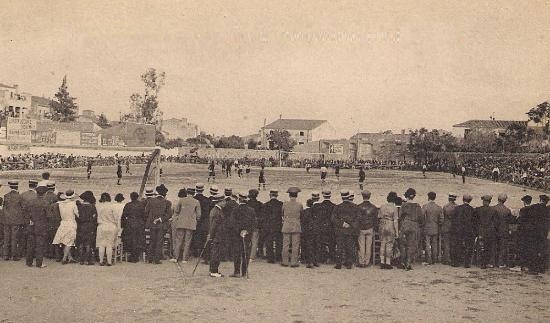
However, let’s go back to less sullied and simpler times. Football has been played in this corner of Catalunya since 1905, whilst UE Figueres can trace its roots back to 1919 when the merger of Sport Club Catalá and Juventud Sportiva Figueres led to the creation of Unión Sportiva Figueres. Their home was the Horta de l’Institut, which was essentially a clearing in a private orchard. The club moved to Horta d’en Macau in 1925, which was larger, more enclosed, but still pretty primitive. The club was still playing in the lower reaches of the Catalan Championship when, in February 1931, it opened the Camp de les Monges, its first purpose-built ground on the Calle Santa Leocadia. The club started to progress in the years immediately following the Civil War, changing its name to UD Figueras in 1941, and winning two successive promotions, which earned a place in the Catalan Primera Categoría. The restructuring of the leagues led to UD Figueras appearing in the Tercera in 1943/44, but it proved a step too far, and the club was relegated after a tenth-place finish.
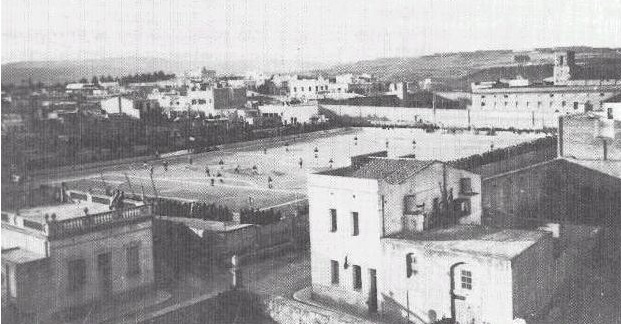
UD Figueras returned to the regional leagues and saw out their time at the Camp de les Monges, before moving to the Camp de L’Alfar in May 1950, which was located to the east of the town, close to the railway station. The club returned to the Tercera in 1956 and four seasons later was crowned Tercera champions. This saw UD Figueras face San Sebastián CF – Real Sociedad’s reserve side – in the playoffs for a place in La Segunda. The Basque side prevailed over the two legs by 6 goals to 4. UD Figueras remained in the Tercera until a re-organisation of the leagues led to their demotion in 1963. Over the next 15 years, the club flitted between the Tercera and Regional Preferente, primarily due to more restructuring than any on-field action. 1977 saw a return to the Tercera, and a series of strong finishes saw the club challenge for promotion to Segunda B. However, the playoffs proved to be a stumbling block on three occasions. Eventually, in 1983, a second-place finish and victories over SCD Durango & Sevilla Atlético earned promotion to the third tier. The promotion coincided with the adoption of the Catalan version of their name, and within three years, promotion to La Segunda had been achieved with a dominant campaign that saw the club lose just five matches.
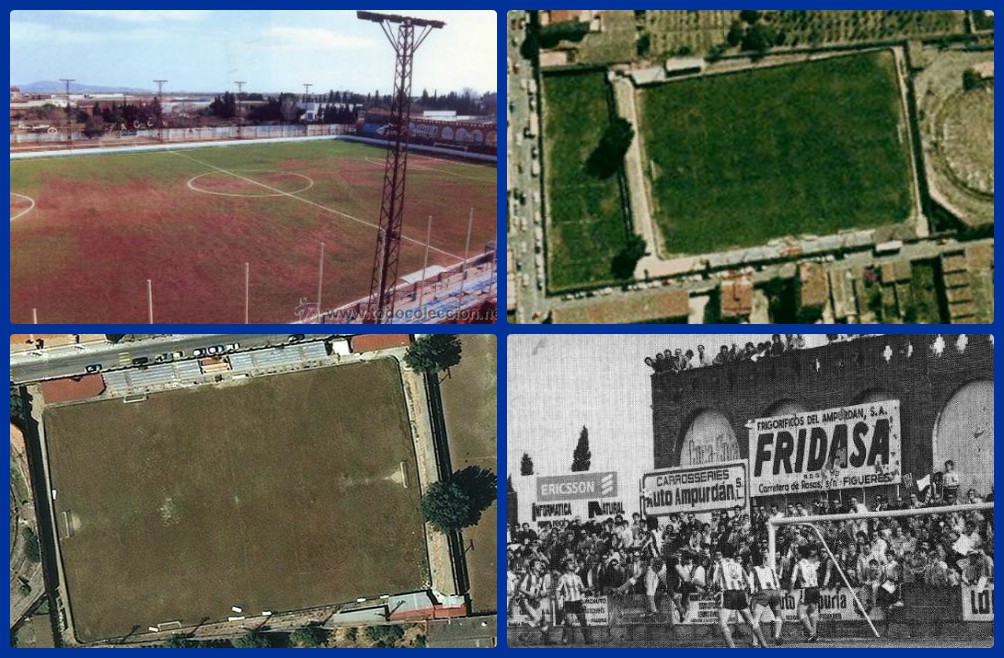
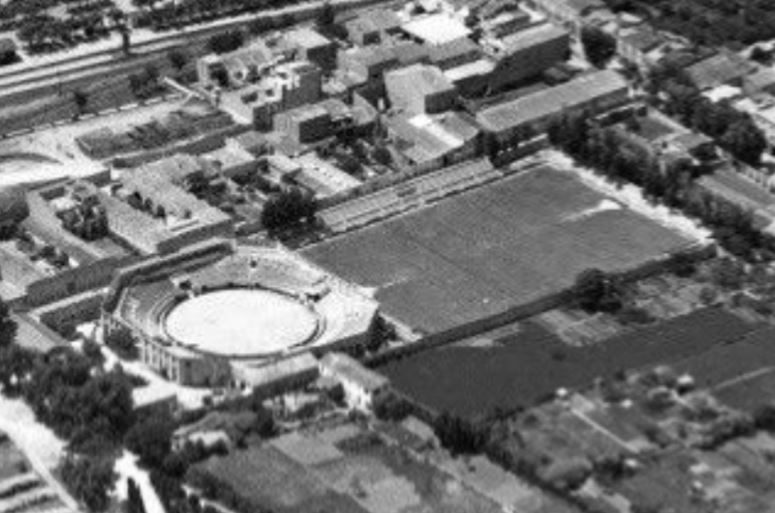
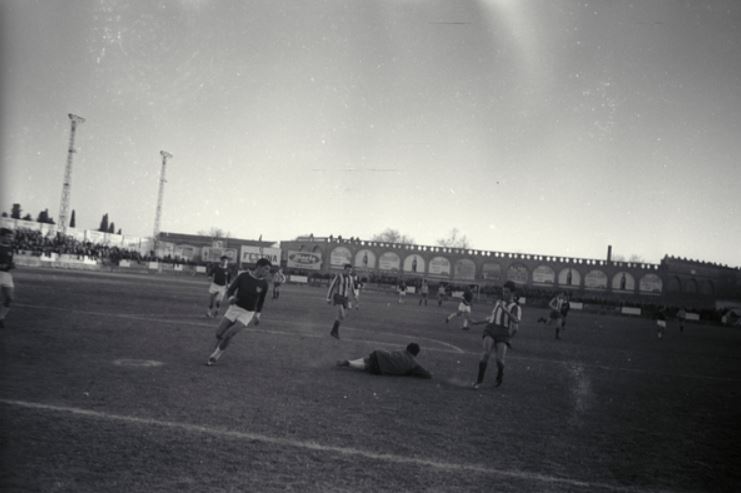
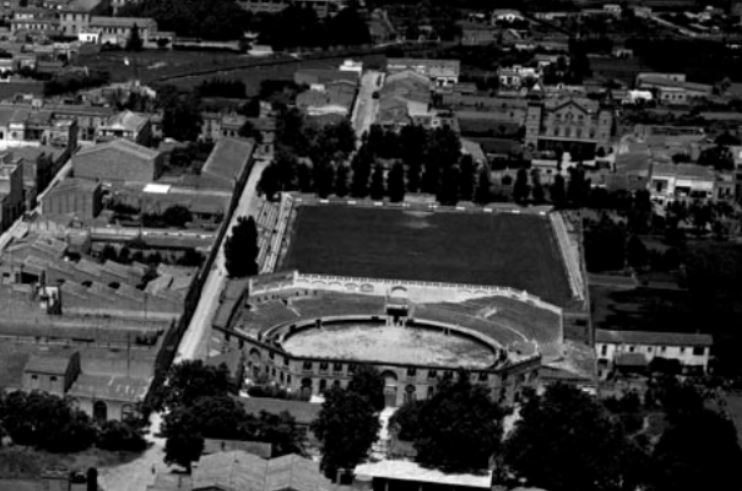
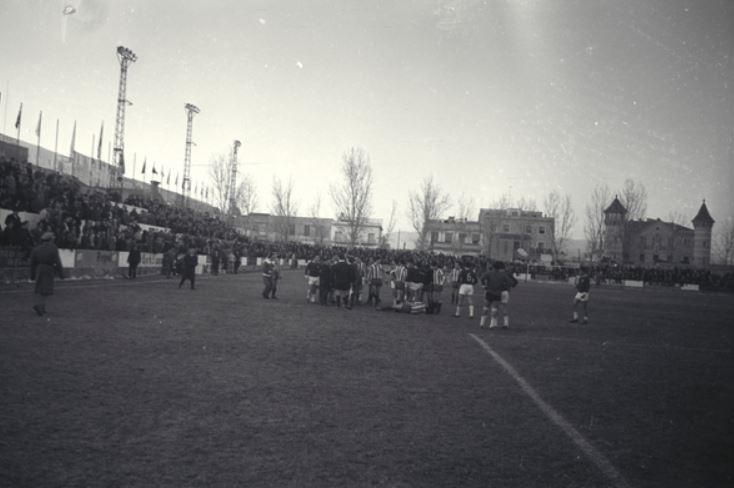
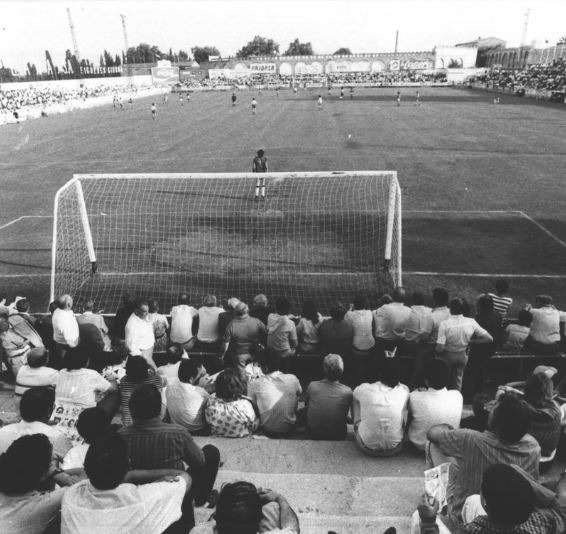
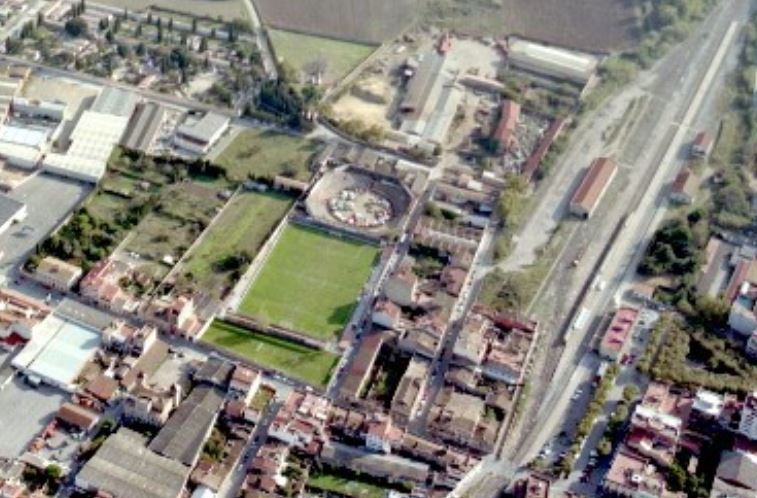
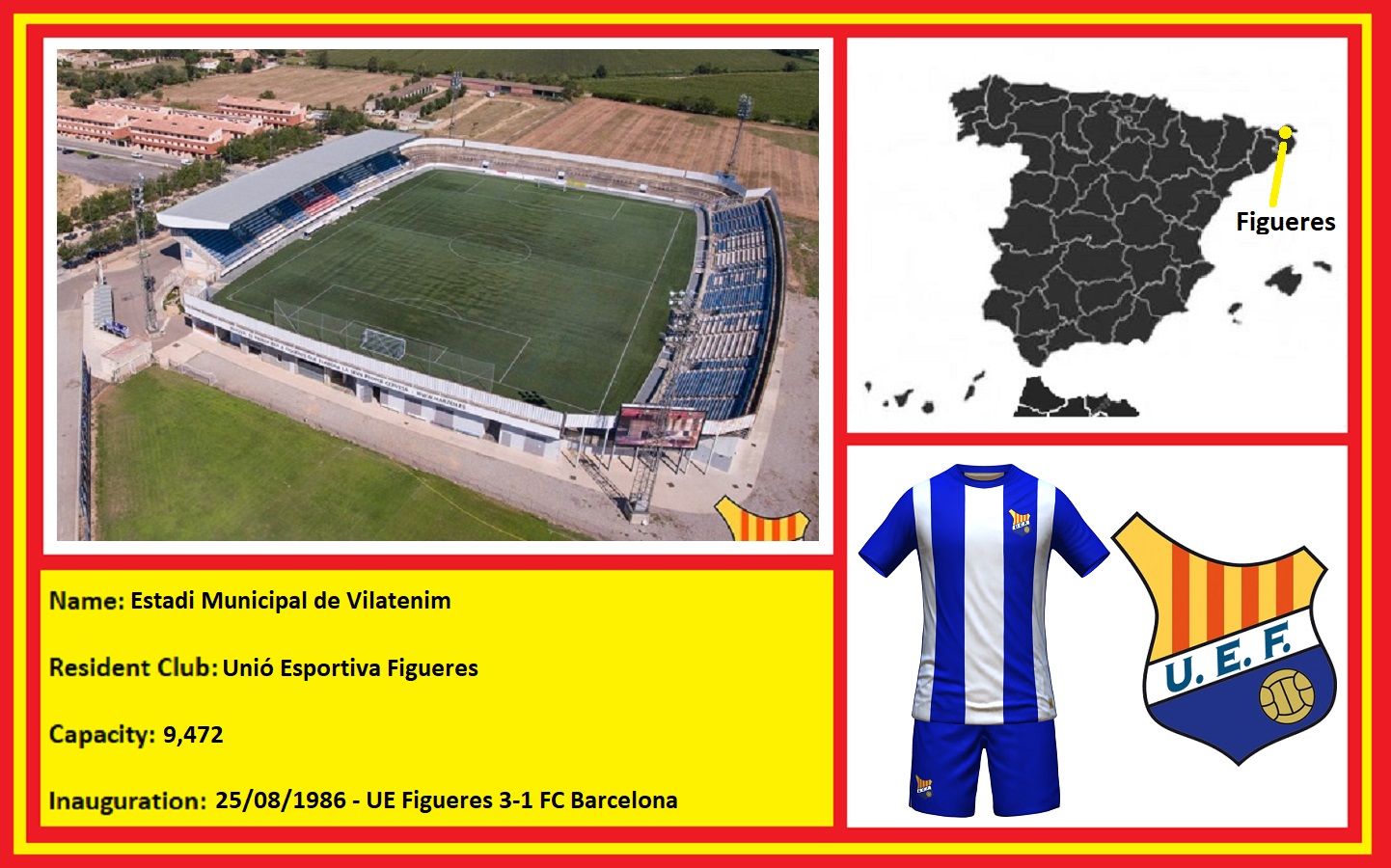
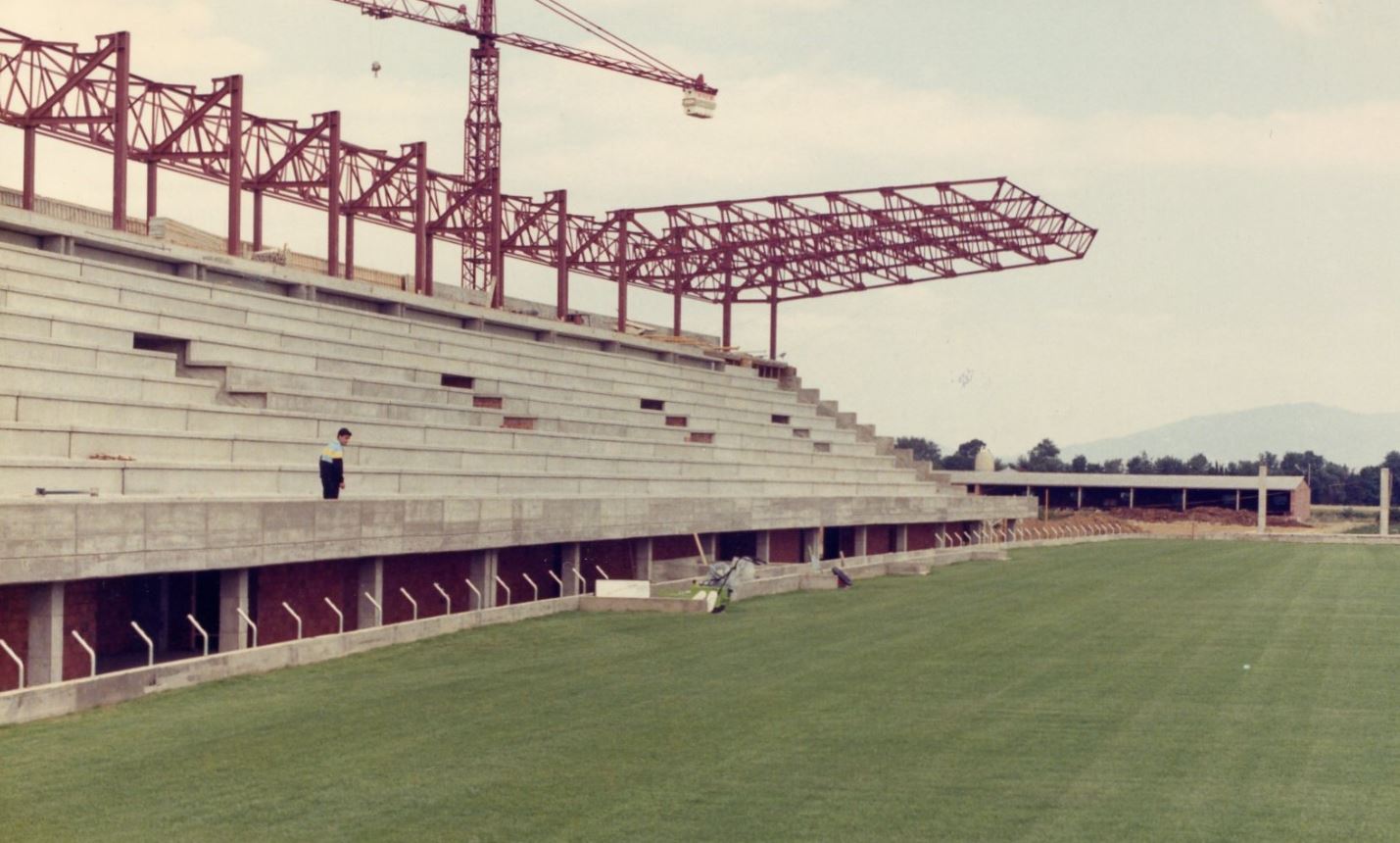
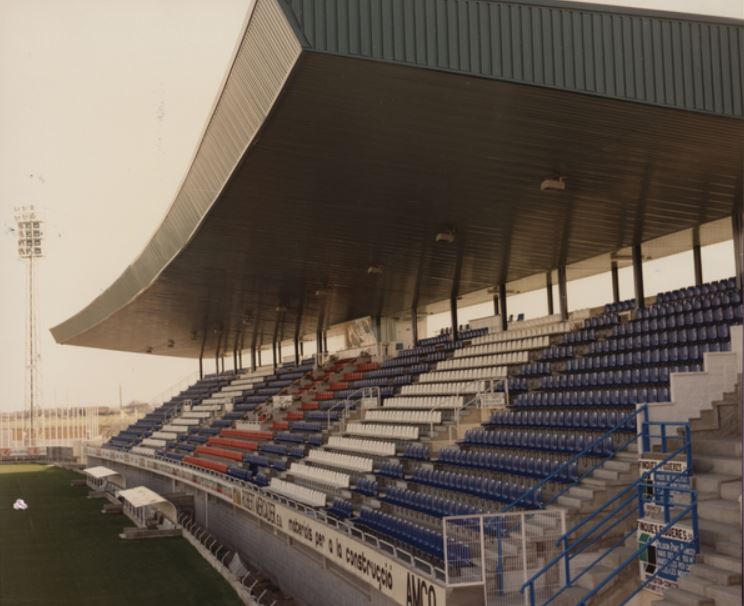
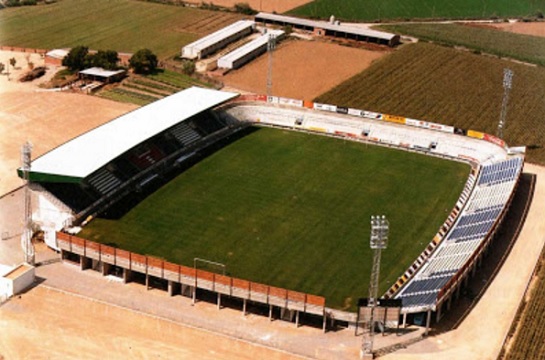
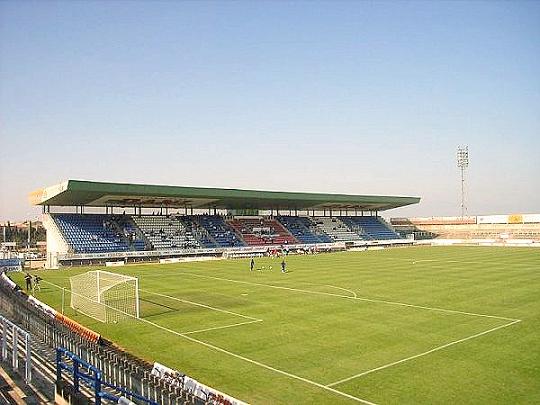
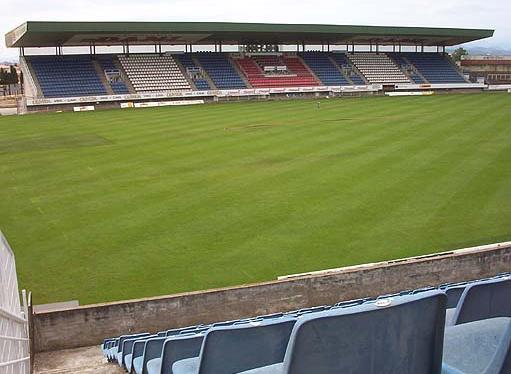
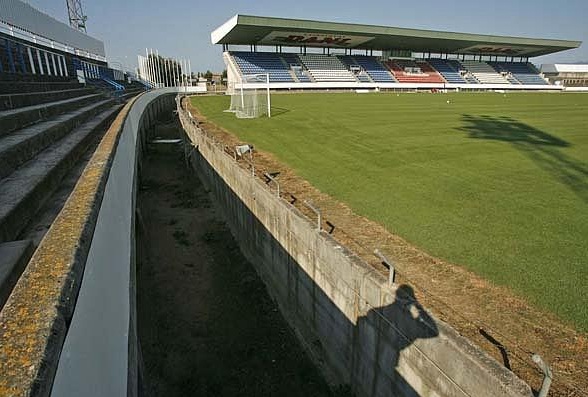
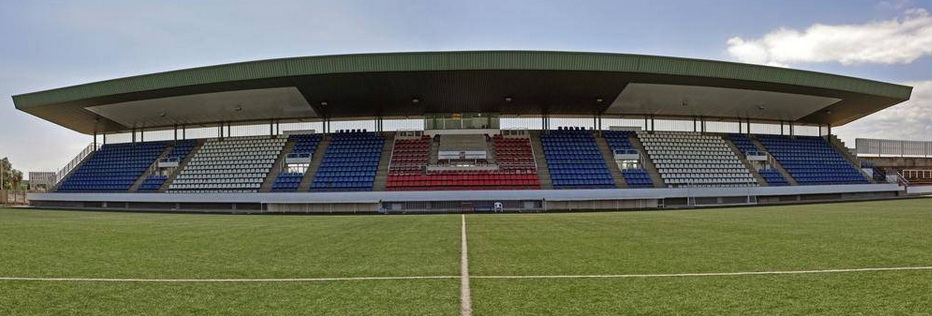
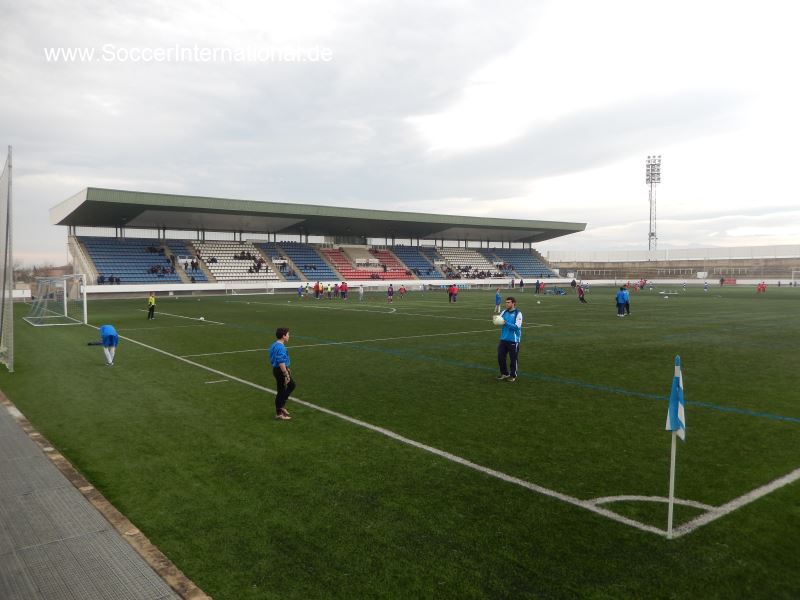
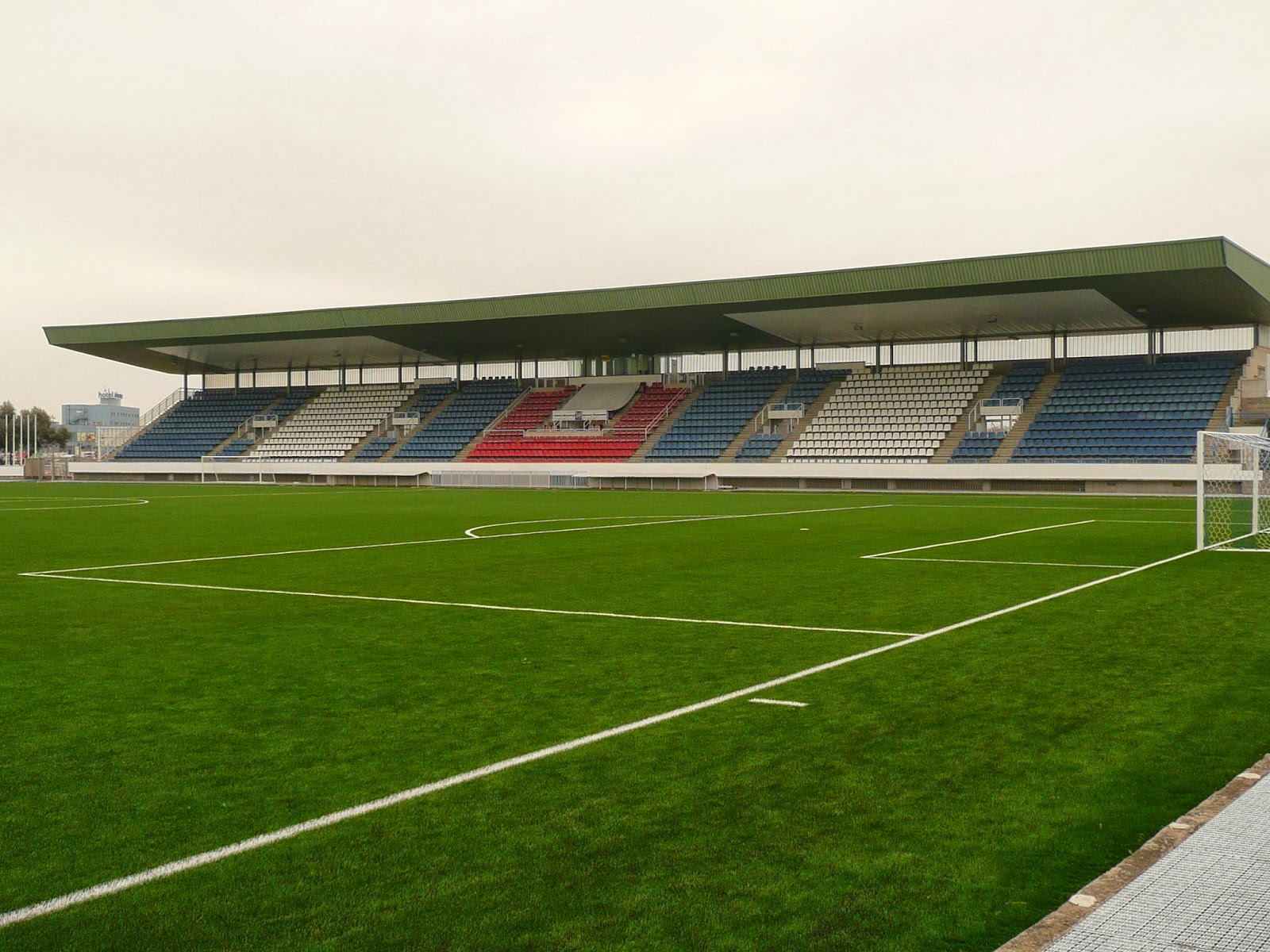
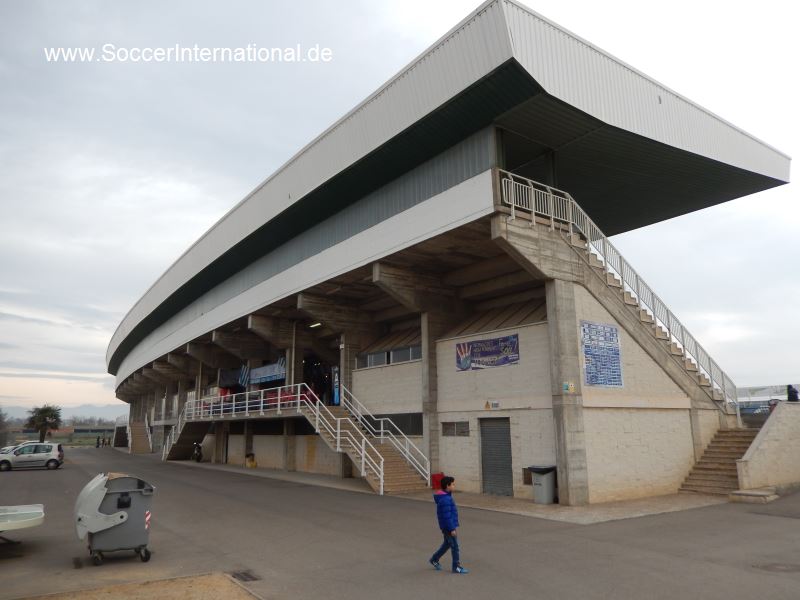
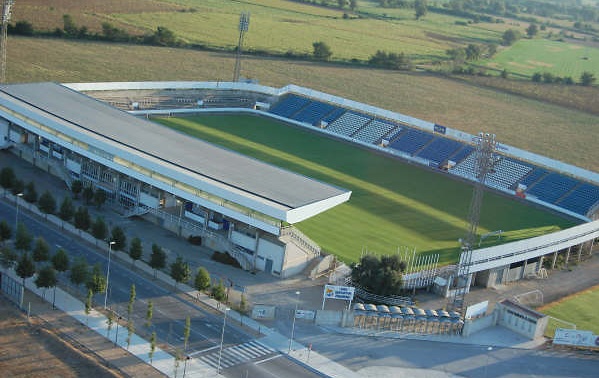
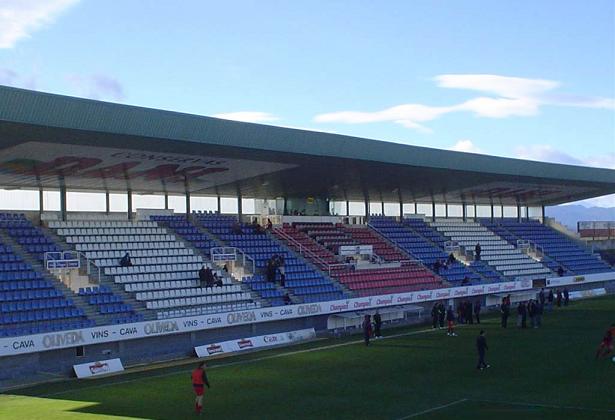
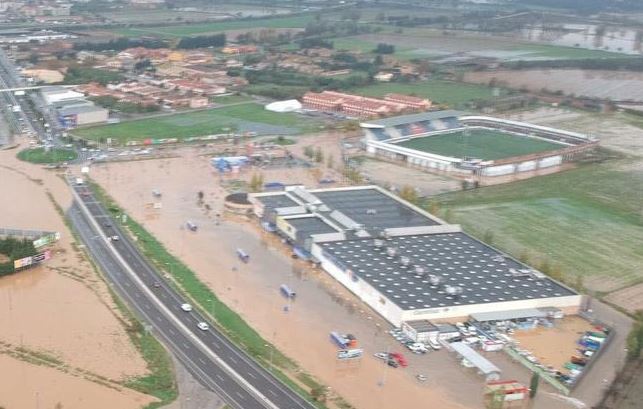
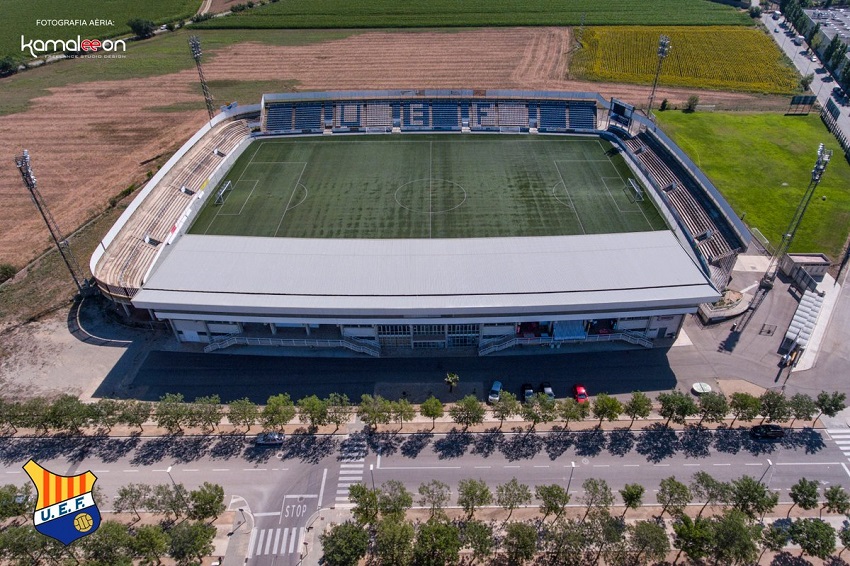
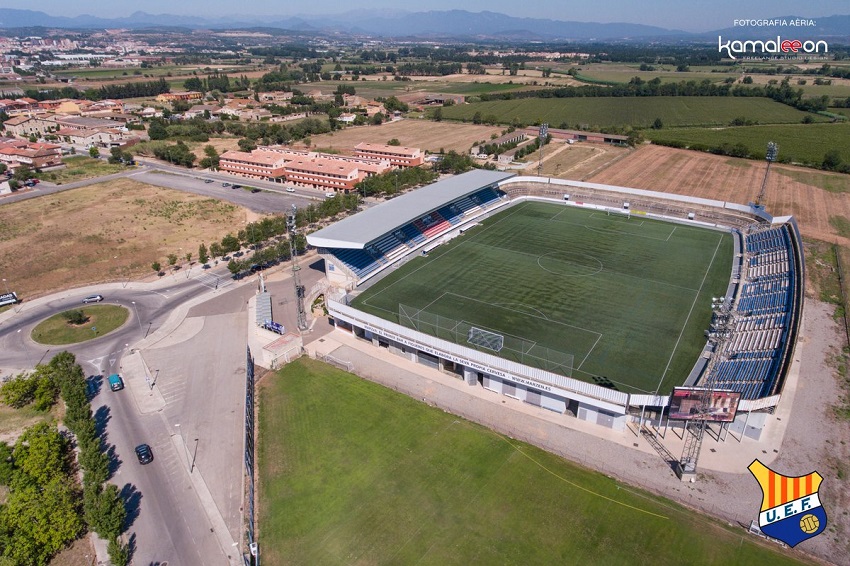
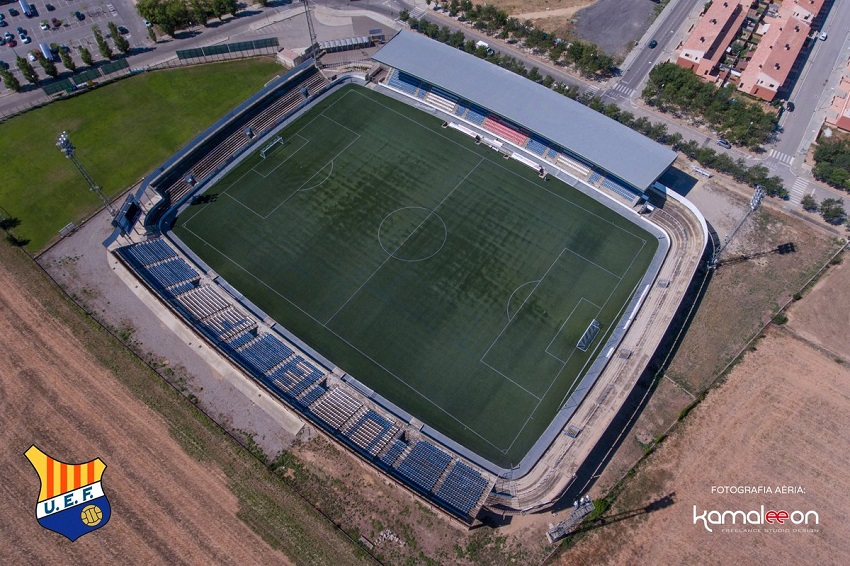
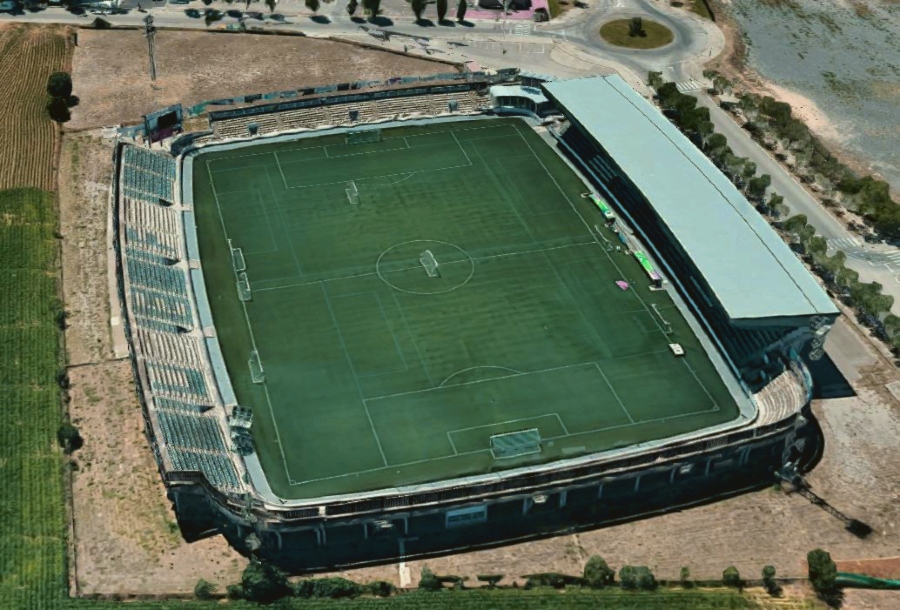
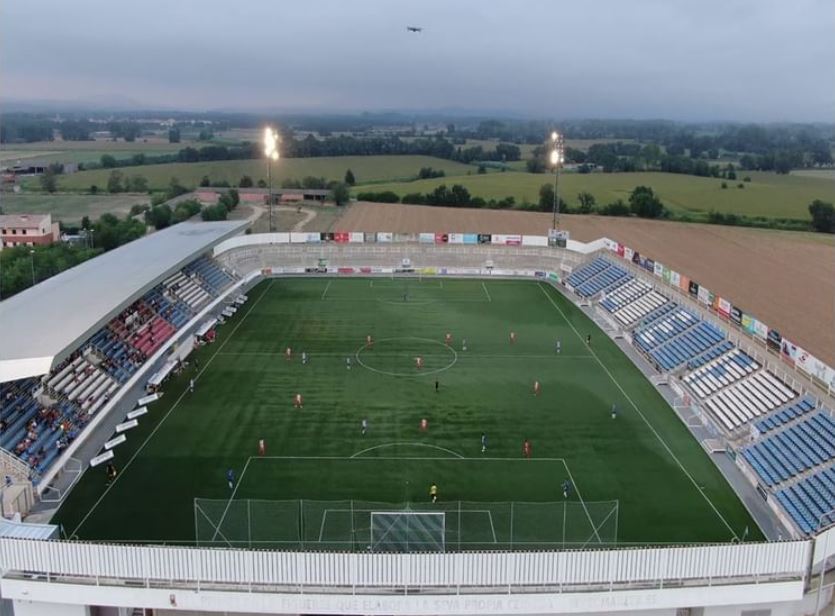
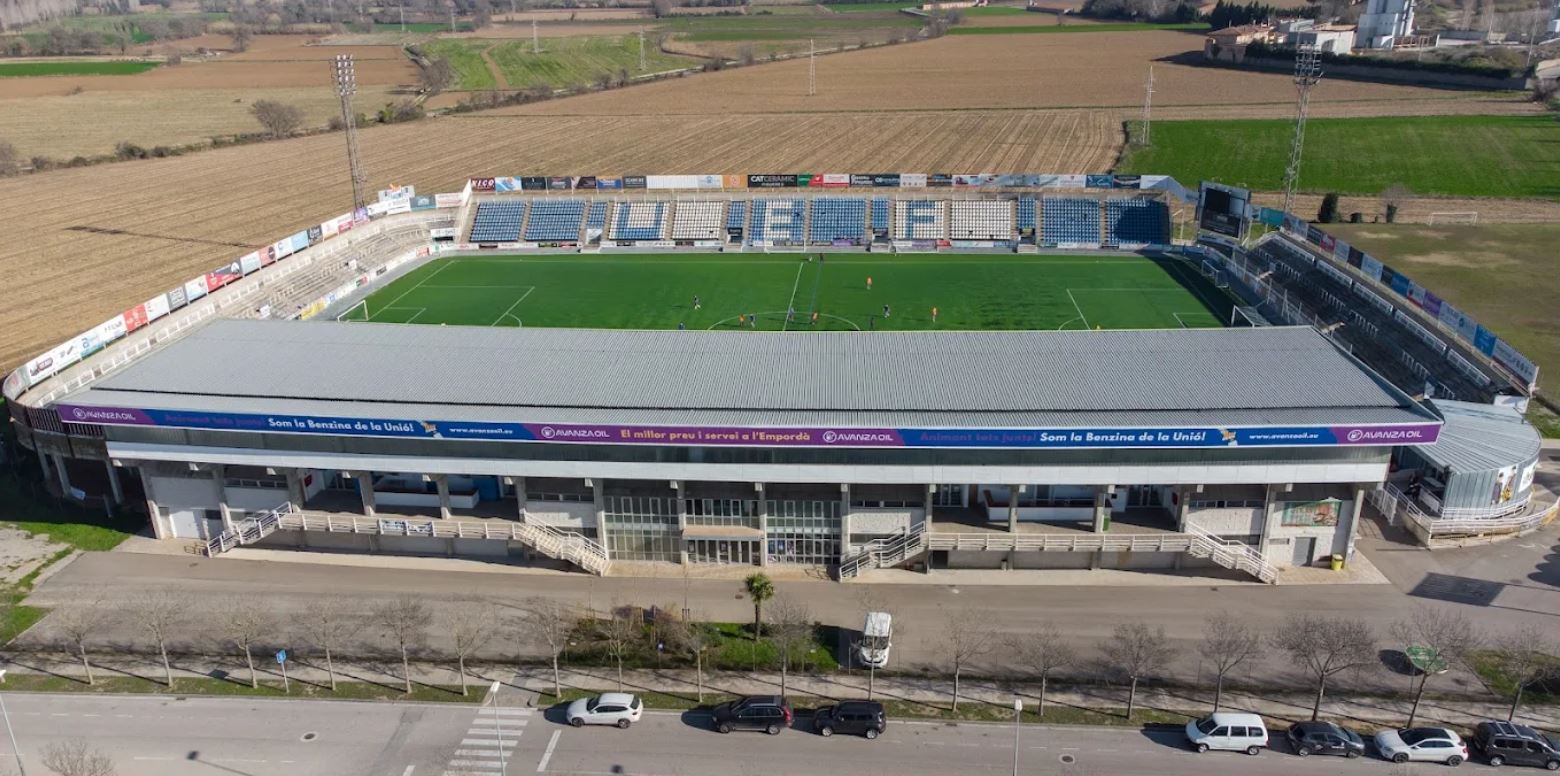
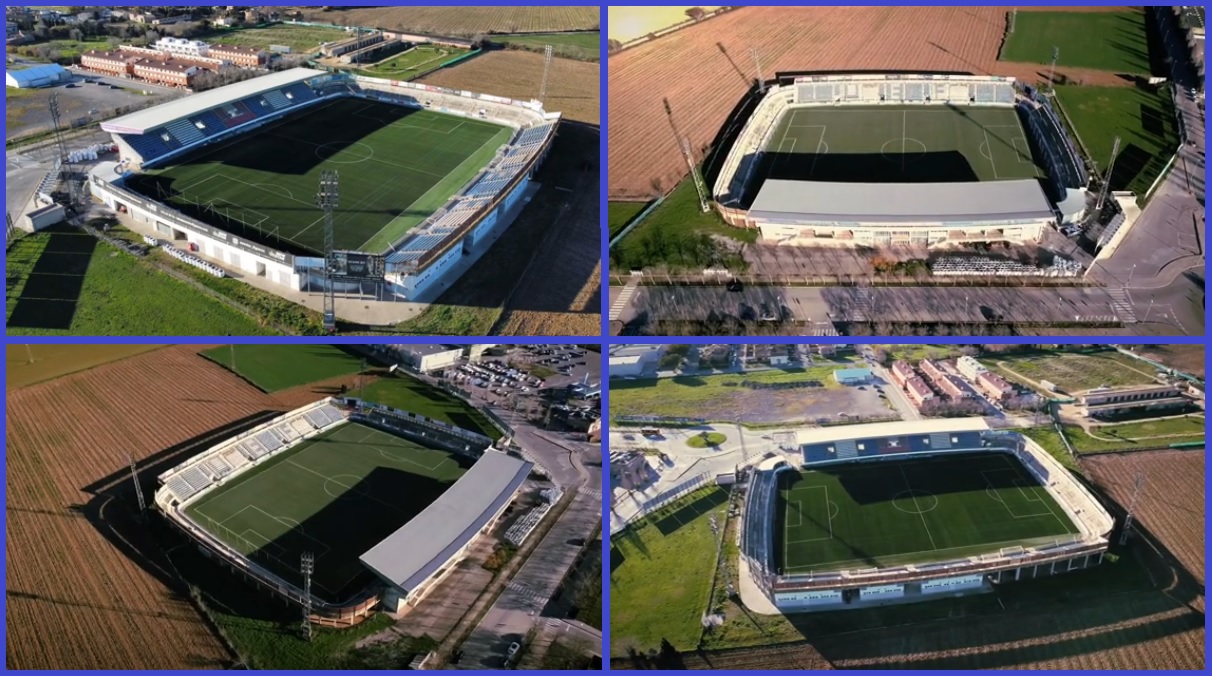
The promotion also saw the end of Camp de L’Alfar. This basic enclosure had evolved very little during UE Figueres’ 36-year residency and was simply not suitable to host football in the second tier. Its narrow series of terraces had no shelter, and the nearby tenements and bullring offered plenty of free views. The last game at the Camp de L’Afar was on 18 May 1986, but UE Lleida ruined the promotion party with a 0-2 win. Earlier that year, on January 26 to be precise, work got underway on a new stadium a kilometre to the east, near the small village of Vilatenim. The municipality had appointed local architect Enric Fita to design a stadium housing 5,000 spectators at a cost of 139m pesetas, but UE Figueres’ promotion saw a change to those plans. The stadium was extended to house a capacity of 9,472, 2,025 of which could be housed in the main tribuna. Opposite stood an open bank of seating, whilst open terraces could be found at either end. At a total cost of nearly 200m pesetas, the Estadi Municipal de Vilatenim was a world away from any of UE Figueres’ previous homes. The stadium was officially inaugurated on 25 August 1986 with a friendly against FC Barcelona, and the home side got the stadium off to a perfect start with a 3-1 win.
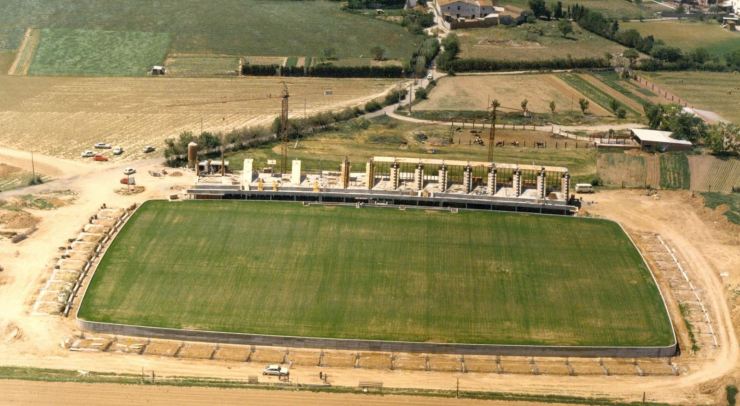
The second division was uncharted territory, but over the next six seasons, UE Figueres did not disappoint. That first 1986-87 season saw a steady tenth-place finish, whilst seventh was achieved a year later. Although the club flirted with relegation in 1989-90, it is the 91-92 campaign that holds the fondest memories for the club and its supporters. Built on a solid defence, UE Figueres maintained a position in the top two for three-quarters of the season, but a wretched run of just one win in the final seven matches saw the club lose out on the final promotion place by just one point to Rayo Vallecano. Their third-place finish ensured that they would get another bite at the promotion cherry. UE Figueres was paired with Cádiz CF, who had finished La Primera season in a lowly 19th place. On 10 June 1992, a packed Estadio Ramon Carranza in Cádiz witnessed the home side take a vital 2-0 lead into the second tie. A week later, UE Figueres’ dream of top-flight football ended with a 1-1 draw at the Vilatenim. Funds dried up in the summer of 1992, and the successful squad was dismantled. What followed was an inevitable descent into the world of regional football and Segunda B, but at least UE Figueres had its one season flirting with the stars.
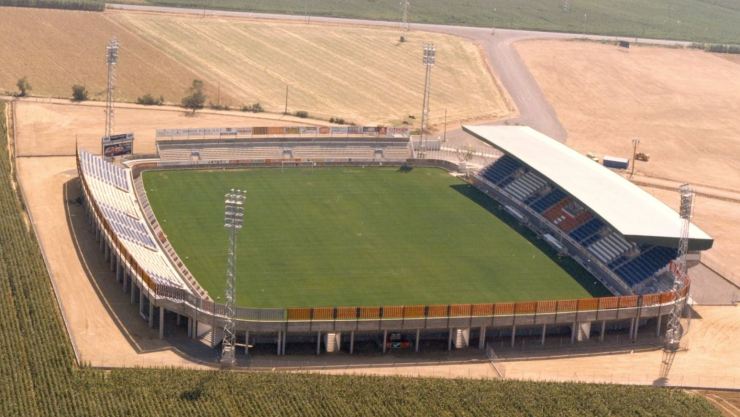
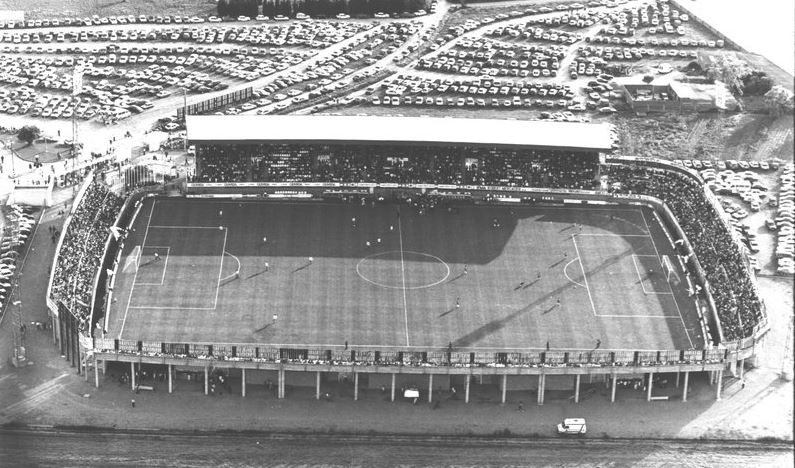
Back in Segunda B after a seven-season absence, UE Figueres showed plenty of promise, making the promotion playoffs in three of their first four seasons back at this level. However, the last hurdle could not be navigated, and there followed a slow decline. One highlight amidst all the mediocrity of life in Segunda B was the club’s record run to the semi-finals of the Copa del Rey in 2001-02. A 10-1 aggregate win over CD Teruel earned UE Figueres a home tie against FC Barcelona, and on 7 November 2001, with the Vilatenim packed to watch the superstars of Catalan football, UE Figueres pulled off one of La Copa’s greatest shocks. In the first minute of extra time, Kali Garrido scored the most famous goal in the club’s history, setting them on their way to making Copa history. UE Figueres went on to beat Osasuna, Novelda & Córdoba, before losing to eventual winners Deportivo La Coruña in the semi-finals. After the excitement of the cup, the club settled back into the mundane routine of mid-table finishes in Segunda B.
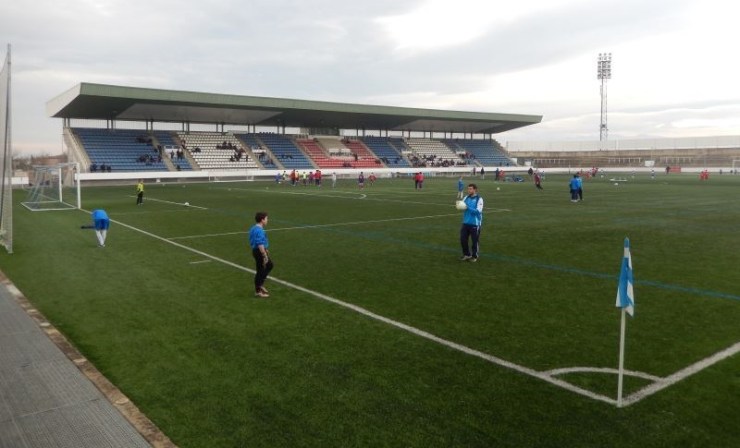
Then, in the summer of 2007, just six years after the finest hour in their history, the club was on the brink of oblivion thanks to the actions of one unscrupulous individual. The culprit was Enric Flix, owner of the Miapuesta betting company, who had bought a majority shareholding in the club in the summer of 2006. However, within a year of doing so, Flix announced his intention to move the team to Castelldefels, a town nearly one hundred miles away, citing a lack of support for his newly acquired interest. The fact that the club had survived perfectly well for the previous 88 years on an admittedly limited fan base apparently mattered little to the powers that be when considering the validity of Flix’s complaint. An additional problem for those who were faced with the disappearance of their team was that a precedent had already been set. The Spanish football federation had been forced by an independent sports tribunal to allow a similar move. Earlier that summer, Carlos Marsá Valdevinos had bought Ciudad de Murcia and relocated it nearly 200 miles west to Granada (although they ended up playing Motril). As the majority shareholder, Flix was able to propose and approve the move whilst the other directors stood by powerless to intervene. They did not give up without a fight, and indeed initially they seemed to have been successful in blocking the relocation, when a judge suspended Flix’s ownership on 17 July 2007. However, two weeks later, the same court lifted the suspension, and at that point, the club’s fate was sealed.
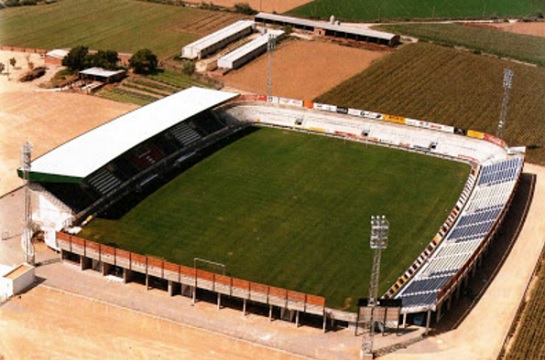
Flix’s tenure at Castelldefels proved to be a brief one, after the team was relegated to the Tercera Division at the end of his first and only season in charge. Given that he had initially turned the town’s existing football club into a feeder side for his new team, even adopting their colours, he was hardly the most popular man in town, and after moving on again to a small town very near Figueres called Vilajuiga, his team disappeared for good in the summer of 2009. Enric Flix has occasionally reappeared on the Spanish footballing scene. In 2013, he showed an interest in purchasing Girona FC, but nothing materialised. Then in 2014, he spent nine months as a director at UE Llagostera, and although he spent most of that time working on a business venture in South America, he modestly claimed to have played a part in the club’s best-ever season. Have we seen the last of Enric Flix? I wouldn’t bet on it.
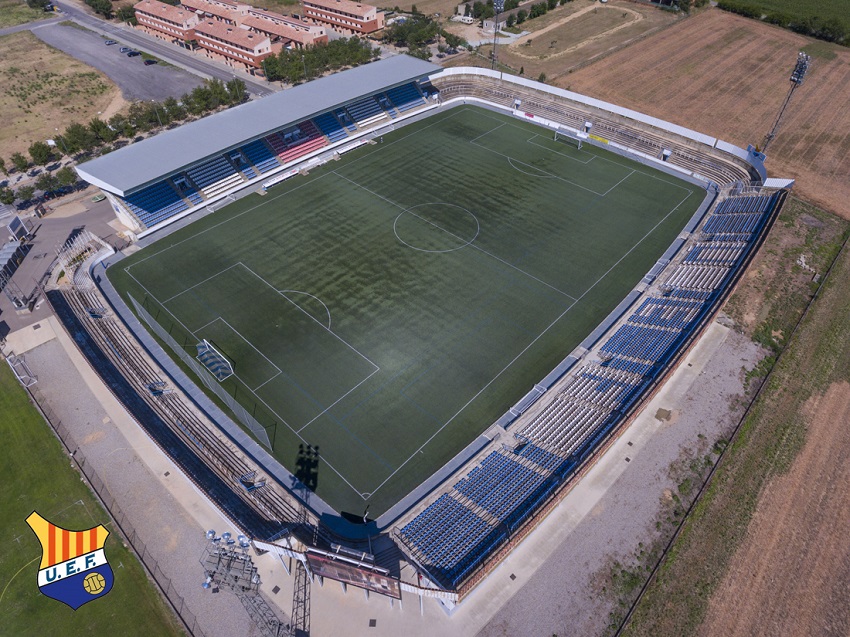
Thankfully, this was far from the end of the road for football in Figueres. Within a few weeks of Flix moving to Castelldefels, a new club, Unio Sportiva Figueres, was founded, although they had to start right back at the bottom in the Catalonian Third Division. The new team formed from the ashes of the one which Flix had destroyed went from strength to strength after his departure, and just six seasons later, the team found themselves in the Spanish Tercera Division, just one promotion away from where they were in the summer of 2007. Ironically, the club regularly locked horns with none other than UE Castelldefels. The club changed its name to Unió Esportiva Figueres, but after a decade in the Tercera, it dropped to the Catalan Liga Elit, or sixth tier of Spanish football.
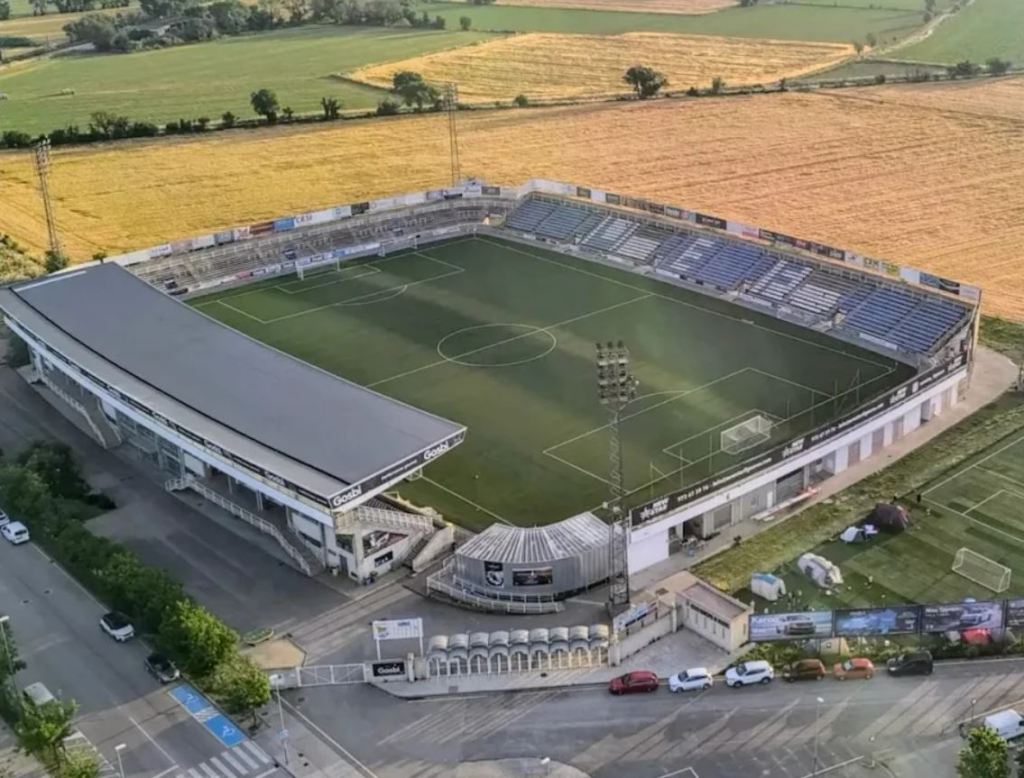
Now approaching the end of its fourth decade, the Estadi de Vilatenim still has a sprinkling of the wow-factor, particularly amongst its contemporaries in the Catalan Liga Elit! The only significant changes in the past 40 years have been the installation of an artificial playing surface in 2015 and the building, a year later, of a community hub in the southwest corner of the ground. This corner stand also has a viewing platform for disabled fans and their families. Credit to the municipality for the changes that make the stadium a community asset, and still in a condition that would grace La Segunda.
 Estadios de España