Article updated: 27/11/2025
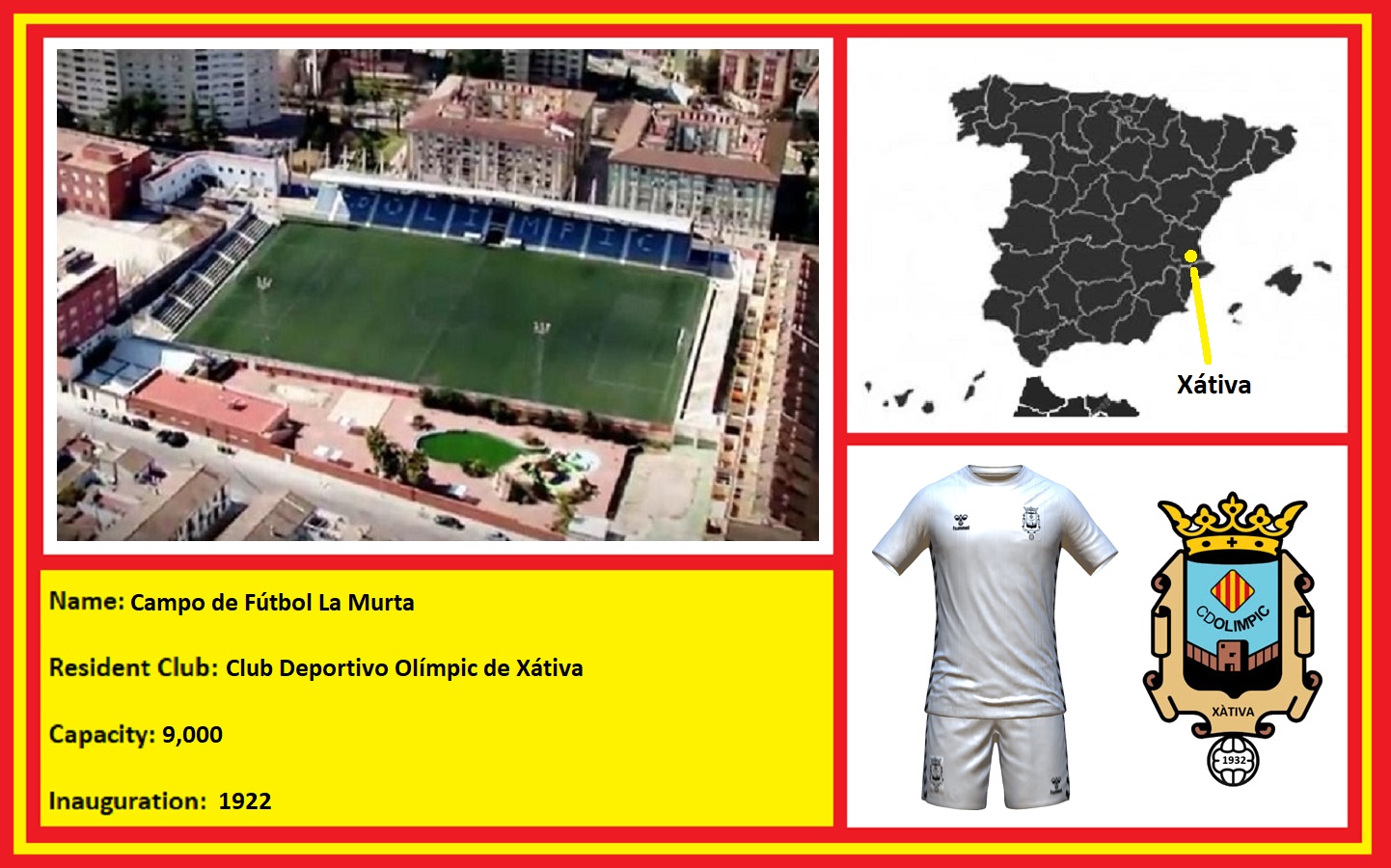
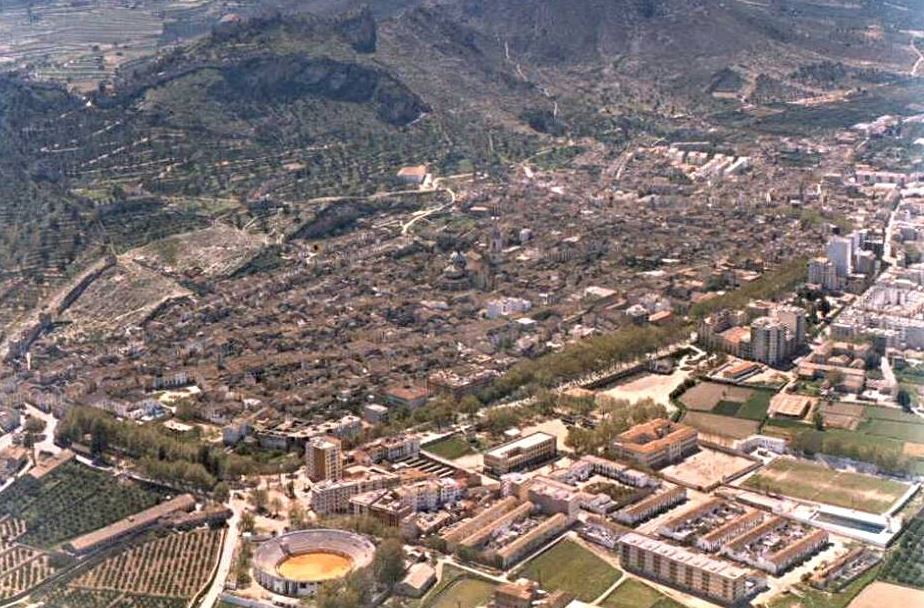
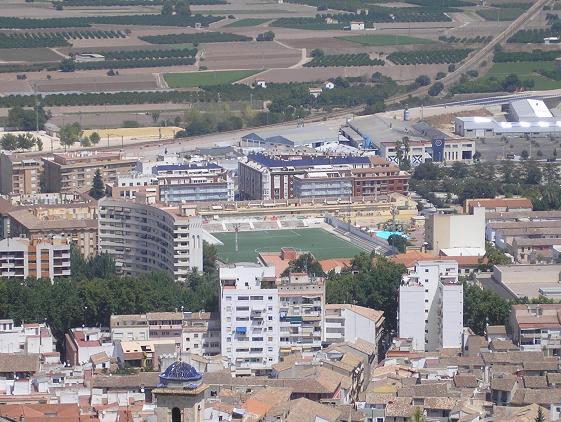
Xàtiva is a fantastic provincial town on the slopes of the Mont Bernisa, around 40 miles south of Valencia. Its major claim to fame is not regrettably the local team, Club Deportivo Olímpic de Xátiva, but the fact that it is the birthplace of not one, but two Popes. I found myself staying in Xàtiva back in 2006 and loved every minute of it, so, therefore, I must declare more than a passing interest in the club and their stadium, La Murta.
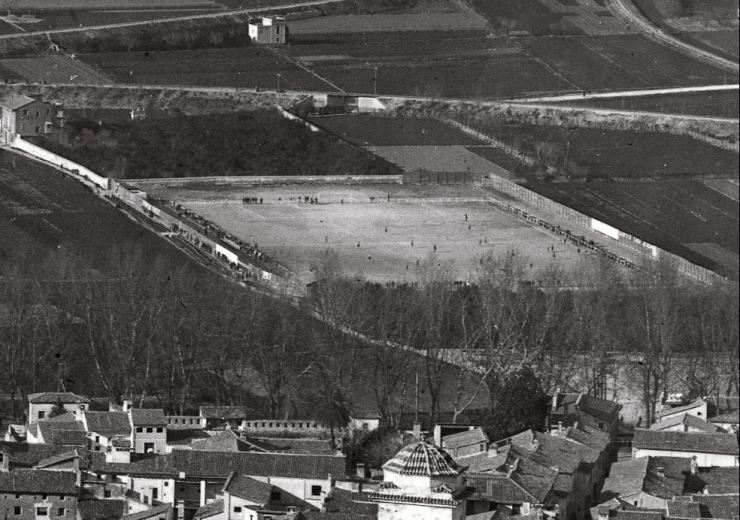
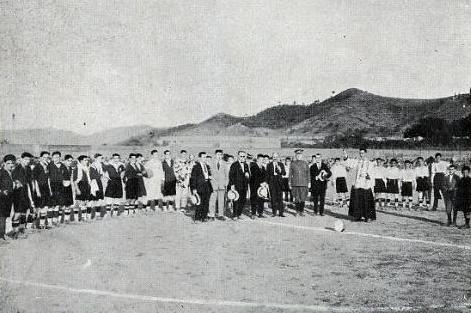
Football first emerged in the city in the early 1920s when soldiers stationed at the local barracks played on a makeshift pitch within the compound. In 1922, the local council opened the Campo de La Murta, after members and supporters of Racing Club de Xátiva had requested a permanent playing field. The club changed its name to Club Deportivo Xátiva at the end of 1922 and joined the local federation in June of 1923, competing in the regional second tier for several years before folding in 1928. Following CD Xátiva’s demise, several local clubs were formed, one of which, Club Deportivo Olímpic, was established in the summer of 1929, playing matches at the Instalaciones del Regimiento Otumba nº49 (the army barracks mentioned above). The barracks were closed in 1931 when the regiment relocated to Alcoy, so Olímpic moved to the Campo de La Murta, paying the council an annual rent of 500 pesetas. On 12 September 1932, Olímpic joined the Valencian Federation, and also switched from its original colours of yellow & black striped shirts and white shorts, to an all-white kit.
The club participated in numerous regional competitions up to the start of the Civil War and, following the conflict, won promotion to the Tercera in 1944. Their stay lasted just one season, but they returned in 1946 and came close to qualifying for the playoffs for promotion to La Segunda on several occasions. However, financial problems saw the club resign from the Tercera in 1951. They returned to the Tercera in 1955, and for the next 6 seasons, Olímpic pushed for promotion. They reached the playoffs for La Segunda for three successive seasons, but were unable to overcome the final hurdle, losing to Gimnàstic de Tarragona in 1959, CD Málaga in 1960, and finally CD Atlético Baleares in 1961. These disappointments led to a slow descent culminating in relegation to the regional league following the restructuring of the divisions in 1968. It took the better part of a decade, but Olímpic finally returned to the 3rd level, then renamed Segunda B for the start of the 1977-78 season. A promising first season saw them finish in eighth position, but 1978/79 was an unmitigated disaster. Olímpic finished bottom of the division with just 4 wins and 12 points from 38 matches.
The decline continued, and after 3 seasons of football in the Tercera, Olímpic was back in the Regional Preferente. Olímpic returned to Segunda B in 1987/88 under the guidance of Coach Benito Floro. That first season back saw their best ever placing of 4th, missing out on promotion on the final day to local rivals UD Alzira. This was the highlight of that particular sortie in Segunda B, and after four seasons, the club returned to the Tercera. For the next two decades, Olímpic switched between the Tercera and the Regional Preferente. It would take over two decades for the club to mount a serious challenge for promotion back to the third tier. Olímpic finished runners-up to Valencia B in Group VI of the Tercera in the 2010-11 season. They then overcame the challenges of Atlético Malagueño and CD Anguiano in the first two rounds of the playoffs. In the final round, Olímpic ran out comfortable 4-1 winners against CD Izarra to earn a place back in Segunda B.
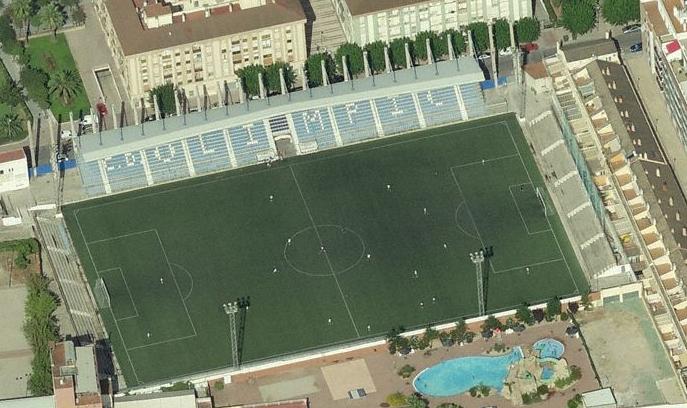
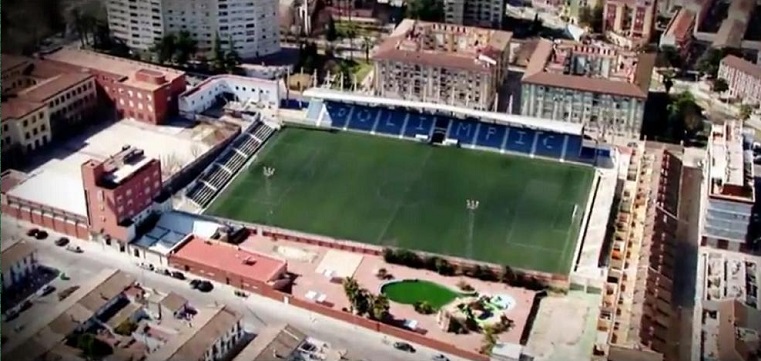
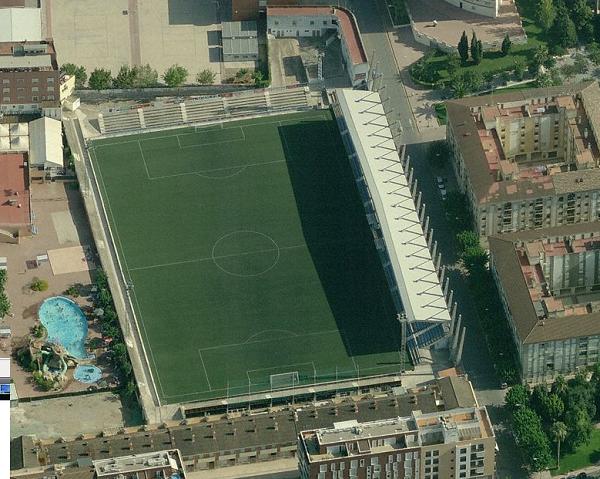
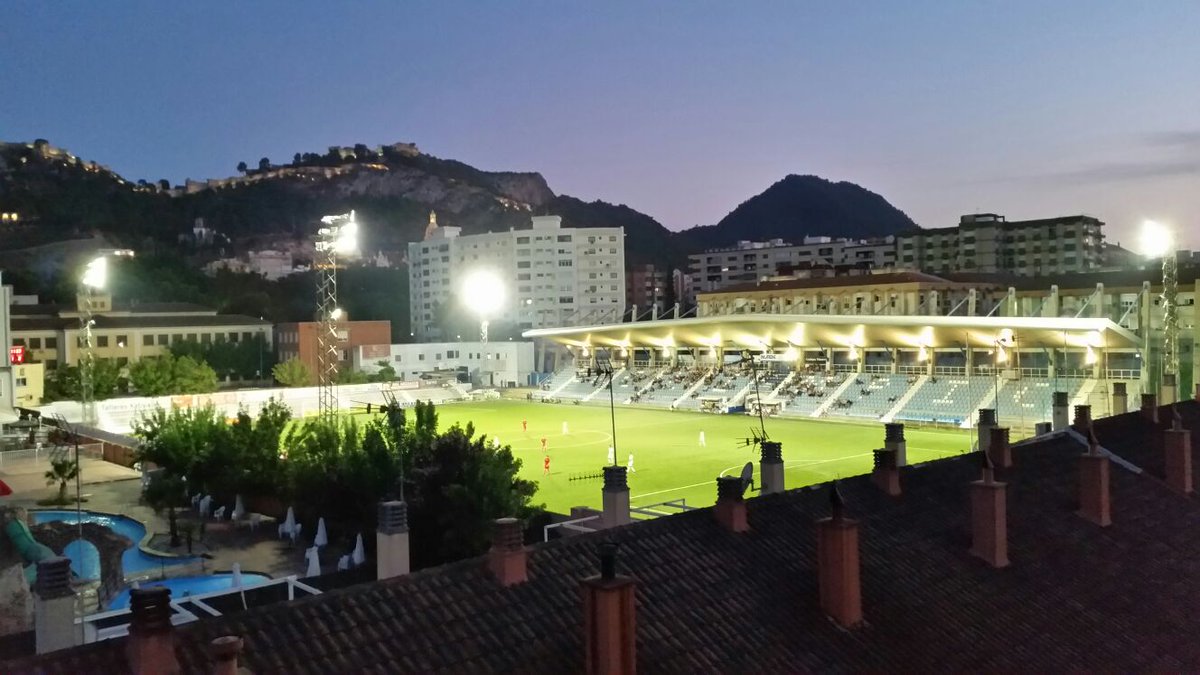
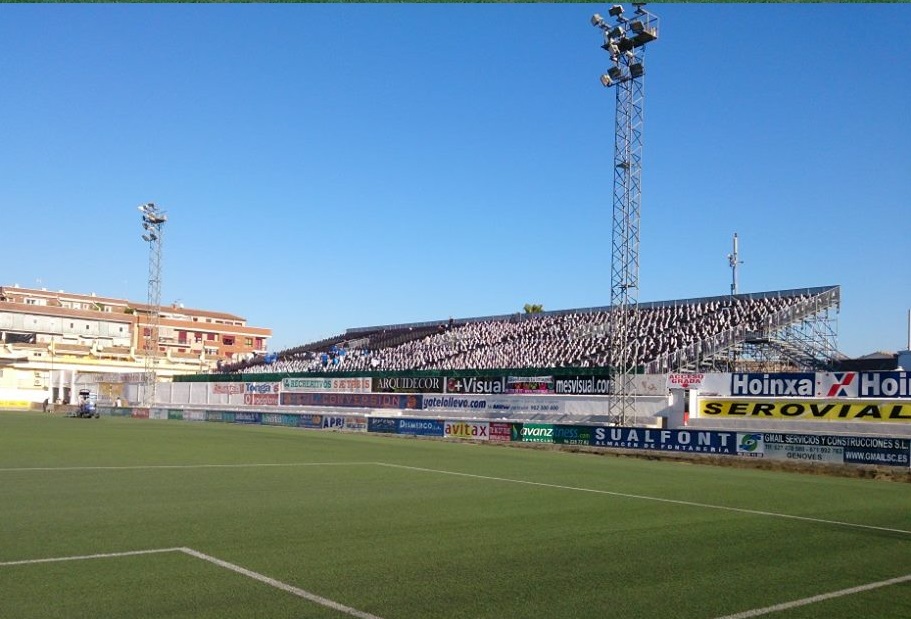
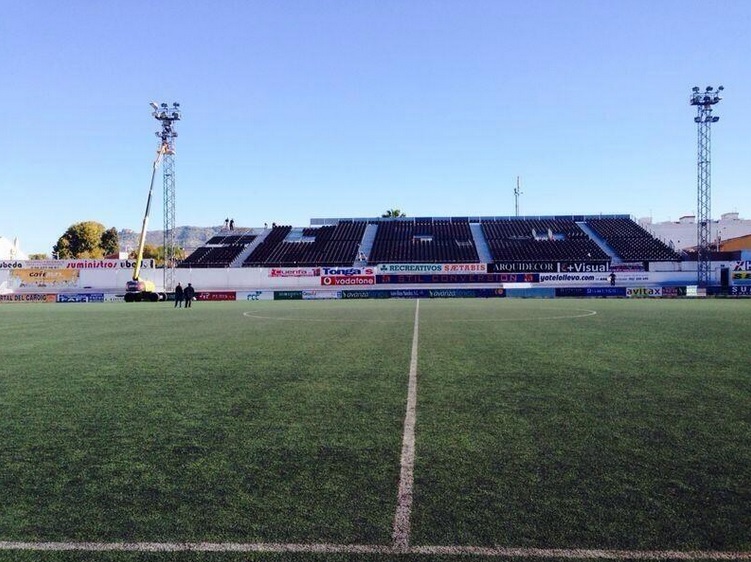
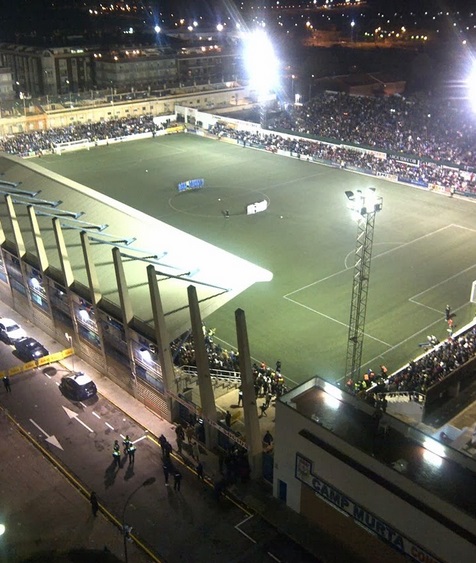
Olímpic’s return to Segunda B was steady if unspectacular, finishing in a respectable ninth place at the end of the 2011-12 season. Their start to the 12-13 season was nothing short of miraculous, heading the table and conceding just 3 goals in the first third of the season. This feat was made all the more impressive when you consider that Olímpic has the second-lowest budget in the division. Regrettably, form fell away with the club dropping out of contention for promotion on the last day of the season. In December of 2013, Olímpic & La Murta became the focal point of Spanish football when they drew Real Madrid in the Copa del Rey. Such was the excitement of the Olímpic directors when they were paired with Los Merengues, the draw had to be temporarily halted. 2,500 additional temporary seats were erected on the east side of the stadium, on ground borrowed from the municipal swimming pool. After four successive top-ten finishes, the 2015-16 season brought disappointment. Olímpic finished the regular season in 16th position and entered the relegation playoffs, where they faced SD Leoia. A 2-5 aggregate defeat condemned Olímpic to relegation to the Tercera.
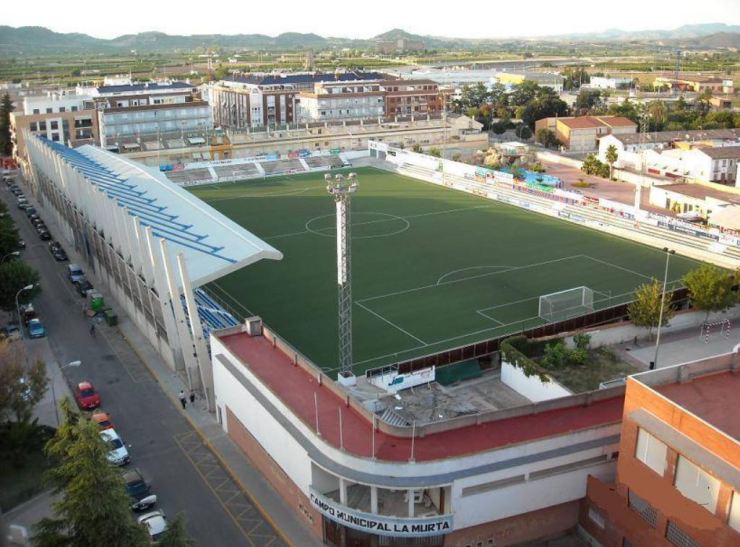
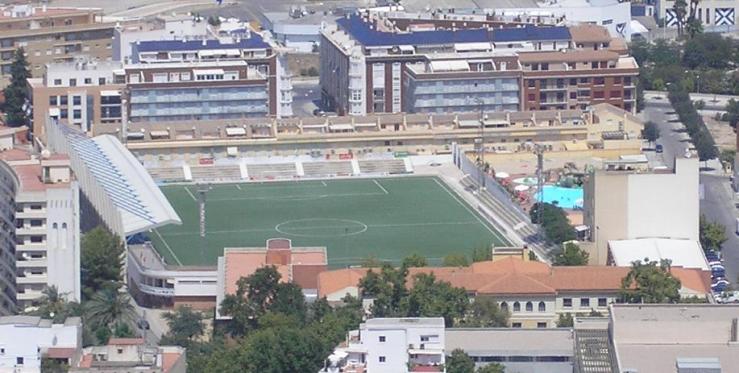
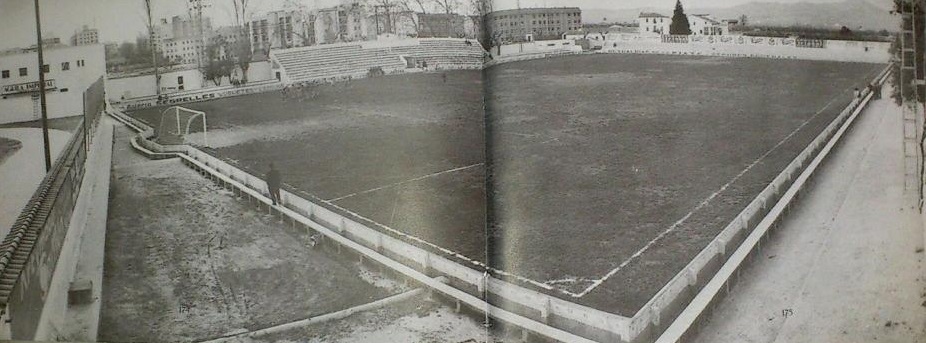
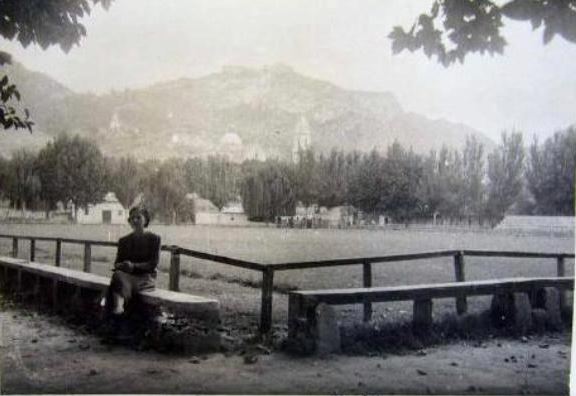
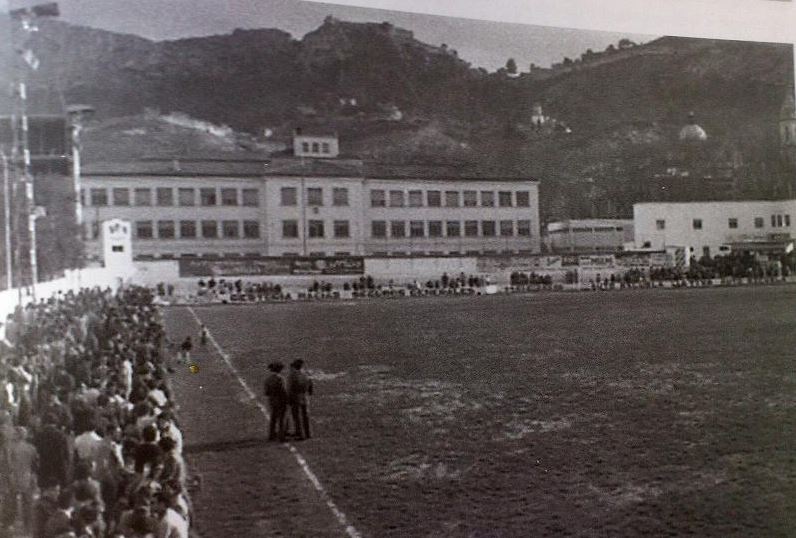
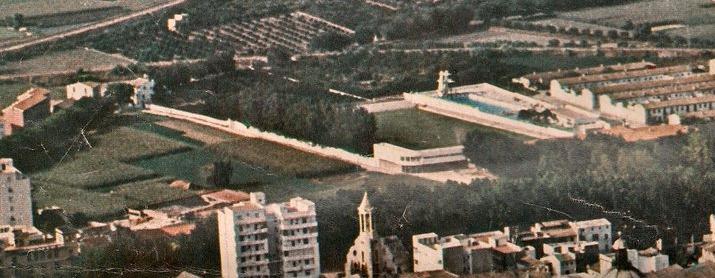
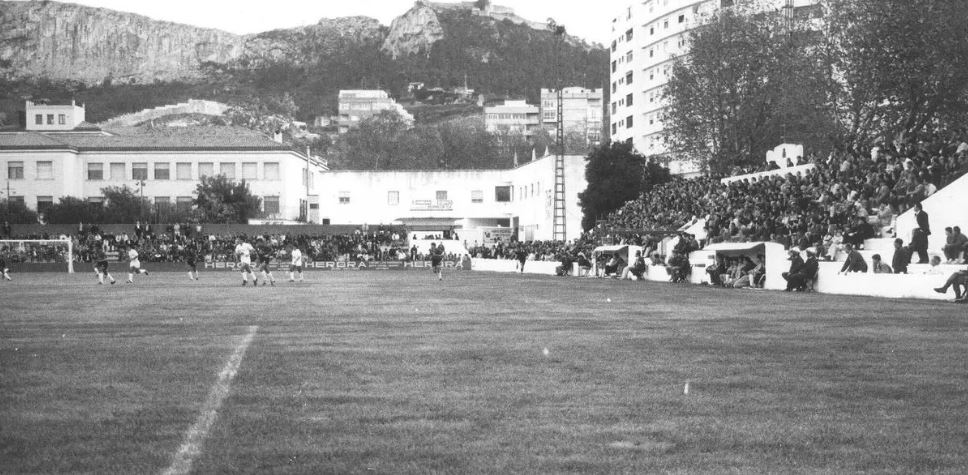
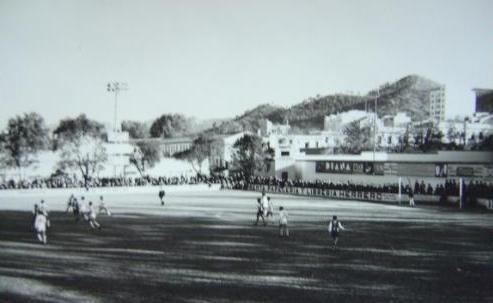
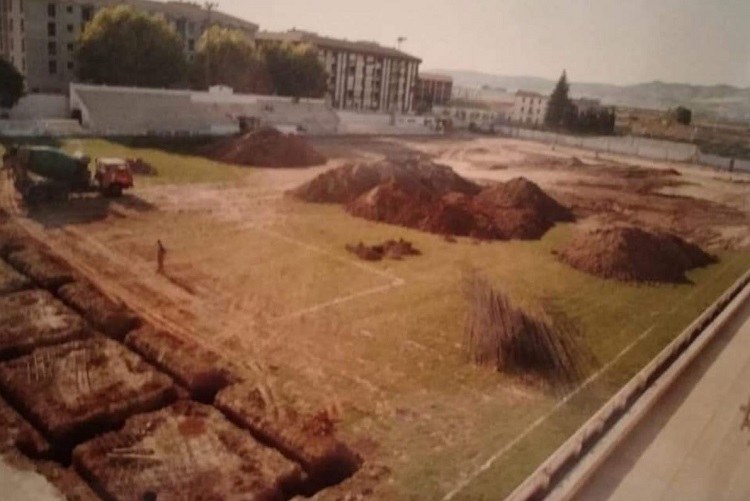
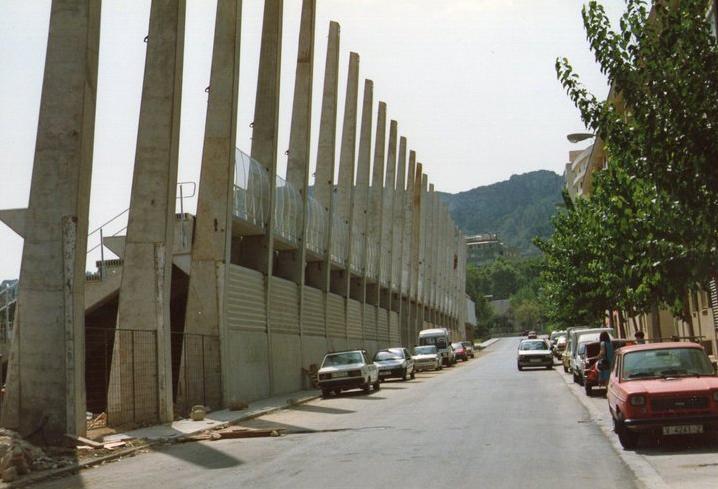
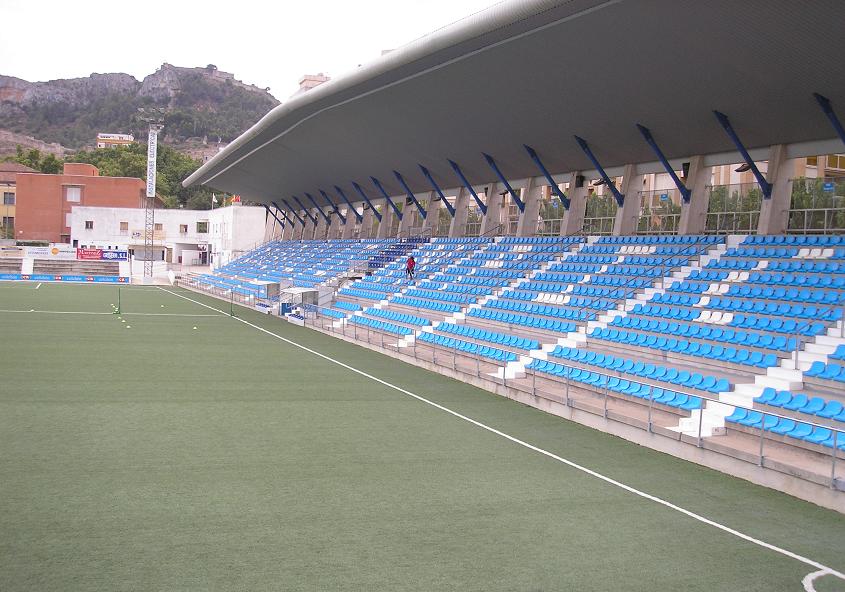
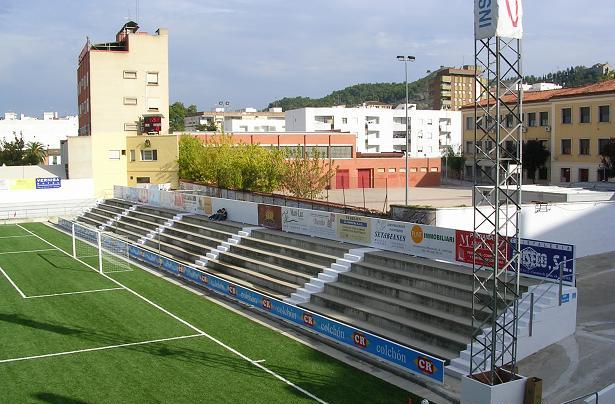
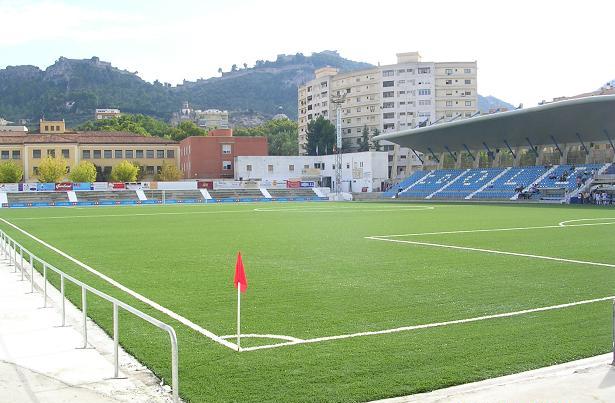
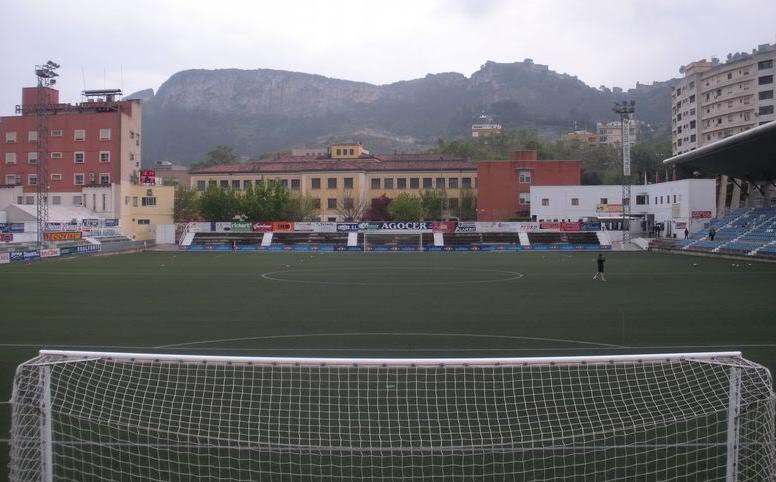
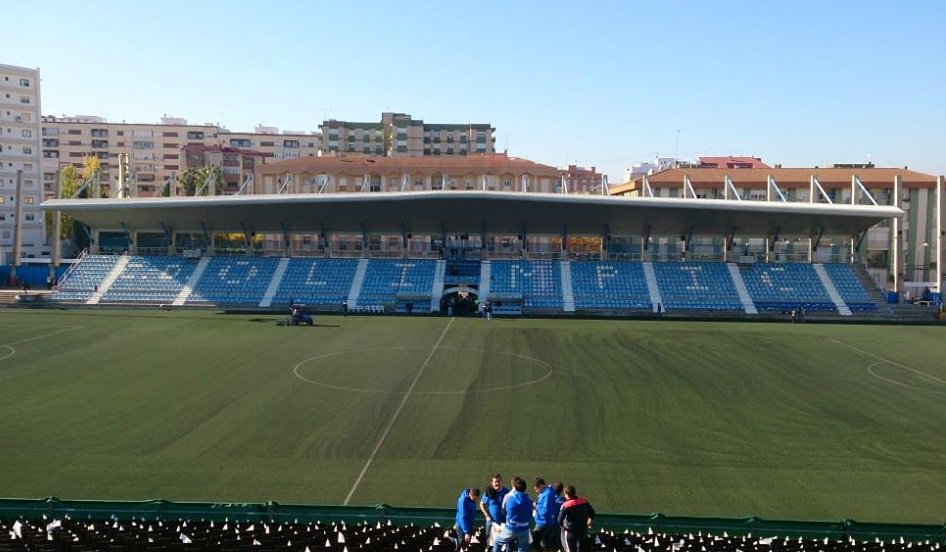
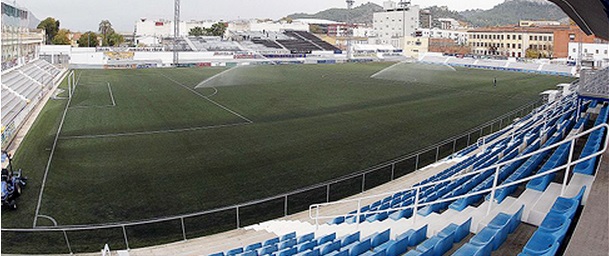
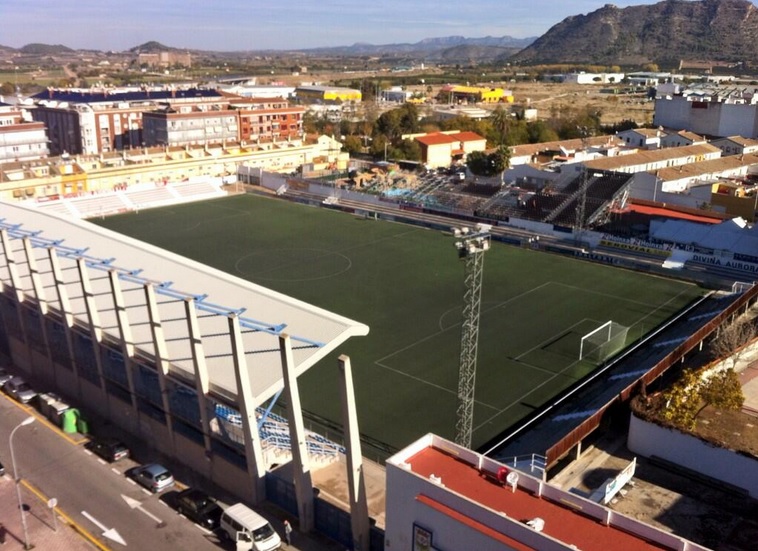
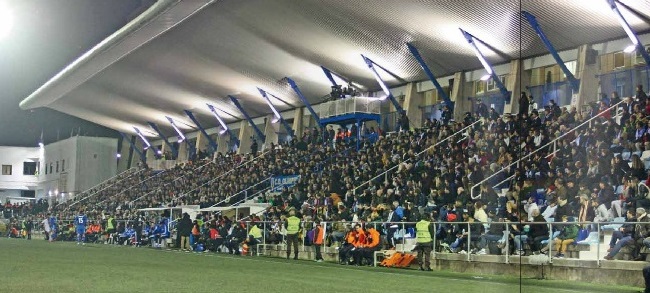
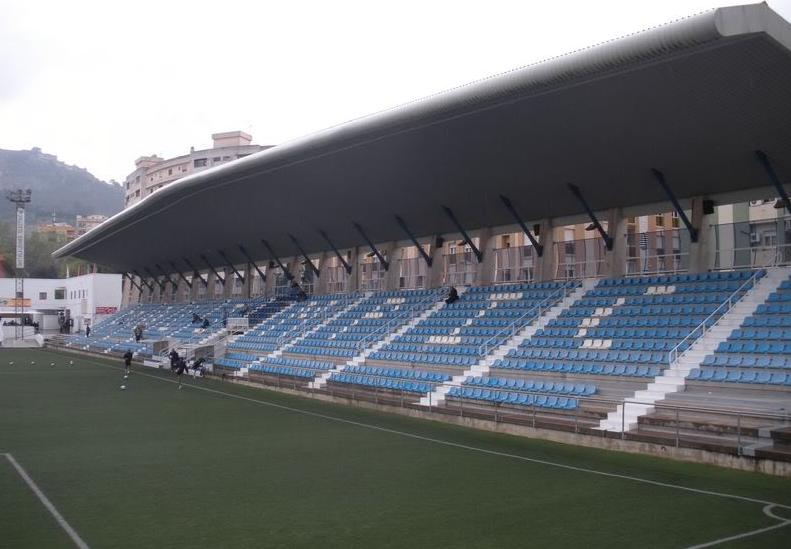
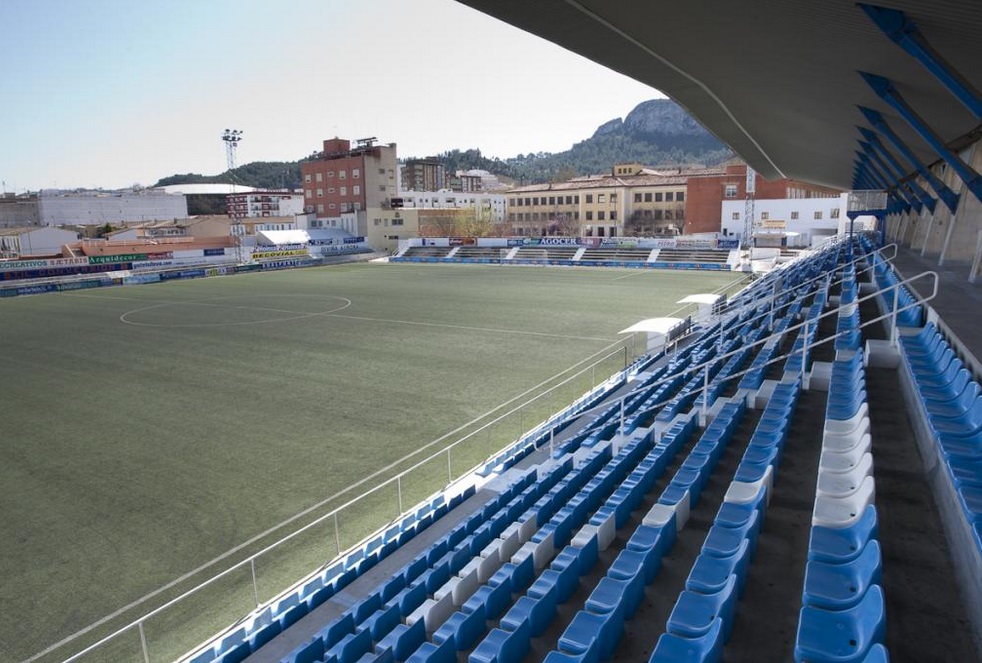
The Campo de La Murta was officially inaugurated in 1922, but the area had been used for recreational purposes for many years before. Until 1960, the ground was very rudimentary, consisting of a simple, uncovered tribuna on the west side of the ground and a single step around the pitch. In the 1960/61 season, lead player Richart was transferred to Sporting de Gijón, and it is said that this money was used to build the popular terrace at the north end of the ground. Simple improvements to the terracing occurred during the 1980s, but the next major improvement was the building of a new tribuna on the west side in 1990. This remained uncovered throughout the 1990s until a roof was added in 2000. If you look closely at the back of the stand, there are more upright supports than actual cantilever struts, suggesting that the stand was originally planned to be 20 metres longer than the finished article. With its modern lines, sleek white cantilevered roof and 1750 sky blue and white seats, the stand is now the focal point of the stadium. The last significant upgrade came in 2005 when the club replaced the natural grass with artificial turf.
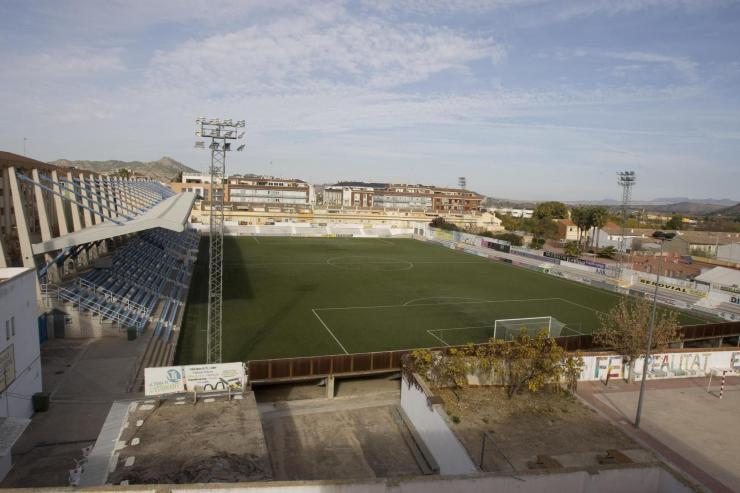
Olímpic’s fortunes have nosedived since their relegation from the third tier in 2016. Following the restructuring of the Spanish football pyramid in 2021, the club was placed in the Tercera Federación (fifth tier). A 15th-placed finish meant that Olímpic occupied the last relegation position and dropped to the Regional Preferente in May 2022.



 Estadios de España