Article updated: 11/11/2025
To the casual follower of Spanish football, it would appear that Real Club Deportivo Mallorca has spent much of its time in the top division. However, Mallorca’s success has been a recent phenomenon, as the club had spent only eight seasons in La Primera before 1990. The distance from the mainland ensured that clubs from the Balearic Islands, along with those from the Canary Islands, were severely disadvantaged in terms of development in the early years of the Spanish game.
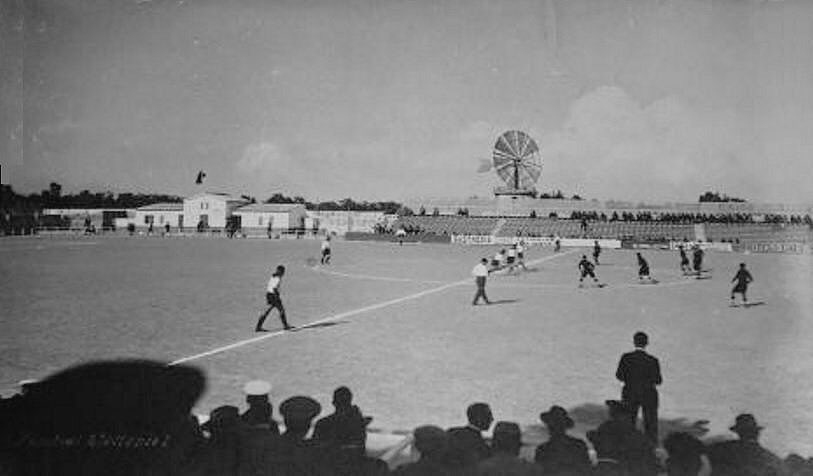
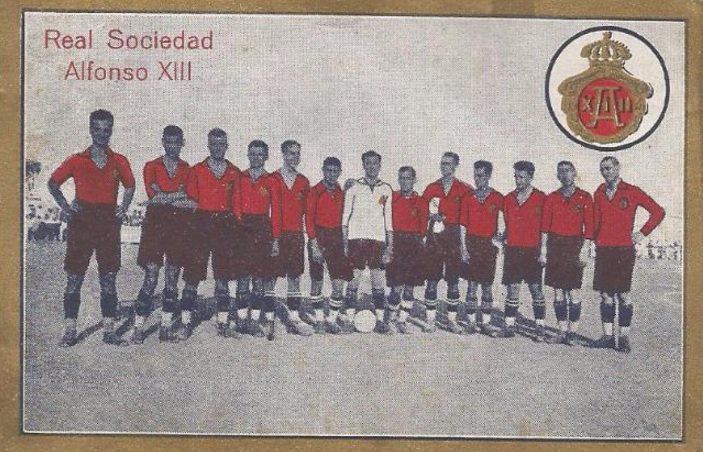
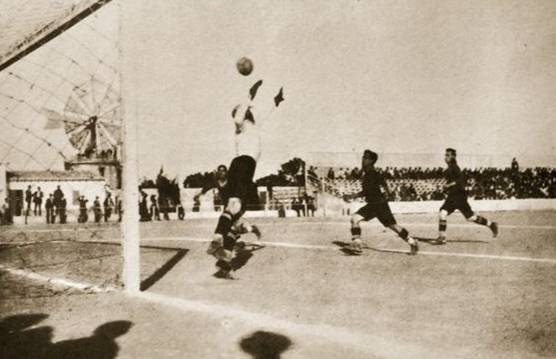
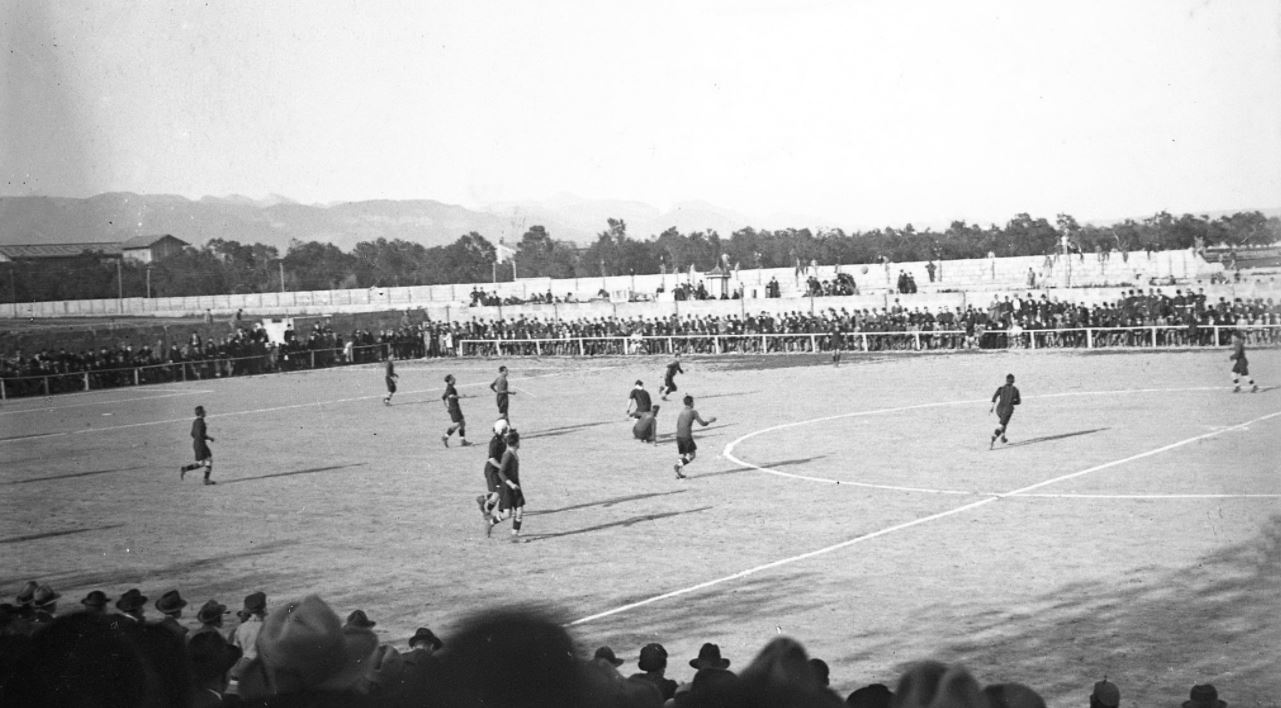
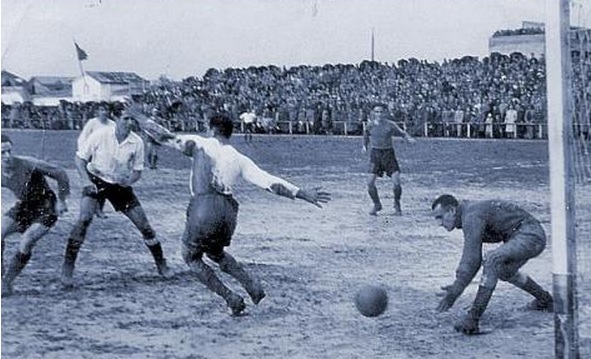
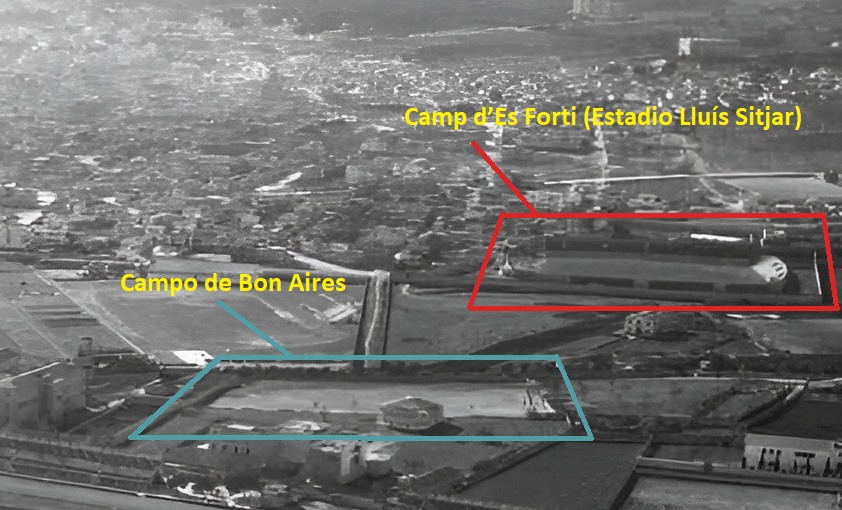

The island’s first football clubs were formed in 1902, but not a single club from Mallorca won the Balearic championship in the first decade and a half of the competition. The strongest side, FC Mahón from Menorca, had the pick of all the island’s best players, and it was this model that several small clubs in Palma sought to imitate. On 27 February 1916, the rather grandiosely-named Sociedad Alfonso XIII Foot-Ball Club was formed. The club would be based at a new ground that was being built behind the Hermitage of the Little Sisters of the Poor and close to the city’s hippodrome on the Calle General Riera. The first match for the fledgling club and the Campo de Bon Aires took place on 25 March 1916 when a strong FC Barcelona second-XI won by five goals to nil. The club joined the Catalan Federation, and in June 1916, it was, not surprisingly, granted royal patronage by King Alfonso XIII. The Balearic Federation was founded in 1926, and the club joined the regional championship, winning the title in 1928-29 & 1929-30. Following the arrival of the Republican government in 1931, the club dropped all reference to royalty and opted for the simpler Club Deportivo Mallorca. A single appearance in the Tercera in 1931-32 was Mallorca’s only appearance on the national stage before the Civil War, but an invitation to join La Segunda in 1939-40 was quickly accepted. Perhaps too quickly, as Mallorca finished seventh and was relegated back to the Tercera.
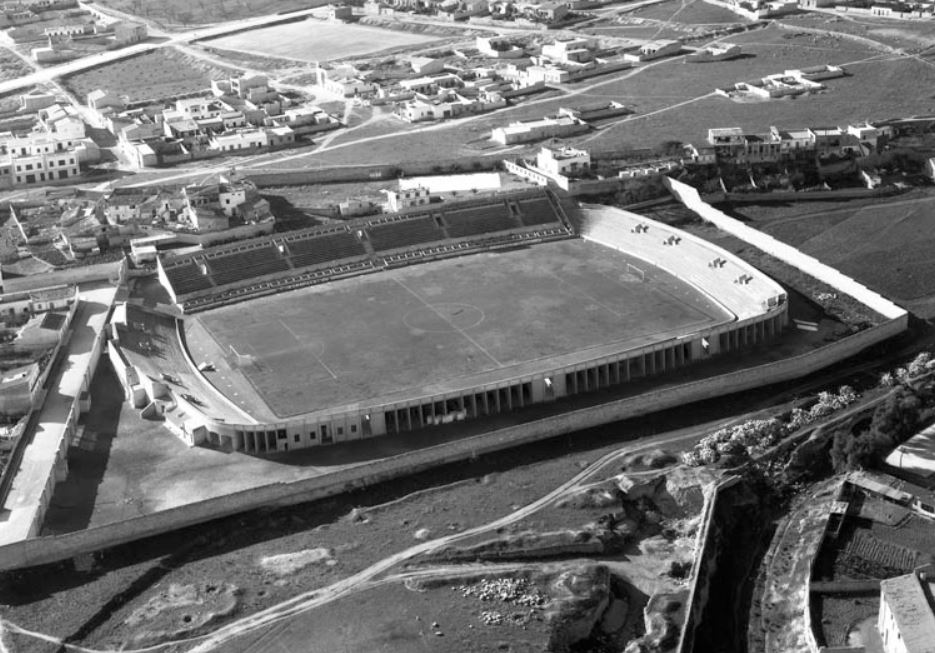
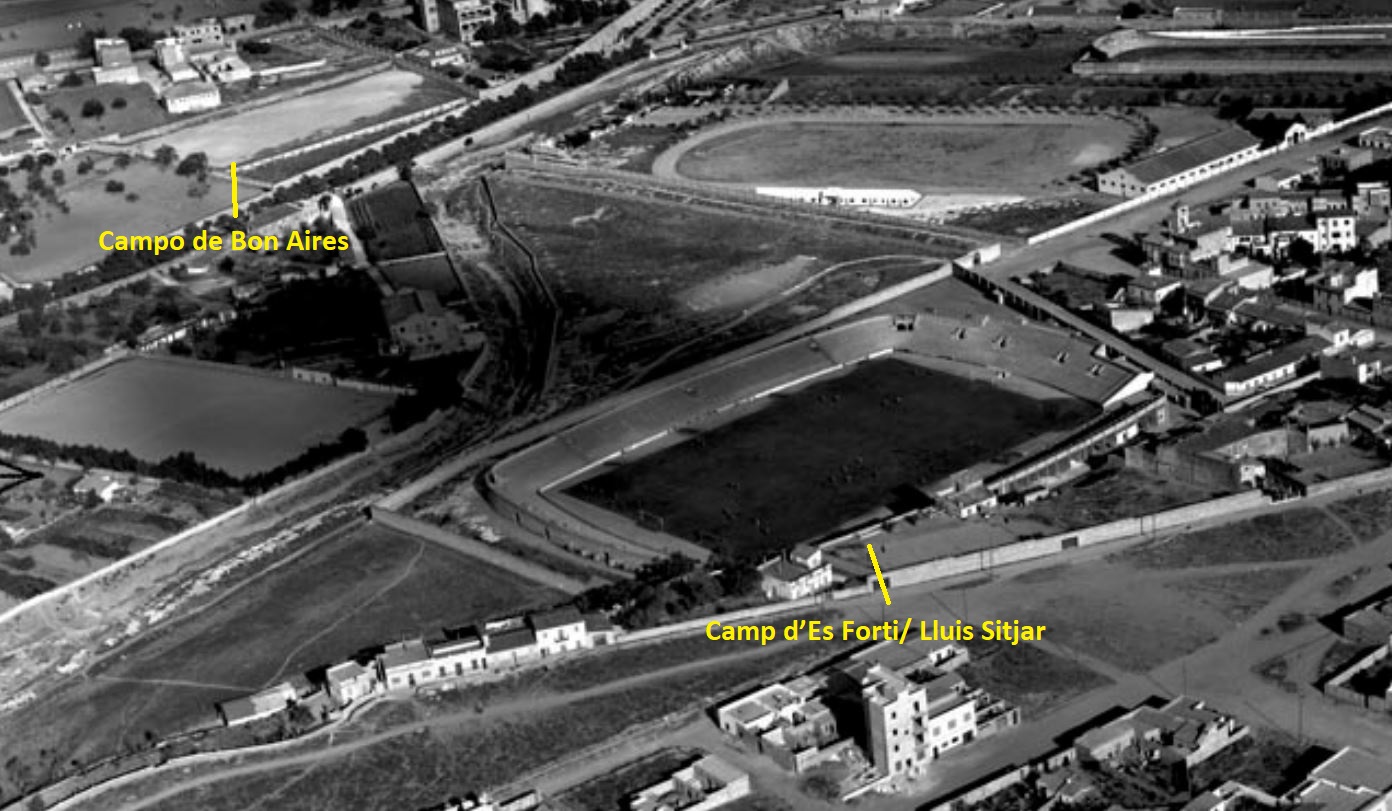
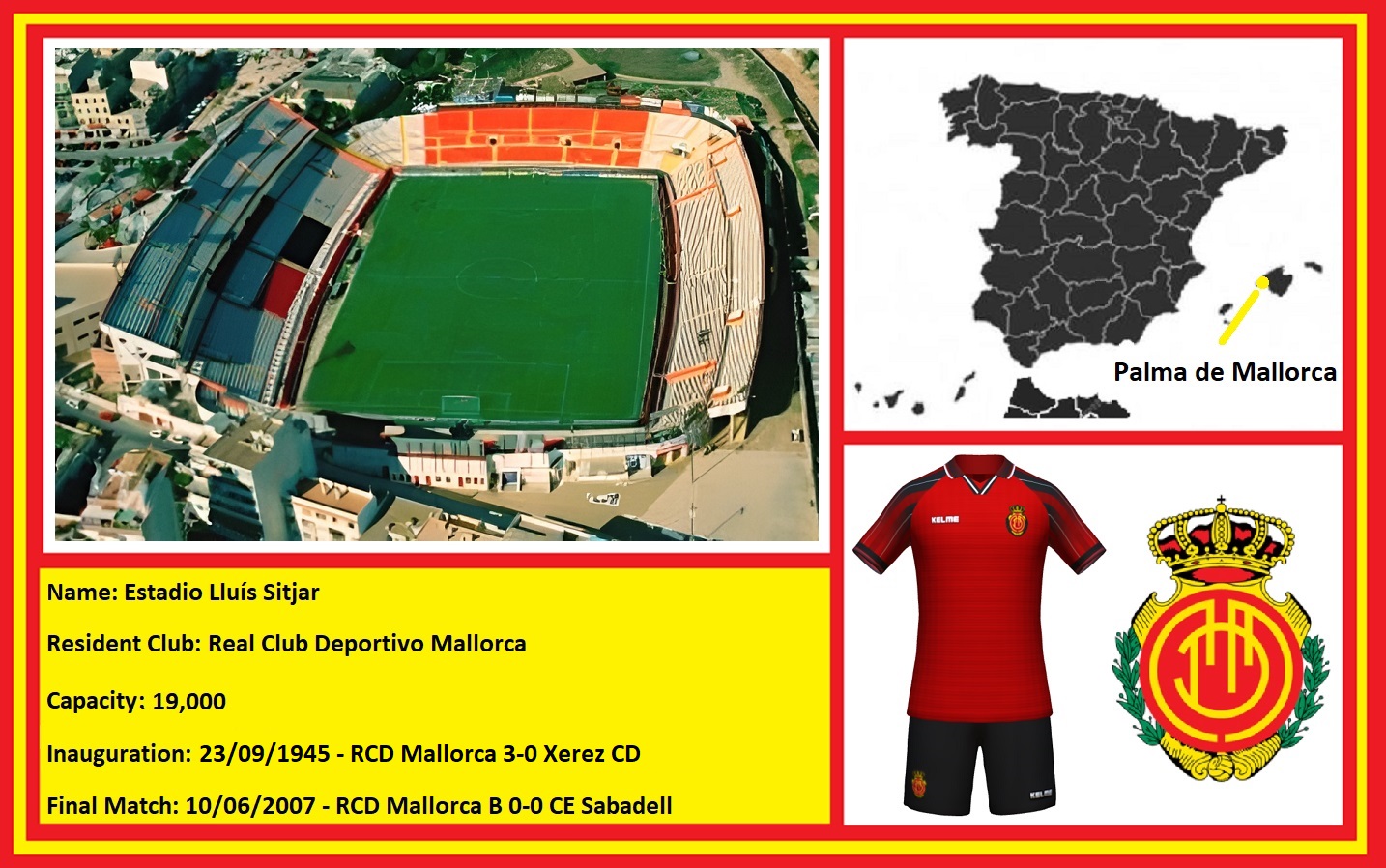
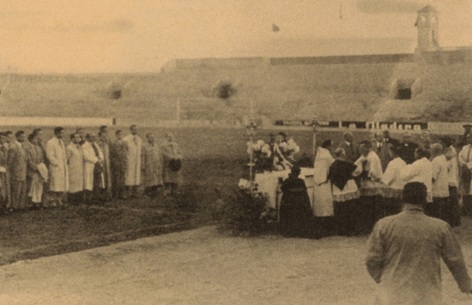
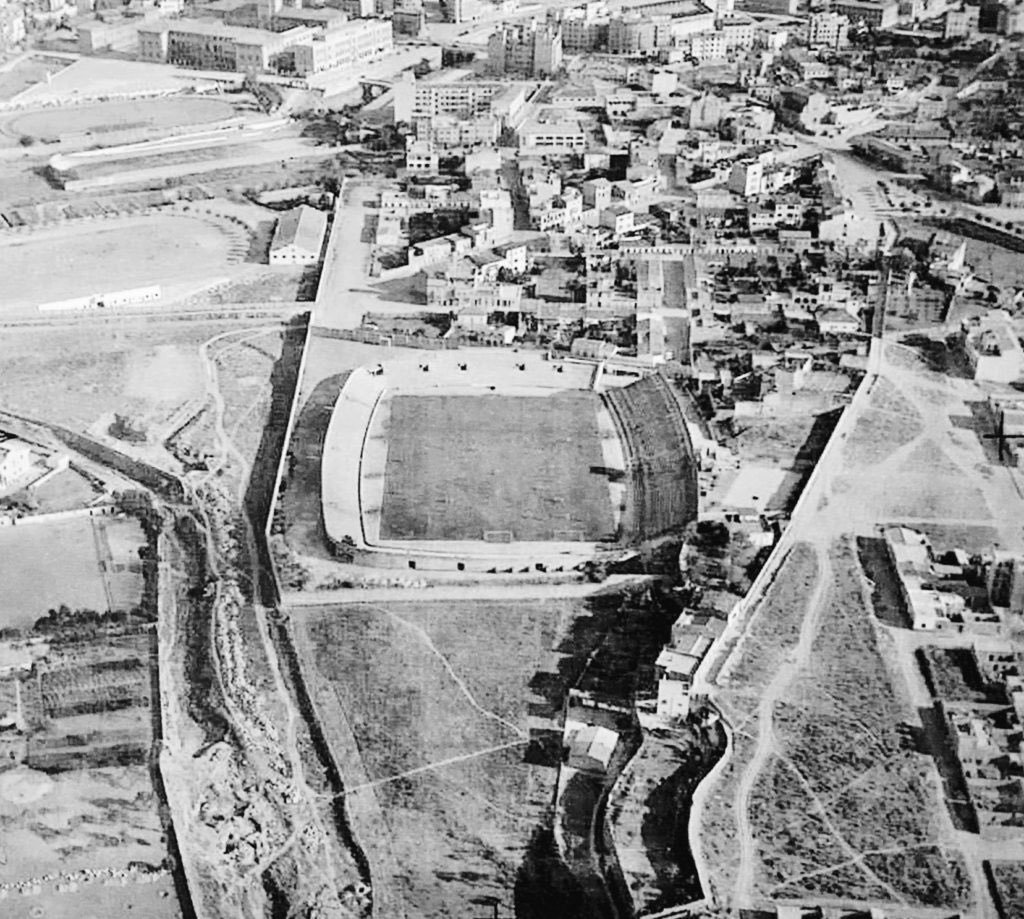
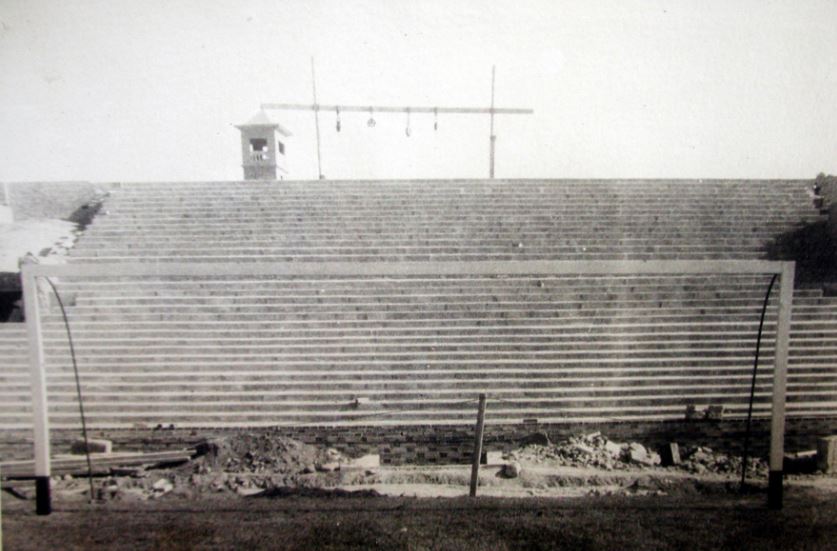
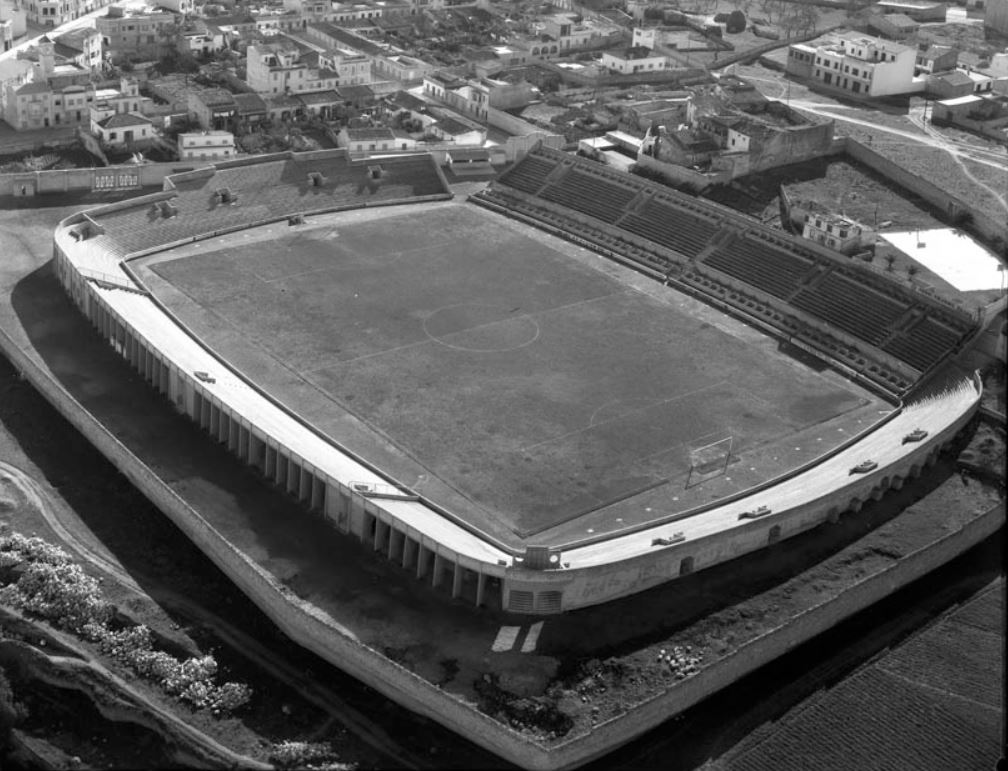
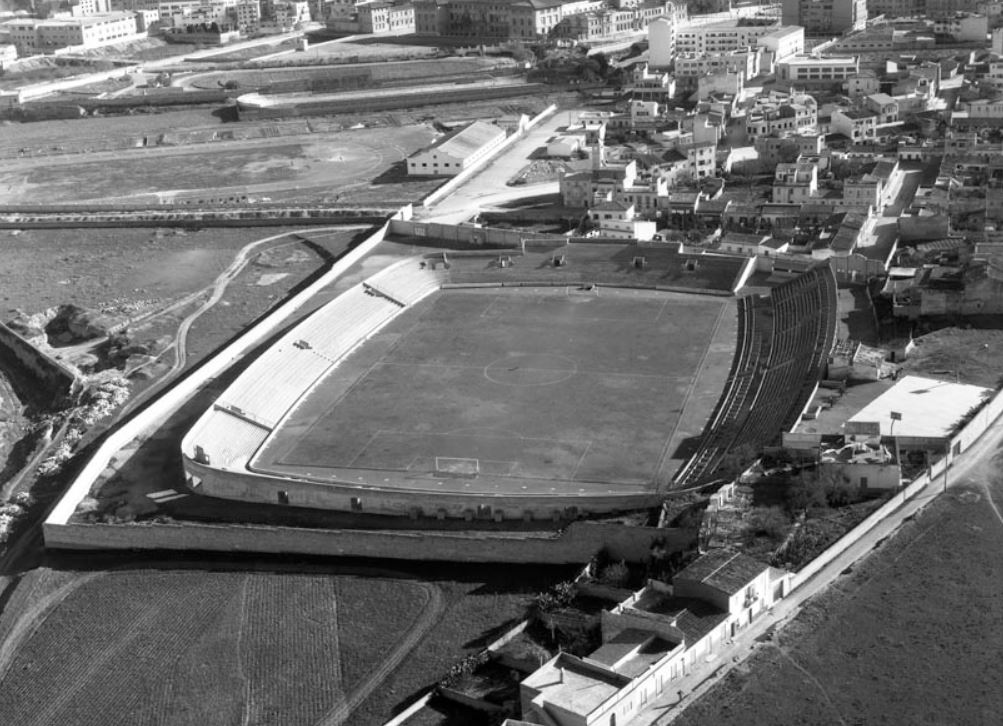
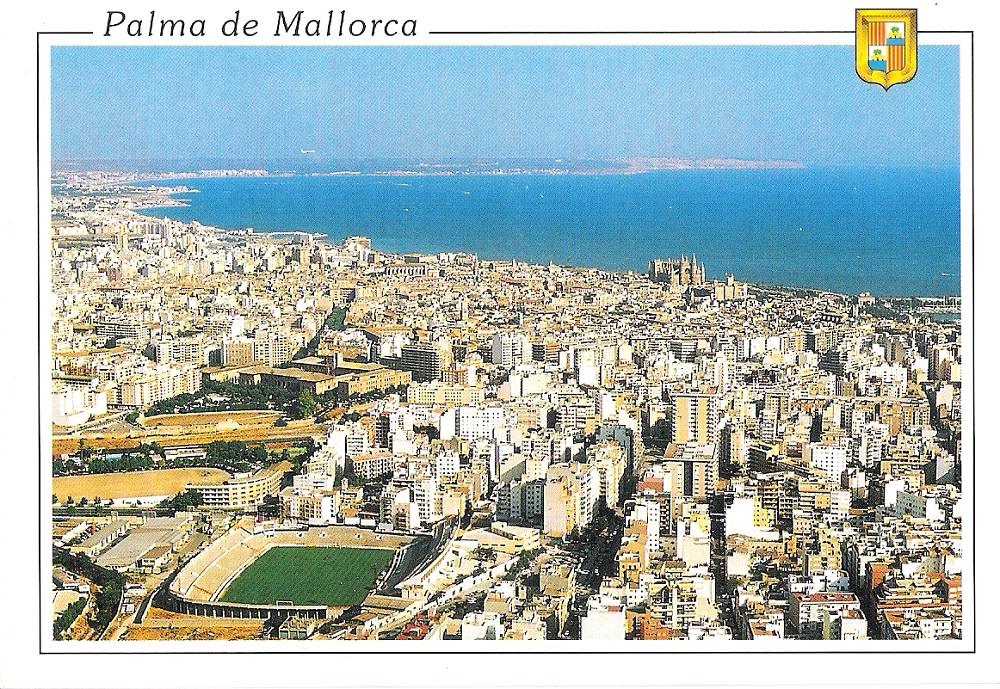
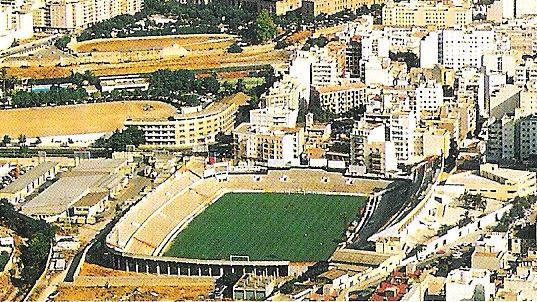
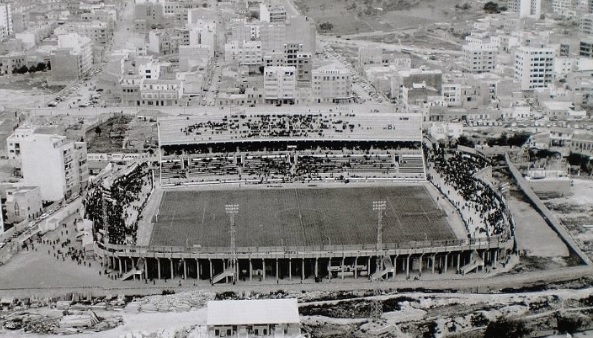
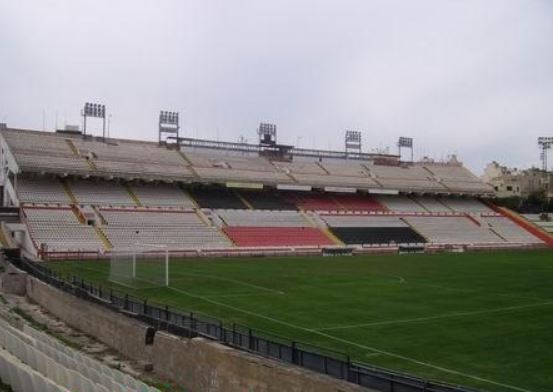
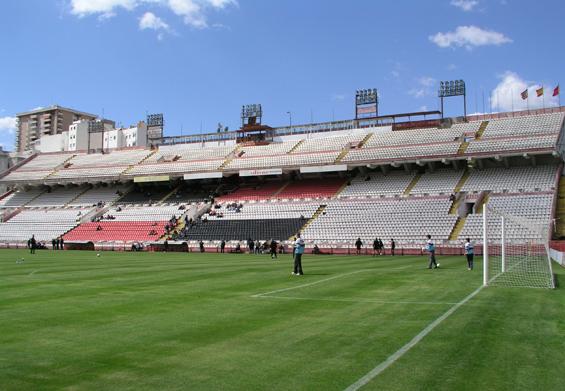
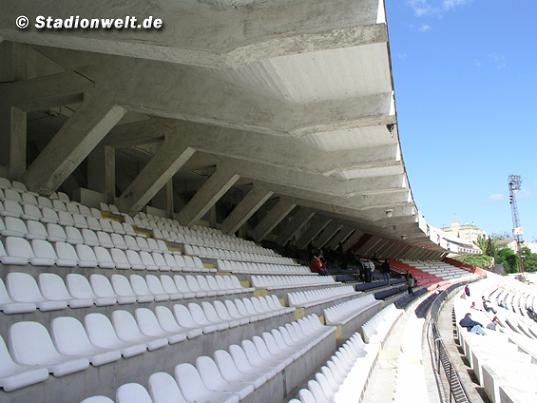
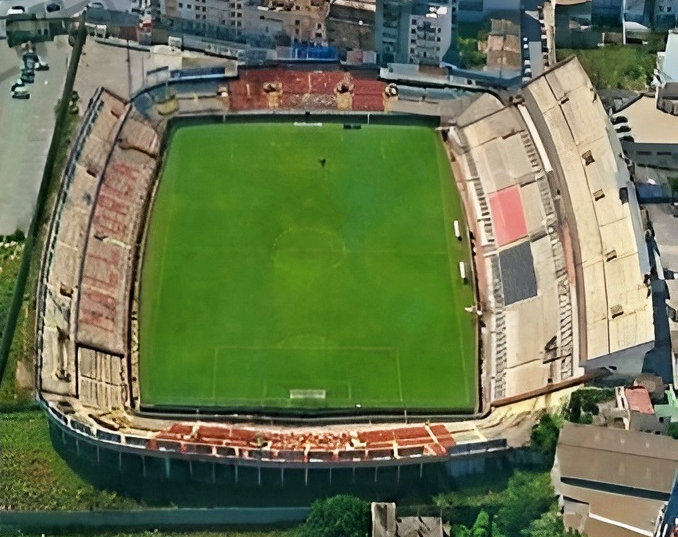
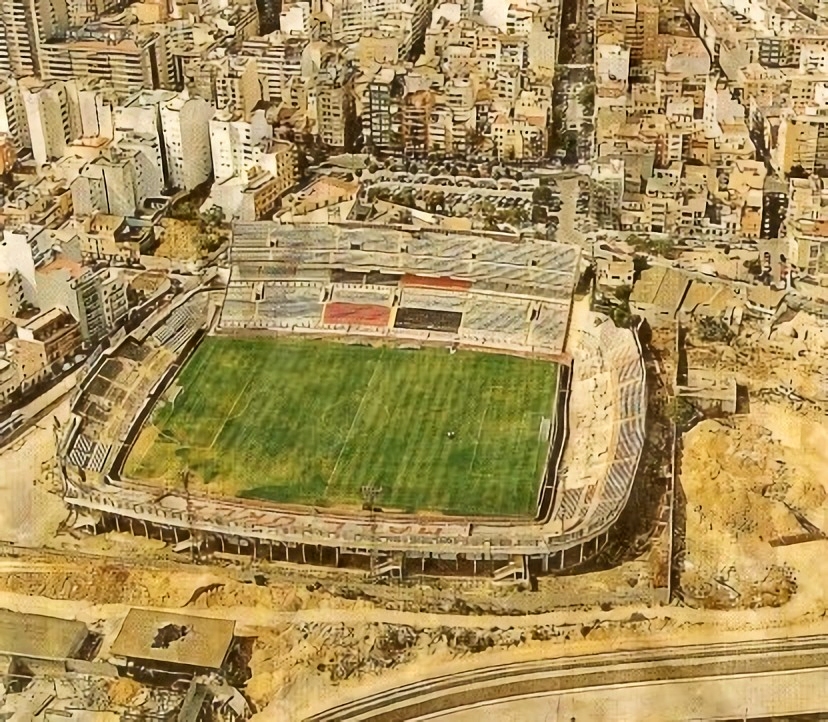
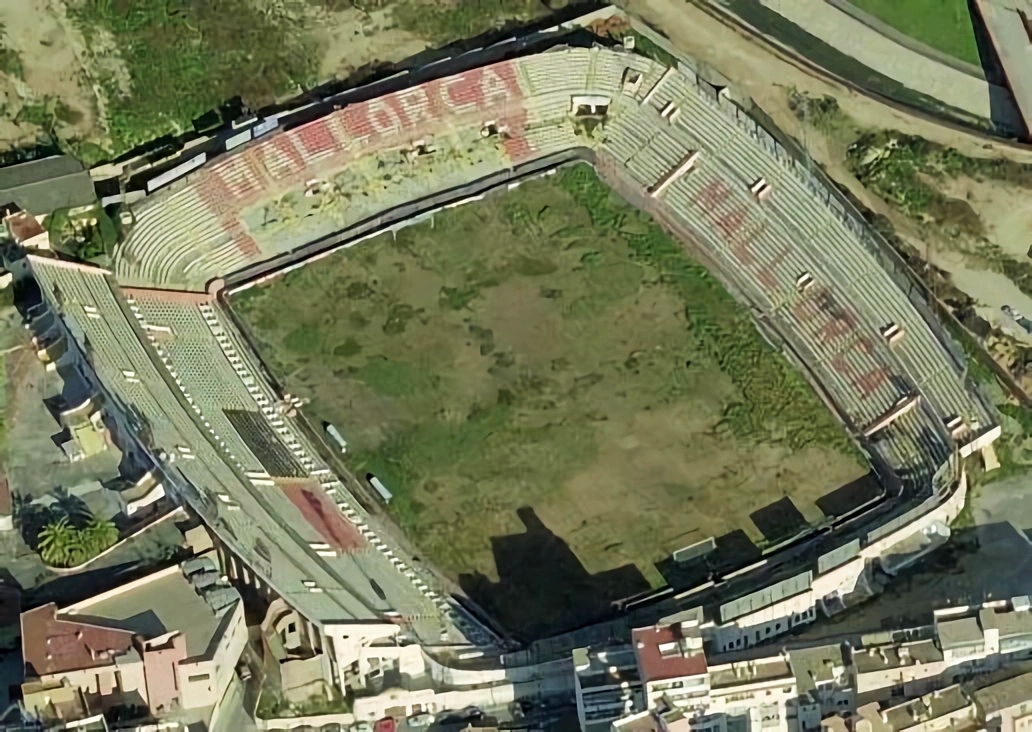
It took a further four seasons to regain a place in La Segunda, by which time Mallorca had made plans to move west, 250 metres to be precise, to the other side of La Riera. The final season at Campo de Bon Aires saw a battle against relegation with fellow islanders CD Constancia, which went to the final game, coincidentally at Bon Aires. On 20 May 1945, Mallorca won a tense affair 2-0, ensuring their safety and second division football at their new Camp d’Es Forti. The new ground was designed by Carlos Garau and had an initial capacity of 15,000. It featured a large tribuna on the west side of the enclosure, and three open terraces that stood square to the pitch and linked by corner terraces. It was officially opened on 23 September 1945 for the league match against Xerez CD, which Mallorca won 3-0. Mallorca would spend eight of the next nine seasons in La Segunda, usually at the wrong end, before the club dropped to the regional Tercera in 1954.
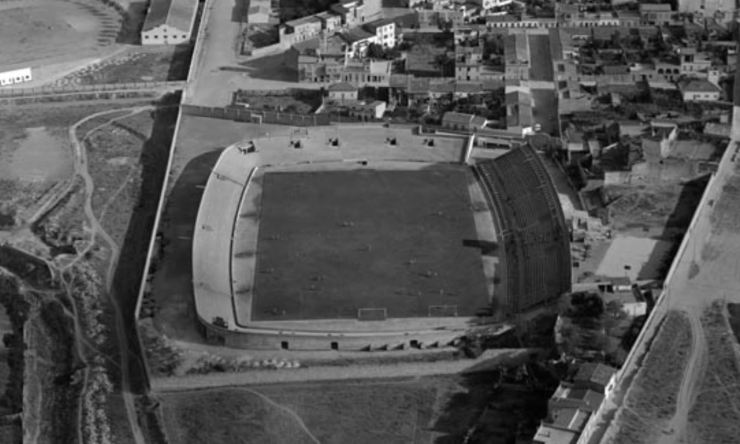
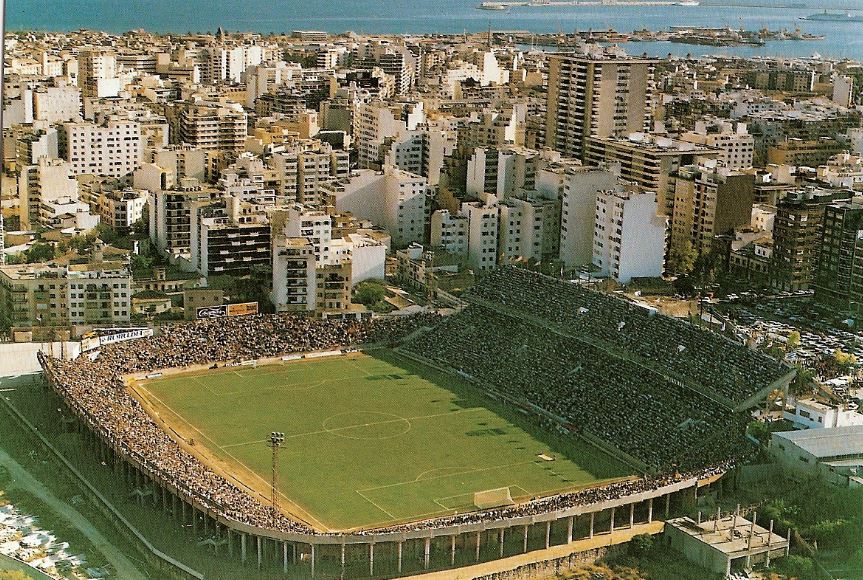
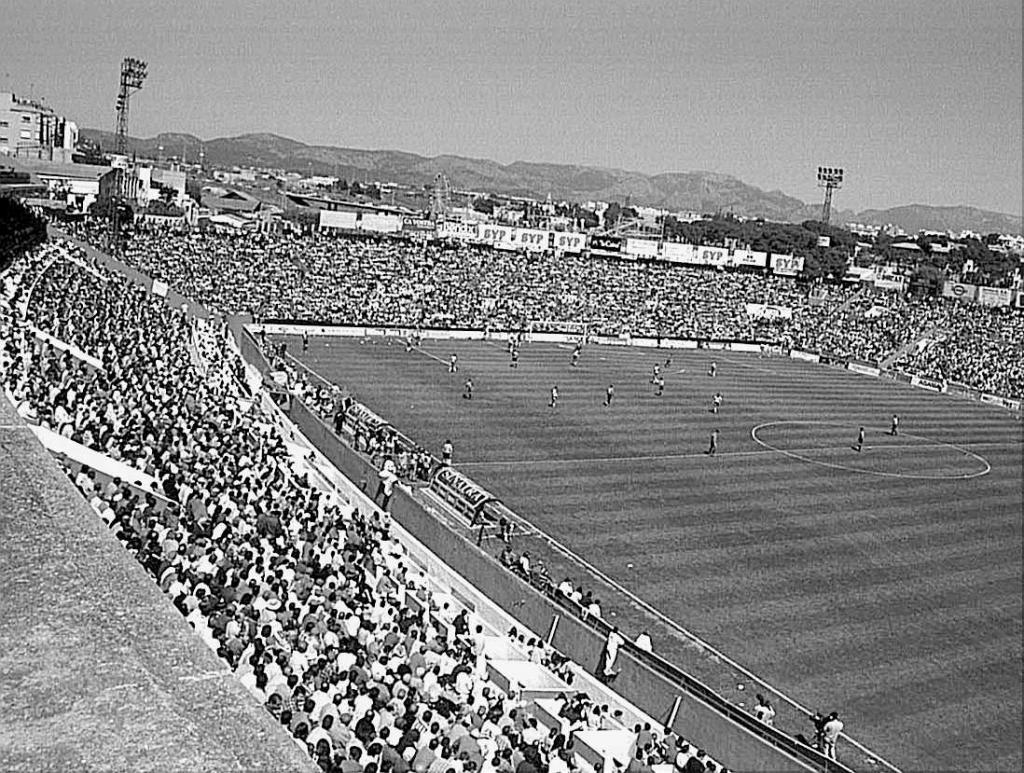
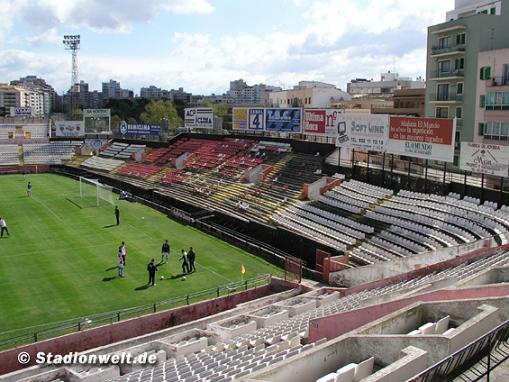
In the Tercera, Mallorca had to endure a five-year battle to escape back to La Segunda, by which time the Camp d’Es Forti was renamed Camp Lluís Sitjar in honour of the club president who had overseen the stadium’s initial development. Under the guidance of Argentine coach Juan Carlos Lorenzo, Mallorca earned back-to-back promotions and made its debut in La Primera at the start of the 1960-61 season. Promotion saw the further development of the stadium, with an anfiteatro or upper tier added to the west side. With other extensions to the end terraces, Camp Lluís Sitjar’s capacity rose to 31,000, making it the largest stadium on the island of Mallorca. In truth, Mallorca’s three-season stay in La Primera was a struggle, with relegation narrowly avoided in the first and second seasons, before a 13th-place finish saw the club play Espanyol in the relegation/promotion play-offs. After two legs, with the scores tied at 3-3, Espanyol prevailed thanks to a 1-0 victory at a neutral Estadio Santiago Bernabéu, on 23 May 1963.
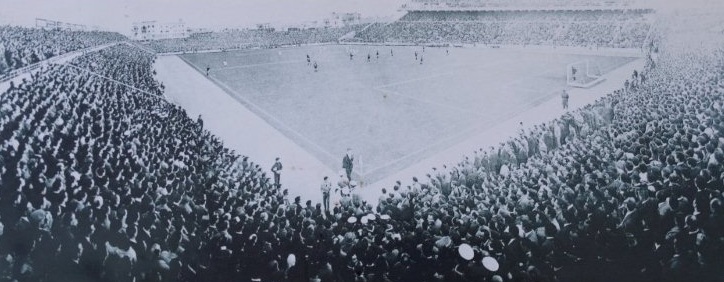
Mallorca would return to La Primera for season-long stays in 1965-66 & 1969-70, but the 1970s were a decade of woe, mirroring the club’s poor performance when they were last in the Tercera in the 1950s. In May 1975, Mallorca dropped to the Tercera and only escaped in 1977-78 when the league was restructured with the introduction of Segunda B. This was to prove to be a temporary respite, for a year later, Mallorca dropped back to the Tercera, finishing 13th and staring financial oblivion in the face. Thanks to financial support from local businesses and the municipality, the club was able to survive. Under the tutelage of coach Antonio Oviedo, Mallorca won successive promotions and, after a year of consolidation, earned promotion back to La Primera in May 1983.

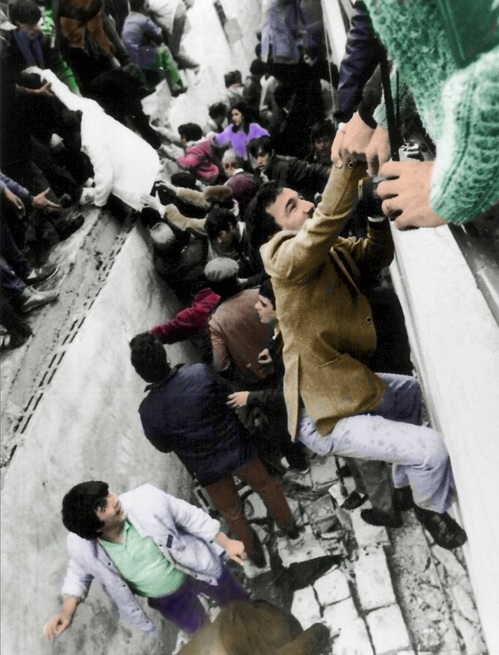
Mallorca’s return to the top flight in 1983 saw the stadium extended, with the addition of an extra tier to the north terrace, whilst a moat was dug around the pitch. This raised the capacity to 38,000, but regrettably, Mallorca struggled and was ultimately relegated in 17th position. Matters were not helped when it was forced to play their remaining three home fixtures away from the Lluís Sitjar. The RFEF forced the club to close the stadium after part of the retaining wall on the south terraced collapsed. Several fans sustained injuries after they fell 10 feet into the moat below. Mallorca decamped to the Mini Estadi in Barcelona and Estadio José Rico Pérez in Alicante, but failed to win again and returned to La Segunda. Over the next decade, the club became something of an elevator team, switching between the top two divisions on five occasions. The Estadio Lluís Sitjar did host the Island’s first international match, when Spain drew 0-0 with Northern Ireland in March 1985. La Selección returned in 1997 when Romania was held to a 1-1 draw.
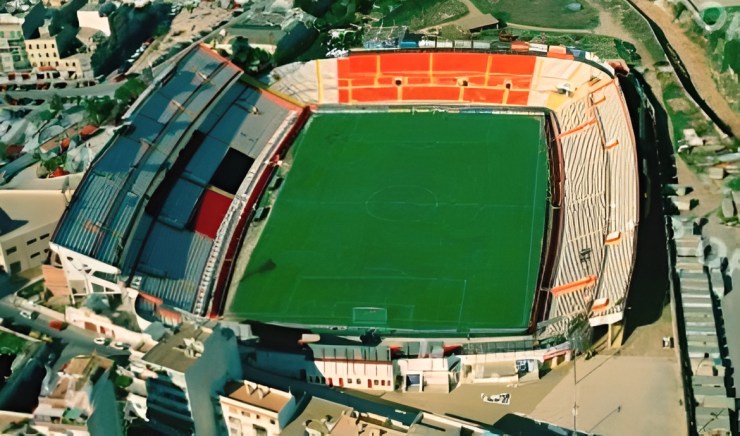
Mallorca returned to the top-flight in 1986 and spent five of the next six seasons in La Primera. The club reached its first Copa del Rey final in 1991, losing to Atlético Madrid at the Bernabéu, but then endured a five-year stay in La Segunda. Promotion was won in May 1997, by which time the Estadi Llius Sitjar had to comply with FIFA’s all-seater stadia ruling. This drastically cut the capacity to 19,000, thus sealing the stadium’s fate. A second cup final and a second defeat followed in 1998, this time at the hands of Barcelona at Mestalla, still a first national trophy arrived at the start of the 1998-99 season with a victory over Barça in the Spanish Super Cup. The season was the most momentous in the club’s history with a third-place finish in the league and an appearance in the last-ever European Cup Winners’ Cup Final, where they lost 1-2 to Lazio at Villa Park.
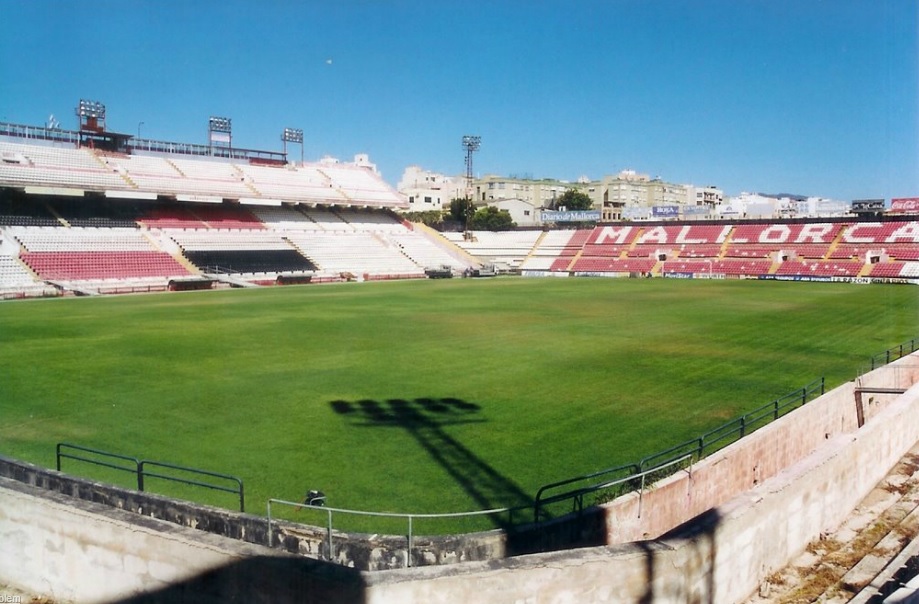
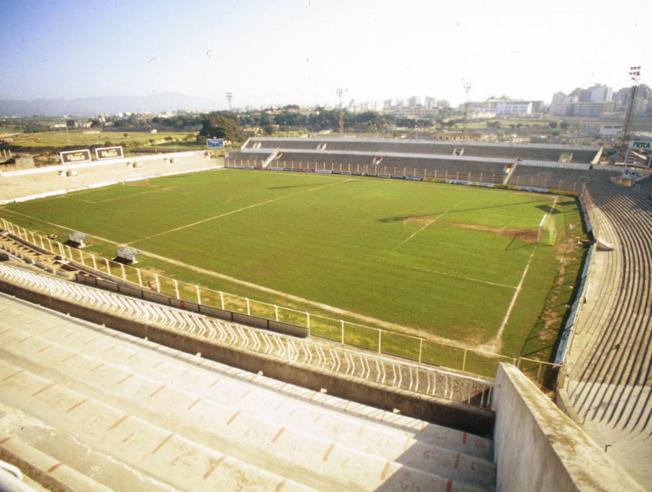
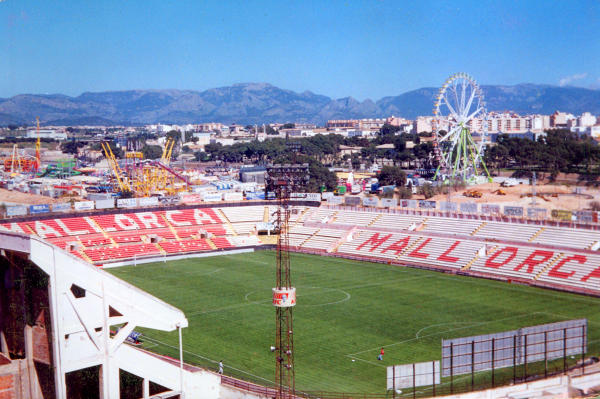
The 1998-99 season also saw the end of first-team football at the Estadi Lluís Sitjar. Crumbling, cramped and cacophonous, Mallorca showed what an intimidating arena the stadium was, as they lost just two of the 26 official matches played at the Lluís Sitjar in that final season. The last first-team fixture at the stadium was played on 13 June 1999, when Mallorca beat Celta Vigo 2-0, before making the short journey north-west to Son Moix. Lluís Sitjar continued to host reserve team football until June 2007, before Mallorca B moved their home matches to the club’s new training complex, Son Bibiloni, a few miles north of Palma. The final game played at the old ground was the 2nd leg of the playoff against CE Sabadell. The match finished 0-0, with Sabadell winning 0-3 on penalties.
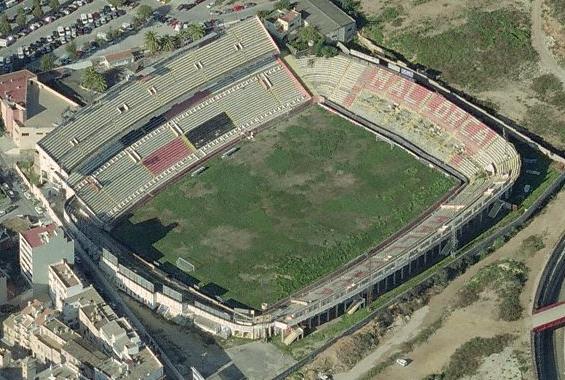
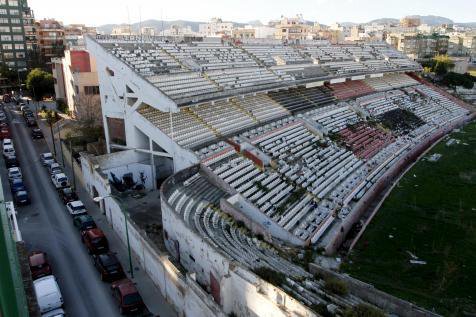
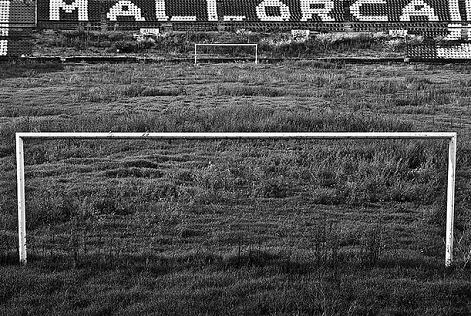
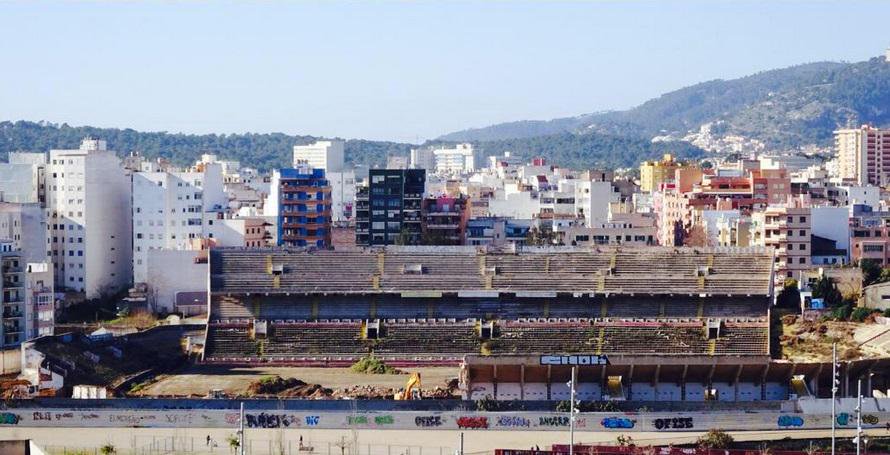
The already dilapidated stadium further deteriorated, with the pitch and seating areas overgrown by bushes, and feral cats inhabiting the stands. For a period, it appeared that Mallorca had designs on returning to the Lluís Sitjar. Disenchanted with life and the atmosphere at the municipally owned Son Moix, the club had plans to move back to the site. This would have entailed a €220 million complete rebuild on the site, resulting in a covered, track-fee stadium with a capacity of 40,000. Plans were in place for a return to coincide with the club’s centenary in 2016, but in reality, Mallorca’s perilous financial position put pay to the development. The site was eventually cleared in August 2016, and nearly all traces of the stadium were gone. All that remains in 2025 is the southern perimeter wall and the old entrance to the Tribuna. Thankfully, new investment in Mallorca led to the successful redevelopment of Son Moix, and whilst that may have stopped fans pining for a return to the old stadium, memories of RCD Mallorca’s spiritual home live on.










 Estadios de España