
Article updated on: 14/08/2025
Arenas Club de Getxo is etched into the history of Spanish football. You may wonder what this little club from the distinctly middle-class district in northern Bilbao has done to earn such recognition. Well, not a lot recently, but go back to the first quarter of the 20th Century, and Arenas Club was among the movers and shakers in the formative years of competitive football in Spain.
Formed in 1909 as Arenas Foot-ball Club, they made their first home at the Campo Lamiaco on the northern banks of the Nevrion, a ground that had just been vacated by regional heavyweights Athletic Club. In 1912, the club was renamed Arenas Club, and a year later, on 12 October 1913, it took part in the first ever match in the Campeonato Regional del Norte. Although Arenas beat Club Deportivo de Bilbao 0-2, they finished fifth out of six teams. Athletic won the title and progressed to the Copa del Rey, beating Espana de Barcelona in the final. Those formative years were spent following the shadow of Athletic, and when Athletic moved to the newly built San Mamés in 1913, Arenas left Lamiaco and took up residence at Athletic’s former stadium, the Campo Jolaseta. It was here in 1914 that Arenas played a series of friendly matches against FC Barcelona, which put the club firmly on the map. Over the space of a week, Arenas played the Catalan champions three times, winning all the matches.
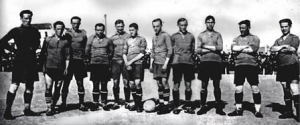
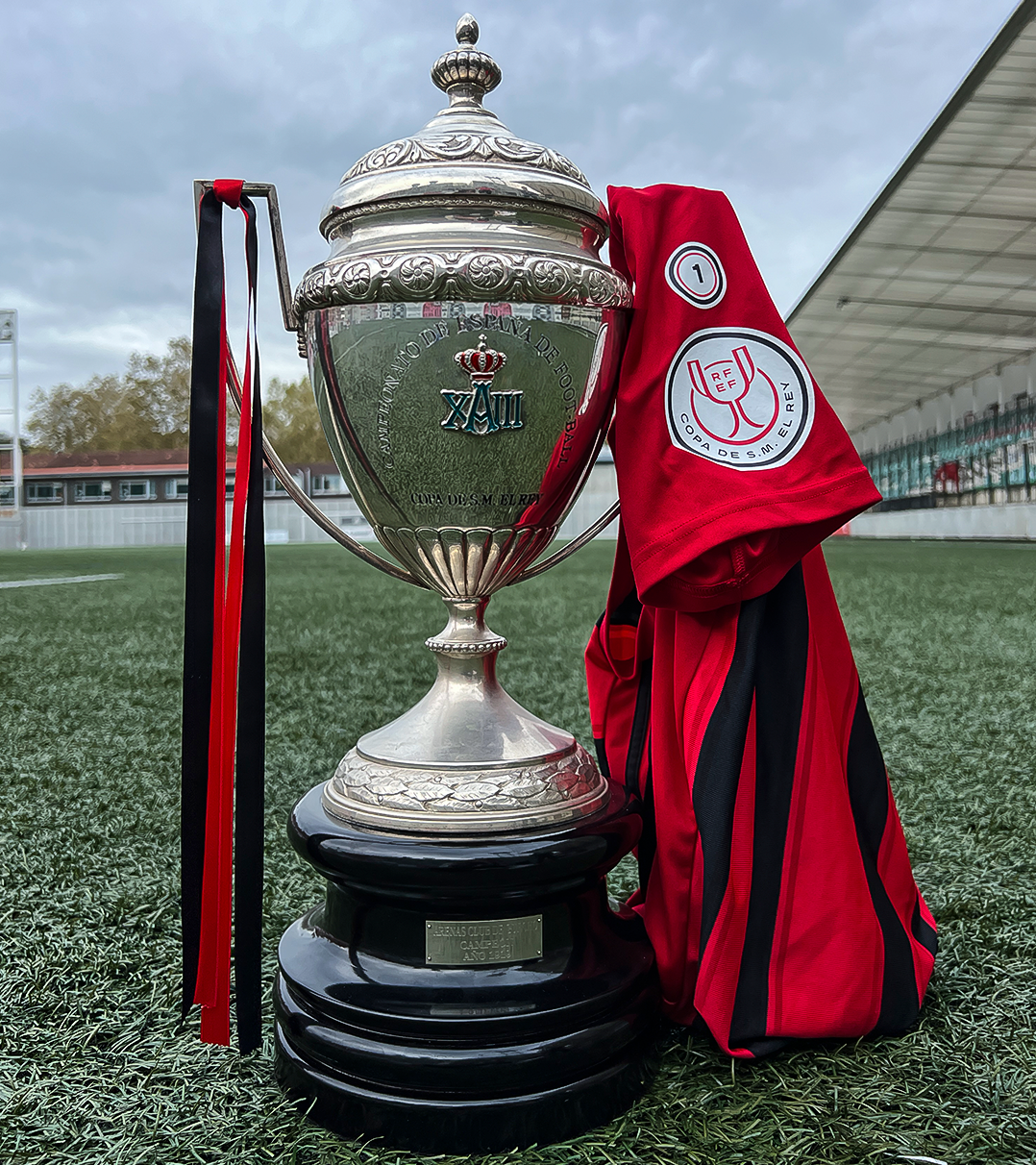
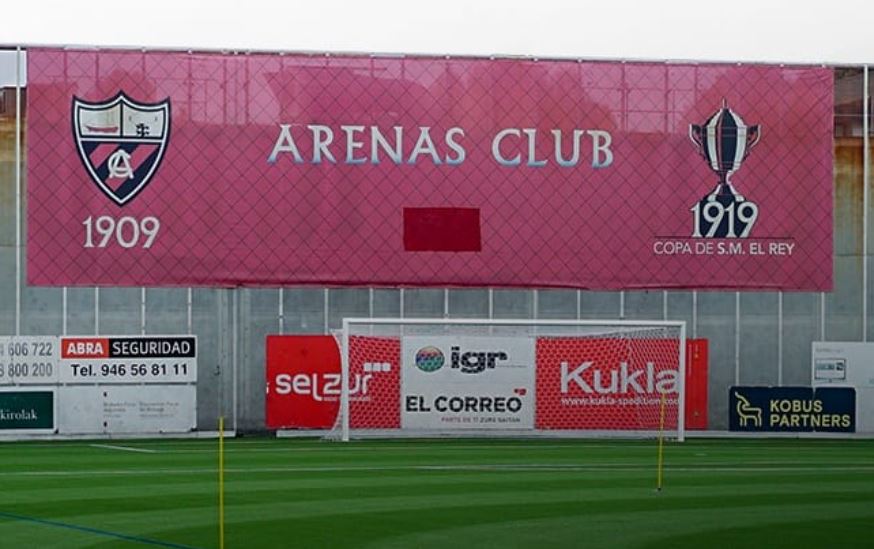
In 1917, in an attempt to stretch its appeal to a wider audience, Arenas became Arenas Club de Guecho, after the largest district north of the Rio Nevrión. That year also saw the club’s first major honour when it won the Campeonato Regional del Norte and qualified for the Copa del Rey. Here, they overcame challenges from Sporting Gijón and Vigo Sporting to reach the final. At 4 pm on 13 May 1917, Arenas and Madrid FC (later to adopt the Real prefix) lined up at Español’s Camp de Muntaner (Not the Camp de la Industria as widely reported). The match went to extra time, and after 120 minutes, with the scores at 0-0, a replay was ordered. Two days later at the same venue, the clubs played again, and despite taking the lead in the 15th minute, Madrid equalised late in the game and sealed victory with a goal in extra time. In 1919, Arenas won the Campeonato Regional del Norte for a second time, then disposed of Racing Madrid & Sporting Vigo en route to the final of the Copa del Rey. The final was played on 19 May 1919 in Madrid at the Estadio del Paseo Martínez Campos, home of Racing Madrid, and FC Barcelona were the club’s opponents. This time, Arenas were not to be denied, and although the match was tied at 2-2 after 90 minutes, three further goals from Félix Sesúmaga in extra time saw Arenas lift the trophy.
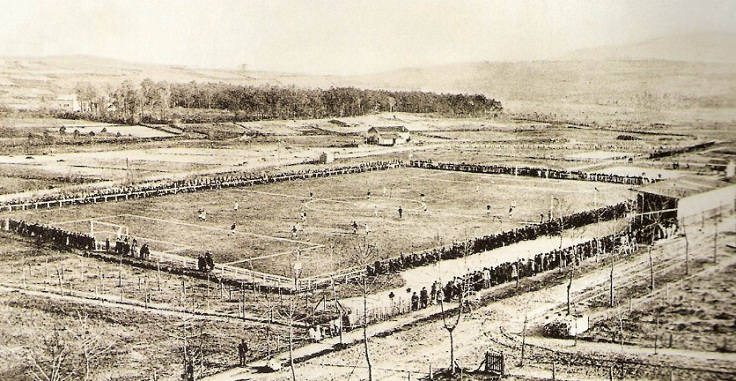
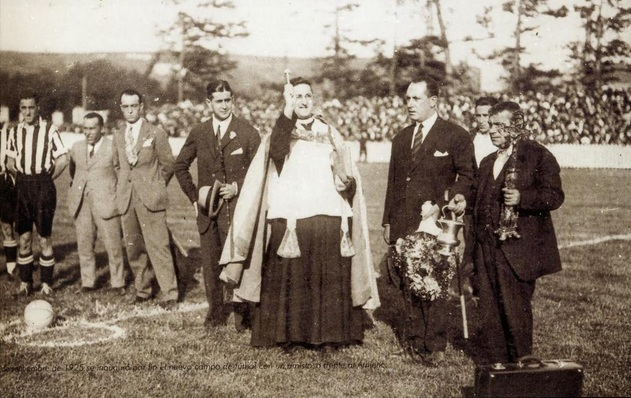
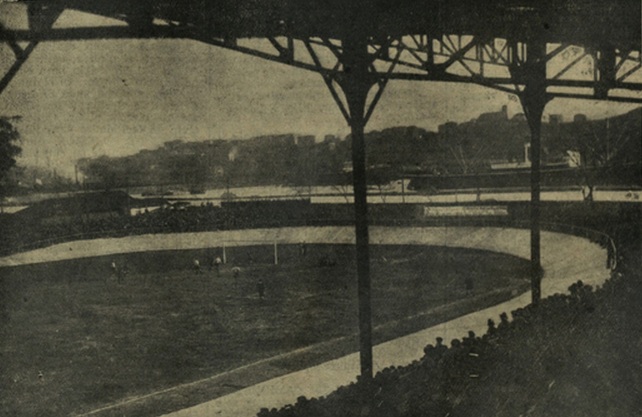
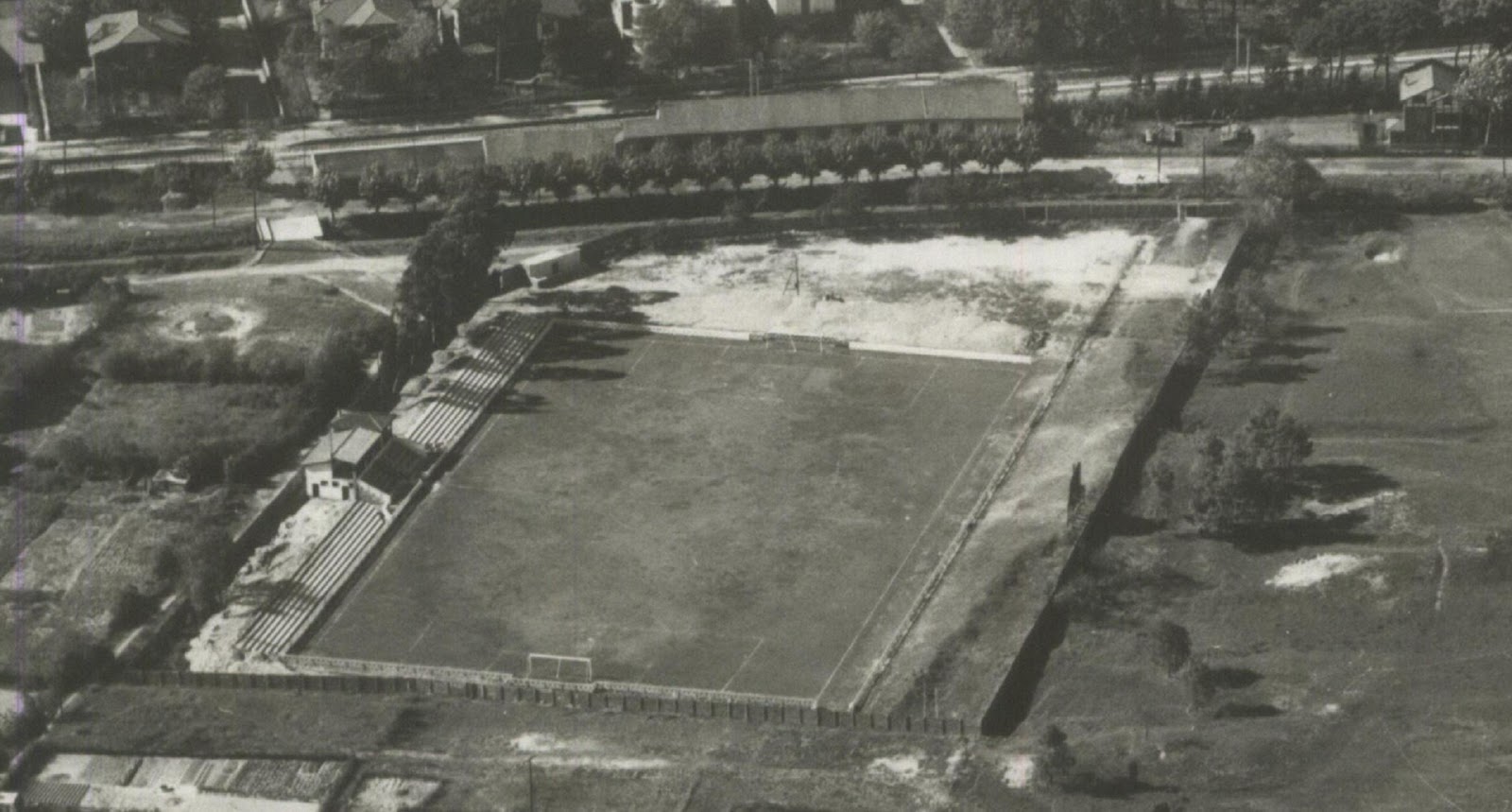
A third Campeonato was won in 1922, and a fourth title followed at the end of the 1924-25 season, which also saw Arenas reach its third cup final. Barcelona were the opponents at the Estadio Reino Victoria in Sevilla, and this time the Catalans gained revenge with a 2-0 victory. 1925 also saw the club build its first ground, the Campo Ibaiondo, on the border between Gexto and Leioa. Oval in shape and featuring a banked cycle-track, the ground’s main feature was a tall, but relatively narrow stand. It opened on 13 September 1925 and would serve as the club’s home for the next 18 years. Arenas moved on in 1944, and the ground was run by the municipality until the mid-1970s. SD Leioa played at the site of Ibaiondo until 1974. The site of the ground is now a nondescript industrial estate on the north bank of the Ria Nervión.

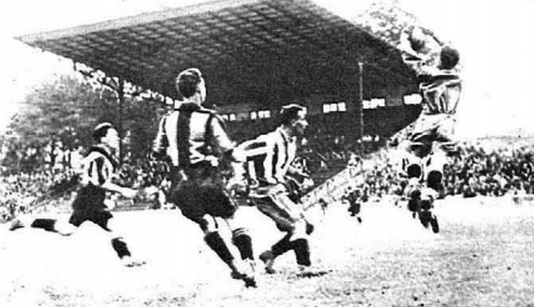
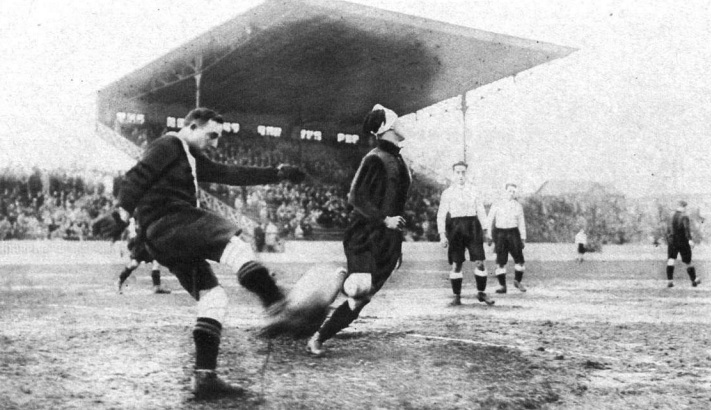
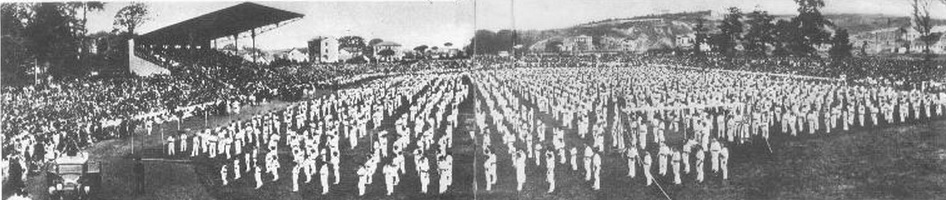
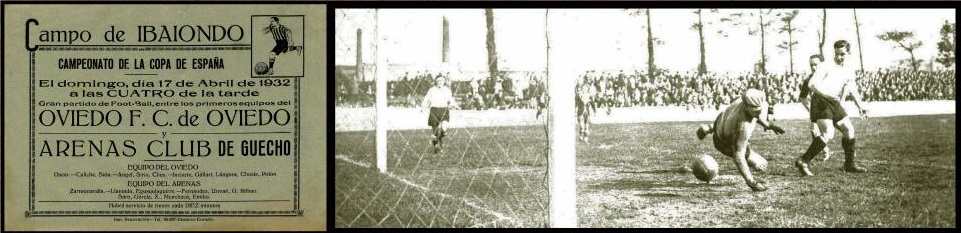
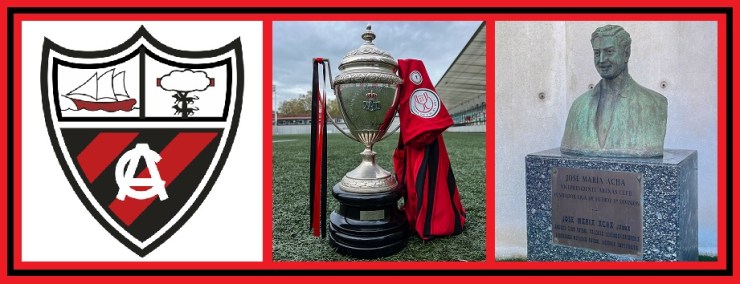
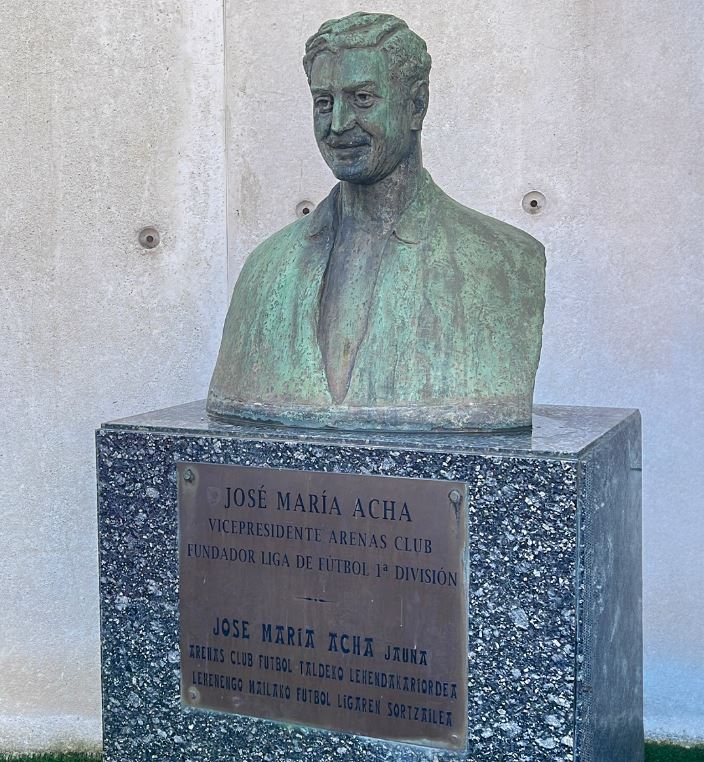
A fifth and final Campeonato was won in 1927, and Arenas also made it to a fourth cup final. The final of the 1927 Copa del Rey was played at the Campo del Torrero in Zaragoza and was the first all-Basque cup final. Their opponents on 16 May 1927? Athletic Club? Real Sociedad? No, Real Unión Club dropped down from the border town of Irun and won the trophy with a single goal, three minutes from the end of extra-time. With five regional league titles and a Copa del Rey victory from four finals, Arenas was a certainty for a place in the inaugural National Championship. It also helped that the club’s Vice-President, José Maria Atxa Larrea, was instrumental in forming the championship, a fact that the other league clubs recognised by presenting Arenas with a bronze bust of Larrea. However, the advent of a fully professional league would have major financial implications, and Arenas was about to be hung by Larrea’s own petard.
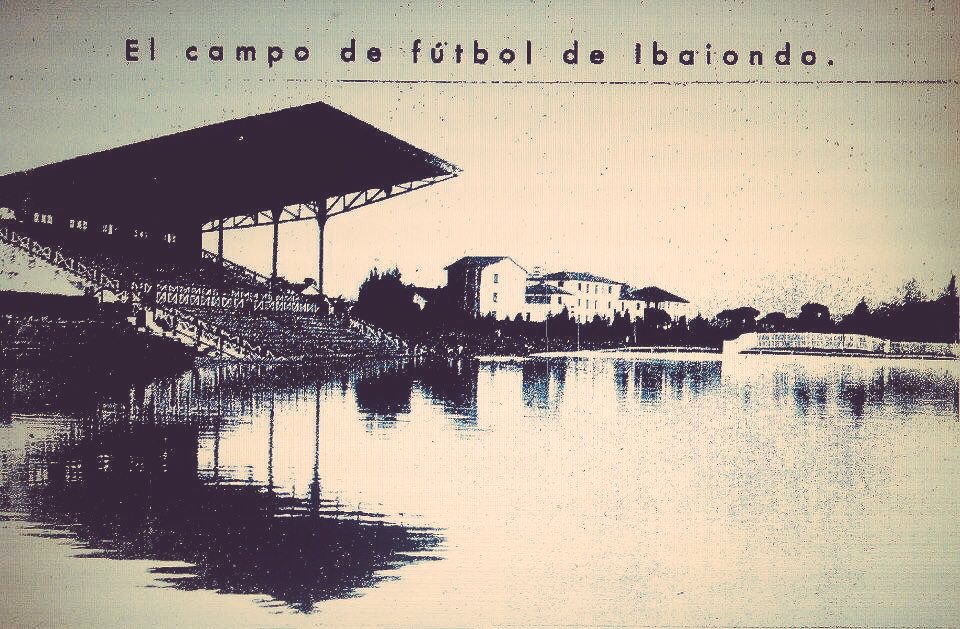
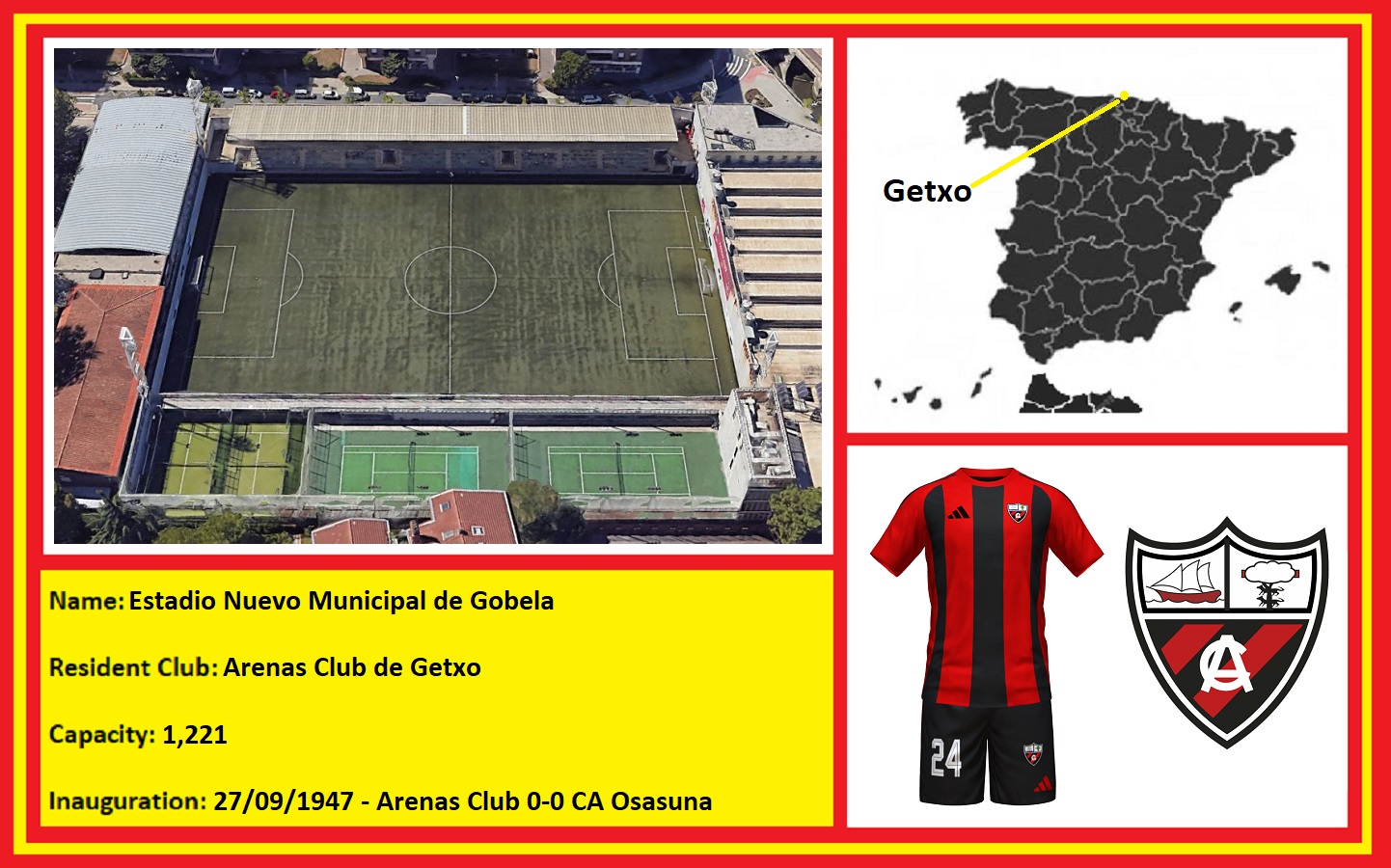
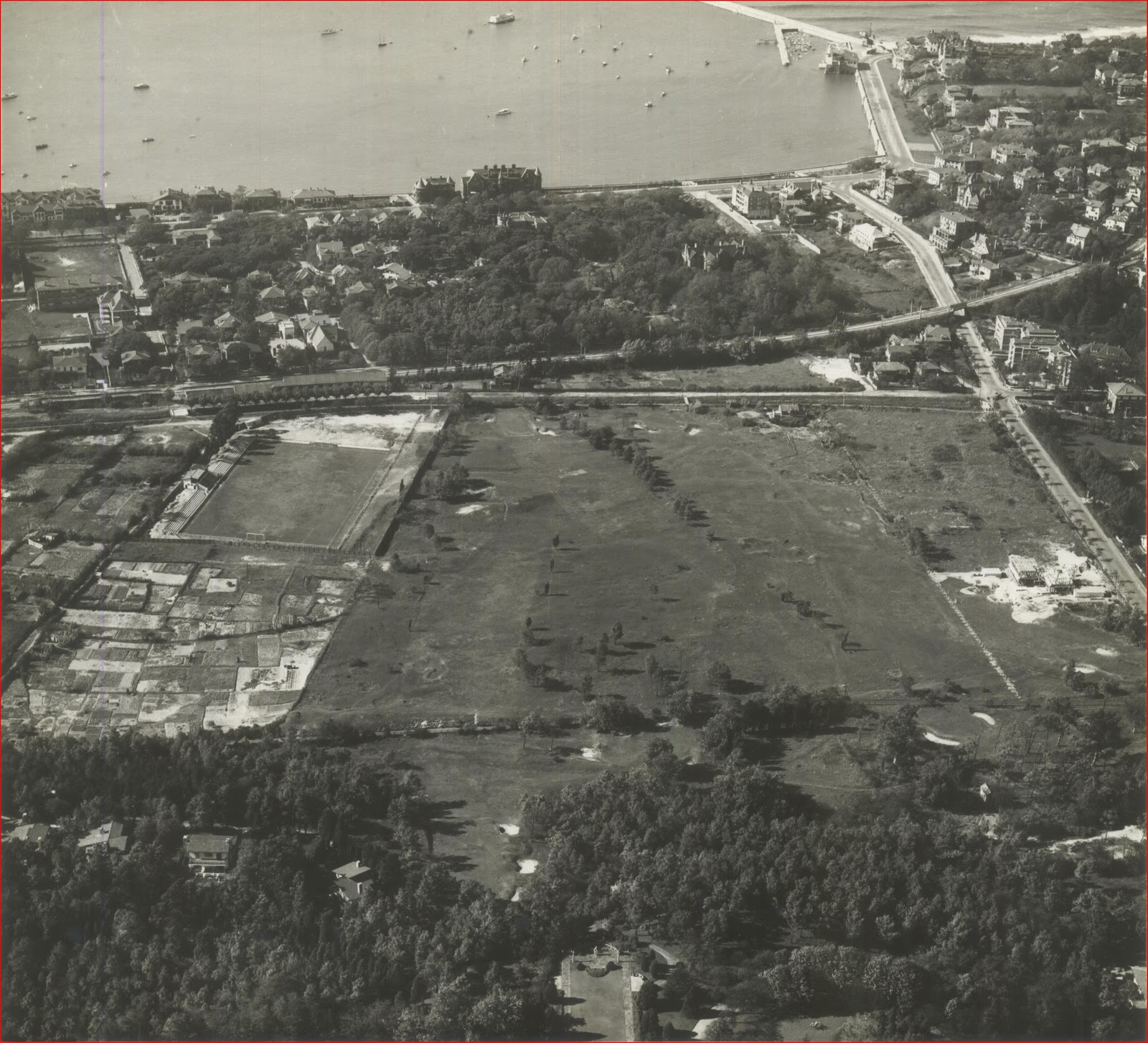
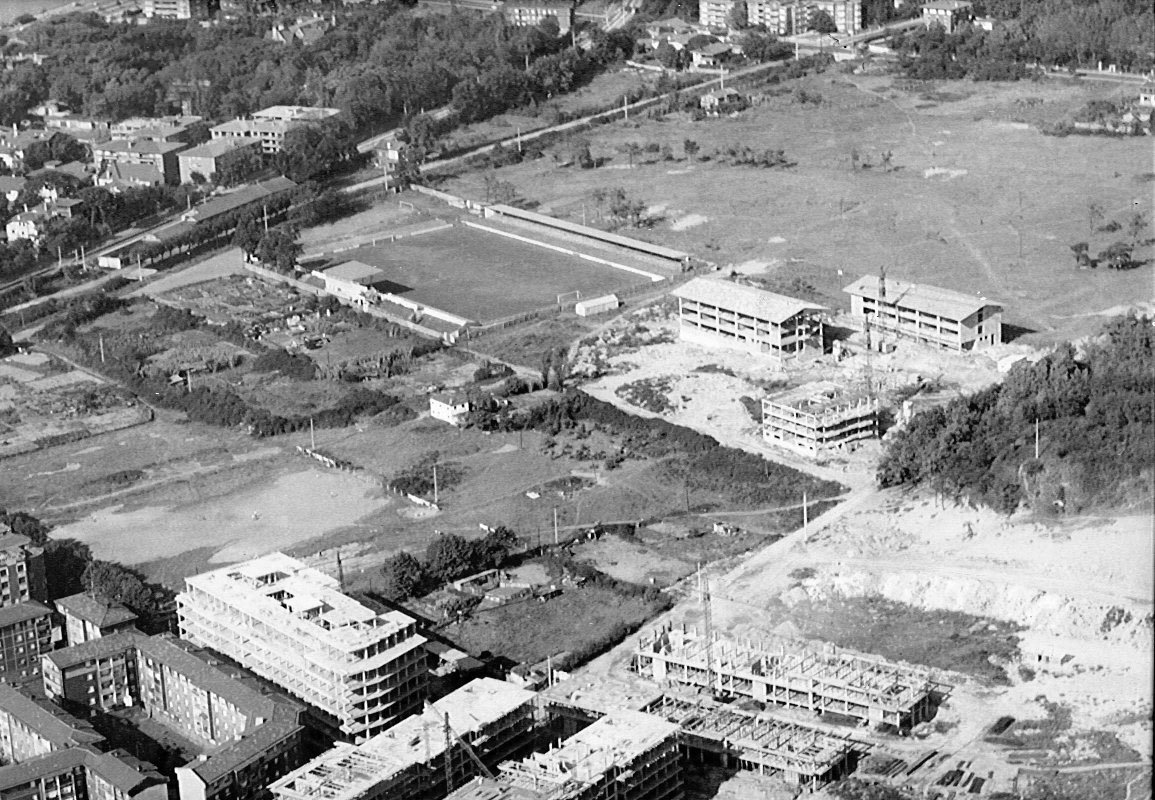
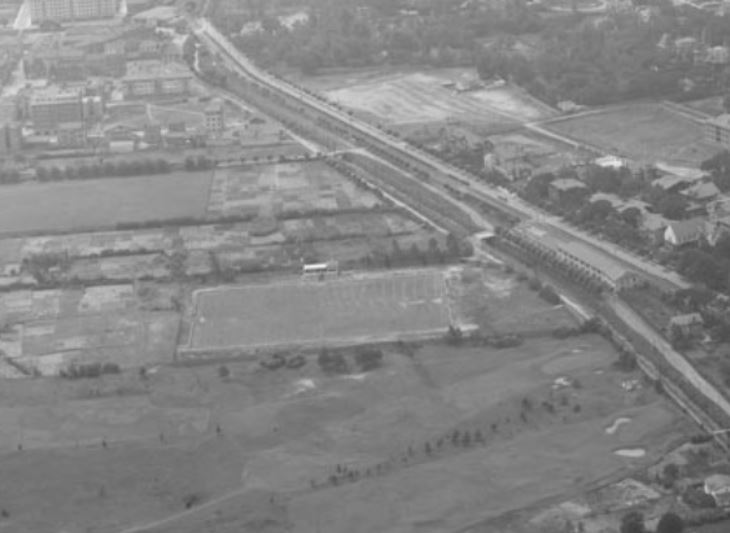
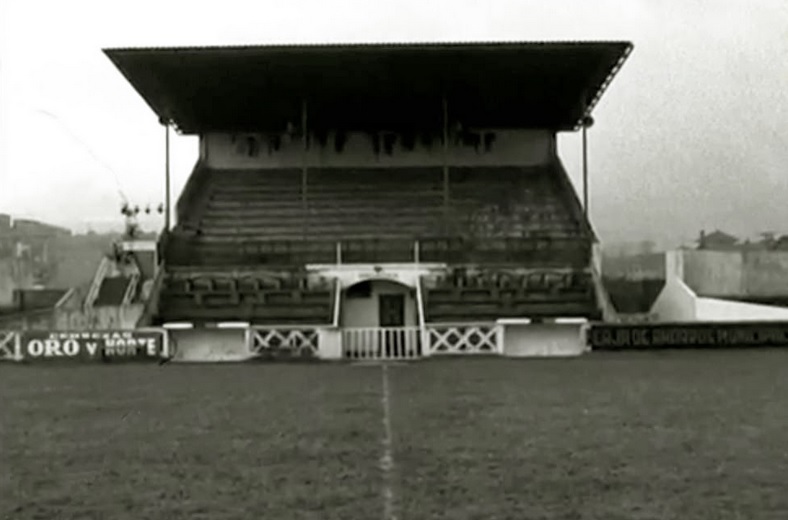
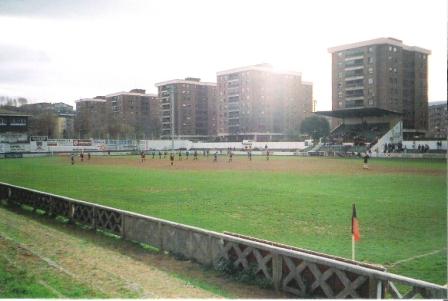
Initially, Arenas were competitive, finishing fifth in the first La Primera championship and third a year later. However, as the spread of teams competing in the first division moved further south, so the costs of partaking increased. Add to that the financial clout that Athletic Club brought to the table, and Arenas was only heading one way. No longer able to attract the region’s best players or hold on to their own, the club’s results suffered, and they were relegated to La Segunda in 1935. In the final season before the Civil War, Arenas finished second in Group II of the second division, but lost out on promotion to Zaragoza & Celta Vigo in the play-offs. Life was very different after the Civil War, and with the club in a perilous financial position, they were forced to sell the Campo Ibaiondo in 1943. The final match at Ibaiondo was on 2 May 1943 (2-3 vs Real Sociedad in the Copa Generalissimo). Arenas were forced to become tenants, which included playing the 1943-44 season (their last in La Segunda) at Athletic Club’s San Mamés. Finally, Arenas bought a field some 800 metres to the north of the Campo Ibaiondo, just south of Getxo. The Campo Gobela opened on 27 September 1947 (0-0 vs CA Osasuna), and had a capacity of 5,500. The main feature was a modest 15-metre-wide stand on the south side of the enclosure that sat atop a full-length terrace. Another full-length terrace was added to the northern side of the ground, which gained a cover in the 1970s.
The past seventy years or so have seen Arenas confined to regional football. That’s not to say there haven’t been any highlights; they have just not been on the same scale as their ancestors’ achievements. The Tercera title has been won on three occasions, the last in 1960, seeing the club come mighty close to a return to La Segunda, before losing out to Burgos CF in the playoffs. The club dropped to the Regional Preferente for five seasons in the early 1970s, but gave a young Javier Clemente his first job in management, and he repaid them with promotion back to the Tercera in 1976. Three years later, Arenas clinched promotion to Segunda B, but the stay lasted just the one season, finishing eighteenth and within two years, the club was back in the Regional Preferente. Most of the next 35 years were spent in the Tercera. In fact, the most significant event during this period was the complete redevelopment of the Campo Gobela.
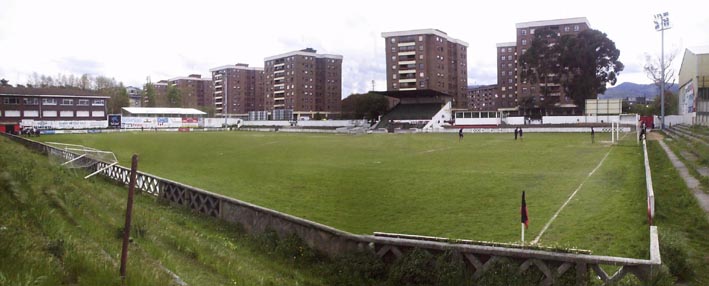
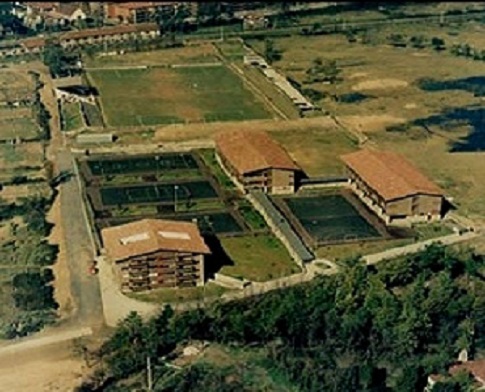
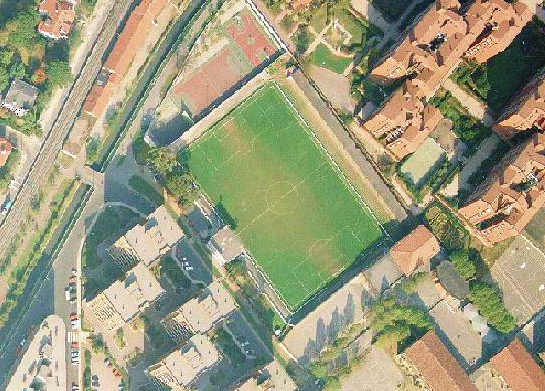
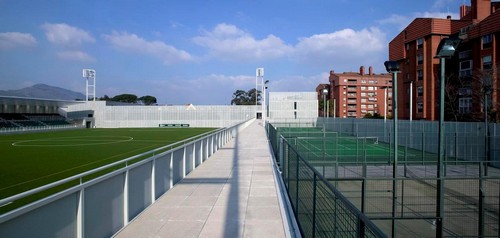
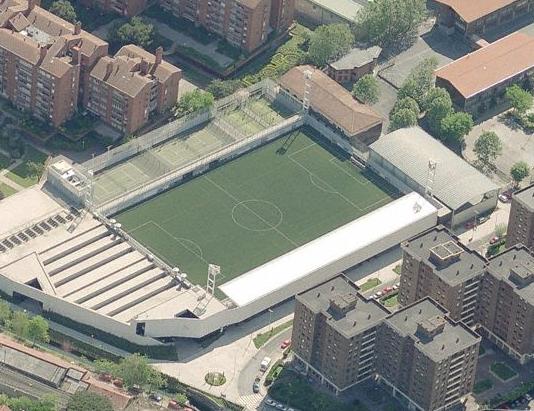
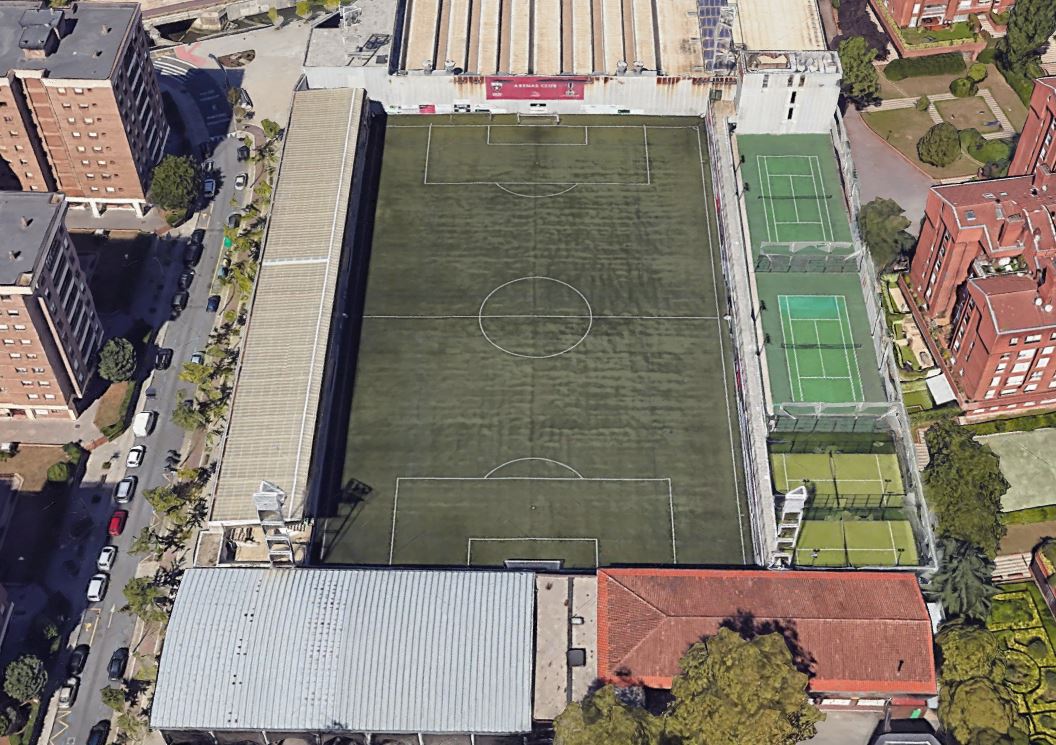
Arenas moved out of their old Campo Gobela at the start of the 2003-04 season. Now over fifty years old, little if anything had been altered at the ground since it opened. The old stand was on the point of falling down, and the few steps of terracing were overgrown with weeds. It was now the property of the municipality, and they had plans for a new sports centre which would also incorporate a stadium for Arenas. The club played at the Polideportivo Fadura during the 2003-04 season, a municipal pitch to the east of Getxo. When they returned to Gobela for the start of the 04-05 season, it was to a stadium that was a world away from the ramshackle cowshed they had left behind. The municipality had spent €15m on a new sports complex, at the centre of which was the stadium.
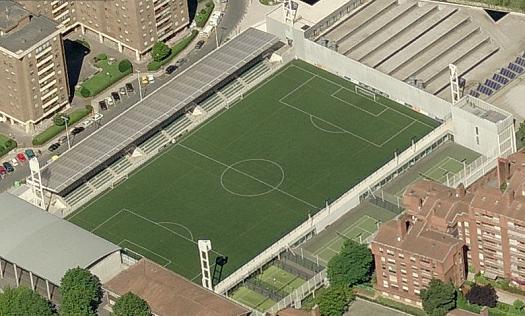
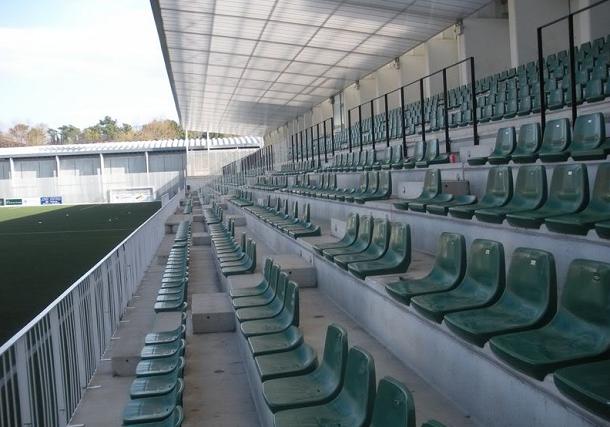
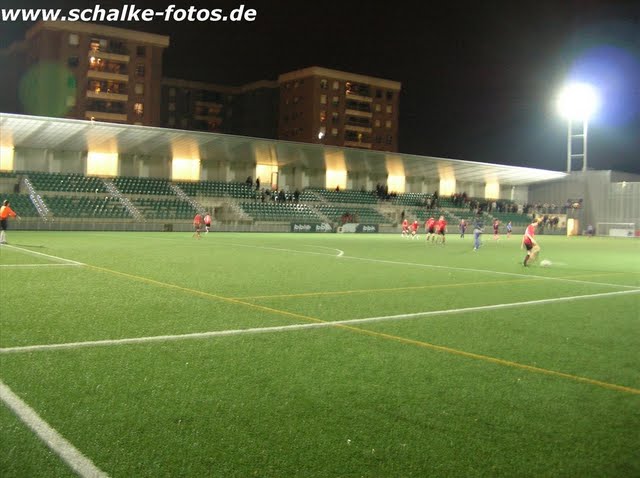
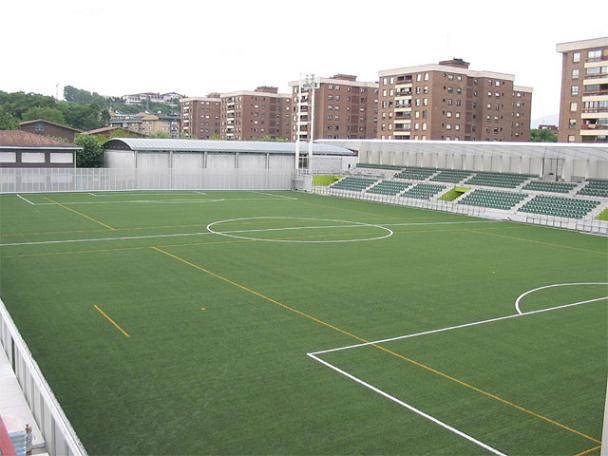
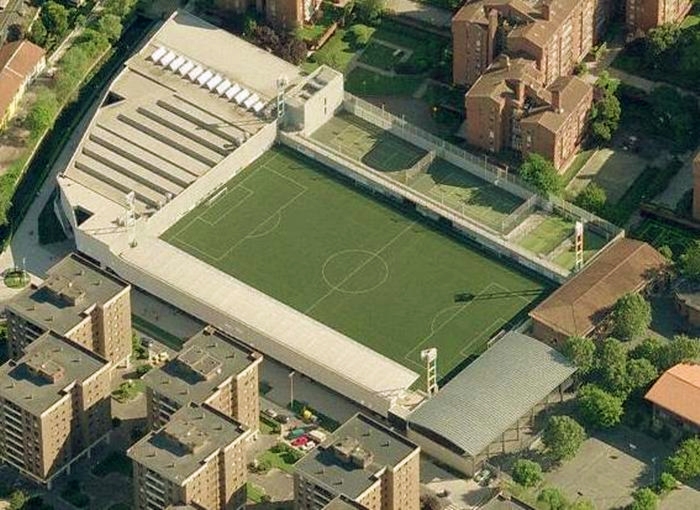
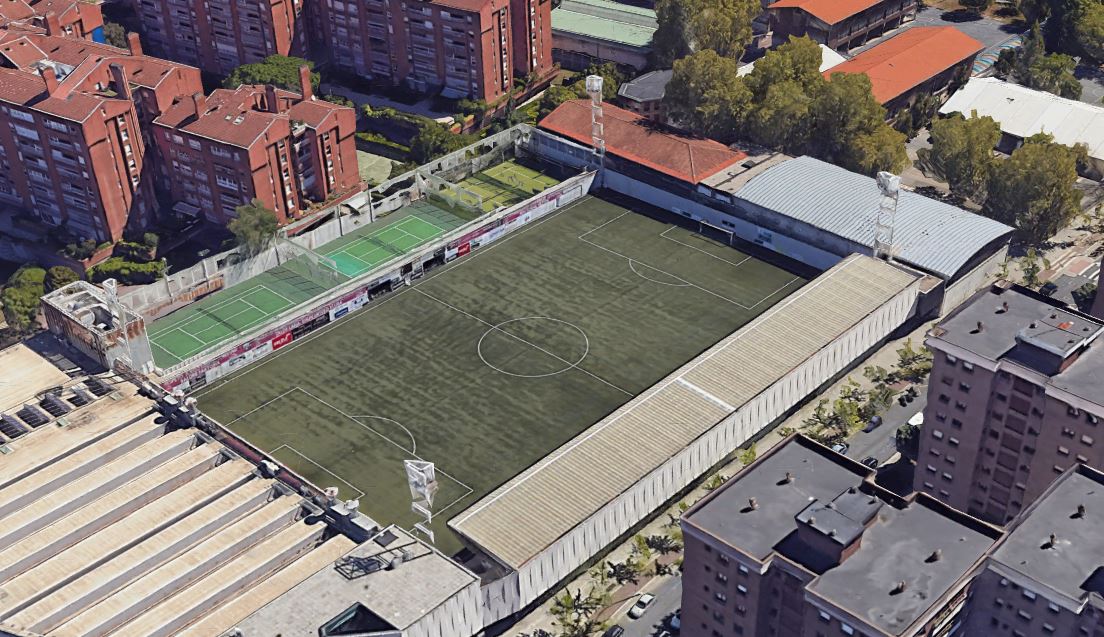
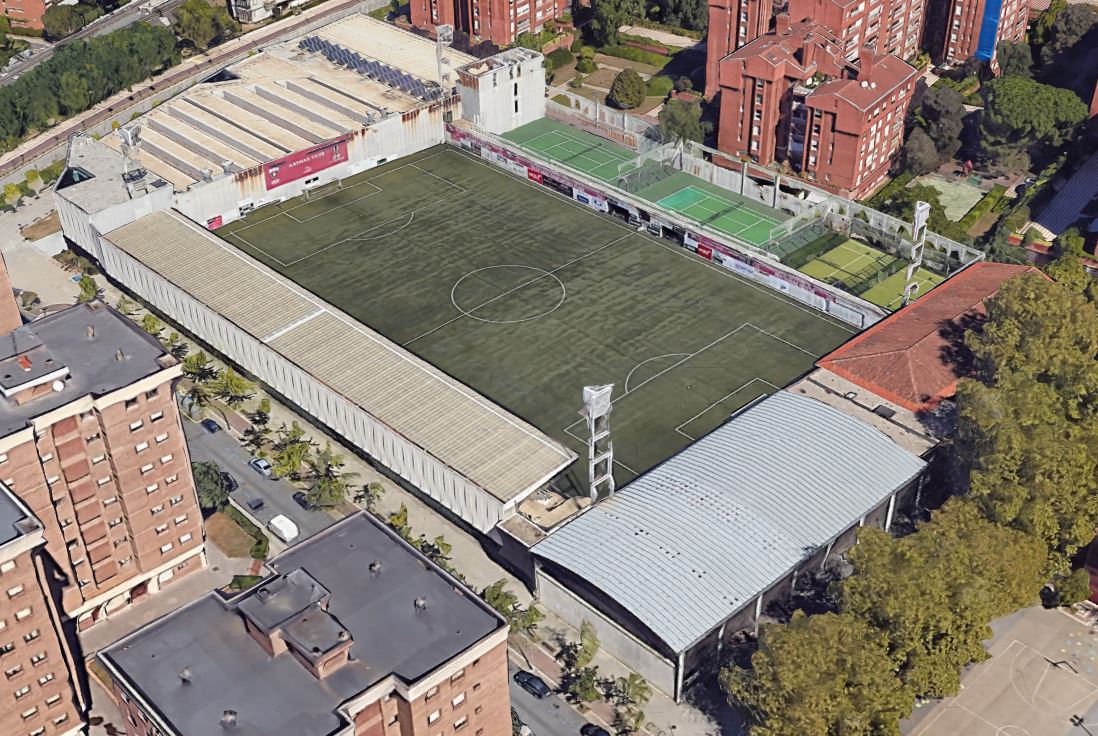
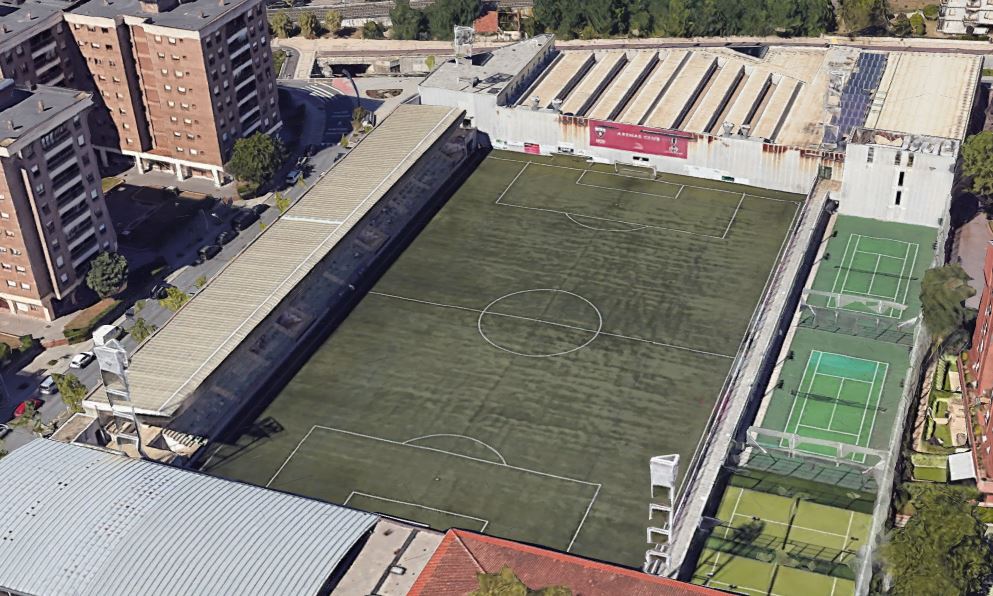
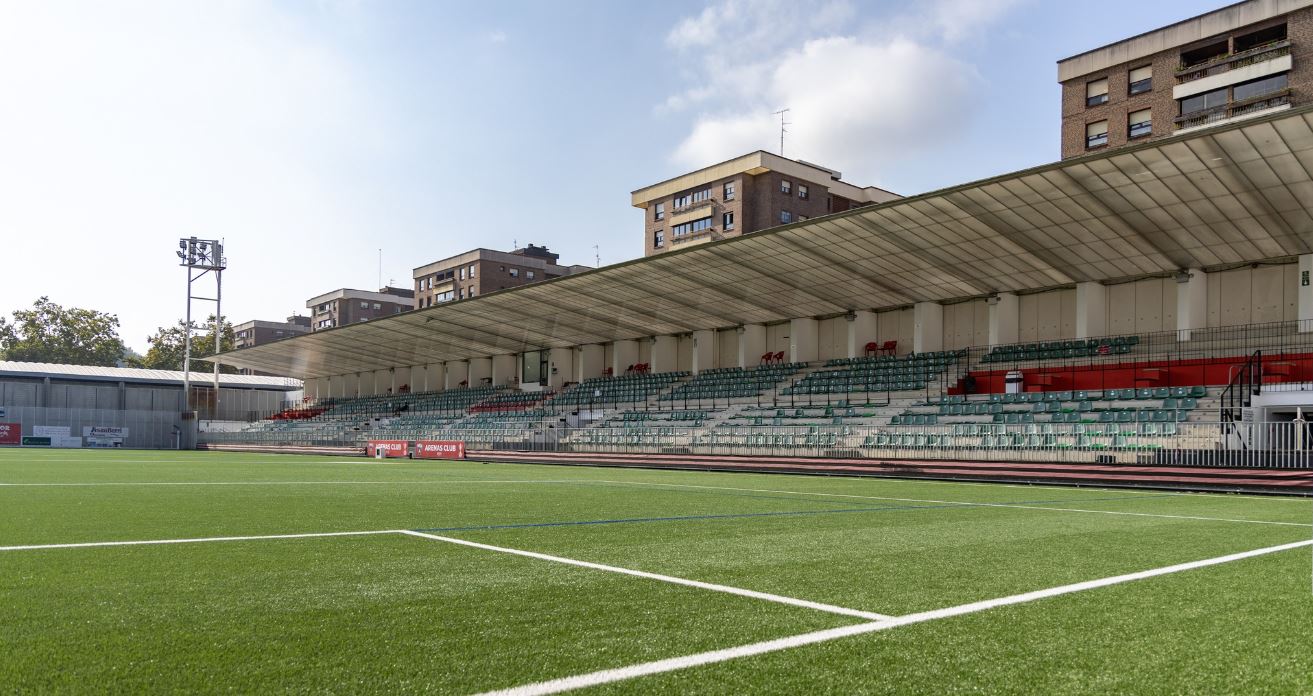
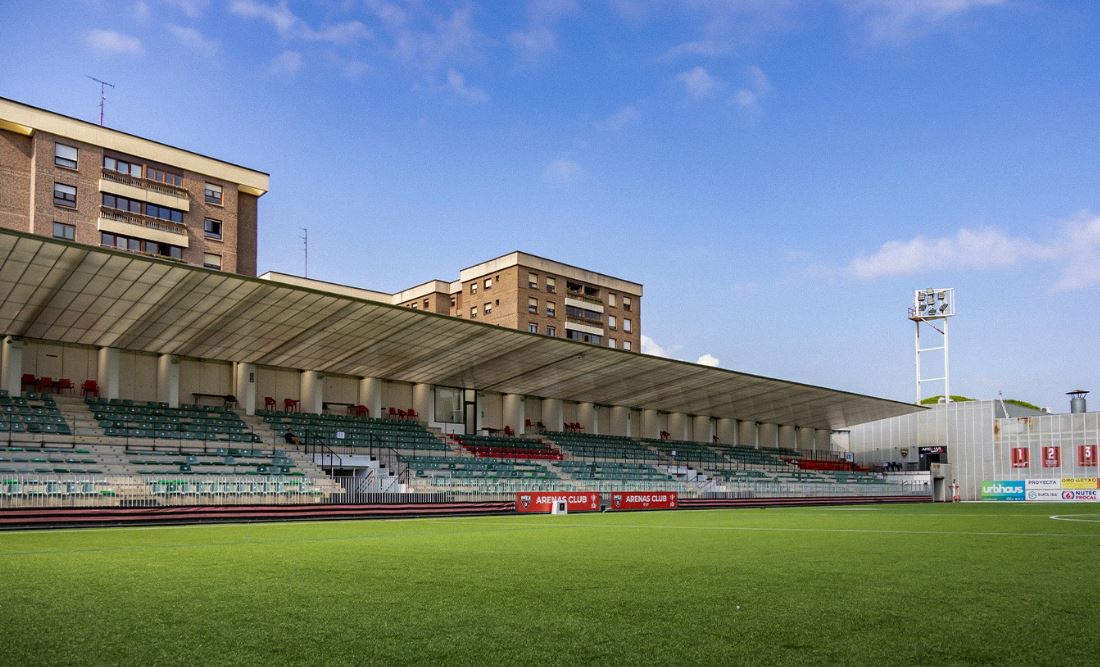
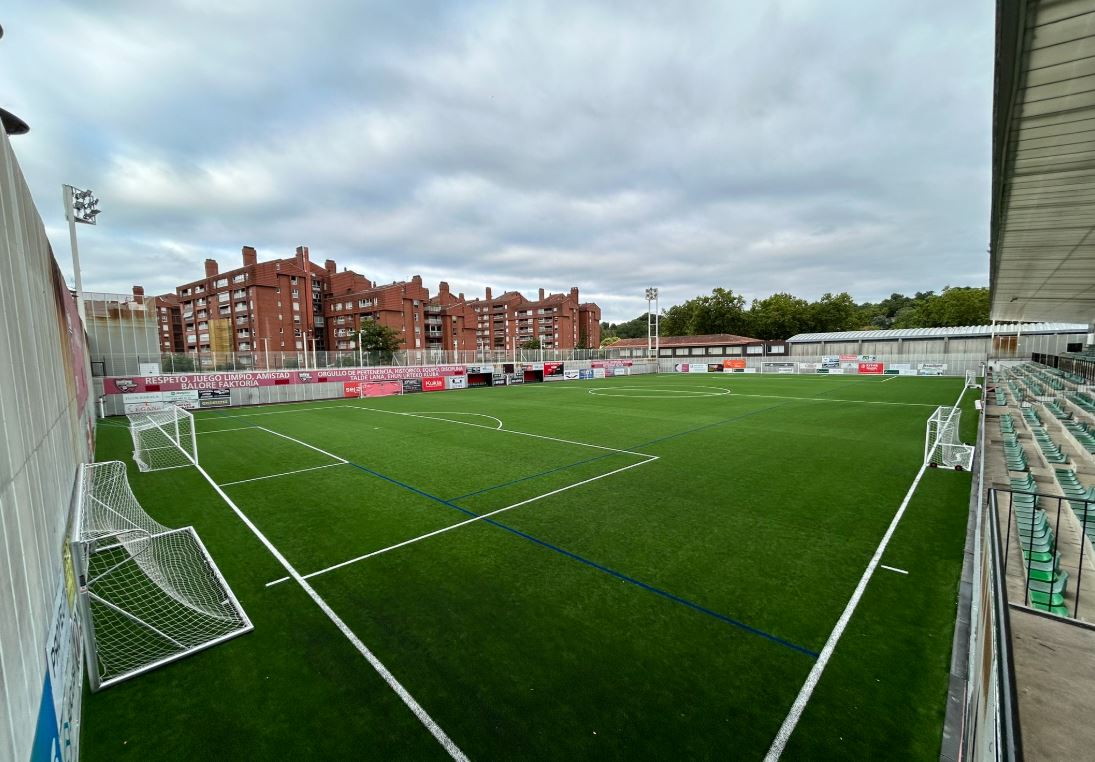
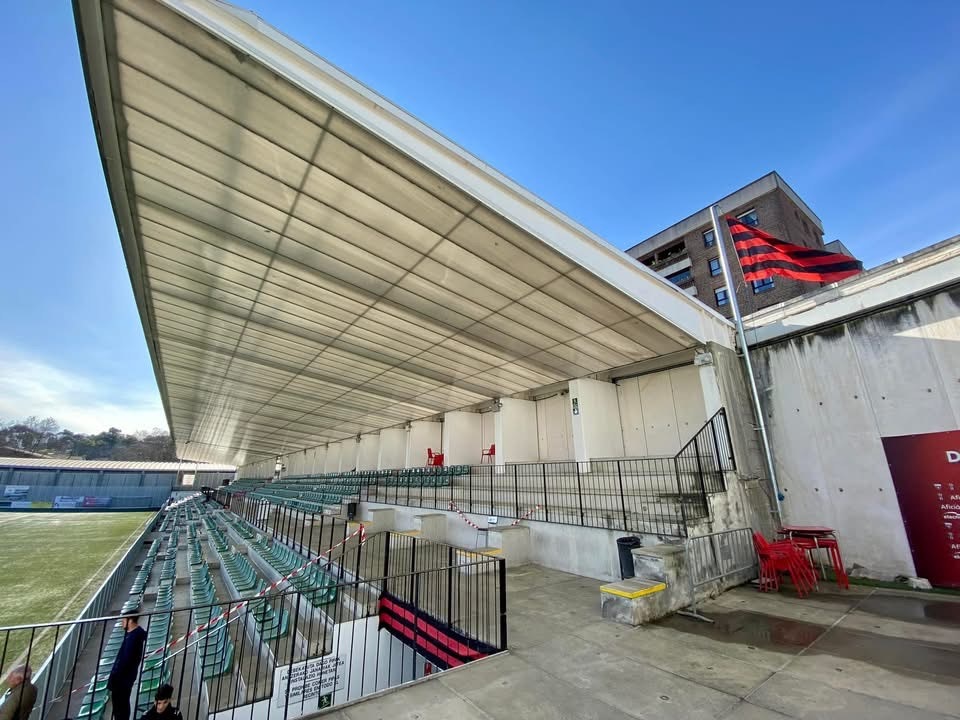
Designed by architects Ander Marquet Ryan, the whole of the Polideportiva de Gobela is encased in a white skin of concrete panels that are ribbed with undulating corrugated waves. This is a single stand stadium, with Arenas’s followers comfortably housed in the 1221-seat Tribuna that sits on the south side of the site. It has a single tier of neutral green seats and is protected from the elements by a lightweight white polycarbonate, cantilevered roof that allows daylight to stream onto the deck below. The white theme is continued on the remaining three sides of the stadium, where more polycarbonate translucent panels run tight up to the edge of the pitch and separate the artificial playing area from the other sports facilities within the complex. All quite minimalist, but effective and totally in keeping with the wave of modern architecture that has sprung up in Bilbao and the surrounding area in the 2000s.
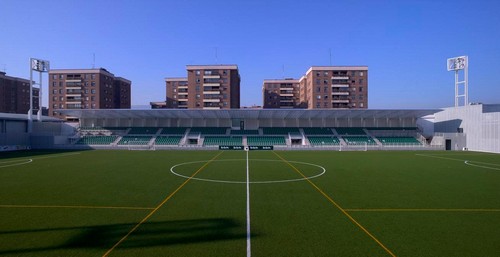
Initially, the new stadium failed to act as a launchpad for Arenas, with a series of mid-table finishes in the Tercera. Then, in 2013, Arenas made it to the playoffs for the first time in over a decade. Although they failed to gain promotion, losing to CF Talavera, momentum was building. The playoffs were reached again a year later, and although they lost to Jerez CF, promotion back to Segunda B was finally achieved in 2015. After a third-place finish in the Tercera, Arenas dispatched Real Oviedo B, Extremadura UD and SD Logroñés to return to Segunda B for the first time in 35 years. Six seasons followed in Segunda B before the RFEF’s restructuring of the league system saw Arenas placed in the Segunda Federación. A series of top-half finishes followed, before Arenas won the Group II title and with it, promotion to the Primera Federación.
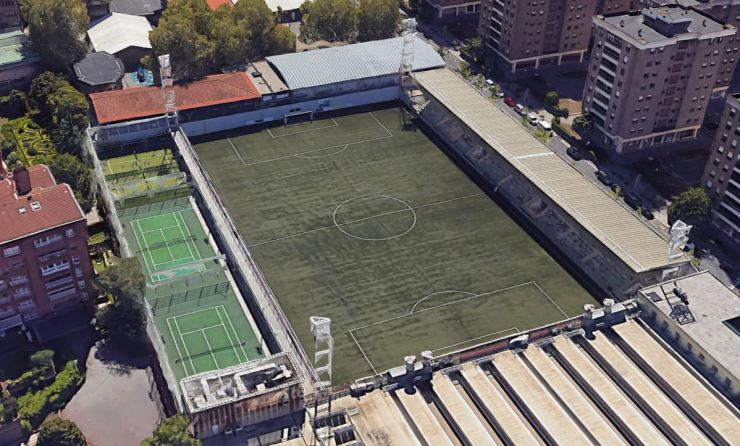
Promotion to the third tier brought with it the headache of where to play home matches. The RFEF’s competition rules state that Primera matches must be played on a natural surface, and the stadium should have a minimum capacity of 3,000. Neither of which is feasible at the municipally-owned Gobela. The league gave Arenas until the halfway point in the season to come up with an alternative venue, with Arenas choosing to return to the Polideportivo Fadura, its temporary home when the new Gobela was built. This move is not without expense, as Fadura will need enhancements to the pitch, lighting, and temporary stands to meet the RFEF’s requirements.






 Estadios de España