
Marbella – Playground to the rich and home to Europe’s swankiest millionaires. A city where Bentleys and Bugattis promenade with monotonous regularity and where oligarchs moor their super yachts for the summer. You would be forgiven for thinking that in this “Money no object” environment, just a little would have filtered through to the local football club and its stadium.
Well, not quite. Whilst the glitterati live the high life in the city’s Puerto Banús district, Marbella Fútbol Club has plied its trade a few miles to the east in the distinctly working-class back streets of the old town. Football in Marbella has always been on the fringe. Always in the shadow of its bigger neighbour, Málaga. Occasionally trying, but never quite managing to break through into the big time. Even on the one occasion it did gain a footing in the national leagues, it did so with the financial backing of one of Spanish football’s most notorious characters.

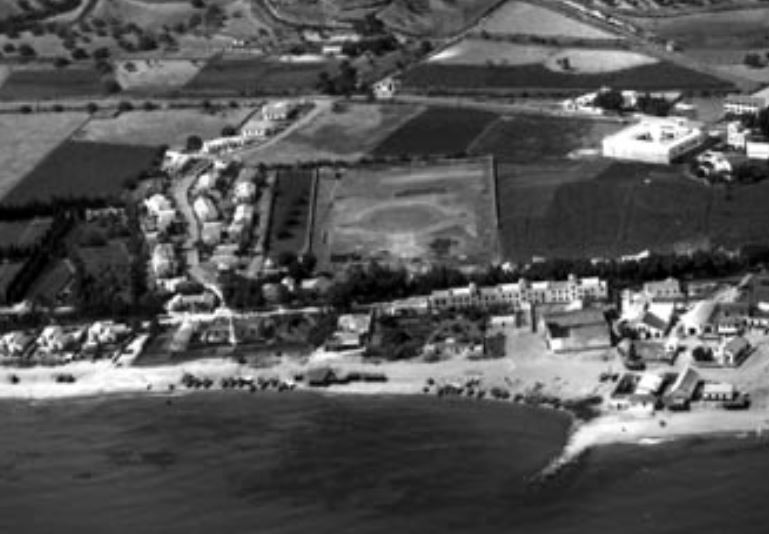
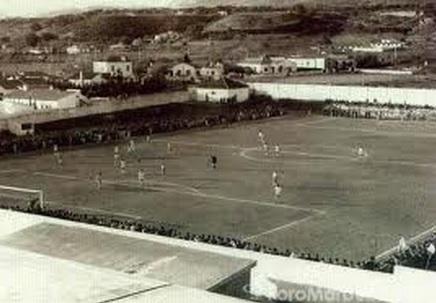
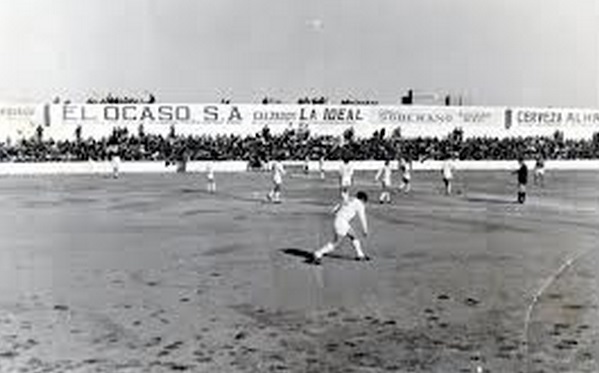
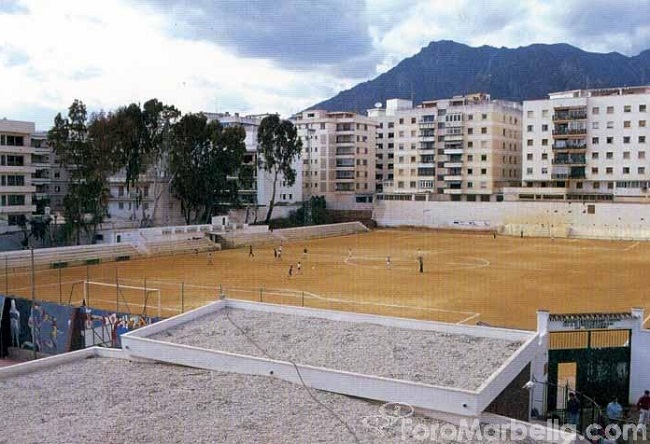
The first club from Marbella to register with the RFEF was Club Deportivo Marbella, which can be traced back to 1942, before finally joining in 1947. They lasted little over a decade before folding with financial problems in 1959. This paved the way for Club Atlético de Marbella who soon made headway, appearing in the Tercera in 1963. Here they stayed for seven seasons before flitting between the Tercera and regional leagues throughout the 1970s. Home for both Deportivo & Atlético was the Campo Francisco Norte, a compact enclosure of open terraces. Eucalyptus trees lined the stadium’s whitewashed walls, whilst the dirt playing surface sloped noticeably from north to south. It remained home until the end of the 1974-75 season. Three consecutive second-place finishes in the Tercera in the early 1980s finally led to promotion to Segunda B in 1984. It was a season-long stay, but they returned two years later, and in 1988-89, they recorded their best finish of sixth place. Relegation back to the Tercera followed in 1990, which is when the Mayor of Marbella and professional misanthrope Jesús Gil took over the club. The impact of his investment was immediate, with consecutive promotions earning the club a place in La Segunda for the first time in 1992.
Atlético’s first season in the national leagues saw a very creditable 7th placed finish. Always on the fringe of promotion and occupying a play-off place with just six matches to go, their season tailed-off dramatically with 4 consecutive defeats. Two seasons of mid-table finishes followed, but Jesús Gil’s thoughts were now totally focused on his role as President of Atlético Madrid and the obsession of wresting the La Liga title away from Real Madrid & Barcelona. Gil sold the club to Serbian entrepreneur Boban Petrović in 1995, at which point things went rapidly downhill. Bottom of the table at the mid-point of the 1995-96 season, Atlético failed to win any of its last 23 fixtures and was relegated to Segunda B. Worse was to follow as Petrović’s mismanagement saw the club accrue large debts and players going unpaid for much of the 96-97 season. Unsurprisingly, Atlético finished bottom of the league. With the players’ wages still outstanding, the RFEF demoted the club to the Regional Preferente on 1 August 1997. Bankruptcy followed shortly after.
Following Atlético’s demise, two local clubs, Unión Atlético Marbella & CD Cultural, joined forces to form Unión Deportivo Marbella in the summer of 1997. The club won the Regional Preferente title in its first season, earning promotion to the Tercera. There followed 5 seasons of decent performances culminating in promotion to Segunda B in 2003. The club’s stay in the third tier peaked with a fourth-place finish in 2008-09 and a place in the playoffs. Alas, any hope of emulating their predecessor’s time in La Segunda was ended following a first-round defeat to Lorca Deporitva. As so often is the case following a playoff defeat, the season that followed was dreadful, ending in UD Marbella’s relegation to the Tercera. Here, they stayed for four seasons, changing their name to Marbella Fútbol Club in June 2013. The rebranding seemed to have an immediate effect as Marbella FC won 9 of their last 11 matches to win the title and direct promotion to Segunda B. The next seven seasons saw two second-place finishes, but disappointment in the playoffs. The restructuring of the Spanish leagues saw Marbella FC placed in the Tercera for the 2021-22 season, but an emphatic title win a year later, closely followed by another promotion, saw the club reach the Primera Federación for the 2024-25 season
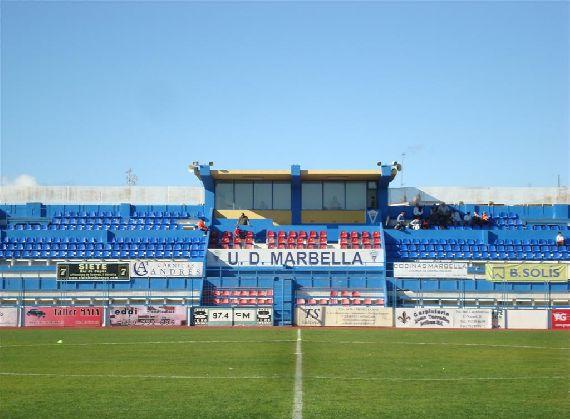
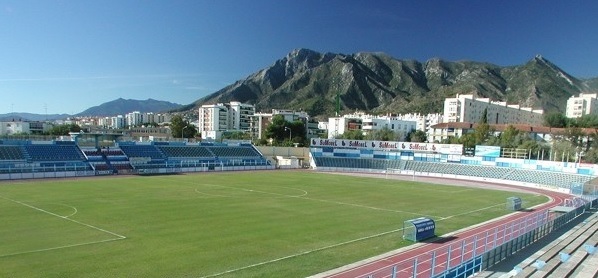
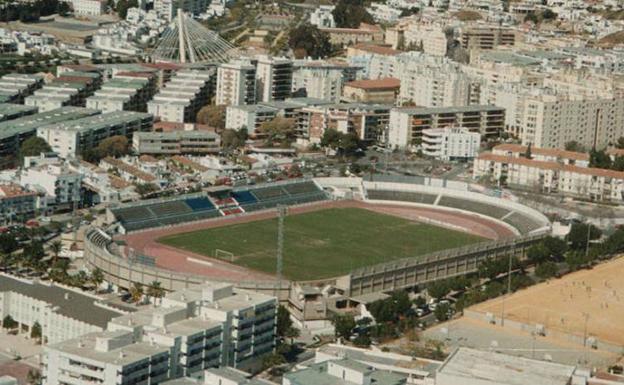
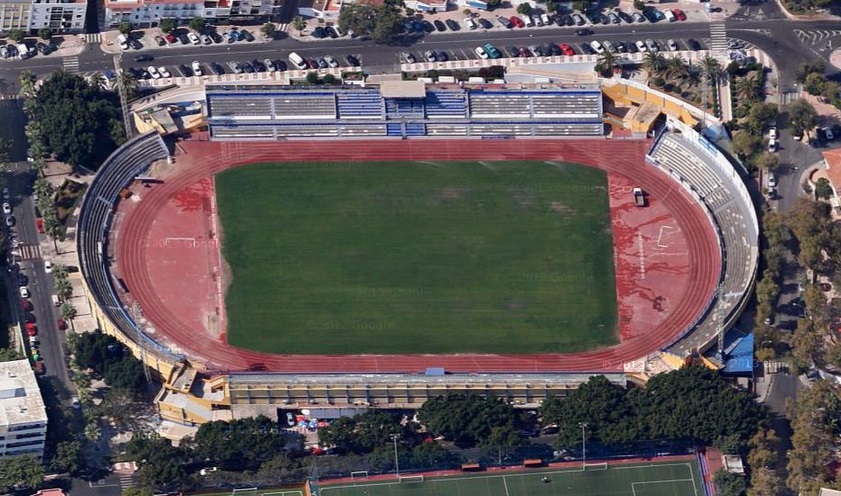
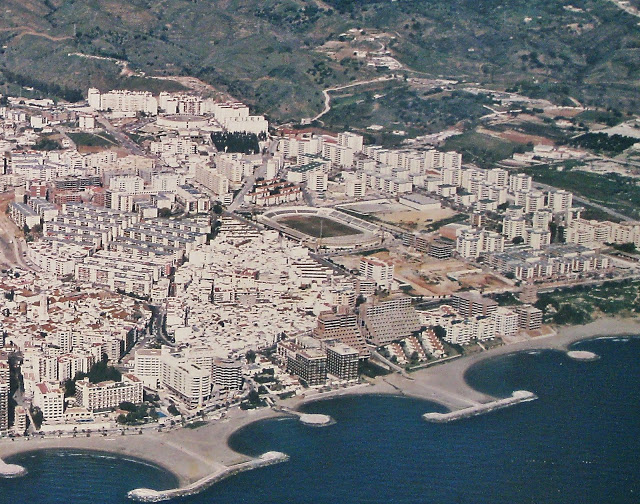
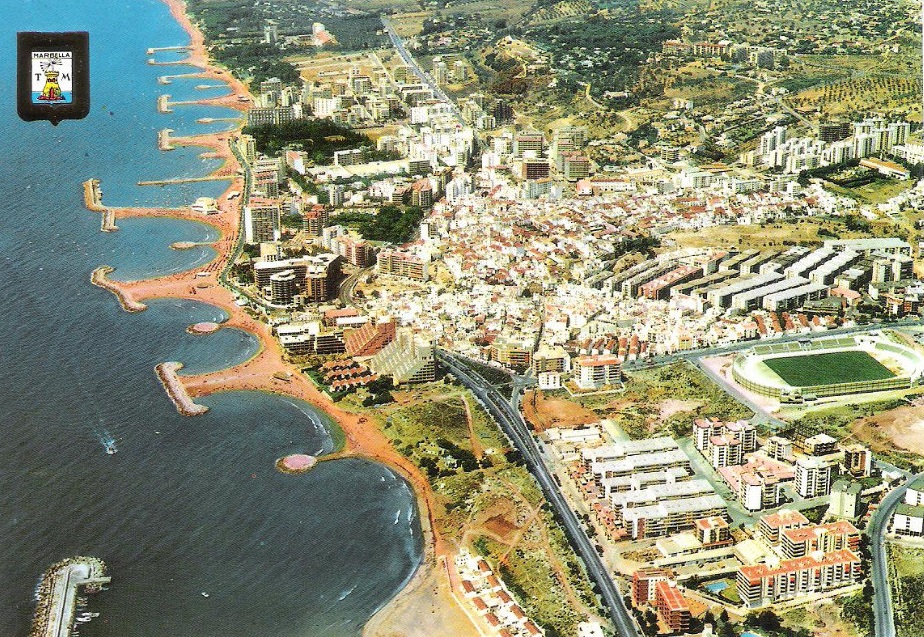
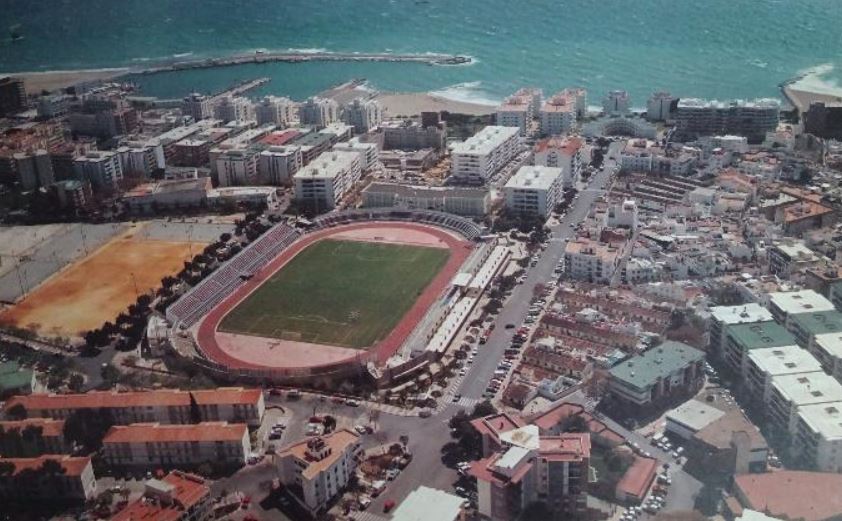
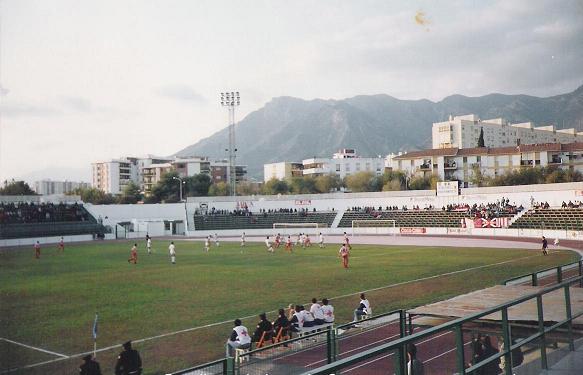
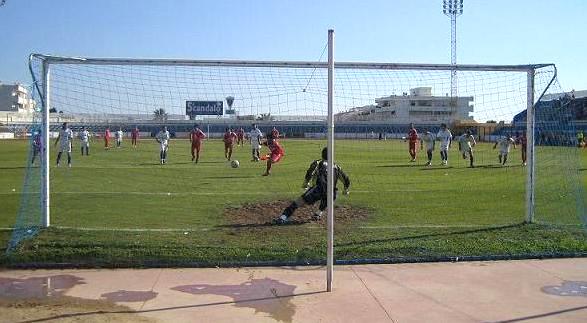
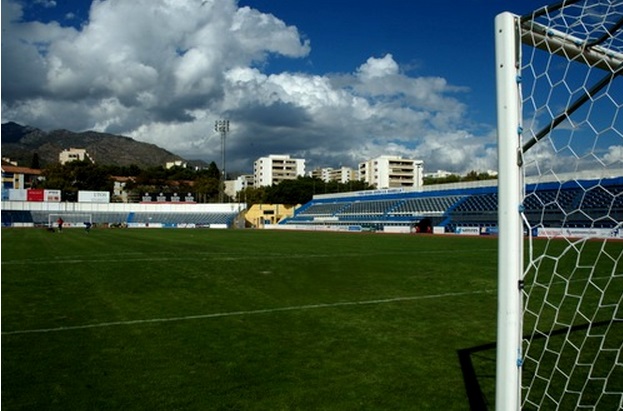
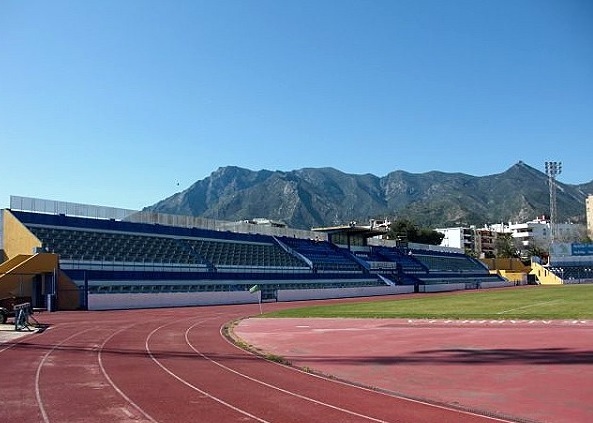
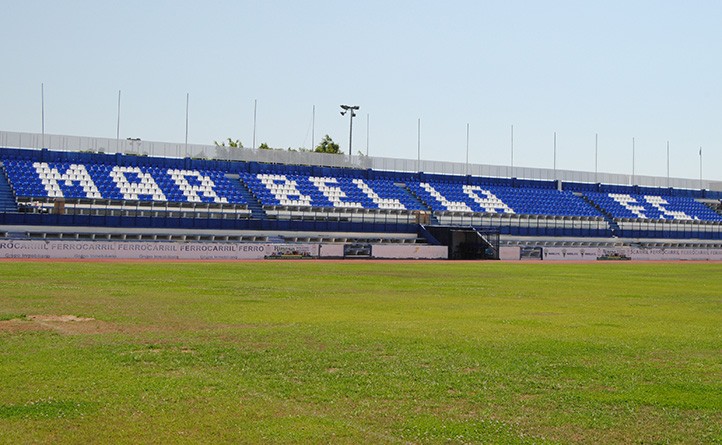
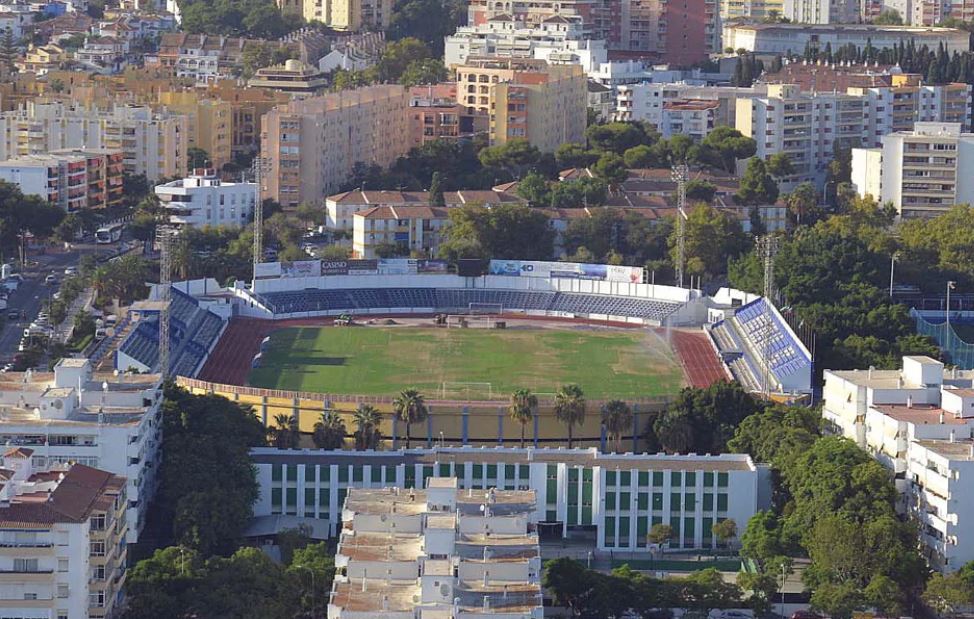
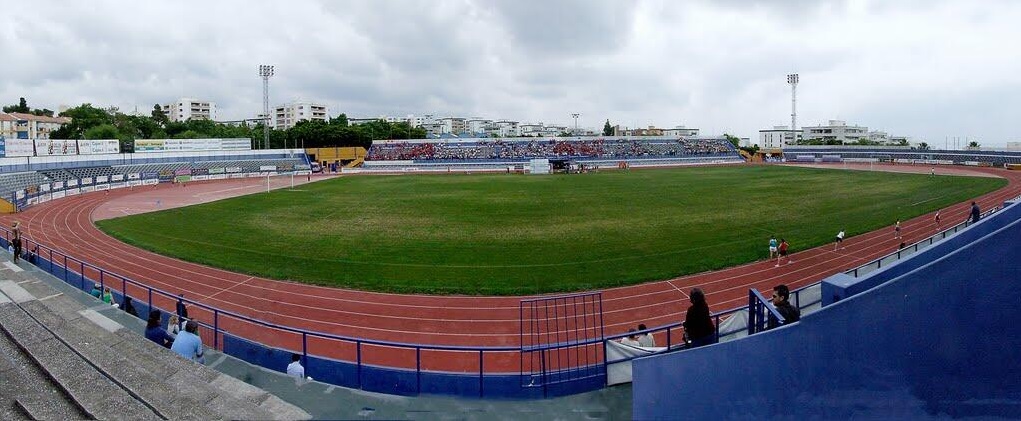
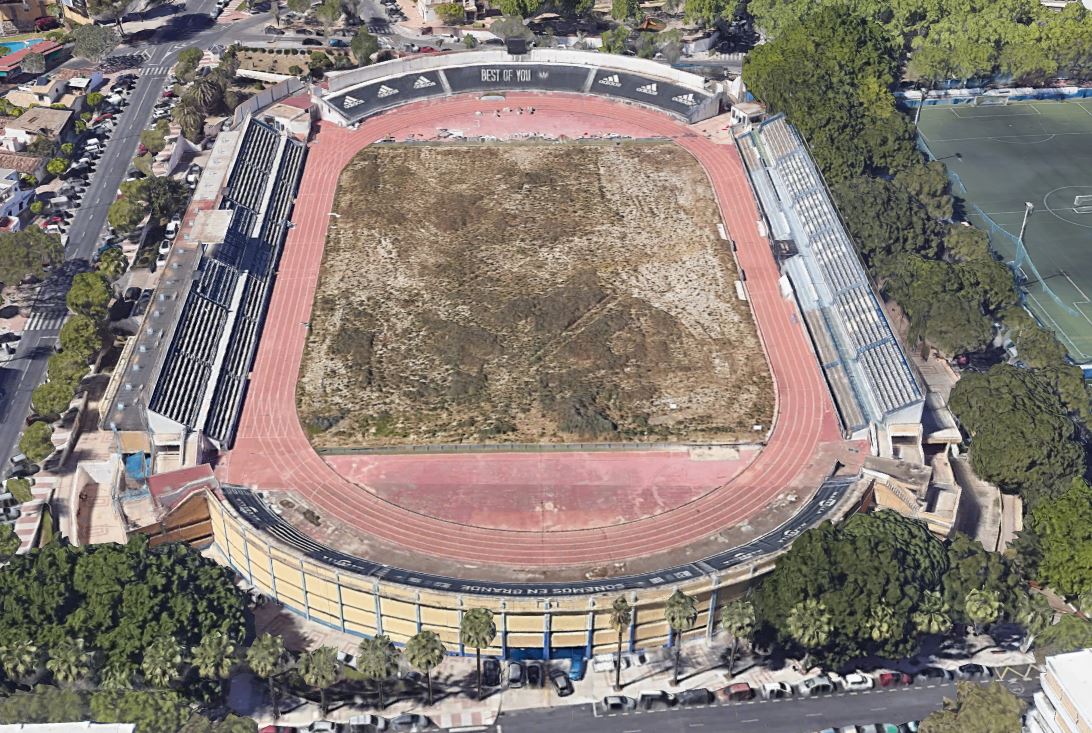
Opened in 1975, the Estadio Municipal de Marbella was originally called the Estadio Municipal Utrera Molina, after a falangist & minster under Franco’s regime. Despite its magnificent views of the Sierra Blanca, it was a tad underwhelming. It was the archetypal small municipal stadium, the likes of which sprung up over southern Spain throughout the 1960s & 70s. It was essentially a featureless oval, made up of two semi-circular end terraces and two side stands. The west tribuna had a small area of seating, the central section of which was covered by a short 10-metre-long roof. This stand also housed offices, bars and a press room. The opposite east preferente was identical in size but was fully seated in 2013. It had no roof but did house the stadium’s changing facilities. The playing surface was surrounded by an athletics track, all of which added to the sense of mediocrity. Its capacity of 7,300 was rarely tested since the start of Atlético’s decline in the mid-1990s. In 2019, the stadium was renamed the Estadio Municipal Antonio Lorenzo Cuevas in honour of the first Marbella-born player to turn professional and who played for Málaga in the 1950s. However, in May 2021, a safety inspection revealed critical structural faults, and the stadium closed, leaving Marbella FC to take up residence at the Marbella Football Center for the 2021-22 season.
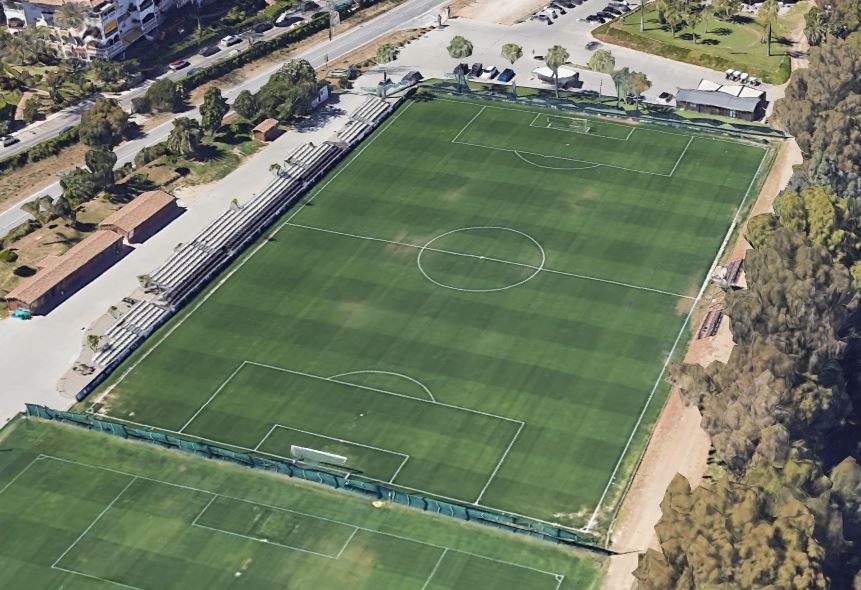
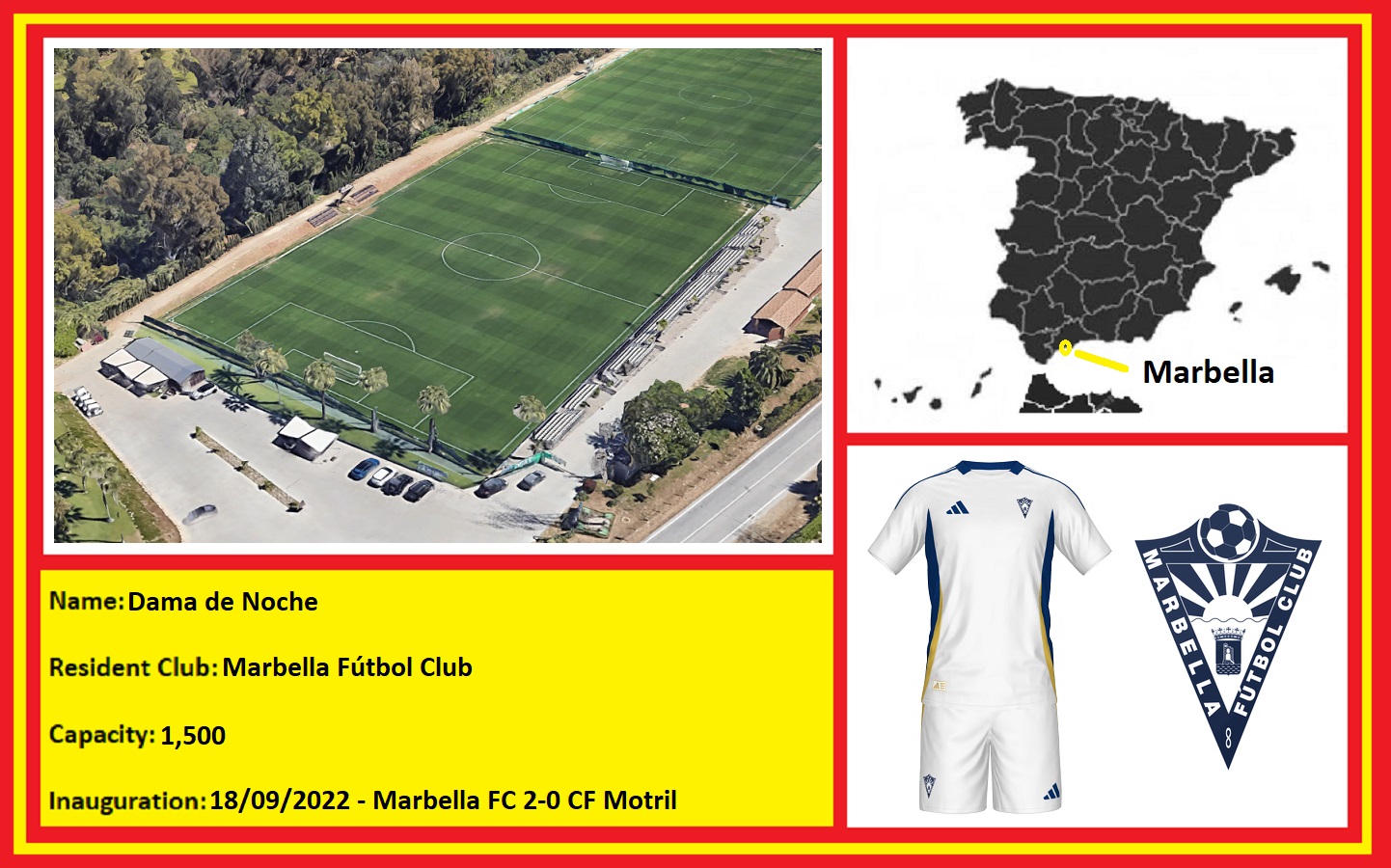
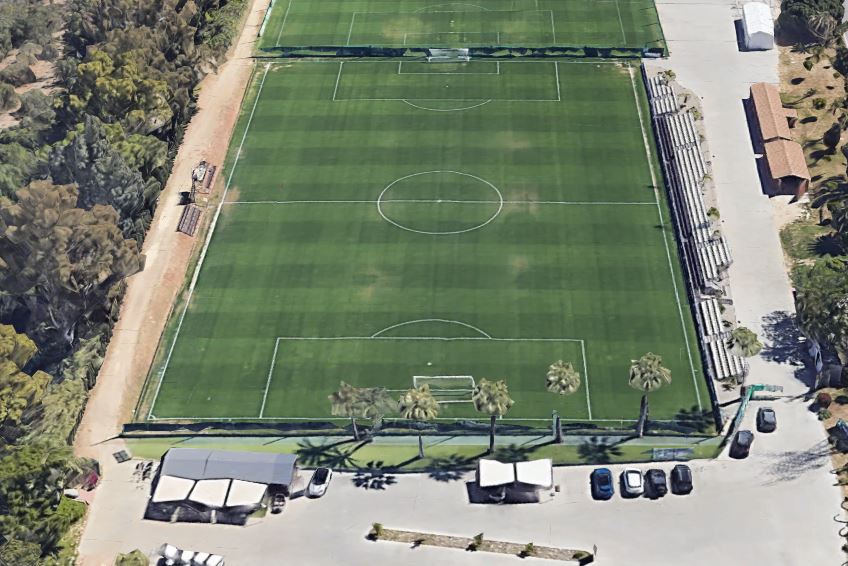
A year later, Marbella FC was on the move again, this time to the edge of Marbella’s Puerto Banús district and the Dama de Noche football centre. Temporary stands were installed on the west side of the enclosure, and while the excellent playing surface was conducive to Marbella FC’s style of play, earning them successive promotions, the facilities seemed to fall well short of those required in the Primera Federación. Marbella FC looked set to move again, with Málaga’s Estadio La Rosaleda or the Marbella Football Centre seeming to be the most likely options. However, the club continued to play at the Dama de Noche during the 2024-25 season, whilst pinning their hopes on the major redevelopment of the Estadio Municipal de Marbella.


 Estadios de España