
Article Updated: 13/10/2025
Perched dramatically on a rocky ridge in central Spain, Cuenca traces its origins to the Moors, who founded the fortress town of Kunka in the 8th century. Its strategic location between Madrid and Valencia made it a prized military and trading post. Captured by Alfonso VIII of Castile in 1177, the city became part of Christian Spain, and thanks to its textile industry, grew into a prosperous commercial centre. By the 19th Century, however, economic shifts and depopulation had led to the city becoming a backwater. This relative isolation helped preserve its medieval architecture and urban layout, laying the foundation for its recognition as a UNESCO World Heritage Site in 1996. All of which is wonderful for history buffs and tourism, but hardly fertile ground for the growth of football.
As football began its stranglehold on the masses at the start of the 20th Century, the folk of Cuenca turned a blind eye. Whilst clubs started to be formed in the 1920s, local teams rarely played outside the area before the Civil War. In 1943, when the Spanish Federation invited a team from Cuenca to join the reformed Tercera Division, no club accepted the invitation. It was not until 1946, when a group of disillusioned supporters of the city’s senior team, CD Cuenca, formed Unión Balompédica Conquense, that any club from the province played in a league beyond its borders. However, their progress was modest. Over the next 52 seasons, Conquense played only one season, 1987-88, above the level of the Tercera, spending the rest in the regionalised Tercera or below. Even then, Conquense’s elevation to Segunda B in 1987 came about due to the expansion of the third tier. Any hope that the team would adapt to its new elevated status was soon banished, as Conquense was relegated, along with a host of other newcomers, back to the Tercera.
It would take a decade back in the Tercera before Conquense finally earned promotion back to Segunda B. After finishing second in the league, the club topped the playoff group that included CD Linares, CD San Roque de Lepe, and CD Badajoz B. Due to Cuenca’s central location, Conquense was moved around the four different divisions of Segunda B, depending on the overall geographical makeup of the competing teams. So it’s to their credit that they played in Segunda B for 15 of the next 17 seasons. 2004-05 saw the club’s only appearance in the promotion playoffs, when, after beating Burgos CF over two legs, they faced two matches against Real Madrid B for a place in La Segunda. On 18 June 2005, La Fuensanta was full to its 5,000 capacity, temporary seating having been placed in front of the main stand and behind the east goal. Unfortunately, the team from the capital were 0-2 victors, but the following weekend back in Madrid, Conquense salvaged some pride. The match was switched to the Estadio Santiago Bernabéu, and in front of a record crowd for a Segunda B match of 61,000, Conquense won 1-0. Not enough to secure promotion, but mighty close.

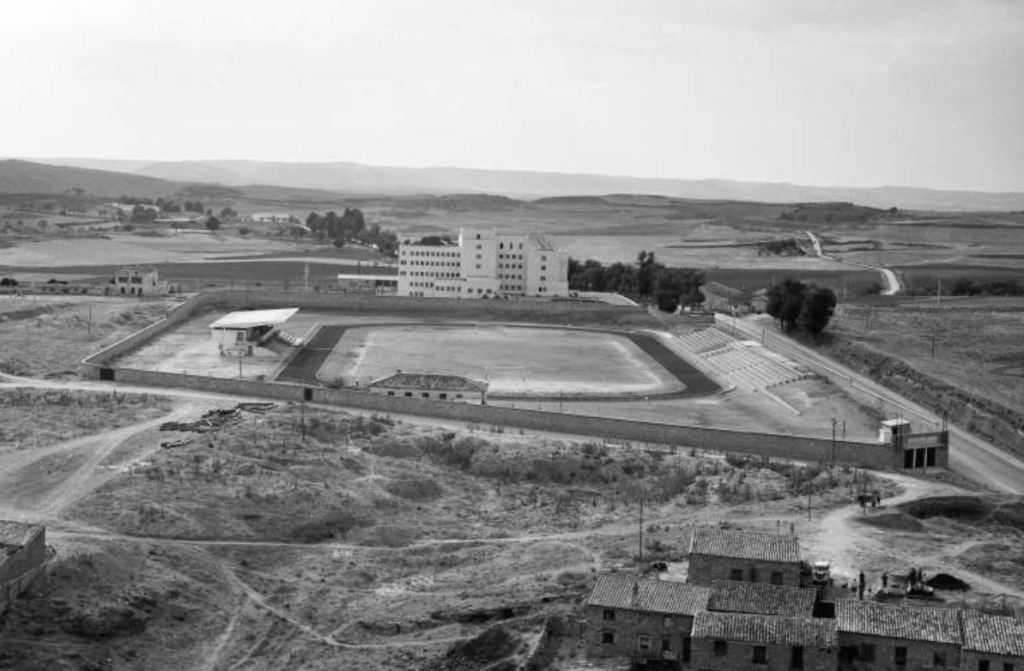
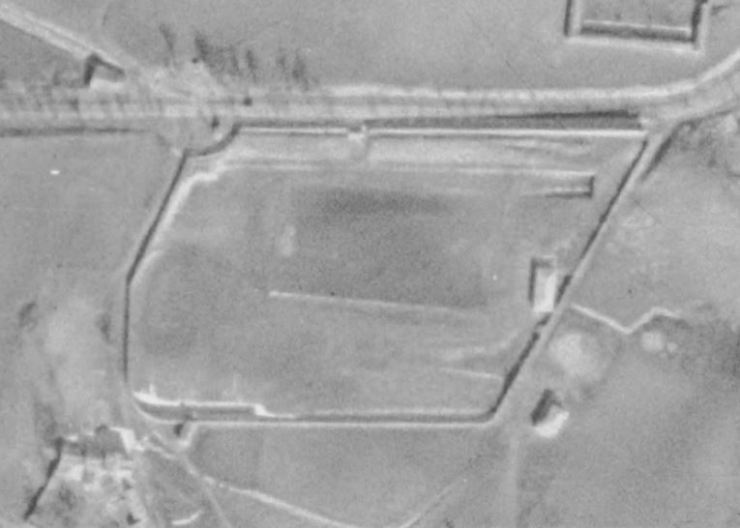
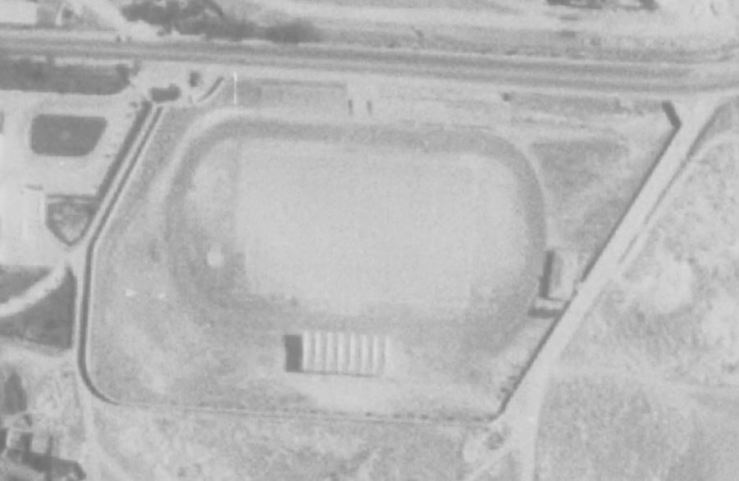
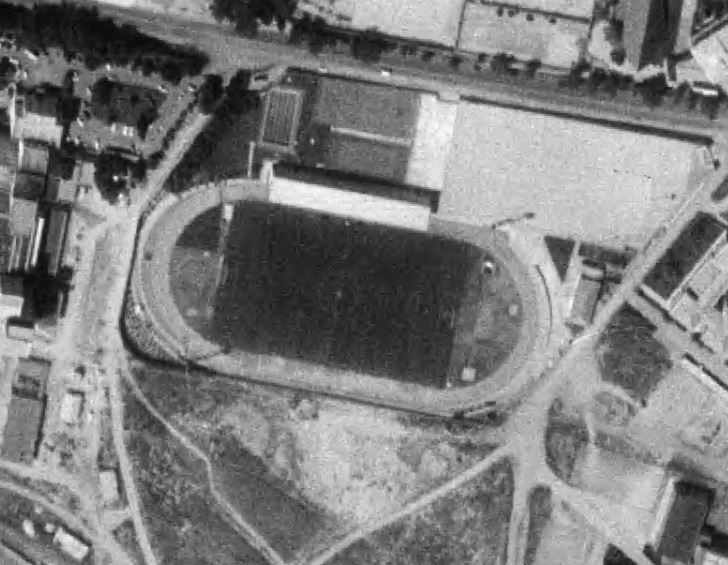
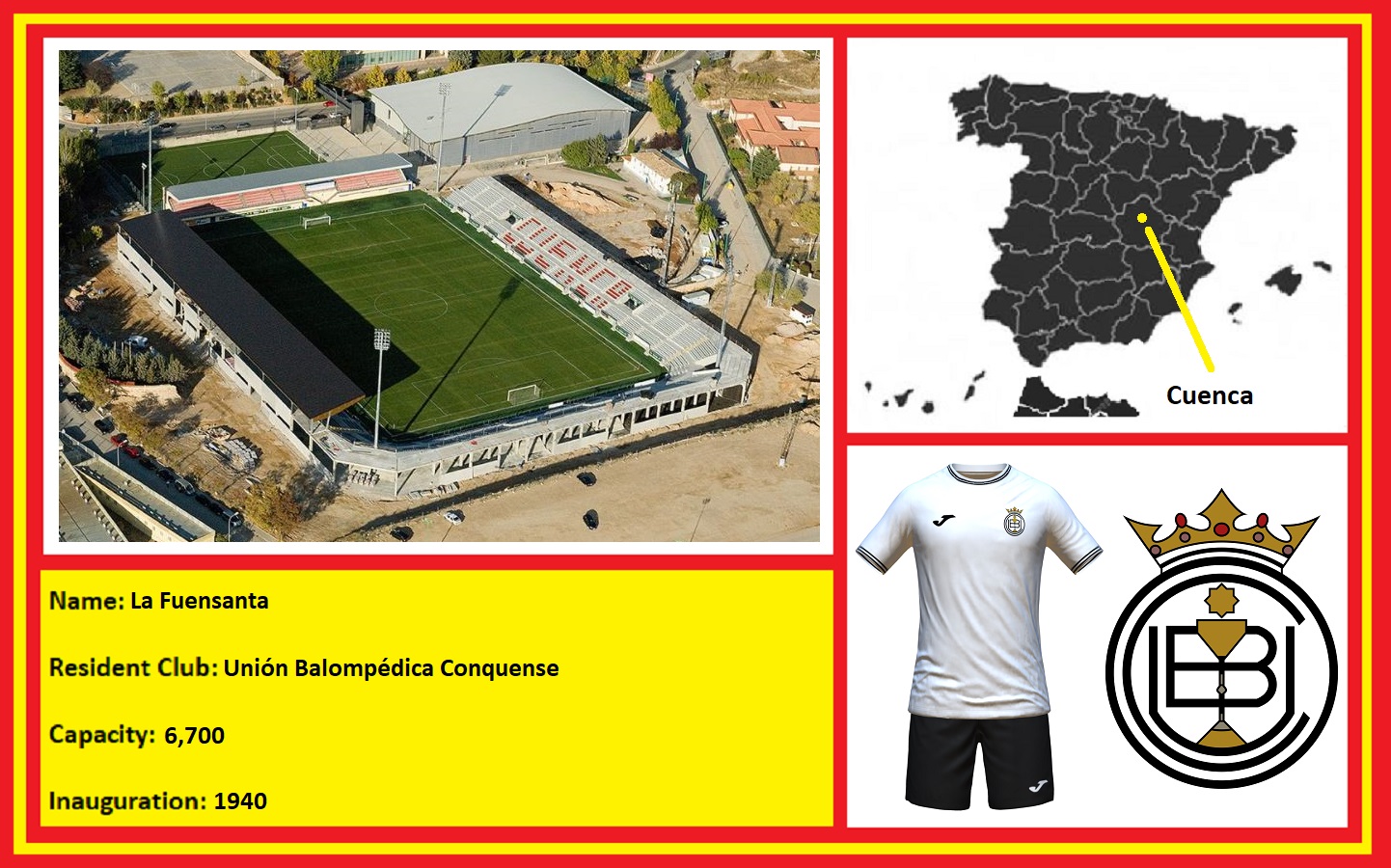
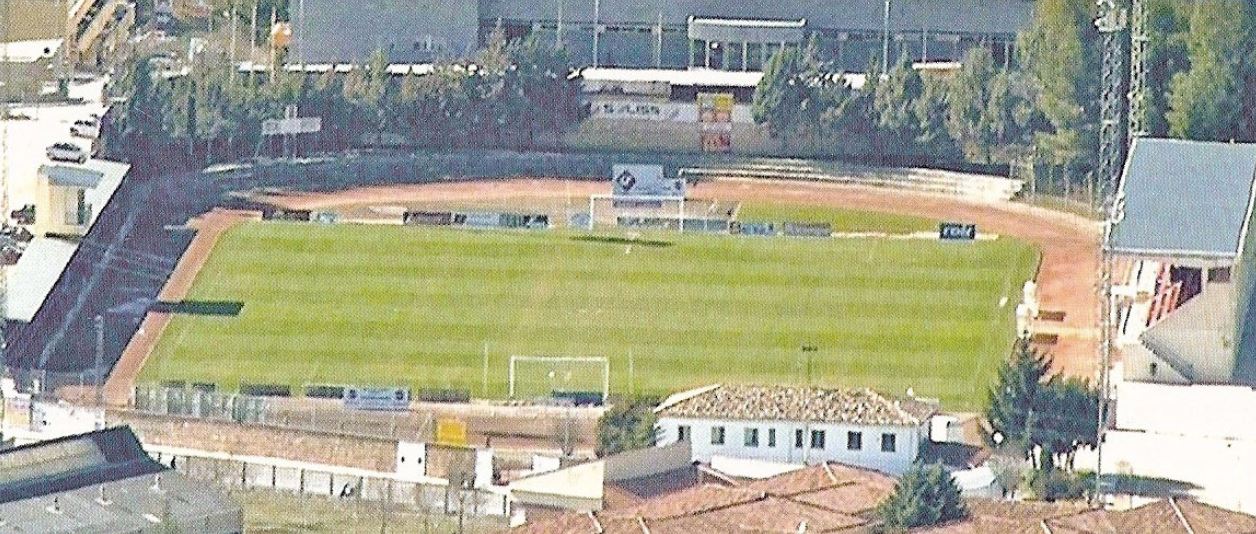
La Fuensanta opened in 1940, replacing the Campo de San Antonio as the city’s principal sports venue, which had been rendered derelict following the Civil War. It was built on land to the west of the old town, which was ceded to the local council by the poet, Francisco Muelas. Although the ground was enclosed, the only structure of note upon opening was a changing block and clubhouse in the south-eastern corner of the enclosure. In the early 1950s, with Conquense established in the Tercera, a 20-metre-long main stand was erected on the southern side of the pitch. This featured a seated upper deck and a terraced lower section, whilst the lower rear of the structure included new changing facilities. This was covered by a concrete cantilevered roof. A full-length open terrace was added to the northern side of the ground in the early 1960s.
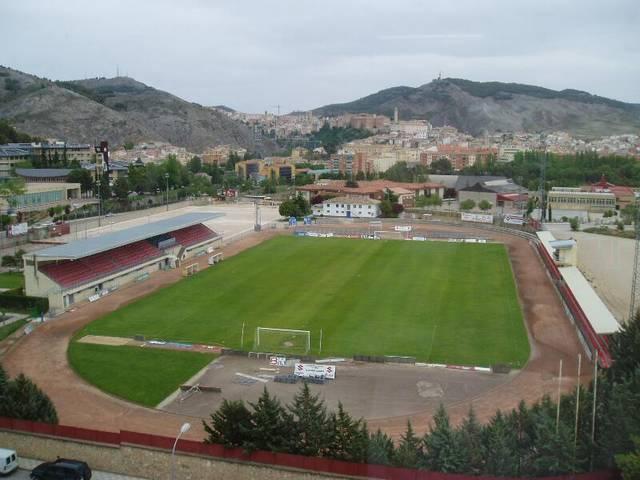
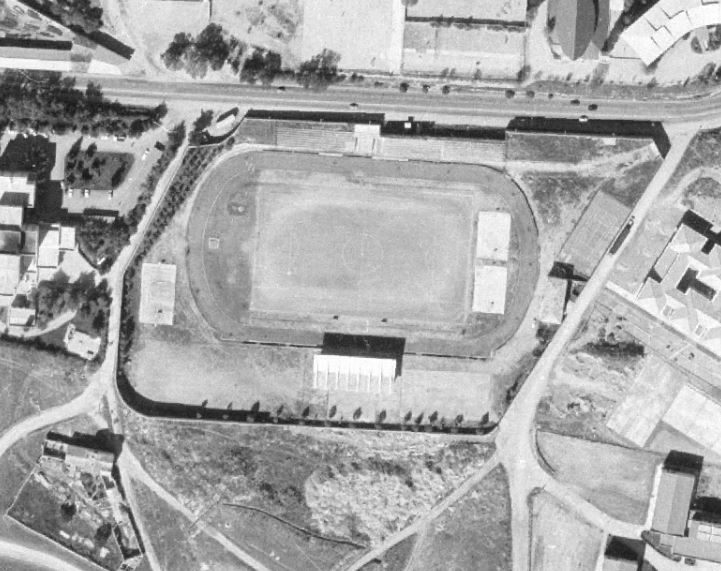
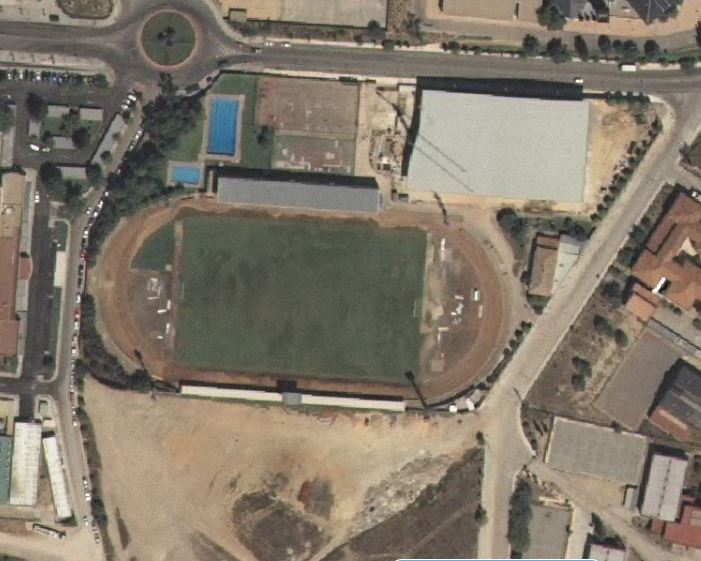
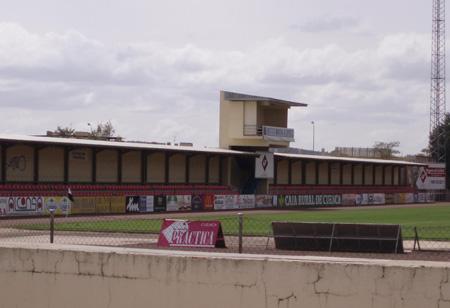
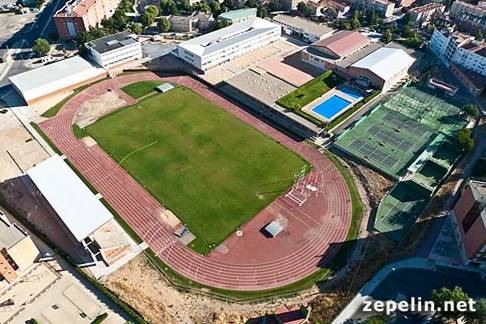
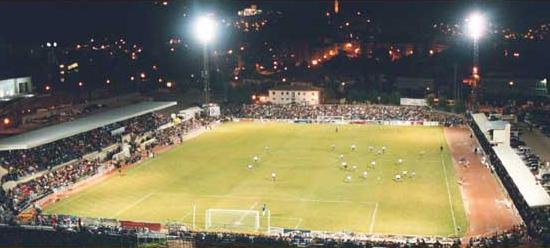
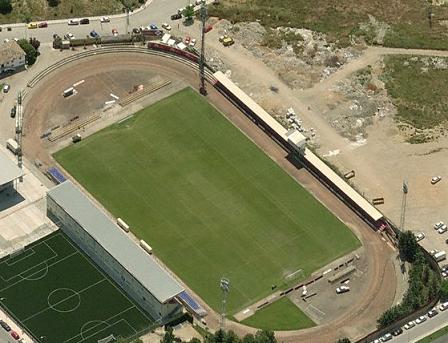
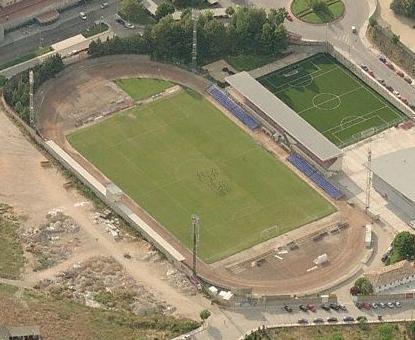
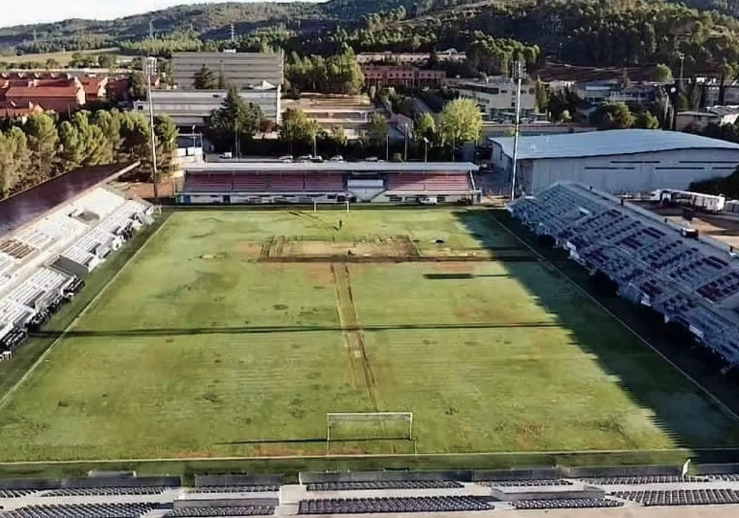
The next significant change at La Fuensanta occurred in the early 1980s, when the stand on the southern side and the open terrace opposite were demolished, and a 70-metre cantilevered stand was erected on the northern side of the ground. It had a raised seating deck with a capacity of 1,600 and stood above the changing facilities and club offices. A new artificial athletics track was laid around the playing surface, and the stadium’s floodlights were added. In 1998, following Conquense’s promotion to Segunda B, an incredibly narrow stand was erected on the southern side of the ground. There was room for just two rows of seats, which stopped on either side of the halfway line, to allow access to a TV gantry. This sat atop the roof and hung over the terrace like the city’s famous Casas Colgadas, which perch precariously above the Rio Huécar.
After a hiccup in the 2005-06 season that resulted in relegation and a season-long stay in the Tercera, Conquense returned to Segunda B and produced some decent form, which just fell short of securing the playoff positions. Thoughts turned to the redevelopment of La Fuensanta, and club president Ángel Pérez proposed plans that would involve rotating the playing surface 90 degrees and building three new stands. The city council approved the plans at the end of 2010, and preparation work began during the final weeks of the season on the areas behind the goals. Conquense’s form had dropped off in the second half of the season, and they would require a relegation playoff victory over Caudal Deportivo to retain their place in the third tier. After a hiccup in the 2005-06 season that resulted in relegation and a season-long stay in the Tercera, Conquense returned to Segunda B and produced some decent form, which just fell short of securing the playoff positions.
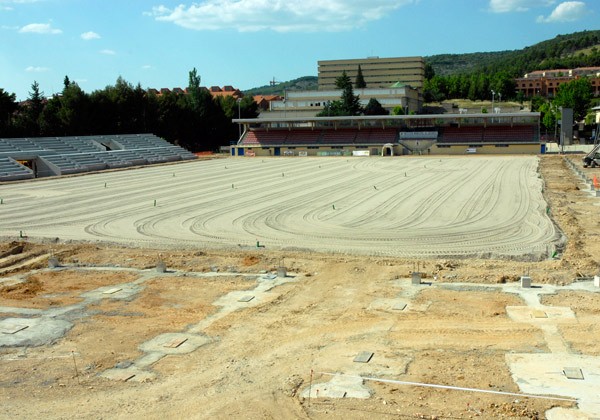
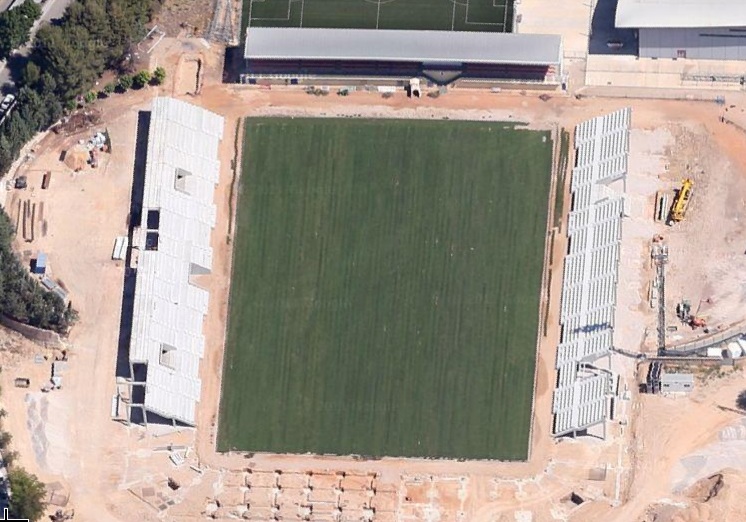
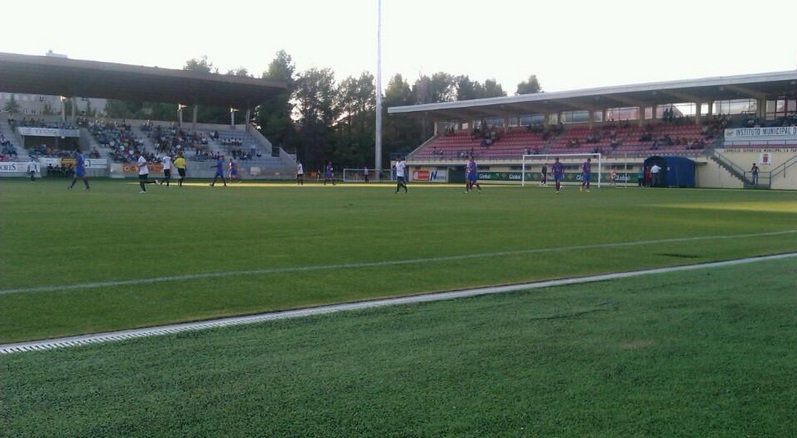
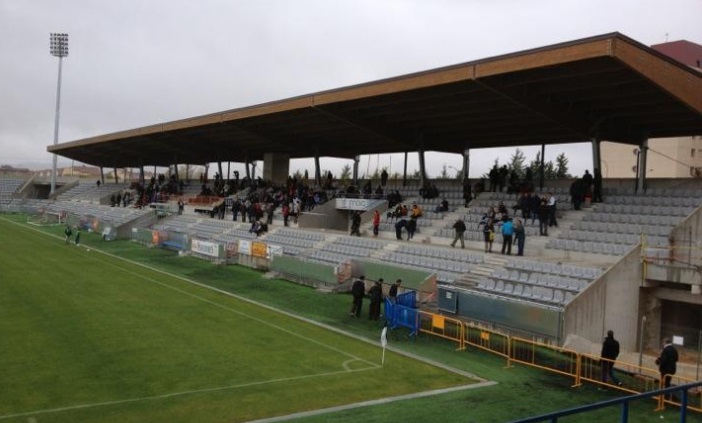
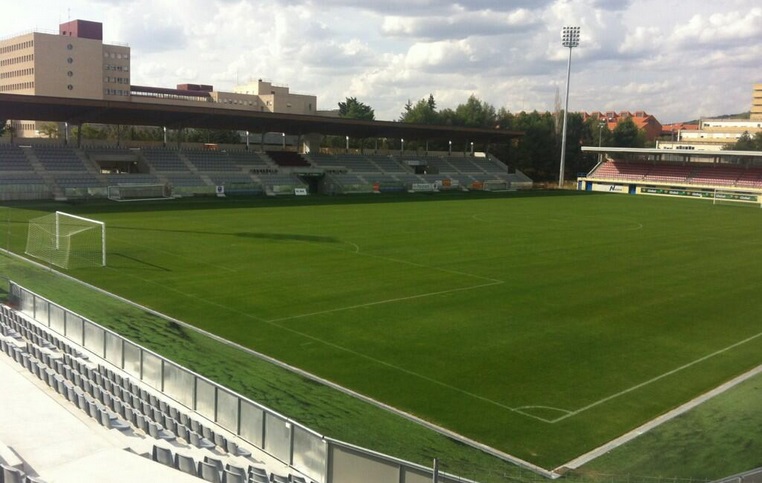
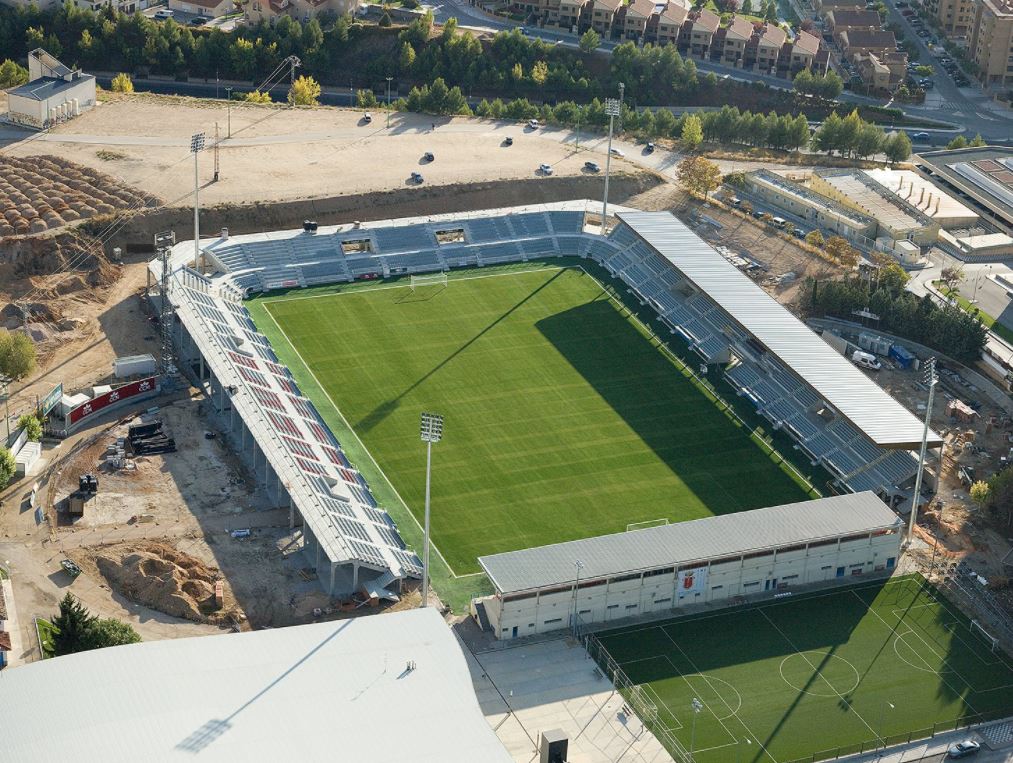
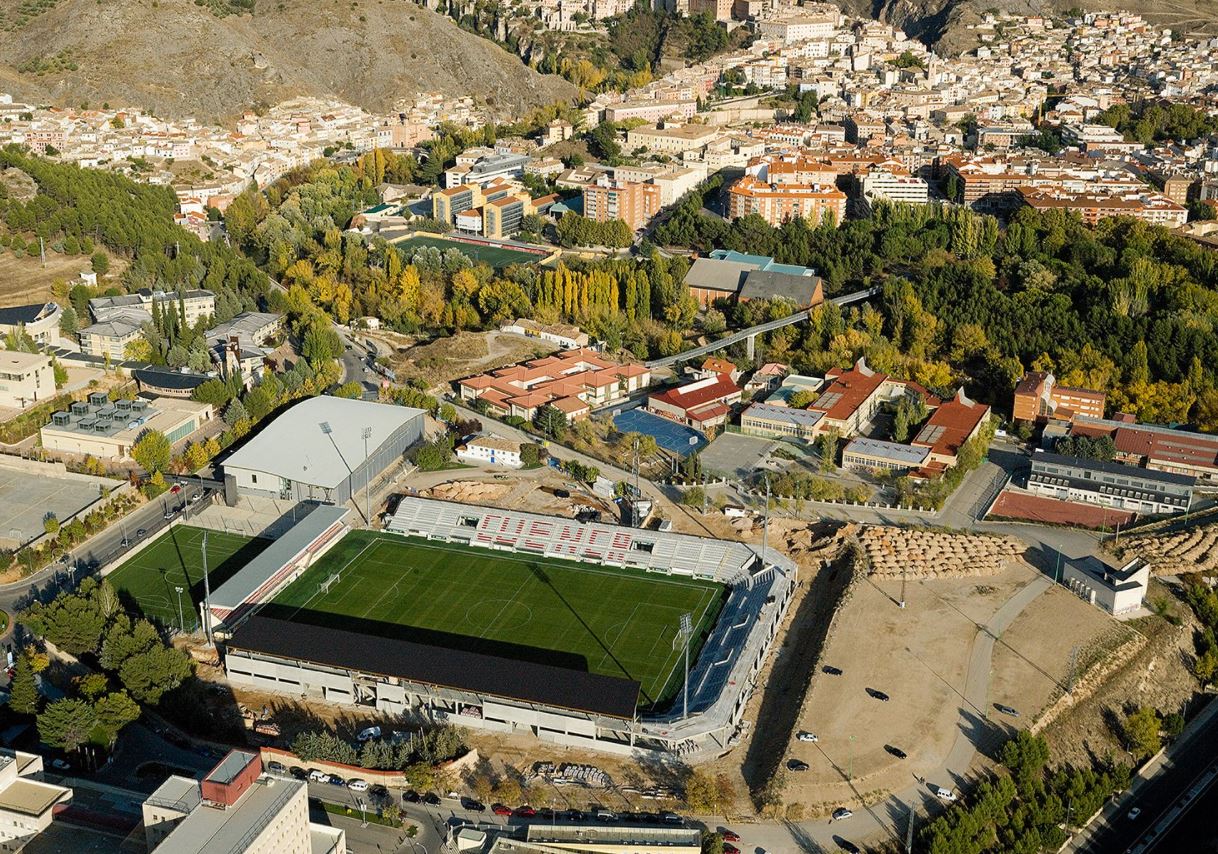
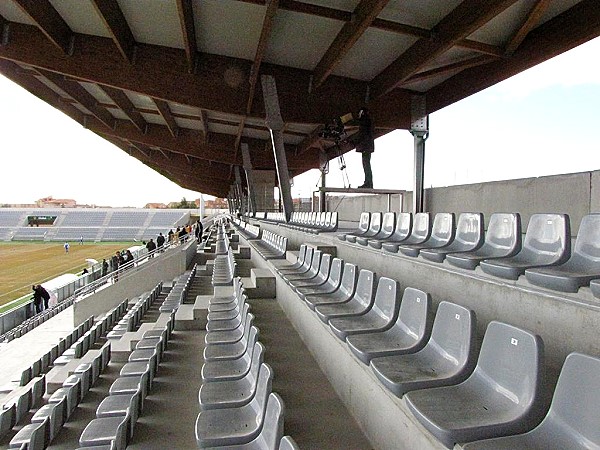
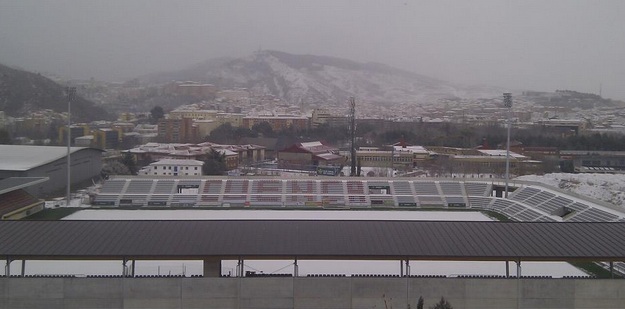
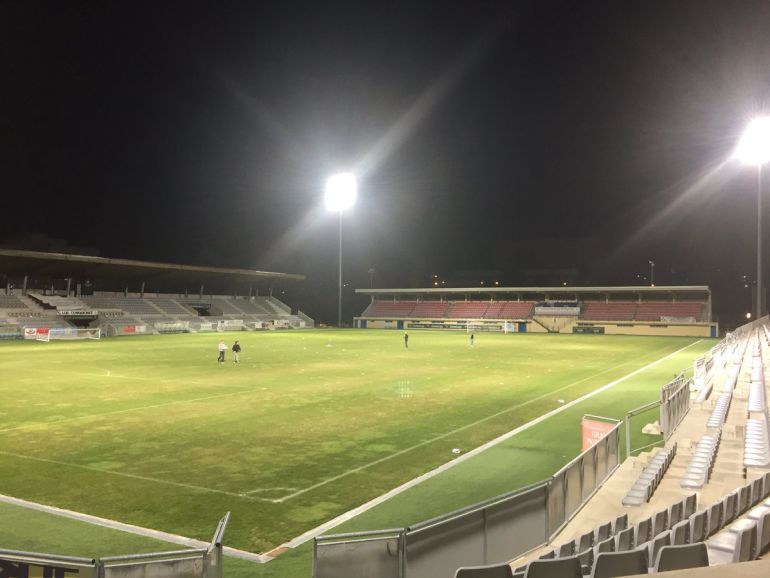
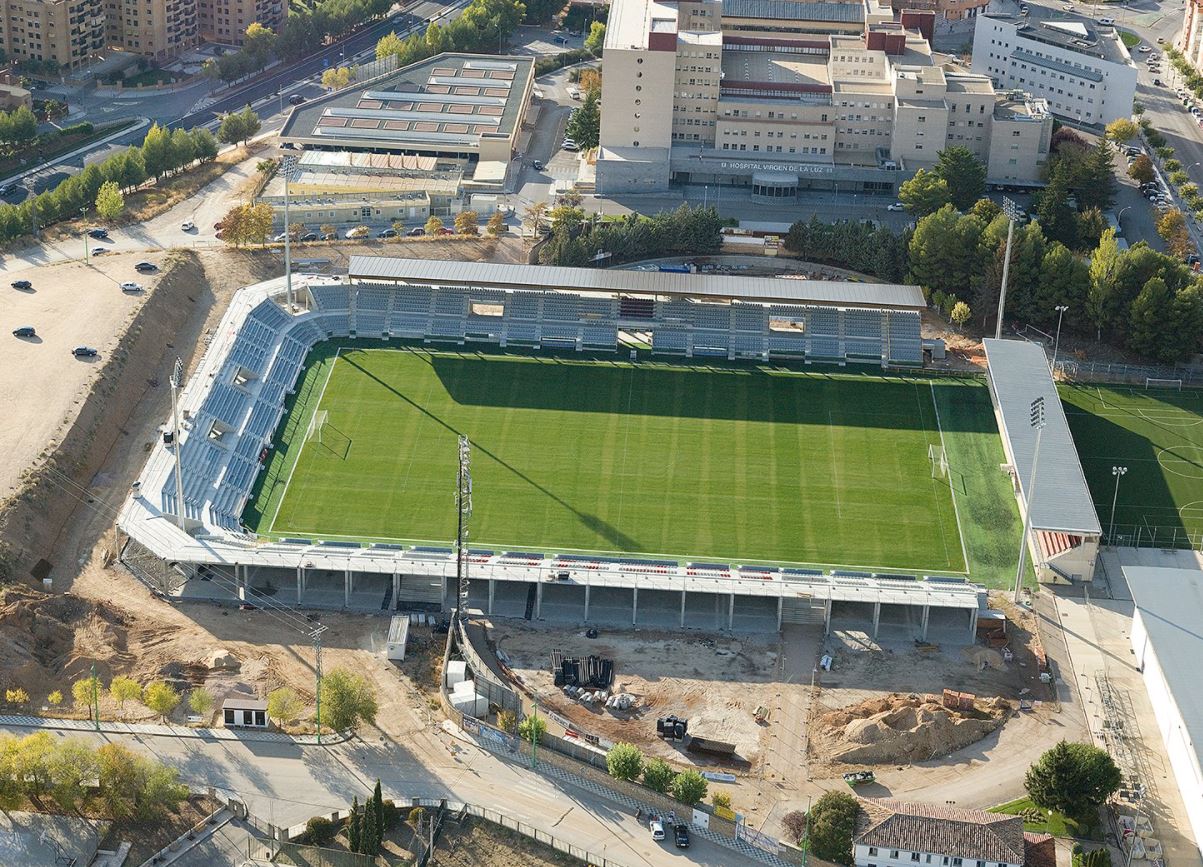
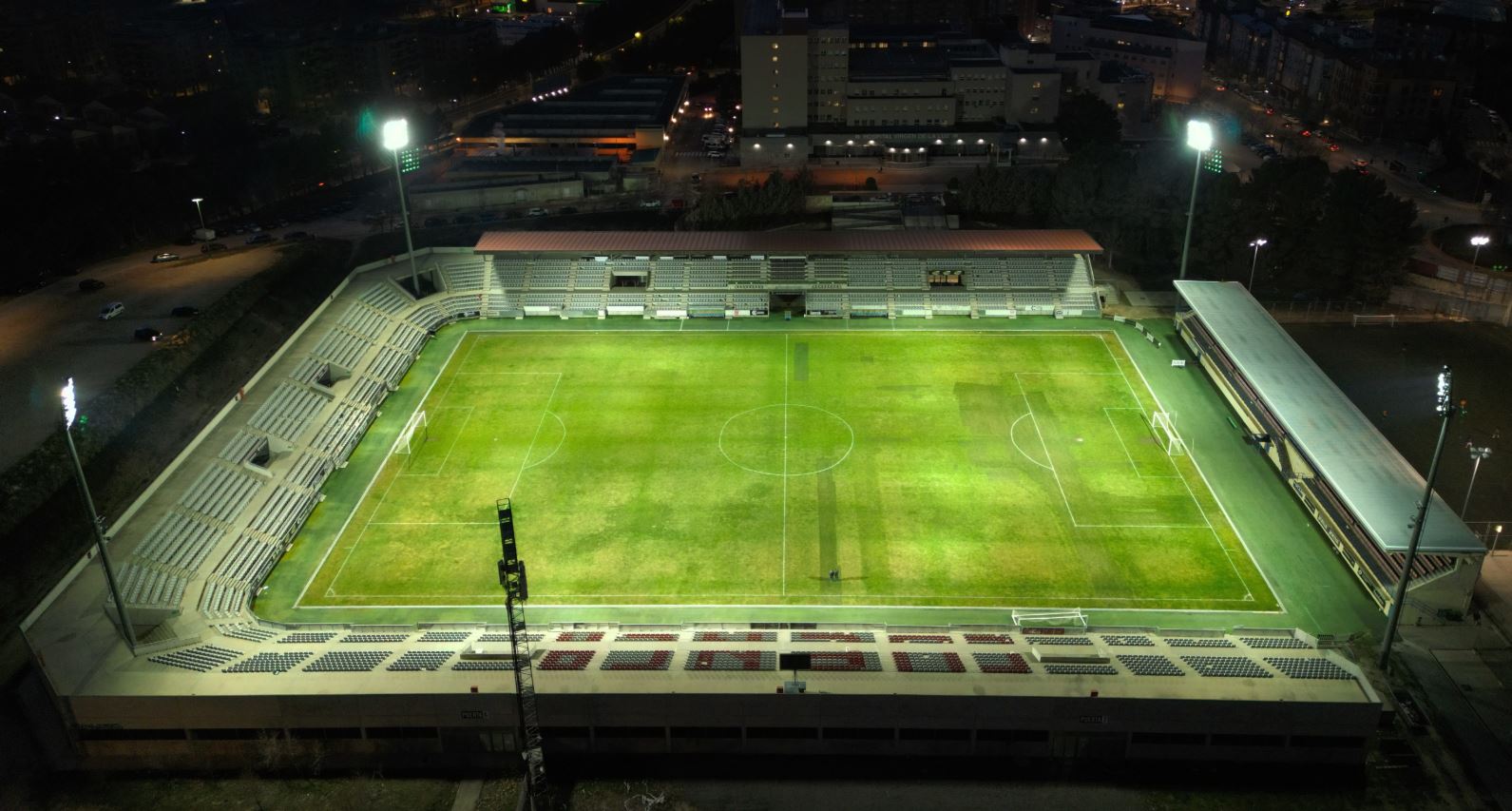
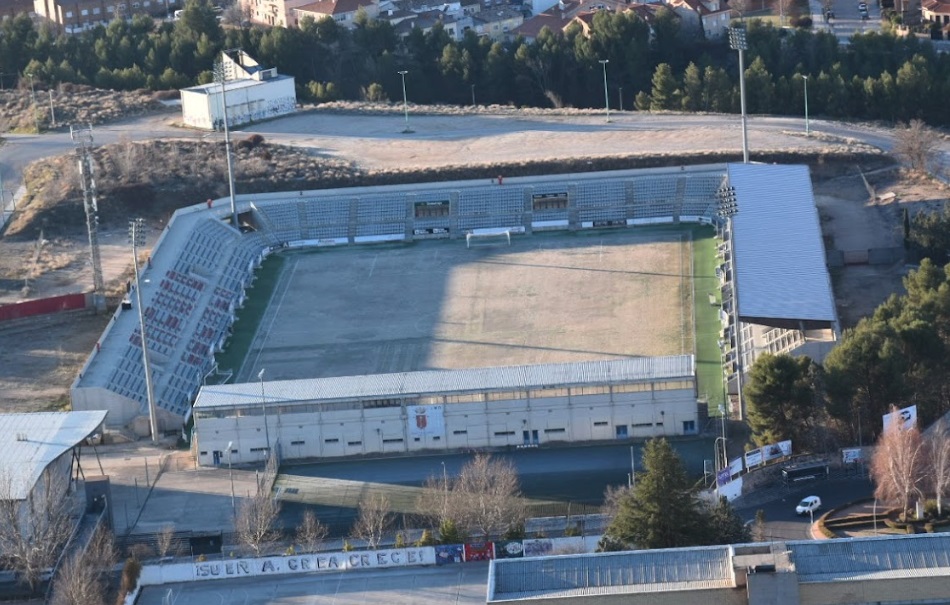
Thoughts turned to the redevelopment of La Fuensanta, and club president Ángel Pérez proposed plans that would involve rotating the playing surface 90 degrees and building three new stands. The city council approved the plans at the end of 2010, and preparation work began during the final weeks of the season on the areas behind the goals. Conquense’s form had dropped off in the second half of the season, and they would require a relegation playoff victory over Caudal Deportivo to retain their place in the third tier. Work on the redevelopment was frantic during the three months of the close season. The narrow southern stand was demolished, which allowed work on the new pitch to begin. The existing main stand, which was 20 years old, survived the rebuild and now stood along the full length of the northern end. During the summer, three new stands were built around the remaining sides of the pitch, including a full-length covered stand on the west side. Rather than concrete or steel, the roof beams are made of oak, which is better suited to the region’s extreme temperatures. Similar roofs have been constructed at stadiums in Zamora & Soria. The pitch and seats in the west stand and east stands were only added in the week before the opening fixture at the renovated stadium, which Conquense lost 0-2 to Real Madrid Castilla. The south stand was finally completed in October, taking the new all-seat capacity up to 6,700.
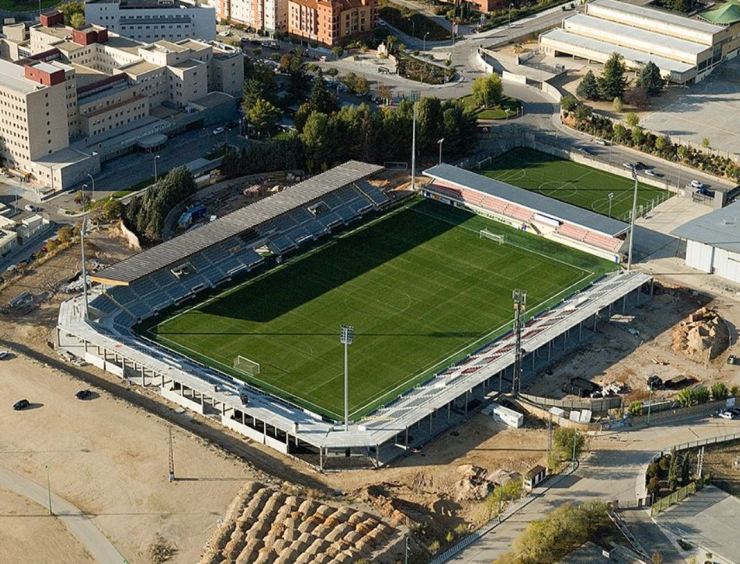
Conquense’s new surroundings did not have the desired effect as the club struggled throughout the 2011-12 season, winning just two of its first 24 fixtures. Although late-season form improved, it was too little, too late, as Conquense finished 16th and entered the relegation playoffs, where they lost to Real Zaragoza B. The new stadium has yet to see the best of Conquense. What was meant to be the venue that would inspire the club to reach the second tier has hosted just three seasons in the third tier since the rebuild. Reorganisation of the Spanish football pyramid in 2021 saw Conquense drop to the Tercera Federación, the fifth tier. The Tercera title was won in 2023-24, which earned direct promotion to the Segunda Federación and entry into the following season’s Copa del Rey. This saw Conquense beat UD Ibiza and take Real Sociedad to extra time, before losing 0-1. A couple of the relatively few highlights that the club has experienced since the stadium’s revamp.










 Estadios de España