
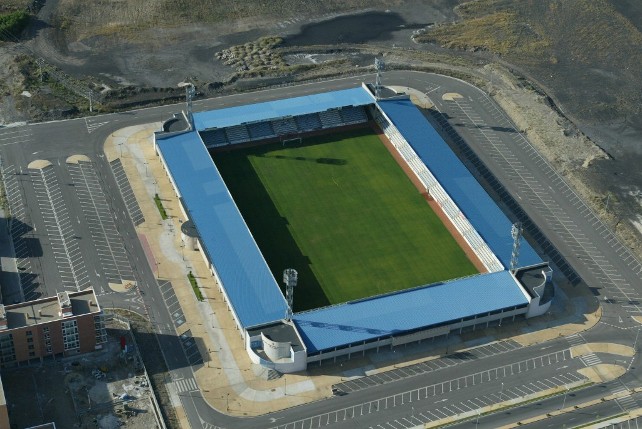
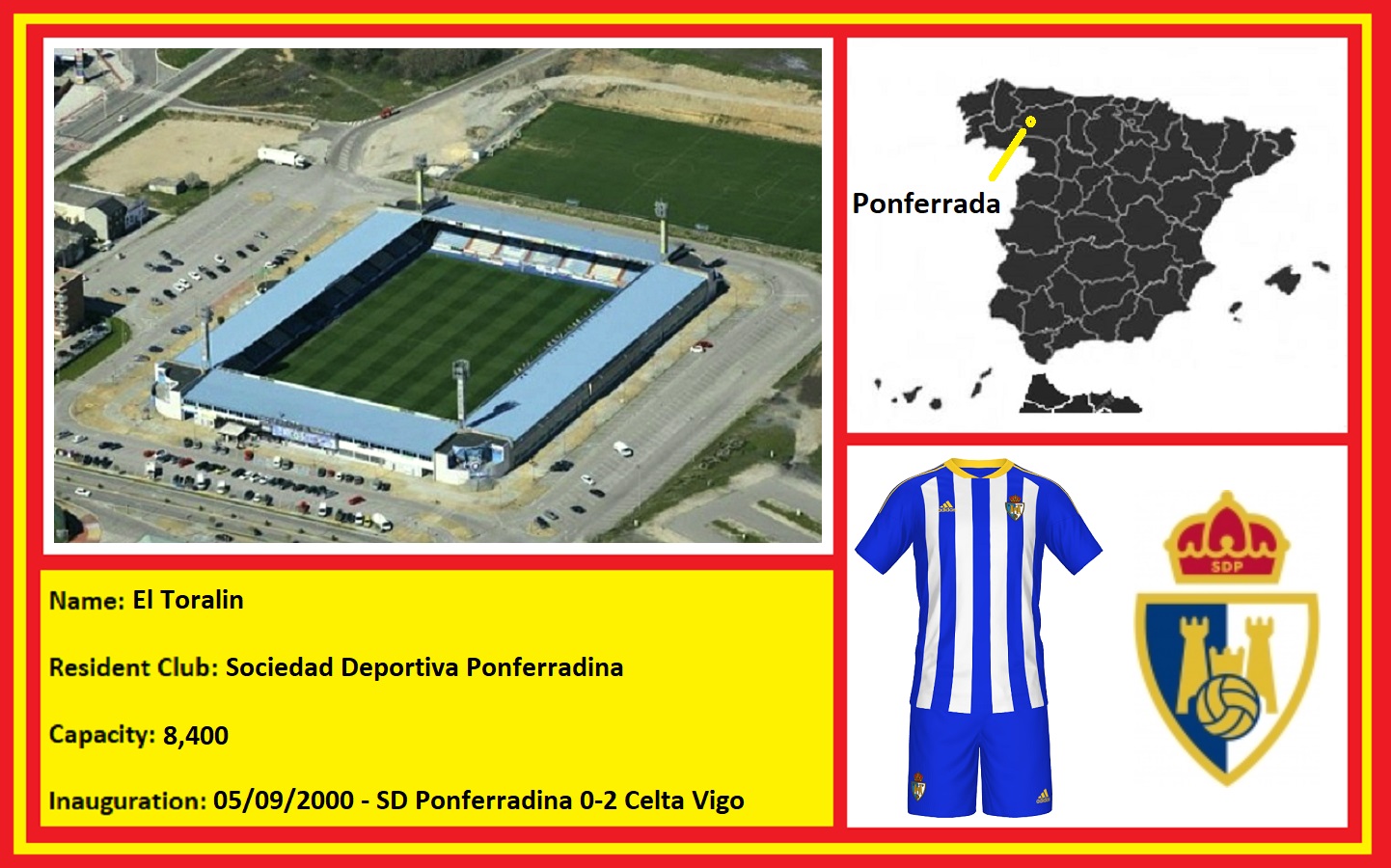
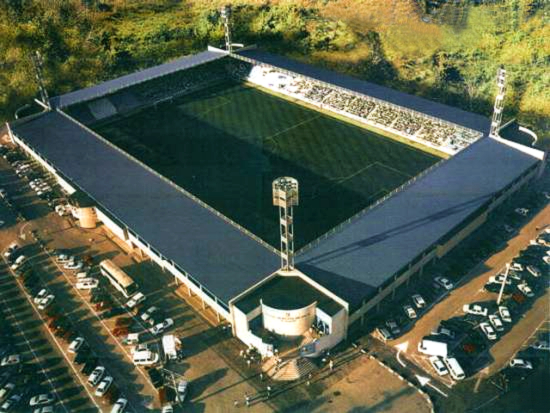
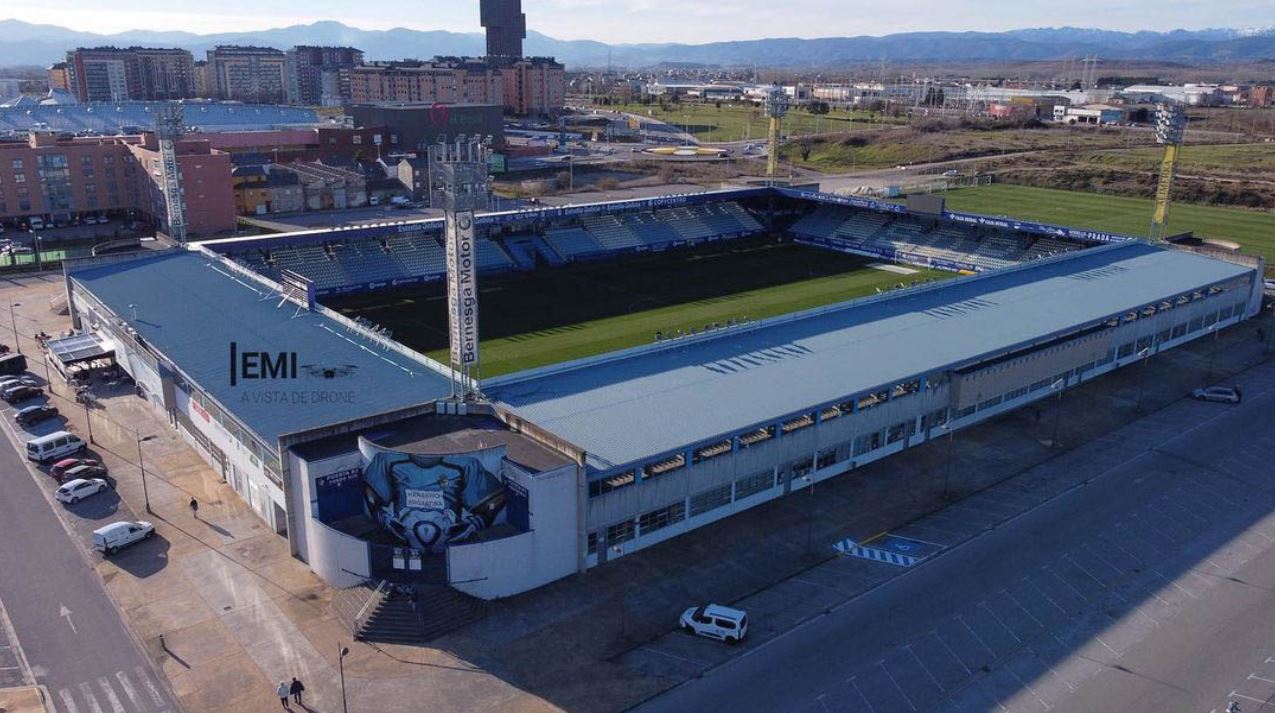
Spain experienced a mini-boom in stadium design & building for a decade from the mid-nineties, and the municipality of Ponferrada joined in the fun in 1999, when they decided to build a sports complex a mile or so north of the town centre. The development at El Toralin featured an indoor sports centre, swimming pool, tennis & squash courts, athletics stadium and an 8,400 capacity football ground. The new development was similar in design to CF Numancia’s new stadium that had been completed a year earlier and offered SD Ponferradina the opportunity to move closer to the centre of town (the journey to Fuentesnuevas was a bit of a jaunt for the faithful). The club played their first match at El Toralin on 5 September 2000, a 0-2 friendly defeat to Celta Vigo, and the move kick-started the most successful period in the club’s history.
Relegation had just been avoided in the final season at their old Fuentesnuevas home, so the club ensured that El Toralin would host Segunda B football for the 2000-01 season. Eleventh place was secured at the end of the season, and over the next few years, the club made steady progress until it won the league title in 2004-05. Back then, first place in Segunda B didn’t mean automatic promotion, and in the playoffs, Ponferradina fell short, losing 2-1 on aggregate to RSD Alcalá. A year later, the club was back in the playoffs thanks to a fourth-place finish in the league, and this time, there would be no slip-ups. Universidad de Las Palmas were beaten at the semi-final stage before Alicante CF were beaten 2-1 on aggregate with Fran scoring the decisive goal five minutes from the end of the second match.

With the club due to start its first-ever season in La Segunda, a few minor enhancements were made to the press and corporate facilities at El Toralin. The 2006-07 season would prove to be a hard slog on the pitch, and whilst Ponferradina did not disgrace themselves, they spent practically all the season in the bottom four and were relegated in twentieth position and a final total of 46 points. Back in Segunda B, further titles were won in 2007-08 and 2009-10. The latter resulted in a play-off victory against UE Sant Andreu and promotion back to La Segunda for the 2010-11 season. The stay in the second tier was short, and a season-long struggle resulted in just five victories. Their total of 34 points saw Ponferradina finish just one place off the bottom of the table.
Now we know by now that Ponferradina can handle Segunda B, and so it proved to be the case during the 2011-12 season, with the club vying with Real Madrid Castilla for the top spot before settling for the runners-up position and the long route through the playoffs. Here they overcame the challenges of Real Jaén, Lucena and most impressively, CD Tenerife. The capacity was temporarily extended to 8,800 in December 2011 when Real Madrid vistited in the Copa del Rey. Back in La Segunda and Ponferradina acquitted itself rather well. None of the hanging around the relegation zone. No, the club recorded its best-ever finish of seventh in 2012-13 & again in 14-15, just missing out on the end-of-season playoffs. However, their four-season stay in La Segunda came to an end in June 2016. After a three-season sabbatical in Segunda B, Ponferradina returned to La Segunda in 2019, thanks to a second-place finish in the regular season and victories over UE Cornellá, Cartagena & Hércules in the playoffs. Back in the second tier, Ponferradina clocked up another 4-season-long stay before dropping to the Primera Federación in 2023.
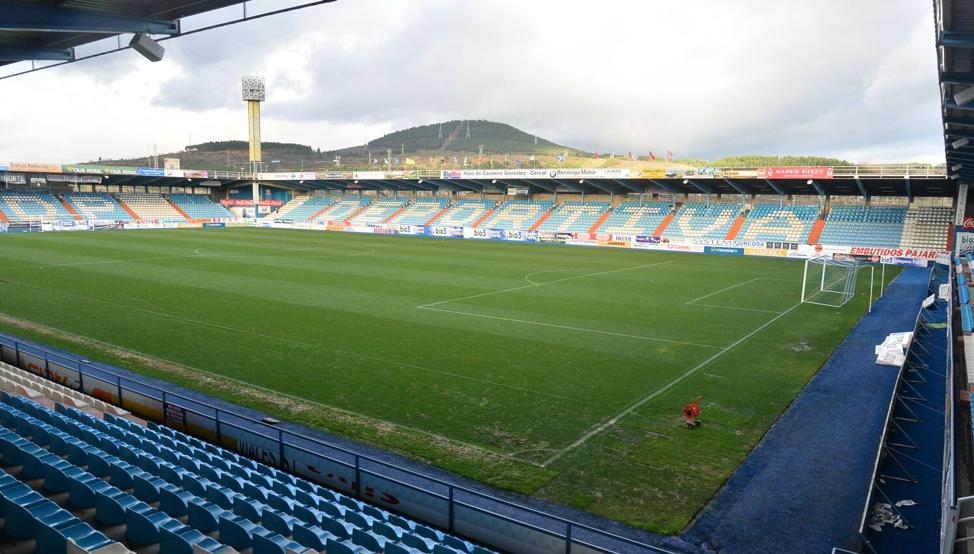
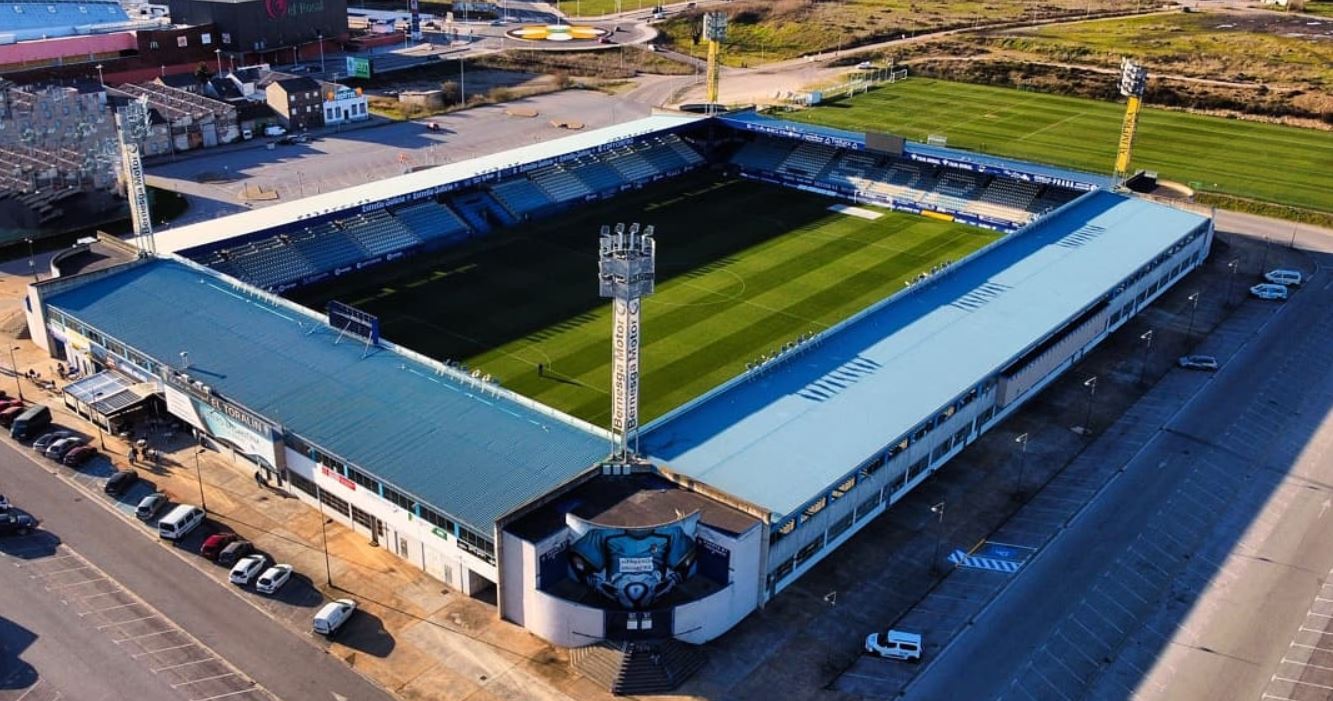
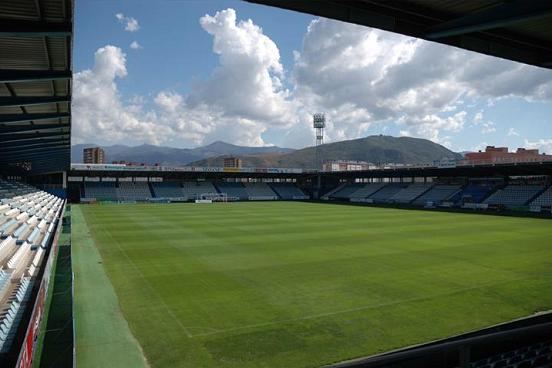
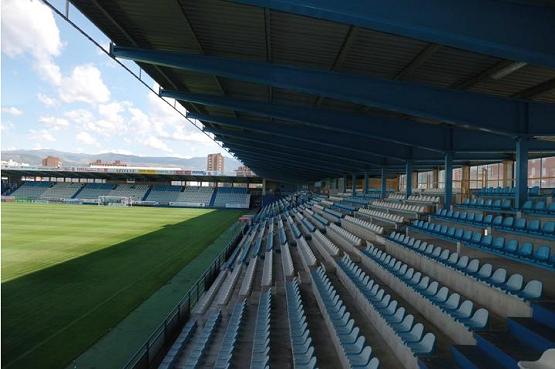
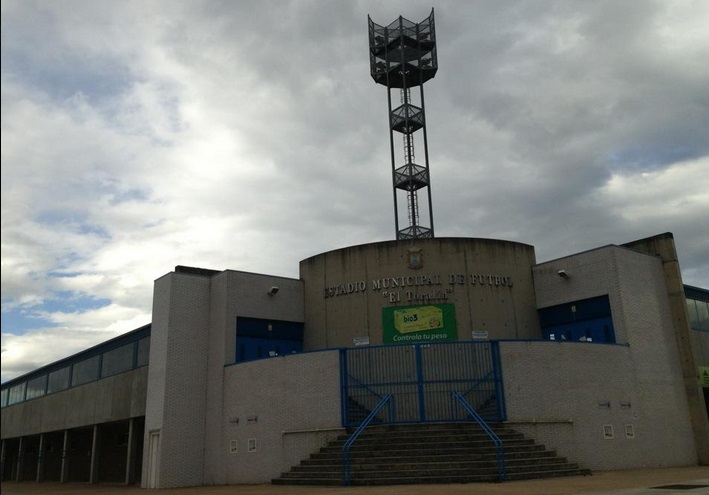
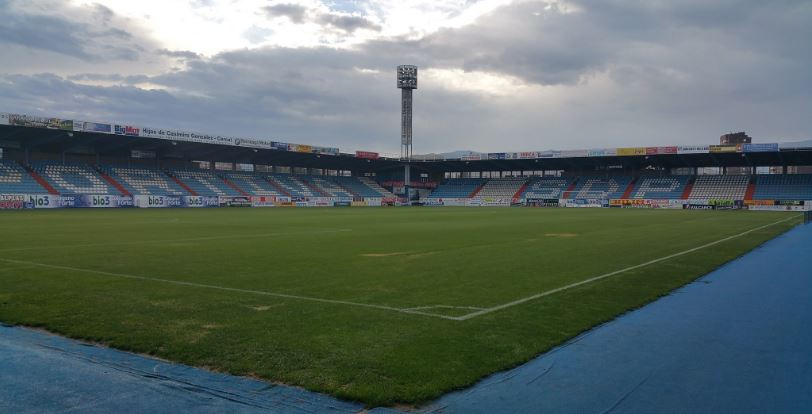
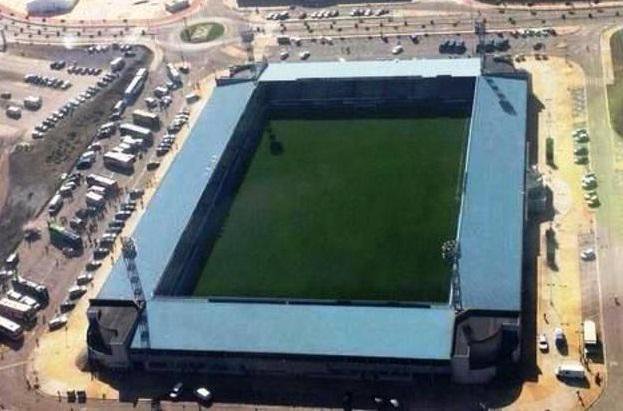
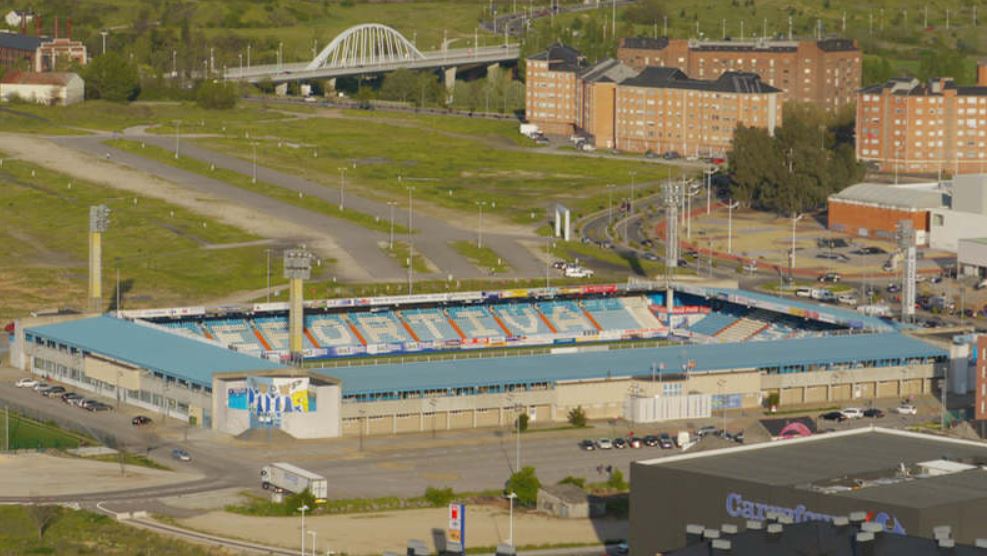
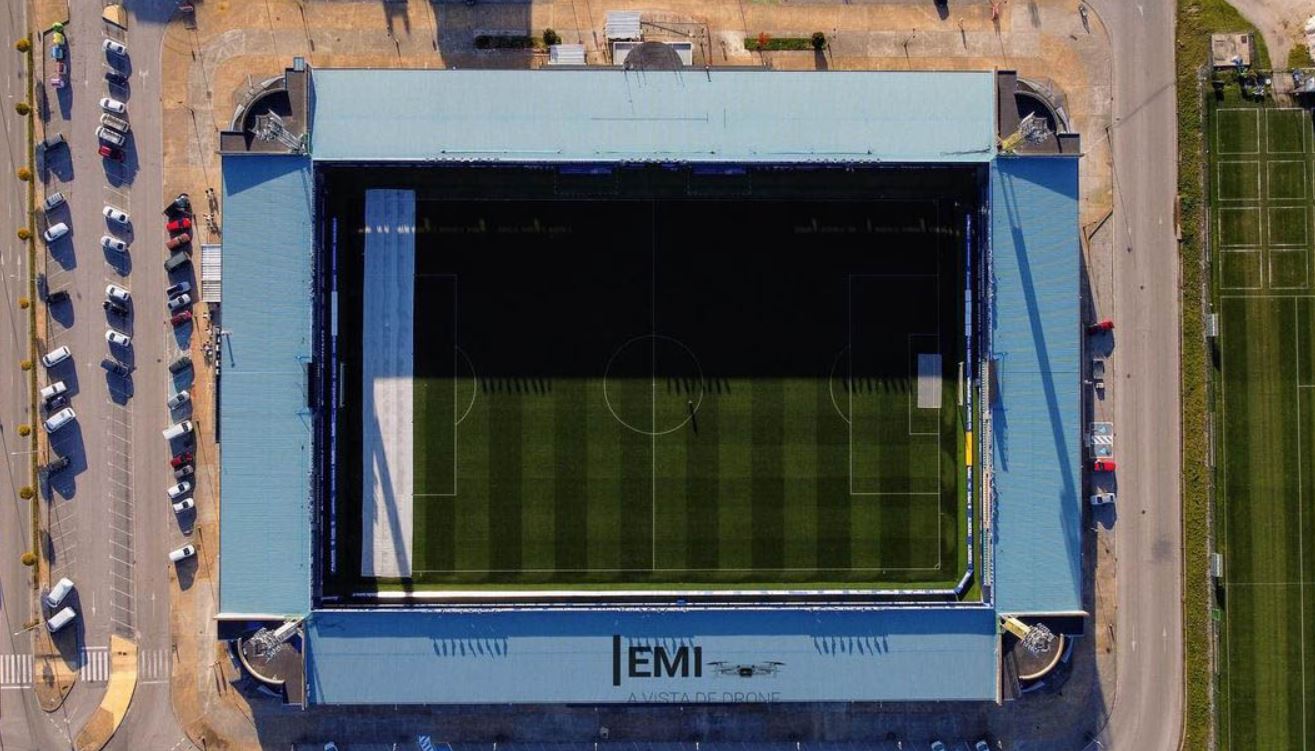
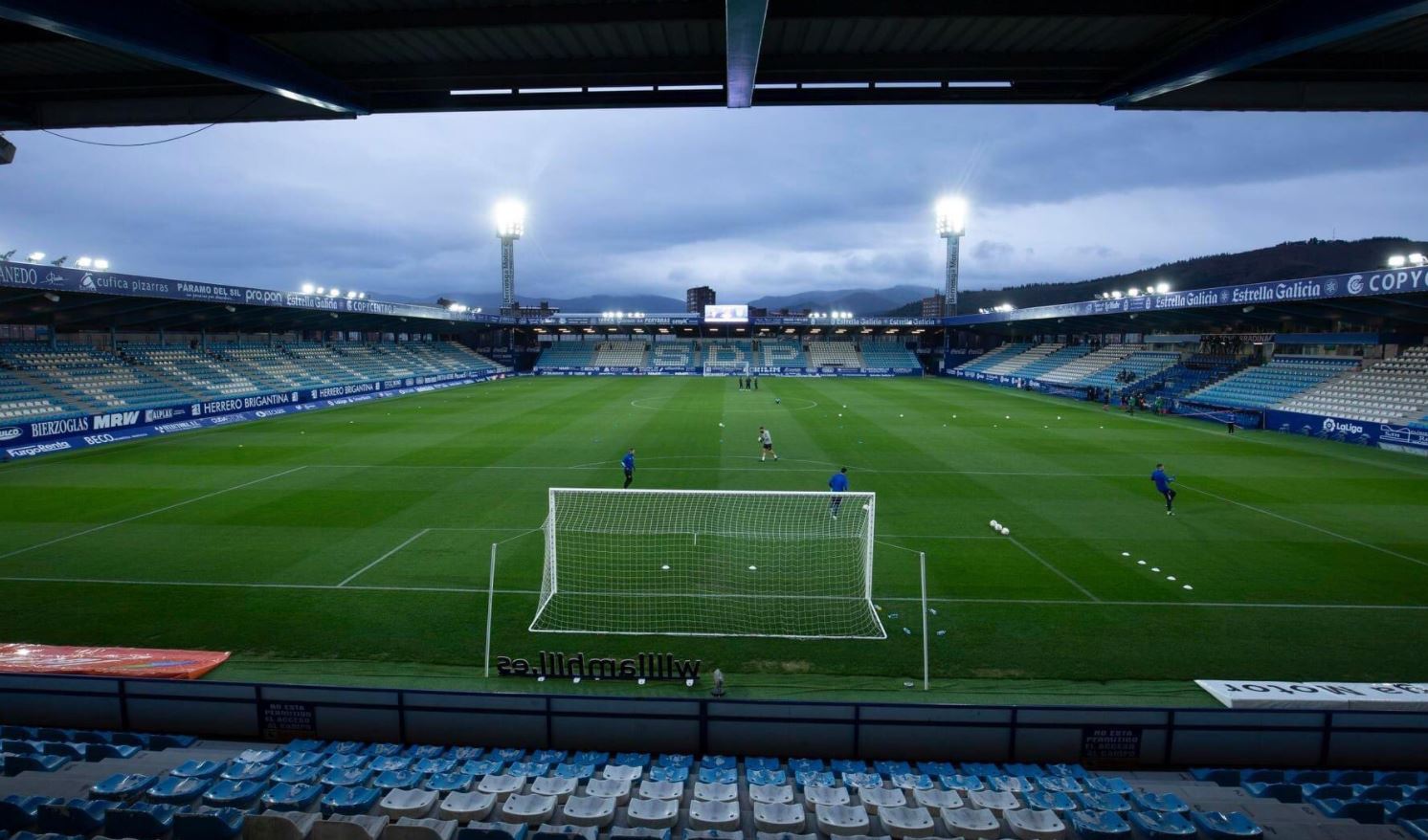
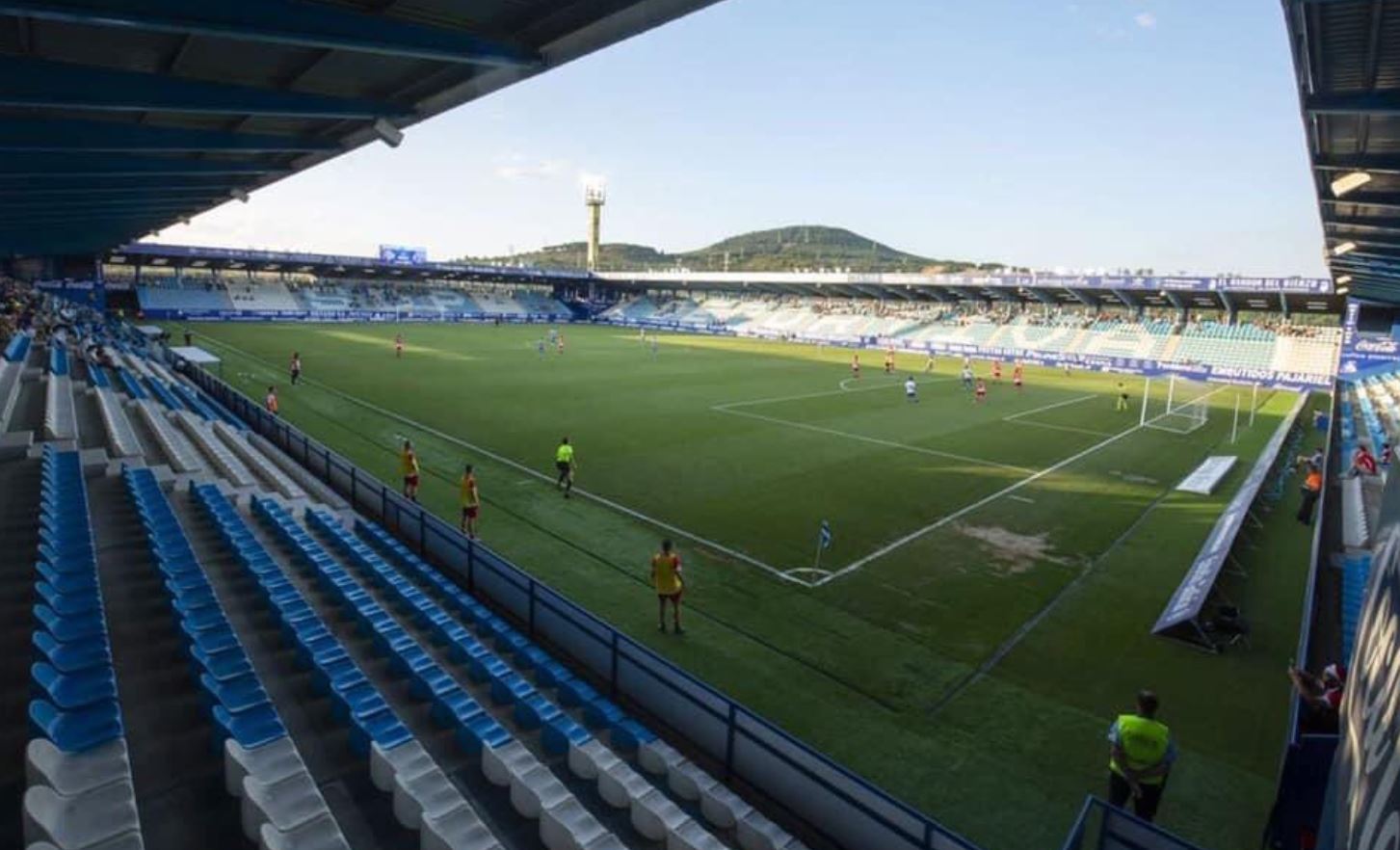
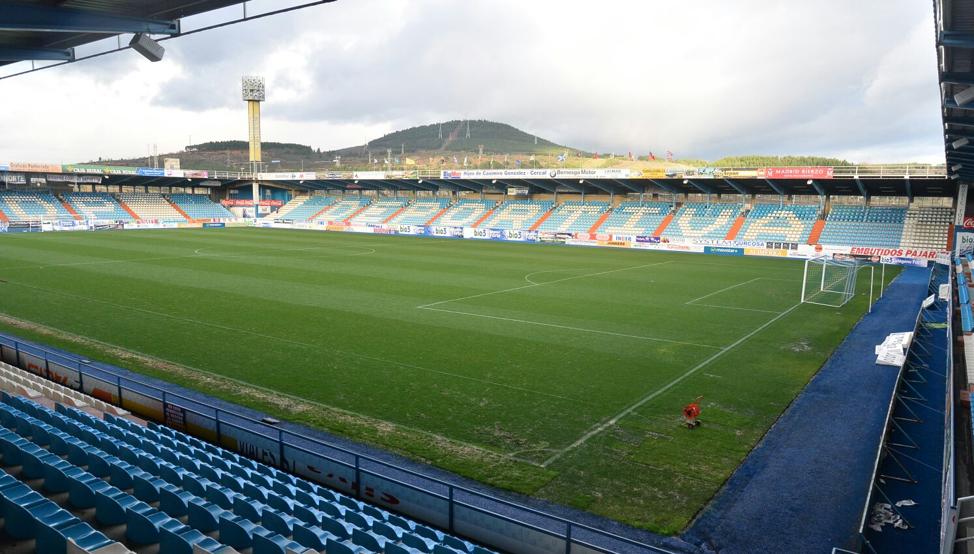
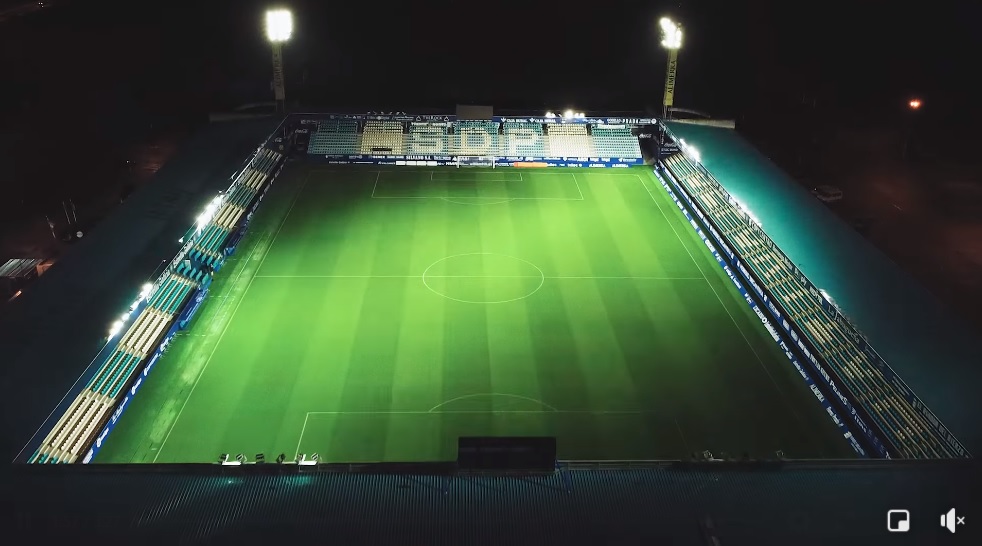
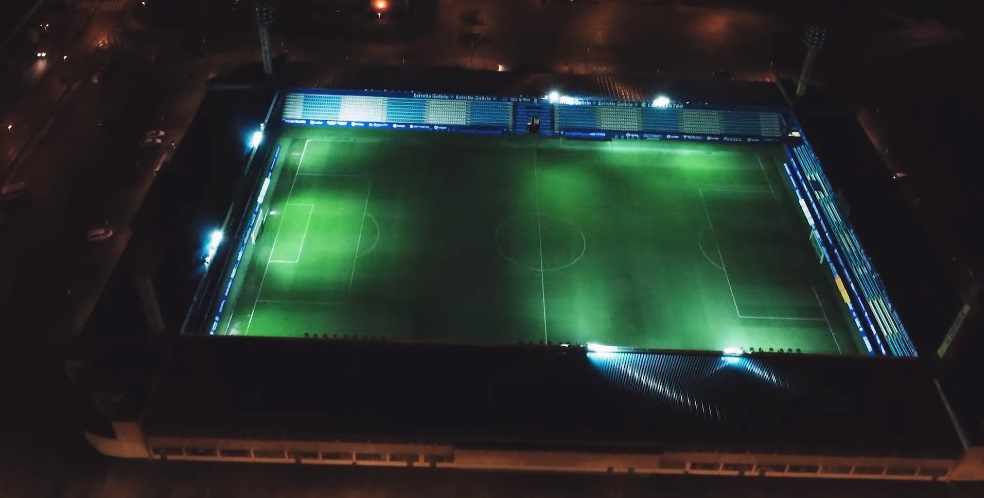
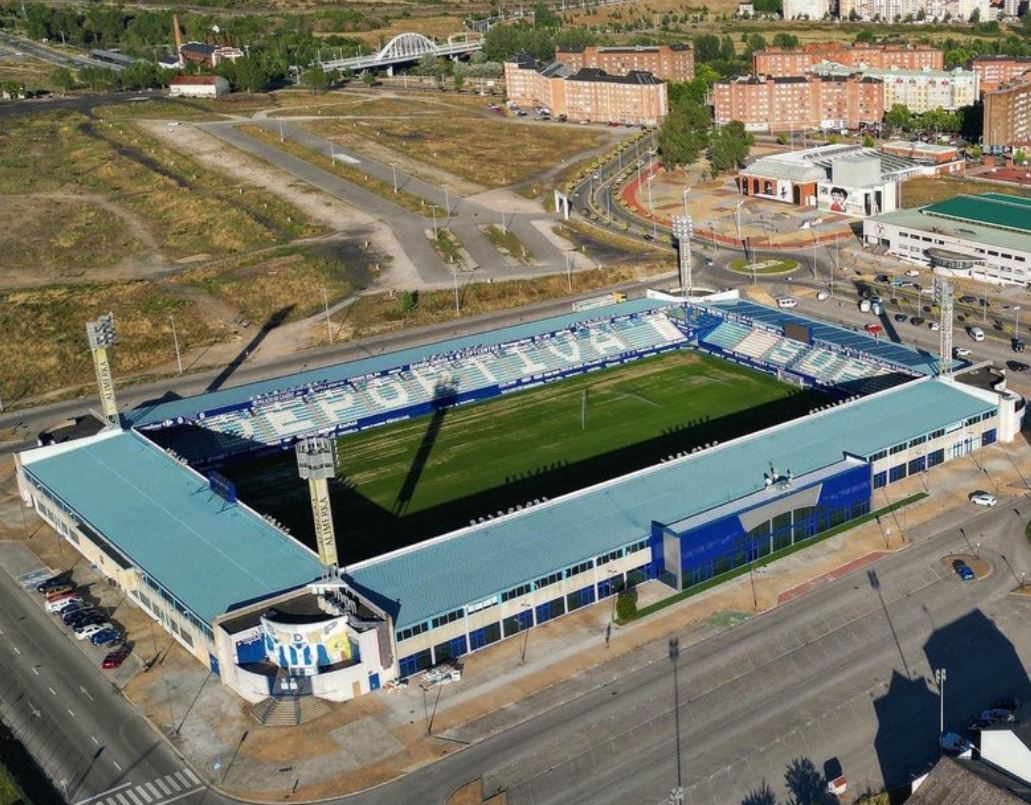
El Toralin is bright and functional and unlike a lot of modern stadiums, it does have a streak of individuality. Whilst it shares some DNA with Numancia’s Estadio Nuevo Los Pajaritos, the architects opted for cantilevered steel supports for the roofs of El Toralin, rather than the oak used in Soria. Access to the stadium for the majority of spectators is via sets of rounded steps positioned on each corner of the ground. These entrances open onto raised viewing galleries in the corners between the single banks of blue and white seats. A nice touch, where so many other stadia of a similar design incorporate a bare wall. El Toralin has style, but more important is the fact that it is yet another great example of the municipality investing in the well-being of its population and the local football club.





 Estadios de España