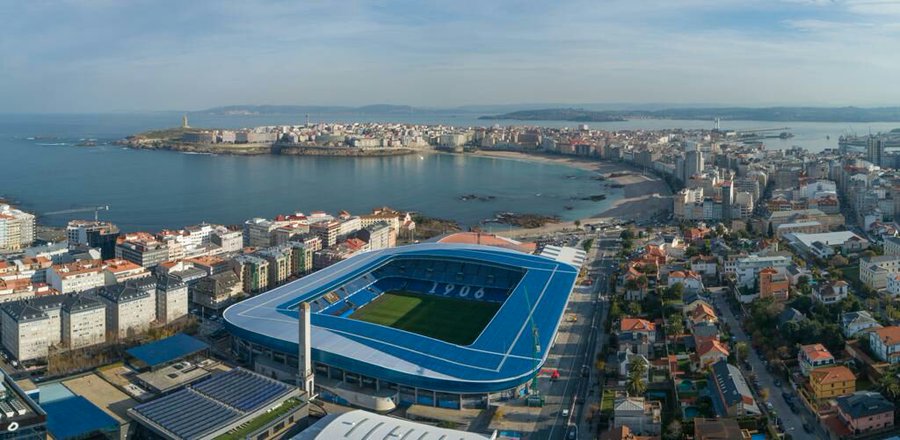
If, when it comes to stadiums, you are a “sad-o” (that’s my wife’s term, I prefer aficionado!), then you are inevitably drawn to the weird and unusual. Why settle for the staid and practical when you can have illogical and unconventional? Over its four incarnations, The Estadio de Riazor has provided the paying public of La Coruña and beyond with plenty of the weird and unusual. So much so that when the stadium’s present form was unveiled in 1998, some home fans rioted and tore out seats. It was probably too conformist for them.
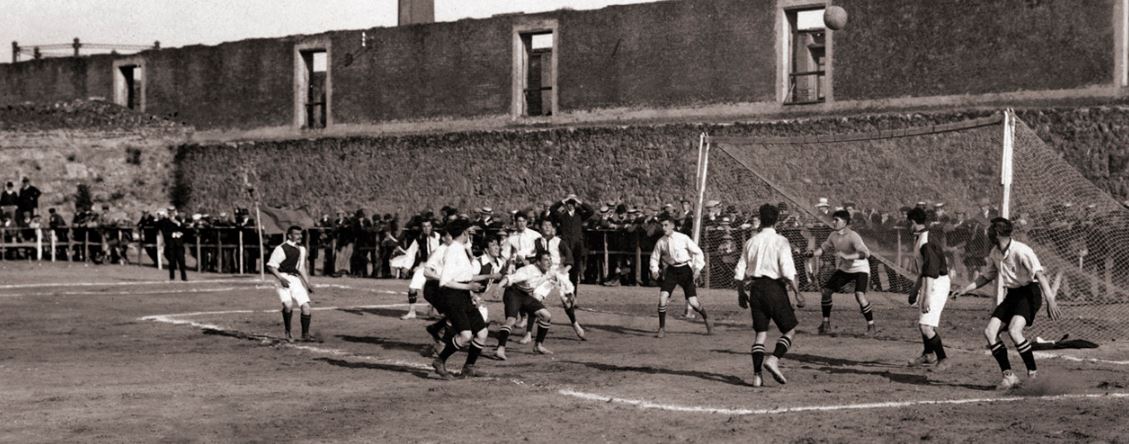
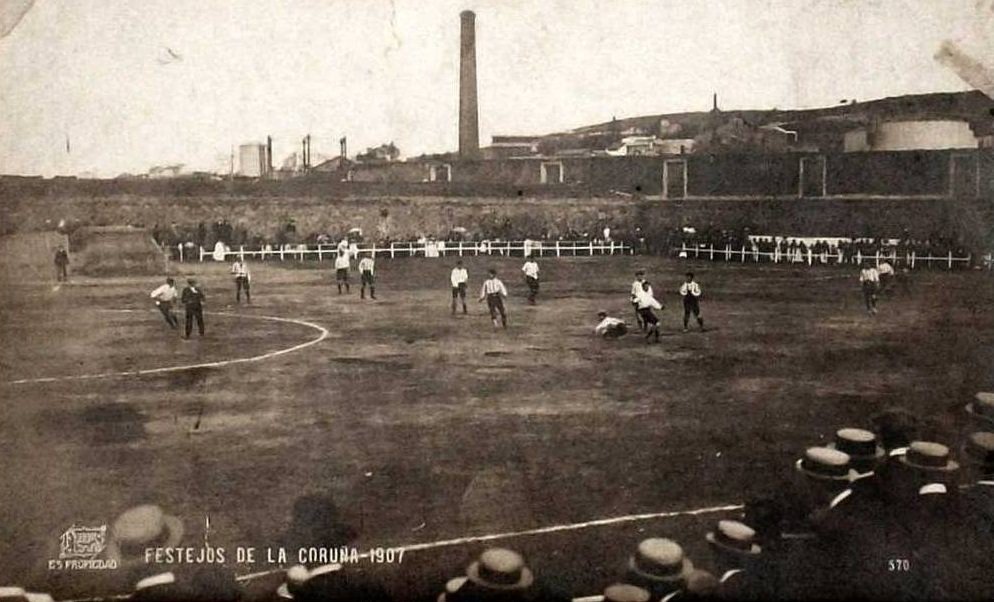
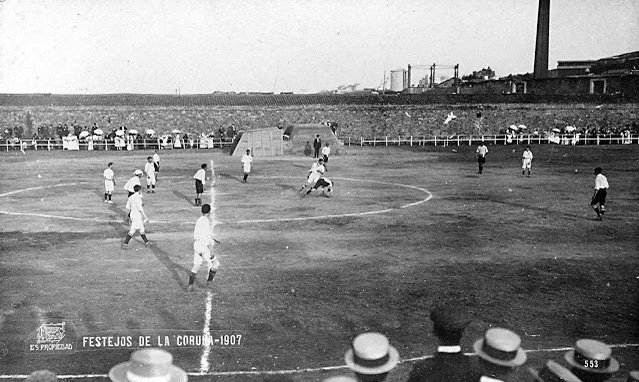
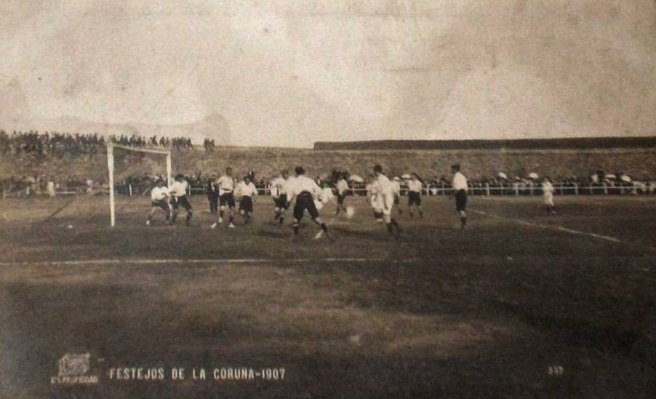
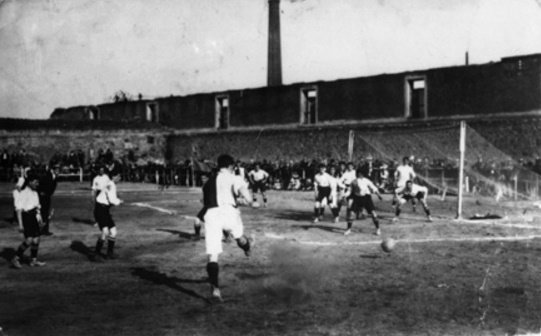
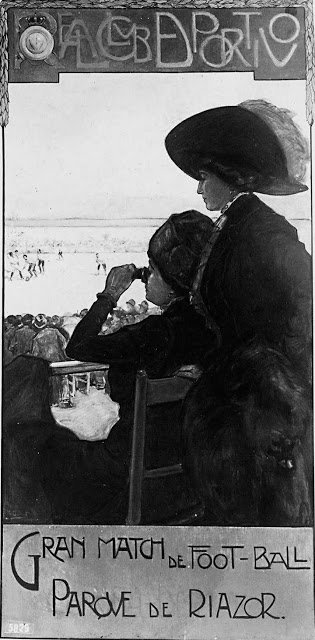
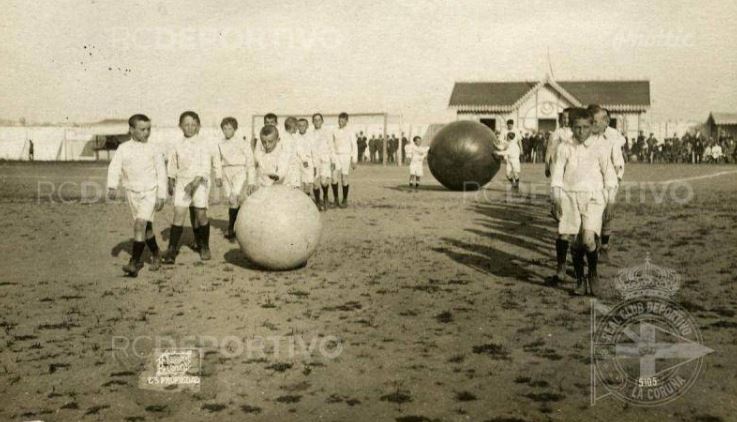
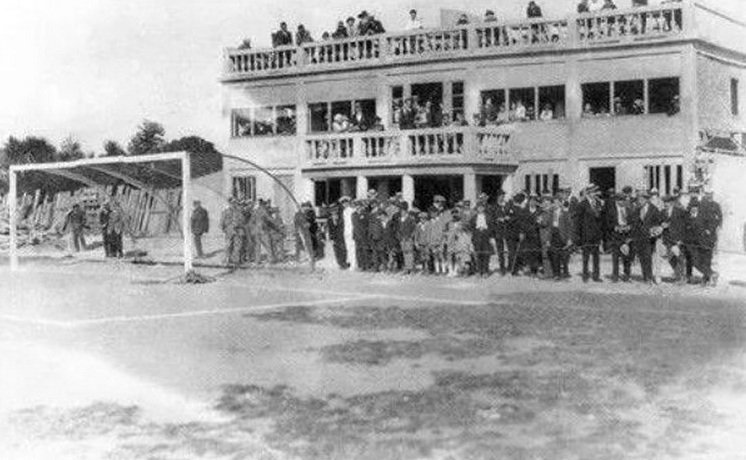
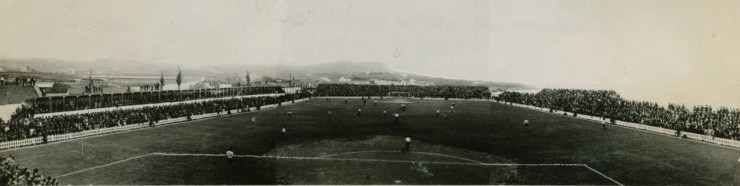
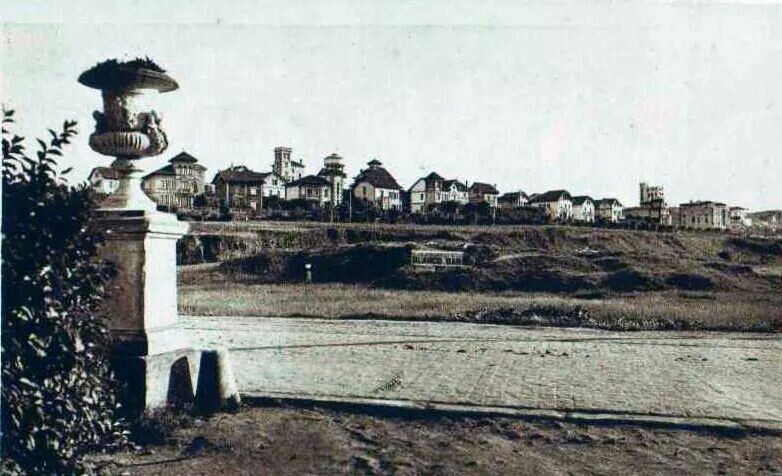
The club was formed on 2 March 1906 as Club Deportivo de la Sala Calvet by members of a local gymnasium. They played briefly at the local bullring before settling at El Corralón de la Gaiteira. This compact enclosure was surrounded by a tobacco factory, and the club continued to play there until May 1909. The club then moved to the Parque de Riazor, a slightly larger site on an outcrop of land, next to the Playa de Riazor. With the help of the municipality, basic facilities, including a small covered stand and terracing, were added. At the southern end of the ground stood a three-storey clubhouse, which, in addition to changing facilities, also featured viewing balconies. The Campo de Riazor was actually closer to the coastline than the present stadium and served the club for 35 years. The early years of competitive football in Galicia were dominated by clubs from Vigo (Real Vigo Sporting Club, Real Fortuna FC & Celta Vigo), winning the first 11 Galician Championships. Depor finally got in on the act, winning four titles between 1927 and the outbreak of the Civil War.

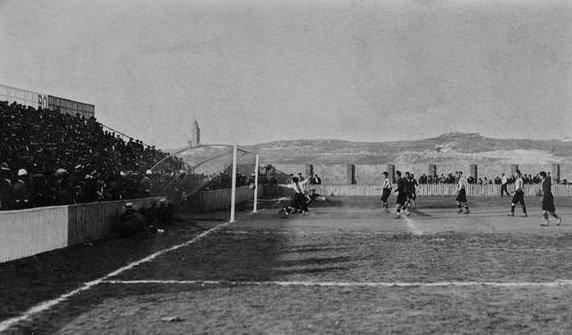
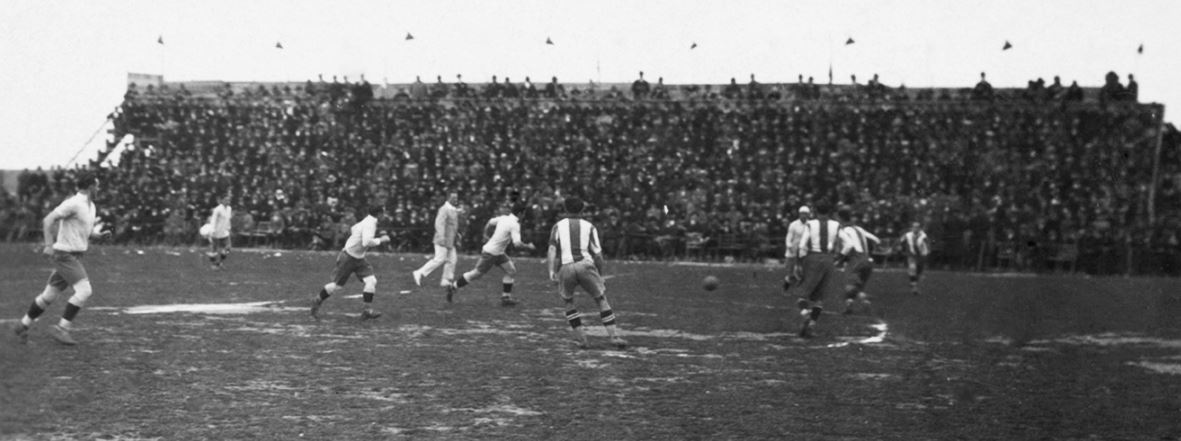
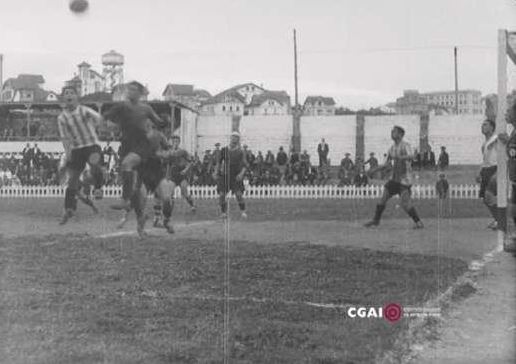

Depor started to compete at a national level in the 1928-29 season, when they were founder members of Segunda División A. Their early campaigns were modest at best, but in the first season following the Civil War, Depor won the Segunda División Grupo 1 title. There was no automatic promotion, and the club lost out to Real Murcia FC in the playoff group, then 1-0 to Celta Vigo in a relegation/promotion playoff. The following season, Depor finished second in Grupo A and faced Real Murcia in another relegation/promotion playoff. This time the Galicians prevailed, winning by 2-1 in a one-off match in Madrid. Promotion to the top flight highlighted the inadequacies of the Campo de Riazor, but it did host top-flight football for just over three seasons before time was called on the old ground. It staged its final match on 8 October 1944, when Depor drew 2-2 with Real Madrid.
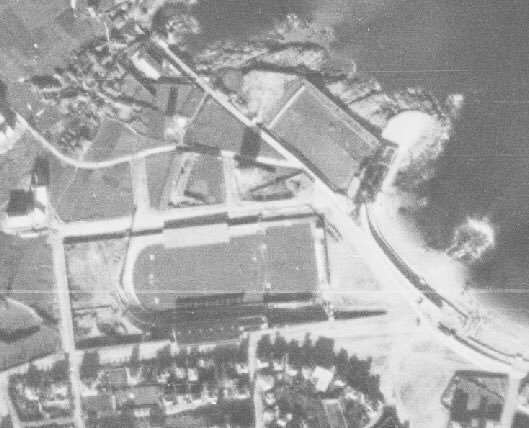
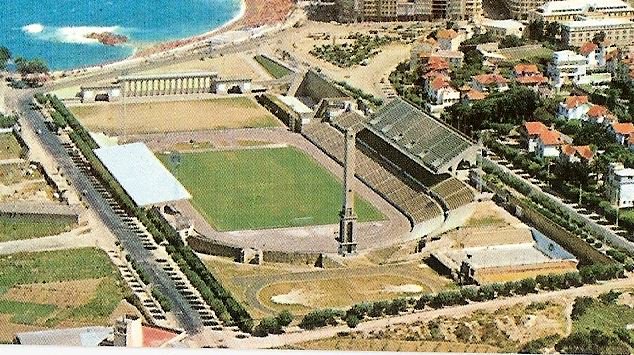
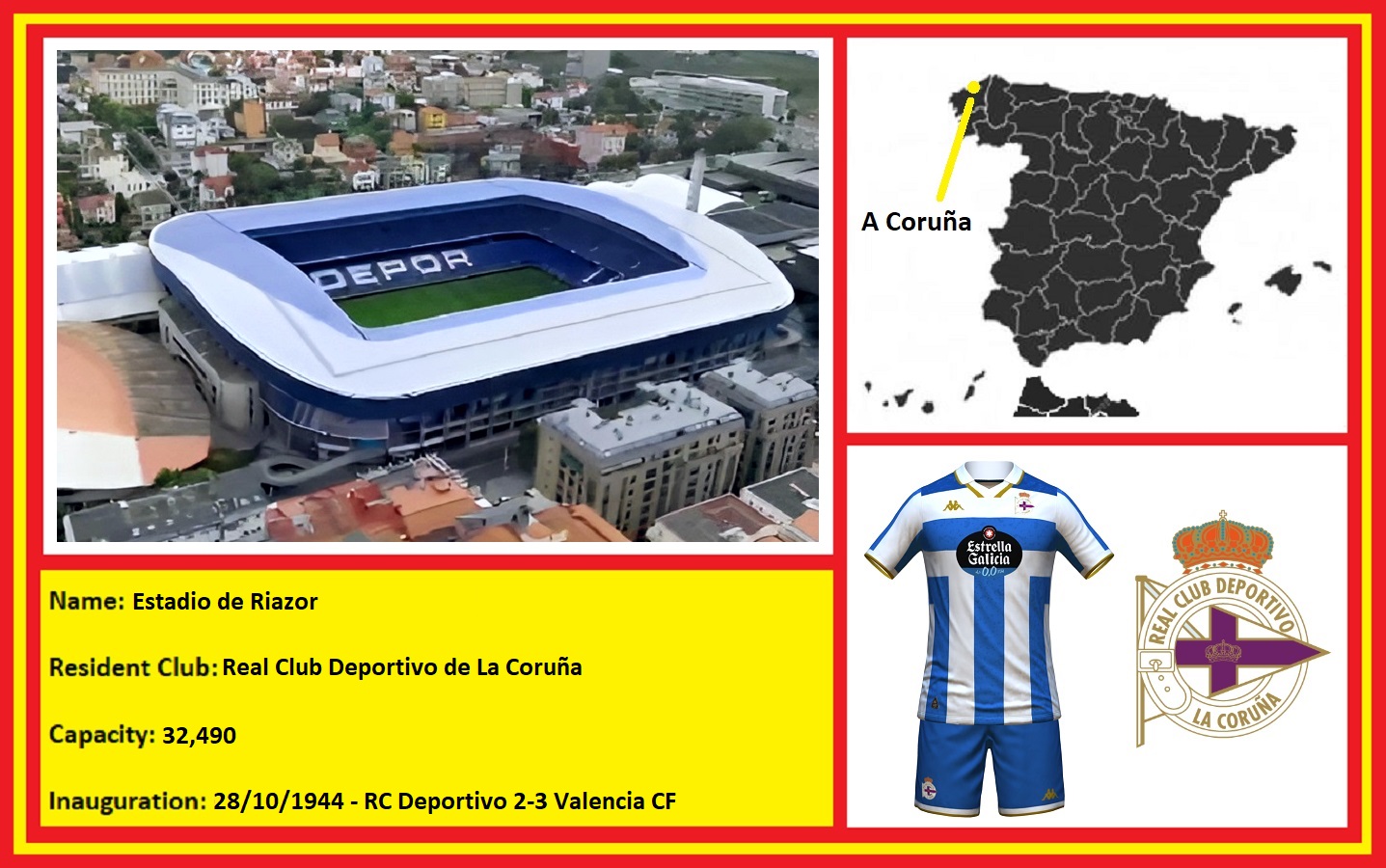
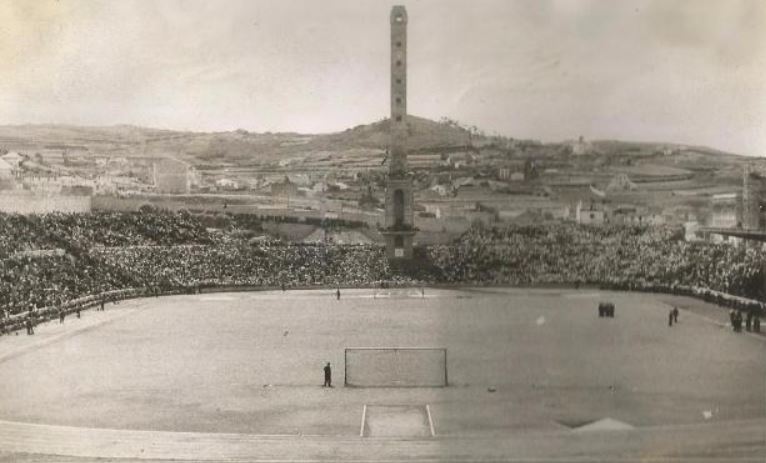
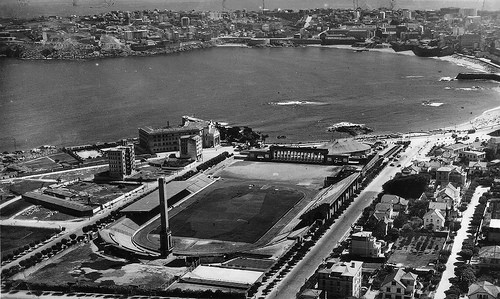
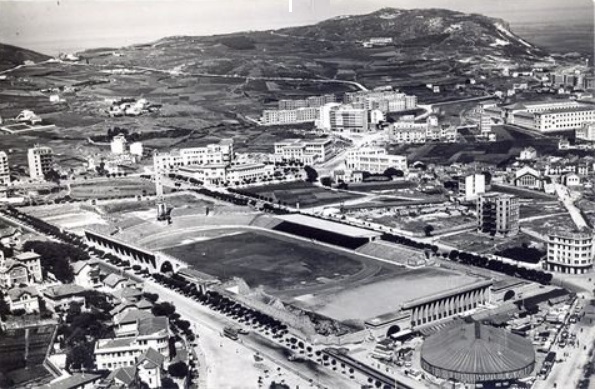
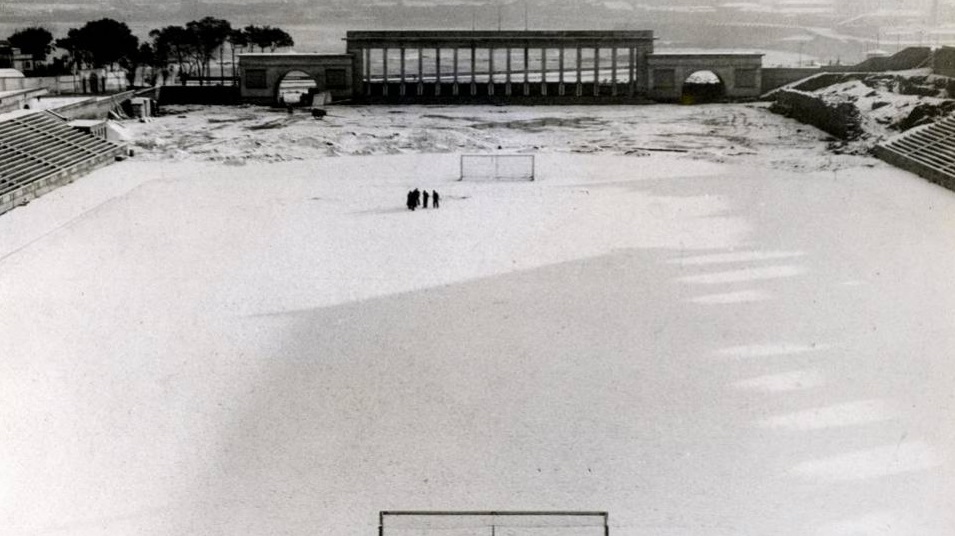
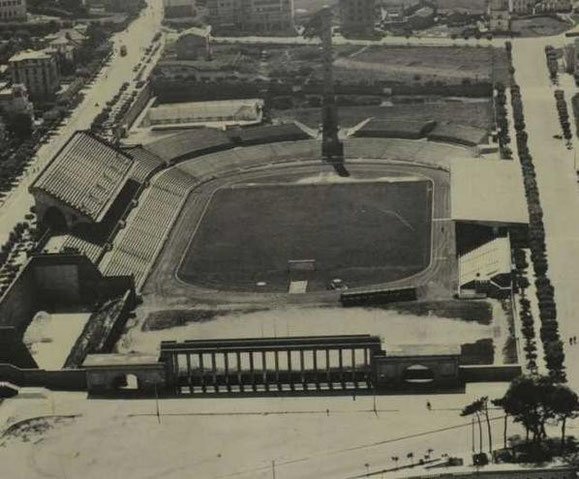
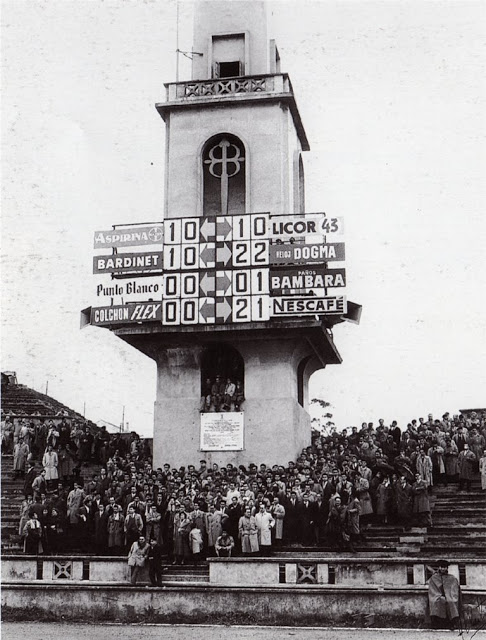
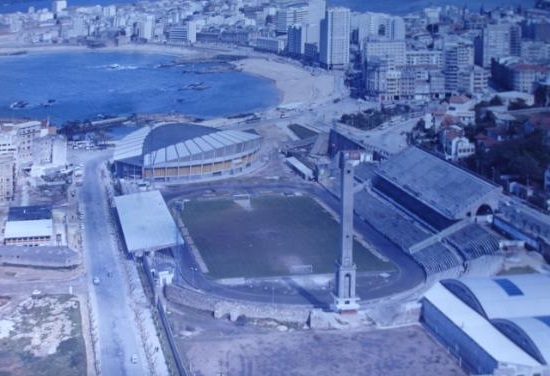
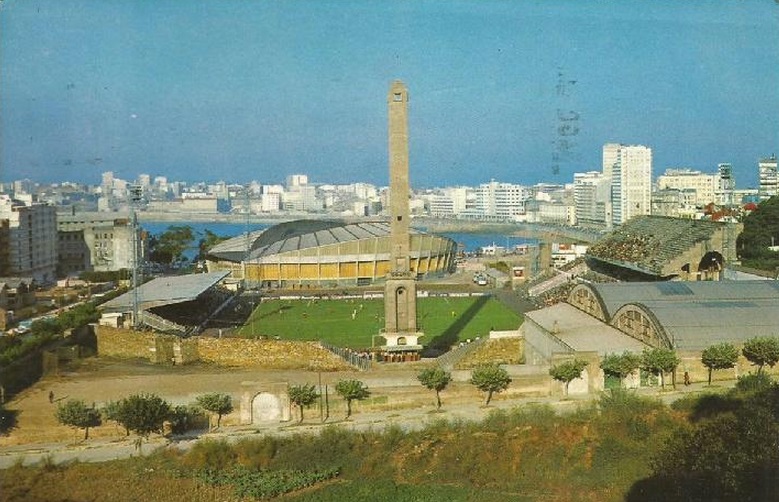
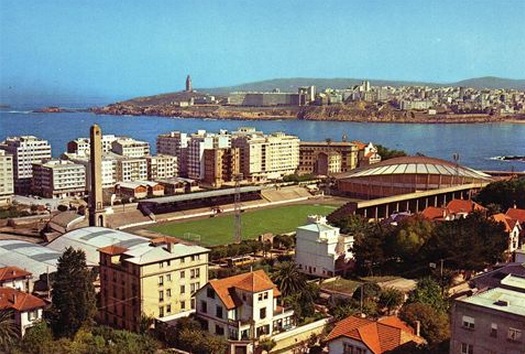
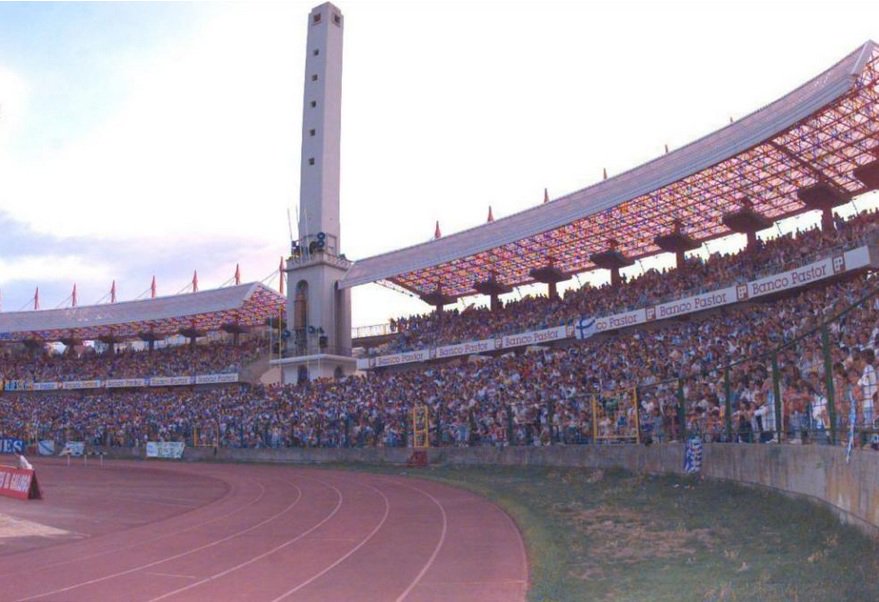
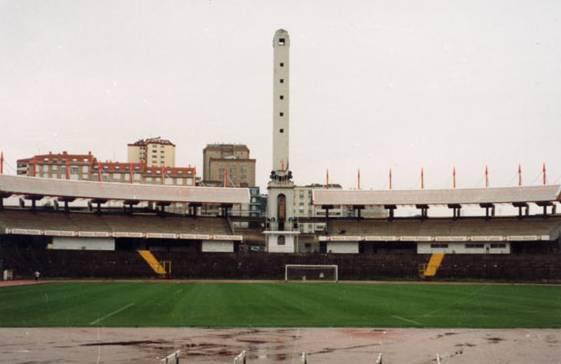
The Campo de Riazor made way for the Estadio de Riazor. This new stadium was built by the municipality 150 metres across the road from the old stadium at a cost of 5 million pesetas. Designed by architect Santiago Rey Pedreira and inspired by the German & Italian stadiums of the 1930s, it featured a low cantilevered stand on the northern side of the enclosure. At the west end was a semi-circular terrace that was built beneath the stadium’s prominent feature, a 45 metre-high marathon tower. The terracing continued around to the south side, where an additional upper tier of terracing stood. At the eastern seaboard end, instead of terracing, stood a training pitch, the Anexo de Riazor, that would become the home of the reserve side from 1948 to 2003. On the eastern side of the pitch stood a row of arches, which provided some protection from the elements when standing on the steps below. An athletics track surrounded the pitch, and Riazor was to become one of the leading venues for athletics on the Iberian Peninsula. Officially opened on 28 October 1944, Depor had to wait 24 hours before playing their first match at the new ground, a 2-3 defeat to Valencia.
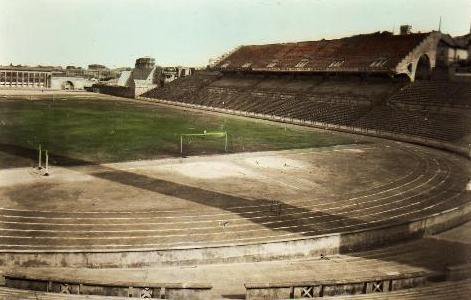
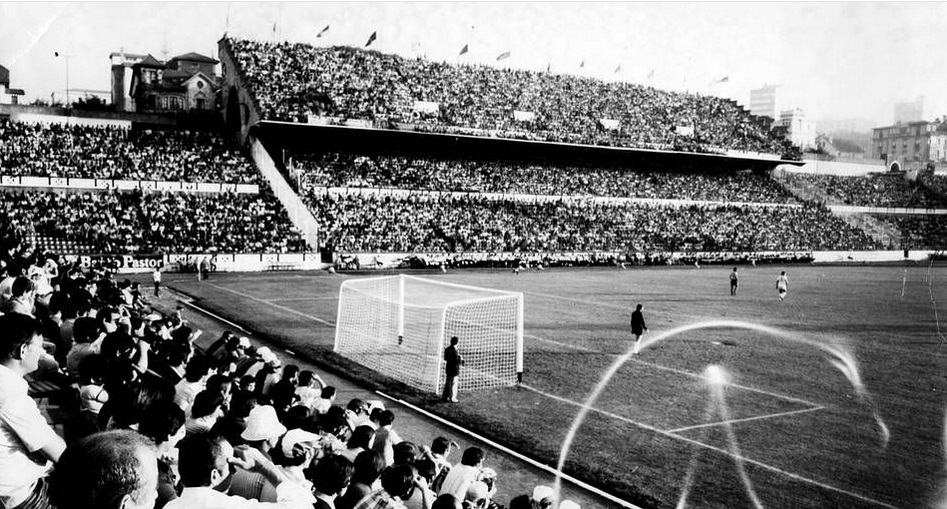
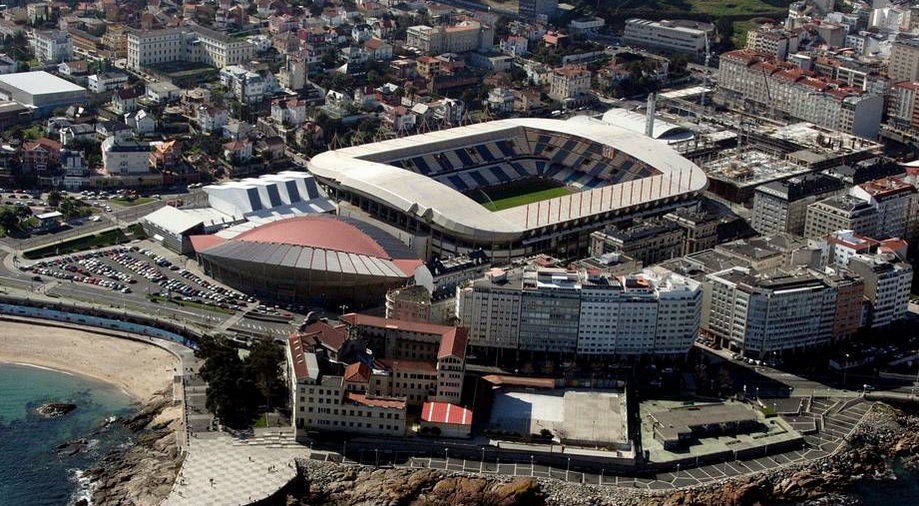
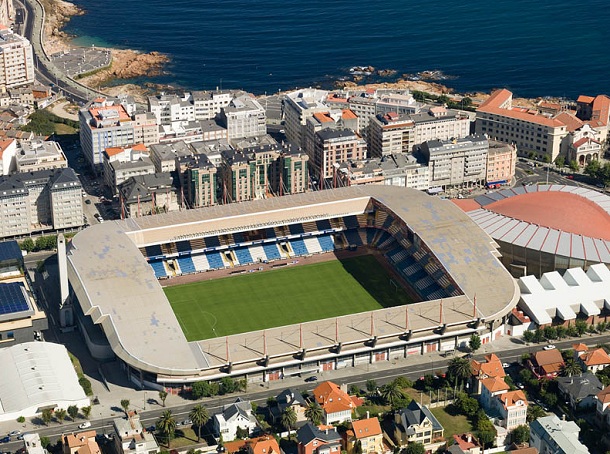
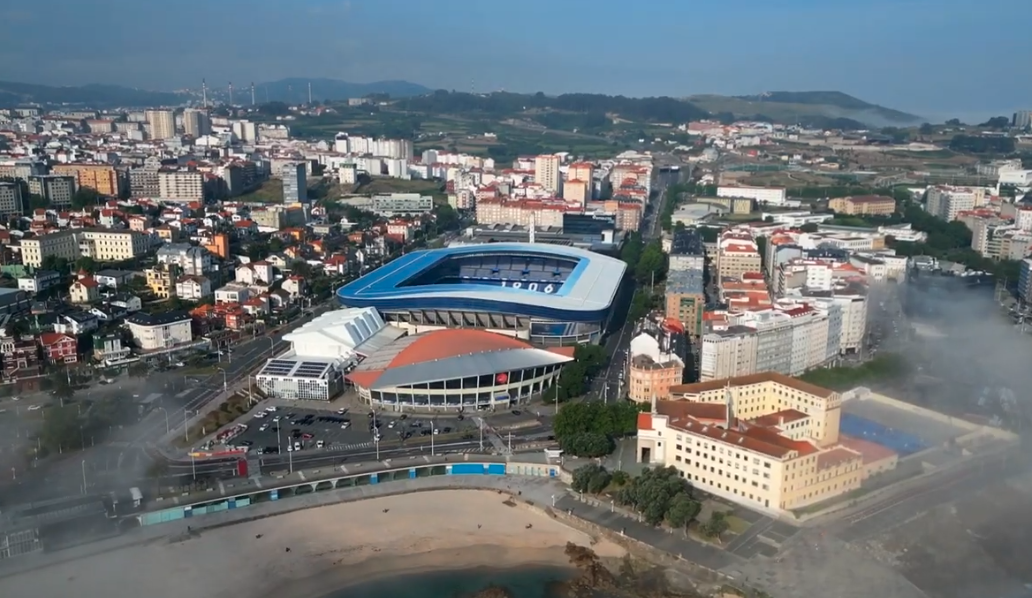
The stadium was used for an international when Spain played Portugal on 6 May 1945, a month that also saw Depor’s relegation to La Segunda. The final of the Copa del Generalísimo (Copa del Rey) paid its one and only visit to La Coruña in June 1947, when Real Madrid beat Espanyol 2-0 after extra time. The stadium remained unaltered for the next 30 or so years, except for the demolition of the arches at the eastern end in 1968, to make way for the Palacio Deportes, the indoor sports arena that still stands today. At its peak, the Riazor had a maximum capacity of 45,000, but crowds of up to 60,000 were unofficially recorded.
Depor were back in La Primera after an absence of just one season; however, their return to the top tier for the 1946-47 season was far from impressive. The club won just 5 of their 26 matches and lost 12 of their games away from home. Another season-long stay in La Segunda followed, before a return to La Primera that had an air of permanence about it. From 1948 to 1957, Depor clocked up nine successive seasons in the top flight, their second-longest run of consecutive seasons in La Primera. The 1949-50 season saw the club finish runners-up, just one point behind the champions, Atlético Madrid. Relegation from the top flight at the end of the 1956-57 season would start a phase where Depor would regularly flit between the top two tiers. In fact, they were the classic “elevator” team, regaining and then losing their top-flight status on 6 occasions between 1957 and 1973. The elevator dropped a further “floor” in 1974 when Depor spent their first ever season in the Tercera. The club was to repeat this feat in the 1980-81 season, when Depor found themselves in Segunda B.

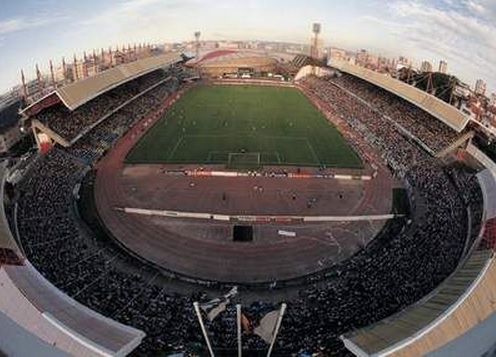
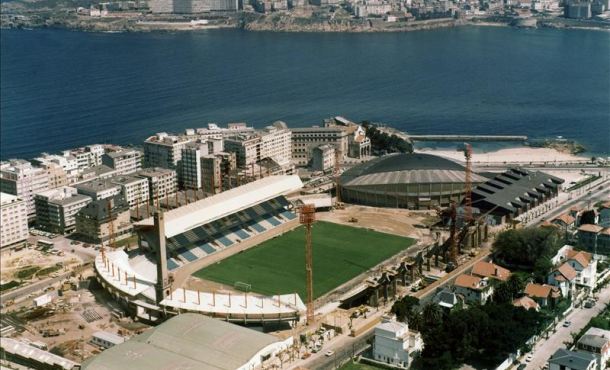
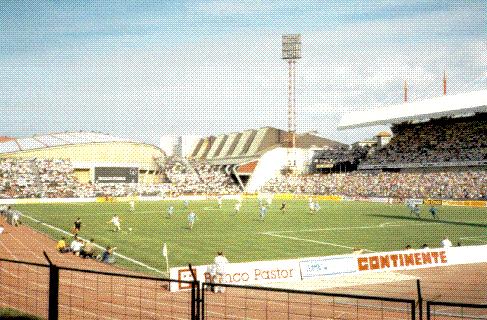
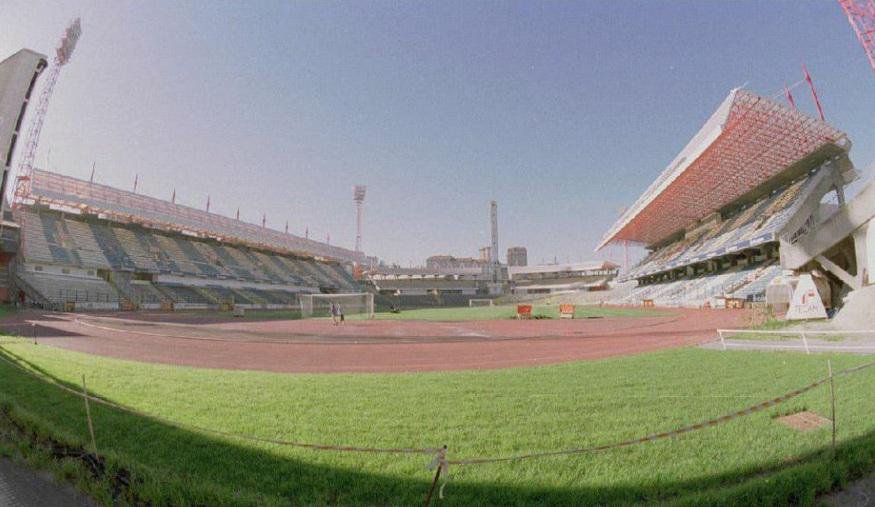
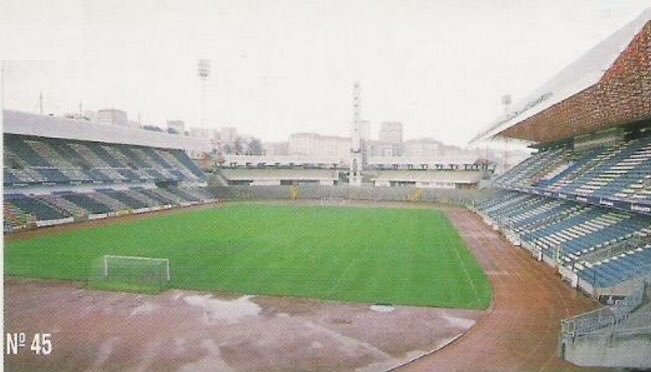
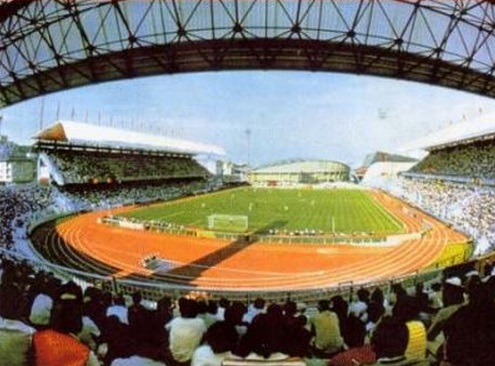
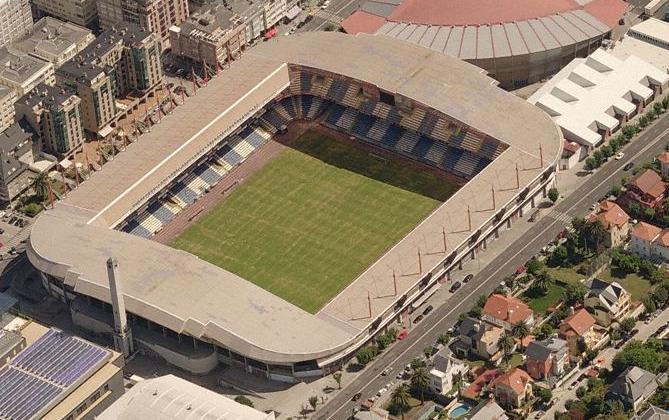
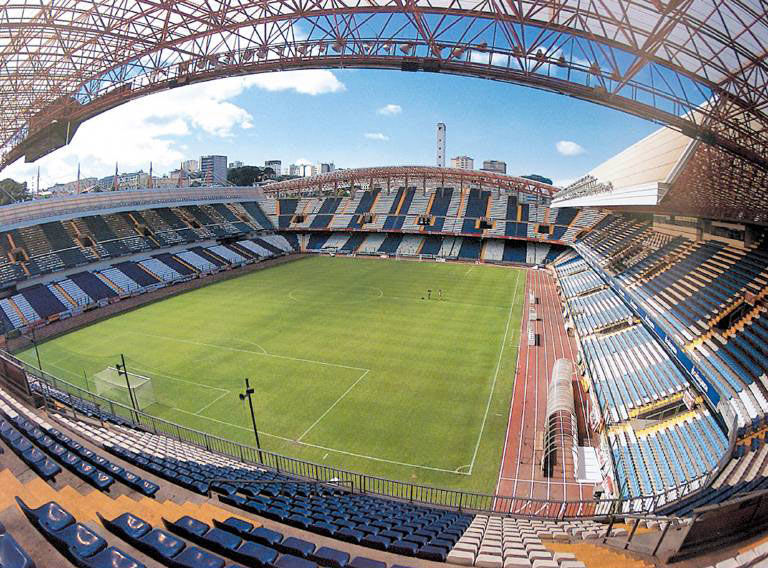
By the time of their second visit to Segunda B, work was already well underway, preparing the stadium for the 1982 World Cup. This required almost total reconstruction, and once again the municipality dipped into the public coffers and forked out over 80% of the 500 million pesetas bill. Two double-decker stands were erected on either side of the pitch, whilst in the northeast corner, a wedge-shaped open terrace was built between the main north Tribuna and the open eastern end. At the western end, two stands curved around the terrace, on either side of the Marathon tower. All four roofs were identical in design and reflected Coruña’s maritime past, with sail-like roofs supported by cables that were moored to concrete posts behind the stand. Simon Inglis likened them to mooring ropes in his book The Football Grounds of Europe. For the duration of the tournament, the east end was left open, but following Deportivo’s return to La Segunda, temporary stands were erected at the eastern end of the ground for league matches, giving it a new capacity of 29,000. The Riazor staged three matches in the 1982 World Cup, involving Cameroon, Peru & Poland. You can read more about España 82 in our section dedicated to the tournament. Just click here.
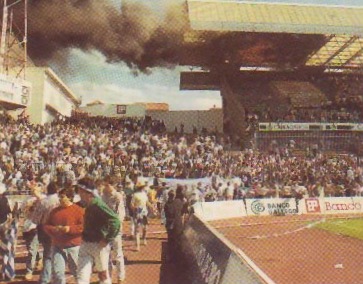
Shortly after the World Cup, Depor negotiated a 50-year deal with the municipality at a rate of 1 peseta per annum. The club’s return to La Segunda in 1981 led to a gradual improvement over the next 10 seasons. A second-placed finish in 1986-87 led to a convoluted play-off league that saw Depor miss out on promotion. There would be more play-off heartache in 1989-90, when a more conventional play-off structure saw the club lose to CD Tenerife in the final. Runners-up position a year later was good enough to win automatic promotion. However, before they arrived back in the top tier, there was a spectacular and very nearly tragic day at the Riazor. Needing a win to secure promotion and with all the kick-offs synchronised, Depor’s match with Murcia was delayed due to a fire in the south stand. The Deportivo fans had been lighting flares, which in turn set light to the roof canopy. Unbelievably, the fire was contained, and the match was only delayed by 48 minutes. Depor won 2-0, and promotion would see Depor embark on the most successful period in their history.

Success in the top tier was not immediate, as Depor needed a Relegation play-off win against Real Betis to maintain their top-flight status. Three successive top-three finishes followed, including an agonising last-minute penalty miss that cost Depor the title in 1994. Then in 1995, Depor won its first national trophy, lifting the Copa del Rey, but even then, the manner of their win was peculiar. Playing Valencia at the Santiago Bernabéu, the clubs were drawing 1-1 with ten minutes to play. Then the heavens opened, and the match was abandoned. The Spanish Federation ordered that the final 10 minutes should be played, and three days later, everybody reassembled in Madrid expecting extra time. 58 seconds after the restart, Depor midfielder Alfredo headed in the winning goal, and the trophy was heading to Galicia. Excellent league form was matched by good results in Europe, including an appearance in the UEFA Cup Winners Cup semi-finals in 1996.
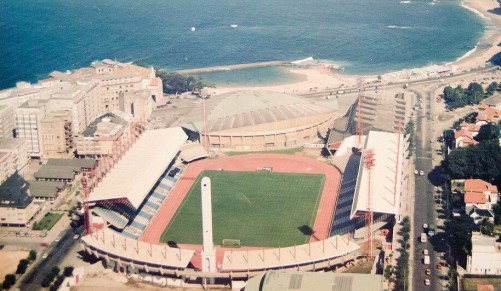
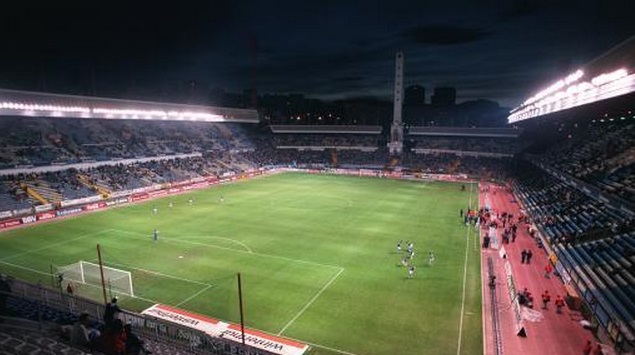
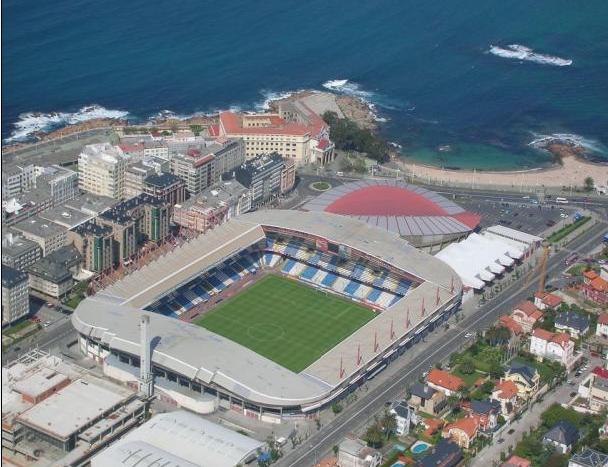
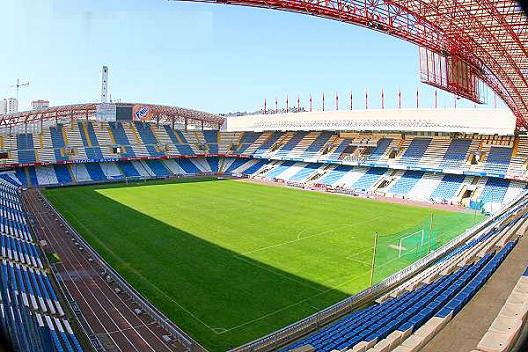
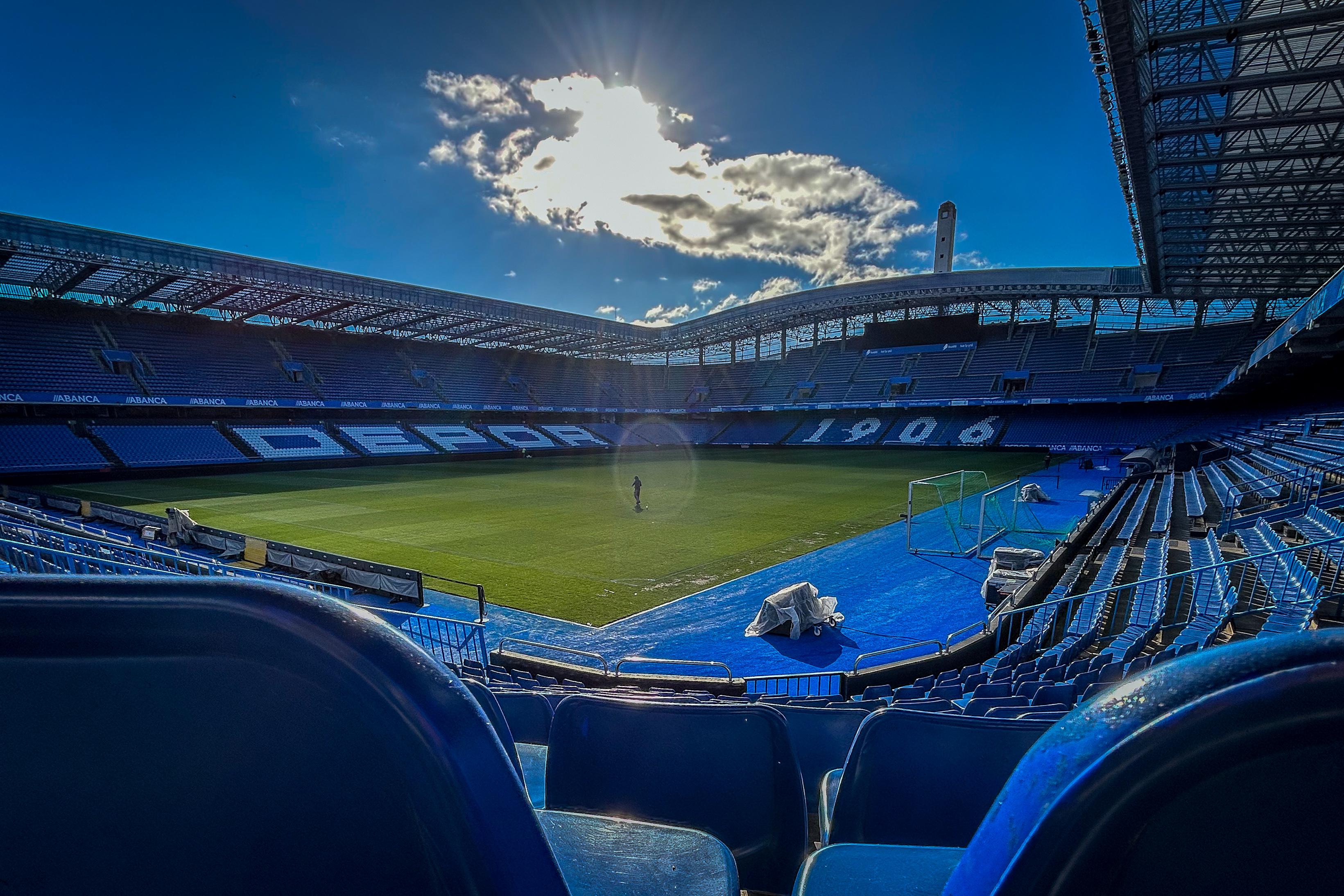
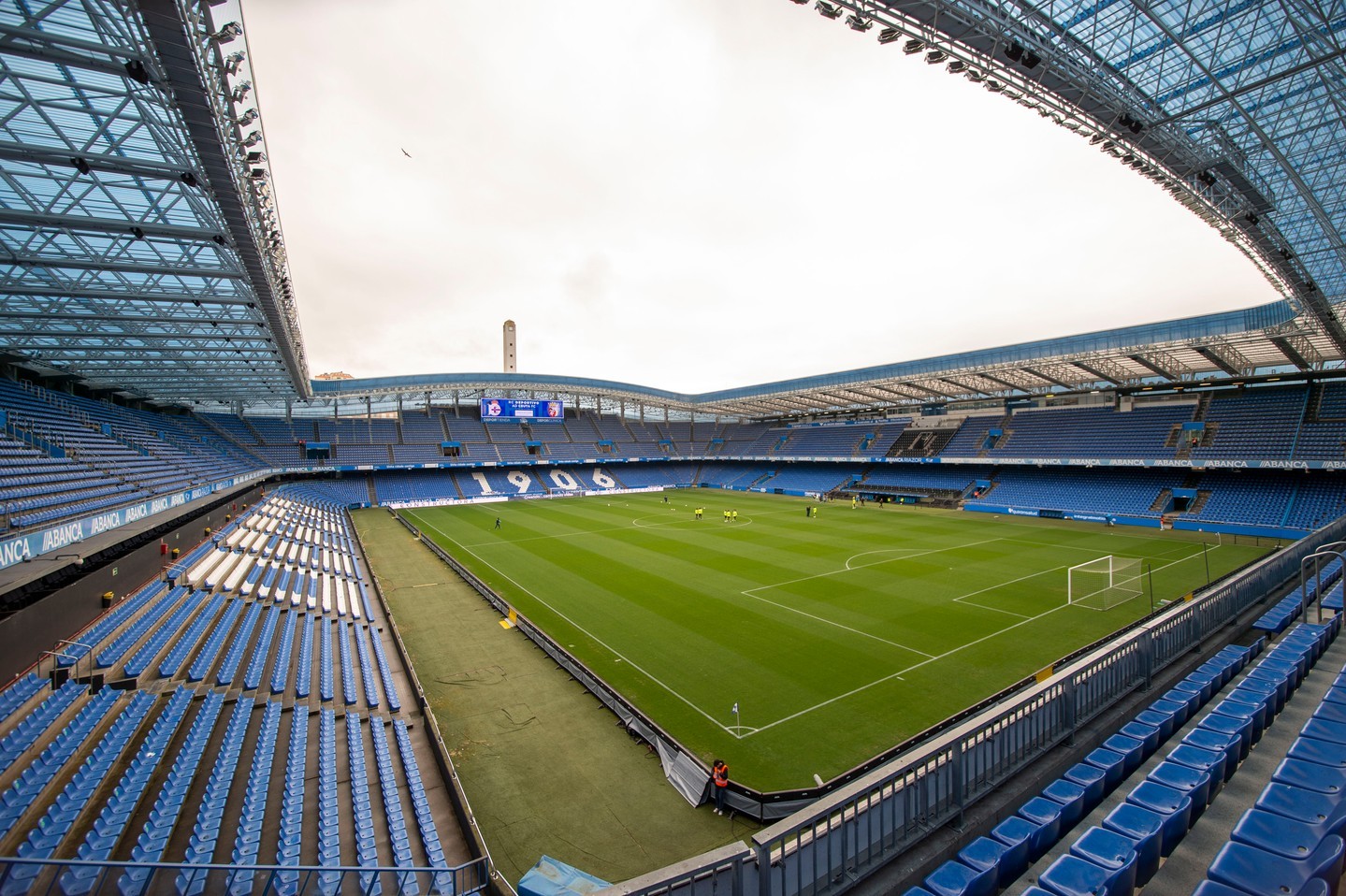
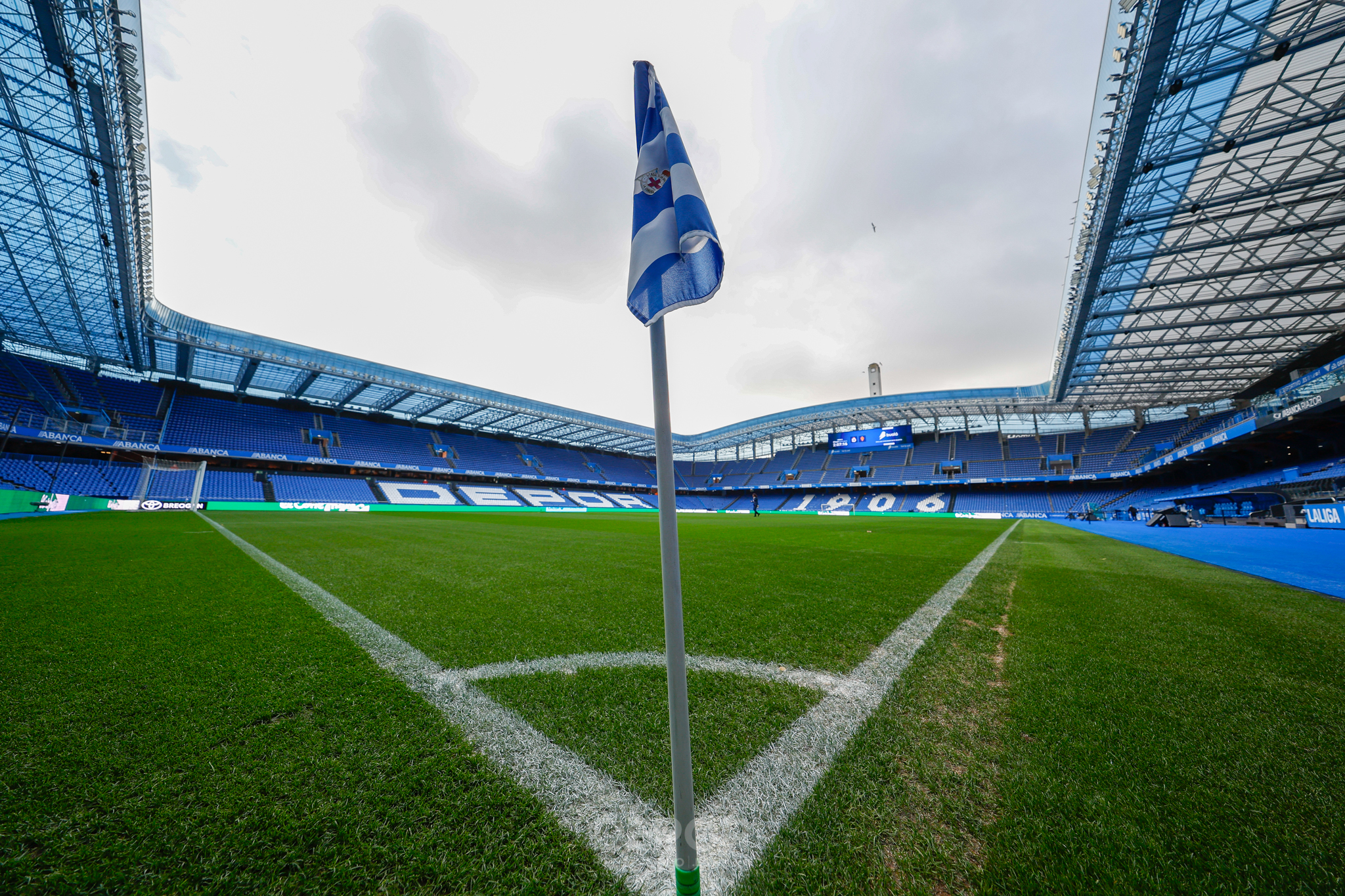
Despite being less than 15 years old, the layout of the Riazor was about to change again. Not satisfied with a 3-sided stadium and an athletics track between the stands and the pitch, the club and the municipality agreed to rebuild either end of the stadium and remove the athletics track. The maritime theme of the two side stands was continued with the new double-decker ends, and the whole stadium was bedecked in bands of blue and white seats. The new layout had an all-seated capacity of 34,600, and all were filled when Real Madrid were the visitors for the first match in February 1998. Unfortunately, not all of the seats remained in place as local ultras, disenchanted at the loss of terracing, threw many onto the now nearby playing surface.
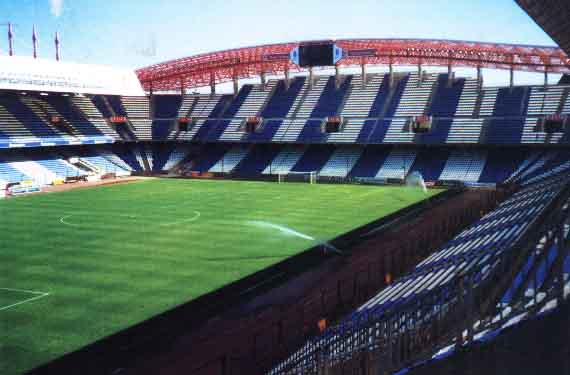
A little over two years later, disenchantment had made way for euphoria as Depor won their first and to date, only Primera title. Another Copa del Rey followed in 2002, and the stadium had all the trappings of a modern European stadium added, such as VIP lounges and large video scoreboards. The club appeared in the UEFA Champions League for five consecutive seasons from 2000, reaching the semi-finals in 2003. However, a drop in league form and failure to qualify for the Champions League saw the money dry up. After a number of seasons flirting with relegation, the drop finally arrived in May 2011. To be frank, Depor had been many pundits’ pick for relegation from the start of the season, and whilst form picked up in the middle third of the season, their inability to score (just 31 goals all season) proved to be their downfall. After a shaky start to life back in the second division, Deportivo hit their stride, winning 18 of 20 matches in the middle of the season to establish themselves at the top of the league. Victories in both Galician derbies and the league title capped a successful season. Seemingly determined to recreate the era of Depor being an “elevator” team, relegation to La Segunda followed within 12 months, only for promotion to be gained back to the top flight in June 2014.
Life back in La Primera was a struggle, as the club failed to finish higher than 15th in four seasons, before dropping back once again to La Segunda. A valiant attempt at an immediate return to the top flight ended in a defeat to Mallorca in the playoffs. A year later, and mired in a financial crisis, Depor was relegated to the third tier for the first time in 39 years. Unlike the club’s previous visits to this level, it did not regain its place in La Segunda after just one campaign. There followed four seasons in the third tier, including a very close call to a further drop to the Segunda Federación at the end of the COVID-truncated 2020-21 season. In 2024-25, Depor won its first third-tier title when securing the Primera Federación Grupo 1 title by eight points, earning a return to La Segunda.
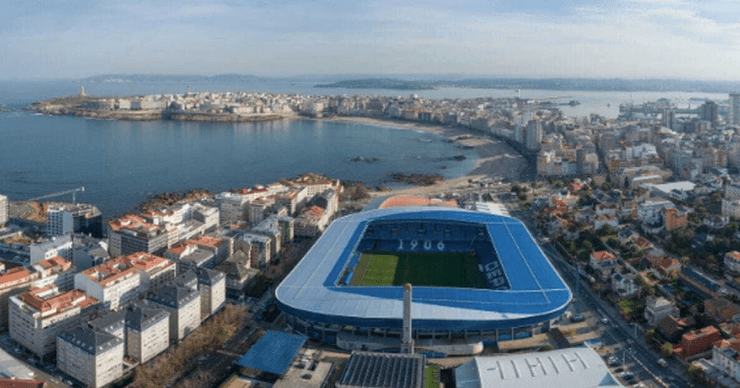
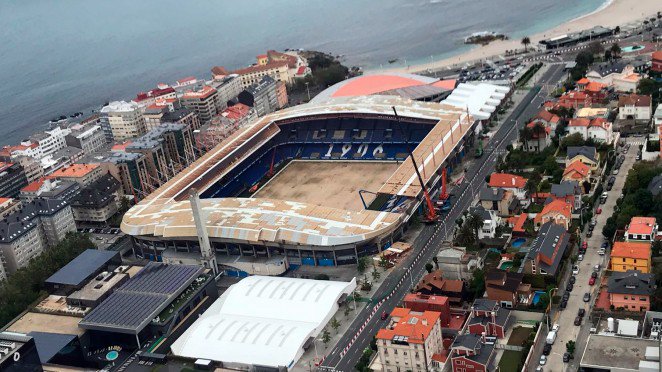
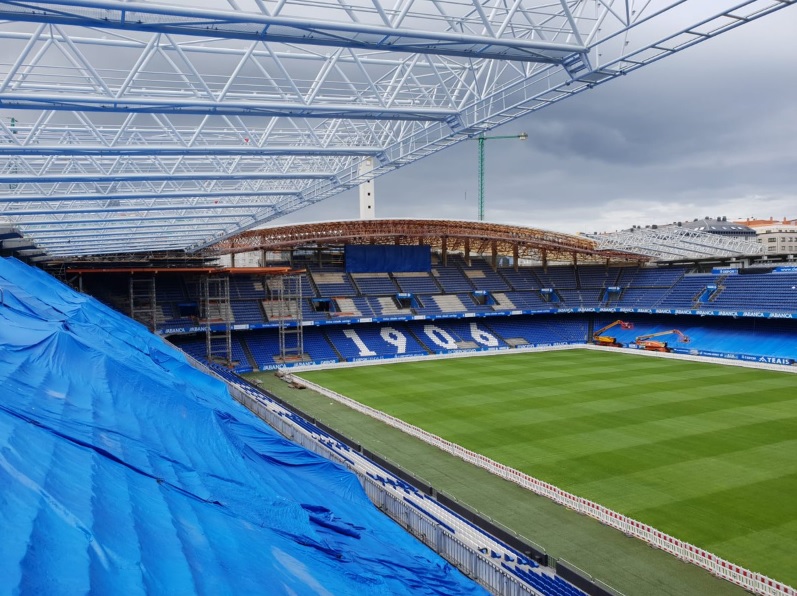
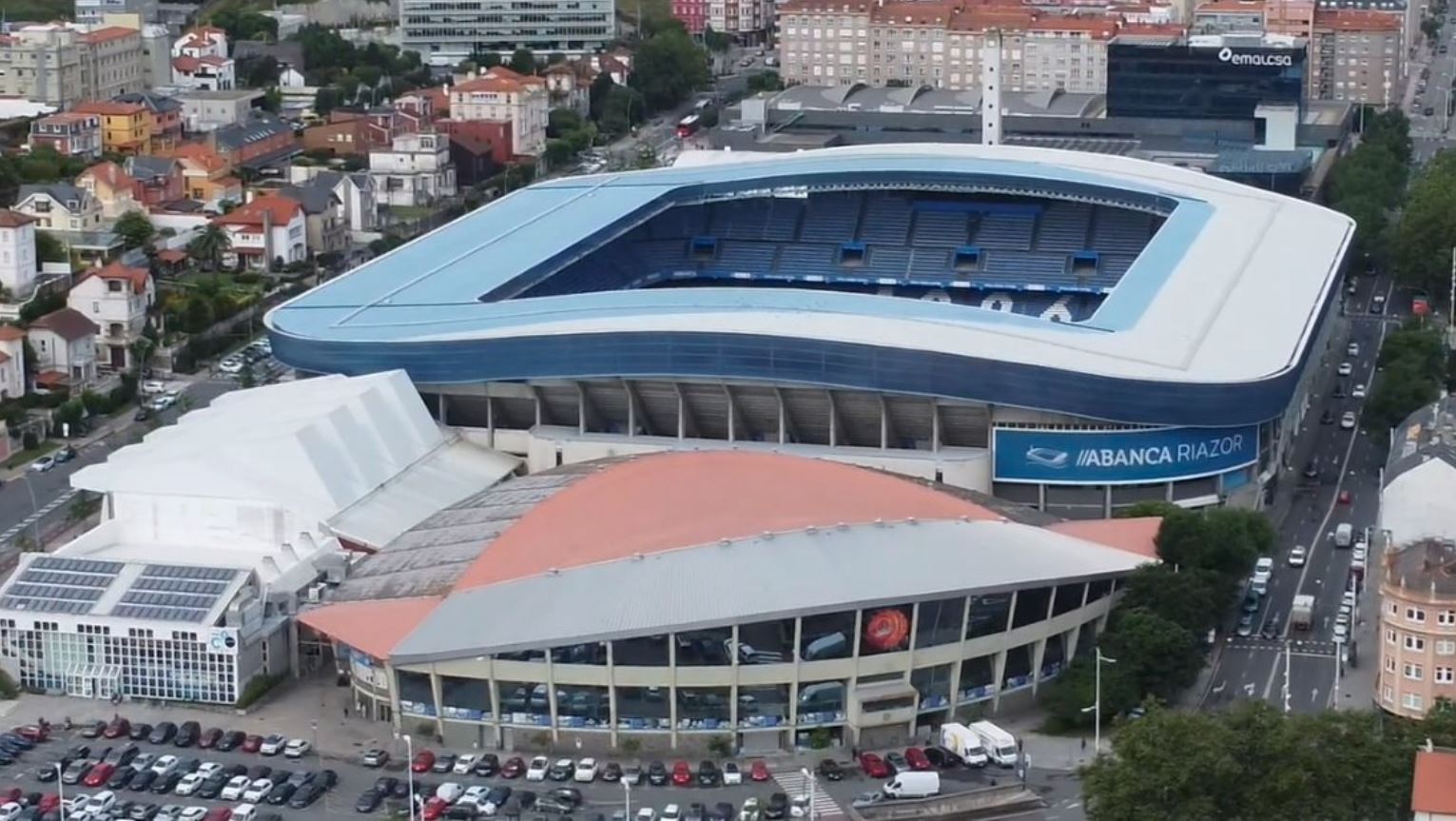
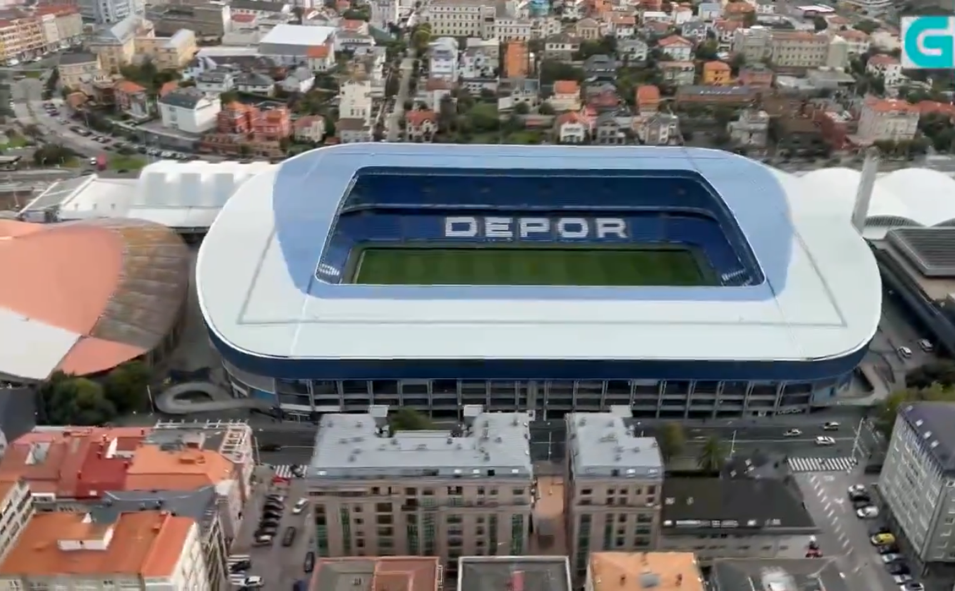
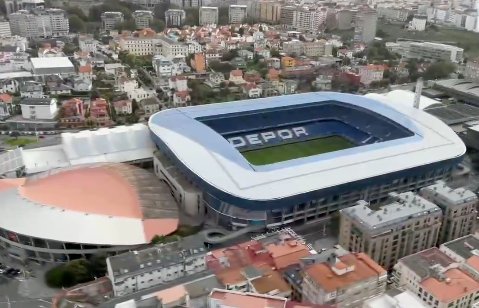
Time and the Atlantic salt air had taken its toll on the Riazor. The last remodelling of the stadium had taken place in the late 1990s, and the roof, in particular, was leaving spectators exposed to the elements. In June 2018, work commenced on a €16 million project, the first phase of which involved replacing the roof on all four sides of the stadium. Once again, the redevelopment was funded in a joint venture between the municipality and the club, which sold naming rights to the Abanca Group. The next phase saw the exterior of the stadium wrapped in a fashion similar to the work carried out at the Mestalla & Ramón Sánchez Pizjuán. As a modern football stadium, the Riazor (Not the Abanca Riazor on these pages) works well, and compared to most, it has character. But if you are looking for real character, check out the older photos of Riazor in our gallery!




 Estadios de España