This article updated: 11/08/2025
Top-flight football in Madrid had always been the dominion of the big two. There was the occasional interruption from Rayo Vallecano, from the south-east neighbourhood of Vallecas, but the suburbs? No, that just didn’t happen. That was until 2004, when Getafe Club de Fútbol decided they wanted a piece of the action. Two decades later, the club based 8 miles south of the Spanish capital is still dining at the top table. The transformation of Getafe from out-of-town nobodies to two-time cup finalists and UEFA Cup quarter-finalists was nothing short of meteoric, but the club is not the first to represent Getafe. For that, we have to go back to the 1920s.

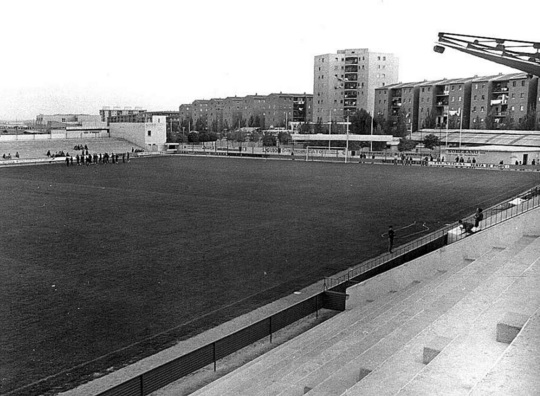
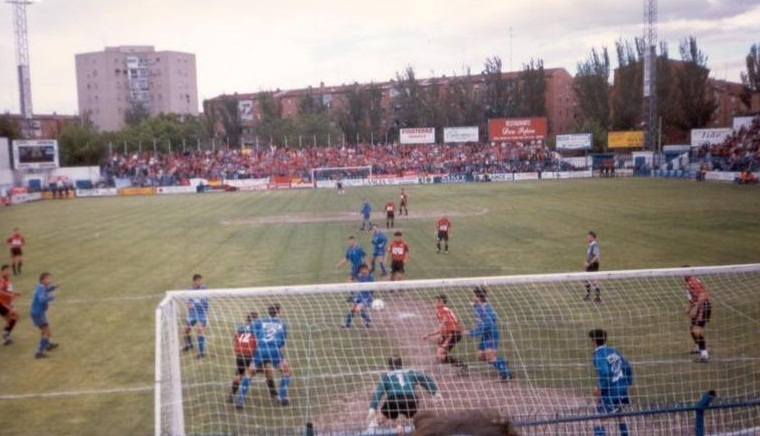
Getafe was a late convert to the footballing obsession that swept across Spain in the early twentieth century. It wasn’t until 1924 that a senior team emerged to represent the town and its then small population of 6,000. Getafe Foot-ball Club competed in the regional leagues until its demise in 1933. The town had to wait another 13 years for another senior team to emerge, Club Getafe Deportivo, who adopted the crest and blue and black colours of its predecessor. In those early days, matches were played on a field rented from the local Artillery Regiment, before a move to the fantastically named Calle Vinagre. In the early fifties, Getafe Deportivo moved to their first enclosed ground, the Polideportivo Municipal San Isidro, and by 1957, it had reached the Tercera. That first season in the Tercera saw Getafe Deportivo win the divisional title, and for the next two decades, Getafe Deportivo spent most of the time as a mid-ranking team in the Tercera. One high point was the opening of a new home, the Campo Municipal de Las Margaritas, on 6 September 1970. The match saw Getafe Deportivo beat SD Cultural Michelin 3-0. Results gradually improved, and the Tercera title was won again in 1976 and with it, promotion to La Segunda.
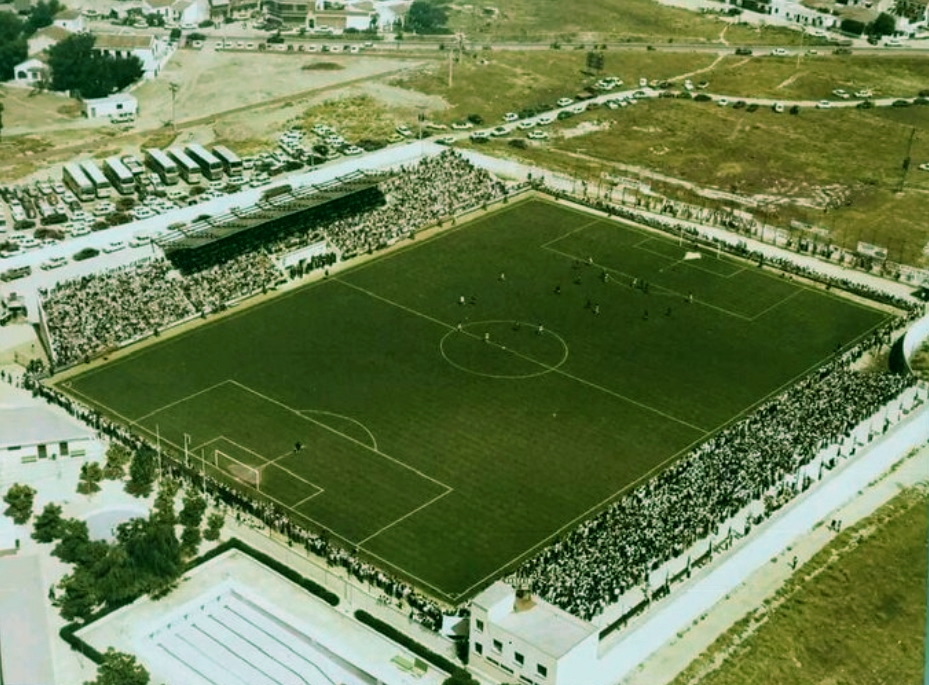
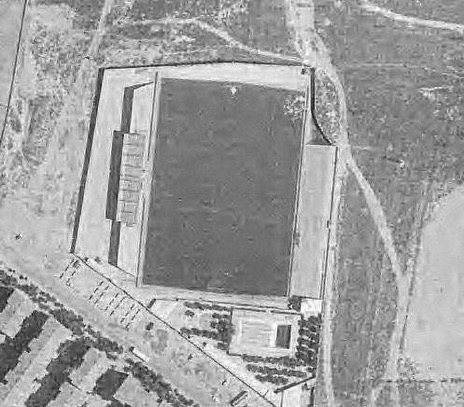
For such a new build, Las Margaritas was surprisingly basic, with a maximum capacity of 6,000. The Tribuna featured a short 30-metre cantilevered cover, underneath which were 300 seats. Open terracing made up the remainder of that side of the ground. Opposite was a three-quarter length open terrace, whilst more open terracing was found at either end of the ground. The capacity was tested to its maximum when Barcelona visited in the last 16 of the 1977-78 Copa del Rey. The Catalans were held to a 3-3 draw at Las Margaritas, but Barça won the return leg 8-0. Life in La Segunda was a struggle, with the club achieving a high of a tenth-place finish in 1978-79. The club resisted the drop to Segunda B for a few more years, but with mounting debts and diminishing resources, the inevitable fall came at the end of the 1981-82 season. With staff wages unpaid, Getafe Deportivo were demoted to the Tercera and then, after failing to gain promotion, folded on 1 July 1983. A year earlier, fearing the imminent closure of the club, Getafe Deportivo’s reserve side, Club Getafe Promesas and another local junior club, Club Peña Getafe, merged to form Club Deportivo Getafe Promesas. With the senior team’s demise, the club changed its name on 8 July 1983 to Getafe Club de Fútbol.
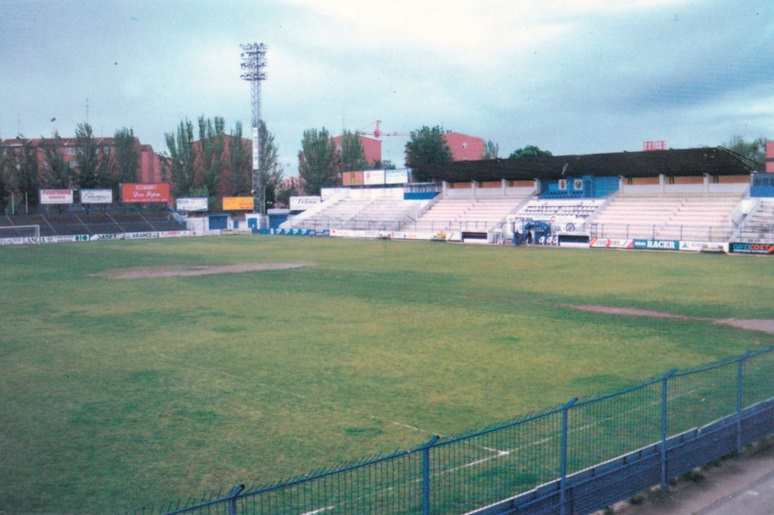
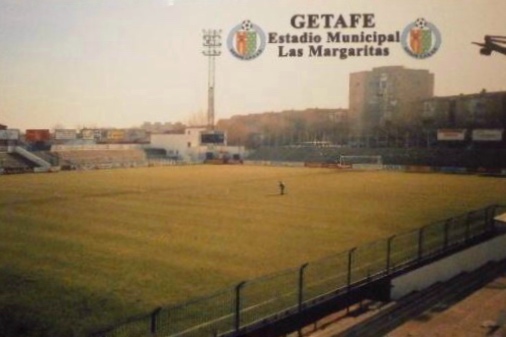
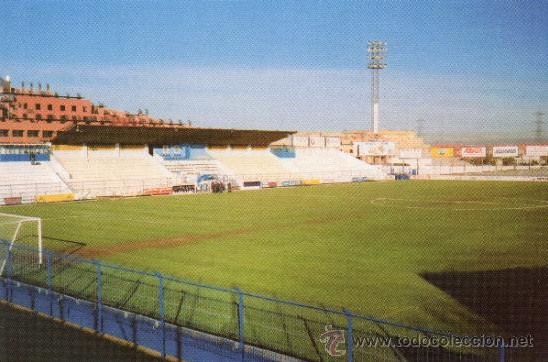
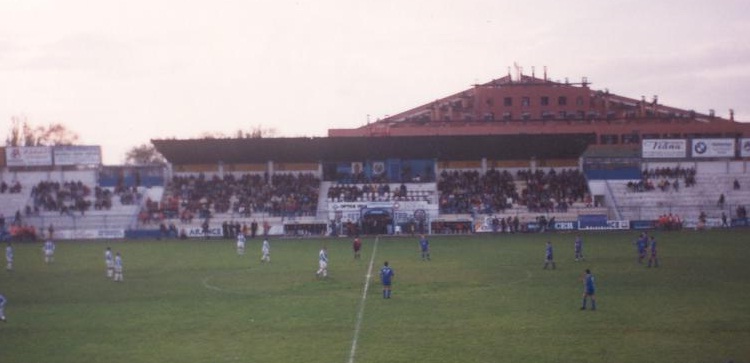
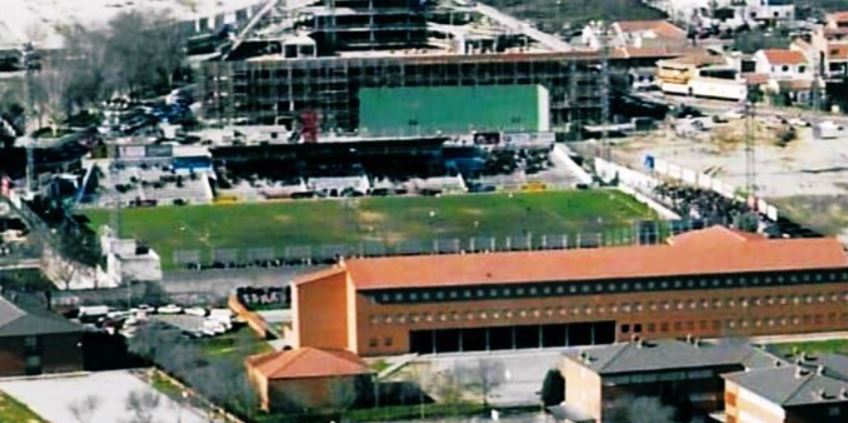
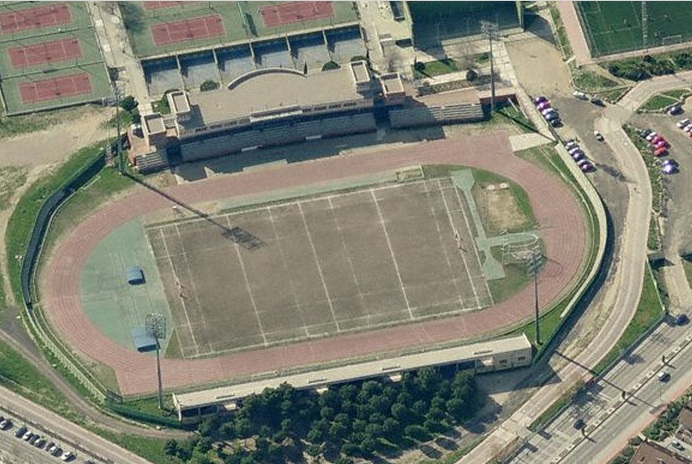
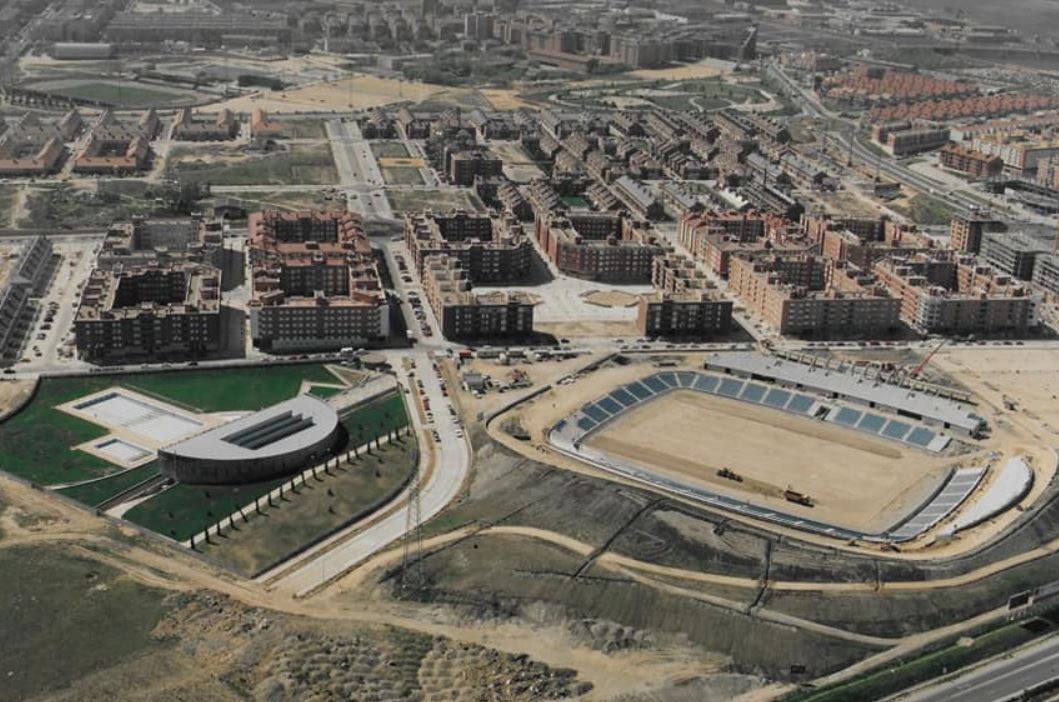
The new club flourished, winning promotion in its first three seasons and elevation to Segunda B in its fourth, thanks to the restructuring of the league. Getafe CF carried its impressive form to a new level, finishing third. A series of good finishes followed, but the club could not seal promotion until 1993-94. The two seasons in La Segunda were not without incident, as Getafe received a last-minute reprieve from the Spanish Federation when finishing 18th and in the relegation zone. The pardon lasted another season before the club dropped back to Segunda B at the end of the 1995-96 season. The 95-96 season also saw the end of Las Margaritas as it was sold for redevelopment. For the next two seasons, matches would be played at the Estadio de Juan de la Cierva, a municipal sports stadium around 500 yards east of Las Margaritas and around half a mile south of the new stadium that the municipality was building for the club. The first season at their temporary home was disastrous, and a 16th-place finish saw Getafe CF only stay up thanks to victory over SD Huesca in the relegation play-offs. The final season in temporary accommodation saw the club finish in seventh place before taking the short journey northwards to the impressively named Coliseum Alfonso Pérez.
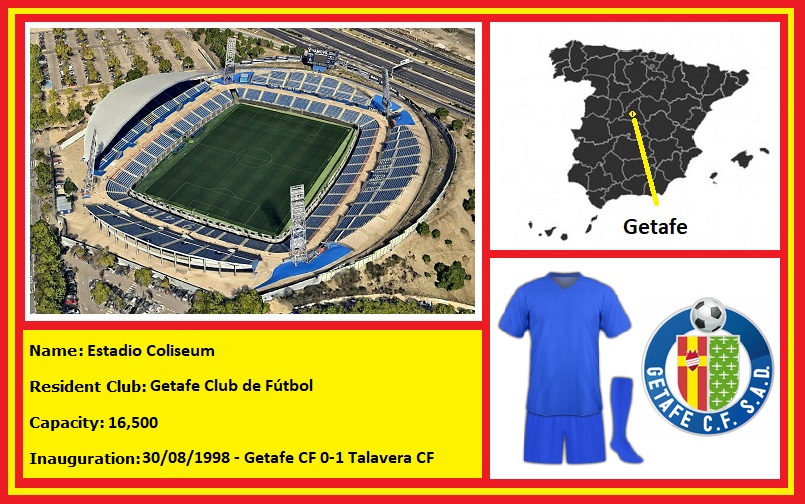
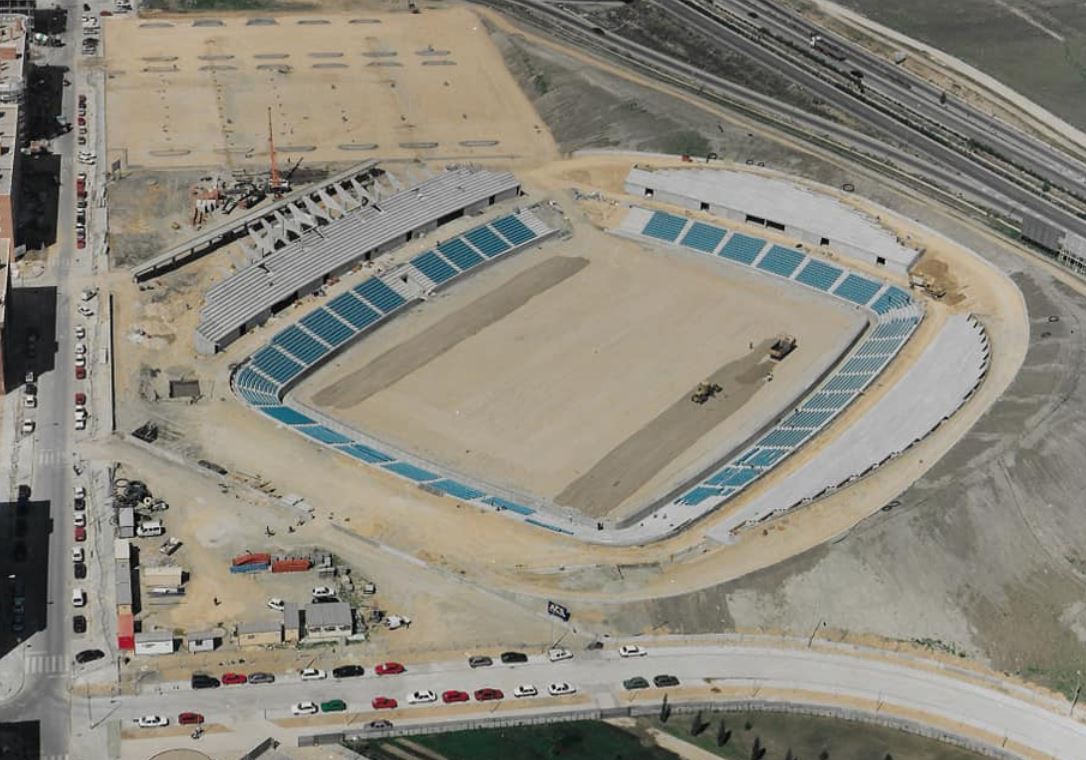
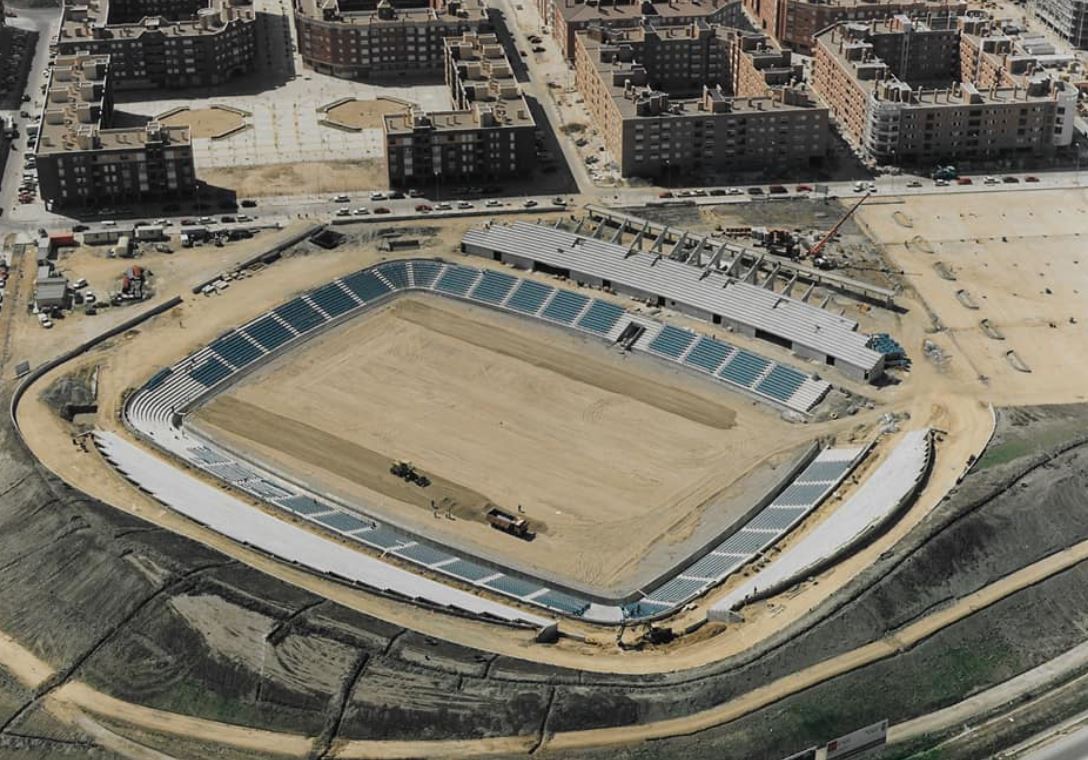
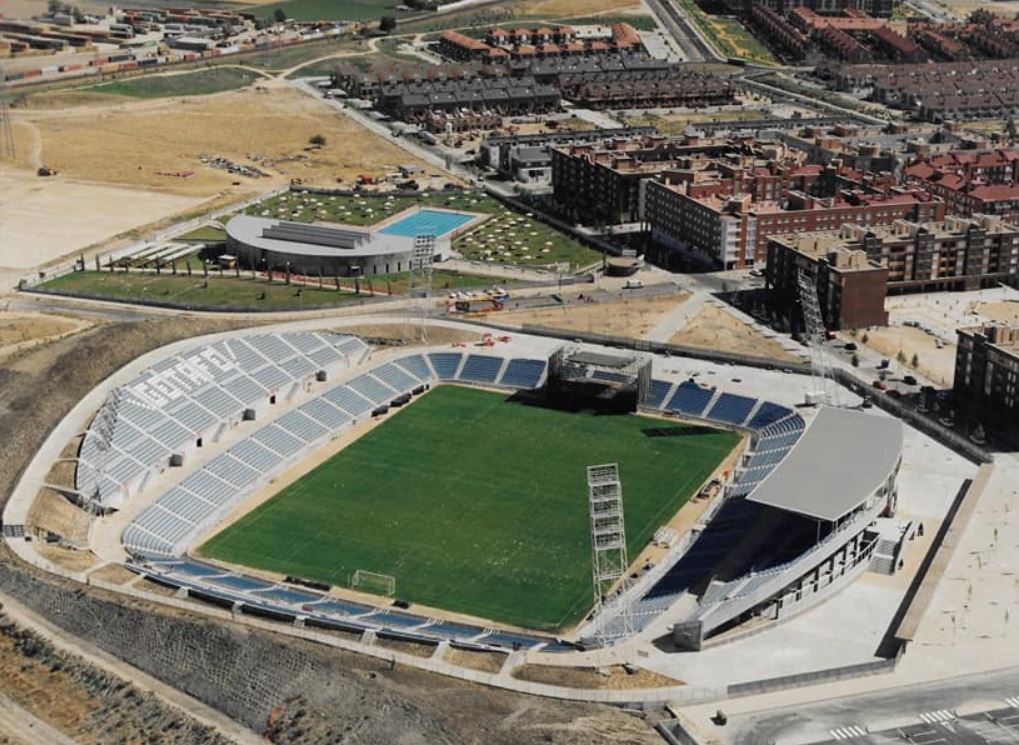
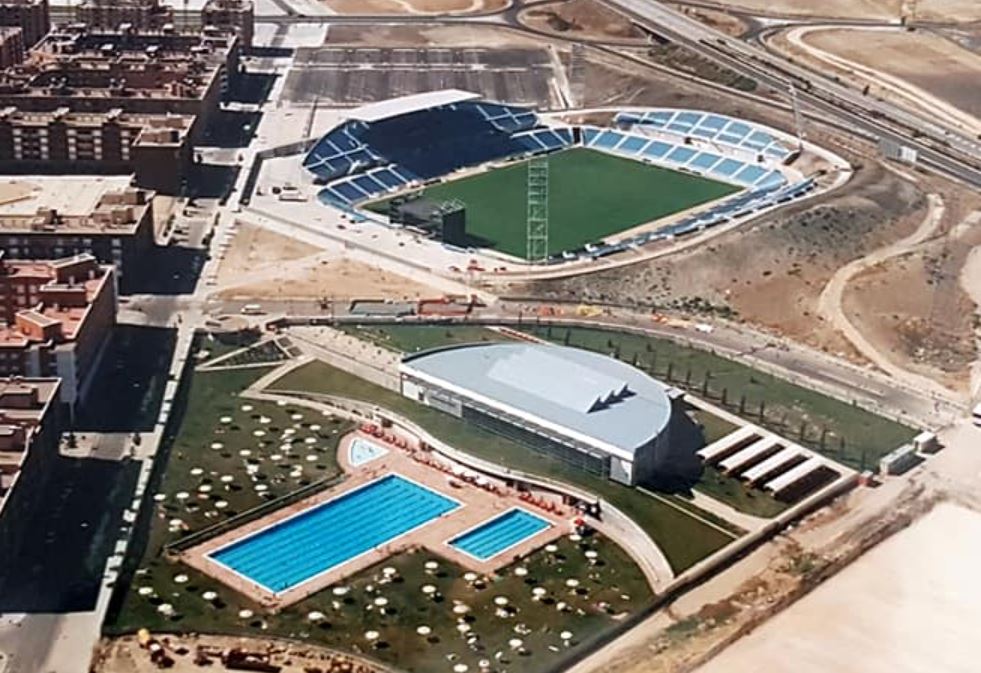
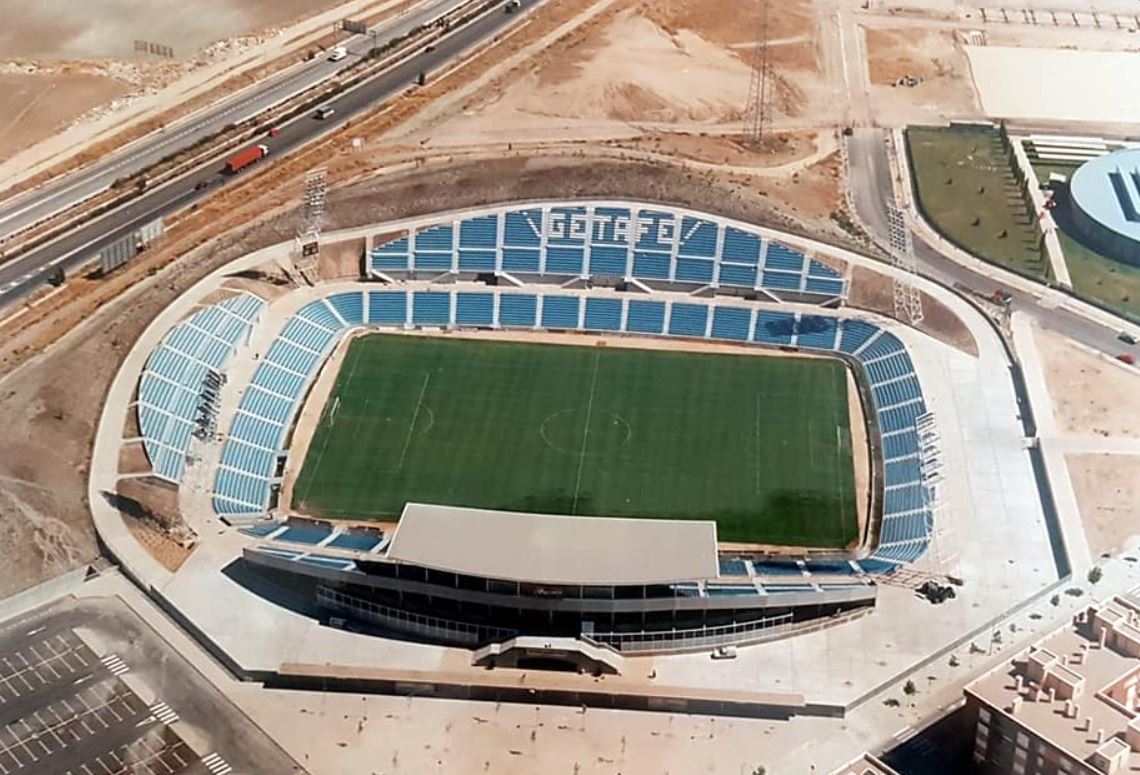
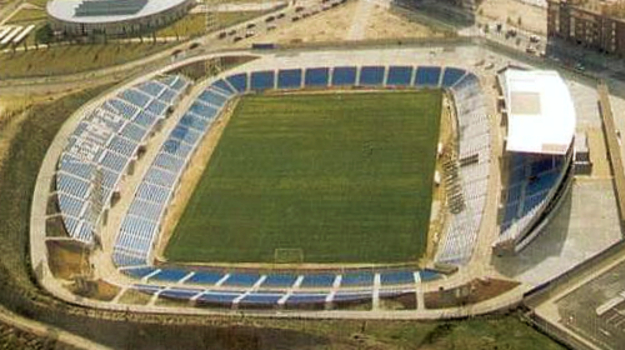
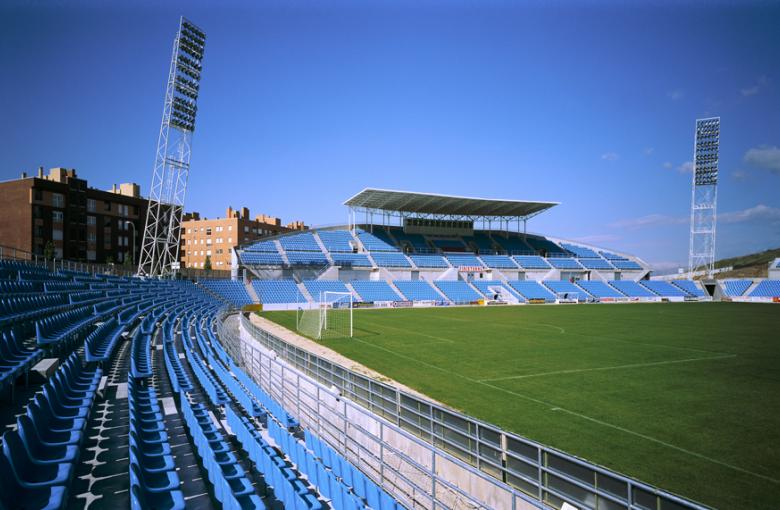
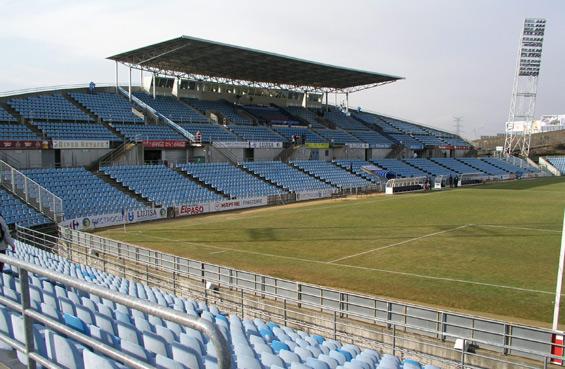
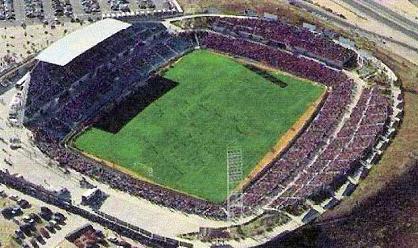
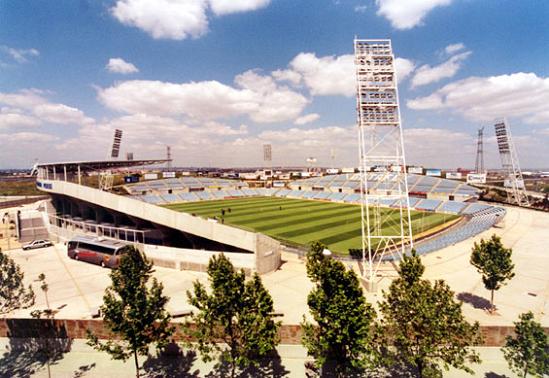
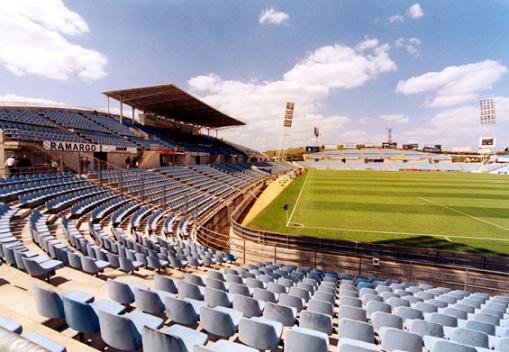
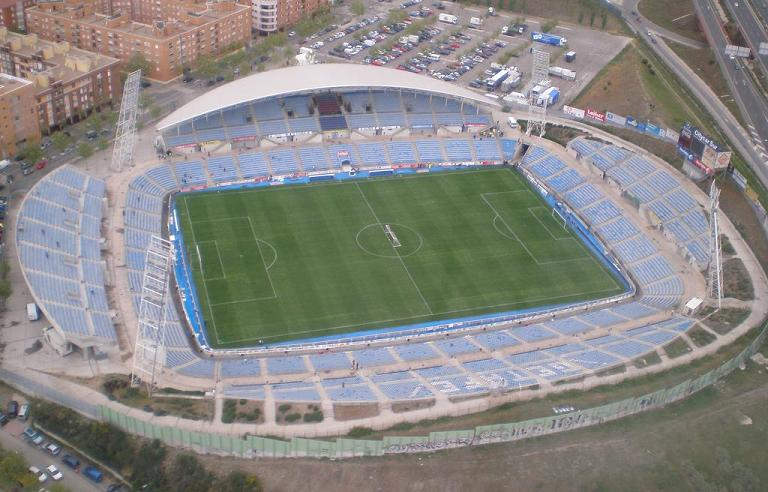
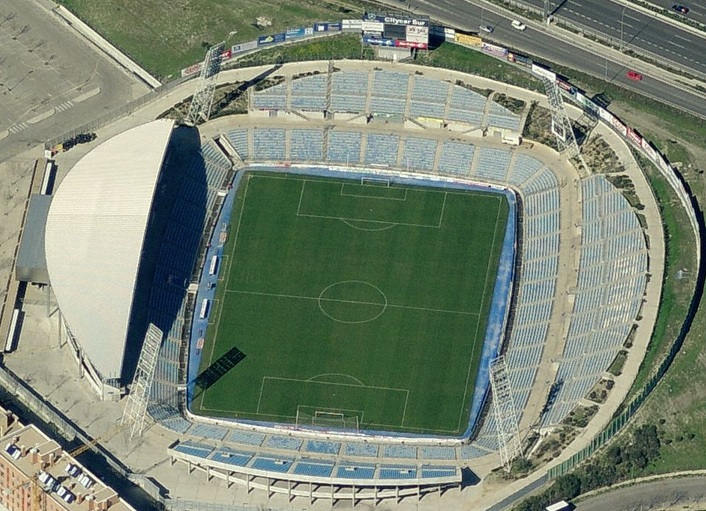
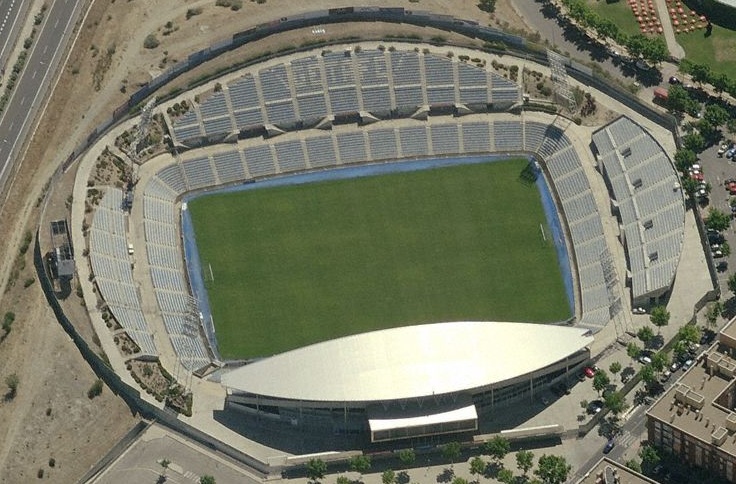
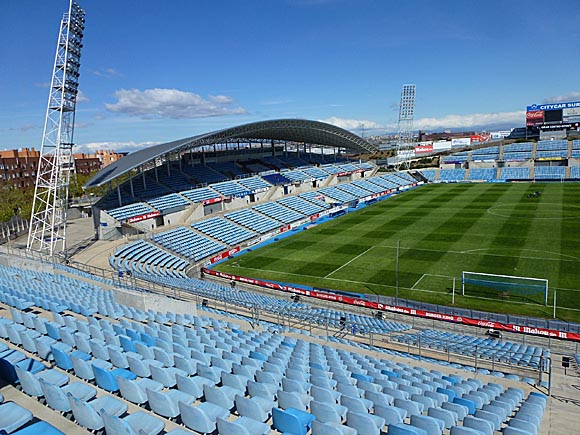
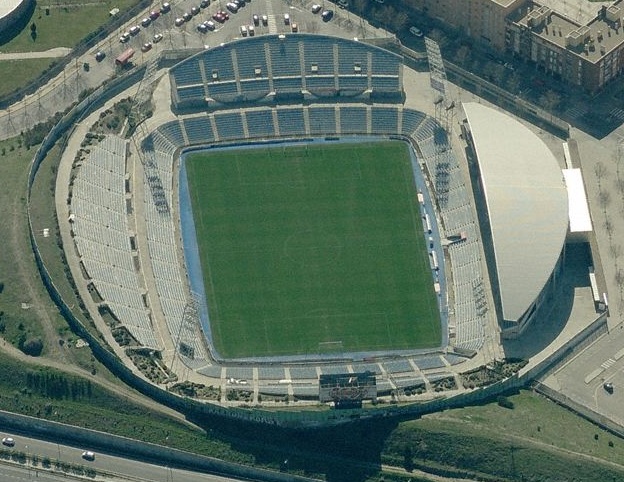
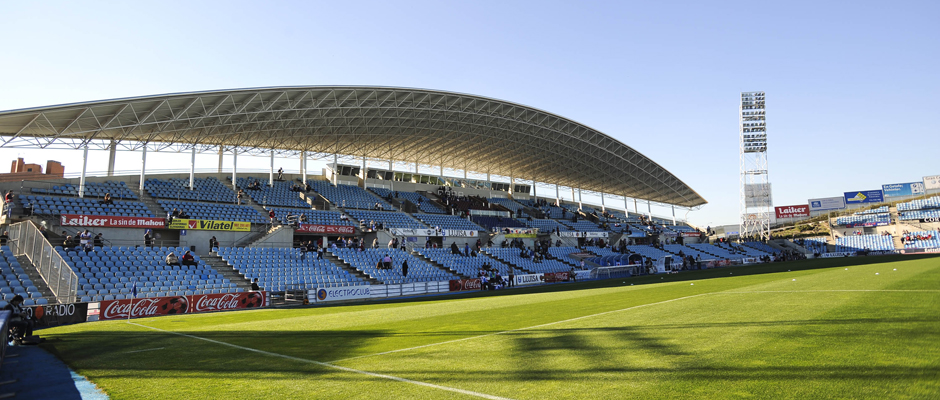
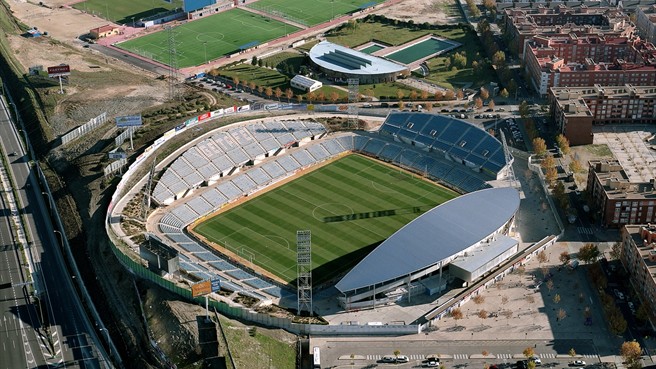
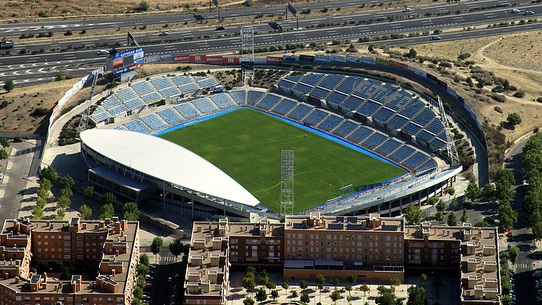
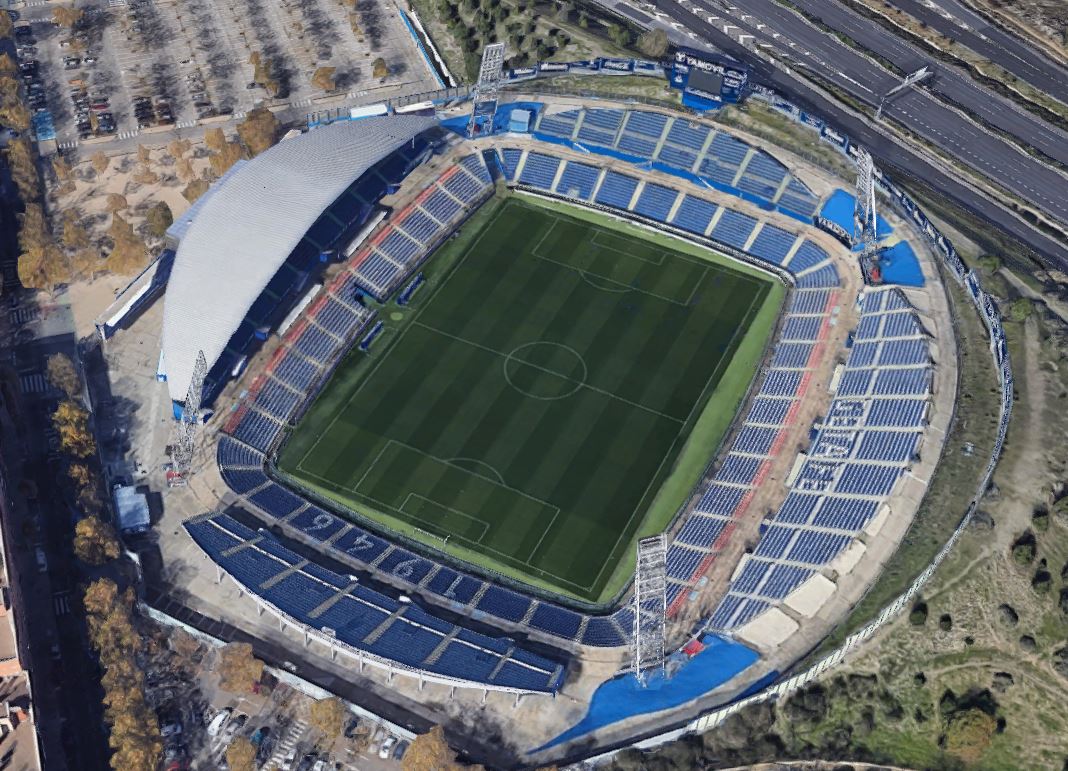
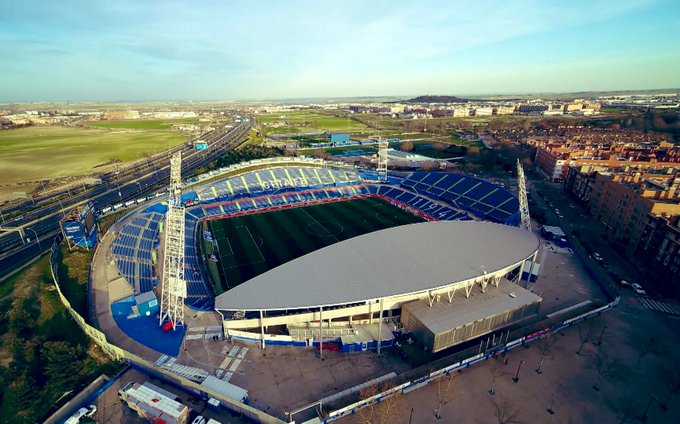
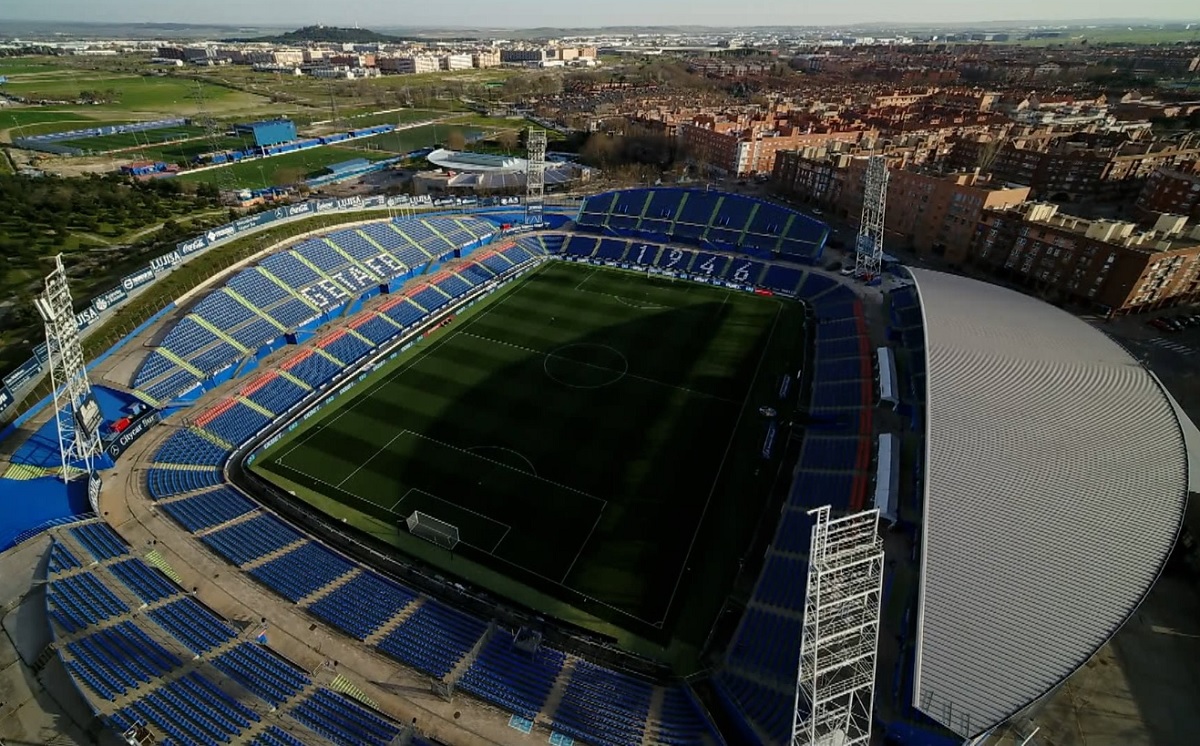
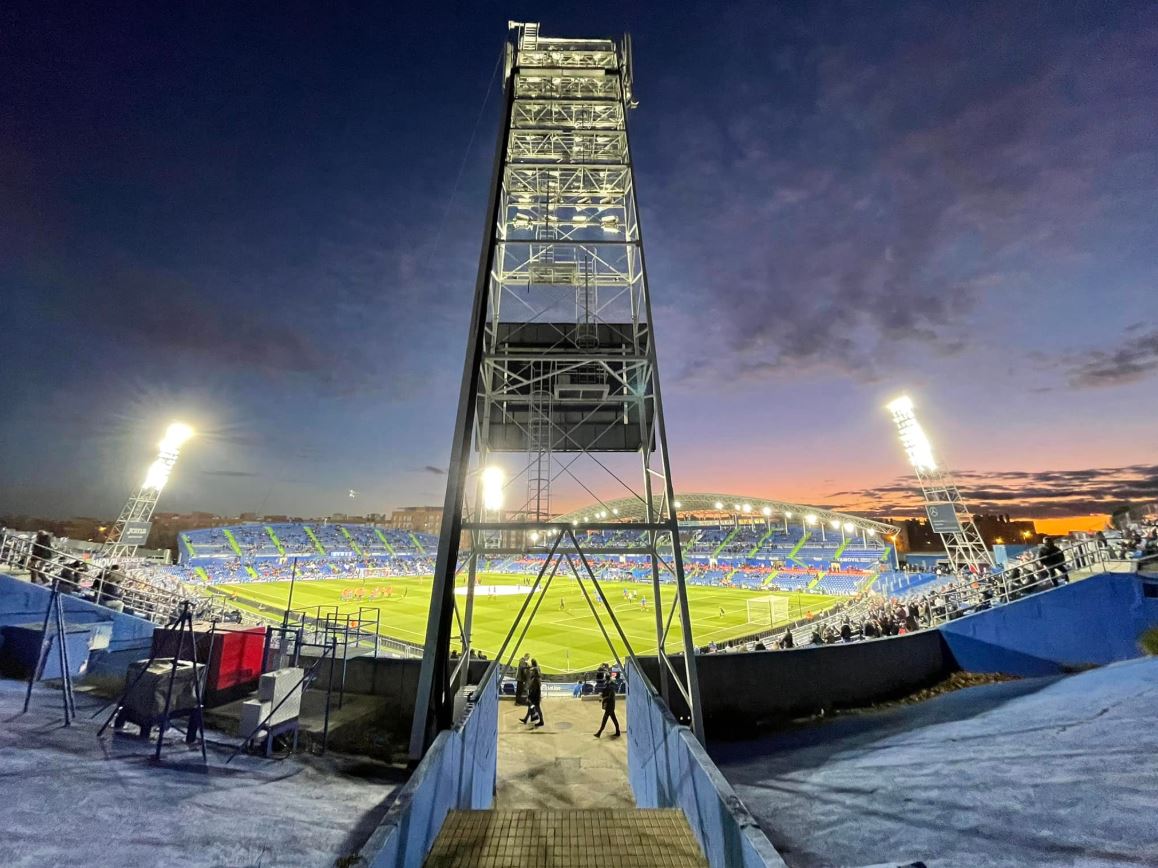
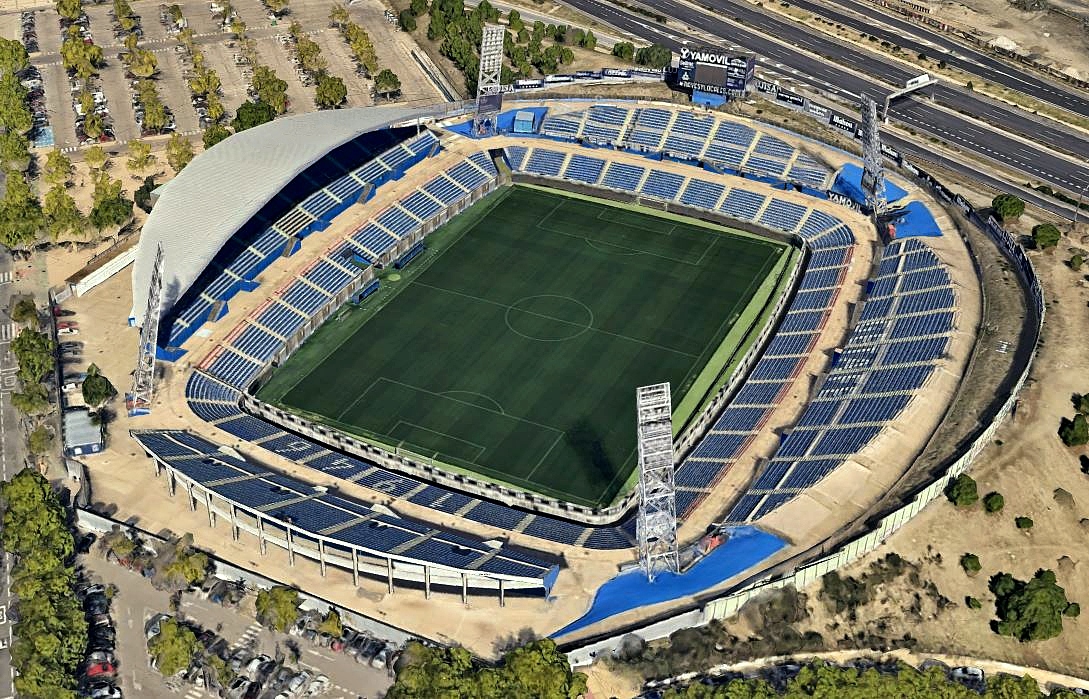
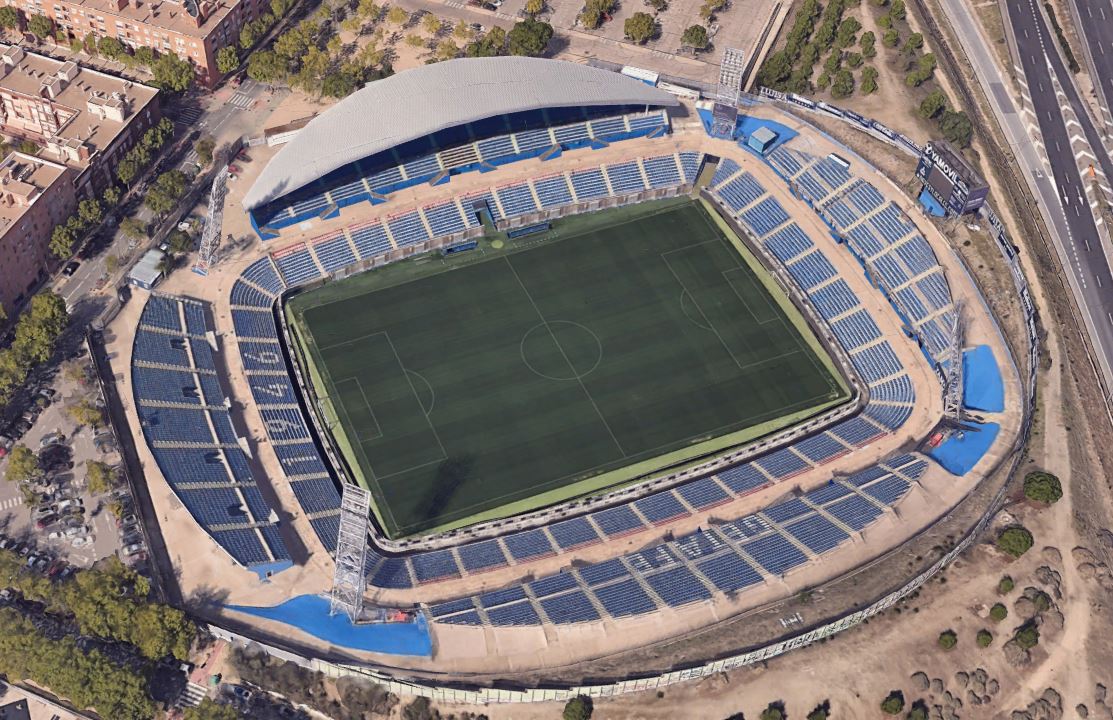
On 30 August 1998, Getafe CF played its first match at the Coliseum Alfonso Pérez, losing 0-1 to Talavera in the first Segunda B match of the season. The choice of Alfonso Pérez to bear the name of its new stadium says as much about the relatively lowly standing of Getafe CF as it does about the town of Getafe’s most famous son. Although born in Getafe, Pérez never played for his hometown club or at the stadium, gaining fame at Real Madrid and Real Betis, and earning 38 international caps. Whilst “Coliseum” might be stretching it a bit, the stadium was a huge improvement on the cramped Las Margaritas. It featured a lower tier of seating and three anfiteatros, one covered and two open on the east and north sides. The west side had a curious, flimsy cover that was 55 metres long and stood high above the upper tier, offering little in the way of cover. Despite that opening day setback, Getafe CF went on to dominate the league and the subsequent play-offs to earn promotion back to La Segunda. Once again, the club struggled, but once again, it received a reprieve. This time it was brought about by the demise of CP Merida and the demotion of Atlético Madrid B, following the first team’s relegation from La Primera. It would have taken a whole host of clubs to fold the following season to save Getafe CF from relegation, but alas, it wasn’t to be, and 21st place saw the club return to Segunda B.
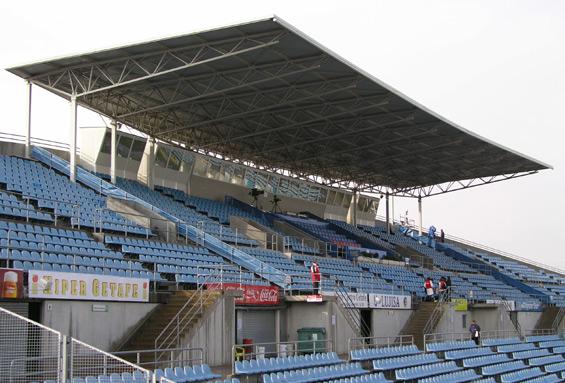
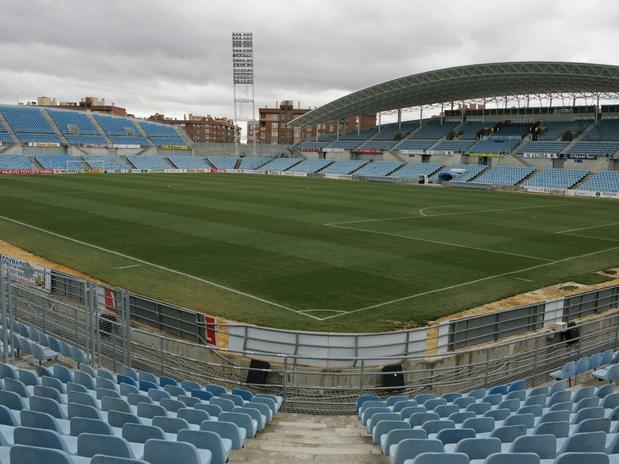
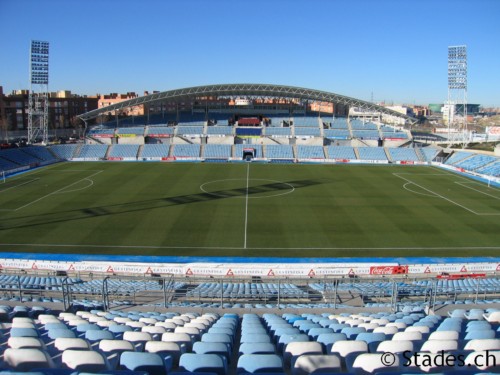
Over the years, Getafe CF has benefited from the misfortunes of several other clubs. misfortunes. Another occurred at the end of the 2001-02 season, when, despite finishing fifth in Segunda B, it still managed to squeeze into the end-of-season playoffs. This was down to Universidad de Las Palmas’ ill-fated, season-long decision to become the reserve side of UD Las Palmas. Getafe CF took full advantage and topped a play-off group featuring Motril, CD Hospitalet and Cultural Leonesa. For once, Getafe CF did not struggle in La Segunda, finishing the season in a healthy eleventh position. The following 2003-04 season saw the arrival of a new club president in Ángel Torres Sánchez and with him, an improved budget. This was applied effectively, and on 19 June 2004, Getafe won 3-5 in Tenerife to secure promotion to La Primera. The first season in La Primera saw Getafe CF finish in a respectable eleventh position and chalk up memorable victories over Valencia & Real Madrid. During the summer of 2005, work commenced to increase the capacity and comfort of the stadium. The southern end had consisted of a single tier gained an anfiteatro, taking the capacity to 16,500. In addition, the sheet of steel that had passed for a roof was replaced with an altogether more elegant and weatherproof cover that swept over the west side in a silver arc.
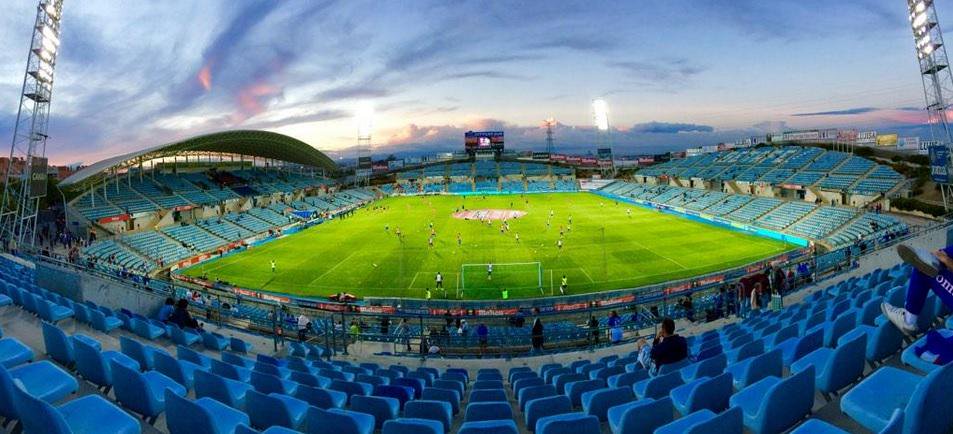
Since debuting in the top division in 2004, Getafe CF has confounded the experts, clocking up seven top-ten finishes and two appearances in the final of the Copa del Rey. The first of those finals, in 2007, was reached thanks to a remarkable victory over Barcelona in the second leg of the semi-final. Trailing by 2-5 from the first match in the Camp Nou, Getafe CF produced a remarkable display to beat the Catalans 4-0. The final saw Los Azulones take on Sevilla at the Estadio Santiago Bernabéu, but lost out 0-1. A year later, and Getafe were back in the final, losing 1-3 to Valencia at the Estadio Vicente Calderon. Sandwiched between these finals was an astonishing run in the UEFA Cup that finally ended at the quarter-final stage with defeat to Bayern Munich. Not surprisingly, these exploits have not gone unnoticed, with managers and players regularly leaving for bigger clubs. There was one blemish when the club dropped back to La Segunda for the 2016-17 season. However, a third-place finish in the league and victories over old foes SD Huesca & Tenerife secured a return to the top flight.
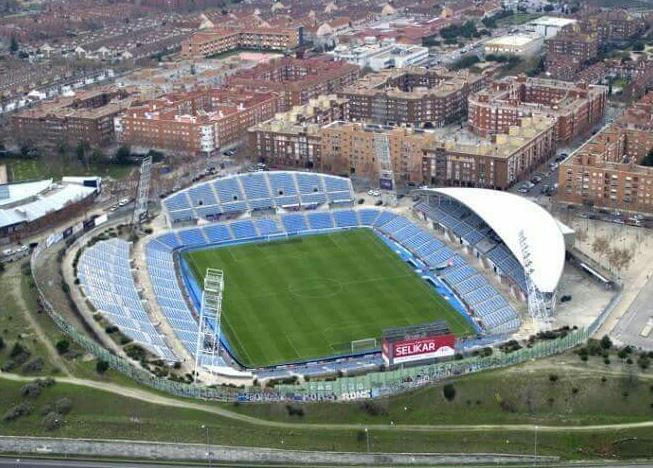
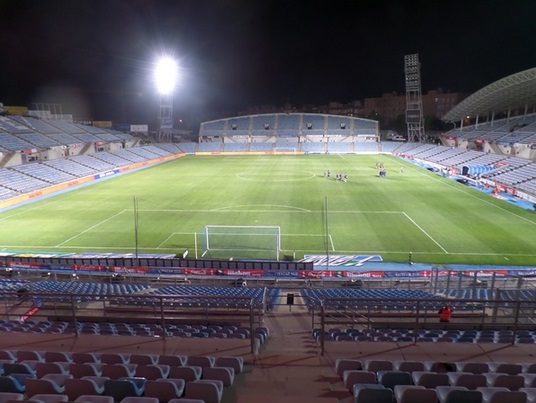
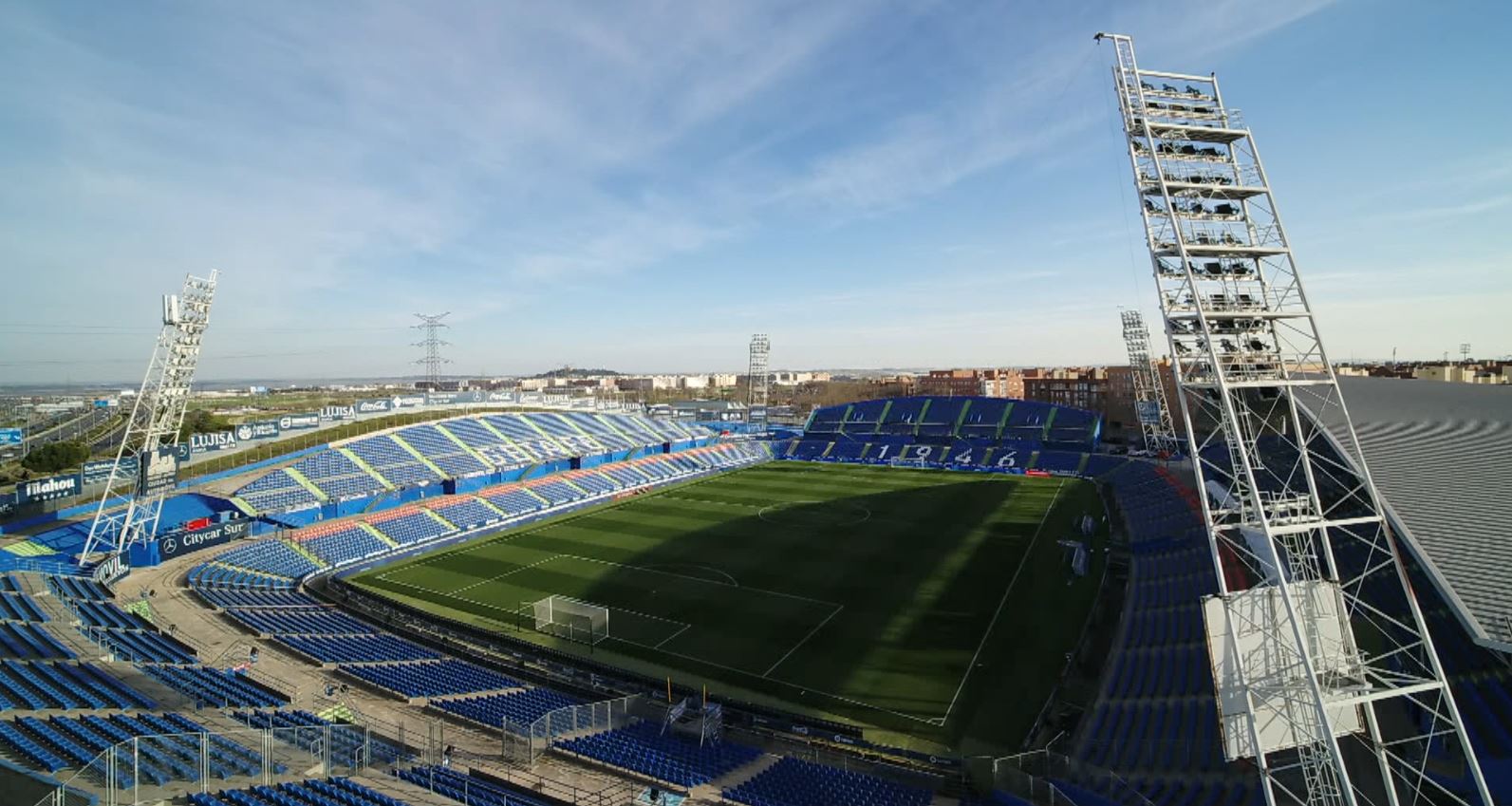
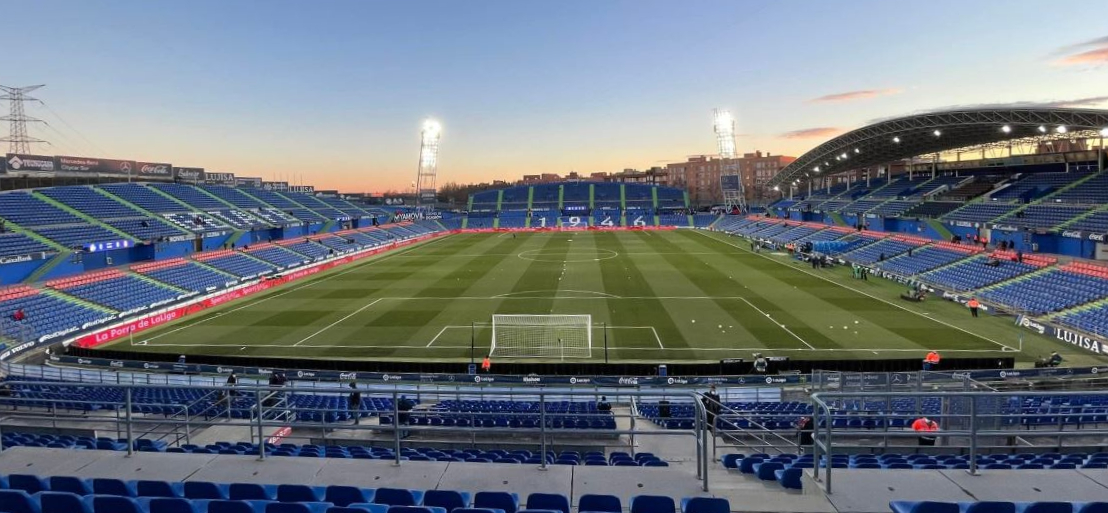
La Selección visited the Coliseum in June 2004, slaying Andorra in preparation for Euro 2004. They returned in June 2016 but lost 0-1 to Georgia. In October 2023, the local municipality dropped the name of Alfonso Pérez from the stadium after he made disparaging remarks about female footballers. The stadium is now known as the Estadio Coliseum. Madrid is Europe’s highest capital city, and it can be a mighty cold place in winter. Its lack of shelter on three sides makes the Coliseum Alfonso Pérez a rather inhospitable stadium for the home fans. Add to that the attraction of Atlético and Real Madrid just up the road, and it will come as no surprise that Getafe CF averages around 10,000 for home fixtures.
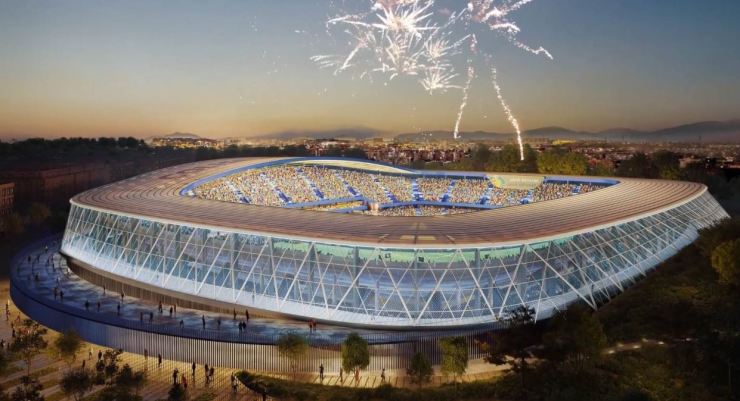
There was talk of a new 25,000-seat stadium being built on the club’s training facilities, just to the east of the present ground, but in the end, the club decided to modernise the facilities at the Coliseum. In June 2025, work began on remodelling the upper tiers of the open stands. The outcome, a horse-shaped enclosure, will then link up to the existing main stand, which will gain a new roof. The exterior will be clad with a translucent facade, and in total, the capacity will increase to 18,500. Work should be complete for the start of the 2027-28 season.
 Estadios de España