
Article updated: 28/07/2026
History has a funny habit of repeating itself. Back in 1960, the President of Atlético Madrid, Don Vicente Calderón, purchased a large plot of land in the southwestern outskirts of Madrid. Here, up against the bank of the Rio Manzanarés, would be where his beloved club would build their new home. Work on the proposed stadium was tortuously slow, and with the club suffering financially, many questioned the logic of the development. However, Calderón was not for turning. Atléti sold their old Metropolitano home and finally moved into the unfinished stadium in October 1966. It took another 4 years to complete the project, but 12 years after first breaking the ground, the club had a stadium to rival any in the country. Move on 45 years, and Atléti was involved in another protracted and controversial stadium development.
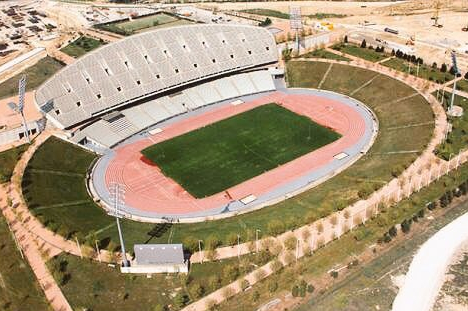
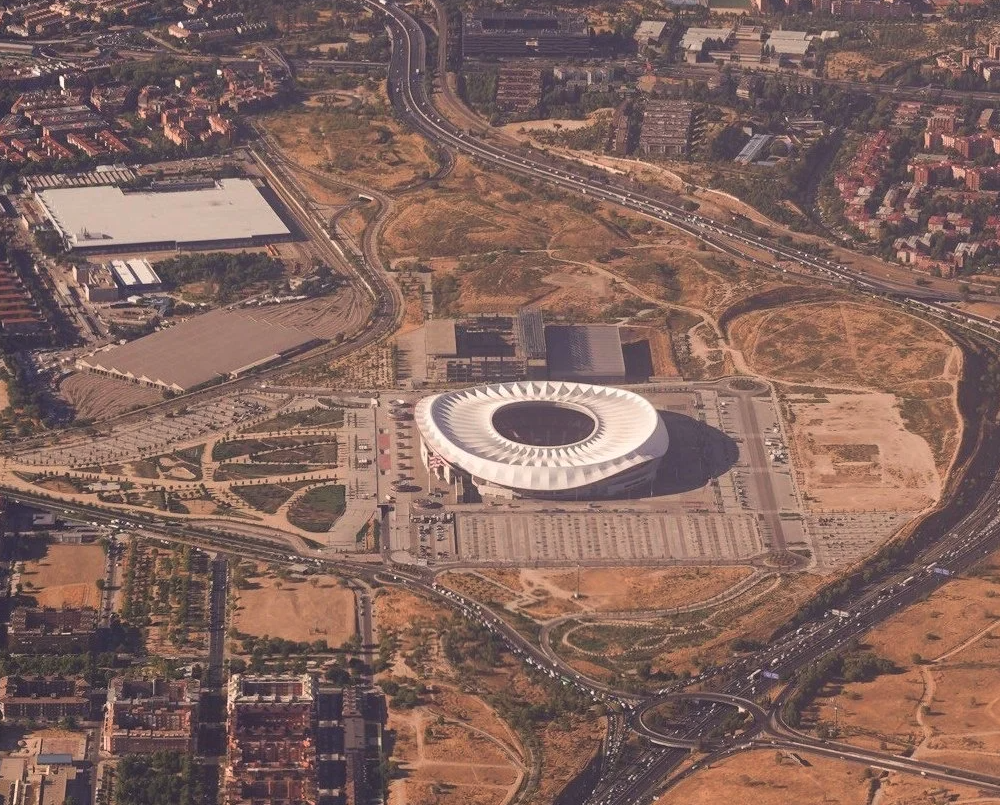
The focus of their desired move was the Estadio La Peineta, a disused municipal athletics stadium located in the northeast of Madrid, just south of Barajas Airport. Opened in 1994, it originally cost 7,500 million pesetas (€45m), which was an awful lot of money for not a lot of stadium. The formal name for the stadium was Estadio de la Comunidad de Madrid, but it became known as La Peineta because its only stand was shaped like an ornamental comb. With a 20,000 capacity, it had always been a bit of a white elephant, hosting the occasional athletics meeting, but never in front of a full house. Even when the Supercopa de España was held there in 1996, Atléti & Barcelona attracted just 15,000 spectators. Little over 10 years after opening, the stadium had fallen into disrepair, but it remained in the public eye thanks to Madrid’s attempts to host the 2012, 2016 & 2020 Olympiads. La Peineta was ideally located, close to the airport and with an expanse of land ripe for the development of an Olympic Park. Atléti had come on board in 2007, and the club’s occupation of the stadium was part of the legacy programme for the 2016 & 2020 bids. Unfortunately for Madrid, the IOC preferred London, Rio & Tokyo. However, despite Madrid’s Olympic hopes lying dead in the water, Atléti pressed on with plans to occupy the site.
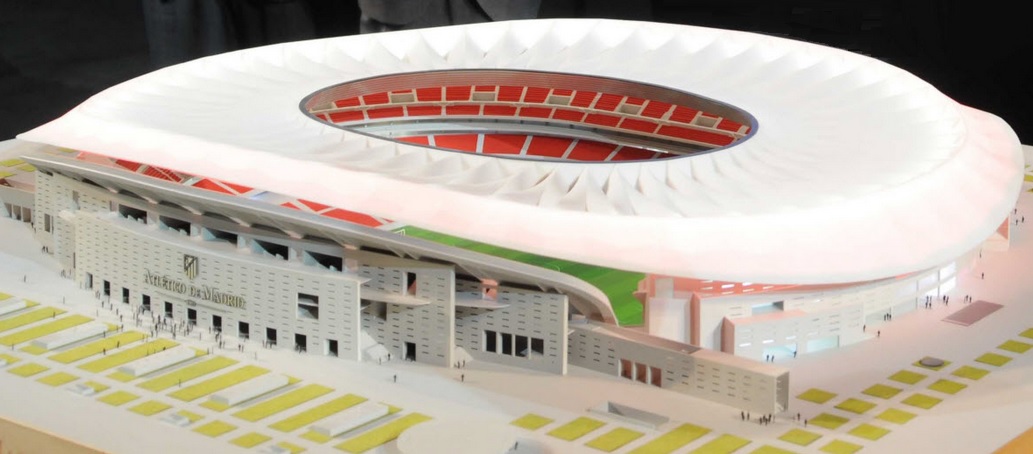
So how could a club with reported debts of €500m afford to build a new stadium? Well, the answer was close to home. Atlético Madrid owned the Estadio Vicente Calderón, and FCC, a leading Spanish construction company, coveted the land it and the adjoining Mahou Beer Factory stood. In return for this piece of prime real estate, FCC offered to build Atléti a modern stadium on the site of La Peineta at little or potentially no cost. The proposed cost of the build was €270m. All Atléti would have to pay was approximately €40m to the City of Madrid, which owned the land on which La Peineta stands. This would be paid in a series of debentures of free tickets granted to the city over ten years. However, if Madrid succeeded with a future Olympic bid, the stadium would be used to host the games. This would result in the club having to relocate for 12 months whilst the lower tier of the stadium was covered with a temporary platform holding the athletics track. As a result of this inconvenience, Atléti would be paid compensation of, you guessed it, €40m.
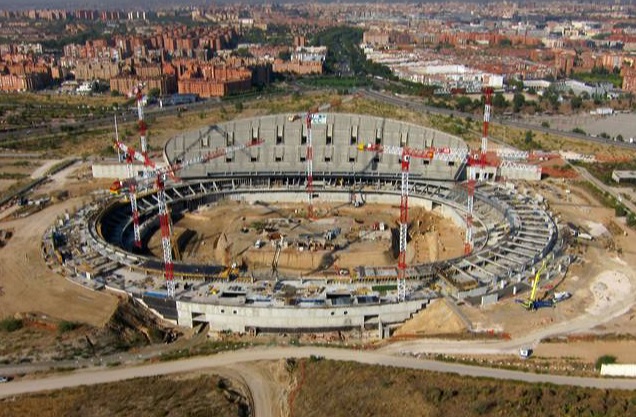
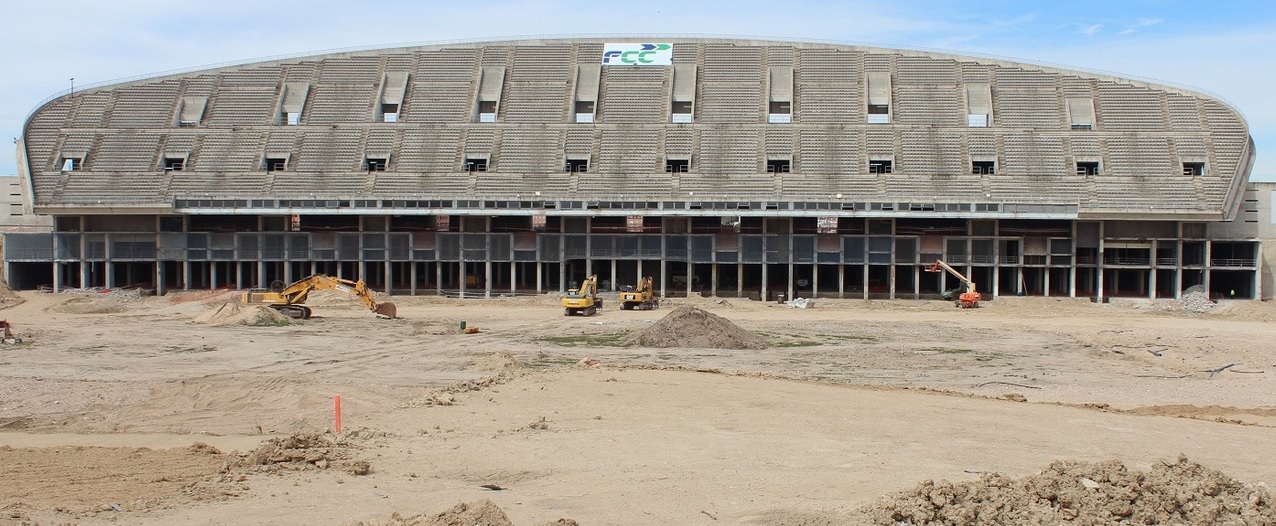
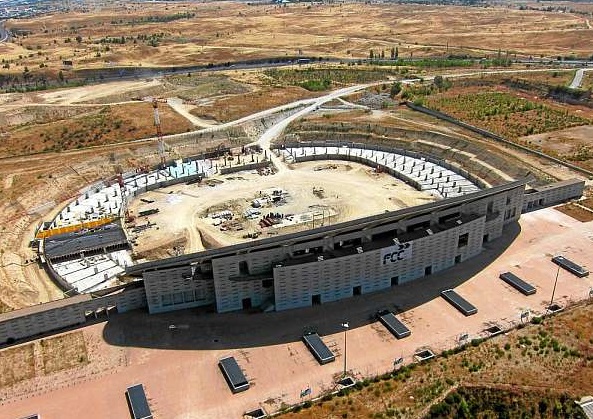
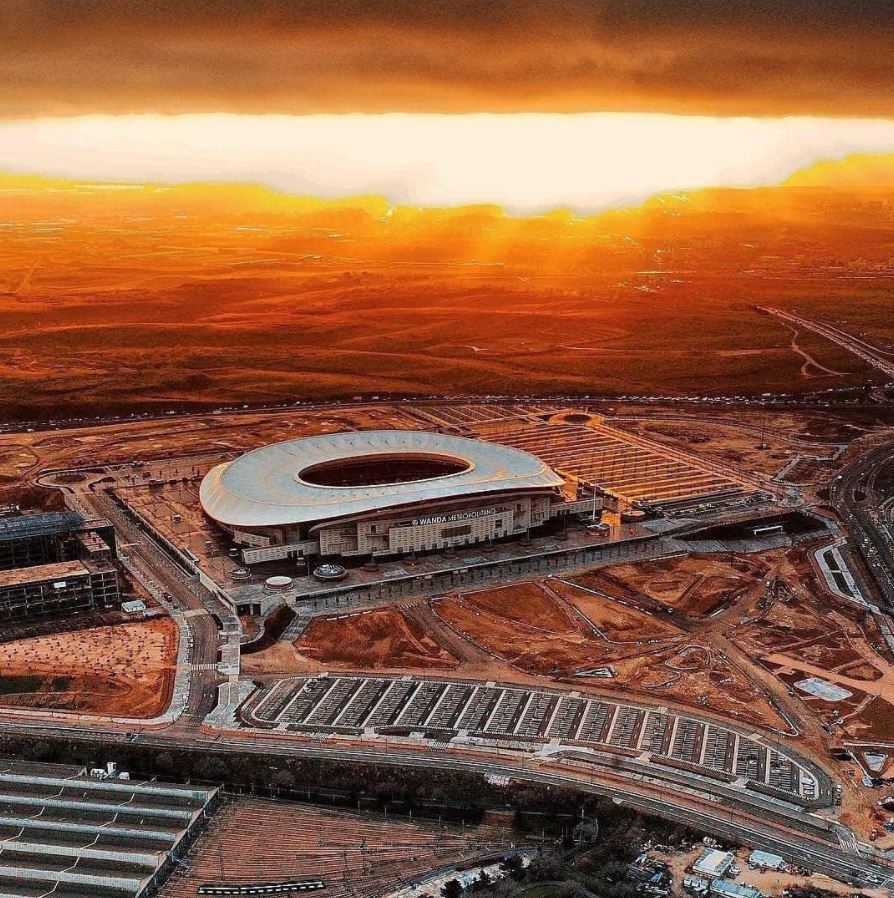
Quite a neat deal, you would think? Well, this being Atléti, nothing is quite as straightforward as it seems. First of all, the fans were up in arms over a move that would see the club relocate 12km to the northeast of Madrid. They launched a legal challenge, arguing that it was illegal to build higher than four storeys in the city centre of Madrid, which meant that FCC may not receive anything close to the expected revenues. The case went to appeal, but was found in favour of the club. In the spring of 2011, the club announced it had received planning permission for the redevelopment of La Peineta, and work would soon commence. Soon in Atléti parlance meant November, when the club organised a big media gathering to watch, in essence, the breaking up of a few pieces of old terracing. Predictably, the speed of the build at La Peineta ranged from slow to an outright halt. Work in the spring of 2012 saw the lower tier of the main stand removed, the floodlights pole-axed, and the removal of the athletics track. By the end of 2012, the site had been excavated and foundation piles fixed. Slow progress, but as history has shown, that was nothing new for Atléti.
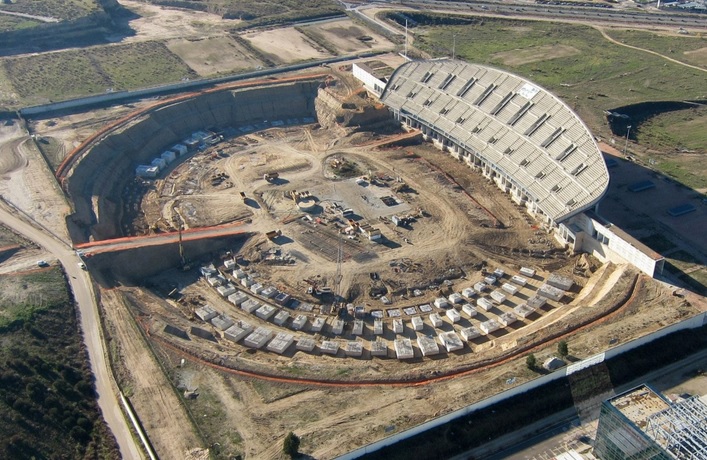
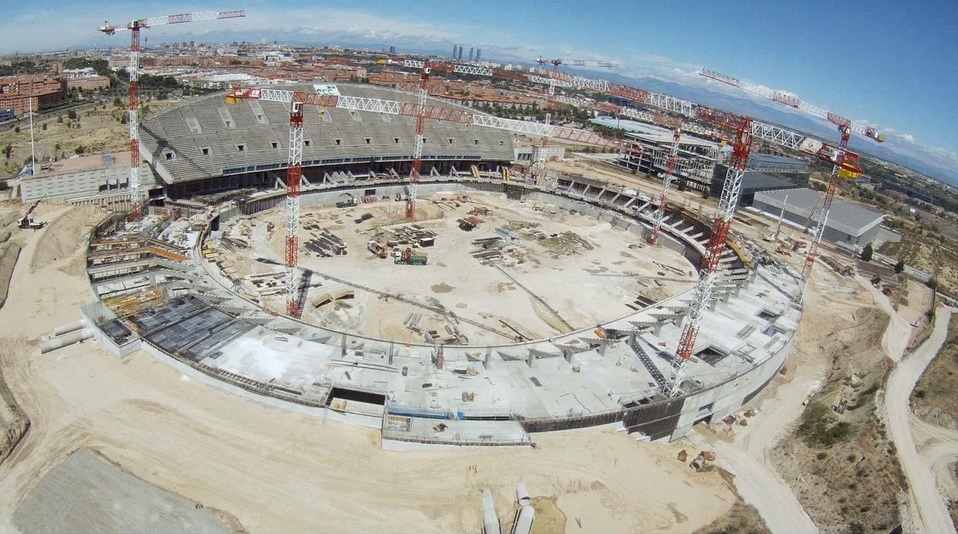
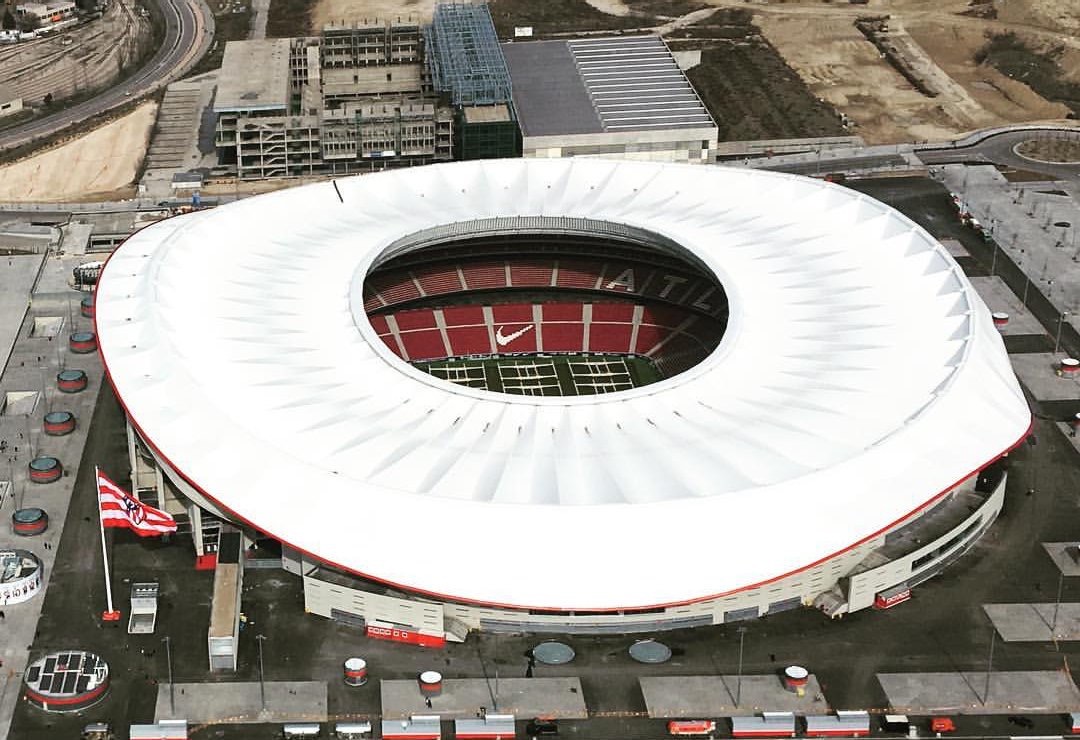
Further delays followed in 2013 when the authorities refused to grant the necessary licences for construction cranes to be placed on site. Then in September 2013, the project received what many believed to be a mortal blow. Madrid lost out on hosting the Olympic Games for a third consecutive time. However, what many people had overlooked was that the project had evolved from an Olympic stadium that could host football, to a football stadium that could be converted to host the Olympics. This was a crucial element in saving the project’s future. Atléti pressed on, and with the cranes now in-situ and the lower tier starting to develop, the shape of the stadium was now beginning to emerge.
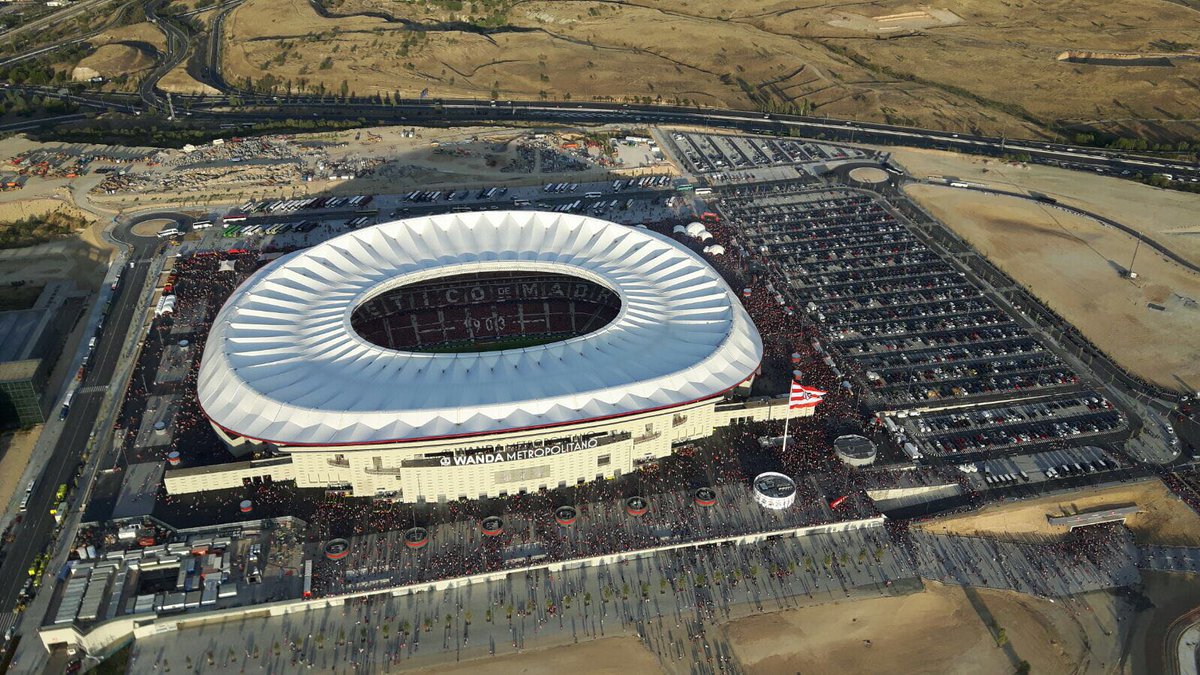
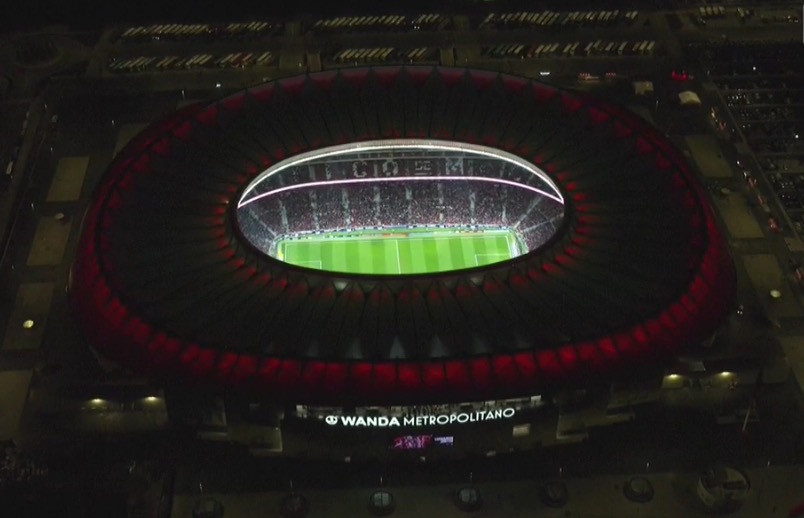
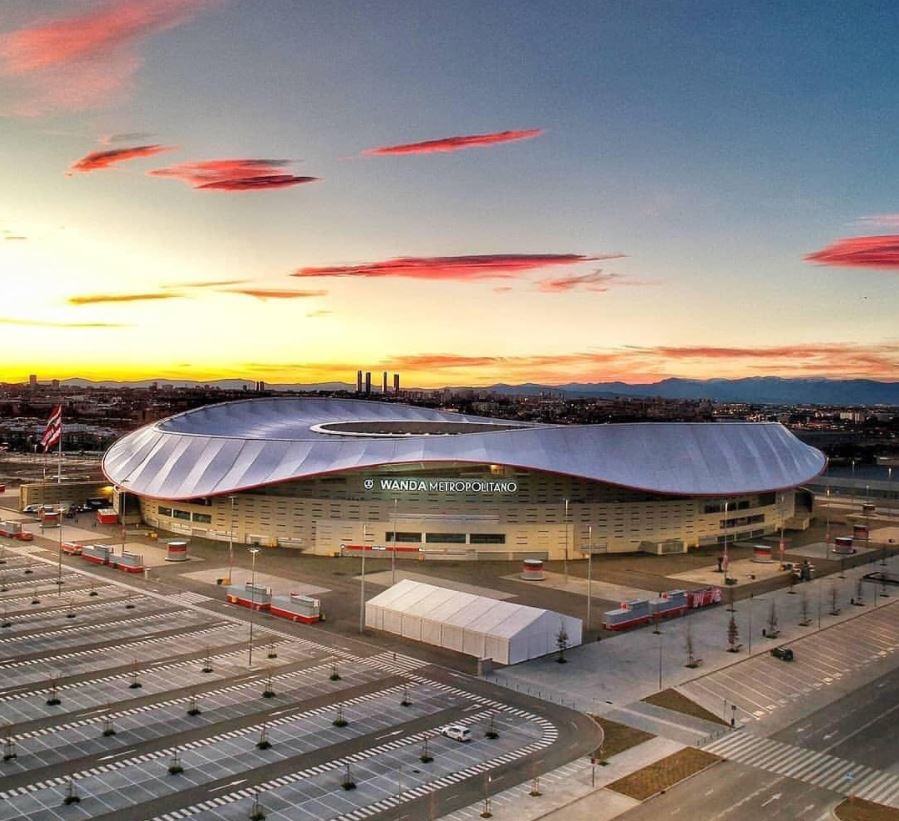
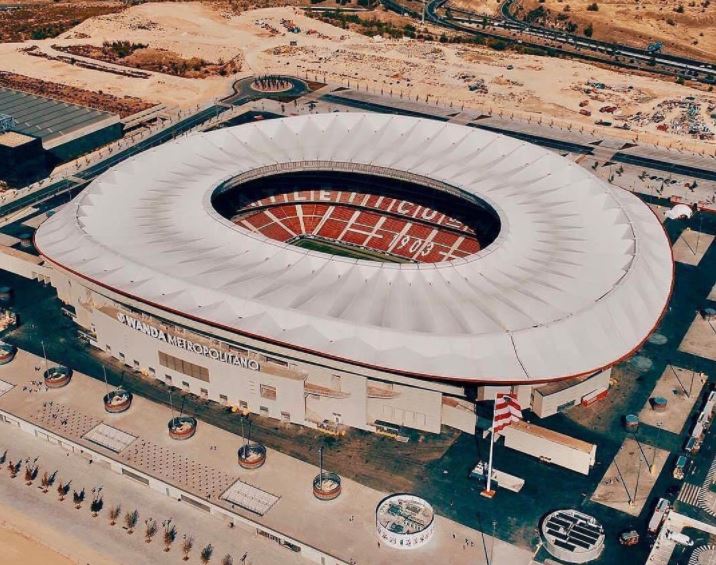
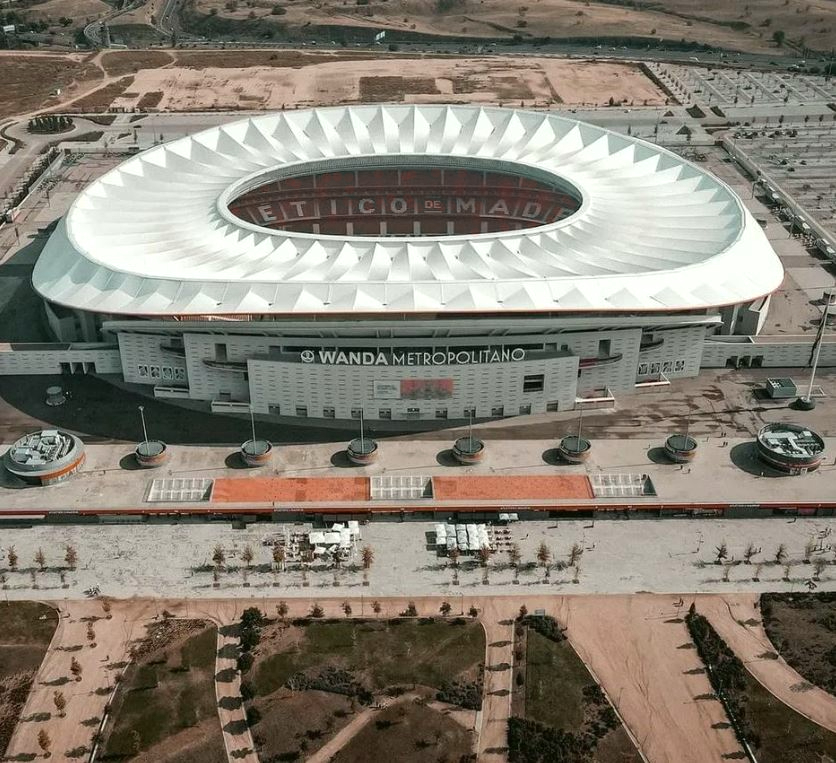
In December 2016, Atléti announced that the new stadium would officially be called the “Wanda Metropolitano”. The deal with the Wanda Group, a Chinese media corporation, was worth an estimated €45m, and, in a nod to the club’s history, it incorporated the name of Atléti’s home before the Vicente Calderón. Whilst the deal over naming rights brought much-needed cash to the project, it didn’t solve all of the financial issues associated with the build of the new stadium. With the site of the Calderón worth just a fraction of what it was in 2007, Atleti needed more funds. They turned to Mexican billionaire Carlos Slim and his bank Inbursa and took out a €160m loan. Slim, a major shareholder in Real Oviedo, also owns the bulk of the shares in FCC. Of course, the delays and the club’s financial predicament only added to the speculation that the stadium would follow the path of Valencia’s Nou Mestalla. There was, however, a new belief, no doubt assisted by Atléti’s renaissance on the pitch, that the stadium would be completed and the club’s days at the Vicente Calderón would come to an end.
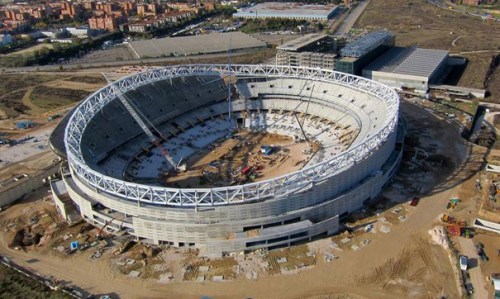
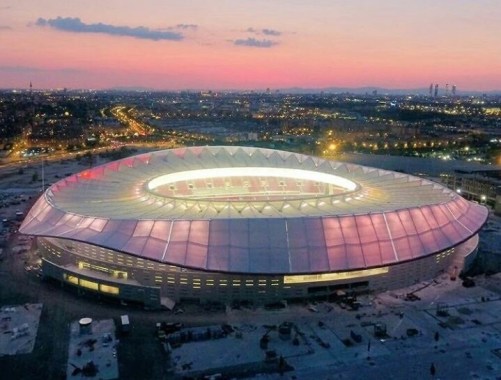
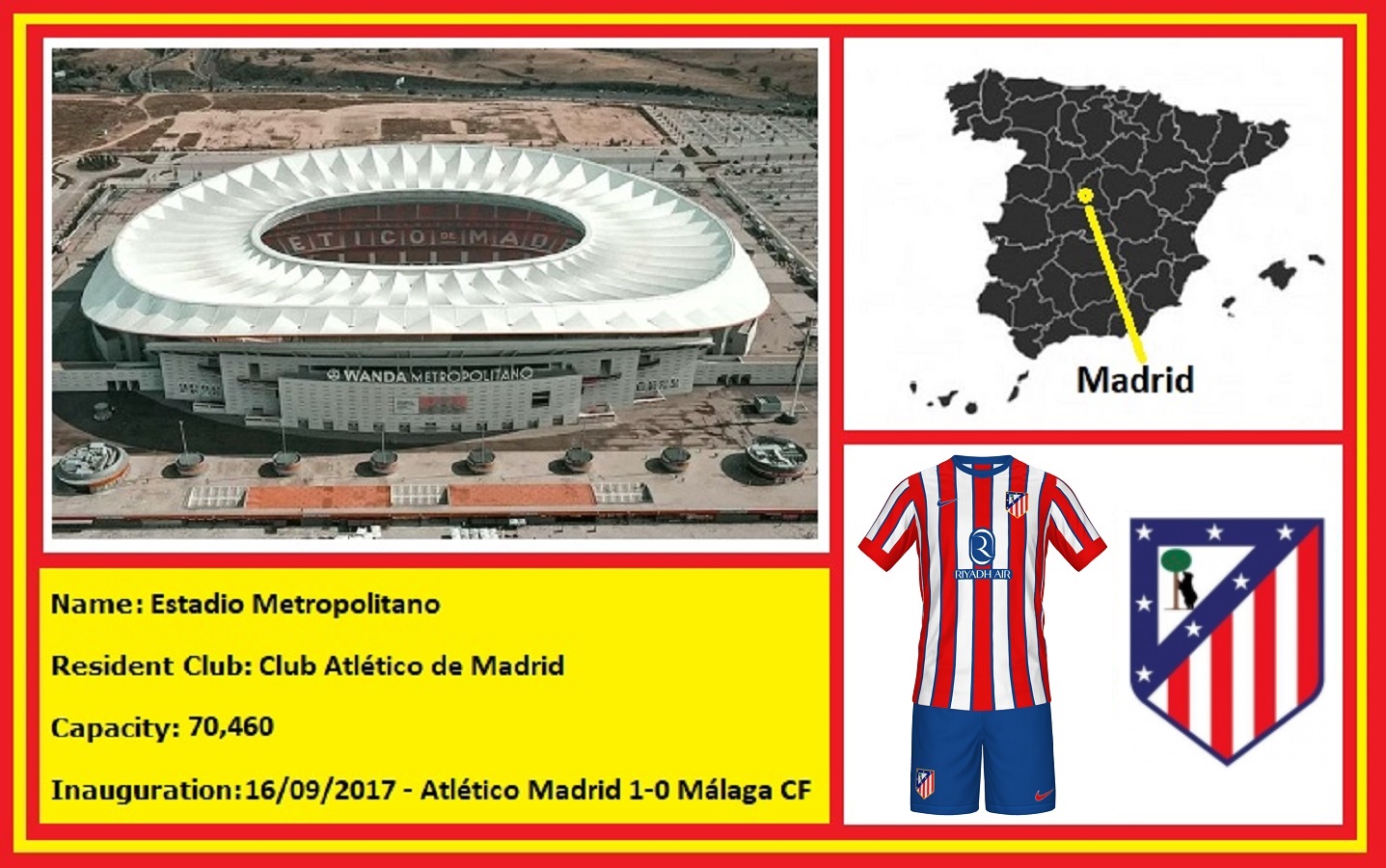
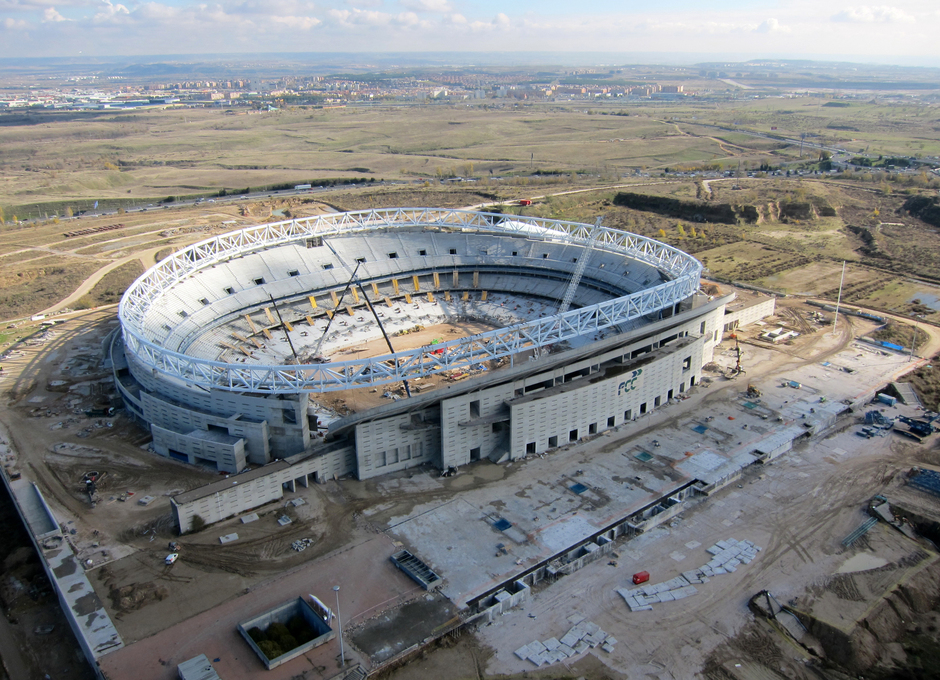
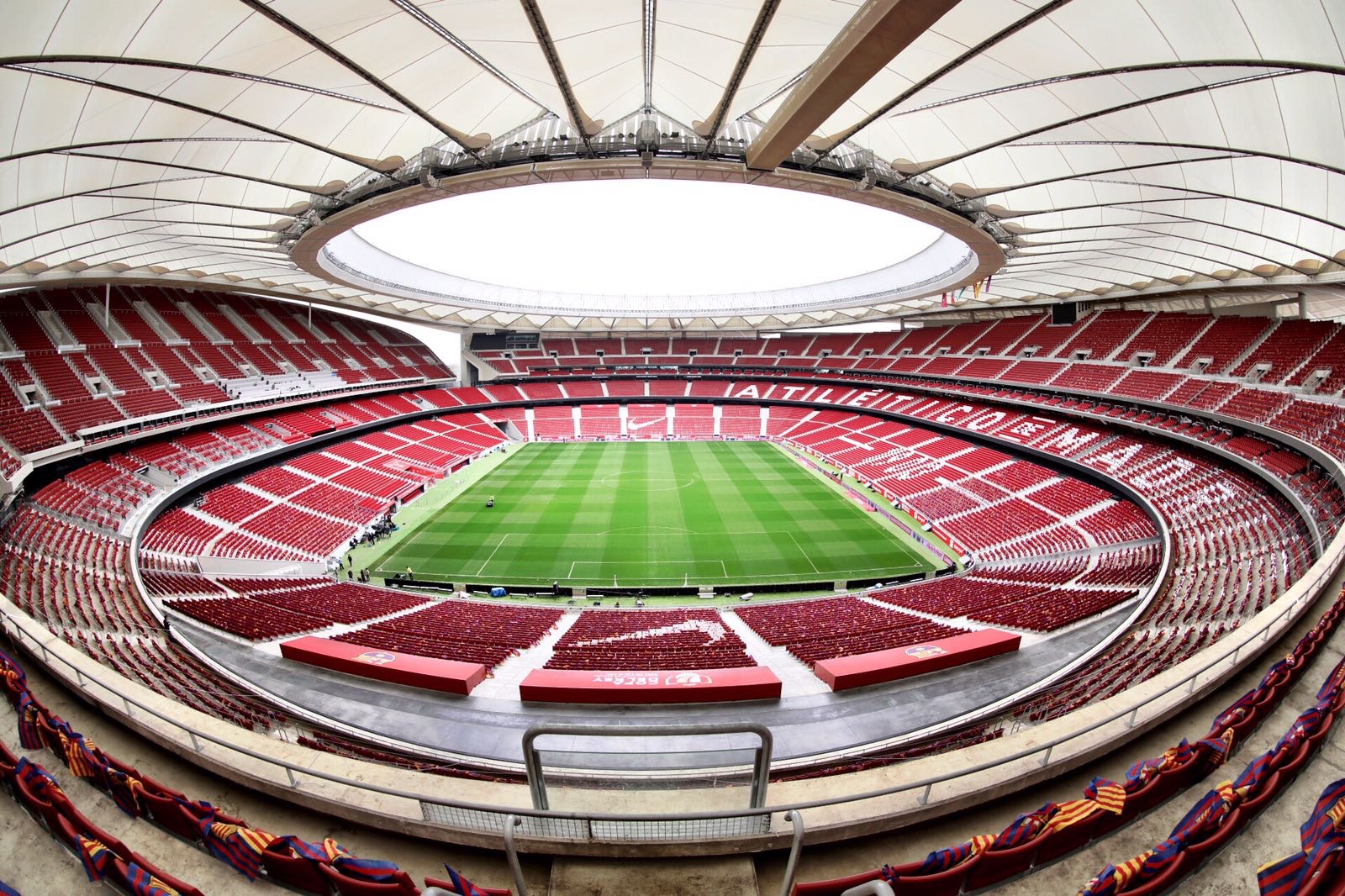
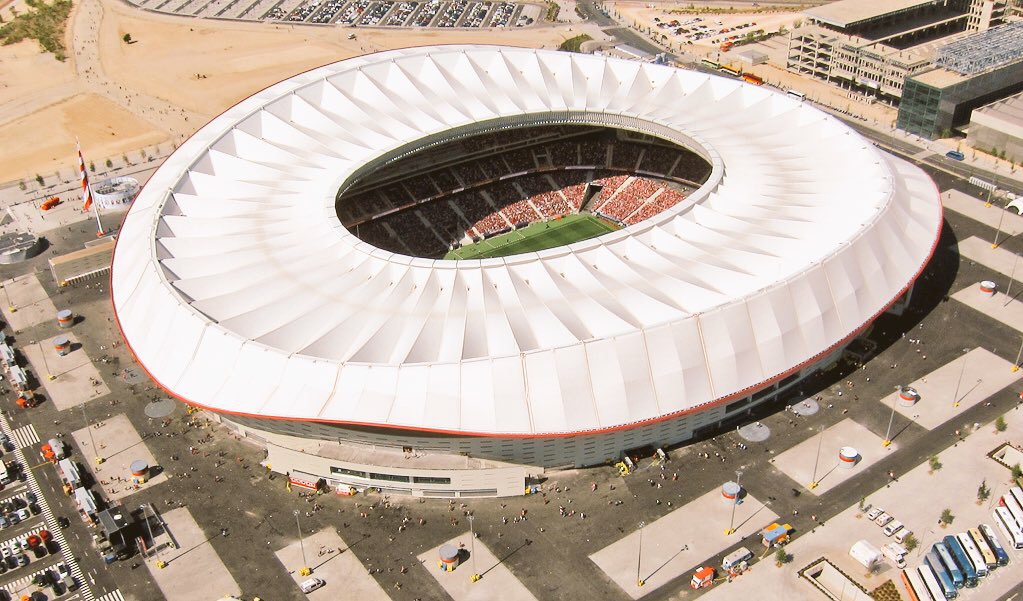
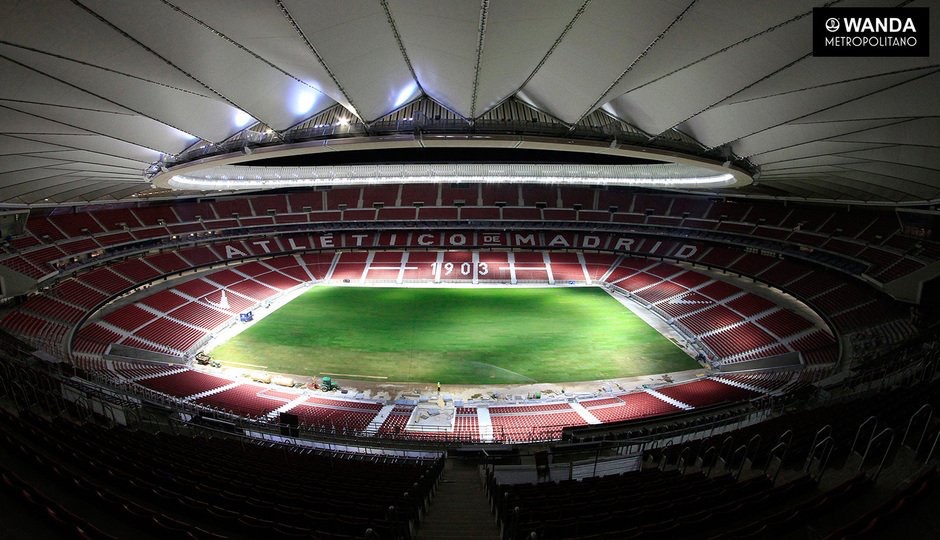
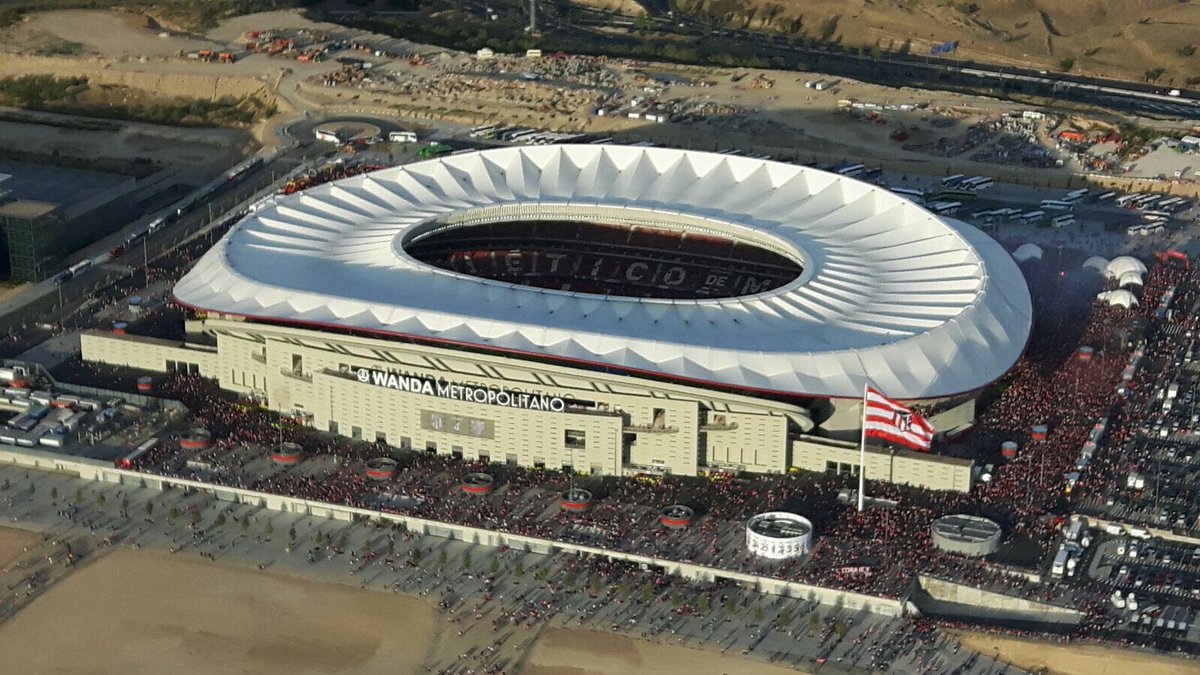
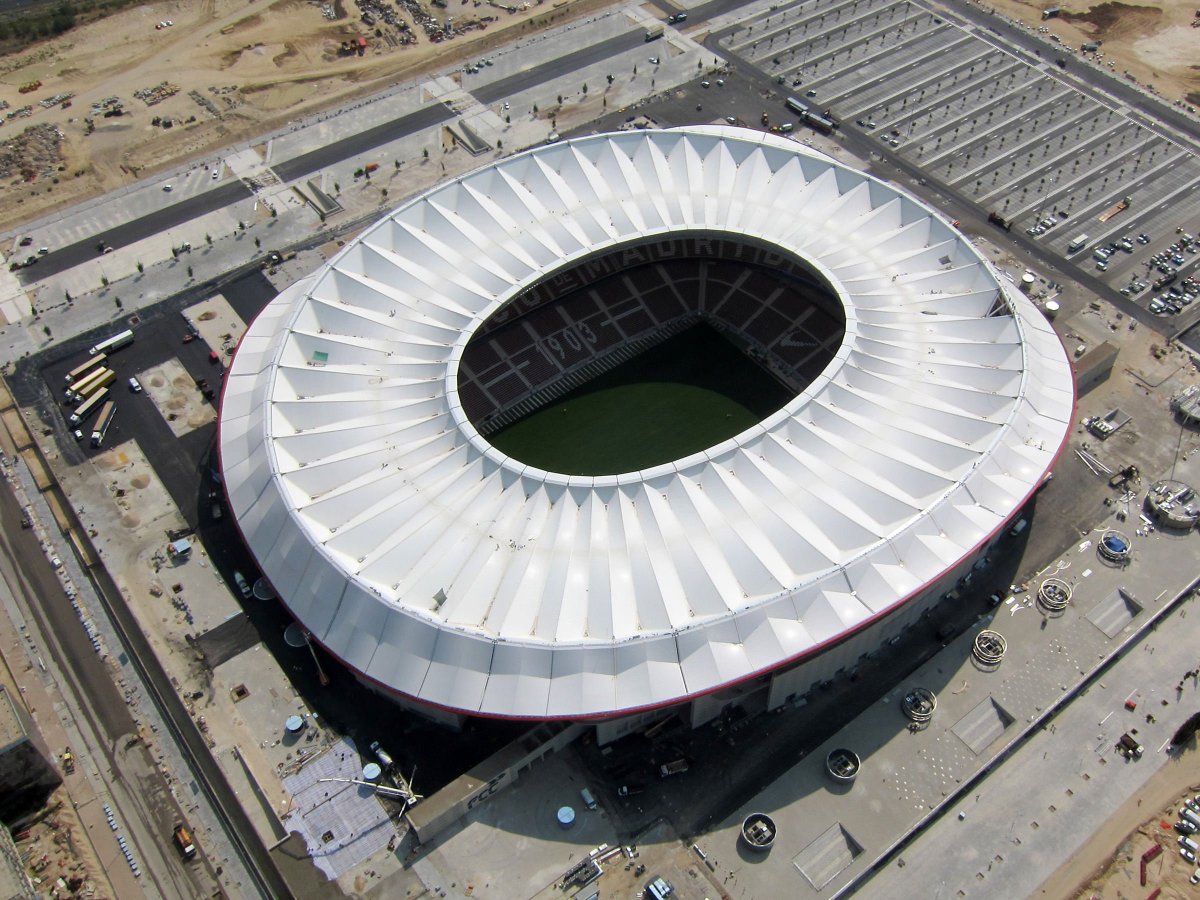
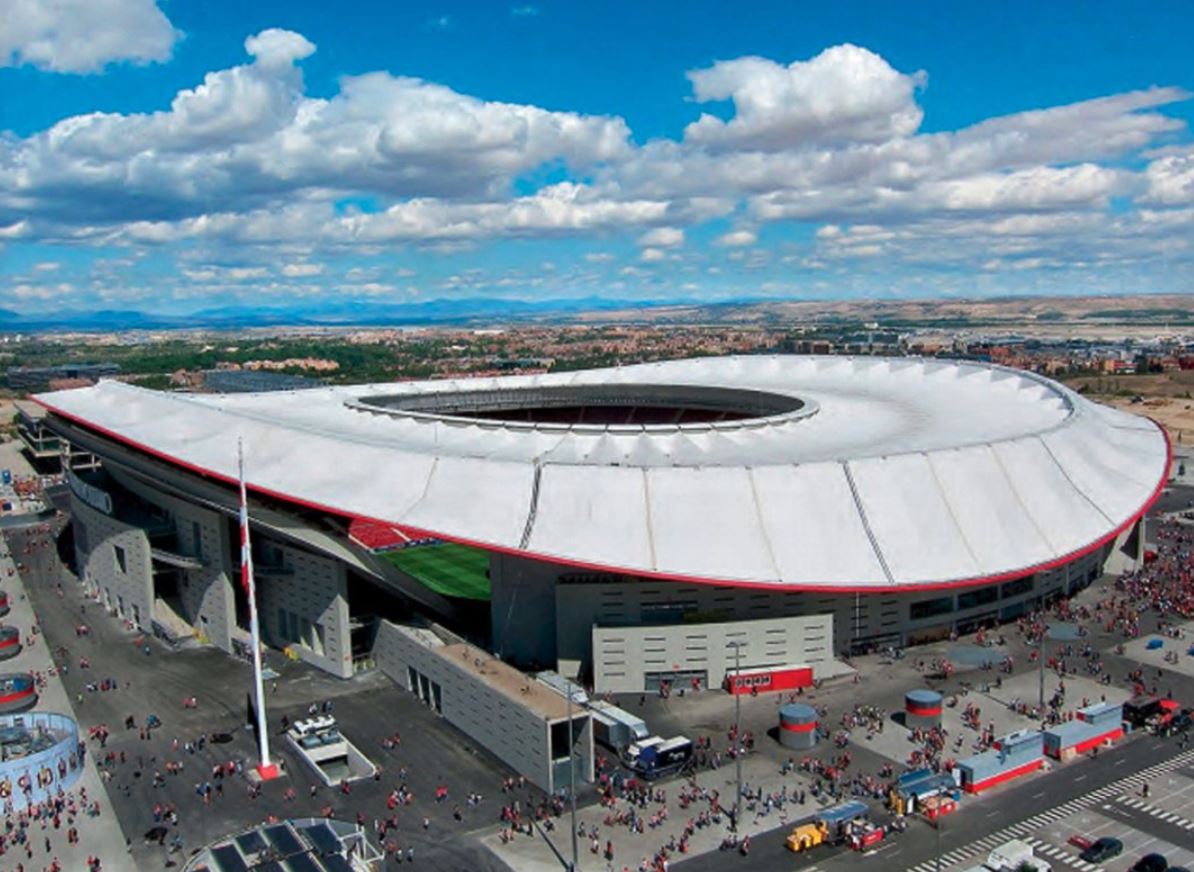
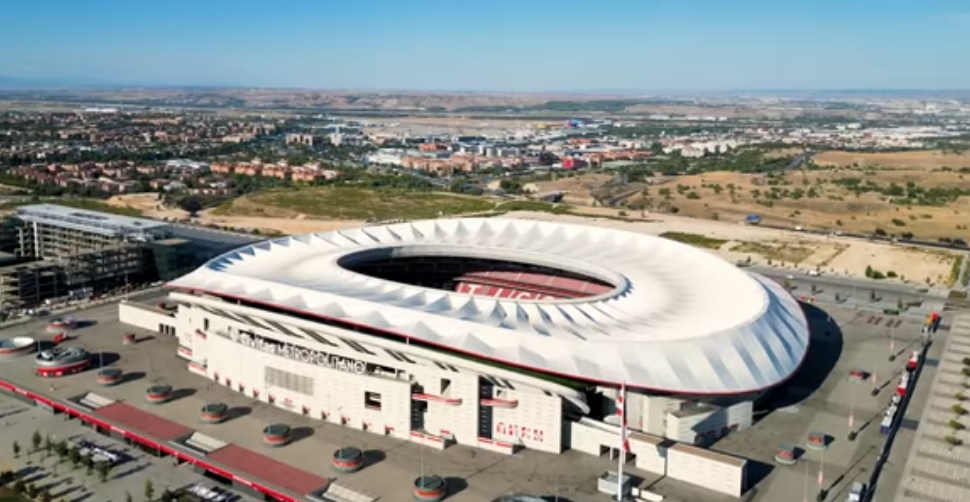
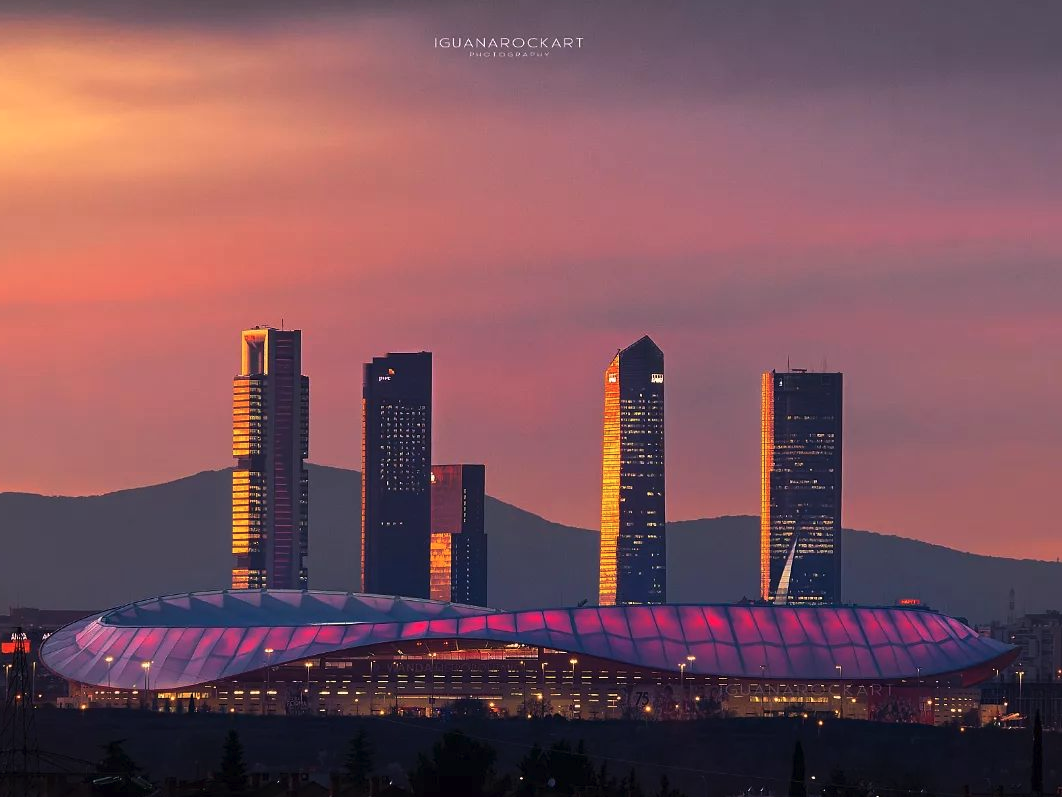
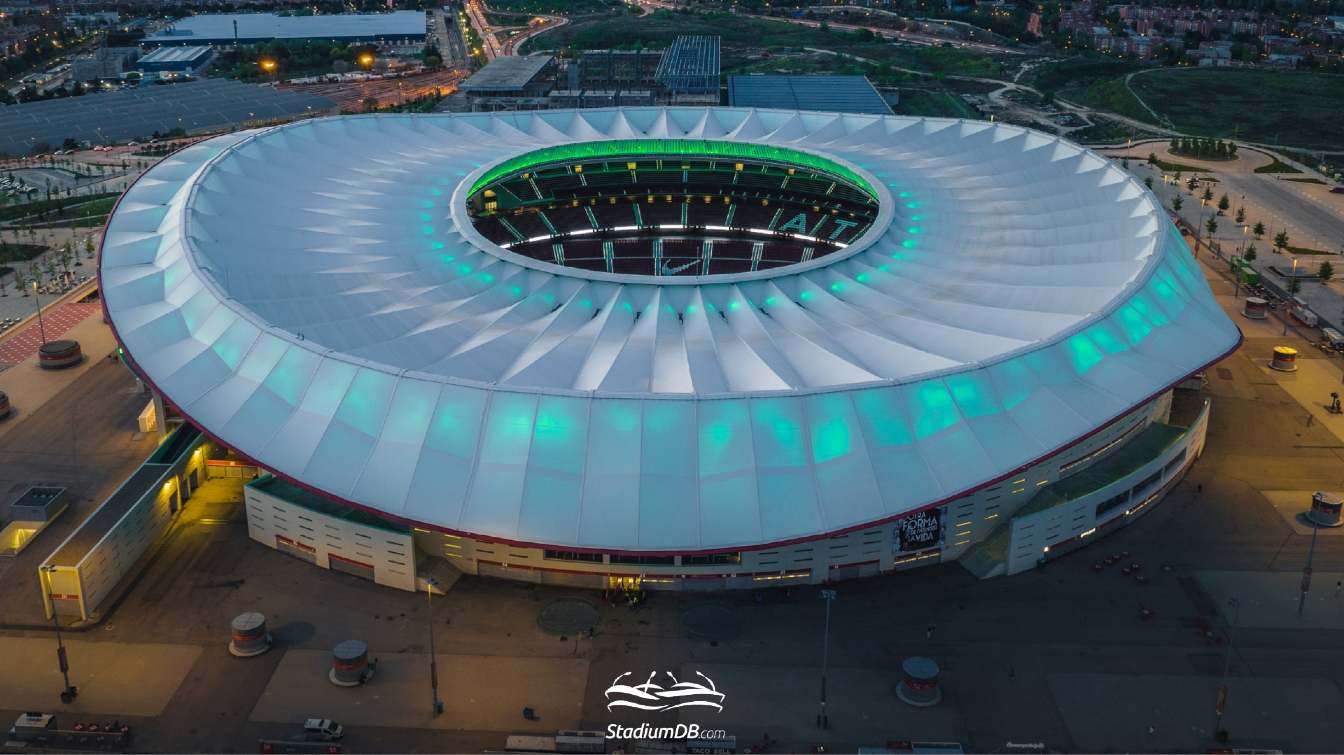
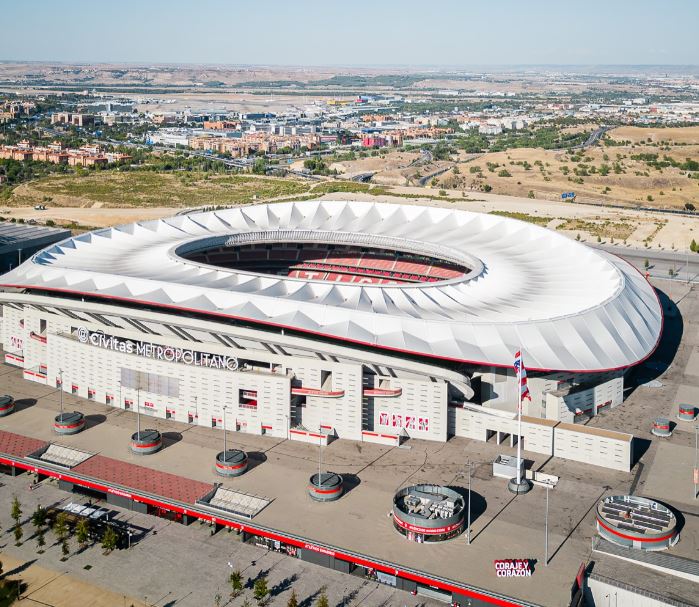
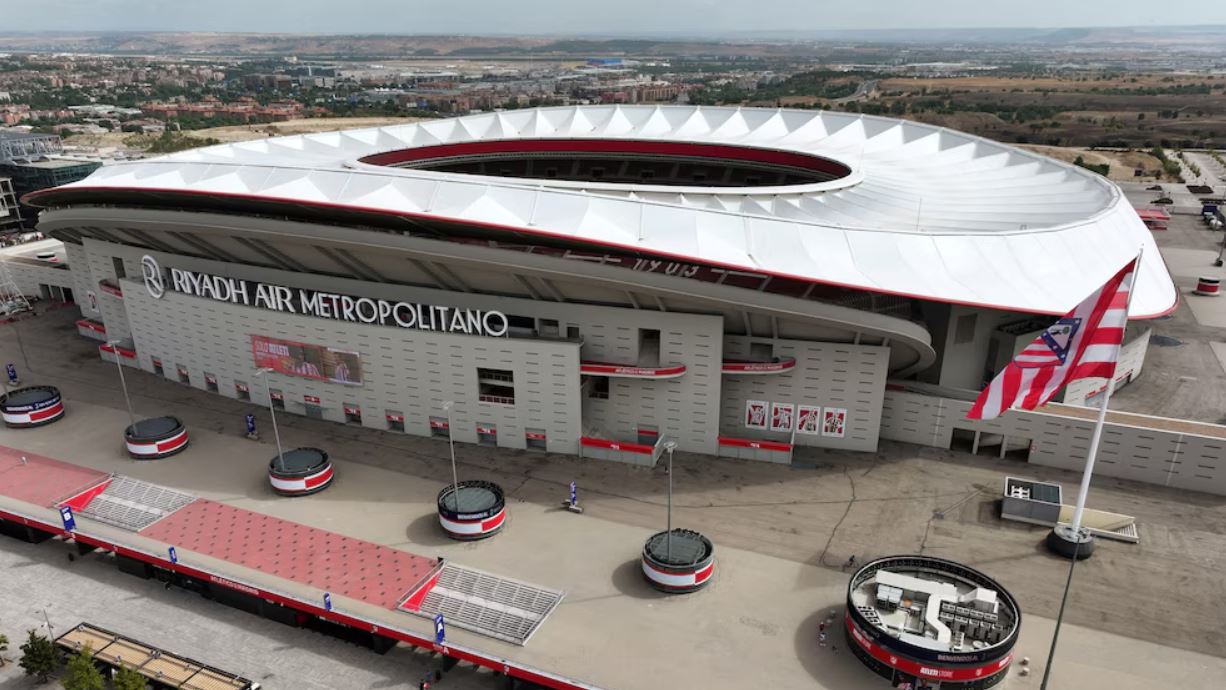
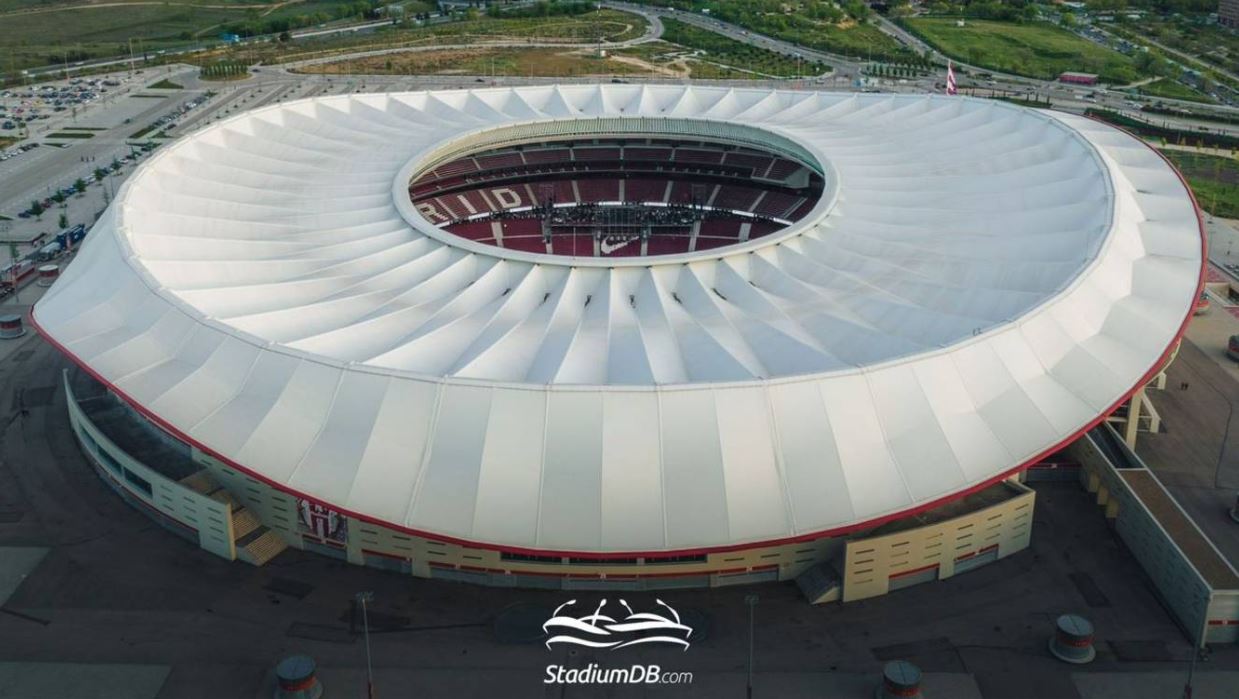
The new build was designed by Cruz & Ortiz, who were responsible for designing the original Estadio La Peineta back in the early 1990s. The upper tier and basic skeleton of the original West Tribuna have been kept, reducing cost and nicely breaking any boring symmetry that can be the bane of modern stadia. The remaining three sides feature four distinct levels. The lower tier consists of 28 rows and holds approximately 23,000. The next tier holds 14,000 seats, including VIP seating and access to the Directors’ lounge. The upper tier consists of 32 rows on the three new sides, along with the existing upper tier from the original stadium. This tier will hold just over 30,000. In addition, a mezzanine level is incorporated between levels two and three. This is a continuous ring around the stadium and houses 94 private boxes, providing seating for nearly 1,500 spectators, along with 150 press booths. The final official capacity is 70,460, all of which is housed under a twin-ring cantilevered roof, very similar to the cover at another Cruz & Ortiz build, the Estadio de La Cartuja.
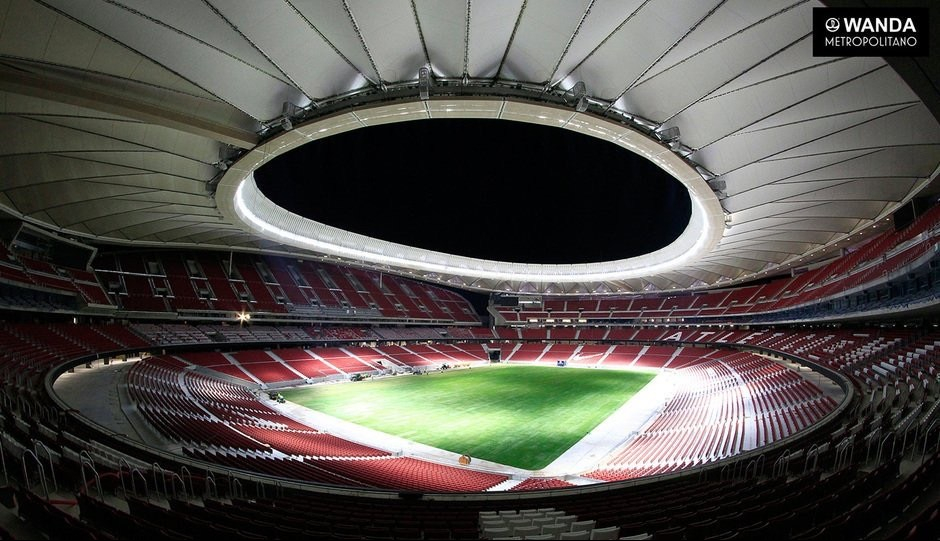
The rest of the structure features the ubiquitous bars, club museum, shops and office space, all increasing non-match day revenue. The pitch dimensions are identical to those of the Calderón and all UEFA/FIFA Elite stadium requirements have been met. UEFA was so impressed with the new Metropolitano that in May 2017 they announced that the final of the 2019 Champions League would be played at the stadium, four months before it officially opened. Los Colchoneros finally officially opened the stadium on 16 September 2017 with a 1-0 victory over Málaga. The move appeared to galvanise Atléti, and impressive home form (just 1 home league defeat, 0-2 vs Espanyol) earned a runners-up place in the 2017-18 campaign. The stadium hosted its first international fixture on 27 March 2018, when Spain trounced Argentina 6-1, whilst the final of the Copa del Rey was played at the Metropolitano on 21 April 2018 (Barça beat Sevilla 5-0). Within a year of moving into the Metropolitano, Atléti claimed a third UEFA Europa League title and followed this up in 2021 with an 11th league title. In October 2024, the club announced a new €250m stadium naming rights deal with Riyadh Air. Just under a year later, UEFA selected the stadium to host the 2027 Champions League Final. As expected, the Metropolitano was included in Spain’s list of venues for the joint hosting of the 2030 FIFA World Cup.

There are many parallels between this project and the development of the Vicente Calderón. When Atléti moved to the southwest of Madrid in the 1960s, it heralded the beginning of a golden era in the club’s history. The club’s move to the northeastern edge of the capital has brought about significant change off the pitch, and another era of success on it. History has repeated itself.



 Estadios de España
1 thought on “Madrid – Estadio Metropolitano (2017-)”
Comments are closed.