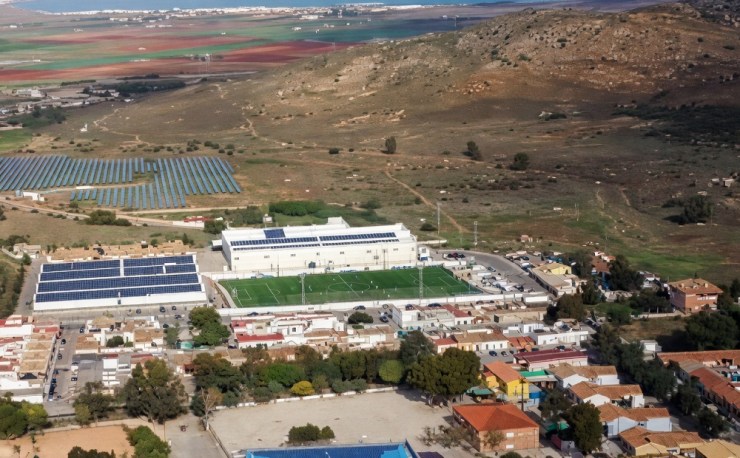
Tucked away in the southeastern corner of the Region of Murcia, the former mining town of Llano del Beal has continued to support a football club formed by the workers of a mining company, long after the industry’s demise and the drastic depopulation of the town and the neighbouring areas. Perseverance has been key, for long after the companies that scarred the surrounding landscape left, Club Deportiva Minera has brought pride to the community of 1,300, and national attention to a town that has been all but forgotten.
Football has been played informally in Llano del Beal since the beginning of the 20th century; however, it took the formation of CD Llanense in 1927 for the town to have a representative who played competitively. Unfortunately, the club’s formation coincided with the first of many financial crises to hit the local mining community. CD Llanense struggled on for the better part of a decade before the Civil War put an end to the club’s activity. Football continued on an informal basis after the war, then in 1949, the Minera Celdrán SA mining company founded Sociedad Deportiva Minera del Llano. Choosing to play in red shirts and blue shorts, the team’s first home was the Campo La Pobrecita, an open area of land that was just to the northeast of the town, which had hosted matches for around a decade.
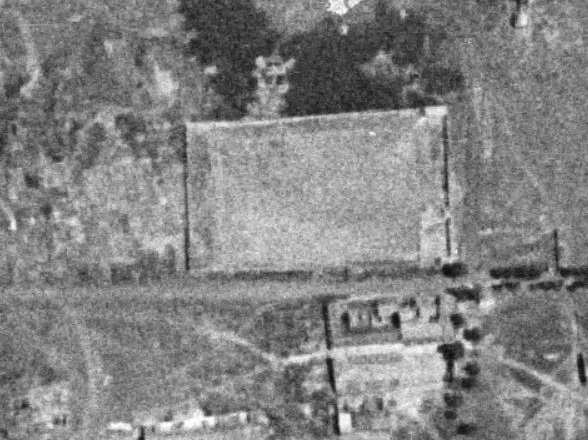
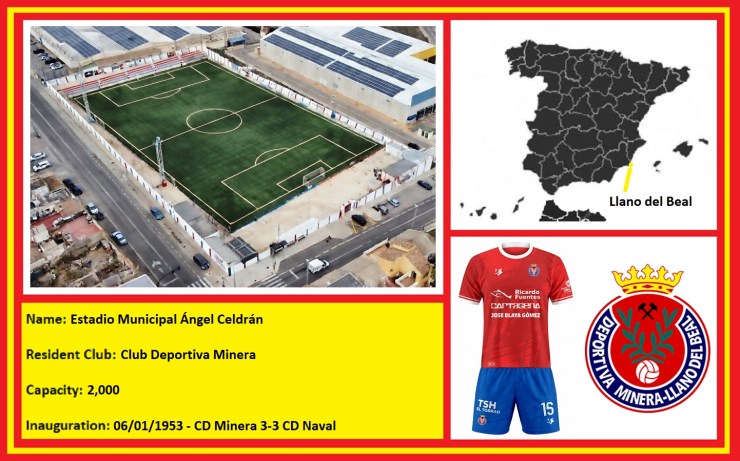
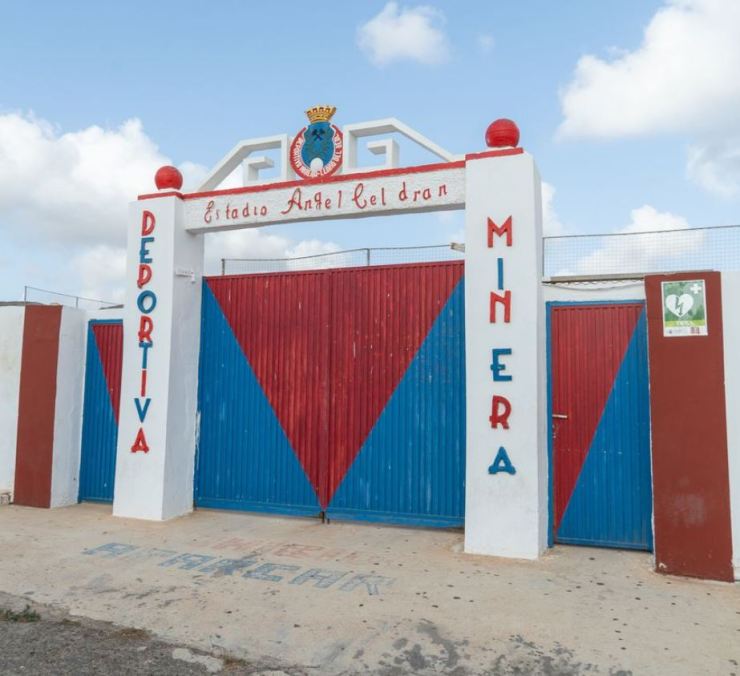
The club joined the local federation at the end of 1952, changing its name to Club Deportiva Minera. With designs on becoming the leading club in the region south of the Mar Menor, it acquired land on the northern edge of town and set about building the town’s first enclosed football ground. On 6 January 1953, the Estadio Municipal Ángel Celdrán was inaugurated with a match in which Minera drew 3-3 CD Naval from Cartagena. Impressed by Minera’s competitiveness, CD Naval, which at the time played in the national Tercera, agreed a deal with Minera, which saw their fringe players play for the team in red and blue. Over the course of the following few seasons, Minera’s results improved to a point where they won promotion to the National Tercera at the end of the 1955-56 season. Before the start of their first season in Group X of the Tercera, Minera became an affiliated club of UD Cartagena, and their squad for the 1956-57 season included players on loan from the black & whites. A very respectable ninth-place finish was achieved at the end of the season. The following campaign was fought with a weaker squad, and relegation to the regional leagues followed. The early 1960s saw the club struggle financially, eventually suspending activity in the summer of 1961.
In 1968, a group of fans resurrected CD Minera. The club rejoined the Murcian Federación and began competing in the Segunda Regional. So began the long haul back to the stage on which they once performed, a journey that would take 43 years to be precise. Along the way, relegation and restructuring of the league system saw Minera drop as low as the seventh tier. Finally, a third-place finish in the Regional Preferente at the end of the 2010-11 season earned Minera a place back in the Tercera. Over the next decade, the club racked up a series of top-half finishes, and although they missed out on the playoffs, relegation was never really a concern. The COVID pandemic led to a shortened 2020-21 season, and Minera finished mid-table in their sub-group, before topping their playoff group to earn a place in the newly formed Tercera Federación. In May 2024, Minera were crowned champions of Group XIII of the Tercera Federación. The club dominated their group, finishing 10 points ahead of their nearest rival and losing only four matches. Minera’s first league title of any sort since 1980 earned direct promotion to the Segunda Federación.
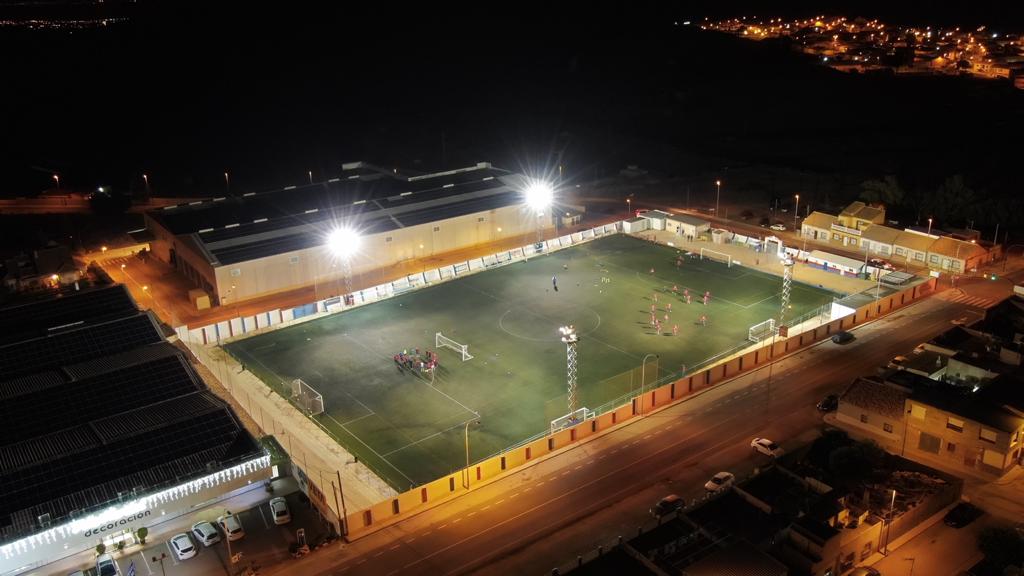
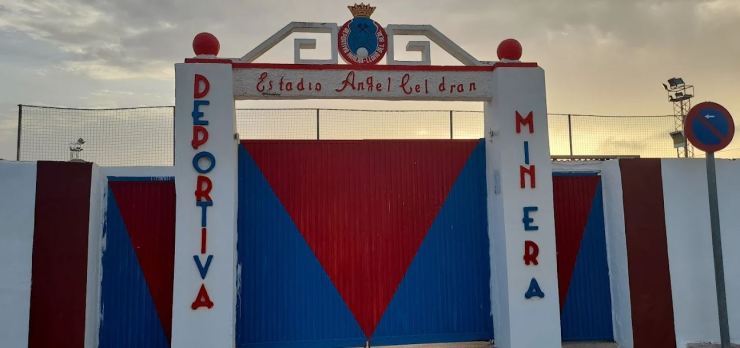
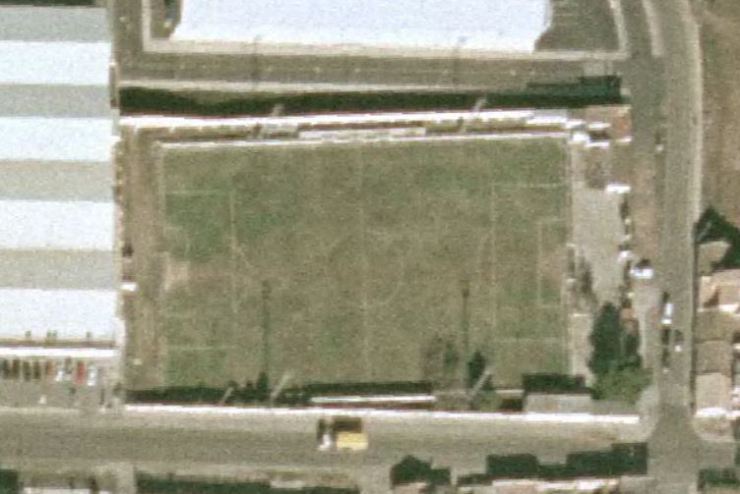
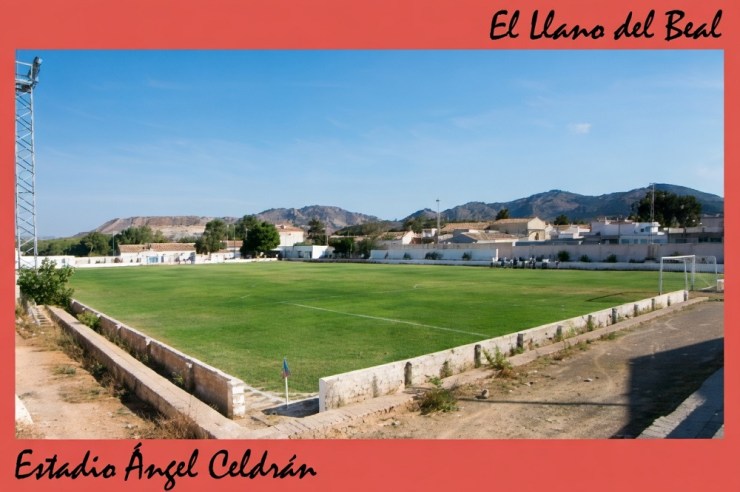
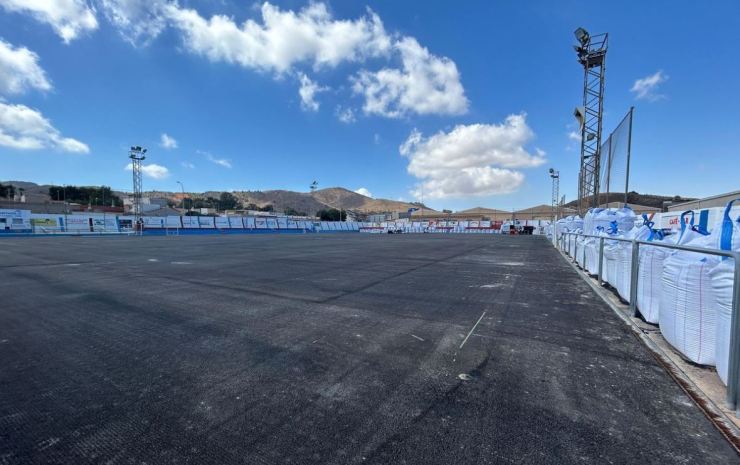
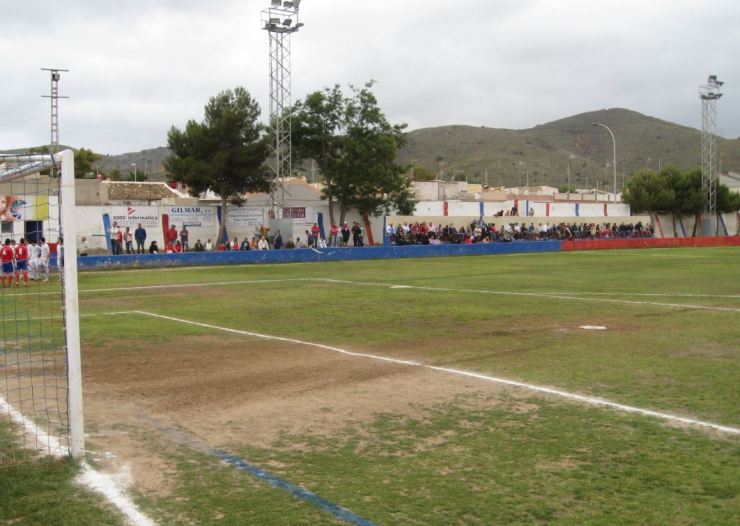
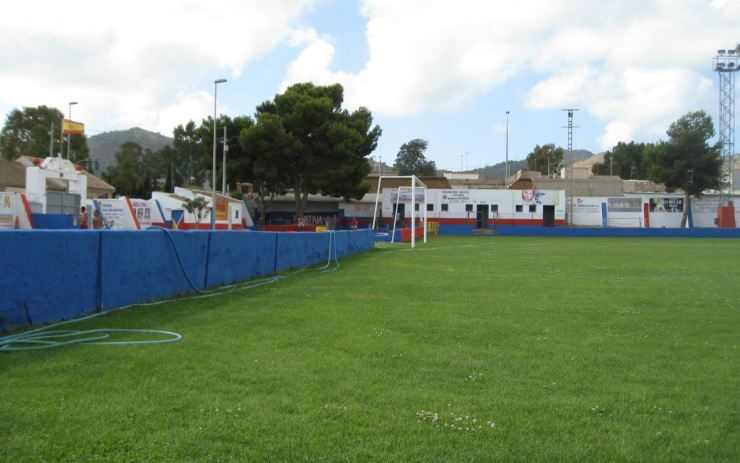
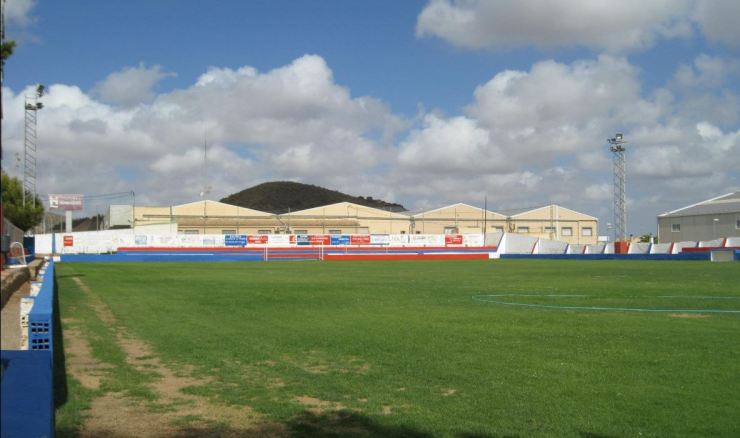
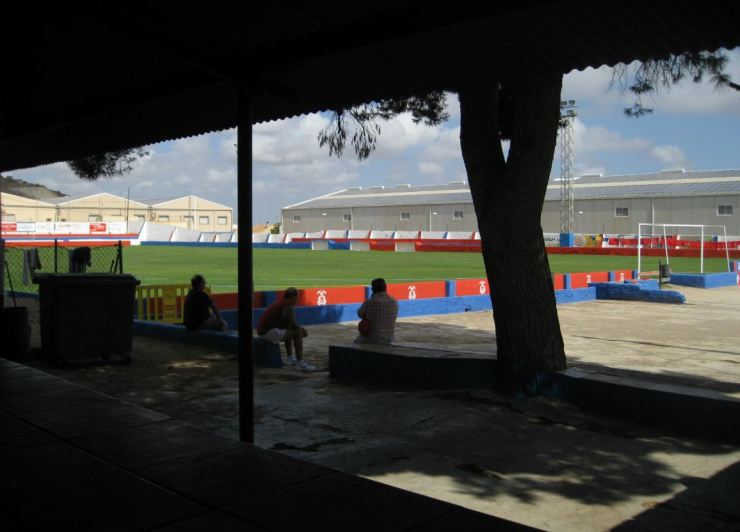
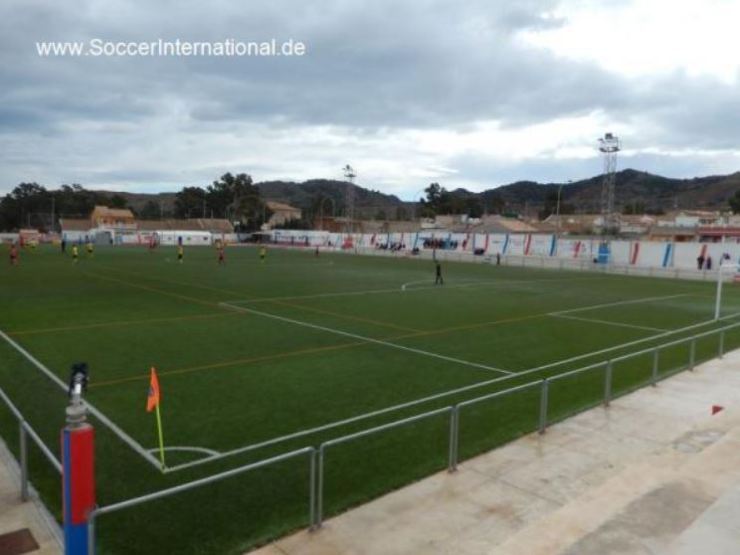
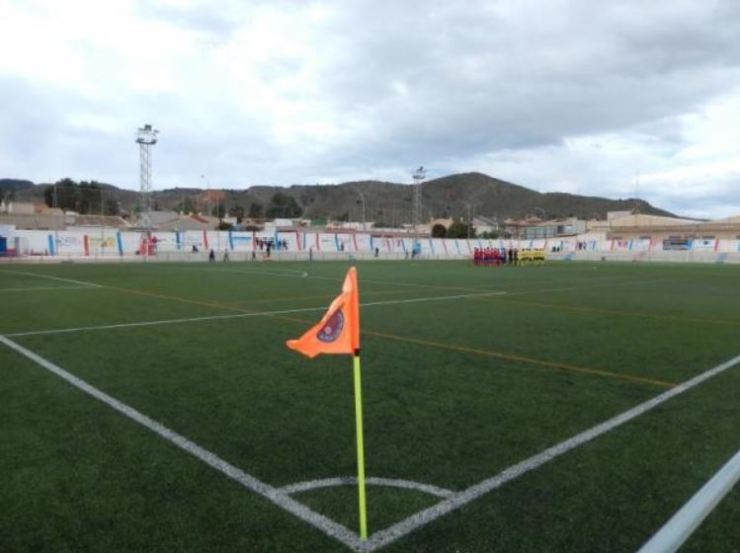
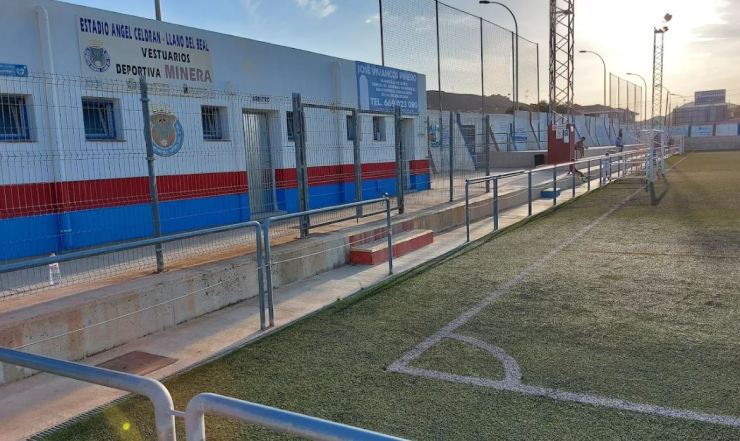
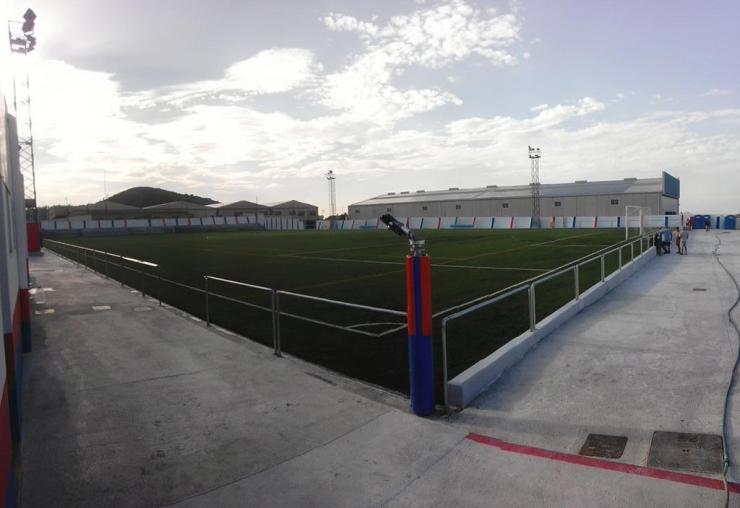
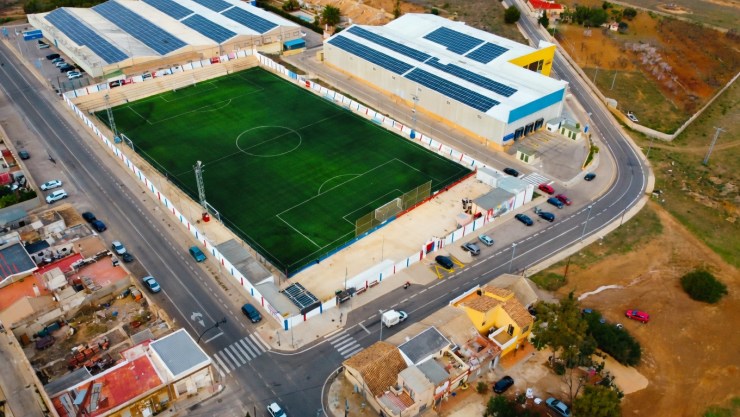
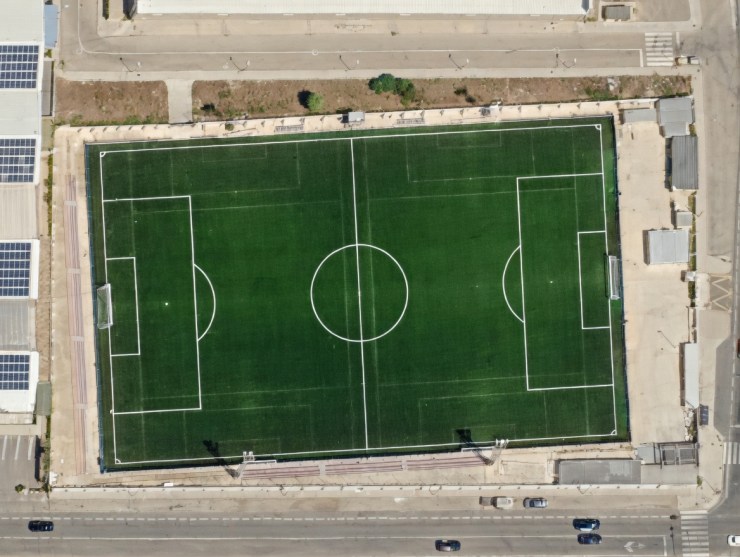
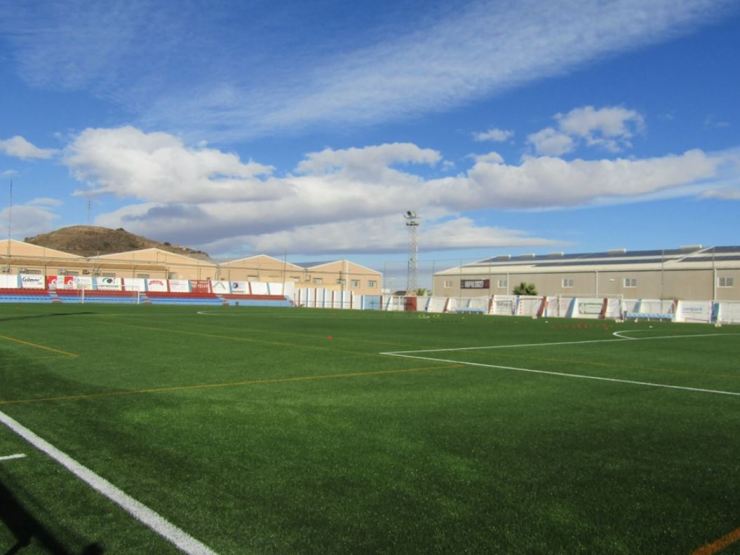
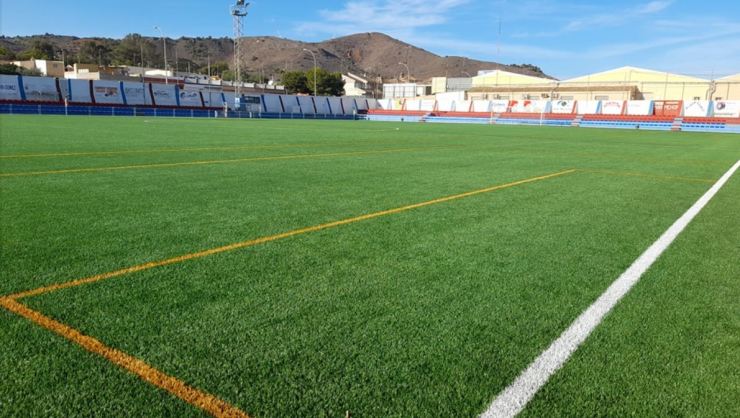
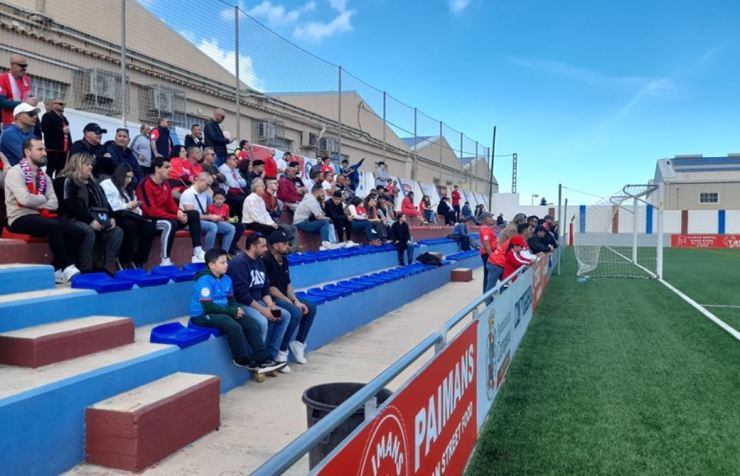
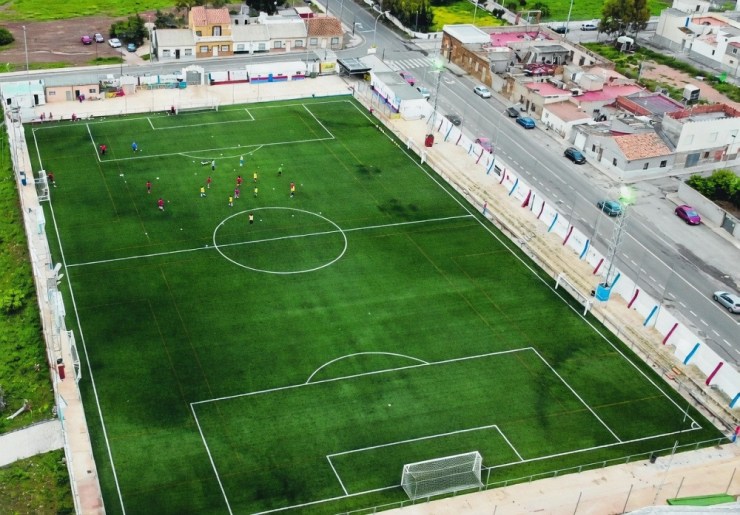
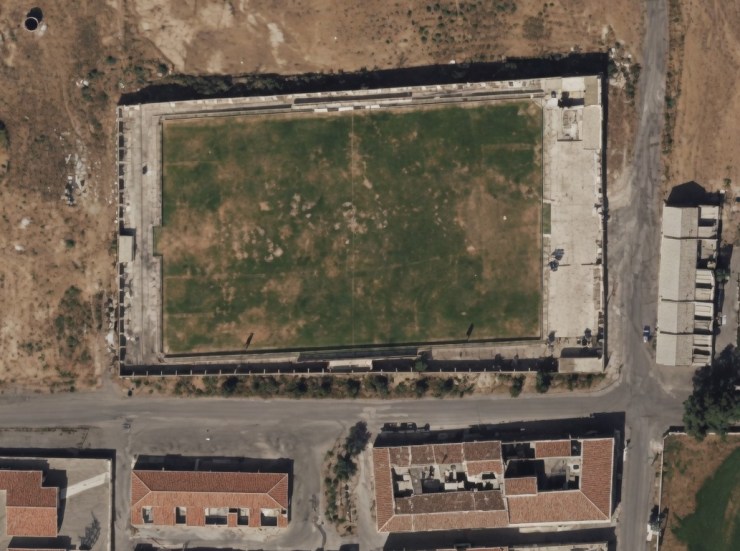
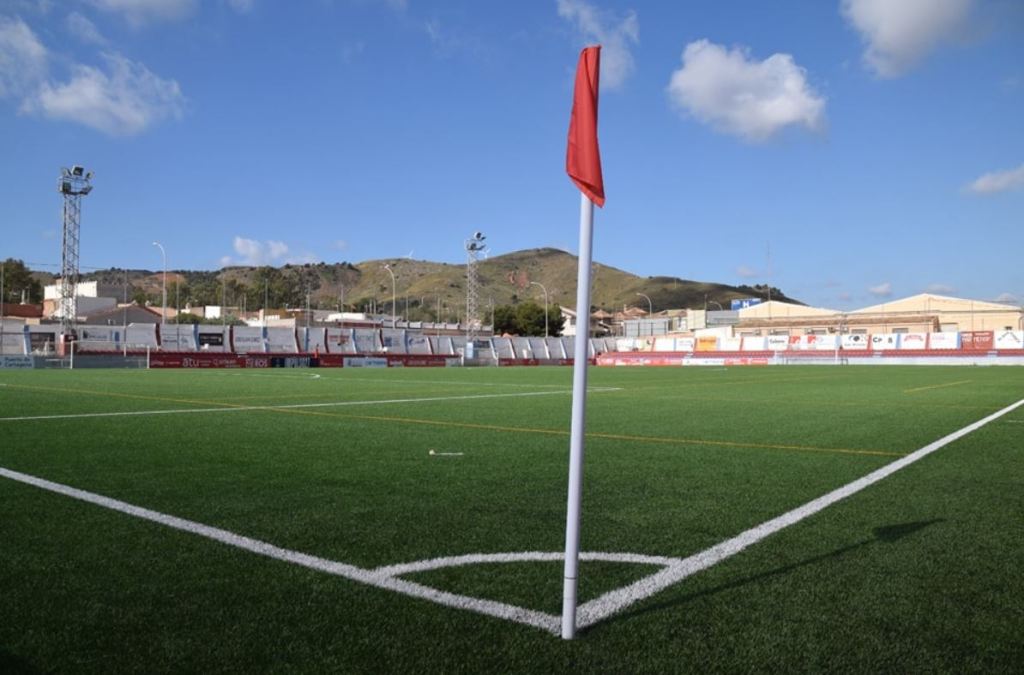
There is no point in dressing this up; the Estadio Municipal Ángel Celdrán is extremely basic, but the fact that it shares a stage with stadiums that cost millions of euros is one of the crazy charms of Spain’s semi-professional leagues. Also, let me be absolutely clear, Minera’s home has soul. The soul of the club and the local community are embedded within its DNA. Something you can’t say about some soulless, out-of-town arena that has been paid for by a billionaire or state-funded sponsorship. Upon opening in 1953, the enclosure consisted of a sand-lime pitch, changing facilities in the southeast corner and a boundary wall. In the mid-1970s, a grass pitch was installed, and a concrete wall was added to separate spectators from the playing surface. Four rows of steps were added to the western end, whilst two steps of terracing ran along the southern side. An expanse of hard standing was laid behind the eastern goal, and the changing rooms were expanded. Anybody returning to the ground after a 50-year absence would find today’s layout immediately familiar. Sure, there are four floodlight pylons, and the grass has been replaced with artificial turf. The only concession to comfort is the installation of rows of red and blue seats at the western end. This was part of a €230,000 makeover in advance of Minera’s debut in the Segunda Federación, which also saw the installation of a new artificial surface, and upgrades to the lighting and changing facilities.
Minera’s first Tercera title in 2024 also earned them a first entry into the Copa del Rey. In the First Round, Minera racked up an impressive 5-0 at CD Tudelano, which earned a home tie in the Second Round against Deportivo Alavés. The tie was switched 15km westwards to the Estadio Cartagonova because of broadcast requirements, and a crowd of 7,000 watched Minera win 4-2 on penalties, after a 2-2 draw. The club’s reward was a tie versus Real Madrid, also played at the Estadio Cartagonova, which Los Merengues won 0-5 in front of a crowd of 14,000. The cup run thrust Minera into the spotlight, and the financial rewards cannot be undervalued, but oh, what a joy it would have been to see the 15-times European Champions run out at the Estadio Ángel Celdrán.