Given that Salamanca is home to the oldest university in Spain, it should come as no surprise that the sport of football was introduced to the city by students. In 1905, a group of Irish students studying at the city’s College de San Patricio formed the Helmántica Football Club to play the game during their leisure time. They practised and played matches on the Dehesa de Valdepozos, near the current-day Prado de Panaderos, which is just a stone’s throw from the Estadio Helmántico. Little by little, the club saw local talent join the squad, and in 1907, it entered the Copa del Rey group stages under the name Hamilton Foot-Ball Club. Playing in white shirts that featured a sash of the Irish tricolour, they played four matches in the group stages of that year’s competition. They lost to Club Vizcaya, Madrid FC, and Vigo CF, but beat Club Recreativo de Huelva 2-0. The club folded soon after, but from its remnants, the locals formed Salamanca Team Foot-ball. Regrettably, this team did not stand the test of time, and whilst the sport remained popular, the city lacked a properly structured outfit until the 1920s, when a new chapter began.

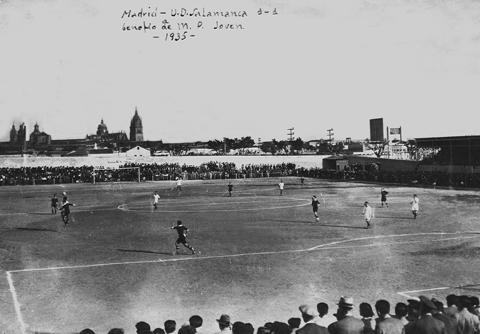
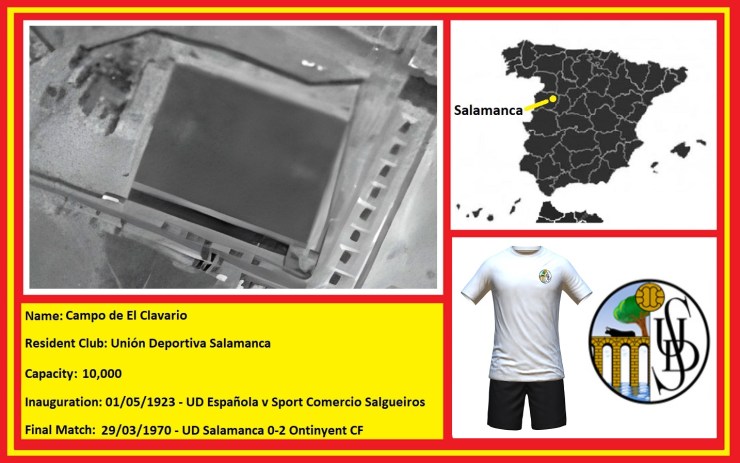
On 9 February 1923, Unión Deportiva Española was formed, featuring sections for swimming, equestrian, and, of course, football. Just a month later, on 8 March, the club purchased an area of land from Don Gaspar Alba, which had been part of the defunct El Calvario Convent in the Barrio de San Bernardo. The land cost the club 70,000 pesetas, and work began on enclosing the field. The first match took place on 1 May 1923 when UD Española played the Portuguese club, Sport Comercio Salgueiros de Porto. The club joined the Castellano-Leonesa Federation and competed in the first category of the regional championship. Following the election of the Republican government in April 1931, the club changed its name to Club Deportivo Salamanca, changing it again just a few months later to Unión Deportiva Salamanca. It was under this new name that the club achieved its first significant success, winning the regional championship of 1935-36. Further success in the playoffs against the Cantabrian side Santoña FC, which earned UD Salamanca a place in La Segunda. However, the outbreak of the Civil War in July 1936 meant the club would have to wait for its debut in the national league.
Following the end of the hostilities, the second division was restructured to include as many representatives as possible from regional capitals. That would almost certainly have meant that UD Salamanca would have been La Segunda for the 1939-40 season anyway, but having earned their place on merit, the club resumed its activities with a fifth-place finish in Group I of the regionalised second tier. Seventh place followed a year later, before the club finished second in the 1941-42 campaign, which earned a place in the playoffs for La Primera. Regrettably, UD Salamanca finished bottom of the playoff group that featured Real Betis, Zaragoza, Murcia, Sabadell & Sporting Gijón. However, at the end of the following season, with club funds being used to enhance El Calvario, a weakened UD Salamanca was relegated to the Tercera. The club would spend five of the next six seasons in the third tier, one exception being a season-long foray in La Segunda for the 1945-46 season, when they finished 13th and promptly dropped back to the Tercera.
UD Salamanca won promotion back to an expanded La Segunda in 1950. The following season saw the club finish runners-up in the southern section of La Segunda in 1950-51. Once again, the playoffs proved to be its downfall, finishing at the bottom of the pack. Over the next two decades, UD Salamanca split its time evenly between the second and third tiers. The club only avoided relegation to the Tercera in 1953-54 due to the financial collapse of UD San Andrés. However, their own finances were not much healthier, and the stay from relegation lasted just one season. Back in the Tercera, their playoff hoodoo returned, with three unsuccessful attempts to navigate the end-of-season deciders. Eventually, in 1959-60, UD Salamanca saw off the challenges from Gimnástica de Torrelavega, Círculo Popular de La Felguera & Deportivo Alavés to return to the second tier. The 1960s were largely a carbon copy, with a series of lower-table finishes that eventually led to relegation to the Tercera in 1964, followed by several playoff failures before a return. In June 1969, victory over Recreativo Huelva in the playoffs earned promotion back to La Segunda in what would be the last season of football at El Calvario.
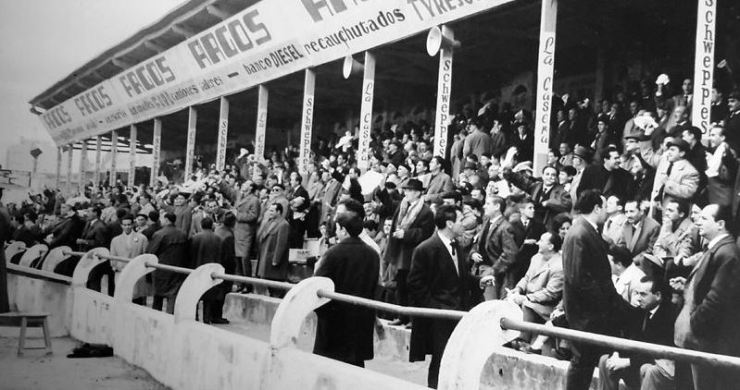
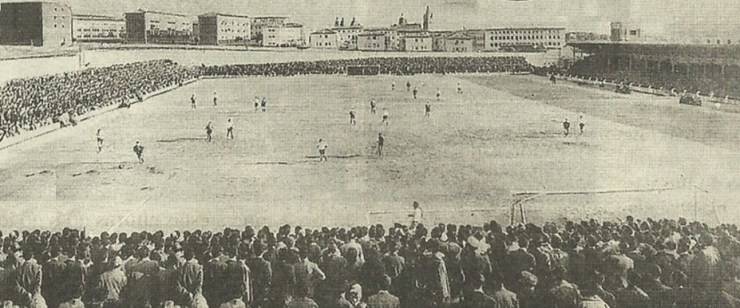
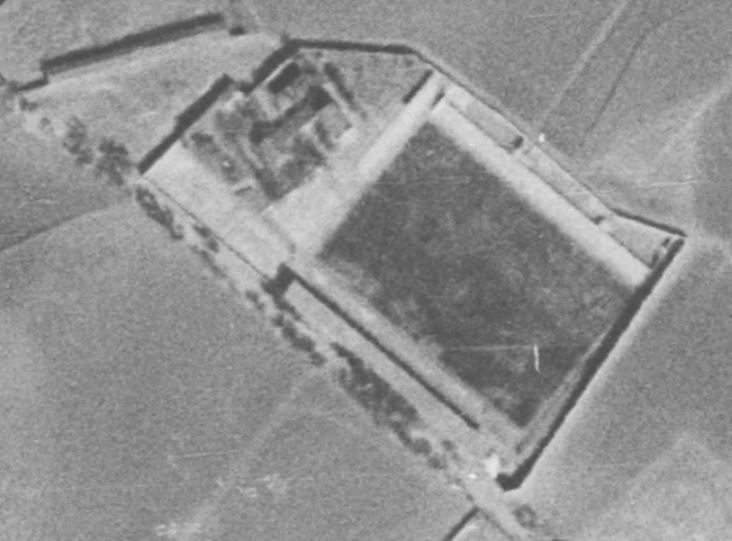
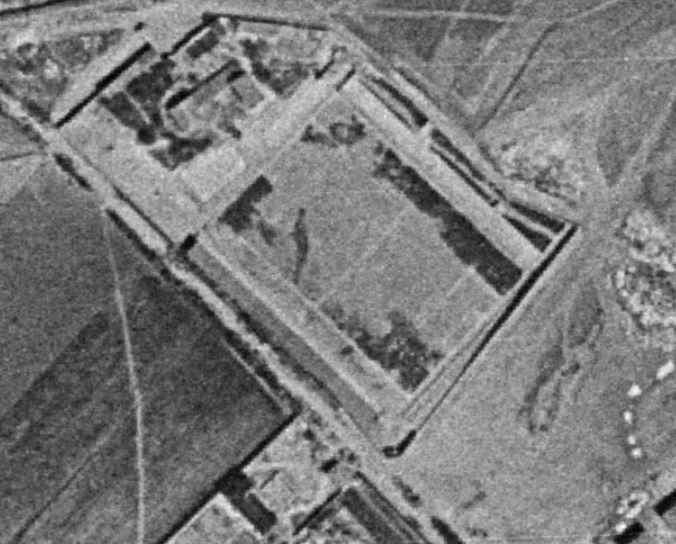
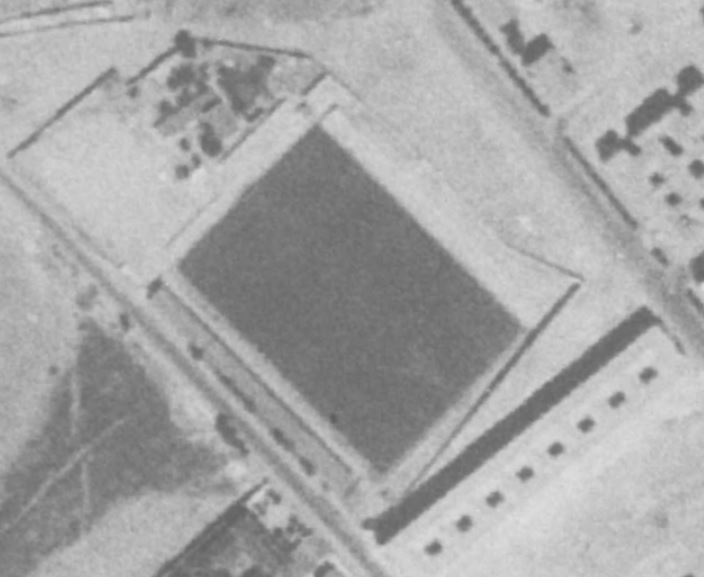
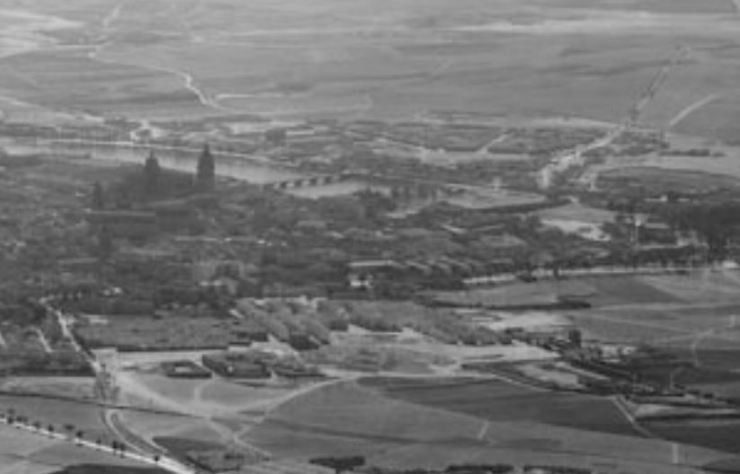
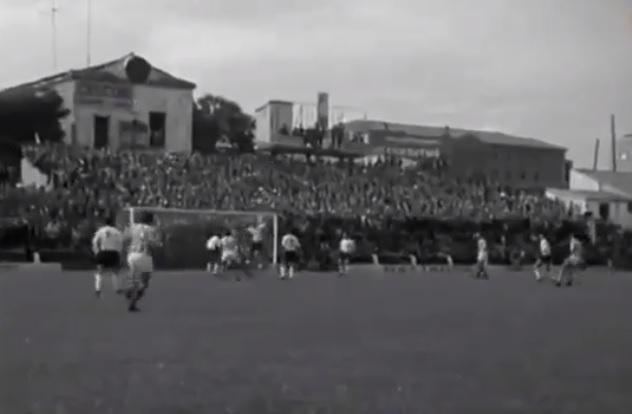
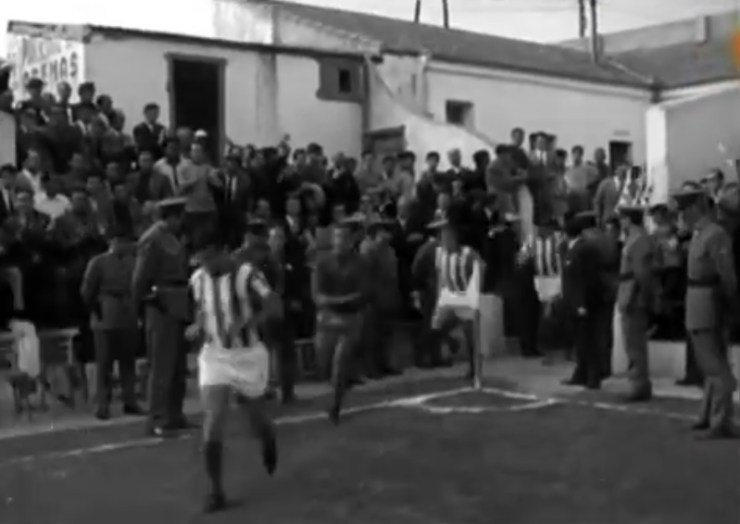
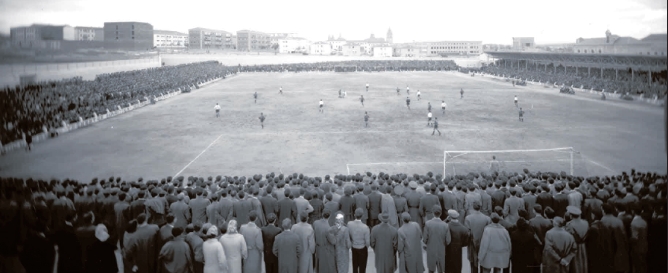
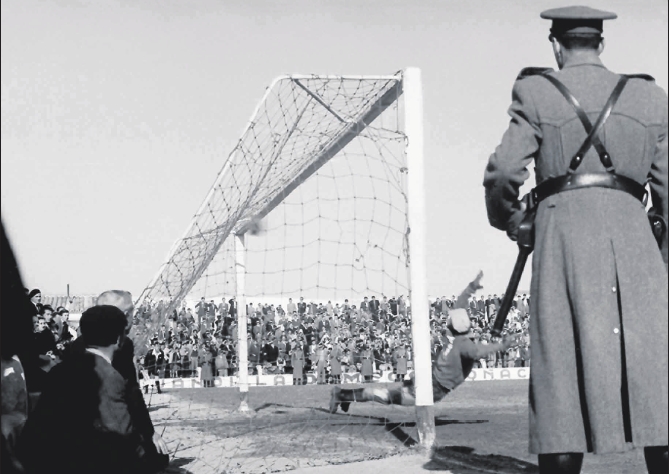
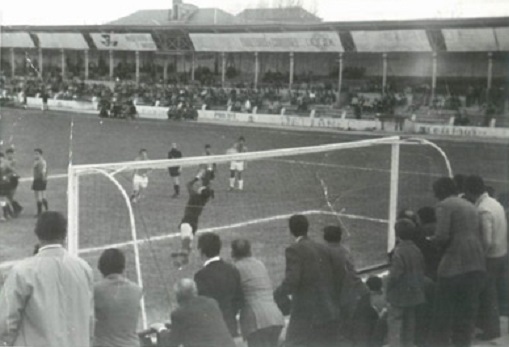
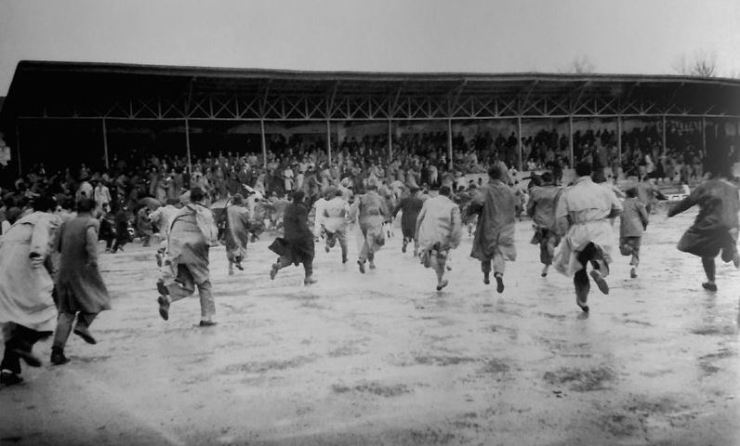
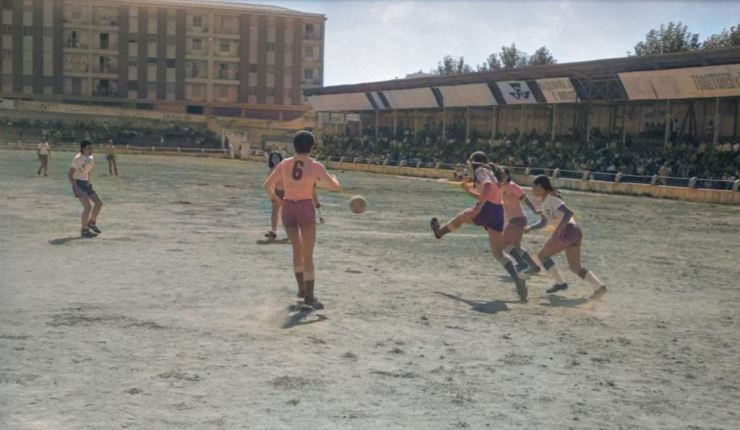
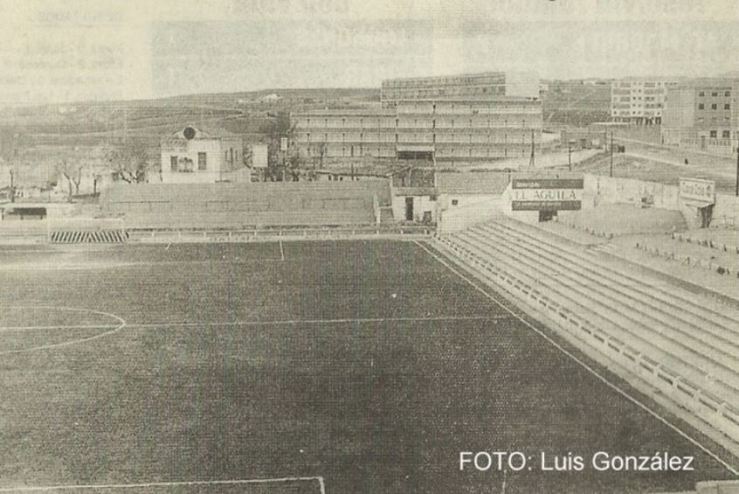
The Campo de El Calvario was little more than a simple roped-off dirt pitch when it opened in 1923, but it soon featured open terraces and bleachers, before a full-length main stand was added in 1935. Terracing replaced the bleachers, and the ground had a compact capacity of around 10,000 by 1943. Changing rooms were located in a narrow pavilion in the northwest corner of the ground. Economic problems had troubled UD Salamanca since its formation, and thoughts turned to selling up and moving from El Calvario’s location in the west of the city in 1965. The sale of the land to a Burgos-based building firm and the city council raised over 9 million pesetas, which saw the club purchase land a couple of miles to the north of Salamanca. In May of 1969, the club appointed architects Antonio García and Fernando Población to design the new stadium, and work commenced on the site in November of that year. By this time, UD Salamanca had won promotion back to La Segunda, but they fought a fruitless struggle to remain in the division.
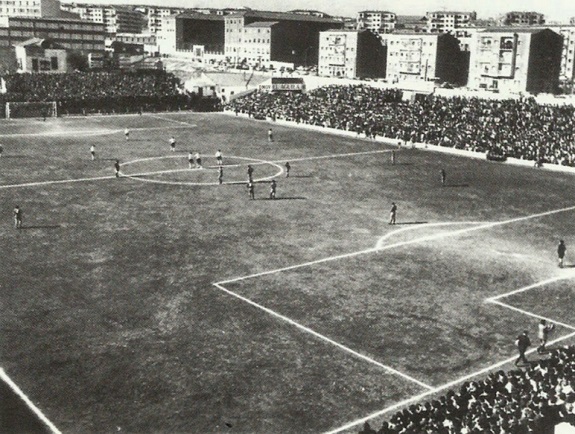
The final game at El Calvario took place on 29 March 1970, and saw Ontinyent CF spoil the send-off with a 0-2 victory. El Calvario was located between Calle Peña de Francia and Calle de Alberca, and is now the site of the city’s bus station.

 Estadios de España