
Article updated on: 05/08/2025
The transformation of Torremolinos from a small fishing village into Costa del Sol’s first international holiday destination had much to do with location. Situated just 10km from the Regional capital Málaga, and even closer to its airport, the town’s population exploded in the 1960s as mass tourism made it the go-to resort for celebrities and package holidaymakers. Málaga also played a significant part in the development, or should we say, the restricted growth of football in Torremolinos. All too often, the town has had to watch as its residents and tourists make the short trip to the Estadio La Rosaleda to watch the great and good of La Liga.
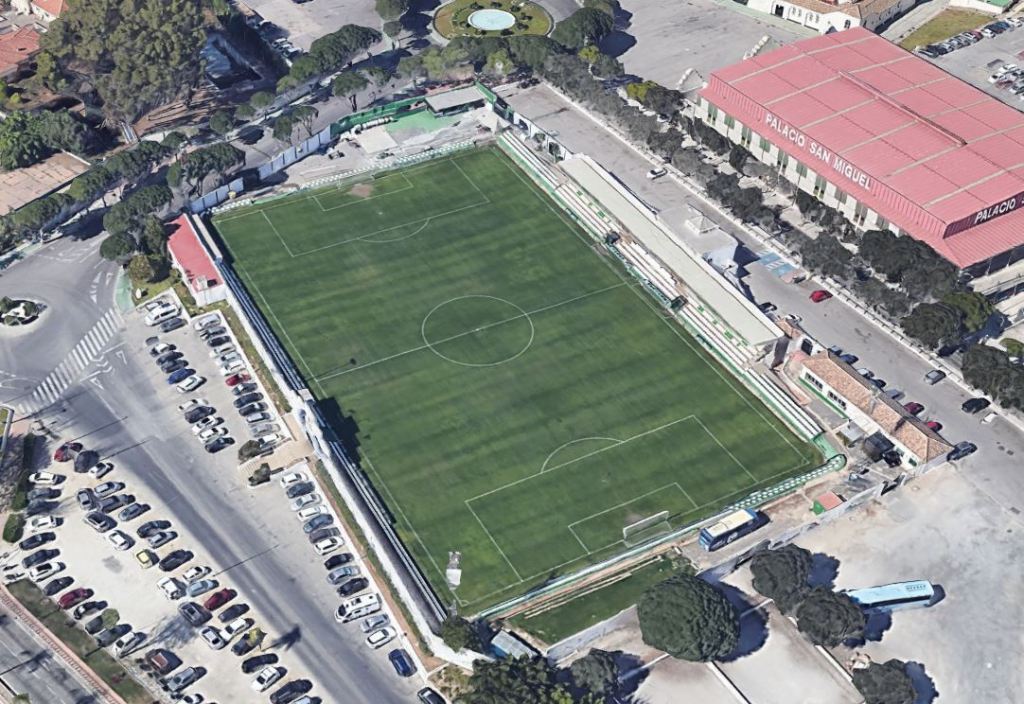
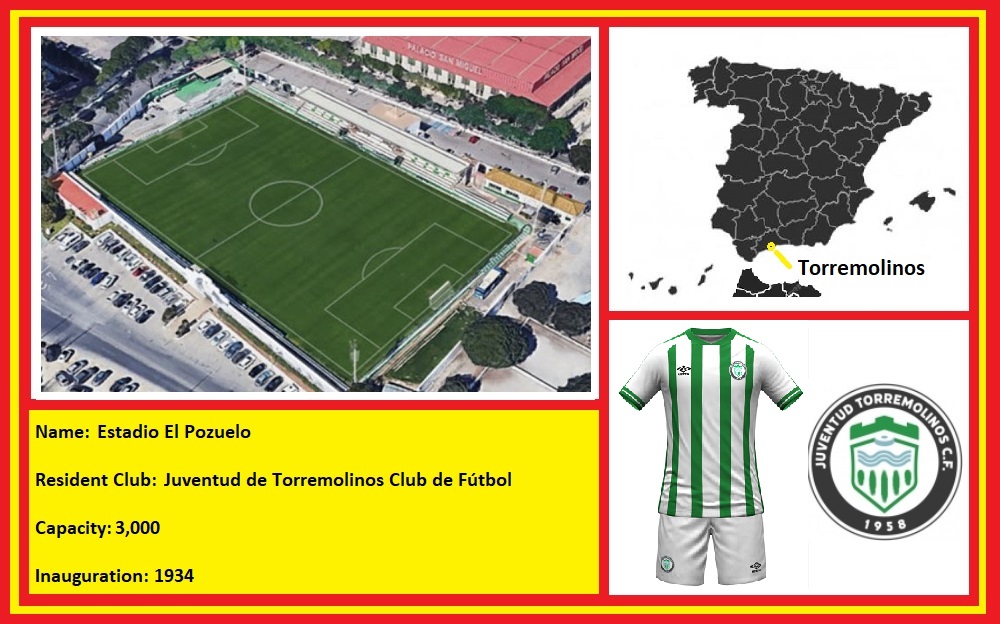
The first team to emerge from the town was Torremolinos Foot-ball Club, who in 1932 started to play friendlies against low-ranking clubs from Málaga. Their home was the Campo de San Miguel in the district of La Victoria. In 1934, the club moved to a field opened by the municipality on the former El Pozuelo farm, which, over 90 years later, is still the home of football in Torremolinos. After the end of the Civil War, Torremolinos FC returned to playing friendlies but folded within a year or two. Step forward, Club Deportivo Torremolinos, who, like their predecessor, stuck to playing friendlies. They finally joined the Federación Andaluza in 1950 but failed to make any headway, even choosing not to compete in the 1952-53 season. During that period of inactivity, a youth team, Juvenil de Torremolinos Club de Fútbol, was founded. Over time, the youth team’s form began to catch the eye of the former CD Torremolinos president, Pedro Navarro, who arranged a meeting between the two clubs. On 28 September 1958, Juventud de Torremolinos Club de Fútbol was founded, with the new club adopting the green & white colours of the youth set-up. Home matches would be played at El Pozuelo, with Navarro presiding as president.
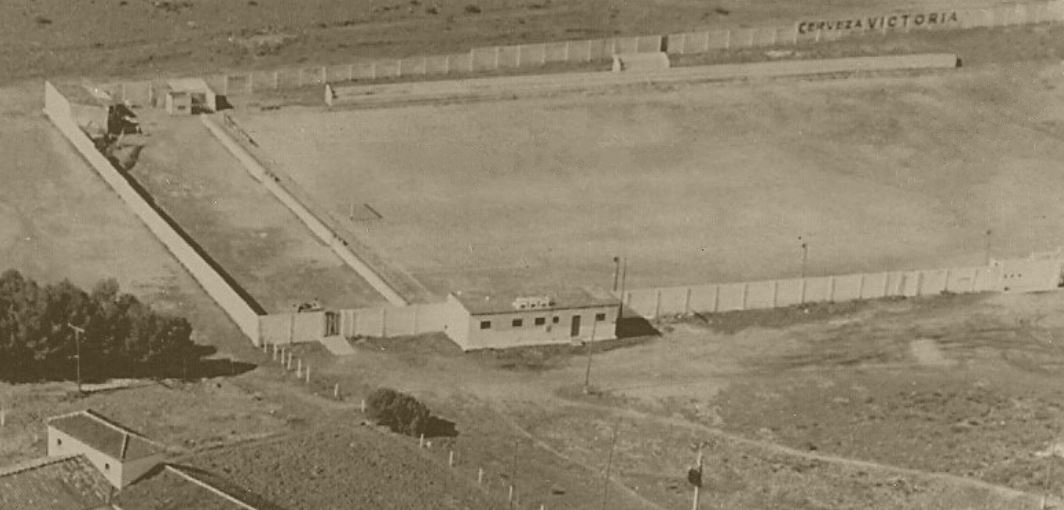
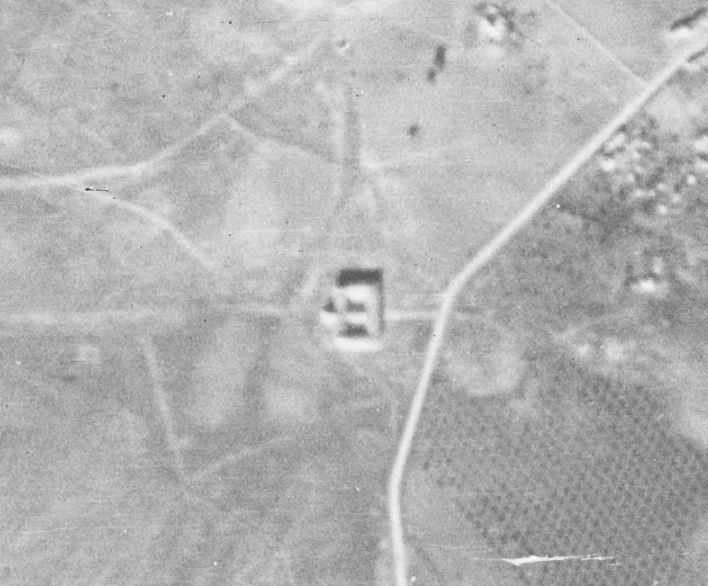


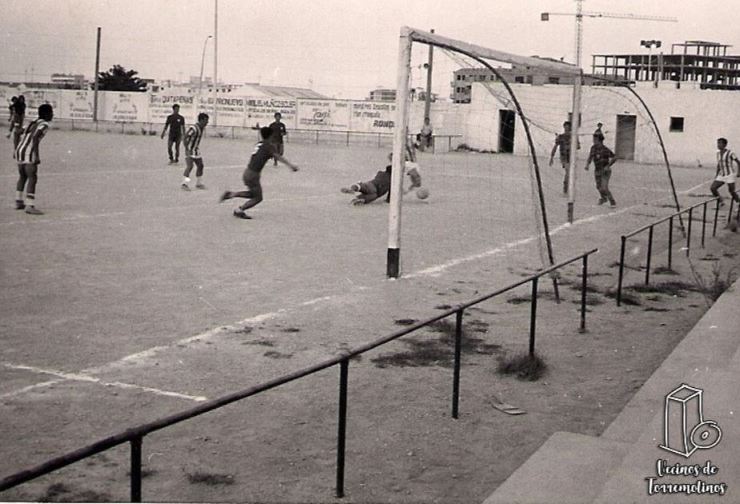
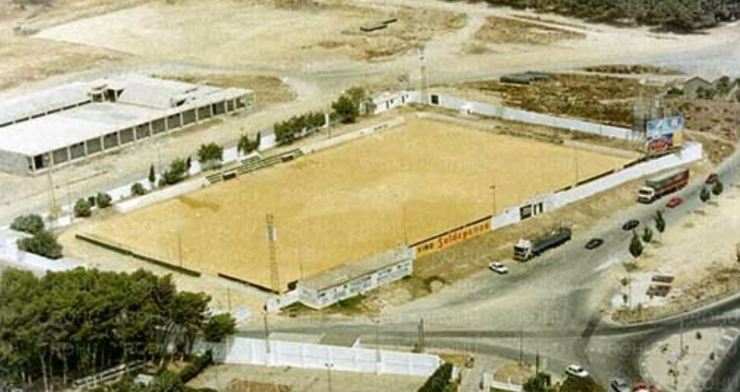
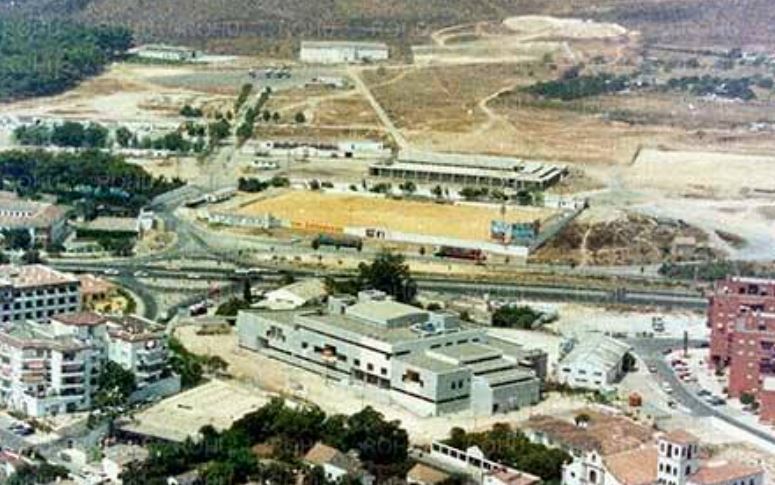
Upon opening, El Pozuelo was just an open field and remained so until the ground was enclosed in 1945. By the time Juventud de Torremolinos started playing in the Campeonato Provincial Malagueño, the enclosure could boast changing rooms, a fenced-off pitch and a strip of terracing with a small raised seated area. The club won promotion from the Primera Regional to the Tercera in 1964 and faced teams from across the east of Andalucia and Spain’s North African Territories. The standout result was a 1-1 draw with eventual champions Real Jaén at El Pozuelo. Juventud’s Tercera adventure lasted another three seasons before the reorganisation of the league saw the club drop back to the Primera Regional. If the 1960s had been a decade of growth, the 1970s saw Juventud enter into a steep decline. With the club’s coffers nearly empty, the club’s place in the Primera Regional came to an end in 1974. With Juventud struggling in the Segunda Regional, it would this time benefit from a couple of reorganisations of the league, the first of which would elevate the club back to the Primera Regional in 1977. The club’s rise attracted new investment, and the Primera title was won in 1978. A second reorganisation of the leagues followed in 1980, which saw Juventud return to the Tercera after a 12-year absence.
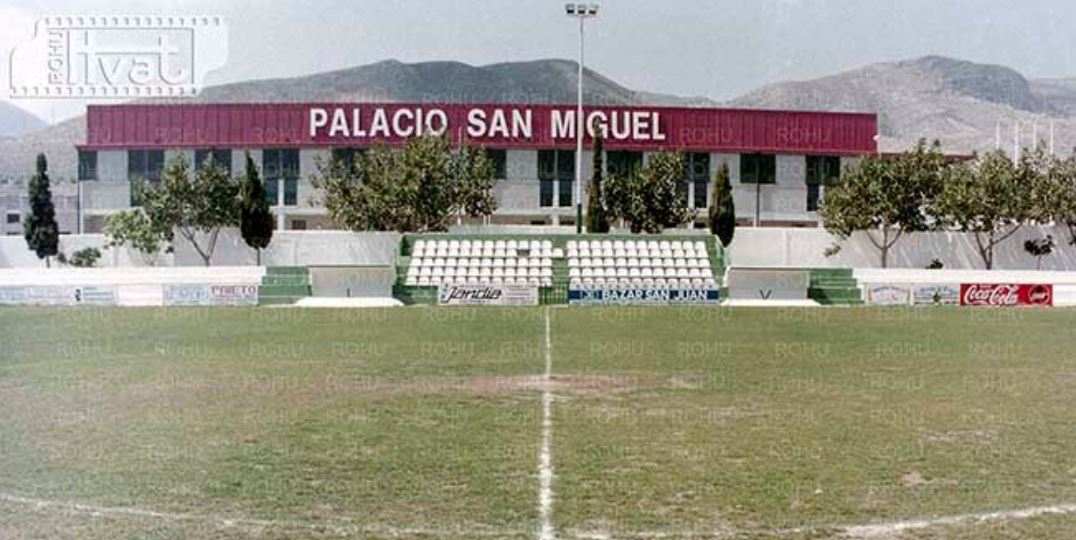
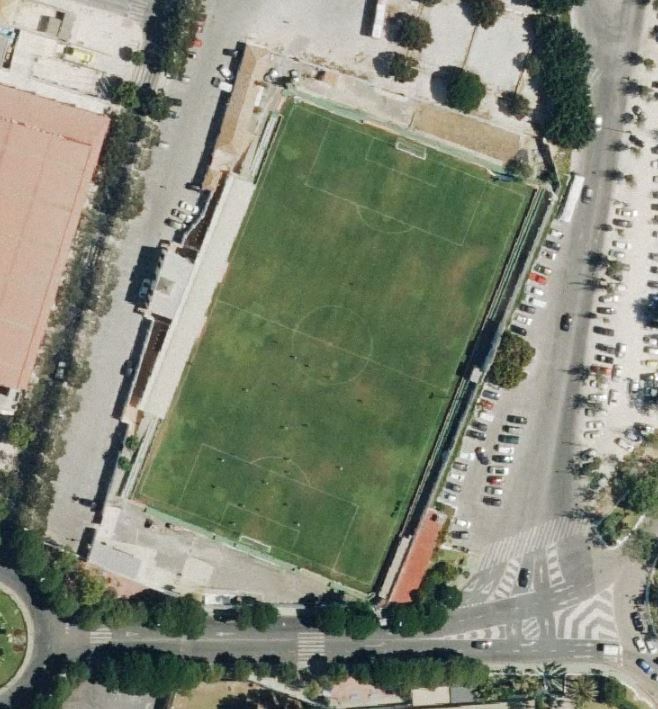
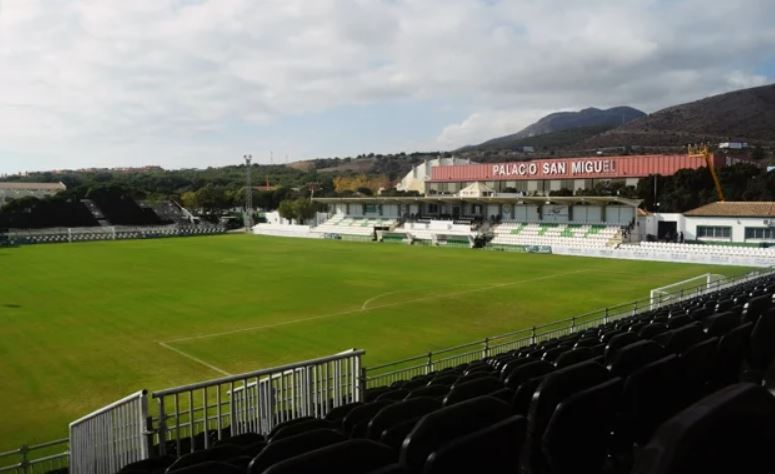
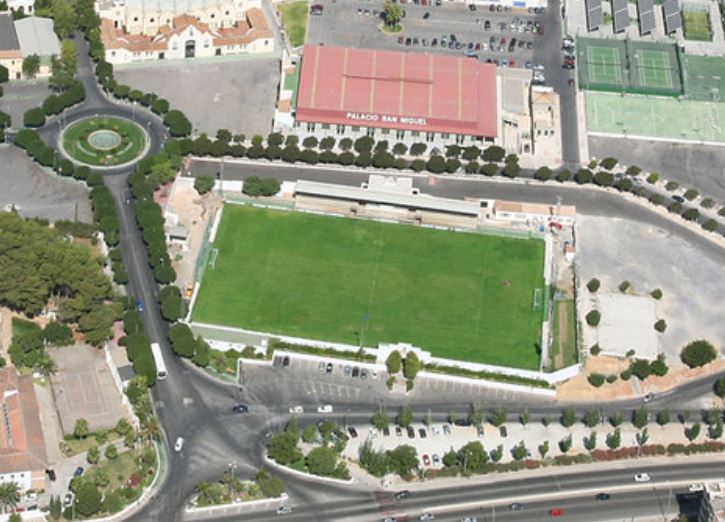
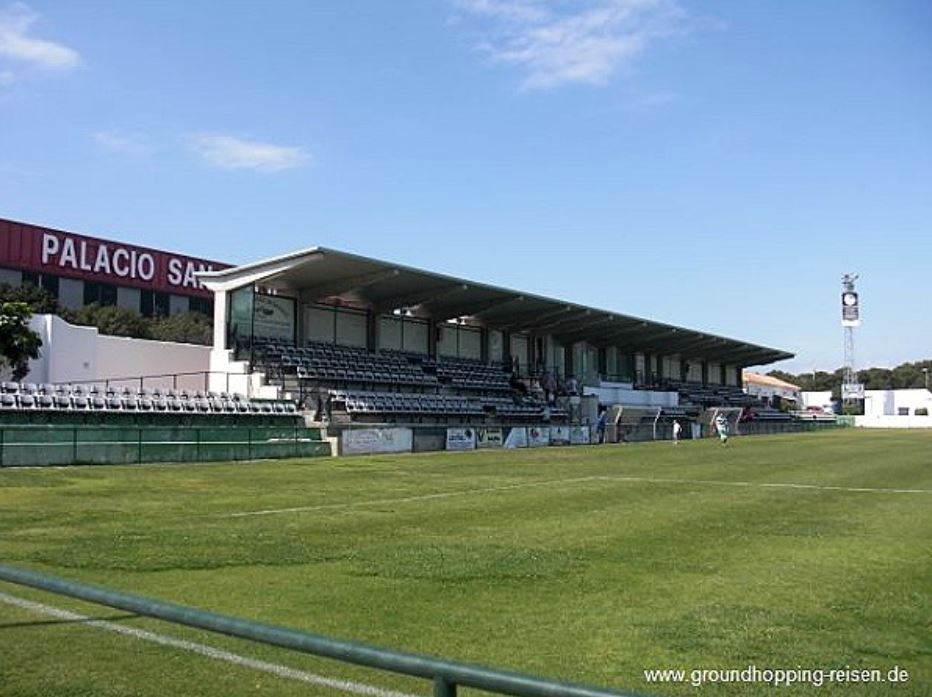
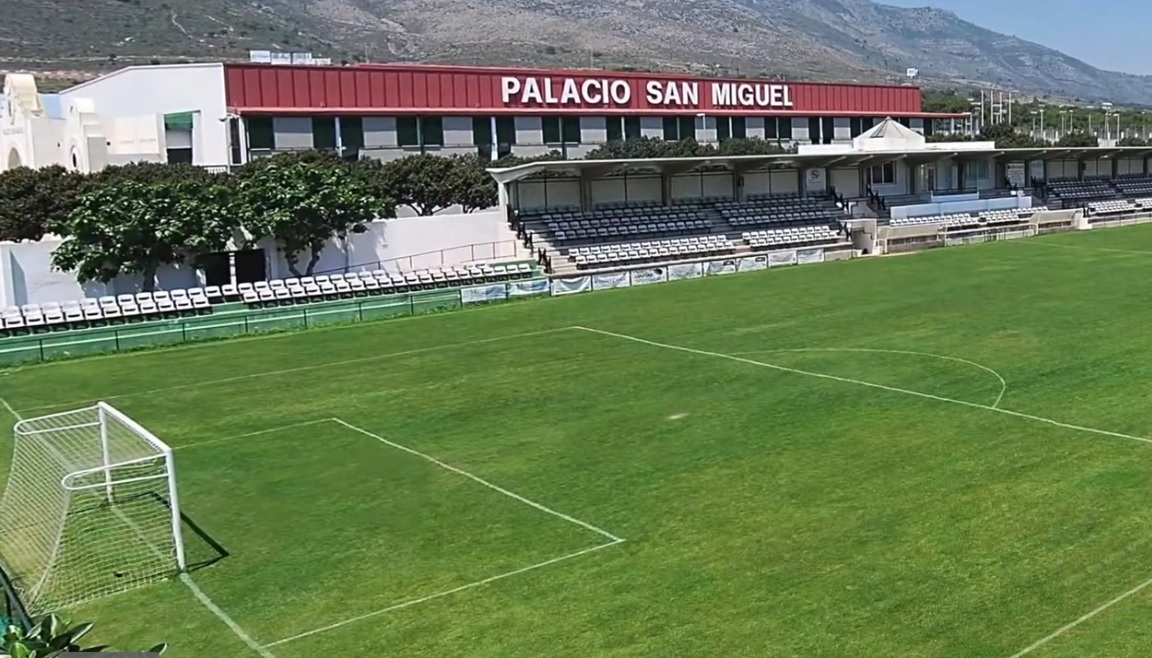
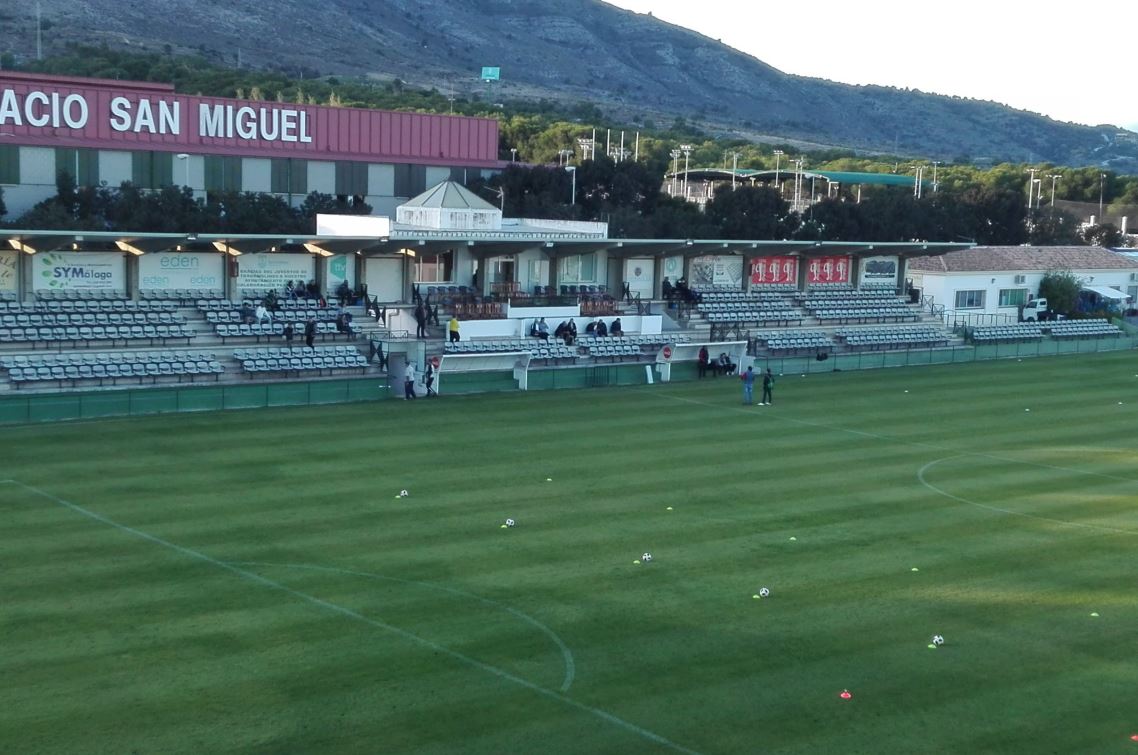
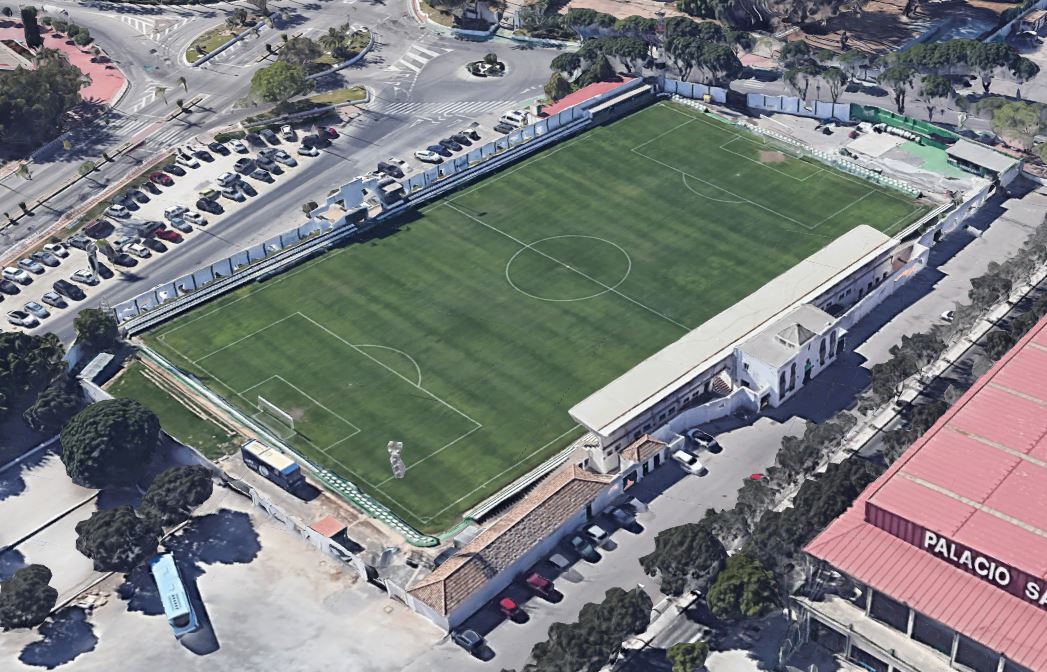
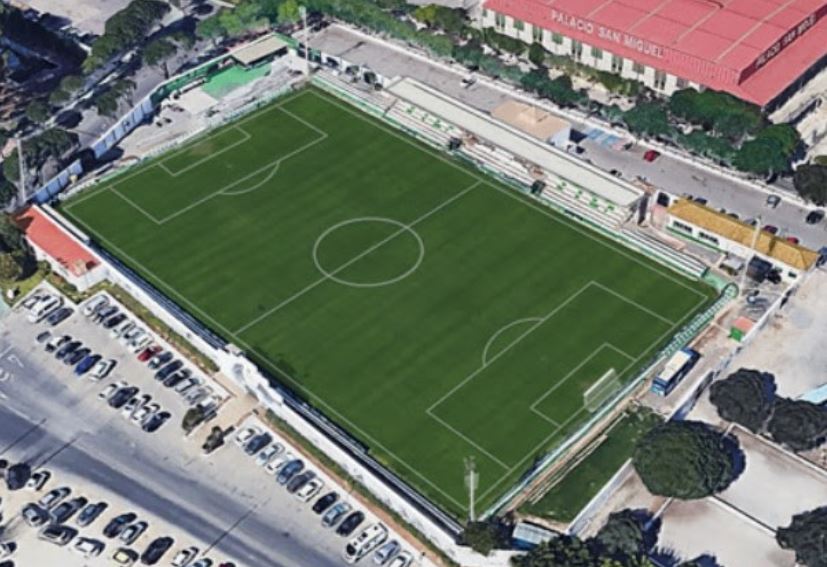
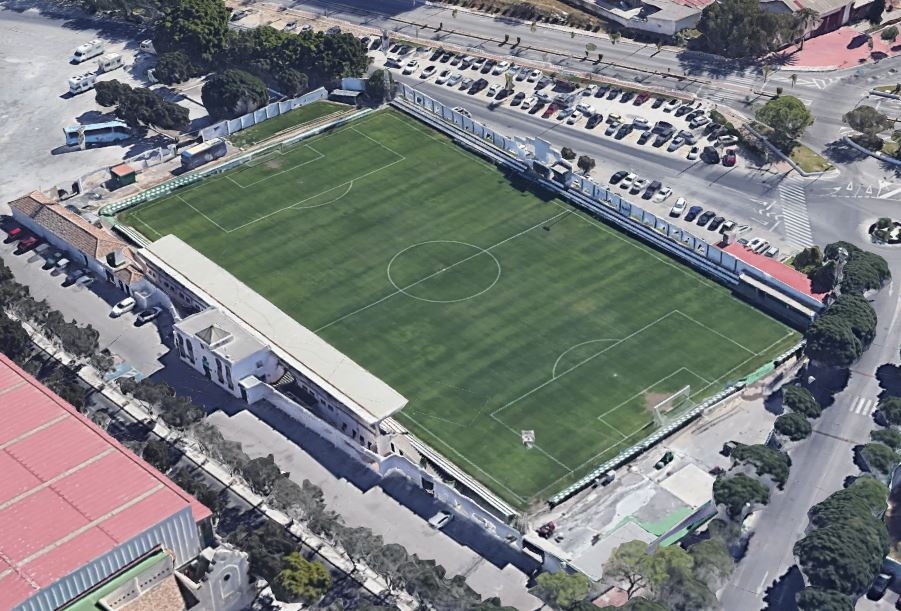
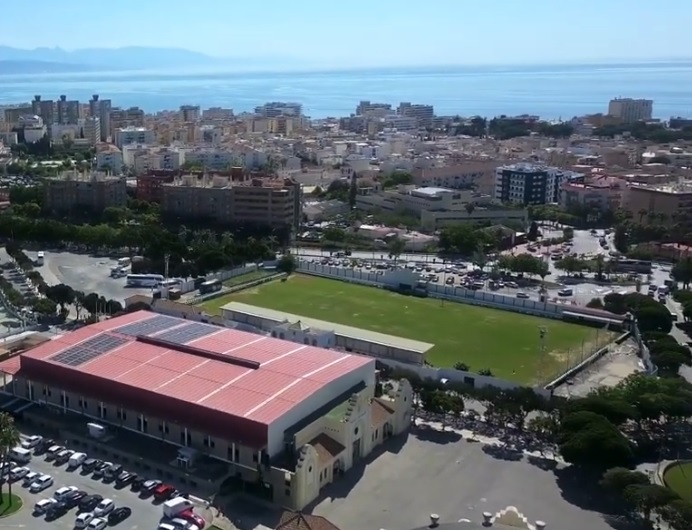
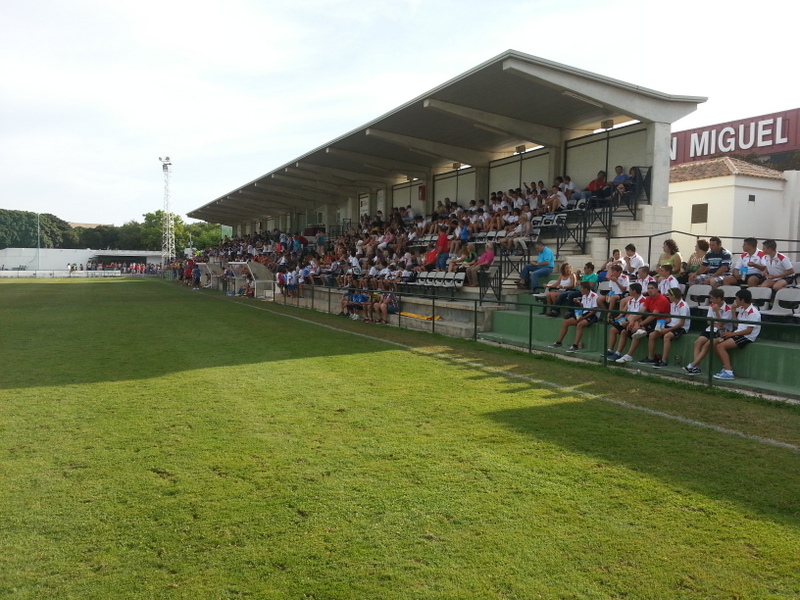
Life back in the Tercera started positively for Juventud, with two top-four finishes. They would spend all but one of the next 22 seasons in the Tercera, except the 1990-91 campaign that saw the club back in the Regional Preferente, claiming the title, then beating CD Santa Fe in the playoffs. The 1990s saw a couple of sixth-place finishes, but Juventud never seriously challenged for promotion to the third tier. After a series of bottom-half finishes, relegation to the Regional Preferente was confirmed at the end of a miserable 2001-02 season, when the club won just 8 matches and finished 14 points from safety. Whilst the turn of the millennium saw on-field activities fall apart, off the field El Pozuelo and the surrounding area were on the up. In 1997, the Palacio San Miguel, an indoor arena, was erected beside Juventud’s home. Two years later, the old open tribuna was replaced with a new cantilevered stand on the western side of El Pozuelo. The club did not witness a bounce-back effect as had happened following their last relegation, and they would see out the remainder of the 2000s marooned in the fifth tier.
The Federación Andaluza restructured the fifth tier ahead of the 2004-05 season; however, the newly titled Primera División Andaluza failed to inspire Juventud as their lower table finishes continued. There was a brief upturn when the club reached the playoffs in the Tercera in 2007-08, only to lose out to Atarfe Industrial CF. A few seasons of mediocrity returned before Juvented earned direct promotion to the Tercera in 2011-12, thanks partly to a 12-match unbeaten run until the season’s end. It was a fleeting visit to the Tercera, but Juventud were competitive until the end, and when they returned to the Primera Regional, they pushed for promotion. Eventually, they secured the league title at the end of the 2016-17 season. Looking to establish themselves in the Tercera, the COVID-19 pandemic and then the RFEF’s restructuring of the Spanish leagues dealt Juventud a cruel blow, and by the start of the 2021-22 season, they were playing in the fifth tier. The club attracted new investment, first from Iranian property developer Shahram Hooshfar and then, in 2023, from Singaporean investment group ACA Football Partners. The club switched back and forth between the Tercera and the Segunda Federación before winning promotion to the Primera Federación in June 2025.
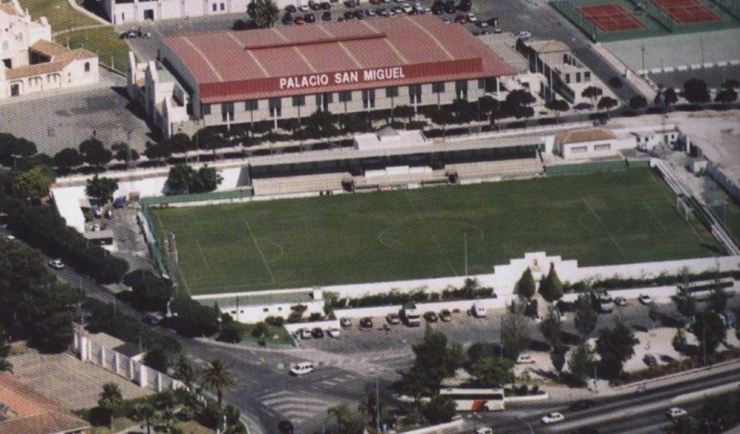
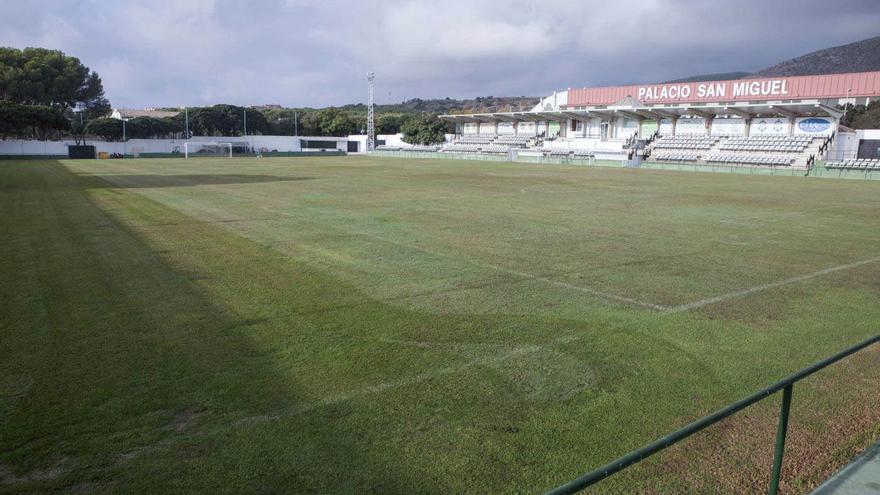
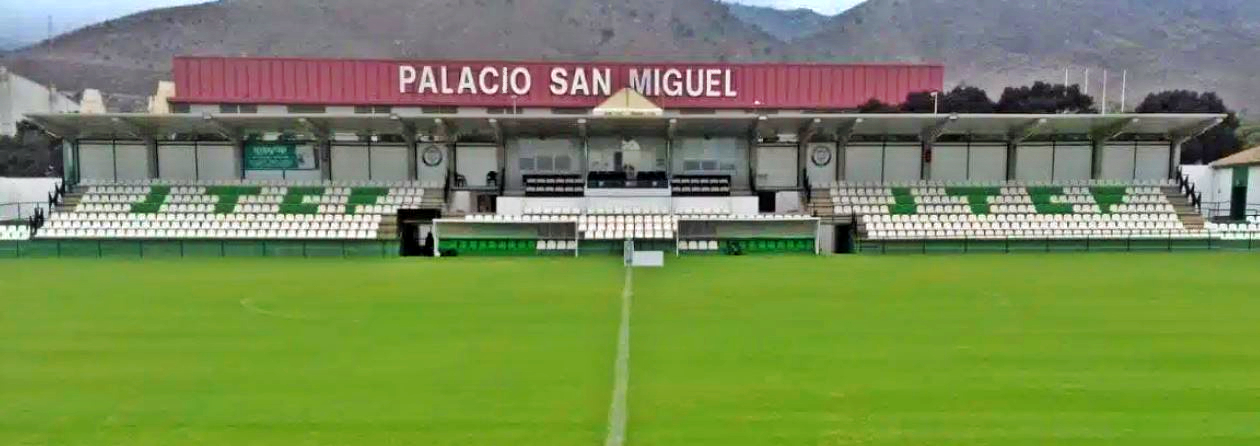
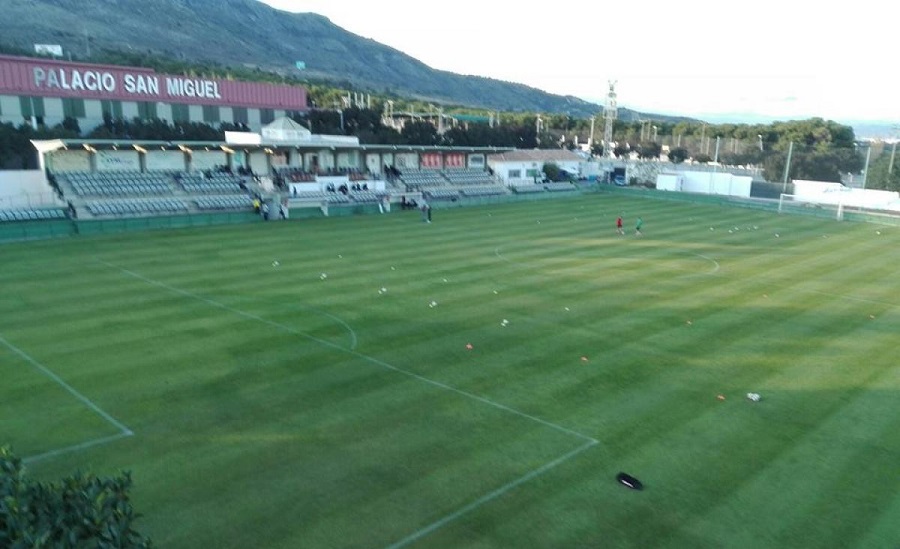
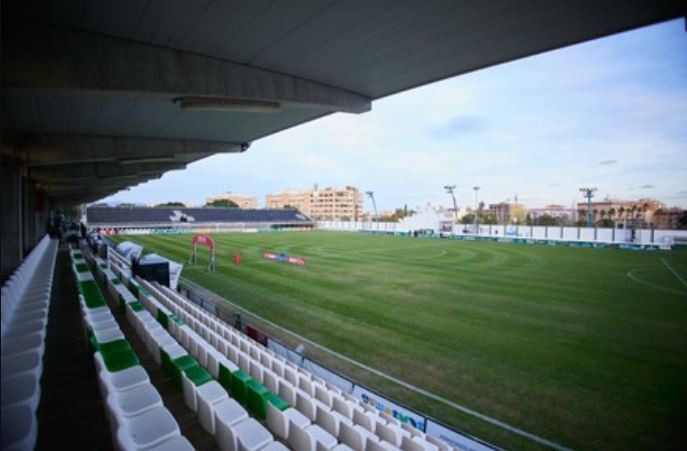
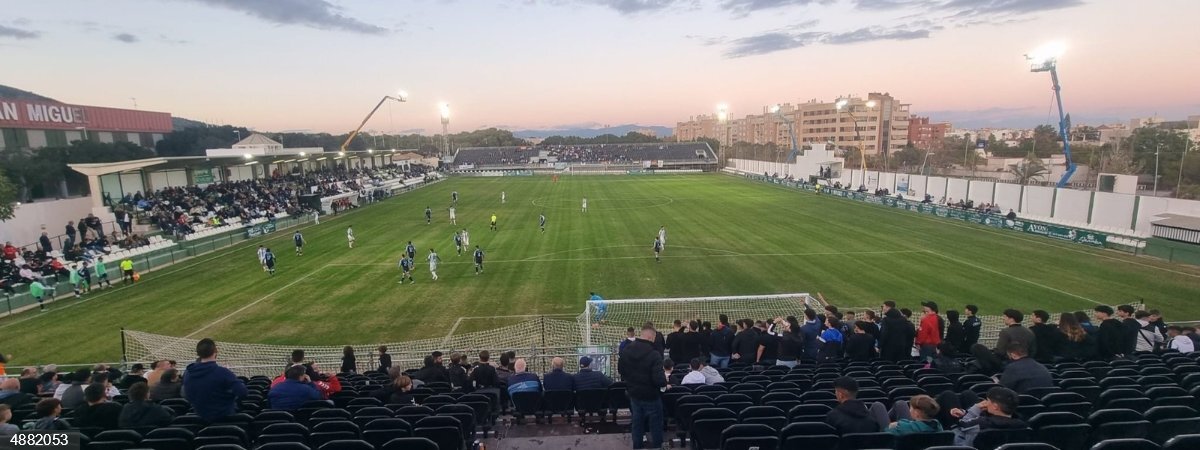
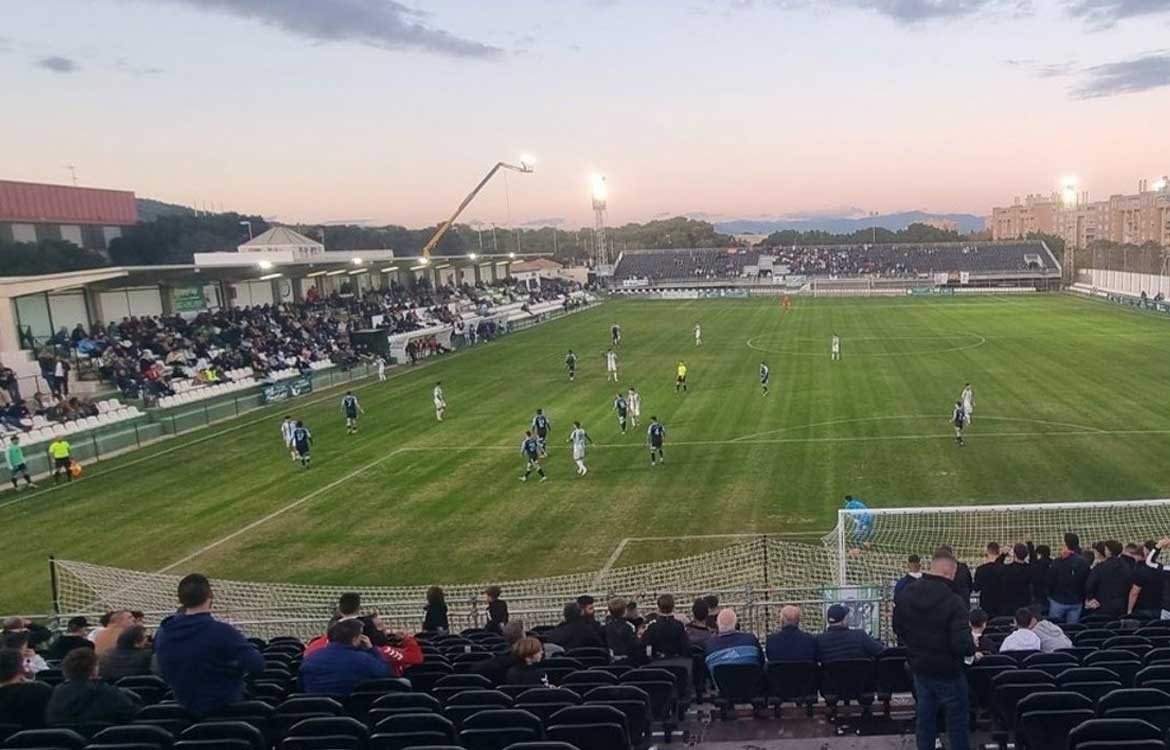
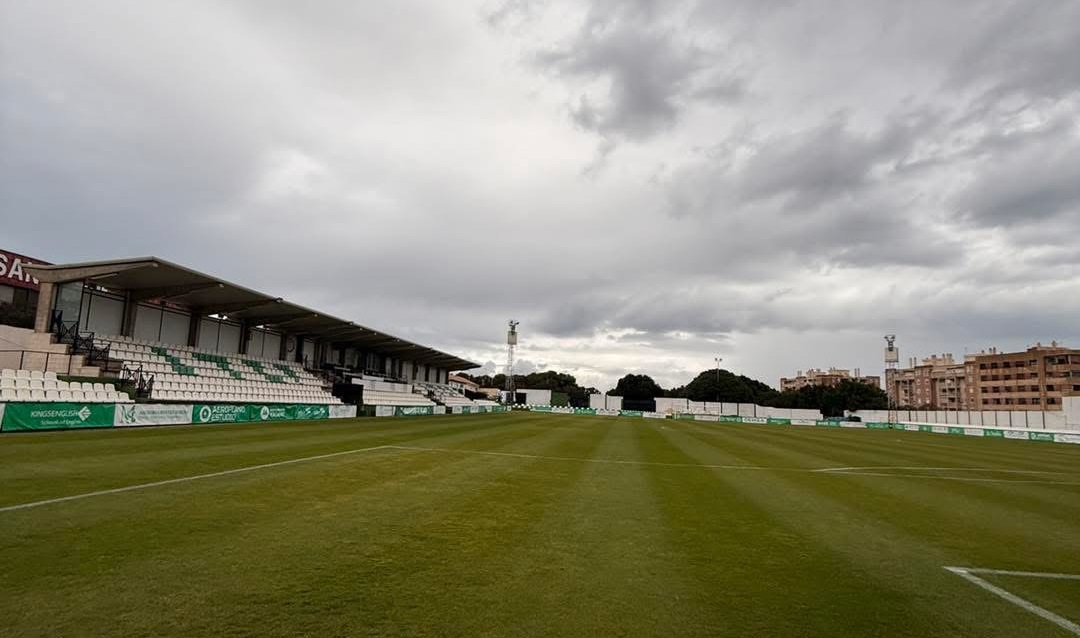
Anybody returning to the Estadio El Pozuelo after a sixty-year absence would be able to recognise much of what stands today. The exterior of the enclosure, although much brighter, retains the shape established in the 1960s. The changing rooms, bars and much of the terracing and hard standing date from that era. That’s not to say things have not moved on. The main tribuna, now in its third decade, looks bright, and its 650 seats offer an unimpeded view of the excellent grass surface. Either side of the tribuna is a section of the original 1960s terracing that has also been seated. Both areas behind the goals have large areas of hard standing, which are ripe for development, or, as was the case when Sevilla FC visited in December 2022 for a Copa del Rey tie, suitable for accommodating temporary stands. With a standard capacity of 3,000, El Pozuelo currently meets Juventud’s needs and offers options if the club continues on its upward trajectory.
Click on the image to view the full-size version and rolling gallery.
 Estadios de España