
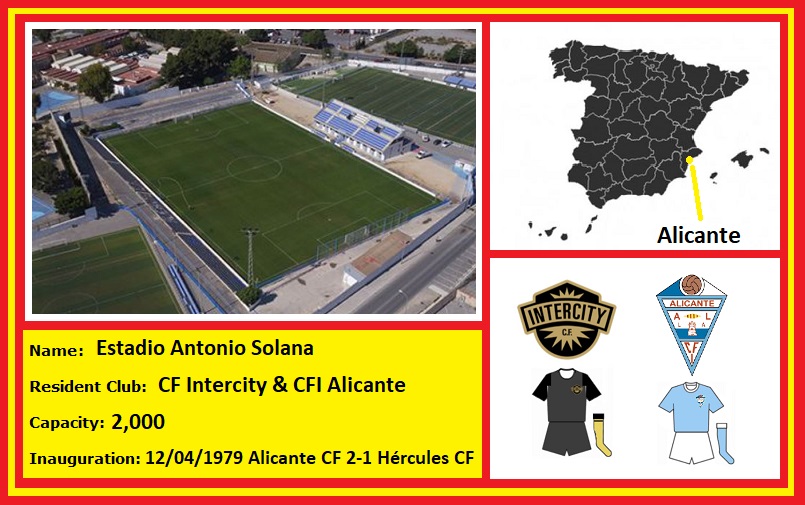
Located in Alicante’s northern district of Villafranqueza, the Estadio Antonio Solana has seen a chequered history since its inauguration back in 1979. It has hosted the rise and subsequent fall of Alicante Club de Fútbol, undergone an extensive regeneration and now provides a stage for a club whose controversial business model is frowned upon by many a Spanish football fan.

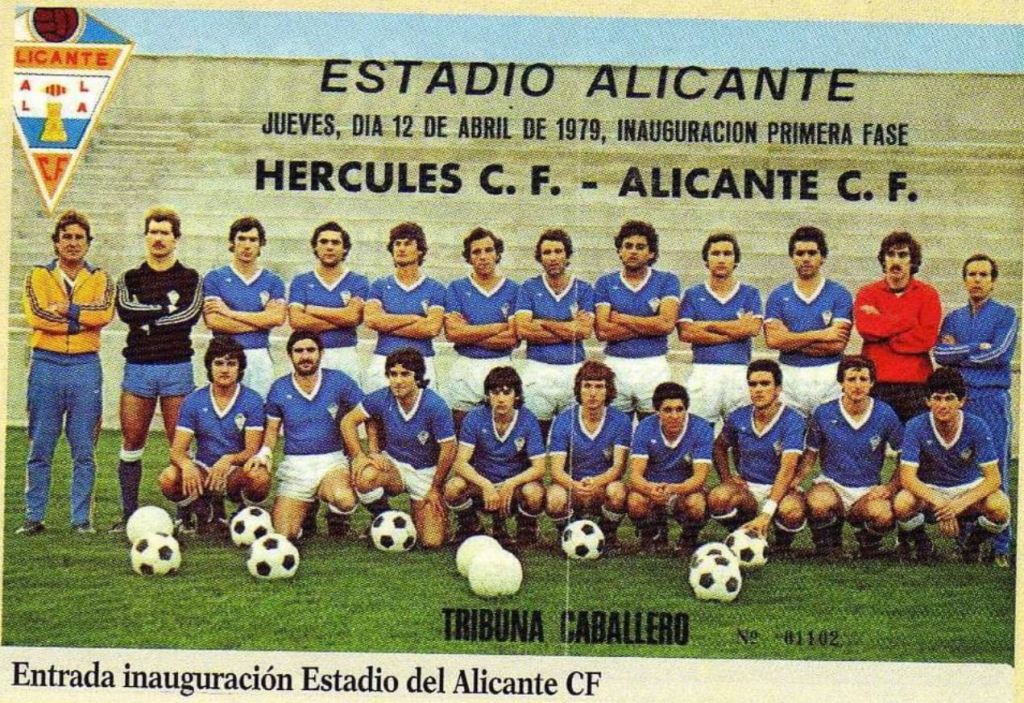
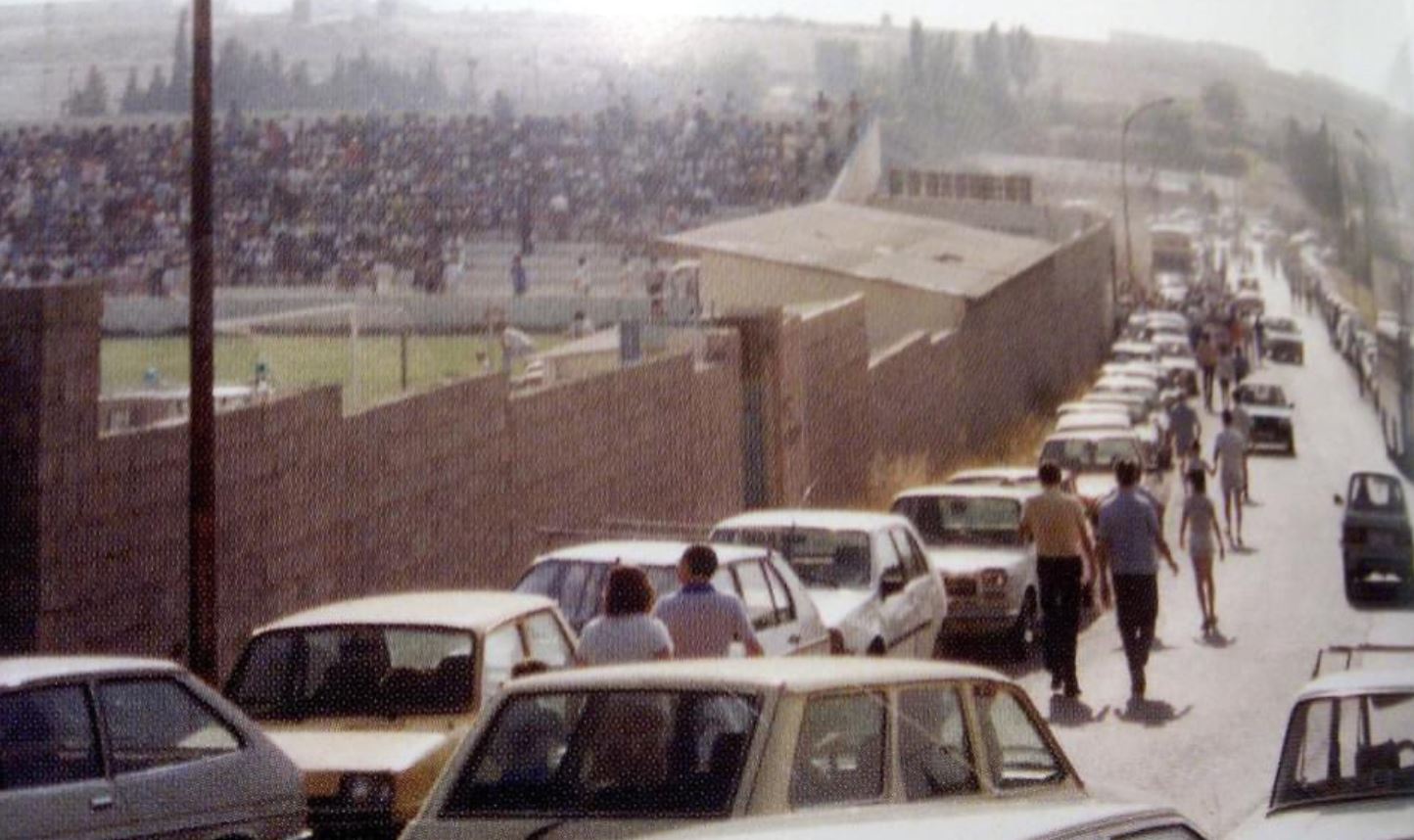
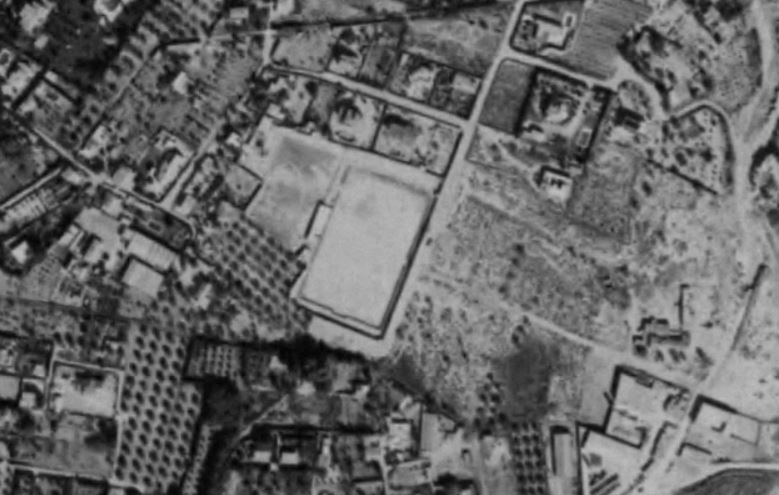
Alicante CF was formed in 1918 and their history was often intertwined with that of Hércules CF. The two clubs shared stadia (the Campo de Bardin & the Campo de La Viña), entered into a short, ill-fated merger in 1941 and for a period during the 1960s, Alicante CF were the reserve side of Hércules CF. When the Campo de La Viña finally closed its doors in 1974, Hércules went off to their new Estadio José Rico Pérez, whilst Alicante headed out to the edge of town and the Ciudad Deportiva de Villafranqueza. At the time, this was a very basic enclosure, with no stands and a dirt pitch. In 1977 Jaime Bagur became president of Alicante CF and under his stewardship, the club won promotion to the Tercera in 1979. Bagur also redeveloped their humble home and on 12 April 1979, the renamed Estadio del Alicante CF hosted its first official match against… Hércules CF, which Alicante CF won 2-1. It was still a basic enclosure, with a large open terrace on the west side, underneath which were the changing facilities, a decent sized open terrace at the southern end of the ground, and a long, narrow terrace featuring a dozen steps on the east. It also featured a grass pitch, but more on that later!
Following Alicante CF’s promotion to Segunda B in 2001, the club’s request to the municipality for funds to upgrade the Estadio del Alicante was rejected, in favour of a move to the now municipally-owned Estadio José Rico Pérez. The club’s stay at the José Rico Pérez was to last a decade, during which time Alicante CF reached La Segunda for a single season in 2008. The Estadio del Alicante CF returned to its original name and hosted junior and amateur football in Alicante CF’s absence. By the time of their return in 2011, the Ciudad Deportiva de Villafranqueza was in a sorry state, but nowhere near as troubled as Alicante CF. A decade in professional football had left the club with debts of €11m and whilst the club stumbled on for a few more years, it was wound up in June 2014. As is often the case, a phoenix club filled the void within a matter of days and in this instance, CFI Alicante picked up the reins of the city’s second senior team. Starting in the Segunda Regional of the Valencian Federation, the club reached the Regional Preferente by 2018. However, financial difficulties were just around the corner and in 2021, CFI Alicante reached a collaboration agreement with CF Intercity to act as the latter’s reserve side from 2022.
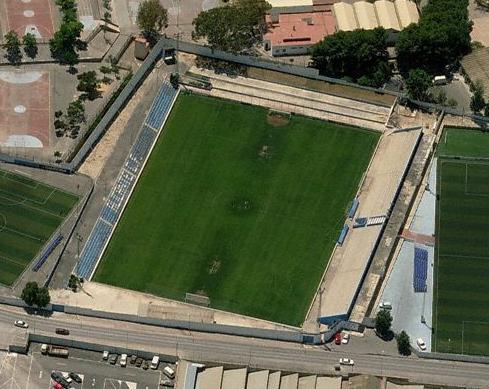
So, what of CF Intercity and why is their model viewed as controversial? In 2017, Salvador Martí and Javier Mira became major shareholders in Grupo Club Deportiu Sant Joan, a club based 7km northeast of Alicante, who were formed in 1933. GCD Sant Joan had never played higher that the Regional Preferente, but with Martí installed as president, the club was renamed Club de Fútbol Intercity Sant Joan. They also changed the traditional blue & white striped shirts, in favour of an all-black kit and the club became a limited company. In doing so, it became the first Spanish club to adopt this model and later trade on the stock exchange. Promotion back to the Regional Preferente was achieved with considerable ease in the 2017-18, but if Martí and Mira’s motives weren’t clear at the start of the season, they showed their hand in the summer of 2018. Attempts to skip the Regional Preferente and buy a club in the Tercera, were first rejected by the board of directors at Crevillente Deportivo, then by the RFEF when attempting to merge with Novelda CF. The Regional Preferente title was won in 2018-19 and with it, promotion to the Tercera, but not before another attempt to win “administrative promotion”. This time, interest centred on the vacancy created by the winding up of CF Reus, but the position vacated in La Segunda was awarded to FC Andorra.
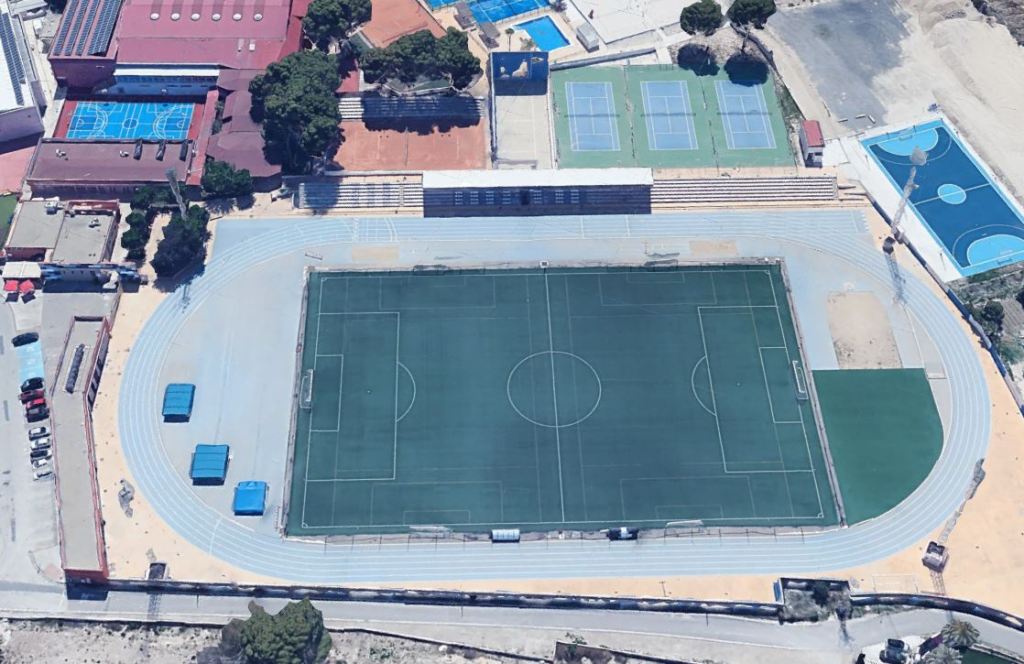
CF Intercity San Joan continued to play at the Poliesportiu Sant Joan d’Alacant, but there would be no third successive promotion, as the club just missied out on the play-offs with a fifth-place finish. In November 2020, the club began to trade on the stock exchange, with the company name officially listed as Club de Fútbol Intercity, S.A.D. Tellingly, the address of company headquarters was 7km down the road in Alicante. There would be one last season in San Joan d’Alacant and whilst CF Intercity finished third, they lost out in the play-off group to CD Eldense & CD Alzira. The start of the 2021-22 season saw CF Intercity depart for the provincial capital and take up residence at the home of CFI Alicante. It also saw the club win Group V of Segunda RFEF and with it, automatic promotion the Primera Federación, or third tier of Spanish football.
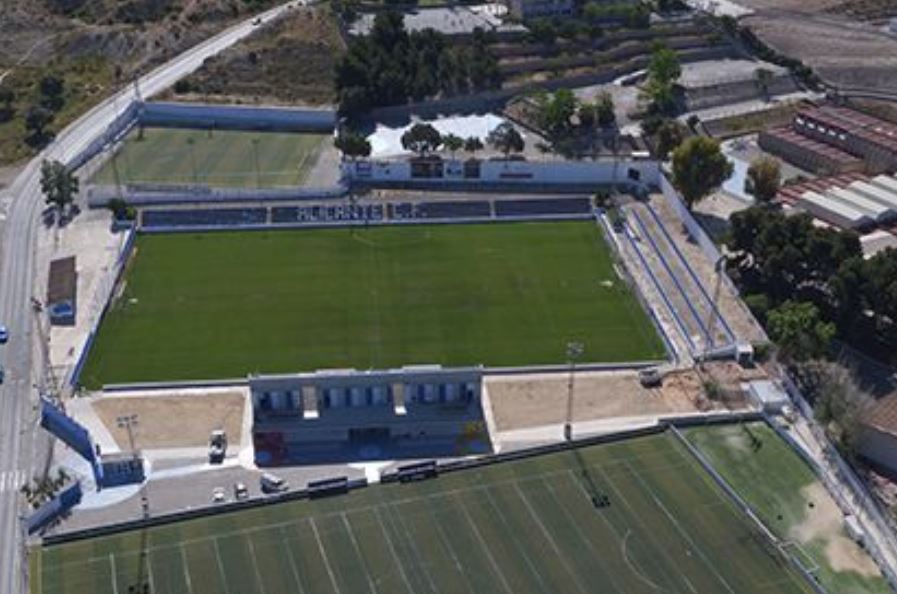
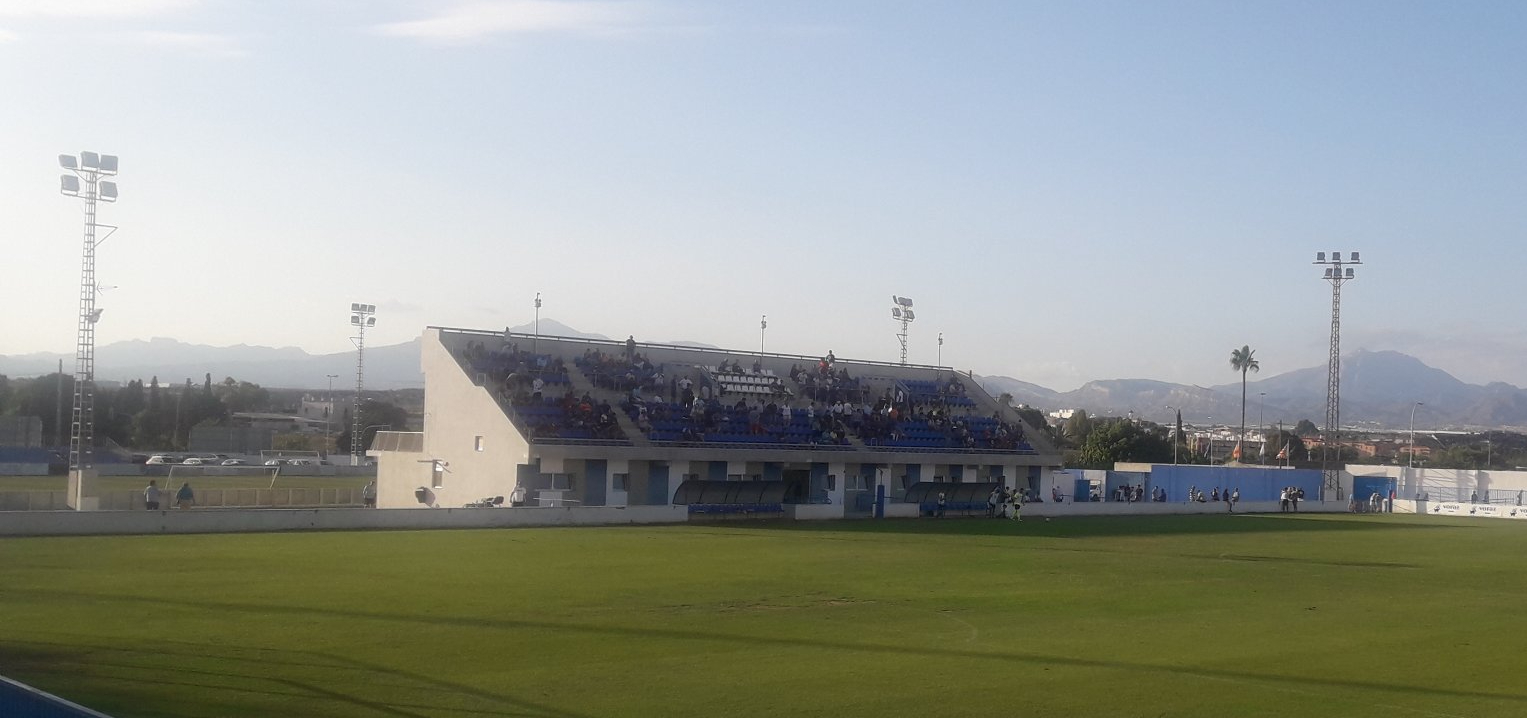
In June of 2015, the municipality closed the Ciudad Deportiva de Villafranqueza after serious structural defects were discovered in the main west terrace. This led to the demolition of the entire west side and in its place rose a 40-metre-long raised stand with a seating capacity of 500. Below the seated area are the main changing facilities. The south terrace has had much of its steps removed and replaced with hard standing, whilst the eastern side of the stadium still has the six rows of blue seats that were installed when Alicante CF returned to the stadium in 2011. The stadium was renamed the Estadio Antonio Solana after its 2015 makeover and has an overall capacity of 2,000, which is rarely if ever tested by either resident club. In 2023-24, both club’s had to play home matches away from Alicante, after the pitch became unplayable. CF Intercity played a few games at Orihuela, before new drainage and playing surface was installed. All of which begs the question, will the CF Intercity project continue in Alicante, or will the owners have their heads turned by another location?




Club de Fútbol Intercity Official X/Twitter account: https://twitter.com/CFIntercity
La Futbolteca Club History: http://lafutbolteca.com/club-de-futbol-intercity-s-a-d/
 Estadios de España