
Article updated: 14/05/2026
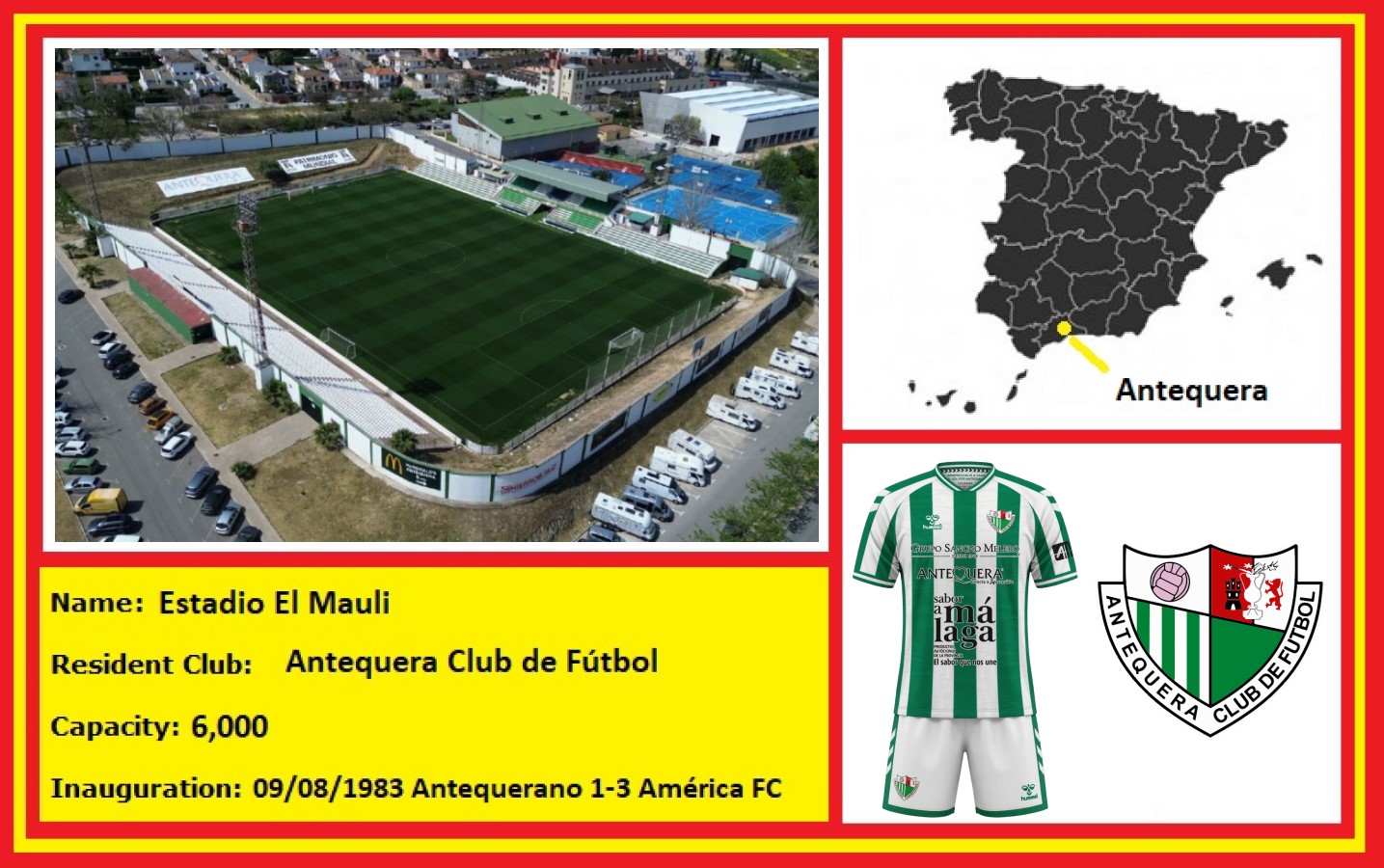
Antequera is a small city that lies 25 miles north of Málaga. Its footballing history has, at best, been uneven, with the relative highs of a few years in the third tier, far outweighed by countless seasons spent in the semi-professional regional leagues. The town’s current senior club, Antequera Club de Fútbol, cannot shoulder all the blame, having only come into existence in 1992, following the demise of its predecessor Club Deportivo Antequerano. Home is El Mauli, a stadium that opened in 1983, when CD Antequerano looked set for bigger things.

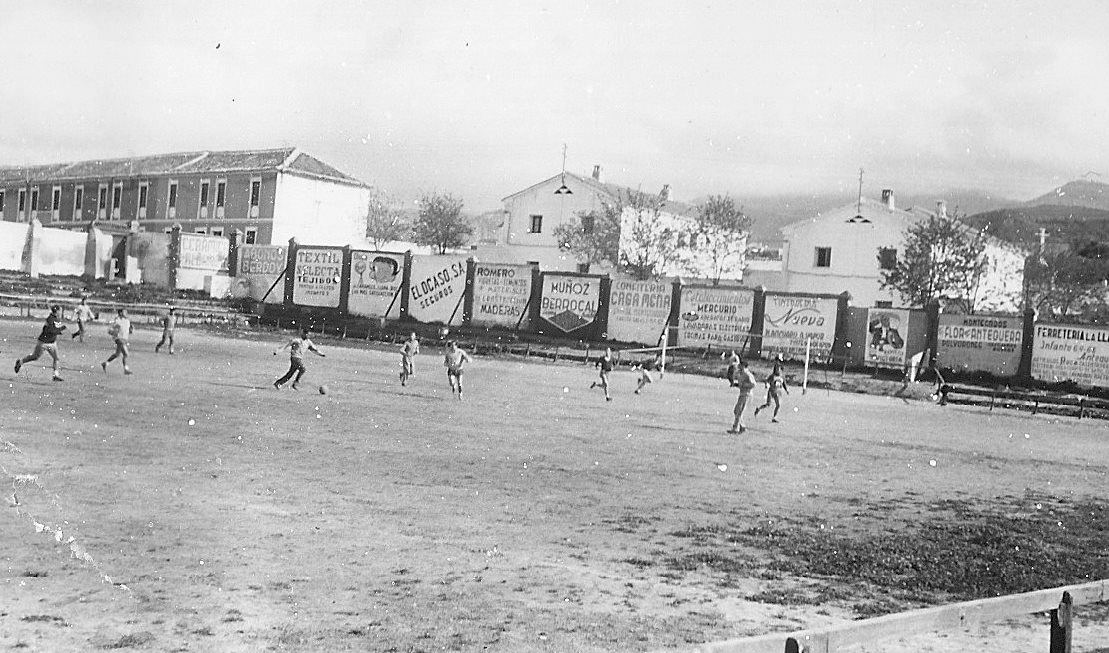
We have to go back to 1915 to find the first senior club from the city. Antequera Foot-ball Club may not have scaled any great heights, but they did have a lasting impact on football in the city. Firstly, they changed their colours in 1928 to the green and white stripes, which all successive senior clubs have adopted. Secondly, they were the first club to have an enclosed ground. Having played many of their home matches in the vicinity of the city’s army barracks, the club’s supporters raised money to buy a plot of land that was adjacent to their regular pitch. The Campo Municipal El Mauli was located on the Paseo de Republic (It’s now a housing development to the west of the Plaza de Castilla) and opened on 2 August 1931, when the locals lost 2-5 to Málaga Sport Club. It was a basic enclosure with open terraces on either side of the ground. It had a dirt pitch, whilst changing facilities were located in the northwest corner of the enclosure. Sadly, Antequera Foot-ball Club didn’t get much use from the ground, as they folded in 1933.
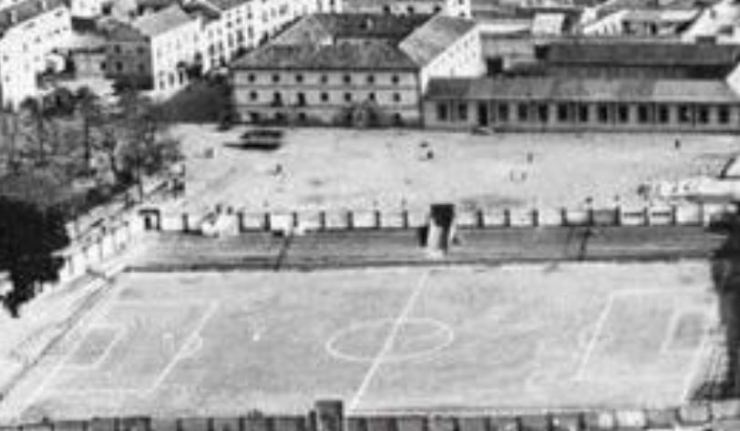
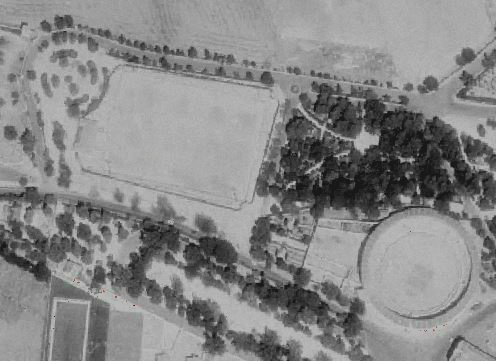
The city had to wait until after the Civil War for a new senior team to emerge. Founded on 8 December 1939, Club Deportivo Antequerano took up residency at the Campo El Mauli, but it took until 1946 to reach the Tercera. Unfortunately, their stay ended after two seasons, and they did not return to that level until the start of the 1954-55 season. Over the next dozen seasons, the club flattered to deceive, achieving a series of top-ten finishes, but only coming close to promotion in the 1962-63 season, when they missed out on the playoffs to Atlético Malagueño, who had the superior head-to-head record. Following relegation in 1966, Antequerano languished in the regional leagues for 13 seasons before returning to the Tercera at the start of the 1979-80 season. Then, almost out of nowhere, the Tercera title was won in 1980-81, and CDC Moscardó and Telde were beaten in the playoffs to earn promotion to Segunda B. There was a problem, however, as the municipality had sold the old Campo El Mauli to housing developers, and whilst there were plans for a new stadium, nothing had been built. Therefore, the club spent the next two seasons at the Campo El Mirador (the current Campo Ciudad de Antequera). Situated 100m north of the old Campo El Mauli and next to the city’s Plaza de Toros. El Mirador was still a fairly rudimentary ground, but it had floodlights and vastly improved amenities.
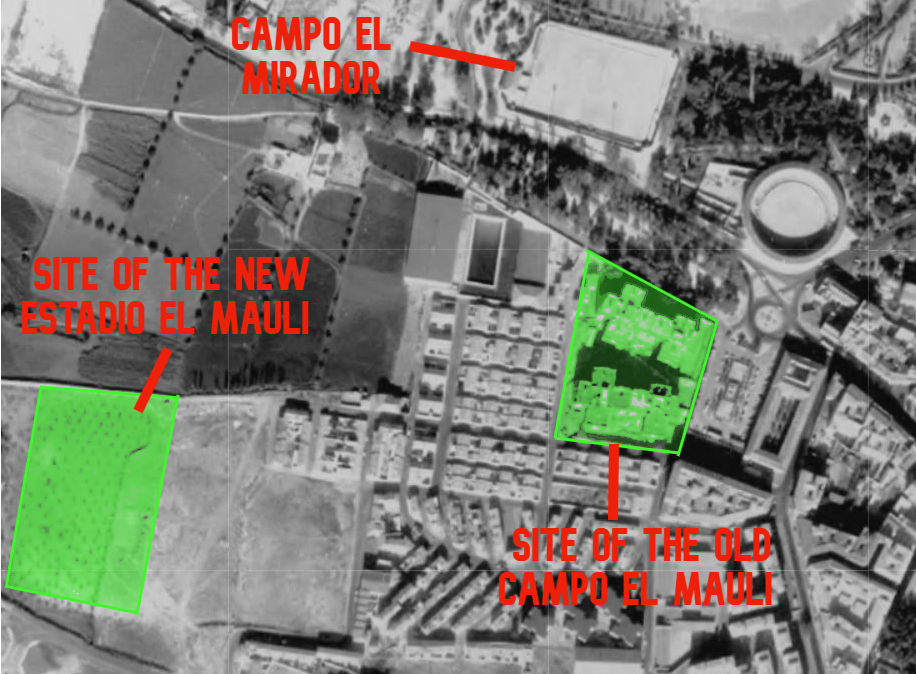
Antequerano played its best football whilst at the Campo Mirador, earning fourth-placed finishes in Group II of Segunda B in both the 1981-82 & 1982-83 seasons. The end of the 1981-82 season was particularly close, with a dropped point away at Gimnastica Tarragona in the penultimate match of the season, allowing Cartagena FC to squeeze above them on head-to-head records. On 9 August 1983, Antequerano entertained Brazilian club América FC at the new Estadio El Mauli, losing the match 1-3. The opening of the new stadium also coincided with financial cut-backs, and with the club fielding a weaker squad, it finished the 1983-84 season in the relegation zone. They earned a reprieve from the drop due to Racing Club Portuense’s failure to clear its debts, but a year later, Antequerano finished bottom of the pack, nine points from safety. The club endured six seasons of diminishing returns in the Tercera, but following relegation to the Regional Primera in 1991, Antequerano was wound up.

With a stadium that was under ten years old, there was enough local interest to form a new club. On 19 June 1992, the very day that CD Anterquerano folded, Antequera Club de Fútbol was formed. The club ‘merged’ or rather purchased Puerto Malagueño’s place in the Regional Primera. After missing out on promotion in the playoffs, Antequera CF benefited from the annual league rejigging due to financial demotions and was granted a place in the Tercera for the 1993-94 campaign. Over the next decade or so, the club clung on to its fourth-tier status until a disastrous 2003-04 campaign saw Antequera relegated to the Regional Preferente with a pitiful total of just 15 points. Two seasons later, a reinvigorated club returned to the Tercera to secure 6th place. A season later, a runners-up spot was followed by victory in the playoffs over Naron and Caravaca in June 2008. Their stay in Segunda B lasted just the one season, with the club finishing sixteenth, then losing to Terrassa over two legs in the relegation playoffs. You can see a regular pattern developing, with the club spending a decade or two lying dormant in the Tercera, before “blooming” for a season or two in the upper tiers, only to slip back to slumbering in the Andalucian regional leagues. Luckily, since the turn of the 2020s, Antequera has developed some staying power, even gaining promotion twice in the space of three seasons to earn a place in the Primera Federación.

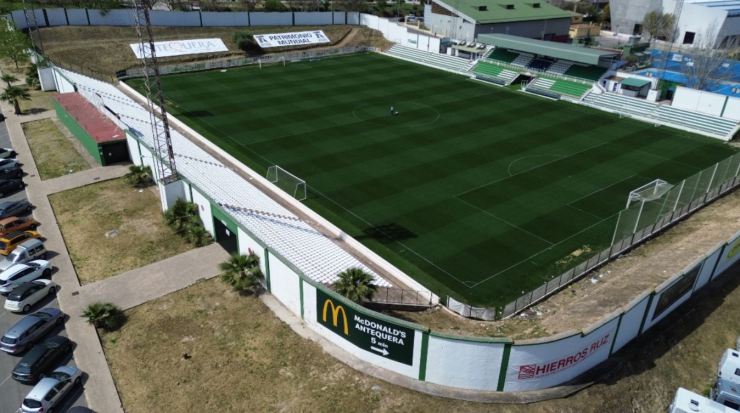
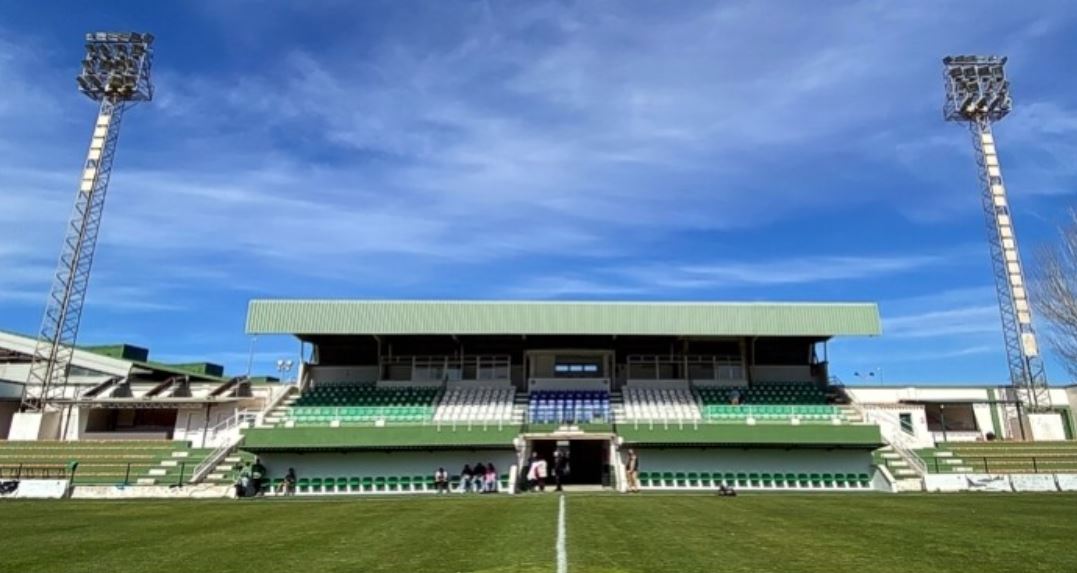
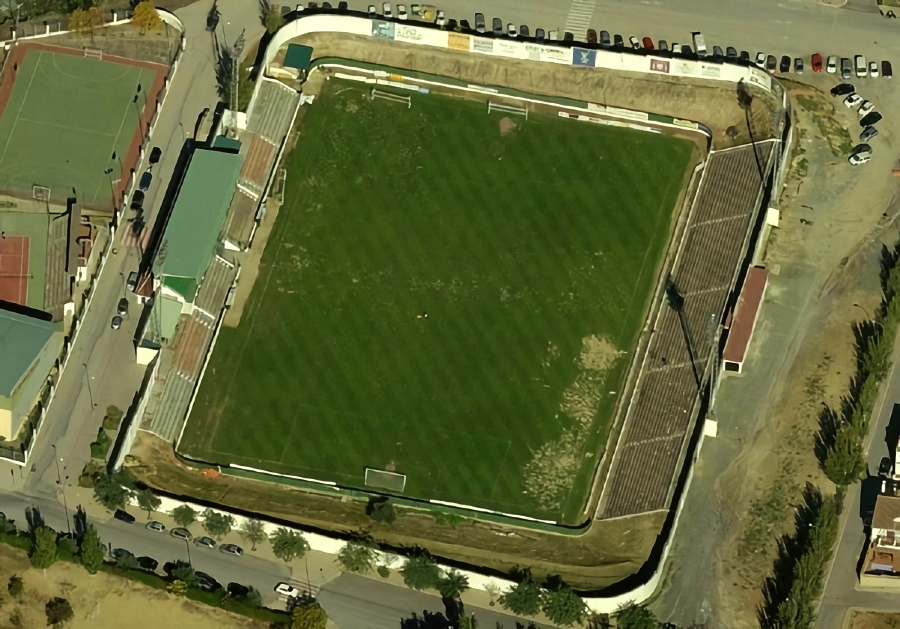
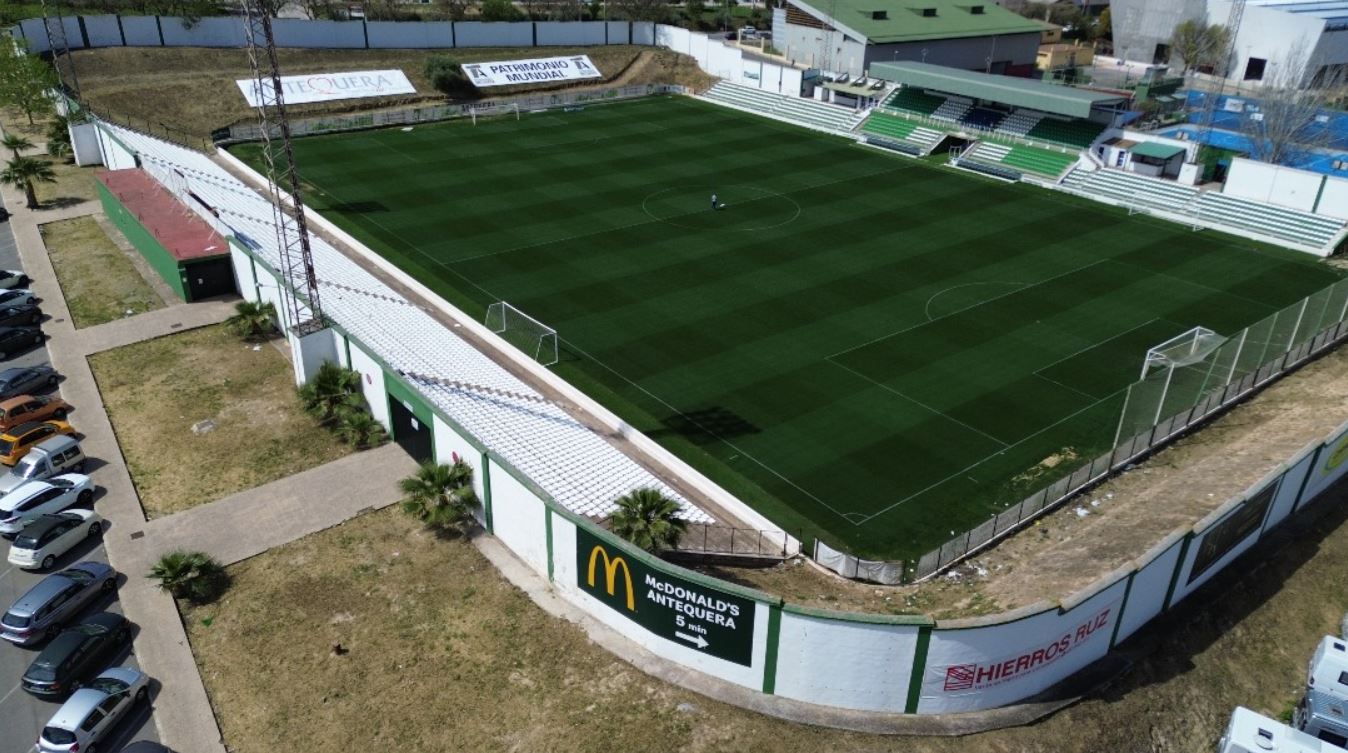
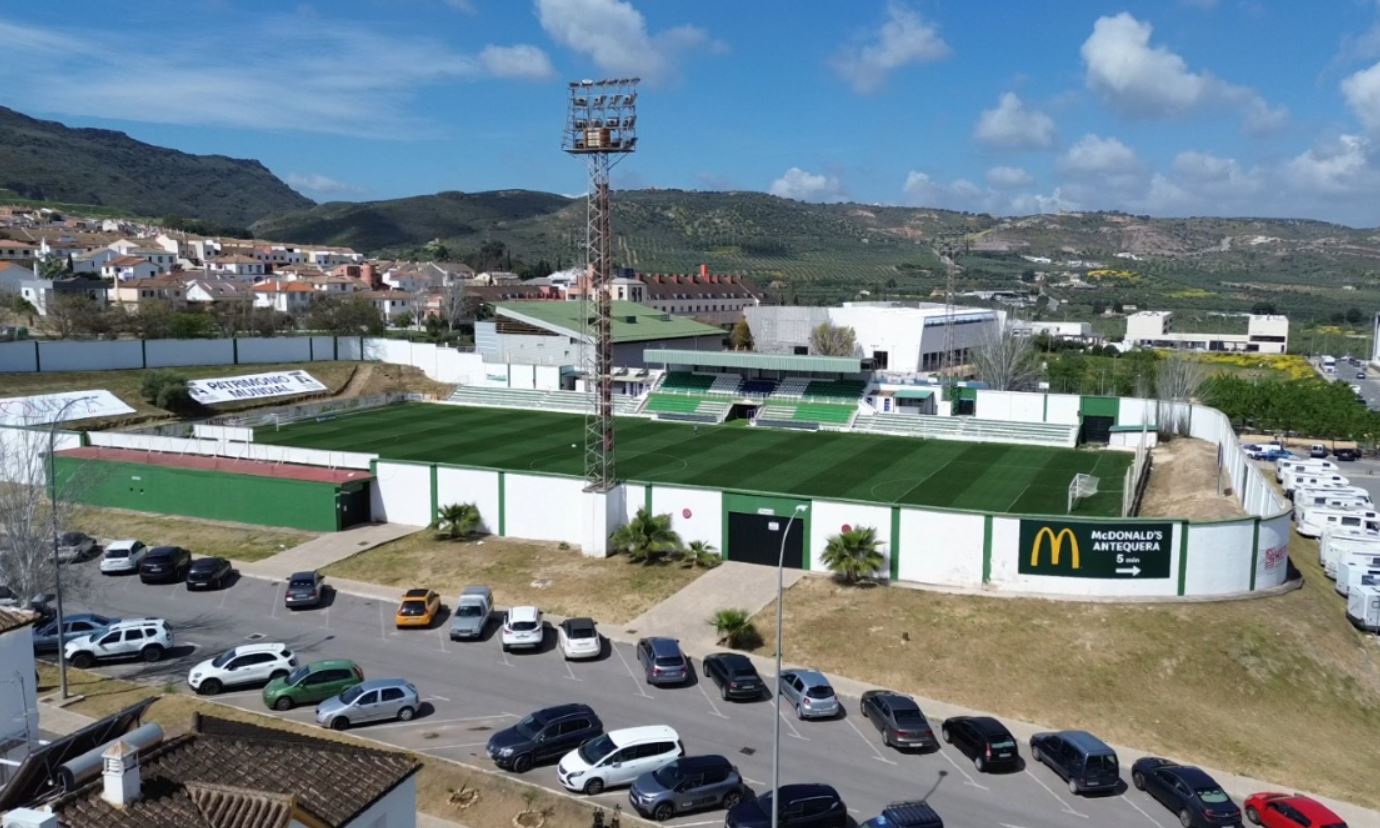
The Estadio El Mauli looks much older than it actually is. If somebody told you it was built in the 1950s, you would probably believe them. Built into the side of a shallow hill, the majority of its 6,000-capacity is housed on a large open bank of green-and-white steps on the east side of the ground. The upper 10 rows of the steps have white bucket seats bolted to them. The only other developed part of the ground is on the west side, where a 35-metre-long propped cantilevered roof sits over the upper tier of the main stand. The roof is a more recent addition, as the upper tier was originally left open when the stadium opened in 1983, but gained a cover before the club’s ascent to Segunda B in 2008. Towards its rear stand a line of media booths, behind which are two rows of raised seating, with variable views due to the supports for the roof and the said media booths. More sightlines have been compromised in the lower tier of the main stand, where two large substitute benches block any view from the front rows. The main stand is flanked by single tiers of open seating which extend to the touchlines. Behind each goal are large banks of earth, including an impressive olive tree in the centre of the southern one.
The club’s website has a photo of a model of the stadium, before its construction. It features a full-length covered stand and banks of terracing at the northern and southern ends. Maybe Antequera can reach a level that its predecessor failed to attain? If it does, then the modest El Mauli has the scope to rise up to the required standard.






Antequera Club de Fútbol Official X/Twitter account: https://twitter.com/AntequeraCF
La Futbolteca Club History: http://lafutbolteca.com/antequera-club-de-futbol/
 Estadios de España