
Article updated: 15/05/2026
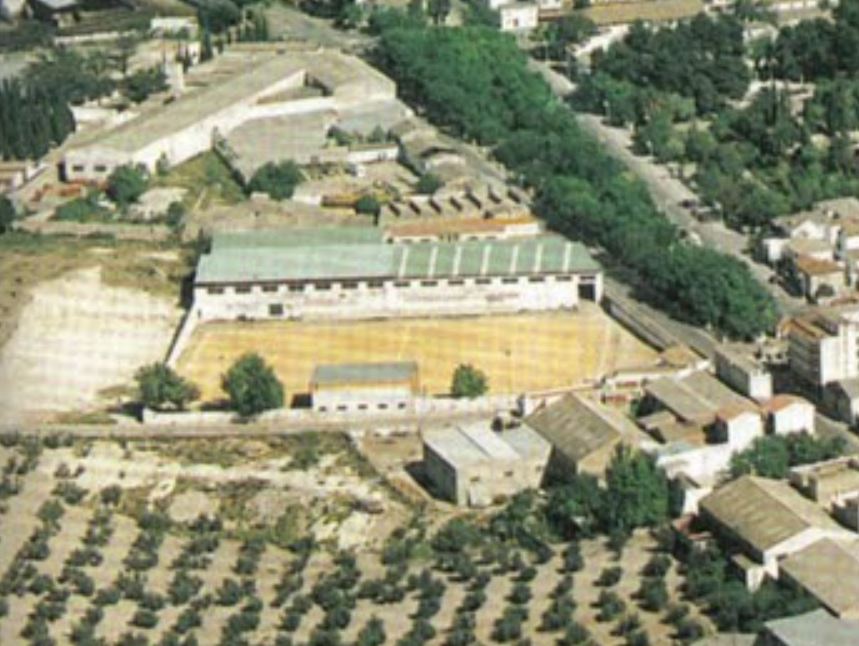
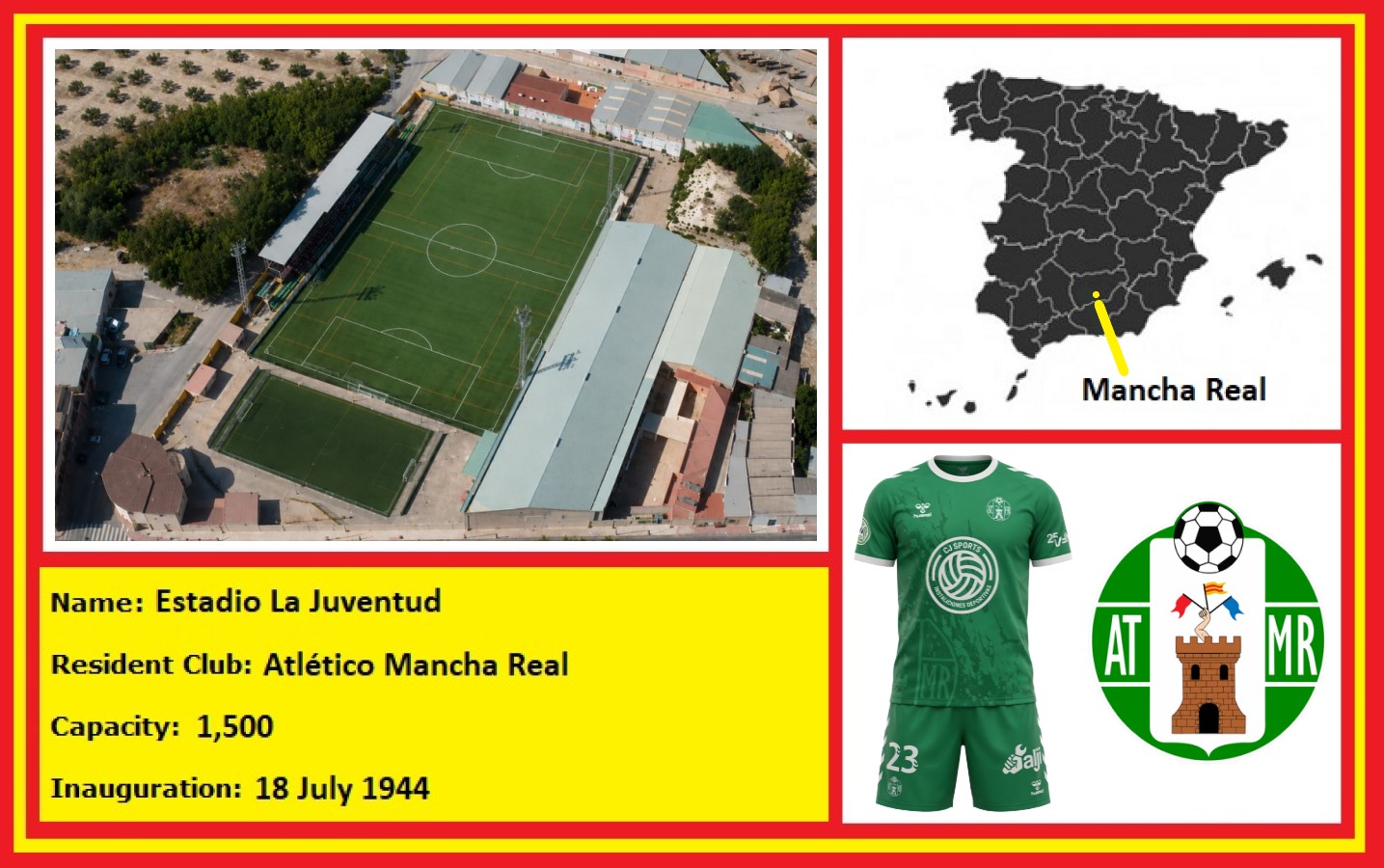
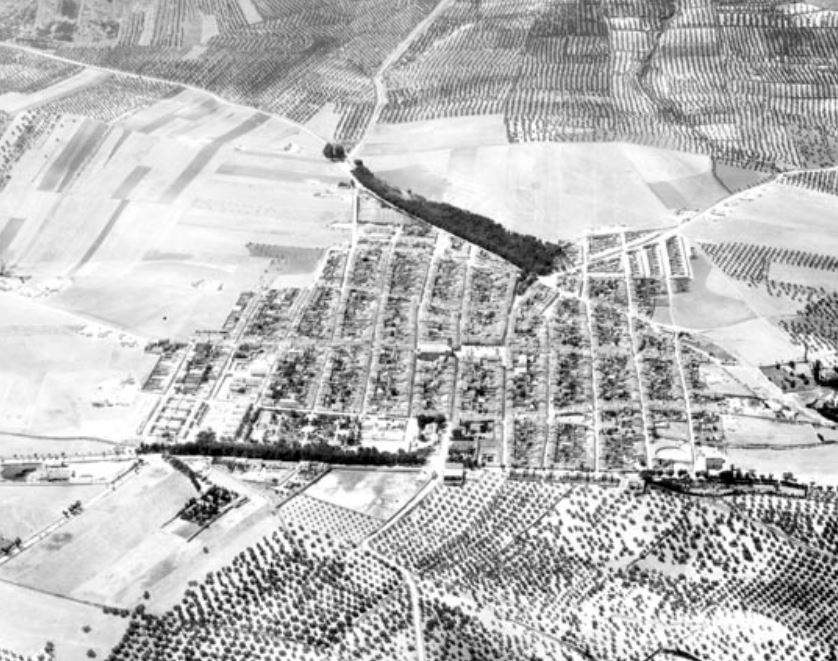
Football arrived in the northeast area of Andalucia in the late 1890s, thanks to British investment in the lead mining industry around the city of Linares. The game soon reached the provincial capital of Jaén, but took a further 25 years to travel the 12 miles east to Mancha Real. Even then, the clubs were informal affairs that were not registered with the local federation. It wasn’t until after the Civil War, when the Falange Española formed a youth team in 1942, that regular football became established in the town. The club, Imperio Azul Club de Fútbol del Frente de Juventudes, moved to a permanent home on 18 July 1944, when the Campo de Deportes Marqués de Villaverde opened. Though greatly changed, this enclosure on the northern edge of town, set among olive groves and next to the municipal park, remains the home of football in Mancha Real.
Evolution of the Campo de Deportes Marqués de Villaverde / La Juventud
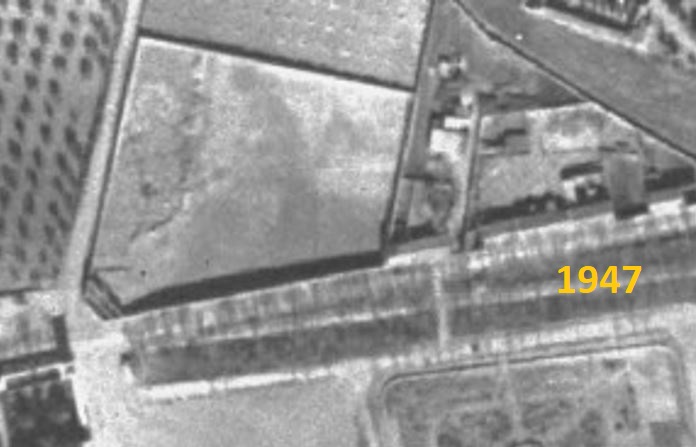
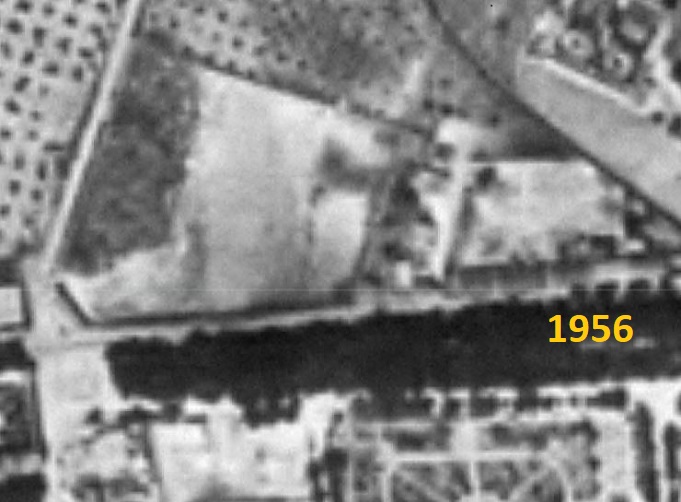

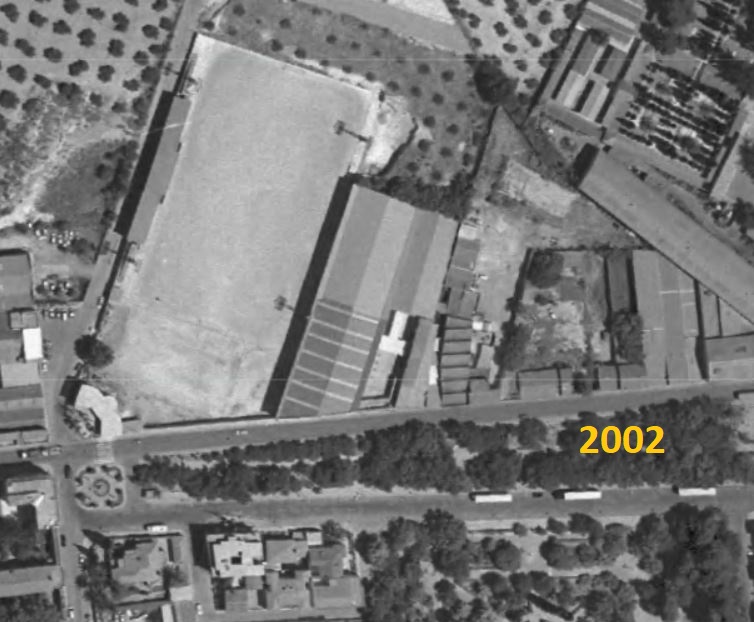
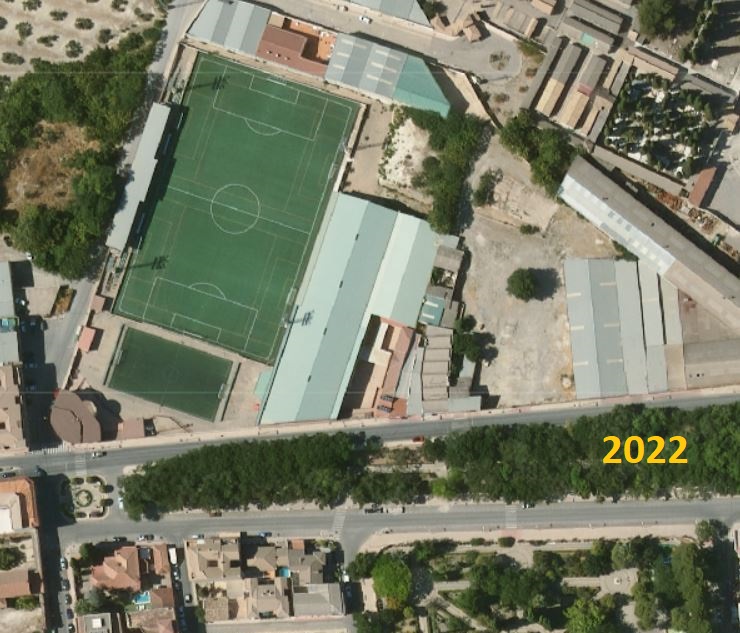
Imperio Azul CF continued to focus on youth football. They finally set up a senior team and joined the Andalucian Federation in 1951, but that jaunt lasted for two seasons. They returned to senior football in 1965, but four further seasons of slim pickings led to the club folding in 1969. Over the next 15 years, three separate clubs attempted, and failed, to establish senior football in the town. A new version of Imperio Azul Club de Fútbol ruled this very small roost from 1972-79, whilst the town had no senior team between 1979-81. Mancha Real Club de Fútbol was formed in the summer of 1981, and in 1983, a local works team, Biondi Club de Fútbol, was formed. Both had folded within a few years. Disenchanted with the lack of success, a group of fans formed Atlético Mancha Real in the summer of 1984.
Initially a youth team, Atlético joined the local federation on 4 August 1984 and within a year had a senior team competing in the Segunda Regional. Atlético first reached the Regional Primera in 1990, establishing themselves throughout the 1990s before making the next step up to the Tercera in 1999. Whilst they returned to the Regional Primera for a four-season spell in 2005, their return to the Tercera in 2009 was emphatic, securing their first Tercera title in May 2010. The playoffs were not so kind, with Atlético losing out to Badajoz & UD Extremadura. A second-placed finish was achieved in 2012-13, but Cultural Leonesa saw off Atlético in the playoffs. There were no such problems in May 2016, when Zamora CF was convincingly beaten 5-1 on aggregate in the playoffs, after a second Tercera title was won.
Atlético’s start to life in Segunda B began reasonably well, with three wins and two draws in the first seven matches. Even after 16 games, Atlético stood in a respectable 9th place with 23 points. Unfortunately, that was as good as it got as the remaining 22 matches saw Atlético record just 3 wins and a measly 15 points, and finish 18th. In fact, it was a miserable season for this corner of Andalucia, as both Linares Deportivo & Real Jaen were also relegated to the Tercera. Back in the Tercera, Atlético recorded two top ten finishes before finishing 11th in the curtailed 2019-20 COVID-19 season. The reorganisation of the Spanish Pyramid was announced ahead of the 2020-21 season, and Atlético’s impressive form in the sub-group and promotion group earned them a place in Segunda RFEF for the 2021-22 season. They also earned a place in the Copa del Rey, where wins over Inter Madrid & top-tier Granada CF earned a tie with Athletic Club in front of a record crowd of 4,500 at La Juventud. The Basque visitors prevailed, winning the tie 0-2.
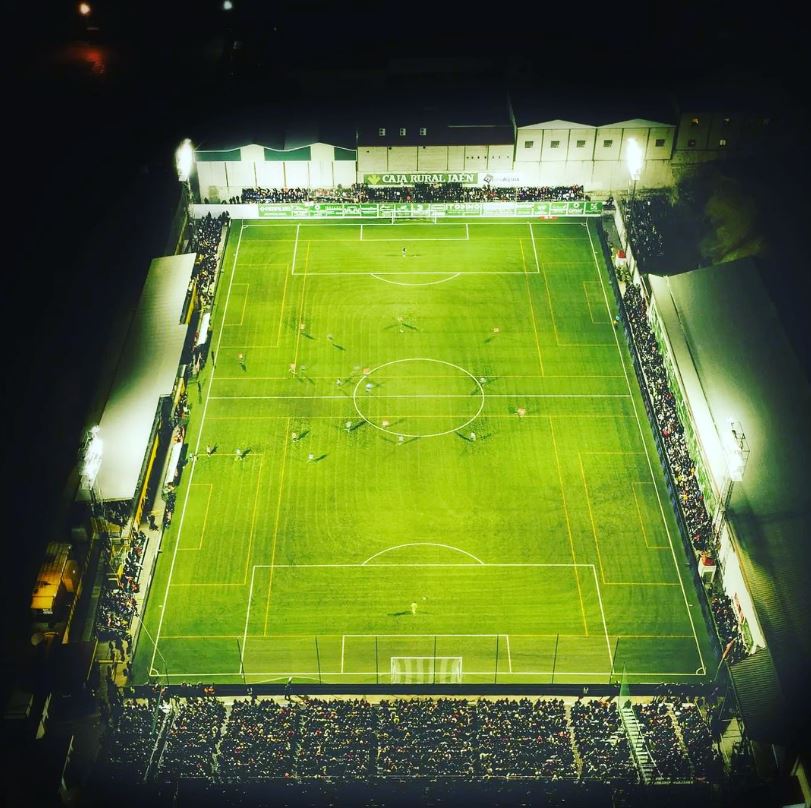
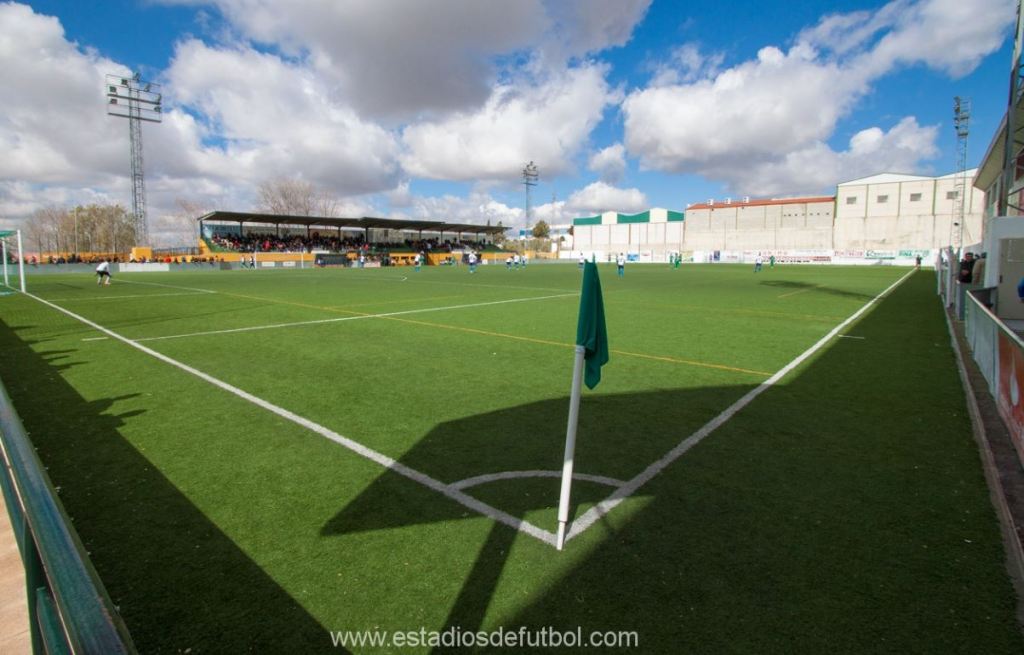
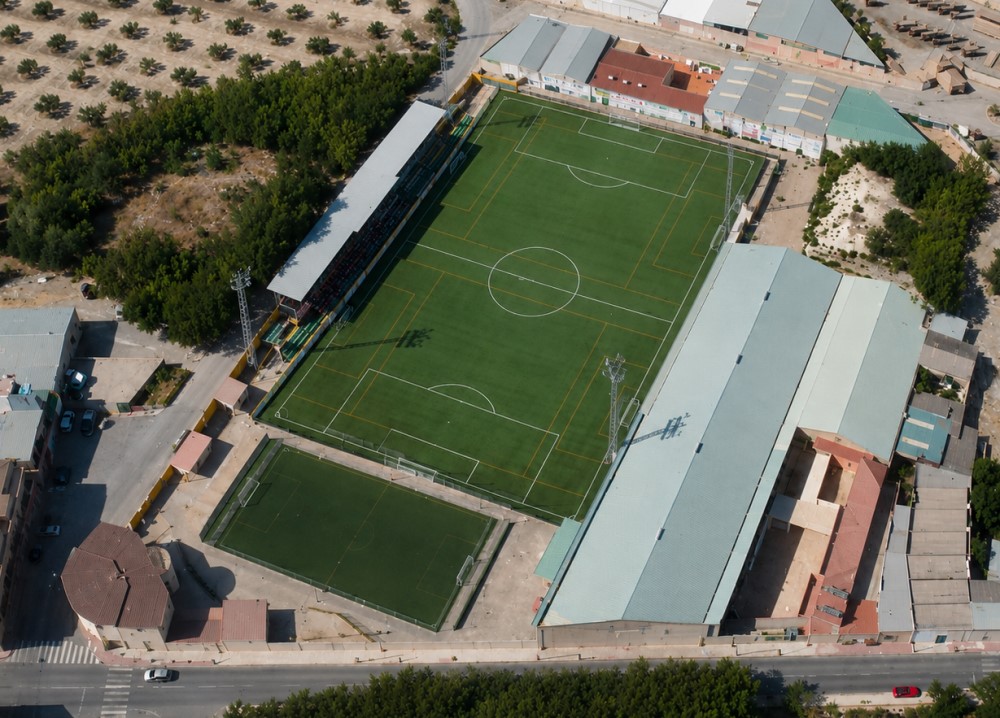
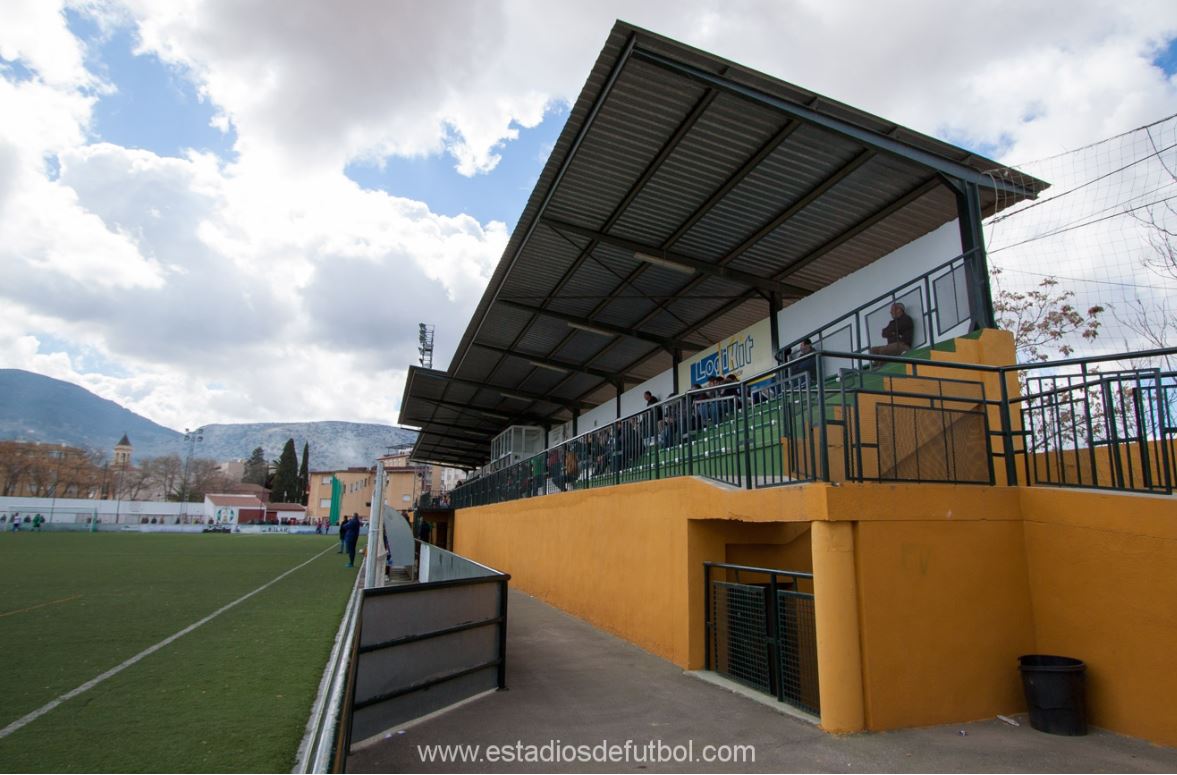
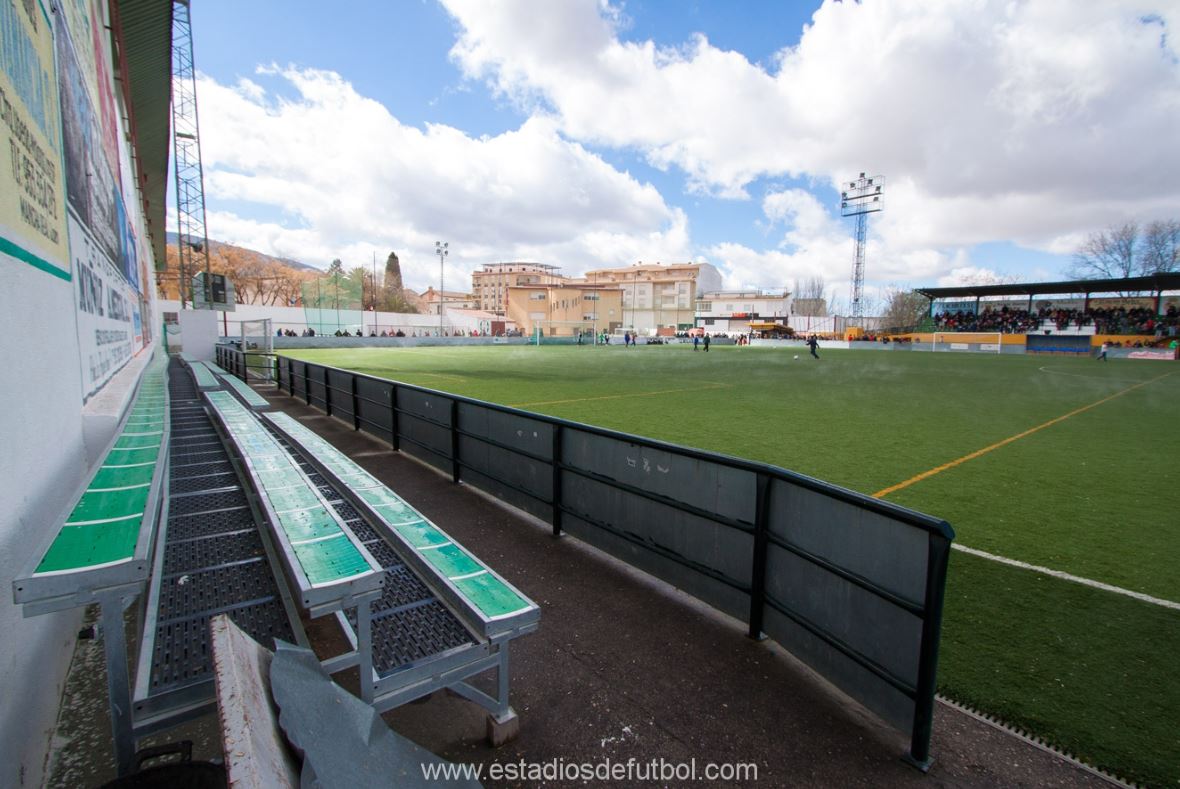
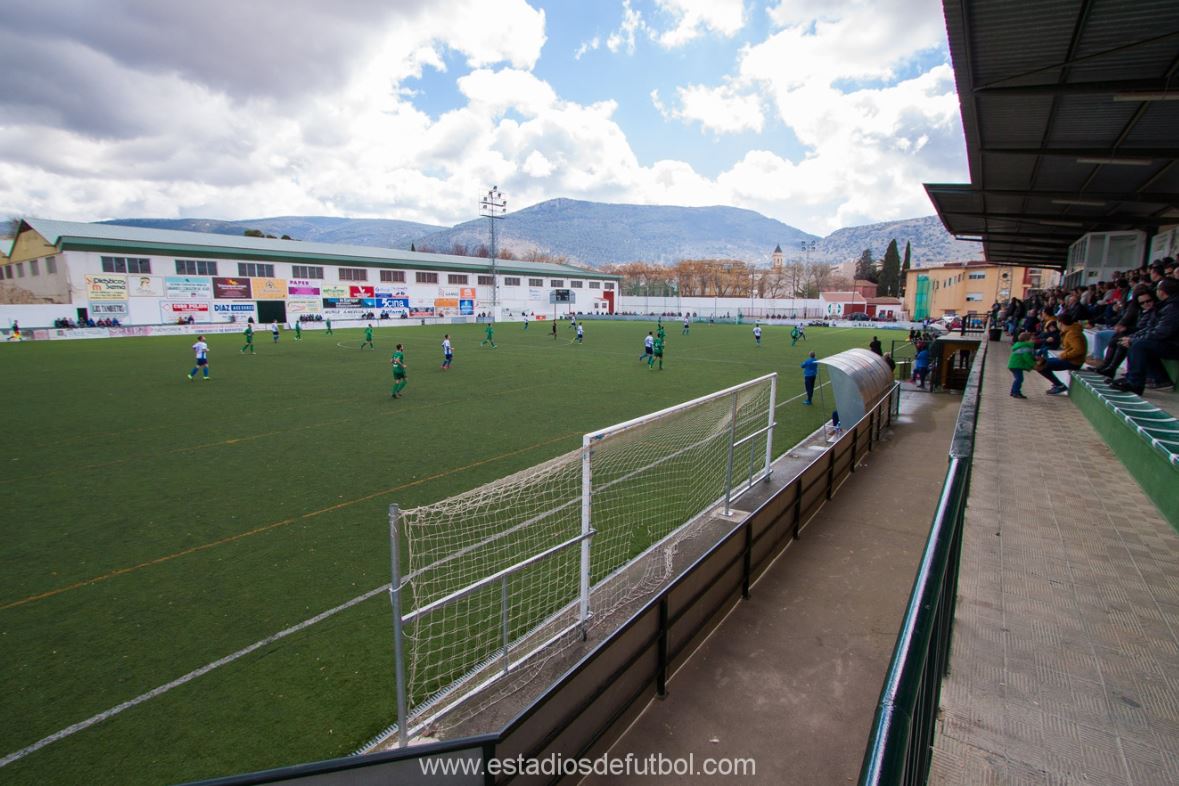
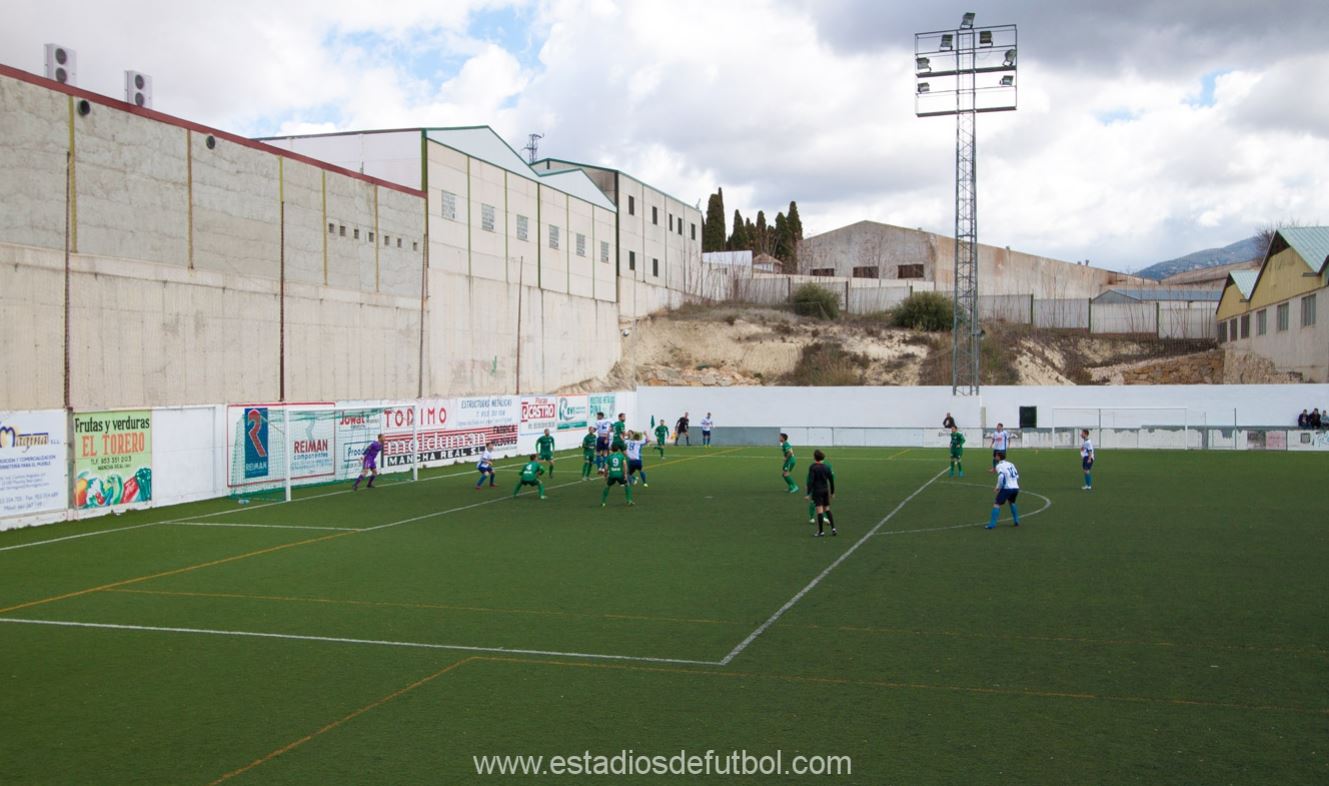
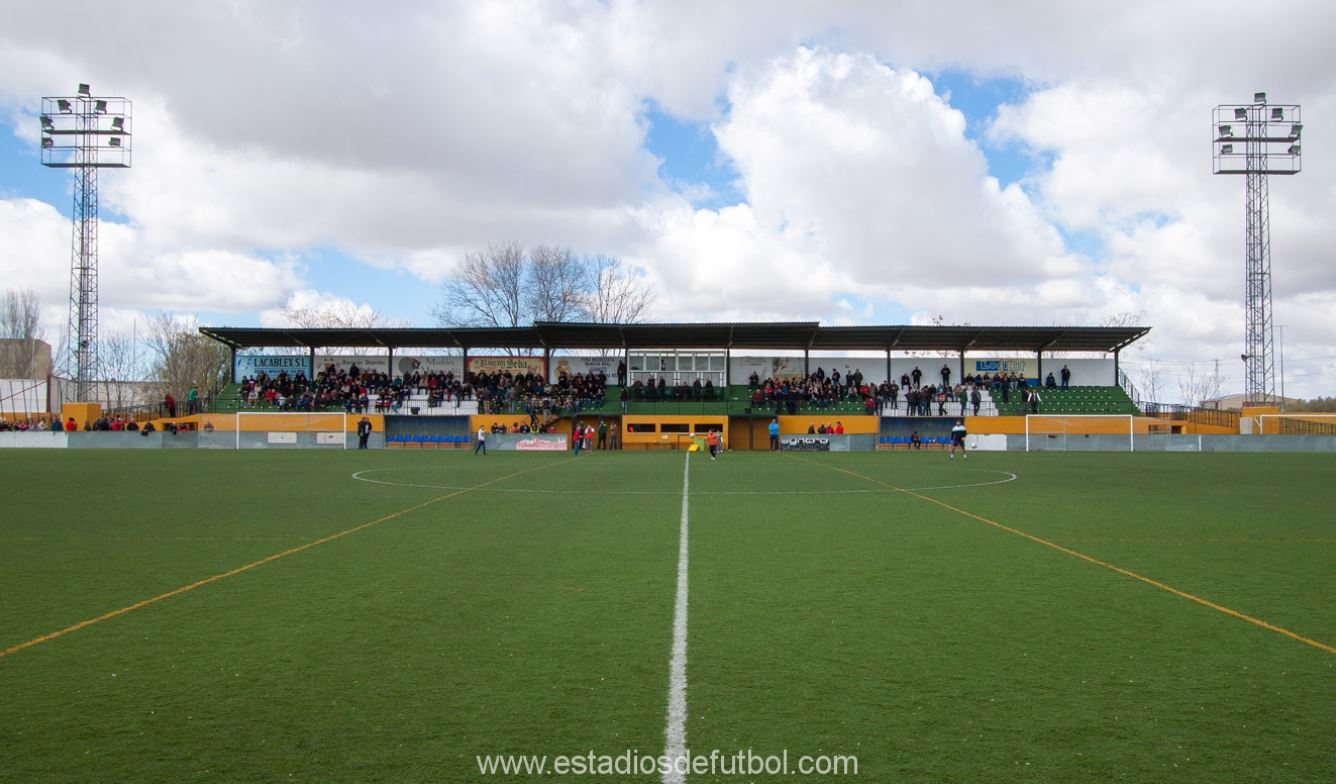
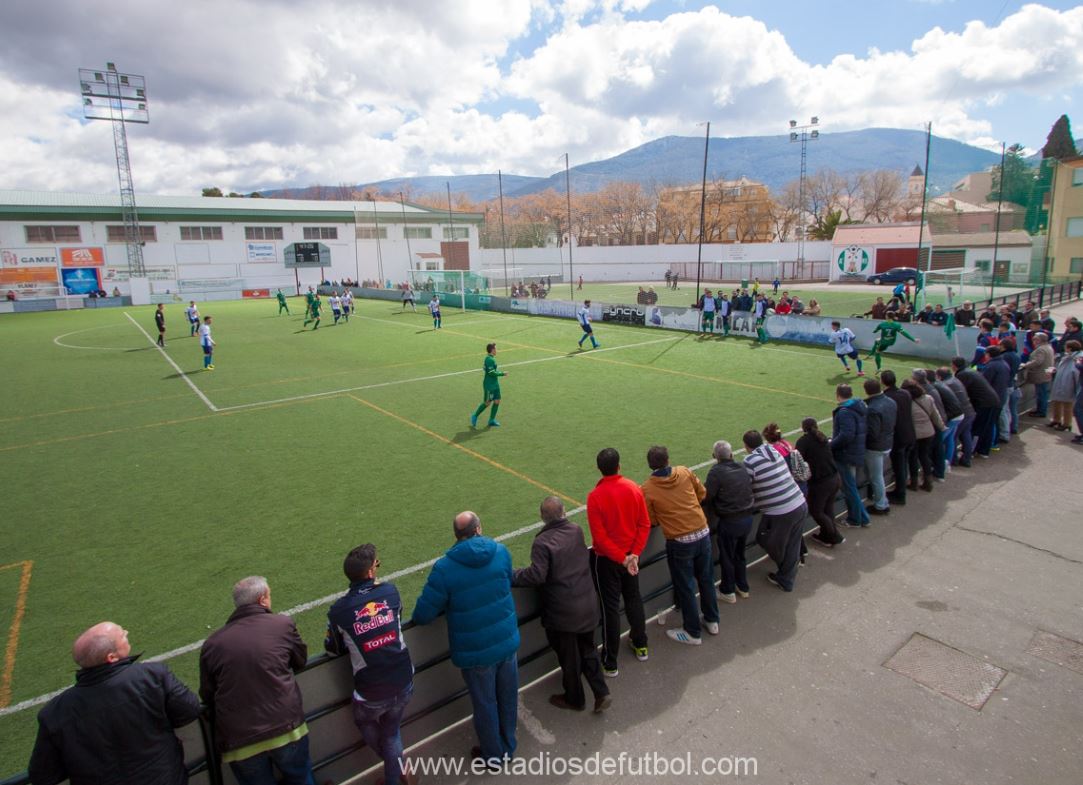
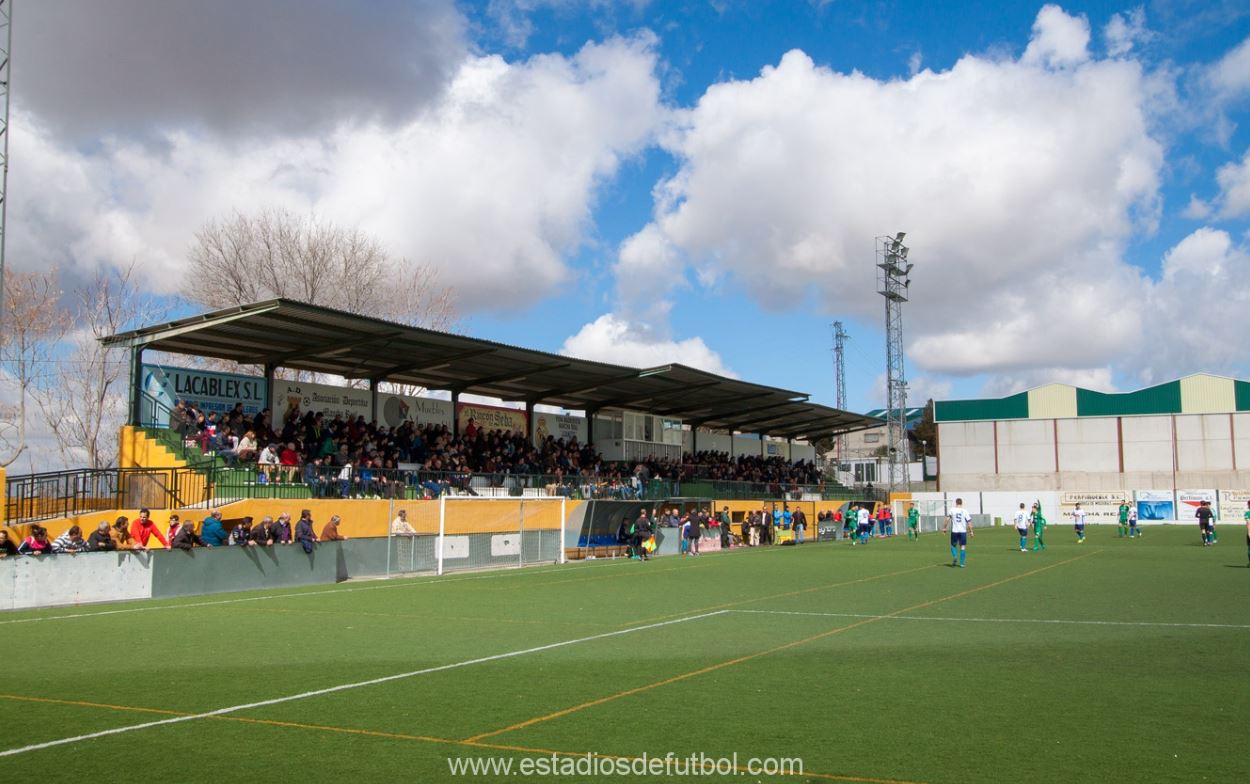
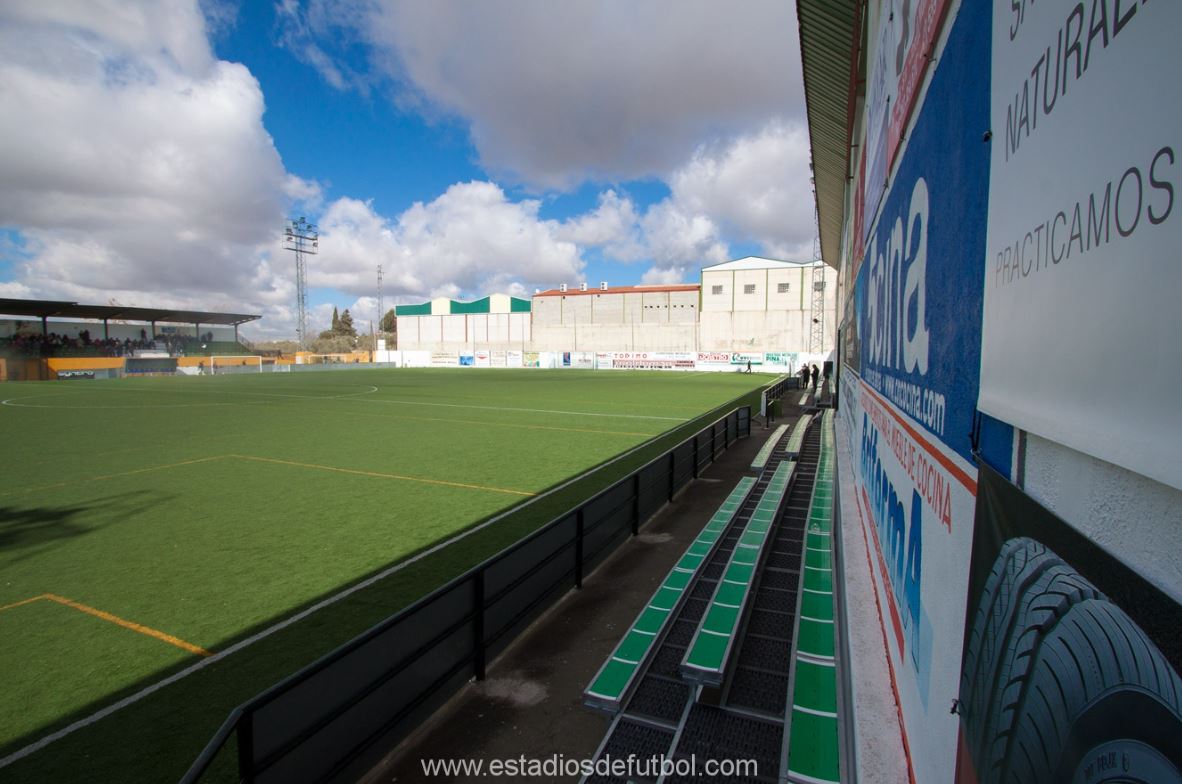
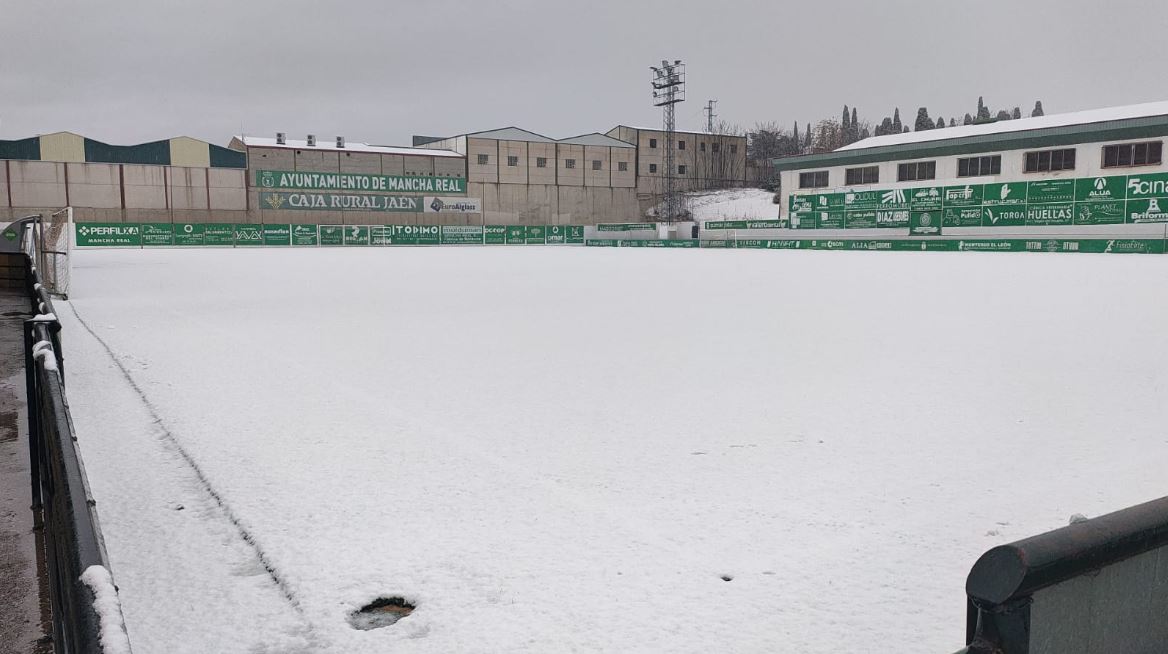
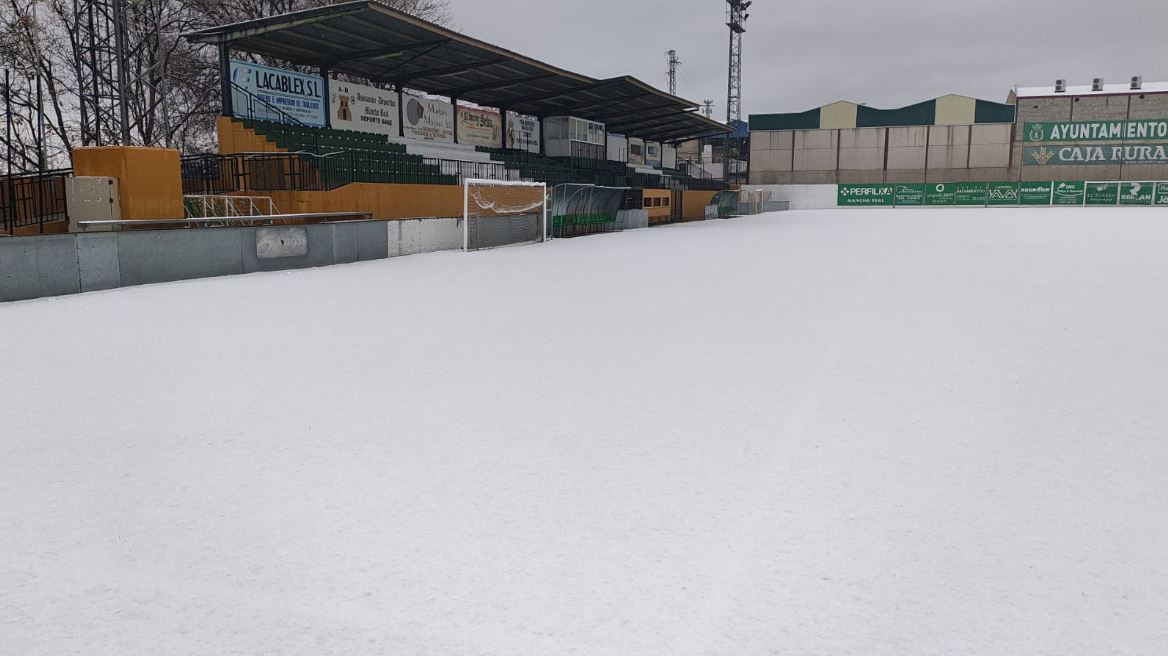
La Juventud has hosted football in Mancha Real for nearly 80 years. Its original layout saw the pitch run from east to west, before being rotated 90 degrees in the 1950’s. A short stand with seating above the changing facilities was added in the 1960s. The next major change came in the 1990s, when the municipality built a sports centre along the eastern side of the stadium, essentially enclosing the ground and giving it its claustrophobic feel. The club’s return to the Tercera in 2009 saw the pitch moved 35 metres to the north, the building of a new main stand and the installation of a new artificial surface. La Juventud has a regular capacity of 1,500, the majority of which is housed on the western side, where the main stand has 450 green & white seats perched above the changing facilities. Three rows of seats run along the eastern side, up tight to the rear wall of the sports centre. Temporary bleachers have been added to the southern end (over a small practice pitch) and northern end, when La Juventud hosted the playoffs and Granada & Athletic Club in the Copa del Rey in 2022.
Atlético’s two-season stay in the Segunda Federación ended in May 2023, when they finished 17th, 13 points from safety. There was no bounce back in the Tercera Federación, with two mid-table finishes, before a tight, but ultimately successful fight against relegation to the División de Honor de Andaluza in the 2025-26 season.

Atlético Mancha Real Official X/Twitter: https://twitter.com/atmanchareal
La Futbolteca Club History: http://lafutbolteca.com/atletico-mancha-real/

