Article updated: 16/05/2026
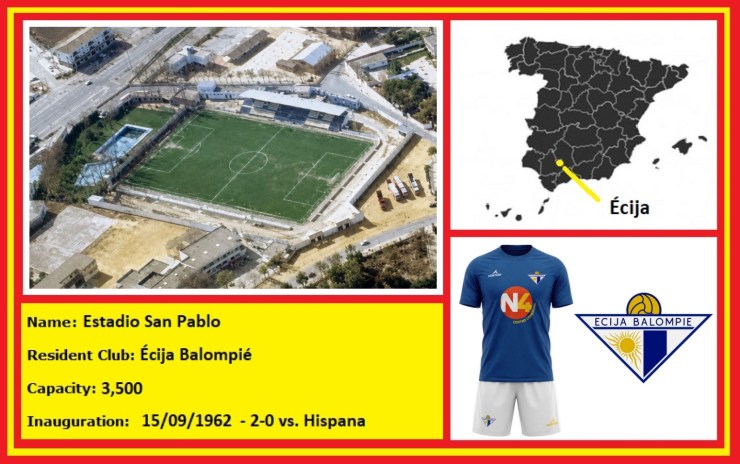
Halfway between Sevilla and Córdoba lies the small city of Écija. It’s renowned for its distinctive architecture, its eleven church towers and its heat. So hot is the summer temperature in Écija, that it is known as “La Sartenilla de Andalucia” (The frying pan of Andalucia). The local team, Écija Balompié, has never reached such fiery temperatures; in fact, they have only really cooked on gas in the mid-1990s when they reached the second division for two seasons.
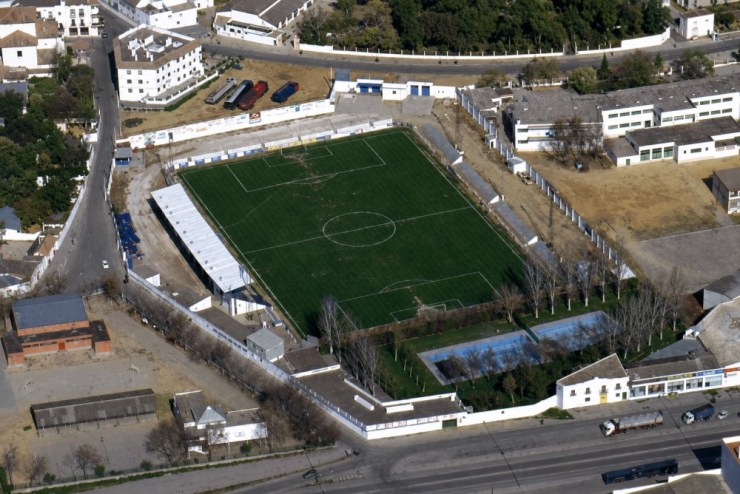
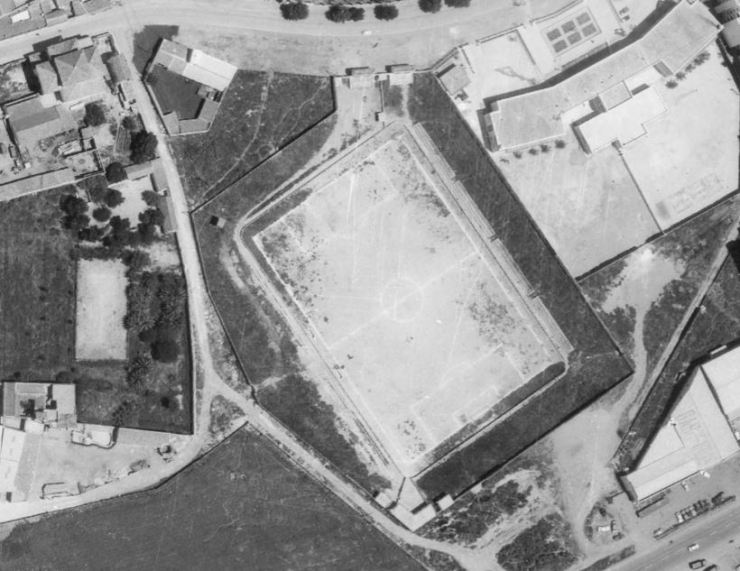
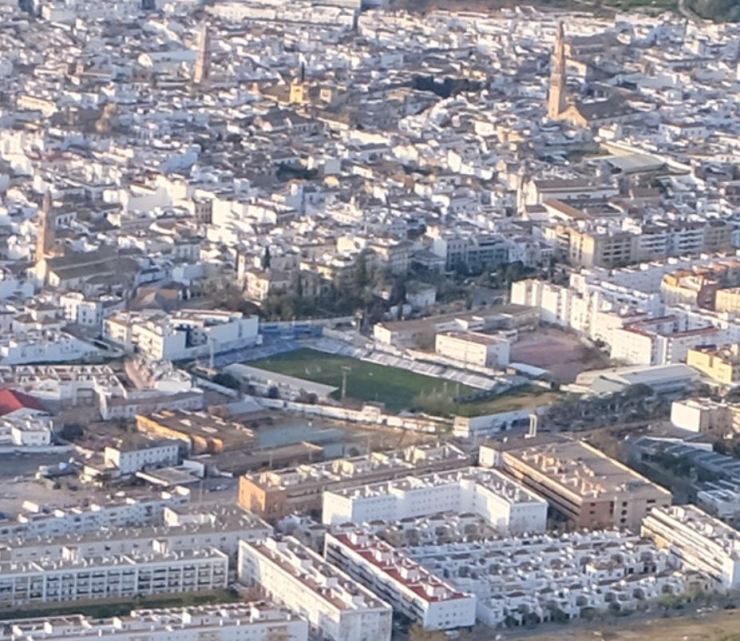
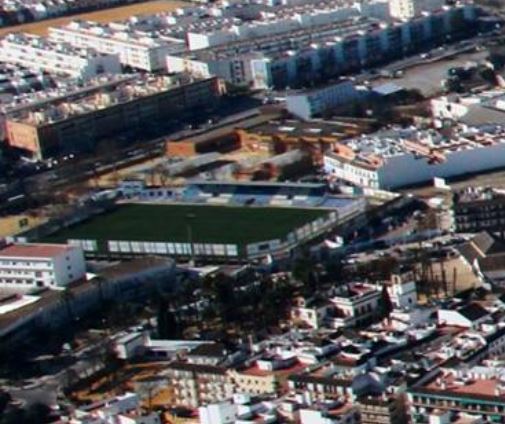
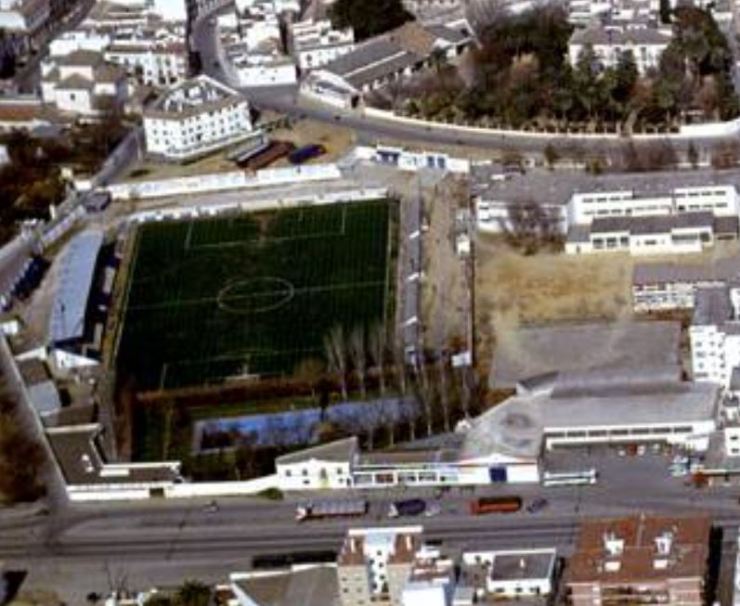
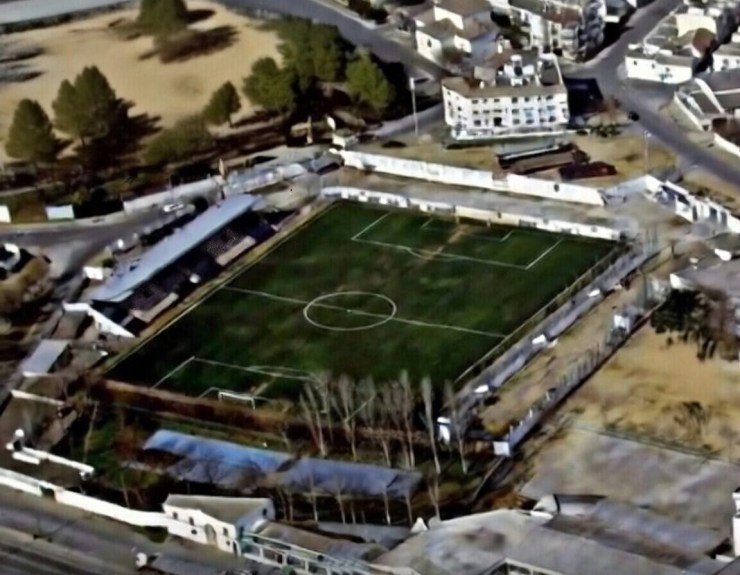
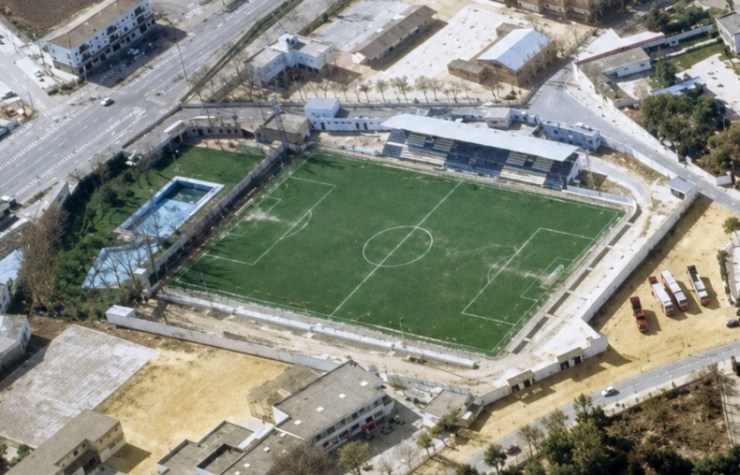
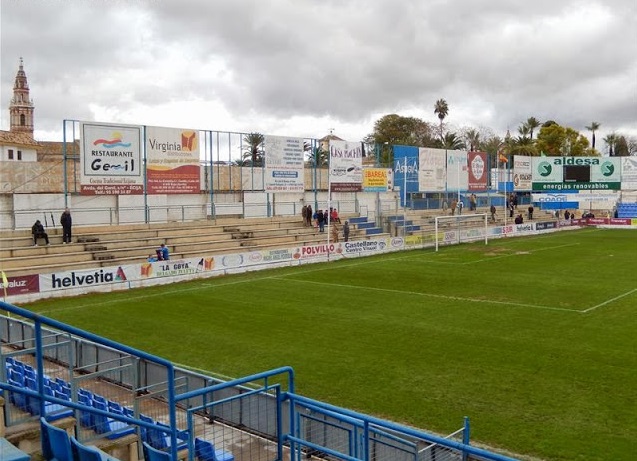
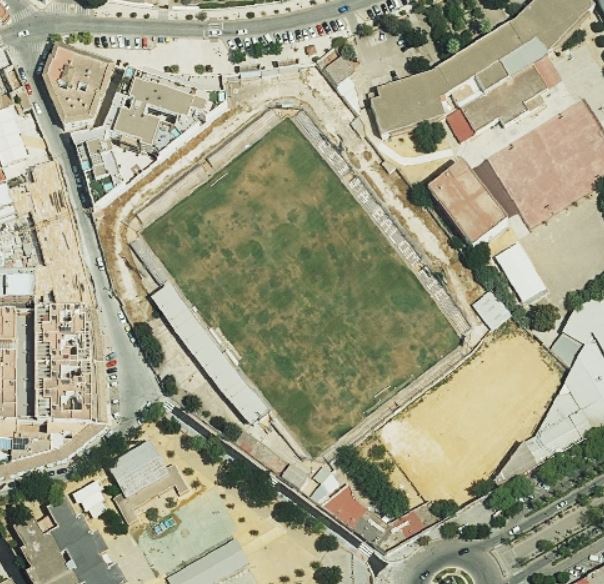
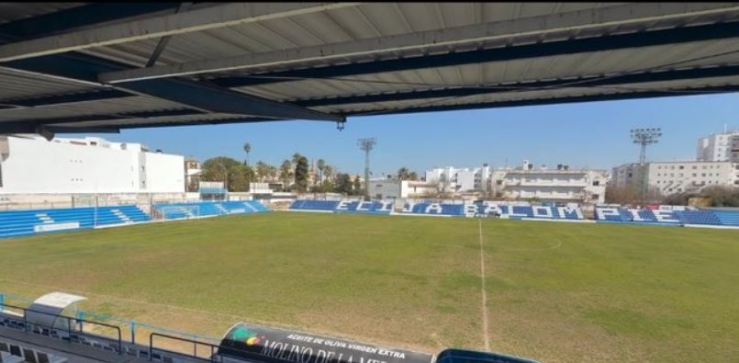
Écija Balompié was founded relatively recently in 1968, after the original Écija Balompié folded in 1957 and its successor, Club Recreativo Ecijano, bit the dust in 1965. Both clubs played at the Campo de San Cristóbal, which opened in 1923 and was a basic, enclosed area of land in the north of the city, next to the present-day Parque de Caballeria. At least Club Recreativo had the chance to play at the Estadio San Pablo, which was opened in 1962. The enclosure was relatively basic (and remained so for its first 30 years), with a dirt pitch and hard standing around most of its perimeter, save for a narrow strip of terracing on its eastern side.

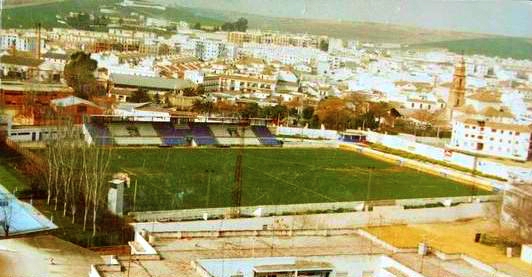
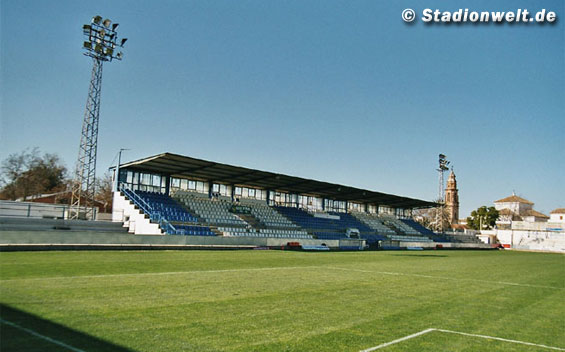
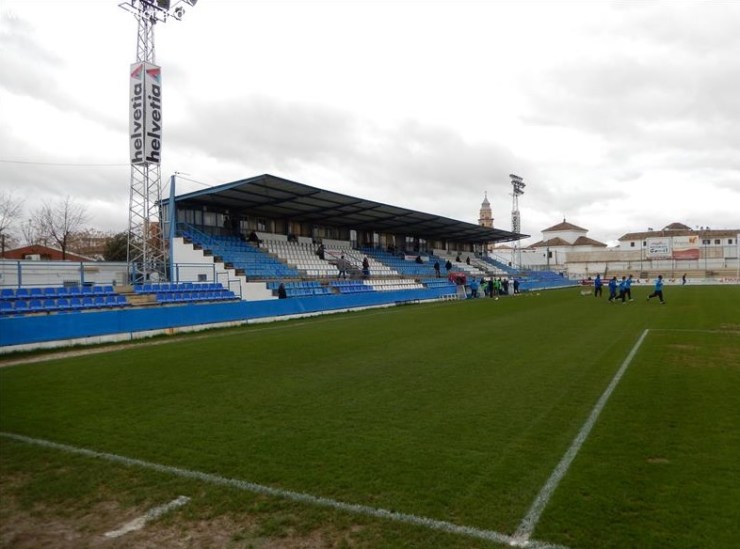
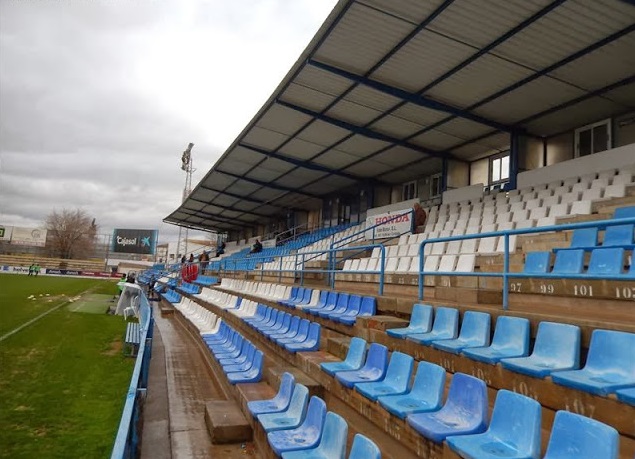
Écija Balompié spent the first two decades or so kicking around the regional leagues before promotion to the Tercera in 1987. It took a further five seasons to reach Segunda B, but in 1992 it finished second in the league and topped a playoff group featuring Talavera, Velez Málaga & Don Benito. Promotion to the third tier led to development at San Pablo. A covered cantilevered stand, 60 metres in length, was erected on the western side, and a few steps of terracing were added to the northern end. Écija Balompié made steady progress, finishing third in the 1994-95 season. In a tough & tight play-off group featuring Numancia, Pontevedra & Levante, all four clubs could still win promotion going into the final set of fixtures. Écija Balompié’s 1-1 draw at San Pablo against Levante was enough to secure top spot.
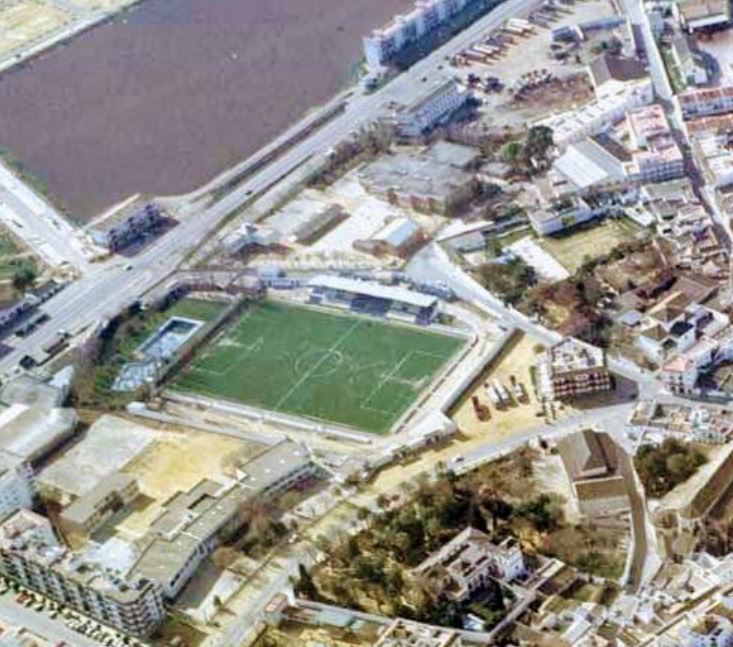
Club President José Herráinz Caraballo had financed the club’s rise to the second tier. His money funded the development of a competitive squad and improved the facilities at San Pablo. Promotion to La Segunda brought further change to San Pablo, with uncovered seating added to each side of the main stand and terracing built at the northern end. Seating was also extended on the eastern side of the enclosure using bleachers. Finally, a narrow temporary stand was added behind the southern goal. Unsurprisingly, life in La Segunda was difficult for such a small club. Still, their good home form and four crucial away wins, including a 1-2 victory at eventual champions Herculés, saw Écija Balompié finish in thirteenth position, three points clear of relegation. The 1996-97 season was tougher still, and without the resources to compete, Écija Balompié finished bottom of the league, fourteen points from safety.
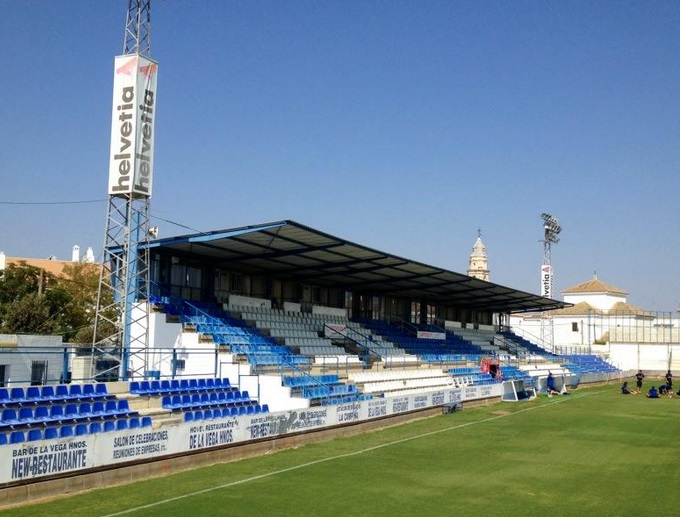
Écija Balompié then settled for a steady run in Segunda B, clocking up 17 consecutive seasons at this level. They rarely troubled either end of the table in many of those years, but in 2007-08 they were crowned champions of Group IV, amassing an impressive 21 victories and 9 draws on their way to the title. In the playoffs, Écija Balompié beat Deportivo B en route to the final, but lost 3-1 on aggregate to SD Huesca. One small consolation was that in the return leg at San Pablo, a crowd of 6,000 saw Écija Balompié play out a 1-1 draw with the Aragonese team. During this period, San Pablo also recorded its record attendance, when Real Madrid visited in the Round of 32 of the Copa del Rey in October 2006. 10,000 watched a 1-1 draw, thanks in part to 4,000 temporary seats that were wedged into the enclosure. The club finally fell back to the Tercera for the first time in over two decades in 2014, when a disastrous campaign saw the club win just six matches and finish bottom of the league, some 20 points from safety.
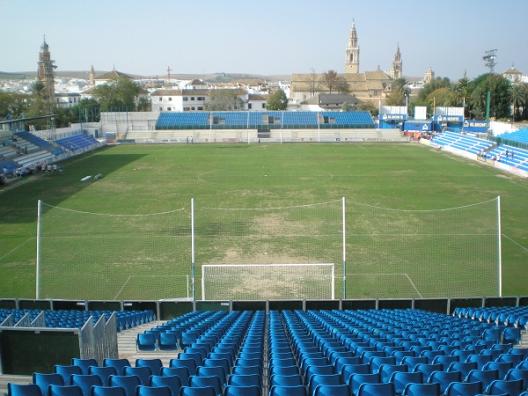
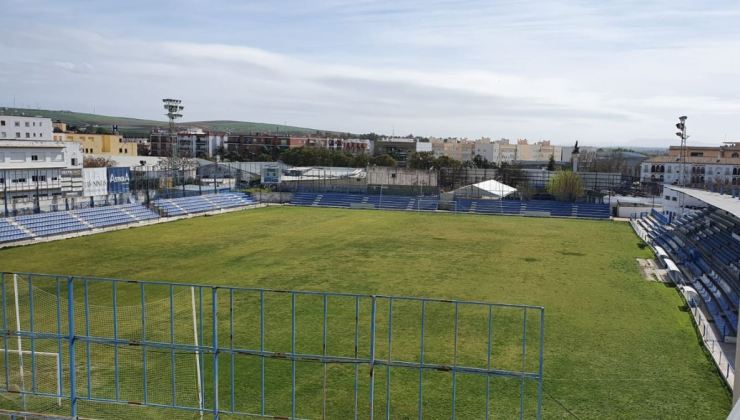
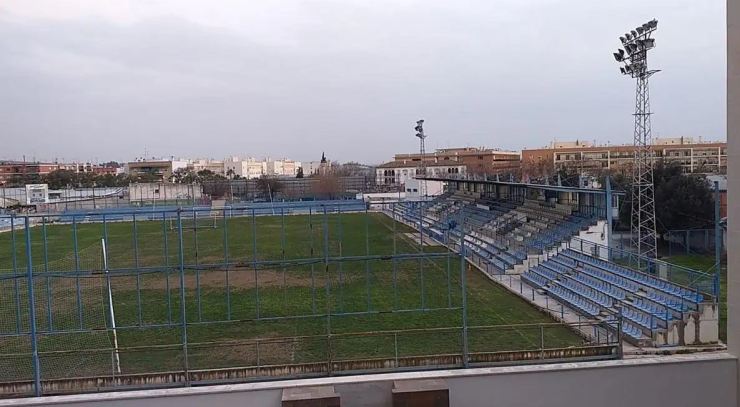
In 2016, Écija Balompié was bought by a Korean consortium, and initially the signs seemed favourable, with the club winning promotion back to Segunda B. However, a year later, the club found itself back in the Tercera. There followed a period when the club’s future was seriously in doubt. Debts of €400,000 and absent owners led to the club being administratively relegated and dropped to the eighth tier of the Spanish pyramid. By 2023, Écija Balompié had dropped a further level to Grupo 1 Tercera Andaluza Sevilla. Some light relief followed when the club won the league title and promotion back to the eighth tier in 2024. As for San Pablo, it’s a pale shadow of the proud and pristine stadium that once hosted second-tier football. It seems that football in Écija is going to require more than the Andalusian sun to get some heat back into its game.


 Estadios de España