
The city of Jerez de la Frontera encapsulates the very essence of Andalucía. It may not be on the tourist trails with the likes of Granada and Sevilla, but what it loses in terms of visitors it more than makes up for in character. Steeped in history, Jerez is home to the world-renowned Royal Equestrian School, the capital of the Spanish brandy & sherry trade and the (disputed) cultural centre of flamenco. But why has this city of nearly a quarter of a million citizens has achieved so little on the football field?
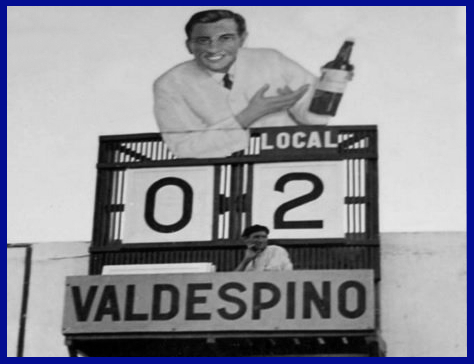
Given its proximity to Sevilla and Cádiz, one would have expected Jerez to feature prominently in the early history of football in the region, but for one reason or another, it was and to some extent, has remained a football backwater. The first serious amateur side from the city, Jerez Foot-ball Club, was founded in 1907 by workers of one of the city’s sherry merchants, but achieved little and folded ten years later. A succession of small clubs vied for top billing in the city, but it wasn’t until the advent of the professional age that the city had a team that was successful beyond the province of Cádiz. Formed in December 1932, Xerez Football Club also took advantage of the hospitality of a one the the city’s sherry merchants, by playing at the recently built Estadio Domecq. They made short work of the regional leagues and the Tercera to reach La Segunda for the 1935-36 season. Finishing second in the southern section, Xerez FC progressed to the promotion play-offs, where they finished sixth. In the wake of the Civil War, Xerez Club as they were now known, continued in a now regionalised second tier. They achieved another second-place finish in 42-43, but again failed to impress in the play-offs. The league was played on a national level in 1943-44 & 44-45 and Xerez Club finished fifth on both occasions, just outside the play-off places. However, a decline was just around the corner and when it came, Xerez Club’s demise was swift. The 1945-46 season saw the club finish twelfth and enter a relegation/promotion play-off with Barakaldo. The match was played at the Estadio Metropolitano in Madrid and the Basques were victorious by two goals to nil. The debts that the club accumulated, whilst playing on a national level, proved too onerous and on 26 August 1946 Xerez Club folded.
A year later and with the debts of the former club cleared, Jerez Club Deportivo, the reserve side of Xerez Club that had been formed in 1942, took its first steps in senior football. Like their immediate predecessors, Jerez CD played at the Estadio Domecq, and got off to the perfect start by winning the Regional Championship. Jerez CD also won the play-offs and that would normally guarantee promotion to the Tercera, but a certain General Jose Moscardo had other thoughts. Now Moscardo was the National Minister of Sport and at his insistence, UD España from Tangier in the Spanish protectorate of Morocco was granted promotion at Jerez’s expense. The title was won again in 1948-49 and this time Moscardo kept his nose out and Jerez reached the Terecera. Under the presidency of Luis Soto Domecq, the club grew in strength, eventually winning promotion to La Segunda in June 1953 with a point in the last fixture, somewhat ironically at UD España. The stay in the second tier lasted five seasons with a best place finish of sixth, before Jerez dropped back to the Tercera at the end of the 1957-58 season.
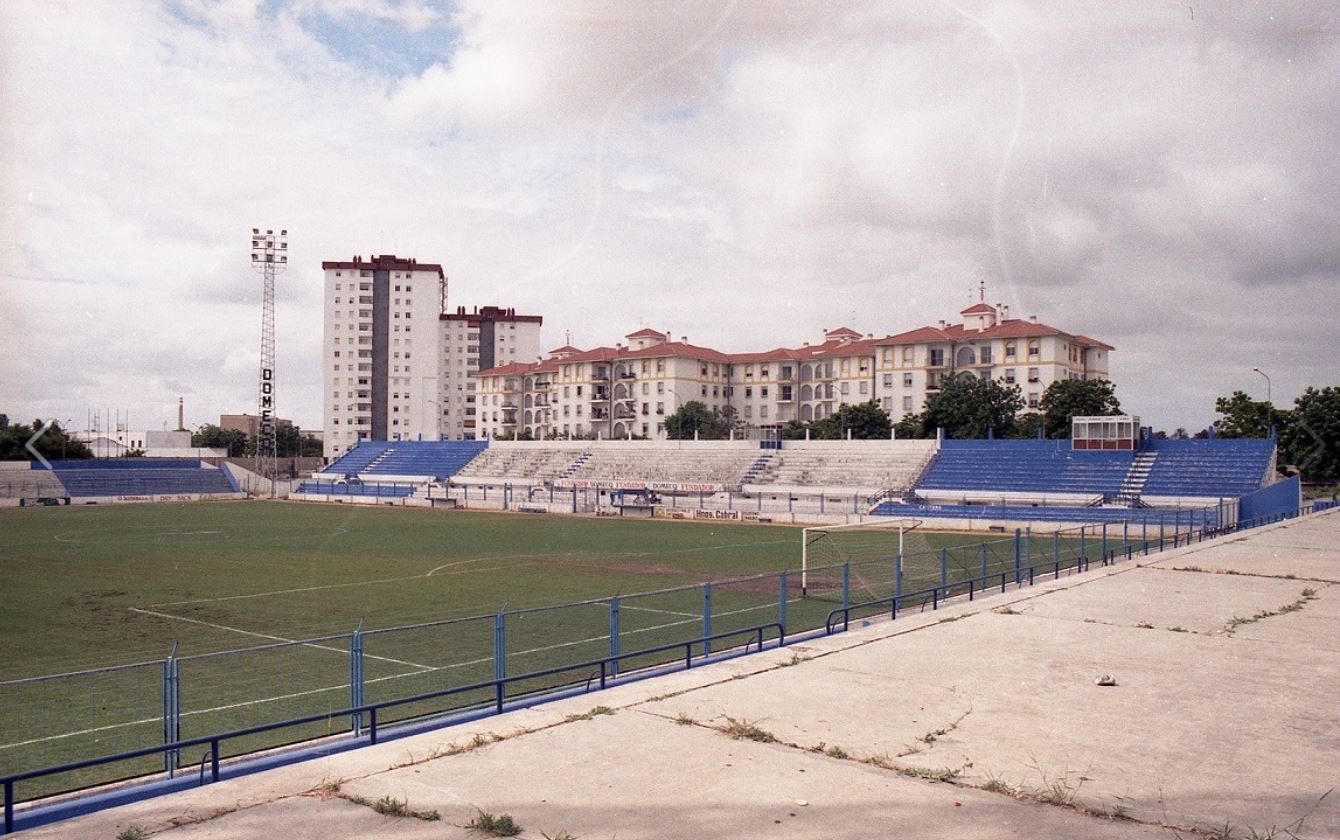
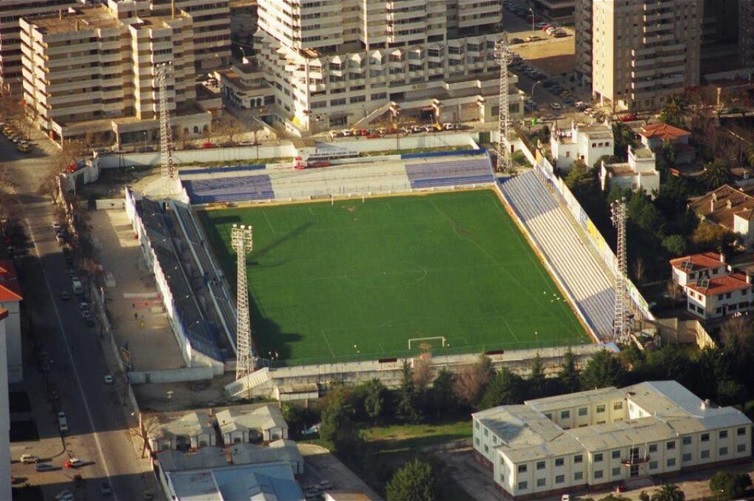
Not a great deal happened over the next three decades. Jerez CD became Xerez Club Deportivo in August 1963 and the newly named club made fleeting visits to La Segunda in 1967-68 and 1971-72. Four Tercera titles were won in this period, but Xerez was a high-ranking Tercera team when restructuring of the leagues saw the club debut in the newly formed Segunda B in 1977. After four years of mid-table finishes, the club surprised everybody with a league title and promotion back to the second division in May 1982. The stay lasted just the one season, but the club continued to push and won another league title and promotion back to La Segunda in May 1986. Despite finishing bottom in 86-87, Xerez avoided relegation thanks to the Spanish Federation’s decision to extend the division. Thanks to this reprieve, the club recovered and recorded a ninth-place finish in what was to be its last season at the Estadio Domecq. To be frank, the old stadium, with its four sides of open terraces and limited uncovered seating would have looked dated in the 1960s. So, it came as a relief when the club moved seven hundred metres to the south east and the new Municipal Municipal de Chapin in August 1988. The Estadio Domecq site was redeveloped and is now a small housing estate.
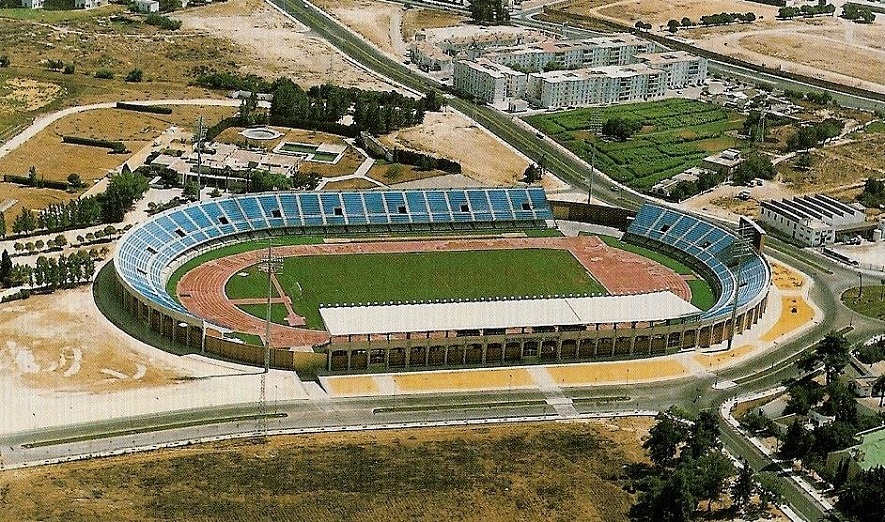
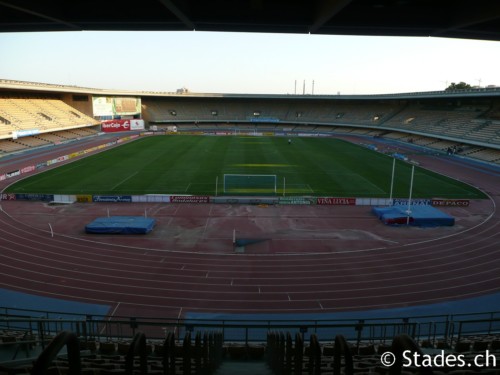
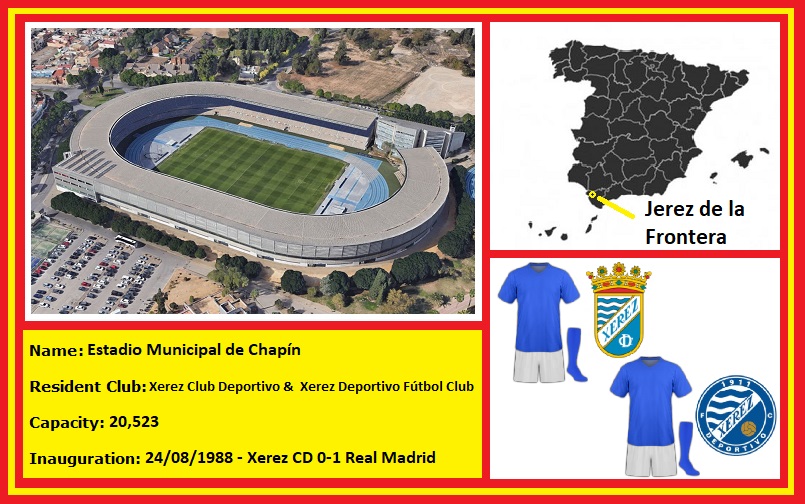
The new stadium was quite a step up from Domecq. Seating 17,500 over two quite separate hook-shaped stands, the new ground also provided the faithful with cover for the first time. A roof over the west side covered 2,500 seats, whilst both stands had a lower tier where 5,500 could seek shelter. The south-east and north-west corners of the stadium were left open, with the north-west corner providing access to an adjacent athletics track, which could be used for warming up. The first use of the stadium was for an athletics meeting on 28 June 1988, although the north stand was still unfinished. The official opening took place on 24 August 1988 when Xerez played Real Madrid in a pre-season friendly and lost 0-1. Two seasons of mid-table finishes followed before the club endured a dreadful 1990-91 season, finishing bottom of the league, 11 points from safety. The nineties were spent in Segunda B, save for the 1997-98 season when a disappointing year in La Segunda ended in relegation. The arrival of the new millennium would mark the start of the club’s most successful period, but before that could happen, Xerez had to hit the road as the Municipal de Chapin was about to undergo a make-over.
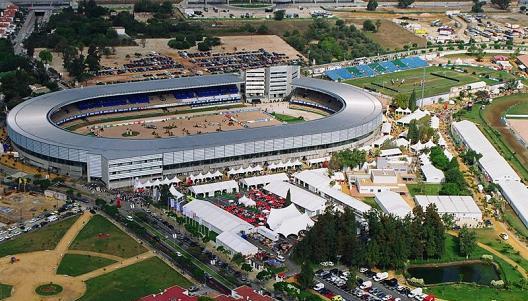
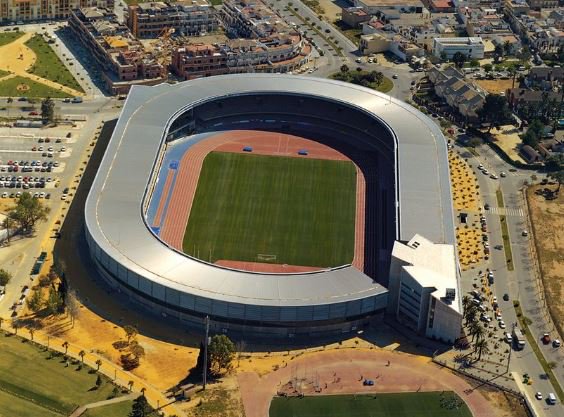
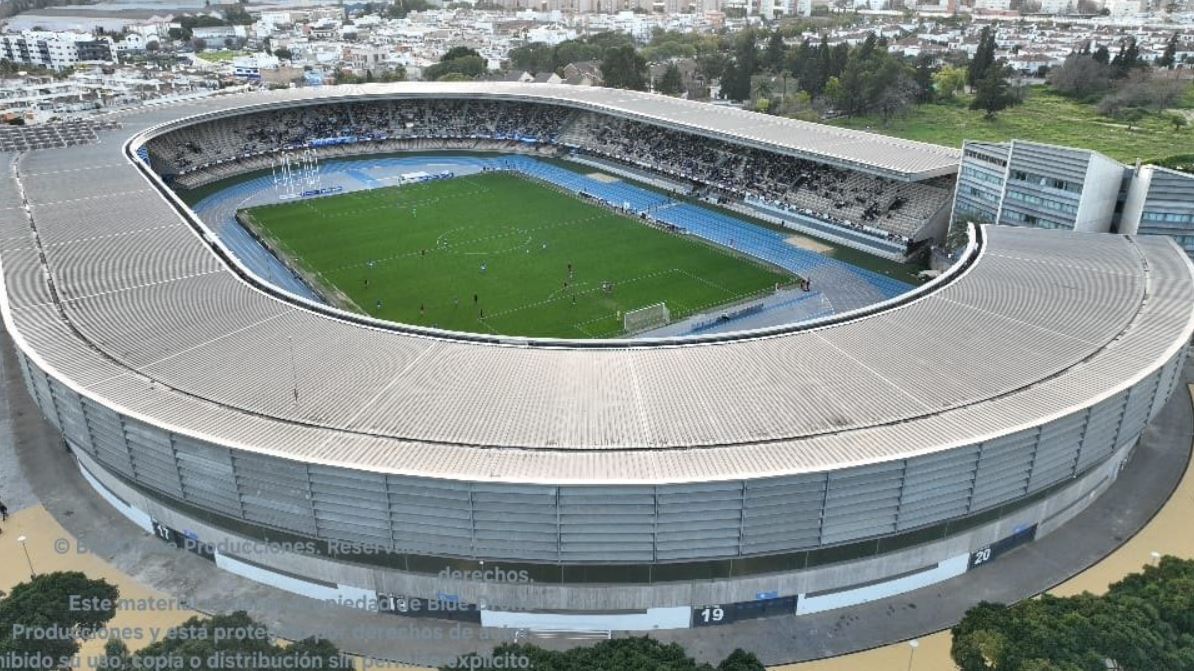
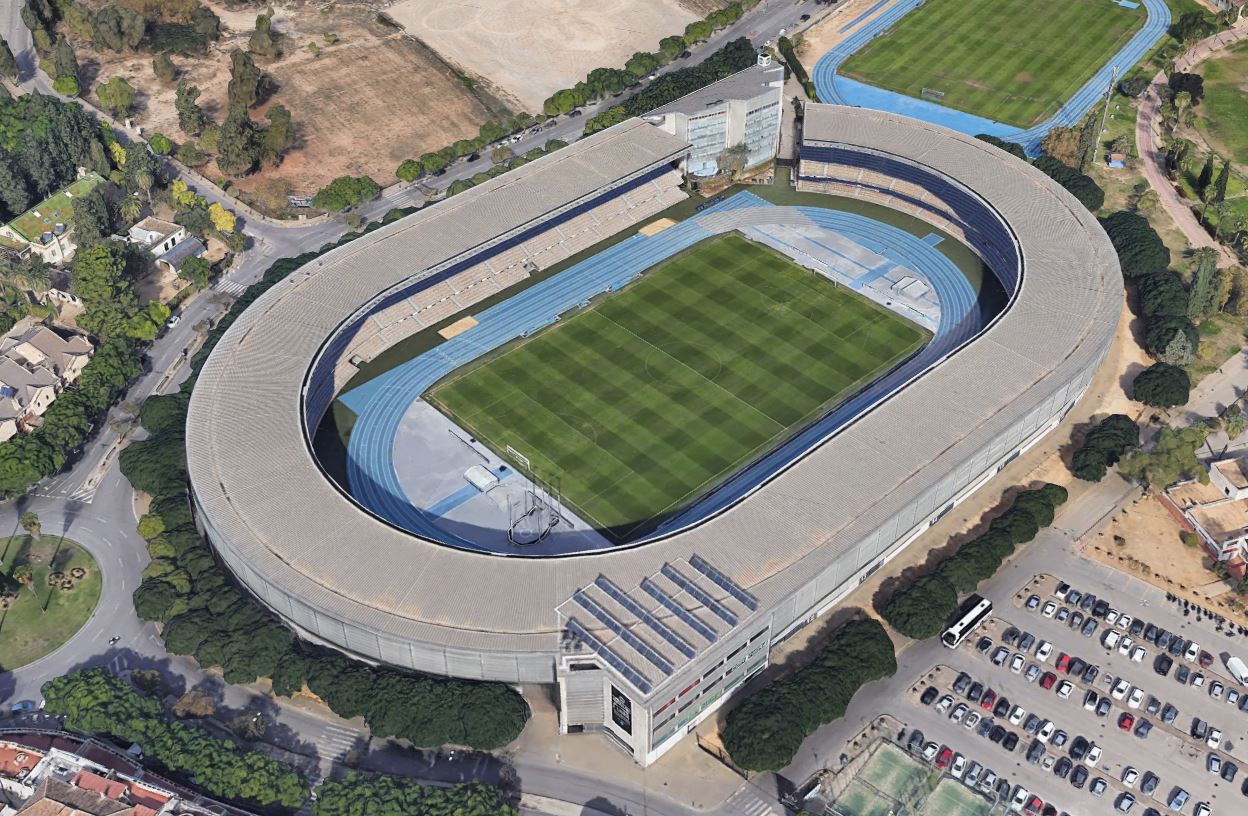
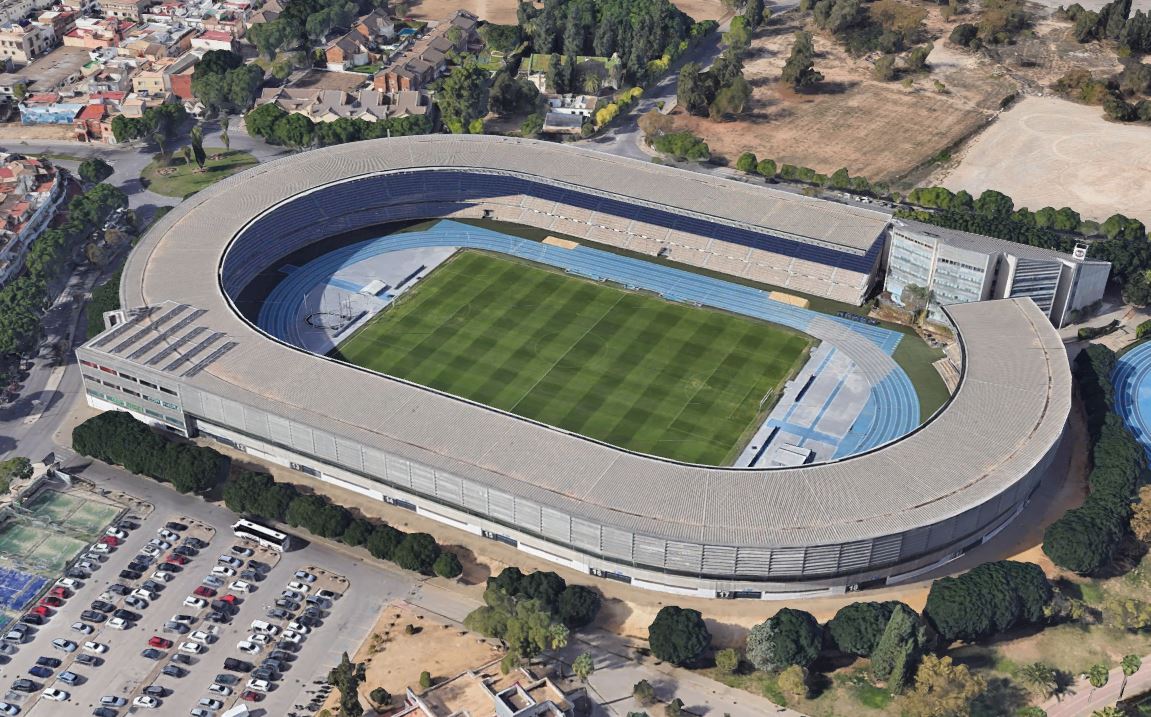
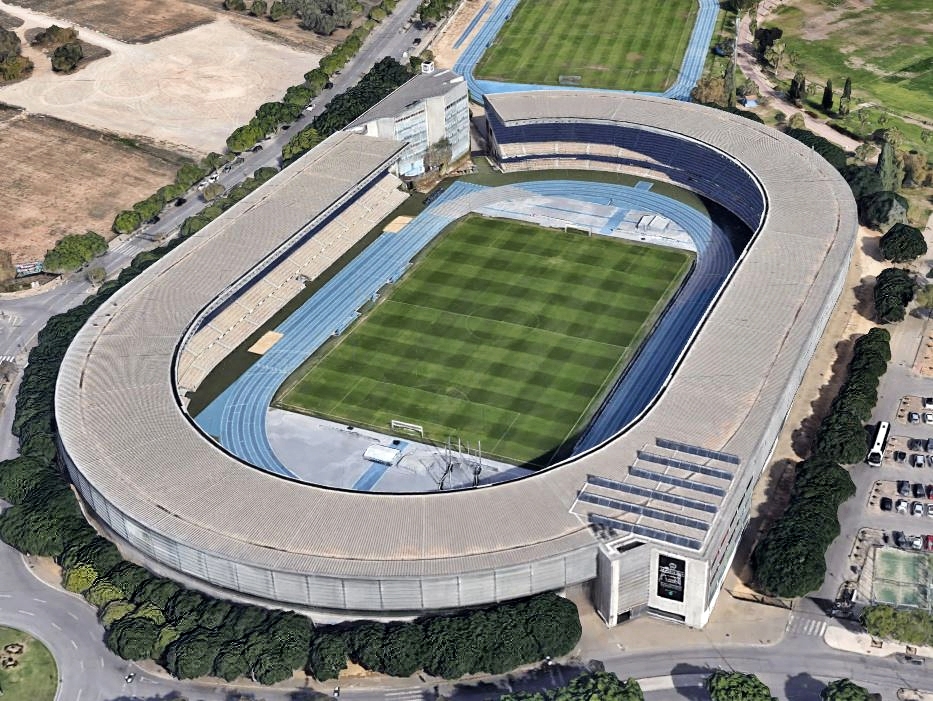
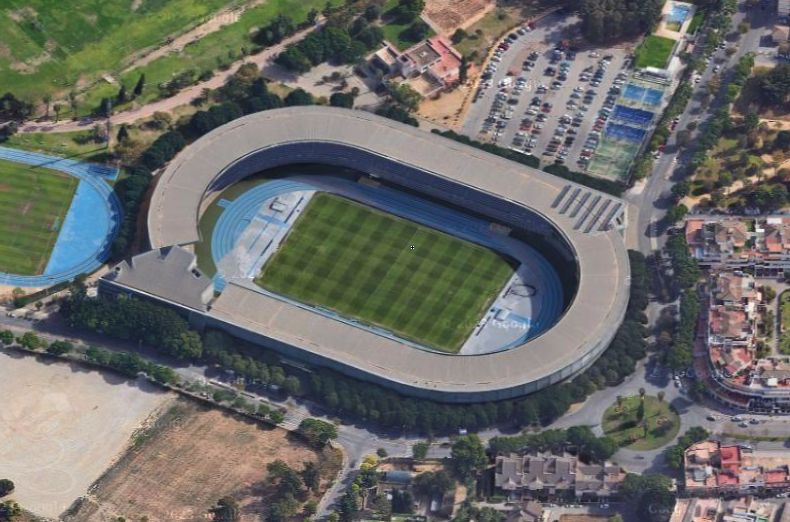
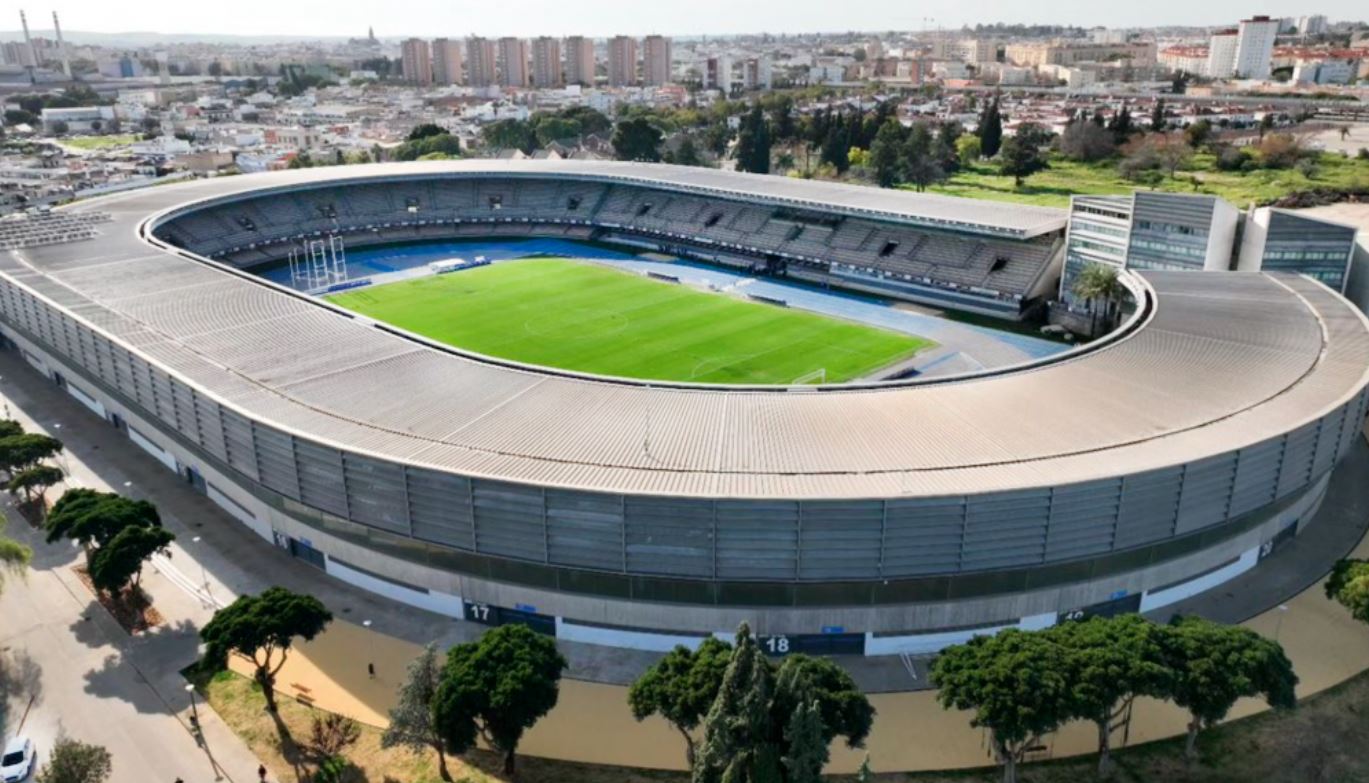
In 2002, the city’s equestrian heritage was recognised with the hosting of the World Equestrian Games. The Estadio Municipal de Chapin had been built next to the Pradera de Chapin, a huge, open showground that had hosted horse-related stuff for many a year. The World Games however, would require an enclosed arena and so the municipality funded what was effectively a rebuild of the Municipal de Chapin. The Cruz y Ortiz Architect Studio, who had worked on the Estadio La Cartuja in Sevilla, was commissioned and came up with a design that kept the original footprint of the stands. A roof was added to both hooked stands and the arena was finally enclosed with the addition of a hotel in the north west corner and offices that house a sports performance centre in the south east. The stadium was given an outer skin to support the cantilevered roof, which in turn saw the extension of the upper tiers. The new capacity stood at 20,523, but to start with, the stadium would see no football or athletics, as a metre of sand was dumped on the playing surface so that horse & human could have some fun. During the redevelopment, Xerez played their home matches at El Palmar in Sanlúcar de Barrameda, Estadio Iberoamericano/Bahia Sur in San Fernando and in a return to Jerez, the Estadio de la Juventud, home to the city’s second club Jerez Industrial.
Xerez had won promotion back to La Segunda in 2002 their last season at the old style Chapin and therefore had to overcome the twin obstacles of adapting to a new league and new surroundings. Led by German great Bernd Schuster, the club were at the top of the table for three-quarters of the 2001-02 season before inexplicably losing form to finish fourth. The next five seasons saw Xerez finish above half-way but rarely challenge the pacesetters, whilst only late season form in 2007-08 staved of relegation to Segunda B. Then in 2009-10, under the guidance of Esteban Vigo and with a team absent of any stars, Xerez won the second division title and with it a place in La Primera for the first time. Life was always going to be tough with the smallest budget in the top tier, and at one point it looked as if Xerez CD would set some unwanted records. Midway through the season the club looked like setting the record for the fewest points accumulated and goals scored. Thankfully, they rallied and with what seemed to be the support of the wider Spanish footballing public, very nearly avoided relegation. Back in La Segunda and with the dream of La Primera over, Xerez returned to mid-table anonymity.
However, the 2012-13 season was played against a backdrop of financial woes, which in turn resulted in the club occupying the bottom spot in La Segunda for practically all the season. With the future of the club in jeopardy following relegation to Segunda B, Xerez CD was dealt a further blow when it was demoted to the Tercera following its failure to clear player debts. Xerez CD dropped as far as the División de Honor Andaluza (Level 5) and moved out of the Chapin in 2013 to join cross-city neighbours Jerez Industrial at the Estadio de la Juventud, as well as playing at the Campo de la Granja. Xerez Deportivo FC, a team formed by disgruntled fans in 2013, moved into the Municipal Chapin in 2014. Xerez CD returned to Chapin at the start of the 2015-16. The two clubs have met regularly in the Tercera since 2018 and at the end of the 2023-24 season, both won promotion to the Segunda Federación, with Xerez CD claiming the title and Xerez Deportivo coming through the playoffs, thanks to victories over Ciudad de Lucena & AD Ceuta B.
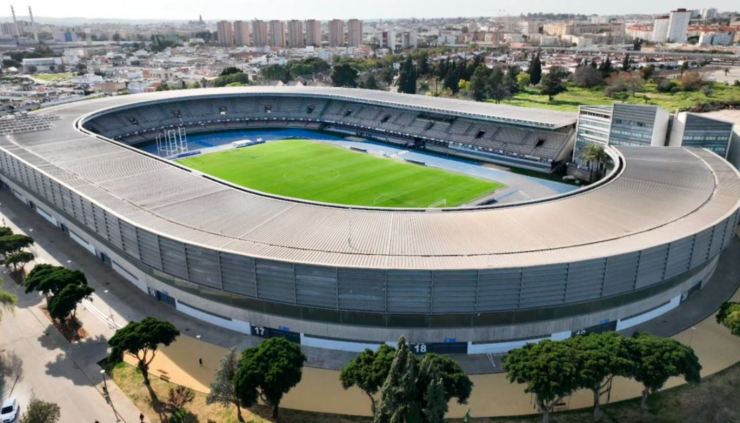
The Estadio Municipal de Chapin is a fine stadium, that any town twice the size of Jerez de la Frontera would be proud of. The 2002 rebuild undoubtedly improved what was before a dour and somewhat characterless stadium. Surprisingly, La Selección has only played the one game in the city and that was a 0-0 draw with Germany in February 1995, seven years before the stadium adopted the current configuration. However, it is an athletics stadium, not a football ground. There has been talk since 2006 of removing the track, lowering the pitch, and adding an additional open tier, but nothing came of that. At least with Xerez CD and Xerez Deportivo FC playing on alternate weekends, the stadium received regular use, but the majority of the seats remain empty as attendances that rarely creep above the 5,000 mark. With just one top flight season to show for over 100 years of activity, football in Jerez de la Frontera seems destined to be played away from the centre stage and against a very complex backdrop.
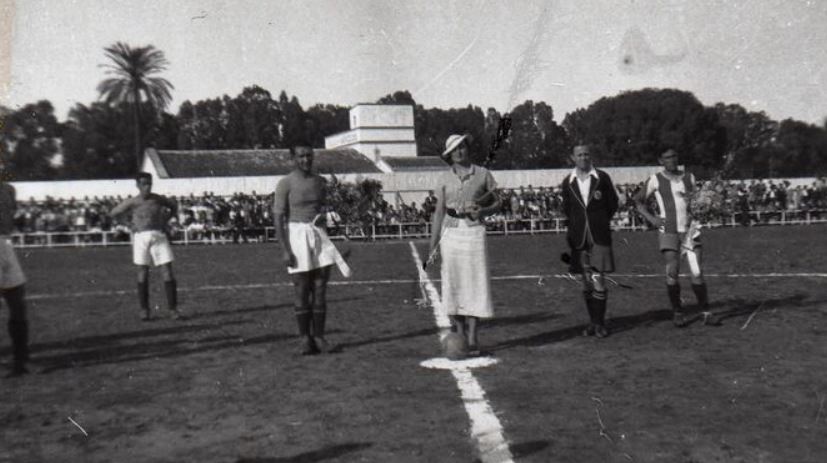
Estadio Domecq in the 1930s 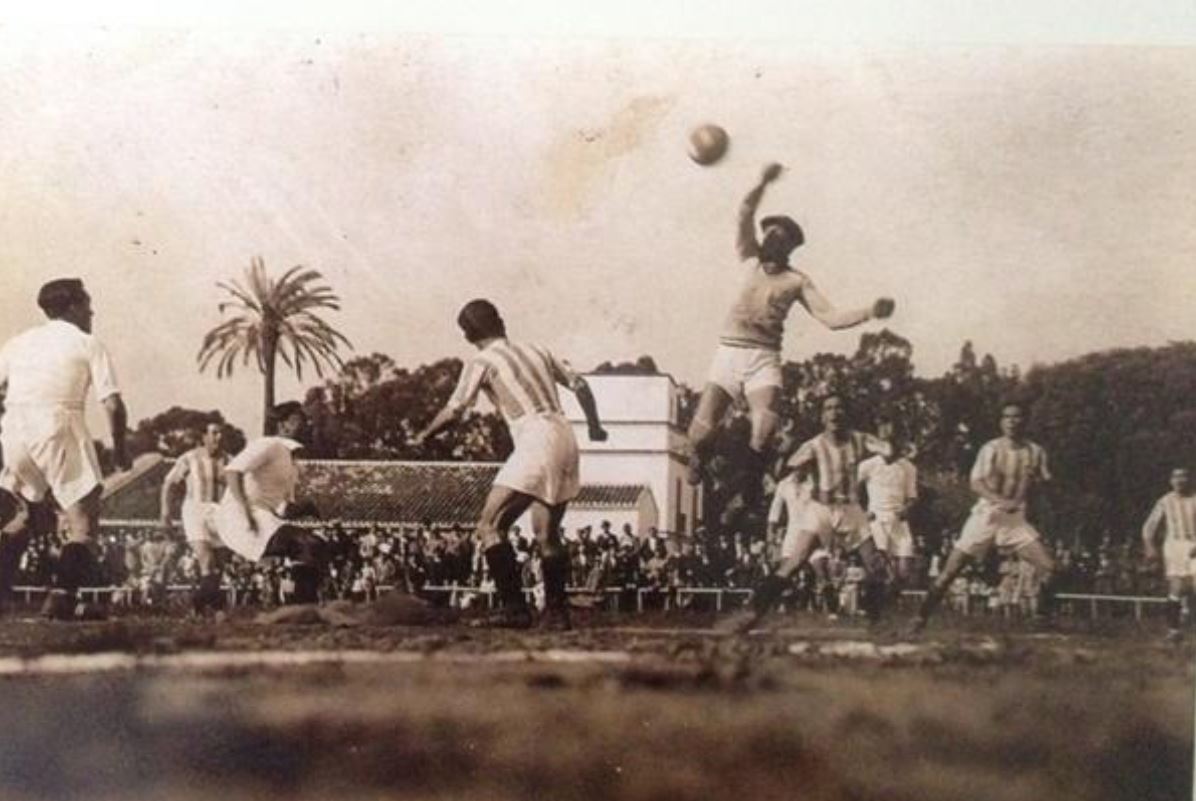
Estadio Domecq in the 1930s 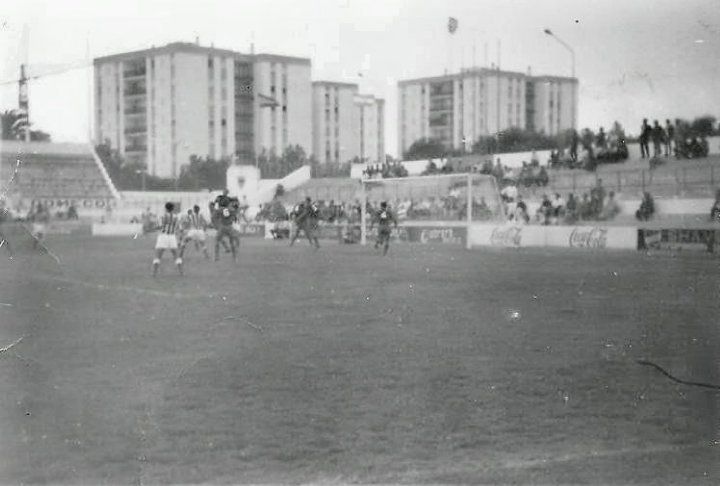
Estadio Domecq 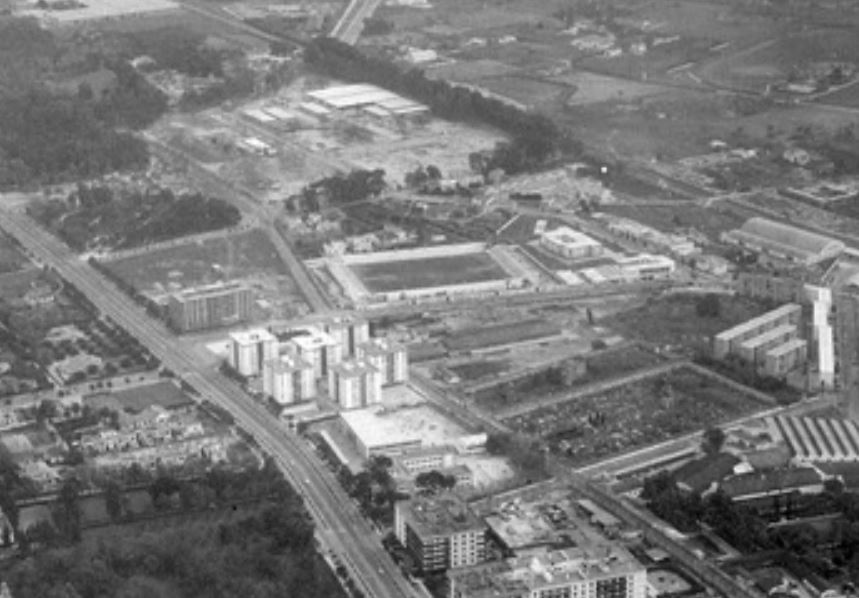
Estadio Domecq 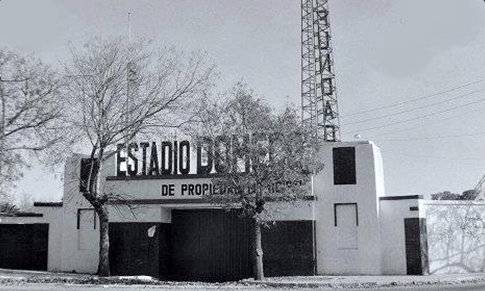
Estadio Domecq 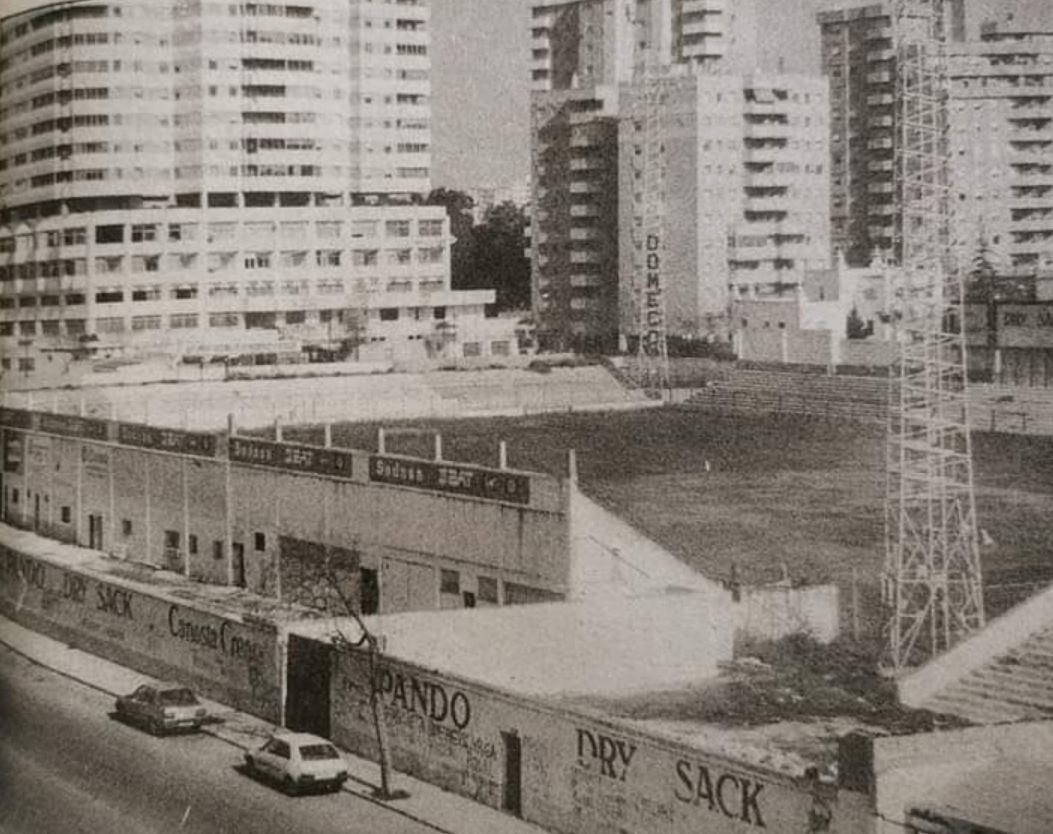
Estadio Domecq 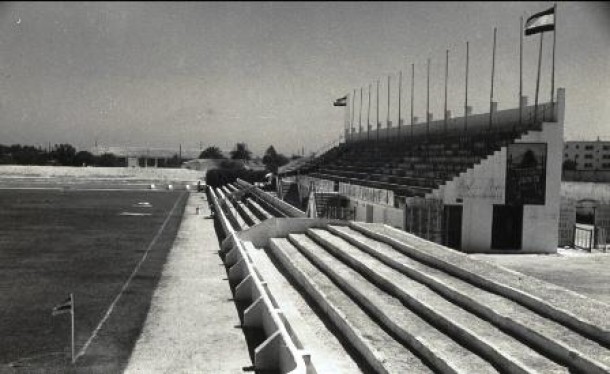
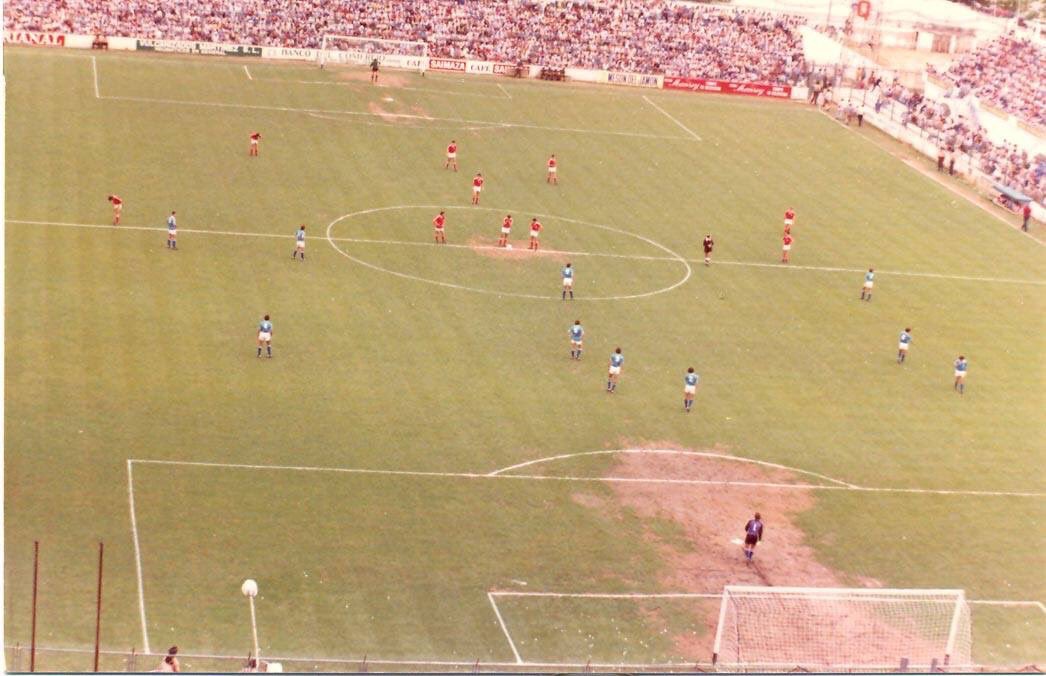
Estadio Domecq 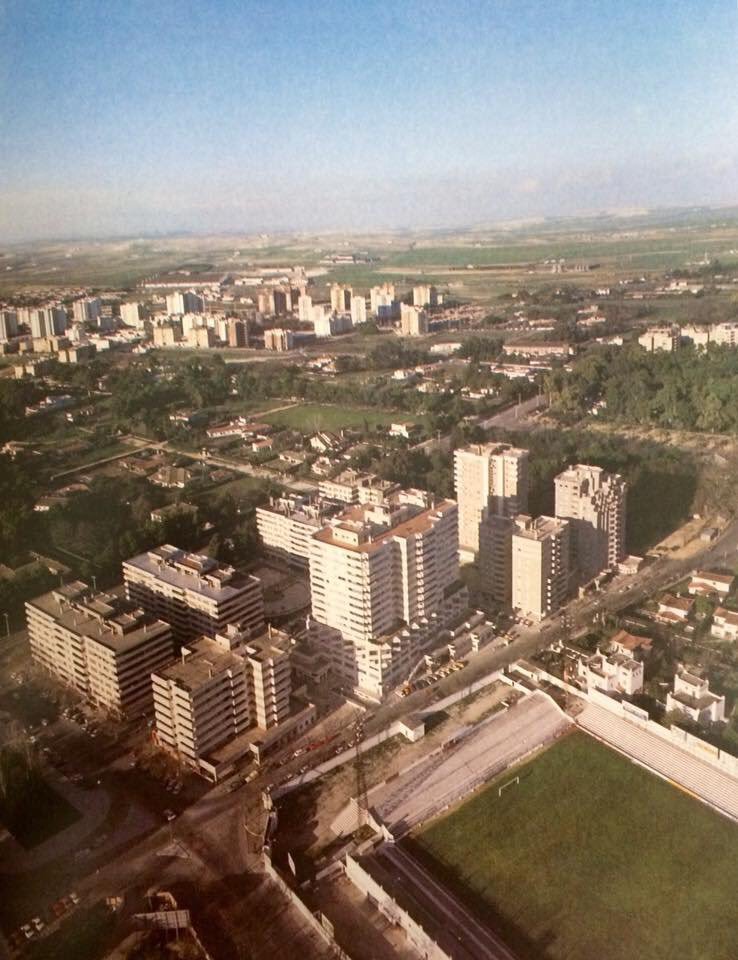
Estadio Domecq 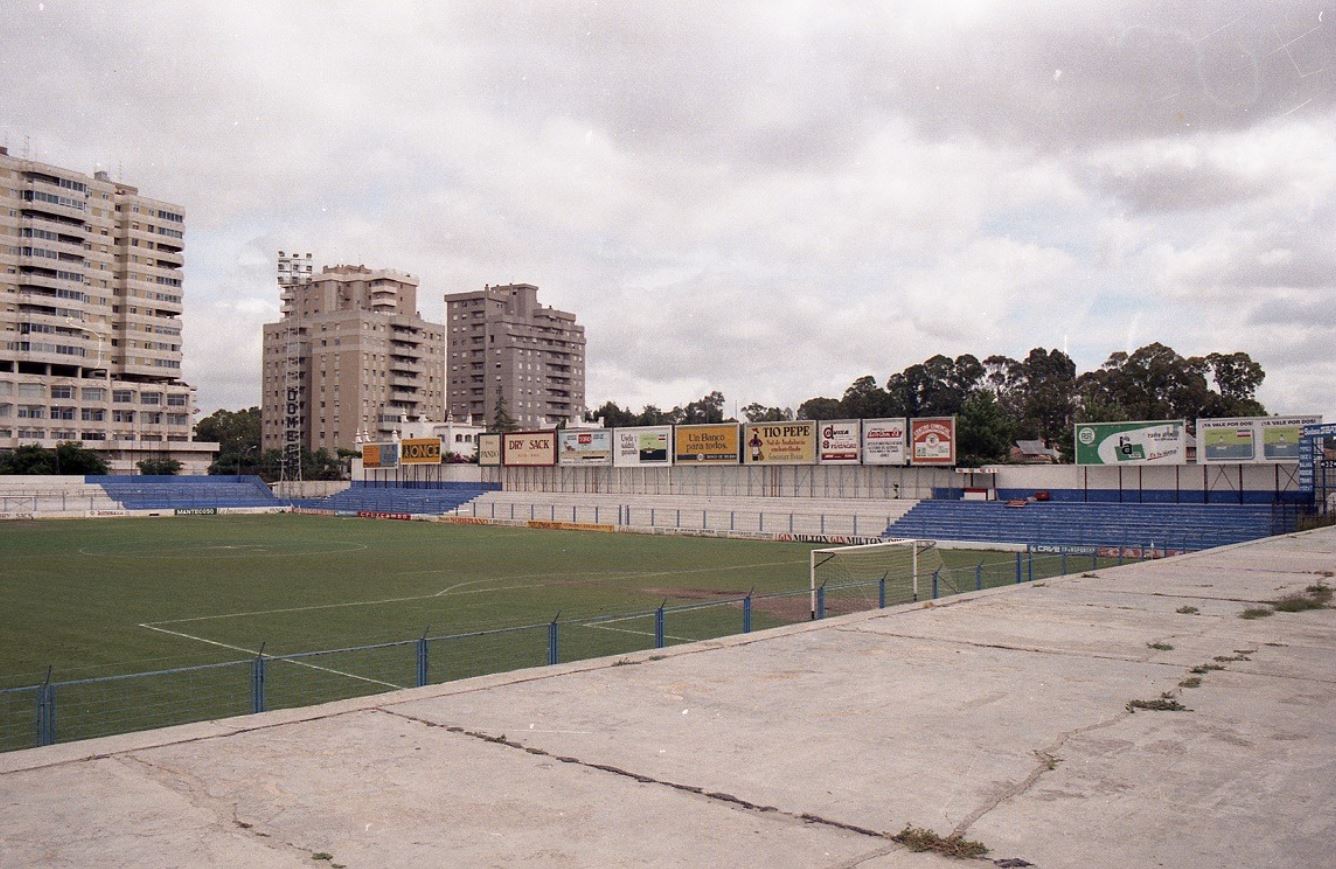
Estadio Domecq 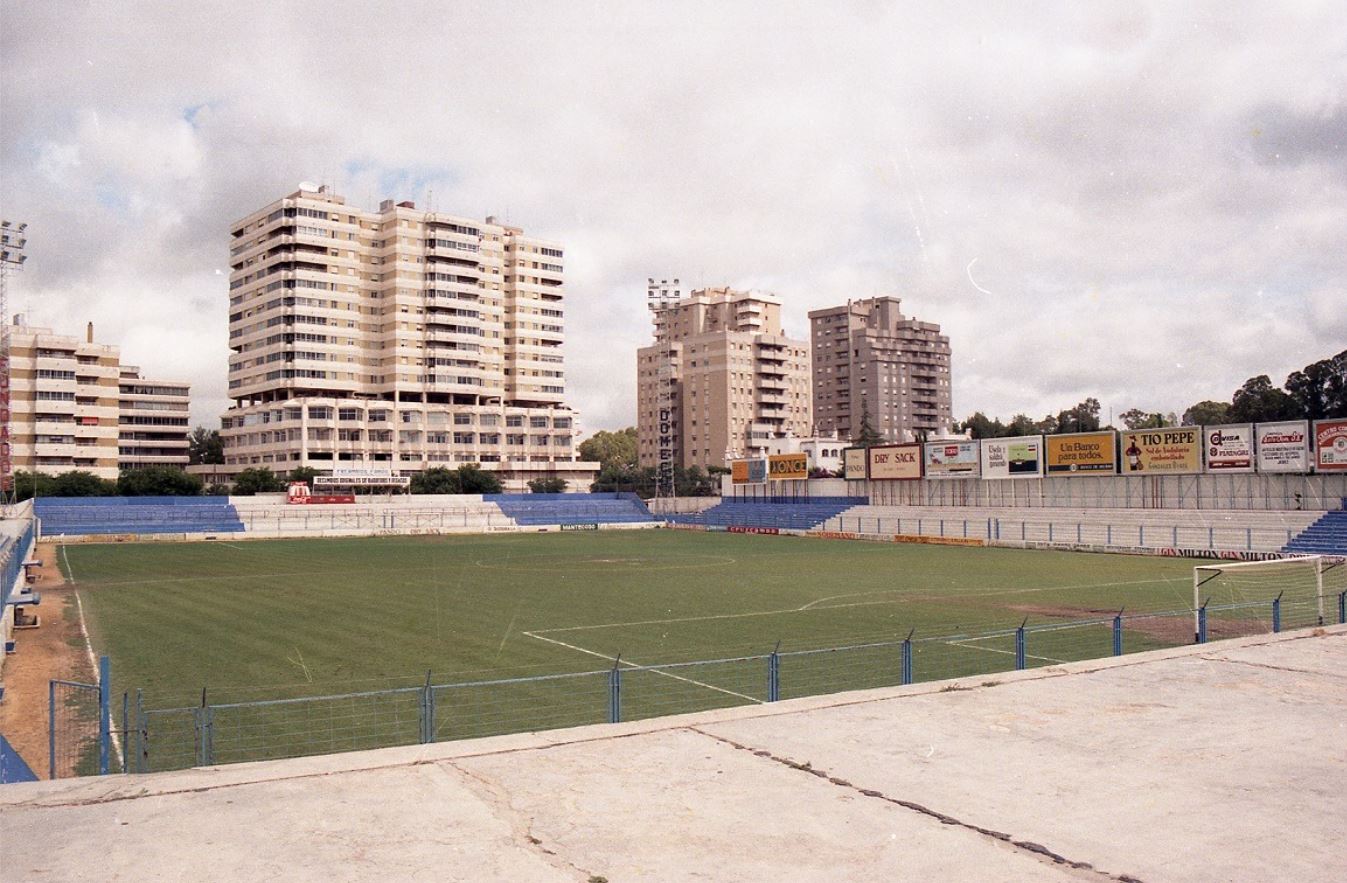
Estadio Domecq 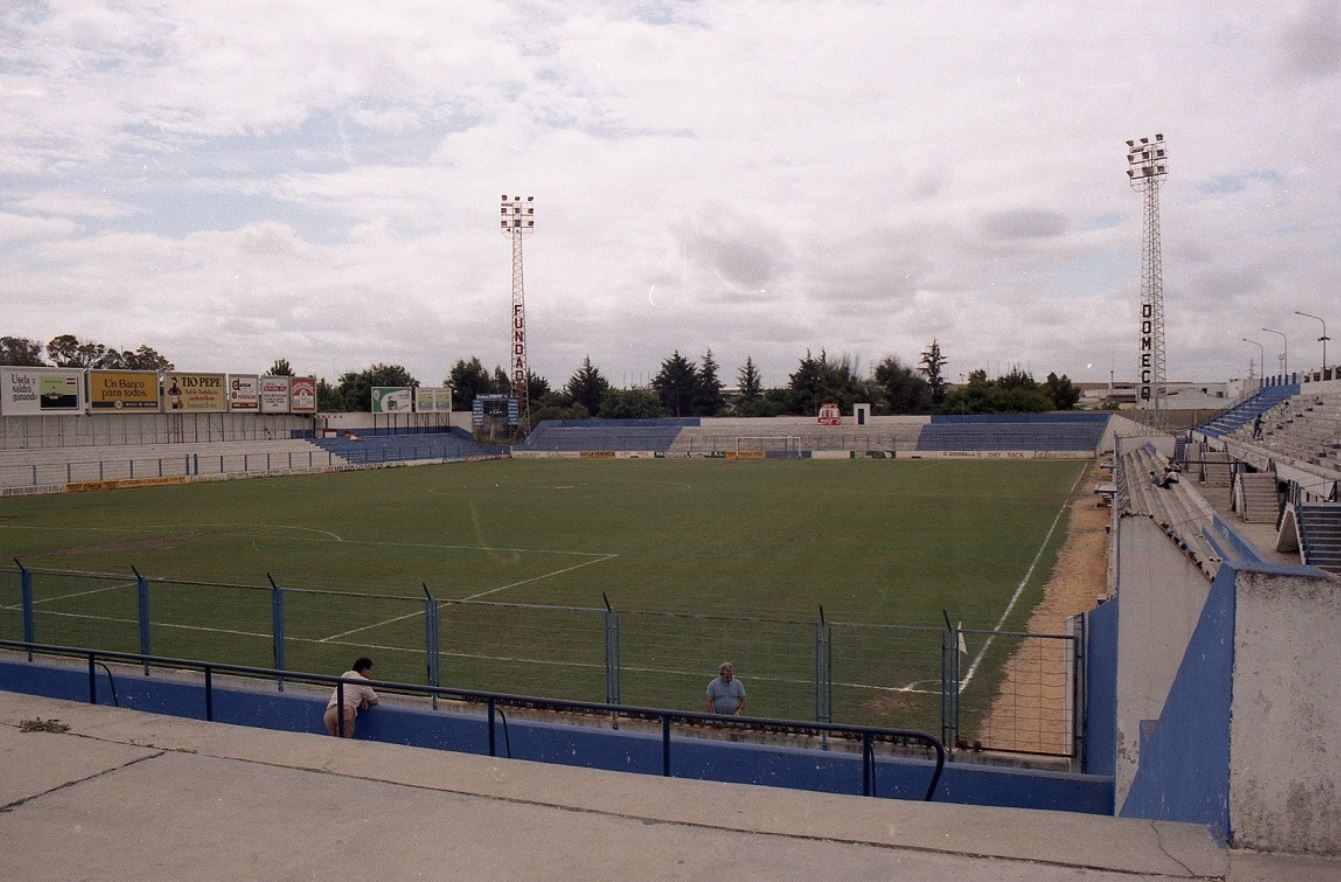
Estadio Domecq 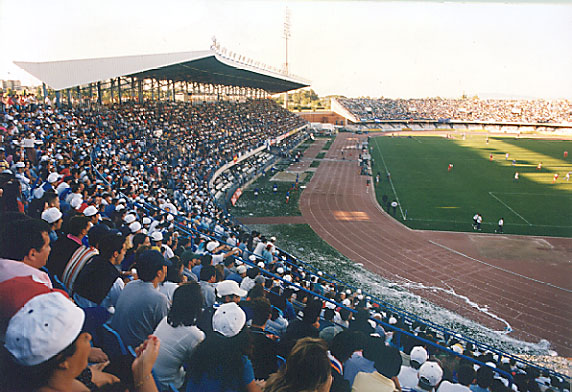
Estadio Chapin 1988-2002 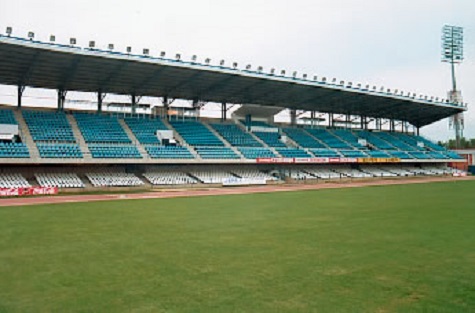
Estadio Chapin 1988-2002 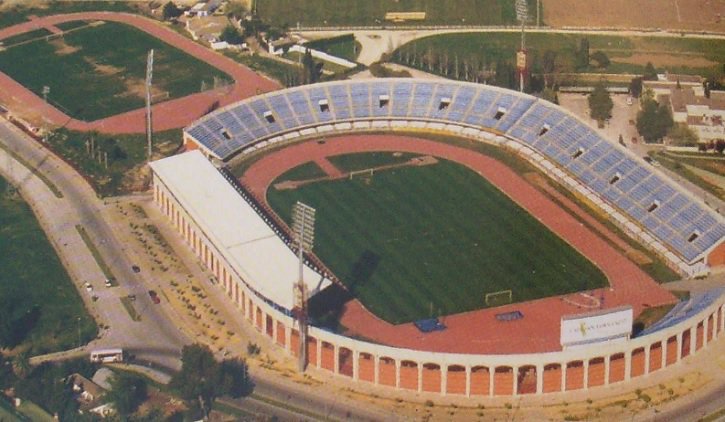
Estadio Chapin 1988-2002 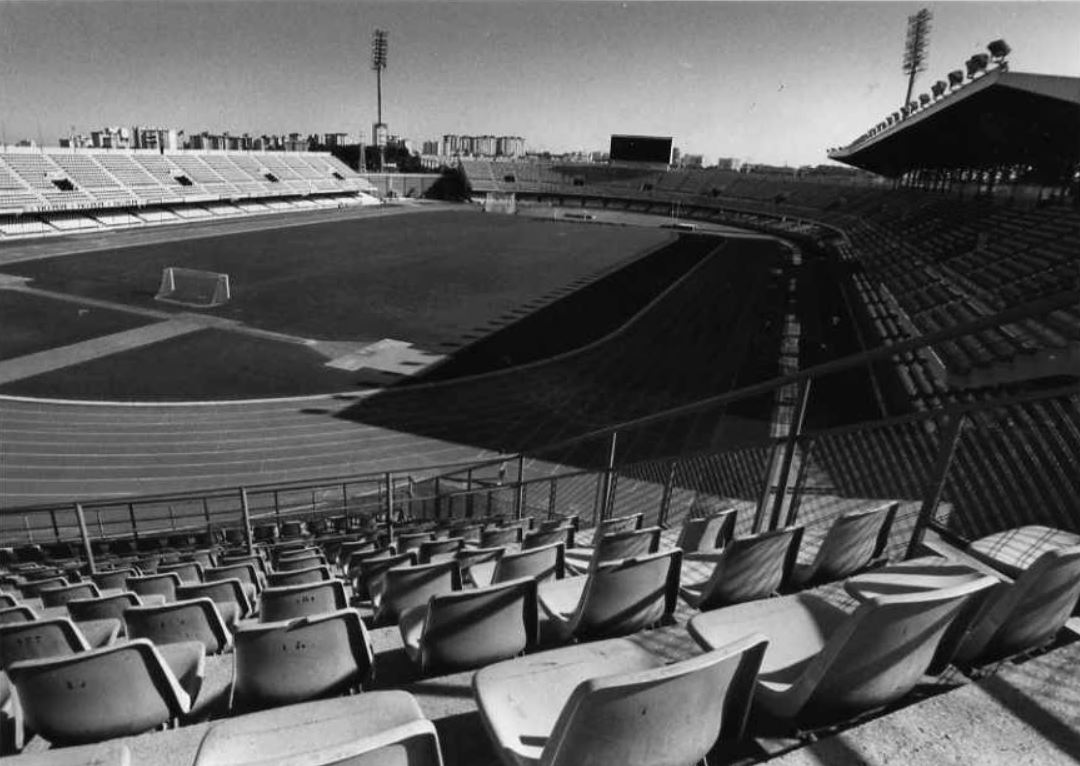
Estadio Chapin 1988-2002 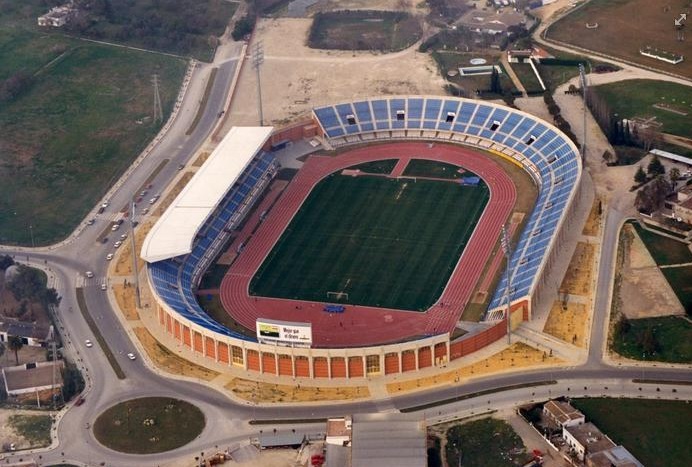
Estadio Chapin 1988-2002 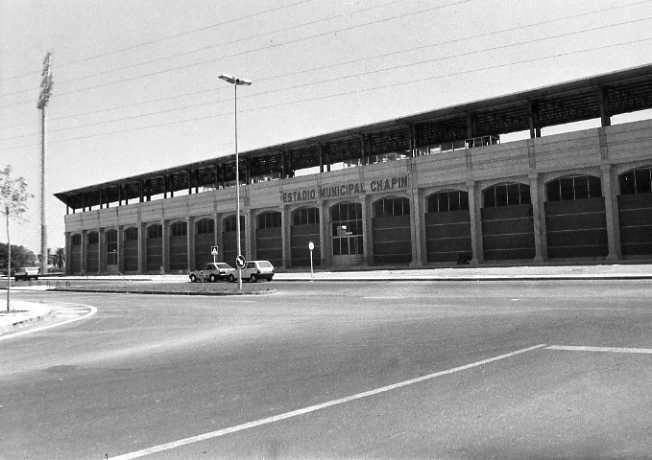
Estadio Chapin 1988-2002 
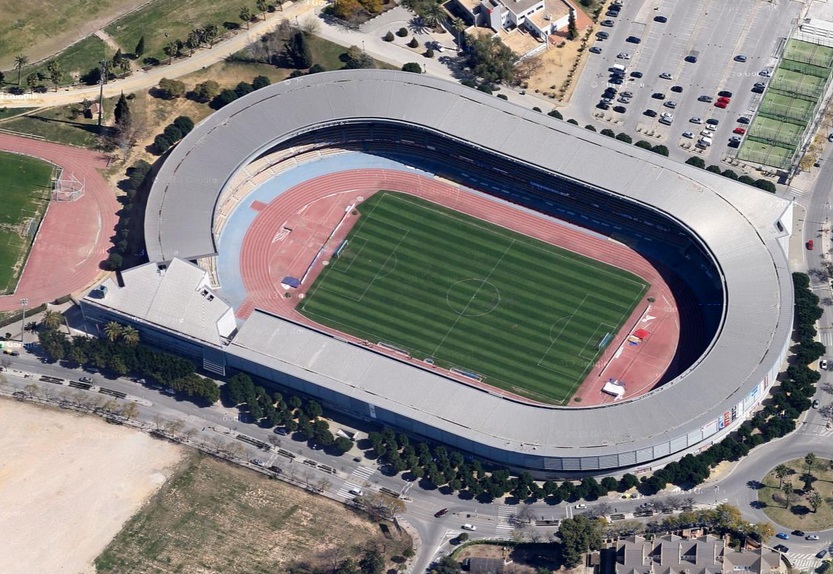
Estadio Chapin post 2002 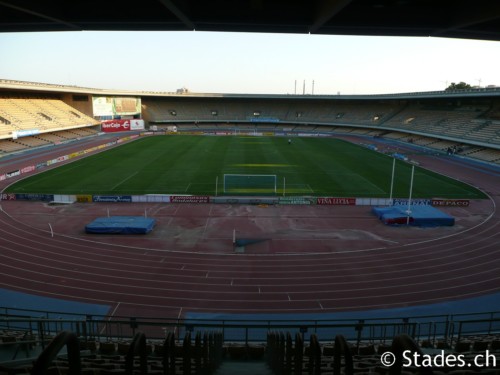
Estadio Chapin post 2002 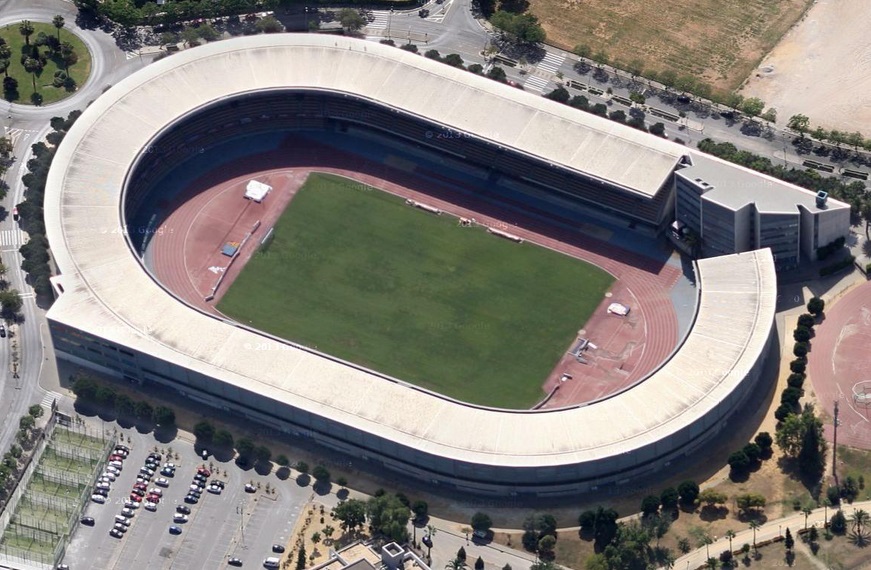
Estadio Chapin post 2002 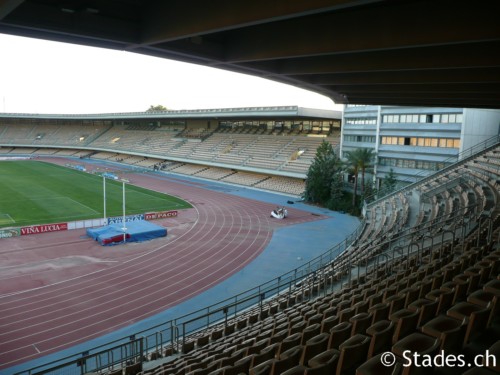
Estadio Chapin post 2002 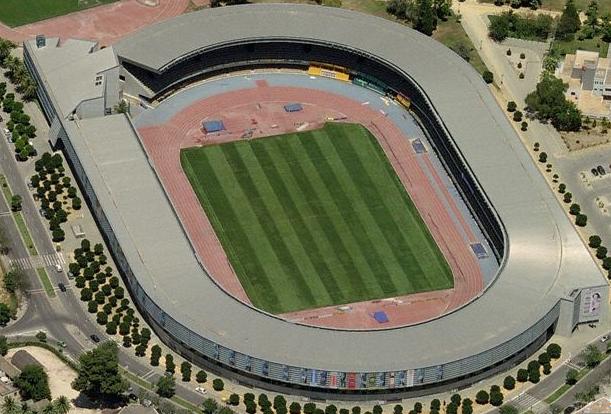
Estadio Chapin post 2002 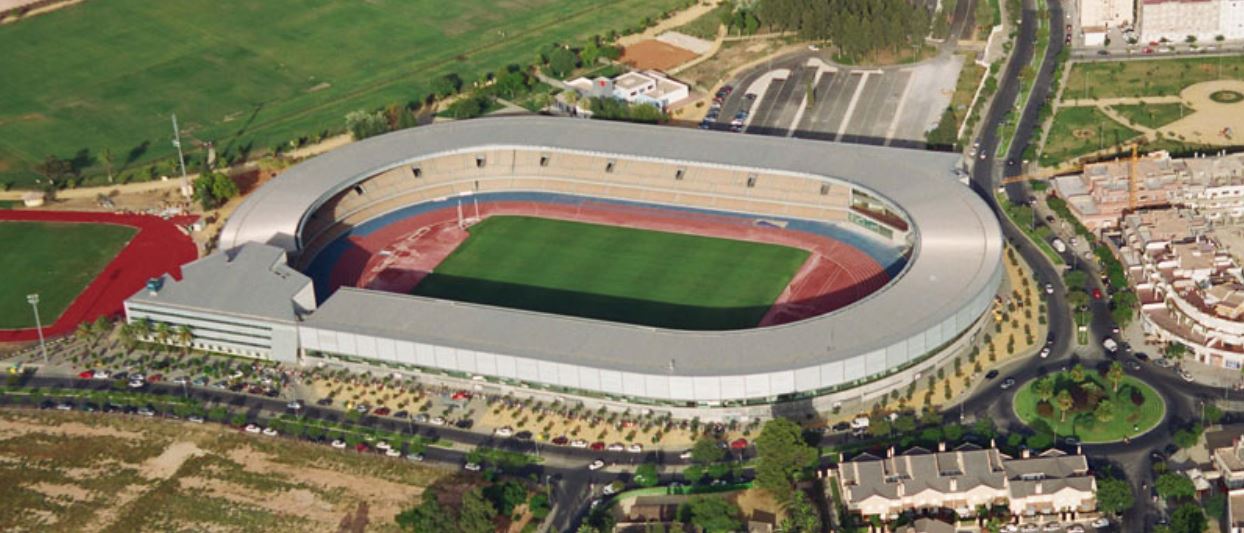
Estadio Chapin post 2002 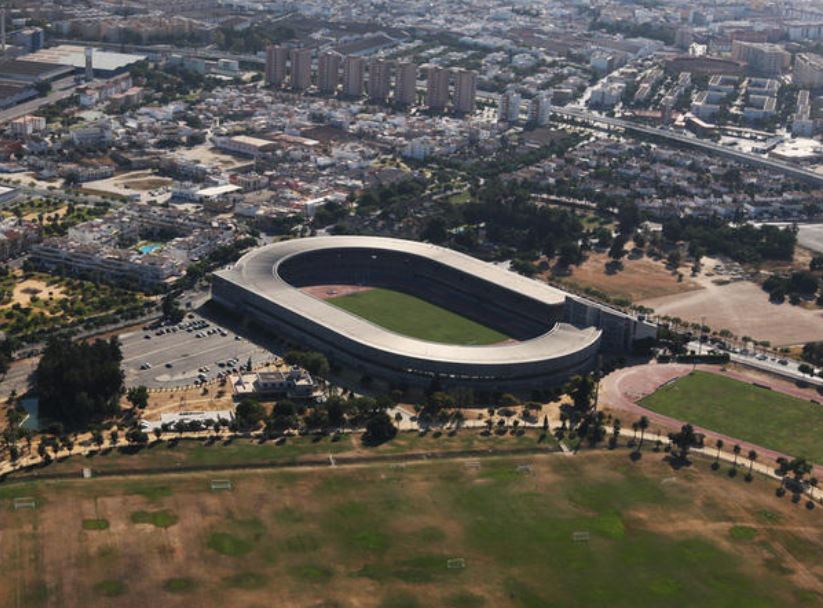
 Estadios de España