
Article updated: 31/12/2025
Pola de Siero is a historic town in central Asturias that can trace its roots back to Roman occupation. Thanks to its strategic location between Oviedo and the Asturian coast, it developed into an important trading centre and was granted a royal charter by Alfonso X of Castile in 1270. Agriculture, livestock, and regular markets shaped its economy through the centuries. Though never a major town, Pola de Siero maintained its population and remained influential due to its location, governance, and role in Asturian life. And it was its close proximity to Oviedo that ensured that the football was played in the town from the turn of the 20th Century.
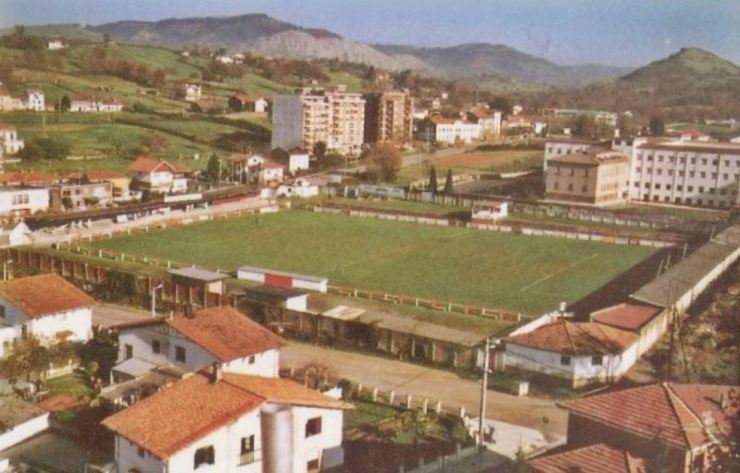
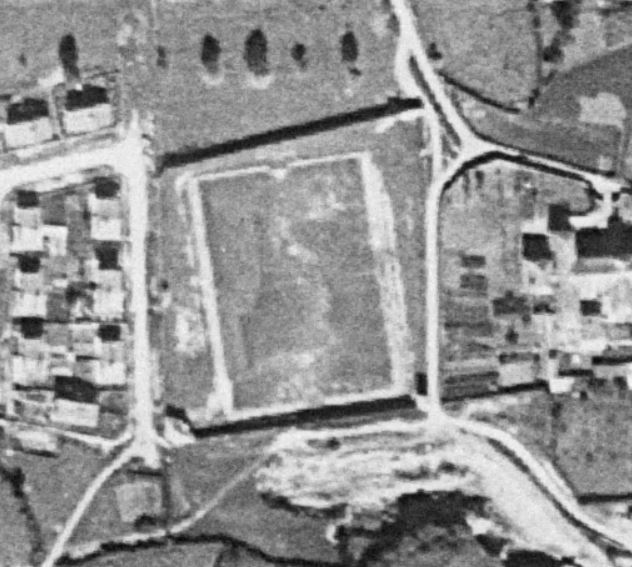
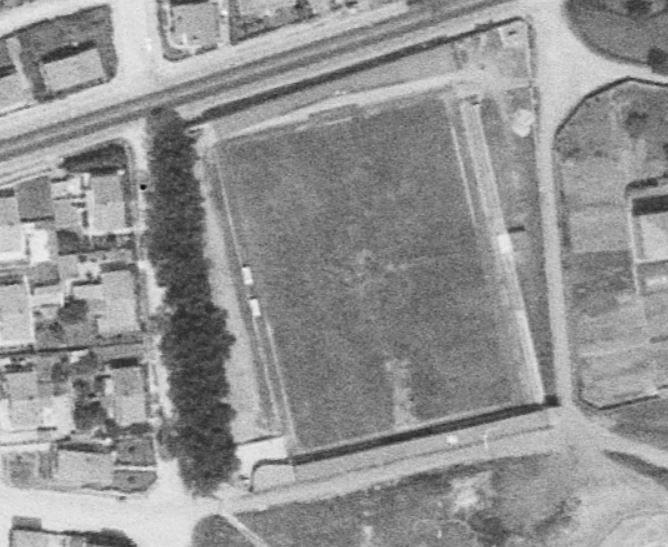
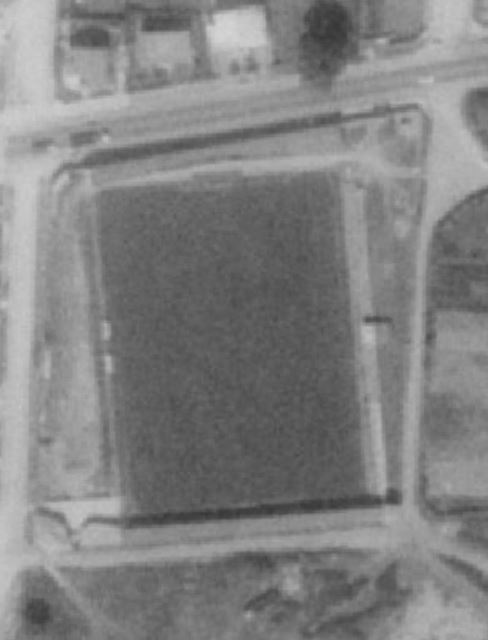
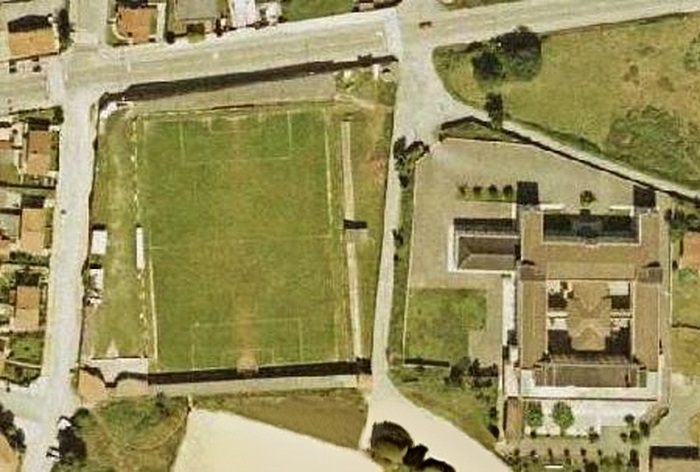
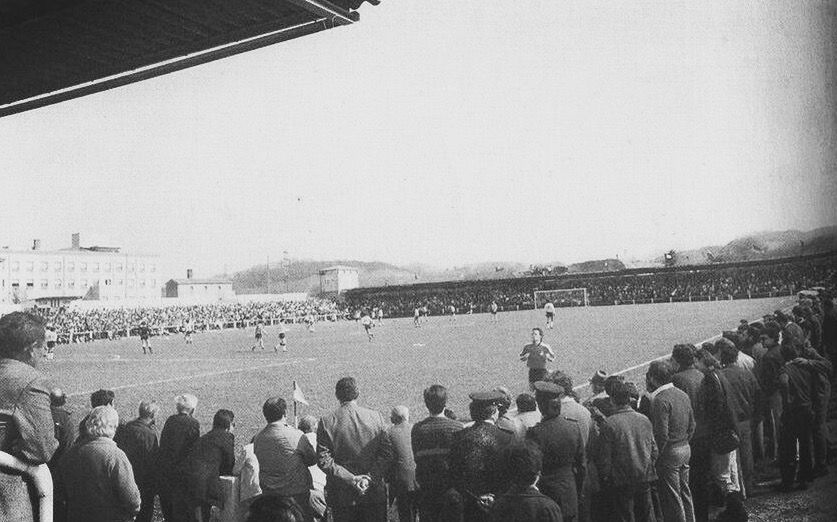
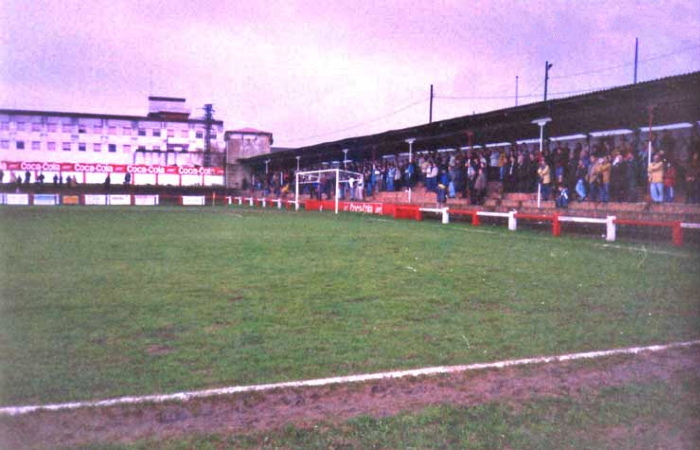
Club Siero can trace its roots back to 1906, but the official date of formation is 16 March 1916, when it joined the local federation. Matches were played on fields to the east of the town, and in 1944, the club opened its first enclosed ground, the Estadio Luis Miranda, in this area. The stadium would remain their home for the next 62 years, but it remained basic throughout the club’s tenure, offering little in the way of home comforts. It had a capacity of 2,500, with standing on three terraces, an open strip of steps on the east side of the ground, and two covered sections, located behind the northern and southern goals. The western side of the enclosure featured a gently sloping grass bank, whilst the changing facilities were located in the southwest corner. It was home, however, and it was the stage for the club’s greatest achievement when Club Siero played its only season in Segunda B. It had earned the right to play in the third tier after finishing second in Group II of the Tercera in 1999-00. In the playoffs, the club finished top of a group that also featured Salamanca B, RSD Alcalá & Lalin. Club Siero put up a terrific fight in Segunda B, but fell just short of survival, finishing 17th, just one point from safety. Back in the Tercera, Club Siero made a valiant attempt at an immediate return, finishing third, but falling short in the playoffs. Club Siero played its last game at the Estadio Luis Miranda on 29 October 2006, drawing 0-0 with Tuilla.
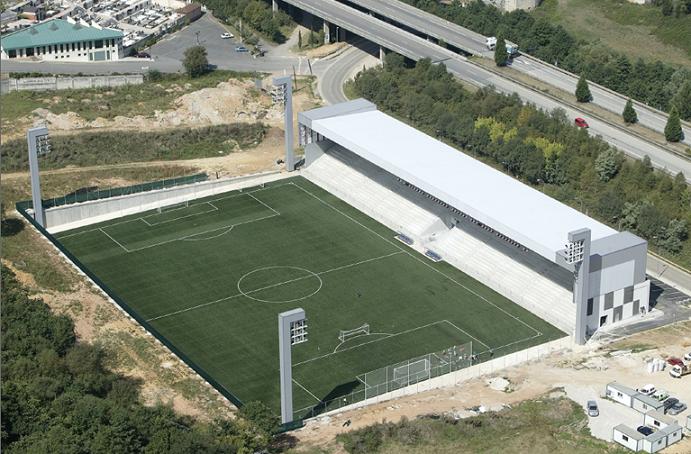
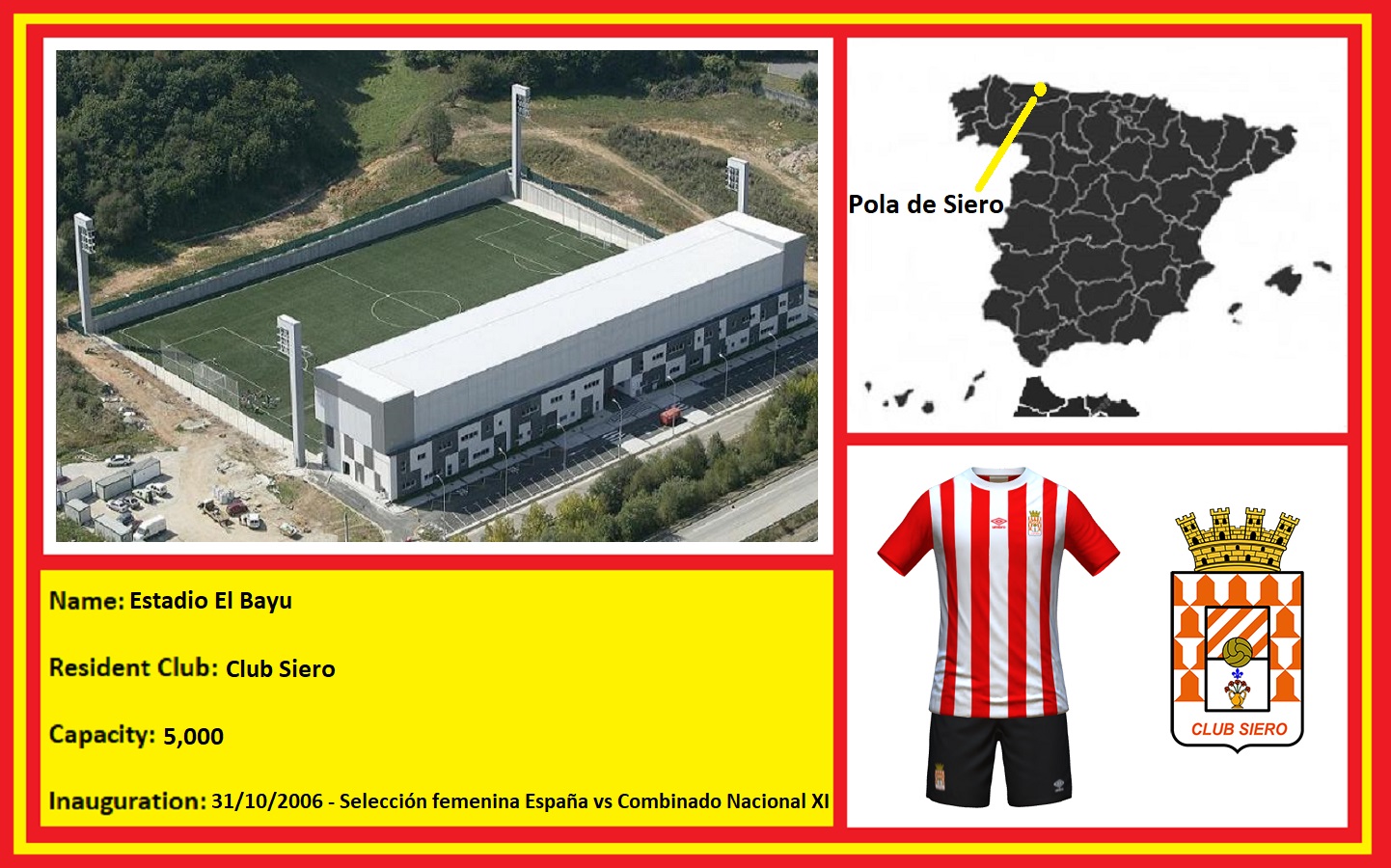
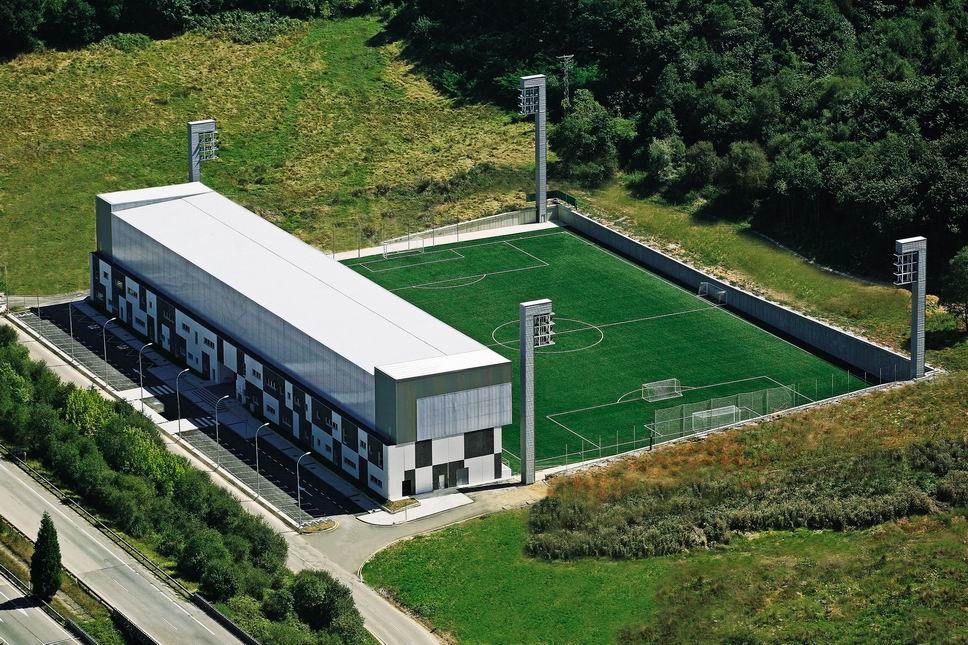
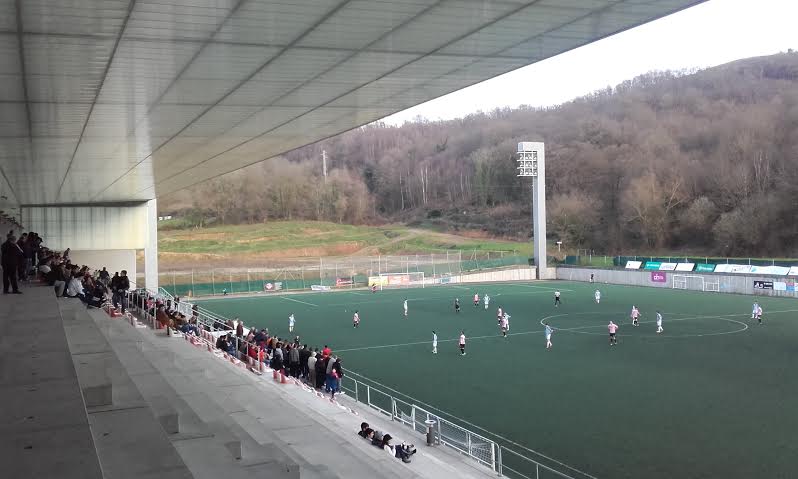
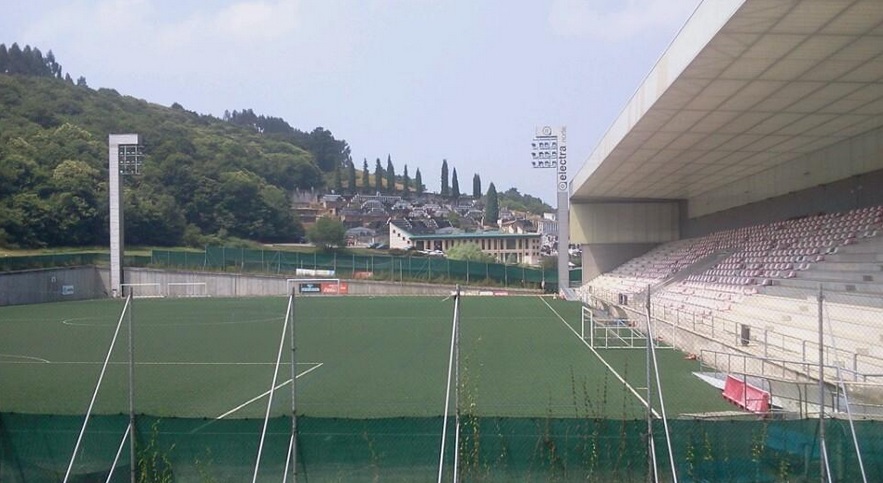
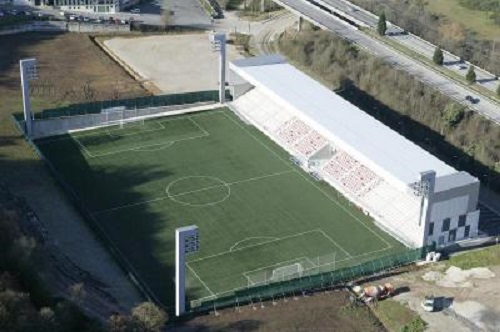
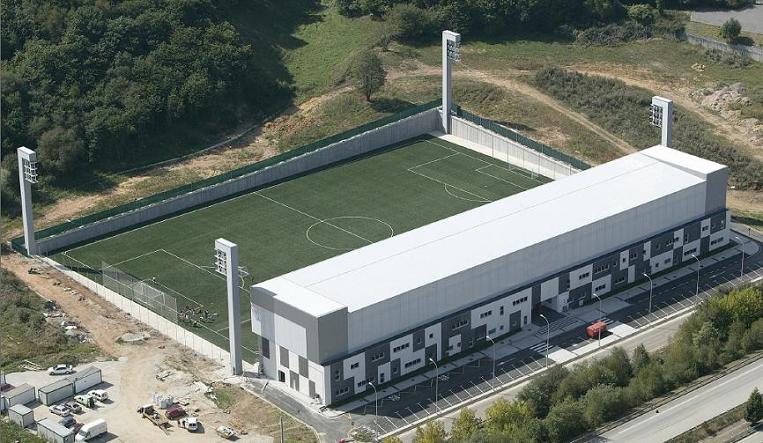
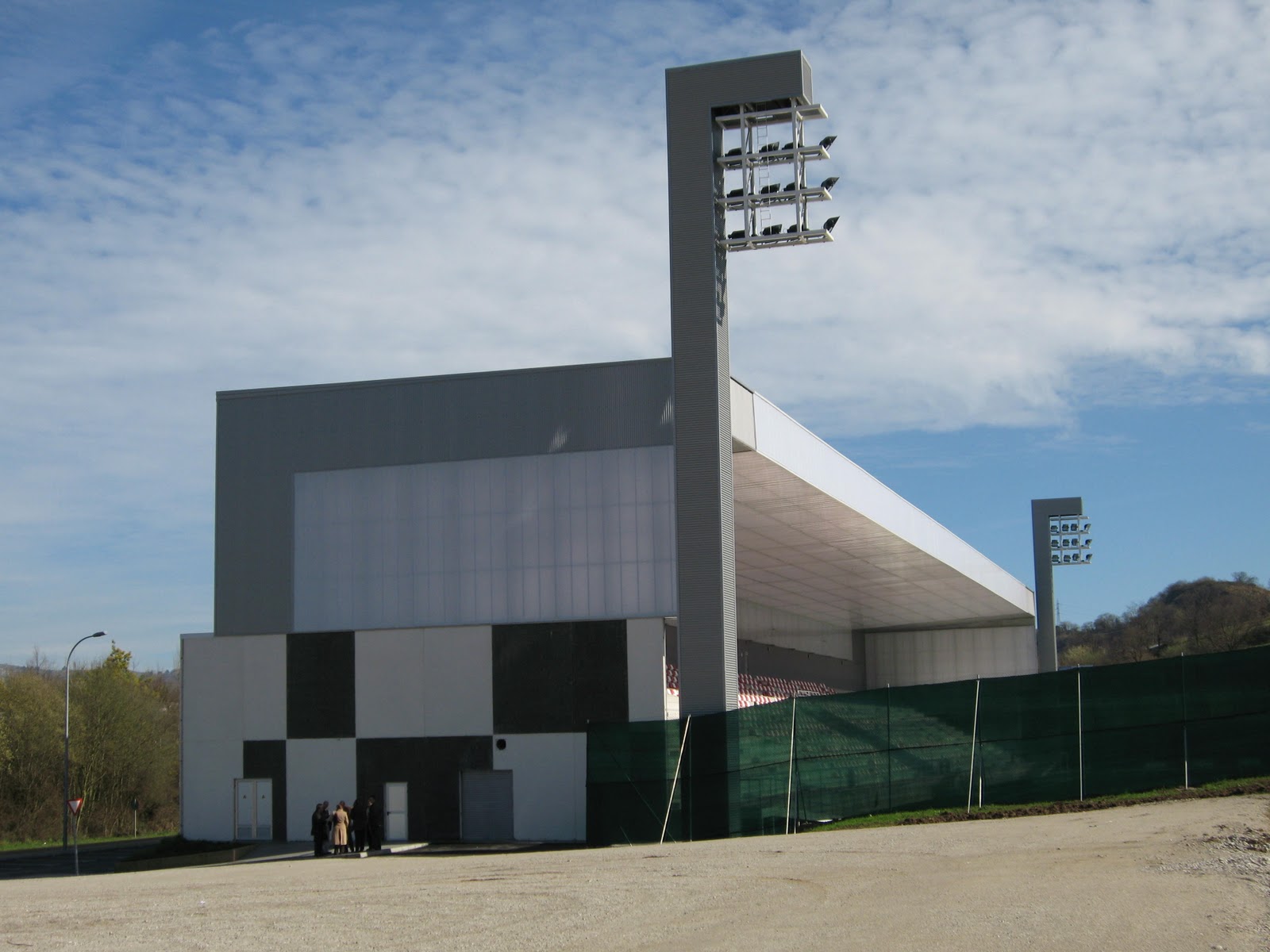
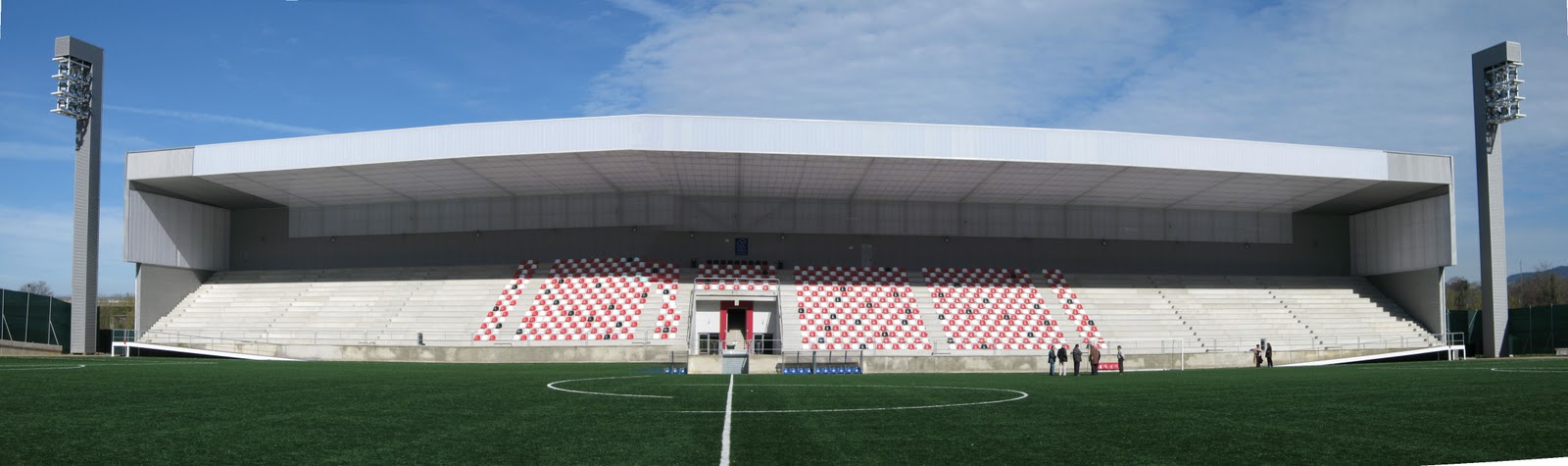
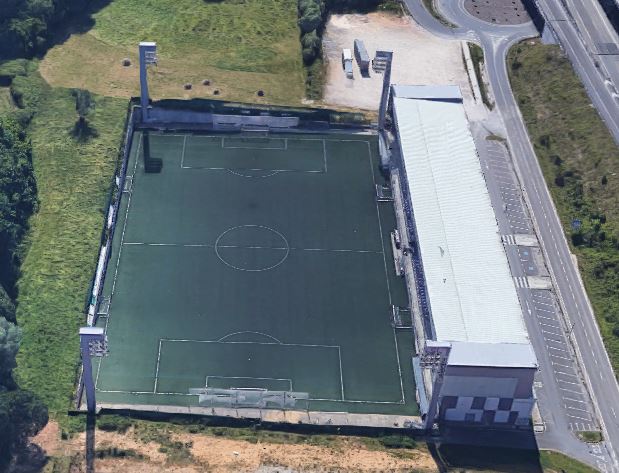
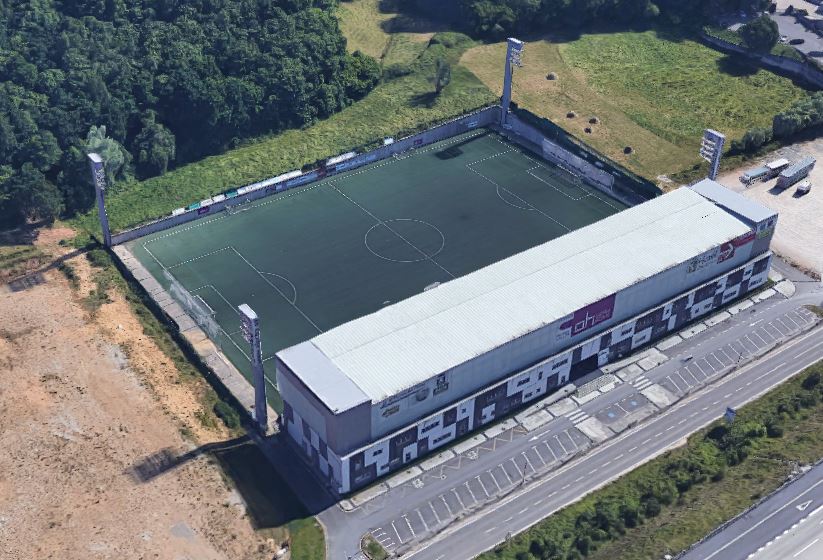
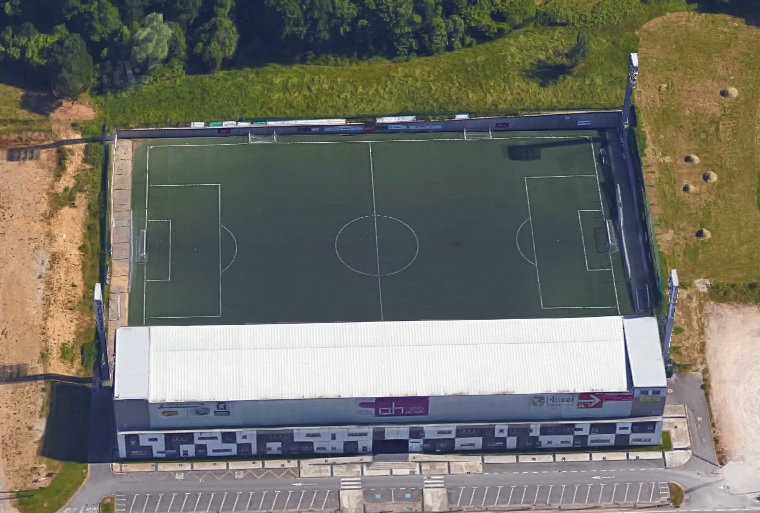
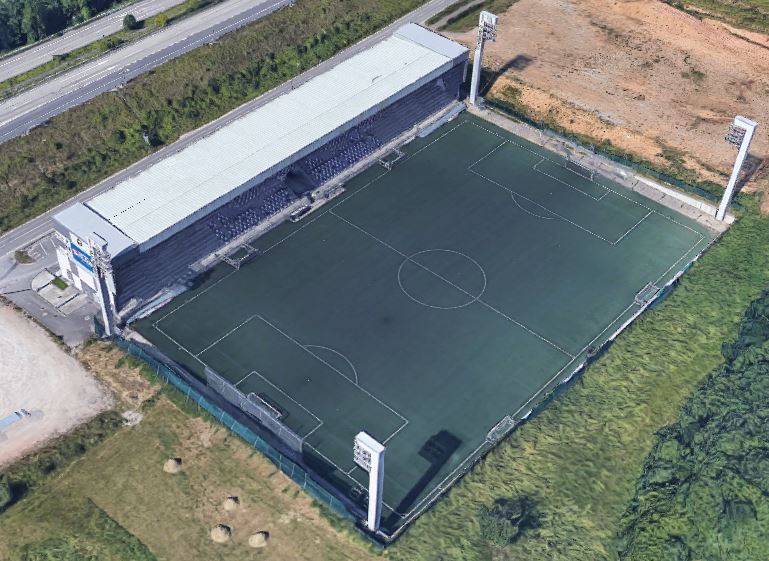
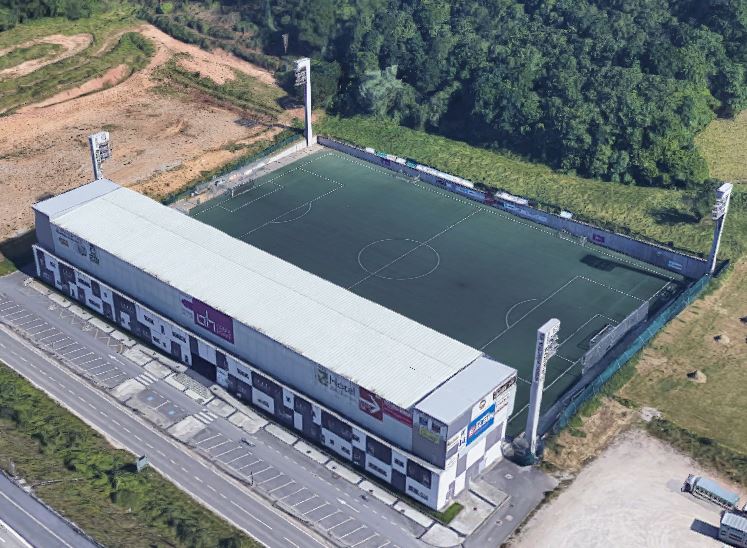
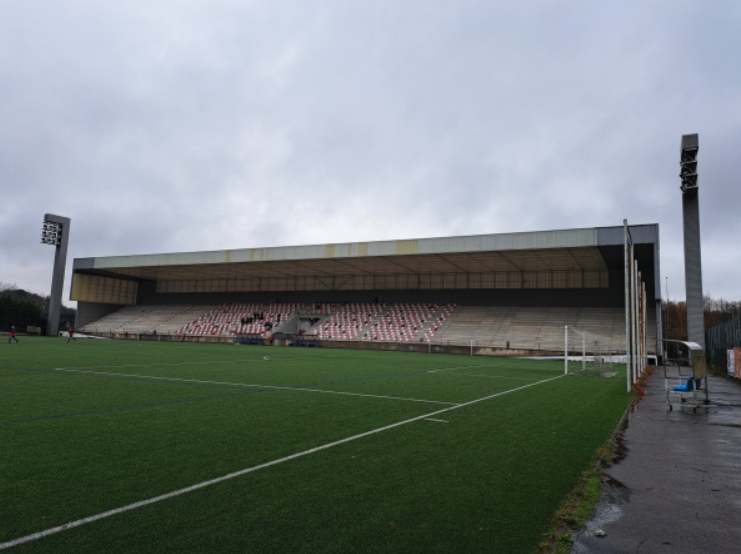
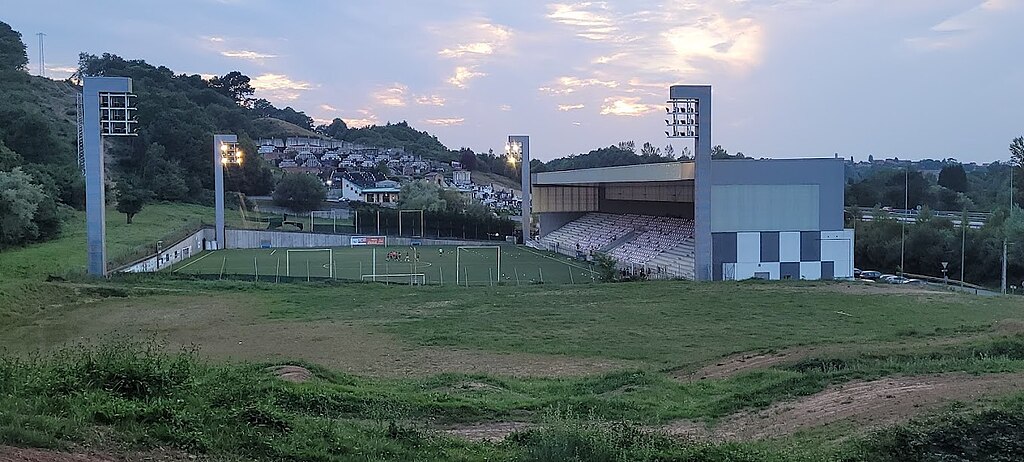
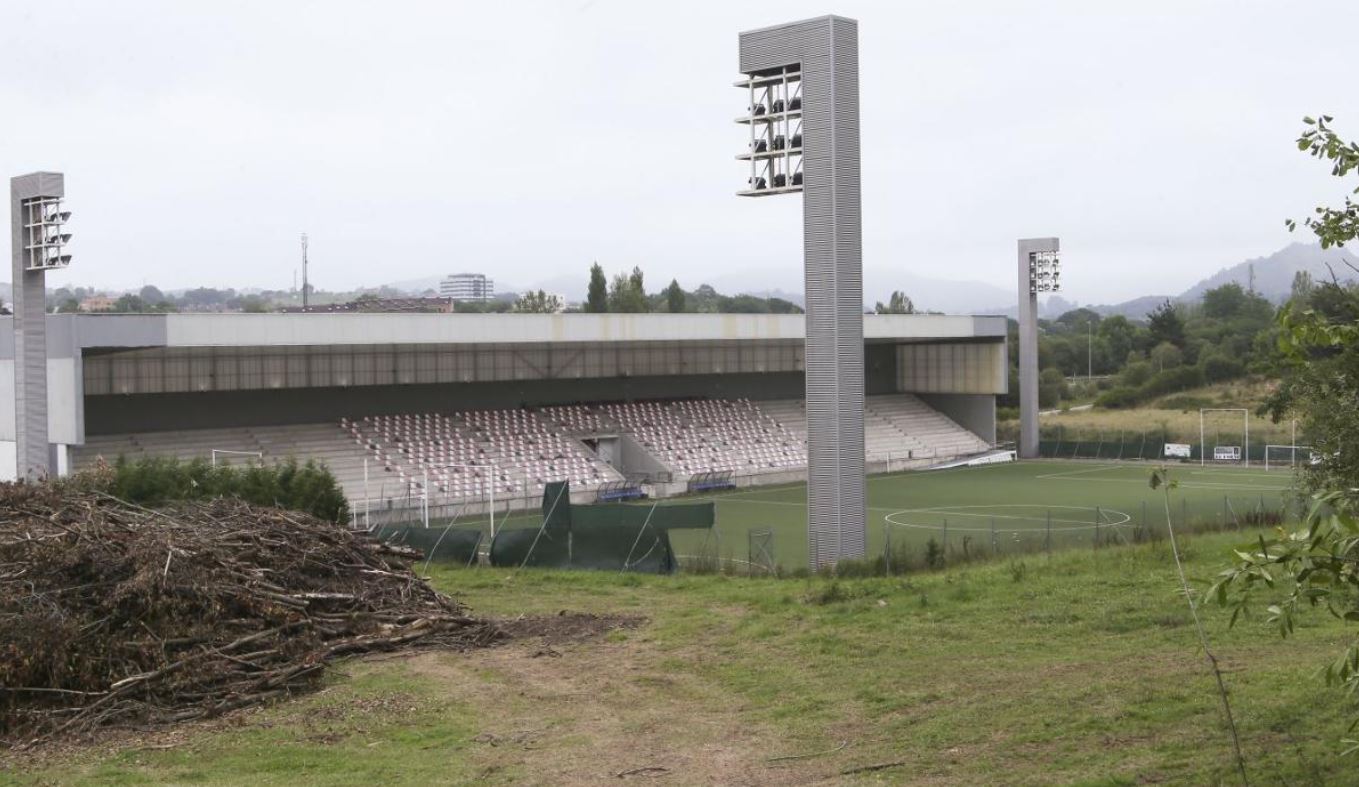
In the first decade of the 21st Century, many smaller clubs moved to or redeveloped their home ground into a stadium with a single stand. This has happened from Scotland down to Spain, and while something is undoubtedly lost in the way of atmosphere, there can be no doubt about the money saved in relation to building and maintenance costs. This was an option that caught the eye of the local municipality when developing a new stadium for Club Siero. Opened on 31 October 2006 with a friendly featuring the Spanish national women’s side, the Estadio El Bayu is a commendable attempt at a format that is hard to master. The only accommodation is on the north side of the stadium, where a large stand has been constructed. It features a large cantilevered roof suspended over the seating deck with amenities built in the void beneath.
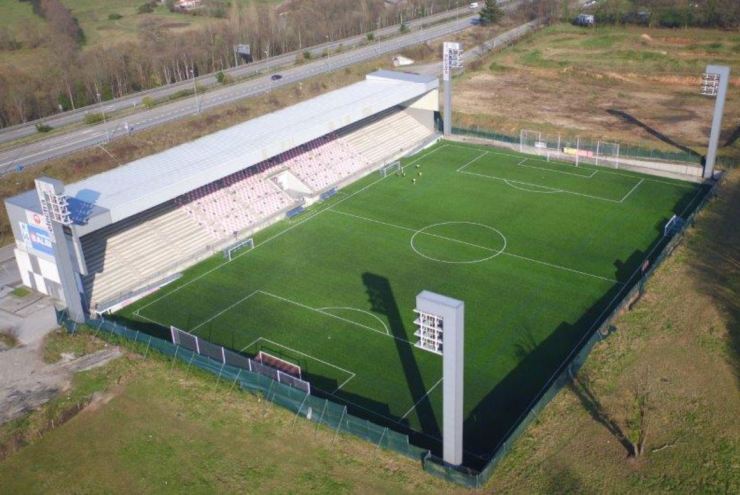
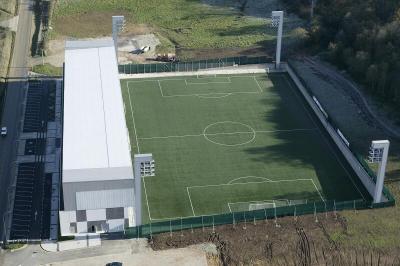
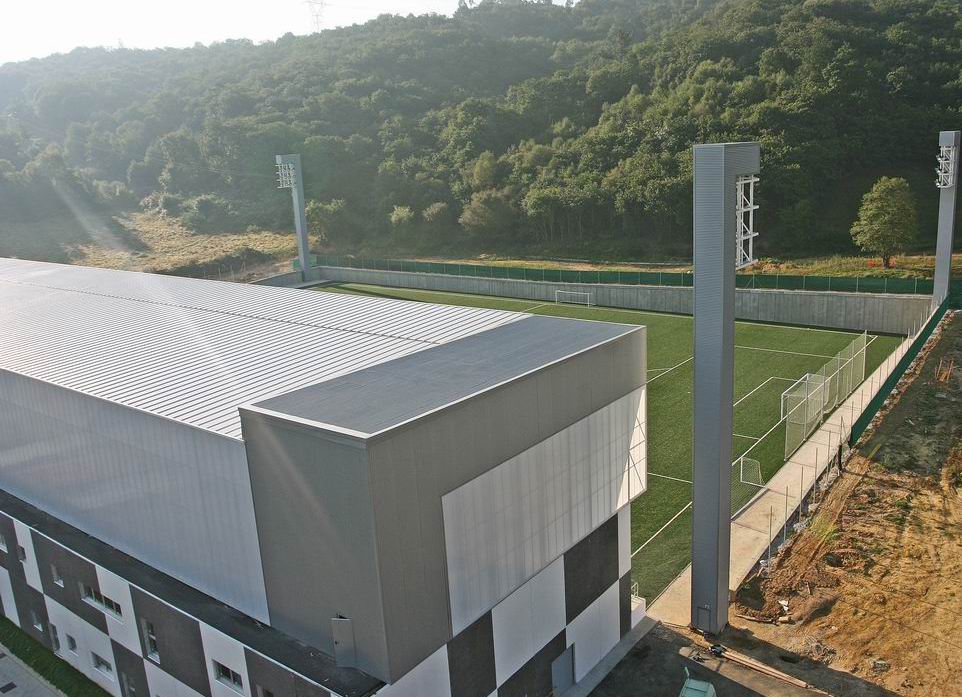
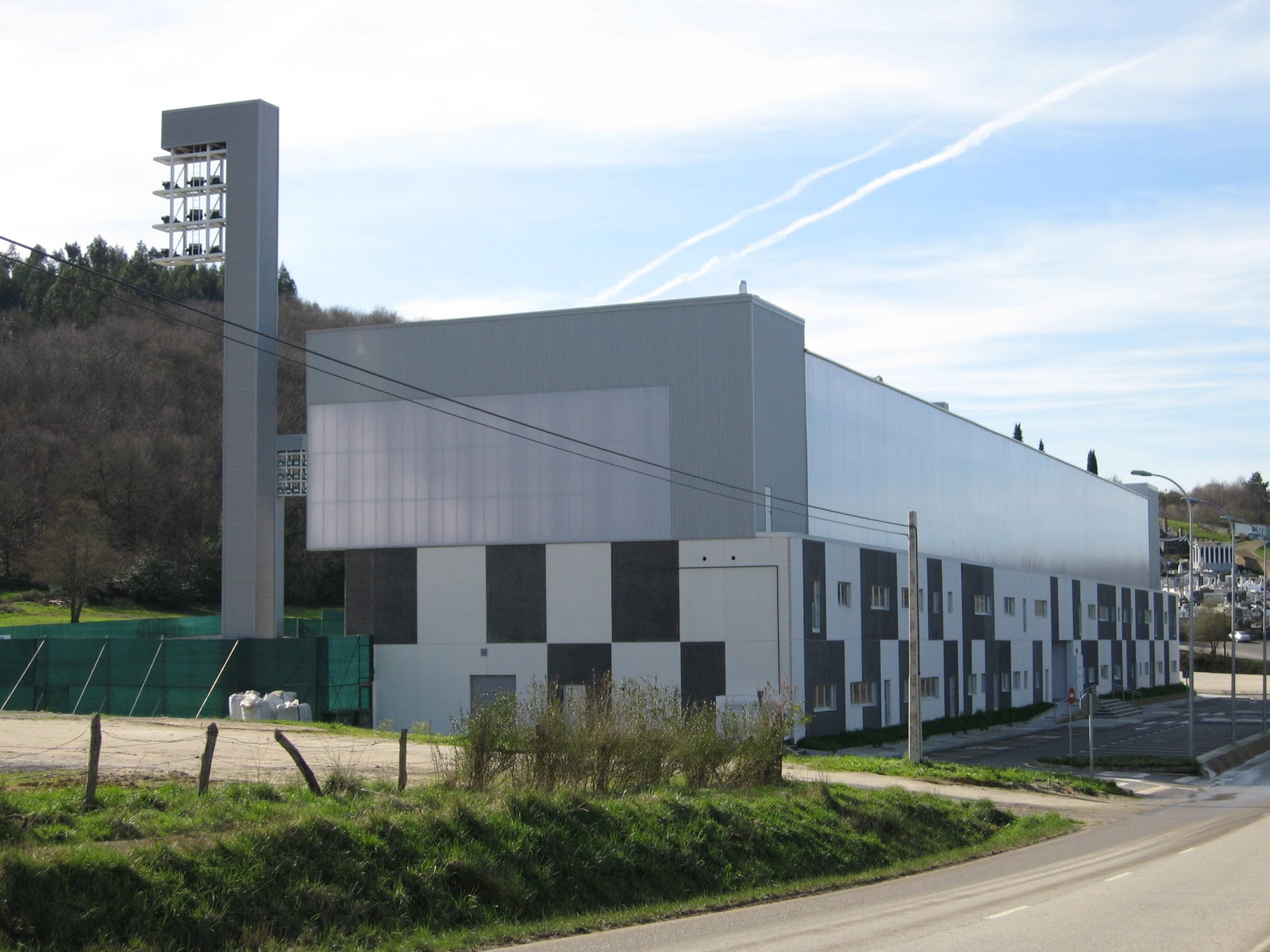
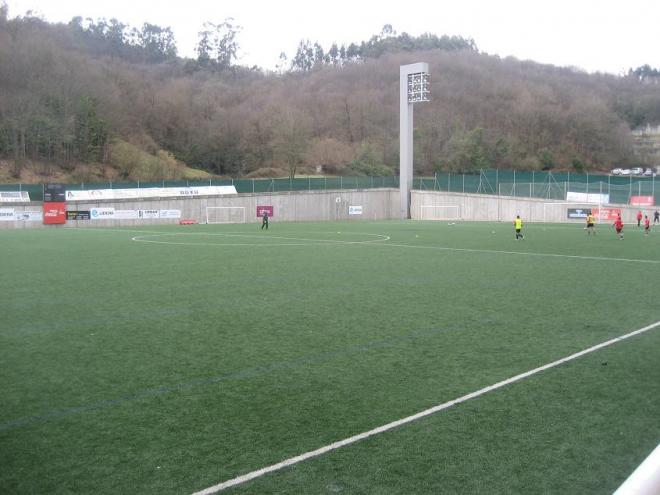
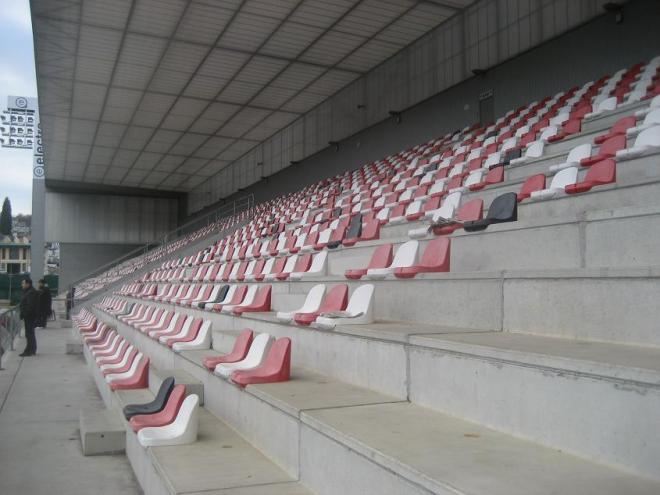
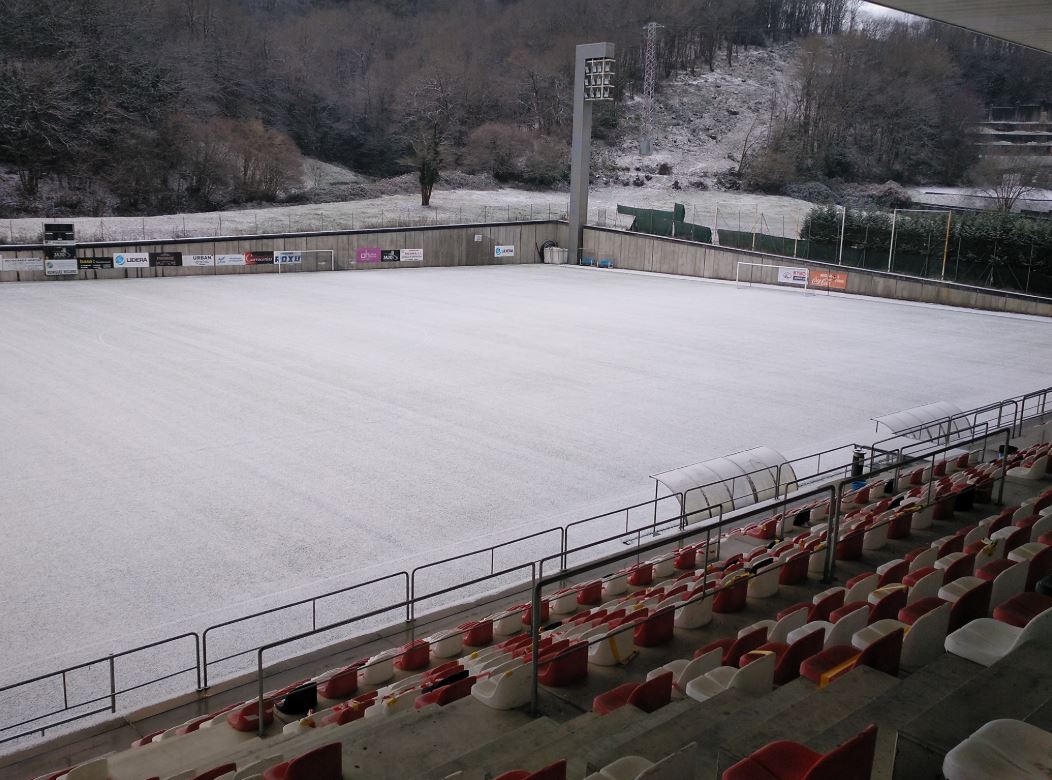
It helps if there are some distinctive touches, and El Bayu does this in a few areas. For a start, its floodlights are very unusual, resembling four sets of gallows with the lighting rig suspended from the crossbeam. In addition, the exterior of the main stand has been clad in a mosaic chequered board style, drawing one’s eye to the stadium as you travel along the adjacent motorway. It has a capacity of 5,000, with the central area bedecked with red and white bucket seats. The wings of the stand are left bare for the hardy souls who do not mind sitting on cold concrete. The lack of spectators on the other three sides of the enclosure is somewhat offset by the fact that the stadium has been built into the side of a hill, but this has caused a few problems with drainage on the synthetic pitch. There was also a delay of over three years before the stadium was formally handed over to the municipality, due to a dispute over outstanding issues with the stand and playing surface.
Unfortunately, the stadium has not had a particularly positive effect on the fortunes of Club Siero, who would have hoped to rekindle some of the success of the 2000-01 season. In fact, the club was relegated from the Tercera to the Regional Preferente Asturias in 2009, and only some late-season form in 2009-10 staved off another drop. Club Siero spent a total of six seasons in the Regional Preferente before a league title earned promotion back to the Tercera in 2015. There followed six seasons in the Tercera, mostly played against the backdrop of the threat of relegation, before the RFEF restructured the Spanish leagues, and Club Siero dropped to the Regional Preferente in 2021. A further demotion followed a year later, with the club dropping to the seventh tier. Thankfully, there has been an upturn in form, and by the start of the 2025-26 season, Club Siero had reached the Tercera Federación (fifth tier).
 Estadios de España