Article updated: 14/04/2026
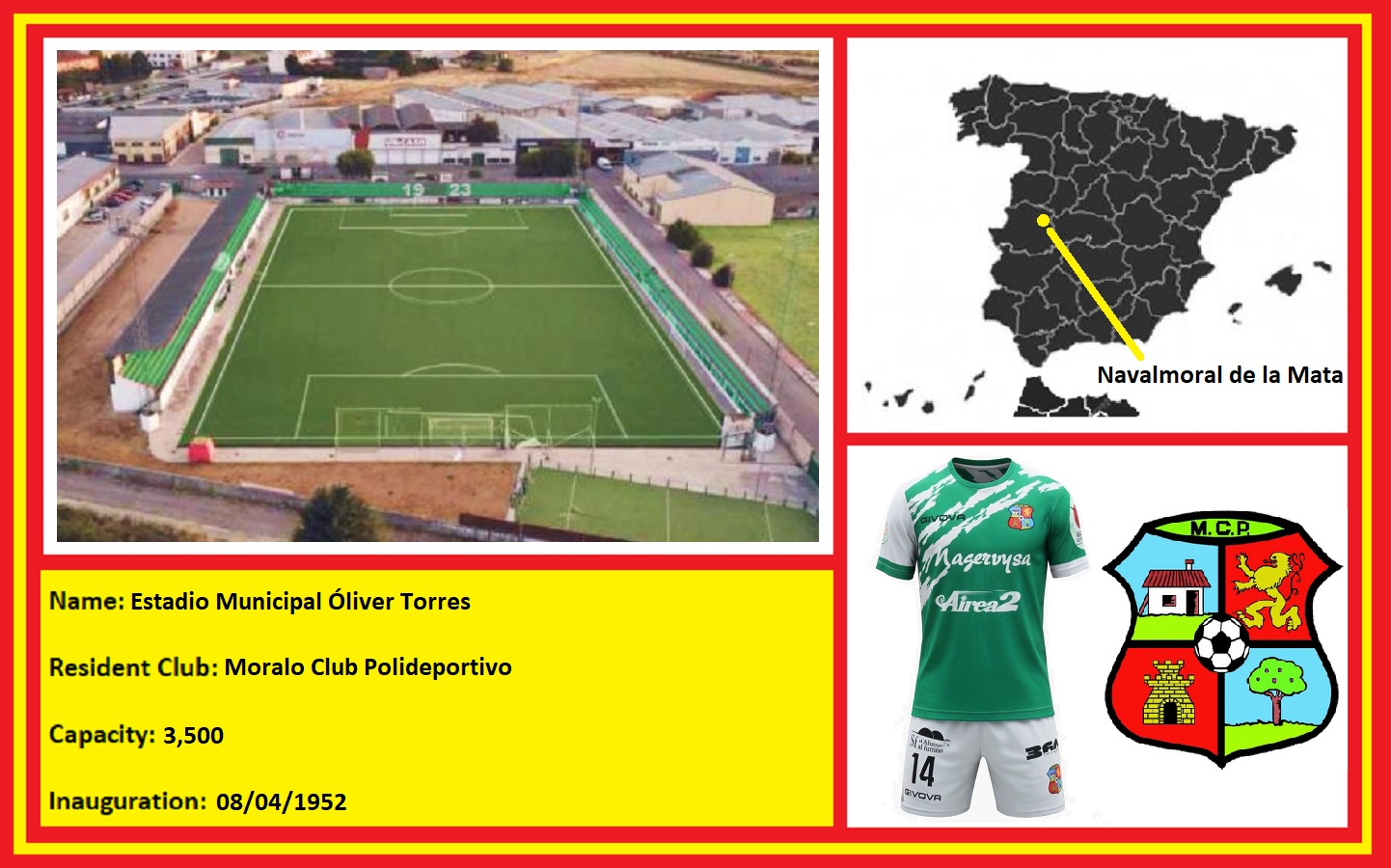
The town of Navalmoral de la Mata lies in the far north of the province of Cáceres, around 180 kilometres west of Madrid. Its name derives from the valley of the mulberry trees, and over the centuries, this bucolic setting has been a centre for agriculture, specialising in the growth of olives and tobacco. The town witnessed its first significant growth in the 1850s, with the arrival of the railway from the Spanish capital. Despite its access to Madrid, football took its time to establish itself in the town. It wasn’t until the early 1920s that the game’s early disciples, students returning home from their studies, established Moralo Foot-ball Club in 1923.
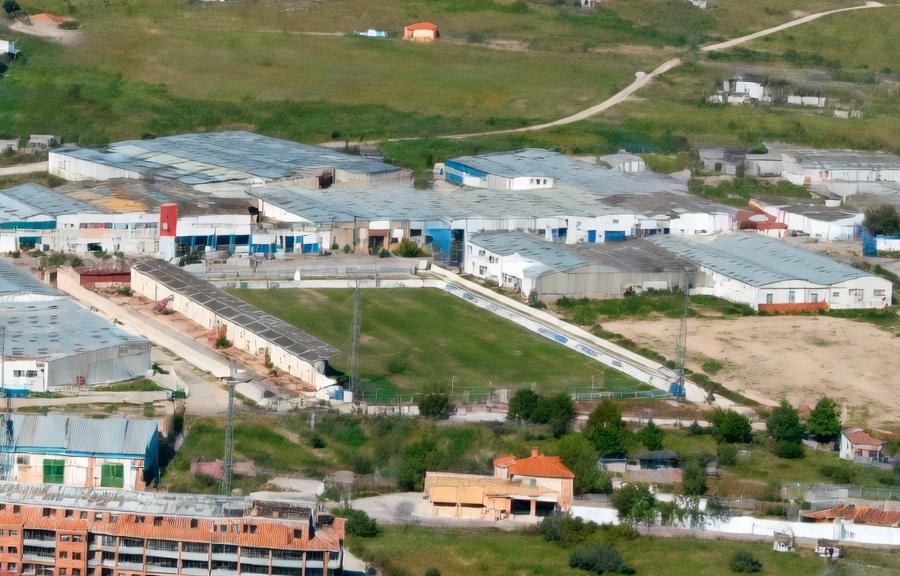
In its early years, the club played at several modest grounds, beginning at Campo de El Cordel (1923–1924) and Campo del Cine Xanti (1924–1926), before settling at Campo de Amarnie in 1926, located between Calle de Weyler and Avenida de la Constitución. Matches during this period were largely informal, though teams from Badajoz, Cáceres and Plasencia occasionally visited. In 1931, following the establishment of the Republican Government, the club was renamed Atenas Foot-ball Club, reflecting admiration for the democratic ideals of ancient Greece. It also adopted the colours of the Republican flag, wearing red, yellow, and purple shirts. Football activity came to a halt during the Civil War, when Campo de Amarnie was repurposed as a prisoner camp and a base for a Nationalist battalion. After the war, local supporters restored the ground, and the club was reorganised as Moralo Club de Fútbol in 1940. Soon after, it relocated to a new venue, Campo de Deportes Capitán Luna, where it played its inaugural match against CD Cacereño on 16 June 1942. The Campo de Deportes Capitán Luna was on the southern edge of the town, between the current-day Calle Mercado and the Calle Pérez Lozano. Moralo CF joined the regional federation and began competing in the Segunda Regional during the 1942–43 season. However, the RFEF suspended the Federación Extremeña in 1943, and the cost and logistics of joining the Federación Regional del Sur proved too onerous.
Óliver Torres
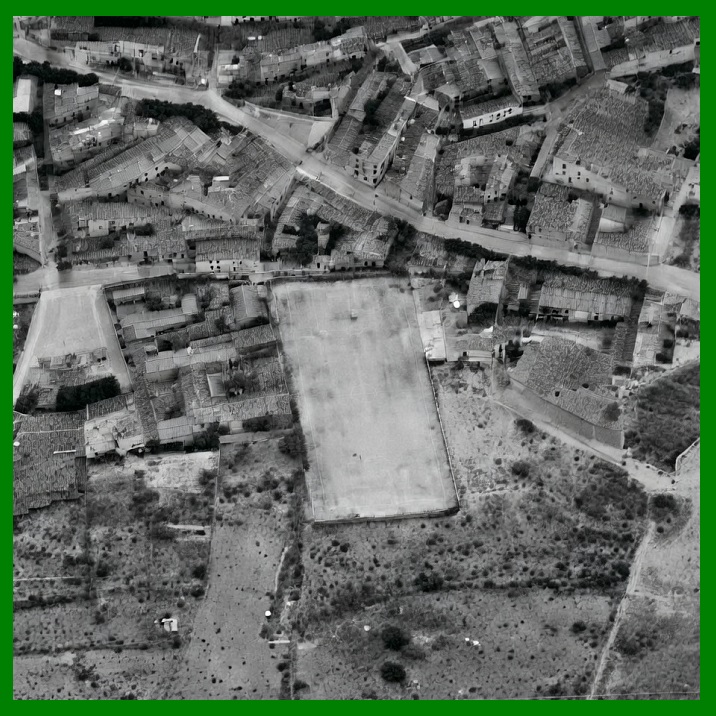
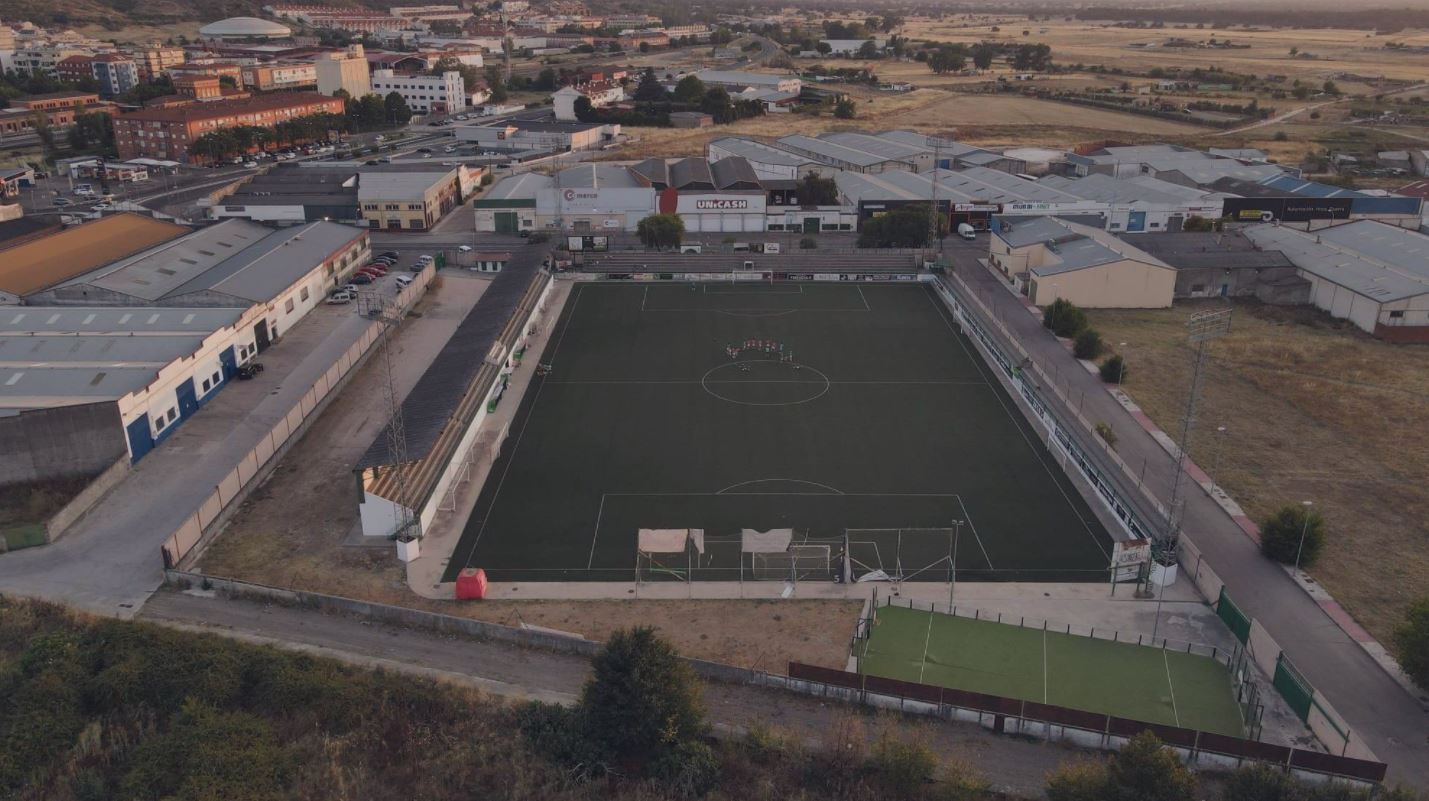
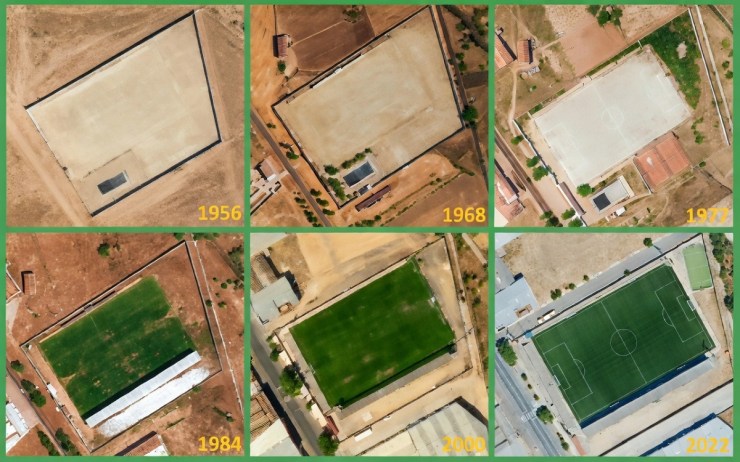
In the early 1950s, Mayor Augustín Carreño was the driving force behind plans to establish a team worthy of the town. He asked a former player, Goyo, to manage the team and at the same time ceded land to the north of the town for the development of a new enclosed ground. The new enclosure opened on 23 April 1952 and was named in honour of the Mayor. Upon opening, the pitch ran from north to south, but in 1955, the pitch was rotated 90 degrees and a narrow stand with basic facilities was added to the northern side of the enclosure. The new layout was inaugurated on 8 December 1955 when Moralo CF drew 2-2 with CD Cacereño. Moralo CF rejoined the Federación Extremeña and joined Group XIII of the national Tercera for the 1956-57 season, as a late replacement for CD Montijo. An impressive third place was earned in their debut season, followed by a 7th-place in the 1957-58 season. However, with their budget stretched, a disastrous 1958-59 campaign followed, with Moralo CF finishing bottom of the league and winning just one of their 30 matches. The club returned to the regional leagues, where it would remain for the next 20 years.
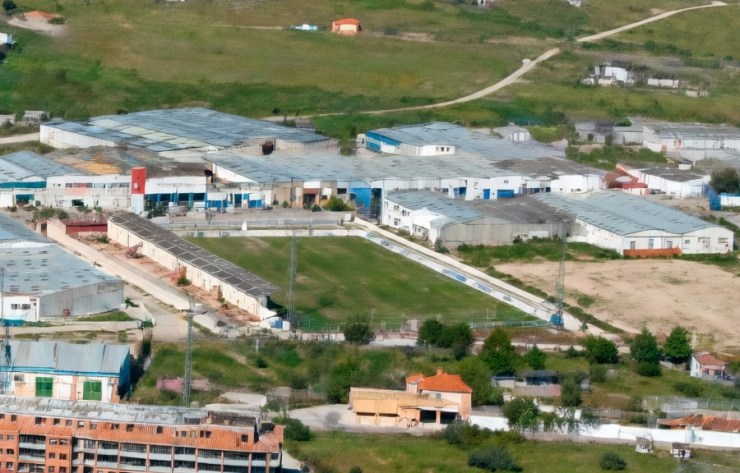
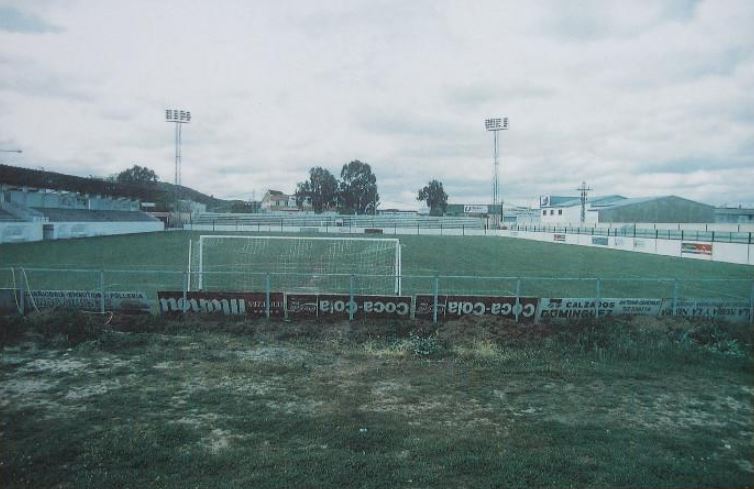
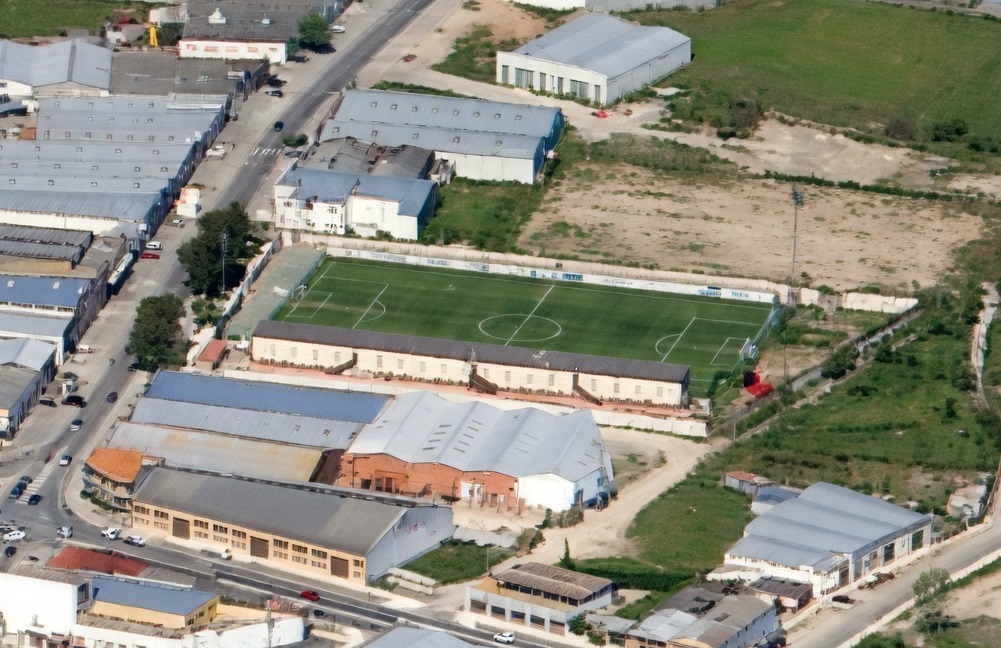
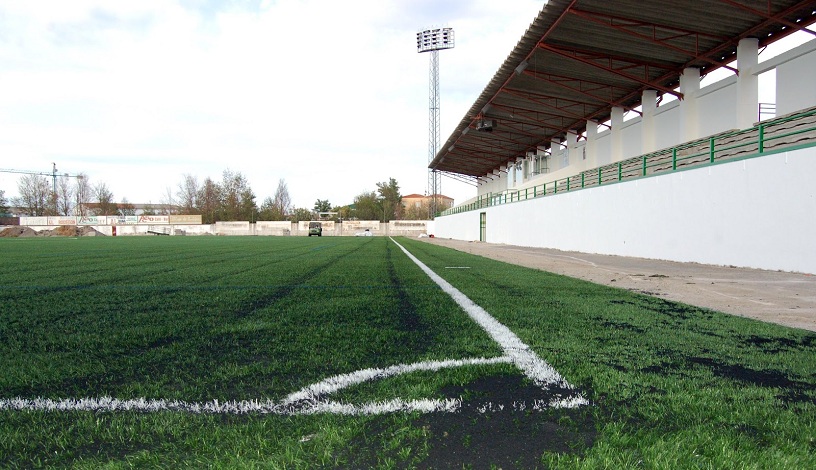
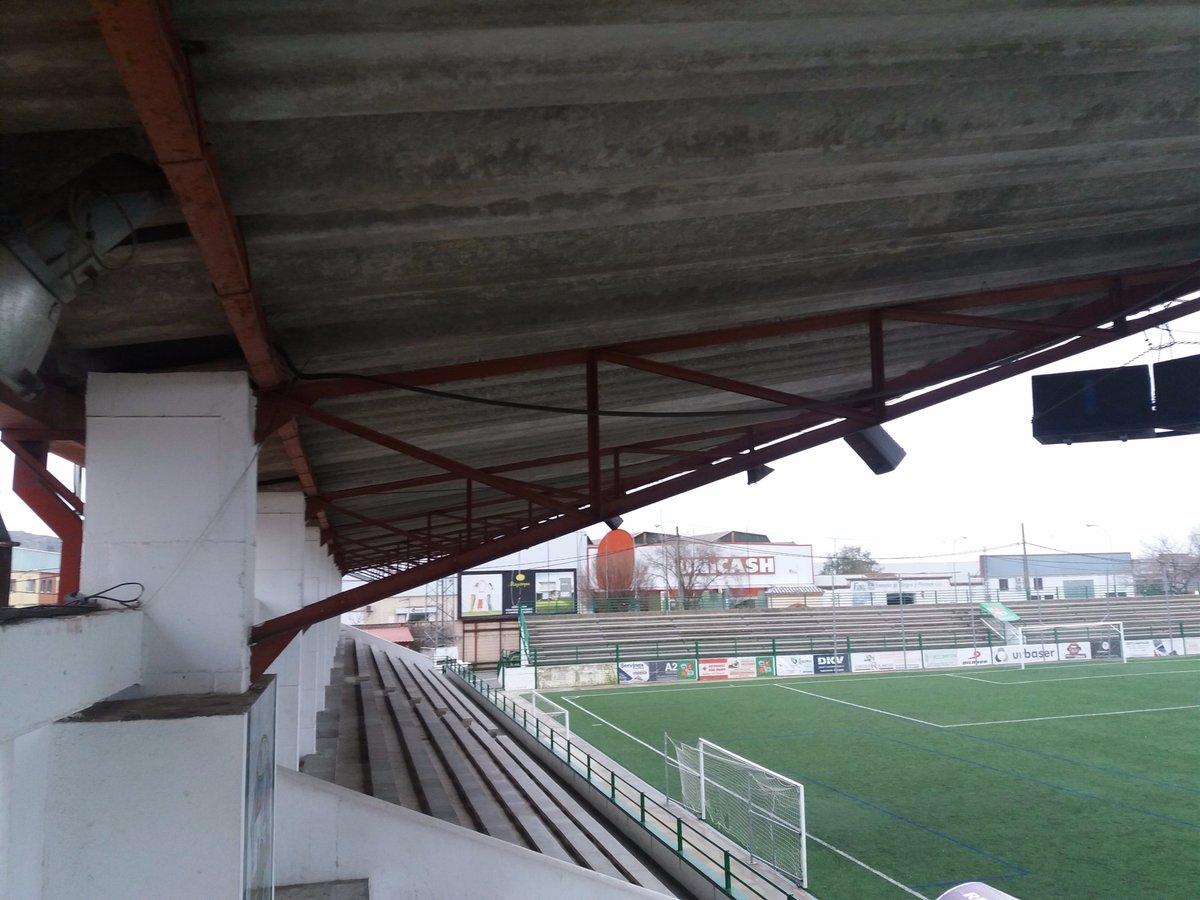
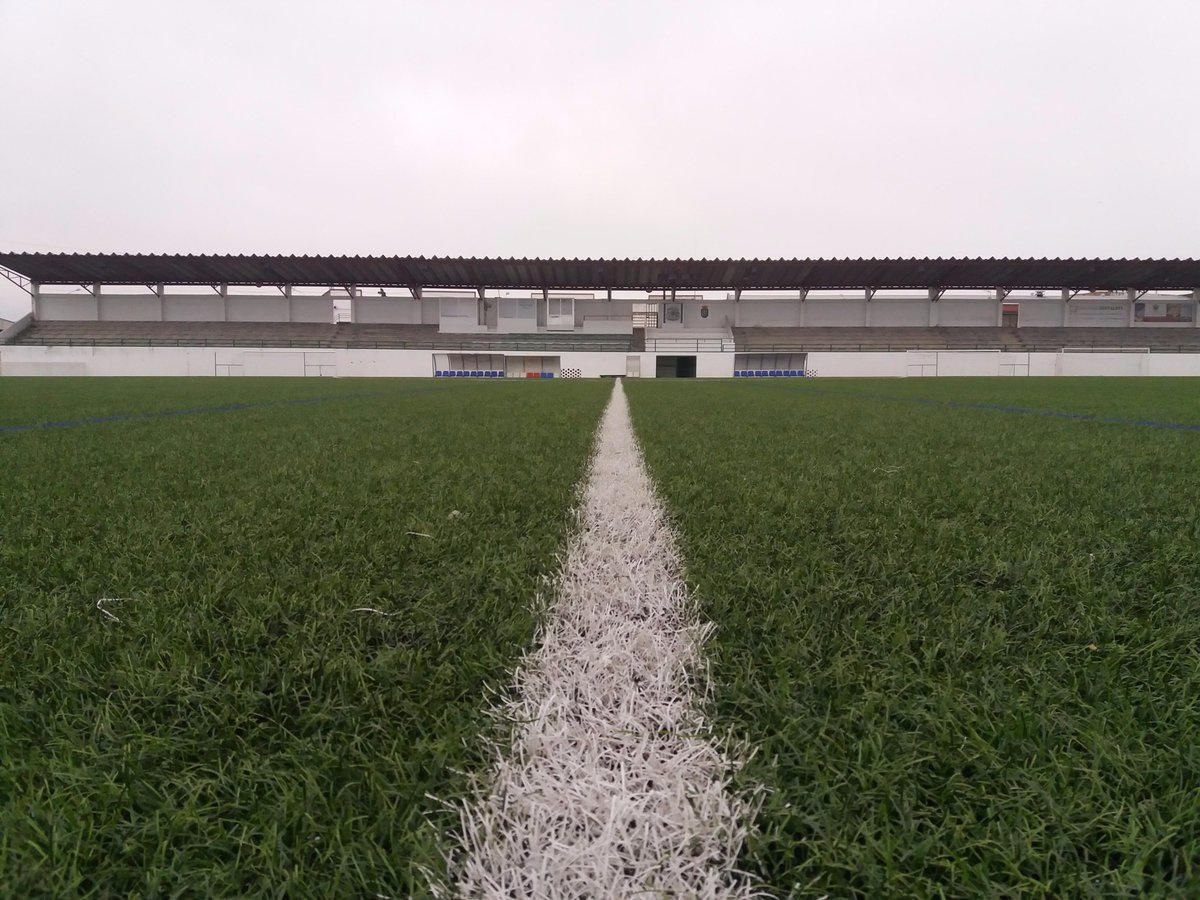
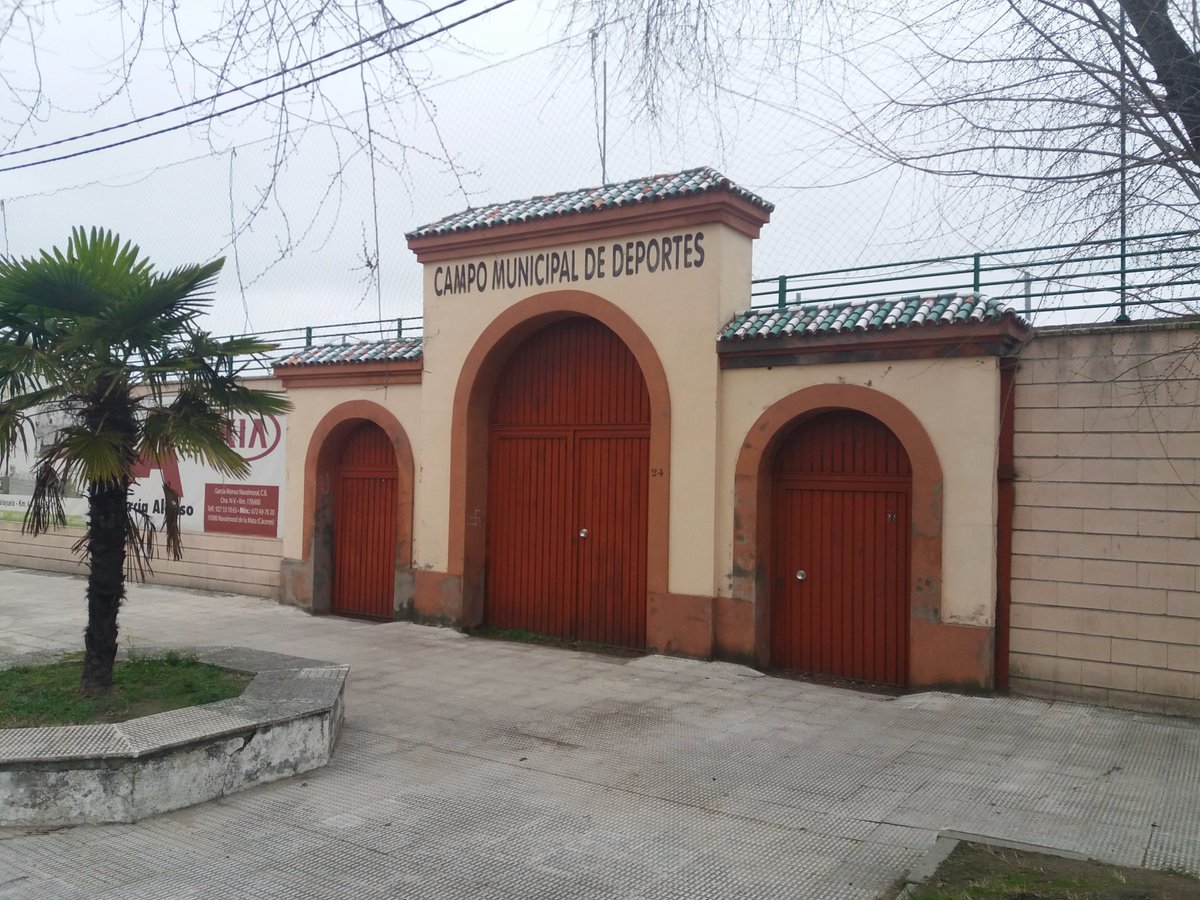
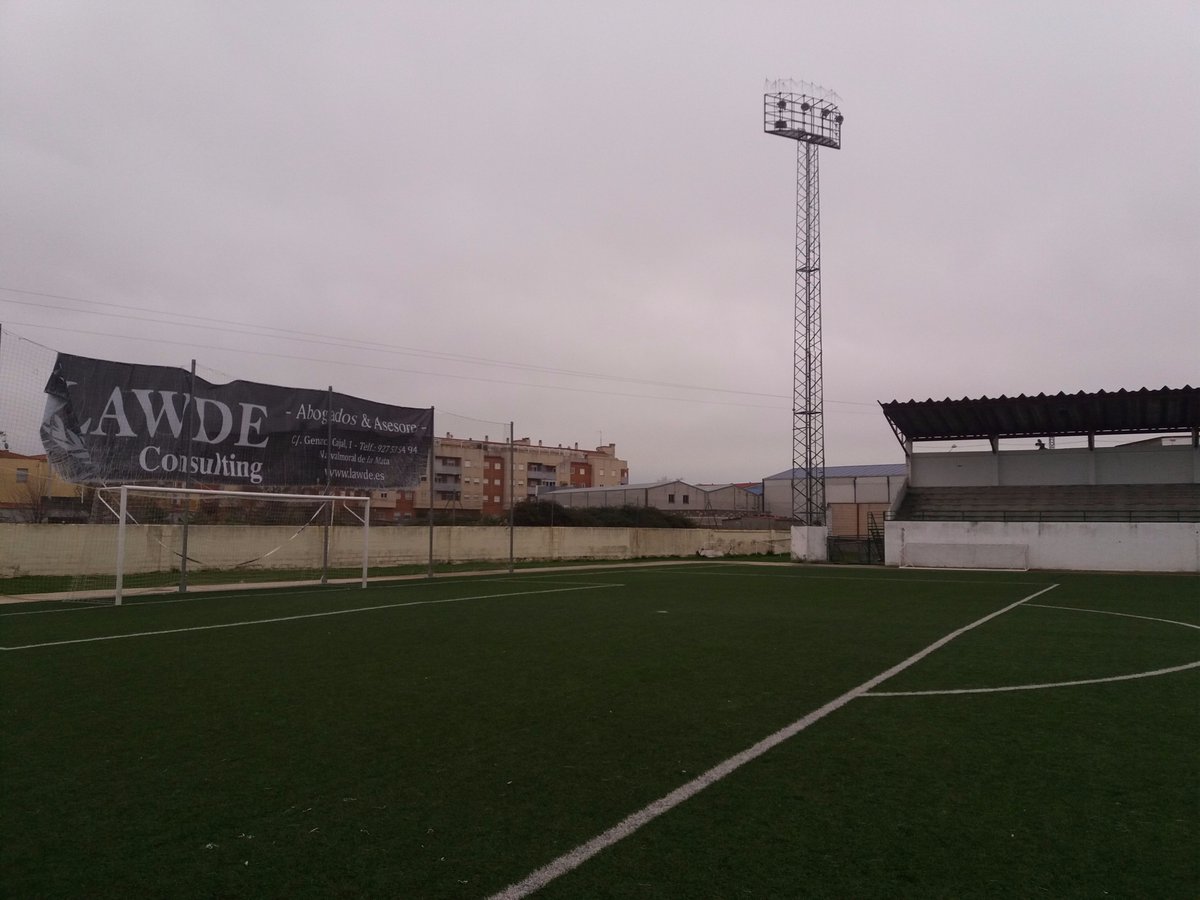
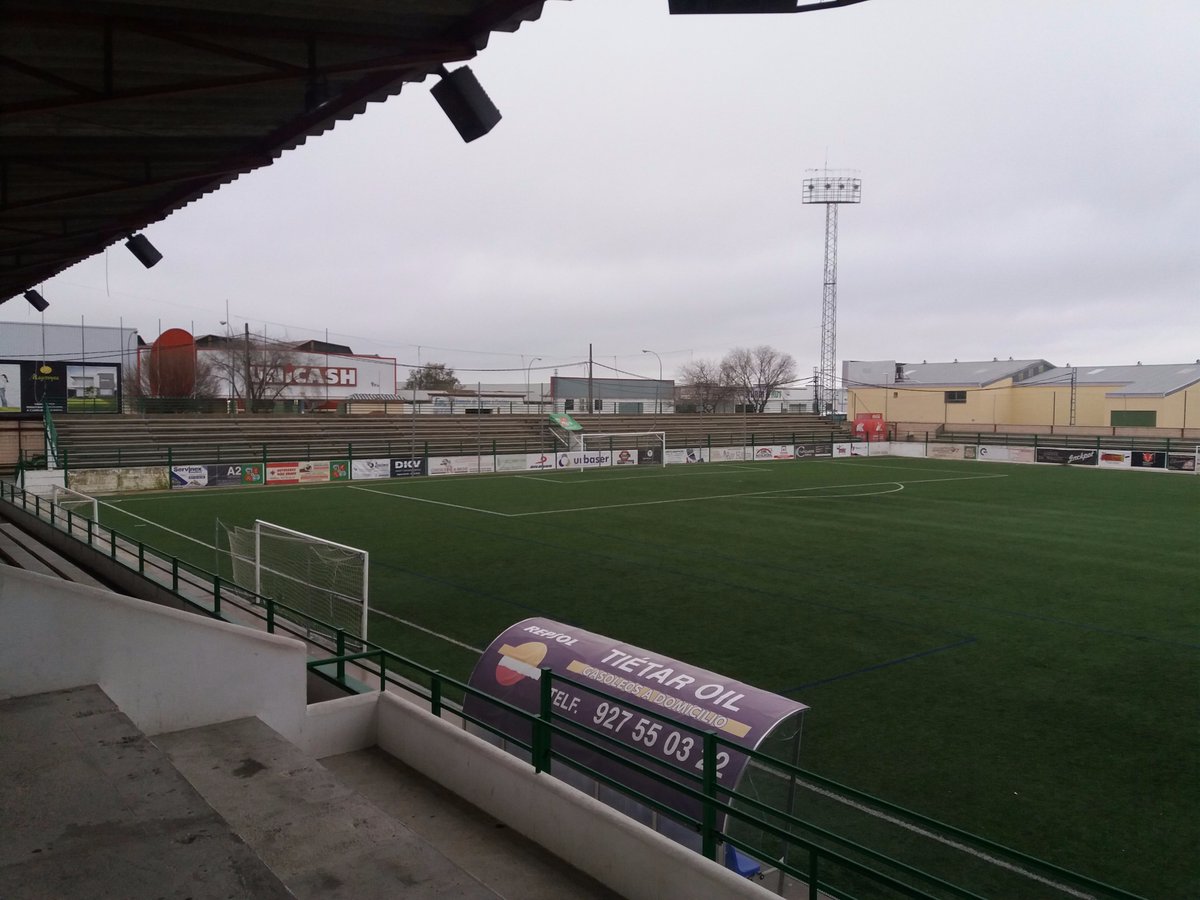
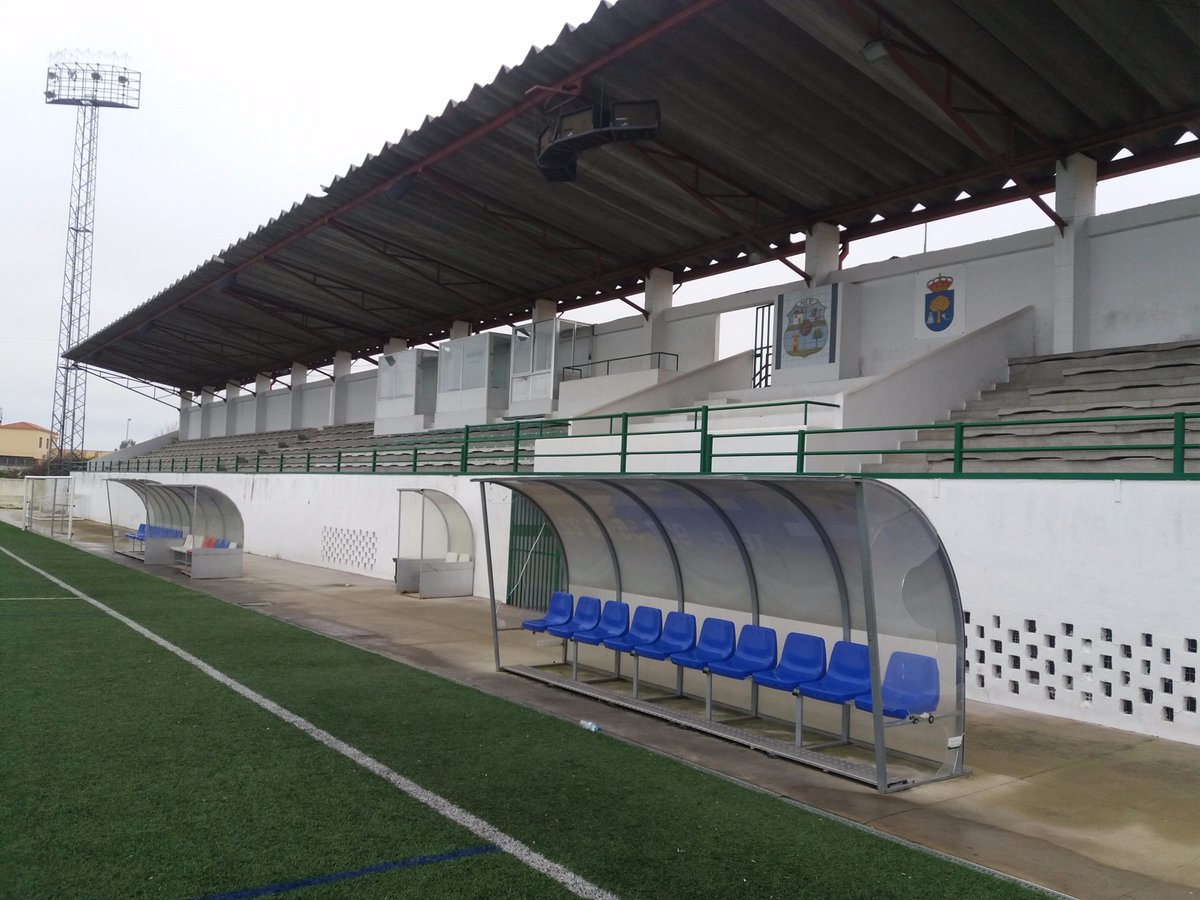
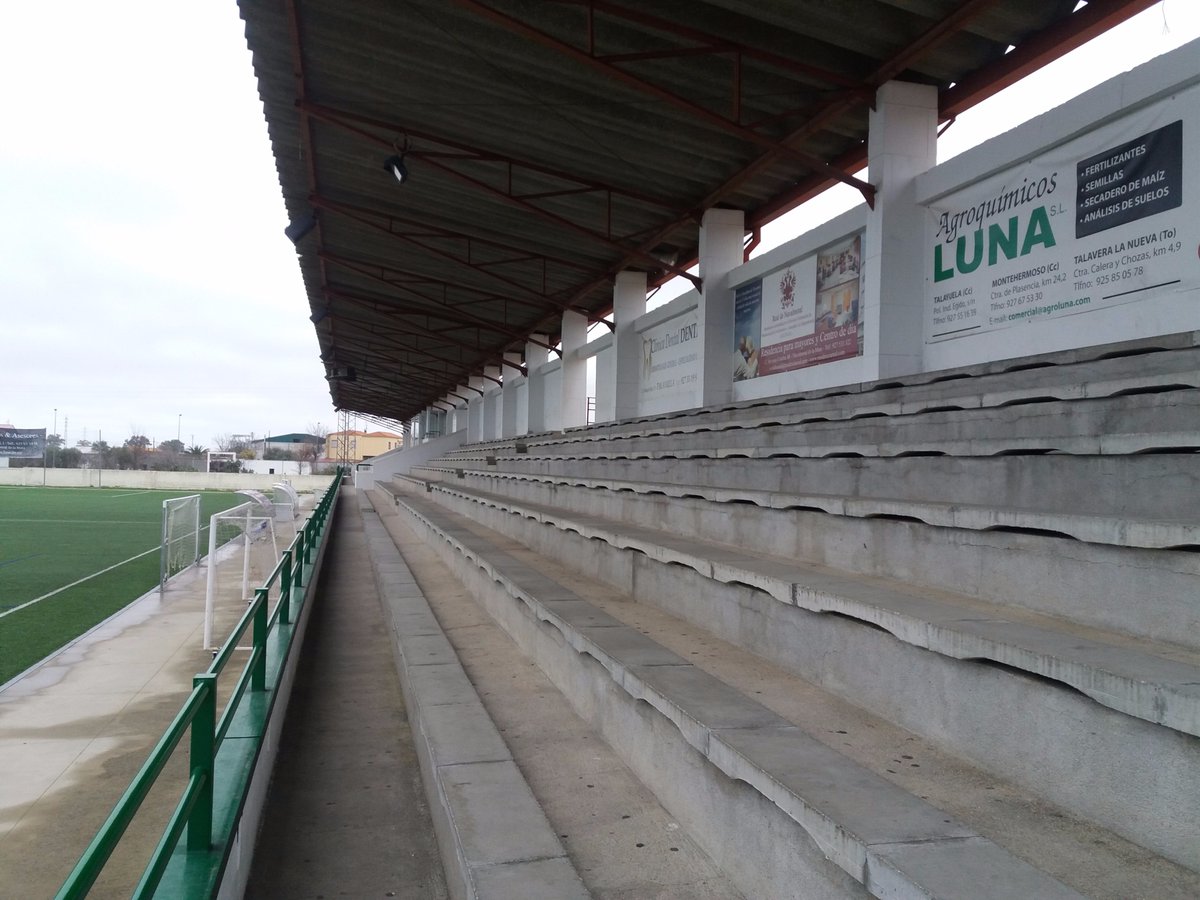
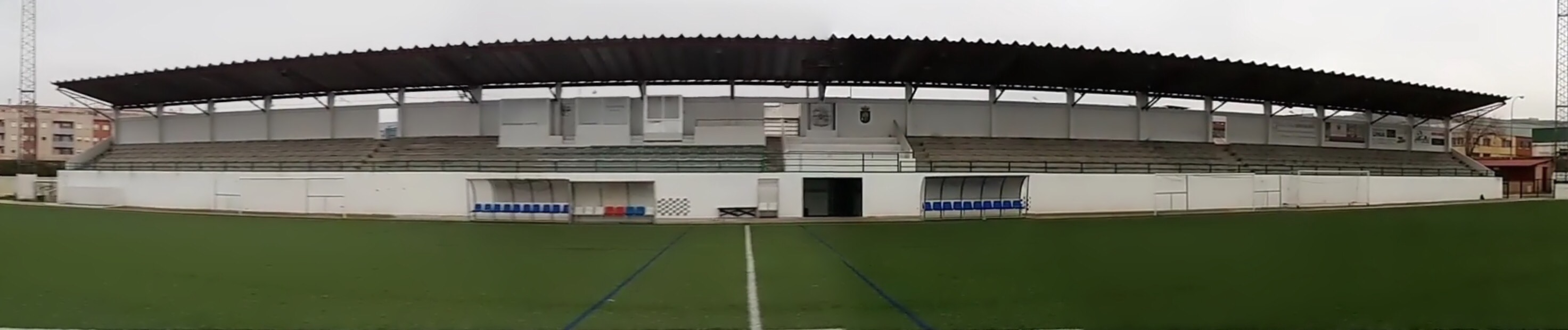
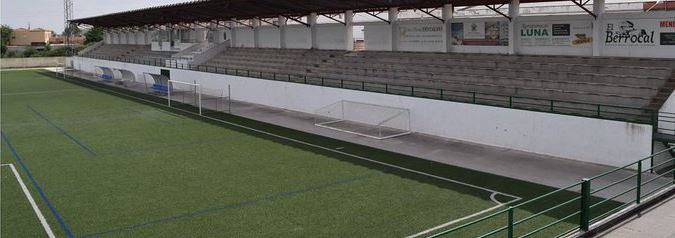
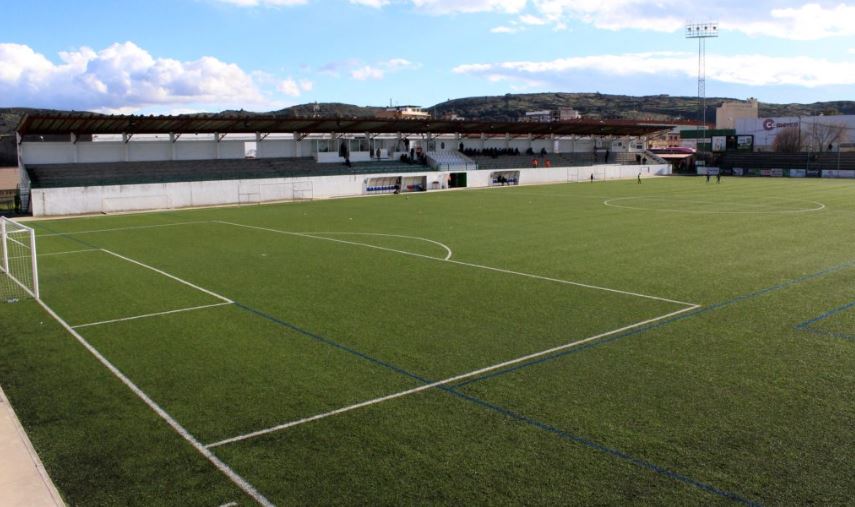
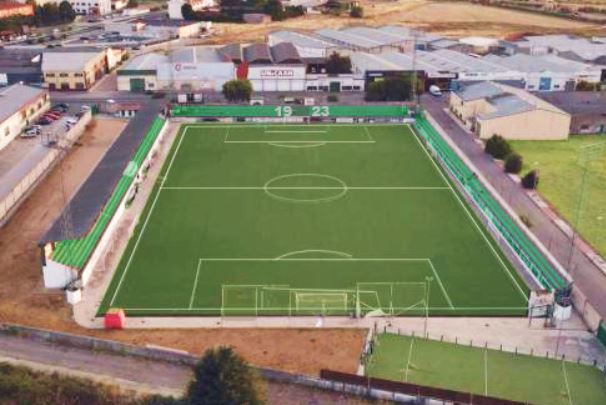
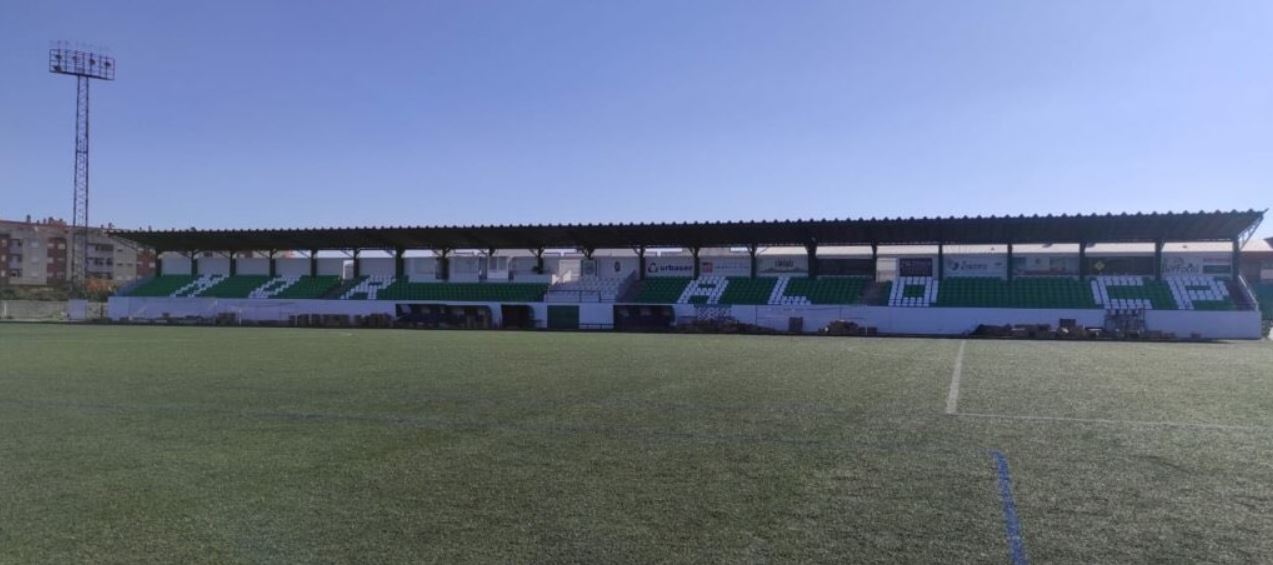
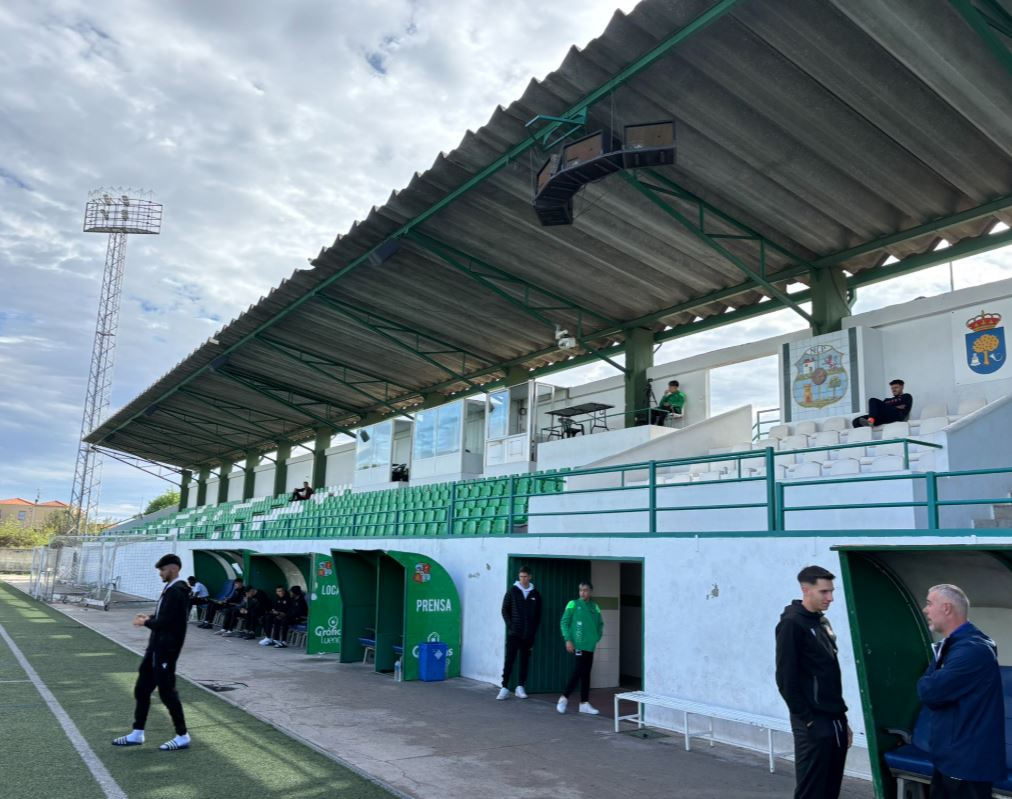
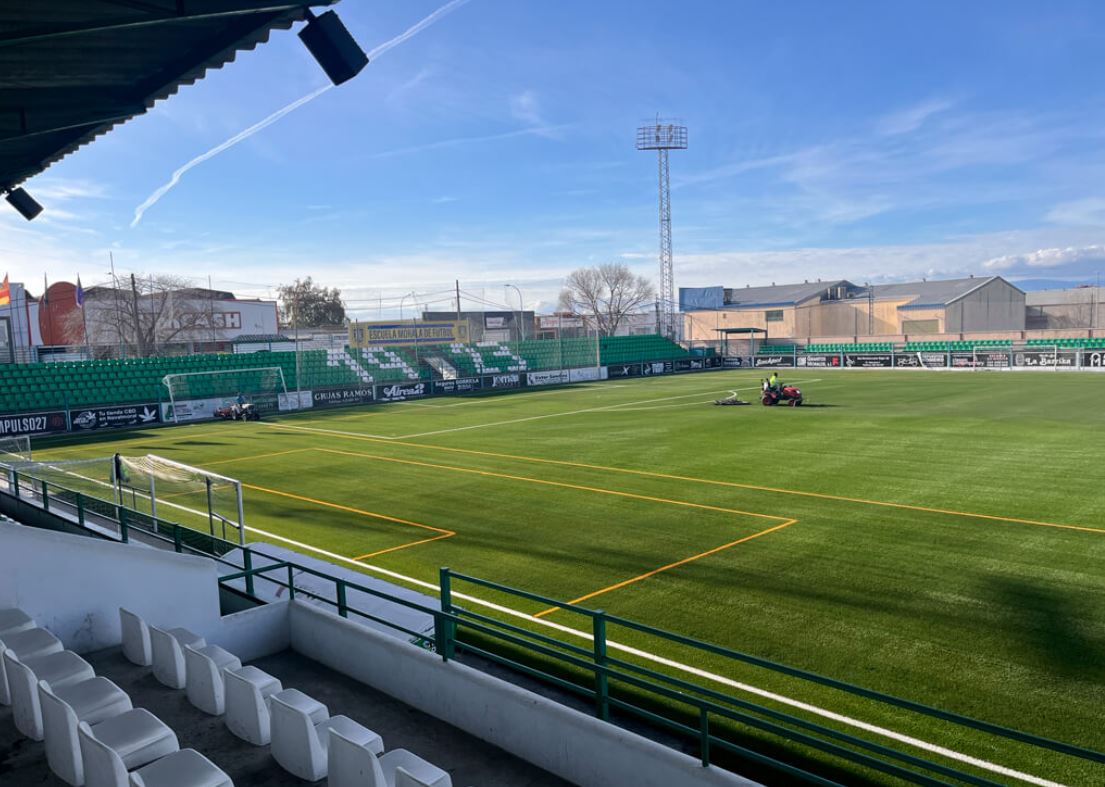
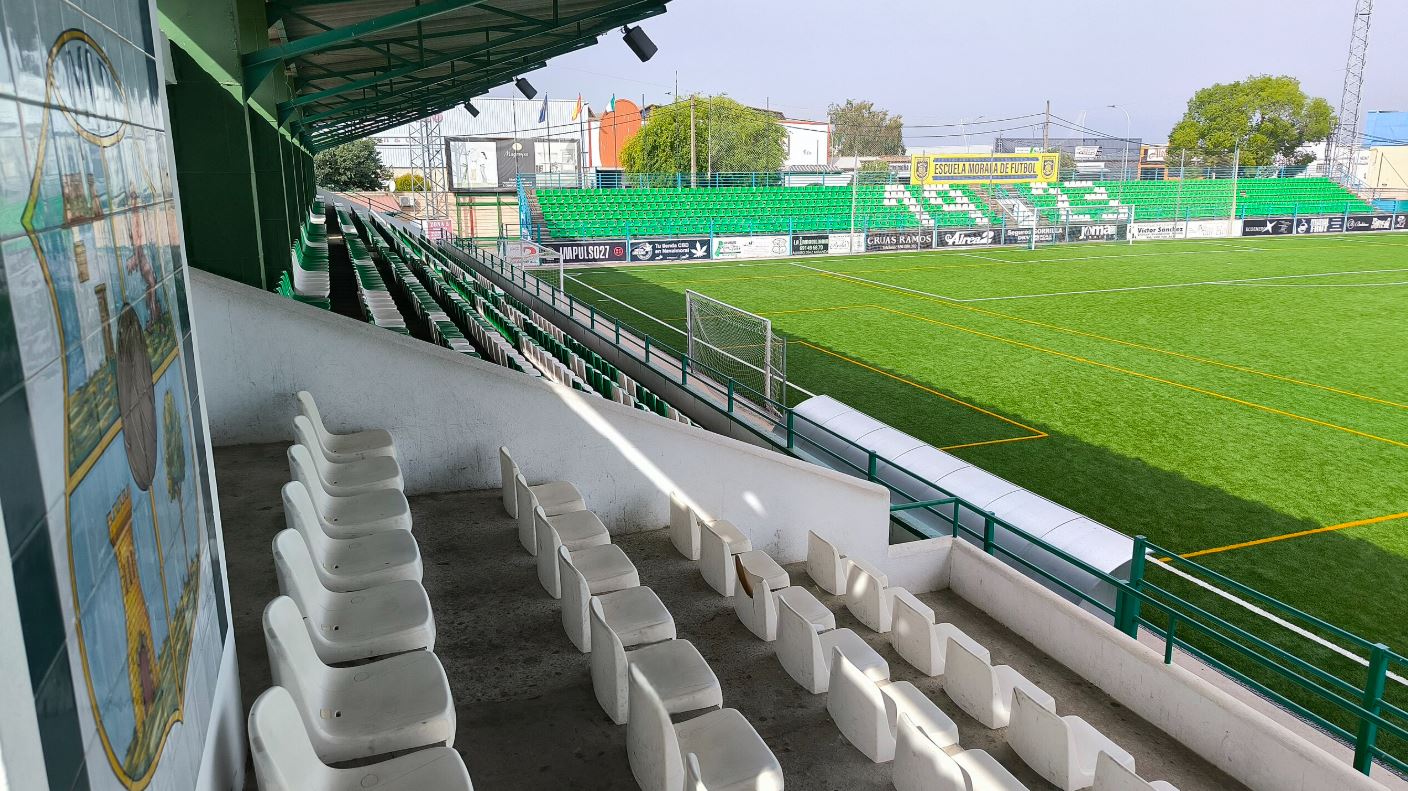
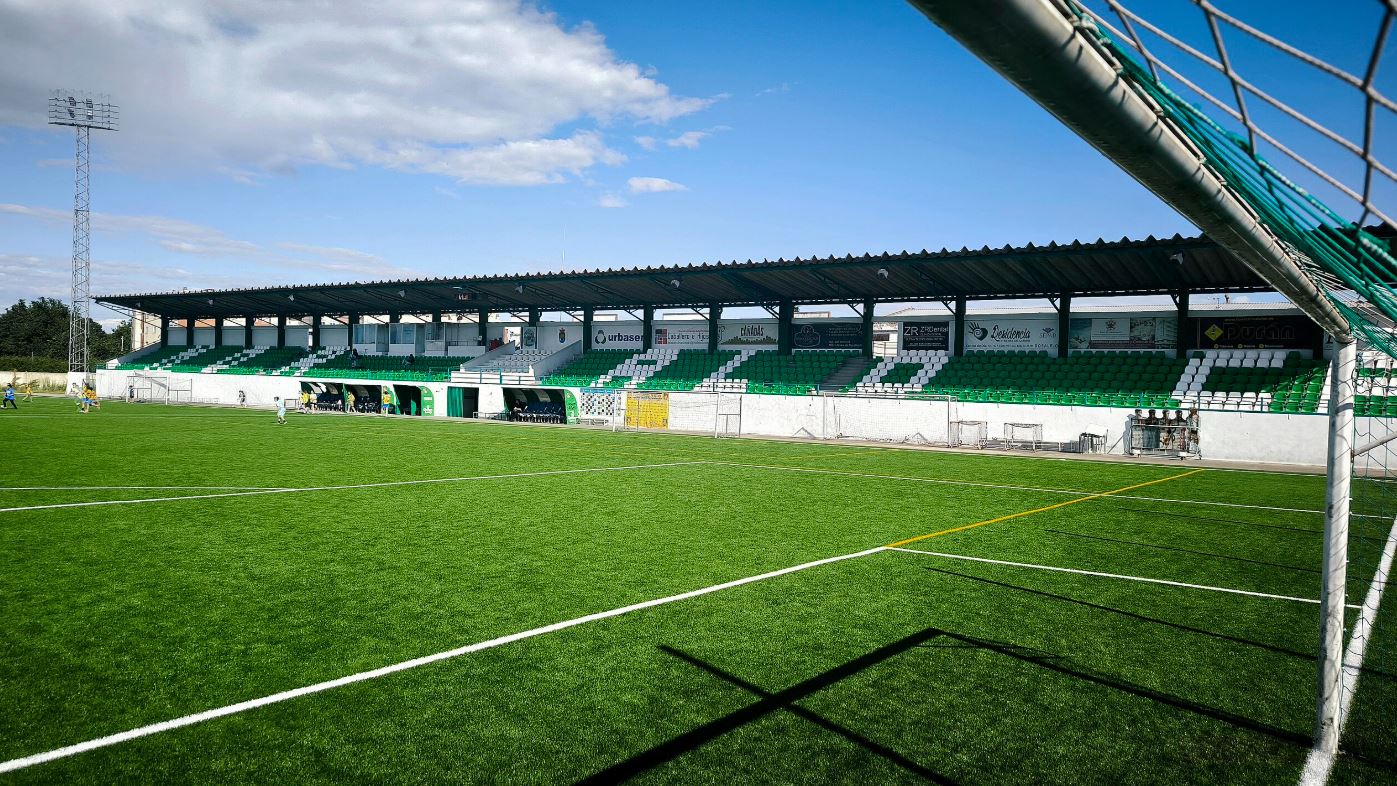
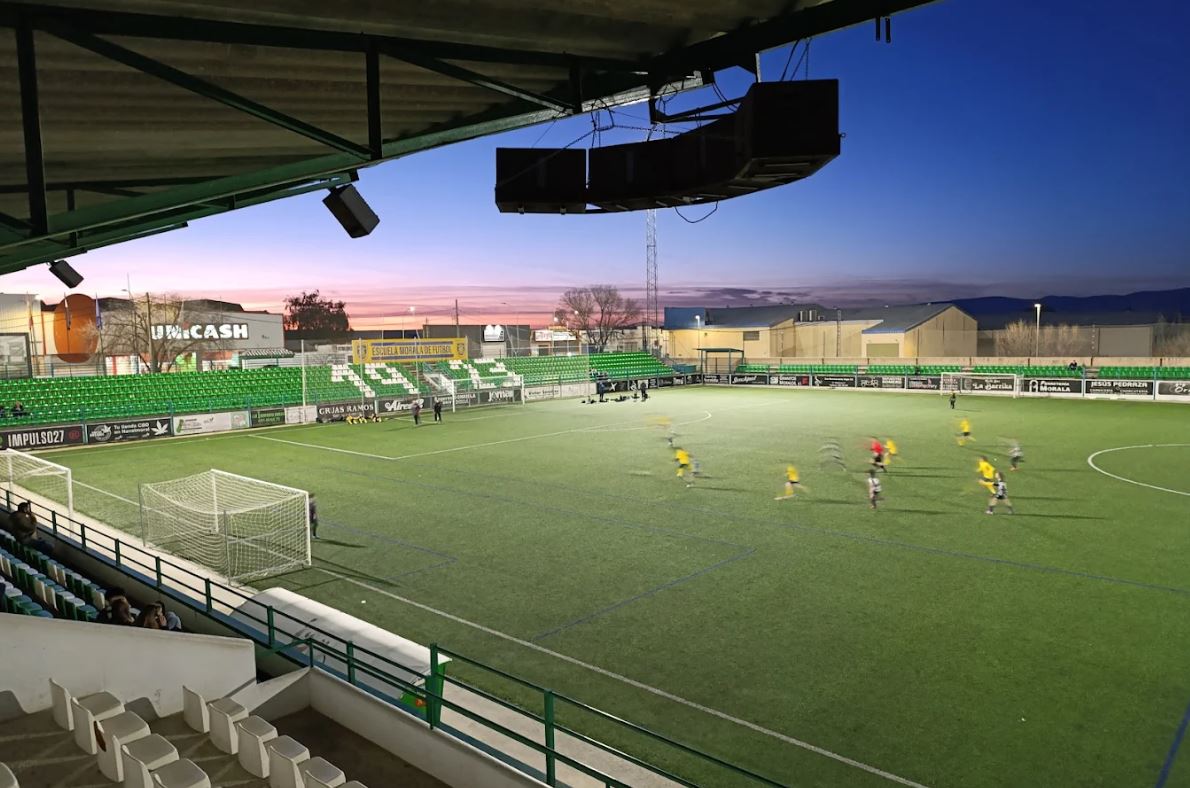
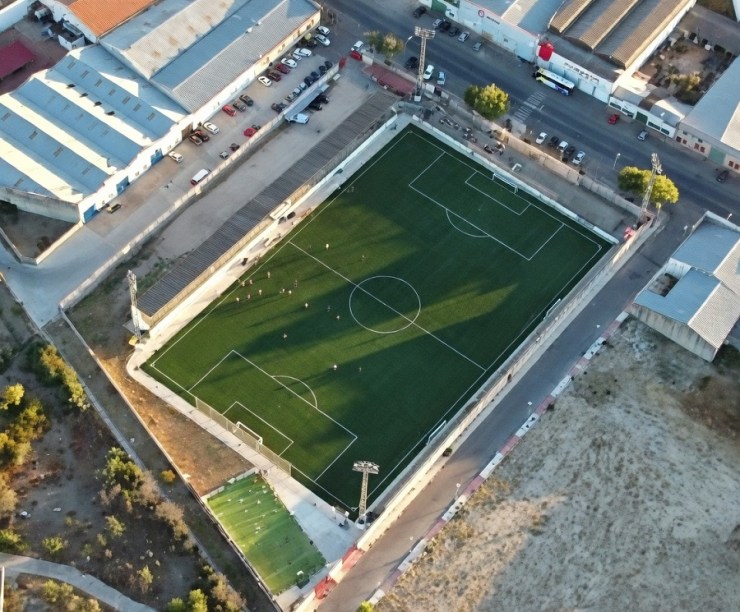
In 1976, the Moralo CF changed its name to Moralo Club Polideportivo. A year later, the stadium’s name was changed to Campo Municipal de los Deportes. This coincided with work to improve the facilities. Two raised terraces were built on the north and west sides of the stadium, whilst the east end was left open. A full-length covered stand was constructed on the south side. This was raised to incorporate changing and club facilities under a deck of six rows of bench seating. A walled-off directors’ box sat in the middle of the stand, and a shallow, cantilevered corrugated iron roof was slung over the top. The stand’s construction required the removal of the swimming pool and tennis courts, which stood on the southern side of the enclosure, which seemed to contradict the enclosure’s new name.
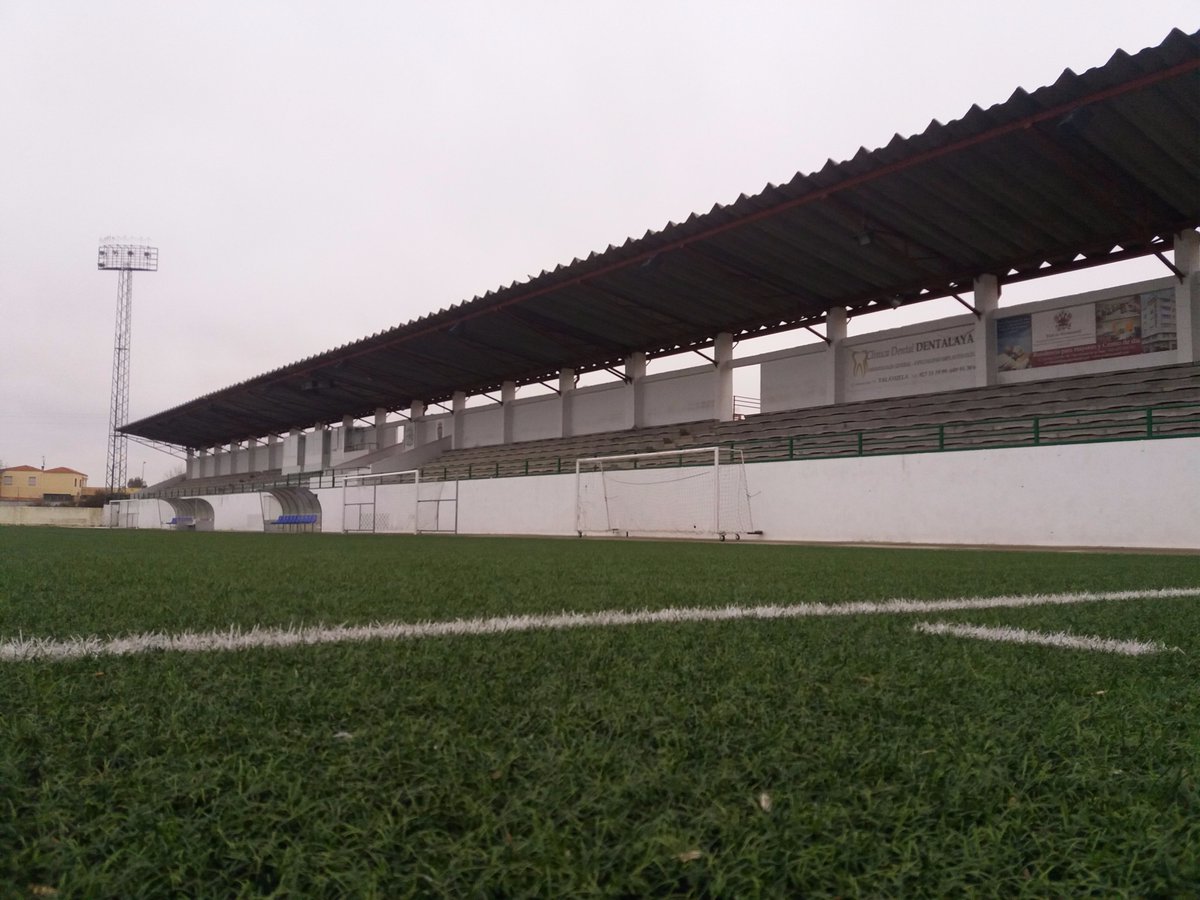
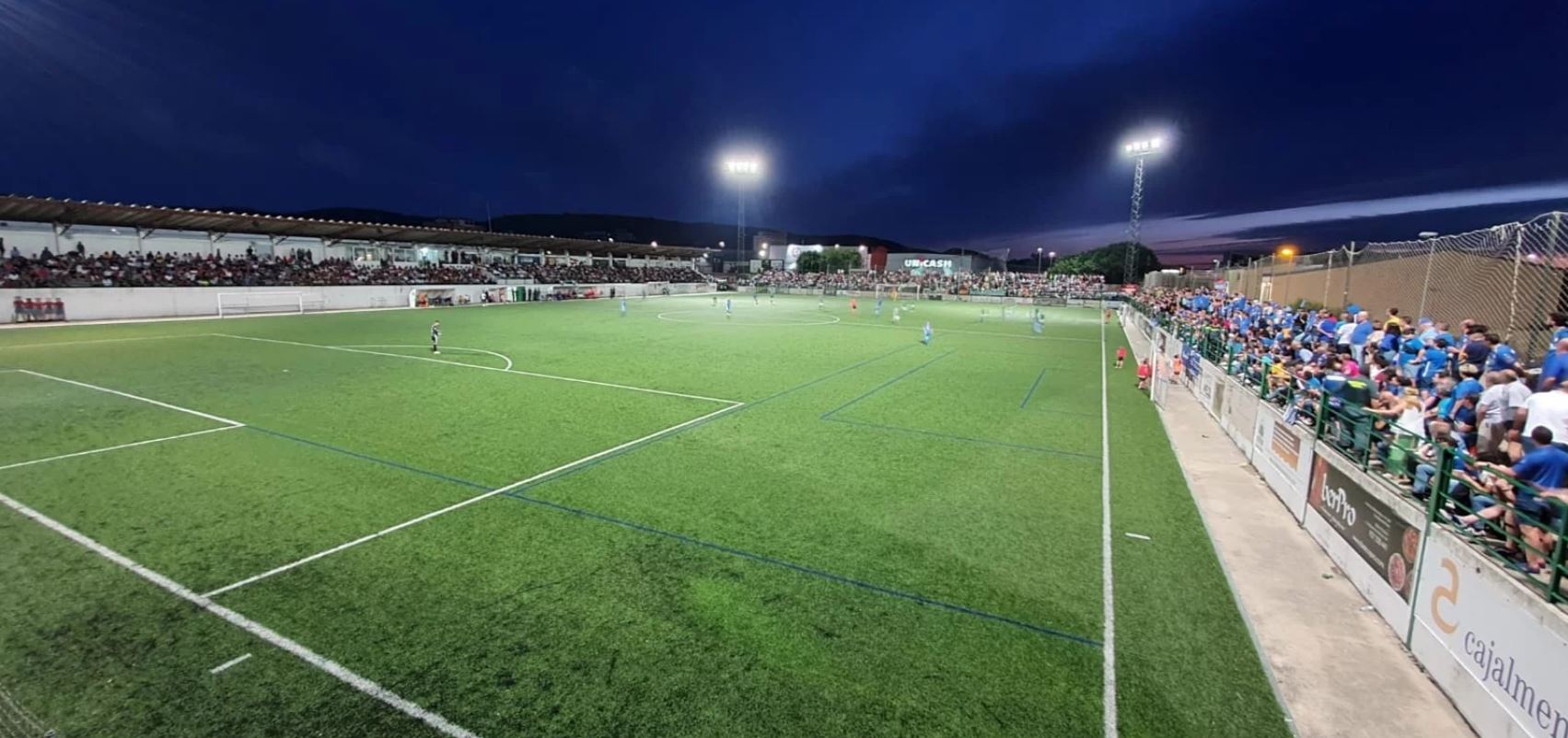
The smart surroundings seemed to inspire Moralo CP as they reached the Tercera in 1980. They remained stalwarts in the Tercera for the next decade and a half, capturing their one and only title in the 1992-93 season. The club finished bottom of its playoff group featuring CD Mármol Macael, UB Conquense, and CD San Fernando. The 1996-97 season proved to be an historic landmark for the club. After finishing second in the Tercera, Moralo CP entered a playoff group featuring Tomelloso CF, CD Linares, and Ayamonte CF. They remained undefeated, with three wins and three draws to top the group and earn promotion to Segunda B. This saw further improvements at the Campo Municipal, with the West & North Terraces extended. After an appalling start to the 1997-88 season, Moralo CP managed to rescue what appeared to be a hopeless fight against relegation by winning their last five matches to finish 14th, three points above the drop. Moralo CP could not repeat the feat, and a year later, they returned to the Tercera. Moralo CP made one further visit to Segunda B, in 2002-03, but this also ended in disappointment with an 18th-placed finish and relegation.
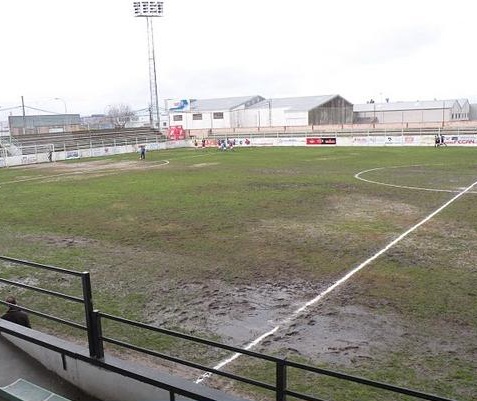
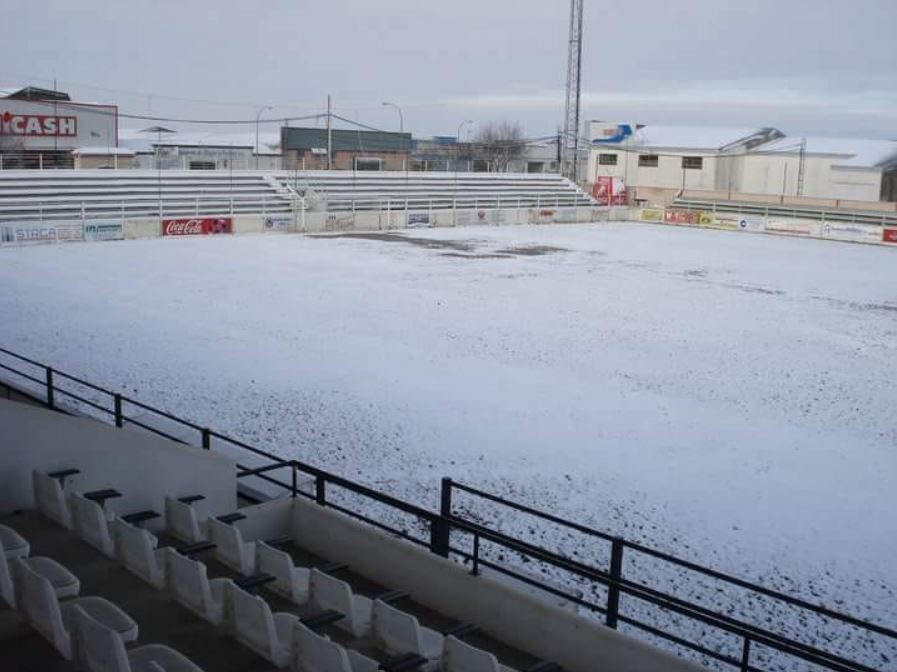
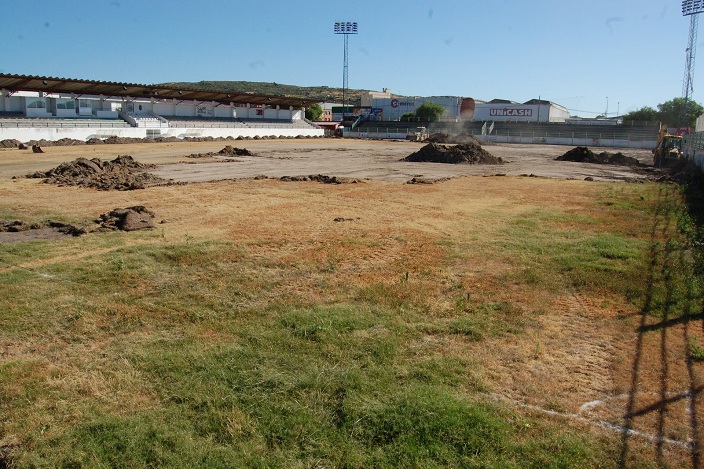
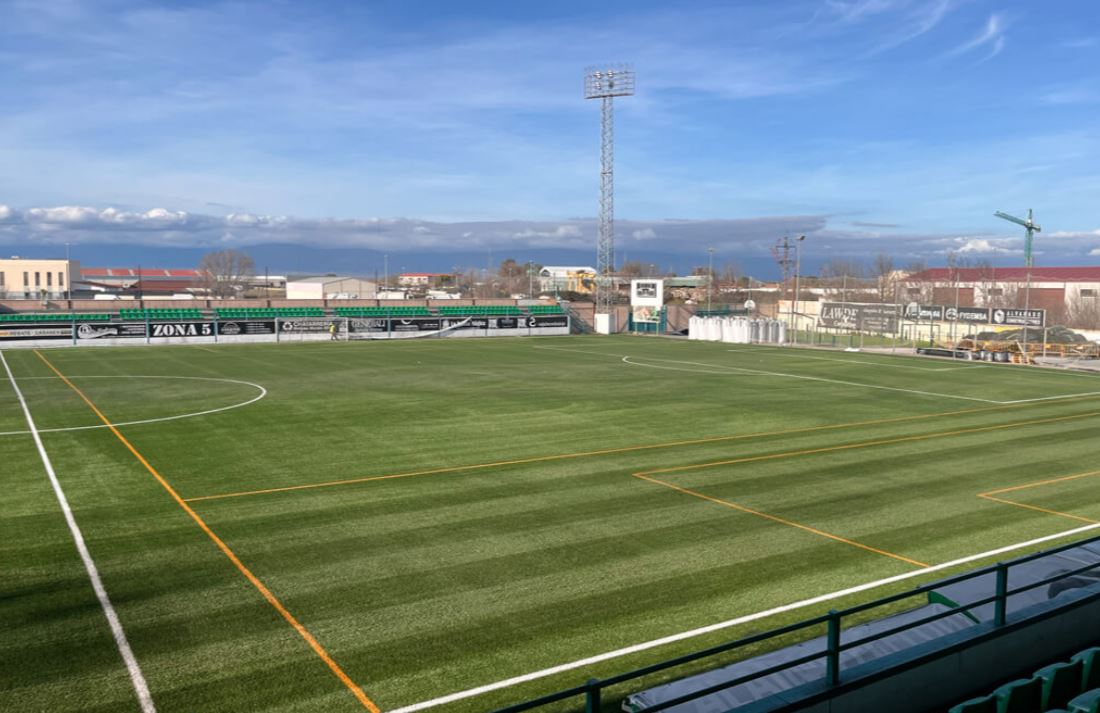
Following the installation of a natural turf surface in 1982, the Campo Municipal de los Deportes developed a reputation for having one of the region’s more difficult playing surfaces. A combination of poor maintenance and Extremadura’s extreme climate often turned the pitch into glue by the middle of the season. It has been particularly poor during the 2011-12 season and was unplayable on several occasions. During the summer of 2012, the municipality bit the bullet and forked out €280,000 on an artificial surface. A small training pitch was also laid behind the east goal, and Moralo CP made their debut on the new pitch on 30 September 2012. The club’s downturn at the end of the first decade of the 21st Century may have been attributed to the state of the Campo Municipal’s pitch; however, the first season played on the artificial surface saw Moralo CP relegated to the Regional Preferente. It was a short stay, with a return to the Tercera a year later. Since then, the club has made steady progress, with a first visit to the end-of-season playoffs in 14 years at the end of the 2018-19 season. The restructuring of the Spanish football pyramid saw Moralo CP placed in the Tercera Federación.
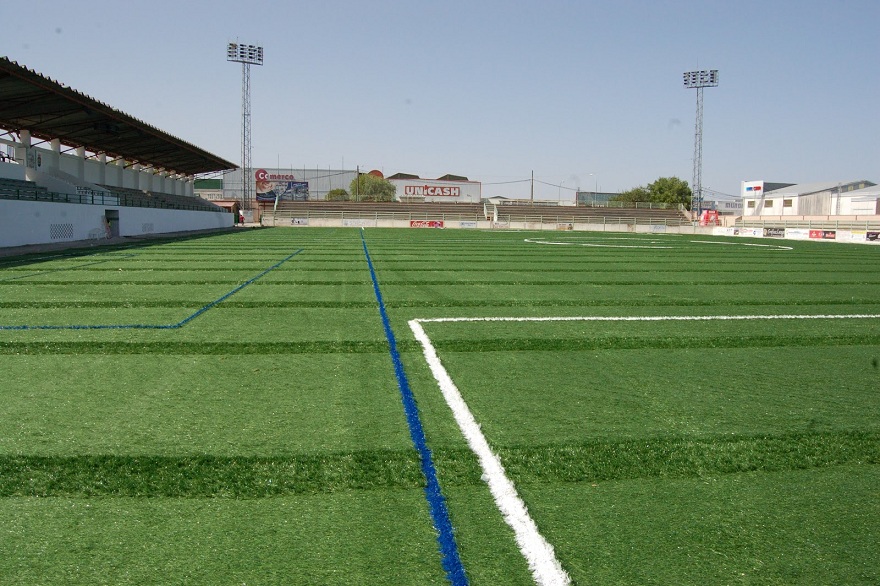
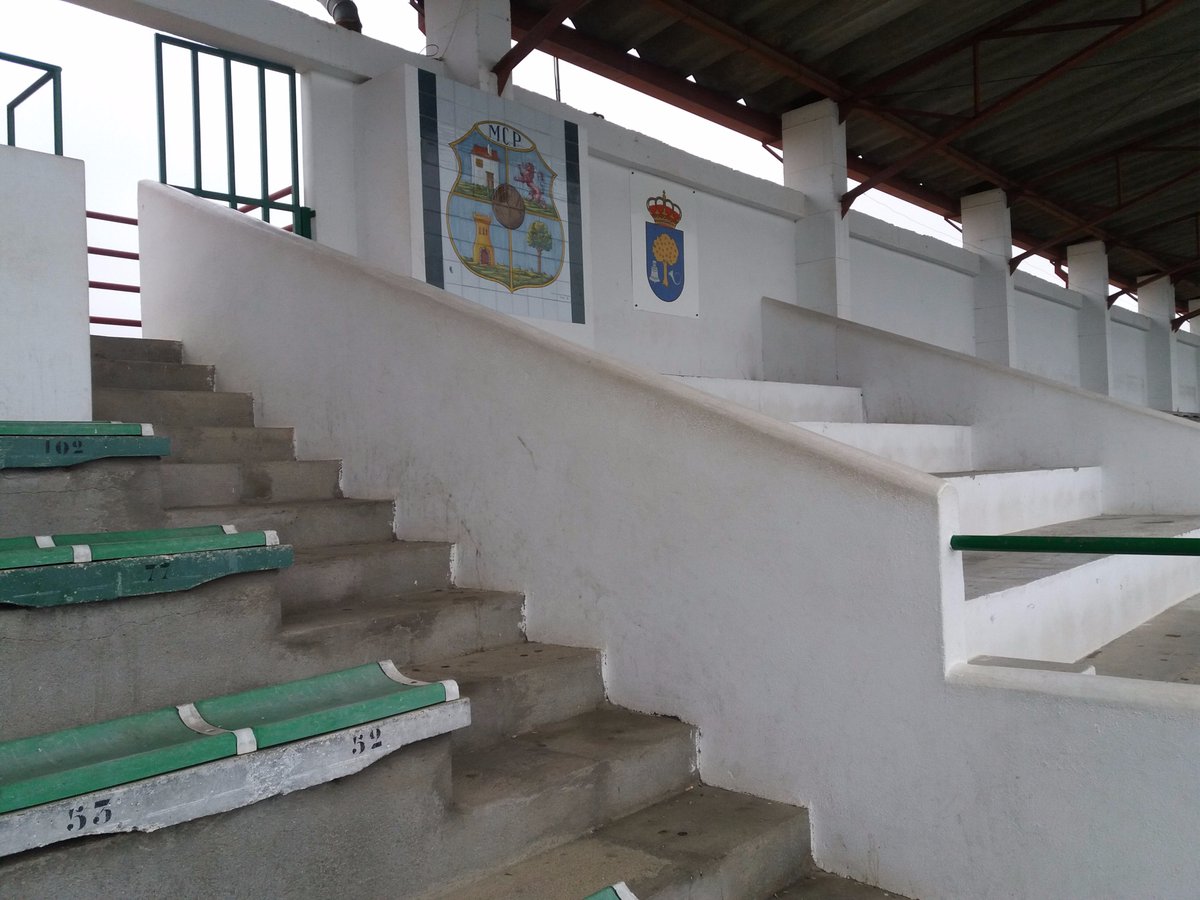
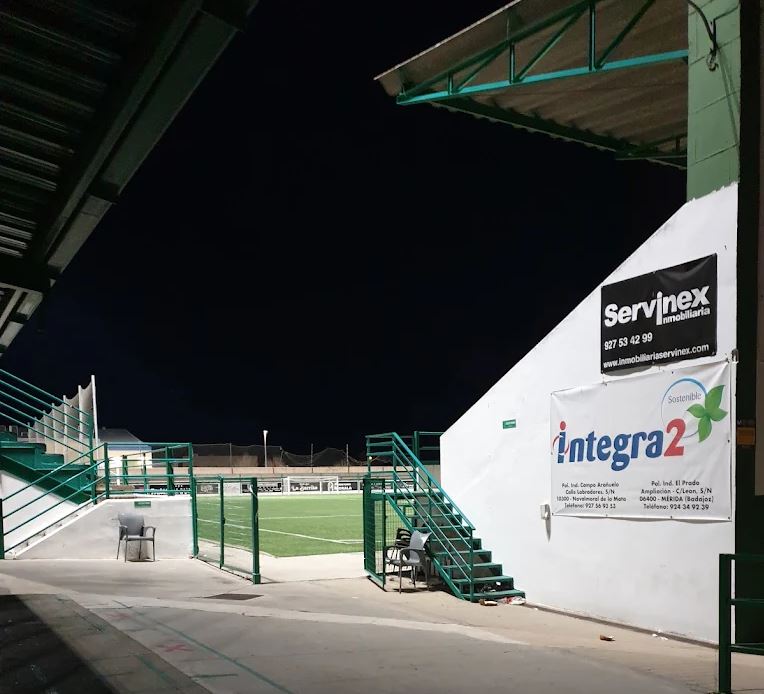
In the summer of 2022, the stadium was renamed in honour of Óliver Torres, who came through the club’s youth system and went on to play for Atlético Madrid, Villarreal and Sevilla FC. In November 2023, the municipality funded further upgrades to the stadium. Rows of green seats were added to the grandstand, northern perferencia and western fondo, where the club’s founding date of 1923 is picked out in white seats. The changing rooms were refurbished, and a new digital scoreboard was installed at the eastern end of the stadium. In 2025, the old artificial turf was replaced with a high-resistance “GreenFields DT Elite 60” synthetic surface at a cost of €750,000. The official seated capacity of the stadium stands at 3,500.