
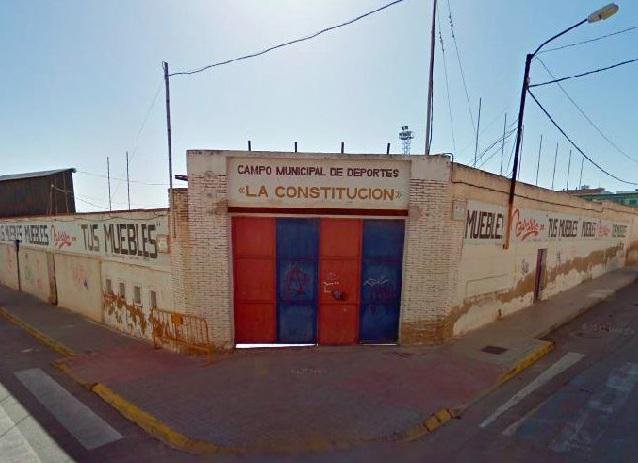
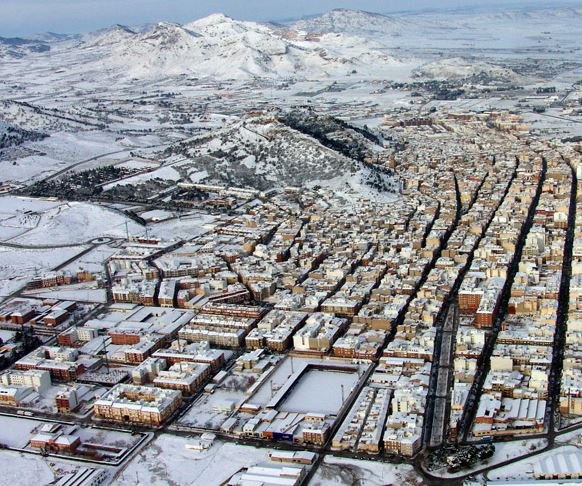
When it comes to football stadia, there is something infinitely more interesting about the ramshackle and disorderly. That said, it could be argued that La Constitución in the Murcian town of Yecla is taking liberties. I’m not complaining; I’ll take a stadium with character and a little frayed around the edges over any uniform new-build. Before we look at La Constitución in more detail, let’s turn back the clock to the 1920s and the first attempts to form a senior club in Yecla.
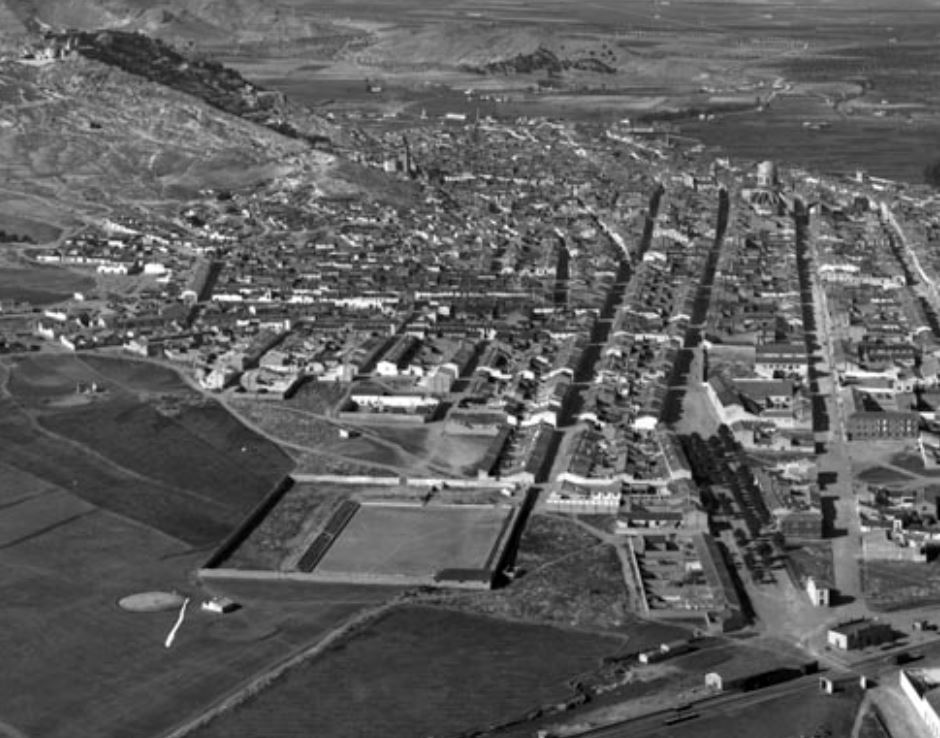
Football was a late developer in this corner of northern Murcia. It wasn’t until 1928 that the first club of any substance was formed. Club Deportivo Hispania de Yecla was founded by youth members of the Musical Society of Santa Cecilia, and the first games were played at Paraje de La Lomica, on the northern edge of town. Later that year, Hispana moved to a new enclosure opposite Yecla’s railway station. The Campo de la Estación opened on 7 October 1928 with a match against Imperial FC Murcia. The club registered with the Murcian Federation soon after and debuted in the regional third tier for the 1929-30 season, winning promotion. The promotion brought with it an increase in expenditure, which was followed by debts. After failing to fulfil a fixture in Cieza, the federation fined the club 600 pesetas, which led to Hispana’s demise. Hispana’s legacy, the Campo de la Estación, continued the serve a myriad of clubs until the start of the Civil War. However, it was seriously damaged during the conflict, leaving the town without a suitable field once the conflict had ended.

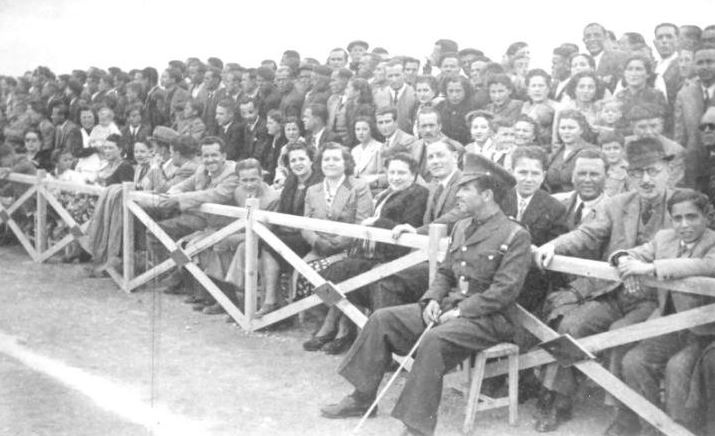
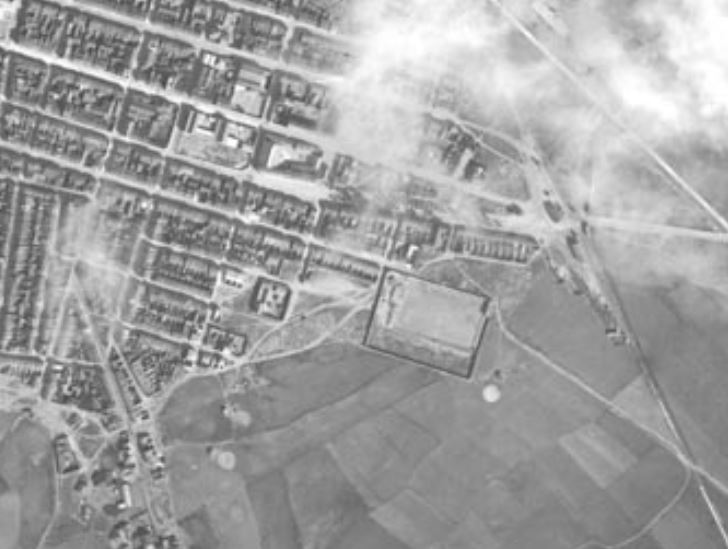
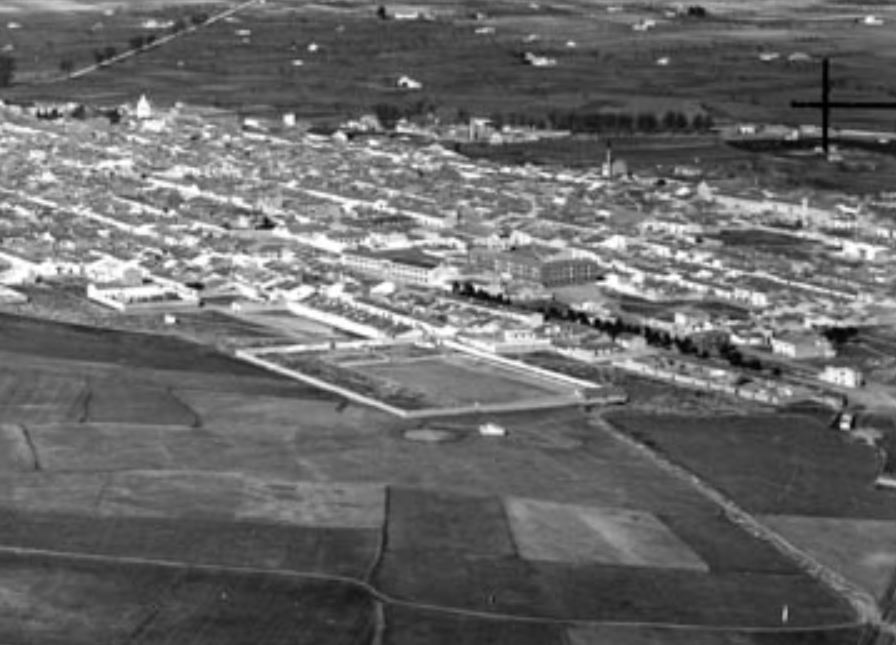
In 1941, a group of footballers from the former amateur clubs of Estrella FC and Yecla FC formed Club Deportivo Español. The club made repairs to the Campo de la Estación, but its narrow dimensions made it unsuitable for further development. The club raised funds, and with the help of the local council, a plot of land was acquired at the end of Calle Cruz de Piedra. The Municipality had the aim of developing a sports city, which in addition to the football field was to have included tennis and basketball courts. As a result, the ground was named Campo de Deportes and was inaugurated on 16 April 1944 with a match against the Spanish Champions, Valencia, in front of 2,000 spectators. On opening, the ground featured wooden bleachers on the southern side of the ground and changing facilities in the northeast corner. By now, CD Español had changed their name to Club Deportivo Yeclano. The club reached the Tercera in 1953, but finances again proved to be a problem, and in April 1958, the club folded after failing to complete their fixtures.
Club Deportivo Hispania was the next club to take on the mantle of Yecla’s senior club. Originally formed in 1950, it changed its name in 1960 to Yeclano Club de Fútbol. It competed in the Murcian Regional Leagues until winning promotion to the Tercera for the 1965-66 season, but its stay in the Tercera was short, lasting just two seasons. The club made a brief return to the Tercera in the mid-1970s and again at the end of the 1979-80 season. This time, however, there was an air of permanence about their stay, ten years in fact, and when they did leave the Tercera, it was as champions and in an upward direction to Segunda B. Yeclano CF finished fifteenth at the end of its debut season in Segunda B, but in the following 1991-92 campaign, it finished third and qualified for the playoffs. Their group consisted of Atlético Marbella, ADC Manlleu and CD Endesa As Pontes. The series went to the final match, with Yeclano CF needing a victory over Marbella to win promotion to La Segunda. A 0-0 draw at La Constitución saw the Andalusians promoted at Yeclano CF’s expense. Yeclano CF remained in Segunda B for another nine seasons, with mostly mid-table finishes, but at the end of the 1999-2000 season, the club was relegated to the Tercera. The club spent the next three seasons trying to get out of the Tercera, failing in the 2001 & 2002 playoffs, before finally overcoming challenges from Villafranca, Levante B & Sant Andreu to win promotion. However, their return to Segunda B in 2003-04 was far from happy, with off-field financial problems casting a shadow over the poor form on the pitch. In the end, Yeclano CF finished nineteenth and was relegated back to the Tercera. As the debts were still outstanding, the Spanish Federation imposed a further demotion, which proved a death knell and the club was wound up in the summer of 2004.
Within days, Yeclano Deportivo was founded and took its place in the Murcian second division. This was won at the end of its first season, and in the following 2005-06 season, the club finished second in the Preferente and won promotion to the Tercera. Steady progress culminated in a second place finish in 2009-10, and playoff victories followed over CF Trival Valderas, UD Playas de Jandia & finally, Haro Deportivo. The 2010-11 season proved difficult, and the club was relegated back to the Tercera. The Tercera title was won in 2011-12, and victory over Pobla de Mafumet in the playoffs earned promotion back to Segunda B. Once again it proved to be a short stay, as Yeclano Deportivo finished bottom of the table and returned to the Tercera. Yeclano Deportivo won back-to-back Tercera titles in 2017-18 & 18-19, latterly beating UM Escobeda to earn promotion back to Segunda B. The restructuring of the Spanish leagues saw the club drop to tier five, but two promotions in the space of three years saw Yeclano Deportivo debut in the Primera Federación in 2024.
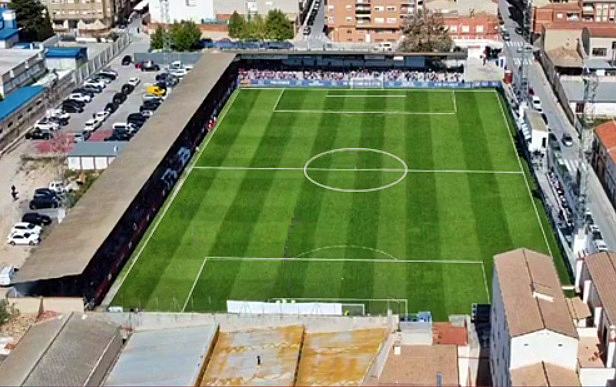
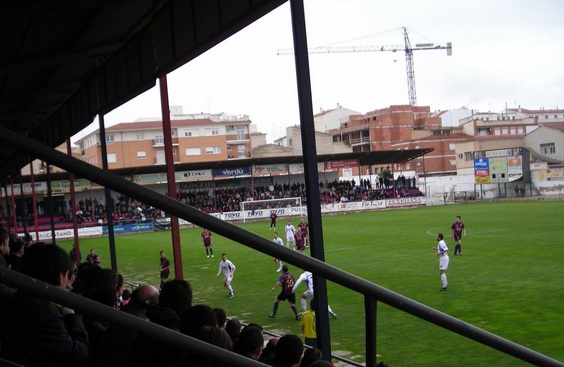
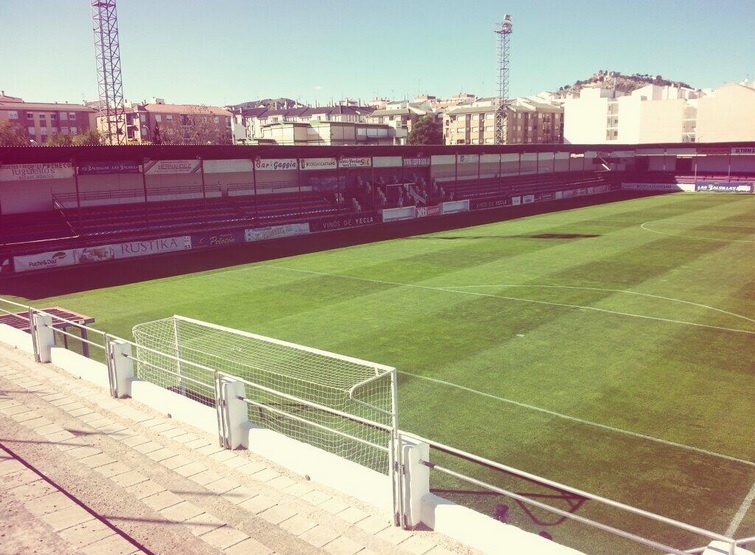
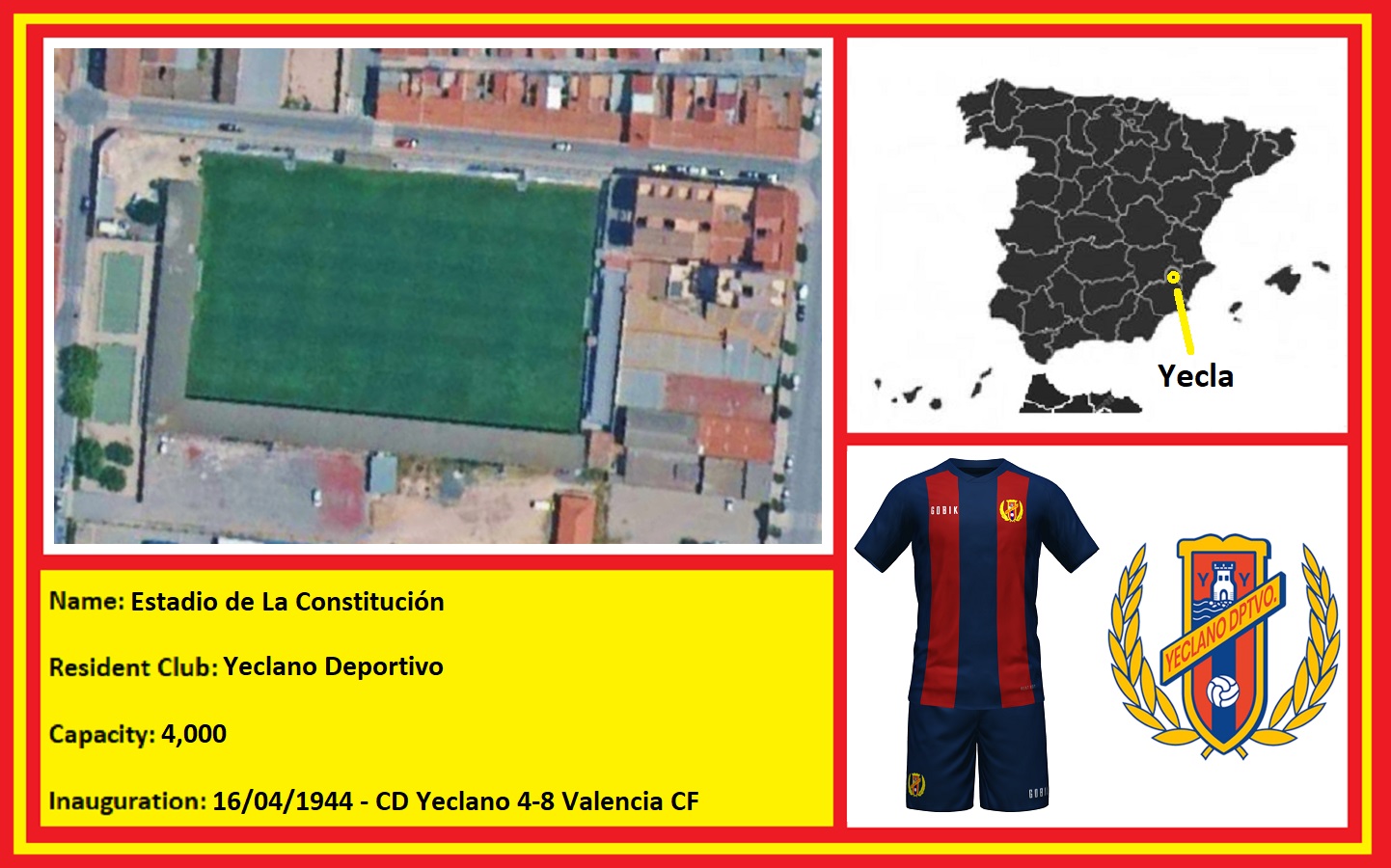
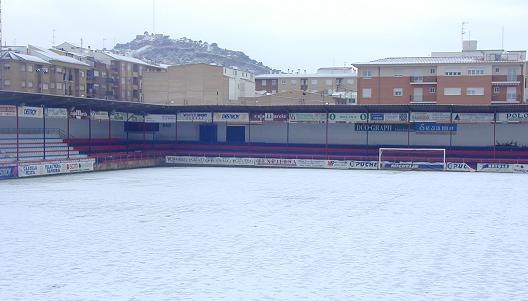
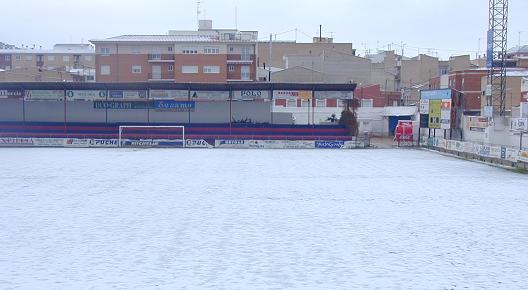
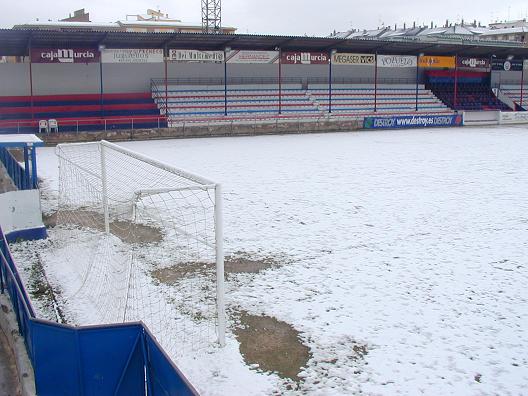
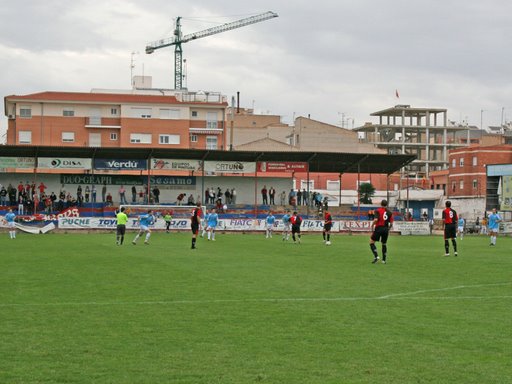
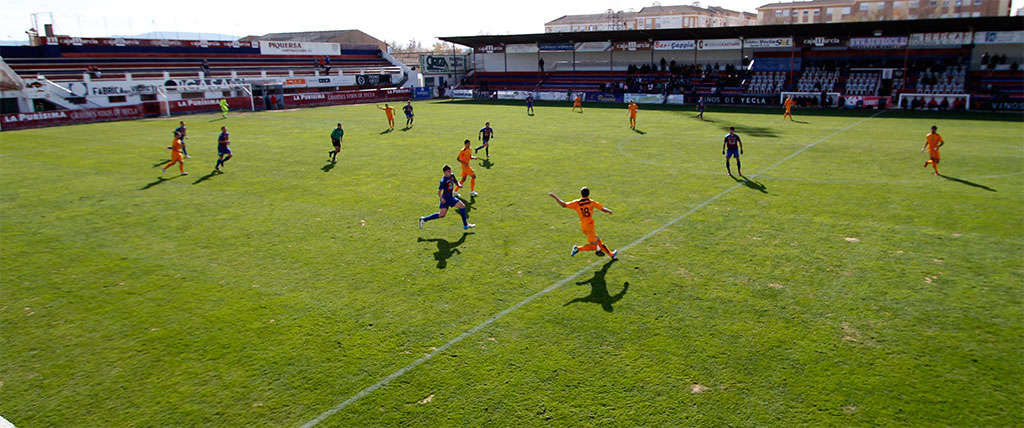
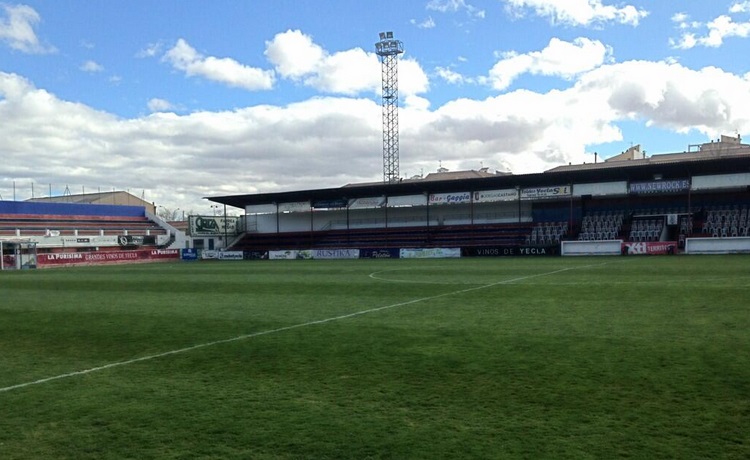
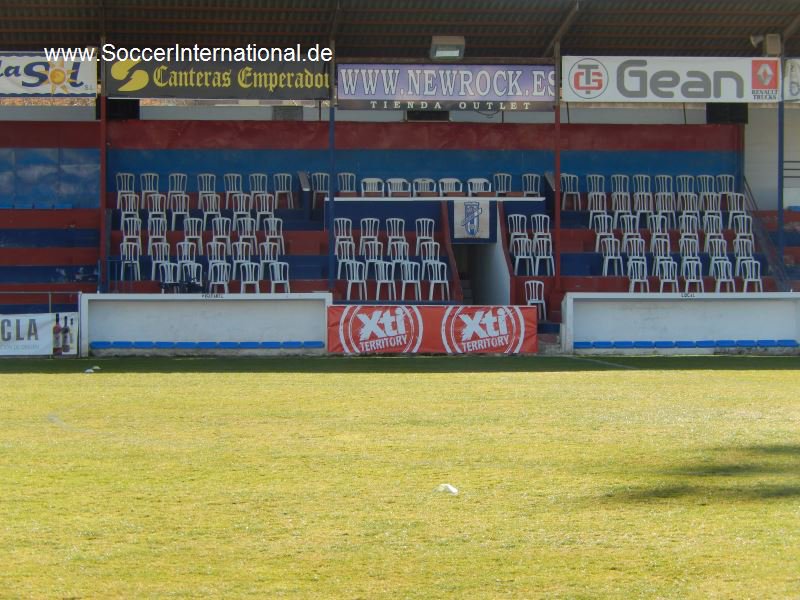
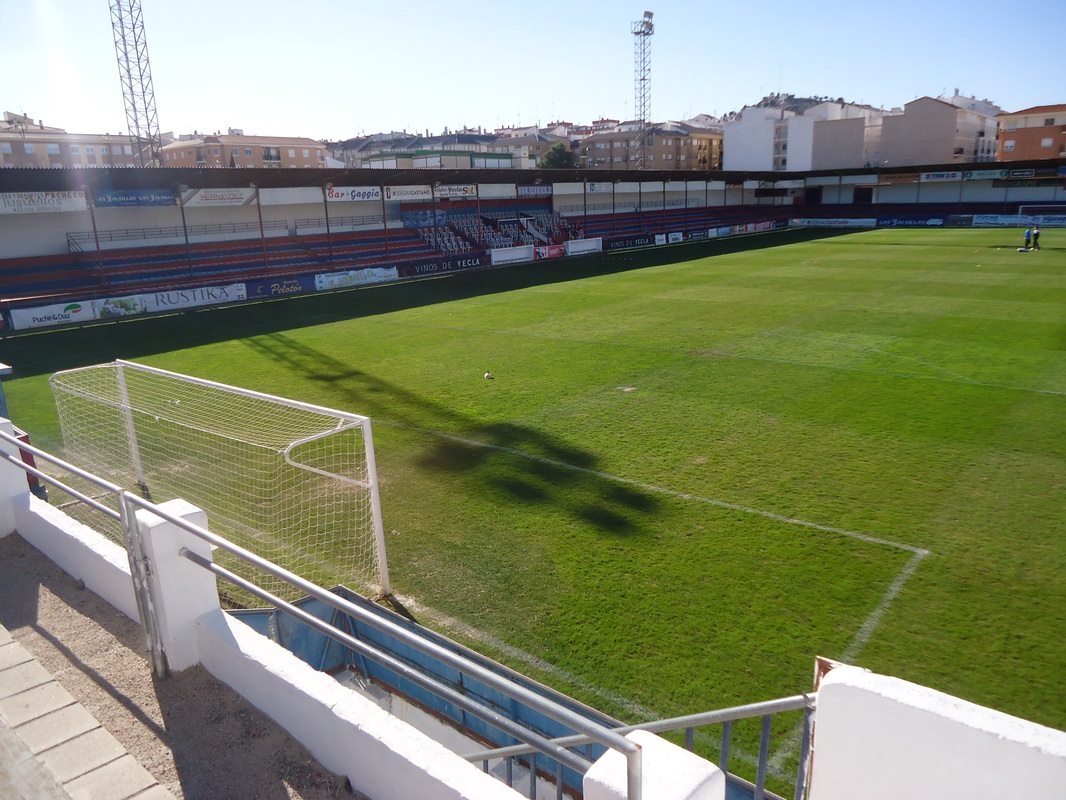
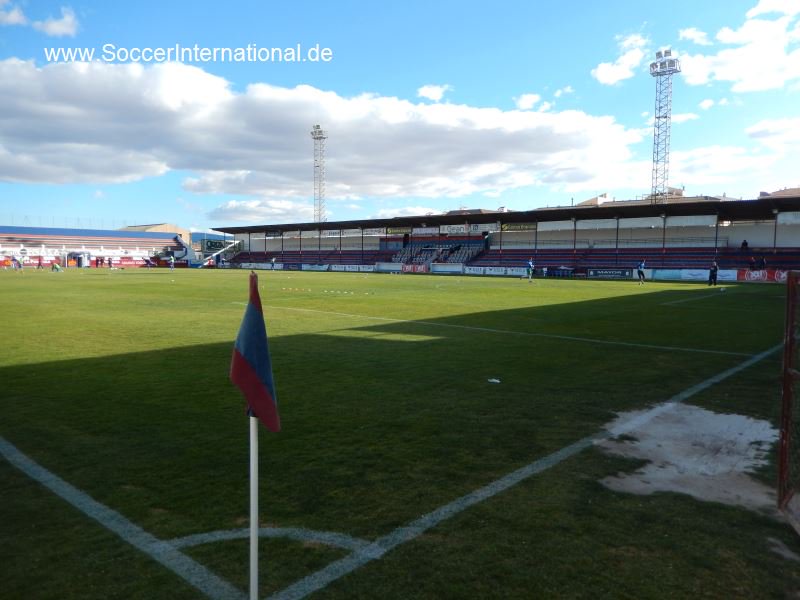
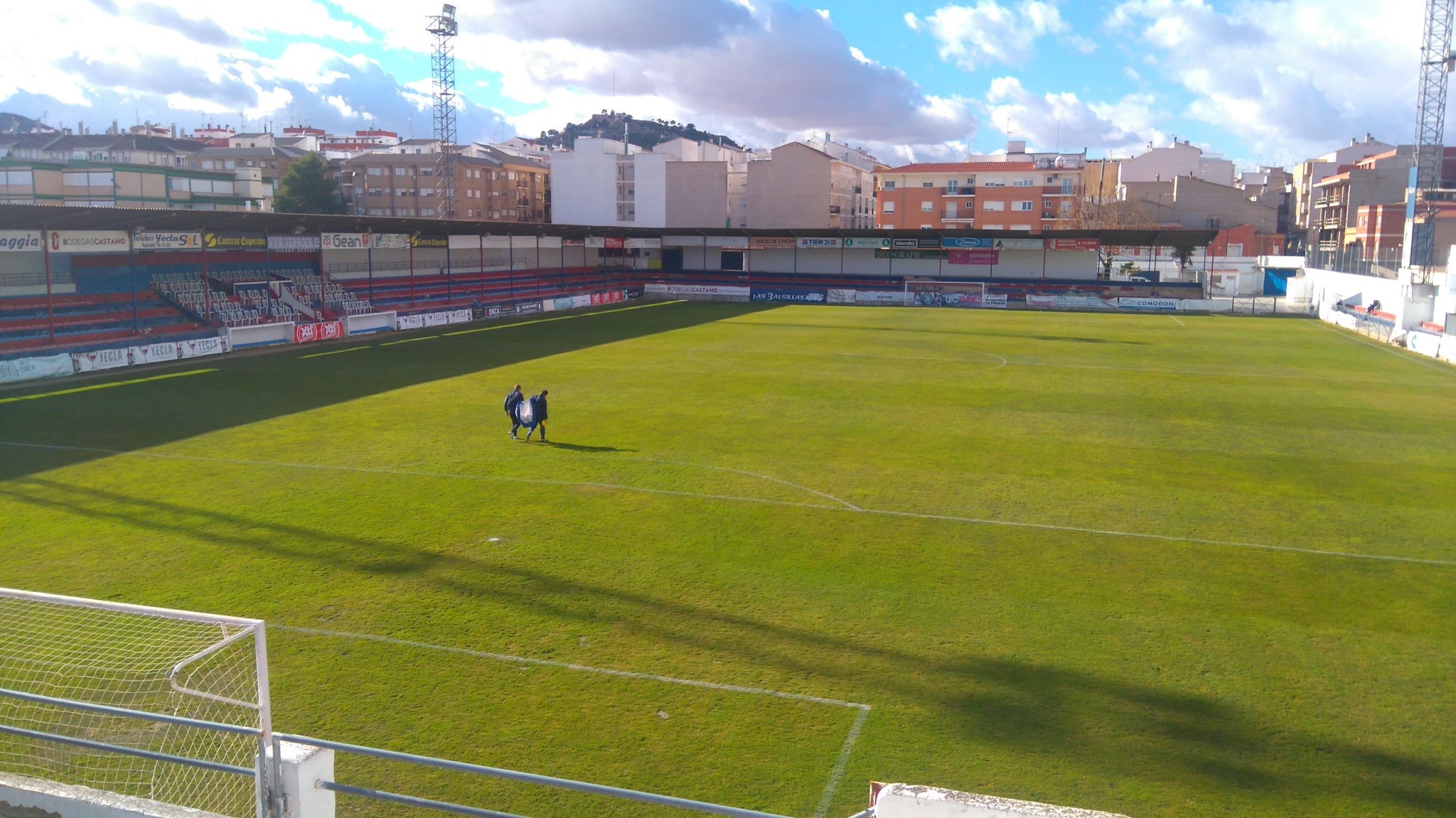
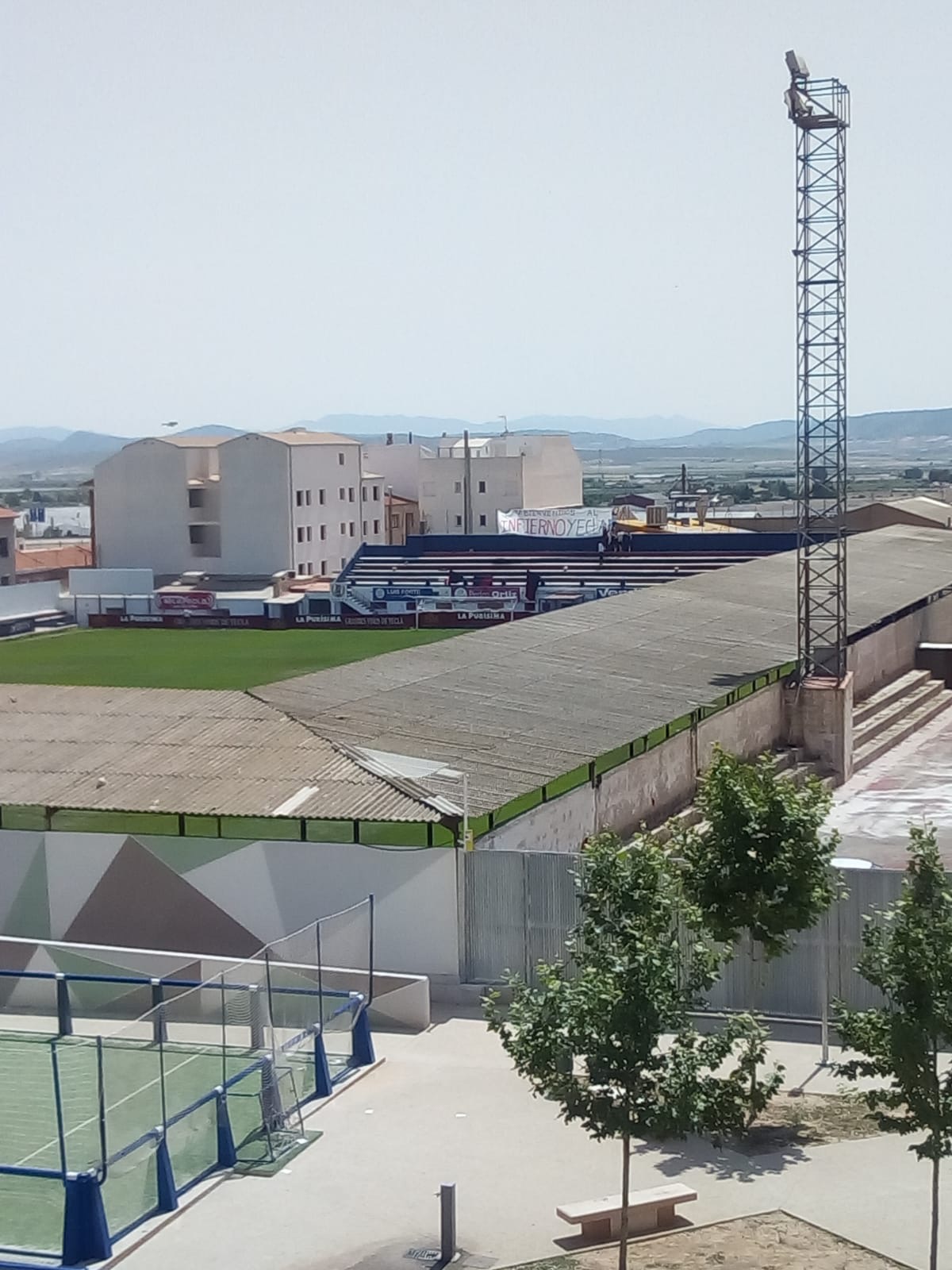
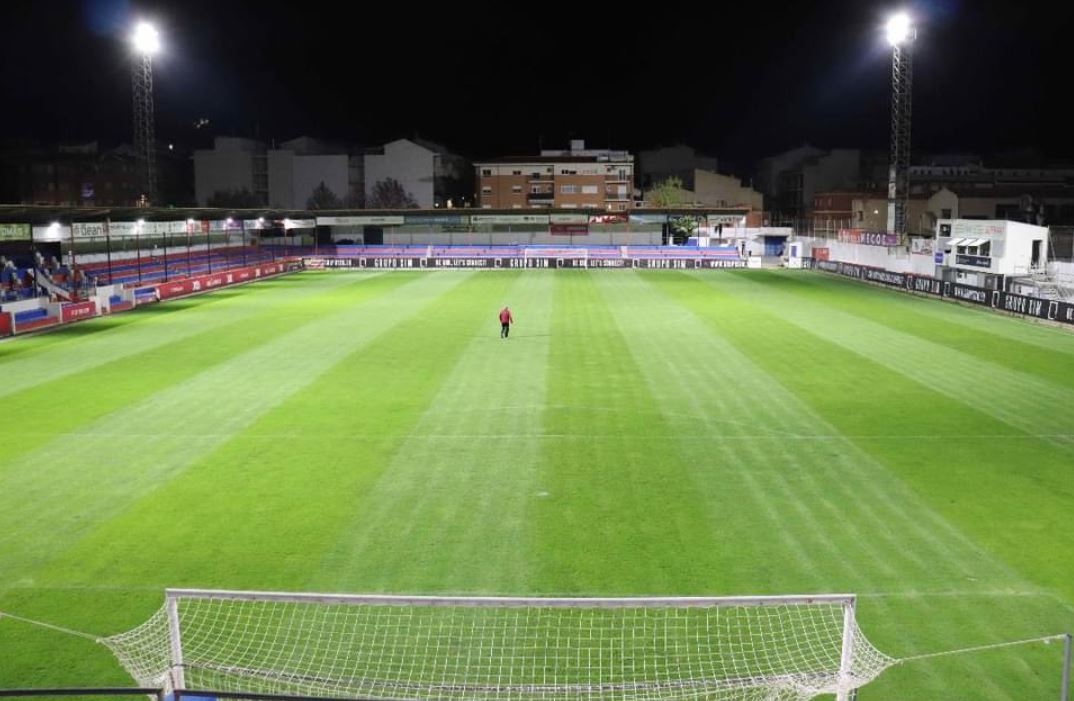
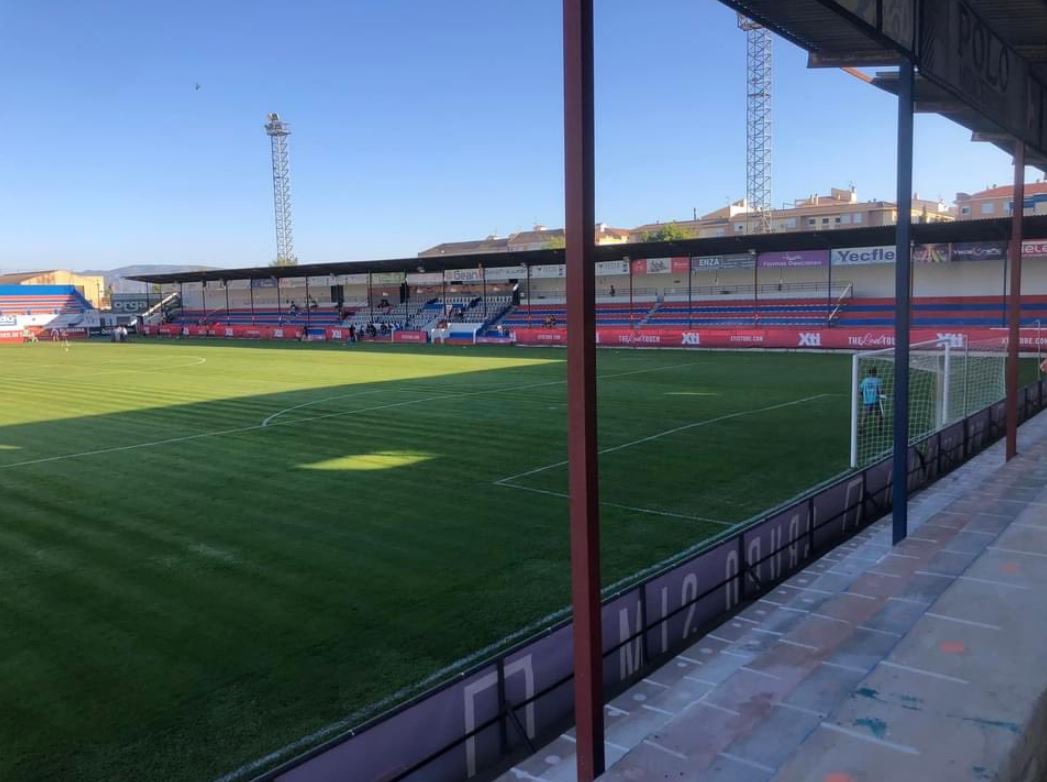
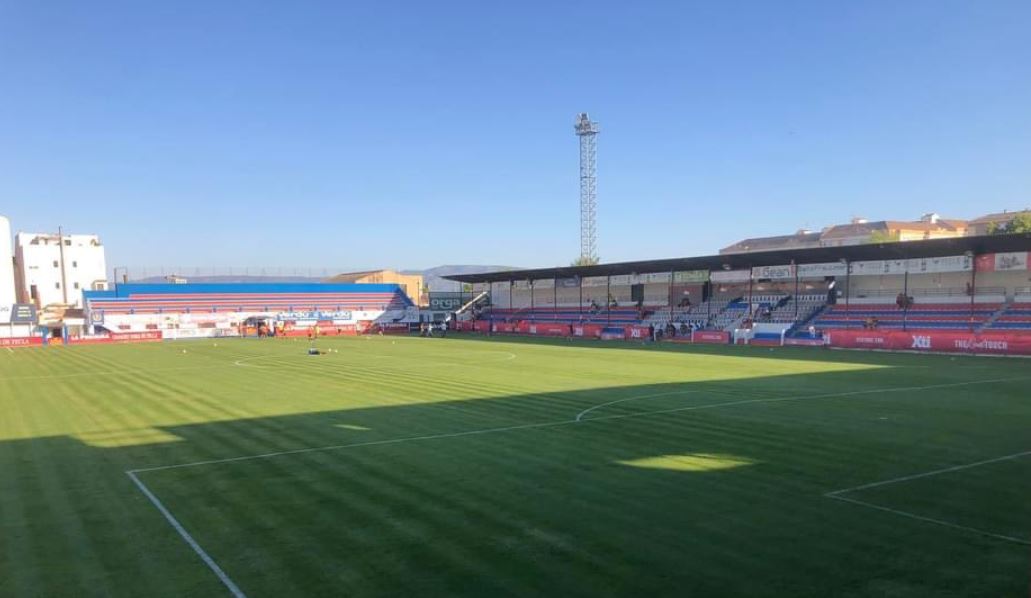
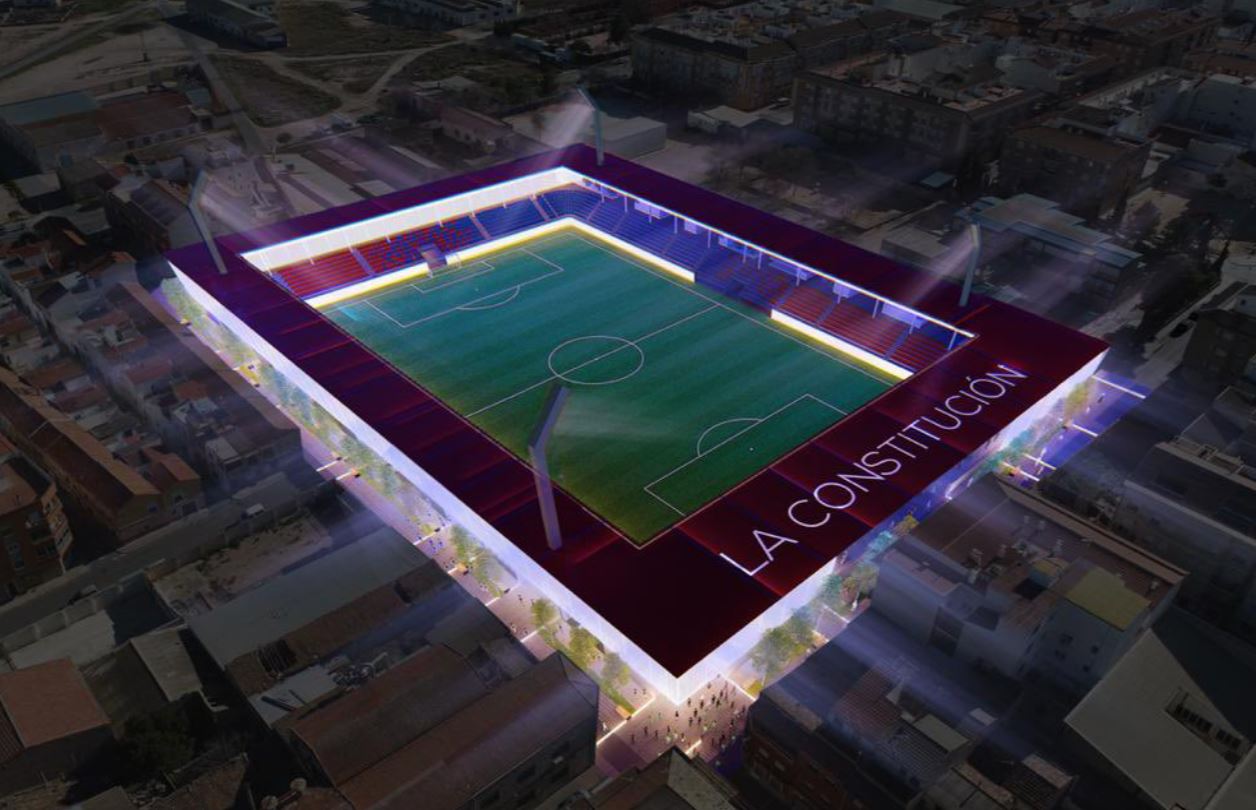
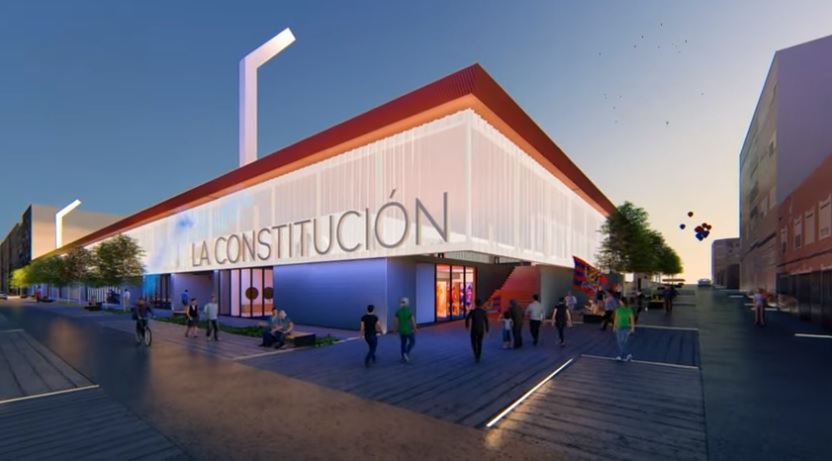
For all the personal charm I see in La Constitución, there is no avoiding the fact that it is very basic and outdated. The 4,000 capacity is made up of mostly of bucket seats bolted to steps, which date from the mid-1960s. More substantial seating is reserved for the central section of the south tribuna. Its corrugated iron cover extends around the corner to the west end but stops a few metres short of the northern touchline. Apart from a couple of steps and a media portacabin on stilts, the north side of the ground has little going for it. Finally, the eastern end houses the changing facilities, on top of which sits the popular open-seated section. This is the newest part of the ground, having been constructed in the mid-1980s. In the spring of 2023, the club and local municipality announced plans to redevelop La Constitución. The project would see the footprint of the stadium moved several metres to the south and four seated stands constructed, housing a total of 4,000 seats under a propped cantilevered roof. The project was to cost €6m, but as of the spring of 2026, nothing has left the drawing board.


 Estadios de España