
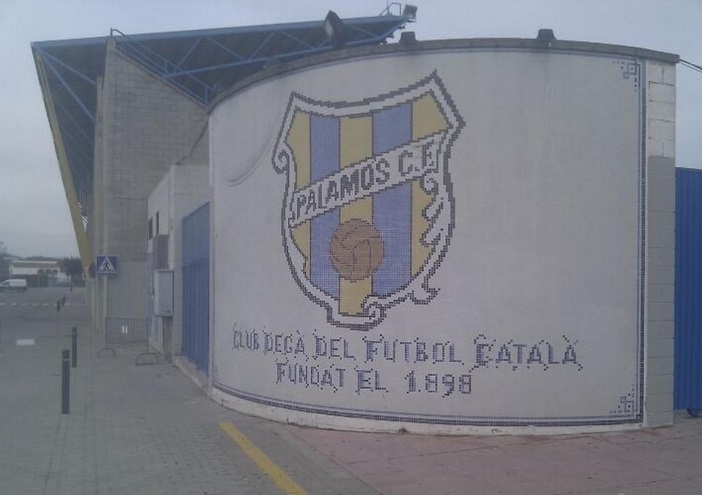
Founded in 1898, a full year before their more illustrious cousins FC Barcelona, Palamós Club de Futbol is the oldest football club in Catalunya. Formed by Gasper Matas, a student who learnt the game whilst in England, it is somewhat appropriate that the club’s first match was against the crew of an English boat that had docked in Palamós harbour. Now to be perfectly frank, the standard of football in Palamós did not see a huge improvement over the next 50 years or so, as the club languished like a grounded trawler in the lower reaches of the Catalan regional leagues.
There were some highlights, such as winning the Girona regional championship in 1906, a victory that earned the club a yellow & blue striped kit, which have remained its colours to this day. The club also moved home on a number of occasions, leaving its first enclosure in the square at Conchera for the Camp de Esportiu in July 1912. Palamós CF moved on the Camp del Trust in 1927, which was situated close to the banks of the Riera de L’Aubi. By now, the club was known as Palamós Sport Club and whilst relative success continued to elude them, the need to change home did not. In 1940, Palamós SC moved back into the centre of town when they opened the Camp del Recs del l’Arbreda, which was thankfully shortened to the Camp de Cervantes. RFEF regulations saw the club drop its anglicised name in 1941, but the newly monikered Club de Fútbol Palamós still failed to shine. After relegation to the lowest level of regional football in 1953, the original club called it a day, but as is often the case, a new club was formed, and Palamós Sociedad Cultural took up residence at the Camp de Cervantes.
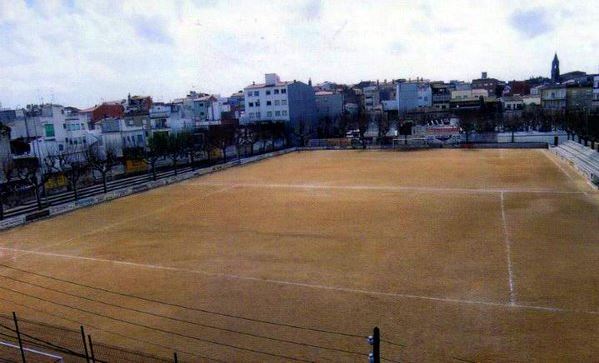
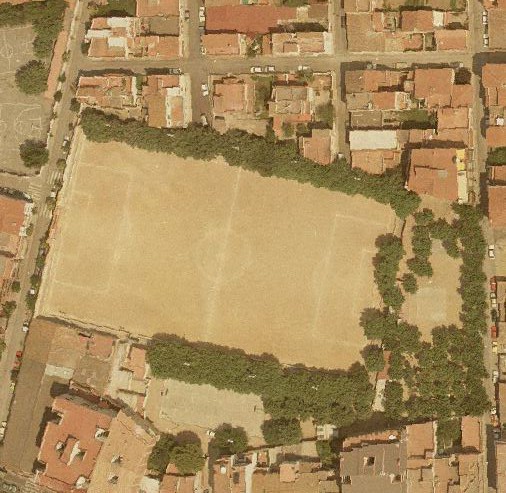
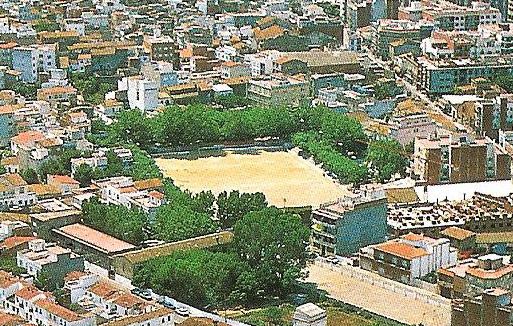
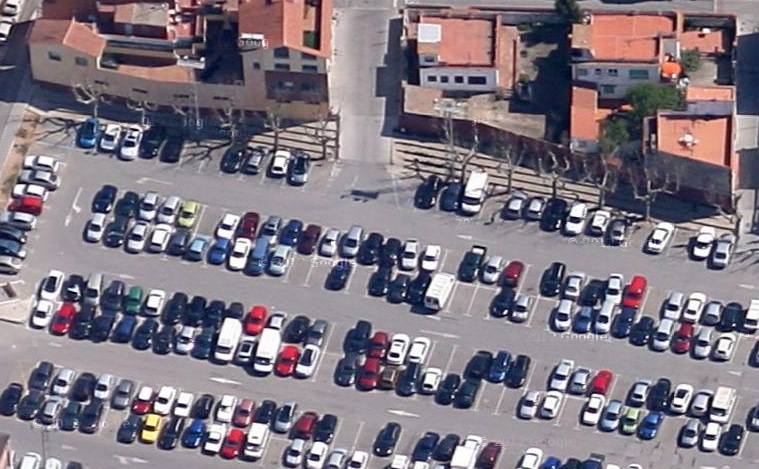
The new club competed in the regional youth leagues, before debuting in the Catalunya Segunda Regional in 1960. Even then, the club seemed to be content to follow in the mediocre footsteps of its predecessor. Palamos SC bumped along in Primera Territorial & Preferent Territorial, effectively the sixth & seventh tier of Spanish Football, and even changed their name back to Palamós Club de Futbol in 1973 (The RFEF had allowed the club to take on the official history of the original Palamós CF, without responsibility for its debts). Then in 1987, under the presidency of Emili Caballero, things started to stir very quickly indeed. Promotion to the Tercera in 1987 was met with further success when the club won the league title and ascended to Segunda B. That first ever season in the third tier was negotiated with ease as Palamós CF lost only 2 matches on its way to the league title and progression to La Segunda. Promotion presented some logistical problems as the basic Camp de Cervantes was barely suitable for Segunda B let alone the second division. It was a curious enclosure with narrow open terraces and a line of trees between the terracing and the pitch on the east side! Help was at hand, however, as earlier in 1989 the municipality had started work on a new stadium to the north-west of town. Palamós CF played their last match at the Camp de Cervantes on 25 June 1989, which ended in a scoreless draw with Gimnástic Tarragona. The site of the old stadium is now a municipal car park, but running down its east side is a strip of terracing and those view-impairing trees.
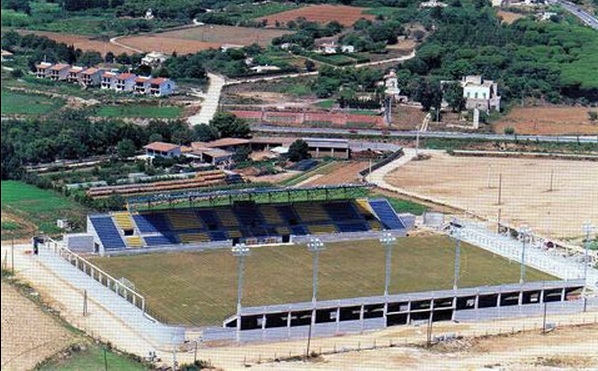
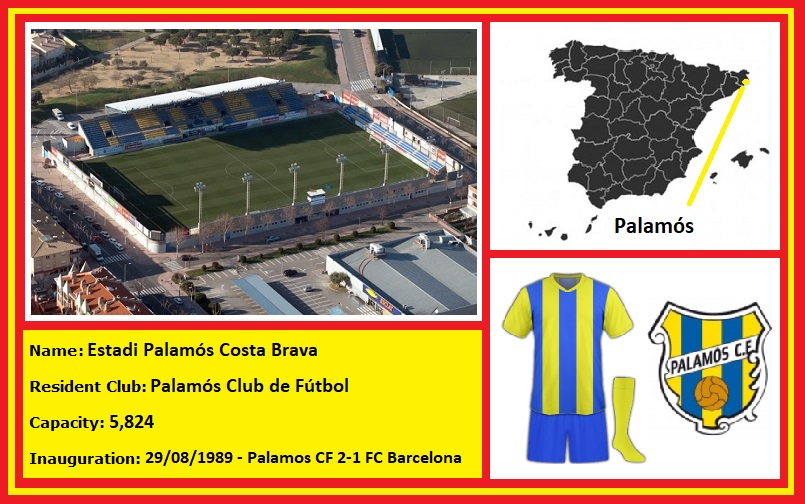
On 29 August 1989, just 8 weeks after the closure of the Camp de Cervantes, Palamós CF opened the Nou Estadi with a friendly against Catalunya’s second oldest club, FC Barcelona, winning 2-1. Five days later, the club played its first ever match in the second tier, winning 1-2 at Real Murcia. This set the scene for the 1989-90 season, as Palamós CF proved very difficult to beat and finished in a very creditable eighth place. However, that proved to be the club’s highest ever final placing as they spent the next five seasons fighting relegation, often escaping by the narrowest of margins on the final day of the season. Relegation finally caught up with the club at the end of the 1994-95 season, and to add insult to injury, the drop had a sting in its tail. The expense of playing in La Segunda over the past six seasons had wreaked havoc with the club’s finances, and unable to meet the players’ outstanding wages by the end of season deadline, Palamós CF was demoted a further division and started the 1995-96 season in the Tercera.
Palamós CF has played in the Tercera for much of the next two decades. They did enjoyed two brief sojourns in Segunda B, with a season-long stay in 1998-99 and a slightly longer adventure from 2002-04. The club has an unlikely source to thank for the promotion in 2002, one Dmitry Piterman. Piterman would go on to screw over Racing Santander & Deportivo Alavés, however it was his intervention in 2000 saved Palamós CF from bankruptcy and set up promotion to the third tier. Fortunately, Piterman moved on before he could do too much damage, cementing his reputation as one of the pantomime villains of Spanish football elsewhere. Palamós CF’s status in the Tercera has however changed. At the turn of the Millennium, the club was among the strongest in the regional league, winning the title twice and regularly reaching the play-offs for Segunda B. Since its last drop from the third tier, the club has struggled to compete, even dropping to the Primera Catalana in 2011. Promotion via the play-offs in June 2012 saw Palamós CF back in the Tercera, but the financial clout that was a feature of the club some 35 years ago is now a thing of the past.
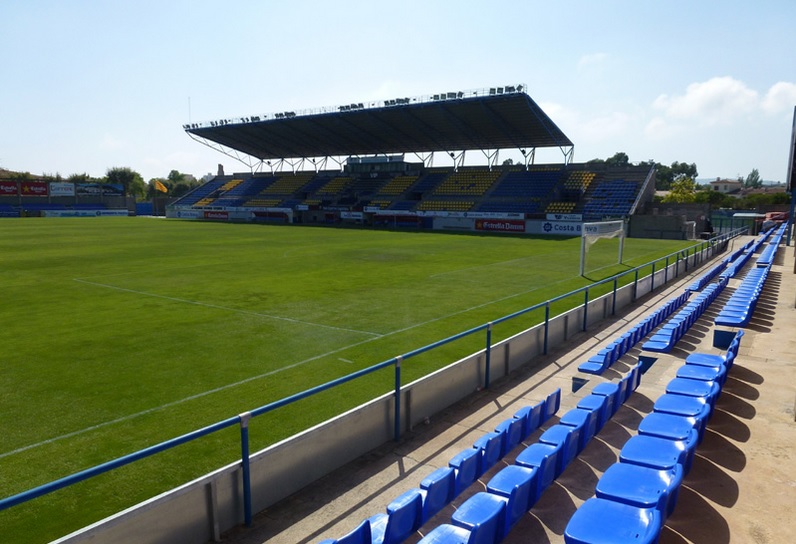
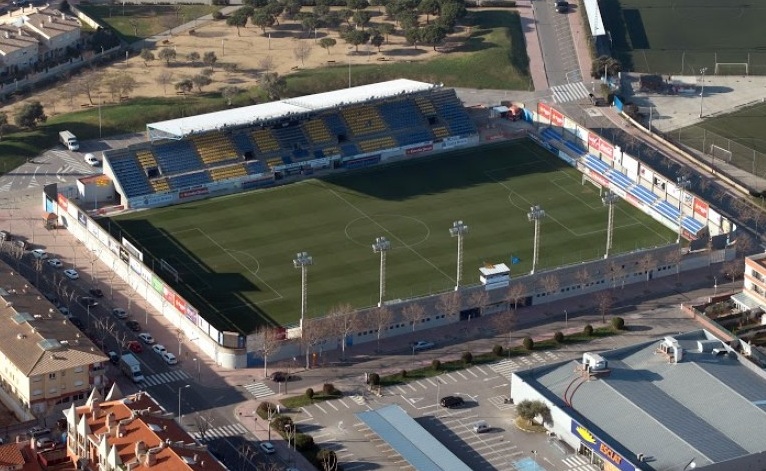
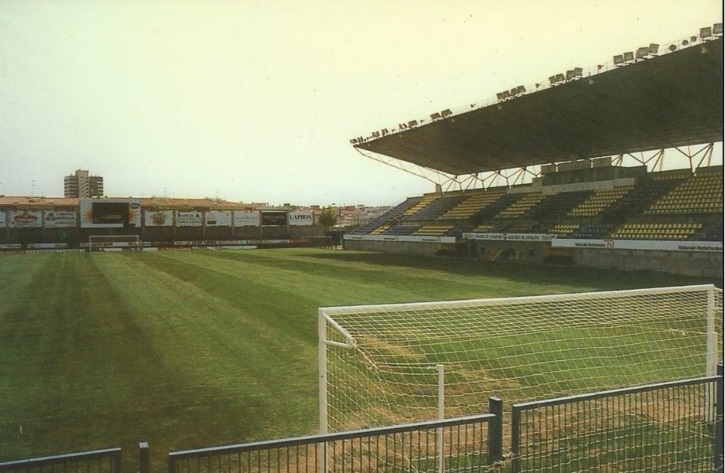
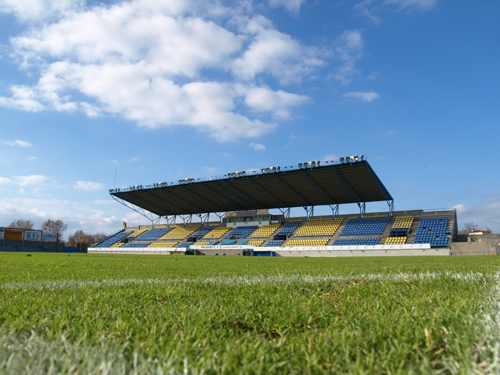
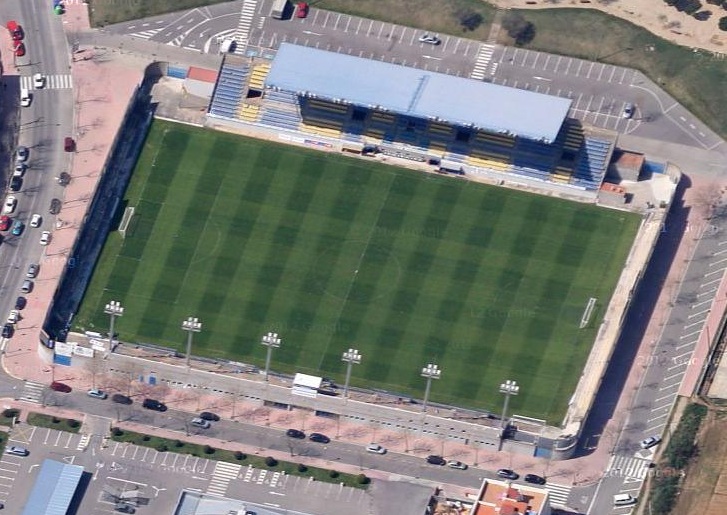
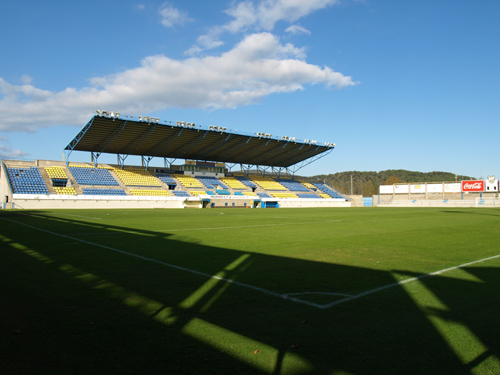
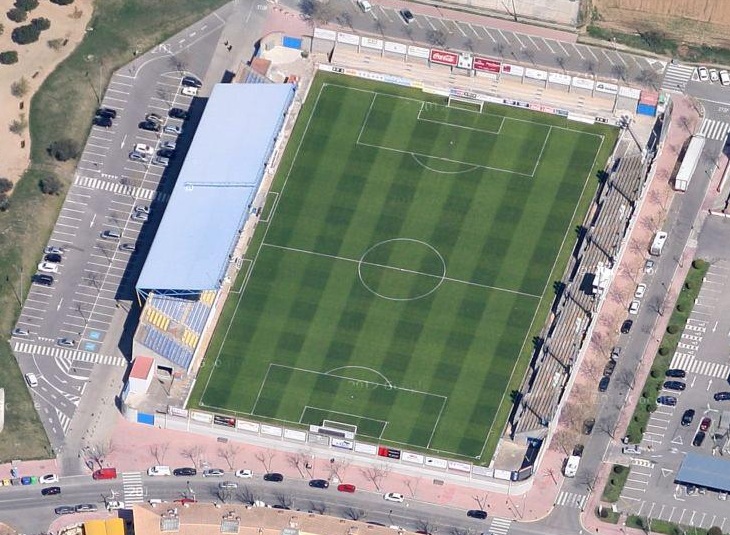
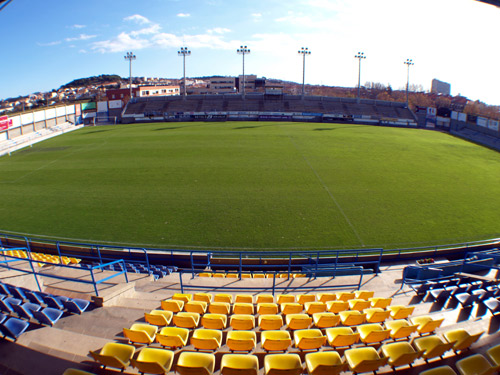
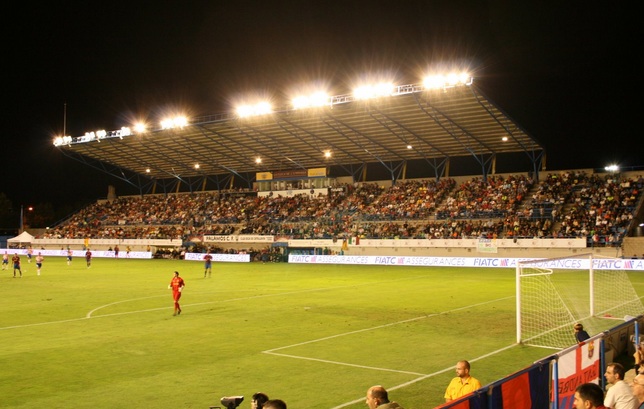
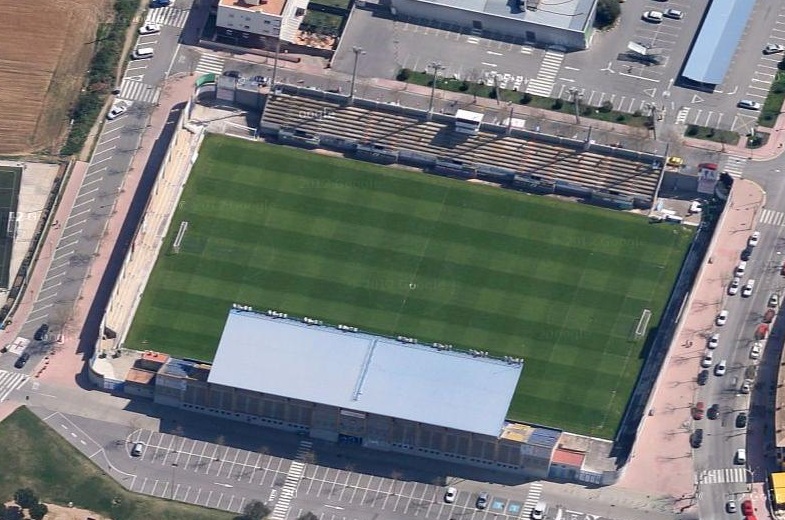
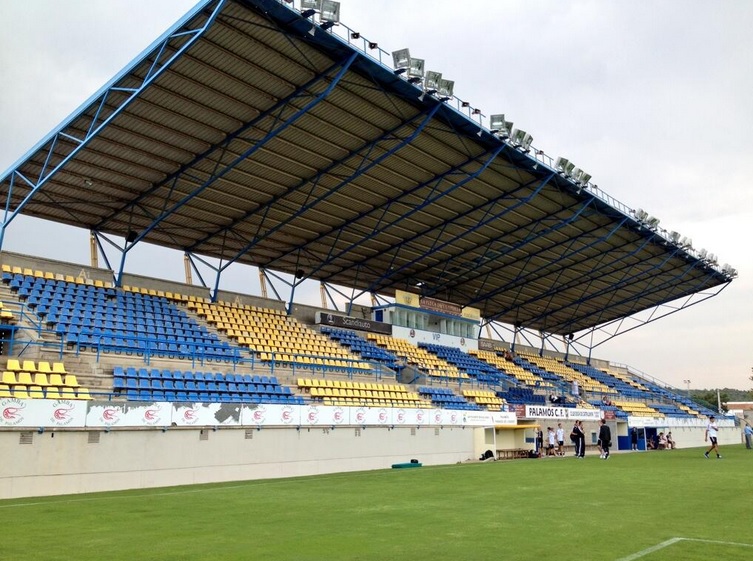
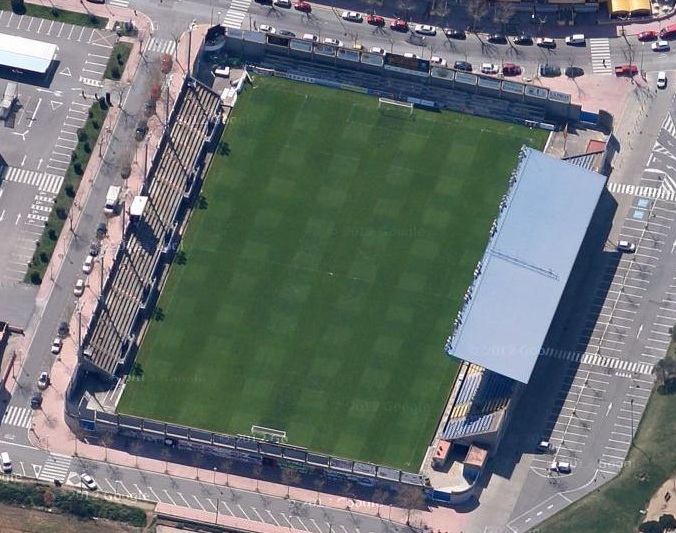
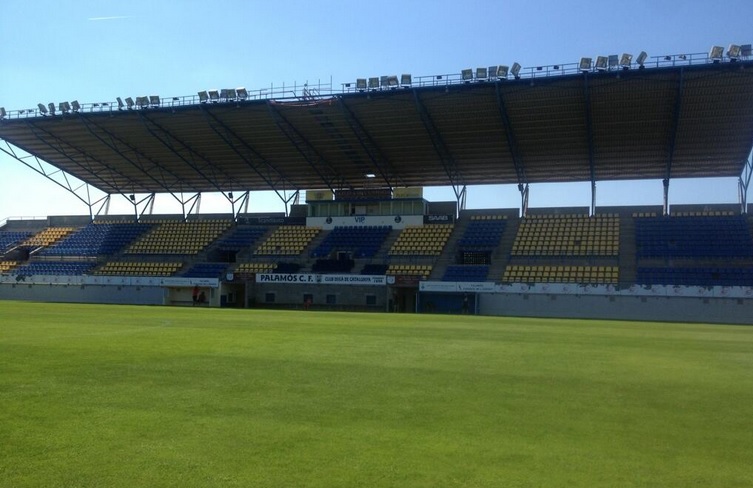
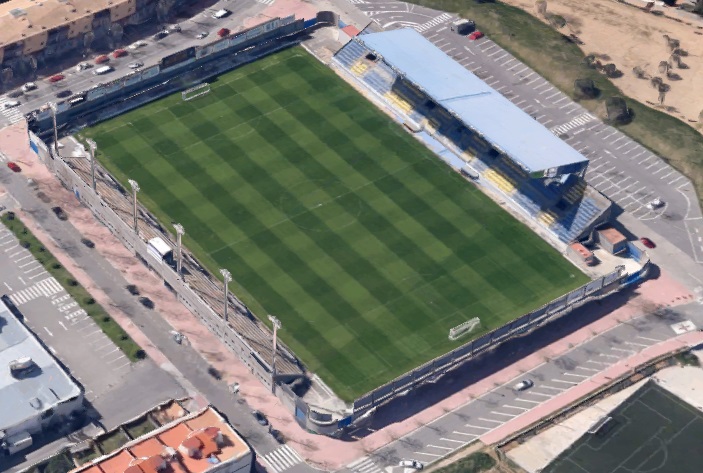
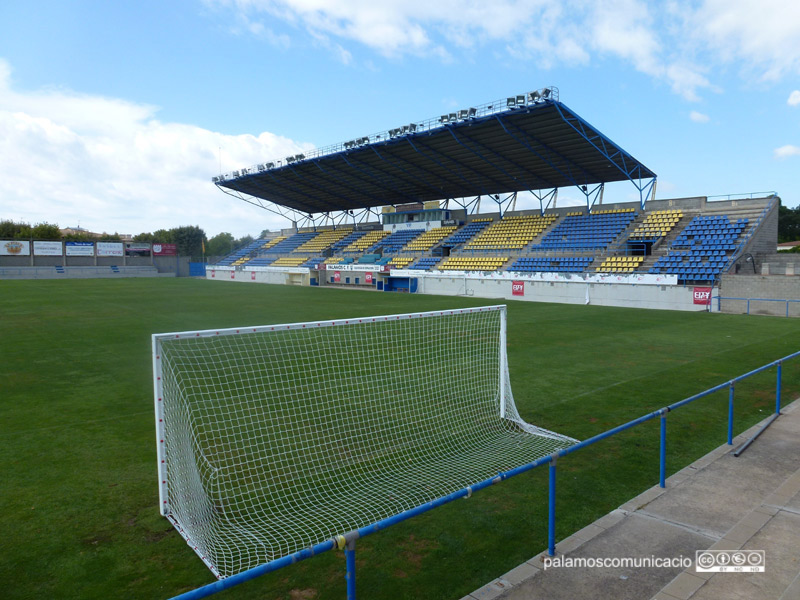
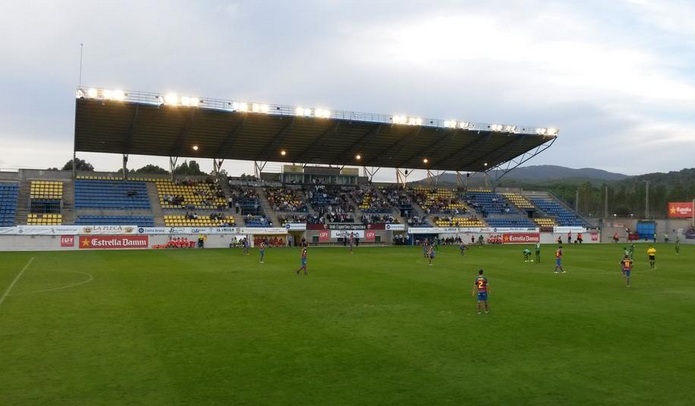
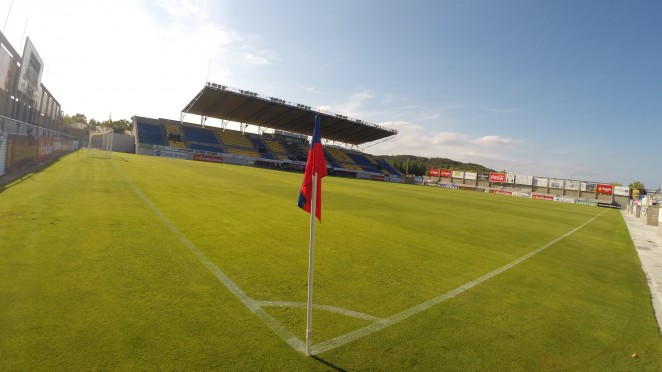
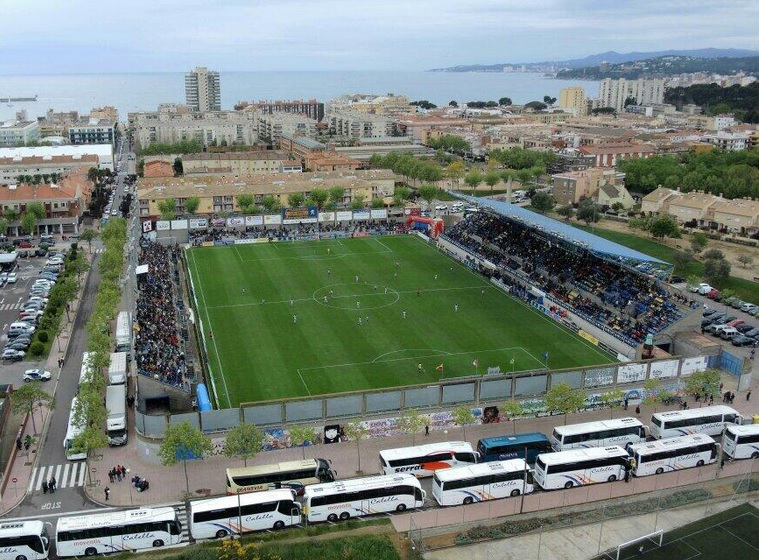
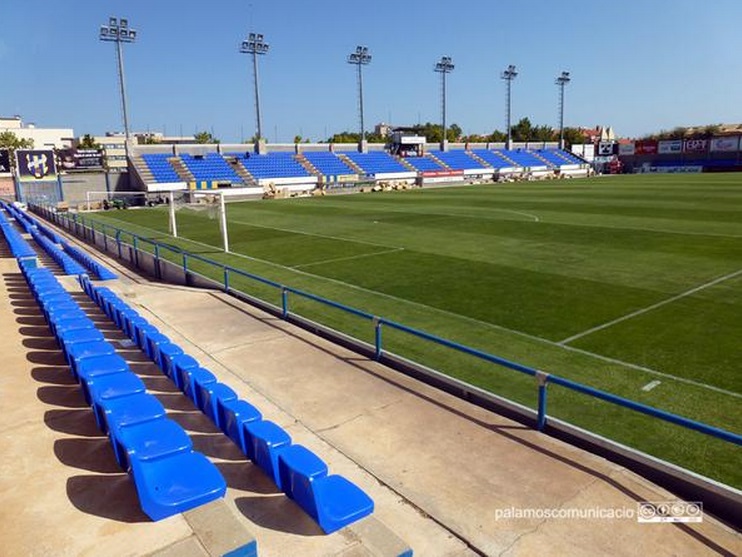
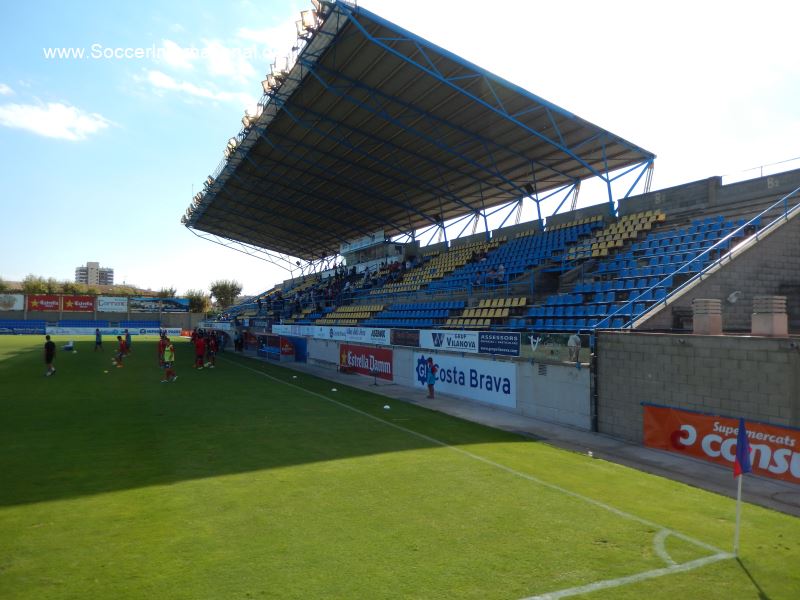
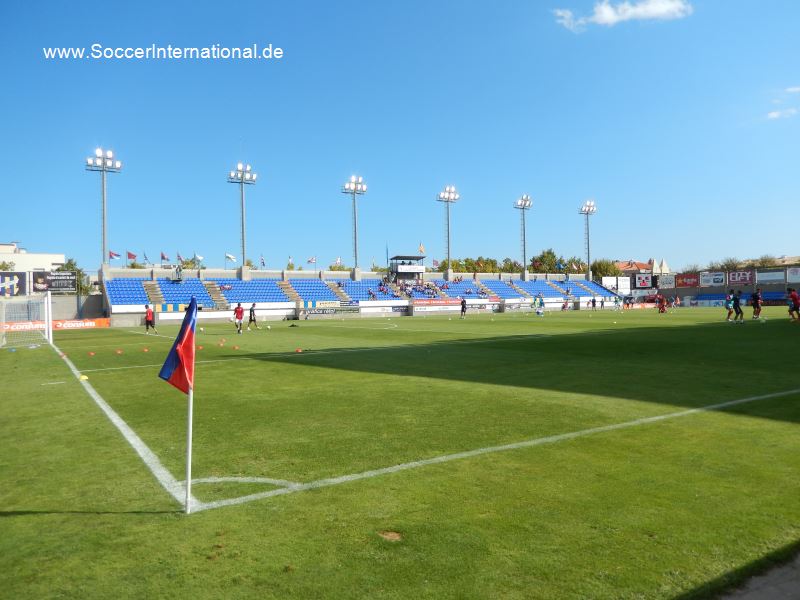
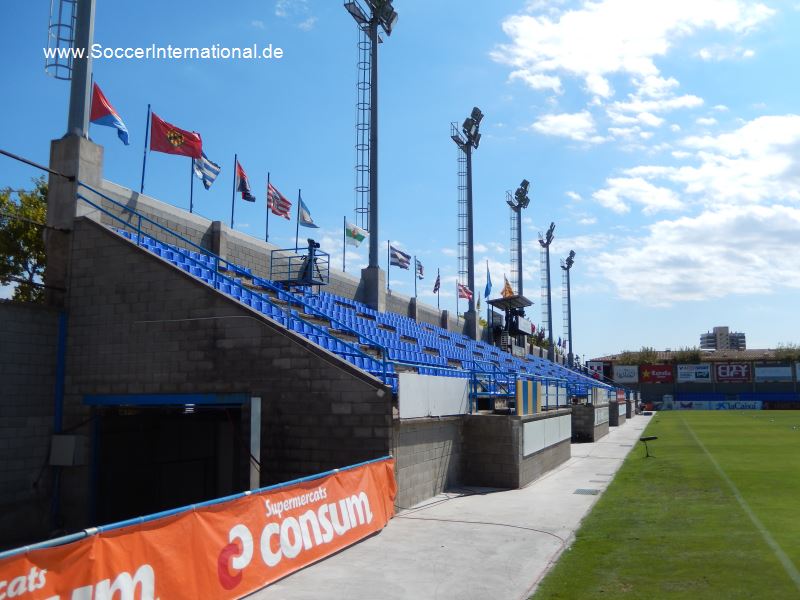
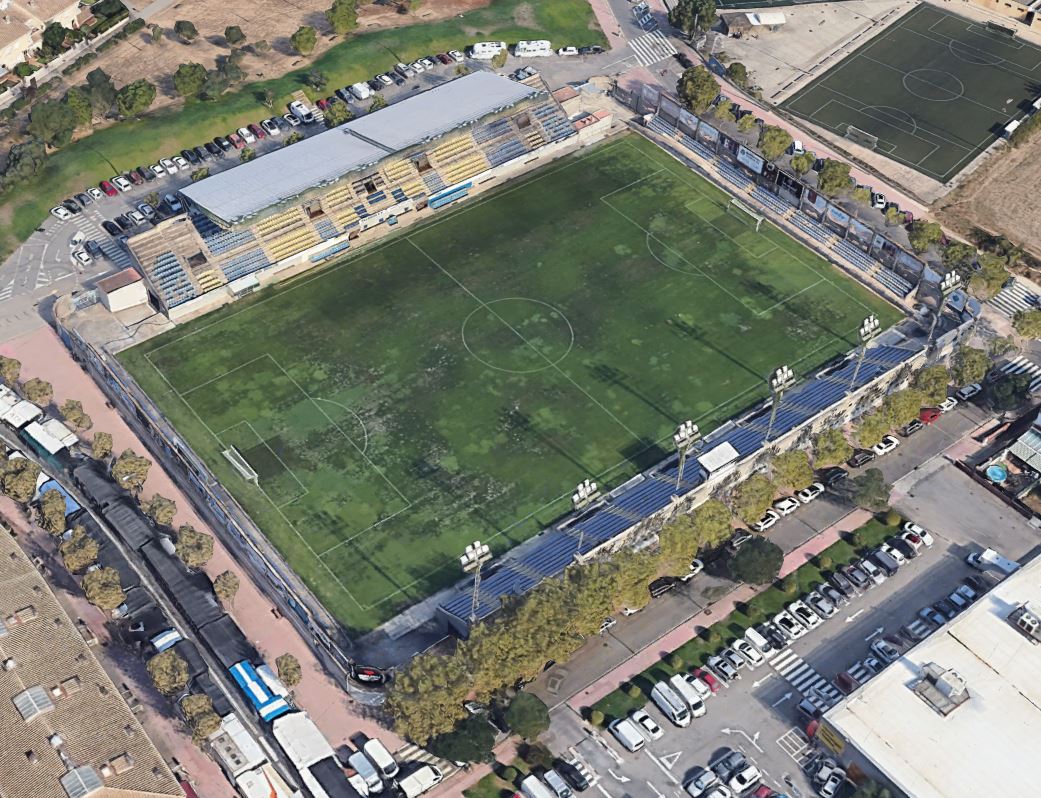
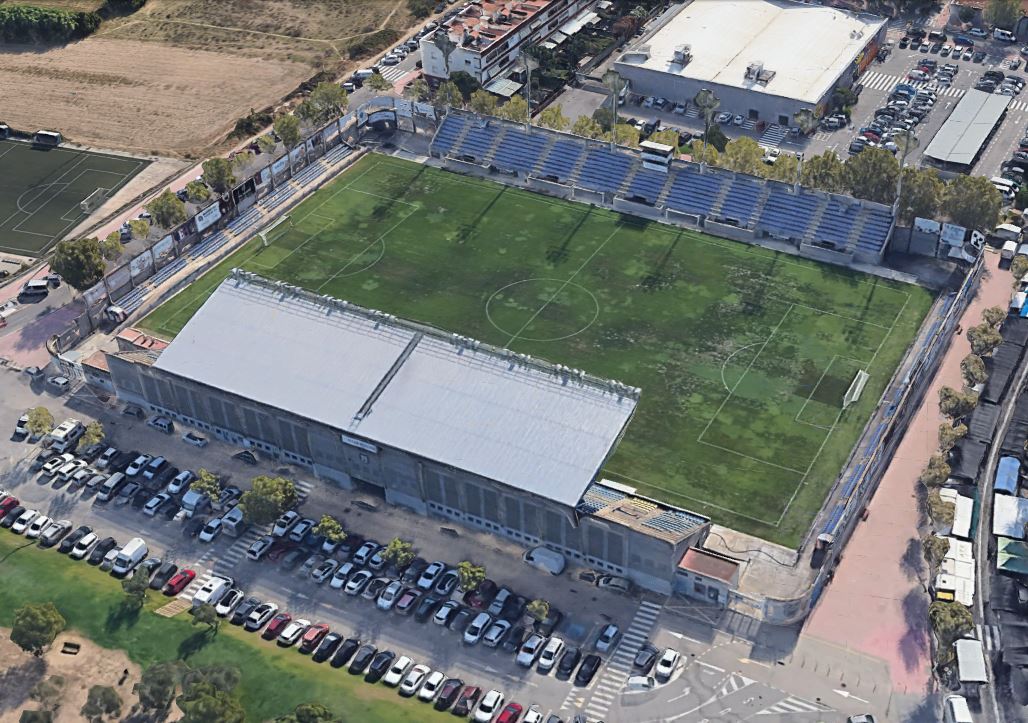
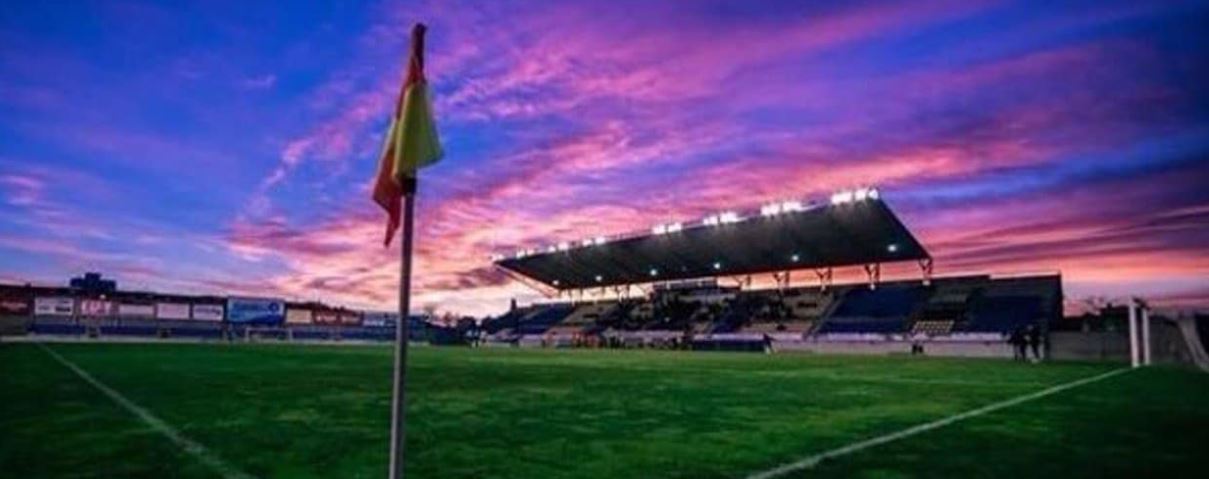
The Nou Estadi is simple, bright and functional and I rather like it. Naturally, one’s eyes are drawn to the main stand with its raised deck full of yellow & blue seats. This seating deck extends nearly the full length of the pitch, however, the cantilevered roof does not, sitting over the middle 70 metres or so, leaving the ends exposed. That said, such is its rake and flimsy nature, one wonders what protection it does offer. The north & south ends of the stadium are served by a few rows of blue seats, whilst the eastern side has more substantial seating, with nine rows running the length of the pitch. Six floodlight pylons run along the back of the east terrace, whilst unusually, access is gained to it via five stairways at the front. The stadium has a seated capacity of 5,824.
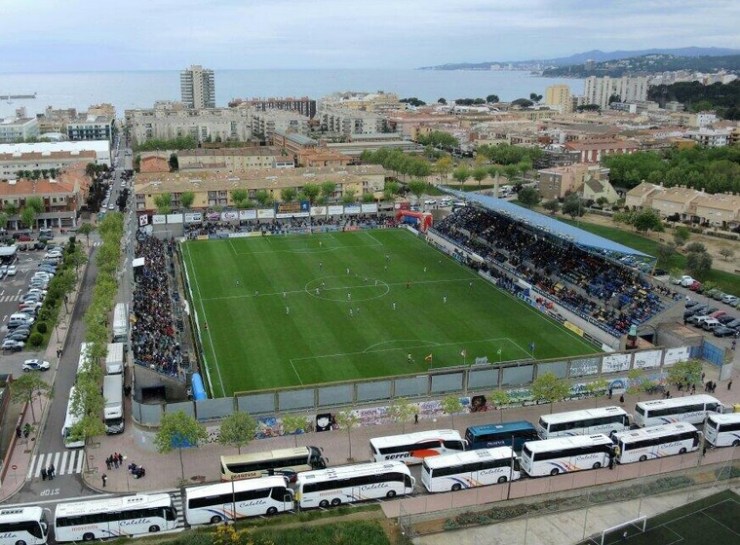
The Nou Estadi won’t win any prizes for design, but you have to say that 35 years on from opening, it still looks fresh and capable of hosting second division football. Which is just as well, for following UE Llagostera’s promotion to La Segunda in 2014, they decamped 20 miles eastwards to Palamós and the renamed Estadi Palamós Costa Brava, which they continued to use until 2018. Llagostera re-baranded themselves as UE Costa Brava and returned the the Estadi Palamós Costa Brava for the 2021-22 season, before rebranding once again and heading of to Badalona. As for Palamós CF, they dropped back to the first tier of the Catalan regional leagues in 2019.
 Estadios de España