Article updated 20/09/2025:
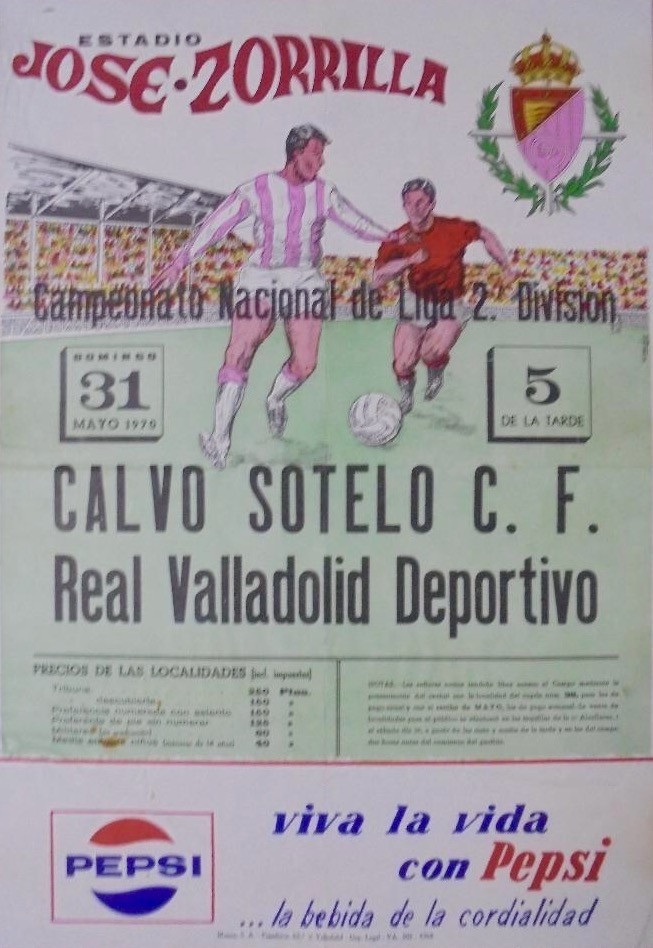
The Estadio José Zorrilla was home to Real Valladolid from 1940 to 1982. So fond were the club and the municipality of the title that they decided to name their new stadium the Estadio Nuevo José Zorrilla, but who was José Zorrilla? A former President of the club on an ego trip? A home-grown star player from years gone by? No, José Zorrilla was a poet and dramatist. He was a contemporary of Victor Hugo and, most importantly, a son of Valladolid. What a nice touch and a million miles away from all the stadium naming rights nonsense that tarnishes today’s new builds. Regrettably, rumours that Wantage Town FC has renamed their main stand in honour of Pam Ayres appear to be wide of the mark!
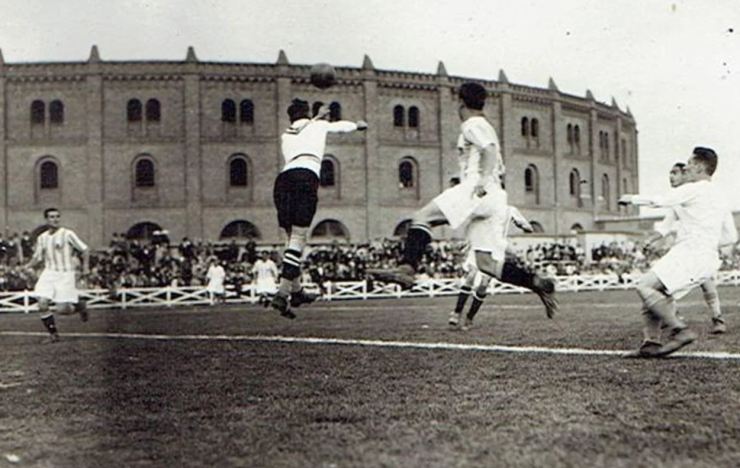
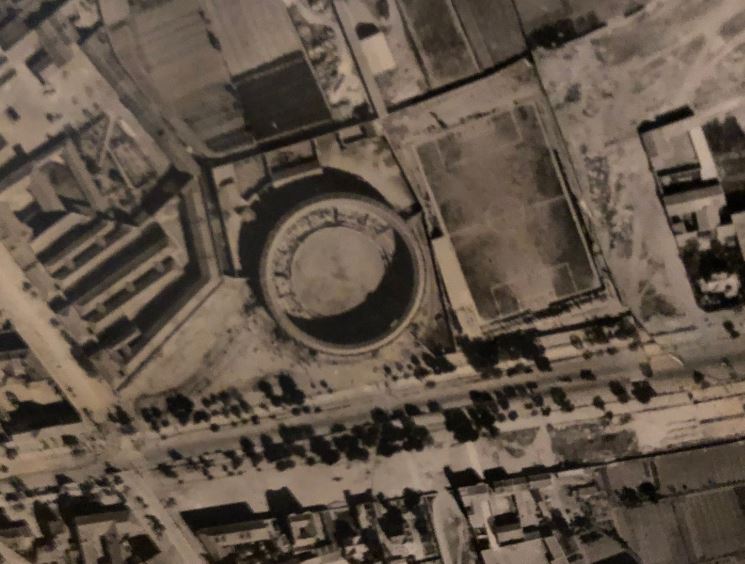
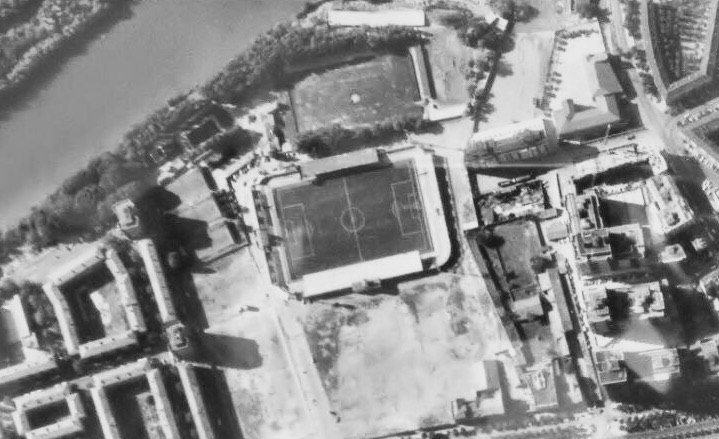
Real Valladolid Deportivo was created following a friendly match in 1927, when the city’s two strongest sides, Real Unión Deportiva de Valladolid and Club Deportivo Español, joined forces to beat Real Club Deportivo Español of Barcelona. Officially founded on 20 June 1928, the club played its first matches at Campo de la Sociedad Taurina, which stood in the shadow of the city’s bull ring. Valladolid entered the Fase Segunda B, the precursor to the Tercera. They continued at this third level, winning a pair of titles in 1933 & 1934, before debuting in La Segunda in the 1934-35 season. La Segunda was comprised of three regional groups, and Valladolid finished second in Group I and entered the end-of-season playoffs. Here they were outclassed, losing nine of the ten matches, and finished bottom of the group. The club played two more full seasons at Campo de la Sociedad Taurina, either side of the Civil War, before decamping a hundred metres westwards to the new Municipal stadium.
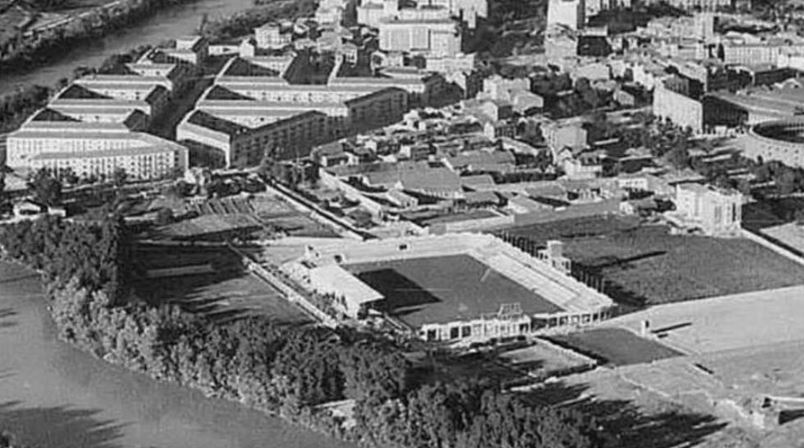
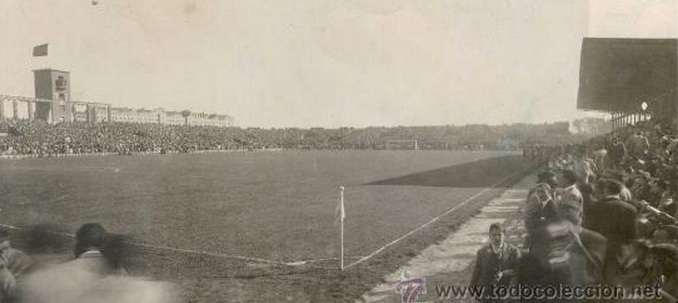
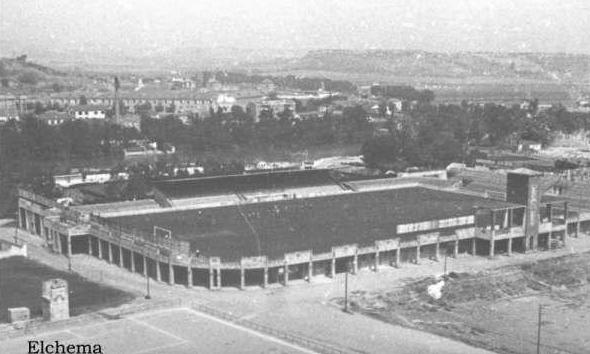
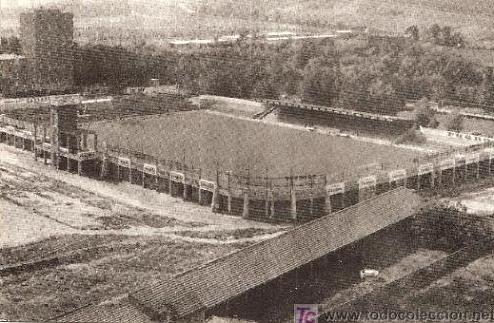
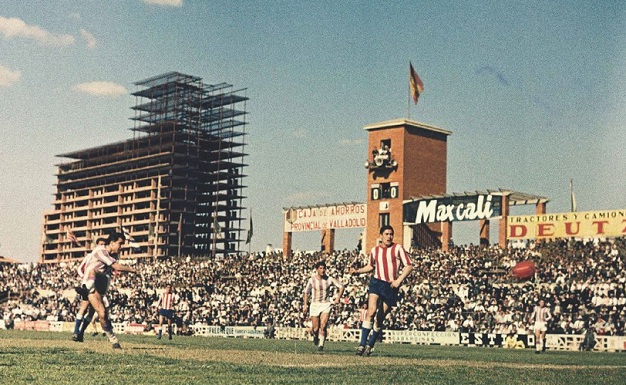
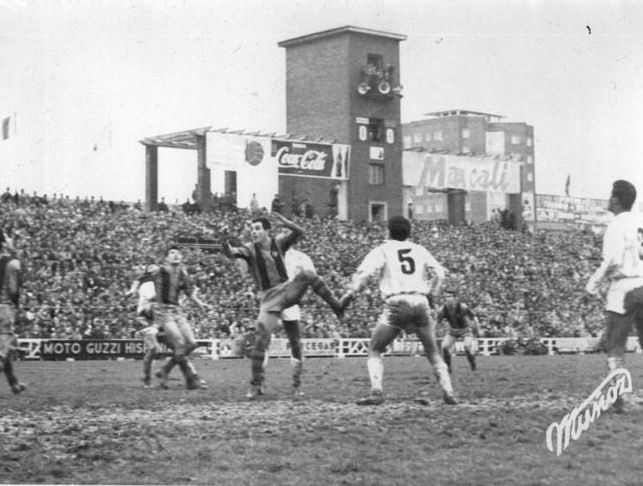
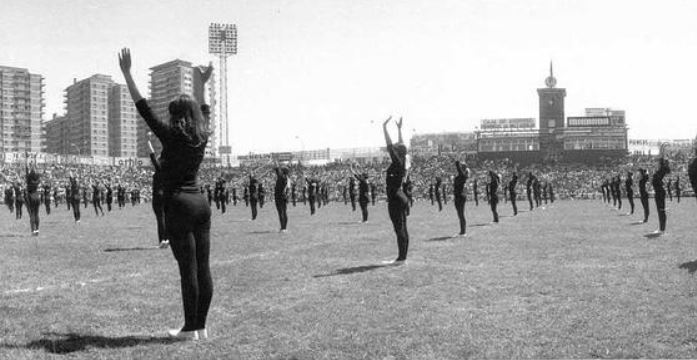
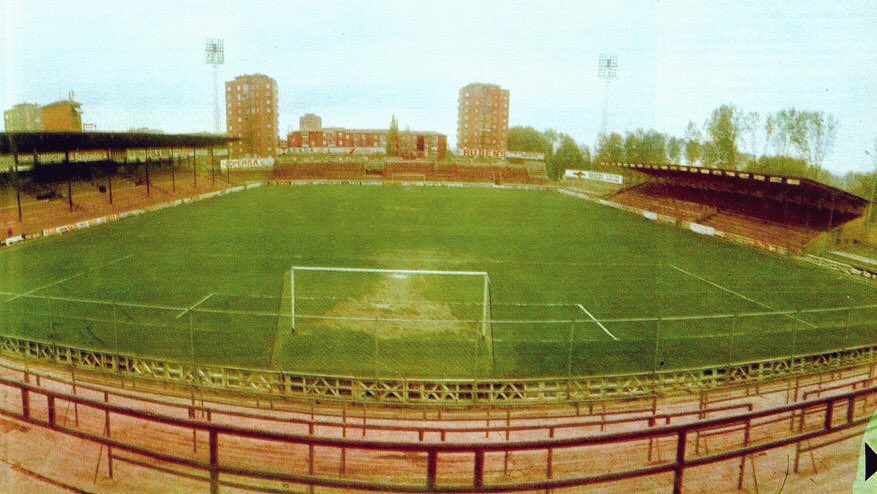
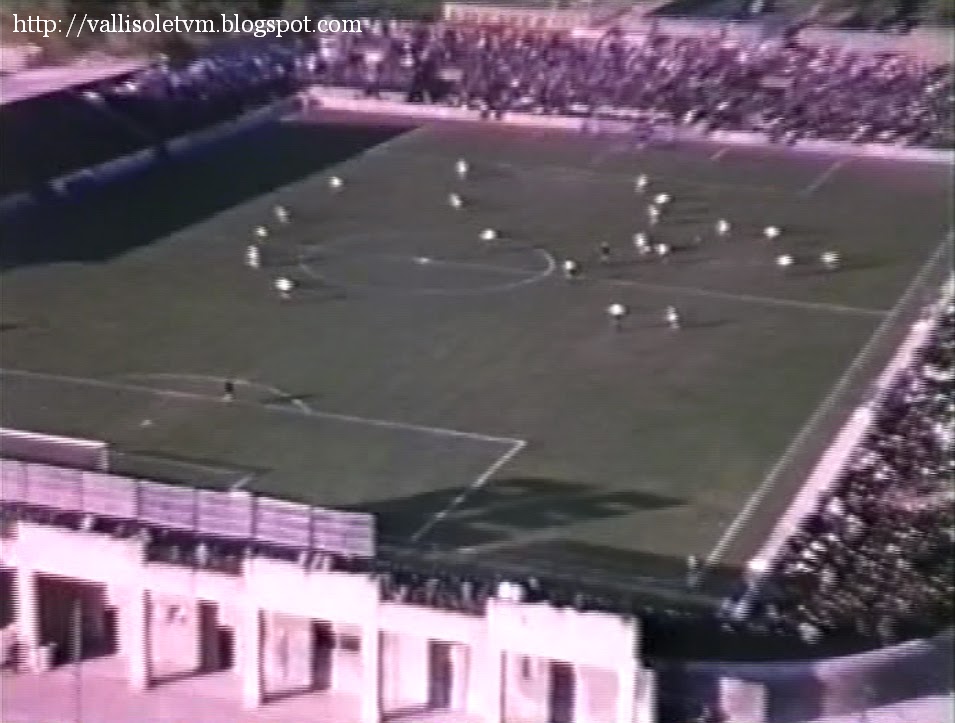
Opened on 30 November 1940 with a 4-1 win over Arenas Getxo, the Campo Municipal (It wasn’t named in honour of José Zorrilla until 1951) had an opening capacity of 10,000 and featured a covered three-quarter length stand on the west side and a marathon tower behind the east terrace. The complex cost 800,000 pesetas and took nine months to construct. Like a number of stadiums built in the years immediately following the Civil War, political prisoners were used to provide free labour. Valladolid hoped to use the new stadium as a springboard to La Primera, and in 1942-43, it very nearly paid off. Under the guidance of Hungarian coach Károly Plattkó, Valladolid once again finished second in Group I of La Segunda. An altogether more convincing performance followed in the playoff group, with Valladolid finishing third and qualifying to play Granada CF in a final match for a place in the top division. The match was played in neutral Barcelona (Camp de Les Corts), but Granada prevailed 2-0 to retain their place in La Primera. This, however, was a turning point for Valladolid. Plattkó and many of the top players moved on, and 12 months later, the club was relegated to the Tercera.
Valladolid took three attempts to escape from the Tercera, but won promotion to La Segunda at the end of the 1946-47 season, beating Racing Santander 3-1 in an eliminator at the Campo de Buenavista in Oviedo. Their good form continued, and the league title was comfortably won in 1947-48 and with it, promotion to the top tier. The club remained in La Primera for the next decade, finishing as high as sixth in 1950-51. During this period, Valladolid also reached the final of La Copa del Generalísimo in 1950, but lost 1-4 to Athletic Club at the Estadio Santiago Bernabéu. The stadium was also extended with the addition of an extra tier of terracing, raising the capacity to 18,000 and was renamed in honour of José Zorrilla on 10 October 1951. On 28 June 1953, Valladolid won the Copa Federación, beating CD Cacereño 1-0 in the final played at the Estadio Metropolitano.
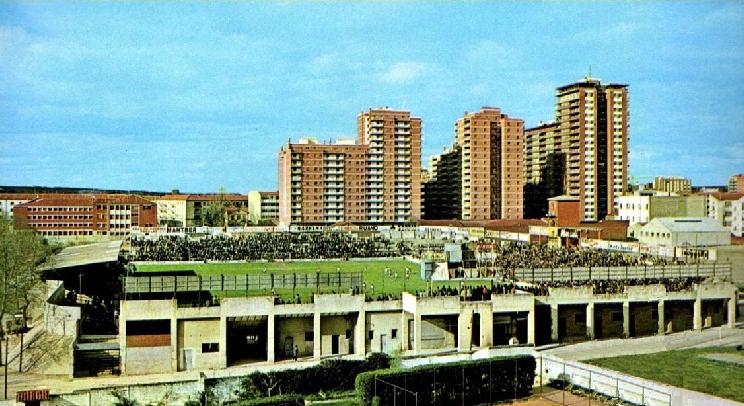
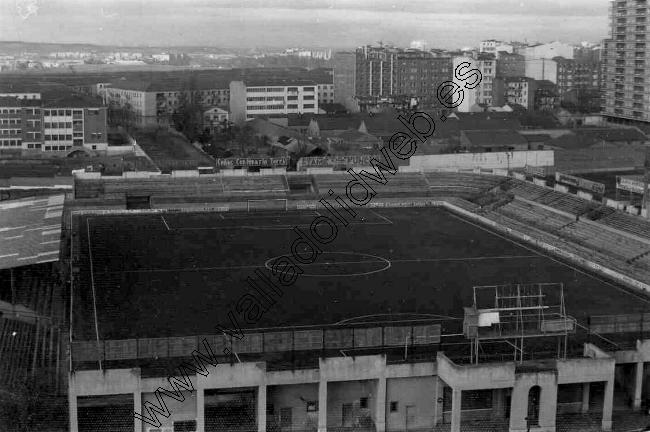
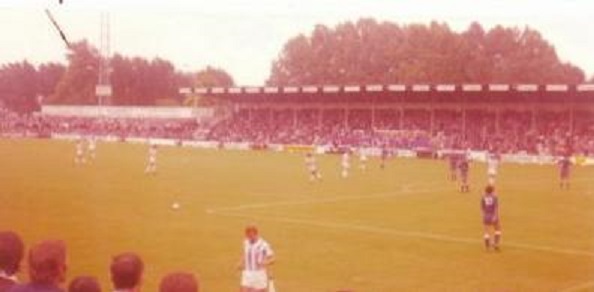
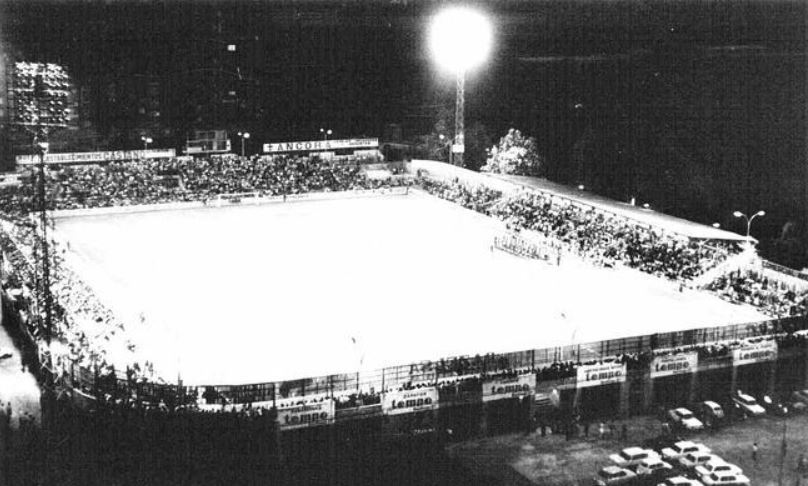
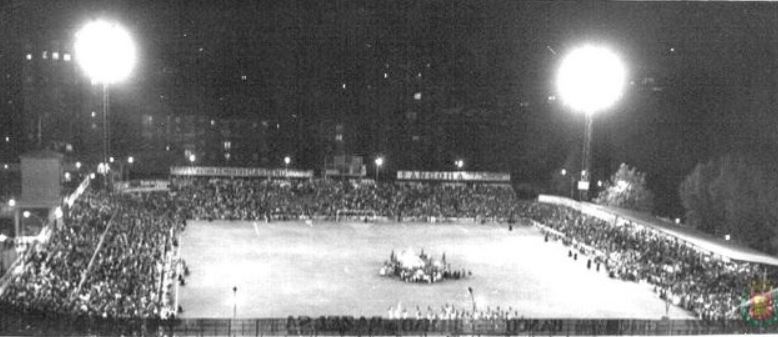
At the end of the fifties and early sixties, Valladolid switched between the top two divisions on five occasions, before settling in La Segunda for the remainder of the decade. The club dropped to the Tercera in 1970-71 but returned to La Segunda a year later. A full-length propped cover was erected over the east side in 1974, which helped keep out the winter rain; however, in doing so, it obscured the view of the marathon tower. Valladolid achieved a few top-five finishes in La Segunda before winning promotion back to La Primera in June 1980, following a sixteen-year absence. The Estadio José Zorrilla was approaching the end of its useful life, and with Spain being awarded the 1982 World Cup, the municipality built a new stadium, as redeveloping their old home was impractical. In that first season back at the top, the final full season at José Zorrilla, Valladolid finished in twelfth place. The final game of the 1980-81 season saw a record crowd of 22,000 attend the match against Real Madrid. The northern end of the stadium was extended with temporary stands to accommodate thousands of travelling supporters. Those present saw a dramatic end to the season, as Real Madrid had the title snatched from their hands by Real Sociedad’s late winner in Gijón.
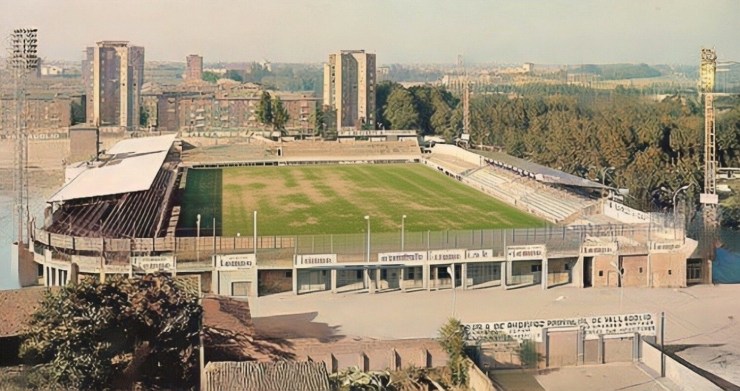
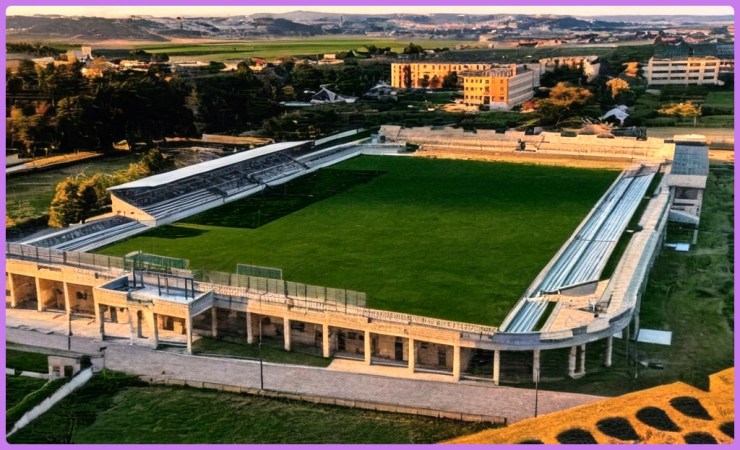
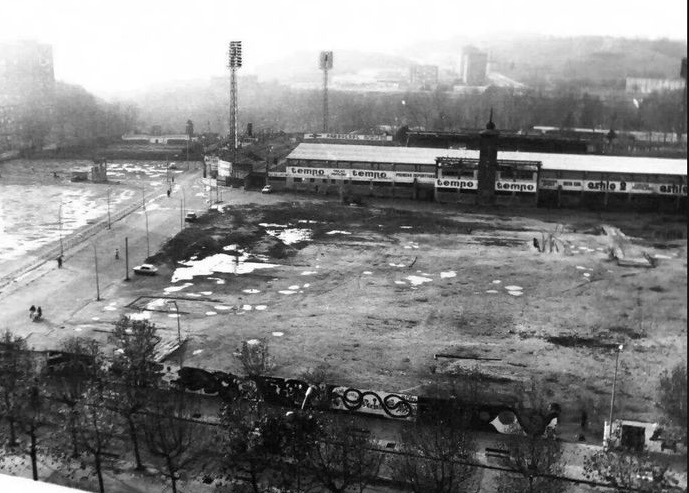
The final First XI match at Estadio José Zorrilla took place on 7 February 1982 when Valladolid beat Osasuna 2-0. The reserve team continued to play on the ground for a couple of seasons before it was finally demolished in 1984. The site is now occupied by the Polideportivo Juan de Asturia & the Plaza de Juan de Asturia.



 Estadios de España