Article updated: 18/12/2025
Football has been played in this corner of Andalucia since the turn of the 20th Century, and whilst in those early years, the city of Granada witnessed an almost inexhaustible hunger for the game, it lacked a principal team to hold the population’s focus. Such was the fragmented nature of football in the city that by 1930, nearly a dozen clubs were competing at the same regional level. This was to end on 6 April 1931, when Club Recreativo Granada was formed. In May of 1931, the club was offered a pitch to the north of the city, next to the prison and on the road to Jaén. The Campo de las Eras de Cristo, as it was known, had been used by many of Granada’s minor clubs throughout the 1920s.

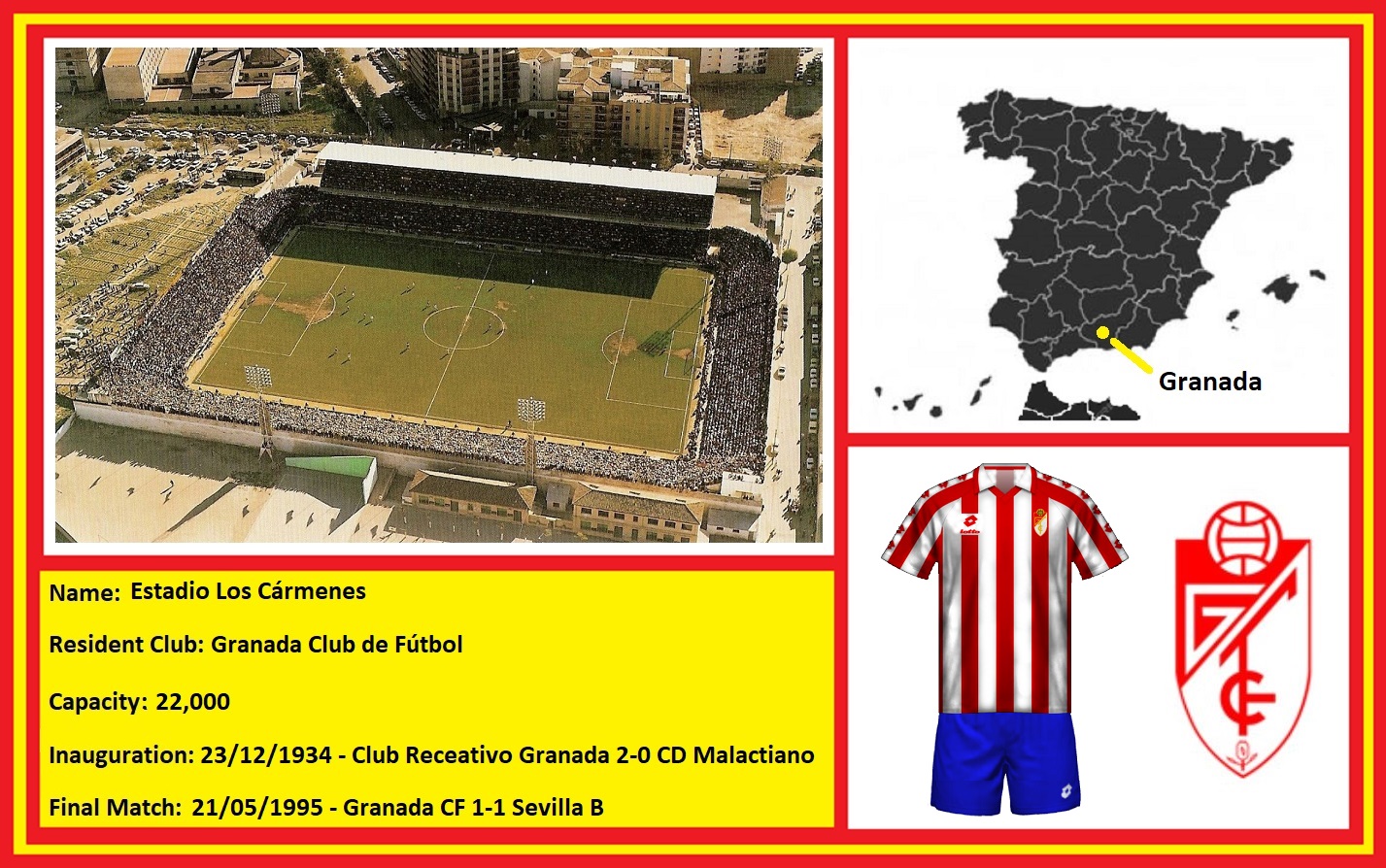
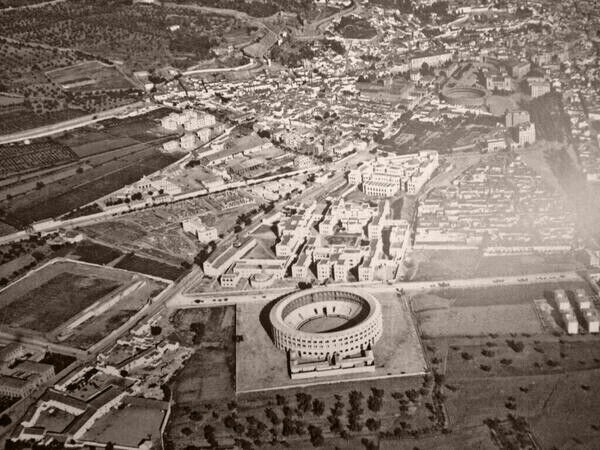
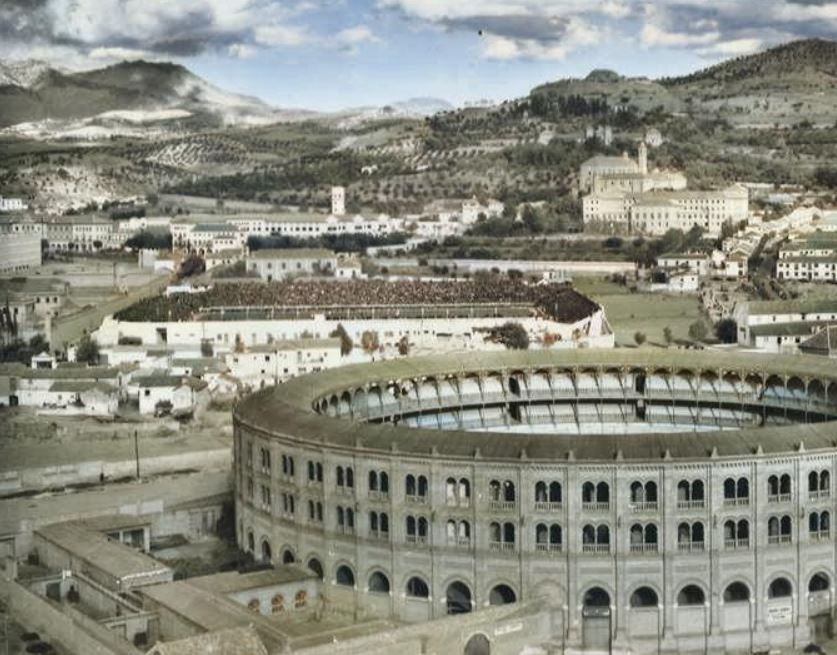
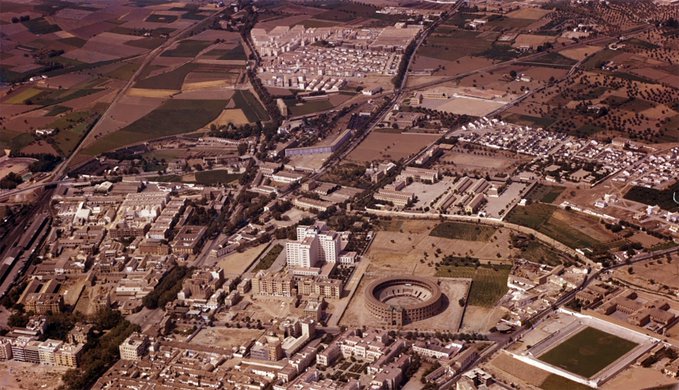
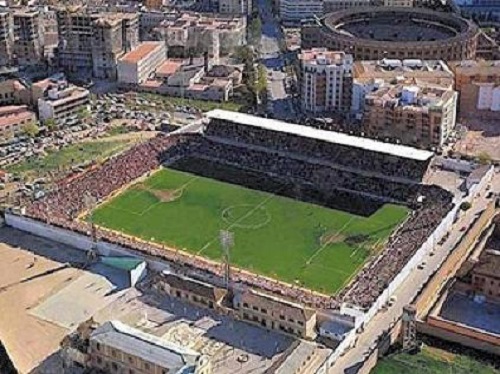
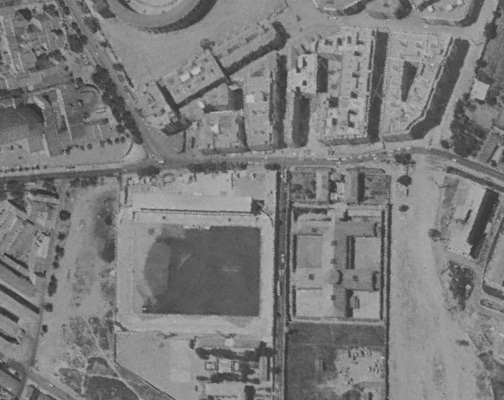
In reality, the Campo de las Eras de Cristo was nothing more than a pitch on open land. If Club Recreativo Granada wanted to progress, it needed income from the ever-growing number of spectators attending its matches. The club set aside a sum of 30,000 pesetas and made a short move to a new home. Over the course of 17 days, their basic new home was enclosed using old wooden tables, doors & off-cuts. On 20 December 1931, the Campo de Las Tablas was inaugurated with a match against UD Andújar, which Club Recreativo won by a goal to nil. The club was to stay at Las Tablas for three years, and in their final season, they gained promotion to the second division. Work had already begun on a new ground in 1933 on a plot of land between the aforementioned prison and the Plaza de Toros. “Los Cármenes” proved to be torturous, and the initial sum of 110,000 pesetas was soon exhausted. Further fund-raising and loans from directors saw the cost soar to 200,000 pesetas, before the ground was officially inaugurated on 23 December 1934, with a league match against Club Deportivo Malactiano (CD Málaga). The home side prevailed by two goals to one.
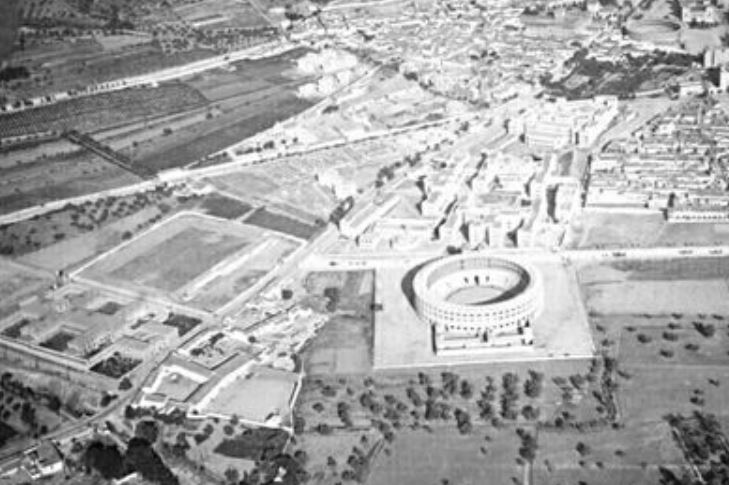
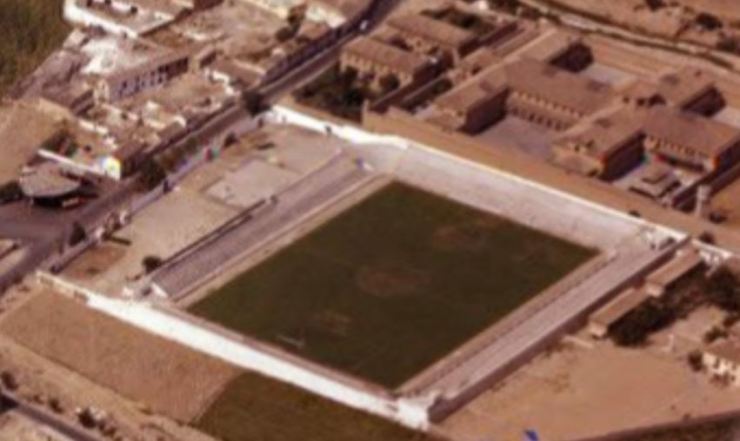
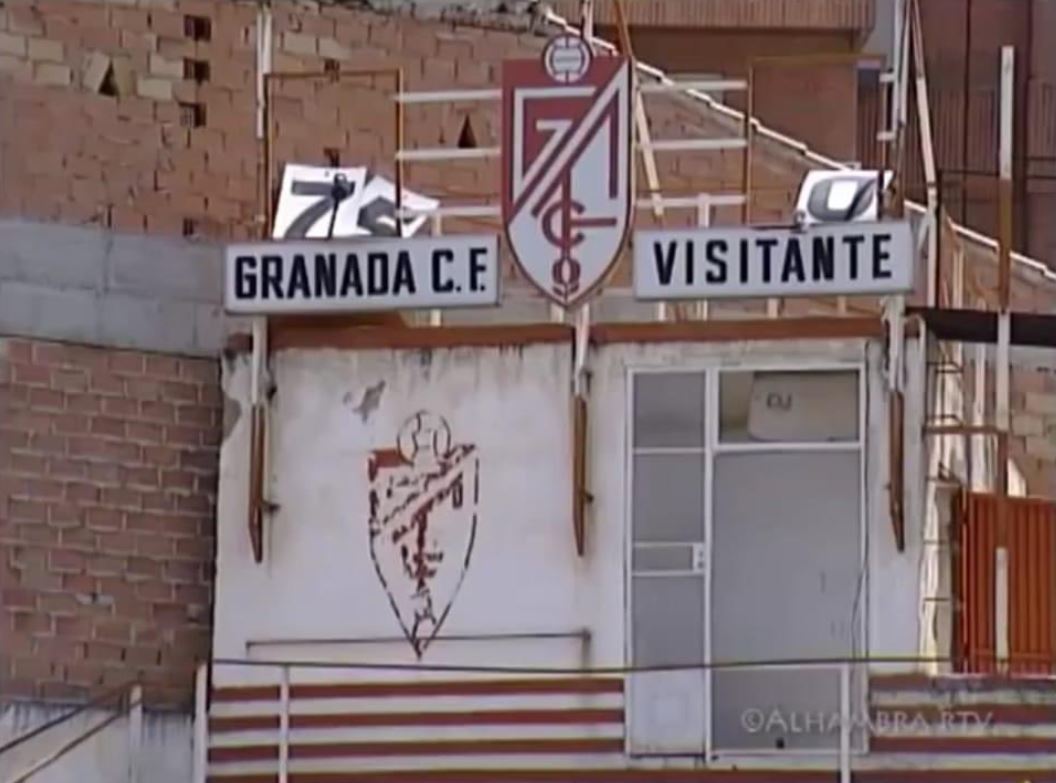
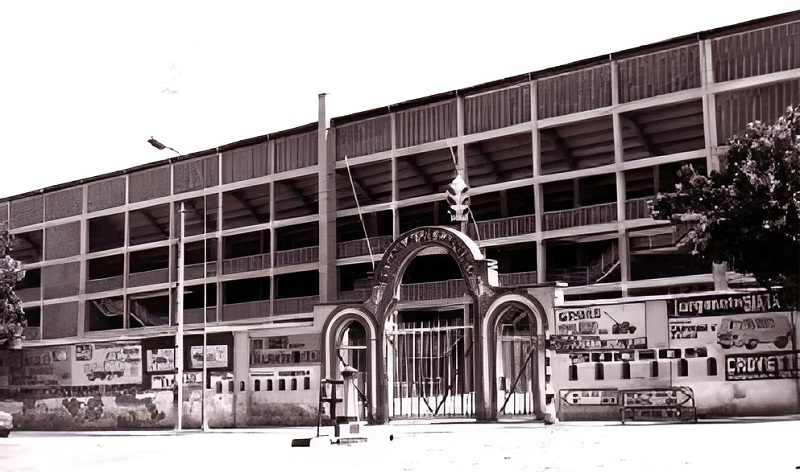
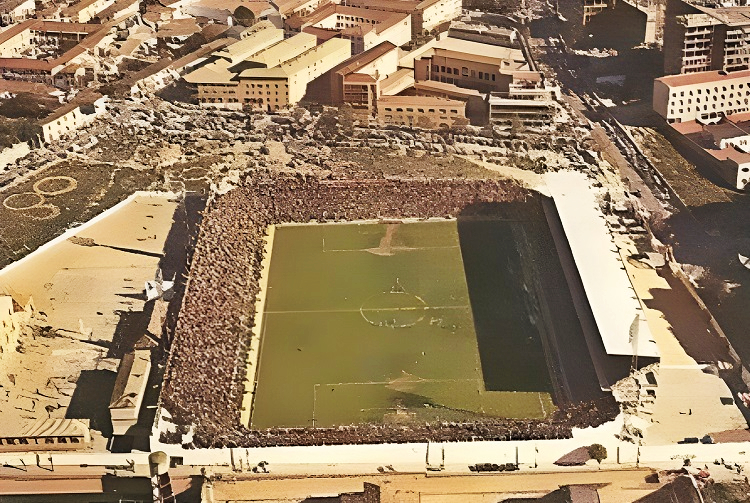
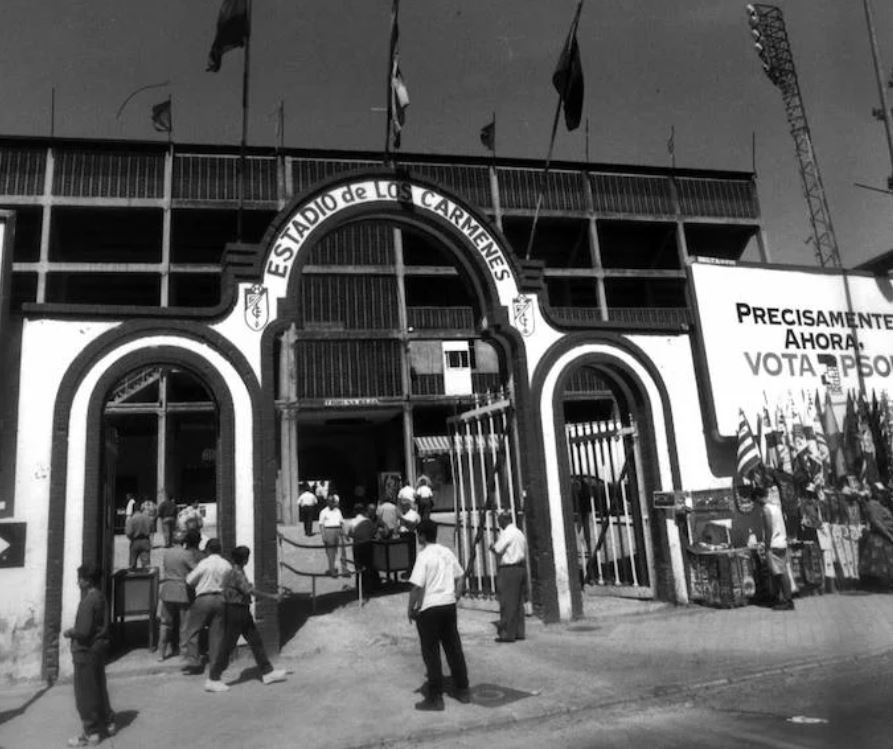
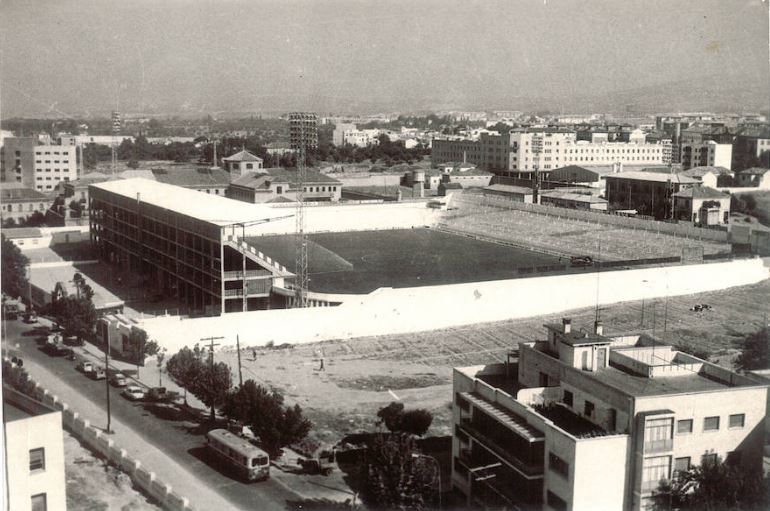
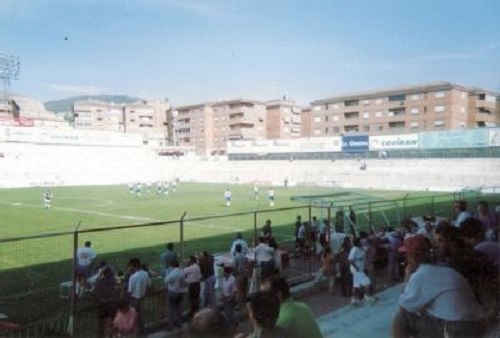
The new stadium was a basic square and uncovered on all four sides. A small seated area for club officials was situated on the southern side, while changing rooms and club offices were located in the area between the terrace and perimeter wall. Perhaps the stand-out feature was the colourful entrance located on the south side. Three entrance gates were each topped with a red and white arch, the central one featuring the stadium’s name and club crest. The Civil War ensured that any national leagues would be put on hold until 1939, but when footballing hostilities resumed, Club Recreativo Granada changed its name to Granada Club de Fútbol. The newly monikered club finished runners-up in the southern section of the second division, missing out on the promotion playoffs by a single point to Cádiz. They did not have long to wait, however, as promotion was gained the following year via the playoffs, earning promotion with a victory at Castellón, with a match to spare. Over the next 25 years, the club had three spells in the Primera, none of which lasted longer than four seasons. However, they did reach their one and only final of the Copa del Rey in 1959, losing 4-1 to Barcelona at the Santiago Bernabéu.
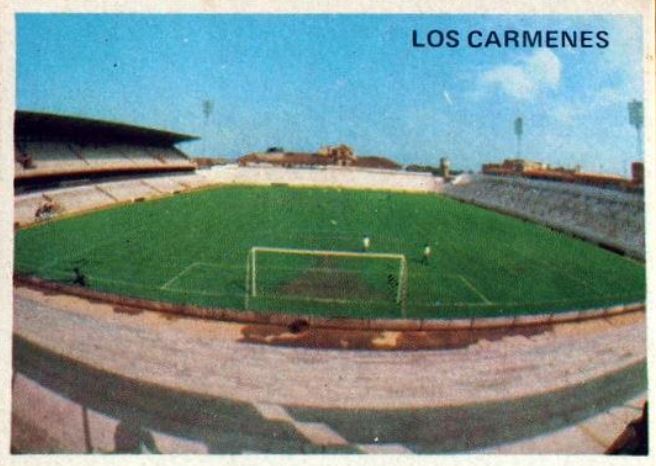
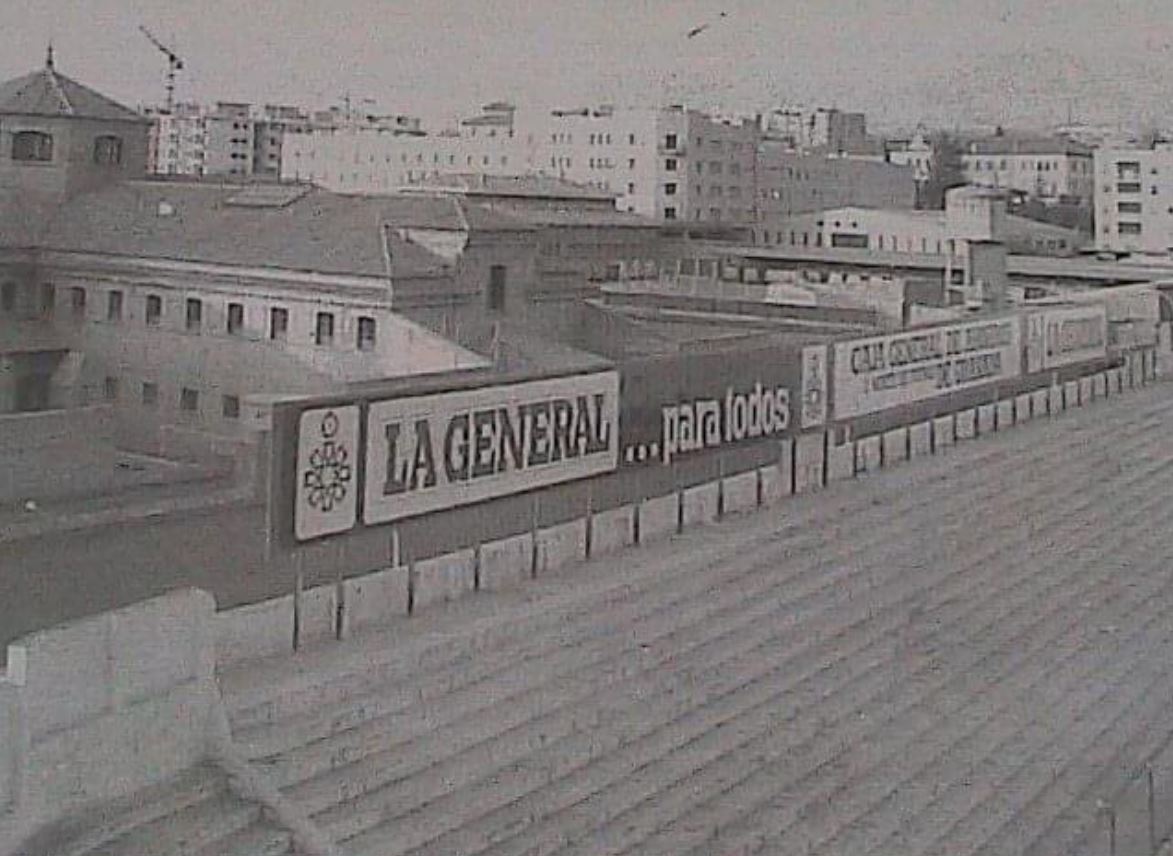
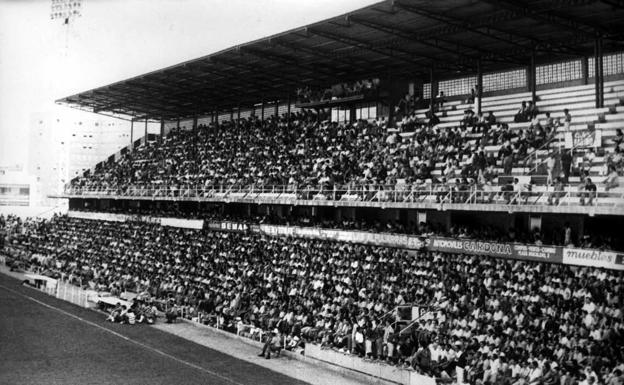
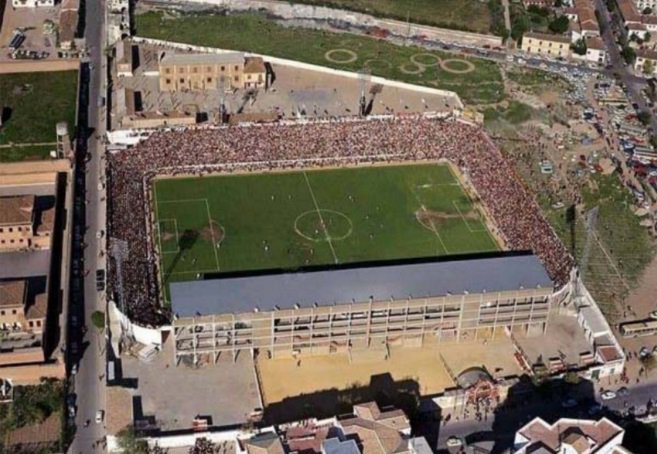
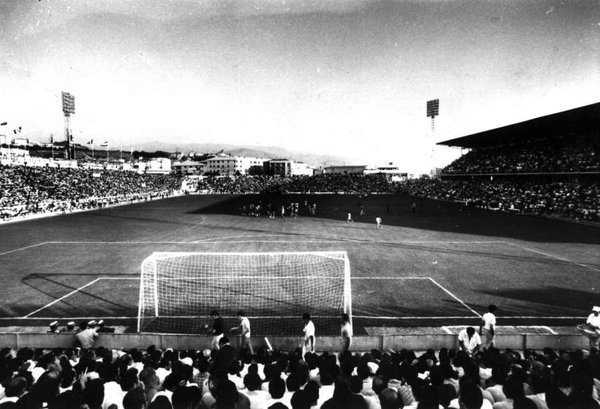
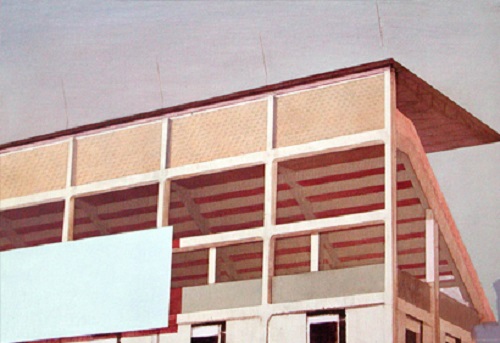
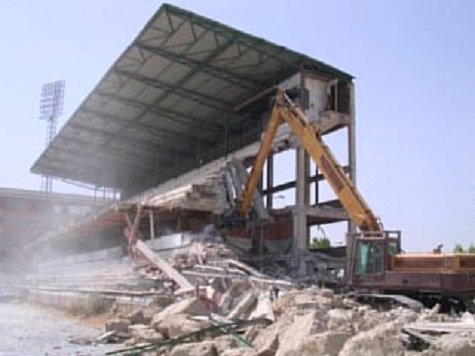
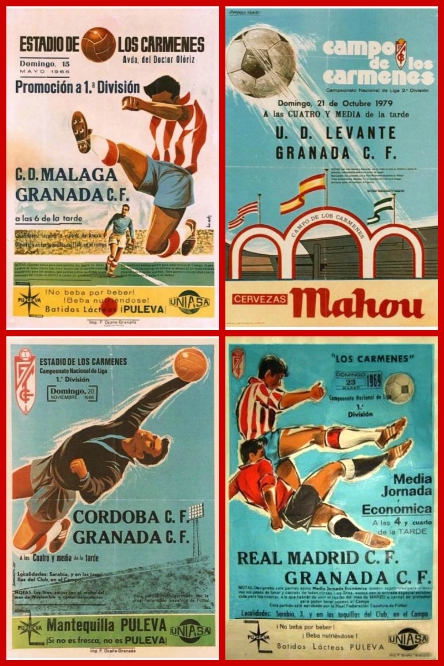
Granada CF’s most successful period in the Primera commenced with promotion at the end of the 1967-68 season. Los Cármenes underwent its only significant facelift with the building of a new two-tiered stand on the southern side of the ground, which was inaugurated on 24 November 1968 with a 2-0 victory over CD Málaga. In keeping with the rest of the ground, the stand was white and very basic, with the roof supported by thin pillars set three rows from the back. A narrow media booth was also located at the rear of the upper tier. Somewhat startling was the fact that despite running the length of the pitch, the upper tier only had two narrow vomitories (exits). Sandwiched between the upper tier and the lower terrace was a thin row of covered palcos or rudimentary private boxes. The addition of the covered stand took the overall capacity of Los Cármenes to 22,000.
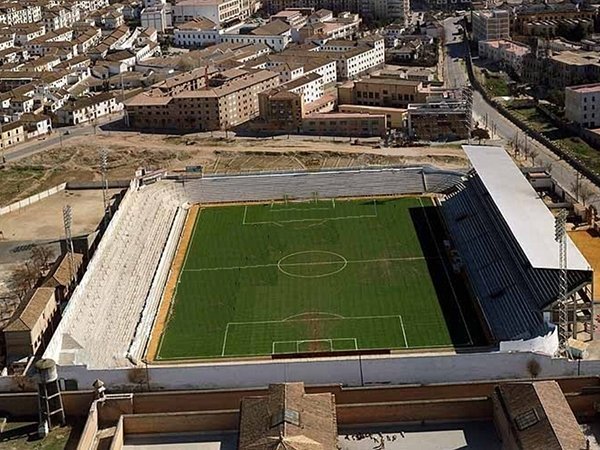
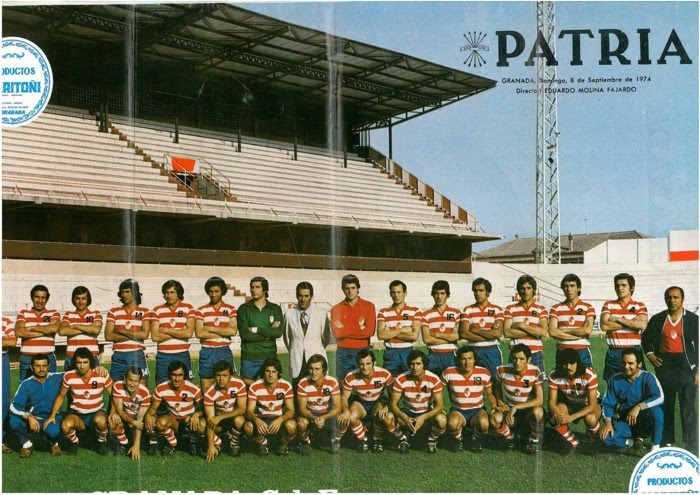
The club remained in La Primera for a further eight seasons, achieving two sixth-place finishes in 1971-72 and 1973-74, remaining unbeaten at home throughout the 1971-72 season. Following relegation from the Primera in 1976, the club flitted between the second and third levels, never getting close to a return to the top level. By the early 1990s, Granada CF had become a permanent fixture in Segunda B. They did reach the playoffs for La Segunda at the end of the 1999-93 season, but finished bottom of their group, behind Real Murcia, Getafe and Barakaldo. Faced with dwindling attendances and ever-increasing debts, the club made the decision to leave Los Cármenes for a new municipal stadium in the south of the city. Surely the Estadio Municipal Nuevo Los Cármenes would lead to new revenue and extra impetus. The plan couldn’t fail… The last game at the old stadium was a 1-1 draw with Sevilla B on 21 May 1995.
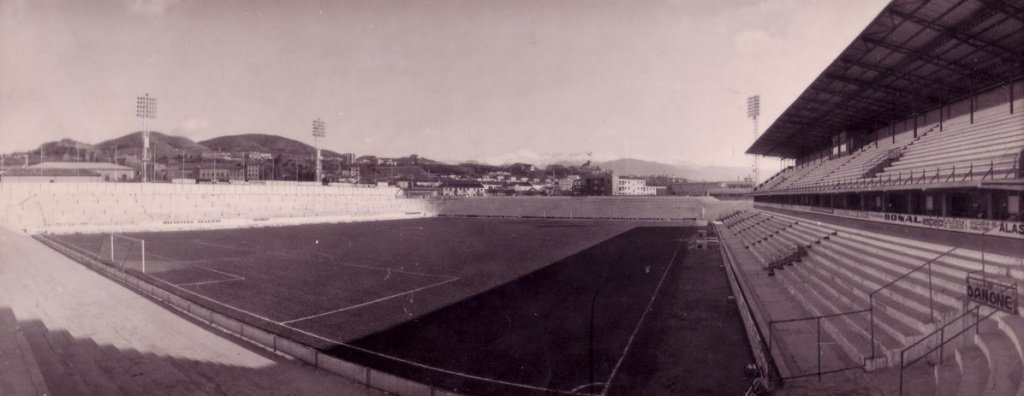
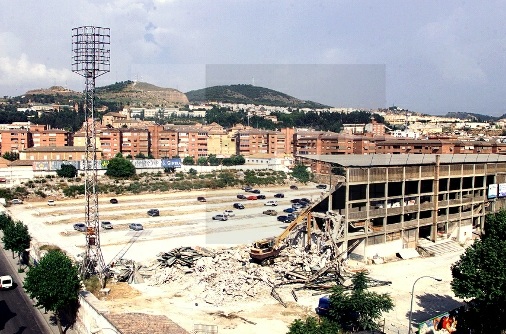
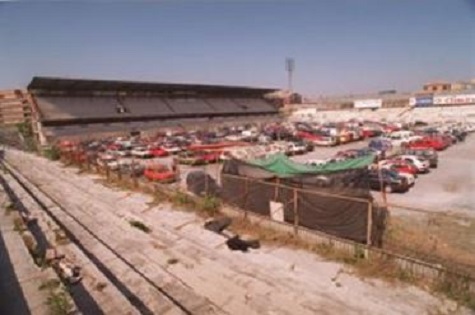
The national team played two full internationals at the old Los Cármenes. Cyprus was the first visitors in 1971, and they were sent packing with a 7-0 defeat. Next up was Mexico, which Spain beat 2-0 in 1978. Los Cármenes also staged a B International, with Spain hosting England on 25 March 1981 and prevailing 3-2. Except for the building of the new stand in the late 1960s, Los Carmenes remained relatively unaltered and unadorned throughout its 60 years as a football ground. It had the indignity of being used as a car park for a few years before being demolished in the late 1990s. The site is now covered in apartments, but at least the ground is remembered on Calle del Granada Club de Fútbol, which runs along the northern perimeter of the old ground.






 Estadios de España