So, what did the Romans ever do for Mérida? Well, quite a lot, actually. For starters, they made it the capital of Lusitania, the westernmost province in the Roman Empire. Thanks to the city’s staggering collection of ancient monuments, Mérida is a UNESCO World Heritage site, firmly entrenched on the tourist trail. Club Polideportivo Mérida’s history may not be as influential, but you will be glad to know that it has many intriguing plots, along with an epic rise and subsequent fall.
It seems entirely appropriate that in a city founded by Roman soldiers, the principal club can trace its formation back to the military. In the early 1920s, a division of the Heavy Artillery Regiment was based in Mérida. The division was made up of predominantly Catalan soldiers, and their passion for the game led to Emérita Foot-ball Club being formed in 1921. Taking its name from the city’s original Roman title, Emérita joined the newly formed Federación Regional Extremeña in September of 1924, and within a few years was competing at the region’s highest level. The regional title was won in 1932-33, but the expense of the campaign almost led to the club folding, as it sat out the following season. The club returned to league action in 1935 with a new name, Sociedad Deportiva Emeritense, but any hopes of progression were curtailed by the Civil War.
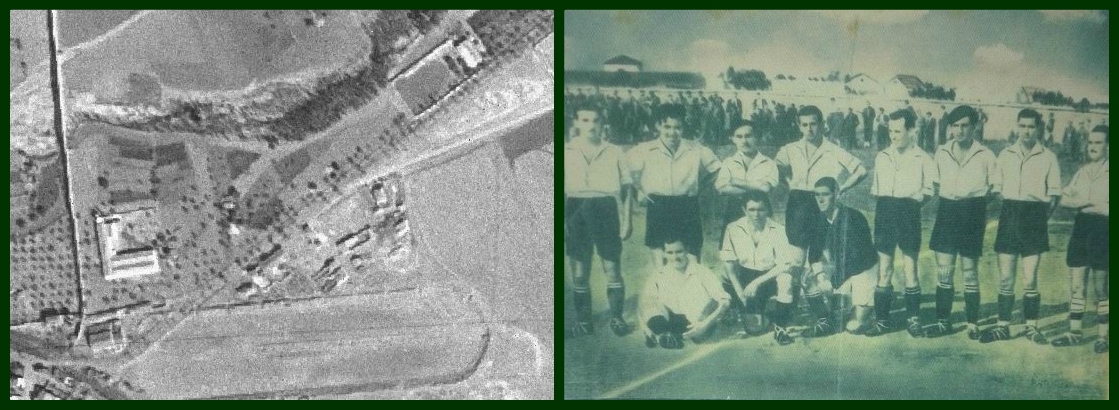
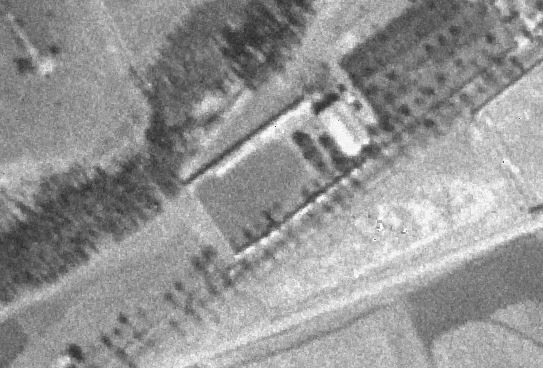
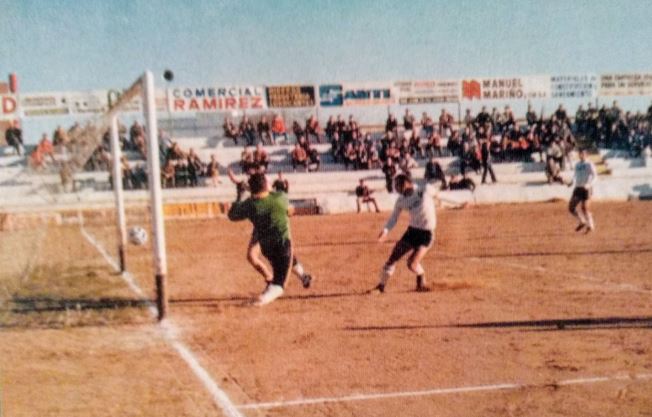
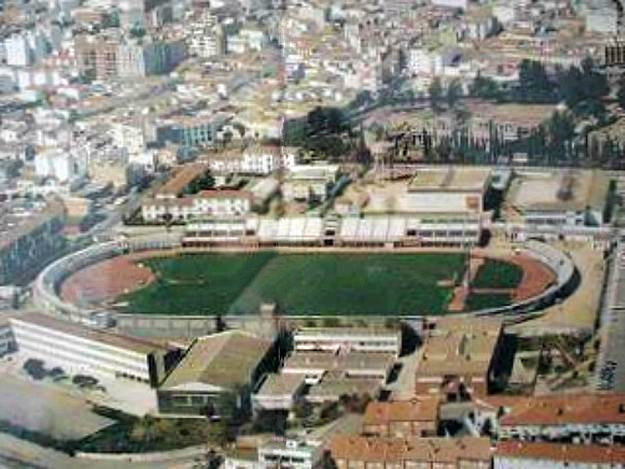
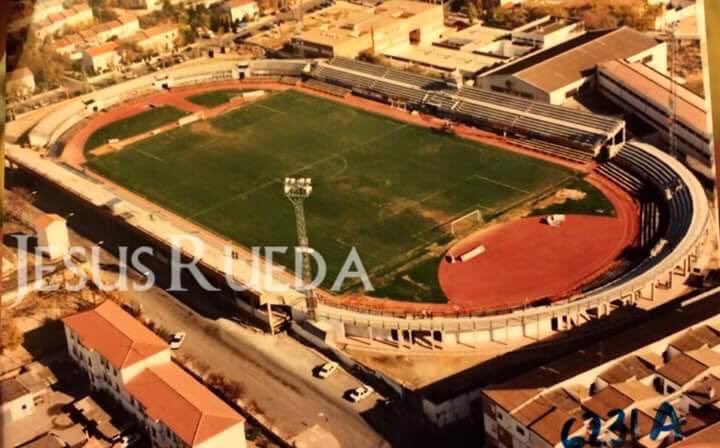
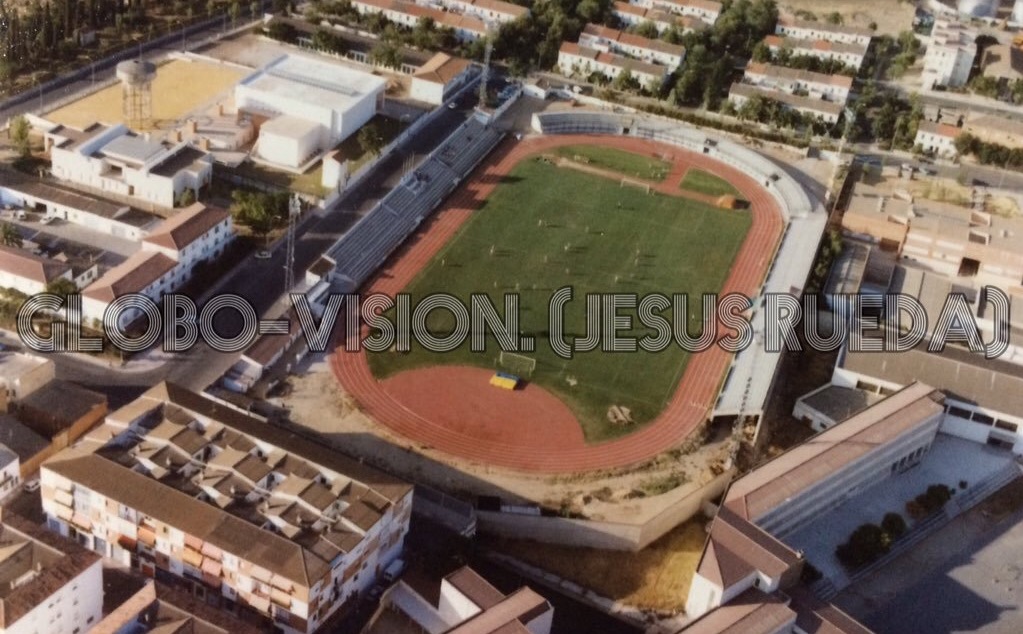
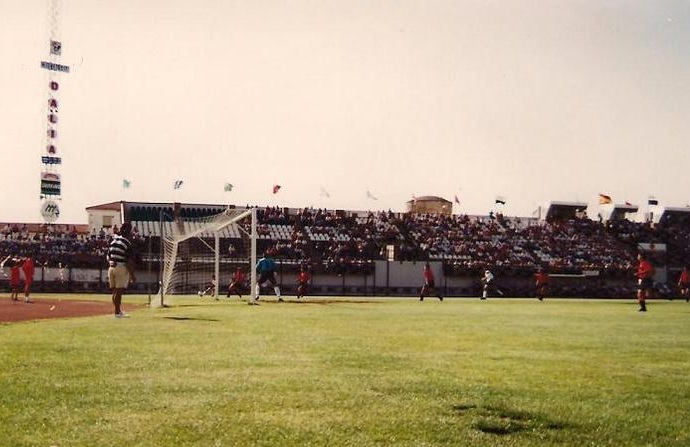
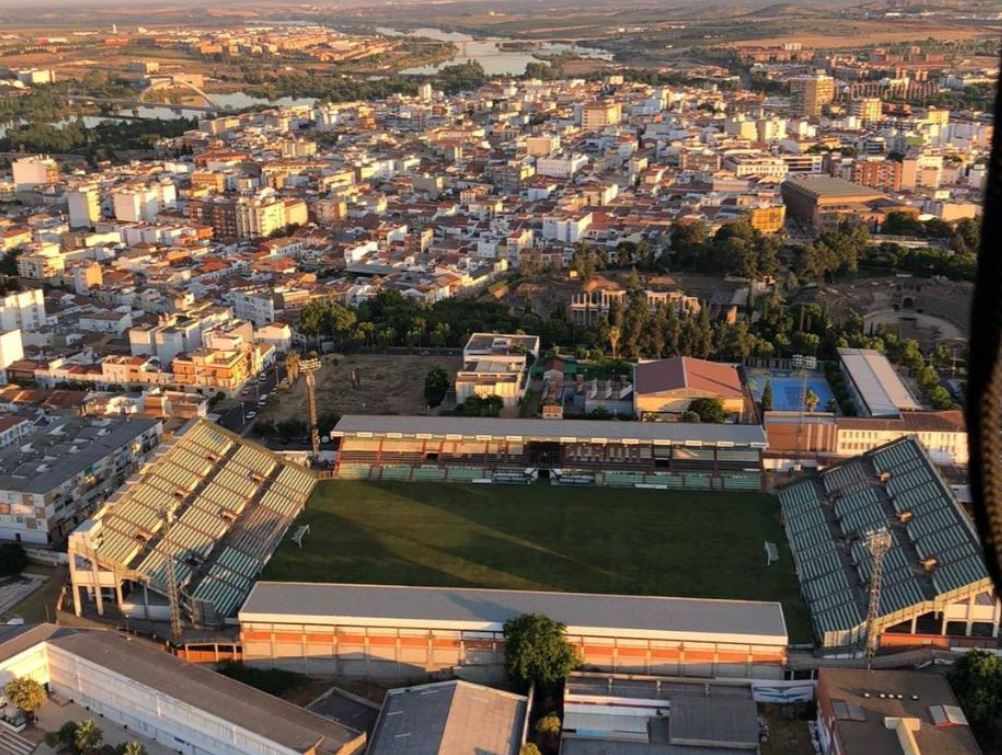
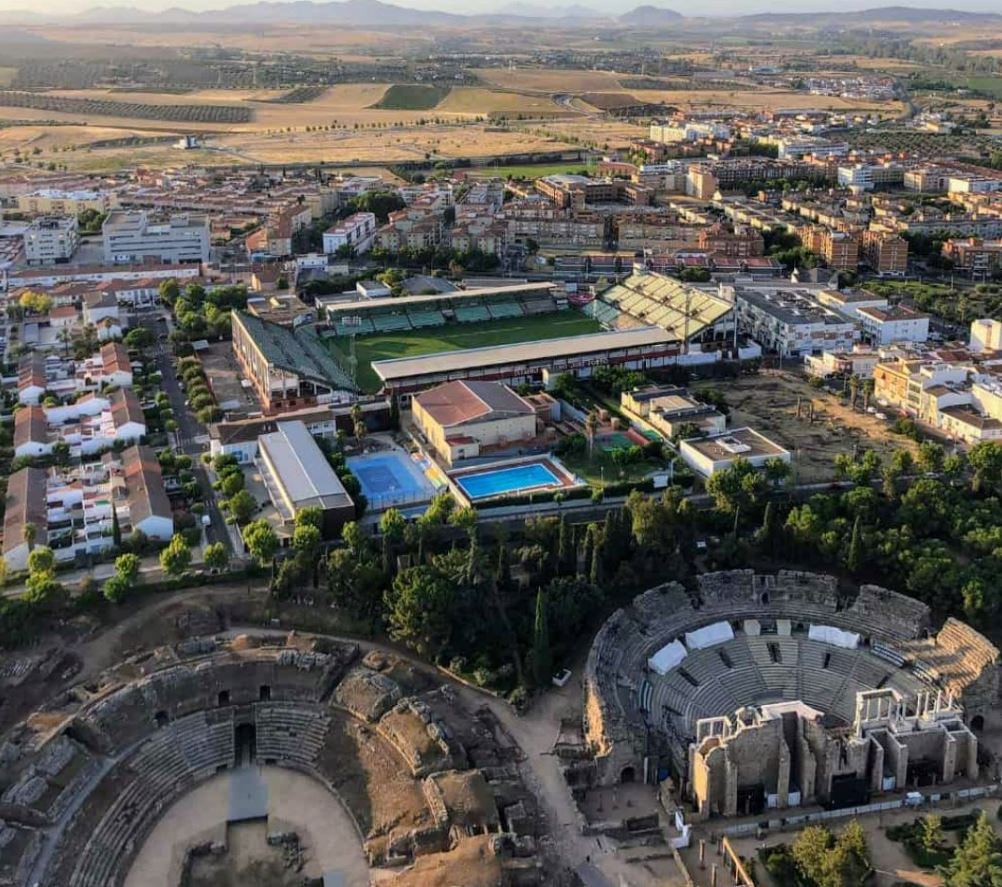
Home in the earlier years was the Campo Municipal La Antigua. It was an enclosure on the main road to Madrid, just north of the Circo Romano, and had been used for sports since 1912. It was here that Emeritense made its first forays into the Tercera, playing across southern Spain for four seasons from 1943. They returned to regional football for two seasons in the late forties but were back in the Tercera for the 1949-50 season. The club struggled throughout the campaign, particularly on its travels, conceding nine in Almeria along with a double-digit defeat at champions Ceuta. Finishing sixteenth, Emerintense entered the end-of-season play-off group and fared no better. Technically relegated, their place in the Tercera was saved thanks to the expansion of the league. Making the most of its reprieve, the club started to post some decent finishes, coming fourth in 1951-52 in its last full season at Campo Municipal La Antigua. On 23 May 1953, the club inaugurated the Estadio Municipal, which was situated barely 100 metres from the old Roman amphitheatre. The new enclosure was oval in shape and had a capacity of 8,000.
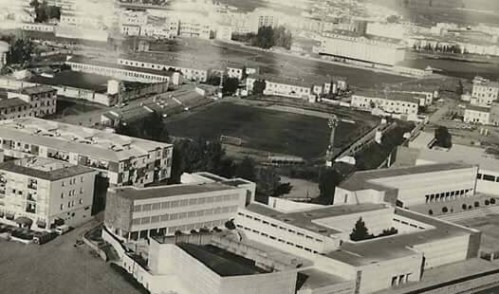
The new stadium brought improved results, with Emeritense finishing runners-up in the Tercera in 1954-55 and winning the division in 1956-57. Hopes of promotion to La Segunda were dashed however by Plus Ultra, the reserve side of Real Madrid. Results declined over the next decade, and by the early seventies, the newly titled Mérida Industrial Club de Fútbol (it changed its name in 1966), was back in the regional leagues. A revival occurred with promotion back to the Tercera in 1976, and a second Tercera title in 1980 saw the club reach Segunda B for the first time. By now, the club was under the presidency of José Fouto, a 26-year-old coffee importer, who would shape the club’s future. Despite a late-season rally, their debut season ended in relegation, and there followed an eight-season spell back in the fourth tier. Promotion back to Segunda B was eventually achieved in 1989, and after an eighth-place finish in 89-90, Mérida Club Polideportivo as they were now known, finished fourth in 90-91 and entered the playoffs for La Segunda. Here they topped a group featuring Barcelona B, Osasuna B & Lugo, thus earning promotion to the second tier of Spanish football.
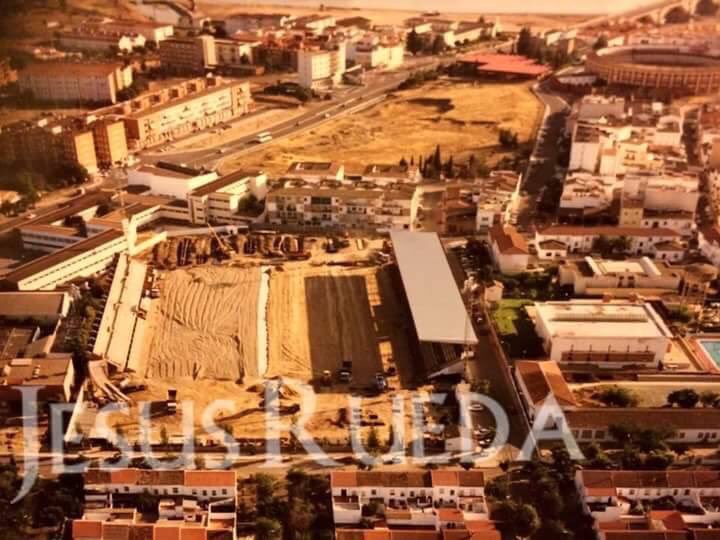
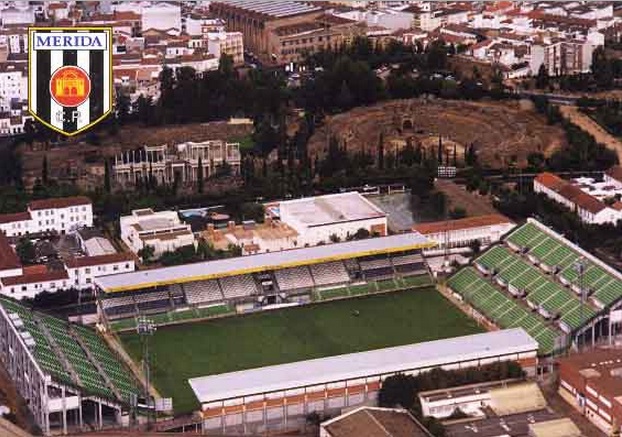
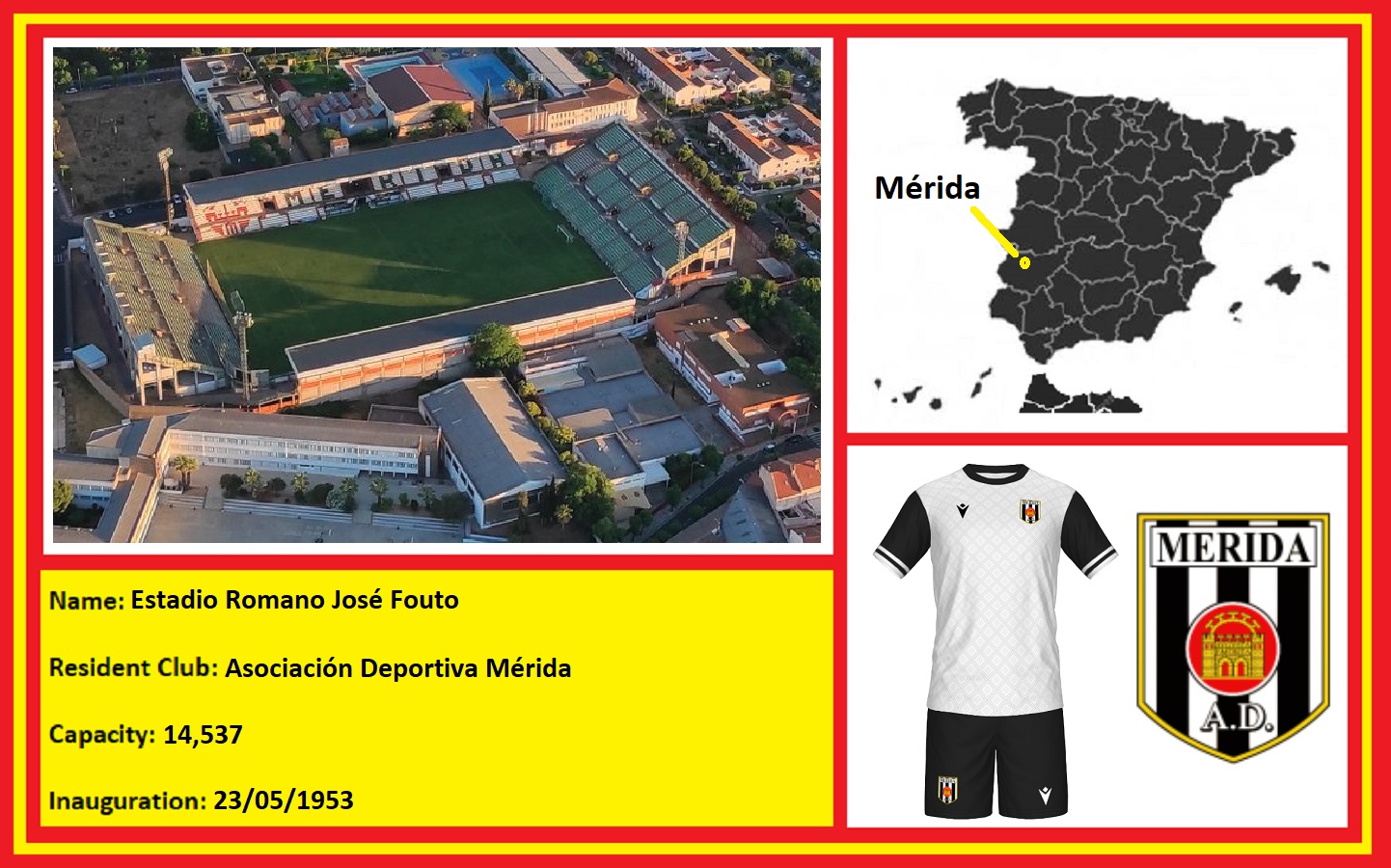
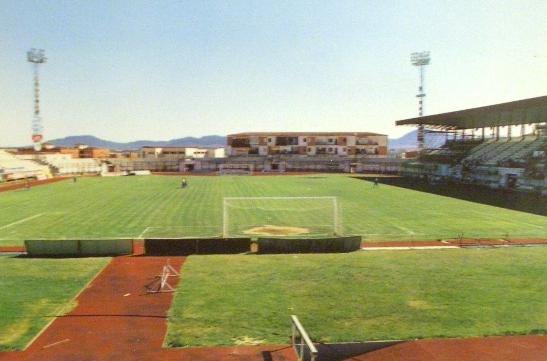
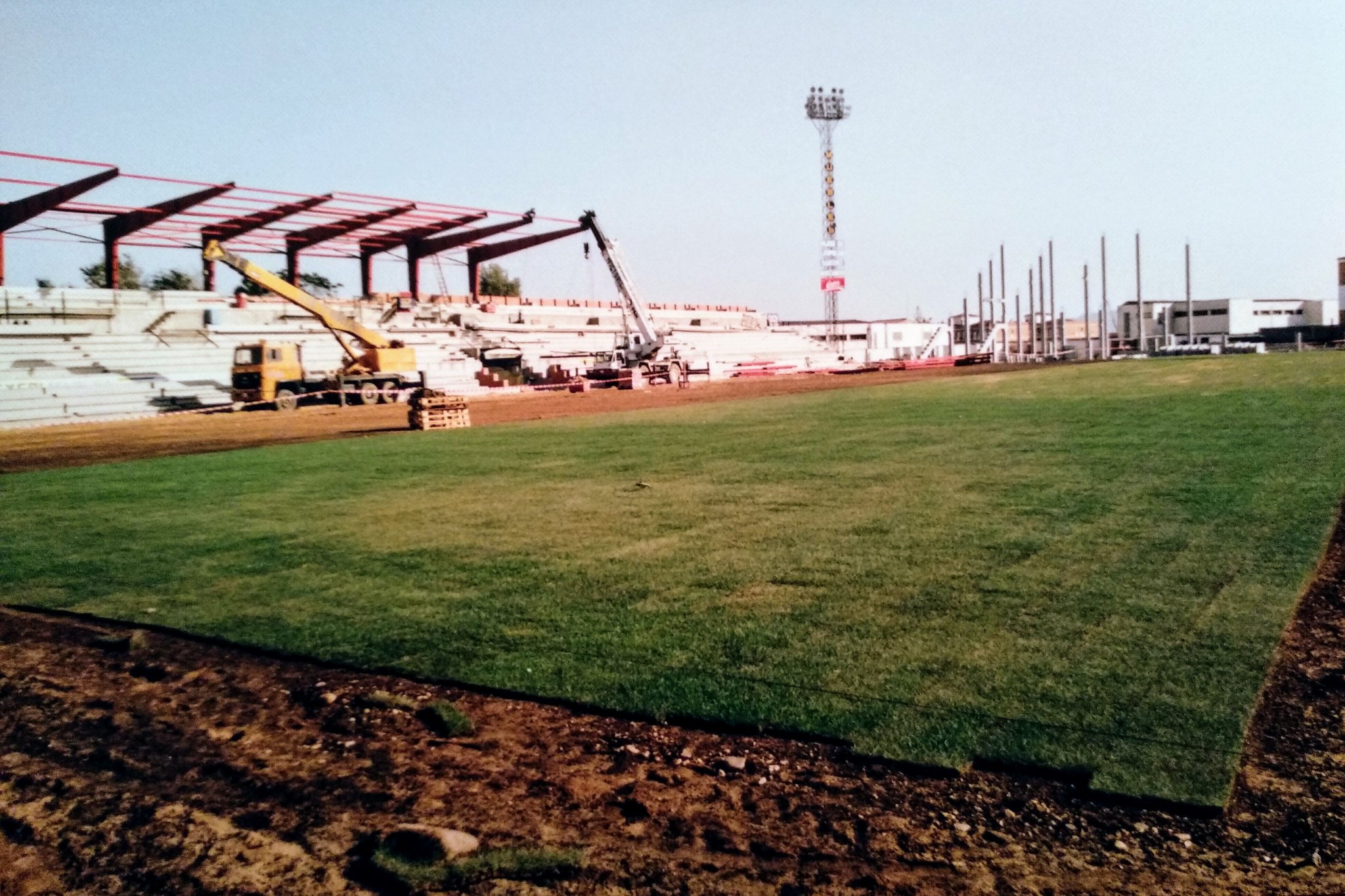
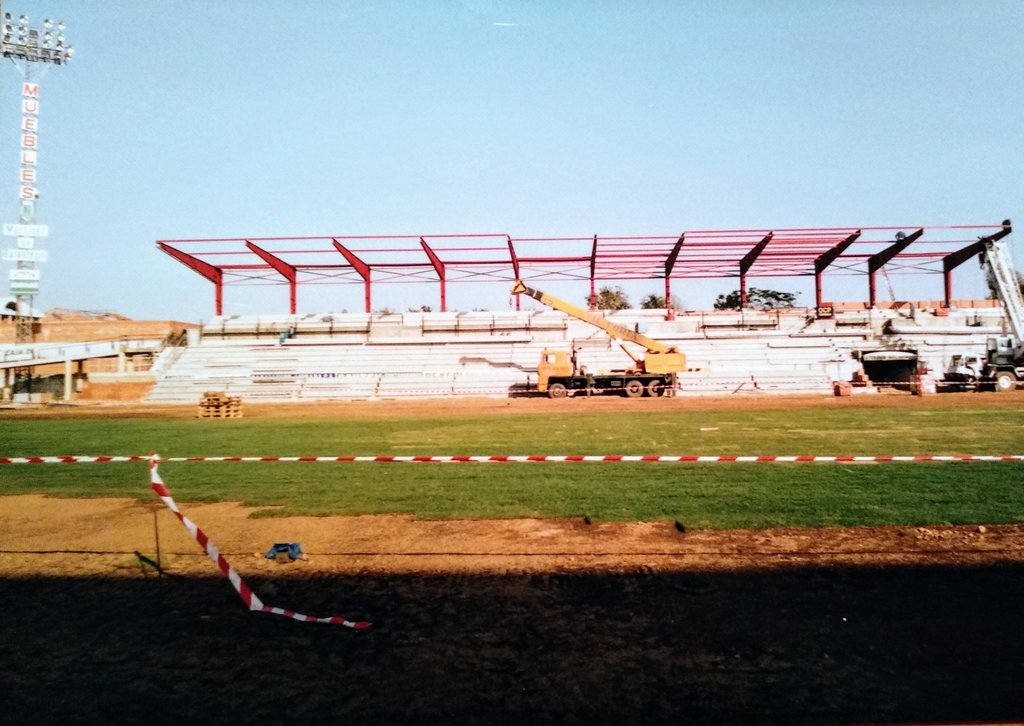
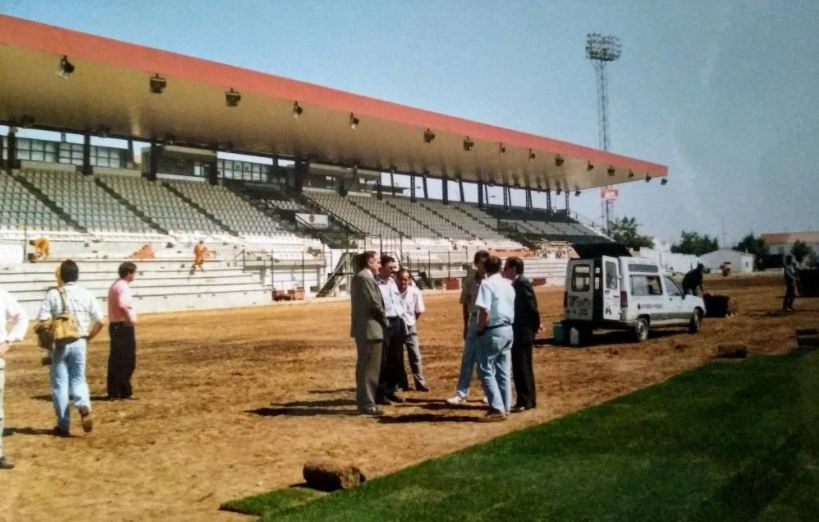
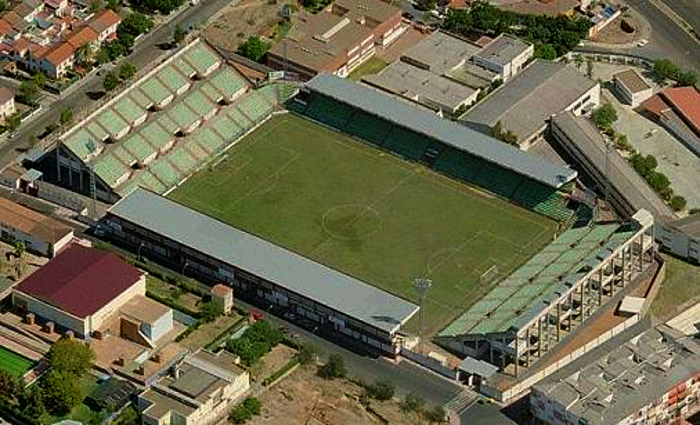
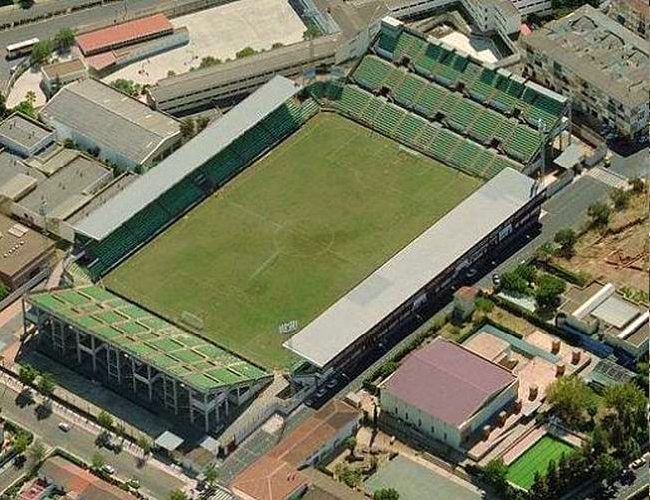
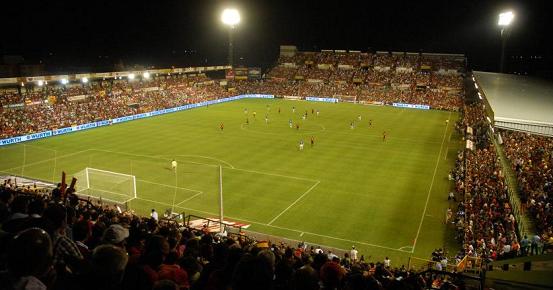
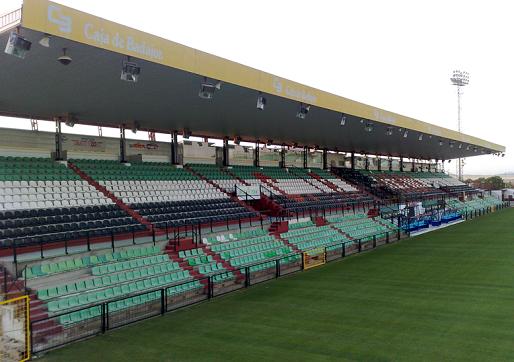
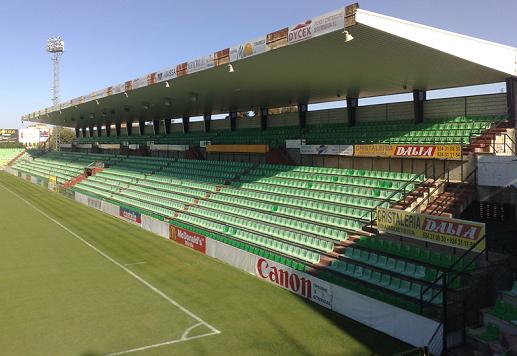
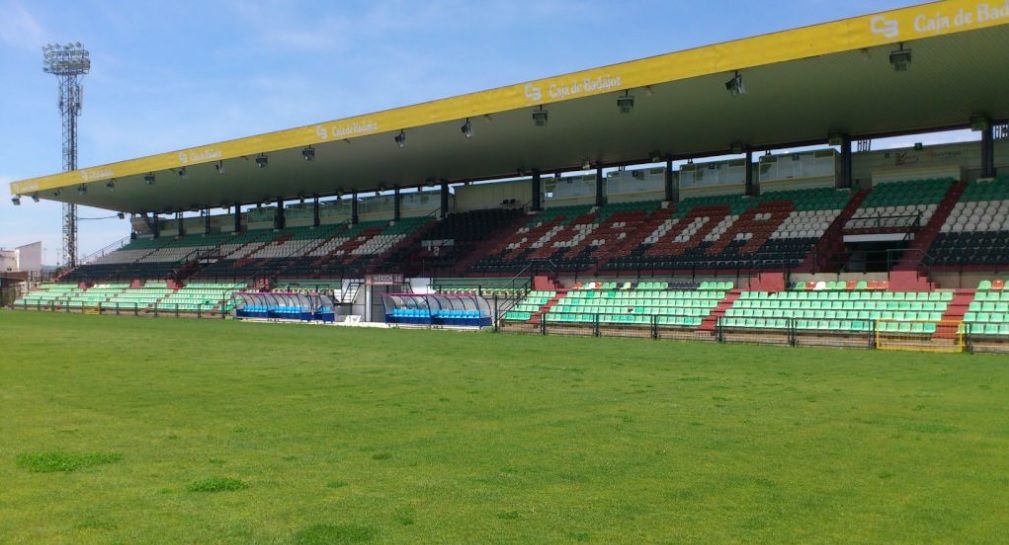
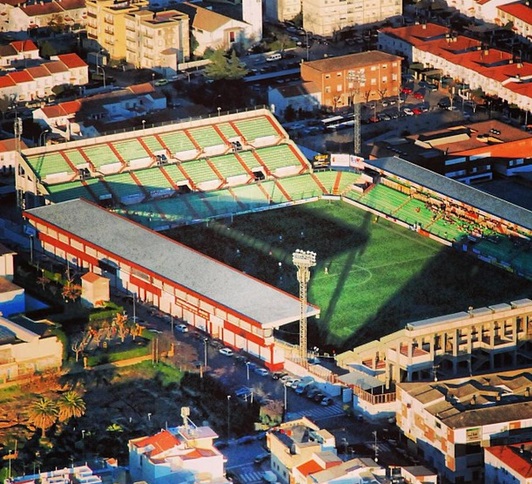
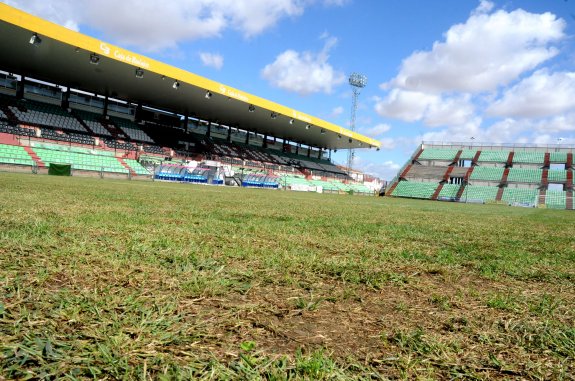
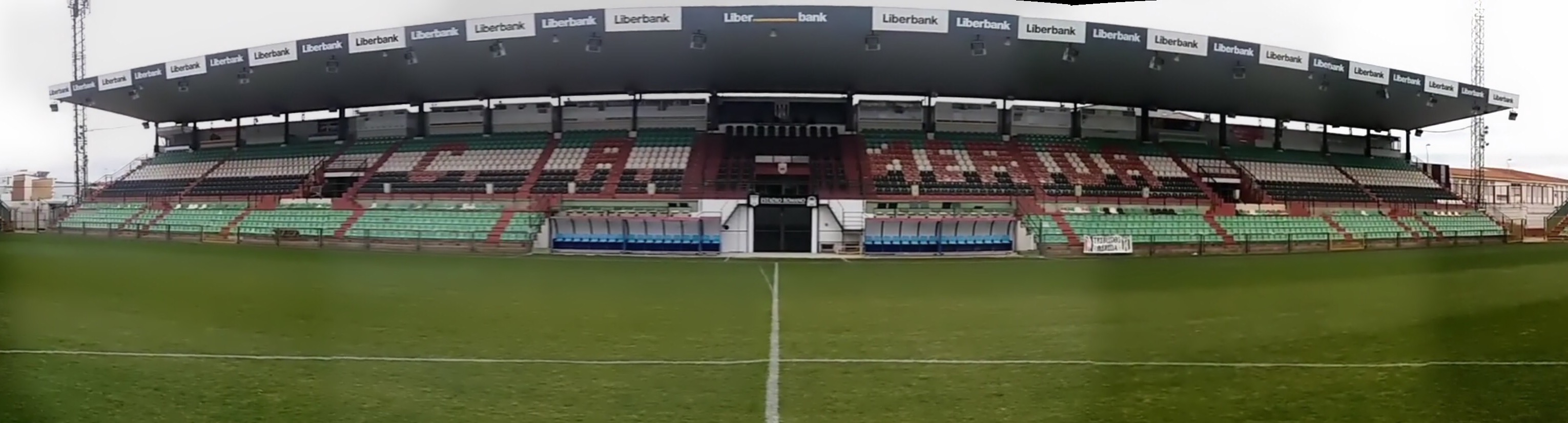
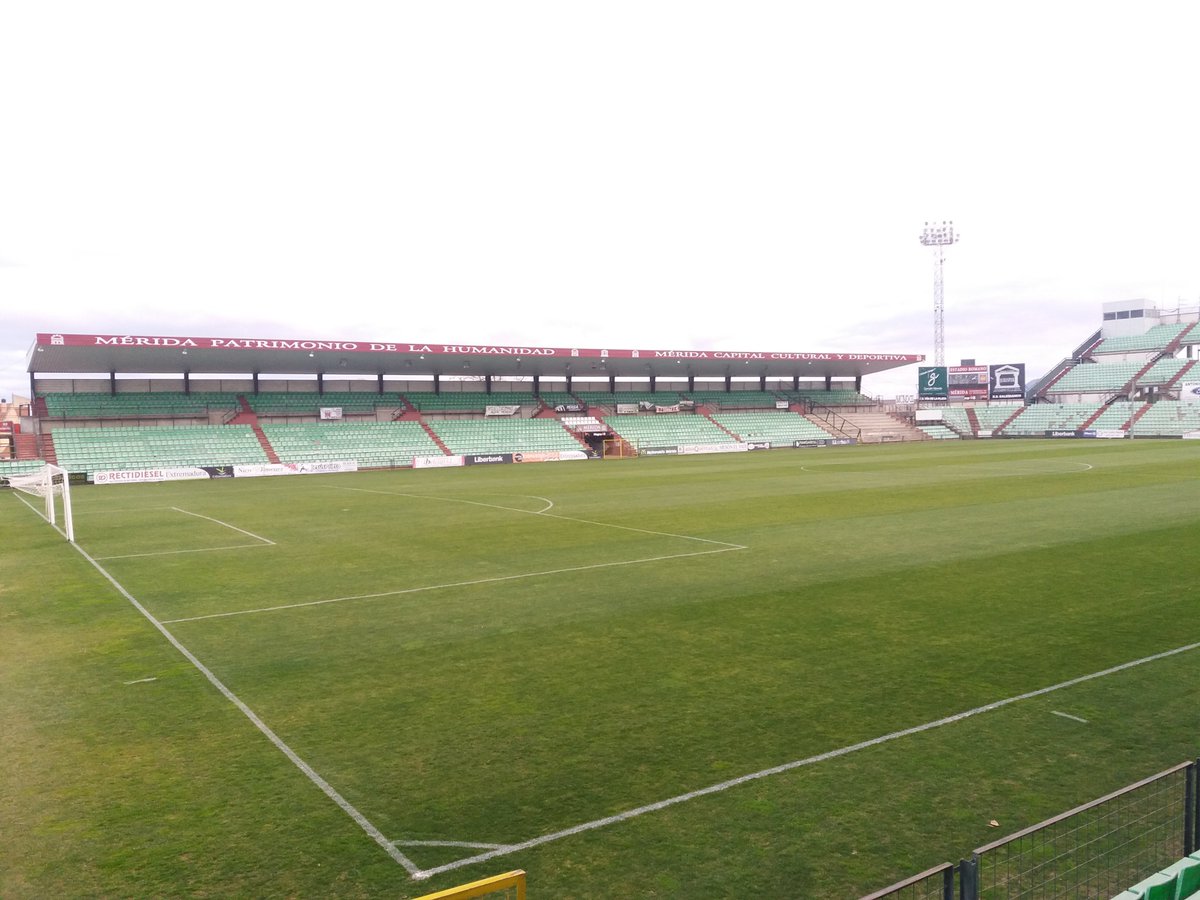
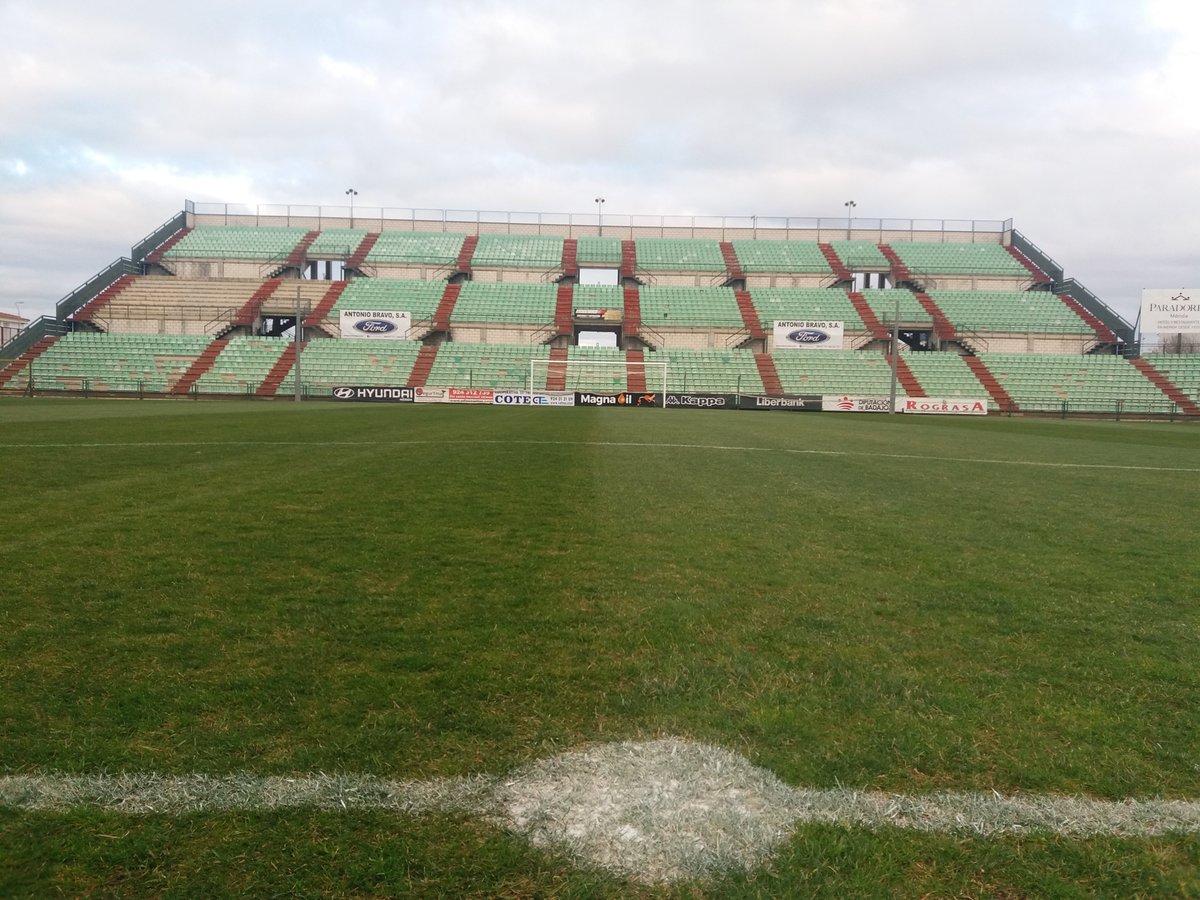
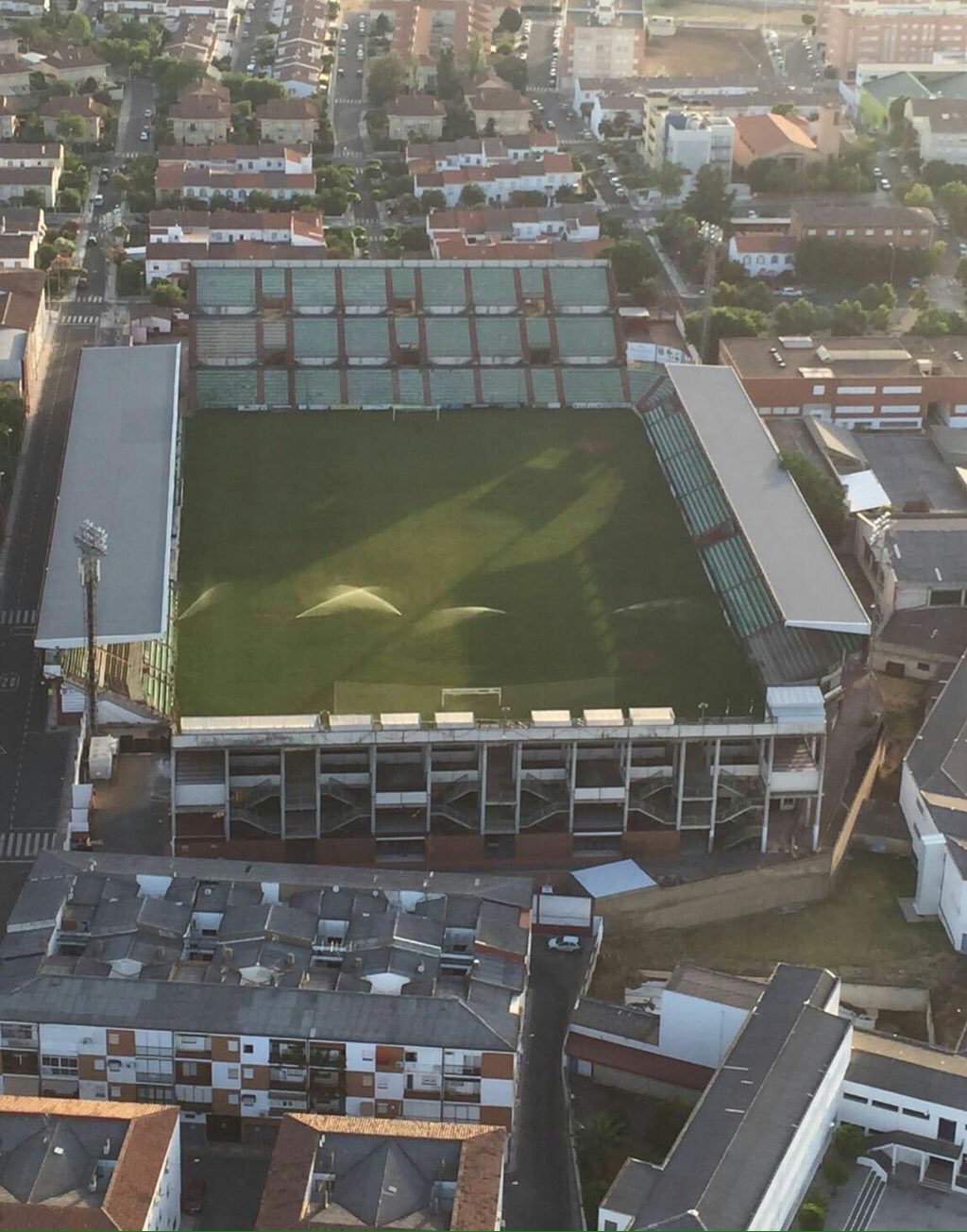
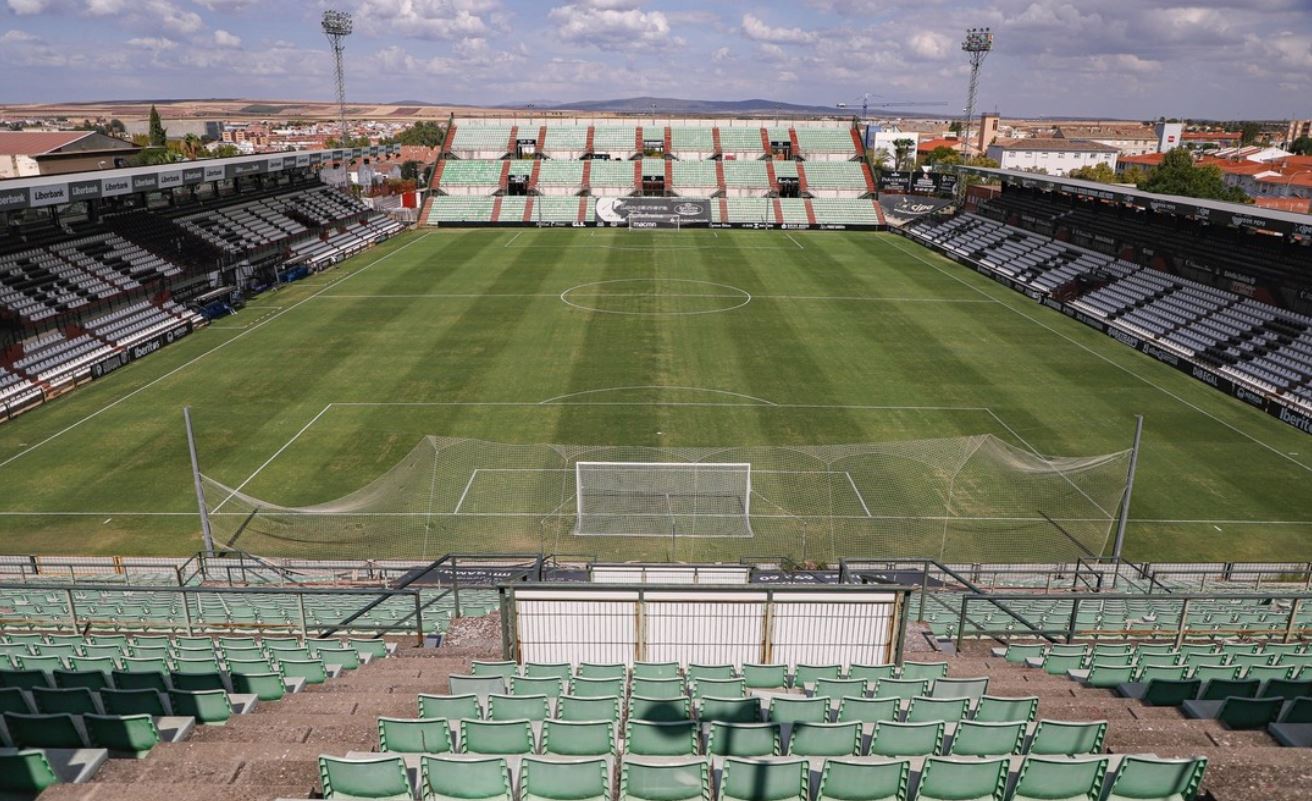
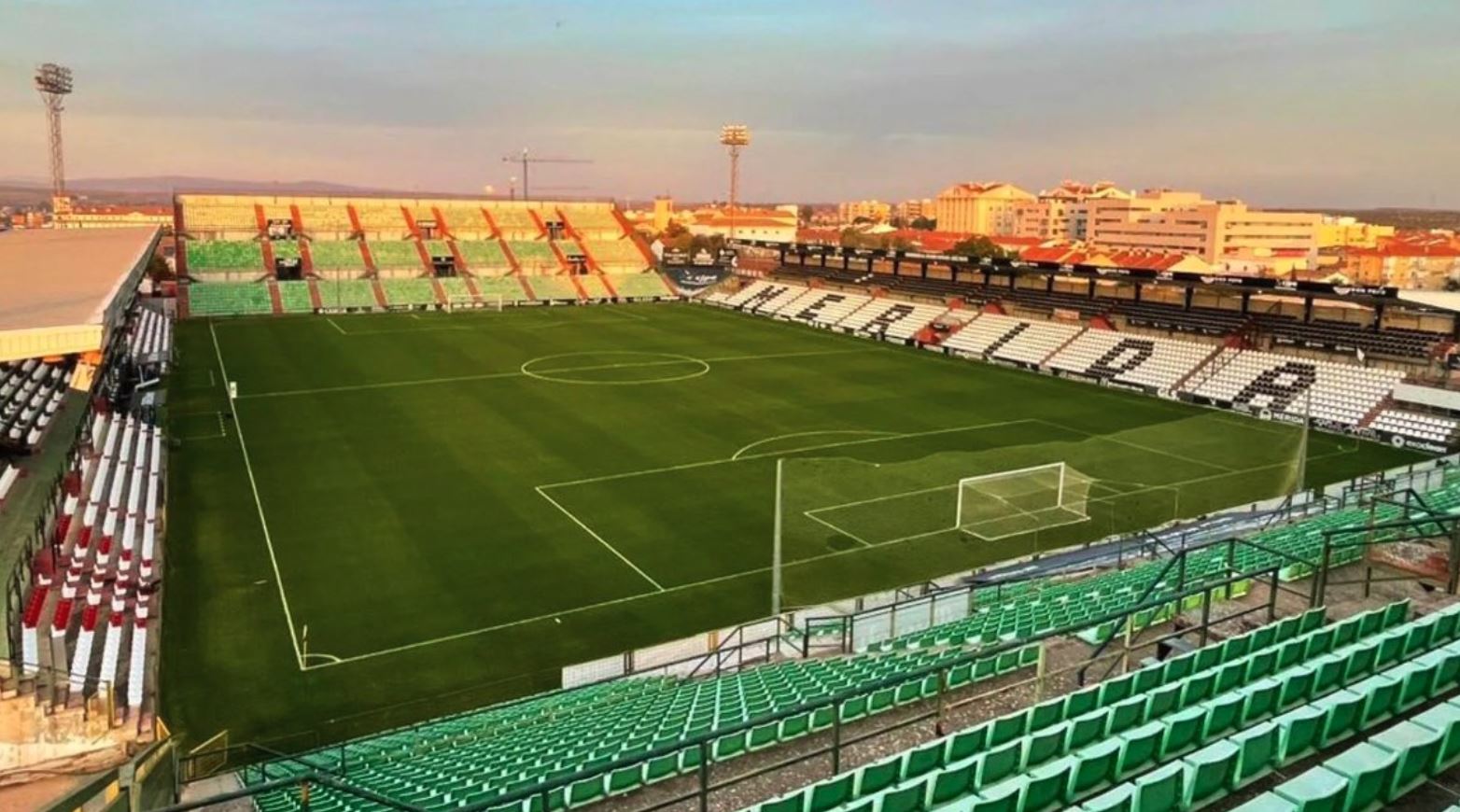
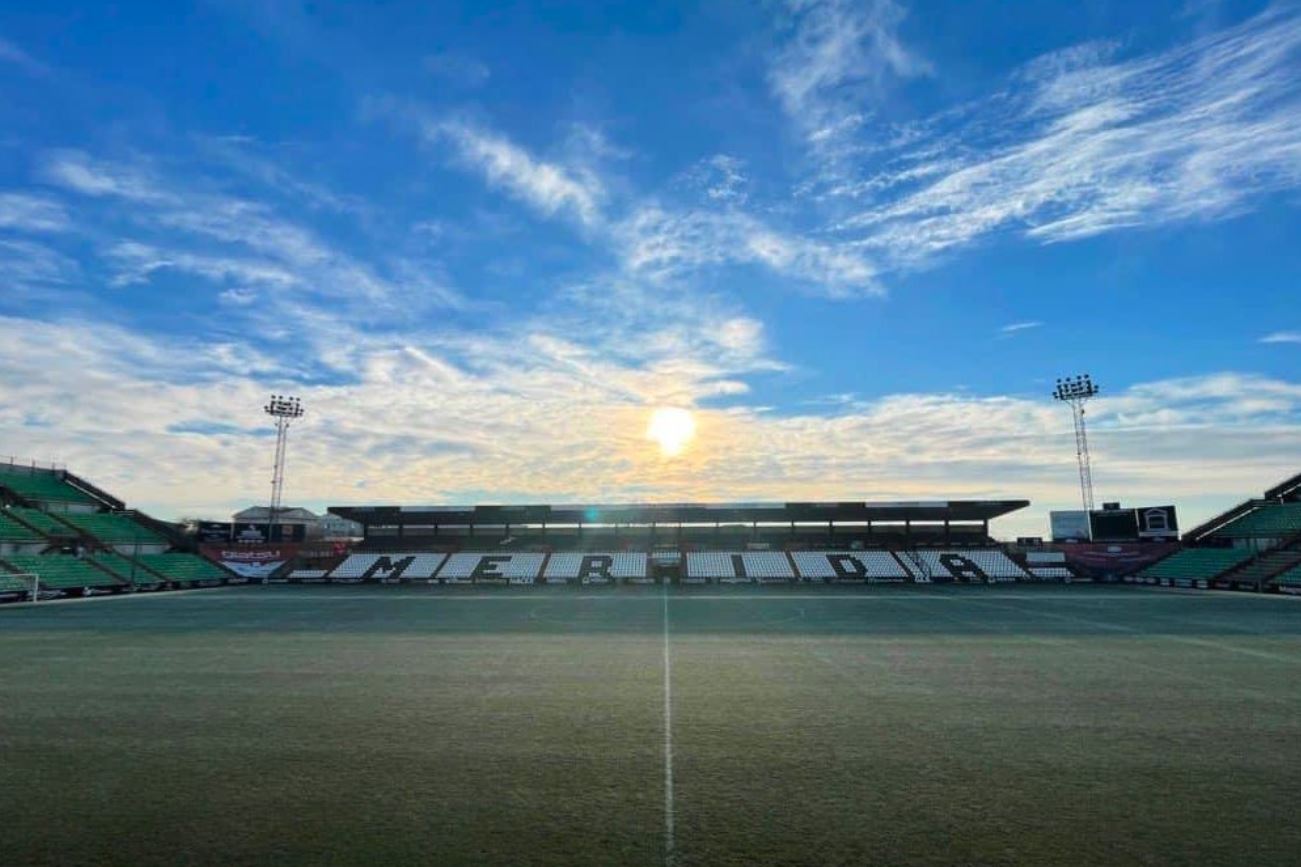
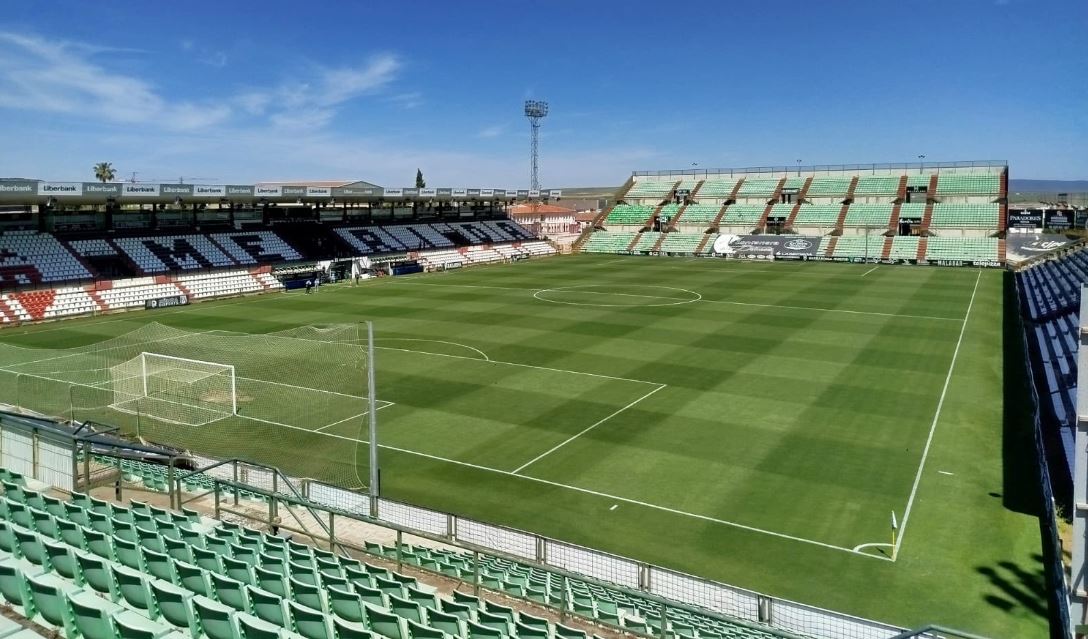
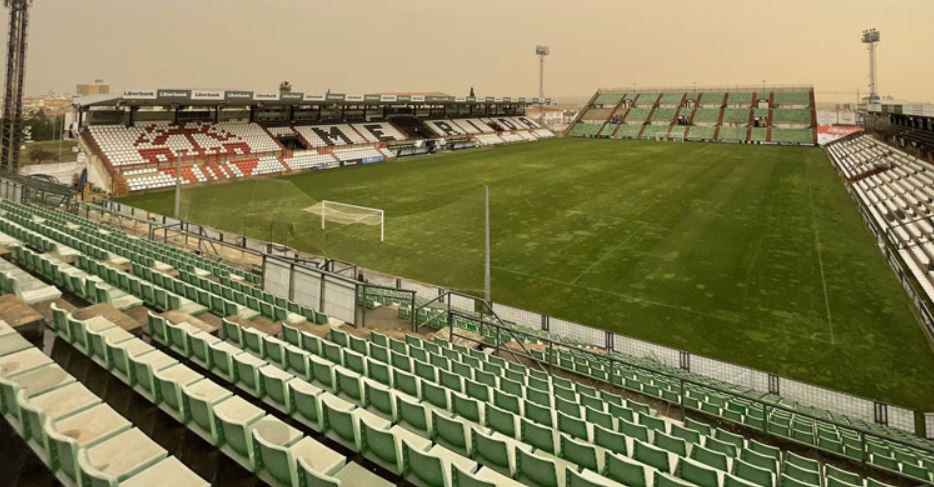
It was here that José Fouto’s investment really kicked in. Reinforcements to the squad saw Mérida finish seventh, and thanks to Fouto’s money, the club converted to a limited company in 1992, changing its title to Club Polideportivo Mérida SAD in the process. Two ninth-place finishes followed before the club embarked on its most memorable campaign. The 1994-95 season saw Mérida record 23 wins, 10 draws and just five defeats on the way to winning the title. In doing so, they became the first club from the region of Extremadura to compete in La Primera. As a result of the club’s success, the local government, with Fouto’s prompting, set about rebuilding the basic stadium. The original oval layout was changed to a conventional square-sided format. A roof had been added to the west stand when the club reached La Segunda, and an additional cover was added to the eastern side during the summer of 1995. The project was not without problems, as excavating the pitch led to the discovery of Roman pottery and a graveyard. The build was completed with the addition of large open seated banks at either end of the stadium and was ready in time for its La Liga debut against Real Betis on 3 September 1995.
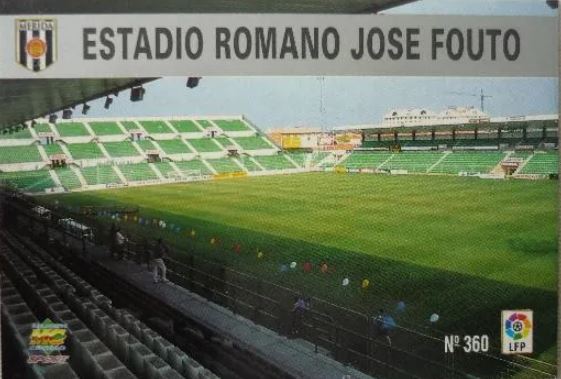
Maybe the re-build side-tracked Mérida & Fouto, as the squad for that first season in La Primera was not strong enough and the club returned to La Segunda after just one season. Undeterred, Mérida re-grouped and claimed a second La Segunda title in 1997. To mark the return to the top flight, the Estadio Municipal was re-christened Estadio Romano José Fouto and the close season saw the assembly of what appeared to be a decent squad. Unfortunately, the result was the same and Mérida was automatically relegated back to the second tier. The drop brought with it a downturn in attendance and during the 98-99 season, stories began to emerge that indicated problems with the club’s finances. A 10th-place finish was followed by a top-six placing in what was to be Club Polideportivo Mérida’s last-ever season. With debts of 1,500 million pesetas and Fouto’s empire crumbling around him, the club folded on 1 September 2000. Earlier that summer, fearing the imminent closure of the club, the reserve side UD Mérida Promesas, was registered as a separate entity. Renamed Mérida Deportiva, they clocked up seven seasons in Segunda B. However, like its predecessor, it also hit financial problems, was relegated to the Tercera in 2009, and folded in the summer of 2013. Mérida Asociación Deportiva was formed almost immediately and bought the place vacated by Mérida Deportiva. Promotion to Segunda B was secured in 2015, and despite a blip that saw a season-long stay back in the Tercera in 2018-19, the club came back stronger, eventually winning promotion to the Primera Federación in 2022 following playoff wins over CD Palencia Cristo Atlético & CD Teruel.
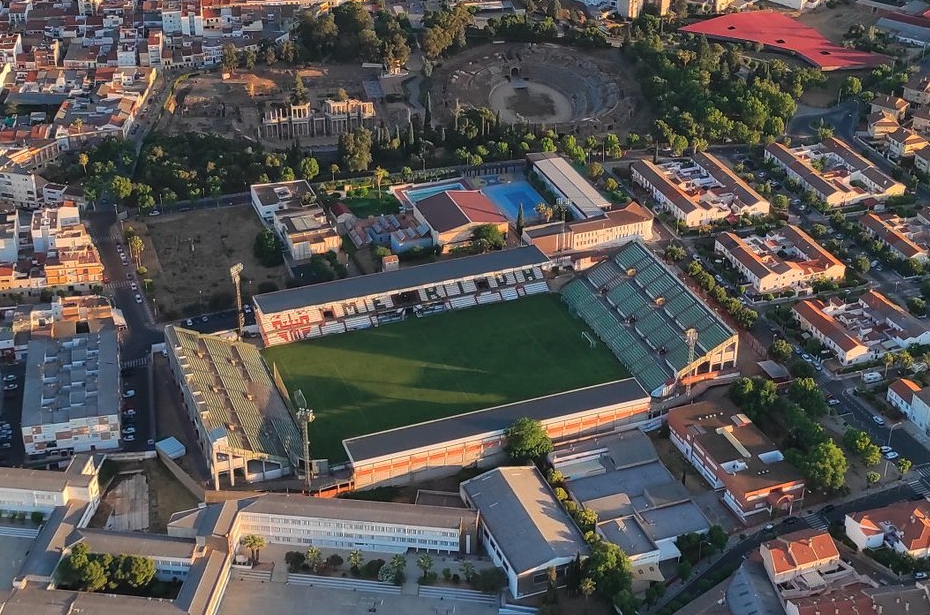
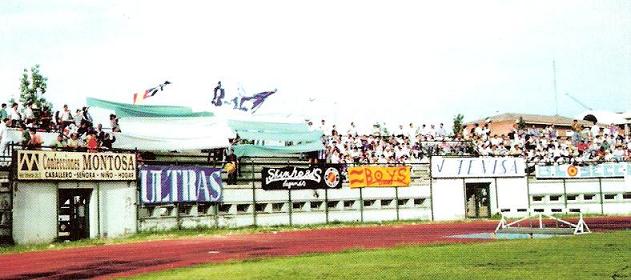
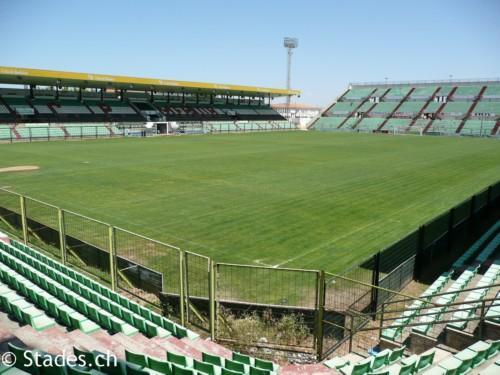
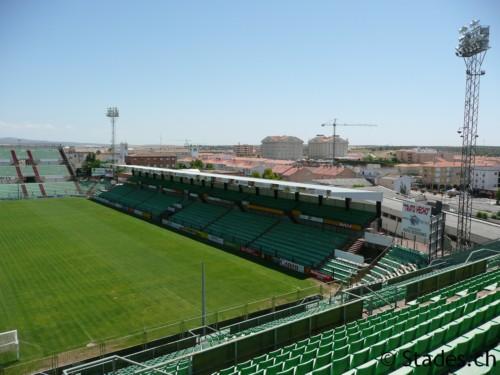
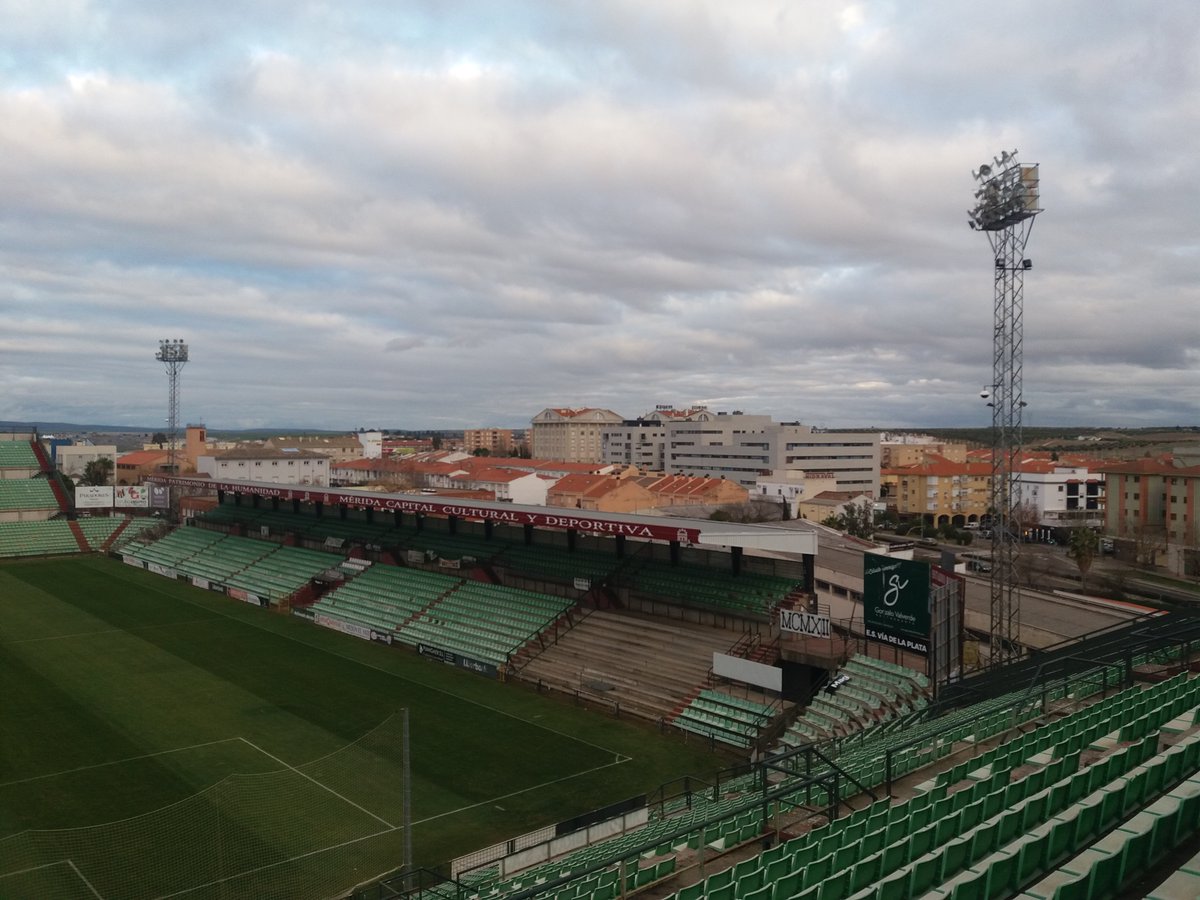
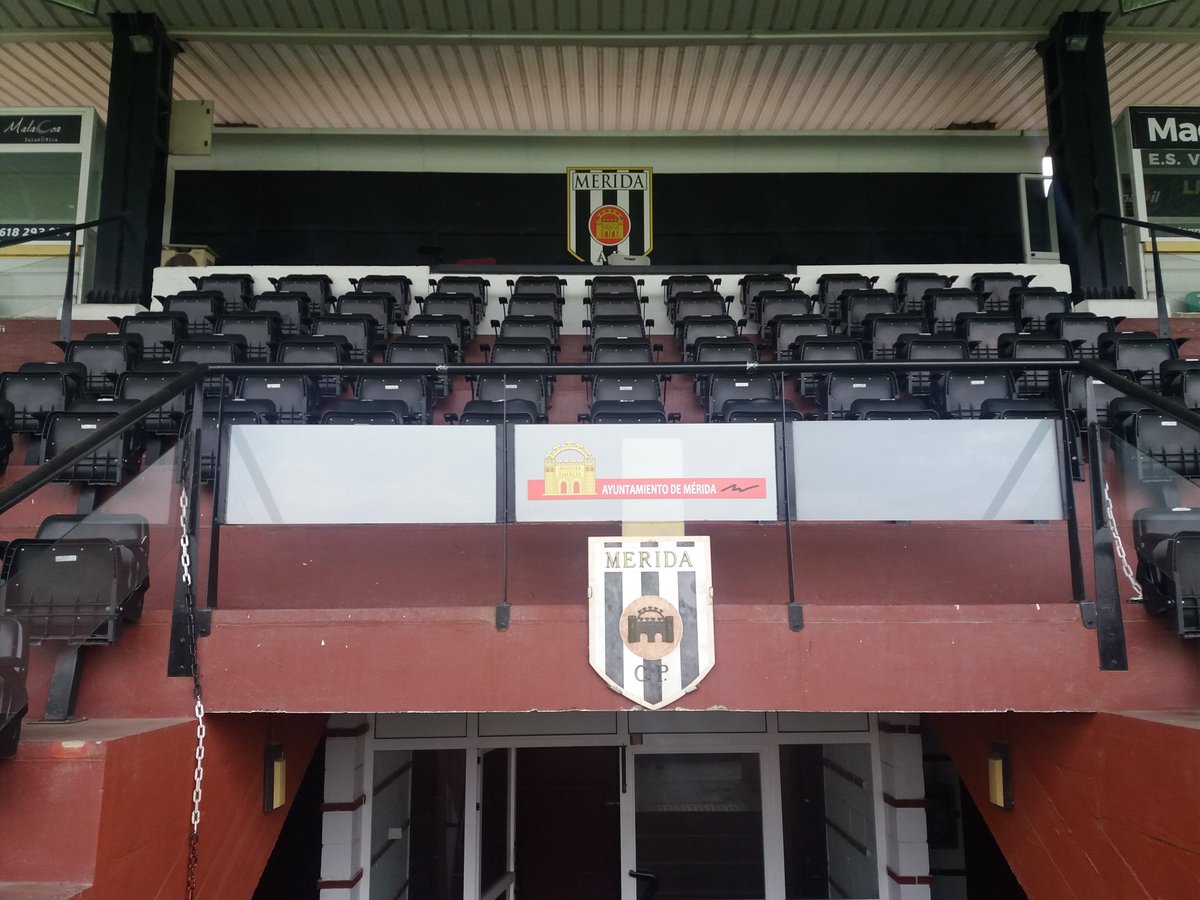
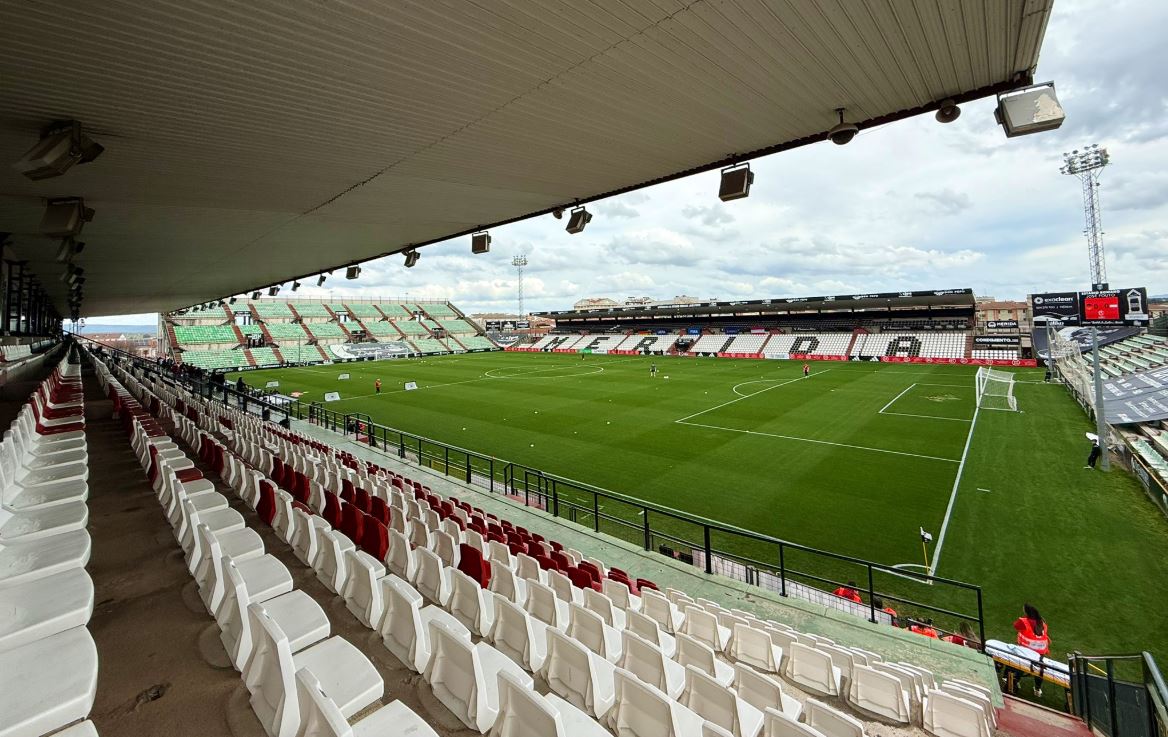
The Estadio Romano is the second largest stadium in Extremadura with a capacity of 14,537, which is a decent size for a city with a population of 58,000. The pitch runs on a southwest-northeast axis, with the slightly older western tribuna holding 3,107. On the opposite eastern side stands the covered preferencia, which has a slightly smaller capacity of 3,000. The north and south banks are essentially large open decks that hold 4,335 & 4,164 respectively. During the club’s initial stay in La Primera, the lower section of the southern bank had a standing area. On 7 January 1996, a record crowd of 18,000 watched the 2-2 draw with Real Madrid. La Selección visited in September 2009 and beat Estonia 3-0 in a qualifier for the 2010 World Cup. It has also hosted two U-21 internationals and the finals of the Women’s Copa de Reina (2018) & Supercopa (2023).
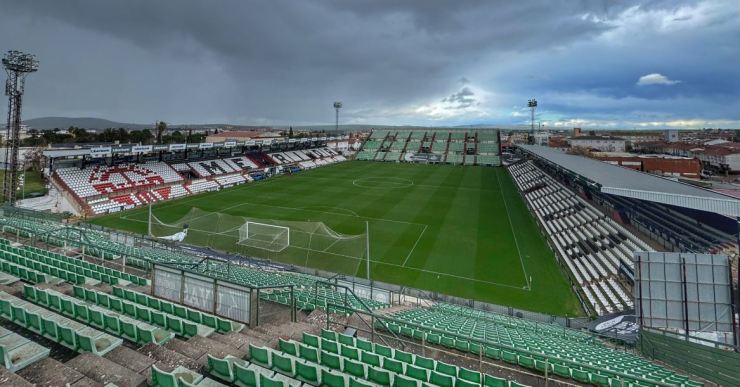
The Estadio Romano is strikingly similar to the Estadio Francisco de la Hera which lies just 20 miles down the road in Almendralejo. Both are confined by streets that run parallel to narrow main stands, which in turn means that the majority of the seating is behind the goals. The comparisons don’t end there. CP Mérida and CF Extremadura lived the dream but paid the ultimate price. However, few have witnessed as rapid a rise and fall as the club from Spain’s Roman city.


 Estadios de España